厚生労働科学研究委託費
新興・再興感染症に対する革新的 医薬品等開発推進研究事業
(アジアの感染症担当研究施設とのラボラトリーネットワークの促進と共同研究体制の強化に関する研究)
委託業務成果報告書
Clostridium difficile感染症の細菌学的検査システムとタイピング・システムの確立、および
アジアにおけるC. difficile感染症分子疫学への応用
Establishment of a scheme for laboratory diagnosis and typing analysis for Clostridium diffiicle infection (CDI) and application of it to epidemiological study of CDI in hospitals in Asia
担当責任者 加藤はる(国立感染症研究所 細菌第二部)
Haru Kato (Department of Bacteriology II, National Institute of Infectious Diseases)
【研究要旨】ベトナム、ハノイ市内の4医療施設における下痢患者から分離された Clostridium difficile22株について解析した。Toxin A陽性toxin B陽性binary toxin陰性株 が 12株、toxin A陰性toxin B陽性binary toxin陰性株が10株認められた。最も頻繁に 認められたタイプはPCR ribotype 017/slpA sequence type 017であり、調べた4施設で少 なくとも1株は分離された。Toxin A陽性toxin B陽性binary toxin陰性株では、5株が PCR ribotype og39/slpA sequence type og39-01にタイプされた。本タイプは香港において 2番目に優勢なタイプとして報告され興味深い結果と考えられた。
日本の15医療施設より非アウトブレイク時に分離された120株、および2医療施設 におけるアウトブレイク時に分離された39株について検討した。最も優勢であったの は PCR ribotype smz/ysmz(toxin A陽性toxin B陽性binary toxin陰性)で39.2%をしめ、
PCR ribotype trf(toxin A陰性toxin B陽性binary toxin陰性)が15.8%、さらに、PCR ribotype 002 (13.3%)、PCR ribotype 014 (10.8%)が続いた。PCR ribotype smz/ysmzおよびPCR
ribotype trfは、調べた2病院のアウトブレイク時において同時に流行株になっていたこ
とが明らかになり、 type smz/ysmzとtype trfはendemic株であると同時に、epidemic 株であることがわかった。
平成27年2月2日から5日まで、National Institute of Hygiene and EpidemiologyのDr.
Vu Thi Thu Huongが来日し、主にタイピング解析について技術移転を行った。
【Summary】A total of 22 Clostridium difficile recovered from 4 healthcare facilities in Hanoi were analyzed. Of these, 12 and 10 were A-positive, toxin B-positive, binary toxin-negative, and toxin A-negative, toxin B-positive, binary toxin-negative, respectively. The most predominant type was PCR ribotype 017/slpA sequence type 017, and at least one isolate of this type was found in each of the 4 hospitals examined. Among toxin A-positive, toxin B-positive, binary toxin-negative isolates, 5 were typed as PCR ribotype og39/slpA sequence type og39-01, which was reported to be the second predominant type in Hong Kong.
A total of 120 C. difficile isolates collected from 15 different Japanese hospitals in non-outbreak settings, and 39 isolates from outbreaks in two Japanese hospitals were analyzed.
Among these isolates, PCR ribotype smz/ysmz (toxin A-positive, toxin B-positive, binary toxin-negative) was most frequently identified (39.2%), followed by PCR ribotype trf (toxin A-negative, toxin B-positive, binary toxin-negative) (15.8%), PCR ribotype 002 (13.3%) and PCR ribotype 014 (10.8%). Types smz/ysmz and trf concurrently caused outbreaks in both of the hospitals examined. The PCR ribotypes smz and trf were identified as major types not only circulating in but also causing outbreaks in Japan.
Dr. Vu Thi Thu Huong (National Institute of Hygiene and Epidemiology, Hanoi) visited National Institute of Infectious Diseases, Tokyo from 2nd to 6th February 2015, and attended at a training course for laboratory tests for C. difficile infection.
担当協力者 妹尾充敏 Mitsutoshi Senoh 福田靖
Tadashi Fukuda 柴山恵吾
国立感染症研究所 細菌第二部
Department of Bacteriology II, National Institute of
Keigo Shibayama Infectious Diseases Vu Thi Thu Huong
Tăng Thị Nga Lê Thị Trang
Department of Bacteriology National Institute of Hygiene and Epidemiology
(NIHE), Hanoi, Viet Nam
A. 研究目的
Clostridium difficileは抗菌薬関連下痢症・腸炎の主
要な原因菌である。加えて、本菌は医療関連感染の 原因として重要であり、院内アウトブレイク発生が しばしば認められ、米国CDCからは”urgent threat”と して警告されている。
2000年以降、欧米でのC. difficile感染症(CDI)症例 数の急激な増加に伴い、高病原性株 BI/NAP1/027 の 分離率が急増したことが注目されている。Whole
genome sequenceによる解析から、フルオロキノロン
耐性遺伝子獲得ととともに、本 BI/NAP1/027 株が世 界中に広がっていったことが明らかにされ、2 lineage の存在が報告されているが、興味深いことにどちら の lineageも北米がその起源と考えられている。
一方、日本では、BI/NAP1/027による感染症例は散 発事例しか認められていないが、BI/NAP1/027株では ない特定のタイプの菌株が複数の医療施設で流行 株・優勢株として認められている。この結果からア ジアでは、北米やヨーロッパとは異なる菌株が流行 している可能性が示唆された。日本以外では、韓国 や香港、中国などから分子疫学について報告がなさ れているが、ベトナムにおいては、そもそもC. difficile 感染症の検査がなされていないので、まったく情報 がない。
本研究では、まずベトナムの Department of Bacteriology National Institute of Hygiene and
Epidemiology (NIHE)においてC. difficile細菌学的検 査および分離菌株のタイピングを行うシステムを整 え、さらに、ハノイ市の協力医療施設入院症例から 分離されたC. difficile菌株の解析を開始する。一方で、
日本の医療施設で分離された最近の菌株について検 討し、あわせて、アジアにおけるCDI感染実態を調 査する足がかりとする。
開発してきたReverse transcription polymerase chain
reaction (RT-PCR)を用いた、新しい細菌学的検査法に
関して論文報告した。
B. 研究方法
1. NIHE研究室におけるC. difficile細菌学的検査シ ステムおよびタイピング・システムの構築とハノ イにおけるCDI分子疫学
(a) ハ ノ イ 市 内 の National Geriatric Hospital (NGH)、Tropical Infectious Hospital (TIH)、
Bach Mai Hospital (BMH)、Đống Đa Hospital
(DDH)の4医療施設でCDI疑い患者からの
検体においてNIHEにおいて分離されたC.
difficile 37菌株がNIIDに送付され、同定確
認と毒素遺伝子検出を行った。
(b) さらに、上記37菌株のうち、toxin B陽性 株について、PCR ribotypingと slpA sequence
typingによるタイピング解析を行った。
(c) 平成 27年2月2日から2月6日まで、NIHE の共同研究者が来日し、主にタイピング法 に関して、技術移転を行った。
2. 日本の医療施設におけるCDI分子疫学
(a) 平成 23年度と平成24年度の2年間におい て、日本の医療施設 15施設において、CDI 症例 5-10例を無作為に選び、分離株を収集 した。
(b) 15医療施設のうち2医療施設で、それぞれ 平成 21年および平成22年にアウトブレイ ク発生が認められ、得られた計39株につい て検討した。
3. 新しい細菌学的検査法の開発
RT-PCRによる検査法の開発・評価について論文に
まとめ、投稿した。
倫理面への配慮
「Clostridium difficile医療関連感染に関する研究」は 国立感染症研究所ヒトを対象とする医学研究倫理審 査委員会において承認された(受付 114)。ベトナム
では NIHEの倫理審査委員会で承認された。
C. 結果
1. NIHE 研究室におけるC. difficile 細菌学的検査 システムおよびタイピング・システムの構築と ハノイにおけるCDI分子疫学
(a) NIHEより送付された37菌株は、すべてC.
difficileであることを確認した。PCRによる
毒素遺伝 子検出を行 ったところ 、binary
toxin 遺伝子陽性株は認められなかった。
Toxin A陽性toxin B陽性が13株、toxin A 陰性toxin B陽性株が11 株、toxin A陰性
toxin B陰性株が13株であった。
(b) 上記37株中toxin B陽性24株のうち、toxin A陰性toxin B陽性株で1株、toxin A陰性
toxin B陽性株で1株は、同じ検体から分離
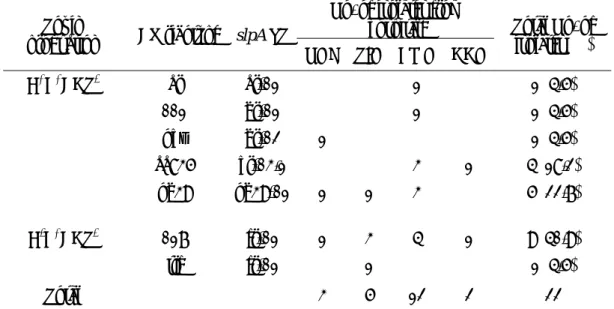
され同じタイプであったため、表には、22 株におけるタイピング結果をまとめた。本 22株は7タイプに分けられた。もっとも優 勢であったのは、toxin A陰性toxin B陽性 株の PCR ribotype 017/slpA sequence type fr-01 で、22 株中9株(40.9%)であった。本 タイプ菌株は4施設すべてに認められた。
Toxin A 陽性 toxin B 陽性株では、 PCR ribotype og39/slpA sequence type og39-01が 5株(22.7%)認められ、NGH、TIH、BMHの 3医療施設からの検体において分離された。
(c) 共同研究者である Dr. Vu Thi Thu Huong が、平成 27年2月2日から6日まで5日 間にわたって、国立感染症研究所村山庁舎 で実験を行うとともに、今後の共同研究に ついて打ち合わせを行った。
2. 日本の医療施設におけるCDI分子疫学
(a) 15 医療施設において、アウトブレイクで はない状況で分離された計 120 株につい
て検討を行った。Toxin A陽性toxin B陽性 binary toxin陰性PCR ribotype smz/ysmzが 最優勢であり、15 病院すべてで分離が認 められた。Toxin A陰性toxin B陽性binary toxin陰性株はすべて PCR ribotype trfにタ イプされ、2番目に優勢であった。PCR ribotype 002およびtype 014が続いて頻繁 に分離され、以上4タイプが120株中 95
株(79.2%)をしめた。北米や英国で問題
となっている PCR ribotype 027 株は1株 認められたのみであった。また、ハノイ分 離株で複数株認められたtype og39は120 株中2株、cc835は1株認められた。
(b) 2医療施設におけるアウトブレイクでは、
ど ち ら の 医 療 施 設 に お い て も PCR ribotype smz/ysmzおよびPCR ribotype trf が、同時に流行していた。
4. 新しい細菌学的検査法の開発
Microbiol Immunolに論文が掲載された。
D. 考察
ハノイ分離株では、toxin A陰性toxin B陽性株が22 株中 10株と優勢で、そのなかでも、PCR ribotype 017 株が9株を占めたことは注目すべきであった。PCR
ribotype 017株は、ポーランド、アイルランド、韓国、
アルゼンチン等で、アウトブレイク流行株として報 告され、ハノイ医療施設におけるアウトブレイクの 可能性が示唆された。ハノイ分離株のうち toxin A 陽 性 toxin B 陽 性 株 で PCR ribotype og39/slpA sequence type og39 が最優勢(22.7%)であった。PCR ribotype og39/slpA sequence type og39株は、日本の非 アウトブレイク株では、120 株中2株であったもの の、今までの我々の検討で 1990 年代より散発的に 認められている。香港からは、 PCR ribotype 002に
続いてslpA sequence type og39株が、2番目に優勢で
あったと報告されている。PCR ribotype og39/slpA
sequence type og39株が、アジアで重要なタイプであ
る可能性が考えられた。現在のところ、ハノイ分離 株は検討菌株数が少ないため、さらに菌株数を増や して解析する必要があると考えられた。
日本の医療施設からの分離株では、 PCR ribotype
smz/ysmzが最優勢で、非アウトブレイク株の39.2%
を占めた。さらに、アウトブレイク時でも、2医療 施 設 で そ れ ぞ れ 42.9%、50.0%が PCR ribotype
smz/ysmz であることから、本タイプは日本では
endemicでもありepidemicでもあることが明らかと
なった。PCR ribotype smzは、 1990年代より日本の 医療施設では CDI 症例より認められている。本タ イプが、今回検討したベトナム分離株には認められ なかった点は注目すべきであった。また、toxin A陰
性 toxin B 陽性株では、ベトナムをはじめ、ポーラ
ンド、アイルランド、韓国、アルゼンチン等で問題
となっている 017株ではないタイプ、 PCR ribotype trf が優勢株/流行株となっていることが興味深い 点であった。
E. 結論
ハノイ市内の医療施設では、海外でアウトブレイ ク菌株として報告されている PCR ribotype 017 株
(toxin A陰性toxin B陽性)が優勢であった。Toxin A
陽性toxin B陽性菌株では、欧米で流行株・優勢株と
して報告されていないタイプが優勢である可能性が 示された。
日本においては、PCR ribotype smz/ysmz(toxin A 陽性toxin B陽性)とPCR ribotype trf(toxin A陰性toxin B陽性)の2タイプが、優勢株・流行株であった。
F. 健康危機情報
北米を起源とする PCR ribotype 027株が世界中に
広がり、 CDIの疫学に大きな影響を及ぼしたように、
ベトナムや日本をはじめとしたアジアを起源とする
「アジアに特有の高病原性株」の存在を調べる必要 があると考えられた。特に抗菌薬適正使用や適切な 感染対策がなされていないベトナムでのCDI分子疫 学解析は重要と考えられた。
G. 研究発表
1. 論文発表
① Senoh M, Kato H, Murase T, Hagiya H, Tagashira Y, Fukuda T, Iwaki M, Yamamoto A, Shibayama K.
2014. Reverse transcription polymerase chain reaction-based method for selectively detecting vegetative cells of toxigenic Clostridium difficile.
Microbiol Immunol 58: 615-620.
② Nishimura S, Kou T, Kato H, Watanabe M, Uno S, Senoh M, Fukuda T, Hata A, Yazumi S. 2014.
Fulminant pseudomembranous colitis caused by Clostridium difficile PCR ribotype 027 in a healthy young woman in Japan. J Infect Chemother 20:
729-731.
1. 学会発表
① 加藤はる 教育講演4 Clostridium difficile感 染症について. 第88回日本感染症学会学術講 演会 2014年6月 福岡
② Kato H. 国際シンポジウムAll about Clostridium difficile infection in the world「What is going on about Clostridium difficile infection in Japan?」 第 45回日本嫌気性菌感染症学会 2015年2月 東 京
H. 知的財産権の出願・登録状況 なし
A+B+CDT-, toxin A
陽性
toxin B陽性
binary toxin陰性; A
-B+CDT-, toxin A陰性
toxin B陽性
binary toxin陰性
; slpA ST, slpA sequence type; NHG, National Geriatric Hospital; TIH, Tropical Infectious Hospital; BMH, Bach Mai Hospital; DDH, Đống Đa Hospital.TABLE 1. Typing results of 22 C. difficile isolates recovered from 4 hospitals in Hanoi
Toxin
production PCR ribotype slpA ST
No. of isolates from
hospital: Total No. of isolates (%) NHG TIH BMH DDH
A+B+CDT- cr cr-01 1 1 (4.5)
001 gr-01 1 1 (4.5)
okz gr-02 1 1 (4.5)
cc835 kr-03.1 3 1 4 (18.2)
og39 og39-01 1 1 3 5 (22.7)
A-B+CDT- 017 fr-01 1 3 4 1 9 (40.9)
trf fr-01 1 1 (4.5)
Total 3 5 12 2 22
TABLE 2. Distribution of prevalent PCR ribotypes recovered from 15 hospitals in non-outbreak settings and 2 hospitals in outbreak settings
PCR ribotype
No. of isolates (%) recovered from 15 hospitals in non-outbreak
settings
No. of isolates (%) in an outbreak setting at : hospital A hospital B
smz /ysmz 47 (39.2) 9 (42.9) 9 (50.0)
trf 19 (15.8) 6 (28.6) 9 (50.0)
002 16 (13.3) 0 0
014 13 (10.8) 5 (23.8) 0
og39 2 (1.7) 0 0
cc835 1 (8.3) 0 0
001 1 (8.3) 0 0
Other types 23 (19.2) 1 (4.8) 0
Total 120 21 18