ネパールにおけるオレンジの生産・流通システム
に関する経営学的研究
2017 年
東京農業大学
博 士 論 文
ネパールにおけるオレンジの生産・流通システ
ムに関する経営学的研究
指導教授 土田志郎
2017 年 3 月 20 日
東京農業大学大学院農学研究科
国際バイオビジネス学専攻
KUNWAR
ク ワ ルABIN
エ ビ ンネパールにおけるオレンジの生産・流通システム
に関する経営学的研究
【目次】
頁
図表一覧 ··· i
論文の要旨 ··· iv
Summary ··· xi
序 章 研究の背景・目的・課題
第1節 研究の背景 ··· 1
第2節 既往の研究成果 ··· 4
1.柑橘類の生産・加工に関する技術研究 ··· 4
2.柑橘栽培農家に関する経営・経済研究 ··· 5
3.柑橘流通に関する経営・経済研究 ··· 6
4.柑橘の生産・流通にかかわる支援組織の研究 ··· 7
5.既往研究の到達点と課題 ··· 8
第3節 研究目的・課題 ··· 9
第4節 論文の章構成 ··· 11
第1章 ネパールにおける柑橘類の生産・流通の特徴と課題
第1節 はじめに ··· 16
第2節 柑橘類の栽培と生産振興の歴史 ··· 16
1.柑橘類の生産の起源 ··· 16
2.柑橘類の生産拡大に向けた政策の変遷 ··· 17
第3節 柑橘類の現状と栽培技術の問題点 ··· 22
1.ネパールにおける柑橘類の生産量 ··· 22
2.柑橘類の栽培地域 ··· 23
3.柑橘類の栽培技術の特徴と問題点 ··· 27
第4節 オレンジ流通の実態と問題点 ··· 31
1.オレンジの流通 ··· 31
2.ネパールにおける月別オレンジ卸売価格と販売数量の推移 ··· 33
第5節 むすび ··· 36
第2章 主要産地におけるオレンジ栽培農家の経営構造と収益性の比較分析
第1節 はじめに ··· 40
第2節 調査対象と調査方法 ··· 41
第3節 オレンジ栽培農家の経営構造 ··· 44
1.オレンジ栽培農家の家族労働力と部門構成 ··· 44
2.オレンジの栽培農家の経営耕地と圃場条件 ··· 46
第4節 オレンジ栽培の現状と課題 ··· 48
1.オレンジ栽培の主な作業と作業時期 ··· 48
2.オレンジ栽培の投下労働時間と作業者 ··· 49
3.調査対象農家におけるオレンジ栽培管理作業の特徴と課題 ··· 50
第5節 オレンジ栽培の収益性差と規定要因の比較分析 ··· 51
1.オレンジ栽培の収益性 ··· 51
2.オレンジ栽培における収益性差の規定要因 ··· 53
第6節 むすび ··· 54
第3章 オレンジの栽培管理作業の特徴と収量規定要因の分析
第1節 はじめに ··· 56
第2節 オレンジ単収の規定要因 ··· 56
第3節 3村のオレンジ単収に差をもたらす産地間差要因の分析 ··· 62
第4節 同一村におけるオレンジ単収の農家間差とその規定要因の分析 ···· 65
1.事例調査対象としたM村の3農家の経営概要 ··· 65
2.M 村における3農家のオレンジ栽培技術の実態 ··· 67
3.3農家のオレンジ栽培方法の比較 ··· 76
第5節 むすび ··· 78
第4章 オレンジの販売・流通システムと産地農家の販売経費の特徴と課題
第1節 はじめに ··· 80
第2節 オレンジ流通システムの実態と課題 ··· 81
1.オレンジの主な流通形態 ··· 81
2.仲買人の実態と課題 ··· 82
3.卸売業者の実態と課題 ··· 86
4.小売業者の実態と課題 ··· 88
第3節 オレンジの生産・流通経路別の販売経費の分析 ··· 89
1.農家の費用と所得 ··· 89
2.仲買人の費用・所得 ··· 91
3.卸売業者の費用・所得 ··· 92
4.小売業者の費用・所得 ··· 94
5.オレンジ1kg 当たり生産・流通費用と所得 ··· 95
第4節 むすび ··· 96
第5章 オレンジ生産・流通支援組織の活動と機能の評価
第1節 はじめに ··· 98
第2節 調査対象と調査方法 ··· 99
第3節 生産振興に果たす普及組織の役割と機能評価 ··· 99
1.ネパールにおける普及組織の概要 ··· 99
2.普及組織の指導体制と指導内容 ··· 102
3.トレーニング受講の効果と技術の普及 ··· 108
第4節 生産・加工・流通における農業協同組合の役割と機能の評価 ··· 113
1.ネパールにおける農業協同組合の概要 ··· 113
2.SINDHULI 郡のオレンジ協同組合の特徴と機能 ··· 114
第5節 その他の支援組織 ··· 119
第6節 むすび ··· 121
終 章 結語
第1節 本研究で得られた主要研究成果 ··· 123
1.オレンジ生産の実態と収益性の評価 ··· 123
2.オレンジの栽培管理の特徴と収量規定要因の解明 ··· 124
3.オレンジの流通の実態と課題の解明 ··· 125
4.オレンジの生産振興に向けた支援組織役割と効果の解明 ··· 127
第2節 ネパールにおけるオレンジ生産・流通の発展方向と課題 ··· 130
1.オレンジの生産拡大と技術力の向上 ··· 130
2.生産者を主体とする流通・販売の拡大とシステムの構築 ··· 132
3.普及組織と農業協同組合による支援の拡充 ··· 133
第3節 今後の研究課題 ··· 134
附属資料
引用・参考文献 ··· 136
アンケート調査票 ··· 145
謝辞. ··· 177
i
【図表一覧】
頁
序 章 研究の背景・目的・課題
図序-1ネパールにおける柑橘類の成園面積と生産量の推移 ··· 3
図序-2 ネパールにおけるマンダリンオレンジの生産と地域
分布. ··· 3図序-3 研究のフレームと各章の関係. ··· 12
第1章 ネパールにおける柑橘類の生産・流通の特徴と課題
表1-1 ネパールにおける果樹栽培と生産振興政策の変遷. ··· 18
表1-2 柑橘類の総面積と成園面積の推移. ··· 21
表1-3 柑橘類の生産面積、成園面積、生産量、単収. ··· 23
表1-4 柑橘類の地域別生産面積、成園面積、生産量、単収. ··· 24
表1-5 柑橘の主な産地と生産面積、成園面積、生産量、単収. ··· 25
表1-6 柑橘の主な産地とポケットエリア. ··· 26
表1-7 政府機関における柑橘類苗木生産量. ··· 28
表1-8 個人事業者による柑橘類苗木生産量. ··· 28
表1-9 ネパールで確認されている柑橘類の病虫害と被害地域. ··· 30
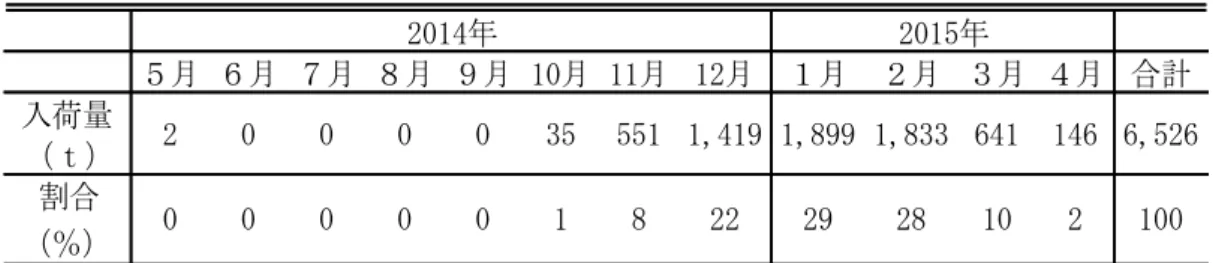
表1-10 KALIMATI 市場におけるオレンジの月別入荷量と割合. ··· 31
表1-11 ネパールの税関事務所別オレンジ輸入量. ··· 32
図1-1 輸入オレンジの主な流通形態. ··· 33
表1-12 KALIMATI 市場におけるマンダリンオレンジの月別卸売価格の推移.
··· 34
表1-13 KALIMATI 市場におけるマンダリンオレンジの月別入荷量の推移 34
表1-14 KALIMATI 市場におけるスイートオレンジの月別卸売価格の推移 35
表1-15 KALIMATI 市場におけるスイートオレンジの月別入荷量の推移. · 35
第2章 主要産地におけるオレンジ栽培農家の経営構造と収益性の比較分析
表2-1 調査対象地とオレンジの生産・販売概要. ··· 41
図2-1 調査対象地の位置. ··· 42
表2-2 調査対象オレンジ農家の経営概要. ··· 44
表2-3 農家の収入源と年間の収入割合. ··· 46
表2-4 調査対象農家におけるオレンジ栽培概要. ··· 47
図2-2 オレンジの主要栽培作業の実施時期. ··· 49
表2-5 オレンジ栽培の主要作業と 10a 当たり作業時間. ··· 50
表2-6 調査対象農家におけるオレンジ成園 10a 当たりの費用合計と所得.
··· 52
ii
表2-7 収益水準別の村別 10a 当たりにの所得、販売高と費用. ··· 53
第3章 オレンジの栽培管理作業の特徴と収量規定要因の分析
表3-1 10a 当たり収量に影響しているとみられる要因の相関関係. ···· 57
表3-2 10a 当たり収量を規定する要因(重回帰分析). ··· 58
表3-3 10a 当たり収量を規定する要因(重回帰分析). ··· 59
表3-4 10a 当たり収量を規定する要因(重回帰分析). ··· 60
表3-5 10a 当たり収量を規定する要因(重回帰分析). ··· 61
表3-6 10a 当たり収量を規定する要因(重回帰分析). ··· 62
表3-7 調査対象3村におけるオレンジ圃場の立地条件と栽培管理の現状.
··· 63
表3-8 3農家の 10a 当たりオレンジ単収. ··· 66
表3-9 M村の3農家の経営概要. ··· 67
表3-10 K農家のオレンジ栽培概要. ··· 68
表3-11 K農家の月別作業と労働時間. ··· 69
表3-12 K農家の年間の作業別家族労働時間・雇用労働時間. ··· 70
表3-13 N農家のオレンジ栽培概要. ··· 71
表3-14 N農家の月別作業と労働時間. ··· 72
表3-15 N農家の年間作業別の家族労働時間・雇用労働時間. ··· 73
表3-16 T農家のオレンジ栽培概要. ··· 74
表3-17 T農家の月別作業と労働時間. ··· 75
表3-18 T農家の年間作業別の家族労働時間・雇用労働時間. ··· 76
表3-19 3農家のオレンジ 10a 当たり作業別労働時間. ··· 78
第4章 オレンジの販売・流通システムと産地農家の販売経費の特徴と課題
表4-1 調査対象. ··· 80
図4-1 ネパールにおけるオレンジの主な流通形態. ··· 82
表4-2 調査対象とした仲買人の概要. ··· 83
表4-3 調査対象とした仲買人の経営概要. ··· 84
表4-4 仲買人が直面している問題障害. ··· 84
表4-5 トラック1台分のオレンジ流通にかかる仲買人の経営費. ··· 86
表4-6 卸売業者の経営課題. ··· 87
表4-7 調査対象とした小売業者の概要. ··· 88
表4-8 小売業者の経営課題. ··· 89
表4-9 M 村における流通タイプ別のオレンジ 10a 当たり費用と農家所得 90
表4-10 R村における流通タイプ別のオレンジ 10a 当たり費用と農家所得 91
iii
表4-11 仲買人(M 村1名・R 村2名)のオレンジ関係の費用と所得. ·· 91
表4-12 KHANAL 卸業者の年間の青果物(販売額・販売先). ··· 92
表4-13 SINDHULI 郡オレンジ協同組合販売店の事業収支. ··· 93
表4-14 小売業者のオレンジ販売費用と所得. ··· 94
表4-15 流通タイプ別・流通主体別のオレンジ1Kg 当たり費用・所得とそ
れらの小売価格に対する構成割合 . ··· 96
第5章 オレンジ生産・流通支援組織の活動と機能の評価
表5-1 調査対象. ··· 99
図5-1 ネパールにおける農業普及組織の構造. ··· 100
表5-2 GORKHA 郡・SINDHULI 郡の普及所の概要. ··· 102
表5-3 普及支援員の概要と活動内容. ··· 104
表5-4 農家の情報収集方法と問題発生時の対応方法. ··· 105
表5-5 自らの技術力と普及組織に関する農家の評価得点. ··· 107
表5-6 農家の技術力と普及組織に対する普及員の評価得点. ··· 108
表5-7 普及組織のトレーニングの種類と内容. ··· 109
表5-8 トレーニングの参加経験の有無. ··· 110
表5-9 トレーニングの受講効果. ··· 111
表5-10 トレーニング不参加理由. ··· 111
表5-11 トレーニング受講の有・無と 10a 当たり労働時間・費用. ···· 112
表5-12 トレーニング有・無別オレンジ単収. ··· 113
図5-2 ネパールにおける協同組合数の推移. ··· 114
表5-13 オレンジ協同組合の概要. ··· 115
図5-3 オレンジ栽培カレンダー(ネパール語). ··· 117
表5-14 オレンジ栽培カレンダー(日本語訳). ··· 118
表5-15 SINDHULI 郡オレンジ産地で行っている支援活動内容. ··· 120
終章 結語
図終-1 本研究で得られた分析結果の相互関連. ··· 129
図終-2 オレンジ生産・流通振興に向けた対策方策. ··· 130
iv
論 文 の 要 旨
ネパールにおけるオレンジの生産・流通システム
に関する経営学的研究
1.研究の背景および問題意識 ネパール農業における主要作物は、米、トウモロコシ、麦等の穀物であるが、果樹も 重要な農作物の 1 つである。2013 年度におけるネパールの果樹栽培面積は 148,208ha (耕地面積の約 5%)で、農業国内総生産(Agriculture Gross Domestic Product、 以下「AGDP」)の 5.1%を果樹が占めている。特に丘陵の多いネパールでは、果樹の中でも 傾斜地に適した柑橘(主にマンダリンオレンジとスイートオレンジ)が各地で栽培され、 果樹面積に占める柑橘面積割合は 30%に達している。 しかし、丘陵地域における柑橘栽培の拡大にもかかわらず、ネパールにおける柑橘生産 が直面している問題や課題は少なくない。特に、柑橘栽培の収益性にかかわる問題・課 題としては、次の 3 点が挙げられる。 第 1 に、ネパールの農家 1 戸当たりの平均農地面積は 0.79ha と零細で、柑橘類が主要 な農作物となっている丘陵地帯の農家の平均農地面積(柑橘園地を含む)はこれよりも さらに少なく、0.63ha しかないことである。このため、零細な農地を有効活用して面 積当たりの農業所得をいかに高めていくかが、丘陵地帯における柑橘栽培農家の課題と なっている。 第 2 に、丘陵地帯における農家の主な収入源になっている柑橘類では、ここ数年、様々 な病虫害が発生しており、それによる被害が拡大している。ネパールにおける柑橘類の 生産量は、 2008 年度まで増加傾向で推移してきたが、2009 年度にかけて増加率が低下 し、2013 年度には減少に転じている。これには病虫害(特にカンキツグリーニング病) による減収が影響していると見られる。カンキツグリーニング病の拡大を防止するとと もに、インドの高収量地域の半分程度の単収しかない柑橘類の収量水準を少しでも高め ていくことが求められている。 第 3 に、ネパール農業では依然として人力に依存する作業が多く、特に柑橘栽培は急傾 斜の段々畑で行われているため、農業用機械や役畜を全く利用できず、低生産性をもた らす一因となっている。また、農業技術に関する農家の知識や情報量は少なく、従来ど おりの粗放的なやり方で柑橘類の栽培管理を行うケースが多い。このため、生産性の向 上に結びつくような栽培管理作業の実践や栽培技術にかかわる最新の知識・情報の提供 が必要で、それによる柑橘栽培の収益向上が課題となっている。 こうした状況の中、ネパールにおける柑橘生産の振興を図るには柑橘栽培の収益性を高 める必要があるが、それには生産面での単収向上やコスト低減に加え、生産された柑橘 類の販売価格を高めることが不可欠である。しかし、ネパールの柑橘類の生産・流通に
v かかわる社会科学的視点からの調査・研究は、これまでほとんど行われてこなかった。 ネパールの柑橘類にかかわる既往研究では、自然科学的視点から、栽培の歴史、ネパー ルで栽培されている柑橘類の種類と特性、柑橘類の栽培方法や栽培条件、柑橘産地の特 徴等にかかわる成果が若干得られている程度である。 2.本研究の目的と課題 そこで、本研究では、前節で述べた問題意識から、ネパールにおける柑橘類の生産・ 流通システムに焦点を当て、柑橘栽培農家の生産・技術構造の特徴と課題、収益性の現 状と問題点、柑橘流通システムの特徴と課題を明らかにするとともに、それらの解決と 柑橘生産の振興に向けた方策について検討する。また、それとの関係で柑橘生産の振興 に果たす普及組織の役割と効果についても明らかにする。なお、これらの課題に接近す るに当たっては、ネパールのような発展途上国の場合、普及組織や協同組合等の活動が 有効に機能している地域でオレンジ栽培農家の収益性も高くなっているのではないか という仮説の下、調査・分析を行い、その妥当性についても検討する。 ところで、ネパールの柑橘類といっても、オレンジ、ライム、レモン等、様々な品目が あり、品目によって栽培方法、単収、販路、収益性等に違いがある。このため、本研究 では、柑橘の栽培方法、単収、販路、収益性の分析を行う場合は、主要品目であり柑橘 栽培面積の約 8 割を占めるオレンジを中心に分析する。 上記の研究目的を達成するため、本研究では次の 4 つの小課題を設定する。 ① オレンジ生産の実態解明と収益性の評価 ② オレンジ栽培管理の特徴と収量規定要因の解明 ③ オレンジ流通の実態と課題の解明 ④ オレンジの生産振興に向けた支援組織の役割と効果の解明 なお、上記小課題の解明に当たっては、ネパールで現地実態調査を行い、そこで得ら れたデータおよび資料に基づき、生産現場の実態を踏まえた分析を行う。まず、オレン ジ栽培の詳細な実態と直面する問題等を明らかにするための調査対象地としては、オレ ンジ栽培の全体像が把握できるよう、①オレンジの病虫害が拡大している西部地方、
GANDAKI 県の GORKHA 郡 GHAIRUNG 村(以下「G 村」、農家数 758 戸)、②マンダリンオレ
ンジの産地として有名な西部地方、GANDAKI 県の GORKHA 郡 MANAKAMANA 村(以下の「M
村」、農家数 889 戸)、③スイートオレンジの原産地でネパール政府等から技術指導を受
けている中部地方、JANAKPUR 県の SINDHULI 郡 RATANCHURA 村(「以下の R 村」、農家数 417 戸)を選定した。オレンジ栽培農家については、上述の 3 つの村から平均的な集落 をそれぞれ選び出し、それらの地区の中から合計で 26 戸のオレンジ栽培農家を抽出し た。
また、オレンジの流通調査では、上記調査対象地のオレンジを取り扱っている産地仲 買人(以下「仲買人」)7 業者、ネパールの首都カトマンズにある最大市場で卸売業を
vi
行っているKHANAL FRUITS WHOLESALE SHOP、調査対象産地やカトマンズで小
売業を営む 14 業者を調査対象とした。
さらに、支援組織の調査では、調査対象農家に対して普及指導活動を行っている GORKHA 郡の MANAKAMANA 普及所と SINDHULI 郡 RATANCHURA 普及所(以下「RC 普及所」)、 SINDHULI 郡のオレンジ農業協同組合を調査対象とし、関係職員等に対する聞き取り調 査を行った。 3.主要研究成果 1)研究課題1にかかわる成果 まず、ネパール全体のオレンジ生産の実態に関して次の点が確認できた。販売目的の 栽培が行われるようになったのは 20 世紀に入ってからであり、柑橘類の苗木供給等に かかわる政府の各種支援策が実施されるようになってから栽培面積が次第に増加し、 1990 年代以降は年平均約 6%の増加率で拡大していった。2014 年度におけるネパール 全体の柑橘類の栽培面積は 39,035ha となっており、そのうちの約 8 割をマンダリンオ レンジとスイートオレンジが占める。また、柑橘類全体の年間生産量は 222,790t で、 マンダリンオレンジは 149,212t(67%)、スイートオレンジは 34,675t(16%)である。果実 収穫が可能な成園の面積で生産量を割った 1ha 当たり単収は、マンダリンオレンジ 9.2t、 スイートオレンジ 10.1t、となっている。隣国インドの主要産地の単収(20 t/ha 以上) と比べると、半分程度であり、単収の向上がオレンジの生産振興を図る際の重要な技術 課題と言える。
次に、GHAIRUNG 村(以下「G 村」)、MANAKAMANA 村(以下「M 村」)、RATANCHURA 村(以
下「R 村」)の 3 地域にある 26 農家の事例調査によって明らかになったオレンジ栽培の 実態および収益性は次のとおりである。オレンジ栽培農家の所得では、農業所得の占め る割合が高く、その中でもオレンジ収入の割合は 42%~85%となっており、オレンジ栽 培の収益性が農家経済および農村の地域経済に大きな影響を及ぼす。オレンジ圃場(1 戸当たり平均 25a~190a)は自宅近くの急傾斜地にあり、ほぼ全てのオレンジ栽培管理 作業が手作業で行われている。シーズンはじめの 7 月と、収穫・出荷、肥料散布、剪定 作業が連続する 11 月~2 月の農繁期には、家族労働力だけでは労力不足となるため、 ほとんどの農家で雇用を導入している。そのため、作業に慣れた雇用労働力をどのよう にして確保するかが、営農上の課題となっている。一方、オレンジ栽培の収益性は、地 域間や農家間で大きな差があることも確認できた。G 村の調査対象農家の成園 10a 当た りの平均所得は 2,445 ルピー(1 ルピーは約 1.1 円)で、M 村は 19,308 ルピー、R 村は 43,790 ルピーであった。G 村の場合、カンキツグリーニング病の蔓延で収量が低下し、 そのことが他の 2 村に比べて 10a 当たり所得を著しく低くしていた。また、農家間の 10a 当たり所得差については、費用合計差による部分は相対的に小さく、10a 当たり売 上高の差によってもたらされている部分が大きいことが明らかになった。したがって、
vii 低収益農家の所得を高めるためには、オレンジの高位安定収量の実現と販売価格の向上 が不可欠である。 2)研究課題2にかかわる成果 次に、オレンジ単収差の発生メカニズムを明らかにするため、G 村、M 村、R 村の 3 村の 26 戸の農家を対象に、オレンジの栽培環境や栽培管理方法等を含む収量規定要因 について詳しく分析し、次の諸点を明らかにした。 まず重回帰分析の結果、3 村における調査対象農家 26 戸の 10a 当たり単収差の約 9 割が、オレンジの病害木割合、農薬散布等の投下労働時間、肥料等の投入資材費、地域 ダミー変数の 4 変数(要因)で説明できることが確認できた。地域ダミー変数によって 示唆された R 村と G 村・M 村とのオレンジ単収の地域間差は、R 村は標高の高いところ にありカンキツグリーニング病の被害が受けにくい条件下にあることに加え、普及組織 が奨励している基本的栽培管理をほぼ忠実に実行していることが影響していた。これに 対し、M 村と G 村では普及所が奨励する栽培管理を実施していない農家が多かった。さ らに、こうした基本的栽培管理の差は、自然条件を同じくする同一地域内の農家間にお いても単収差をもたらしていることが明らかになった。このことは、地域レベルでのオ レンジ単収が低い地域であっても、個々の農家レベルの努力と工夫によって、オレンジ 単収を一定レベルまで引き上げることが可能になることを示している。 3)研究課題3にかかわる成果 まず、ネパールにおけるオレンジの主な流通形態を、産地仲買人介在型のタイプ①、 産地仲買人不在型のタイプ②、協同組合型のタイプ③の 3 つに区分し、調査対象地域で の事例調査により、タイプ②が増える傾向にあり、協同組合が設立されている地域では タイプ③による流通も増加していることを確認した。そして、こうした傾向が見られる 背景には、流通形態によって農家の収益性が異なることが明らかになった。流通形態別 に農家の 10a 当たりの所得と 1 時間当たりの家族所得をみると、M 村のタイプ①農家の 場合は 27,707 ルピーと 311 ルピー、M 村のタイプ②農家の場合は 38,810 ルピーと 384 ルピー、R 村のタイプ①農家の場合は 27,406 ルピーと 149 ルピー、R 村のタイプ③農家 の場合は 33,635 ルピーと 269 ルピーとなっていた。すなわち、M 村の流通タイプ①農 家の収益性<M 村の流通タイプ②農家の収益性、R 村の流通タイプ①農家の収益性<R 村の流通タイプ③農家の収益性という関係が見られた。 ところで、オレンジ栽培農家の収益面からみた望ましい流通形態について検討するた めには、単に流通形態別に農家や流通業者の収益性を比較・検討するだけでは十分では ない。なぜなら、流通形態の違いによってもたらされる収益性への影響に加え、調査対 象農家のオレンジ単収の違いや、生産されたオレンジの小売り段階での販売地域・販売 価格の違いも、農家所得や流通マージンに影響していると考えられるからである。した がって、これらの影響をできるだけ除いた上で、農家所得に対する流通タイプの違いに よる影響を検討するため、オレンジ栽培農家から小売業者に至るまでの流通段階ごとに、
viii オレンジ 1kg 当たりの各経済主体の費用・所得と小売価格に占めるそれらの割合を試算 した。その結果、オレンジ 1kg 当たり小売価格に占める農家所得の割合は、流通タイプ ①の場合、M 村の農家は 29.7%、R 村の農家は 37.3%、流通タイプ②の M 村の農家の場 合 37.6%、流通タイプ③の R 村の農家の場合 46.3%と計算され、タイプ①<タイプ② <タイプ③の順に高くなっていた。したがって、オレンジ小売価格に占める農家の取り 分割合は流通タイプ③が最も高く、農家にとっては、付加価値の分配比率という点で、 協同組合型のタイプ③が好ましい流通形態であると言える。 4)研究課題4にかかわる成果 調査対象地の G 村と M 村に比べ、R 村ではオレンジの適切な栽培管理が実践されてい ることを確認しているが、そうした違いには普及組織の普及・指導活動が大きく影響し ている。例えば、G 村と M 村を管轄する GORKHA 郡の MK 普及所では、普及員 1 人当たり の担当農家数が多い上に、オレンジ担当の普及員がおらず野菜担当普及員しかいなかっ たり、普及員の欠員があったりしていたのに対し、R 村を管轄する SINDHULI 郡の RC 普 及所ではオレンジを専門とする担当普及員が 2 名確保され、さらにボランティアの農業 者から構成される普及支援員 12 名が、2 名の普及員の協力者として普及・支援活動を 補助する独自のシステムも形成されていた。こうした普及・指導体制の違いは、農家に 対する情報提供や指導に差をもたらし、G 村や M 村の農家に比べて R 村の農家では、技 術力や経営対応力が明らかに高くなっていた。また、普及員の指導力については、R 村 の多くの農家が高く評価し満足していたのに対し、M 村や G 村では普及員に対する評価 は概して低かった。こうした評価結果は、普及員自身が自らに対して行った評価結果と も概ね一致しており、普及・指導体制の如何がオレンジ栽培農家の栽培管理に大きく影 響していることが示唆された。 さらに、普及組織が行っている普及・指導活動の中で、栽培管理トレーニングや農園 マネジメントトレーニングがオレンジ農家の栽培管理を改善するのに有効に機能して いることが明らかになった。トレーニング受講農家の研修内容に対する評価は高く、ト レーニング受けている農家は受けていない農家に比べ、農薬散布、肥料散布、剪定にか ける労働時間が多く、また、肥料投入量や農薬使用量も多い。R 村でのオレンジの基本 的栽培管理が G 村や M 村に比べてきちっと実践されていたのは、調査対象農家のすべて が普及組織のトレーニングを受講していたことが影響しているとみられる。 次に、農業協同組合の果たす役割を検討するため、SINDHULI 郡のオレンジ農業協同 組合を取り上げた。分析の結果、このオレンジ農業協同組合は日本の JICA やネパール の普及組織と連携・協力しながら、オレンジの栽培カレンダーを作成することで組合員 農家のオレンジにかかわる基本的栽培管理の徹底を促進していた。農業協同組合のこう した支援活動は、予算や人員が制約されている普及組織の活動を補完するものとなって いた。また、オレンジ農業協同組合がオレンジの集荷・販売業務を行うことによって、 オレンジ栽培農家が仲買人を通じて市場出荷したり卸売業者を通じて小売業者に販売
ix したりするよりも、農家の取り分を多くすることに成功していた点も注目される。 4.総括 1)オレンジの生産拡大と技術力の向上 オレンジは、ネパール国内で生産される農畜産物の中でも比較的収益性の高い作物の 1 つであり、急傾斜地圃場の多い丘陵地帯農家にとって重要な農作物となっている。こ うしたことから、今後も、この傾向が続くものと予想される。しかし、ネパールにおけ るオレンジ生産の円滑な拡大を図るには、カンキツグリーニング病対策の徹底とオレン ジ栽培に必要な基本的栽培管理の実践が不可欠である。本論文での分析を通じて得られ た知見に基づくならば、今後、次のような対策を強化する必要がある。 (1)カンキツグリーニング病対策 現段階では、カンキツグリーニング病を根治する技術は確立されていない。このため、 まず必要なのは、樹園地にカンキツグリーニング病の細菌を持ち込まないことである。 そのためには、オレンジ苗の植え付けに際しては、高標高地域で生産された接木苗の使 用を徹底する必要がある。また、オレンジの栽培管理に際しては、日常的な樹園地の見 回りや作業実施時における樹木の注意深い観察が欠かせない。異常箇所の早期発見と感 染木の早期処分こそが、現段階におけるカンキツグリーニング病の最大の防除法である。 (2)単収向上に向けた基本的栽培管理の徹底 本論文での分析を通じ、オレンジの低単収農家は普及組織が推奨する基本的栽培管理 を十分に行っていないことが明らかとなった。その理由としては、栽培管理にかかわる 必要情報を普及組織や仲間の農家から十分提供されていないことと、提供されていて情 報を得ていても親から教えられた粗放的な栽培管理で十分との認識でいることの 2 点 が指摘される。そこで、こうした状況を打破していくためには、普及組織の拡充と普及 指導活動の強化を図り、技術情報の迅速・確実な提供を行っていく必要がある。さらに、 単に情報を伝達するだけではなく、その情報の重要性をオレンジ栽培農家に十分に理解 させることが大切である。そのためには、栽培管理トレーニングや農園マネジメントト レーニングへの参加機会の拡充が求められる。ただし、そのためには予算の確保、研修 施設の整備、研修担当職員の確保が必要となるため、実際にそれを実現することは簡単 ではなく、研修参加農家数の増加には限界があろう。そこで、トレーニング参加農家が、 自らの研修体験を近隣のオレンジ栽培農家に紹介したり、研修の成果を自らの樹園地で 実証し、それをモデル園地として近隣のオレンジ栽培農家に提示したりするようなシス テムが検討されるとよい。 2)生産者を主体とする流通・販売の拡大とシステムの構築 今後は、産地仲買人不在型のタイプ②や協同組合型のタイプ③が増加するとみられる。 さらに、これらの販売が拡大すれば、オレンジ市場が現在よりも競争的となり、卸売業 者の手数料も下げざる得なくなることも考えられる。公設市場内で卸売業を営める者は
x 長期にわたって特定の業者に固定される傾向にあり、競争原理が働きにくく、これまで 手数料割合は政策によって決められた上限にはりついていた。卸売市場制度全体の見直 しの中で手数料割合の引き下げを行うことも考えられるが、競争的環境を産み出すこと で、自然に手数料水準が低下する可能性も出てくる。なお、今後、オレンジの生産拡大 が順調に進み、12 月~2 月期のネパール産オレンジの流通量が増加し需要を上回ること になれば、販売価格の低下とそれに伴うオレンジ栽培農家の収益性の低下も想定される。 オレンジ栽培農家にとって不利益となるこのような事態を回避するためには、オレンジ の収穫時期をずらすための品種開発や栽培技術の開発が必要となろう。また、収穫した オレンジの長期保存技術の導入と保存施設の整備や、さらにはオレンジを原材料とした 加工品開発や周辺諸国へのオレンジ輸出も検討する必要がある。 3)普及組織と農業協同組合による支援の拡充 普及組織の拡充や普及活動の一層の強化の必要性に関しては、誰しも認めるところで あろう。そこでまず、現有職員の適正配置と普及員の技術指導力の向上を実現しなけれ ばならない。これと関連して、自らが現場を変えるという強い使命感をもち、それを実 行に移すための普及員の意識改革も重要となろう。またもう 1 つ検討すべきは、普及組 織と農業者とのコラボレーションである。普及組織や普及員の拡充が予算的に容易でな い場合は、RC 普及所が行っていたように、普及員を補佐するボランティア農業者で、 普及員と地区の農家とを結ぶ仲介者を組織化することが望まれる。農業者の組織化が、 普及組織の普及活動を円滑に行う上で欠かせない。 さらに、普及指導という点では SINDHULI 郡のオレンジ農業協同組合のケースのよう に、生産場面では、農協活動と普及活動をセットにした形で協力して実施していくこと が、農家支援活動全体にとってプラスとなる。
xi Summary
Farm Management Study of Orange Production and Distribution System in Nepal
1.
Background of the StudyAlthough the major crops grown in Nepal are rice, corn and wheat, fruits are also considered as important crops. In 2013, fruits occupied about 148,208ha (or about 5% of total cultivated land) and accounted for 5.1% of the Gross Domestic Product for Agriculture (AGDP). With the suitable climatic condition and existence of many hilly areas, Nepal is also considered conducive for cultivation of citrus fruits, especially Mandarin orange and Sweet orange. Planted area for citrus fruits occupied area almost 30% of the total fruit land area.
With regards to planted area for citrus fruits, a yearly increase is prevalent. However, farmers face various problems and challenges. Problems related to profitability of citrus cultivation are as follows.
First, the average farmland in the hilly areas with citrus cultivation is 0.63ha. Compared to the average landholding per farmer in Nepal (0.79ha), this is smaller in size. Therefore, finding effective ways to increase the agriculture income per area by utilizing the limited small land area is the main problem for citrus farmers in hilly areas.
Second, compared to the main income source of farmers in recent years, the production of citrus fruits was increasing gradually up to 2008. However, this has decreased from the 2009 to 2013 due to the occurrence of pests and diseases such as citrus greening disease. As a result, farmer’s income decreased. In addition to preventing the spread of citrus greening disease, farmers are challenged to increase its yield, which is currently about half of the highest reported yield in India.
Third, impossible use of agricultural machinery and animals due to the geographical feature of the hilly areas is also a problem. Thus, citrus cultivation heavily relies on labor inputs. This factor is also considered as one of the reasons for low productivity. In addition, farmers have low knowledge and information on agricultural skills. There are many cases where cultivation management of citrus fruits is carried out in a conventional and extensive manner. Therefore, it is necessary to provide practical cultivation management work which leads to the improvement of productivity and to provide latest knowledge and information on cultivation technology, thereby raising the profitability of citrus cultivation.
Considering the above-mentioned problems and challenges, there is a need to increase the profitability of citrus cultivation in order to promote the production of citrus in Nepal. In addition, increasing in selling price, improvement of yields and reduction of costs are also important, Unfortunately, there are still no in-depth social science research conducted related to production and
xii distribution.
Based on past literature, most studies were related to natural sciences, specifically history of citrus cultivation, types and characteristics of citrus fruits, and method, condition and characteristics of citrus cultivation.
2.
Objectives and Problem Statement of the StudyFocusing on the citrus production and distribution system in Nepal, this study aims to clarify the characteristics of and problems related to production and technology of citrus farmers to determine the economic viability of citrus cultivation, and to clarify the condition and potential of the distribution system. In order to further improve the promotion of citrus production, this study aims to assess the roles and effectiveness of extension organizations.
It is hypothesized that the profitability of orange farmers is increasing in the area where the activities of extension organizations and cooperatives are functioning effectively.
In Nepal, there are various varieties of citrus such as Mandarin Orange, Sweet Orange, lime and lemon. Depending on the variety, cultivation method, yield, distribution channel and profitability vary. This study analyzes the cultivation method, yield, distribution channel and profitability of orange, which is considered the major citrus fruit as it occupies about 80% of total citrus cultivation area.
To achieve the above research objectives, the following four sub-subjects are set: ① Clarification and evaluation of actual condition and profitability of orange production
② Determination of characteristics of orange cultivation management and yield determining factor ③ Clarification of actual condition and issues of orange distribution
④ Assessment of the roles and effectiveness of supportive organizations for promotion of orange production
A series of field surveys and questionnaire interviews were conducted in Nepal in order to analyze the actual situation of the production site. Secondary data were also collected as well.
In relation to the clarification of detailed situation and problem of orange cultivation, a series of field surveys were conducted in 1) Ghairung village, Gorkha district, Gandaki zone, Western region wherein orange pests and diseases are expanding); 2) Manakamana village, Gorkha district, Gandaki zone, Western region which is popular for Mandarin orange; 3) Ratanchura village, Sindhuli district, Janakpur zone, Center Region, which is the original production area for Sweet orange with technical guidance from JICA and Nepal government. A total of 26 orange farmers were selected from the above-mentioned survey area through purposive sampling.
For orange distribution survey, a total of seven brokers, one wholesaler from Kalimati Fruits and Vegetable Market in Kathmandu and 14 retailers were selected.
xiii
In addition, a series of interviews was conducted to supporting organizations such as two agriculture extension service centers, one orange cooperative union and person-in-charge of extension organization in the District agriculture development office`s related person.
3.
Major Results of This Study1) Clarification and evaluation of actual condition and profitability of orange production
In Nepal, farmers started to cultivate citrus for the selling purposes from the 20th century.
Orange cultivation area gradually increased after the government implemented support in supplying citrus seedlings. Until 1990, there was a yearly average expansion of 6% per year. In 2014, the citrus production area is 39,035ha, of which Mandarin orange and Sweet orange accounted for 80%. The total production of citrus per year is 222,790t, of which Mandarin orange production is 149,212t (67%) and Sweet Orange production is 34,675t (16%). The yield per productivity area of Mandarin Orange is 9.2t, while Sweet Orange is 10.1t It is about half of the production compared with the neighboring country India`s high production area. Improvement of yield is an important technical issue for promoting orange production.
With regards to orange cultivation condition and profitability, 26 farmers in 3 villages were selected. The main income source of the farmer is agriculture. The agriculture income from orange accounts for 42% to 85% and profitability of orange cultivation has a big influence on the farmer`s economy and local economy in rural areas. Farmers cultivate orange on fields located in steep slopes, which is near their house. Orange cultivation heavily rely on manual work. The main season of orange cultivation is July, November, December, January and February. At this time, family labor is not enough and farmers hire a lot of labor. Therefore, how to manage the labor at an orange cultivation time is a problem. On the other hand, it was also confirmed that the profitability of orange cultivation has big differences between regions and farmers. Farmer`s average income per 10a productivity area is Rs. 2,445 in Ghairung village, Rs. 19,308 in Manakamana village and Rs. 43,790 in Ratanchura village. In this case Ghairing village`s yield is the lowest because of citrus greening disease effect. The farmers` income difference per unit area is basically due to the sales differences. Therefore, in order to increase the income of low-profit farmers, it is essential to realize the high-level stable yield of orange and to improve the selling price.
2) Determination of characteristics of orange cultivation management and yield determining factor
In order to understand the mechanism and determining factors of orange yield difference, this study clarifies the orange cultivation environment and cultivation management method. The results are as follows.
xiv
Multiple regression analysis was used to investigate the effects of orange diseased tree proportion, labor hour such as spraying pesticide, input materials costs such as fertilizer, and Ratanchura village dummy variable on the production yield per 10a productivity area. Diseased tree proportion, labor hour, input materials cost and Ratanchura village dummy variable were found significant. Ratanchura village`s yield is different than other villages, because Ratanchura village is located in high altitude, wherein oranges are not easily damaged by citrus greening disease, moreover, the village farmers follow the basic cultivation management which is provided by extension organization. On the other hand, many farmers of Manakamana and Ghairung villages were not implementing cultivation management encouraged by extension service center. In addition, basic cultivation management varied among the farmers of the same village and same region of natural conditions. This indicates that it is possible to raise the yield of orange to a certain level by individual farmer`s efforts and ingenuity even in areas with low yield.
3) Clarification of actual condition and issues of orange distribution
In Nepal, there are 3 types of main distribution pattern of orange, namely broker intermediary type (Type 1), non-existence of a broker type (Type 2) and cooperative type (Type 3). According to the case study in the surveyed area, type 2 tended to increase. However, in those areas where cooperative association was established, type 3 tended to increase. Profitability of farmers was different in depending on the distribution type. Farm income per 10a area and family income per hour is different between each distribution pattern. Type 1 of Manakamana village`s farm income was Rs. 27,707 per unit and family income was Rs. 311 per hour. Type 2 of Manakamana village`s farm income was Rs. 38,810 per 10a and family income was Rs. 384 per hour. Type 1 of Ratanchura village`s farm income was Rs. 27,406 per 10a and family income was Rs. 149 per hour. Type 3 of Ratanchura village`s farm income was Rs. 33,635 per 10a and family income was Rs. 269 per hour. The result shows that in the case of Manakamana village profitability of farmer was higher for type 2 than type 1. In the case of Ratanchura village, profitability of farmer was higher for type 3 more than type 1.
In order to examine the desirability of distribution from the viewpoint of profitable orange farmers, simply comparing and examining the profitability of farmers and distributors by distribution type were not enough. Therefore, incomes per kilogram orange of farmers, brokers and retailers were calculated and their proportions to retail price were estimated. With regards to percentage of a farmer`s income in retail price per kg of orange, Type 1 farmers in Manakamana village had 29.7%, while farmers in Ratanchura village had 37.3%. On the other hand, Type 2 farmers in Manakamana village had 37.6%, while Type 3 farmers in Ratanchura village had 46.3%. Comparison of percentages revealed the Type 1 < Type 2 < Type 3 pattern. This conveys that orange farmer in Type 3 has the highest share of the retail price. In terms of the value-added distribution ratio, cooperative
xv Type 3 was the preferable distribution pattern.
4) Assessment of the roles and effectiveness of supportive organizations for promotion of orange production
Based on the three surveyed villages, it was found that appropriate cultivation management was practiced in Ratanchura village. Moreover, the variation by village seemed to be affected by extension organization`s guidance activities. In the case of MK extension service center located in Gorkha District, Manakamana and Ghairung village had a large number of farmers per extension worker under its jurisdiction. There were only vegetable extension workers. There was no citrus extension worker available. On the other hand, RC extension service center located in Sindhuli District had two citrus and one vegetable extension workers in Ratanchura village under its jurisdiction. The number of farmers per extension worker is less than MK extension service center. In addition, 12 extension assistant volunteers also participated and cooperated with farmers and extension workers. Regarding the guiding capability of extension workers, many farmers of Ratanchura village were highly satisfied, but the evaluation of extension workers by farmers of Manakamana and Ghairung villages was generally low.
In general, the extension organization implemented cultivation management and orchard management trainings. These types of trainings improved farmers cultivation management. The farmer who participated the training had high evaluation of the training contents and utilized high labor input for pesticide spraying, fertilization and pruning. Moreover, there was also higher fertilizer and pesticide inputs compared to farmers who did not participate in the training. It was found that the basic cultivation management in Ratanchura village was practiced properly as a result of effective training.
In cooperation with JICA and government extension organization, the orange cooperative union make a cultivation calendar and promotes basic cultivation management for oranges. This cooperative also established the collection and selling operation of oranges. These activities seemed to play a vital role to increase farmer profitability. In this regard, the agriculture cooperative played an effective role in Sindhuli district.
4.
Conclusions1) Expansion of orange production and improvement of technical power
Orange is one of the relatively profitable crops among agricultural and livestock products which is produced in Nepal. It is an important crop for farmers in hilly areas with fields in steep slope. It is expected that; this trend will continue in the future. However, in order to further expand
xvi
the orange production in Nepal, it is essential to take measures against citrus greening diseases and to practice necessary basic cultivation management. Based on the findings of this study, it will be necessary to strengthen the following measures in the future.
(1) Countermeasure against citrus greening disease
At this stage, technology to prevent citrus greening disease has not been established. Therefore, it is important not to bring the citrus greening disease in orange orchard. For this purpose, the use of grafted seedlings grown in high altitude nursery is suggested. Moreover, careful observation of orange trees should be part of the daily routine. Early detection of abnormal parts and early disposal of infected trees are the main control methods of citrus greening disease at the present stage.
(2) Thorough implementation of basic cultivation management for improving yield per unit
This study clarified that farmers who had low yield did not practice proper cultivation recommended by the extension organization. Specifically, there are two noteworthy reasons. First, relevant information on cultivation management was not sufficiently provided to farmers by the extension workers or their friends. Second, there were also farmers who were provided with insufficient cultivation management information by parents. Based on these conditions, extension organizations need to expand, strengthen its extension guidance activities, and promote and provide reliable technical information. In other words, information should not just be simply provided to the farmers. Instead, extension organizations should make sure that provided information is fully understood. For this purpose, there is a need for extension organizations to broaden the opportunities of farmers to participate in various trainings especially cultivation management and farm management trainings. However, securing budget, improving training facilities, and securing training staffs are not easy tasks. In order words, training is limited to a few number of farmers. Therefore, a system should be set-up to encourage trained farmers to share their training knowledge and experience to neighboring orange farmers by transforming his/her orchard into demo-farm.
2) Expansion of distribution / sales mainly based on producers and construction of systems
In the future, it is expected that Type 2 (non-existence of broker), and Type 3, (cooperative type) will increase. If there respective sales will expand, the orange market will be more competitive and wholesaler`s commission may be forced to decrease. Generally, wholesalers who trades in the public market tend to have specified trading partners for a long time. Thus, the emergence of competition is difficult and commission rates is fixed at the upper limit based on the trading policy. Assessing the commission percentages in the point of view of the whole wholesale market system,
xvii
there is the possibility that the commission level will naturally decrease by nurturing a competitive environment.
In order to increase the farmer`s income in the future, there is a need to develop a new orange variety that can change the current harvest time. Moreover, introduction of harvested orange long-term storage technology, maintenance of storage facilities, development of processed products as raw materials, and orange exports to neighboring countries are also needed to be considered.
3) Expansion of support by extension organizations and agricultural cooperatives
In the future, all stakeholders are expected to recognize the importance of expanding extension organizations and strengthening dissemination activities. In this regard, three points are noteworthy. First, proper placement and technical guidance capability improvement of extension workers are vital. Extension worker should be further educated to have strong sense of mission and awareness to change his/her designated site.
Second, collaboration between extension workers and farmers should be considered. In case of budget constraints for extension workers and extension organizations, the initiatives of Ratanchura extension service center may be followed wherein volunteer farmers who act as an intermediator between extension workers and local farmers play an important role. The establishment of farmers organization is vital for effective conduct of extension activities by extension organizations.
Third, in relation to extension guidance, the production-related initiatives of Orange Cooperative Association in Sindhuli district, showed to be a good model wherein its collaboration with local agriculture cooperative activities seemed to show positive impact to farmer support activities.
1
序章 研究の背景・目的・課題
第1節 研究の背景
ネパール連邦民主共和国(以下「ネパール」)は、南アジアの山岳地域に位置し、東 と西と南の三方をインドに、北方を中国チベットに接する、西北から東南方向に細長い 内陸国である。14 万 7 千 181km2の国土は、世界最高峰のエベレストを含むヒマラヤ 山脈、中央部の丘陵地帯、南部のタライ平原からなり、山岳地帯(Mountain:標高 4,000m 以上)が全体の 35%、丘陵地帯(Hill:標高 300~4,000m)が 42%、平原地帯(Terai:標 高300m 未満)が 23%を占めている。 ネパールの人口は、2,649 万人(2011 年)で、その 43%が丘陵地帯に住んでいる1)。人々 の生活の質や発展度合いを示す HDI(人間開発指数:国連開発計画が各国の出生時平 均余命、成人識字率、1 人当たり実質 GDP に基づく購買力から計算して公表している 指標)は、ネパールの場合、0.463 で、世界 187 ヵ国中 157 番目となっており、最も貧 しい国の1 つに位置づけられている2)。また、絶対的貧困以下注1)の国民も25%に達し、 そのうちの 83%は農村地域に住んでいる。こうしたことから、ネパールの農業就業人 口は就業者全体の66%を占めるにもかかわらず、農業の GDP(国内総生産)への貢献 割合は33%にとどまっている1)。 ネパールでは、農村内に収入源となる農外の仕事がほとんどないため、農閑期を利用 して都会や海外へ出稼ぎに行ったり、新たな農外就業先を見つけ出そうとしたりする農 家が多い。そのため、「農業振興なくして、ネパールの持続的経済発展は望めない」と 言われている3)。 ネパール農業における主要作物は、米、トウモロコシ、麦等の穀物であるが、果樹も 重要な農作物の1 つである。2013 年度におけるネパールの果樹栽培面積は 148,208ha(耕地面積の約5%)で、農業国内総生産(Agriculture Gross Domestic Product、 以
下「AGDP」)の 5.1%を果樹が占めている。特に丘陵の多いネパールでは、果樹の中で も傾斜地に適した柑橘(主にマンダリンオレンジとスイートオレンジ)が各地で栽培さ れ、果樹面積に占める柑橘面積割合は30%に達している。なお、柑橘の AGDP に占め る割合は0.97%、GDP に占める割合は 0.32%である4)。 農業振興の重要性を認識していたネパール政府は、1995 年に、ネパール全体の経済 発展と貧困の解消を目的とした20 年間に及ぶ農業将来計画(Agriculture Perspective
Plan、 以下「APP」)を策定している。この APP では、高収益が期待できる作物の生
産・販売拡大を目指し、丘陵地帯においてはその主要作物の1 つとして柑橘を選定して
その普及拡大を支援している5)。具体的には、標高800m~1,400m の地域を柑橘の生産
2 の生産拡大に向けた支援(生産資材の提供、技術普及活動の強化等)を行っている。こ うした政策の背景には、ネパール国内では、人口の増加や観光客の増加によって柑橘の 消費量が拡大傾向にあること、国内産が不足しているためにインドから柑橘を輸入して いることなども影響している6)。さらに、ネパールは、インドや中国の大都市に近いこ とやバングラデシュやアラブ首長国連邦のようにオレンジ生産ができない国にも近い ことから、ネパールでの柑橘の生産拡大が進めば、将来的には周辺国への柑橘輸出も可 能になる。事実、まだ量は僅かであるが、インドとの間では国境沿いでネパール産柑橘 が販売されていたり、ネパール政府と中国(チッベト)政府との間でオレンジの輸出契 約が取り交わされたりしている7)。 上記のようなネパール政府の支援もあり、柑橘類の成園栽培面積は 2014 年度には 1993 年度の約 3 倍の 2 万 5 千 ha にまで拡大している(図序-1)。 図序-2 は、柑橘面積の 64%を占めるマンダリンオレンジの栽培地域と栽培面積を 示したものである。白色で示した郡はマンダリンオレンジが生産されていない郡であり、 マンダリンオレンジが生産されている郡は色つきで表示してある。地図上の各郡に記入 された数字は成園面積を示している。これによると、マンダリンオレンジはネパールの 東西に延びる丘陵地帯で多く栽培されていることがわかる。 しかし、丘陵地域における柑橘栽培の拡大にもかかわらず、ネパールにおける柑橘生 産が直面している問題や課題は少なくない。特に、柑橘栽培の収益性向上にかかわる問 題・課題としては、次の3 点が挙げられる。 第1 に、ネパールの農家 1 戸当たりの平均農地面積は 0.79ha と零細で、柑橘類が主 要な農作物となっている丘陵地帯の農家の平均農地面積(柑橘園地を含む)はこれより もさらに少なく、0.63ha と小さい8)。このため、零細な農地を有効活用して面積当た りの農業所得をいかに高めていくかが、丘陵地帯における柑橘栽培農家の課題となって いる。 第2 に、丘陵地帯における農家の主な収入源になっている柑橘では、ここ数年、様々 な病虫害が発生しており、それによる被害が拡大している9)。ネパールにおける柑橘類 の生産量は、 2008 年度まで増加傾向で推移してきたが、2009 年度にかけて増加率が 低下し、2013 年度には減少に転じている1)(図序-1)。これには病虫害(特にカンキ ツグリーニング病注2))による減収が影響していると言われている。カンキツグリーニ ング病の拡大を防止するとともに、インドの高収量地域の半分程度の単収しかない柑橘 類の収量水準10)を少しでも高めていくことがネパールの柑橘栽培に求められている。 第 3 に、ネパール農業では依然として人力に依存する作業が多く 11)、特に柑橘栽培 は急傾斜の段々畑で行われているため、農業用機械や役畜を全く利用できず、低生産性 をもたらす一因となっている。また、農業技術に関する農家の知識や情報量も少なく、 従来どおりの粗放的なやり方で柑橘類の栽培管理を行うケースが多い。このため、生産
3
性の向上に結びつくような栽培管理作業の実践や栽培技術にかかわる最新の知識・情報 の提供が必要で、それによる柑橘栽培の収益向上が課題となっている。
図序-1 ネパールにおける柑橘類の成園面積と生産量の推移
出所:Statistical Information on Nepalese Agriculture 2014/2015
0 5 10 15 20 25 30 0 5 10 15 20 25 30 万 トン 千 ha 成園面積 生産量 45 ha 図序-2 ネパールにおけるマンダリンオレンジの生産と地域分布(2010/11)
4
第2節 既往の研究成果
前節で述べたように、ネパールにおける柑橘生産の振興を図るには柑橘栽培の収益性 を高める必要があるが、それには生産面での単収向上やコスト低減に加え、生産された 柑橘類の販売価格を高めることが不可欠である。しかし、ネパールの柑橘類の生産・流 通にかかわる社会科学的視点からの調査・研究は、これまでほとんど行われてこなかっ た。ネパールの柑橘類にかかわる既往研究では、自然科学的視点から、栽培の歴史、ネ パールで栽培されている柑橘類の種類と特性、柑橘類の栽培方法や栽培条件、柑橘産地 の特徴等にかかわる成果が若干得られている程度である。 そこで本節では、まず技術的視点からの研究で得られた柑橘類の生産・加工にかかわ る主要研究成果のうち、柑橘類の生産・加工・流通の経営・経済分析に参考となるもの を取り上げ、その成果を簡単に紹介し、次に経営・経済的側面から柑橘類の生産・加工・ 流通の実態や課題について検討した研究を取り上げることにしたい。さらに、柑橘類の 生産・加工・流通にかかわり、農家に対する各種支援を行っている農業普及組織や農業 協同組合の活動に焦点を当てた研究成果についても検討しておく。 1. 柑橘類の生産・加工に関する技術研究 柑橘類の栽培条件に関する重要な研究成果の一つに、富安 (1997)12)がある。富安は、1993 年1 月から 1997 年 11 月の間、ネパールの柑橘産地において柑橘類の栽培試験を行ってい る。その結果、ネパールの柑橘類(主にマンダリンオレンジとスイートオレンジ)栽培で は、標高が700m~1,500m で、北向きの傾斜地圃場が最適であることを明らかにしている。 また、標高の低い圃場と高い圃場とでは柑橘類の収穫適期に 2 週間ほどの差があること、 またネパールの柑橘類は病虫害の被害を受けやすく、防虫対策が重要になることを指摘し ている。そのため、柑橘類の栽培管理方法を掲載したガイドブックをネパールで初めて作 成し、病虫害の種類を紹介するとともに、柑橘類の栽培管理に関して苗木の選択から収穫 した柑橘類の貯蔵方法まで詳しく解説している。 続いて、Shrestha ら(1999)13)は、ネパールの柑橘(マンダリンオレンジ)の生産適 地は北緯26 度 45 分から 29 度 40 分までと東経 80 度 15 分から 88 度 12 分に位置する 地域であることを指摘している。また、こうした生産適地にある柑橘産地の調査を行い、 柑橘栽培の拡大によって村内に仕事が生まれ、農家の新たな収入源になっていると、分 析している。同じく柑橘産地の調査から、Kaini(2007)14)も、柑橘栽培が拡大すること で、農家の収入が増加し、丘陵地帯で問題になっている土壌浸食の防止にも役立ってお り、自然環境の保全に柑橘栽培が貢献していることを明らかにしている。 さらに、Kaini(2013)15)は、既往の研究成果を踏まえ、柑橘(主にスイートオレンジ)の5 栽培、管理、病虫害に関する研究を行っている。その結果、スイートオレンジは標高 800m~1,500m までの地域で栽培できること、その中で標高 1,000m~1,200m の地域が最適 地であるとしている。また、気温条件に関しては、最低気温が摂氏4 度以上で最高気温 が摂氏35 度以下であり、年間平均気温が 20 度程度の地域が適するとした。土壌条件 については、土壌pH が 5.5~6.5 で、雨期間でも排水性の良い土壌であることが重要で あると指摘している。 柑橘類の加工に関する研究成果としてはAdhikdari ら(2012)16) の成果がある。ネパ ールでは、電力不足や加工技術の欠如のため、食品加工の展開があまり見られず、市場 で流通している加工品の大部分は輸入されたものである。市場で販売されている柑橘類 の加工品もほぼ同様の状況下にあり、柑橘類を使用したスカッシュ、ジャム、マーマレ ードは海外からの輸入品である。そこで、Adhikdari らは、スイートオレンジから作っ たスカッシュやジャムに対する需要があることを確認した上で、加工品生産センターの 設置・拡大の重要性を指摘した。また、調査対象とした地域の9 割の農家が、加工品生 産センターが村内に設置されることを希望していることを示した。 なお、世界中で大問題となっているカンキツグリーニング病はネパールでも発生して おり、これに関する研究成果としては、例えば、澤岻ら(2007)17)の成果がある。決定的 な防除方法が確立されていないカンキツグリーニング病については、いかに早期発見し 病害木を除去するかが重要であるが、そのためにはカンキツグリーニング病の診断法が ポイントとなる。そこで、澤岻ら(2007)は、判定精度が高く優れた検定法であるが、核酸 抽出やPCR 時のサーマルサイクラーの能力等によって 1 日あたりの検定数が制限され費用 もかかるPCR 法に代替可能な簡易な検定法の開発を試みた。その結果、カンキツグリーニ ング病の新たな検査法(ストラッチ法)が開発された。このストラッチ法は安い価格で短 い期間で大量のサンプル検査ができ、カンキツグリーニング病の迅速簡易診断法として有 用と考えられている。 この日本で開発されたスクラッチ法は、ネパールでも導入され、その有効性が確認され ている。Adhikari ら(2013)18)は、ネパールで初めてSINDHULI 郡の 56 農家のオレン ジとRAMECHHAP 郡の 54 農家のオレンジを検査することで、カンキツグリーニング病 がSINDHULI 郡では見られなかったのに対し、RAMECHHAP 郡では感染が広がっている ことを明らかにしている。そして、その検査結果に基づいて被害があった木を直ちに伐採 し、カンキツグリーニング病が他の農園に拡大しないように防除措置を実施している。 2. 柑橘栽培農家に関する経営・経済研究 ネパールでは、柑橘栽培農家に関する経営・経済の研究の成果は少ないが、次のよう な既往研究がある。 まず Gauchan(1994)19)は、ネパールの丘陵地域で農産物生産行っている農家の経