Abstract
The Basque language is a non-Indo-European language spoken in a small region of Europe, straddling the border between Spain and France. After long periods of indifference and even repression, Basque became a co-official language in the Basque Autonomous Community (BAC) in Spain following the adoption of a new constitution in 1978. Bilingual teaching models were adopted with the goal of reviving and normalising the language. In recent years, a trilingual approach, encompassing Basque, Spanish and English has been adopted in many schools in the region, in which content and language integrated learning approaches have been instrumental. Japan and the BAC share a number of linguistic and cultural similarities, which suggest that the language education experiences in the BAC may represent a valuable example for Japanese educators and educational policy makers to explore when considering English language education policy and practice in Japan.
Keywords: Spain, Japan, Basque Autonomous Community, CLIL, Basque language, second and foreign language education
Introduction
The phenomena of globalisation observed in recent decades have made the ability of citizens to be able to operate effectively in international and cross-cultural scenarios of increasing importance. Consequently, creating an educational environment in which pupils and students are able to develop the ability to appropriately use language skills in global scenarios has become a near necessity in the modern world. Throughout the world, English has overwhelmingly been the focus of efforts to develop foreign language skills. (Crystal, 2001:
6; Graddol, 2006: 101). Research conducted by Euromonitor (2010) for the British Council found that there is a premium in earnings of as much as 25% for individuals with English language skills in several developing countries, and that developing countries themselves can
Martin Parsons
An Introduction to Language Education
in the Basque Autonomous Community in Spain, including Content and Language Integrated
Learning Approaches to English
benefit economically from having the access to global business that English affords.
English language education in Japan has long been considered to be centrally administered and directed (Schoppa, 1993; Stephenson & Nerison-Low, 2002), and traditionally believed to place great emphasis on the teaching of grammar and the ability to translate written texts. This is considered by many to be essential for pupils to be able to pass examinations in order to gain entrance to higher levels of education, and has been the subject of much criticism (for example, Hino, 1988; Guest, 2000; Taguchi, 2005).
It is also generally believed in Japan that improvements in the way English is taught and learnt should be made and, as in other parts of the world, a number of different initiatives have been introduced in Japan designed to achieve that end. The JET Programme was introduced in 1987 and yearly brings large numbers of young, native speakers of foreign languages (most notably of English) to Japan to work in schools across the country as assistant language teachers. There have been several changes to the Ministry of Education, Culture, Sports, Science and Technology (MEXT) Course of Study Guidelines, the official administrative guide to school education, specifically encouraging communicative approaches to language teaching since 1989 (Tahira, 2012). In 2011, English was officially introduced to the primary school curriculum, making it compulsory for all pupils to begin their exposure to English from grade five (MEXT, 2011). There have also been government initiatives such as the Action Plan to “cultivate Japanese who can use English”, which was set-up in 2003 and intended as a blueprint for a comprehensive change in attitude towards the use of English in Japan (MEXT, 2003). However, as was the case before these and other initiatives were introduced, Japanese test takers have one of the lowest average scores on international tests of English, and little relative change in comparisons by country has been seen in recent years
(ETS, 2011; IELTS, 2012). It therefore appears that these centrally instigated initiatives have not achieved the outcomes that were hoped for.
An approach to foreign language teaching and learning known as Content and Language Integrated Learning (CLIL) has become established in schools in Europe and elsewhere, but is still relatively unknown in Japan. In CLIL, subjects, such as maths, geography, PE or history are taught and learnt through a foreign or second language. CLIL is considered a “dual-focus” approach to language learning in which both the content of the subject and the language are given attention. While CLIL had its antecedents in the French language immersion programmes set-up in schools in Canada in the 1970s (Eurydice, 2006;
Lyster, 2007; Mehisto, Marsh & Frigols, 2008), it is not immersion, nor is it simply the teaching of subjects in another language. Rather, CLIL can be viewed as an “umbrella term” (Mehisto, Marsh & Frigols 2008, p.12) used to cover a broad spectrum of approaches and methods to teaching and learning in a target language, “which would encompass any activity in which a foreign language is used as a tool in the learning of a non-language subject in which both language and the subject have a joint curricular role” (Marsh, 2002). This creates possibilities for more local and/or individualised approaches to English language education, corresponding to the needs and resources of countries, regions, schools or individual teachers.
One of the countries which has been most active in adopting CLIL is Spain (Kessler,
2005), with a number of programmes being developed in different regions of the country.
One region which has the potential to offer insights for the way in which Japan might begin to introduce CLIL approaches is the Basque Autonomous Community (BAC), which may prove to be a good model for investigation because of several fundamental similarities and interesting parallels it has with the situation in Japan, and because CLIL approaches have been extensively studied there. In 2013, the author spent several weeks in the BAC engaging with professors, teacher trainers, teachers and administrators regarding the ways in which language education and CLIL approaches have been applied in schools in recent years. This paper will attempt to outline the situation in the BAC as regards language education and try to understand what might be learnt from that context and consider if there are any insights or exemplars that could be emulated, or indeed if parts of programmes and policy initiatives and endeavours could prove useful in the Japanese context, with a focus on English language education and CLIL. In order to contextualise this, an introductory overview of the Basque Country, the BAC and the language policies and initiatives of recent decades will also be briefly discussed.
A Brief Introduction to the Basque Country
Euskal Herria (a literal translation into English may be read as the “land of Basque language”), or the Basque Country (see Figure 1), is known as País Vasco in Spanish and Pays Basque in French. It is a mountainous region, which today covers a relatively small area of a little under 21,000 km² of land with a population of close to 3,000,000 people, and straddles the border between France and Spain deep in the Bay of Biscay facing the Atlantic Ocean.
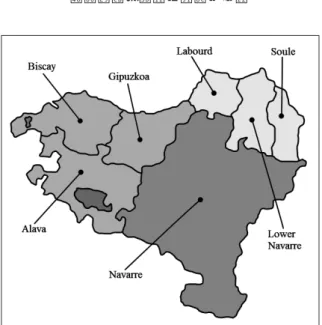
It consists of seven provinces (see Figure 2), four in the north-west of Spain (Alava, Biscay,
Fig. 1. Location of the Basque Country in Europe
(Source: Wikimedia Commons, Zorion)
Gipuzkoa and Navarre), often called the southern or peninsula Basque Country and three in the south-west of France (Labourd, Lower Navarre and Soule), together known as Iparraldea and often called the northern or continental Basque Country. The French provinces have no independent or official administrative functions, being part of the larger French administrative department of Pyrénées-Atlantiques. In Spain, the three provinces of Alava, Biscay and Gipuzkoa make up the Basque Autonomous Community (BAC). Navarre and the BAC are two of 17 politically semi-autonomous regions in Spain.
Humans have inhabited this part of Europe for thousands of years, and a people known as Vascones were cited as living in the region in Roman times (Zuazo, 1995; Erize, 2003).
Although there has never been a politically united Basque state (Gorrochategui, 1995), the peoples living in the area have for the main part been able to maintain greater or lesser degrees of independence, according to the political circumstances surrounding them. In particular, the peninsula provinces of Alava, Biscay, Gipuzkoa and Navarre have often times in history held special rights and treaties with the larger states surrounding them, although eventually Navarre and the French provinces were gradually integrated into the Spanish and French kingdoms respectively.
The Carlist Wars, fought through the 19th century, led to a loss of the special rights enjoyed by Basques in the peninsula (Zuazo, 1995). Meanwhile, in the continental Basque Country, many rights and privileges were lost after the French Revolution, when much administration was centralised in Paris.
Spain, which had been a major colonial power for hundreds of years, gradually lost the majority of its colonies in the first half of the 19th century, and then lost almost all its remaining colonial possessions in 1898 and 1899 in the Spanish-American War. This led to a crisis of confidence in many of its institutions, in particular the army. In the early part of
Fig. 2. The seven provinces of the Basque Country
(Source: Wikimedia Commons, Willtron)
the 20th century there were more political upheavals, including a failed military campaign in Morocco (Phillips and Phillips, 2010), the military dictatorship of Miguel Primo de Rivera
(1923−1930), which was repressive towards Basque rights and the Basque language, and the establishment of the second republic (1931−1939), which introduced a statue of autonomy for the provinces of Alava, Biscay and Gipuzkoa (Phillips and Phillips, 2010: 251). In the Spanish Civil War (1936−1939), which ended with the establishment of a military dictatorship led by General Francisco Franco and the loss of all special rights in the Basque Country, the provinces of Biscay and Gipuzkoa sided with the Republican Government and were therefore considered by the Franco regime to have been traitorous during the civil war. They lost their autonomous rights and were subjected to particular repression (Hooper, 2006: 244).
After the death of Franco in 1975, the Spanish state was reformed as a constitutional monarchy and devolved a great deal of power to its various regions, beginning with a new constitution in 1978, and eventually creating 17 autonomous communities and two autonomous cities. The Basque provinces of Alava, Biscay and Gipuzkoa formed the Basque Autonomous Community (BAC), and Navarre was established as the Chartered Community of Navarre.
The constitution gives the BAC a great deal of control over a number of important areas of administration, such as the ability to raise taxes, control health, education and policing
(Woodworth, 2007).
The Basque Country was long known to have rich deposits of iron ore, which have traditionally made it a trading “nation” and helped lead to rapid industrialisation in mining, ship building and the steel industry in parts of the peninsula Basque Country, especially in Biscay and Gipuzkoa, in the latter part of the 19th century. This in turn led to large scale inward-immigration, particularly from non-Basque speaking areas in western and southern Spain (Zuazo, 1995). Concurrently, there was considerable outward-migration of Basques, particularly to the Americas.
The Basque Country has also had a long maritime tradition, with a prosperous fishing, whaling and shipbuilding industries. Basque whalers were probably among the first Europeans to reach North America, and the first sea captain to circumnavigate the globe was Juan Sebastián Elcano, from the fishing village of Getaria, who completed the expedition of Ferdinand Magellan after Magellan’s death in the Philippines. Declining fish and whale stocks led to the collapse of those industries in the 20th century. In the late 20th centuries most of the mines in the BAC closed, leading to the closure of the iron and steel industries. In more recent times, the economy has diversified into tourism, services and new technologies. Today, the BAC has the highest GDP and per capita income in Spain (Instituto Nacional de Estadística, 2012).
Similarities and Parallels with Japan
There are a number of linguistic, social and educational similarities and parallels between the situations in the Basque Autonomous Community and Japan. These similarities and parallels by no means make Japan and the BAC analogues for one another, but I believe
they do allow for the observation of some comparisons and contrasts to be made, which in turn may be used to consider the possibility of learning from the experiences of language education in the BAC.
Many consider the linguistic difference between English and Japanese to be one of the reasons for the comparatively poor results achieved in English language education in Japan.
Although Basque is written using Latin, or Roman, script like Japanese it is a language which is distinct and very different from English. Both the Basque and Japanese languages tend to observe a basic SOV sentence structure, rather than the SVO employed in English, tend to use nouns at the end of relative clauses and post-position markers rather than prepositions, as in English (Gardner, 2000), and both languages use onomatopoeic expressions liberally. This is in no way to suggest that there is any relation between Japanese and Basque, simply to note that there are some similarities in their difference from English, the main extra-national language learnt in schools in both countries today.
Although the numbers of speakers is vastly different, both Japanese and Basque are almost exclusively spoken in a specific geographical location and are little used elsewhere.
Basque is related to no other languages, and Japanese has few relatives, often being included in the Altaic family of languages (although this is debated by some scholars), which is said to also include the Turkic, Mongolic and Korean languages. In both locations, a mountainous topography, with towns and villages that can be isolated from one another, has been instrumental in the evolution of dialects and language varieties which are not always mutually intelligible across the breadth of the country. In the case of both languages, a standardised variety for use in official settings was not developed until comparatively recently, in the 20th century.
However, different to Japanese, Basque is a minority language in its own heartland. It is spoken by only about 30% of the total population of the greater Basque Country. Even in the Basque Autonomous Community, the province with the greatest concentration of Basque speakers, it is only spoken by about 37% of the population (Eustat).
An important part of the cultural and economic history of both the Japanese and the Basques has been in fishing industries, particularly whaling. Spain and Japan also followed somewhat similar trends in economic growth in the second half of the 20th century. Spain had faster economic growth in the 1960s and 1970s faster than any other country in the Western world, second only to Japan outside of the communist world (Hooper, 2006: 16), and industrial production in Spain from 1959 to 1972 was faster than anywhere other than Japan (Phillips and Phillips, 2010). One of the main drivers of that industrial production was the Basque Autonomous Community. Other social changes occurred at similar times, including greater equality and sexual freedom for women, which has translated into extremely low birth rates for both countries. While Japan is well known for its low birth rate, Phillips and Phillips (2010:
289) claim that by 2000 the birth rate in Spain had reached 1.07, the lowest in the world, and both countries face the difficulties posed by an aging population.
English language acquisition in all regions of Spain has tended to lag behind that of many other Western European countries, which is again similar to Japan’s situation in East
Asia. Like Japan, relatively poor results are achieved by Spanish takers of international tests of English. English is rarely used in any meaningful way in daily life in either country: for example, movies and television shows are routinely dubbed into Spanish or Japanese and in Spain it is possible to find DVD releases of content originally produced in English that have been dubbed into several languages used in Spain, including Basque, with the original English soundtrack omitted.
Even the prohibition of the use of Basque in schools or public life in Spain after the Spanish Civil War (1936−1939) has some parallel with the attitude taken towards English in Japan in the years leading up to and during the Asia-Pacific War.
A final, fascinating link between Japan and the Basque Country is that the first Christian missionary to travel to Japan, in 1549, was the Jesuit Francis Xavier, a Basque born in Navarre. In recent years, both governments of Japan and the Basque Autonomous Community have made great efforts to improve English language education. Much of the focus in the BAC has been on CLIL approaches as one way of improving outcomes quickly.
Therefore, an investigation of the foreign and second language education policies developed and implemented in the BAC, as well as the difficulties encountered, results achieved and outcomes to date could prove of great benefit and may have important implications for English language education in Japan.
The Basque Language
Basque is an autochthonous language spoken in the regions of Spain and France described above. As was also made reference to above, there is evidence of the Basque language from citations in the writings of other languages from the time of the Roman Empire onward in recognizably Basque people and place names (Zuazo, 1995; Erize, 2003).
It is believed that Basque was originally spoken across a much broader area on both sides of the Pyrenees Mountains than is currently the case (Zuazo, 1995: 8), but for centuries it has been gradually overshadowed by the larger and more powerful languages surrounding it, French and Spanish. While both French and Spanish, in common with many languages used in Europe including English, arrived or evolved in Western Europe relatively recently, Basque is considered to be one of the oldest, if not the oldest, living language in Europe. And while most European languages belong to the Indo-European family of languages, Basque is a language with no known relatives, a language isolate (Trask, 1995). Moreover, the origins of the language are also unclear and although different theories have been proposed, none can be stated with any great degree of certainty. Over its long period of existence in the mountainous terrain of the Basque Country, it has become a diverse language of five recognised dialects and numerous sub-dialects and varieties. The majority of Basque speakers in the Basque Country today are centred in the provinces of Gipuzkoa and Biscay.
The first paper based written records of the Basque language date from the 11th century, and the first printed book in Basque, of poetry, was published in 1545. Most works published for some time following this were religious texts (Gardner, 2000: 25). From the 17th
century onwards more works of literature, dictionaries and writings in and on the Basque language began to appear (Zuazo, 1995; Erize, 2003: 22). Due to historical and political changes, the area in which Basque is spoken has contracted to what we know today, and the linguistic situation evolved into a state which can be called “stable diglossia”, meaning that while the official languages of education and government administration within the Basque Country were French and Spanish, Basque remained the language of daily use among the majority of the population. This began to change in the 19th century, particularly due to the forces of geopolitics (in particular, the Carlist Wars) and modern industrialisation, which precipitated a change in the make-up of the population in the Basque Country. The departure of native speakers and a corresponding influx of non-Basque speakers, together with increasing administrative control being exerted in French and Spanish, led to the Basque language coming under severe pressure in its homeland.
A counter point to the ever increasing focus on English as a second or foreign language in education around the world has been the phenomenon of language loss or death, which is occurring with more frequency in modern times. According to Ethnologue, there are, at the time of writing, 7,106 living languages, of which 2,434 are in a state of being endangered or worse (Lewis, Simons & Fennig, 2014). The Rosetta Project claims that, “457 or 9.2%
of the living languages have fewer than 10 speakers and are very likely to die out soon, if no revitalization efforts are made. 639 of the languages known to have existed are already extinct −10% of all languages.” Further, it has been suggested that close to 50% of the world’s languages are at risk of dying by the end of the current century (Wiecha, 2013). That the Basque language may meet a similar fate has been a genuine concern in the Basque Country in recent times because, despite its written tradition and though Basque may have been older than the other main languages spoken in the region, until comparatively recently the majority of people living in the Basque country were probably illiterate, monolingual speakers of one Basque dialect or another, with probably only a few members of the community being bilingual in the majority language to facilitate trade (Gardner, 2000: 25; Erize, 2003).
Further, on either side of the border, Basque has at different times been officially oppressed. In 1768, the king of Spain decreed that all education be conducted in the Spanish language, and similar decrees followed in the 19th and 20th centuries (Erize, 2003: 23). In France, after the French revolution, there was a gradual move towards centralisation of administrative functions, including education in which French became the official language of use in all schools in France, not only in the Basque Country but also in other parts of France where different languages were predominately spoken. In Spain, during the military dictatorships both before and after the Spanish Civil War (1936−1939), Basque was forbidden from use in schools or public life, and even the use of Basque names was banned. Erize (2003)
notes some of the difficulties Basque speakers had in daily life when coming into contact with Spanish, including the severe punishment given to children for using their Basque mother tongue in school.
The outcome over time was “language shift” in which the local language, Basque, began to lose out to the dominant languages surrounding it, French and Spanish. As
educational and economic opportunities become greater in the dominant language, the natural tendency was for people, especially the young, to begin to use the language of administration more regularly and to lose their ability to use the minority language fluently. Large numbers of people became “passive” users, who could understand the spoken language but rarely spoke it themselves. In many cases, parents could also see the advantages which would accrue to their children if they were fluent in the dominant language and discouraged Basque language use by their children. Within relatively short periods of time entire families or groups of people came to completely “shift” from using one language to another, contributing to the end result of Basque becoming a minority language in its own homeland.
From as early as 1801, the death of the Basque language was being predicted by scholars. By the beginning of the 20th century, the death of Basque was seen as a fait accompli by many (Erize, 2003). In the 19th century approximately 69% of people in what is now the Basque Autonomous Community (BAC) in Spain spoke Basque. By 1981, this had fallen to 21.9% (Eustat).
Reversal of Language Shift
The political upheavals of the 19th and 20th centuries also gave rise to various political and social movements, among them socialism and Basque nationalism, and ensuing backlashes. Basque nationalist sentiment was typified by a renewed interest in traditional cultural activities and definitions of Basque-ness. At first, ethnicity was considered more important than language in defining identity, but language issues have come to be central to many efforts at renewing a sense of identity among Basque people in more modern times
(Amorrortu, 2003: 157). This is by no means a universal sentiment and opinions differ, often, as may be expected, according to an individual’s main language (Amorrortu, 2003: 174−
76). And even today there is a great variety of opinion on what “being Basque” actually is, or what it is that makes a person Basque. Is speaking the language enough, or must a person and their antecedents also be originally from the Basque region? What of non-Basque speakers whose families have lived in the Basque Country for generations? One’s attitude to the issue of Basque nationalist ambitions is also considered of great importance by some.
However, language has become and remains a central issue.
Amid an environment which was hostile to minority languages, the first Basque- medium school, “Euskal ikastetsea,” was founded in Bilbao in 1896. Shortly after, languages other than Spanish were banned from use in schools in 1902. Nevertheless, in 1918 and 1919 two important institutions, the Basque Studies Society (Eusko Ikaskuntza) and the Academy of the Basque Language (Euskaltzaindia) were established. Some Basque-medium schools were also set up in rural areas in the 1920s (Gardner, 2000; Amorrortu, 2003). In a brief period between military dictatorships in the early 1930s there were numerous works published in Basque, but all these efforts came to halt with the rise to power and victory of Franco in the Spanish Civil War (Zuazo, 1995; Erize, 2003). For many years the use of Basque was strictly proscribed.
However over time, the strictures against using Basque began to be relaxed somewhat.
Basque journals first began to appear in France and other foreign countries, and then inside Spain from 1947 (Zuazo, 1995) and in the 1960s initiatives and institutions supporting the Basque language began to be re-established. This included the founding by parents of privately run Basque-medium schools, known in Basque as ikastola. These schools were illegal, often run in secret and still operate across the BAC, though now as part of the official education system. At first, there were great difficulties in both establishing and running the schools. There were no school buildings, so classrooms had to be set up secretly in garages or spare rooms of private homes. There were no qualified teachers, so instruction fell to those enthusiastic enough to do it. There were no teaching materials, requiring these to be hand-made at each school, and there was little or no money (Gardner, 2000). However, these humble beginnings laid the foundations for much of the educational work that was to come after the dictatorship.
Notwithstanding, the linguistic diversity of the various Basque dialects meant that there was no one variety of Basque that was acceptable all Basque speakers and this was an impediment to efforts to revitalise the language in the modern world. Many attempts had been made since the late 19th century to develop a standardised dialect, but this proved an extremely difficult and complex task to achieve (Gardner, 2000: 27), partly because different communities were unable to reach agreement on various proposals. Finally, in 1968, the main tenets for the standardisation of Basque were agreed at a meeting of the re-formed Euskaltzaindia (Zuazo, 1995; Erize, 2003). It should be noted that “tensions still exist to this day in many contexts” between the standard variety of Basque and the dialect spoken in Biscay (Cobarrubias, 2008: 137). With the passing of Franco in 1975 and the subsequent transition to democracy, there came a new era in which Basque being openly used in schools and public life became a possibility.
In the decades following, the use of the Basque language has become normalised in the BAC, where the most successful initiatives to revitalise the Basque language have taken place.
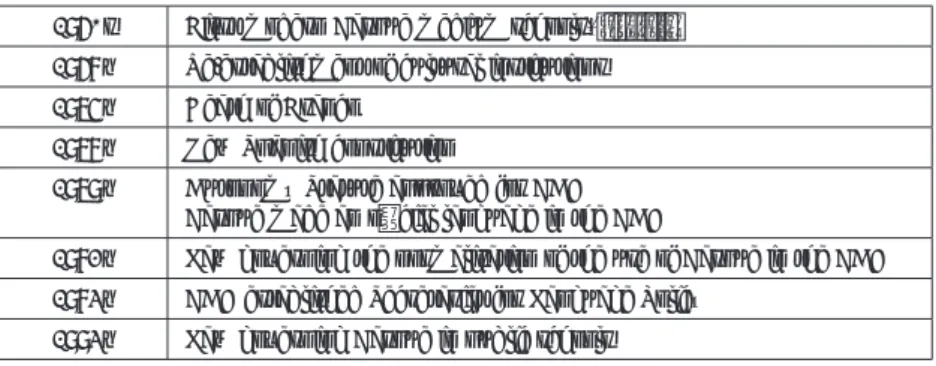
Reviving the language required a huge effort both in terms of language policy development and implementation in schools. Some of the most important stage posts in this process are listed in Table 1.
Table 1. Some important dates in the modern revival of Basque.
1960s First modern Basque medium schools, iskatola 1968 Re-establishment of cultural institutions 1975 Death of Franco
1978 New Spanish constitution
1979 Autonomy Statute approved for BAC Basque made an official language in the BAC
1982 Law governing the normalisation of the use of Basque in the BAC 1983 BAC established Secretariat for Language Policy
1993 Law governing Basque in public schools
In 1978, the new national constitution in a newly democratised Spain declared that Spanish was the official language of state, and that all Spaniards must know it and have the right to use it. However, the constitution also gave regional communities some degree of autonomy and the right to declare a local language as co-official with Spanish in that region. It also gave regional leaders the authority to develop policy in several areas, including education
(Phillips and Phillips, 2010: 283). The BAC began that process almost immediately, in December 1979, in the Statute of Autonomy of the Basque Country, also known as the Statute of Guernica, following the approval earlier in 1979 of the Autonomy Statutes for Catalonia and the BAC. In 1982, the Law for the Normalisation of Basque was passed in the BAC. Just as the right to use Spanish is enshrined in the national constitution, this made the use of Basque a personal right in all three provinces of the BAC. Therefore, citizens gained the right to choose which language they wanted to use in education, the courts, in dealing with the administration and so forth (Gardner, 2000: 33). Article 17 of the law stated:
The Government shall adopt those measures that will lead to a guarantee of a real possibility, in equality of conditions, of possessing sufficient practical knowledge of Basque at the end of the period of compulsory schooling (Gardner, 2000: 46).
However, simply passing laws allowing for the use of a language does not mean that the language immediately comes into actual use, for as Gardner (2000: 35) notes, even
“language competence does not ensure language use.” Native speakers of Basque had almost never used their language in dealing with officials of state or for reasons of public administration. Thus, possibly the most important task to be undertaken was the creation of a sense of belief that Basque could be used functionally in all spheres of human endeavour in the same way that Spanish, French or any other language could be, and not only in informal settings such as between family members and friends. One example of what was required was the coining of new lexical items to cover fields such as science, informational technology, administration, and so on, for which Basque had not previously been used. These new terms had to be disseminated and understood and then put into practical use in context, a huge endeavour. In 1983, the BAC established a Secretariat for Language Policy, which was charged with developing policy for various aspects of language planning (Gardner, 2000: 33).
For detailed descriptions of the process of language planning that was undertaken see Urkizu
(2003) and Cobarrubias (2008).
Development of Policies Regarding the Basque Language in Education in the BAC in Recent Decades
The 1982 Law for the Normalisation of Basque “established a unique objective for all the pupils: to be able to use the two official languages by the end of compulsory education”
(Sierra 2008). “In 1863, there were around 501,000 Basque-speakers, who represented 55%
of the total population of the Basque Country” (Erize, 2003: 25), but according to Basque
Government statistics, in 1981, shortly after new laws had given Basque official status in the BAC, only 21.9% of a population of almost 2,000,000 people in the BAC were Basque speakers
(Eustat) and fewer still were competent writers of the language. One of the ways in which the BAC government set about trying to change this situation was through a series of educational reforms.
They faced several major problems, including a lack of trained Basque speaking teachers: “in the 1976/77 school year, 95% of state pre-primary and primary school teachers did not know Basque” (Gardner, 2000: 41). In most private schools the situation was similar.
Teachers in the ikastola were teaching in Basque, but they were often untrained and represented only 10% of the whole school population. Other problems included a lack of teaching materials and other resources for teachers and a lack of organisational capacity.
There were also difficulties in terms of economic resources, yet such was the perceived importance that in 1982 about 50% of the BAC provincial government budget was devoted to education. This had dropped to 27% in 1995, although the figure had increased in real terms
(Gardner, 2000: 47−8).
One of the first initiatives was to restructure teacher training colleges so that some teachers could be trained to teach in Basque. Eventually a Basque Teacher’s Diploma was established to ensure that primary school teachers had at least the minimum level of Basque language skills and the pedagogical skills to teach through Basque (Gardner, 2000: 42).
In July 1983, a decree of bilingualism was passed in the BAC, providing the legal basis for the bilingualism called for in the 1982 Law for the Normalisation of Basque, and which outlined the definitions of the models of bilingualism to be used in schools. It also provided subsidies for producing teaching materials, established the minimum language requirements to teach in Basque and provided the basis for the retraining of teachers already in schools
(Gardner, 2000: 46−7).
Standards for evaluating teachers’ command of Basque were established to certify new teachers to teach at primary or secondary school. Passing a general examination of Basque certified a teacher to work in primary schools, and passing a further oral exam proving proficiency in teaching in a subject area was required to teach at secondary school. Teachers were expected to be able to pass both certification examinations in order to qualify for a tenured position teaching in Basque. The certification procedures have since been updated to reflect changes in teaching practice, particularly with reference to communicative teaching approaches (Gardner, 2000: 60). Additionally, a programme of in-service training to improve existing teachers’ Basque language skills, known as IRALE, was established. The IRALE programme provided grants for teachers to study Basque, part-time or full-time for periods of from a few months to as long as two or three years. The regional government both paid the teachers’ salaries while they studied and the cost of providing a replacement teacher during the period of study (Gardner, 2000: 48; Zalbide and Cenoz, 2008). As of 2008, according to Zalbide and Cenoz (2008: 15) “around 21,000 teachers have achieved the level required to teach through the medium of Basque” through the IRALE programme. As noted above, at the beginning of this process only 5% of teachers in the primary public school system could
teach in Basque to (Gardner, 2000; Zalbide and Cenoz, 2008). The corresponding figure is now close to 100% of teachers in primary schools, 80% in secondary schools and about 85% overall able to teach through Basque (Garcia Gurrutxaga, del Nozal, Villa and Aliaga, 2011).
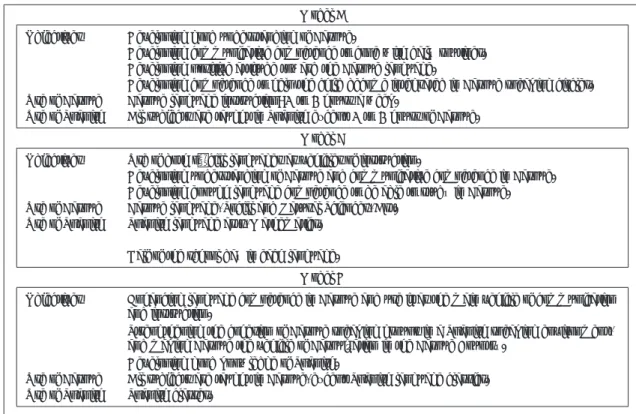
The models of bilingualism that were developed were to apply to all pupils in compulsory education, which at that time meant from ages 6 to 14 (this was later extended to age 16 in 1990) and are known as Model A, Model B and Model D (see Figure 3). In Model A, Spanish is the main language of instruction and Basque is taught as a subject for approximately three hours per week. In Model B, there is approximately a 50−50 split between using Basque and Spanish to teach the various subjects in the school curriculum, although this varies from school to school. In Model D, Basque is the main language of instruction and Spanish is taught as a subject for approximately three hours per week (Santiago, et. al., 2008). In the early years of the application of the models there was also a Model X, which was a Spanish-only curriculum, but this quickly tailed off and accounted for no more than 1%
of all pupils (Gardner, 2000: 44), and by 2011 had fallen to less than 0.6% of pupils (Eustat).
According to Urrutia and Irujo (2008: 133), “this model has disappeared in practice and it is only applied for temporary residents in the BAC who do not have previous knowledge of Basque and are not going to acquire it as their stay is temporary.”
Initially, most pupils were enrolled in schools using Model A, but over time there has been a general movement towards Models B and D. Alava remains very balanced across all
Model A Objectives Developing good understanding of Basque.
Developing communicative competence to cope with daily routines.
Developing positive attitude toward the Basque language.
Developing competence to help the child become integrated in Basque speaking circles.
Use of Basque Basque language instruction: 3 to 4 hours a week.
Use of Spanish All subjects are taught in Spanish except 3 to 4 hours of Basque.
Model B
Objectives Use of both official languages as vehicles of instruction.
Developing understanding of Basque and communicative competence in Basque.
Developing enough language competence to be able to study in Basque.
Use of Basque Basque language, Social and Natural Sciences, Art.
Use of Spanish Spanish language arts, Mathematics.
Half of the school day in each language.
Model D
Objectives Enhancing language competence in Basque and use it as the main vehicle of communication and instruction.
Strengthening the cohesion of Basque speaking groups in a Spanish speaking environment, and making Basque the vehicle of Basquization in the Basque Country.
Developing good knowledge of Spanish.
Use of Basque All subjects are taught in Basque, except Spanish language classics.
Use of Spanish Spanish classes.
Fig. 3. The three models of bilingual education adopted in the BAC. (Source: Cobarrubias, 2008).
three models, but Gipuzkoa, the province with the highest population, is heavily weighted to Model D and Biscay leans towards Model D, although, as Zalbide and Cenoz (2008: 9) note,
“in practice, there are more models than the three described,” particularly in Model B. There is variation in the number of subjects taught in different schools, and even schools which use more than one model in different streams. In the 2013−14 academic year, there were a total of 361,252 pupils enrolled in schools. 57,029 were in Model A, 70,906 in Model B and 231,277 in Model D, meaning that over a period of approximately 30 years, the number of pupils learning through Basque has gone from about 10% (those in the iskatola) to almost 84%, with about 64% in Model D. Only one school in Gipzukoa is now operating in Model A. Freedom of choice in the language of education is enshrined in law, so it is considered that social demand has driven the movement towards Basque-medium education (Urrutia & Urujo, 2008: 184).
Teaching materials and other resources for teaching in and through Basque initially were minimal and expensive to develop. The BAC government therefore employed a system of funding through grants to materials producers to enable the creation of materials that were not financially prohibitive for families (Aldekoa and Gardner, 2002). Additionally, a series of teacher training and support centres, known as Berritzegune, were established to aid teachers in schools in developing and using materials and in improving teaching methodology. There are currently18 Berritzegune centres located in various cities and towns across the BAC.
Taking language use out of the classroom and into the community was a major challenge. Schools attempted to arrange excursions and other outings or arrange cultural activities which would entail the use of Basque. In 1984, the BAC government, through its education department, created a unit called NOLEGA, which aimed to develop programmes to support schools in these endeavours, by providing grants to engage in various activities that could lead to greater use of the Basque language. Examples include exchanges between schools in different linguistic areas, theatre productions, and short-term stays in residential centres designed to encourage language use, as well as other activities. Though it was considered valuable and successful, by the 1990s it was felt that the programme did not contain the degree of coordination between all participants that would ensure efficient use of resources. As a consequence, the BAC developed a new programme which put individual schools at the centre of the process, known as the Ulibarri programme (Aldekoa & Gardner, 2002). The education department lays down the ground rules for a programme and provides tools for evaluation and ongoing support through its educational support centres. Schools devise a plan, which includes clear demarcations of responsibility, including that of a project leader, and a description of the process of evaluation. Simultaneously, efforts are made to secure the support of as many of the stakeholders in the school community as possible:
teachers, administrators, parents and pupils. At this point, they may apply to the education department for funding. Project leaders have their normal teaching workload reduced in accordance with the size of the school and the project. According to Aldekoa and Gardner
(2002: 22):
“The Ulibarri programme, with its mixture of top-down (provision of a standard procedure to be adhered to, the diagnostic tool, reduction of project leader’s workload, provision of training, consultancy and continuing support) and bottom-up planning
(voluntary participation by schools, full control of the project, including the selection of appropriate goals, actions and degree of commitment, and its execution kept within the school) has proved attractive to participants.”
The programme expanded quickly from the 23 schools which participated when the programme was piloted in the 1996−97 academic year, to 305 schools in 2001−02, (Aldekoa &
Gardner, 2002) and 390 schools and over 12,000 teachers in 2004−05 (Zalbide and Cenoz, 2008:
13).
There is only one public university in the BAC, the University of the Basque Country, and it is now possible in the BAC for pupils to take their university entrance examinations in either Spanish or Basque. The linguistic landscape at the tertiary level has to some extent mirrored that of primary and secondary schooling. As a consequence of the effects of the language policies pursued over recent decades, the number of pupils taking their entrance examination in Basque has increased from 38% in 2000 to 57.5% in 2009, and 46% of first year students were learning through Basque in 2010, up from 23% in 1998 (Cenoz, 2012). Many of the same issues confronting the use of Basque in schools, such as a lack of teaching materials and professors qualified to teach in Basque, exist at the university level. This is exacerbated by the greater degree of specialisation required in university courses.
The results of these initiatives to normalise the use of Basque in the BAC through educational policies have been largely positive. Statistics on the number of speakers of a minority language often rely on self-reporting and can be difficult to ascertain with great precision. However, in 1996 it was estimated there were approximately 660,000 fluent speakers of Basque and a further 455,000 with some knowledge of the language, based on 1991 government figures (Zuazo, 1996). BAC government statistics found that by 2001, the proportion of Basque speaker to the population had risen to 32.21%, and again to 37.25%
in 2011, with the greatest changes occurring in age groups under 40 (Eustat). Basically, all Basque speakers are bilingual, while many Spanish speakers in the BAC are still monolingual. In 1981, 65.89% of the population were monolingual Spanish speakers, but in 2011 that figure had dropped to 37.2% (Eustat). The most recent information reports that there are now 789,439 Basque speakers and 541,562 people with some knowledge of Basque
(Eustat). Therefore, it can be said that overall there are now more Basque speakers and fewer monolingual Spanish speakers than has been the case for many decades, that the young make up a greater proportion of bilinguals than any other age group, and that there is an increasingly favourable opinion regarding the use of Basque (Basque Government, 2013). Zalbide and Cenoz (2008: 7), refer to a study which shows that there has also been an increase in the number of users of Basque in the street between 1989 and 2001 in Gipuzkoa
(from 23.3% to 29.9%) and Biscay (from 8.1% to 11%), but a minor drop in usage in Alava
(from 3.9% to 3.3%). However, despite these favourable data, bilinguals still tend to be Spanish
dominant (Zalbide and Cenoz, 2008: 7; Eustat).
With regard to overall academic achievement there appears to have been no adverse effect to pupils studying through either language (Sierra, 2008). According to the European Research Centre on Multilingualism and Language Learning, “students studying in Basque generally do so without loss of competence in Spanish” (Mercator, 2005: 30).
Assessments made by the BAC government show that the BAC has one of the highest rates of infant education in the world, above average completion of secondary school in comparison with countries in the EU, and the highest rate of university graduates in science and technology in the EU (Sierra, n.d.). The BAC performs above the OECD average in other areas of education, and usually performs better than the Spanish national averages (ISEI-IVEI, 2005a, 2007).
There remain issues of concern requiring further discussion and review. It had been expected that all pupils in the BAC would gain the ability to use the Basque language to a high degree, which has been defined as achieving level B2 of the Common European Framework of Reference for Languages. This has not been achieved. In 2005, only 47.3% of pupils were able to demonstrate this level of command of the language, while 52.7% failed to do so. As might be expected, pupils from Model D schools outperformed pupils from Model A and Model B schools (ISEI-IVEI, 2005b; Sierra, 2008: 45). Additionally, despite the gains noted above, receptive language skills in Basque tend to be stronger than productive skills (Zalbide and Cenoz, 2008: 6).
Nor is there a complete consensus on the value of the three models of education, and there is much debate on how the models can be improved, or whether they remain appropriate to the current situation in the BAC, particularly in light of social changes, including immigration and a growing awareness of the necessity for English language skills in a globalising world. The three models are currently under review, but despite various proposals a final decision has yet to be arrived at (Urrutia & Urujo, 2008: 185; Zalbide and Cenoz, 2008).
Major efforts have been made and a great deal of resources have been allocated
(and continue to be made and allocated) to reviving and normalising the Basque language, including efforts to achieve standardisation of the language, training of teachers, grants to schools, and the development of teaching materials. However, despite the gains made Basque remains a minority language in the BAC and at risk, even losing ground in some areas of daily life, such as in homes and among friendship groups (Zalbide and Cenoz, 2008: 16).
English Language Education at Schools in the BAC, Including CLIL Approaches It is also understood in the BAC, as elsewhere in the world, that in a globalising economic situation foreign languages are an essential requirement of any school curriculum.
Traditionally, French was the most common foreign language taught at schools in the BAC, but due to the same forces that are driving the demand for English language education in other parts of the world, French has been displaced by English which is now the de facto
foreign language of choice in schools. 95% of children in the BAC now study English, although it is still possible to study other languages such as French or German this is usually as a fourth language (Cenoz, 2011). The trend towards English has also been evidenced by demand in the community for English language skills. Gardner (2000: 36) cites a 1996 survey of job vacancy advertisements for graduates placed in local media in the BAC. Basque was a requirement or positively valued in less than 10% of cases, while for English the figure was 57%.
In accordance with the EUs action plan on learning and linguistic diversity, which aims for all citizens to be multilingual by “learning their mother tongue plus two other languages from a very early age” (Europa), English is generally taken up by children in schools in the BAC at the age of four (Cenoz, 2009: 12), although it is not compulsory until the age of six
(Sierra, 2008; Zalbide and Cenoz, 2008). The European Commission recommends Content and Language Integrated Learning (CLIL) as an appropriate approach to bilingualism in education
(European Commission, 2014), and CLIL has emerged as one of the preferred approaches to English language education within the multilingual educational environment which now exists in the BAC. Cenoz (2011: 24) claims that “approximately 25% of the primary schools in the Basque Country (serving about 20,000 students) and 9% of secondary schools (serving about 1,600 students) are ‘officially’ participating in a special CLIL project but many other schools also use a CLIL approach to teaching English as a third language.” Some schools have gone further and are using English as the language of instruction for some subjects at the end of primary education and in secondary education (Cenoz, 2009). As a consequence of community and parental demand (Lasagabaster, 2011) and in line with European policy development, English has more or less become a standard part of the curriculum in each of the three models of education, A, B & D, used in the BAC. While it may vary from school to school, English is generally taught for approximately three hours per week in each model.
However, English is not a language native to the region and older generations, if they studied a foreign language, are more likely to have studied French, which means there is little historical or cultural association with English. Consequently, it was understood that the learning dynamic must necessarily be very different to the situation which has been experienced in promoting Basque in school curriculums.
Garcia Gurrutxaga, et. al. (2011), describe the way in which English language education in public schools in the BAC has been developed. The initiative described began with a pilot programme of 13 schools at infant level in 1996 followed by widespread development and dissemination of CLIL-based teaching materials in three phases until the end of 2006, covering all levels of schooling until the end of compulsory education, which is at 16 years of age. The pilot programme was characterised by teacher-advisers developing materials using CLIL approaches for their own infant English classes. They would meet again after putting the materials to use in order to review, revise and improve the materials. These materials became the basis for the first phase of English language education in primary schools.
The programme followed a similar process at each educational level. Three content- based units of work were devised to be used per year for each year level. Eleven teachers-
advisers initially tested the materials in their own classes, before meeting again to discuss any issues and make changes and improvements. Again, school schedules were arranged in such a way that this could be done during school hours. Following this, seminars were held fortnightly for interested teachers of English to disseminate the CLIL-based teaching and learning materials. At the seminars, teachers discussed what they had done over the previous two weeks, and were then introduced to new materials for use in the ensuing two weeks. In this way teacher-advisers were able to engage in a dynamic, ongoing process of review and revision of materials. Initially, this process was provided for teachers of English, but from 2001 teachers of content subject areas began to become involved, broadening the scope of the programme (Garcia Gurrutxaga, et. al., 2011: 287).
In the first phase of the programme, from 1999−2000 until 2002−2003, and known as Early Start to English, training was offered to teachers of pre-school pupils (4−6 yo) at over 150 schools and teacher training centres across the BAC. Seminars were conducted every two weeks to demonstrate the materials to be used in English classes. School schedules were organised in such a way that the seminars could be held during school hours, allowing all interested teachers to participate.
In the second phase, a very similar approach was used to develop materials for pupils in primary education, under the title of INEBI, a Basque acronym meaning English through content, in each of the 18 Berritzegune, or training centres, in the BAC. The training and materials were designed to provide continuity from the previous level. Funds were also provided for the purchase of teaching materials.
In the third phase, a similar approach was again taken with teachers taking classes until the end of compulsory education, at age 16, in secondary schools called BHINEBI, a Basque acronym for English through content in secondary education. Teachers at this level were given descriptions of the process at lower levels of schooling, including explanations of the methodology used. The aim was to maintain continuity in the delivery of education, as opposed to the change from communicative methods to traditional methods as had previously occurred in many cases. Teachers were invited to lower level schools to see first-hand how the system worked in practice in the classroom. This was instrumental in creating a positive transition from one school level to the next. The teacher-trainers consider the programme to have been extremely successful in that it involved interaction with and between teaching practitioners in classrooms and was not simply a top-down process in which researchers and administrators set parameters and goals for teachers to achieve (Garcia Gurrutxaga, personal communication).
In recent years, CLIL has come to be widely adopted not only in the BAC, but across many countries in Europe, where “CLIL type provision is part of mainstream education in the great majority of countries at primary and secondary levels.” (Eurodyce, 2006: 13). Several studies in Europe of CLIL in practice have offered support for the purported benefits of CLIL
(for a review see Dalton-Puffer, 2011; Perez Cañado, 2011). Studies conducted in the BAC have also shown that CLIL programmes give better outcomes in terms of foreign or second language acquisition than traditional language courses (Basque Institute of Educational
Evaluation and Research, 2007; Lasagabaster, 2008; Ruiz de Zarobe, 2008). There is also evidence of higher levels of motivation among pupils taking CLIL classes when compared to those taking traditional language classes (Lasagabaster & Sierra, 2009; Lasagabaster, 2011).
While this naturally leads to the conclusion that there is great potential for CLIL, Garcia Gurrutxaga, et. al. (2011) note that there are still issues to be addressed. There is a need for more and better training for teachers to use CLIL approaches to language education.
Additionally, the development of more teaching materials is required to build upon the successes achieved. Finally, there is a requirement for more trilingual teachers in order to extend the programme to more schools across the BAC.
Summary and Possible Implications for English Language Education in Japan
During the 19th and first half of 20th centuries in the Basque Autonomous Community of Spain, the autochthonous language, Basque, had become a minority language in some danger of dying. Through a great deal of effort and policy application in difficult political circumstances, the goal of reviving and normalising the language in everyday use has been partially achieved. One means of doing this was to make Basque the main language of instruction in most schools in the BAC. Research shows there has been no adverse effects to student performance on tests in either of the two main languages used, Basque and Spanish or in content subjects.
Some of the lessons learned in the revival of Basque have been applied to the widespread introduction of English in school curricula. As seen in the INEBI and BHINEBI programmes, goals for bringing English language education into schools in an effective manner were articulated, plans, including the training of teachers and development of teaching materials, were designed and implemented leading to positive results. On the other hand, in Japan numerous initiatives have been formulated and attempted, however with little apparent progress. Japan and the BAC in Spain share a number of similarities and parallels which make comparing their foreign language education situations germane. The successes achieved in the BAC point to a direction for Japanese educators and educational policy makers to explore in attempting to improve English language education policy and practice in Japan.
In a globalised world, where language and communication skills are of increasing importance, much can be learnt from the experiences in language education of the BAC.
Ultimately, foreign language education should be the means to the end of developing in pupils and students the ability to communicate in that language. As such, language learning cannot exist solely in the vacuum of the classroom or solely with the goal of passing tests.
To be truly effective, ways must be found of transferring language use from the classroom environment to other facets of daily life. In Japan, this can be difficult. There are few opportunities, or requirements, for learners to use English in Japan outside the classroom. In many contexts, including that of Japan, foreign language education centred on the classroom and testing tends to place more stress on the receptive skills of reading and listening than on the productive skills of reading and writing that are equally important for communication to