Study on g e n e t i c d i v e r s i t y and c h a r a c t e r i s t i c s of Japanese n a t i v e h o r s e p o p u l a t i o n s
September, 2019
Paul Ripon Chandra
G r a d u a t e S c h o o l of E n v i r o n m e n t a l and L i f e S c i e n c e ( D o c t o r
SC o u r s e )
OKAY AMA UNIVERSITY
S t u の ' on g e n e t i c d i v e r s i 砂 andc h a r a c t e r i s t i c s of J a p a n e s e n a t i v e h o r s e p o p u l a t i o n s
A T h e s i s
Submitted to partial fulfillment of the requirements for the degree of
D o c t o r of P h i l o s o p h y
by
P αu l Ripon Chandr α
Under the Supervision of
P r o f e s s o r T e t s u o Kunied
α ,Graduate School of Environmental and Life Science (DoctorS Course)
Okayama University, Japan September, 2019
Contents Contents
List of Figures Lおtof Tables Dedication
Acknowledgement List of Abbreviations Abstract
Chapter 1: Generαl Introduction
1.1: INTRODUC主lON 1.2: OBJECTIVES
Chapter 2: Analysis of Mitochondrial DNA (mtDNA) and Y chromosome hαplotypes in Japanese native horses
2.1: INTRODUCTION 2.2: OBJECTIVES
2.3: MATERIALS AND METHODS 2.4: RESULTS AND DISCUSSION 2.5: CONCLUSION
Chapter 3: A Study on genotyping of genes related to wither height, body conformation and locomotion traits in J伊 anesenative horses
3.1: INTRODUCTION 3.2: OBJECTIVES
3.3: MATERIALS AND METHODS 3.4: RESULTS AND DISCUSSION 3.5: CONCLUSION
Chapter 4: A Study on geno砂pingof genes related to reproductive traits and hereditaηy disorders in Japanese native horses
4.1: INTRODUCTION 4.2: OBJECTIVES
4.3: MATERIALS AND METHODS 4.4: RESULTS AND DISCUSSION 4.5: CONCLUSlON
Chapte1・5:A Study on geno仰 ingof genes related to coat color in Japanese native horses
5.1: INTRODUCTION 5.2: OBJECTIVES
5.3: MATERIALS AND METHODS 5.4: RESULTS AND DISCUSSION 5.5: CONCLUSION
Chapter 6: General Conclusion Chapter 7: References
ν−zν νii
ix xi 1〜5 7〜14
7 14 15〜40
15 18 18 21 30 41〜61
/hU
1 3 3 5 4
グ
4 4 4 4 5
九4
K υ
62 64 64 65 69 77〜96
Oびハ υ r
︐ι
ヴ
/ ハUハ
U F I
ヶ/
7 I U 4
7 8 8 8 8
〜 仁
一
ケ /
JA
U AY Fi
List of Figures
Figure 2.1 Geo gr.
α
phicαl locαtion of 8 Japα:nese native horse populαti on 31 Figure 2.2 Schematic drαwing of kompetitive allele specific PCR 31 Figure 2.3 N‑Jtree bαsed on 247 bp of mtDNA D‑loop region in eight 32Jαpα:nese nαtive hoγ:se breeds including references from Cieslak et α 2010 .l
Figure 2.4 Y Chromosome hap lo type network for Japanese male horses 33 Figure 2.5 Y chromosome hαplotype network for male horses jシomEurope, 34
Asiααnd Przewαlskis horse
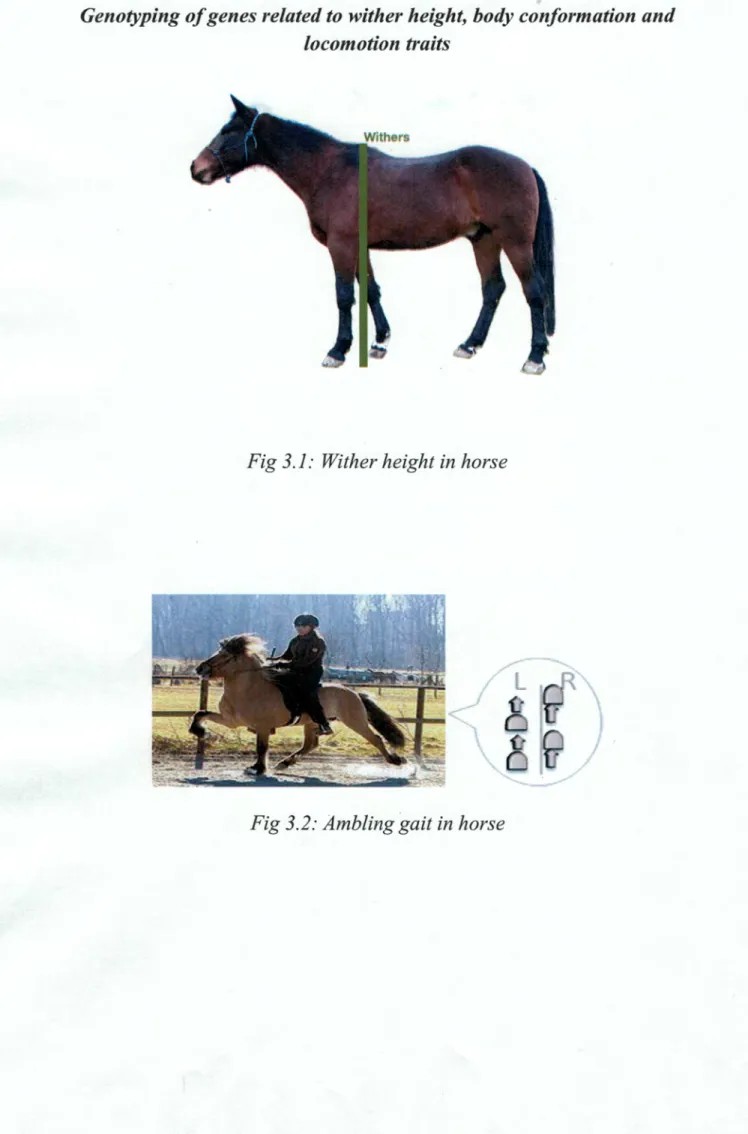
Figure 3.1 Wither height 55 Figure 3.2 Ambling gait in horse 55 Figure 5.1 MCI R signaling in coat color formation in horse 88 Figure 5.2 Horse coat color controlled by MCI R, ASIP,αnd MATP genes 89 Figure 5.3 Determinαtion of dun coat color By Imsland et al., 2016 90
Table 2.1 Table 2.2 T
αble 2.3
T
αble 2.4
ν
List of Tables
PCR product preparation for purification and sequencing 35 Y chromosome haplotypes‑indicatiνe markers used in Japanese native 3 6 horses
Comparision of Number of Hap lo types, Hap lo type and Nucleotide 3 7 diversi砂 ofmtDNA D‑loop region within different Japanese native horse populations
Hap lo types of the mitochondrial D‑loop region and their distribution in 38 Japanese native horses compαred with rψrence sequence X79547
(15494‑15740bps), Kaloi etαl., 2007αnd Takiαsuet al., 2014
Table 2.5 Hαrplo
か
pesof mitochondrial DNA (mtDNA) D‑loop region and their 39 distribution in Jαpαnese nαtive horses compαred with Cieslak etαl., 2010 (excluding hotspot region 15585, 1559ス
15604αnd15650)Table 2. 6 Y chromosome hap lo type distributions in Japanese native horses 40 Tαble 3.1
Table 3.2 Table 3.3
T
αble 3.4 Table 3.5
Table 3.6 T
αble 4.1
Table 4.2 Table 4.3
Primer, tαrget length, Amino acid substitution and r句作rencesfor 56 genotyping LCORL, ZFAT, HMGA2, LASPl, MSTN and DMRT3 in Jαrpanese nαtive horses
PCR conditions 5 7 Genotyping by sequencing and restriction enzyme with cleavage site, 58 incubation temperature and time of incubation
Genotype distribution αnd allele j
向
uenciesof LCORLαnd ZFAT in 59 Jαrpanese native horsesGenotype distribution and allele jたquenciesof HMGA2 and LASP 1 in 60 Japαnese nαtive horses
Genotype distributions and allele jたquenciesof MSTNαnd DMRT3 in 61 Japαnese nαtive horses
Primer, tαrget length, Amino acid substitution and r句作rences for 70 genotyping FKBP6, PLCzl, CRISP3, GYSl, RYRl and SCN4A genes in Japanese nαtive horses
PCR conditions 71 Genotyping by restriction en勾ノme, their cleαvage site, incubation 72 temperature and time of incubation
々
equencingTable 4.4 Genotype distributions αnd allele}
向
uenciesof FKBP6 gene. Table 4.5 Genotype distributions and allele}均quenciesof CRISP3 gene73 74
Table 4.6 Genotype distributions of PLCZJ, GYSJ, RYRJ, and SCN4A genes 75 Table 5.1 Primer, tαrget length, Amino acid substitution αnd r句作rences for 91
genotyping MCI R, ASIP, MATPαnd TBX3 in Japαnese native horses Table 5.2
Table 5.3
Table 5.4 Tαble 5.5 Table 5.6 Table 5. 7
PCR conditions 91 Genotyping by PCR/sequencing I restriction enzyme , their cleaνage 92 site, incubαtion tempera似reand time of incubαti on
Genotype distributions and allele jたquenciesof MCJR, ASIP and 93 MATP gene
Coat color distribution in Jαrpanese native horse (basic and cream 94 dilution)
Genotype distributions and allele j均quenciesof TBX3 gene. 9 5 Coat color distribution in Jαrpanese native horse (dun, non dun] and 95 non dun2)
Vll
Dedication
to
My beloved wife
Acknowledgement
The work leαding up to this thesis was done during my yearsαs grα,duαte student with research group of Applied Animal Genetics in the Graduate School of Environmental and Life Science, Okayama Universi砂, Japan.These years have been verアstimulatingand instructive,αnd the chee1
ル ;
latmosphere in the group hαs given rise to many interesting discussion αnd ideas, on topics both more and less related to research.First of all I want to thank Pr
ψ
ssor Tetsuo KUN/EDA, my supervisor, for hおsupport and encourαgement during this work and his sympαthetic cooperation and suggestions, continuous advice and generoush φ
in many ways for completion of this study.I am deeply indebted to Dr. Takehito Tsuji Laboratoη of Applied Animal Genetics, Okayαma Universi砂, Japanand Dr. T.αkayuki !bi Laboratory of Genetics and Animal Breeding, Okayama University, Japan for their sympathetic cooperαtion and suggestions, continuous advice and generous h
φ
in mαny ways for the completion of this study.I amαlso grat
φl
to Ministry of Education, Culture, Sports, science and Technology似'EX
, 刀
Governmentof Japan for affording me the MONBUκ
4GAKUSHU Scholarship to conduct this study αnd my thanks go to Okayαma University for academic support. My special thanks to Ken NOZA WA, Primate Research Institute, Kyoto Universi,砂 Japanfor providing the Japαnese nαtive horse blood sample and Dr. Barbara Wαliner, Institute ofAnimal Breeding and Genetics, University of Veterinary Medicine Vienna, Austria for cordiαl heljフinthis study.
Iαlso thanks to Department of Genetics and Animal Breeding, Patuakhali Science and Technology University, Bangladesh for giνing the opportunity for this study affording study leave for 3 years.
I would like to express my dearest appreciation and indebtedness to my beloved w砕 AshαDebfor his constant cooperation, encouragement and mental support during my study αnd my daughter Adrit,αPaul for her special αscrifice letting me put most of my time in laborat01・ア Lαstbut not least, I am profoundly obliged to my parents,αll of the laboratoηy members, my elder brother, relatives and jシiendseverywhere for their continuous in伊iration and moral support in pursuing the work.
% μ
か し
μM
勿
c cm del DNA dN宝P D W EBV‑PAT FAO g.
GWAS h HT HWE KASP kg m M mtDNA N ng N‑J p
p rPm SNPs
TAE TE TNESU
u
YBP π
χl
List of Abbreviations
Percent,αge Micro Litre Degree Celcius Amino Acid Base Pair
Coding Centimetre Deletion
Deoxyribonucleic Acid
Deoxyribonucleotide‑triphosphαtes Distilled Water
Estimated Breeding Values for the Paternal component of the Pregnancy αrte per Oestrus cycle
Food and Agriculturαl Organizαti on Genomic
Genome Wide Association Study Hap lo
か
pediνersityHap lo type
Hardy‑Weinberg Equilibrium Kompetetive Allele Specific PCR Kilogram
Mili Malαr
Mitochondrial DNA Number
Nαno Gram
Neighbour Joining Protein
Probability
Rotation Per Minute
Single Nucleotide Polymorphisms Tris‑Acetic Acid‑EDTA
Tris‑ED TA
Tris‑Nacl‑EDTA‑SDS‑Urea Unit
YearB
φ
re Present Nucleotide DiνersityA large number of local horses have historically been raised in Japan for drafting, packing, and riding utilities in transportation, agriculture, and military pu
ゅ
ose,but the population of these Japanese native horses has dramatically reduces in recent times, and currently only eight local populations of Japanese native horse, namely Hokkaido, Kiso, Noma, Taishu, Misaki, Tokara, Miyako, and Y onaguni breeds, have remained for mainly conservation purpose in several locations of Japan. While the population sizes of these horses are markedly small except Hokkaido, these native horse breeds may have unique genetic characteristics. Since such unique genetic characteristics can be valuable for maintaining the genetic diversity of the domestic horse population, efforts must be taken to conserve the Japanese native horses. Currently, various genetic indexes are used to assess the genetic diversity of a population, including microsatellite markers and mitochondrial DNA (mtDNA). In addition, due to recent advances in molecular genetic analysis of domestic animals including genome wide association study (GWAS), various single nucleotide polymorphisms (SNPs) or mutations of the genes associated with particular traits of horse including physical performance, body conformation, coat color, reproductive performance as well as hereditary disorders, are also used to evaluate the genetic characteristics of the horse populations.In this s加dyhaplotype of mtDNA, Y chromosome haplotypes and genotypes of genes associated with physical performance, body conformation, reproductive traits, hereditary disorders as well as coat colors were investigated to reveal the genetic diversity and characteristics of these Japanese native horse populations.
Haplotype of mtDNA D‑loop region was analyzed to assess the relationships of the maternal lineage between the eight populations of Japanese native horses.
2 Abstract
The results obtained from these populations indicated the presence of 15 different haplotypes with haplotype and nucleotide diversities of 0 to 0.874 and 0 to 0.023, respectively, except the Noma and Tokara which showed no variation of mtDNA. Furthermore, Neighbour Joining (N‑J) tree showed few common haplotypes in these populations. In addition, about 44% of Japanese native horse shared X3cl haplotypes which is regarded as ancient haplotype and few other ancient haplotypes were also observed in these populations. Next, to investigate origin and relationship of patriline of these populations, allelic states of 24 Y chromosome haplotype‑indicative SNPs were analyzed. As of the result, total 8 Y chromosome haplotypes were detected in these native horses. All the horses 丘omKiso, Misaki and some of Miyako populations have haplotypes which was influenced by English Thoroughbred, and about 36%, of the Japanese native horse have haplotype which was influenced by Arabian horse breed. In addition, a small percentage of these populations have a haplotype that was thought to be influenced by Iberian and North A丘icanBarb. However, the remaining horses have unique haplotypes which predicted to separate from the root of the group regarded as modem horse groups or those separate from root of phylogenetic tree of domestic horse at earlier ages. These findings suggested that the Japanese native horse populations have retained ancestral genetic features in both maternal paternal lines.
Japanese native horses are small horses used mainly for riding, agricultural transport and packing loads. In this study, the SNPs of the genes associated with physical performance, body conformation and locomotion traits including LCORL, ZFAT, HMGA2, LASPJ, MSTN and DMRT3 genes, which are associated with increased wither height, increased muscle mass and ambling gait, were genotyped in Japanese native horses by PCR‑RFLP and/or direct sequencmg. As the results of the genotyping, both two alleles of ZF AT g.75550059 C>T, HMGA2 g.81481064 C>T, LASPJ g.23259732 A>G, and
Abstract
MSTN g.66493737C>T were observed in the all population of these horses except for ZFAT g.75550059 C>T in Misaki and MSTN g.66493737C>T and LASP 1 g.23259732 A>G in Noma which were mono allelic. Similarly, both two alleles of LCORL g.105547002 C>T in Hokkaido, Noma, Miyako and Kiso, and of DMRT3 g.22999665C> A in Hokkaido, Miyako and Y onaguni were observed, whereas remaining were mono allelic for these genes. It also showed that, average minor allele丘equencieswere, 0.03, 0.22, 0.21, 0.16, 0.07 and 0.03, for LCORL g.105547002 C>T, ZFAT g.75550059 C>T, HMGA2 g. 81481064 C>T, LASPJ g. 23259732 A>G, MSTN g.66493737C>T and DMRT3 g.22999665C>A, respectively. The presences of the minor alleles of these genes at low frequencies suggest a possibility that these horse populations have not been under strong selection pressure for particular body composition and locomotion traits. However, relatively high frequency of the allele of DMRT3 gene associated with gaitedness in Hokkaido population suggest a possibility that this horse population has been under strong selection pressure for locomotion traits including gaitedness. The present findings of the presence of these minor alleles in Japanese native horses will be inforτnative for白印re selection, breeding and conservation.
Since the eight native horse populations have currently been conserved in Japan as small populations, to uncover their genetic properties involved in reproductive traits and hereditary disorders is important for their breeding and conservation programs. Therefore, genotype distribution and allele企equencies of the genes associated with stallion reproductive traits and hereditary disorders in the populations of the eight Japanese native horse breeds were investigated. The genotyping results of single nucleotide polymorphisms of FKBP6 (g.11040315G>A and g.11040379C>A), CRISP3 (c.622G>A and c.716A>G), and PLCZJ (g.45586821C>T) genes associated with stallion fertility including semen qualities and impaired acrosome reaction showed that both desirable and
4 Abstract
undesirable alleles of FKBP6 and CRISP3 genes were present in the populations, while only undesirable allele of PLCZJ was observed in these populations. Mutation of GYSJ (c.926G>A), RYRJ (c.7360C>G), and SCN4A ( c.4248C>G) genes which are associated with polysaccharide storage myopathy, malignant hyperthermia, and hyperkalaemic periodic paralysis, respectively, were also investigated and found that no mutant alleles responsible for these hereditary disorders were present in the populations of Japanese native horse. Since higher reproductive performance and healthy condition is important for the breeding of Japanese native horses to maintain the considerable number of horses in the population, the present findings of the distribution of the alleles of the genes associated with reproductive traits and hereditary disorders will be informative for the conservation of these breeds.
Correct animal identification is important for selection and breeding, and coat color is one of the indexes for the identification. To uncovers the coat color genotype, mutation of MCJR c.901C>T and ASIP c.2174‑2184del genes associated with basic coat colors of chestnut, bay and black, MATP c.457G>A with cream dilution, and TBX3 g.18227267+ 1066G>T and g.18227267 1.6 del with dun coat color were genotyped, and found that both alleles A,αin MCJR and E, e in ASIP for basic coat color were present in all of these horse populations, while cream dilution allele
e r
was present in only three populations. In addition, two (dl,d2) of the three alleles, D,dl and d2, of TBX3 gene were present in all Japanese native horse populations that were not associated with dun color but shows primitive markings, such as dorsal stripe. These findings suggested that these populations have retained ancestral features of the coat color gene.The present findings of the genetic diversities of maternal and paternal lines indicated by mtDNA and Y chromosome haplotypes and distributions of the alleles of genes associated with physical perfoロnance,body conformation,
Abstract
reproductive traits, hereditary disorders, and coat color in the Japanese native horse populations will be informative for fu加rebreeding and conservation programs. In addition, the present findings that Japanese native horses have retained some ancestral genetic features in maternal and paternal lines and coat color gene will be important for genetic characterization of Japanese native horse populations.
CHAPTERJ
General Introduction 1.1: INTRODUCTION
Farming and animal domestication were fundamental steps in human development, contributing to the rise of larger settlements and more stratified societies and eventually, great civilizations. Horse is one of the domesticated animals that had played a very significant role in the human civilization (Diamond, 2002; Gupta, 2004; Ludwig et al., 2009). The Tarpan (Equss ferus), a wild European horse already been extinct in last cen旬ry(Bokonyi, 197 4a ; Zeuner, 1963; http://www.ansi.okstate.edu/breeds/horses/), are regarded as the ancestors of present day horses and the Przewalski horse ( Equss Przのvalski
り
the only remaining wild horse in the world, the closest living wild relative species of the present domestic horses (Equus caballus). Moreover, archaeological data and coat color variations indicated that horse was probably first domesticated in Eurasian steppe around 5,000 years ago (Ludwig
u α
l.' 2009; Outram et al., 2009; Warmuth et al., 2012) and both domesticated stallions and mares spread out 合omthis area, and then additional wild mares were added from local herds (Christa dα.l, 2012). Since the domestication of horses, the history of utilization of horses can be traced from the rise and fall of empires, the conquest of entire continents, great battles, developments of transport systems, mail, agriculture, forestry progress and in times of war and peace (Bowling and Ruvinsky, 2000). During the middle of the 19th cen印ry, heavy breeds of horses were developed for agricultural and forestry works, coal mines, as power to other pieces of heavy machinery and for pulling carts. Horses have been also used by military forces for expeditions, riding, and transportation. The mechanization of transport and agriculture increased theGeneral Introduction
attention of many horse breeds for the development of breeds for sport and leisure activities. The role of the horses has mirrored the changes in the human society from war horse to draft horse to todays sport or companion animal (Waran, 2002). In recent times, one of the promising and emerging areas for the use of many breeds of horses is for competitive events or as sports animals. The development of leisure activities for horses reflects a regular decrease in the number of draft horses and a constant increase in the number of sport horses (Langlois et al., 1983). Sport horse breeds are intended to be used in competitions for the major international equestrian disciplines of dressage, jumping, three day eventing, racing, trotting, endurance, and vaulting. In recent
years, horses are also used in tourism, medical therapy, hobby, social rehabilitation, or social eventing, aesthetic and for cultural values. Horses became progressively used for transportation, agricul印reand forestry, leisure, recreation, sports, meat and therapeutic riding (Hausberger et al., 2008; Splan, 2004; Anderson et alリ 1999).Besides this, the equine industry plays a significant role in the socio‑economic and environmental sector of a country. Data of FAOSTAT (2008) shows that there are 58.8 millions of horses in the world and a total of 786 breeds of horses were reported as of January 2006 which is 10.33 % of the total number of livestock breeds, whereas excluding 87 extinct horse breeds, there are 570 local breeds, 63 regional trans boundry breeds and 66 international trans boundry breeds (Khadka, 2010). Since the domestication, horses spread all over the world and locally adapted in various environment. But the number of native animals has recently been decreasing worldwide (Food and Agriculture Organization of the United Nations (FAO): Commission on Genetic Resources for Food and Agriculture, 2015). Due to mechanization and modernization of cities the number of native horses also decreasing rapidly. In Japan, the horse industry produced 7000 Thoroughbreds annually from 20 I 0 to 2014 whereas; only about 200 animals belonging to eight
9 General Introduction
Japanese native breeds were produced annually during the same period (ht中://www.maff.go.jp/j/chikusan/kikaku/lin/pdf/27̲zentai.pdfi
岸
page=70).孔1ongolianhorse represents ancient horse population of Euresian steppe; have not subject to artificial selection, reported to ancestor of Japanese native horses. According to the literature, Japanese horse populations are descended from Mongolian horses through the Korean peninsula and have spread all over Japan since there were no horses in Japan about 2,000 years ago and these populations localized to the particular areas in Japan and affected by the gene flow of each other (Tozaki, 2003). Since then, a large number of local horses have historically been raised in Japan for drafting, packing, and riding utilities in transportation, agriculture, and military purpose, but the population of these Japanese native horses has dramatically reduces in recent times, and currently only eight local populations of Japanese native horse breeds, namely Hokkaido, Kiso, Noma, Taishu, Misaki, Tokara, Miyako, and Yonaguni breeds, have remained for mainly conservation pu中osein several locations of Japan (Nozawa, 1992; Ichikawa, 1984; Hayashida, 1958). While the population sizes of these horses are markedly small ranging from tens to 200 animals, except for the Hokkaido population, which includes more than 1,000 animals (Senokuchi et αl., 2018; Sen u et al., 2017a; Sen u et al., 2017b; Kobayashi et a.l, 2019; Takasu et al., 2011; Onogi et al., 2017), these native horse breeds may have unique genetic characteristics which can be valuable for maintaining the genetic diversity of the domestic horse populations (Nozawa et al., 1998; Kakoi
u α
l., 2007; Tozaki et al., 2003). So, origin, physical characteristics including wither height and coat color as well as purposes of use of the local population were reported various times are described below.Hokkaido originated企omhorses of a Mongolian lineage (Nozawa et αl., 2001; Tozaki
u α
l., 2003) that were transported 企omthe main island of Japan around the 15th cen印ry(Miyakami, 2006; Kondo, 2012) and were used as packU
EA
General Introduction
horses until about the mid‑l 960s (Kondo, 2012). It has a patient disposition and comparatively small body size (male: 127‑135 cm, female: 123‑133 cm) (Nozawa, 1997; Kondo, 2012). Moreover, horses have been recognized as a good fat stock, given their ability to grow well on a roughage diet (Kondo,
1998; Clauss et al., 2003; Miyakami, 2006). Furthermore, Hokkaido is a globally interesting horse breed in terms of naturally pace gait and exhibits a rich variation in coat color. Pedigree record has registered more than 10 coat colors including chestnut, bay, black, grey, palomino, buckskin, double dilutes, chestnut roan, bay roan and black roan. (Hachinohe, 1982), which is make Hokkaido horse valuable genetic resource for白印recoat color investigation.
Kiso horse is a breed of Japanese native horses that originated from the mountainous Kiso region of central Japan and historically, which had cultivated the poor highlands as well as used for transportation in rugged mountainous areas. These horses are medium‑sized, with height at withers and chest circumference of approximately 130 and 176 cm, respectively. In addition, they possess traditional characteristics including dorsal stripes and knock‑knee. (Takasu et al., 2011). Moreover, most of the surveyed horses (92.8%) in 2011 had bayish coat color without white spots (Mukoyama, 2007; Takasu et al., 2011). Furthermore, in these horses, various coat colors have been recorded, such as bay, black, chestnut, gray, and white. But, currently it has only three coat colors: bay, chestnut, and buckskin (Takasu et al., 2011; Nakamura etαl., 2019).
Noma horse is a pony breed originating in Imabari, Ehime Prefecture, and is the smallest horse among Japanese native horses with the average withers height of 11 Ocm to l 20cm. The common coat color was gray in Edo period but nowadays it is mostly bay or chestnut. Moreover, it was bred actively due to its physical strength with a little vegetation and didnt require horse shoes for
11 General Introduction
carrying goods up to 70kg. Consequently, Noma was used for farming and conveyance (http://www.minnanojouba.com/mame̲ chishiki02 ̲en.html).
Taishu is another small Japanese native horse with 110 cm to 130 cm withers height that has been bred at Tsushima city, Nagasaki Prefecture. The original coat was black in color but nowadays bay or chestnut are more common. Like other Japanese native horses, the Taishu are quiet, withstand in the lean diet and strong legs with hard hooves that wont require horse shoes. Therefore, it has been used for farming, transporting woods, agricultural products and daily goods. (http://www.minnano‑jouba.com/mame ̲ chishiki02_タn.html). Historical evidence shows the genetic introgression of the Anglo・Arabianinto the Taishu during WWII, which caused doubt concerning the purity of the breed (Tezuka et al., 2018)
Misaki population inhabits a limited meadow area in Toi Cape, Miyazaki Prefecture, which is located in southwestern Japan. This population is maintained under similar to those in the wild (Kaseda, 1981; Kaseda et al.,
1982) and phenotypic traits of the ancestral orpure Japanese native breed are well maintained in this population (Kaseda, 1984). The bay and black‑types are most commonly observed in coat color but now white markings and chestnut coat color also observed which had previously never been seen in Misaki horses due to gene flow from exotic breeds (Kaseda, 1984). The wither height of Misaki horse ranges企om lOOcm to 120cm and weighting around 300kg, categorized in a mid‑sized horse breed. It has a bold body with the large head, thin legs that were traditionally used for farming but not used as a riding horse. (ht中://www.minnano‑jouba.com/mame̲ chishiki02 ̲ en.htm
. り
Tokara horse was confirmed in 1952 by Hayashida et α ,.!(1956) as a native breed on Takarajima, a small island at the southern end of the Tokara chain of islands in Japan. The Tokara horse appears to have originated from
General Introduction
approximately 10 unimproved horses introduced 丘omKikaijima , one of the Amami Islands near the Tokara Islands, in 1897 (Hyashida etαl., 1956). The Tokara is one of the smallest and pure breed horses in Japanese native horse breeds that stand企om1 OOcm to 120cm with bay coat color. It is best known for their tolerance to heat and has been used for agriculture and conveyance. Nowadays it is simply grazed in this area. While other Japanese native horses have been used as a riding horse, there is no specific use for the Tokara at this moment. (http://www.minnanojouba.com/mame̲ chishiki02 ̲en.html).
Miyako horse is a Japanese breed native to Miyako Island that is far southwestern region of Okinawa Prefecture. The horse is small‑sized horses with 110‑120‑cm wither height and mostly bay or dun in color. (https://en.wikipedia.org/wiki/Miyako̲horse). They have veηr hard hooves that can withstand the rough coral limestone trails on the island and can tolerate strenuous work even when provided a poor diet. Therefore, despite their small size, Miyako horses are valued by islanders as excellent workhorses, because of their docile and obedient nature. Moreover, Miyako horses were more commonly owned by the working class and became a popular means of transport among islanders. Since, Miyako horses could not meet the heavy demands of fieldwork for sugar industry and transport that expanded after World War II, Miyako horses were crossbred with western horses to improve their physiques, and the number of purebreds decreased rapidly (Senju etαl., 2017a).
Y onaguni horse is highly pure breed to Y onaguni Island in westernmost Japan, also called Okinawan breed. The horses are mostly bay colored and small, with a withers height of 110 to 120 cm. The Y onaguni horse was indispensable to life on the island, and each family on the island had at least one horse for仕ansportationbefore World War II (Shif1: o, 2010).
13 General Introduction
In spite of having small body size, diverse coat color, and suitable adaptability in harsh environmental condition as well as multiple utilities for different pu中oses;these breeds are facing considerable risks of extinction. Moreover, origin and ancestry of these populations are still in debate. But, these breeds can become important genetic resource for fu旬regenetic investigation. While the population sizes of these horses are markedly small, therefore, efforts must be taken to conserve the Japanese native horses. Since, conservation genetics is essential to understand the genetic diversity of an endangered species; various genetic indexes are used to assess the genetic diversity of a population, including microsatellite markers and mitochondrial DNA (Frankham et al. 2009). Genetic diversity is important in conservation as decreased genetic diversity associated with reduced fitness, diminished population growth and higher extinction risk by inbreeding, inbreeding depression, accumulating deleterious mutation and genetic drift. Various efforts have been taken to increase the genetic diversity so far including formation of conservation society in several breeds. But conservation genetics strategy, an interdisciplinary subfield of population genetics, that aims to understand the dynamics of genes in populations principally to avoid extinction, has not been taken. Specific genetic techniques are used to assess the genomes of a species regarding specific conservation issue as well as general population structure. Some of these techniques include the analysis of single nucleotide polymo中hisms (SNPs) or mutations, mitochondrial DNA (mtDNA), and Y chromosome haplotypes have been applied on conservation genetics strategy. Since, native breeds may provide genetic resources of characteristics use白lfor adaptation to changing environments; efforts must be taken to conserve the Japanese native horses as well as other endangered horse.
Therefore, in this study mitochondrial D‑loop region (mtDNA) and Y chromosome haplotypes for study of origin and ancestry of paternal, and
General Introduction
maternal lineage as well as allele frequencies and genotype distribution of genes regarding single nucleotide polymorphisms (SNPs) and mutation on physical performance, body conformation, locomotion trait, coat color, reproductive traits and hereditary disorders in Japanese native horse population were investigated.
The mtDNA and Y chromosome haplotypes result as well as genotype data of these genes in the Japanese native horses will be informative for fu旬re breeding and conservation programs.
1.2: OBJECTIVES
1. Analysis of mitochondrial DNA (mtDNA) and Y chromosome haplotypes in Japanese native horses.
2. A Study on genotyping of genes related to wither height, body conformation and locomotion traits in Japanese native horses.
3. A Study on genotyping of genes related to reproductive traits and hereditary disorders in Japanese native horses.
4. A Study on genotyping of genes related to coat color in Japanese native horses.
CHAPTER2
Analysis of mitochondrial DNA (mtDNA) and Y chromosome haplotypes in Jαrpanese native horses
2.1: INTRODUCTION
There are 8 breeds of horses native to Japan, all of them are in danger of extinction except Hokkaido, and there are calls for scientific evidence‑based conservation of the breed. These horses are important not only as a unique genetic resource but also as a living asset that symbolizes the regional culture. Conservation of these horses holds much significance for building a more diverse society and for preserving regional identity. With the rapid progression of mechanization, the demand for horses disappeared and breeders of these horses undertook actions to conserve the breed. These efforts resulted in the recovery of the number of horses. However, there are still concerns about the various factors that can reduce diversity, including the harm白leffects of inbreeding. It is necessary to conserve the diversity of theses horse. In conservation program, the maintenance of genetic diversity is a m
勾
orobjective; it is essential for a population to be able to face environmental changes in the印刷reand to respond to long‑term selection, either natural or artificial, for traits of economic or cultural interest (Frankham et al., 2009)
In evolutionary biology, the diversity of mitochondrial DNA (mtDNA), in particular the D‑loop region, is analyzed to assess the close relationship of the maternal lineage between breeds and within the species (Brown et al., 1979; Harrison, 1989; Hutchison et al., 1974) which is essential to optimize both conservation and utilization strategies. Furthermore, the rate of base substitution of mtDNA is 5‑to 10‑folds greater than that of nuclear DNA, which makes mtDNA an ideal target for analysis when determining inter and intra species
Mitochondrial DNA (mtDNA) and Y chromosome hαrplo砂pes
maternal relationship in evolutionaηbiology (Brown etαl., 1979). For suchpurposes, the mtDNA D‑loop has been sequenced in various equids (Beja‑ Pereira et al., 2004; McGahem et al., 2006; Royo et al., 2005; Prys印paet al., 2012; Zhang et al., 2012; Hristov et alリ 2016;Sziszkosz et al., 2016; Cieslak et al., 201 O; Cieslak et al., 2017; Cozzi et αl., 2004). The mtDNA analyses of ancient and modem domestic horses revealed that horse had multiple maternal origins (Vila uαl., 2001; Lei et alリ 2009;Cieslak et αl., 2010). As a result, several researchers reported on origin ad ancestry of Japanese local populations that is still in debate. mtDNA as well as microsatellite markers analysis study (Kakoi etαl., 2007; Ishida et alリ 1995;Tozaki et al., 2003) proposed origin of Japanese native horse from Mongolia but Hayashida (1958) proposed a two‑ wave migration hypothesis and reported Japanese native horses had been imported into Japan 合omsouthern China and Mongolia at different time periods.
In this study, diversity of the mtDNA D‑loop region were analyzed and attempted to elucidate the maternal relationship of Japanese native horse population and compared genomic analysis data with previous study.
On other hand, mutations in the paternally transmitted portion of the Y chromosome can help to investigate paternal lineages. In contrast to the plenty of mutations in the mitochondrial genome and on the Y chromosome variation of pre‑domestic horses (Lippold et al., 2011), no diversity was detected in the Y chromosome of domestic horses awhile (Brandariz‑Fontes et al., 2013; Lindgren et al., 2004). In the last few years, a few polymorphic sites were found in modem horses leading to a small number of haplotypes in contemporary domestic stallions (Ling et al., 2010; Wallner et al., 2013, 2017; Kreutzmann et al., 2014, Felkel et al., 2018, 2019; Han et al., 2019).
17 Mitochondrial DNA (mtDNA) and Y chromosome haplo砂pes
Using high throughput sequencing technology Wallner et al., (2013) identified the polymorphic Y‑chromosomal markers useful for tracing paternal lines and concluded that the nucleotide variability of the modem horse Y chromosome is extremely low, resulting in six haplotypes (HTs), all clearly distinct from the Przewalski horse. Whereas, the most widespread haplotype 1 (HTl) is ancestral and the other five haplotypes apparently arose on the background of HTl by mutation or gene conversion after domestication, and HT2 and HT3 are widely distributed at high丘equenciesamong modem European horse breeds. As of the report of Kakoi et al., (2018) three Y chromosome haplotypes have been observed in 159 male Japanese native horse populations by genotyping five Y‑
linked loci. Most of the Japanese native populations have the JHT‑1 haplotype, which is widely distributed throughout Japan, and HT2, HT3 haplotypes observed in only few of these populations. Furthermore, they reported due to low Y chromosome haplotypes variation in Japanese native horse it was difficult to find origin of fixed patriline in each population and interpretation of the distribution of population by classifying them. But there is possibility of retaining more genetic variability in Japanese native horse. As Japanese local breeds, often from remote regions, are generally not intensively selected, they could also retain private variation already lost in strongly selected modem breeds. Autosomal, mtDNA , as well as Y chromosome haplotype studies on ancient horses, indicate more genetic variability in rural breeds (Lippold
u α
l.' 2011; Warmuth et al., 2012; Librado et al., 2017). These results could not show much diversity, rather stated the fixation of each haplotype that influence independent breeding and genetic dri白ineach population and suggested that, upd剖edtechnology may help in elucidating the origin of the fixed patriline in each population which could lead to an interpretation of the distribution of the populations of ancient Japanese native horses. Since, with the availability of a horse Y chromosome haplotype reference sequence and a suite of variantsMitochondrial DNA (mtDNA) and Y chromosome haplotypes
screened from a wide range of horse breeds, it has become possible to construct relatively high resolution Y chromosome haplotypic genealogies of modem domestic horses (Wallner et αl.,2017; Felkeletal.,2018, 2019; Han et al., 2019). Using these resources and taking into account the retention of ancient Y chromosome variation in Asian male horses (Wallner et αl., 2017; Felkel et al., 2018, 2019; Han et al., 2019), in this study Y chromosome variation in Japanese native horse populations that may reveal a signature of ancient paternal variation, is now absent in many modem lineages were analyzed.
By genetic analyses of Japanese native horse population using the mtDNA and Y chromosome haplotypes, relationships of the maternal lineage between the eight populations of Japanese native horses, and fixed origin and relationship of patriline of these populations were revealed which will be informative for selection, breeding and印刷reconservation of these populations. 2.2: OBJECTIVES
Analysis of mitochondrial DNA (mtDNA) and Y chromosome haplotypes in Japanese native horses.
2.3: MATERIALS AND METHODS
2.3.1: MATERIALS FOR DNA ANALYSIS a) SAMPLING
A large number of genomic DNA samples of eight Japanese native horses were used for this study. These DNA samples were extracted from the blood samples of Japanese native horses (Fig 2.1) that are collected during 1971 to 1994 as a part of field research for Asian native livestock conducted by The Society for Research on Native Livestock (Nozawa et al., 1998) and had been stored in freezer at聞80°C.The extraction of DNA from these blood
Mitochondrial DNA (mtDNA) and Y chromosome haplo卵 白
samples was performed according to the standard phenol/chloroform method.
b) DNA EXTRACTION
19
Firstly, 0.2% Nacl was taken into 15 ml blood tube to wash blood cell. Then, blood filled tubes were centrifuged at 5000中m for 6・7minutes at room tempera加reand removed supematants, and kept the precipitates as well as repeated the 2‑3steps until clear. 3000 μl TNESU‑8 buffer and 80 μl Proteinase‑ K were taken into tube and incubate 37°C for overnight. 3000 μl mixture of Phenol: Chloroform: Isoamyl alcohol (25:24:1) were added in previous mixture and vortexed for 5‑10 minutes, and cetrifuged the tube at 12000中m for 10 minutes at room temperature (16°C). Top layer was transferred into new tube and previous two steps were repeated, adding 3000 μl Chloroform: Isoamyl alcohol (24:1). Then, 2 volume of 100% ethanol was added in tube until 12・14 ml of tube and was converted gently. Collecting aggregates of DNA and transfer to 7 μl tube with 70% Ethanol. Finally, the tube was centrifuged at 12000 rpm for 5 minutes at 4°C tempera旬reand ethanol was removed, dried for 10 minutes. Later, 5‑200 μl of TE buffer were added in the tube and stored for
h
印reanalysis.c) PREPARATION OF DNA SAMPLE
To measure the nucleic acid concentration of DNA sample NanoDrop 2000 (Thermo Fisher Scientific, Waltham. Mass) was used and the DNA solution was adjusted to the required concentration with distilled water (DW).
2.3.2: METHODS OF DNA ANALYSIS a) METHODS OF mtDNA ANALYSIS
To analysis the mtDNA from selected 183 samples, a 722 bp 企agmentof the D‑loop region of mtDNA was amplified using a pair of primer F: CTAGCTCCACCATCAACACC and R: ATGGCCCTGAAGAAAGAACC.
20 Mitochondrial DNA仰tDNA)and Y chromosome haplo砂pes
PCR reaction were carried out in 10 μl reaction mix旬recontaining 2.0 μl of genomic DNA ( 10 ng/ μl), 0.3μ1 of 0.2μM primers , 1.0 μl of 2.0 m M dNTP, 2.0 μI of 5X Go Taq Green PCR buffer, 0.1 μl (0.5 U) of Go Taq DNA Polymerase (Promega Corporation WI, USA) for 35 cycles of denaturation at 94°C for 30 sec, annealing at 60°C for 60 sec, and extension at 72°C for 30 sec using Thermal Cycler Dice Touch (Takara Bio, Japan). Then PCR products were electrophoresed in 2‑3% Agarose gel in TAE buffer at 135 volt 15‑30 minutes, stained with 6x GR Red (Bio‑craft), and visualized under using UV trans‑illuminator. PCR products of mtDNA D‑loop were purified and prepared for sequencing according to Table 2.1. The obtained sequence data were aligned using MEGA? and sequences were truncated to 15,494‑15ラ740bps to accommodate published short sequences and finally generated a dataset in length of 247 bp, between 15494 and 15740 of reference mtDNA genome sequence X7954 7. Neighbor joining tree was made comparing with published data (Cieslak et al., 2010). To estimate haplotype and nucleotide diversity DNA SP.5 Software was used.
b) METHODS OF Y CHROMOSOME HAPLOTYPES ANALYSIS
A set of male horse (81) representing eight Japanese native horse population were retained for Y chromosome haplotype analysis. The allelic states of 23 Y chromosome haplotype‑indicative single nucleotide variants and one insertion/deletion variant (indel) were determined with LGC Kompetitive allele specific (KASP) assays (Fig 2.2) using a CFX96 Touch TM Real‑Time PCR Detection System (Bio‑Rad Laboratories) according to Wallner et al., 2017, Felkel et al., 2018 and Felkel etαl., 2019). Detailed information for the haplotype‑indicative markers is shown in Table 2.2. Based on the allelic states of these loci haplogroup clustering were inferred according to network identified by Felkel et al., (2018), Han et al., (2019), Wallner et al, 2017 and unpublished, by manually imputing the allelic states of 159 Markers. The
21 Mitochondrial DNA (mtDNA)αnd Y chromosome haplotypes
observed Japanese Y chromosome haplotypes were visualized using Median‑ Joining network generated with NETWORK 4.6.1.6 and by applying the Y chromosome haplotypes phylogeny generated by Felkel et al., (2018) as a framework (Fig 2.4).
2.4.1: RESULT AND DISCUSSION (mtDNA)
In this s加dy,mtDNA D‑loop region of eight Japanese native horses were analyzed. As of the result, the sequences of the 247bp (15594‑15740) obtained
仕omeight populations of Japanese native horses indicate the presence of 15 different haplotypes. Kiso have 10 haplotype with highest number as compared to Miyako, Misaki, Hokkaido, Taishu, Yonaguni, Noma and Tokara have 4, 3, 3, 2, 2, 1 and 1 haplotypes, respectively. The haplotype and nucleotide diversity value were estimated 0 to 0.874 and 0 to 0.023, respectively, except the Noma and Tokara which revealed no diversity as it possessed single haplotype. Particularly, the haplotype and nucleotide diversity value were highest in Kiso horse (Table 2.3). Furthermore, Table 2.4 shows that, there are 30 segregating sites and six common (JP‑1, JP‑2, JP・
1
JP・4,JP‑10 and JP・I・4)haplotypes among the populations, and the remaining haplotypes have unique for each haplotype, whereas some of Hokkaido, Kiso and Miyako possess new haplotype. I drawn a N‑J tree to confirm the diversity of Japanese native horse comparing the results 企omthe 87 haplotypes of ancient and modem diverse breeds of horses reported by Cieslak et al., 2010 with Japanese native population and found about 44% of Japanese native horse cluster of X3cl haplotype which is regarded as ancient haplotype mostly found in modem horses. Furthermore, ancient lineage of haplotype A,Bl,X2,D2,D2d,K2 and X7al also observed in these populations (Table 2.5, Fig 2.3).Mitochondrial DNA (mtDNA)αnd Y chromosome haplotypes
Ishida et al., (1995) conducted a phylogenetic study on thoroughbreds, Japanese (Hokkaido) horses, Mongolian horses, and Przewalskiis horses using mtDNA D‑loop region and suggested that the Asian horses were similar to each other and distinct仕omthoroughbreds.
Furthermore, Using 33 biochemical genetic loci and horses belonging to Japanese native horses, Asian as well as European horses Nozawa et al., (1998) investigated the phylogenetic relationships between native and other horses, and concluded that native Japanese and Asian horses had descended from Mongolian horses. Evolution of Japanese native horses was inconsistent with the two‑wave migration reported by Hyashida (1958).
Tozaki et αl., (2003) analyzed the genetic variation and phylogenetic relationship of Japanese native horses, Asian mainland horse as well as European horses using 20 microsatellite loci, and supported that Japanese horses originated from Mongolian horses through the Korean Peninsula as well as the genetic relationship of Japanese horses coπesponded to their geographical distribution.
In addition, Kakoi et alリ(2007)reported on 318 horses企om11 populations including seven Japanese native horses and European light‑and heavy‑breed from 15437‑15847 (4llbp) of mtDNA D‑loop region and stated 12 haplotypes with 33 variable sites, whereas Hokkaidoラ Kiso,Taishu and Misaki had three haplotypes, Noma and Y onaguni had two haplotypes, and Tokara had only one. There was no common haplotype across all populations. Furthermore, haplotypes and nucleotides diversity values were ranged from 0.14‑0.62 and 0.001‑0.010,respectively, except Tokara which revealed no diversity and analyzed haplotypes were distributed across six cluster including (A‑F), and concluded that each Japanese native population was formed by the distribution across Japan of the founder populations derived from Mongolian horses and the
23 Mitochondrial DNA (mtDNA) and Y chromosome haplo砂'PeS
genetic construction of each population appears to have been derived企om independent breeding in each local area and affected by drastic genetic drift in recent times that highlighting the evolutionary process for elucidation of ancestry.
Takasu et al., 2014 reported on 136 Kiso horses based on 411 bp from 15,437 to 15,847 of mtDNA D‑loop region and found that, number of haplotype, haplotype and nucleotide diversity were 7, 0.79 ± 0.01, and 0.017土 0.009, respectively. The results suggested the diversity of maternal lineage in the Kiso horse was reasonably maintained. Furthermore, they also suggested that various horses that came to Japan stayed at Kiso region and became ancestors of Kiso horse and also genetically supported the theory that the Kiso horse was historically improved by other Japanese native horse breeds. Finally, the distribution result suggested that diversity of maternal lineage would possibly be reducing in Kiso horses.
Senju et al., 2017a reported on 78 Yonaguni horses by genotyping 32 microsatellites and 411 bp mtDNA D‑loop from 15437‑15847 and found that the average number of alleles, observed heterozygosity, and expected heterozygosity were 4.4, 0.591 and 0.601, respectively. In addition two mtDNA haplotypes were confirmed and suggested that genetic diversity of Y onaguni horses was not particularly low in comparison with that of other breeds that are at risk of extinction.
Senju et αl., 2017b reported on 35 Miyako horses by genotyping 32 microsatellites and 411 bp mtDNA D‑loop from 15437‑15847 and found that the average number of alleles, observed heterozygosity, and expected heterozygosity were 4.2, 0.701 and 0.649 respectively. In addition, one mtDNA haplotype was confirmed and suggested Miyako horses have experienced a recent genetic bottleneck.
24 Mitochondrial DNA (mtDNA) and Y chromosome haplo砂'PeS
Recently, Kobayashi et al., 2019 reported on 77 Misaki horses by genotyping 32 microsatellites and 411 bp mitochondrial DNA D‑loop企om 15437‑15847 and found that the average number of alleles, observed heterozygosity, and expected heterozygosity were 3.4, 0.509, and 0.497, respectively. Furthermore, three mtDNA haplotypes were confirmed and suggested that Misaki horses experienced a bottleneck, but it was neither severe nor recent.
A study on 207 ancient reminds and worldwide 1754 modem horse breeds by Cieslak et al., (2010) was done based on the sample set ranged from Alaska and North East Siberia to Iberian Peninsula, and企omlate Pleistocene to modem times. They found 87 ancient haplotypes, 39 haplotypes were confirmed to survive in modem breeds including X2, D3, X2b, X3cl, I, F, Bl and A, and remaining 48 ancients haplotypes were extinct including Bla, Bib, B2, B3ラC, Cl, DJ, D2a, D2b, D2c, D2f, D3a, El, G, G2, Gx4a, Hlb, 12a, J, K2b2, K3al, XI, X2d, X2c, X3a, X3b, X3cla, X3c2, X3d, X4, X5a, X6, X6a, X6b, X6c, X7, X7a2, X8, X8a, X9‑12, X13, Xl4‑15, X16 and Xl 7. They concluded that, genetic variation in modem horses may be due to multiple origins, large number of female founder and large scale introgression of local lineages into domestic stock. Furthermore, suggested that, huge diversity of horses mtDNA is not consequence of breeding but feature that already present in wild horse populations.
Therefore, according to this study number of haplotypes, nucleotides as well as haplotype diversity were more than previous study (Kakoi etαl., 2007; Takasu et al., 2014; Senju et al., 2017a, b; Kobayashi et αl., 2019), particularly in Kiso and Miyako indicating Japanese native horses are m alarming situation for conservation now. The population of these Japanese native horses has dramatically reduces in recent times and mostly reared for conservation pu中osesin some local areas. So, there might be possibility of
25 Mitochondrial DNA (mtDNA)αnd Y chromosome hαplotypes
reducing genetic diversity due to inbreeding or genetic drift. Moreover, the sample of our study is relatively older than previously reported study.
Since, few Japanese native horse have common haplotype indicating that, they might be possesses common ancestor. According to the literature as well as previous reports Japanese horse populations are descended企omMongolian horses through the Korean peninsula and have spread all over Japan as there were no horses in Japan about 2,000 years ago and these populations localized to the particular areas in Japan, and affected by the gene flow of each other (Tozaki, 2003). Sharing of common haplotypes between Hokkaido and Kiso may be explained by Hokkaido were imported企omthe main island of Japan around the 15th cen旬ry(Miyakami, 2006; Kondo, 2012), whereas Kiso lived in Main island of Kiso region, Nagano Prefecture, there might be possibility of gene flow in each other. While, sharing of common haplotypes of other horses are still unresolved. In addition, X3cl haplotypes sharing mostly in all of these populations may be explained by founder population of these native horses derived from same ancestor. Furthermore, the two Okinawan horse breeds, known to have originated during the reign of the R戸水戸lKingdom, have traditionally been known to have a close relationship which was later confirmed by Senju et al., (2018) and stated that genetic relationship of the Okinawan horse breeds may be close, also suggested that, as origin of Tokara horses are geographically close to Okinawa. Therefore, it is possible that Tokara horses might be genetically close to the Okinawan horses.
Since, most of Japanese native horse clustered in X3cl, A, Bl, X2, D2, D2d, K2 and X7 al haplotype which is regarded as ancient haplotype mostly found in modem horses. Therefore, Japanese native horses might be possessed ancestral genetic features maternally.
Mitochondrial DNA (mtDNA) and Y chromosome haplo砂pes
2.4.2: RESULTS AND DISCUSSION (Y CHROMOSOME HAPLOTYPES) In this s加dy, allelic states of 24 Y chromosome haplotype‑indicative markers were analyzed using KASP assays. As the result, total 8 Y chromosome haplotypes were detected among the 81 Japanese native horses (Fig 2.4). The number of horses exhibiting each Y chromosome haplotype and the percentage of the Y chromosome haplotypes in Japanese native horse populations are provided in Table 2.6. About 14% (n=l l) of the Japanese native horses haplotypes were located at HAT, which lies at the root of the crown group (A‑ L‑S‑T) that includes modem horse breeds. All the horses from the Kiso, Misaki and some of Miyako populations have haplotypes Ta and Tb‑d. About 36% (n二 29) of the Japanese native horse have haplotypes A and Ao‑1. Where, about 4%
among all horses and about 30% of Miyako horse have haplotype H, a haplotype recently reported by Felkel et al., (2019). It is noteworthy that about 27% (n=22) of Japanese native horses were situated between the root nodes HAT and NRMIJYHAT (Fig 2.4), in particular about 22% (n二 18)of horses had RMIJYHA T haplotypes, a root from M to R, whereas R has been dated to little earlier than N, a node has been dated to 1400 Year before Present (YBP) (unpublished). Furthermore, Yonaguni (n二3),Miyako (n=l) had MIJYHAT haplotype root between HAT to M group including I, J and Y. This findings indicate that, one‑third of Japanese native horses Y chromosome lineages have roots as old as earlier of 1400 YBP
Wallner et al., (2017) resolve the Y chromosome genealogy of modem horses by screening 1.46 Mb of the male‑specific region of the Y chromosome (MSY) in 52 horses 企om 21 breeds based on highly accurate pedigree data and estimated the de novo mutation rate of the horse MSY, and showed that various modem horse Y chromosome lineages split much later than the domestication of the horses. Furthermore, they showed that apart仕omfew private Northern European haplotypes (N and I, time of most