
ダフクリア錠
200mg
に関する資料
本資料に記載された情報に係る権利及び内容の責任はアステラス
製薬株式会社に帰属するものであり,当該情報を適正使用以外の
営利目的に利用することはできません。
アステラス製薬株式会社
目次
1.5 起原又は発見の経緯及び開発の経緯...2 1.5.1 起原又は発見の経緯...2 1.5.2 開発の経緯...3 1.5.3 海外における開発状況...12 1.5.4 有用性及び特徴...12 1.5.5 国内における本剤の臨床的位置付け...12 1.5.6 効能・効果(案),用法・用量(案)...13 1.5.7 参考文献...13図
図1.5- 1 フィダキソマイシン開発の経緯(1/2)...4 図1.5- 2 フィダキソマイシン開発の経緯(2/2)...51.5
起原又は発見の経緯及び開発の経緯
1.5.1
起原又は発見の経緯
薬剤耐性菌が世界的に増加する一方,新たな抗菌薬の開発は減少傾向にあり,薬剤耐性(AMR) 対策は緊急の課題となっている。耐性菌感染症に対する有効な手段の一つは,継続的な新規抗菌 薬の上市であり,新規抗菌薬の開発を積極的に進め,治療選択肢を増やすことが非常に重要であ る。国内では,2014 年に抗菌薬開発の必要性を訴えた 6 学会提言が発表されるなど,新規抗菌薬 開発は緊急の課題として取り組まれている[新規抗菌薬の開発に向けた6 学会提言, 2014]。Clostridium difficile(C. difficile)は,嫌気性グラム陽性芽胞形成桿菌であり,院内感染や抗菌薬 関連腸炎の原因として知られている。重篤な症例では,中毒性巨大結腸症,敗血症,消化管穿孔 を併発するなど致死的な病態ともなりうる。米国疾病予防管理センター(CDC)では,3 カテゴ
リー上で最も高い「切迫したレベルの脅威のある微生物」に分類されている[CDC, 2013]。
C. difficile 感染症(CDI)の発症状況について,米国では,2000~2008 年にかけて,CDI 患者が 2.3 倍(3.82 から 8.75 症例/1000 退院患者)に増加しており[舘田, 2016],ヨーロッパでは,2008 ~2009 年の調査で,発症率が 4.1 症例/1 万入院患者/日と報告されている[舘田, 2016]。国内では, 0.8~3.11 症例/1 万入院患者/日[舘田, 2016]と,欧米と比較して報告されている CDI 発症率は少 ないが,CDI と適切に診断されていない症例が存在すると報告されており[Mori et al, 2015],実
際のCDI 発症率はより高いと考えられる。また,直近 5 年間(2011~2015 年)だけでも,国内で
毎年CDI のアウトブレイクが報告されている[福岡他, 2016; 橋本他, 2016; 奥他, 2016; 若狭, 2015;
佐藤久美他, 2014; 佐藤守彦他, 2014; 森本, 岡崎, 2013; 熊澤, 成瀬, 2012; 鈴木他, 2012]。 CDI 関連死亡率は,ヨーロッパで 8.8%[舘田, 2016],CDI 発症後 30 日以内の全死亡率は,欧
米を中心に9%~38%との報告がある[Mitchell & Gardner, 2012]。国内の CDI 発症後 30 日以内の
全死亡率は6.9%~15.1%[Mori et al, 2015; Honda et al, 2014; Takahashi et al, 2014]と報告されてい る。CDI 患者の死亡率は,加齢に伴い増加することが報告されており[Miller et al, 2010],国内の 75 歳以上における死亡リスクが高い[Takahashi et al, 2014]ことを踏まえると,世界で最も高い 高齢化率(27.3%,2016 年;内閣府)の日本において,CDI は深刻な問題になり得ると考えられ る。
C. difficile の代表的なリボタイプ(RT)は国・地域ごと,また分離時期により異なる。日本では, RT018 の分離頻度が高く,RT018 によるアウトブレイクが報告されている[森, 2015]。RT018 は, binary toxin を産生しないが,toxin 産生量が多い,芽胞を形成しやすい,再燃しやすい,伝播しや すい,抗菌薬への抵抗性があるといった特徴を有し,高齢者での感染が多く報告されており [Barbanti & Spigaglia, 2016; Baldan et al, 2015],国内外で問題となっている。
CDI は抗菌薬の使用が誘因となっていることが多いため,まず使用中の抗菌薬を中止すること が推奨されている。しかし,重篤な基礎疾患を合併していることが多く,実際の臨床現場では, 抗菌薬の中止が困難な場合も多い。CDI 治療の抗菌薬としては,国内ではメトロニダゾール及び バンコマイシンが,欧米ではこれらに加え,フィダキソマイシンが承認されている。欧州臨床微
生物感染症学会(ESCMID)のガイドライン(2014 年)[Debast et al, 2014]では,初発の非重症
例にはメトロニダゾール,初発の重症例にはバンコマイシン,1 回目及び 2 回目以降の再発には
バンコマイシン又はフィダキソマイシンが推奨されている。米国では,米国感染症学会(IDSA)
の感染性下痢症に対するガイドライン(2017 年)[Shane et al, 2017]で C. difficile 感染症(CDI)
の治療に際し,初発・再発及び重症度別の区別なく第一選択薬としてバンコマイシン,代替薬と
してフィダキソマイシン,第二選択薬としてメトロニダゾールが推奨されている。また,2018 年
2 月に改訂された IDSA 及び米国医療疫学学会(SHEA)の C. difficile に対するガイドライン
[McDonald et al, 2018]では,初発及び再発(1 回目)にはフィダキソマイシン及びバンコマイシ
ンが推奨されている。メトロニダゾールは治癒率において,バンコマイシンに比べ劣っているこ とが報告されており[Johnson et al, 2014],副作用として中枢神経系障害やジスルフィラム様反応 等が臨床上問題となっている。また,近年,米国では感受性が低下,欧州では治療抵抗性の C. difficile が増加し,治療失敗する例が報告されている[Snydman et al, 2015; Kelly & LaMont, 2008]。
バンコマイシンは,米国で感受性の低下が報告されており[Snydman et al, 2015],日本でもまれ
ではあるが,耐性菌が検出されている[Igawa et al, 2016]。バンコマイシン耐性腸球菌(VRE),
バンコマイシン耐性黄色ブドウ球菌(VRSA)等の問題もあり,他の感染症治療も含めてバンコマ イシンの適正使用が訴えられるなど,バンコマイシン使用量削減が求められ,治療選択肢として 制限されている。さらに,抗菌スペクトルがやや広いため,両薬剤自体がCDI の原因となり得る ことや正常腸内細菌叢への回復が遅いことから[Fekety, 1997],両薬剤ともに再発が多く,根治の 難しさがある。現在CDI 治療に対し日本において上市されているメトロニダゾールやバンコマイ シンでは,特にCDI の再発・難治例における十分な治療満足度が得られておらず,AMR や医療 経済の観点から課題も多く,医療現場において新たな治療選択肢が求められている。
フィダキソマイシンはDactylosporangium aurantiacum によって産生され,細菌 RNA ポリメラー
ゼ阻害作用を有する新規クラスの抗菌薬である。フィダキソマイシンの特性として,抗菌スペク
トルが狭く,正常な腸内細菌叢を攪乱しにくいこと[Tannock et al, 2010; Louie et al, 2009],芽胞形
成を阻害すること[Babakhani et al, 2012],芽胞に接着し,菌体の増殖及び toxin 産生を阻止する
こと[Chilton et al, 2016],CDI 初発患者では,治療終了後の後観察時の C. difficile の芽胞数が,バ
ンコマイシンと比較して大きく減少すること[Housman et al, 2016],C. difficile による環境汚染を 軽減すること[Biswas et al, 2015],費用対効果が高いこと[Watt et al, 2016; Gallagher et al, 2015]
が挙げられる。以上より,フィダキソマイシンは,CDI 治療薬の新たな選択肢として医療への貢 献が期待されており,日本でフィダキソマイシンを早期に導入する臨床的意義は高いと考えられ る。 フィダキソマイシンは,米国で2011 年 5 月に,欧州で 2011 年 12 月に CDI を適応症として承認 され,2018 年 2 月現在,55 の国と地域で承認されている。
1.5.2
開発の経緯
フィダキソマシンの開発の経緯を図1.5- 1 及び図 1.5- 2 に示す。A M 原薬 ○ 製剤 ○ 薬効薬理 ○ ○ ○ ○ ○ ○ ○ ○ ○ ○ ○ ○ ○ ○ ○ ○ ○ ○ ○ ○ 安全性薬理 ○ ○ ○ ○ ○ 薬力学的薬物相互作用 ○ 動物 ○ ○ ○ ○ ○ ○ ○ ○ ○ ヒト ○ ○ ○ ○ ○ ○ ○ ○ ○ 単回投与毒性 ○ ○ ○ ○ 反復投与毒性 ○ ○ ○ ○ ○ ○ ○ ○ ○ ○ 遺伝毒性 ○ ○ ○ ○ ○ ○ 生殖発生毒性 ○ ○ ○ ○ ○ 幼若毒性 ○ ○ ○ ○ ○
A: Astellas Pharma Inc., Astellas Pharma Europe BV, Astellas Pharma Global Development, Inc. M: Merck & Co., Inc., Optimer Pharmaceuticals, Inc., Cubist Pharmaceuticals, LLC
試験項目 実施会社 安定性 薬理 薬物 動態 毒性 その他の毒性
A M 臨床(国内) ○ 臨床(海外) ○ ○ ○ ○ ○ ○ ○ ○ ○ ○ ○
A: Astellas Pharma Inc., Astellas Pharma Europe BV, Astellas Pharma Global Development, Inc. M: Merck & Co., Inc., Optimer Pharmaceuticals, Inc., Cubist Pharmaceuticals, LLC
1.5.2.1 品質に関する試験
フィダキソマイシン原薬の安定性試験については,平成15 年 6 月 3 日付医薬審発第 0603001 号 「安定性試験ガイドラインの改定」に基づき,20 年 月より長期保存試験,加速試験及び苛酷 試験(温度,湿度,光照射)を実施した。長期保存試験の結果,本原薬は36 箇月間安定であった。 製剤は速溶性の錠剤として開発することとし,国内申請製剤の製剤設計及び製造工程の検討を 実施した。製剤の安定性試験については,平成15 年 6 月 3 日付医薬審発第 0603001 号「安定性試 験ガイドラインの改定について」,並びに平成9 年 5 月 28 日付薬審第 422 号「新原薬及び新製剤 の光安定性試験ガイドラインについて」に基づき,20 年 月より長期保存試験,加速試験及び 苛酷試験(温度,湿度及び光照射)を実施した。長期保存試験の結果,本剤は36 箇月間安定であっ た。1.5.2.2 非臨床に関する試験
1.5.2.2.1 薬理試験
フィダキソマイシンのin vitro 微生物学的プロファイルを明らかにするため,20 年 月から作 用機序解析,抗菌活性試験を行った。その結果,フィダキソマイシンは細菌のRNA ポリメラーゼ によるRNA 合成を阻害し,その抗菌スペクトルは狭域であり,C. difficile に殺菌的に作用すること,及びC. difficile の芽胞形成を阻害することが示された。また,in vivo での有効性は,20 年
月からハムスターC. difficile 感染モデルを用いて評価した。その結果,フィダキソマイシンを経 口投与したところ,感染致死に対する防御作用が確認された。
1.5.2.2.2 吸収,分布,代謝,排泄の試験
フィダキソマイシンの薬物動態を明らかにするために,20 年 月から放射性標識体及び非 標識体を使用して種々の薬物動態試験を実施した。ラット,ウサギ,イヌ及びカニクイザルにお いて,フィダキソマイシン及び活性代謝物である脱イソブチリルフィダキソマイシン(OP-1118) の血漿中濃度を測定し,薬物動態の投与量依存性,反復投与による体内動態への影響及び経口投 与したときのフィダキソマイシンの絶対バイオアベイラビリティ(BA)を検討した。また,フィ ダキソマイシンの毒性試験における曝露量を最大化するため,投与剤型や投与経路についても検 討した。さらに,フィダキソマイシンの放射性標識体をイヌに経口投与したときの放射能の尿及 び糞への排泄も検討した。また,20 年 月からは動物及びヒトの試料を用いたin vitro 代謝試験 及び代謝物検索を実施して,動物とヒトの間での代謝プロファイルの類似点及び相違点を明らか にした。 その結果,ラット,イヌ及びカニクイザルにおけるフィダキソマイシンの経口吸収性は極めて 低く,最も高い曝露が得られたイヌにおいてもフィダキソマイシンのBA は 3%未満であった。ラット,ウサギ及びイヌに静脈内投与したときの分布容積は概して体内総水分量よりも小さく,フィ ダキソマイシンの組織への移行性は低いと考えられた。フィダキソマイシンの主代謝経路は,い ずれの動物種においてもOP-1118 への加水分解代謝であった。フィダキソマイシンの放射性標識 体をイヌに経口投与したとき,投与した放射能の大部分は糞中に排泄された。
1.5.2.2.3 毒性試験
フィダキソマイシンの非臨床における安全性を評価するために,20 年 月より単回投与毒性 試験(経口及び静脈内),反復経口投与毒性試験,遺伝毒性試験,生殖発生毒性試験,幼若毒性試 験及び代謝物の毒性試験を実施した。全ての重要な試験はGLP 適合試験として,医薬品毒性試験 法ガイドラインあるいは日米EU 医薬品規制調和国際会議(ICH)ガイドラインに準拠して実施し た。すなわち,海外第1 相試験開始前(20 年 月)には,ラット単回投与毒性試験,ラット及 びサルにおける4 週反復投与毒性試験及び遺伝毒性試験(復帰突然変異,染色体異常及びラット 小核試験)が実施され,臨床試験開始の妥当性が確認された。国内第3 相試験開始前(20 年 月)までには,そのほかの全ての試験が実施された。 その結果,臨床において本薬による重篤な副作用が発現する可能性は低いと考えられた。1.5.2.3 海外及び国内における臨床試験の経緯
1.5.2.3.1 第 1 相試験及び臨床薬理試験
1.5.2.3.1.1 海外第 1 相単回投与試験[OPT-80 1A-SD] 海外の健康成人を対象にフィダキソマイシン100 mg,200 mg,300 mg 及び 450 mg を単回経口 投与した時の安全性及び薬物動態を検討した。 1.5.2.3.1.2 海外第 1 相反復投与試験[OPT-80 1B-MD] 海外の健康成人を対象にフィダキソマイシン150 mg,300 mg 及び 450 mg を反復経口投与した 時の安全性及び薬物動態を検討した。 1.5.2.3.1.3 海外第 1 相単回・反復投与試験[CL-3001] 日本人及び白人の健康成人男性を対象にフィダキソマイシン100 mg(日本人のみ)及び 200 mg を単回及び反復経口投与した時の安全性及び薬物動態を検討した。 1.5.2.3.1.4 食事の影響試験[OPT-80-005] 海外の健康成人を対象にフィダキソマイシン200 mg を単回投与した時の安全性及び薬物動態 を第1 群で検討した。海外の健康成人を対象にフィダキソマイシン 400 mg を空腹時及び食後に単 回投与した時のフィダキソマイシン及びOP-1118 の薬物動態に対する食事の影響及び安全性を第 2 群で検討した。1.5.2.3.1.5 薬物相互作用試験(シクロスポリン)[OPT-80-007] 海外の健康成人男性を対象にフィダキソマイシン(P-糖蛋白[P-gp]基質)の薬物動態にシク ロスポリン(P-gp 阻害剤)の単回投与が及ぼす影響,安全性を検討した。 1.5.2.3.1.6 薬物相互作用試験(ジゴキシン)[OPT-80-008] 海外の健康成人を対象にジゴキシン(P-gp 基質)の薬物動態にフィダキソマイシンの反復投与 が及ぼす影響,安全性を検討した。 1.5.2.3.1.7 薬物相互作用試験(ミダゾラム,オメプラゾール,ワルファリン)[OPT-80-009] 海外の健康成人男性を対象に,ミダゾラム(CYP3A4/5 基質),オメプラゾール(CYP2C19 基質) 及びS-ワルファリン(CYP2C9 基質)の薬物動態に,フィダキソマイシンの反復投与が及ぼす影 響,安全性を検討した。 1.5.2.3.1.8 薬物相互作用試験(ロスバスタチン)[CL-2003] 海外の健康成人男性を対象に,ロスバスタチン(乳癌耐性蛋白[BCRP],多剤耐性関連蛋白[MRP] 2,及び有機アニオン輸送ポリペプチド[OATP]2B1 等の基質)の薬物動態にフィダキソマイシ ンの反復投与が及ぼす影響,安全性を検討した。
1.5.2.3.2 第 2 相試験
海外第2 相試験[OPT-80-Phase 2A]は,下痢がみられ,C. difficile の toxin A 又は toxin B が検出
されたCDI 患者でのフィダキソマイシンの有効性,安全性を検討した非盲検群間比較試験であり, フィダキソマイシンの適切な臨床用量を検討した。 臨床的治癒がみられた患者は,100 mg/日群 12/16 例(75.0%),200 mg/日群 13/16 例(81.3%) 及び400 mg/日群の 15/15 例(100.0%)であった。CDI の症状緩和がみられた患者の割合は,100 mg/ 日群6/16 例(37.5%),200 mg/日群 8/16 例(50.0%),400 mg/日群 13/15 例(86.7%)であり,用量 に依存した効果が認められた。フィダキソマイシンは用量が高いほどCDI の症状緩和及び臨床的 治癒が認められる患者の割合が高く,下痢消失までの期間が短いことが示された。また,CDI に 対するフィダキソマイシンの臨床用量は,400 mg/日(200 mg,12 時間間隔)が最も適していると 判断された。 有害事象の発現割合に用量反応性はみられなかった(フィダキソマイシン100 mg 群:26.7%, 200 mg 群:26.7%,400 mg 群:6.3%)。副作用は全ての投与群で発現しなかった。死亡の発現割 合は,フィダキソマイシン200 mg 群で 6.7%であり,100 mg 群,400 mg 群では発現しなかった。 重篤な有害事象の発現割合は,フィダキソマイシン100 mg 群で 13.3%,200 mg 群で 20.0%,400 mg 群では重篤な有害事象は発現しなかった。重篤な副作用は全ての用量群で発現しなかった。治験 薬投与中止に至った有害事象は,フィダキソマイシン100 mg 群で 6.7%,200 mg 群で 6.7%であり, 400 mg 群では発現しなかった。治験薬投与中止に至った副作用は全ての用量群で発現しなかった。
1.5.2.3.3
相談
:平成
年
月
日)
平成 年 月 日にPMDA との 相談( )を,同年 月 日 に を実施し, について相談した。相談の結果, こととした。1.5.2.3.4 第 3 相試験
1.5.2.3.4.1 海外第 3 相試験[101.1.C.003] 海外第3 相試験[101.1.C.003]は,バンコマイシンを対照に CDI 患者でのフィダキソマイシン の有効性,安全性を検討したランダム化二重盲検群間比較試験であり,投与終了時のCDI の治癒 率を主要評価項目としてフィダキソマイシンのバンコマイシンに対する非劣性を検証した。 治験実施計画書に適合した集団(PP)での治癒率は,フィダキソマイシン群及びバンコマイシ ン群でそれぞれ92.2%及び 89.6%であり,フィダキソマイシン群の治癒率はバンコマイシン群より やや高かった。治癒率の差(フィダキソマイシン群−バンコマイシン群)とその95%信頼区間は 2.5%(−2.4%,7.3%)であった。治癒率の差の 95%信頼区間の下限値は−10%を上回った。Modified Intent-to-Treat 集団(mITT)でも同様の結果が認められた。これらの結果より,フィダキソマイシ ンのバンコマイシンに対する非劣性が示された。 再発評価の追跡調査期間に移行したPP(PP-R)での再発率は,フィダキソマイシン群及びバン コマイシン群でそれぞれ13.1%及び 24.2%であり,フィダキソマイシン群の再発率はバンコマイシ ン群より低かった。再発率の差(フィダキソマイシン群−バンコマイシン群)とその95%信頼区間 は−11.1%(−18.2%,−3.7%)であり,再発率の差の 95%信頼区間の上限値は 0 を下回った。事後 解析の結果,統計的に有意な差が認められた。再発評価の追跡調査期間に移行したmITT(mITT-R) でも同様の結果が認められた。 PP での治癒維持率は,フィダキソマイシン群及びバンコマイシン群でそれぞれ 77.6%及び 67.1% であり,フィダキソマイシン群の治癒維持率はバンコマイシン群より高かった。治癒維持率の差 (フィダキソマイシン群−バンコマイシン群)とその95%信頼区間は 10.5%(3.0%,17.8%)であ り,治癒維持率の差の95%信頼区間の下限値は 0 を上回った。事後解析の結果,統計的に有意な 差が認められた。mITT でも同様の結果が認められた。 フィダキソマイシンはCDI の治癒率においてバンコマイシンに対する非劣性が検証されるとと もに,再発率はバンコマイシンより低く,治癒維持率はバンコマイシンより高かった。 有害事象,副作用,重篤な有害事象及び治験薬投与中止に至った有害事象の発現割合に投与群 間で明らかな差はなかった。 (1.5.2.3.4.2 海外第 3 相試験[101.1.C.004] 海外第3 相試験[101.1.C.004]は,海外第 3 相試験[101.1.C.003]と同じく,バンコマイシン を対照にCDI 患者でのフィダキソマイシンの有効性,安全性を検討したランダム化二重盲検群間 比較試験であり,投与終了時のCDI の治癒率を主要評価項目としてフィダキソマイシンのバンコ マイシンに対する非劣性を検証した。 PP での治癒率は,フィダキソマイシン群及びバンコマイシン群でそれぞれ 91.7%及び 90.6%で あり,フィダキソマイシン群の治癒率はバンコマイシン群よりやや高かった。治癒率の差(フィ ダキソマイシン群−バンコマイシン群)とその95%信頼区間は 1.1%(−4.2%,6.4%)であった。治 癒率の差の95%信頼区間の下限値は−10%を上回った。mITT でも同様の結果が認められた。これ らの結果より,フィダキソマイシンのバンコマイシンに対する非劣性が示された。 PP-R での再発率は,フィダキソマイシン群及びバンコマイシン群でそれぞれ 12.7%及び 25.4% であり,フィダキソマイシン群の再発率はバンコマイシン群より低かった。再発率の差(フィダ キソマイシン群−バンコマイシン群)とその95%信頼区間は−12.7%(−20.6%,−4.6%)であり,再 発率の差の95%信頼区間の上限値は 0 を下回った。また,フィダキソマイシンのバンコマイシン に対する優越性が認められた。mITT-R でも同様の結果が認められた。 PP での治癒維持率は,フィダキソマイシン群及びバンコマイシン群でそれぞれ 79.7%及び 65.4% であり,フィダキソマイシン群の治癒維持率はバンコマイシン群より高かった。治癒維持率の差 (フィダキソマイシン群−バンコマイシン群)とその95%信頼区間は 14.3%(6.1%,22.3%)であ り,治癒維持率の差の95%信頼区間の下限値は 0 を上回った。また,フィダキソマイシンのバン コマイシンに対する優越性が認められた。mITT でも同様の結果が認められた。 フィダキソマイシンはCDI の治癒率においてバンコマイシンに対する非劣性が検証されるとと もに,再発率及び治癒維持率においてバンコマイシンに対する優越性が認められた。 有害事象,副作用,重篤な有害事象及び治験薬投与中止に至った有害事象の発現割合に投与群 間で明らかな差はなかった。 1.5.2.3.4.3 国内第 3 相試験[CL-3002] 国内第3 相試験[CL-3002]は,バンコマイシンを対照に CDI 患者でのフィダキソマイシンの 有効性,安全性を検討したランダム化二重盲検群間比較試験であり,後観察期終了時の治癒維持 率を主要評価項目としてフィダキソマイシンのバンコマイシンに対する非劣性を検証した。 最大の解析対象集団(FAS)での治癒維持率は,フィダキソマイシン群及びバンコマイシン群 でそれぞれ67.3%及び 65.7%であった。CDI の既往の有無を層とした Mantel-Haenszel タイプの推 定量を用いたときの群間差(フィダキソマイシン群−バンコマイシン群)とその95%信頼区間は 1.2%(−11.3%,13.7%)であった。治癒維持率はフィダキソマイシンの方が高かったものの,治 癒維持率の差の95%信頼区間の下限値は−10%を上回っておらず,フィダキソマイシンのバンコマ イシンに対する非劣性は検証されなかった。治癒維持率を評価する治験実施計画書に適合した対
象集団(PPS-G)での治癒維持率は,それぞれ 74.1%及び 69.5%であった。バンコマイシン群に比 べフィダキソマイシン群で高く,CDI の既往の有無を層とした Mantel-Haenszel タイプの推定量を 用いたときの群間差とその95%信頼区間は 3.9%(−9.1%,16.8%)であり,95%信頼区間の下限値 は−10%を上回った。 FAS での治癒率は,フィダキソマイシン群及びバンコマイシン群でそれぞれ 83.7%及び 88.0% であり,バンコマイシン群に比べフィダキソマイシン群でやや低かった。CDI の既往の有無を層 としたMantel-Haenszel タイプの推定量を用いたときの群間差(フィダキソマイシン群−バンコマ イシン群)とその95%信頼区間は−4.4%(−13.8%,5.0%)であった。PPS での治癒率は,それぞ れ89.0%及び 91.7%であり,FAS の結果と同様,バンコマイシン群に比べフィダキソマイシン群で やや低かった。CDI の既往の有無を層とした Mantel-Haenszel タイプの推定量を用いたときの群間 差とその95%信頼区間は−2.6%(−11.3%,6.0%)であった。 後観察期間までの再発率を評価する最大の解析対象集団(FAS-R)での再発率は,フィダキソ マイシン群及びバンコマイシン群でそれぞれ19.5%及び 25.3%であり,バンコマイシン群に比べ フィダキソマイシン群で低かった。CDI の既往の有無を層とした Mantel-Haenszel タイプの推定量 を用いたときの群間差(フィダキソマイシン群−バンコマイシン群)とその95%信頼区間は−4.9% (−16.7%,7.0%)であった。PPS-R での再発率は,それぞれ 16.0%及び 24.1%であり,バンコマ イシン群に比べフィダキソマイシン群で低かった。CDI の既往の有無を層とした Mantel-Haenszel タイプの推定量を用いたときの群間差とその95%信頼区間は−6.6%(−18.6%,5.4%)であった。 本試験では,主要な解析対象集団であるFAS では仮説検証に至らなかったものの,PPS-G での 治癒維持率の群間差の95%信頼区間の下限値は−10%を上回っていた。FAS でのフィダキソマイシ ンの有効性をバンコマイシンと比較したとき,治癒率は低かったものの,再発率は低く,治癒維 持率は高かった。この結果は,海外第3 相試験 2 試験(海外第 3 相試験[101.1.C.003]及び海外 第3 相試験[101.1.C.004])で確認されているフィダキソマイシンの有効性プロファイルと類似し ており,日本人のCDI 患者でのフィダキソマイシンの有効性は示されたと考える。 有害事象,副作用及び重篤な有害事象の発現割合に投与群間で明らかな差はなかった。治験薬 投与中止に至った有害事象の発現割合は,バンコマイシン群に比べフィダキソマイシン群で高 かったが,海外第3 相試験に比べ明らかな差はなかった。
1.5.2.3.5
相談
:平成
年
月
日)
平成 年 月 日にPMDA との 相談 )を実施し, について相談した。相談の結果, ( (1.5.3
海外における開発状況
欧米ではOptimer 社(現,Cubist Pharmaceuticals, LLC[Merck & Co., Inc.の 100%子会社])によ
りCDI 患者を対象に臨床試験が実施され,米国では 2011 年 5 月に,欧州では 2011 年 12 月に CDI
を適応症として製造販売承認が得られ,1 回 200 mg,1 日 2 回の用法・用量で使用されている。
2011 年 2 月にアステラス製薬株式会社の子会社である Astellas Pharma Europe Ltd.が欧州,中東, アフリカ,独立国家共同体における,独占的販売権を取得し,2012 年 3 月にアステラス製薬株式 会社がOptimer 社(現,Cubist Pharmaceuticals, LLC[Merck & Co., Inc.の 100%子会社])より日本 の独占的開発・販売権を取得し開発を進めた。2018 年 2 月現在では 55 の国と地域で承認されて いる。
1.5.4
有用性及び特徴
これまでに得られた臨床試験成績から,フィダキソマイシンの特徴は1.5.4.1 ベネフィット, 1.5.4.2 リスクのとおりであり,ベネフィットリスクバランスは良好と考えられ,フィダキソマイ シンの有用性が確認された。 なお,これらの特徴及び有用性の根拠については2.5.6 ベネフィットとリスクに関する結論に 示した。1.5.4.1 ベネフィット
● CDI 患者に対する有効性が確認されている ● CDI 患者に対する安全性及び忍容性が確認されている ● CDI 患者に対する再発抑制が確認されている ● CDI 患者に対する新たな治療選択肢となりうる ● 患者及び医療関係者の負担軽減が期待できる ● グローバルではCDI 治療の選択肢となっている1.5.4.2 リスク
● 耐性について ● 過敏症反応発現のリスク1.5.5
国内における本剤の臨床的位置付け
国内で承認されている薬剤がメトロニダゾール及びバンコマイシンの2 剤に限られており, VRE,VRSA 等の耐性菌の問題もありバンコマイシンの使用量削減が求められている。また,C. difficile の両剤に対する感受性の低下やメトロニダゾール治療抵抗性の C. difficile が増加し,治療 失敗する例が報告され,両薬剤ともに再発が多く,CDI 治療上の課題が多くあり,新たな治療選菌スペクトラムのため,他の腸内細菌叢を撹乱させる作用が極めて弱く,芽胞形成を阻害し,病 院環境中の汚染を低下させることから,再発及び環境汚染の抑制効果が高いことが期待される。 また,臨床試験の成績からも,治療率が高いことに加え,再発率が低く,忍容性が良好である。 全ての抗菌薬に共通のリスクとして耐性菌の発現の可能性はあるが,そのリスクは低いと考えら れ,リスクよりもベネフィットが上回ると考えられる。 以上より,フィダキソマイシンは,国内で承認されている薬剤がメトロニダゾール及びバンコ マイシンの2 剤に加えた新たな CDI 治療及び再発リスク抑制の選択肢の 1 つとして位置付けられ る。さらに,フィダキソマイシンはCDI の再発抑制効果が高いことから,CDI 患者の治療のみな らず,院内伝播やアウトブレイクを抑制し,医療経済的にも貢献できる可能性があり,本剤の臨 床的意義は非常に高いと考える。これらの特性より,本剤はCDI 治療及び再発リスク抑制の第一 選択薬として新たなCDI 治療薬の選択肢となりうると考えた。
1.5.6
効能・効果(案)
,用法・用量(案)
これまでに得られた試験成績から,以下の効能・効果(案)及び用法・用量(案)で医薬品製 造販売承認申請を行う。 効能・効果 <適応菌種> 本剤に感性のクロストリジウム・ディフィシル <適応症> 感染性腸炎(偽膜性大腸炎を含む) <効能・効果に関連する使用上の注意> 感染性腸炎への使用にあたっては,「抗微生物薬適正使用の手引き」を参照し,抗菌薬投与の必 要性を判断した上で,本剤の投与が適切と判断される場合に投与すること。 用法・用量 通常,成人にはフィダキソマイシンとして1 回 200 mg を 1 日 2 回経口投与する。 <用法・用量に関連する使用上の注意> (1) 本剤の使用にあたっては,耐性菌の発現等を防ぐため,原則として感受性を確認すること。 (2) 本剤の投与期間は原則として 10 日間であり,この期間を超えて使用する場合,ベネフィッ ト・リスクを考慮して投与の継続を慎重に判断すること。1.5.7
参考文献
Babakhani F, Bouillaut L, Gomez A, Sears P, Nguyen L, Sonenshein AL. Fidaxomicin Inhibits Spore Production in Clostridium difficile. Clin Infect Dis. 2012;55:S162-9.
Baldan R, Trovato A, Bianchini V, Biancardi A, Cichero P, Mazzotti M, et al. Clostridium difficile PCR Ribotype 018, a Successful Epidemic Genotype. J Clin Microbiol. 2015;53:2575-80.
Barbanti F, Spigaglia P. Characterization of Clostridium difficile PCR-ribotype 018: A problematic emerging type. Anaerobe. 2016;42:123-9.
Biswas JS, Patel A, Otter JA, Wade P, Newsholme W, Kleef EV, et al. Reduction in Clostridium difficile environmental contamination by hospitalized patients treated with fidaxomicin. J Hosp Infect. 2015;90:267-70.
Centers for Disease Control and Prevention. ANTIBIOTIC RESISTANCE THREATS in the United States, 2013. 2013;1-112.
Chilton CH, Crowther GS, Ashwin H, Longshaw CM, Wilcox MH. Association of Fidaxomicin with C. difficile Spores: Effects of Persistence on Subsequent Spore Recovery, Outgrowth and Toxin Production. PLoS ONE. 2016;11:1-13.
Debast SB, Bauer MP, Kuijper EJ. European Society of Clinical Microbiology and Infectious Diseases: Update of the Treatment Guidance Document for Clostridium difficile Infection. Clin Microbiol Infect.
2014;20(Suppl.2):1-26.
Fekety R. Guidelines for the Diagnosis and Management of Clostridium difficile-Associated Diarrhea and Colitis. Am J Gastroenterol. 1997;92:739-50.
福岡 夕紀, 饒平名 学, 椎木 創一. Clostridium difficile 関連腸炎アウトブレイクをきっかけに行った端 末清掃の効果. 日本環境感染学会誌. 2016;31(suppl.):417.
Gallagher JC, Reilly JP, Navalkele B, Downham G, Haynes K, Trivedi M. Clinical and Economic Benefits of Fidaxomicin Compared to Vancomycin for Clostridium difficile Infection. Antimicrob Agents Chemother. 2015;59:7007-10.
橋本 昌宜, 古川 大輔, 小澤 豊一, 浅井 さとみ, 梅澤 和夫, 宮地 勇人, 他. トレンド分析による抗菌
薬使用適正化~Clostridium difficile アウトブレイクを契機として~. 日本環境感染学会誌.
2016;31(suppl.):253.
Honda H, Yamazaki A, Sato Y, Dubberke ER. Incidence and mortality associated with Clostridium difficile infection at a Japanese tertiary care center. Anaerobe. 2014;25:5-10.
Housman ST, Thabit AK, Kuti JL, Quintiliani R, Nicolau DP. Assessment of Clostridium difficile Burden in Patients Over Time With First Episode Infection Following Fidaxomicin or Vancomycin. Infect Control Hosp Epidemiol. 2016;37:215-8.
Igawa G, Casey M, Sawabe E, Nukui Y, Okugawa S, Moriya K, et al. Comparison of agar dilution and broth microdilution methods for Clostridium difficile antimicrobial susceptibility testing. J Glob Antimicrob Resist. 2016;43-5.
Johnson S, Louie TJ, Gerding DN, Cornely OA, Chasan-Taber S, Fitts D, et al. Vancomycin, Metronidazole, or Tolevamer for Clostridium difficile Infection: Results From Two Multinational, Randomized, Controlled Trials. Clin Infect Dis. 2014;59:345-54.
Kelly CP, LaMont JT. Clostridium difficile - More Difficult Than Ever. N Engl J Med. 2008;359:1932-40. 熊澤 史織, 成瀬 国男. クロストリジウム ディフィシルによるアウトブレイクへの取り組み. 日本環
Louie TJ, Emery J, Krulicki W, Byrne B, Mah M. OPT-80 Eliminates Clostridium difficile and Is Sparing of Bacteroides Species during Treatment of C. difficile Infection. Antimicrob Agents Chemother. 2009;53:261-3.
McDonald LC, Gerding DN, Johnson S, Bakken JS, Carroll KC, Coffin SE, et al. Clinical Practice Guidelines for Clostridium difficile Infection in Adults and Children: 2017 Update by the Infectious Diseases Society of America (IDSA) and Society for Healthcare Epidemiology of America (SHEA). Clin Infect Dis. 2018. [Epub ahead of print]
Miller M, Gravel D, Mulvey M, Taylor G, Boyd D, Simor A, et al. Health Care-Associated Clostridium difficile Infection in Canada: Patient Age and Infecting Strain Type Are Highly Predictive of Severe Outcome and Mortality. Clin Infect Dis. 2010;50:194-201.
Mitchell BG, Gardner A. Mortality and Clostridium difficile infection: a review. Antimicrob Resist Infect Control. 2012;1:1-6.
森 伸晃. クロストリジウム・ディフィシル感染症の疫学. 化学療法の領域. 2015;31:26-31.
Mori N, Yoshizawa S, Saga T, Ishii Y, Murakami H, Iwata M, et al. Incorrect diagnosis of Clostridium difficile infection in a university hospital in Japan. J Infect Chemother. 2015;21:718-22.
森本 景子, 岡崎 千絵. 当院における CDAD アウトブレイクへの対応. 日本化学療法学会雑誌. 2013;61:100-1. 奥 由美, 藤井 奨, 倉澤 正子, 吉澤 彩, 細渕 達. クロストリディウム ディフィシル関連腸炎サーベ イランス構築~アウトブレイクを経験して~. 日本環境感染学会誌. 2016;31(suppl.):416. 佐藤 久美, 結城 秀樹, 中村 守男, 三田村 敬子. 地域中核病院における Clostridium difficile 関連下痢症 のアウトブレイク対応. 日本化学療法学会雑誌. 2014;62(suppl.A):238. 佐藤 守彦, 三好 良太郎, 若林 奈々, 小野 祐太郎, 萬 淳史, 坂井 かつ江, 他. クロストリディウム・ ディフィシル感染の大規模アウトブレイク. 日本環境感染学会誌. 2014;29(suppl.):271.
Shane AL, Mody RK, Crump JA, Tarr PI, Steiner TS, Kotloff K, et al. 2017 Infectious Diseases Society of America Clinical Practice Guidelines for the Diagnosis and Management of Infectious Diarrhea. Clin Infect Dis. 2017;65:e45-e80.
新規抗菌薬の開発に向けた6 学会提言. 2014.
Snydman DR, McDermott LA, Jacobus NV, Thorpe C, Stone S, Jenkins SG, et al. U.S.-Based National Sentinel Surveillance Study for the Epidemiology of Clostridium difficile-Associated Diarrheal Isolates and Their Susceptibility to Fidaxomicin. Antimicrob Agents Chemother. 2015;59:6437-43.
鈴木 奈緒子, 早川 恭江, 加藤 千景, 森山 誠, 片山 雅夫. 診療科体制の統合再編に伴い発生した
Clostridium difficile 感染集団発生と ICT による早期把握と感染対策介入について. 感染症学雑誌. 2012;86:345.
Takahashi M, Mori N, Bito S. Multi-institution case-control and cohort study of risk factors for the development and mortality of Clostridium difficile infections in Japan. BMJ Open. 2014;4:1-9.
Tannock GW, Munro K, Taylor C, Lawley B, Young W, Byrne B, et al. A new macrocyclic antibiotic, fidaxomicin (OPT-80), causes less alteration to the bowel microbiota of Clostridium difficile-infected patients than does vancomycin. Microbiology. 2010;156:3354-9.
舘田 一博. クロストリジウム・ディフィシル感染症. 2016.
若狭 征一郎. Clostridium difficile 関連下痢症アウトブレイクへの取り組みと課題. 日本環境感染学会誌. 2015;30(suppl.):335.
Watt M, McCrea C, Johal S, Posnett J, Nazir J. A cost-effectiveness and budget impact analysis of first-line fidaxomicin for patients with Clostridium difficile infection (CDI) in Germany. Infection.
1.6 外国における使用状況等に関する資料
1.6.1 外国における使用状況
本剤は,米国では2011 年 5 月に,ヨーロッパでは 2011 年 12 月に承認取得し,2018 年 2 月現在 55 の国と地域で承認されている。海外における承認状況を表 1.6- 1 に示す。 表1.6- 1 海外での承認国及び承認日 国名 承認日 国名 承認日 米国 2011 年 5 月 27 日 スイス 2014 年 5 月 1 日 欧州(オーストリア, 2011 年 12 月 5 日 ジョージア 2014 年 6 月 11 日 ベルギー,ブルガリア, トルクメニスタン 2014 年 7 月 2 日 クロアチア,キプロス, モルドバ 2014 年 8 月 20 日 チェコ共和国,デンマーク, アゼルバイジャン 2014 年 9 月 17 日 エストニア,フィンランド, タジキスタン 2014 年 10 月 8 日 フランス,ドイツ,ギリシャ, キルギスタン 2014 年 10 月 31 日 ハンガリー,アイスランド, アルメニア 2014 年 12 月 29 日 アイルランド,イタリア, カザフスタン 2015 年 1 月 16 日 ラトビア,リヒテンシュタイン, ウズベキスタン 2015 年 4 月 30 日 リトアニア,ルクセンブルク, ウクライナ 2015 年 8 月 20 日 マルタ,オランダ,ノルウェー, メキシコ 2016 年 1 月 8 日 ポーランド,ポルトガル, コロンビア 2016 年 1 月 13 日 ルーマニア,スロバキア, ベラルーシ 2016 年 3 月 2 日 スロベニア,スペイン, イスラエル 2016 年 3 月 8 日 スウェーデン,英国) アルゼンチン 2016 年 7 月 11 日 カナダ 2012 年 6 月 21 日 サウジアラビア 2017 年 10 月 23 日 台湾 2012 年 9 月 7 日 南アフリカ共和国 2017 年 11 月 23 日 オーストラリア 2013 年 4 月 23 日 トルコ 2017 年 12 月 12 日 ニュージーランド 2014 年 4 月 10 日1.6.1.1 米国における承認状況
米国ではOptimer 社(現,Cubist Pharmaceuticals, LLC[Merck & Co., Inc.の 100%子会社])によ
りC. difficile 感染症(CDI)患者を対象に臨床試験が実施され,2011 年 5 月 27 日に,CDI を適応
症として製造販売承認が得られ,1 回 200 mg,1 日 2 回の用法・用量で販売名 DIFICID®として販
売されている。
1.6.1.2 EU における承認状況
EU では Optimer 社(現,Cubist Pharmaceuticals, LLC[Merck & Co., Inc.の 100%子会社])によ
りC. difficile 感染症(CDI)患者を対象に臨床試験が実施され,2011 年 12 月 5 日に,CDI を適応
症として製造販売承認が得られ,1 回 200 mg,1 日 2 回の用法・用量で販売名 DIFICLIR®として
販売されている。2011 年 2 月にアステラス製薬株式会社の子会社であるアステラスファーマヨー
ロッパLtd.が欧州,中東,アフリカ,独立国家共同体(CIS)における,独占的販売権を取得し,
1.6.2 外国の添付文書
米国における添付文書(US-PI)の原文及び翻訳,欧州連合における製品情報概要(SmPC)の
原文及び翻訳を以下に示した。
1.6.3 企業中核データシート(CCDS)
米国添付文書(PI)
-原文-
DIFICID safely and effectively. See full prescribing information for DIFICID.
DIFICID (fidaxomicin) tablets, for oral use Initial U.S. Approval: 2011
To reduce the development of drug-resistant bacteria and maintain the effectiveness of DIFICID and other antibacterial drugs, DIFICID should be used only to treat infections that are proven or strongly suspected to be caused by Clostridium difficile.
--- INDICATIONS AND USAGE---DIFICID is a macrolide antibacterial drug indicated in adults (≥18 years of age) for treatment of Clostridium difficile-associated diarrhea. (1.1)
DOSAGE AND ADMINISTRATION ---One 200 mg tablet orally twice daily for 10 days with or without food (2) --- DOSAGE FORMS AND STRENGTHS---Film-coated tablets: 200 mg (3)
CONTRAINDICATIONS ---Hypersensitivity to fidaxomicin (4)
Acute hypersensitivity reactions (angioedema, dyspnea, pruritus, and rash) have been reported. In the event of a severe reaction, discontinue DIFICID. (5.2)
Development of drug-resistant bacteria: Only use DIFICID for infection proven or strongly suspected to be caused by C. difficile. (5.3)
ADVERSE REACTIONS ---The most common adverse reactions are nausea (11%), vomiting (7%), abdominal pain (6%), gastrointestinal hemorrhage (4%), anemia (2%), and neutropenia (2%). (6)
To report SUSPECTED ADVERSE REACTIONS, contact Merck Sharp & Dohme Corp., a subsidiary of Merck & Co., Inc., at 1-877-888-4231 or FDA at 1-800-FDA-1088 or www.fda.gov/medwatch.
USE IN SPECIFIC POPULATIONS ---Pediatrics: The safety and effectiveness of DIFICID has not been studied in patients <18 years of age. (8.4)
See 17 for PATIENT COUNSELING INFORMATION.
Revised: 12/2015
FULL PRESCRIBING INFORMATION: CONTENTS* 1 INDICATIONS AND USAGE
1.1 Clostridium difficile-Associated Diarrhea 2 DOSAGE AND ADMINISTRATION 3 DOSAGE FORMS AND STRENGTHS 4 CONTRAINDICATIONS
5 WARNINGS AND PRECAUTIONS 5.1 Not for Systemic Infections 5.2 Hypersensitivity Reactions
5.3 Development of Drug-Resistant Bacteria 6 ADVERSE REACTIONS
6.1 Clinical Trials Experience 6.2 Post Marketing Experience 7 DRUG INTERACTIONS
7.1 Cyclosporine
8 USE IN SPECIFIC POPULATIONS 8.1 Pregnancy 8.3 Nursing Mothers 8.4 Pediatric Use 8.5 Geriatric Use 10 OVERDOSAGE 11 DESCRIPTION 12 CLINICAL PHARMACOLOGY 12.1 Mechanism of Action 12.2 Pharmacodynamics 12.3 Pharmacokinetics 12.4 Microbiology 13 NONCLINICAL TOXICOLOGY
13.1 Carcinogenesis, Mutagenesis, Impairment of Fertility 14 CLINICAL STUDIES
15 REFERENCES
16 HOW SUPPLIED/STORAGE AND HANDLING 16.1 How Supplied
16.2 Storage
17 PATIENT COUNSELING INFORMATION 17.1 Administration with Food
17.2 Antibacterial Resistance
*Sections or subsections omitted from the full prescribing information are not listed.
FULL PRESCRIBING INFORMATION
1 INDICATIONS AND USAGE
To reduce the development of drug-resistant bacteria and maintain the effectiveness of DIFICID® and other
antibacterial drugs, DIFICID should be used only to treat infections that are proven or strongly suspected to be caused by Clostridium difficile.
1.1 Clostridium difficile-Associated Diarrhea
DIFICID is a macrolide antibacterial drug indicated in adults (≥18 years of age) for treatment of Clostridium difficile-associated diarrhea (CDAD).
2 DOSAGE AND ADMINISTRATION
The recommended dose is one 200 mg DIFICID tablet orally twice daily for 10 days with or without food.
3 DOSAGE FORMS AND STRENGTHS
200 mg white to off-white film-coated, oblong tablets; each tablet is debossed with "FDX" on one side and "200" on the other side.
4 CONTRAINDICATIONS
Hypersensitivity to fidaxomicin.
5 WARNINGS AND PRECAUTIONS
5.1 Not for Systemic Infections
Since there is minimal systemic absorption of fidaxomicin, DIFICID is not effective for treatment of systemic infections.
5.2 Hypersensitivity Reactions
Acute hypersensitivity reactions, including dyspnea, rash pruritus, and angioedema of the mouth, throat, and face have been reported with fidaxomicin. If a severe hypersensitivity reaction occurs, DIFICID®should be discontinued and appropriate therapy should be instituted.
Some patients with hypersensitivity reactions also reported a history of allergy to other macrolides. Physicians prescribing DIFICID to patients with a known macrolide allergy should be aware of the possibility of hypersensitivity reactions.
5.3 Development of Drug-Resistant Bacteria
Prescribing DIFICID in the absence of a proven or strongly suspected C. difficile infection is unlikely to provide benefit to the patient and increases the risk of the development of drug-resistant bacteria.
6 ADVERSE REACTIONS
6.1 Clinical Trials Experience
Because clinical trials are conducted under widely varying conditions, adverse reaction rates observed in the clinical trials of a drug cannot be directly compared to rates in the clinical trials of another drug and may not reflect the rates observed in practice.
The safety of DIFICID 200 mg tablets taken twice a day for 10 days was evaluated in 564 patients with CDAD in two active- comparator controlled trials with 86.7% of patients receiving a full course of treatment.
Thirty-three patients receiving DIFICID (5.9%) withdrew from trials as a result of adverse reactions (AR). The types of AR resulting in withdrawal from the study varied considerably. Vomiting was the primary adverse reaction leading to discontinuation of dosing; this occurred at an incidence of 0.5% in both the fidaxomicin and vancomycin patients in Phase 3 studies.
Table 1: Selected Adverse Reactions with an Incidence of ≥2% Reported in DIFICID Patients in Controlled Trials
System Organ Class DIFICID(N=564) Vancomycin(N=583)
Preferred Term n (%) n (%)
Blood and Lymphatic System Disorders
Anemia 14 (2%) 12 (2%) Neutropenia 14 (2%) 6 (1%) Gastrointestinal Disorders Nausea 62 (11%) 66 (11%) Vomiting 41 (7%) 37 (6%) Abdominal Pain 33 (6%) 23 (4%) Gastrointestinal Hemorrhage 20 (4%) 12 (2%)
The following adverse reactions were reported in <2% of patients taking DIFICID tablets in controlled trials:
Gastrointestinal Disorders: abdominal distension, abdominal tenderness, dyspepsia, dysphagia, flatulence, intestinal obstruction, megacolon
Investigations: increased blood alkaline phosphatase, decreased blood bicarbonate, increased hepatic enzymes, decreased platelet count
Metabolism and Nutrition Disorders: hyperglycemia, metabolic acidosis Skin and Subcutaneous Tissue Disorders: drug eruption, pruritus, rash
6.2 Post Marketing Experience
Adverse reactions reported in the post marketing setting arise from a population of unknown size and are voluntary in nature. As such, reliability in estimating their frequency or in establishing a causal relationship to drug exposure is not always possible.
Hypersensitivity reactions (dyspnea, angioedema, rash, and pruritus) have been reported.
7 DRUG INTERACTIONS
Fidaxomicin and its main metabolite, OP-1118, are substrates of the efflux transporter, P-glycoprotein (P-gp), which is expressed in the gastrointestinal tract.
7.1 Cyclosporine
Cyclosporine is an inhibitor of multiple transporters, including P-gp. When cyclosporine was co-administered with DIFICID, plasma concentrations of fidaxomicin and OP-1118 were significantly increased but remained in the ng/mL range [see Clinical Pharmacology (12.3)]. Concentrations of fidaxomicin and OP-1118 may also be decreased at the site of action (i.e., gastrointestinal tract) via P-gp inhibition; however, concomitant P-gp inhibitor use had no attributable effect on safety or treatment outcome of fidaxomicin-treated patients in controlled clinical trials. Based on these results, fidaxomicin may be co-administered with P-gp inhibitors and no dose adjustment is recommended.
8 USE IN SPECIFIC POPULATIONS
8.1 Pregnancy
Pregnancy Category B. Reproduction studies have been performed in rats and rabbits by the intravenous route at doses up to 12.6 and 7 mg/kg, respectively. The plasma exposures (AUC0-t) at these doses were approximately
200-and 66-fold that in humans, respectively, 200-and have revealed no evidence of harm to the fetus due to fidaxomicin. There are, however, no adequate and well-controlled studies in pregnant women. Because animal reproduction studies are not always predictive of human response, this drug should be used during pregnancy only if clearly needed.
8.3 Nursing Mothers
It is not known whether fidaxomicin is excreted in human milk. Because many drugs are excreted in human milk, caution should be exercised when DIFICID is administered to a nursing woman.
8.4 Pediatric Use
8.5 Geriatric Use
Of the total number of patients in controlled trials of DIFICID®, 50% were 65 years of age and over, while 31%
were 75 and over. No overall differences in safety or effectiveness of fidaxomicin compared to vancomycin were observed between these subjects and younger subjects.
In controlled trials, elderly patients (≥65 years of age) had higher plasma concentrations of fidaxomicin and its main metabolite, OP-1118, versus non-elderly patients (<65 years of age) [see Clinical Pharmacology (12.3)]. However, greater exposures in elderly patients were not considered to be clinically significant. No dose adjustment is recommended for elderly patients.
10 OVERDOSAGE
No cases of acute overdose have been reported in humans. No drug-related adverse effects were seen in dogs dosed with fidaxomicin tablets at 9600 mg/day (over 100 times the human dose, scaled by weight) for 3 months.
11 DESCRIPTION
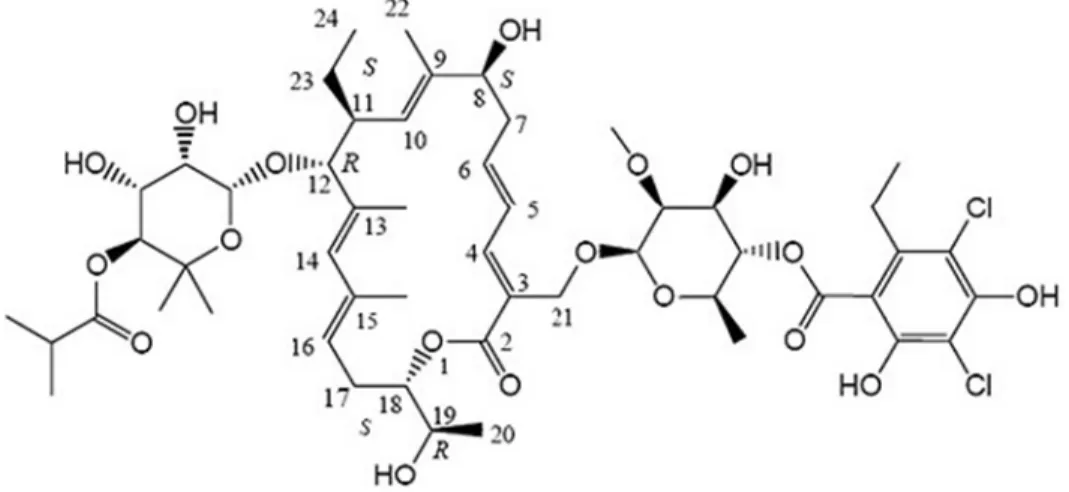
DIFICID (fidaxomicin) is a macrolide antibacterial drug for oral administration. Its CAS chemical name is Oxacyclooctadeca-3,5,9,13,15-pentaen-2-one, 3-[[[6-deoxy-4-O-(3,5-dichloro-2-ethyl-4,6-dihydroxybenzoyl)-2-O-methyl-β-D- mannopyranosyl]oxy]methyl]-12-[[6-deoxy-5-C-methyl-4-O-(2-methyl-1-oxopropyl)-β-D-lyxo-hexopyranosyl]oxy]-11-ethyl-8 -hydroxy-18-[(1R)-1-hydroxyethyl]-9,13,15-trimethyl-, (3E,5E,8S,9E,11S,12R,13E,15E,18S)-. The structural formula of fidaxomicin is shown in Figure 1.
Figure 1: Structural Formula of Fidaxomicin
DIFICID tablets (200 mg) are film-coated and contain the following inactive ingredients: microcrystalline cellulose, pregelatinized starch, hydroxypropyl cellulose, butylated hydroxytoluene, sodium starch glycolate, magnesium stearate, polyvinyl alcohol, titanium dioxide, talc, polyethylene glycol, and lecithin (soy).
12 CLINICAL PHARMACOLOGY
12.1 Mechanism of Action
Fidaxomicin is an antibacterial drug [see Clinical Pharmacology (12.4)].
12.2 Pharmacodynamics
Fidaxomicin acts locally in the gastrointestinal tract on C. difficile. In a dose-ranging trial (N=48) of fidaxomicin using 50 mg, 100 mg, and 200 mg twice daily for 10 days, a dose-response relationship was observed for efficacy.
12.3 Pharmacokinetics
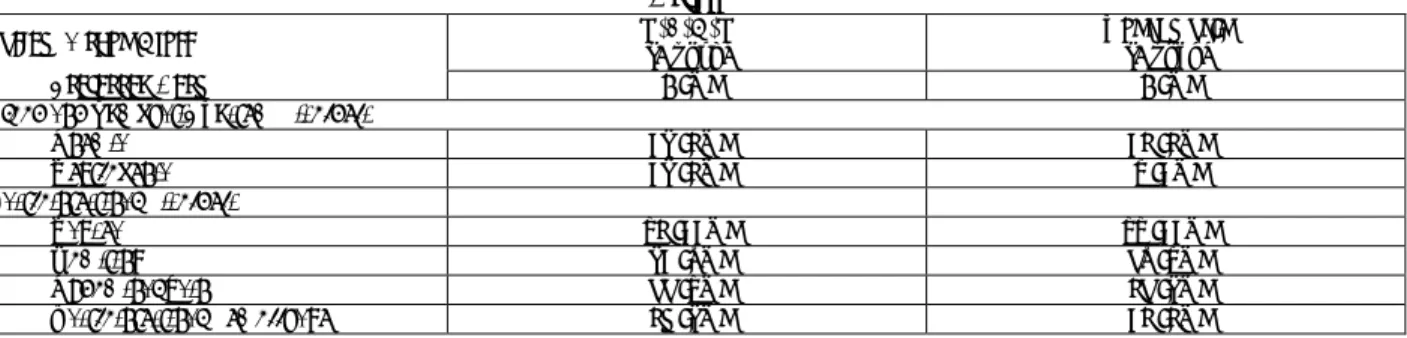
The pharmacokinetic parameters of fidaxomicin and its main metabolite OP-1118 following a single dose of 200 mg in healthy adult males (N=14) are summarized in Table 2.
Table 2: Mean (± Standard Deviation) Pharmacokinetic Parameters of Fidaxomicin 200 mg in Healthy Adult Males
Parameter Fidaxomicin OP-1118
N Value N Value Cmax(ng/mL) 14 5.20 ± 2.81 14 12.0 ± 6.06 Tmax(h)* 14 2.00 (1.00-5.00) 14 1.02 (1.00-5.00) AUC0-t(ng-h/mL) 14 48.3 ± 18.4 14 103 ± 39.4 AUC0-∞(ng-h/mL) 9 62.9 ± 19.5 10 118 ± 43.3 t1/2(h) 9 11.7 ± 4.80 10 11.2 ± 3.01
* Tmax, reported as median (range).
Cmax, maximum observed concentration; Tmax, time to maximum observed concentration; AUC0-t, area under the concentration-time curve
from time 0 to the last measured concentration; AUC0-∞, area under the concentration-time curve from time 0 to infinity; t1/2, elimination
half-life Absorption
Fidaxomicin has minimal systemic absorption following oral administration, with plasma concentrations of fidaxomicin and OP-1118 in the ng/mL range at the therapeutic dose. In fidaxomicin-treated patients from controlled trials, plasma concentrations of fidaxomicin and OP-1118 obtained within the Tmax window (1-5 hours) were approximately 2- to 6-fold higher than Cmax values in healthy adults. Following administration of DIFICID 200 mg twice daily for 10 days, OP-1118 plasma concentrations within the Tmax window were approximately 50%-80% higher than on Day 1, while concentrations of fidaxomicin were similar on Days 1 and 10.
In a food-effect study involving administration of DIFICID to healthy adults (N=28) with a high-fat meal versus under fasting conditions, Cmax of fidaxomicin and OP-1118 decreased by 21.5% and 33.4%, respectively, while AUC0-t remained unchanged. This decrease in Cmax is not considered clinically significant, and thus, DIFICID may be administered with or without food.
Distribution
Fidaxomicin is mainly confined to the gastrointestinal tract following oral administration. In selected patients (N=8) treated with DIFICID 200 mg twice daily for 10 days from controlled trials, fecal concentrations of fidaxomicin and OP-1118 obtained within 24 hours of the last dose ranged from 639-2710 µg /g and 213-1210 µg /g, respectively. In contrast, plasma concentrations of fidaxomicin and OP-1118 within the Tmax window (1-5 hours) ranged 2-179 ng/mL and 10-829 ng/mL, respectively.
Metabolism
Fidaxomicin is primarily transformed by hydrolysis at the isobutyryl ester to form its main and microbiologically active metabolite, OP-1118. Metabolism of fidaxomicin and formation of OP-1118 are not dependent on cytochrome P450 (CYP) enzymes.
At the therapeutic dose, OP-1118 was the predominant circulating compound in healthy adults, followed by fidaxomicin.
Excretion
Fidaxomicin is mainly excreted in feces. In one trial of healthy adults (N=11), more than 92% of the dose was recovered in the stool as fidaxomicin and OP-1118 following single doses of 200 mg and 300 mg. In another trial of healthy adults (N=6), 0.59% of the dose was recovered in urine as OP-1118 only following a single dose of 200 mg.
Specific Populations Geriatric
In controlled trials of patients treated with DIFICID®200 mg twice daily for 10 days, mean and median values of fidaxomicin and OP-1118 plasma concentrations within the Tmax window (1-5 hours) were approximately 2- to 4-fold higher in elderly patients (≥65 years of age) versus non-elderly patients (<65 years of age). Despite greater exposures in elderly patients, fidaxomicin and OP-1118 plasma concentrations remained in the ng/mL range [see Use in Specific Populations (8.5)].
Plasma concentrations of fidaxomicin and OP-1118 within the Tmax window (1-5 hours) did not vary by gender in patients treated with DIFICID 200 mg twice daily for 10 days from controlled trials. No dose adjustment is recommended based on gender.
Renal Impairment
In controlled trials of patients treated with DIFICID 200 mg twice daily for 10 days, plasma concentrations of fidaxomicin and OP-1118 within the Tmax window (1-5 hours) did not vary by severity of renal impairment (based on creatinine clearance) between mild (51-79 mL/min), moderate (31-50 mL/min), and severe (≤ 30 mL/min) categories. No dose adjustment is recommended based on renal function.
Hepatic Impairment
The impact of hepatic impairment on the pharmacokinetics of fidaxomicin has not been evaluated. Because fidaxomicin and OP-1118 do not appear to undergo significant hepatic metabolism, elimination of fidaxomicin and OP-1118 is not expected to be significantly affected by hepatic impairment.
Drug Interactions
In vivo studies were conducted to evaluate intestinal drug-drug interactions of fidaxomicin as a P-gp substrate, P-gp inhibitor, and inhibitor of major CYP enzymes expressed in the gastrointestinal tract (CYP3A4, CYP2C9, and CYP2C19).
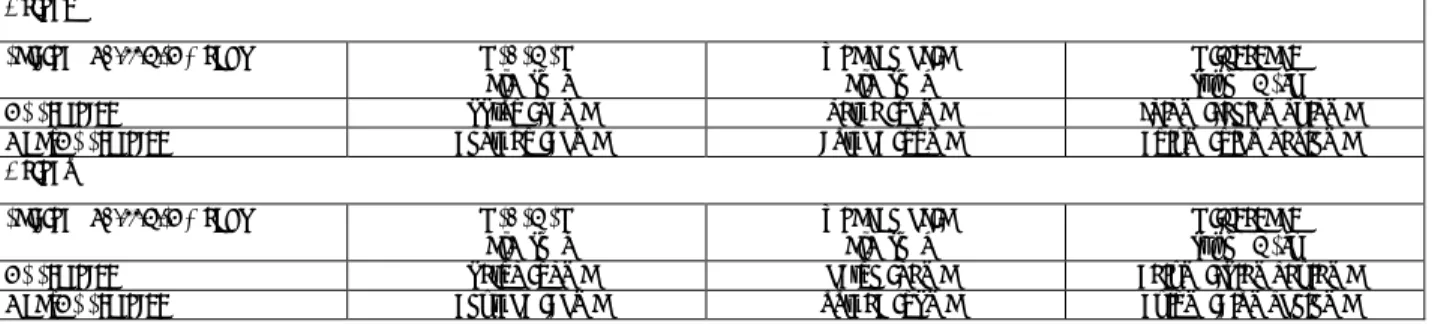
Table 3 summarizes the impact of a co-administered drug (P-gp inhibitor) on the pharmacokinetics of fidaxomicin [see Drug Interactions (7.1)].
Table 3: Pharmacokinetic Parameters of Fidaxomicin and OP-1118 in the Presence of a Co-Administered Drug
Parameter Cyclosporine 200 mg + Fidaxomicin 200 mg* (N=14) Fidaxomicin 200 mg Alone (N=14) Mean Ratio of Parameters With/Without Co-Administered Drug (90% CI †) No Effect = 1.00 N Mean N Mean Fidaxomicin Cmax (ng/mL) 14 19.4 14 4.67 4.15 (3.23-5.32) AUC0-∞ (ng-h/mL) 8 114 9 59.5 1.92 (1.39-2.64) OP-1118 Cmax (ng/mL) 14 100 14 10.6 9.51 (6.93-13.05) AUC0-∞ (ng-h/mL) 12 438 10 106 4.11 (3.06-5.53)
* Cyclosporine was administered 1 hour before fidaxomicin. † CI - confidence interval
Fidaxomicin had no significant impact on the pharmacokinetics of the following co-administered drugs: digoxin (P-gp substrate), midazolam (CYP3A4 substrate), warfarin (CYP2C9 substrate), and omeprazole (CYP2C19 substrate). No dose adjustment is warranted when fidaxomicin is co-administered with substrates of P-gp or CYP enzymes.
12.4 Microbiology Spectrum of Activity
Fidaxomicin is a fermentation product obtained from the Actinomycete Dactylosporangium aurantiacum. In vitro, fidaxomicin is active primarily against species of clostridia, including Clostridium difficile.
Mechanism of Action
Fidaxomicin is bactericidal against C. difficile in vitro, inhibiting RNA synthesis by RNA polymerases.
Mechanism of Decreased Susceptibility to Fidaxomicin
In vitro studies indicate a low frequency of spontaneous resistance to fidaxomicin in C. difficile (ranging from <1.4 × 10⁻⁹to 12.8 × 10⁻⁹). A specific mutation (Val-ll43-Gly) in the beta subunit of RNA polymerase is associated with
C. difficile isolate obtained from a subject treated with DIFICID who had recurrence of CDAD. The C. difficile isolate from the treated subject went from a fidaxomicin baseline minimal inhibitory concentration (MIC) of 0.06 µg/mL to 16 µg/mL.
Cross-Resistance/Synergy/Post-Antibiotic Effect
Fidaxomicin demonstrates no in vitro cross-resistance with other classes of antibacterial drugs. Fidaxomicin and its main metabolite OP-1118 do not exhibit any antagonistic interaction with other classes of antibacterial drugs. In vitro synergistic interactions of fidaxomicin and OP-1118 have been observed in vitro with rifampin and rifaximin against C. difficile (FIC values ≤0.5). Fidaxomicin demonstrates a post-antibiotic effect vs. C. difficile of 6-10 hrs.
Susceptibility Testing
The clinical microbiology laboratory should provide cumulative results of the in vitro susceptibility test results for antimicrobial drugs used in local hospitals and practice areas to the physician as periodic reports that describe the susceptibility profile of nosocomial and community-acquired pathogens. These reports should aid the physician in selecting appropriate antimicrobial drug therapy.
Dilution Techniques
Quantitative anaerobic in vitro methods can be used to determine the MIC of fidaxomicin needed to inhibit the growth of the C. difficile isolates. The MIC provides an estimate of the susceptibility of C. difficile isolate to fidaxomicin. The MIC should be determined using standardized procedures.{1} Standardized methods are based on an agar dilution method or equivalent with standardized inoculum concentrations and standardized concentration of fidaxomicin powder.
Susceptibility Test Interpretive Criteria
In vitro susceptibility test interpretive criteria for fidaxomicin have not been determined. The relation of the in vitro fidaxomicin MIC to clinical efficacy of fidaxomicin against C. difficile isolates can be monitored using in vitro susceptibility results obtained from standardized anaerobe susceptibility testing methods.
Quality Control Parameters for Susceptibility Testing
In vitro susceptibility test quality control parameters were developed for fidaxomicin so that laboratories determining the susceptibility of C. difficile isolates to fidaxomicin can ascertain whether the susceptibility test is performing correctly. Standardized dilution techniques require the use of laboratory control microorganisms to monitor the technical aspects of the laboratory procedures. Standardized fidaxomicin powder should provide the MIC with the indicated quality control strain shown in Table 4.
Table 4: Acceptable Quality Control Ranges for Fidaxomicin Microorganism MIC Range (µg/mL)
C. difficile (ATCC 700057) 0.03-0.25
13 NONCLINICAL TOXICOLOGY
13.1 Carcinogenesis, Mutagenesis, Impairment of Fertility
Long-term carcinogenicity studies have not been conducted to evaluate the carcinogenic potential of fidaxomicin. Neither fidaxomicin nor OP-1118 was mutagenic in the Ames assay. Fidaxomicin was also negative in the rat micronucleus assay. However, fidaxomicin was clastogenic in Chinese hamster ovary cells.
Fidaxomicin did not affect the fertility of male and female rats at intravenous doses of 6.3 mg/kg. The exposure (AUC0-t) was approximately 100 times that in humans.
14 CLINICAL STUDIES
In two randomized, double-blinded trials, a non-inferiority design was utilized to demonstrate the efficacy of DIFICID® (200 mg twice daily for 10 days) compared to vancomycin (125 mg four times daily for 10 days) in adults with Clostridium difficile-associated diarrhea (CDAD).
Enrolled patients were 18 years of age or older, and received no more than 24 hours of pretreatment with vancomycin or metronidazole. CDAD was defined by >3 unformed bowel movements (or >200 mL of unformed stool for subjects having rectal collection devices) in the 24 hours before randomization, and presence of either C. difficile toxin A or B in the stool within 48 hours of randomization. Enrolled patients had either no prior CDAD history or only one prior CDAD episode in the past three months. Subjects with life-threatening/fulminant infection, hypotension, septic shock, peritoneal signs, significant dehydration, or toxic megacolon were excluded.
The demographic profile and baseline CDAD characteristics of enrolled subjects were similar in the two trials. Patients had a median age of 64 years, were mainly white (90%), female (58%), and inpatients (63%). The median number of bowel movements per day was 6, and 37% of subjects had severe CDAD (defined as 10 or more unformed bowel movements per day or WBC ≥15000/mm3). Diarrhea alone was reported in 45% of patients and 84% of subjects had no prior CDAD episode.
The primary efficacy endpoint was the clinical response rate at the end of treatment, based upon improvement in diarrhea or other symptoms such that, in the investigator's judgment, further CDAD treatment was not needed. An additional efficacy endpoint was sustained clinical response 25 days after the end of treatment. Sustained response was evaluated only for patients who were clinical successes at the end of treatment. Sustained response was defined as clinical response at the end of treatment, and survival without proven or suspected CDAD recurrence through 25 days beyond the end of treatment.
The results for clinical response at the end of treatment in both trials, shown in Table 5, indicate that DIFICID is inferior to vancomycin based on the 95% confidence interval (CI) lower limit being greater than the non-inferiority margin of -10%.
The results for sustained clinical response at the end of the follow-up period, also shown in Table 5, indicate that DIFICID is superior to vancomycin on this endpoint. Since clinical success at the end of treatment and mortality rates were similar across treatment arms (approximately 6% in each group), differences in sustained clinical response were due to lower rates of proven or suspected CDAD during the follow-up period in DIFICID patients.
Table 5: Clinical Response Rates at End-of-Treatment and Sustained Response at 25 days Post-Treatment Clinical Response at End of Treatment Sustained Response at 25 days Post Treatment DIFICID % (N) Vancomycin % (N) Difference (95% CI)* DIFICID % (N) Vancomycin % (N) Difference (95% CI)* Trial 1 88% (N=289) 86% (N=307) 2.6% (-2.9%, 8.0%) 70% (N=289) 57% (N=307) 12.7% (4.4%, 20.9%) Trial 2 88% (N=253) 87% (N=256) 1.0% (-4.8%, 6.8%) 72% (N=253) 57% (N=256) 14.6% (5.8%, 23.3%) * Confidence interval (CI) was derived using Wilson's score method. Approximately 5%-9% of the data in each trial and
treatment arm were missing sustained response information and were imputed using multiple imputation method.
Restriction Endonuclease Analysis (REA) was used to identify C. difficile baseline isolates in the BI group, isolates associated with increasing rates and severity of CDAD in the US in the years prior to the clinical trials. Similar rates of clinical response at the end of treatment and proven or suspected CDAD during the follow-up period were seen in fidaxomicin-treated and vancomycin-treated patients infected with a BI isolate. However, DIFICID did not demonstrate superiority in sustained clinical response when compared with vancomycin (Table 6).
![Table 3 summarizes the impact of a co-administered drug (P-gp inhibitor) on the pharmacokinetics of fidaxomicin [see Drug Interactions (7.1)].](https://thumb-ap.123doks.com/thumbv2/123deta/6444405.647594/26.918.112.816.538.739/table-summarizes-impact-administered-inhibitor-pharmacokinetics-fidaxomicin-interactions.webp)

![図 1 Fidaxomicin の構造式 DIFICID 錠(200 mg)はフィルムコート錠であり,添加物として結晶セルロース,アルファー 化デンプン,ヒドロキシプロピルセルロース,ブチルヒドロキシトルエン,デンプングリコール 酸ナトリウム,ステアリン酸マグネシウム,ポリビニルアルコール,酸化チタン,タルク,ポリ エチレングリコール及び大豆レシチンを含有する。 12 薬効薬理 12.1 作用機序 Fidaxomicin は抗菌薬である [薬効薬理( 12.4 )参照] 。 12.2 薬力](https://thumb-ap.123doks.com/thumbv2/123deta/6444405.647594/40.892.129.759.173.490/デンプンヒドロキシプロピルセルロースブチルヒドロキシトルエンデンプングリコール.webp)

