Title
泌尿器科領域抗癌化学療法中の発熱に対するプロカルシ
トニン測定の意義
Author(s)
栗村, 雄一郎; 高橋, 聡; 桧山, 佳樹; 上原, 央久; 市原, 浩司;
橋本, 次朗; 西山, 直隆; 北村, 寛; 舛森, 直哉
Citation
泌尿器科紀要 = Acta urologica Japonica (2015), 61(4): 141-
145
Issue Date
2015-04
URL
http://hdl.handle.net/2433/198262
Right
許諾条件により本文は2016/05/01に公開
Type
Departmental Bulletin Paper
Textversion
publisher
泌尿器科領域抗癌化学療法中の発熱に対する
プロカルシトニン測定の意義
栗村雄一郎
*
,高橋
聡,桧山 佳樹
上原 央久,市原 浩司,橋本 次朗
西山 直隆,北村
寛,舛森 直哉
札幌医科大学医学部泌尿器科学講座SIGNIFICANCE OF PROCALCITONIN MEASUREMENT
IN CASES WITH FEBRILE CONDITION DURING
CHEMOTHERAPY FOR UROLOGICAL CANCER
Yuichiro Kurimura, Satoshi Takahashi, Yoshiki Hiyama, Teruhisa Uehara, Koji Ichihara, Jiro Hashimoto, Naotaka Nishiyama, Hiroshi Kitamura and Naoya Masumori The Department of Urology, Sapporo Medical University School of Medicine
We examined the usefulness of measurement of procalcitonin (PCT) for patients, who developed febrile neutropenia during cancer chemotherapy for urological cancer. Of the patientswho underwent cancer chemotherapy for bladder, renal pelvic or ureteral, and testicular cancer in our department from 2010 to 2013, 51 had febrile events. Their clinical courses and PCT values were retrospectively reviewed and analyzed. PCT waspositive in 12 patientsand negative in 39. The duration with febrile statuswas significantly longer in the PCT-positive group than in the PCT-negative group. There was no significant difference between the blood count valuesin each group, but C-reactive protein (CRP) wassignificantly higher in the PCT-positive group than in the PCT-negative group. There were no significant differences between the 2 groupsin other testswith blood. There were 12 patientswith febrile neutropenia (FN) but all were classified into low-risk by the MASCC scoring system. Four of these 12 patients were positive for PCT. Our results suggested that, in patients with a fever of 37.5°C or more during the course of cancer chemotherapy for urologic cancer, bacteremia possibly existed if the patient was positive for PCT. In addition, the duration of fever tended to be longer and the condition wasmore severe. When the patients with urological cancer undergo cancer chemotherapy manifest high-grade fever, PCT is promising and valuable asan indicator of the severity of infection.
(Hinyokika Kiyo 61 : 141-145, 2015)
Key words : Procalcitonin, Cancer chemotherapy, Urological cancer, Febrile neutropenia
緒 言 1993年に重症細菌感染症で血中プロカルシトニン (procalcitonin : PCT)値が上昇すると報告1)されて以 来,血中PCTが敗血症の診断マーカーとして注目さ れている.PCTは,細菌感染の鑑別においてCRPよ りも感度,特異度とも優れており,敗血症の診断に有 用であるとされている2,3).また,PCTは,発熱性好 中球減少症(febrile neutropenia : FN)の患者において も菌血症を予測する補助的検査の1つとなる4).しか し,泌尿器科領域での抗癌化学療法では,これらの点 に関するPCTの有用性について十分な検討がなされ ていない.本検討では,泌尿器癌への抗癌化学療法施 * 現 : 苫小牧泌尿器科・循環器内科 行中に発熱した患者において,PCTの測定が菌血症 の診断や感染症重症度の指標となりうるかについて検 討した. 対 象
と
方 法 2010年1月から2013年12月までに,当科において膀 胱癌,腎盂尿管癌,精巣(悪性)腫瘍の診断にて抗癌 剤による化学療法を施行した症例のうち,腋窩温にて 発熱(≧37.5°C)を認めPCT値を測定した症例を対 象とした.検討方法は,後方視的臨床研究である. 対象とした抗癌化学療法は,腎盂尿管癌,膀胱癌に 対するGC(gemcitabine : GEM,cisplatin : CDDP)療 法 ま た は MVAC(methotrexate : MTX,vinblastine : VBL,adriamycin : ADM,cisplatin : CDDP)療 法,精 巣 腫 瘍 に 対 す る BEP(bleomycin : BLM,etoposide :泌61,01,0◆-◆
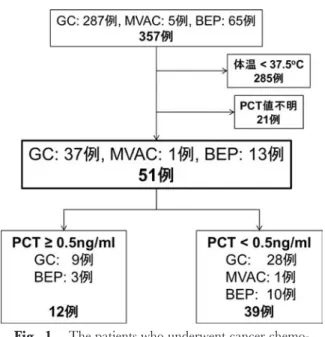
Fig. 1. The patientswho underwent cancer
chemo-therapy for urological cancer and suffered from fever with examination of PCT values. VP-16,cisplatin : CDDP)療法である.これらのレジ メン5~7)では,GC療法はGEM : 1,000 mg/m2(days
1,8,and 15),CDDP : 70 mg/m2(day 2)を28日間
で1コース,MVAC 療法は MTX : 30 mg/m2(days
1,15,and 22),VBL : 3 mg/m2(days2,15,and
22),ADM : 30 mg/m2(day 2),CDDP : 70 mg/m2
(day 2)を28日間で1コース,BEP療法はBLM : 30 mg/body(days1,8,and 15),VP-16 : 100 mg/m2
(days1 to 5),CDDP : 20 mg/m2(days1 to 5)を21日 間で1コースとして施行した. これらの抗癌化学療法施行中に腋窩温にて37.5°C 以上の発熱を認めた場合にPCT,WBC,好中球数, CRPを測定し,血液培養を提出した.血液培養は異 なった部位の静脈穿刺にて好気性培養,嫌気性培養を 計2セット提出し,皮膚常在菌混入の可能性を除外し た.FNは好中球500/μl以下または1,000/μl以下で 500/μl 以下への低下が予想される状態で,腋窩温 37.5°C以上の発熱がある患者と定義した8).FNの患
者 に 対 し て は Multinational Association of Supportive Care in Cancer(MASCC)scoring system のリスク分 類9)にそって抗菌薬を投与した. PCT値は0.5 ng/mlをカットオフ値とし10),患者 を PCT 陽性群(PCT≧0.5 ng/ml)と PCT 陰性群 (PCT<0.5 ng/ml)に分け,これらの2群間において 血液所見,最高体温,発熱期間などの臨床経過,また 菌血症の有無,FNの有無などを比較した.また,こ れらの因子についての有意差検定にはStudent t検定, カイ2乗検定,Kruskal-Wallis検定を用い,P<0.05 を統計学的に有意とした. 結 果 検討期間中に,膀胱癌や腎盂尿管癌などの尿路上皮 癌に対して GC療法を287例,MVAC療法を5例, 精巣腫瘍に対してBEP療法を65例,のべ357例に化学 療法を行った.そのうち37.5°C以上の発熱がなかっ た症例,37.5°C以上の発熱があったがPCTが測定さ れていなかった症例を除外した51例を対象とした (Fig. 1). これら51例において,PCT陽性群は12例,陰性群 は39例であった.PCT測定値(中央値と範囲)は陽 性群 4.71 ng/ml(0.51∼40.83 ng/ml),陰性群0.10 ng/ml(0.03∼0.35 ng/ml)であった(Table 1).抗菌 薬は51例中29例に投与されていた. PCT陽性群とPCT陰性群の検査結果と臨床経過を 比較した.その結果,PCT陽性群では有意に最高体 温が高く,発熱期間が長かった.また,血液検査で は,CRPが PCT陽性群において有意に高値であっ た.菌 血 症 は 陽 性 群 3例(25.0%),陰 性 群 3例 (7.7%)に認め,陽性群で多い傾向があったが,統計 学的に有意差は認めなかった. 発熱時にFNの基準を満たしたものは12例であり (Table 2),MASCCリスク分類では全例が低リスク であった.FN症例12例中4例(33.3%)が PCT陽 性であり,そのうち1例が菌血症と診断された.FN 症例は全例,抗菌薬投与にて解熱し,死亡例は認めな かった.FNの基準を満たさなかった39症例の中では 8例(20.5%)がPCT陽性であり,そのうち6例に 抗菌薬を使用され全例とも数日で解熱していた. 考 察 PCTは1992年に重症感染症の診断マーカーとして 初めて報告され11),近年では集中治療室など救急領 域などでの感染における重要な補助的マーカーとして 用いられるようになっている.Jensen ら12)は,集中 治療室での感染症患者治療において,PCT測定に基 づく適切な治療選択が患者の生存率を上昇させると報 告している.PCTの有用性は,PCTが CRPよりも 早期に上昇することにある.すなわち,PCTの血中 濃度は,炎症性サイトカインの上昇のピークに遅れ て,約3時間後より上昇する.その後は,12∼24時間 でピークに達し,半減期は約22時間である.WBCの 上昇には遅れるものの,CRPよりも早期に上昇する ことにより,鋭敏な感染症診断の補助的マーカーとし て,他の検査結果と比較して有用であるとされる. 急性単純性腎盂腎炎や急性前立腺炎などの尿路性器 感染症は,細菌感染症であるため発症とともにWBC やCRPは上昇し,また,特異的な臨床症状からも, その診断や重症度の判定は容易である.したがって, 泌尿紀要 61巻 4 号 2015年 142
Table 1. Clinical characteristics of all patients
PCT Total PCT positive PCT negative p value Number of patients51 12 (23.5%) 39 (76.5%) Median age 62 (20-80) 66 (30-80) 61 (20-79) 0.35 Gender Male 46 (90.2%) 12 34 0.19 Female 5 (9.8%) 0 5 Cancer Bladder ca. 29 (56.9%) 6 23 Testicular ca. 13 (25.5%) 3 10 0.74 Pelvic ureteral ca. 9 (17.6%) 3 6
Regimen GC 37 (72.5%) 9 28 BEP 13 (25.5%) 3 10 0.85 MVAC 1 (2.0%) 0 1 PCT (ng/ml) 0.12 (0.03-40.83) 4.71 (0.51-40.83) 0.10 (0.03-0.35) <0.001 Median fever (°C) 38.5 (37.5-39.6) 39.1 (38.0-39.6) 38.4 (37.5-39.5) <0.001 Median daysof fever 2 (1-10) 3 (1-7) 2 (1-10) 0.02 Median labo data
WBC (/μl) 4,800 (200-22,700) 5,300 (700-22,700) 4,700 (200-16,800) 0.30 Neutrophil (/μl) 3,588 (17-22,179) 4,326 (40-22,179) 2,500 (17-15,600) 0.65 CRP (mg/dl) 3.31 (0.15-28.59) 9.63 (1.23-28.59) 2.60 (0.15-23.28) <0.001 Bacteremia 6 (11.8%) 3 (25.0%) 3 (7.7%) 0.10 Patientswith FN 12 (23.5%) 4 (33.3%) 8 (20.5%) 0.36 GC : Gemcitabine, Cisplatin. BEP : Bleomycin, Etoposide, Cisplatin. MVAC : Methotrexate, Vinblastine, Adriamycin, Cisplatin.
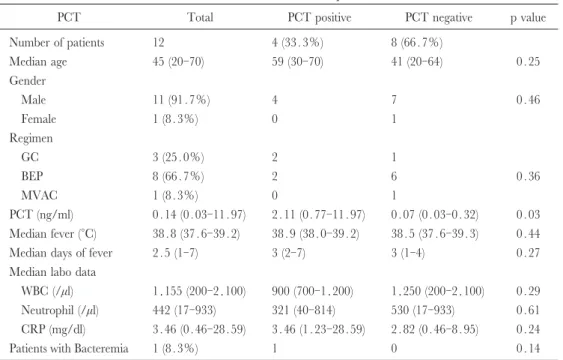
Table 2. Clinical characteristicsof patientswith FN
PCT Total PCT positive PCT negative p value Number of patients12 4 (33.3%) 8 (66.7%) Median age 45 (20-70) 59 (30-70) 41 (20-64) 0.25 Gender Male 11 (91.7%) 4 7 0.46 Female 1 (8.3%) 0 1 Regimen GC 3 (25.0%) 2 1 BEP 8 (66.7%) 2 6 0.36 MVAC 1 (8.3%) 0 1 PCT (ng/ml) 0.14 (0.03-11.97) 2.11 (0.77-11.97) 0.07 (0.03-0.32) 0.03 Median fever (°C) 38.8 (37.6-39.2) 38.9 (38.0-39.2) 38.5 (37.6-39.3) 0.44 Median daysof fever 2.5 (1-7) 3 (2-7) 3 (1-4) 0.27 Median labo data
WBC (/μl) 1,155 (200-2,100) 900 (700-1,200) 1,250 (200-2,100) 0.29 Neutrophil (/μl) 442 (17-933) 321 (40-814) 530 (17-933) 0.61 CRP (mg/dl) 3.46 (0.46-28.59) 3.46 (1.23-28.59) 2.82 (0.46-8.95) 0.24 Patientswith Bacteremia 1 (8.3%) 1 0 0.14 このような感染症では,PCT測定は必ずしも必要不 可欠とは言えない.しかし,抗癌化学療法中は抗癌剤 による骨髄抑制にて WBC が低値である場合や, GCSFやステロイド使用にてWBCが高値である場合 は,WBCの基礎値が通常とは異なるためにWBCの 値を感染症の存在や重症度の判定に適用することが困 難な場合がある.そのため抗癌化学療法中は感染症の 原因検索や重症度の判定,細菌感染とウイルス感染の 鑑別,非感染性発熱疾患の除外などの診断に苦慮する 事も多い.また,培養検査などの細菌学的検査を行っ
たとしても結果が判明するまでに時間を要するため, 培養検査を早期の治療開始の判断に適用することは難 しい.このような場合,PCT測定が感染症の診断や 重症度の判定において,有用な補助的検査となる可能 性があると考えた. 本研究ではPCTの陽性群と陰性群において WBC や好中球数に有意な差はないものの,陽性群では最高 体温が高値である事や発熱期間が長期であった事から も陽性群の感染がより重篤であったことが推察され る.発熱した症例は全例とも数日以内に解熱し死亡例 は認めなかったが,PCTは感染症の重症度の予測が 可能であった. PCTとCRPとを比較すると,CRPも2群間に有 意差を認めており,PCTが上昇する症例はCRPも上 昇しているものと考えられた.ただし,CRPが陽性 (≧0.3 mg/dl)であった症例は51例中49例(96.1%) と対象症例のほとんどが陽性であった一方,PCT陽 性例は12例(23.5%)と少ない.なかでも PCT 10 ng/ml以上の異常高値を示した症例は4例のうち3例 が菌血症を認め,この3例は菌血症6例のうち PCT が陽性であった3例にあたる.CRPと比較しPCTが 陽性となる症例は少ないが,PCTが異常高値となる 症例では,菌血症などの重症感染症の症例が含まれて いることを示している.発熱症例でのスクリーニング にはCRPも重要ではあるが,PCTを補助的なマー カーとして用いる事で,菌血症などの重症感染症を予 測できる可能性がある. FN症例においても,PCTの有用性についての報告 が多数存在する13~16).Massaroら17)は,52例のFN患 者において,全身感染症の診断にCRPよりPCTが 有用であるとし,またAhnら18)は243例の低リスク FN患者において,菌血症発症の予測因子としてPCT が有用であると述べている.しかし,その一方で, PCT上昇のピークが2日後にあるため発熱直後の PCT測定は感染症の診断には有用ではないという意 見もある19).抗癌化学療法施行中のFN症例について もPCTの有用性が報告20,21)されているが,泌尿器癌 の化学療法に限った報告はない.今回の検討では,泌 尿器癌に対する化学療法施行中のFNについても感染 症診断にPCTの有用性があるかについても検討を試 みたが,FNの条件を満たす12例でのPCT陽性群と PCT陰性群の間には,血液データや最高体温,発熱 期間などに明らかな差を認めなかった.PCT採血の タイミングが早く,まだPCT値がピーク値に達して いなかった可能性も考えられるが,FN症例の中で PCTが陽性となった症例のPCT中央値は2.11 ng/ml と,全体のPCT陽性群中央値4.17 ng/mlに比較する と低値である.もともとFN症例の全例がMASCCリ スク分類では低リスクであることも考えると,今回の 症例ではFNでの病態が重篤でなく,重症感染症の症 例が存在していなかったとも考えられた.またFNの 基準を満たさない症例でもPCT陽性であった症例が 8例存在したが,全例抗菌薬が使用され数日以内に解 熱していた. 今回の症例の中でFN症例に限った検討では,PCT 陽性群と陰性群の臨床経過に明らかな有意差を認めな かったが,その中でもPCT値が高度に上昇する場合 は,菌血症である可能性がある.PCTは化学療法中 の発熱患者において感染症の重篤度を予測する診断 マーカーとなりうると考えられるが,FN症例での有 用性については,さらなる症例の集積が必要である. 結 語 泌尿器癌への抗癌化学療法中に発熱を認めた患者で は,PCTが陽性(≧0.5 ng/ml)であれば,陰性の場 合と比べ感染症の病態が重篤であり,異常高値の症例 には重症感染症の症例が含まれている.よってPCT は泌尿器癌抗癌化学療法中の患者の発熱時において, 感染の重症度を示す指標としての有用性が期待され る.FN患者における有用性について明らかにするた めにはさらなる症例の集積が必要である. 文 献
1) Assicot M, Gendrel D, Carsin H, et al. : High serum procalcitonin concentrationsin patientswith sepsisand infection. Lancet 341 : 515-518, 1993
2) Simon L, Gauvin F, Amre DK, et al. : Serum procal-citonin and C-reactive protein levelsasmarkersof bacterial infection : a systematic review and meta-analysis. Clin Infect Dis 39 : 206-217, 2004 3) Uzzan B, Cohen R, NicolasP, et al. : Procalcitonin asa
diagnostic test for sepsis in critically ill adults and after surgery or trauma : a systematic review and meta-analysis. Crit Care Med 34 : 1996-2003, 2006 4) Engel A, Steinbach G, Kern P, et al. : Diagnostic value
of procalcitonin serum levels in neutropenic patients with fever : comparison with interleukin-8. Scand J Infect Dis 31 : 185-189, 1999
5) Moore MJ, Winquist EW, Murray N, et al. : Gemci-tabine pluscisplatin, an active regimen in advanced urothelial cancer : a phase II trial of the National Cancer Institute of Canada Clinical Trials Group. J Clin Oncol 17 : 2876-2881, 1999
6) Sternberg CN, Yagoda A, Scher HI, et al. : Preli-minary results of M-VAC(methotrexate, vinblastine, doxorubicin and cisplatin) for transitional cell carci-noma of the urothelium. J Urol 133 : 403-407, 1985 7) WilliamsSD, Birch R, Einhorn LH, et al. : Treatment of disseminated germ-cell tumors with cisplatin, bleo-mycin, and either vinblastine or etoposide. N Engl J Med 316 : 1435-1440, 1987
8) 日本臨床腫瘍学会編 : 発熱性好中球減少症(FN) 泌尿紀要 61巻 4 号 2015年
診 療 ガ イ ド ラ イ ン,1.発 熱 性 好 中 球 減 少 症 (Febrile neutropenia : FN)の定義はどのようなも
のか? pp 2-3,南江堂,東京,2012
9) Klastersky J, Paesmans M, Rubenstein EB, et al. : The multinational association for supportive care in cancer risk index : a multinational scoring system for identi-fying low-risk febrile neutropenic cancer patients. J Clin Oncol 18 : 3038-3051, 2000
10) Mussap M, Degrandi R, Cataldi L, et al. : Biochemical markers for the early assessment of neonatal sepsis : the role of procalcitonin. J Chemother 19 : 35-38. 2007 11) Nylen ES, O'Neill W, Jordan MH, et al. : Serum procalcitonin asan index of inhalation injury in burns. Horm Metab Res 24 : 439-443, 1992
12) Jensen JU, Lundgren B, Hein L, et al. : The Procal-citonin And Survival Study(PASS) -a randomised multi-center investigator-initiated trial to investigate whether daily measurements biomarker procalcitonin and pro-active diagnostic and therapeutic responses to abnormal procalcitonin levels, can improve survival in intensive care unit patients : calculated sample size (target population) : 1,000 patients. BMC Infect Dis
8 : 91, 2008
13) Juutilainen A, Hämäläinen S, Pulkki K, et al. : Bio-markers for bacteremia and severe sepsis in hemato-logical patientswith neutropenic fever : multivariate logistic regression analysis and factor analysis. Leuk Lymphoma 52 : 2349-2355, 2011
14) Koivula I, Hämäläinen S, Jantunen E, et al. : Elevated procalcitonin predicts Gram-negative sepsis in haema-tological patientswith febrile neutropenia. Scand J Infect Dis 43 : 471-478, 2011
15) Neuenschwander LC, Bittencourt H, Ribeiro AF, et al. : Plasma levels of procalcitonin and eight additional inflammatory moleculesin febrile neutropenic patients. Clinics(Sao Paulo) 66 : 1699-1705, 2011
16) Kim DY, Lee YS, Ahn S, et al. : The usefulness of procalcitonin and C-reactive protein asearly diag-nostic markersof bacteremia in cancer patientswith febrile neutropenia. Cancer ResTreat 43 : 176-180, 2011
17) Massaro KS, Costa SF, Leone C, et al. : Procalcitonin (PCT) and C-reactive protein(CRP) assevere systemic infection markers in febrile neutropenic adults. BMC Infect Dis 7 : 137, 2007
18) Ahn S, Lee YS, Chun YH, et al. : Predictive factorsof bacteraemia in low-risk patients with febrile neutro-penia. Emerg Med J 29 : 715-719, 2012
19) Robinson JO, Lamoth F, Bally F, et al. : Monitoring procalcitonin in febrile neutropenia : what isitsutility for initial diagnosis of infection and reassessment in persistent fever ? PLoS One 6 : e18886, 2011 20) Miedema KG, de Bont ES, Elferink RF, et al. : The
diagnostic value of CRP, IL-8, PCT, and sTREM-1 in the detection of bacterial infectionsin pediatric oncology patientswith febrile neutropenia. Support Care Cancer 19 : 1593-1600, 2011
21) Jimeno A, García-Velasco A, del Val O, et al. : Assess-ment of procalcitonin as a diagnostic and prognostic marker in patientswith solid tumorsand febrile neutro-penia. Cancer 100 : 2462-2469, 2004