Message from the President
In cooperation with private companies, public research organizations and universities the National Institute of Agrobiological Sciences (NIAS) is aiming to become recognized as a center of excellence for plant, insect and animal research. This research seeks to develop innovative technology based on genome research in relation to agricultural and biological industries. A major accomplishment this year was the completion of the high quality draft sequence of rice genome. NIAS lead an international consortium involving 10 countries and regions. The detailed knowledge of the rice genome resulting from this sequencing project is expected to contribute to rapid progress in understanding gene func- tion in plant and, particularly, cereal crops. In the field of insect studies we are mapping the silkworm genome using the whole shotgun method, while in animal science the pig genome project is using radiation hybrid panels to develop a physical map of the pig genome. In the field of microbiology whole genome analysis of bacte- rial blight of rice was achieved.
International cooperation in the field of research and development is becoming increasingly impor- tant. Consequently during the year NIAS and the International Rice Research Institute (IRRI) agreed to develop new varieties using the products of rice genome research.
In order to become recognized as a center of excel- lence it is essential to be exposed to international review.
This annual report contains our research activities and results for fiscal year 2002. I hope that you will share your opinions with us of our work.
Ph. D. Masaki Iwabuchi President
National Institute of Agrobiological Sciences
Message from the President Organization
Topics of Research in This Year
¡
Completion of rice high-quality draft genome sequencing
………1
¡
Elucidation of genomic structure around joining segments of the swine T cell antigenic receptor(TCR)
_/b chain gene
………3
¡
An efficient EST-mapping method using a BAC library……… 4
¡
Building a user model for a user adaptive retrieval system of Gene Ontology
………5
¡
The complete structure of rice(Oryza sativa L.)mitochondrial genome
………6
¡
Genome sequencing of Xanthomonas oryzae pv.
oryzae………7
¡
Molecular phylogenetic analysis helps define a new taxonomic system for the Asian Vigna
………8
¡
Choice of statistical model for estimating genetic parameters using restricted maximum likelihood in swine
………9
¡
Growth of porcine primordial follicles and their oocyte maturation by xenotransplantation
………10
¡
The heterotrimeric G-protein beta subunit Mgb1 is required for appressorium formation, infection and conidiation in Magnaporthe grisea
………11
¡
Mapping quantitative trait loci controlling seed longevity in rice(Oryza sativa L.)
………12
¡
Stable germline transformation in the sawfly, Athalia rosae(Hyemenoptera)
………14
¡
cDNA cloning and biochemical characterization of Bombyx mori orphan receptor, BmHR78
………15
¡
Parthenogenetic activation and subsequent development of porcine oocytes activated by a combined electiric pulse and butyrolactone I treatment
………16
¡
Isolation and characterization of Bovine trophoblastic cell line(BT-1)
………17
¡
Regeneration of a bovine endometrial model in vitro by a unique three-dimensional cell culture system using ascorbate……… 18
¡
Differential transcriptional activation of antibacterial peptide genes by BmRelA or BmRelB
………20
¡
Quantitative trait locus analyses of metabolic disorders in mice
………21
¡
Altered gene expression of the cholesterol biosynthesis enzymes and sterol regulatory element binding proteins in lead nitrate-treated rat liver
………22
¡
Physiological mechanisms inducing cryptobiosis in the sleeping chironomid,
Polypedilum vanderplanki ………23
¡
Regulation of amino acids biosynthesis in the silkworm……… 24
¡
Discrimination among pest species of Bactrocera fruit flies (Diptera; Tephritidae) based on PCR-RFLP of the mitochondrial DNA
………26
¡
Mutations of the silkworm molybdenum cofactor sulfurase gene, og, cause translucent larval skin
…………27
¡
Application of lactose-silk fibroin conjugates as a scaffold for hepatocyte attachment
………28
¡
Development of a silkworm larvae hemolymph collecting system using laser beam incision
………29
¡
Developing a waste selection device for use at an insect factory
………31
¡
A long term storage method for fertilized silkworm eggs
………32
¡Fmr1
knockout fly: A model to study fragile X syndrome and biological rhythm
………33
¡
Promotion of nucleopolyhedrovirus infection in larvae of the silkworm, Bombyx mori (Lepidoptera: Bombycidae) by an antibiotic, nikkomycin Z
………34
¡
Isolation and characterization of a rice dwarf mutant with a defect in brassinosteroid biosynthesis
…………36
¡
A novel brassinolide-enhanced gene is involved in the growth of rice
………37
¡
Molecular structure of the GARP family of plant Myb-related DNA-binding motifs of the Arabidopsis response regulators……… 39
¡
Large scale analysis of rice genes responsive to N-acetylchitooligosaccharide elicitor by DNA microarray
………40 Genome and Biodiversity Research Division
Insect and Animal Sciences Division
Plant Science Division
Contents
¡
X-ray crystallographic studies of Streptomyces olivaceoviridis E-86 xylanase
………41
¡
Silencing of petunia floral homeotic gene pMADS3 causes double petals and inner flower phenotypes
………42
¡
Rapid and high resolution QTL analysis with HEGS(High Efficiency Genome Scanning)
………43
¡
Targeted modification of the Arabidopsis acetolactate synthase gene by homologous recombination
………44
¡
Plant regeneration system through morphogenesis to develop the genetic transformation method in Japanese commercial variety of wheat
………45
¡
Novel and efficient rice transformation method mediated by Agrobacterium
………46
¡
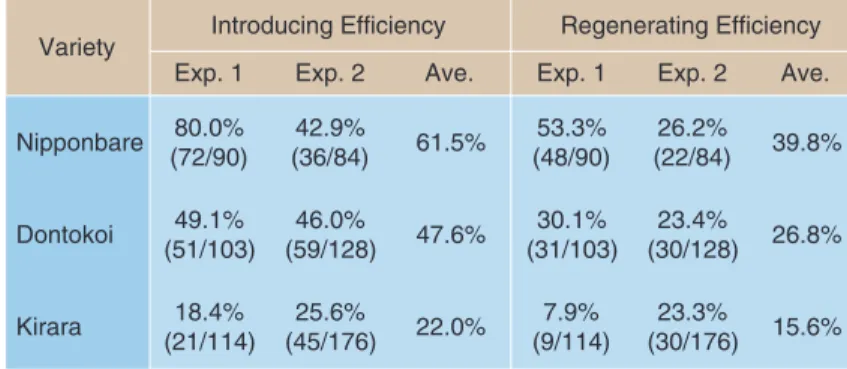
Improved regeneration of calli by integration of the gene involved in regeneration ability of the callus in Oryza sativa
………47
¡
Four mutant varieties induced by gamma rays and in vitro culture in chrysanthemum
………48
¡
Six mutant varieties induced by ion beams in chrysanthemum
………50
¡
Two prominent lines, Hoiku No.2 and No.3 proposed for new rice varieties
………51
¡Low glutelin content 1: a dominant mutation that suppresses the glutelin
multigene family via RNA silencing in rice
………52
Research Activities
¡Genome Research Department
………55
¡
Genetic Diversity Department
………60
¡
Genebank
………66
¡
Developmental Biology Department
………70
¡
Molecular Biology and Immunology Department
………75
¡
Physiology and Genetic Regulation Department
………78
¡
Insect Genetics and Evolution Department
………83
¡
Insect Biomaterial and Technology Department
………87
¡
Insect Biotechnology and Sericology Department
………90
¡
Molecular Genetics Department
………95
¡
Biochemistry Department
………100
¡
Plant Physiology Department
………104
¡
Plant Biotechnology Department
………109
¡
Institute of Radiation Breeding
………115
List of Publication
¡Original papers
………119
(Author Index)
………134
¡
Review
………138
¡
Monograph
………139
International Meetings and Foreign Visitors
………140
Executive Members and Research Staff Members
………145
Members of NIAS Evaluation Comittee
………151 Financial overview
Location and How to access
Genome and Biodiversity Research Division
Insect and Animal Sciences Division
Plant Science Division
President
Vice President (Insect and Animal Sciences) Vice President (Plant Sciences)
Auditor
Department of Research Planning and Coordina- tion
Research Planning Division Research Coordination Section
Insect and Animal Sciences Research Plan- ning and Coordination
Plant Science Research Planning and Coordi- nation
Technology Transfer Section
Information and Documentation Section Advertising and Public Relation Section Field Management Section
Department of Administration General Affairs Section Accounting Section
Facility Management Section
Innate Immunity Laboratory Experimental Animals Laboratory
Physiology and Genetic Regulation Department Insect Life-Cycles and Physiology Laboratory Insect Nutrition and Matabolism Laboratory Insect Neurobiology Laboratory
Insect Behavior Laboratory Animal Gene Function Laboratory Animal Cell Biology Laboratory Animal Neurophysiolory Laboratory Animal Neuroendocrinnolory Laboratory Insect Genetics and Evolution Department
Insect-Plant Interactions Laboratory Natural Enemies Laboratory Symbiosis Laboratory Insect Patholory Laboratory Insect Genetics Laboratory
Insect Molecular Evolution Laboratory Insect Biomaterial and Technology Department
Biopolymer Characterization Laboratory Biomaterial Development Laboratory Biomimetic Laboratory
Insect Biotechnology and Sericology Department Insect Cell Engineering Laboratory
Insect Gene Engineering Laboratory Mass Production System Laboratory Insect Products Utilization Laboratory New Silk Materials Laboratory Sericultural Science Laboratory
Genome and Biodiversity Research Division
Director of Genome and Biodiversity Research Division Genome Research Department
Plant Genome Laboratory Animal Genome Laboratory Insect Genome Laboratory Bioinformatics Laboratry DNA Bank
Genetic Diversity Department Molecular Biodiversity Laboratory Biosystematics Laboratory Evolutionary Dynamics Laboratory Germ Cell Conservation Laboratory Applied Microbiology Laboratory Adaptation Systems Laboratory Biometrics Laboratory
Genebank
Plant Genetic Resources Labolatory
Microorganism Genetic Resources Laboratory Animal Genetic Resources Laboratory Genetic Resources Management Section
Plant Science Division
Molecular Genetics Department Functional Genomics Laboratory Applied Genomics Laboratory Epigenetics Laboratory Gene Expression Laboratory Gene Regulation Laboratory Biochemistry Department
Crystallography Laboratory Biophysics Laboratory Glycobiology Laboratory Membrane Biology Laboratory Plant Physiology Department
Photosynthesis Laboratory Carbon Metabolism Laboratory Developmental Biology Laboratory Environmental Physiology Laboratory Disease Physiology Laboratory Nitrogen Fixation Laboratory Plant Biotechnology Department
Gene Design Laboratory
Plant Gene Engineering Laboratory Plant Cell Engineering Laboratory Molecular Breeding Laboratory Biosystems Laboratory Institute of Radiation Breeding
Mutation Genetics Laboratory Radiation Technology Laboratory Mutation Breeding Laboratory
Insect and Animal Sciences Division
Developmental Biology Department Developmental Mechanisms Laboratory Development and Differentiation Laboratory Animal Genetic Engineering Laboratory Embryonic Technology Laboratory Insect Growth Regulation Laboratory Reproductive Biology and Technology
Laboratory
Molecular Biology and Immunolory Department Molecular Immunolory Laboratory
Organization
The color on respective divisions is the same color on pages of “Topics of Research
Rice is one of the world’s leading crops and is a staple food for about half the world’s population. It is also recognized as a model organism among monocotyledonous plants with known synteny to major cereal crops.
Since 1991, the Rice Genome Research Program (RGP) has developed many resources for rice genomics including a cata- log of ESTs from 15 kinds of cDNA libraries, a high-density RFLP linkage map, a YAC- based physical map and a transcript map.
These resources serve as fundamental tools in structural analysis of the rice genome by sequencing. To accelerate the completion of genome sequencing, the International Rice Genome Sequencing Project (IRGSP) was established by publicly funded research institutes from ten countries and regions in 1997. RGP has taken the lead in this collab- oration and is in charge of sequencing six chromosomes with a total size of 202 Mb, which is almost half of the entire genome.
The IRGSP has adopted a clone-by-clone sequencing strategy based on an accurate physical map. In order to establish a sequence-ready physical map, genomic libraries in PAC (P1-derived artificial chro- mosome) and BAC (bacterial artificial chro- mosome) were constructed and the clones were aligned on the 12 rice chromosomes by
pooled PCR screening method using RFLP and transcript markers (EST markers).
Most of the gaps between clones and contigs were filled either by the STC (sequence- tagged connectors) method or chromosome walking method. Currently more than 95%
of the six chromosomes assigned to RGP have been covered with PAC/BAC contigs.
These clones were subjected to shotgun sequencing. About 4,000 sequences from 2,000 subclones derived from a PAC/BAC clone were generated and assembled to reconstruct the clone sequence. Although the ultimate goal of IRGSP is to obtain a fin- ished-quality sequence for the complete genome, the group decided to obtain a phase 2 quality draft sequence by the end of 2002.
To accelerate the sequencing process, RGP set up a high-throughput pipeline for sequence generation which included a robot-based plasmid template production, sequence product clean-up system, high-throughput capillary sequencers, automatic sequence assembly and phase determination system.
This facilitated a rapid increase in sequence production at a maximum rate of 10 Mb per day. By early December 2002, RGP had already submitted 253 Mb of sequence data (or 183 Mb total sequence data excluding overlaps) from 1783 PAC/BAC clones to
Topics of Research in This Year
Completion of rice high-quality draft genome sequencing
Takashi Matsumoto, Yuichi Katayose, Hiroshi Mizuno
Genome Research Department
DDBJ (DNA Data Bank of Japan). The sequence data can also be accessed through RGP’s website (http://rgp.dna.affrc.go.jp) together with the map position data and annotation data. As a whole, IRGSP has submitted 465 Mb of sequence data (or 366 Mb total sequence data excluding overlaps) of the entire genome to public databases.
This corresponds to about 92% of the esti- mated size of the rice genome and covers almost all of the euchromatic regions for each chromosome. The progress of sequence submission to the public databases by RGP and IRGSP is shown in Fig. 1.
The sequencing initiative attained a sig- nificant achievement with the completion of
the high-quality draft sequence of the entire genome last year. A commemorative cere- mony to celebrate the occasion was held in Tokyo on Dec. 18, 2002, with Prime Minister Junichiro Koizumi of Japan declaring the completion of the rice phase 2 draft sequence.
The initial attempt for annotation of the entire genome using RiceGAAS revealed 62,435 protein-coding genes. Although the sequence has not yet been completed to fin- ished-quality level, it has already been useful for map-based gene cloning, elucidation of gene functions and comparative studies with other species. IRGSP is currently shifting gears into the finishing phase of sequencing to fill sequence gaps within the PAC/BAC clones and to resolve the sequence of ambigu- ous regions with the goal of finishing the genome before the end of 2004. Acquiring the complete blueprint of the rice plant will facilitate discovery of all rice genes that will provide a critical foundation for crop improve- ment beneficial to all mankind.
Fig. 1
Progress of the genome sequencing by IRGSP.
The cumulative nucleotide sequence submission by IRGSP members to the public database is shown. The red region correspond RGP contribu- tion and the hatched region corresponds other IRGSP members.
Fig. 2
A snapshot from the commemorative ceremony.
Dr. Benjamin Burr, a co-chairman of IRGSP, is making a speech. Other IRGSP representatives are sitting behind him.
Recent developments in technology for transplantation and regenerative medicine have focused much attention on pigs. In addition, intensive investigation of immune molecules of livestock has come to be indis- pensable for understanding of animal infec- tious diseases and zoonosis. Studies in recent years have implied that there are many differences in the expression and func- tion of molecules in immune cells of artio- dactyls, humans and mice, so that intensive analyses of swine immunology are required.
T cell antigenic receptor (TCR) genes in germline possess many V (some D in ` and b genes) and J segments, and one or several C region(s). In the lineage process of T cells, V(D)J segments connect upon the genomic sequence and specificity to antigens of the receptors is obtained by selection of the seg- ments and insertion/deletion at the junc- tions. There are four types (_, `, a and b) in TCR molecules, and the b gene is located within the _ gene. We clarified the genomic structure around J segments and C region encoding TCR_ and b genes in the present study.
The complete genomic region, 131.2kb in length, including the swine T cell receptor _/b constant region (TRAC/TRDC) and join- ing segments (TRAJ/TRDJ) was sequenced.
The structure of this region was strikingly conserved in comparison with that of the human or mouse. All of the TRAJ segments detected in the human genomic sequence were also detected in the swine sequence and the sequence of the protein-binding site of T
early alpha (TEA) and _ enhancer element was highly conserved. Insertion of the repet- itive sequences that were interspersed after the differentiation of the species in mammals such as LINE and SINE are markedly sup- pressed in comparison with other genomic regions, while locations of the mammalian- wide interspersed sequences (MIRs) are well conserved between humans and pigs. This finding suggests the existence of highly selective pressure to conserve this genomic region around TRAJ throughout the evolu- tion process in mammals. Intensive analysis of the repertoire and the rearrangement machinery of swine TRA/TRD based on the results presented here will be a clue to understanding the function of _` / ab T cells in artiodactyls, which have a relatively higher ratio of ab T cells in total peripheral T cells than humans or mice.
Fig. 1
Genomic structure of the region including all of the swine TCR _/bJ segments and C regions. Four Jb(TRDJ), 62 J_(TRAJ) segments, one Vb(TRDV) seg- ment, C_(TRAC) and Cb(TRDC) regions were detected. Putative enhancer elements for TRA and TRD, and the TEA promotor were also observed.
Elucidation of genomic structure around joining segments of the swine T cell antigenic
receptor (TCR) _ / b chain gene
Hirohide Uenishi
Genome Research Department
Recently, sequence information on silk- worm ESTs is accumulating rapidly and its utilization of this information for linkage analysis is essential to construction of a dense expression map. PCR-based methods are commonly used for linkage analysis of small animals like insects due to the rela-
tively low yield of genomic DNA from one individual. However, it is difficult to design adequate PCR primers from cDNA sequences without prior knowledge about the location of exon-intron junctions. In addition, errors frequently occur during single path sequenc- ing of ESTs. Therefore, we attempted to identify BAC clones harboring ESTs and map the clones instead of ESTs directly.
First, in-situ hybridization was performed using high-density replica filters dotted with 18,432 BACs. More than 3,000 EST clones were used as probes. Positive clones were identified from 1,487 hybridizations excluding results derived from multi-copy sequences, and sorted into 943 putative contigs. In addi- tion, PCR screening for BAC libraries was also performed using DNA markers, and BAC contigs containing 1733 BACs (7.53% of
Fig. 2Dot-plot analysis on the region including TRDJ-TRDC- TRAJ-TRAC between human and swine. Whole structure of this region was highly conserved within mammals.
Fig. 3
Comparison of Jbsegments between humans and swine.
Joining segments on the same location have higher simi- larity.
Fig. 1
Increase in the number of mapped BACs, BAC contigs and ESTs during the past year.
An efficient EST-mapping method using a BAC library
Yuji Yasukochi, Kotaro Baba, Kazuei Mita
Genome Research Department
the total library) were mapped onto all 29 chromosomes. As a result of comparing these two lists of BACs, 259 genes and ESTs could be genetically and physically mapped (Fig. 1).
Whole genome shotgun sequencing of the
silkworm has been launched in 2003, and this will greatly facilitate direct mapping of ESTs. Conversely, properly ordered BAC contigs will play a critical role in identifying the chromosomal location of scaffolds gener- ated by whole genome shotgun sequencing.
Building a user model for a user adaptive retrieval system of Gene Ontology
Hisataka Numa, Masaru Takeya, Kotaro Baba
Genome Research Department
Gene Ontology (GO) provides a set of con- trolled vocabularies for describing molecular functions, biological processes and cellular components of gene products. The GO terms are used to annotate gene products in many databases of model organism and it allows us to compare different species based on GO annotation. GO is represented as a directed acyclic graph (DAG), where each node in the graph corresponds to a term and paths corre- spond to either is-a relationship or part-of relationship. When users actually make use of GO, they need to retrieve a required GO term by walking through the DAG. However, this information retrieval task can be time- intensive because the naming conventions of GO are not always known by all users, and users have different interests and levels of knowledge. Thus, we developed a web-based GO browser that helps users search for GO terms by adapting its retrieval form to indi- vidual users.
First, we constructed a user model that captured the interests and preferences of each user. If the retrieval system has a user model that properly estimates interests and preferences from the user’s behavior, user can easily operate the system. The user
model consists of three basic components: (i) module for collecting user information such as research specialty and browsing behavior;
(ii) user profile database; (iii) Bayesian net- work inference engine that can anticipate
Fig. 1
Example of a retrieval form. The user's interests and preferences are inferred by the system and significant terms are marked with asterisks.
user interests and preferences. Next, we implemented a prototype system incorporat- ing the user model. In the beginning, the system asks users what species they are interested in. This information is stored in a user profile database and utilized to create a retrieval form according to the user’s inter- ests. While the user accesses the GO browser, the system can dynamically update
the retrieval form by analyzing the user interaction with the browser and re-calculat- ing the user preferences. Fig. 1 shows an example of a retrieval form. According to the user interests and preferences, significant GO terms are emphasized with asterisks.
This intelligent interface allows users to retrieve needed information more effectively.
The complete structure of rice (Oryza sativa L.) mitochondrial genome
Koh-ichi Kadowaki, Tomotaro Nishikawa
Genetic Diversity Department
Rice is an important cereal crop world- wide and may play a major role as a model
for cereal genomics. The complete plastid genome of rice has already been sequenced and determination of the nuclear genome sequence is near completion. However, the entire sequence of the rice mitochondrial genome was not reported because of a num- ber of unique features in higher plants; e.g.
large size (200–2400 kb), incorporation of for- eign DNA, a multipartite structure, and spe- cific modes of gene expression (e.g. cis- and trans-splicing, and RNA editing).
The entire mitochondrial genome of rice has been sequenced. This is the first report from a monocot plant. It was found to com- prise 490,520 bp, with an average G+C con- tent of 43.8% (Fig. 1). Three rRNA genes, 17 tRNA genes and five pseudo tRNA sequences were identified. In addition, eleven riboso- mal protein genes and two pseudo ribosomal protein genes were found, which are homolo- gous to 13 of the 16 genes for ribosomal pro- teins in the mitochondrial genome of the liverwort (Marchantia polymorpha ). A greater degree of variation in terms of pres- ence/absence and integrity of genes was
Fig. 1Gene organization and G+C content of the rice mitochondrial genome.
The bars represent the mitochondrial genome, and the distribution of G+C content is graphically indicated below the central bars.
observed among the ribosomal protein genes and tRNA genes of rice, Arabidopsis and sugar beet. Transcription and post-tran- scriptional modification (RNA editing) in the rice mitochondrial sequence were also exam- ined. In all, 491 Cs in the genomic DNA were converted to Ts in cDNA. The fre- quency of RNA editing differed markedly depending upon the ORF considered.
Sequences derived from plastid and nuclear genomes make up 6.3% and 13.4% of the mitochondrial genome, respectively. The degree of conservation of plastid sequences in the mitochondrial genome ranged from 61% to 100%, suggesting that sequence migration has occurred very frequently.
Three plastid DNA fragments that were incorporated into the mitochondrial genome were subsequently transferred to the nuclear genome. Nineteen fragments that were simi- lar to transposon or retrotransposon sequences, but different from those found in the mitochondrial genomes of dicots, were identified. The results indicate frequent and independent DNA sequence flow to and from the mitochondrial genome during the evolu- tion of flowering plants, and this may account for the range of genetic variation observed among the mitochondrial genomes of higher plants.
(http://rmg.rice.dna.affrc.go.jp/).
Genome sequencing of Xanthomonas oryzae pv. oryzae
Hirokazu Ochiai, Yasuhiro Inoue, Masaru Takeya, Hisatoshi Kaku
Genetic Diversity Department
Bacterial blight of rice caused by Xanthomonas oryzae pv. oryzae (Xoo) is one of the most destructive diseases in rice grow- ing countries. This bacterium is known to be an ideal model for studying plant-microbe interactions, race differentiation and evolu- tion of plant pathogens.
In order to understand the molecular basis of pathogenicity, therefore, genome sequencing of Xoo was conducted. The bacte- rial strain used for the genome sequencing was the Japanese representative race I strain T7174 (MAFF 311018), which is regis- tered in the MAFF gene bank (National Institute of Agrobiological Sciences: NIAS).
Based on the sequence analysis, the total genome size was 4,938,844 bp with an aver- age GC content of 64%. The genome struc-
ture of Xoo was a single circular chromo- some. No plasmid was detected. The num- ber of predicted genes on the genome was 4,676, harboring two set of rRNA genes and 53 tRNA genes. A
circular map of the Xoo chromosome is shown in Fig. 1.
The genome was very rich in genes for putative transposase homologs, accounting for approximately 8%
of the total genome size. In addition, many of these trans- posases, which were components of inser-
Fig. 1
Circular map of Xanthomonas oryzaepv.
oryzaeMAFF 311018 chromosome.
Xanthomonas oryzae pv.oryzae MAFF 311018 4.0Mb
3.0Mb
2.0Mb 1.0Mb
tion sequences (ISs), were located near strain-specific genes with altered codon usage and GC content, suggesting that these genes may have been acquired through lat- eral transfer.
Of the genes related to pathogenicity of plant-pathogenic bacteria, hrp is one of the most important genes. A cluster of hrp genes encoding a type III secretion system (TTSS) is essential for pathogenicity. We found three novel genes specific to Xoo in the hrp cluster. These genes were regulated by HrpX, which is the activator of the hrp genes. It was very notable that many of the transposases were distributed around the hrp gene cluster. Avr genes, which are fun-
damental to development or restriction of the disease, were also found in the Xoo genome.
Sixteen copies of avr/pth members were scat- tered randomly in the Xoo genome. These were distributed in different genomic loci, and 2 or 3 avr genes were repeated in tan- dem, and transposases or phage-related genes were located neighboring them. Thus, these multiple copies of avr genes in one genome appear to be related to race special- ization of Xoo.
The genome sequencing of Xoo may be a breakthrough in the understanding of the molecular genetics of the bacterium and the molecular interaction with the host rice plant.
Molecular phylogenetic analysis helps define a new taxonomic system for the Asian Vigna
Norihiko Tomooka, Akito Kaga, Duncan Vaughan
Genetic Diversity Department
The Asian Vigna (genus Vigna subgenus Ceratotropis) includes economically impor- tant food legumes such as mungbean, black-
gram, rice bean and azuki bean. Wild rela- tives of these crops are important gene resources for future breeding. However, the Asian Vigna species are difficult to distin- guish, thus molecular analyses combined with morphological studies have been con- ducted, and these have led to a new taxo- nomic system for this subgenus.
As a result of many years of collecting, a comprehensive germplasm collection of the Asian Vigna has been assembled at NIAS.
Based on various data a representative set of accessions (species standard collection) that encompasses the diversity in this germplasm collection was selected and has been ana- lyzed by various techniques including AFLP (Fig. 1), rDNA ITS and cpDNA atpB-rbcL spacer region sequencing. The results of
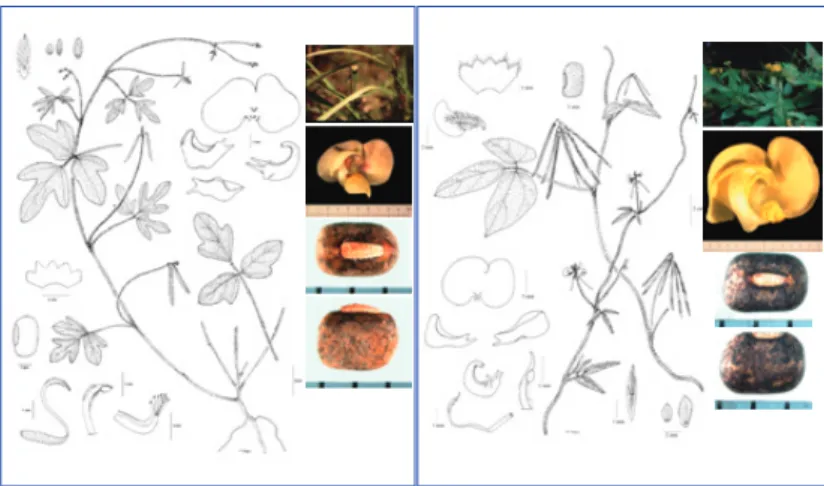
Fig. 1Diversity of a genus VignasubgenusCeratotropisrepresentative species collection based on AFLP analysis.
molecular analyses and morphological stud- ies have revealed that the Vigna collection had two new species and these have been named Vigna aridicola N. Tomooka & Maxted (Fig. 2a) and V. tenuicaulis N. Tomooka &
Maxted (Fig. 2b).
These studies also have led to a better understanding of the groups of species in the subgenus Ceratotropis. As a consequence the subgenus has been divided into three new sections, Angulares, Ceratotropis and Aconi- tifoliae. The understanding of the detailed pattern of variation in the subgenus Cera- totropis will assist plant breeders in deter- mining which species are likely to result in successful crosses.
Choice of statistical model for estimating genetic parameters using restricted
maximum likelihood in swine
Masahiro Satoh, Masaru Takeya
Genetic Diversity Department
Restricted maximum likelihood was used to determine the choice of statistical model, additive genetic maternal and common litter effects, and consequences of ignoring these effects on estimates of variance-covariance components under
random and pheno- typic selection in swine using com- puter simulation.
Two closed herds of different size and two traits, 1) pre- weaning average daily gain, and 2) litter size at birth were considered.
Three levels of addi-
tive direct and maternal genetic correlations (r
dm) were assumed to each trait. Four mixed models (GRM1 through GRM4) were used to generate data sets. Model GRM1 included only additive direct genetic effects, GRM2
Fig. 2Morphology of two newly described Vignaspecies.
Table 1 Inbreeding coefficients at generation five after selection and empirical variances of additive direct (VAd) and maternal genetic (VAm) effects and their covariances (CAdAm) by computer simulation
Population size Small population Large population
Selection method Random Phenotype Random Phenotype
Inbreeding coefficient 5.6 (0.8)a 6.6 (1.3) 1.1 (0.1) 1.4 (0.1)
Trait 1 2 1 2 1 2 1 2
VAd 29.80 9.93 29.87 9.96 29.99 10.00 30.03 10.01
VAm 4.98 4.98 4.96 4.96 5.00 5.00 4.99 4.99
CAdAm (rdm=<0.5)b <6.10 <3.52 <6.05 <3.49 <6.12 <3.53 <6.12 <3.53
(rdm= 0 ) <0.02 <0.01 0.05 0.03 0.00 0.00 0.00 0.00
(rdm= 0.5) 6.07 3.50 6.14 3.55 6.12 3.54 6.14 3.54
aEmpirical standard deviations from 100 replicates.
bCorrelation between additive direct and maternal genetic effects.
(a)V. aridicolaN. Tomooka & Maxted (b) V. tenuicaulis N. Tomooka & Maxted
included only additive direct genetic and common litter effects, GRM3 included only additive direct and maternal genetic effects, and GRM4 included all the random effects.
Four mixed animal models (EPM1 through EPM4) for estimating genetic parameters were defined as with GRM. Data from each GRM were fitted with EPM1 through EPM4.
The largest biased estimates of additive direct genetic variance were obtained when EPM1 was fitted to data generated assuming the presence of either additive maternal genetic, common litter effects, or a combina- tion thereof. The bias of estimated additive direct genetic variance increased and those of residual variance decreased with an increase in level of r
d mwhen GRM3 was used. EPM1, EPM2 and EPM3 resulted in biased estimation of the direct genetic vari- ances. EPM4 was the most accurate in each GRM. Phenotypic selection substantially increased bias of estimated additive direct genetic effect and its mean square error in trait 1, but decreased those in trait 2 when ignored in the statistical model. For trait 2, estimates under phenotypic selection were more biased than those under random selec- tion. We concluded that statistical models for estimating variance components should include all random effects considered to avoid bias.
Table 2 Estimates of additive direct (VAd) and maternal (VAm) genetic variances, covariances between additive direct and maternal genetic effects (CAdAm), and common litter (VCl) and residual (VE) variances when EPM equals GRM, assuming a correlation of zero between additive direct and maternal genetic effects in a small population Trait Selection EPM VAd VAm CAdAm VCl VE
1 True 30.0 5.0 0.0 10.0 ---
Random 1 30.1 --- --- --- 69.9
2 29.9 --- --- 10.4 59.6
3 29.1 5.2 0.0 --- 65.2
4 29.4 5.3 0.0 10.1 54.9
Phenotype 1 31.3 --- --- --- 69.1
2 33.8* --- --- 9.7** 57.9*
3 31.9 4.9 0.0 --- 63.5
4 31.9 5.4 0.0 10.1 53.8
2 True 10.0 5.0 0.0 10.0 ---
Random 1 9.7 --- --- --- 90.2
2 10.4 --- --- 10.0 79.7
3 9.3 5.0 0.0 --- 85.2
4 10.3 5.0 0.0 9.9 74.7
Phenotype 1 7.7** --- --- --- 80.9**
2 8.5* --- --- 8.2** 72.6**
3 7.8** 4.4 0.0 --- 76.9**
4 8.0** 4.3 0.0 8.3** 68.7**
**: Statistically significant at P<0.001, *: P<0.01.
Growth of porcine primordial follicles and their oocyte maturation by
xenotransplantation
Hiroyuki Kaneko
Genetic Diversity Department
Primordial follicles are a store for ovarian follicles and a potential resource of oocytes for medical, agricultural, and zoological pur- poses. Our objective was to develop a method of endowing oocytes from porcine primordial follicles with full maturation, as a model for
ovarian xenografting of large mammals.
Ovarian tissues from 20-day-old piglets, in
which most of the follicles were primordial
(Fig. 1A), were transplanted under the cap-
sules of both kidneys of ovariectomized
athymic mice. The host mice were treated
with 5 IU equine chorionic gonadotropin (eCG) 60 days after detection of cornified epithelial cells in their vaginal smears.
Cumulus-oocyte complexes and ovarian grafts were obtained 48 h after eCG treat- ment. Fifty-five to 65 days after grafting, the host mice for the first time showed vagi- nal cornification, accompanied by the for- mation of a small number of antral follicles in the grafts (Fig. 1B). Treatment with eCG 60 days after vaginal cornification enhanced growth of antral follicles (Fig. 1C). We recovered 573 oocytes from the 7 eCG- treated mice (FIG 1D). In all the oocytes, the nucleus was at the germinal vesicle stage (Fig. 2A). After in vitro culture for maturation (IVM), 98 of 573 oocytes (17%) were at the metaphase-II stage (Fig. 2B).
Moreover, when IVM oocytes with the first polar body (n=17) were stimulated with electric pulses, 10 oocytes were found to be activated with a female pronucleus and a second polar body (Fig. 3C). These results clearly demonstrate that maturation of oocytes from porcine primordial follicles is achievable by a combination of xenografting and in vitro culture.
The heterotrimeric G-protein beta subunit Mgb1 is required for appressorium formation,
infection and conidiation in Magnaporthe grisea
Marie Nishimura
Genetic Diversity Department
In the rice blast fungus Magnaporthe grisea, recognition of surface hydrophobicity triggers differentiation of appressoria, infec- tion structures for plant penetration. CAMP and Pmk1 MAP kinase signals are involved in regulation of this infection-related mor- phogenesis. In eukaryotes, heterotrimeric G-
proteins transmit extracellular signals to downstream effectors such as MAP kinases and adenylate cyclases. Thus, in this study, we isolated and characterized the Mgb1, the G-protein ` subunit in M. grisea. MGB1 is a unique gene in M. grisea genome and has high homology to other filamentous fungi
Fig. 1Morphological appearance of porcine ovarian tissue before and after grafting into mice and appearance of recovered oocytes. (A) Neonatal donor porcine ovary. (B) A graft isolated from a mouse at the time of detection of vaginal cornification and (C) a graft from a mouce that received eCG. 60 days after vaginal cornification. (D)Recovered oocytes from an eCG-treated mouse.
Fig. 2
Developmental competence of porcine oocytes recovered from the grafts in the mice that received eCG 60 days after vaginal cornification.
(A) A germinal vesicle (GV) stage, (B) a mature oocytes after IVM and (C) an activated oocyte after electric stimulation. 1Pb, first polar body;
MP, metaphase plate; FPn, female pronucleus.
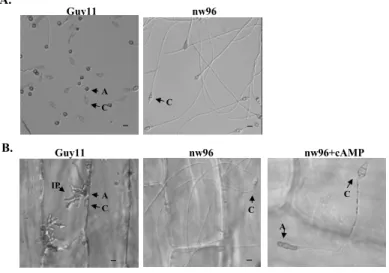
(>90%). Mutants disrupted in MGB1 were reduced in conidiation. Conidia from mgb1 mutants were defective in appressorium for- mation on hydrophobic surfaces and failed to infect plant cells. Exogenous cAMP induced appressorium formation in mgb1 mutants.
However, these appressoria were abnormal in shape and nonfunctional for penetration.
Intracellular cAMP level was significantly reduced in mgb1 mutants during conidiation.
The defect of mgb1 mutants in conidiation was partially suppressed with 1 mM cAMP.
Transformants expressing multiple copies of MGB1 were able to form appressoria on hydrophilic surfaces and increased intracel- lular cAMP level in conidia. Our results sug- gest that MGB1 may play an important role in regulating the cAMP signaling pathway for conidiation, surface recognition, and infectious hyphae growth in M. grisea.
OMA plate
fmol of cAMP/mg % of wild type of mycelia/sporesa
Guy11 4595.7 ± 703.31b 100
mgb1 2820.7 ± 395.0 61
cmp9 7691.7 ± 1046.9 167
Table 1 Measurement of intracellular cAMP level in mycelia
aLyophilized weights of mycelia and spores.
bValues are means ± standard deviations.
Guy11: wild type strain, mgb1: MGB1 deletion mutant, cmp9: Guy11 with multiple copies of MGB1
Fig. 1
A. Appressorium formation assay on plastic cover slips. While the wild type strain (Guy11) produced melanized appressoria, the mgb1mutant nw96 only formed long germ tubes. B. Appressorium formation on onion epidermis strips. Guy11 developed infectious hyphae after penetrating onion epidermal cells. With 10 mM cAMP, the mgb1 deletion mutant nw96 produced melanized but irregularly shaped and nonfunctional appressoria A: appressorium, C: conidium. Bar =10 µm.
Fig. 2
A model for MGB1function. Surface recognition, conidiation signals are likely to be regulated by Mgb1 viathe cAMP signaling. MGB1may function upstream from PMK1for regulating appressorial penetration and infectious hyphae growth.
Mapping quantitative trait loci controlling seed longevity in rice (Oryza sativa L.)
Kiyoyuki Miura, M. Yano, S. Lin, T. Ishii, K. Ebana, S. Fukuoka, Y. Kojima and T. Nagamine
Genebank
Seed longevity is one of the important characteristics in the conservation of plant
genetic resources in genebanks. Furthermore,
seed deterioration due to tropical climate is a
serious problem in rice production through- out monsoon-affected parts of Asia. Variations of seed longevity of cultivars originating in different ecogeographic regions have been reported, however, the inheritance of seed longevity has not been reported in rice.
Furthermore, the relationship between primary dormancy and longevity is also intriguing. Several studies have reported contradictory results, that is, both positive correlation and no correlation.
We identified QTLs for seed longevity and primary dormancy using 98 backcross inbred lines (BILs) derived from a cross between a japonica variety Nipponbare and an indica variety Kasalath. For the measurement of seed longevity, seeds of each line were kept for 12 months at 30˚C in dry conditions, fol- lowed by additional aging for 2 months at 30˚C with seeds at 15% moisture content.
Germination rates at 25˚C for 7 days were measured after the treatment are recorded as the degree of seed longevity. Three puta- tive QTLs for seed longevity, qLG-2, qLG-4 and qLG-9, were detected on chromosomes 2, 4 and 9, respectively. Kasalath alleles increased the seed longevity in these QTLs.
The QTL with the largest effect, qLG-9, accounted for 59.5% of the total phenotypic variation in BILs, and qLG-2 and qLG-4, comprised 13.4% and 11.6%, respectively.
We verified the effect of the Kasalath allele of qLG-9 using chromosome segment substi- tution lines. Furthermore, QTLs for primary dormancy were identified on chromosomes 1, 3, 5, 7 and 11. Different chromosomal loca- tions of QTLs for these two traits suggested that they might be controlled by different genetic factors.
Fig. 2
Seed longevity of the selected chromosome segment substitution lines.
SL36 SL39 SL14 SL68
Nipponbare Kasalath
% 100 80 60 40 20 0 Fig. 1
Chromosomal locations of QTLs for seed longevity and primary dor- mancy.
:QTL for seed longevity, :QTL for primary dormancy :nearest marker locus to QTL for seed longevity
:nearest marker locus to QTL for primary dormancy
Stable germline transformation in the sawfly, Athalia rosae (Hymenoptera)
Masatsugu Hatakeyama, Megumi Sumitani, Daisuke S. Yamamoto, Jae Min Lee
Developmental Biology Department
Attempts to obtain stable germline trans- formation systems are being made exten- sively in a wide variety of insects. Particular efforts have been directed toward those insects related to public health concerns and also toward agriculturally or economically important insects. However to date, stable germline transformation has been reported in only three species outside of Diptera: the silkworm Bombyx mori, the red flour beetle Tribolium castaneum and the pink bollworm Pectinophora gossypiella. In all of these cases, the piggyBac-derived vectors were used. We developed a system for stable germline transformation using the piggyBac- derived vector, and this is the first successful case in the hymenopteran insects.
A piggyBac construct carrying two green fluorescent protein (GFP)-coding sequences, one driven by Bombyx mori actin gene pro- moter and the other by Drosophila melano- gaster heat-shock protein 70 (hsp70) promoter were co-injected with a helper plasmid con- taining an active piggyBac transposase gene
into mature unfertilized eggs dissected from A. rosae female adults. The eggs partheno- genetically developed as haploid males and these were individually mated to virgin females. Upon examination of GFP expres- sion, we obtained transgenic individuals in a transformation rate of 5%, comparable to the results reported in other insects. Further crosses were done using these GFP-positive individuals, and we finally established trans- genic lines in which the piggyBac construct was stably inherited. The stable inheritance of the integrated piggyBac construct was confirmed by Southern blot analyses. In addition, it was revealed by sequencing of the adjacent regions of the integrated con- struct that the construct was inserted at the canonical piggyBac target sequence, TTAA.
This clearly indicated the transposition was mediated by the piggyBac transposase.
The results not only add another example to the list of transgenic insects, but also fur- ther expand the usefulness of the piggyBac vector. Now we have a tool to introduce
Fig. 1
Transgenic sawfly, Athalia rosae in which the piggyBac construct bearing GFP gene was integrated in the genome. A: Third instar larvae, B: Mid-stage pupae. The GFP-positive transgenic individuals are shown on the left in both panels.
A B
Fig. 2
Results of Southern blot analyses. The same DNA frag- ments (about 9 kb) were detected only in the GFP-posi- tive individuals. G1, G2 and G3 represent generation 1, 2, and 3, respectively. +: GFP-positive individual, <:
GFP-negative individual.
cDNA cloning and biochemical characterization of Bombyx mori orphan receptor,
BmHR78
Takahiro Shiotsuki, Makoto Hirai, Manabu Kamimura, Shuichiro Tomita
Developmental Biology Departmnet
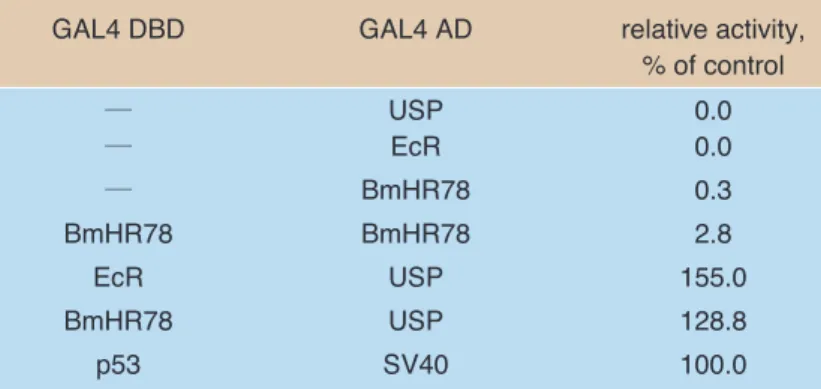
Insect juvenile hormones (JHs) have important roles in insect physiology, espe- cially development and metamorphosis, but studies of the molecular mechanisms of the JH have not been progressed yet. For the clarification of JH actions, a novel member of the nuclear receptor superfamily from the silkworm Bombyx mori was identified and named BmHR78. The DNA binding domain of the BmHR78 shows high similarity to some other orphan receptors, such as Tenebrio molitor hormone receptor 78 (TmHR78), Drosophila hormone receptor 78 (DHR78) and mammalian testicular receptor 2 (TR2), whereas the ligand binding domain is not well conserved. Northern blot analysis showed that the BmHR78 gene was most abundantly expressed in the testis in the B. mori. From the 4th to 5th instar, the BmHR78 gene was constantly expressed in the testis. In the anterior silk gland, the level of BmHR78 gene expression was devel- opmentally changed. From day 10.0 to 11.0 in the 5th instar, another BmHR78 tran- script of smaller size appeared. BmHR78 forms not only a homodimer but also a het- erodimer with Ultraspiracle (USP), an insect homologue of RXR, in a yeast two-hybrid in vivo assay. USP isoform also appeared at
the same stages in the tesits. The direct interaction between BmHR78 and USP was also confirmed by in vitro pull down assay.
Deletion mutant analysis showed that BmHR78 interacts with USP via the 9th heptad repeat in helix 10 of the E region.
This repeat is well conserved in RXR and its heterodimer partners, and was shown to be an interface for their dimerization. In insects, only the ecdysone receptor and hor- mone receptor 38 (HR38) are known thus far to dimerize with USP. Thus, BmHR78 is a third dimerization partner for USP and may modulate the molecular action of USP, including the ecdysone signal cascades.
GAL4 DBD GAL4 AD relative activity,
% of control
̆ USP 0.0
̆ EcR 0.0
̆ BmHR78 0.3
BmHR78 BmHR78 2.8
EcR USP 155.0
BmHR78 USP 128.8
p53 SV40 100.0
Table 1 Quantification of protein-protein interaction by yeast 2- hybrid system
Each combination of baits (pAS2-1, GAL4 DB) and preis (pACT2, GAL4 AD) were transfected into Y187 and GC1945 yeast cells. Control combination was performed with p53 and SV40.
exogenous genes into a hymenopteran insect and to analyze these gene functions.
Hymenoptera includes many species impor- tant to agriculture as predators and pollina-
tors. It is expected that this system will
allow production of valuable hymenopteran
strains that genetically acquired useful fea-
tures.
Considering that there are numerous immature oocytes in ovaries that can be obtained from gilts at a slaughterhouse, it is essential to establish an effective in vitro maturation (IVM) system for porcine oocytes, because IVM oocytes can be used for effective production of somatic cell cloned piglets.
Furthermore, it is essential to establish an effective activation method for IVM oocytes, because there have been no activation meth- ods comparable with spermatozoa. This study was designed to evaluate the partheno- genetic activation of porcine oocytes matured in vitro for a variable period after combined treatment with electric pulse (EP; 1500 V/cm,
100 µ sec) and Butyrolactone I (BL I), a specific inhibitor of the cyclin-dependent kinases. After 36 h of maturation culture, the rates of activated oocytes and oocytes with two pronuclei (63.0 ± 13.8 and 19.4 ± 9.6, respectively) were significantly lower than those of oocytes cultured for 42h (94.4 ± 4.5 and 62.7 ± 10.1, respectively) and 48 h (96.3 ± 3.5 and 63.9 ± 11.7, respectively) after EP. However, when treated by a com- bined EP and BL I (150 µ M), these rates increased to the same level as 42 and 48 h oocytes. When oocytes cultured for 48 h and activated by a combined EP and BL I treat- ment were subsequently cultured in mNCSU37 medium, the rates of embryos cleaved (86.7 ± 6.3) and developed to the blastocyst stage (44.7 ± 10.7) (Fig. 1) were significantly higher than those in Whitten’s medium(57.1 ± 14.9 and 20.7 ± 7.7, respec- tively). In contrast, when activated oocytes were cultured in mNCSU37 medium under two oxygen environments (5% vs 20% O
2), there were no differences in the rates of cleavage, blastocyst formation or nucleus numbers per blastocyst. Our results demon- strated that the combined EP and BL I treat- ment of porcine oocytes matured in vitro is capable of producing high rates of good qual- ity blastocysts when cultured in a suitable in vitro condition.
Parthenogenetic activation and subsequent development of porcine oocytes activated by a combined electric pulse and butyrolactone I treatment
Takashi Nagai
Developmental Biology Department
Fig. 1
Porcine blastocysts derived from oocytes matured and activated in vitro, and then cultured in the mNCSU37 for 7 days after activation under 20% O2condition.
Bar = 100 µm
Isolation and characterization of Bovine trophoblastic cell line (BT-1)
Toru Takahashi, Kazuyoshi Hashizume, Kanako Kaneyama
Developmental Biology Department
We established the bovine trophoblastic cell line (Bovine Trophoblast-1; BT-1), derived from in vitro matured, fertilized and cultured blastocysts. While several trophoblastic cell lines have been previously reported using feeder layers, BT-1 could be grown in the absence of feeder cells. Conditioned medium (10% FBS, DMEM/F12) accelerated cell attachment and growth when compared to unconditioned medium. Passage of BT-1 was carried out without proteolytic enzymes.
Cells were dislodged from the culture dish by repeated pipetting. Trypsin-EDTA solution was not only insufficient for cell dissociation but also harmful to cell survival. Harvested cells were plated at a 1:2 dilution from conflu- ent culture every week. The BT-1 cells were maintained continuously for more than 4 years and over 180 passages without senes- cent or morphological changes. The BT-1 cells were cuboidal in shape, and expressed keratin (Fig. 1 a, b). The cells grew and formed a round colony. With the growth of a colony, an accumulation of fluid between the cell layer and culture dish elicited the forma- tion of a dome-like structure. Domes further accumulated fluid until discrete vesicles were formed. Finally, formed vesicles were dissoci- ated from the colony and floated in the medium. Subsequently, floating vesicles attached to the culture dish and resumed spreading out to form a colony (Fig. 1 c, d).
The bromodeoxyuridine (BrdU) incorporation analysis revealed that only the cells in the peripheral zone of colonies were mitotic, and no BrdU incorporation in the central area
was detected. Nuclear staining with Hoechst 33342 showed two distinct areas in the colony: the central area in which cells were tightly packed and a peripheral zone where
Fig. 1 The BT-1 cells.
(a) Nomarski micrograph. (b) Immunofluorescence detection of keratin.
(c) BT-1 cells just after plating. (d) Spreading BT-1 cells. Bar = 10µm (b), 0.3mm (c, d).
Fig. 2
Gene expression profiles in BT-1 (A) and fetal membrane (B).
Lanes 1; size marker, 2; PL, 3; PRP-I, 4; PAG-1, 5; IFN-o, 6; BMP, 7; GDF 9, 8; Oct 4, 9; Leptin
the cells grew sparsely. These findings sug- gest that the cell population comprising a
colony is morphologically and functionally heterologous. The BT-1 cells express several trophoblast-specific proteins. RT-PCR analy- sis revealed that the BT-1 expressed mRNAs encoding Placental lactogen (PL), Interferon- o (IFN- o ), Prolactin-Related Protein-I (PRP- 1), and Pregnancy-Associated Glycoprotein-1 (PAAG-1). In the 8 tested genes (see the leg- end of Fig. 2), their expression profiles of BT-1 were comparable to those of fetal mem- brane developed in vivo (Fig. 2). Bone Morphogenetic protein and transcription fac- tor Oct 4 were also expressed. The presence of IFN-o protein in culture medium was con- firmed by Western blotting. A small number of cells were shown to be PL-positive and binucleated (Fig. 3). The present series of studies established a novel cell line derived from bovine blastocyst, characterized its morphological and functional properties, and proposed a powerful model system for the study of trophoblast cell lineage and placen- tal function.
Fig. 3
Detection of PL in BT-1 cells by immunofluorescence.
(a) Hoechst 33342 staining shows binucleate cells (arrow, magnified in the inset). Bar = 30µm
(b) Immunodetection of PL
The endometrium is one of the most com- plex tissues, undergoing dynamic changes as a result of tissue remodeling in response to implantation and pregnancy processes. The implantation mechanism remains unclear because of complex interactions by various factors inherent in that process such as cytokines, growth factors, hormones and adhesion molecules. An in vitro model may provide a tool for clarifying the complex implantation process. If multicellular spher-
Regeneration of a bovine endometrial model in vitro by a unique three-dimensional
cell culture system using ascorbate
Kazuyoshi Hashizume, Toru Takahashi, Kanako Kaneyama
Developmental Biology Department
Fig. 1
Process for formation of mutli-cellular spheroid using AsA-P.
BES were cultured for 6 days in medium with (B) or without (A) AsA-P. Cells cul- tured without AsA-P detached and sep- arated into single cells after EDTA solution treatment (C). Cells cultured with AsA-P did not disperse into single cells after EDTA solution treatment (D).
They gradually detached from the cul- ture plate edge after agitating with pipette (E) and finally floated as a wavy cell sheet (F). Scale bars represent 500 µm (A-D), 1mm (E), and 2mm (F).
oids could be regenerated from endometrial cells in a controlled and reproducible man- ner, it would certainly provide a platform for the investigation of endometrial functions.
This study describes the regeneration of multicellular spheroids composed of bovine endometrial epithelial cells (BEE) and bovine endometrial stromal cells (BES) and investigates the properties of the regener- ated spheroids. The BES were cultured to confluence in medium with L-ascorbic acid phosphate magnesium salt n-hydrate (AsA- P), which stimulates collagen synthesis in BES. Cell behaviour, viability, proliferative activity, and ECM production in the hetero- spheroid containing BEE and BES were examined immunochemically. Additionally, the production of prostaglandins (PGE
2and PGF
2_) and matrix metalloprotinases-2 and - 9 (MMP-2 and MMP-9) by spheroids in response to oxytocin (OT) and 12- Otetradecanoylphorbol 13-acetate (TPA) were determined.
The BEE were co-cultured on a BES cell- sheet for 24 h before detachment of the cell- sheet to generate a hetero-spheroid. After EDTA treatment and agitation using a pipette, the floating cell-sheet shrank and became an aggregated cell mass in a few days. Histological examination revealed that hetero-spheroids were covered with BEE on the outer layer. When cell viability was examined with TUNEL, no positive signal was detected in the spheroid for up to 10 days. Immunofluorescence observations showed that spheroids contained abundant extracellular matrices, including type-I, -III, -IV collagen, fibronectin, and laminin.
Fig. 4
Double staining of vimentin and cytokeratin in cultured BES (A-C), BEE (D-F), the hetero- spheroid (G-I), and endometrial tissue (J-L).
Phase-contrast observations of cells, the spheroid, and tissue are shown in the left column (A, D, G and J). Spindle-shape mor- phology and vimentin expression (B) are characteristic of BES.
Cobblestone morphology and expression of both vimentin (E) and cytokeratin (F) are shown in BEE. In the hetero-spheroid, the spheroid outer-surface BEE layer stained vimentin negative (H) and cytokeratin positive (I). In the endometrium, luminal epithe- lium (LE) stained vimentin negative (K) and cytokeratin positive (L). Scale bars represent 100 µm (A-F) and 50 µm (G-L).
*
*
*
*
*
BES BEE Homo-
Spheroid
Hetero- Spheroid 350
300
250
200
150
100
50
0
PGF2α (pg/1000 cells)
Control OT TPA
Fig. 3
Detection of apoptotic cells (TUNEL; A-D) and proliferat- ing cells (PCNA; E-H) in the spheroid.
Immediately after detachment from the culture plate (A, E), day 3 (B, F), day 10 (C, G) and day 14 (D, H). Nuclei of positive cells for TUNEL reaction and anti-PCNA anti- body are stained for dark brown by DAB. Negative cells stained light green by the counter staining with methyl green. Scale bars represent 50 µm.
Fig. 2
Cell localization during formation of cell mass.
BEE were stained immunocytochemically with anti-cytok- eratin antibody (A-D). Immediately after detachment from the culture plate (A, E), day 1 (B, F), day 2 (C, G) and day 3 (D, H). E-H are phase-contrast observations of A-D, respectively. Scale bars represent 500 µm.
Fig. 5
PGF2_production of BES and BEE spheroids
BES homospheroid and hetero-spheroids in response to treatment with oxytocin (OT) and phorbolestel (TPA)
Values are means +/<sd. from four parallel wells. Asterisks indicate differ- ences compared with each control of the same group (P<0.05).
Rel/NFgB family proteins are known as transcriptional factors that bind to the gB- like motif and activate immune genes in Drosophila. A gB-like motif is also located in the 5’-upstream regions of Bombyx mori
antibacterial peptide genes, suggesting an important role in gene activation. Two cDNAs encoding BmRelA and BmRelB, which have Rel homology domains were cloned as candidates for binding factors.
BmRelB cDNA had the same nucleotide sequence as that of BmRelA except for a 239 bp nucleotide deletion including a putative translation start codon of BmRelA. The BmRelB had an N-terminal region 52 amino acids shorter than the BmRelA (Fig. 1).
Interestingly, both BmRelA and BmRelB had a leucine zipper motif, which was not present in the C-terminal region of Drosophila Rel family proteins. Transient luciferase assay using a Drosophila melanogaster cell line, mbn-2 indicated that the attacin gene is strongly activated by BmRelB, but very weakly by BmRelA. On the other hand, lebocin 4 gene is activated more strongly by BmRelA than by BmRelB (Fig. 2). Immune gene activation by these factors was gB-like motif-dependent. These results suggest that BmRels differentially activate antibacterial peptide genes through a gB-like motif and the 52 N-terminal amino acids of BmRelA contribute to this differential activation.
Differential transcriptional activation of antibacterial peptide genes by BmRelA or BmRelB
Hiromitsu Tanaka, Jun Ishibashi, Minoru Yamakawa
Molecular Biology and Immunology Department
Fig. 1
Schematic representation of BmRelA and BmRelB structures
RHD: Rel homology domain, NLS: nuclear localization signal, PRD: pro- line rich domain, LZ: leucine zipper motif.
Fig. 2
Effect of BmRelA and BmRelB on the expression of gene constructs con- sisting of attacin or lebocin4 gene promoter and luciferase reporter gene in the mbn-2 cells. pPac: expression vector only, pGL3: The plasmid containing luciferase reporter gene.
PGF2_ produced by hetero-spheroids in response to OT was significantly (P<0.05) higher than that produced by monolayer cul- tured BEE. MMPs were not detected in media from spheroids cultured for 5 days after detachment of the cell sheet. These results indicated that bovine endometrial
cells have the capacity to regenerate as a
multicellular spheroid after treatment with
ascorbate in vitro. The spheroid mimics
endometrium features in morphology and
functions. Thus, we concluded that spher-
oids formed by BES and BEE are a useful in
vitro model of bovine endometrium.
Quantitative trait locus (QTL) analyses of metabolic disorders, such as non-insulin- dependent diabetes mellitus (NIDDM) and hyperlipidemia, were carried out in three sets of F
2mice that can be formed from KK(<A
y), RR and C57BL/6J strains, and results from each analysis were compared on the assump- tion that more common variants may be detected more than once across the strain combinations. As a rule, body weight as well as plasma level of lipids decreased in the order of KK (KK<A
y/a), RR, C57BL/6J. If a QTL for a trait is identified in a similar chro- mosomal position in an F
2mice from a differ- ent strain combination, it may not only strengthen the probability of the presence of the QTL, but also may limit or improve the resolution of the confidence interval of the QTL region. At the same time, it may be eas- ier to identify causal genes or nucleotides by comparing candidate gene sequences among three strains. First, we analyzed obesity, NIDDM, and hyperlipidemia in C57BL/
6J × KK<A
yF
2. We identified obesity QTLs on chromosomes 4 (Bwq1) and 6 (Bwq2), glucose intolerance QTL on chromosome 8 (Giq1), cho- lesterol QTLs on chromosomes 1 (Cq1 and Cq2) and 9 (Cq9), and triglyceride QTL on chromosomes 9 (Tgq1) (Fig. 1). Since the Cq2 was located over the gene for apolipoprotein A-II (Apoa2) gene, we sequenced and analyzed Apoa2 cDNA from various mouse strains. As a result, it was revealed that the specific allele at the apolipoprotein A-II (Apoa2) gene was associated with increased cholesterol.
Phenotypic effect of this QTL region was con-
firmed in congenic strains. Second, we identi- fied cholesterol QTL and triglyceride QTL on chromosome 9 (Cq5), and on chromosome 8 (Tgq2) in KK × RR F
2(Fig. 1). The Cq5 was mapped to a region near the Cq4, and the Tgq2 was mapped to a region near Giq1. It is known that there are several apolipoprotein genes (Apoa1, Apoa4, Apoc3, and Apoa5) on proximal chromosome 9, and therefore these are plausible candidates for Cq4 and Cq5.
The Tgq2 and Giq1 regions also contain sev- eral candidate genes such as Cpe, Lpl, and Ucp. As Lpl is known to have roles in glucose homeostasis as well as triglyceride metabo- lism, and we analyzed the Lpl cDNA sequence and found polymorphic alleles among the strain used. In KK × RR F
2, we also analyzed and identified inferior nurturing ability QTLs on chromosomes 5 (Naq1) and 9 (Fig. 1). The RR allele at the Naq1 was associated with reduced total pup weight, possibly because of reduced lactational yield. A similar QTL analysis of the plasma lipid traits in C57BL/6J × RR F
2is now being carried out.
Quantitative trait locus analyses of metabolic disorders in mice
Jun-ichi Suto
Molecular Biology and Immunology Department
Lead nitrate (LN) has been shown to induce liver hyperplasia and hypercholes- terolemia in rats, but the induction mecha- nisms remain unclear. In the present study, LN (100 µ mol/kg body weight, i.v.) was administered to male rats at 7 weeks of age, and overall changes in the gene expression of enzymes including HMG-CoA reductase (HMGR), squalene synthase (SQS) and lanosterol 14_ -demethylase (CYP51) in the cholesterol biosyn- thesis pathway (Fig. 1) were exam- ined by real time RT-PCR.
We confirmed that LN increased serum total cholesterol level at 12~48 h and then liver weight at 48 h (Fig. 2). The expression level of the HMGR gene markedly increased 3 h after LN treatment, and the increased level was maintained up to 48 h later (Fig. 3). Expression levels of the SQS and CYP51 genes
also increased at 12 h after LN treatment.
These findings suggest that increase in the serum total cholesterol level by LN treat- ment occurs, at least in part, through tran- scriptional activation of the genes of HMGR, SQS, and CYP51 responsible for cholesterol biosynthesis. Considering the time courses of the changes in the gene expression of cho- lesterogenic enzymes and the formation of hypercholesterolemia, such LN-induced changes likely occur independently of the serum cholesterol-dependent regulation.
Their mechanisms, however, remain unclear.
To further clarify the mechanism for the transcriptional activation, we focused on the sterol regulatory element binding proteins (SREBPs), SREBP-1a, SREBP-1c, and SREBP-2, which are known to regulate the gene expression of cholesterogenic enzymes, and examined the changes in their gene expression levels after LN treatment (Fig. 4).
Gene expression of SREBP-2 was increased at 12 h, whereas those of the SREBP-1a and SREBP-1c genes were unchanged and remarkably reduced, respectively. The pre- sent findings suggest that only SREBP-2 among the SREBPs might contribute to the gene activation of the cholesterogenic enzymes in the LN-treated rat liver.
However, concerning the gene activation of HMGR, other transcription factor(s) might play an important role, because the increased expression of the HMGR gene was observed earlier than that of the SREBP-2 gene.
In conclusion, we demonstrated for the first time that lead nitrate, a heavy metal
Altered gene expression of the cholesterol biosynthesis enzymes and sterol
regulatory element binding proteins in lead nitrate-treated rat liver
Misaki Kojima
1), Kiyomitsu Nemoto
2), Masakuni Degawa
2)1) Physiology and Genetic Regulation Department
2) School of Pharmaceutical Sciences, University of Shizuoka
Fig. 1
Simplified scheme of cholesterol biosyn- thesis pathway.
Fig. 2
Changes in the liver weight and serum total cholesterol level in LN- treated rats.