Systematic Review:
Attention‑Deficit/Hyperactivity Disorder and Instrumental Learning
Author An‑Katrien Hulsbosch, Hasse De Meyer, Tom Beckers, Marina Danckaerts, Dagmar Van
Liefferinge, Gail Tripp, Saskia Van der Oord journal or
publication title
Journal of the American Academy of Child &
Adolescent Psychiatry
year 2021‑04‑13
Publisher Elsevier Inc.
Rights (C) 2021 The Author(s).
Author's flag publisher
URL http://id.nii.ac.jp/1394/00001935/
doi: info:doi/10.1016/j.jaac.2021.03.009
Creative Commons Attribution‑NonCommercial‑NoDerivatives 4.0 International(https://creativecommons.org/licenses/by‑nc‑nd/4.0/)
REVIEW
Systematic Review: Attention-De fi cit/Hyperactivity Disorder and Instrumental Learning
An-Katrien Hulsbosch, MA, Hasse De Meyer, PhD, Tom Beckers, PhD, Marina Danckaerts, MD, PhD, Dagmar Van Liefferinge, PhD, Gail Tripp, PhD, Saskia Van der Oord, PhD
Objective: Although instrumental learning deficits are, among other deficits, assumed to contribute to attention-deficit/hyperactivity disorder (ADHD), no comprehensive systematic review of instrumental learning deficits in ADHD exists. This review examines differences between ADHD and typically developing (TD) children in basic instrumental learning and the effects of reinforcement form, magnitude, schedule, and complexity, as well as effects of medication, on instrumental learning in children with ADHD.
Method:A systematic search of PubMed, PsyINFO, CINAHL, EMBASE+EMBASE CLASSIC, ERIC, and Web of Science was conducted for articles up to March 16, 2020. Experimental studies comparing instrumental learning between groups (ADHD versus TD) or a manipulation of reinforcement/
medication within an ADHD sample were included. Quality of studies was assessed with an adapted version of the Hombrados and Waddington criteria to assess risk of bias in (quasi-) experimental studies.
Results:A total of 19 studies from among 3,384 non-duplicate screened articles were included. No difference in basic instrumental learning was found between children with ADHD and TD children, nor effects of form or magnitude of reinforcement. Results regarding reinforcement schedule and rever- sal learning were mixed, but children with ADHD seemed to show deficits in conditional discrimination learning compared to TD children. Methylphe- nidate improved instrumental learning in children with ADHD. Quality assessment showed poor quality of studies with respect to sample sizes and outcome and missing data reporting.
Conclusion:The review identified very few and highly heterogenous studies, with inconsistentfindings. No clear deficit was found in instrumental learning under laboratory conditions. Children with ADHD do show deficits in complex forms of learning, that is, conditional discrimination learning.
Clearly more research is needed, using more similar task designs and manipulations.
Key words:ADHD, instrumental learning, systematic review J Am Acad Child Adolesc Psychiatry2021;000(000):1−15.
A
ttention-deficit/hyperactivity disorder (ADHD) is a common psychiatric disorder characterized by symptoms of inattention and/or hyperactiv- ity/impulsivity, with prevalence rates of 3% to 7%1 and poor prognosis if not treated effectively.2 Severe impair- ments across a broad range of domains and high comorbid- ity rates are reported, indicating the burden of the disorder.3−5The primary evidence-based nonpharmacological treat- ment for preschool and school-aged children with ADHD is behavioral parent and teacher training (BPT).6However, although positive effects on behavioral problems, parenting, and parents’feelings of competence are reported, reductions in core ADHD symptoms, as rated by independent observ- ers, are mostly not significant.7 Effect sizes for change in problem behavior and parenting are moderate, leaving room for improvement. Furthermore, they become smaller at follow-up, indicating limited sustainability of effects.8
Behavioral parent and teacher training programs are largely based on reinforcement learning principles; parents and/or teachers provide positive reinforcement for appropriate behav- ior and ignore or punish nonadaptive behavior, with the aim of increasing the frequency of adaptive behavior.9Most BPT programs do not take into account potential instrumental learning deficits in ADHD in their design and delivery.10Yet, motivational deficits (eg, altered reward/punishment sensitivity and reinforcement learning) are assumed to be one of the underlying causes of ADHD, among other pathways.11Theo- retically, instrumental learning deficits may have important implications for how BPT programs for ADHD should be conceived and delivered and thus may contribute to improving effectiveness. These insights could indicate how specific ele- ments of learning should be targeted according to the deficits and needs of children with ADHD.9However, to date there is no clear and comprehensive overview of instrumental learning in children with ADHD.
1 www.jaacap.org
Journal of the American Academy of Child & Adolescent Psychiatry Volume 00 / Number 00 / &2021
ARTICLE IN PRESS
In several theoretical accounts, ADHD symptomatol- ogy is assumed to arise from altered reinforcement learn-
ing.12−14 The Dynamic Developmental Theory (DDT)
posits a deficiency in dopaminergic activity in ADHD that gives rise to altered reinforcement processing.12Hypodopa- minergic functioning is assumed to lead to a reduced time window in which an association between behavior and sub- sequent reinforcement can be established, impairing learn- ing, especially when reinforcement is delayed.12 The Dopamine Transfer Deficit (DTD) hypothesis assumes a dysfunction in the transfer of dopaminergic activity from reward delivery to reward cues, resulting in impaired learn- ing under conditions of delayed or discontinuous reinforce- ment in individuals with ADHD.13 Both theories suggest that because of this altered dopaminergic activity, children with ADHD are impaired in the acquisition of behavior under conditions of partial or discontinuous reinforcement, as reinforcement is delayed or intermittently absent.12,13 Douglas proposes that impaired self-regulation in children with ADHD leads to abnormal responses to reinforce- ment,14 evidenced by an increased tendency to seek imme- diate reward and salient reinforcers together with heightened vulnerability to the arousing and distracting effects of rewards.14The assumption is that frustration arises when anticipated rewards are not delivered, as under partial or delayed reinforcement, potentially interfering with instrumental learning.14 In addition, Douglas states that children with ADHD are more averse to punishment, which may also interfere with learning.14 Other theoretical accounts, for example, the delay aversion hypothesis, address emotional responses to, and avoidance of, delayed reinforcement.15 However, the focus of the current review is on learningper se,not sensitivity and emotional responsiv- ity to reinforcement more generally.
In general, 3 elements are important in instrumental learning: (1) the discriminative stimulus that precedes the behavior (antecedent); (2) the behavior; and (3) the conse- quence following the behavior (reinforcement/punish- ment).16 The theories above make several predictions regarding the effects of reinforcement and punishment. All theories predict deficient learning when reinforcement is delivered on a partial schedule or is delayed. Douglas assumes that children with ADHD are prone to seek imme- diate and salient stimuli (rewards) and are strongly averse to punishment, thereby interfering with learning.12−14
With regard to evidence for instrumental learning defi- cits in ADHD, in 2005, Lumanet al.reviewed the broader sensitivity to reinforcement manipulations in children with ADHD. Findings regarding instrumental learning deficits and the impact of schedule (partial versus continuous rein- forcement) on performance in ADHD were mixed, with
some studies indicating poorer instrumental learning perfor- mance in those with ADHD under partial reinforcement.17 Other aspects such as form or magnitude of the reinforcer may also affect instrumental learning, as more salient rein- forcers are proposed to have more impact in ADHD.14 Studies have shown differential effects of the form (eg, social versus monetary) or magnitude (small versus big monetary) of reward in children with ADHD compared to TD chil- dren, with better performance (eg, on working memory or inhibition tasks) under monetary reward and with large (monetary) magnitude of reward.17−19This may indicate a parallel differential effect of magnitude and form of rein- forcement on actual instrumental learning performance as well.
More complex forms of learning that better match children’s everyday learning experiences may also be affected in ADHD. Based on behavioral observations, it is often argued that children with ADHD fail to take into account environmental cues and expectations, and have particular difficulty recognizing the discriminative events (antece- dents) indicating which behavior will lead to a positive out- come (ie, in one context [eg, play time], active behavior is adaptive, whereas in another it is not [eg, classroom]).20 These problems mirror conditional discrimination learning, in which the response depends on the context or cue stimuli preceding the behavior. Equally relevant is reversal learning, in which reward probabilities of 2 or more responses are reversed throughout the learning task, assessing how fast new learning occurs when prior response outcome associa- tions have been formed. In instrumental learning in every- day life, prior associations are mostly already present.
Finally, some theories of instrumental learning in chil- dren with ADHD assume that altered dopaminergic func- tioning underlies ADHD symptomatology.12,13 Stimulant medication, such as methylphenidate, often prescribed for individuals with ADHD, is suggested to enhance dopamine signaling and to facilitate the responses to predictive cues and reinforcement learning.21,22 Thus, the influence of medication on instrumental learning should also be investi- gated.
To the best of our knowledge, no review has compared more complex forms of instrumental learning in children with and without ADHD, or the influence of medication on instrumental learning in children with ADHD. The ear- lier review by Lumanet al.addressed broader sensitivity to reinforcement and not solely instrumental learning, that is, the learning of responses and stimulus response relations as a result of reinforcement or punishment.17 The current review addresses these topics with the aim of developing a comprehensive understanding of instrumental learning in children with ADHD relative to TD children. Empirical
ARTICLE IN PRESS
HULSBOSCHet al.
2 www.jaacap.org Journal of the American Academy of Child & Adolescent Psychiatry
Volume 00 / Number 00 / &2021
studies examining instrumental learning in children with ADHD compared to TD children are reviewed. Five ques- tions are addressed: (1) Do children with ADHD differ from TD children on instrumental learning tasks when no other aspect of reinforcement (eg, form, magnitude or com- plexity) is manipulated? (2) How do differences in reinforce- ment form (ie, the nature of reinforcement [eg, candy versus toy or reward versus response cost]) or magnitude (the mag- nitude of the reinforcer [eg, 10 cents versus 20 cents]) mod- ulate basic instrumental learning in children with ADHD versus TD children? (3) How does the reinforcement sched- ule (ie, timing and frequency [eg, partial versus continuous reinforcement]) influence basic instrumental learning in children with ADHD and TD children? (4) Do children with ADHD and TD children perform differently under more complex forms of instrumental learning (ie, where aspects other than the simple behavior consequence rela- tion need to be taken into account)? (5) Among children with ADHD, does medication for ADHD symptom man- agement have an impact on instrumental learning?
Based on theories and studies described above, we expected children with ADHD (1) to demonstrate perfor- mance deficits on basic instrumental learning tasks as com- pared to TD children12−14; (2) to perform better with more salient stimuli as reinforcers, compared to less salient stim- uli14; (3) to perform worse under partial reinforcement con- ditions, compared to TD children12,13; and (4) to perform worse in complex forms of instrumental learning, such as conditional discrimination learning and reversal learning, compared to TD children.20Finally (5) we expected a posi- tive impact of methylphenidate on instrumental learning in children with ADHD.12,13,21
METHOD
This systematic review and associated protocol are registered in PROSPERO (protocol CRD42020170117 at https://
www.crd.york.ac.uk/prospero/). It was conducted and reported in accordance with the PRISMA reporting guide- lines (see Figure S1, available online).
Search Strategy
Articles up to March 16, 2020, were included in the search.
No start date was applied to allow inclusion of older studies.
Electronic databases (PubMed (MEDLINE), PsyINFO, CINAHL, EMBASE+EMBASE CLASSIC, ERIC, Web of Science) were searched for relevant journal articles. The fol- lowing search terms and synonyms were used: operant con- ditioning, instrumental conditioning, operant learning, instrumental learning, operant training, instrumental train- ing, reinforcement, punishment, response cost and reward,
in combination with the following search terms and syno- nyms: Attention Deficit Hyperactivity Disorder, Attention Deficit Disorder, Impulsivity and Hyperkinetic Disorder.
Subject headings were used when available and relevant (full search syntax:Supplement 1, available online). Wild- cards were not used, as search terms included all relevant terms and synonyms. Reference lists of identified articles were hand searched for additional relevant studies.
Inclusion Criteria
Study inclusion criteria were as follows: (1) investigating a sample of children<18 years of age with an (estimated) IQ of ≥70; (2) a sample size of ≥5 children with a validated clinical diagnosis of attention-deficit/hyperactivity disorder, attention-deficit disorder (ADD), or hyperkinetic disorder, or children reaching criterion for ADHD on a normed ADHD questionnaire or interview; and (3) instrumental learning investigated through a task in which reinforcement or a manipulation of reinforcement (ie, form/magnitude, schedule, complexity) is applied, and the study involves a comparison between groups (ie, ADHD versus TD) or a manipulation of reinforcement or medication within an ADHD sample (no TD comparison sample required in the latter case). Studies evaluating sensitivity to reinforcement or performance in tasks other than instrumental learning tasks (eg, working memory, signal detection, go/no-go tasks) or probing processes such as executive functioning, temporal discounting, or delay aversion were excluded.
Quality Assessment
The quality of included studies was assessed by 2 indepen- dent raters (AH, HDM), using an adaptation of the Hom- brados and Waddington criteria for assessment of risk of bias in (quasi-) experimental studies (see Table S1 and Table S2, available online).23 In case of disagreement, the whole review team read the paper and reached consensus.
Screening and Selection of Studies
A total of 3,384 titles and abstracts were retrieved and inde- pendently screened by 2 reviewers; 204 articles were identi- fied as possibly relevant. Full-text articles were read to determine inclusion or exclusion. In case of disagreement, the papers were discussed by the review team. In all, 19 studies met inclusion criteria and were included in the review (Figure 1).
Outcome Measures
Outcome measures were behavioral measurements reflecting instrumental learning, these included the following: (1) per- centage correct, (2) percentage of errors, (3) mean accuracy, (4) number of correctly completed items, (5) relative
ARTICLE IN PRESS
ADHD AND INSTRUMENTAL LEARNING
3 www.jaacap.org
Journal of the American Academy of Child & Adolescent Psychiatry Volume 00 / Number 00 / &2021
frequency of correct choices, (6) number of trials required to reach criterion, (7) number of errors before reaching crite- rion, (8) perseverative errors, and (9) correct trials as a func- tion of completed trials.
Data Extraction and Statistical Analysis
Two reviewers completed data extraction independently, and results were compared. Disagreement was resolved by the entire review team. The following data were extracted for included papers: (1) mean age and range, (2) mean and range of IQ, (3) assessment process to validate ADHD diag- nosis, (4) medication use in ADHD sample, (5) sample size, (6) comorbidity and confounding variables (eg, age, IQ, ODD/CD, race/ethnicity), (6) task description, (7) study design, (8) outcome measures, and (9) mean, SD, and group sizes to calculate effect sizes.
Calculation of Effect Size. Where sufficient data were reported or retrieved in a study, effect sizes between groups or instrumental learning manipulations were calculated using standardized mean difference (SMD). Next, a weighted average effect size was calculated when appropri- ate.24 The review team decided, by consensus, whether weighted effect sizes could be calculated, based on the fol- lowing criteria: (1) studies investigated similar samples;
(2) similar experimental manipulations and tasks were com- pared; (3) similar outcome variables were reported; and (4) effects reported were in the same direction.24
RESULTS
A total of 19 studies met the inclusion criteria (Table 1).25-
43 Some studies (n= 6) addressed several review questions and are thus discussed multiple times. For studies in which
data to calculate effect sizes were not included (n = 9), authors were contacted by e-mail. Data from 6 studies were not available (nonresponse: n = 1; authors indicated that data were no longer available/could not be retrieved: n = 5).
Effect sizes as originally reported in the papers are added in Table S3, available online. A range of reasons, based on cri- teria described above (eg, differences in samples investi- gated, tasks used, reinforcement manipulations performed, or effects reported), prevented an aggregated statistical syn- thesis (ie, a meta-analysis) of the included studies and calcu- lation of weighted average effect sizes, necessitating narrative summaries. Detailed argumentation for every cate- gory investigated can be found in Table S4, available online.
Quality Assessment
Of 114 individual ratings (6 criteria for 19 studies), 45.61%
(n = 52) were rated as good, 29.82% (n = 34) were rated as moderate, and 24.56% (n = 28) were rated as poor. Two studies had no category rated as poor. A total of 17 had at least 1 category rated as poor, of which 6 (31.58%) had 2 or more. Sample size, selective outcome reporting, and failure to report missing data were the most common limitations (Figure 2).
Basic Instrumental Learning
Two studies investigated differences in instrumental learn- ing between children with ADHD and TD children without other reinforcement manipulations. Oades and M€uller25 investigated performance on an instrumental learning task in which participants needed to learn the “safe room” in a virtual house. Correct responses were followed by points, incorrect responses by point loss. No significant difference in the number of trials to criterion was found between groups. In the second study,26 children were tasked with learning the correct island to travel to. Point-based reward and response cost were simultaneously paired with pleasant or unpleasant sounds and images. The task was completed twice, during an acquisition and a reversal phase. As the reversal phase followed a manipulation of sleep, only data from the acquisition phase are considered here. Although there was a large difference in the relative frequency of cor- rect responses for children with ADHD and TD children, this was not statistically significant (d= 1.146; large).
Results of both studies seem to indicate no deficit in basic instrumental learning in children with ADHD under conditions of reward and response cost.
Forms of Reinforcement
Three studies investigated the effect of form or magnitude of reinforcement on learning. Aase and Sagvolden27
FIGURE 1Flowchart of Selection Process for Included
Articles
ARTICLE IN PRESS
HULSBOSCHet al.
4 www.jaacap.org Journal of the American Academy of Child & Adolescent Psychiatry
Volume 00 / Number 00 / &2021
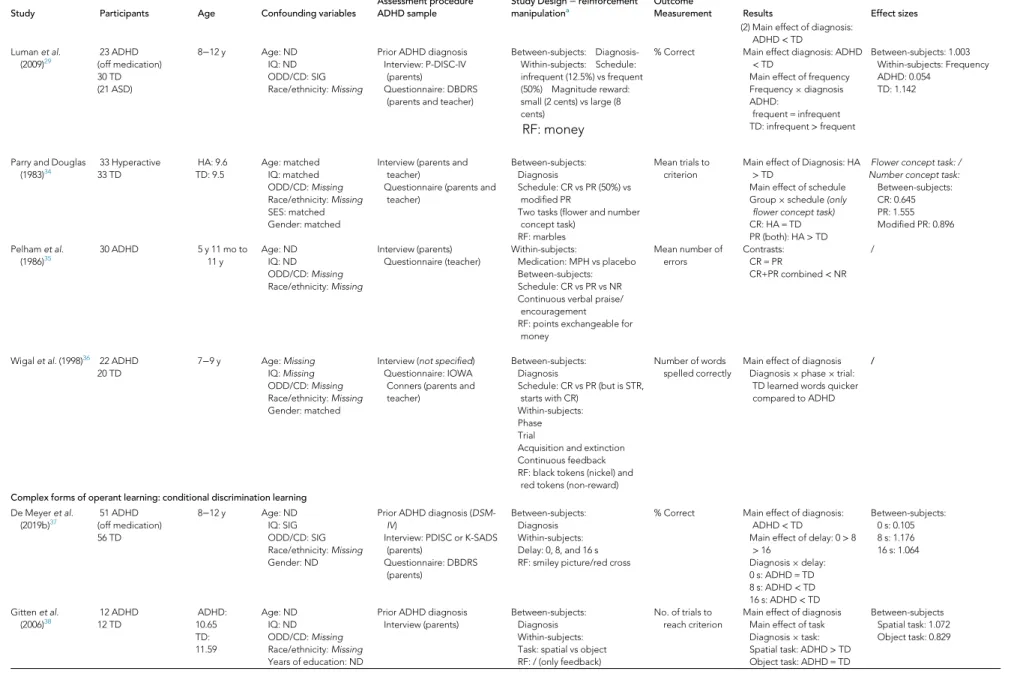
TABLE 1Characteristics of Included Studies
Study Participants Age Confounding variables
Assessment procedure ADHD sample
Study Design−reinforcement manipulationa
Outcome
Measurement Results Effect sizes
Instrumental learning Oades and M€uller
(1997)25
13 ADHD (off medication) 13 TD (11 TS)
7.4−14.3 y Age: matched IQ: SIG ODD/CD:Missing Race/ethnicity:Missing
Prior ADHD diagnosis (DSM- IIIR)
Questionnaire: Brief Conners parent-teacher assessments (parents and ward staff)
-Between-subjects:
Diagnosis Associative learning RF: points
No. of trials to reach criterion
No group differences /
Wiesneret al.
(2017)26
17 ADHD + ODD/CD boys
17 TDboys
8−12 y Age: ND
IQ: ND ODD/CD:Missing Race/ethnicity:Missing
Prior ADHD diagnosis Interview: K-SADS (parents
and children)
Between-subjects:
Diagnosis R and RC
RF: picture, sound and points Relative
frequencies of correct choices
No main effect of diagnosis Between-subjects: 1.146
Form of reinforcement Aase and
Sagvolden (2006)27
28 ADHDboys (off medication) 28 TDboys
8−12 y Age: matched IQ: SIG ODD/CD:Missing Race/ethnicity:Missing
Prior ADHD diagnosis (DSM- IV)
Semi-structured interview (parents)
Questionnaires:
DBRDS + CBCL (parents and teacher)
Between-subjects:
Diagnosis Age: young vs older Within-subjects:
Schedule: frequent (VI 2 s) vs infrequent (VI 20 s) RF: cartoon vs tangible
% Correct Age£diagnosis: TD>
ADHD in young group only
Diagnosis£schedule£RF (No follow-up analyses)
/
Cunningham and Knights (1978)28
48 Hyperactiveboys 48 TDboys
7 y 9 mo to 12 y 4 mo
Age: matched IQ:Missing ODD/CD:Missing Race/ethnicity:Missing
Questionnaire: Conners Teacher Rating Scale (teacher)a
Between-subjects:
Diagnosis Age
Feedback: R vs RC Schedule: CR vs PR (50%) RF: marbles
Learning: No. of trials to reach criterion Extinction:%
correct
Learning: Age£diagnosis:
Young HA: RC<R Old HA: RC = R Extinction:
Feedback£diagnosis Both groups RC<R; larger
effect in TD
Learningb−Within schedule:
feedback (R vs RC) Young HA, CR: 2.264 Young HA, PR: 1.324 Older HA, CR: 1.118 Older HA, PR: 0.939 Extinctionb−Within Schedule:
Feedback (R vs RC) Young HA, CR: 2.794 Young HA, PR: 2.248 Old HA, CR: 3.690 Old HA, PR: 0.211 Lumanet al.
(2009)29
23 ADHD (off medication) 30 TD (21 ASD)
8−12 y Age: ND
IQ: ND ODD/CD: SIG Race/ethnicity:Missing
Prior ADHD diagnosis Interview: P-DISC-IV
(parents)
Questionnaire: DBDRS (parents and teacher)
Between-subjects:
Diagnosis Within-subjects:
Schedule: Infrequent (12.5%) vs frequent (50%)
Magnitude of reward: Small (2 cents) vs large (8 cents) RF: money
% Correct Main effect of diagnosis:
ADHD<TD Main effect of frequency Frequency£diagnosis ADHD:
frequent = infrequent TD: infrequent>frequent
Between-subjects: 1.003 Within-subjects: Magnitude ADHD: 0.071
TDc: 0.052
Reinforcement schedule Aase and
Sagvolden (2006)27
28 ADHDboys (off medication) 28 TDboys
8−12 y Age: matched IQ: SIG ODD/CD:Missing Race/ethnicity:Missing
Prior ADHD diagnosis (DSM- IV)
Semi-structured interview (parents)
Questionnaires:
DBRDS + CBCL (parents and teacher)
Between-subjects:
Diagnosis Age: young vs older Within-subjects:
Schedule: frequent (VI 2 s) vs infrequent (VI 20 sec) RF: cartoon vs tangible
% Correct Age£diagnosis: TD>
ADHD in young group only
Diagnosis£schedule£RF /
Barberet al.
(1996)30
45 ADHDboys(off medication) 45 TDboys
7−10 y Age: ND
IQ: correlated with performance (used as covariate) ODD/CD:Missing Race/ethnicity:Missing SES: ND
Prior ADHD diagnosis (DSM- III)
Interview (parents and child) Questionnaire: Conner’s
teacher questionnaire (teacher)
Observation child
Between-subjects:
Diagnosis
Schedule: CR vs PR (50%) vs NR Within-subjects:
Task: related vs unrelated word pairs
Continuous feedback RF: money
% Correct No main effect of diagnosis Main effect of schedule Related task: PR<CR/NR Unrelated task: CR>PR/
NR
/
(continued)
ARTICLE IN PRESS
ADHDANDINSTRUMENTALLEARNING
5www.jaacap.orgJournaloftheAmericanAcademyofChild&AdolescentPsychiatryVolume00/Number00/&2021
TABLE 1Continued
Study Participants Age Confounding variables
Assessment procedure ADHD sample
Study Design−reinforcement manipulationa
Outcome
Measurement Results Effect sizes
Cunningham and Knights (1978)28
48 Hyperactiveboysa 48 TDboys
7 y 9 mo to 12 y 4 mo
Age: matched IQ:Missing ODD/CD:Missing Race/ethnicity:Missing
Questionnaire: Conners Teacher Rating Scale (teacher)
Between-subjects:
Diagnosis Age
Feedback: R vs RC Schedule: CR vs PR (50%) RF: marbles
Learning: No. of trials to criterion Extinction: %
correct
No main or interaction effects regarding Schedule
Learningb−Within Feedback:
Schedule (CR vs PR) Young HA, R: 0.094 Young HA, RC: 0.102 Older HA, R: 1.424 Older HA, RC: 0 Extinctionb−Within
Feedback: Schedule (CR vs PR)
Young HA, R: 0.152 Young HA, RC: 0.895 Old HA, R: 12.969 Old HA, RC: 1.216 De Meyeret al.
(2019a)31
55 ADHD (off medication) 64 TD
8−12 y Age: ND
IQ: SIG ODD/CD: SIG Race/ethnicity:Missing Gender: ND
Prior ADHD diagnosis (DSM- IV)
Interview: PDISC or K-SADS (parents)
Questionnaire: DBDRS (parents)
Between-subjects:
Diagnosis
Schedule: CR vs PR vs STR RF: candy (primary) and picture
thumbs up (secondary)
Learning: No. of trials to reach criterion Extinction:No. of
correct trials
Learning:
Main effect of Schedule:
CR<STR<PR No main effect of diagnosis Extinction:
Main effect of schedule: CR
<STR, PR No main effect of
Diagnosis
LearningbBetween-subjects:
Diagnosis CR: 0.559 STR: 0.078 PR: 0.056
Between-subjects: Schedule CR vs STR: 1.211 CR vs PR: 1.812 STR vs PR: 1.356
ExtinctionbBetween-subjects:
Diagnosis CR: 0.349 STR: 1.089 PR: 0.512
Between-subjects: Schedule CR vs STR: 1.803 CR vs PR: 1.486 STR vs PR: 0.034 Lumanet al.
(2015)32
23 ADHD 27 TD
8−12 y Age: ND
IQ: SIG ODD: SIG CD:Missing Race/ethnicity:Missing Gender: ND
Prior ADHD diagnosis Interview: P-DISC (parents) Questionnaire: DBDRS
(parents and teacher)
Between-subjects:
Diagnosis Within-subjects:
Medication: placebo vs 3 doses MPH
Schedule: fully informative vs probabilistic (88%) R and RC
RF: thumbs up/down and money gain/loss
Mean accuracy Diagnosis:
Main effect of Feedback:
informative>probabilistic No main or interaction
effect involving diagnosis
Within ADHD: Feedback:
Block 1: 0.647 Block 2: 2.538 Block 3: 5.021 Block 4: 2.404 Within TD: Feedback:
Block 1: 11.075 Block 2: 1.849 Block 3: 2.307 Block 4: 2.393 Lumanet al.
(2020)33
58 ADHD (off medication) 58 TD
7−13 y Age: ND
IQ: SIG ODD/CD:Missing Race/ethnicity:Missing Gender: ND
Prior ADHD diagnosis (DSM- IV)
Questionnaire: DBDRS (parents and teacher)
Between-subjects:
Diagnosis Within-subjects:
Feedback probability: 100-0 vs 85-15 vs 70-30
R and RC
RF: thumbs up/down and money gain/loss
- Learning:
(1) No. of blocks to reach criterion (2) Learning infirst
block Test:
(1) % correct (2) % correct of
original pairs
- Learning
(1) Main effect of diagnosis:
ADHD>TD
(2) Main effect of diagnosis:
ADHD<TD (1) Interaction
diagnosis£trial: ADHD<
TD only in later trials (2) Interaction
diagnosis£feedback:
ADHD<TD for 100-0 and 85-15
Test:
(1) Main effect of diagnosis:
ADHD<TD
Learning−Between-subjects (1) 0.633
(2)
Across trials: 2.066 100-0: 1.108 85-15: 1.200 70-30: 0.229
Test−Between-subjects:
(1) 1.196 (2) 1.170
(continued)
ARTICLE IN PRESS
HULSBOSCHetal.
6www.jaacap.orgJournaloftheAmericanAcademyofChild&AdolescentPsychiatryVolume00/Number00/&2021
TABLE 1Continued
Study Participants Age Confounding variables
Assessment procedure ADHD sample
Study Design−reinforcement manipulationa
Outcome
Measurement Results Effect sizes
(2) Main effect of diagnosis:
ADHD<TD Lumanet al.
(2009)29
23 ADHD (off medication) 30 TD (21 ASD)
8−12 y Age: ND IQ: ND ODD/CD: SIG Race/ethnicity:Missing
Prior ADHD diagnosis Interview: P-DISC-IV
(parents)
Questionnaire: DBDRS (parents and teacher)
Between-subjects: Diagnosis- Within-subjects: Schedule:
infrequent (12.5%) vs frequent (50%) Magnitude reward:
small (2 cents) vs large (8 cents)
RF: money
% Correct Main effect diagnosis: ADHD
<TD
Main effect of frequency Frequency£diagnosis ADHD:
frequent = infrequent TD: infrequent>frequent
Between-subjects: 1.003 Within-subjects: Frequency ADHD: 0.054
TD: 1.142
Parry and Douglas (1983)34
33 Hyperactive 33 TD
HA: 9.6 TD: 9.5
Age: matched IQ: matched ODD/CD:Missing Race/ethnicity:Missing SES: matched Gender: matched
Interview (parents and teacher)
Questionnaire (parents and teacher)
Between-subjects:
Diagnosis
Schedule: CR vs PR (50%) vs modified PR
Two tasks (flower and number concept task)
RF: marbles
Mean trials to criterion
Main effect of Diagnosis: HA
>TD
Main effect of schedule Group£schedule(only flower concept task) CR: HA = TD PR (both): HA>TD
Flower concept task: / Number concept task:
Between-subjects:
CR: 0.645 PR: 1.555 Modified PR: 0.896 Pelhamet al.
(1986)35
30 ADHD 5 y 11 mo to
11 y
Age: ND IQ: ND ODD/CD:Missing Race/ethnicity:Missing
Interview (parents) Questionnaire (teacher)
Within-subjects:
Medication: MPH vs placebo Between-subjects:
Schedule: CR vs PR vs NR Continuous verbal praise/
encouragement RF: points exchangeable for
money
Mean number of errors
Contrasts:
CR = PR
CR+PR combined<NR /
Wigalet al.(1998)36 22 ADHD 20 TD
7−9 y Age:Missing IQ:Missing ODD/CD:Missing Race/ethnicity:Missing Gender: matched
Interview (not specified) Questionnaire: IOWA Conners (parents and teacher)
Between-subjects:
Diagnosis
Schedule: CR vs PR (but is STR, starts with CR)
Within-subjects:
Phase Trial
Acquisition and extinction Continuous feedback RF: black tokens (nickel) and
red tokens (non-reward)
Number of words spelled correctly
Main effect of diagnosis Diagnosis£phase£trial:
TD learned words quicker compared to ADHD
/
Complex forms of operant learning: conditional discrimination learning De Meyeret al.
(2019b)37
51 ADHD (off medication) 56 TD
8−12 y Age: ND
IQ: SIG ODD/CD: SIG Race/ethnicity:Missing Gender: ND
Prior ADHD diagnosis (DSM- IV)
Interview: PDISC or K-SADS (parents)
Questionnaire: DBDRS (parents)
Between-subjects:
Diagnosis Within-subjects:
Delay: 0, 8, and 16 s RF: smiley picture/red cross
% Correct Main effect of diagnosis:
ADHD<TD
Main effect of delay: 0>8
>16
Diagnosis£delay:
0 s: ADHD = TD 8 s: ADHD<TD 16 s: ADHD<TD
Between-subjects:
0 s: 0.105 8 s: 1.176 16 s: 1.064
Gittenet al.
(2006)38
12 ADHD 12 TD
ADHD:
10.65 TD:
11.59
Age: ND IQ: ND ODD/CD:Missing Race/ethnicity:Missing Years of education: ND
Prior ADHD diagnosis Interview (parents)
Between-subjects:
Diagnosis Within-subjects:
Task: spatial vs object RF: / (only feedback)
No. of trials to reach criterion
Main effect of diagnosis Main effect of task Diagnosis£task:
Spatial task: ADHD>TD Object task: ADHD = TD
Between-subjects Spatial task: 1.072 Object task: 0.829
(continued)
ARTICLE IN PRESS
ADHDANDINSTRUMENTALLEARNING
7www.jaacap.orgJournaloftheAmericanAcademyofChild&AdolescentPsychiatryVolume00/Number00/&2021
TABLE 1Continued
Study Participants Age Confounding variables
Assessment procedure ADHD sample
Study Design−reinforcement manipulationa
Outcome
Measurement Results Effect sizes
Complex forms of operant learning: reversal learning Chantilukeet al.
(2015)39
15 ADHD 21 TD (18 ASS)
10−17 y Age: matched IQ: SIG (analyses
repeated with IQ as covariate) ODD/CD:Missing Race/ethnicity:Missing
Prior ADHD diagnosis (DSM- IV)
Interview: Maudsley diagnostic interview (not specified)
Questionnaires:
SDQ + CPRS-R (parents)
Between-subjects:
Diagnosis Within ADHD group:
Medication:fluoxetine vs placebo
R and P
RF: happy/sad smiley and (crossed-out) picture of money
Mean perseverative errors
TD vs ADHD-placebo: / Between-subjects (TD vs ADHD-placebo): 1.342
Fingeret al.
(2008)40
14 ADHD (off medication) 14 TD (14 psycho-pathic
traits and ODD/
CD)
ADHD: 13.4 TD:
13.6
Age: ND IQ: SIG (inserted as
covariant) ODD/CD:Missing Race/ethnicity:Missing
Interview: K-SADS (parents and children)
Between-subjects:
Diagnosis
Phase: acquisition vs reversal R and RC
RF: points
% Errors No significant main or interaction effects
/
Hauseret al.
(2014)41
20 ADHD (off medication) 20 TD
12−16 y Age: ND IQ: ND ODD/CD:Missing Race/ethnicity:Missing Gender: ND
Interview: K-SADS (children) Questionnaire: Conners-3
scale (not specified)
Between-subjects:
Diagnosis RF: money
No. of misses No significant difference between groups
Between-subjects: 0.364
Itami and Uno (2015)42
19 ADHD (off medication) 20 TD
10 y 1 mo to 15 y 7 mo
Age: ND IQ: ND ODD ratings: SIG CD:Missing Race/ethnicity:Missing
Prior ADHD diagnosis Questionnaire: CPRS-R
(parents)
Between-subjects:
Diagnosis Within-subjects:
Phase: acquisition, reversal and extinction
R, RC and P
RF: points + (un)pleasant sounds
(1) Change of points as function of no. of of trials (2) No. of errors
before reaching criterion (3) Persevera-tive
errors
(1)Reversal + extinction:
Slower progress in ADHD (larger effect in extinction) (2) Acquisition: ADHD = TD
Reversal:ADHD>TD Extinction:ADHD>TD (3)Extinction: ADHD>TD
/
Shephardet al.
(2016)43
13 ADHD MPH: off
medication 17 ADHD + TS 20 TD (18 TS) Between-subjects
analysis:
29 ADHD 36 No ADHD
9−17 y Age: matched IQ: matched ODD/CD:Missing Race/ethnicity:Missing Gender: ND SES: ND
Prior ADHD diagnosis Interview: DAWBA Questionnaires: CPRS-
R + SDQ (parents)
Between-subjects:
Diagnosis
RF: happy or sad faces
% Correct trials in each learning block
Acquisition
Main effect of diagnosis:
ADHD<no ADHD Reversal
Main effect of diagnosis:
ADHD<no ADHD Diagnosis£block
Acquisition: between- subjects (ADHD vs no ADHD) Block 1: 1.583
Block 2: 1.000 Block 3: 0.908
- Reversal: between-subjects (ADHD vs no ADHD) Block 4: 1.601 Block 5: 1.077
Effects of medication on learning Chantilukeet al.
(2015)39
15 ADHD 21 TD (18 ASS)
10−17 y Age: matched IQ: SIG (analyses
repeated with IQ as covariate) ODD/CD:Missing Race/ethnicity:Missing
Prior ADHD diagnosis (DSM- IV)
Interview: Maudsley diagnostic interview (not specified)
Questionnaires:
SDQ + CPRS-R (parents)
Between-subjects:
Diagnosis Within ADHD group:
Medication:fluoxetine vs placebo
R and P
RF: happy/sad smiley and (crossed-out) picture of money
Mean perseverative errors
TD vs ADHD-placebo: / TD vs ADHD-fluoxetine:
ADHD>TD ADHD: placebo vs
fluoxetine: /
TD vs ADHD-placebo: 1.342 TD vs ADHD-fluoxetine: 3.516 ADHD: placebo vsfluoxetine:
0.471
Lumanet al.
(2015)32
23 ADHD 27 TD
8−12 y Age: ND
IQ: SIG ODD: SIG CD:Missing Race/ethnicity:Missing Gender: ND
Prior ADHD diagnosis Interview: P-DISC (parents) Questionnaire: DBDRS
(parents and teacher)
Between-subjects:
Diagnosis Within-subjects:
Medication: placebo vs 3 doses MPH
Schedule: fully informative vs probabilistic (88%) R and RC
Mean accuracy Medication:
Main effect of feedback:
informative>probabilistic Main effect of medication:
highest dose>placebo No interaction effects
Within-subjects; medication:
placebo vs highest dose:
1.074
(continued)
ARTICLE IN PRESS
HULSBOSCHetal.
8www.jaacap.orgJournaloftheAmericanAcademyofChild&AdolescentPsychiatryVolume00/Number00/&2021
evaluateddifferentialeffectsofcartoonsandtangibleobjects(eg,trinkets,coins,orsweets)asreinforcers,combinedwithdifferentreinforcementschedulesinchildrenwithandwith-outhyperactivity.Childrenwererequiredtolearnwhichof2squarespresentedonscreenwascorrect.Nosignificantmainorinteractioneffectswerefoundforpercentagecorrectresponses.Lumanandcolleagues 29investigatedtheeffectofdifferentmagnitudesofmonetaryrewardincombinationwithdifferentreinforcementschedulesonataskinwhichchildrenneededtolearnthecorrectresponsebutton(outof2)for4pictures.ResultsshowedamaineffectofADHDdiagnosis(d=1.000;large)onpercentageofcorrectresponses,withTDchildrenperformingbetter;noeffectofmagnitudeofreinforcementwasfoundforchildrenwithADHD(d=0.071;small)orTDcontrols(d=0.052,small).CunninghamandKnights 28assessedthedifferentialeffectsofrewardandresponsecostincombinationwithdif-ferentreinforcementschedulesona2-choicediscriminationtaskinwhichchildrenneededtolearntopressthecorrectpanel.ChildrenwithhyperactivitywerecomparedwithTDchildrenduringacquisitionandextinction;effectsofagewerealsoinvestigated.Duringacquisition,asignificant
TABLE 1Continued
Study Participants Age Confounding variables
Assessment procedure ADHD sample
Study Design−reinforcement manipulationa
Outcome
Measurement Results Effect sizes
RF: thumbs up/down and money gain/loss Pelhamet al.
(1986)35
30 ADHD 5 y 11 mo to
11 y
Age: ND IQ: ND ODD/CD:Missing Race/ethnicity:Missing
Interview (parents) Questionnaire (teacher)
Within-subjects:
Medication: MPH vs placebo Between-subjects:
Schedule: CR vs PR vs NR Continuous verbal praise/
encouragement RF: points exchangeable for
money
Mean no. of errors Main effect of medication:
MPH<placebo
Within-subjects:
Total: 0.900 CR: 0.738 PR: 0.381 NR: 1.026
Note:ADHD = attention-deficit/hyperactivity disorder; CBCL = Child Behavior Checklist; CD = conduct disorder; CPRS-R = Parent-rated Conners Rating Scale Revised; CR = continuous rein- forcement; DBDRS = Disruptive Behavior Disorder Rating Scale; DSM = Diagnostic and Statistical Manual of Mental Disorders; HA = hyperactive; IQ = intelligence quotient; K-SADS = Sched- ule for Affective Disorders and Schizophrenia for School-Age Children−Present and Lifetime version; MPH = methylphenidate; ND = no difference; NR = no reinforcement;
ODD = oppositional defiant disorder; P = punishment; P-DISC = Diagnostic Interview Schedule for Children, Parent version; PR = partial reinforcement; R = reward; RC = response cost;
RF = reinforcement; SDQ = Strengths and Difficulties Questionnaire; SES = socioeconomic status; SIG = significant; STR = stretching the ratios; TD = typically developing; TS = Tourette syn- drome; VI = variable interval.
aBased on Conners Teacher Rating Scale; no official diagnosis.
bOnly effect sizes of group differences (ADHD vs TD) are reported because of the number of groups.
cThe SDs of both samples were equal; therefore, no pooled SD could be calculated. The value of the SD was therefore used.
FIGURE2QualityAssessmentofIncludedStudies
Note:Ratingsaregood/lowriskofbias,satisfactory/moderateriskofbias,orpoor/
highriskofbias.Thefulllistofcriteriaforthequalityandstrengthofevidence
assessmentarepresentedinTableS1andS2,availableonline.
ARTICLE IN PRESS
ADHDANDINSTRUMENTALLEARNING
9www.jaacap.orgJournaloftheAmericanAcademyofChild&AdolescentPsychiatryVolume00/Number00/&2021
difference in the younger hyperactive sample only was found for the number of trials to reach criterion, with better performance under response cost compared to reward across both reinforcement schedules (continuous reinforcement:
d= 2.264, large; partial reinforcement: d= 1.324, large).
During extinction, a significant interaction between rein- forcement condition and diagnostic group was found for the percentage of correct responses (lower for both groups following learning under response cost, compared to reward). This difference was larger in the TD sample.
These studies suggest that neither the magnitude nor the form of the reinforcer (ie, different amounts of money; car- toons versus tangible objects) affected instrumental learning performance. Response cost seemed to result in better per- formance compared to reward, but only in younger groups.
Performance during extinction is better following learning under conditions of reward rather than response cost.
Reinforcement Schedule
Ten studies investigated the effect of reinforcement schedule (eg, variable versus fixed interval; continuous or partial or stretching the ratio’s (STR, ie, a schedule characterized by gradually changing reinforcement frequency from very dense to very sparse), on instrumental learning in ADHD and TD samples across a range of different tasks. Aase and Sagvolden27 compared the effect of a variable interval (VI) reinforcement schedule of 2 seconds and a VI schedule of 20 seconds. The ADHD and TD groups differed under infrequent but not frequent reward, with children with ADHD performing worse.
Several studies29,30,35,36investigated the effect of partial reinforcement on performance (money or marbles/tokens exchangeable for money) while delivering continuous feed- back on performance accuracy. Luman et al.29 examined the effect of frequent (50%) and infrequent (12.5%) mone- tary reward on learning, reporting a significant interaction between diagnosis and reinforcement schedule for percent- age of correct responses. Contrast analysis indicated a signif- icant effect of reward frequency in the TD group only, with better performance under infrequent reinforcement (ADHD: d= 0.054, small; TD: d= 1.142, large). Three other studies30,35,36 compared the effect of a 50% partial reinforcement schedule with a continuous reinforcement schedule and/or no reinforcement. Thefirst study30investi- gated the effects of continuous or partial monetary reward (in addition to feedback on performance accuracy), in a task in which the children needed to learn target words that were combined with related or unrelated cue words. The percentage of correct responses was significantly higher under continuous than under partial reinforcement for both tasks across the groups. The second study35investigated the
performance of children with ADHD on and off medication in a within-subject design under continuous, partial (50%), and no monetary reward, together with verbal praise for cor- rect responses and verbal encouragement for incorrect responses, on a nonsense words spelling task. Results showed a significantly higher mean number of errors under no reinforcement, compared to the combined performance of children under continuous and partial reinforcement.
Medication effects are reported below. The third study36 investigated the effect of continuous and partial (50%) rein- forcement (tokens), in addition to continuous feedback, on performance on a nonsense word task in children with ADHD and TD children. The partial condition began with several trials of continuous reinforcement. A main effect of diagnosis was found for the number of words correctly spelled, with poorer performance in the ADHD group.
Four studies investigated the effect of partial reinforce- ment schedules with no additional feedback.28,31,33,34Cun- ningham and Knights28 compared continuous and partial (50%) reinforcement in children with ADHD and TD chil- dren. No significant differences were found in the number of trials necessary to reach criterion during acquisition or the percentage correct responses during extinction. Parry and Douglas34 compared the performance of children with hyperactivity and TD children under schedules of continu- ous reinforcement, partial reinforcement (50%) with mar- bles exchangeable for money, and a modified version of partial reinforcement whereby marbles were delivered con- tinuously but only half of them (50%) could be exchanged.
Children completed 2 tasks (flower and number concept task), in which they had to learn which of 2 presented pic- tures was correct. There were significant main effects of diagnosis and schedule for both tasks, and a significant interaction in theflower concept task, for the mean number of trials to reach criterion. In both tasks, children with hyperactivity performed significantly worse than TD chil- dren; the interaction effect indicated a difference under par- tial schedules between both groups, but not under the continuous schedules (number: continuous: d= 0.645, medium; partial: d= 1.555, large; modified partial:
d= 0.896, large). De Meyeret al.31investigated the effect of a combined primary (candy) and secondary (a “thumbs up”) reward under continuous, partial (20%), or STR schedules during both acquisition and extinction in a task in which ADHD and TD groups were required to learn the correct colored circle from an array. A main effect of sched- ule was found in acquisition; children required more trials to reach criterion under STR compared to continuous rein- forcement (d= 1.211, large), and even more under partial reinforcement (d= 1.812, large). A significant main effect of schedule was also found during extinction; children made
ARTICLE IN PRESS
HULSBOSCHet al.
10 www.jaacap.org Journal of the American Academy of Child & Adolescent Psychiatry
Volume 00 / Number 00 / &2021