Economic Reform and Social Sector
Expenditures: A Study of Fifteen Indian States
1980/81-1999/2000
著者
Tsujita Yuko
権利
Copyrights 日本貿易振興機構(ジェトロ)アジア
経済研究所 / Institute of Developing
Economies, Japan External Trade Organization
(IDE-JETRO) http://www.ide.go.jp
journal or
publication title
IDE Discussion Paper
volume
31
year
2005-06-01
INSTITUTE OF DEVELOPING ECONOMIES
Discussion Papers are preliminary materials circulated to stimulate discussions and critical comments
DISCUSSION PAPER No. 31
Economic Reform and Social Sector
Expenditures: A Study of Fifteen
Indian States 1980/81-1999/2000
Yuko Tsujita*
June 2005
Abstract
This paper examines social sector expenditures in fifteen Indian states between 1980/81 and 1999/2000 to find out whether the far-reaching economic reforms that began in 1991 had any significant impact on the level and trend of these expenditures; and if there was any such impact, what were the reasons behind the ensuing changes. The empirical analysis in this study shows that revenue became a major determinant of social sector expenditures from the mid 1980s with the result that real per capita social sector expenditures in most states started to decline even before the economic reforms began as states’ fiscal deficits worsened in the 1980s. Economic reforms, therefore, largely did not have a major negative impact on expenditures. In fact there was a positive impact on some states, which often were those that received more foreign aid than other states. By the late 1990s, states expending more on the social sector changed from states with a traditionally strong commitment to the social sector, such as Kerala, to states having higher revenues including aid from outside the country.
Keywords: economic reform, public expenditures, social sector, India JEL classification: H51, H52, H72, I19, I22
The Institute of Developing Economies (IDE) is a semigovernmental, nonpartisan, nonprofit research institute, founded in 1958. The Institute merged with the Japan External Trade Organization (JETRO) on July 1, 1998.
The Institute conducts basic and comprehensive studies on economic and related affairs in all developing countries and regions, including Asia, Middle East, Africa, Latin America, Oceania, and East Europe.
The views expressed in this publication are those of the author(s). Publication does not imply endorsement by the Institute of Developing Economies of any of the views expressed.
INSTITUTE OF DEVELOPING ECONOMIES (IDE), JETRO 3-2-2, WAKABA,MIHAMA-KU,CHIBA-SHI
CHIBA 261-8545, JAPAN
Economic Reform and Social Sector Expenditures: A Study of Fifteen Indian States 1980/81-1999/2000∫
Yuko Tsujita∗∗
Abstract
This paper examines social sector expenditures in fifteen Indian states between 1980/81 and 1999/2000 to find out whether the far-reaching economic reforms that began in 1991 had any significant impact on the level and trend of these expenditures; and if there was any such impact, what were the reasons behind the ensuing changes. The empirical analysis in this study shows that revenue became a major determinant of social sector expenditures from the mid 1980s with the result that real per capita social sector expenditures in most states started to decline even before the economic reforms began as states’ fiscal deficits worsened in the 1980s. Economic reforms, therefore, largely did not have a major negative impact on expenditures. In fact there was a positive impact on some states, which often were those that received more foreign aid than other states. By the late 1990s, states expending more on the social sector changed from states with a traditionally strong commitment to the social sector, such as Kerala, to states having higher revenues including aid from outside the country.
∫ This article is the English version of Tsujita (2004), originally written in Japanese. ∗∗ Institute of Developing Economies, Japan. Email: [email protected]
Introduction
Structural Adjustment Programmes (SAPs) have been evaluated as having a negative impact on social sector expenditures (Cornia, Jolly and Steward 1987; Kakwani, Makennen and der Gaag 1990; Steward 1995). The reduction of fiscal deficits is normally included in the conditionality of SAPs and consequently government expenditures have to be cut in order to meet the targets for reducing fiscal deficits. There are a number of studies which have pointed out the declining trend in social sector expenditures. UNICEF’s Adjustment with a Human Face (Cornia, Jolly and Stewart 1987) was the first major criticism of SAPs to point out the negative impact on the vulnerable. This study emphasized how the adjustment of developing economies should be improved, given that adjustment itself is necessary. It suggested that meso-policy, which stands between macroeconomic and sector policies, should be introduced in order to protect vulnerable groups and enhance economic growth. Public expenditures, among other outlays, are included in meso-policy which balances income and resource allocation. Public expenditures, particularly social sector expenditures, play an important role not only in ensuring the basic rights of education and health but also in assuring investment in human resources in order to enhance economic growth and poverty reduction.
As the implementing agencies of SAPs, the World Bank and International Monetary Fund (IMF) showed that social sector expenditures are not more elastic than expenditures on the productive and infrastructure sectors. They also showed that there is a declining trend of social sector expenditures not only in adjustment countries but also in non-adjustment countries (Hicks and Kubish 1984; Hicks 1991; Pradhan and Swaroop 1993). In the late 1980s, the World Bank recognized the need to mitigate the social cost of SAPs (Michaloupoulos 1987), and in response to the criticisms in
Adjustment with a Human Face, it initiated programmes such as its Social Funds, Social
Action Programmes and Social Aspects of Adjustment Programmes.1 Moreover, in the
1990s, most of the SAPs had social safety nets and/or programmes aimed at maintaining social services. As a result, social sector loans for basic education and health significantly increased in the 1990s.2 However, the IMF did not pay much attention to
1 There were organizational changes in the World Bank between the late 1980s and the
early 1990s. The Department of Population and Human Resources was created in 1987, followed by creation of the position of Vice President in charge of Human Resources Development and Operation Policy in 1992.
2 In the early 1990s, the World Bank showed a strong commitment to lending for
education and health. For example, President Conable pledged 1.5 billion dollars annually for loans to education from 1991 to 1993, out of which 30 to 40% went for
the social cost of SAPs until Enhanced Structural Adjustment Facility-II (ESAF-II) was launched in 1994. In ESAF-II, the targets for expenditures on education and health as set forth in the Policy Framework Paper and the Memoranda of Economic Policies were imposed on some structurally adjusting countries. In 1996, the IMF and World Bank initiated the Heavily Indebted Poor Countries (HIPC) initiative and since 1999 they have required targeted countries to draw up a Poverty Reduction Strategy Paper (PRSP). The PRSP sets down not only macroeconomic policies and structural reforms but also strategies for such sectors as education and health because the paper is meant to realize the World Bank’s Comprehensive Development Framework (CDF) which includes economic, social, structural, human resource, governance and environmental aspects of development.3 The PRSP is now required for the disbursement of the IMF’s Poverty Reduction Growth Facility and for loans from the International Development Association.
The IMF and World Bank both stressed that they introduced conditionality to social policies and programmes which they both said would be effective for increasing social sector expenditures in developing countries (Jayarajah, Branson and Sen 1996; Gupta et al. 2000). This new conditionality indicated that a new generation of SAPs had emerged (Van der Geest 2001) which no longer overlooked the social cost of structural adjustment for targeted countries.
As one of the countries going through structural adjustment, India was also expected to increase social sector expenditures. However, most studies to date indicate that social sector expenditures have decreased since the economic reforms were initiated in 1991. This is mainly because of the need to meet the target every fiscal year for reducing the fiscal deficit as shown in the budget speeches in the Indian government. The main targets of revenue reduction which included subsidies on food and fertilizer leveled off after the mid 1990s after having decreased to a certain extent because these subsides are related to prices which have often been major issues in the general elections (Kondo 2000). On the other hand, education and health have not been major political issues in general elections until very recently, and social movements on
primary education. He further projected that lending for health, nutrition and population matters would increase on average at 800 million dollars per year, out of which 3% of the total lending for primary health would increase to 5% during the same three-year period. His successor President Preston planned a further substantial
increase of these amounts (See World Bank 1992; 1993). See also World Development Report 1990, which adopted a three-pronged poverty reduction strategy which included adequate provisions for social services (World Bank 1990).
3 There are other CDF- and PRSP-linked mechanisms such as the Medium Term
Expenditure Framework and Sector-Wise Public Expenditure Reviews which are used to monitor expenditures.
education and health are rare except in a few states.4 As Drèze and Sen (1995) pointed out, India’s central and state governments are surprisingly indifferent to primary education; therefore it is not politically difficult for them to cut social sector expenditures.
Drèze and Sen (1995) showed that primary education and health were already far more widespread at the beginning of economic growth in East Asian countries than they are today in India, which implies that education and health have been very important in East Asia since human resources greatly influence the progress of economic growth. The spread of education and health are not only determined by government expenditures, but also by the implementation of social services along with the provision of private services. However, India’s low expenditures on social services are regarded as one of the main causes for its low social indicators (ibid.). Social sector expenditures can be examined at different levels such as central government, state government, local government, the private sector, NGOs and the household. This paper is limited to the examination of 15 major Indian states, since long-term data is available at the state level, and state governments are constitutionally responsible for providing various social services either alone or together with the central government.5
The purpose of this paper is to examine the impact of economic reforms on social sector expenditures in 15 major states of India. It has often been pointed out that social sector expenditures were already the most vulnerable to reduction in the total budget even before India’s reforms began. However, it has not been well examined whether the economic reforms were a turning point for the decline in expenditures. Furthermore, some earlier studies showed a reduction in social sector expenditures during the 1990s while some recent studies have shown an increase in social sector expenditures for the central government. Whatever the case, the reasons for the change in expenditures have not been discussed. This article will focus mainly on the following two issues: 1) whether or not economic reforms were a turning point for the changes in expenditures and 2) what the reasons were for the changes.
Section I will review the existing literature on social service expenditures (the term used in India’s public finance statistics and in this study, as opposed to the term “social sector expenditures” used by international agencies). Section II will firstly discuss the expenditures of the central government, then describe state finances, and finally empirically examine the expenditures in the 15 states. These 15 states (see
4 See for example the opinion poll in India Today, 23 February and 30 April 1998. 5 Following amendment of the Constitution in the early 1990s, a state government can
delegate certain responsibilities to local bodies (urban local authorities and panchayat institutions) with the assent of the state assembly.
Appendix 1) cover 96% of India’s total population and 86% of the country’s total geographical area according to the 1991 census.
I. Review of the Literature
Following independence the government of India perused an overregulated economic policy and took no initiative towards any radical change in social policies (Drèze and Sen 1995: 8). Basu (1995) pointed out that the low budget for social services including education and health reflected the low priority given to these areas. Government officials generally chose to postpone “primary education for all” rather than hold back the completion of irrigation projects, and consequently when finalizing the annual budgets, funds were often taken from educational expenditures and shifted to other government programmes. Panchamukhi (2000) found low coefficients of correlation between government deficits and expenditures on education and health between the mid 1970s and mid 1980s. This implies that when the central government or state governments increased total expenditures, those for social service expenditures increased only a little. This implication could also be seen after economic reforms in that social service expenditures declined as governments sought to reduce fiscal deficits.
State governments were greatly affected by reduced fiscal transfers from the central government as the latter worked to lower its fiscal deficit. The coefficients for education and health expenditures between state governments and the central government were above 0.5 in 10 of the 15 states (ibid.). Sato (1988) analyzed fiscal transfers from the central government to the states between 1972 and 1984, and he was able to explain the structural reasons why state governments had to level off or reduce social service expenditures. Fiscal transfers from the central government favored infrastructure investment especially in states with high per capita state domestic product (SDP). Meanwhile, the use of these transfers to raise state social service expenditures was restricted, therefore state governments generally did not increase social service expenditures at the cost of increased revenue deficits. Under this fiscal transfer system, states with low per capita SDP were less likely to increase social service expenditures, while states which strived to maintain high social service expenditures as a matter of state government policy were likely to experience overdraft problems and revenue deficits. Ravallion and Subbarao (1992) found that Kerala, West Bengal, Tamil Nadu and Andhra Pradesh were states with high social service expenditures, and the governments of these states were traditionally at odds politically with the central government. These states were politically motivated to maintain high levels of social
service expenditures as well as maintained fiscal discipline in order to finance such expenditures. However, new economic and political trends began to emerge, and from the late 1980s most state governments fell into deficit, and many of them were often ruled by a political party different from that of the central government.
In effect, even before the far-reaching economic reforms began in 1991, social service expenditures were particularly vulnerable to budget cuts (Harris-White 1999:303) which generally affected state government social service expenditures. Moreover, it was difficult for state governments to increase social service expenditures under the existing fiscal transfer system. Therefore, numerous studies found that social service expenditures declined under the pressure to reduce fiscal deficits following economic reforms (Gupta and Sarkar 1994; Prabhu 1994; Jalan and Subbarao 1995; Duggal, Nandraj and Vadair 1995a, 1995b; World Bank 1995; Prabhu 1996; World Bank 1997b; Prabhu 1999; Swaminathan and Rawal 1999; Basu 2000; Shariff and Gosh 2000; Prabhu 2001; Tilak 2002). For example, Jalan and Subbarao (1995) empirically examined if actual expenditures were significantly different from forecasted expenditures based on past trend values, and Prabhu (1996) analyzed social service expenditures by using indices proposed by the UNDP Human Development Report in 1991.6 Others such as Gupata and Sarkar (1994), Prabhu (1994), Basu (2000) and Prabhu (2001) examined social service expenditures as a proportion of total expenditures, as a proportion of GDP, and as real per capita expenditures. Using different methodologies, all of these studies analyzed the trend of social service expenditures a few years after economic reforms began, and they all in common pointed out the declining trend in these expenditures by state governments, except in a few states such as Kerala which were traditionally committed to social policy.
An empirical study by Prabhu and Sarkar (2001) that examined the real per capita social service expenditures in the 15 states from 1974/75 to 1995/96 found that the declining trend in these expenditures started even before economic reforms began in 1991. By examining a longer time frame, their article found that economic reforms were not the turning point for changes in expenditures, although they examined only up to the mid 1990s. Other studies by Shariff, Gosh and Mondal (2002) and Dev and Mooij (2002) analyzed social service and rural development expenditures during the whole of the 1990s, and these studies pointed to an increasing trend in expenditures by the central government in contrast to the declining trend for state governments. However, it was not the intention of these latter two studies to examine whether the start of economic reforms was a turning point for social service expenditures or what the reasons were for the increase in central government expenditures while those in some
states decreased.
As indicated in the foregoing discussion, most of the literature, which covers up to the mid and late 1990s, agrees that state governments generally decreased social service expenditures in the 1990s; however, whether this was due to the economic reforms or was a trend that had started earlier is an issue that has still not been well discussed. Therefore, it is necessary to analyze the social service expenditures of state governments over a longer time frame and find out the reasons why these expenditures started to increase or decrease in certain year in state governments.
II. Social Service Expenditures in the Fifteen Major States
The Constitution of India prescribes some areas such as education and family planning as under the concurrent jurisdiction of the central and state governments (Concurrent List), while areas such as public health and sanitation, hospitals and dispensaries, and water are in the hands of the states (State List). Despite this demarcation, the main sources for social service expenditures are the state governments. The central government, however, has a strong influence on state government expenditures via its fiscal transfers which fall into these categories: 1) statutory transfers carried out by the Finance Commission, a constitutional body which every five year recommends the allocation of taxes and exercises from the central government to the states along with grants-in-aid to states that need additional assistance. The committee’s recommendations can include funding for social sectors and services which can be part of upgrade grants to modernize and rationalize state administrations particularly in backward states, or part of special problem grants directed at state-specific problems. 2) regulatory transfers for financing expenditures connected with five-year plan programmes implemented by the National Planning Commission based on the Gadgil-Mookherjee formula. 3) discretionary transfers carried out by central government ministries. The transfers by the National Planning Commission are largely loans from the central government, while discretionary transfers such as central sector schemes (central government projects carried out in the states) and centrally sponsored schemes (project finances by the central government but carried out by the states) are purpose-specific and by and large subsidies. In recent years, anti-poverty programmes, family planning, education, caste problems and rural public employment have been given priority in these latter transfers (Kaneko [1994]). They are therefore important for social service expenditures.7
7 For example, family welfare is financed almost 100% by fiscal transfers from the
The share of the central government in total expenditures on education and health is only 10%; however, the central government’s share in five-year plan expenditures is 30% on average, and has increased to 40% in recent years.8 The central government, therefore, plays the major part in these plan expenditures, while state governments are largely responsible for non-plan expenditures that supplement five-year plan programmes including wages and salaries for human resources.
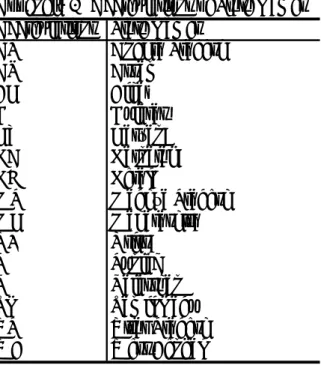
As pointed out earlier, social service and rural development expenditures by the central government increased in the late 1990s. However, no study has clearly pointed out the reasons for this trend. It is possible to point out two reasons as far as social service expenditures are concerned.9 Firstly, there was an increase in external aid from outside the country for social services. In 1990/91 such external assistance to social sectors was only 4.3% of total aid; however, this increased over the 1990s reaching 25.9% in 1999/2000 (Table 1). Consequently, 30% of plan expenditures on primary education by the central government in 2000/01 was financed by external aid (Tilak [2000]), and 21.1% of the government’s health budget was financed by the World Bank in 1999/2000.10 The World Bank group in particular, composed of the International Bank for Reconstruction, the International Development Association and other bodies, played a large role in increasing aid to social services.11 From 1971 to 1990 the social sector received only 3.5% of the World Bank’s project loans to India because the government was not really interested in aid for this area (Guhan [1995]).12 In 1991
when the World Bank disbursed structural adjustment loans, its Country Economic Memorandum provided for lending to social services that included primary education, health, nutrition and rural water supply in order to mitigate the cost of structural adjustment (World Bank 1991). This indicated large-scale loans to these areas which
8 Calculated based on Ministry of Finance, Indian Public Finance Statistics, various
years; CMIE (2001); and Reserve Bank of India, Finances of State Governments, various years.
9 Social and community services in the revenue and capital expenditures of the central
government include: 1) education, art and culture, 2) scientific services and research, 3) medical, public health, sanitation and water supply, 4) family welfare, 5) housing, 6) urban development, 7) broadcasting, 8) labour and employment, 9) social security and welfare, 10) information and publicity, 11) other (Government of India, 2001).
10 Calculated based on Ministry of Finance, Expenditure Budget vol.2; Personal
communication with the Ministry of Finance.
11 96.6% of lending to social services by the World Bank is from the International
Development Association, based on data from the Ministry of Finance.
12 During the same period, the figures were 14.0% for Bangladesh, 6.9% for Pakistan,
and 7.2% for Sri Lanka. Before economic reforms, external aid to social services in India was confined mainly to technical education, vocational training and population matters.
continued even after structural adjustment loans were ended in 1992. In fact, between 1990 and 1998, India was the largest recipient of World Bank loans for health (Gupta and Gumber 2002).
The second reason for the increase in social service expenditures was the increase in salaries for civil servants based on the recommendation of the Fifth Central Pay Commission. Expenditures in salaries and pensions for central government civil servants increased 33.9% over the preceding year in 1997/98 compared with 15.2% in 1996/97 (Ministry of Finance [1999]). This had an impact on social service expenditures. For example, the growth of non-plan expenditures (in current prices) including for human resources became more than that of plan expenditures. However, the number of central government employees was less than that of state government employees, therefore the growth of non-plan expenditures was not so significant. Therefore, the main reason for the increase in social service expenditures in the 1990s was also attributable to external aid, which was allocated as additional central planning expenditures to each state government.
The question arises as to whether or not state government expenditures in social services also rose as a result of external aid. The emphasis on social services differed greatly from state to state, and the trend and level of social service expenditures as well as the achievement of social indicators varied greatly even before economic reforms began. It is well known that Kerala has maintained high social indicators despite the fact that its State Domestic Product (SDP) is not very high, while Uttar Pradesh has one of the lowest per capita SDPs and among the lowest social indicators. Much of the literature reviewed earlier pointed out the declining trend in state social service expenditures, except in Kerala. However, during the 20-year period examined by this study, economic and political circumstances changed greatly in India. In addition to the commencement of economic reforms, political power and leadership changed from the Indian National Congress (INC) controlling both the central and state governments to non-INC parties controlling some states, and further still to various non-INC parties controlling the central government and many state governments. Therefore, it might not be possible to explain the higher social service expenditures by states in recent years as non-INC controlled states having to increase expenditures politically in order to highlight their own policies.
In analyzing the 15 major states, the four with the highest income were Haryana, Gujarat, Maharashtra and Punjab, since they had the highest per capita Net SDPs (NSDPs) during the 1980s and 1990s, while the five lowest income states were Bihar, Madhya Pradesh (MP), Orissa, Rajasthan and Uttar Pradesh (UP) as they had the lowest per capita NSDPs (Ministry of Finance 2000a:S3). Except for Orissa, the other four
states in the latter category are known as BIMARU (sick) states and as backward states because of their low per capita NSDPs and low social indicators. Assam could be included in this low income group; however it is a special category state which is given favorable terms and conditions for fiscal transfers from the central government.13
Therefore this state has not been included in the lowest income group.
1. State Government Finances
The central and state governments have been suffering from fiscal deficits. From 1983/84 the gross fiscal deficit in all the states remained at around 3% of GDP,14 but this worsened in the late 1990s. The fiscal deficit of individual state governments, especially of the lowest income states, has been much worse, as Rao (2002) indicated. In 13 of the states examined in this article (excluding Assam and Punjab), the correlation between per capita SDP and revenue deficit is 0.438, and the correlation between per capita SDP and fiscal deficit is 0.446. In the lowest income states, interest payments as a percentage of revenue receipts in the late 1990s increased to 23.4% in Rajasthan, 27.6% in Orissa and 27.3% in UP, which was worse than the 20.3% average for the 15 states being analyzed in this paper (Finance Commission [2001]).
The fiscal deficits of all states worsened to above 4% of GDP in the late 1990s. The salaries in state governments were raised in the late 1990s, following the recommendation of the Fifth Pay Commission. Salary related expenditures have come to absorb over two-thirds and in some states nearly three-fourths of revenue receipts since the pay scales of some states are higher than those of the central government for employees in certain categories (ibid.:9). In fact, the gross primary deficit (gross fiscal deficit minus interest payments) and the revenue deficit have worsened, meaning that salaries and pensions are a heavier burden than interest payments for all 15 states. The expenditures for merit social services associated with strong externalities such as elementary education and public health are half of those for non-merit social services such as general education and medicines (Srinivastava and Sen 1997). However, the cost recovery rate for non-merit services is low. Moreover, the trend line for fiscal transfers from the central government as a share of GDP has stagnated in recent years, mainly due to the fiscal deficit of the central government. State tax revenues also have
13 The special category states are: Arunachal Pradesh, Assam, Himachal Pradesh,
Jammu and Kashmir, Manipur, Meghalaya, Mizoram, Nagaland, Sikkim and Tripra. These states are located on the borders of the country, are economically backward and possess strong anti-government military groups; therefore regulatory transfers to these special category states are 90% in grants and 10% in loans, while the same transfers to the other states are 70% in loans and 30% in grants.
not increased much. As a result, state governments have been suffering from growing salary expenditures and a lack of revenue which has led to a worsening of fiscal deficits since the late 1990s.
Social service expenditures have been disbursed mainly from the revenue account. In most states the growth of revenue account expenditures in the 1990s was less than in the 1980s. In the 1980s state governments kept their capital account in the black in order to finance their revenue deficit (Kaneko [1993]); however, as revenue deficits have worsened since the late 1980s, social service expenditures from the revenue account have had to be reined in.
For all 15 states, development expenditures, including for economic and social services, as a share of the total expenditures reached 63.78% in 1987/88 and have declined since then. Likewise in individual states, non-development expenditures have been crowding out development expenditures as a share of total expenditures.
This de-emphasis of development expenditures has led to insufficient disbursement and provision of social services, which has had an impact on those who have to rely sorely on public education and health services. The All India Education Survey carried out in 1993 showed that 80.8% of children in Class I to V go to public school (NCERT 1998:1S135), while the National Council for Applied Economic Research (NCAER) Survey showed that 68.0% of children 6 to 14 years old are in public school. In both surveys, the figures reached above 90% if private schools assisted financially by the government were included. In health services, the share of private sector users is much higher than that in education; 71.5% of those in the first income quintile use private facilities, but only 45.2% of people in the fifth income quintile do so (Garg 1998).
In various budget speeches after economic reforms began, the central government repeatedly stated that it would pay attention to protecting the poor and to human resource development as economic reforms progressed (see for example, Government of India 1991; Government of India 1992; Government of India 1996). Have the state governments also been concerned about these areas?
2. Social Service Expenditures in the Fifteen States
Financial statistics for examining state finances between 1980/81 and 1999/2000 were obtained from the Reserve Bank of India, Finances of State
Government (after 1997/98 retitled State Finances: A Study of State Budgets); net SDP
and SDP deflators were obtained from the Reserve Bank of India, Handbook of
Central Statistical Organisation’s Statistical Abstract India, various years. Social services include 1) education, sports, art and culture, 2) medical and public health, 3) family welfare, 4) water supply and sanitation, 5) housing, 6) urban development, 7) welfare of scheduled castes, scheduled tribes and other backward classes, 8) labour and labour welfare, 9) social security and welfare, 10) nutrition, 11) relief for national calamities and 12) other. Please note that “education” in this article includes: education, sports, art and culture, and “health” includes: medical and public health, family welfare and water supply and sanitation, since there were categorical changes in the statistics during the 20 years. As has been mentioned, social service expenditures are mainly from the revenue account, being more than 95% between 1988/89 and 1990/91 (Prabhu 1999a). However, this study includes both expenditures from the revenue account and capital account, since the latter sometimes plays an important role in supplementing decreased revenue expenditures, as will be mentioned later.15 It should be noted that discretionary transfers from the central government to the states, such as centrally sponsored schemes, are recorded in the expenditures of both the central and state governments. Therefore merely adding both expenditures is far larger than the combined expenditures that appear in the statistics. In this article, discretionary transfers have not been deducted from state government expenditures since only state government expenditures are being examined.
Looking at the share of social service expenditures in total expenditures, it stood at around 30% for all 15 states during the 20 years, but the difference between the states with the highest and lowest shares declined from 22.88% in 1980/81 to 14.19% in 1999/2000. There were primarily two reasons for this. Traditionally high expenditure states, such as AP, Kerala and West Bengal, reduced their expenditures (Figure 1). On the other hand, the lowest income states increased their expenditures from just around 30% in the 1980s to the mid and high 30 percent level in the 1990s, which was catching up with other states.
Figure 2 shows social service expenditures as a share of NSDP. The expenditures in all the states leveled off at 4% to 5% over the 20 years. Expenditures in the highest income states remained low throughout the 20 years, while those in Kerala decreased to the same level as the lowest income states, which was around 8% of NSDP. The gap between the highest and lowest expenditure states was 5.20% in 1998/99 which was almost the same at the 5.59% in 1980/81. However, it is noteworthy that the lowest expenditure states during the 20 years were some of the highest income states, while the highest expenditure state had been Kerala until 1990/91
15 However, loans and advances by state governments from the capital account for
(except for Rajasthan in 1987/88), which became one of the lowest income states after 1991/92.
Education and health expenditures showed basically the same trend as that of social service expenditures. The expenditures of the lowest income states increased during the 1980s and caught up with the other states in the 1990s. Conversely, expenditures in Kerala remained the highest in the 1980s but declined towards the latter half of the 1990s, and the state was eventually surpassed even by the lowest income states. The highest income states maintained low levels of expenditures that even declined in the late 1990s, especially for education. Shariff and Ghosh (2000) estimated that coefficients of correlation between per capita NSDP and the proportion of NSDP spent on education increased over the years, −0.19 (1980/81), −0.36(1985/86), −0.49 (1990/91) and −0.51(1995/96), although these are not statistically significant figures.
Despite the differences in the trends and levels of expenditures among the states, there is one common feature as far as education expenditures are concerned. In the late 1980s and the early 1990s, expenditures on social services as a share of total expenditures decreased or at best stagnated. Education expenditures also declined for a time although this trend later stopped or showed an increase in expenditures (Figure 3). Despite the overall declining trend of social service expenditures, state governments avoided reducing education expenditures which generally make up more than 50% of social service expenditures. However, to maintain education expenditures, the states reduced health and other expenditures. The ratio of health expenditures to NSDP for all the states peaked in the early 1980s, which was earlier than the peak for education expenditures, and has dropped since then. Moreover, the expenditure level for health did not recover to the level of the peak period of time. Even in Kerala, health expenditures, unlike education expenditures, stood only a little above those of the other states. The gap between Kerala and the lowest income states grew smaller during the 1980s, and the state was surpassed by the lowest income states in the 1990s.
Looking at real per capita expenditures (in 1980/81 prices), the highest income states showed a lower proportion of expenditures to total income as well as to NSDP (Figure 4), mainly due to the high level of their total expenditures and NSDPs. However, the graph shows that per capita expenditures in these states were as high as those of Kerala. Moreover, Rajasthan, one of the lowest income states, caught up with Kerala, despite the latter’s lower level of population growth. It is clear that Kerala’s expenditures have not much exceeded those of the other states in recent years. Among the lowest income states, Rajasthan is an exception, and the gap between the two lowest income states, namely Bihar and UP, and the rest of the states is huge with no sign at all
of any narrowing.
From the above analysis, two features are clear about social service expenditures. First, states like Kerala that have traditionally had a strong commitment to social policy showed a decline or at best stagnation in expenditures. On the other hand, the expenditures of the lowest income states increased and sometimes even surpassed Kerala. Why did this change occur? It would seem that the determinant of social service expenditures shifted from how much state governments put priority on social services to how much revenue they had. Using Spearman’s Correlation between social service expenditures and state revenue, both in proportion to NSDPs, Table 2 shows that from the mid 1980s the correlations between social services and revenue in the revenue account, especially from tax revenue and grants from the central government, were high.16 It is clear that states with higher revenue could have higher expenditures on social services, which implies that their political commitment to social services was less likely to be a major determinant of expenditures, although political relations between the central government and the states needs to be analyzed further.
The second feature of social service expenditures is that some states showed a declining trend from the beginning of economic reform in 1991; however, 1991 was not always the turning point for the decline of these expenditures. The next section will examine the years of shift when expenditure began to decline which will show the impact of economic reforms. This will also lead to specifying the causes for expenditure increase or decrease by clarifying the year when expenditures shifted.
3. Empirical Analysis
As mentioned in the review of the literature, some studies pointed to a declining trend in social service expenditures after the initiation of economic reforms in 1991. On the other hand, Prabhu and Sarkar (2001) empirically examined real per capita expenditures for social services from the revenue account between 1974/75 and 1995/96 in the 15 major states and showed that the declining trend started even before economic reforms began. The trend that they observed can be estimated by the following equation.
LnYt = α + βt + γ (t – t*) Dt + ut (1)
16 Prabhu and Iyer (2001) pointed out the high correlation between the ratio of tax
revenue to NSDP and the ratio of social service expenditures to NSDP between 1991/92 and 1994/95.
Where
Yt = real per capita expenditure (in 1980/81 prices) at year t
t* = fiscal year of expenditure trend shift
Dt = slope dummy variable(1 for years after t*, zero otherwise)
ut= error term
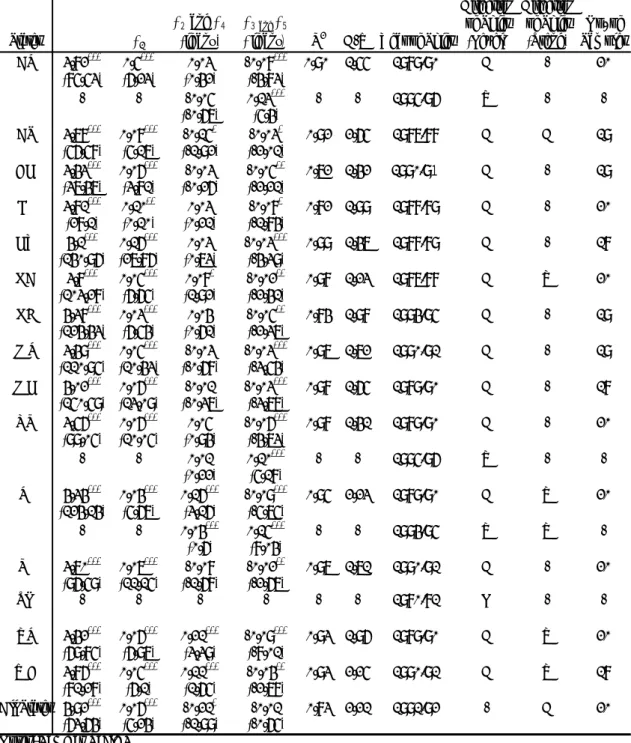
The purpose of equation is to specify the fiscal year of the shift in per capita real expenditures. β represents the growth rate and the coefficient γ resents the magnitude of the shift in the growth rate of the year t*. Therefore the sign and value of γ shows the direction and magnitude of the shift respectively, provided the coefficient is found to be significant (ibid). The results of regression analysis show that even before economic reforms began, 12 states had a decline in social service expenditures, 6 states a decline in education expenditures, and 10 states a decline in health expenditures; only in Bihar was there a decline in health expenditures in 1991/92 after economic reforms began.
We will now analyze the longer term 1980/81 to 1999/2000 impact of economic reforms on social service expenditures in the 15 states. We will examine real per capita expenditures since there was a diversity of the growth rates in the SDPs as well as the growth rates of per capita SDPs among the states in the 1990s (Ahluwalia 2000). Moreover, the population growth rates were different from states to states. For example, the natural growth rate for India as a whole was 17.3 % compared with 11.5% in Kerala, 23.1% in Bihar, 21.0% in MP, 22.8% in Rajasthan and 22.5% in UP (Registrar General 2001).
Equation (1) includes only slope dummy variables to examine the shift in expenditure trend, but this study’s equation will include intercept dummy variables in addition to slope dummy variable. This will enable us to find not only the shift in expenditure TREND but also the shift in expenditure LEVEL. The hypothesis is that there is a year of shift both before and after economic reforms. The regression exercise is carried out by OLS, and the equation is as follows.
ln Yt = α + β1t + β2D1+ β3 (t – t*) D1 + β4D2 +β5(t−t**)D2+ut (2)
Where
Yt =real per capita expenditure (in 1980/81 prices) at year t
t*= first fiscal year of expenditure shift t**=second fiscal year of expenditure shift
D2=dummy valuables until t**(1 for year after t**, zero otherwise) ut=error term
Parameter β1 represents the growth rate、β2 and β4represent the effect of the shift in level、β3 and β5 represent the effect of shift in trend. The coefficients of β2, β3, β4and β5 represent the sign of shift in trend and level, provided they are found to be statistically significant. The procedure for finding the shift year is to identify the optimal values of t* and t** by doing regression exercises either having 1) maximum r-square or 2) maximum value of t-statistics for the coefficients β2, β3, β4and β5 (ibid). This model might not be able to find the second downward or upward trend or level after economic reforms if expenditures already show a downward or upward trend or level before economic reforms. When making a graph of expenditures, only the social services in Tamil Nadu might exhibit this outcome, but this is not the case of either having 1) maximum r-square or 2) maximum value of t-statistics for coefficientsβ2, β3, β4and β5. Tables 3, 4 and 5 show the results.
4. Results and Explanation
For all the states of India, including the 15 major states examined in this study, the level of expenditures for social services and education declined in 1991/92, which would make it appear that economic reforms affected these expenditures negatively. However, the results for the 15 major states were not uniform. Ten states in social services, 13 states in education and 12 states in health experienced a downward shift in the level and/or trend of expenditures before economic reforms began. That means the downward trends were not simply the result of economic reforms, but were continuing trends from the pre-economic reform period.
A regression exercise for economic services in development expenditures will prove that the expenditures for social services declined even before the start of economic reforms (Table 6). Economic services consist of 1) agriculture and allied activities, 2) rural development, 3) special area programmes, 4) irrigation and flood control, 5) energy, 6) industry and minerals, 7) transport and communications, 8) science, technology and environment, and 9) general economic services. The trend of expenditures for economic services declined in all 15 states in 1991/92, and for eight out of 13 states, the year of significant downward shift in the level or trend of these expenditures came after 1991. This would increase to 10 out of 13 states if 1990/91 were included. Except for Kerala, most of the states maintained their level of economic service expenditures until economic reforms were initiated in 1991. These
expenditures declined in order to reduce development expenditures, as part of the reduction of fiscal deficits. Thus it would seem that economic reforms affected economic service expenditures negatively in most states. Only Kerala showed an upward trend in expenditures on these services after economic reforms began.
There were three main reasons why state governments started reducing social service expenditures in the 1980s. Firstly, the Reserve Bank of India (RBI) strengthened its overdraft regulation in 1985. From that year, the RBI began suspending payments when a bank’s overdraft continued for more than seven consecutive working days; this was changed to ten consecutive working days in 1993. This indicated that from the mid 1980s there was more pressure on state governments to control expenditures. Secondly, state governments increased civil servant salaries and pensions in the mid 1980s following the recommendation of the Fourth Central Pay Commission. This increase coupled with rising interest payments on the states’ growing debt issues meant that development expenditures had to be reduced in order to pay for salaries and pensions in non-development expenditures. As already pointed out, most of the states started to reduce development expenditures in the mid 1980s, which means that social service expenditures have been sacrificed since the mid 1980s. Thirdly, the reduction of transfers from the central government since the mid 1980s has also played a role in the decline of social service expenditures. Prabhu and Sarkar (2001: 57) pointed out that the sharp jump in BRG3, which quantifies the extent that states are dependent on resources over which they have no control, seems to coincident with an expenditure shift in a given fiscal year.17 BRG3 is financed by 1) non-statutory transfers, 2) loans and advances from the central government, 3) market loans, and 4) ways and means advances. In all 10 states having a year of significant downward shift in social service expenditures (Table 3), that year is coincident with the year of increasing resource gap (BRG3) or is one year earlier. This implies that state governments adjusted social service expenditures in the year or one year after having obtained fewer resources they did not control. This is in accord with our hypothesis that revenue has played an important role in the level and trend of state expenditures for social services since the mid 1980s.
The empirical results of this study have two major conclusions that differ from Prabhu and Sarkar (2001). The first concerns their evaluation of Kerala state
17 According to Pattnaik et al. (1994), BRG 3 is calculated as follows. BRG3=
(Revenue Expenditure + Capital Disbursement) − {(State’s Own Tax Revenue + State’s Own Non-Tax Revenue + State’s Share in Central Taxes + Statutory Grants) + (Internal Debt−Market Loans)} + (Provident Funds + Revenue Fund and Deposits + Other Capital Receipts)}
where they concluded that social and education expenditures increased after economic reforms. However, this article shows that there was an upward trend in social service expenditures but a downward one in education expenditure in Kerala before economic reforms. This study analyzed total expenditures (revenue expenditures plus capital outlays) until the end of the 1990s using intercept and slope dummy variables. These differences in the terms of years chosen and dummy variables used in analyzing expenditures might have led to the different conclusions. Secondly, Prabhu and Sarkar (2001) found that all the expenditures, except for social services and education in Kerala and health in Bihar (which turned downward in 1991/92), showed a declining trend from the economic reforms, while this article shows there were both upward and downward (or level) trends in some states after the economic reforms began.18 There were three states that showed some downward trends after 1991. One was Kerala in education expenditures. Although the number of school children decreased in Kerala, the state has traditionally been committed to providing social services. For example, the state’s health expenditures clearly show that capital outlays were increased while revenue expenditures dropped (Figure 3). If we carry out a regression exercise on capital outlays for health in Kerala, it was in 1983/84 that the expenditure level shifted upward. Compared to the regression exercise on total health expenditures, it is clear that Kerala maintained total health expenditures by increasing capital outlays until 1990/91 (Figure 3 and Table 5), which implies a strong commitment to health services. In the 1990s immediately after the start of economic reforms, health expenditures declined first followed by education expenditures, mainly due to Kerala’s deepening revenue deficit. However, the high priority on social services was regarded as the main cause for economic stagnation in the state which made it easier for the state government to reduce social service expenditures (George 1993). Furthermore, the expenditure growth rates after the years of downward shift were 0.6% in education and −1.1% in health. The level of total social service expenditures increased in 1985/86 due to increasing relief for national calamities, however the expenditure growth rate between 1985/86 and 1999/2000 was only 1.9%. The growth rate for expenditures for economic services, on the other hand, showed an upward trend from 1991/92, and the growth rate of expenditures after that year reached 4.2%.
Other declines in expenditures after economic reforms were the level of health
18 Most state governments raised salaries and pensions following the recommendation
of the fifth pay commission, which might have contributed to raising social service expenditures in 1999/2000. Rao (2002) pointed out that the share of social
expenditures in GDP was 4.9% in 1990/91, which decreased to 4.6% in 1998/99 and rose again to 5.0% in 1999/2000 due to the rise in salaries. In this study’s regression exercise, however, no state showed an increasing level or trend in 1999/2000.
expenditures in Bihar and the trend of health expenditures in Assam. These three states, namely Kerala, Bihar and Assam, were also the lowest three recipients of external aid from outside the country (Table 7). The external aid shown in the table includes not only that for social services but also for other areas, and there is no available disaggregated data on external aid to multiple states. However, at least it is certain that such aid play a role in states which showed an upward trend or level after the economic reforms. The proportion of external aid with the central government as the recipient was 66.76% in 1991/92; however, this declined after the mid 1990s to 19.20% in 1999/2000 (Ministry of Finance 2000b). Consequently, some state governments received more external aid than other states. The greatest beneficiary was Andhra Pradesh, which received 14.33% of total external aid in 1999/2000. All the expenditures for social services, education and health in Andhra Pradesh showed a downward trend in 1980s; however this changed to an upward one in the mid 1990s. This was attributable to moves by the state’s ruling party, the Telgu Desam Party, which won the assembly election in December 1994. From the mid 1990s, Andhra Pradesh started to seek out private investment and loans from the World Bank in order to manage its fiscal crisis brought on by declining revenues due to the prohibition of alcohol sales and increasing expenditures for such things as huge subsidies to rice (one kg two rupees policy) as well as extensive damage by cyclones in 1996. As a result, half of the World Bank loans to India go to Andhra Pradesh where education, water and sanitation, and nutrition have become priority areas for funding from external sources.19
Other states, such as UP, Karnataka, Maharashtra, West Bengal and Orissa, also showed upward trends after the economic reforms because of increased expenditures made possible by external aid from places like the World Bank.20 At the same time
19http://www/andhrapradesh.com/apwebsite/achievements/externallyaidedprojects1.htm
(accessed on 26 February 2002).
20 In Uttar Pradesh, social services particularly for welfare for scheduled castes (SC),
scheduled tribes (ST) and other backward classes (OBC) increased from 1994/95. In the breakdown of welfare for SC, ST and OBC, the share for education was quite high (see Government of Uttar Pradesh, 1995). Therefore, funds for primary education disbursed by the World Bank played an important role in the increase. In Karnataka, health expenditures increased in 1996/97, because funds for rural water supply and sanitation projects (92 million dollars), approved by the World Bank in 1992, were finally disbursed in 1996/97, and after that Japan and France started water supply projects in the same state. Moreover, since 1997/98 the state government under the Janata Dal Party started a rural sanitation programme funded at 100 million rupees annually (personal communication from N. Sivasaliam, 2002). In Maharashtra, health expenditures increased in 1991/92 because three water supply and sanitation projects were funded by the World Bank from the late 1980s. Along with this, the Shiv Sena Party and Bharatiya Janata Party, which won in the February 1995 assembly election,
however, there were states that increased their own budget allocations for social services. These states were the highest income states of Haryana and Punjab. Both states had a high per capita income and low level of population under the poverty line. Real per capita expenditures of both exceeded that of Kerala, and the regression analysis showed an upward trend in health expenditures for Haryana and in all expenditures for Punjab. The upward trend in these states was due to the greater allocation of revenue expenditures to education and health (Joshi, Bhide and Sood [2001]), and external aid to both states was limited. Under the existing fiscal systems, this led to further revenue deficits, particularly in Punjab.
The regression analysis indicates that external aid to state governments for social services became important in increasing social service expenditures as the overall trend in fiscal transfers from the central government diminished, such as the decline in loans as a proportion of GDP from the mid 1980s, followed by the declining trend of grants as a proportion of GDP after the start of economic reforms. In this situation, obtaining revenues including external aid, particularly grants, was important for each state government and proved to be a major determinant of social service expenditures. As is well known, external aid was not disbursed to the state governments directly, but was passed on to the concerned states as additional central government assistance. Therefore, irrespective of the original terms and conditions set by the external provider, external aid was transferred as 70% loans and 30% grants to the general category states and 10% loans and 90% grants to the special category states. This implies two things: 1) social services, which were often soft loans or grants in assistance portfolio, were required to pay an additional burden in comparison with the original terms and
gave higher priority to drinking water. They established a department of water supply and sanitation and initiated a master plan for each district (Government of Maharashtra, 1996a; 1996b). In West Bengal, social service expenditures increased in 1997/98 because of external aid used for such things as state health system development
(approved by the World Bank in 1996), Kolkata environmental upgrading (approved by the Asian Development Bank in 1998), a district primary education programme and poverty reduction in Kolkata, and a reproductive health project funded by the Department for International Development (DFID 2000). In Orissa, education and health expenditures increased in 1995/96 and 1996/97 respectively. The state benefited from a district primary education programme (1996/97-2002/03), a water resource strengthening project (1995/96-2003/04) and health system development (1998/99-2003/04), all funded by the World Bank. There was also funding from the upgrade fund of the Tenth Finance Commission for promoting such things as female education, and drinking water in schools (Finance Commission, 1994). The Orissa state government also started a rural sanitation programme and total sanitation campaign in 1997/98 (http://www.orissagov.com/rd/sanitation.htm;
conditions to help sustain the relatively larger share of high cost loans, such as for commercial and infrastructure projects; 2) the transfer of external assistance for social services to states was disadvantageous especially for low income states. At the same time, states with little external aid had to finance social services through their own revenues, which confronted them with deficits in the revenue account under the existing fiscal and fiscal transfer system. Given the structural constraints, each state government on its own had to increase revenues including external aid to finance expenditures needed for expanding state social services that also covered the poor.
Concluding Remarks
Real per capita social service expenditures in most of the 15 major states analyzed in this study started to decline in the 1980s due to their worsening fiscal situation. The trends in expenditures after 1991 were a continuation those from the pre-economic reform period. It is clear that state revenue procurement was sluggish from the mid 1980s which was a major determinant of social service expenditures in each state.
Some states received increased external aid or allocated more of their own budget to social services, which led to a rise in social service expenditures after economic reforms began. States politically committed to social services, such as Kerala, faced revenue deficits as a result of high social service expenditures under the existing fiscal system. Kerala is no longer one of the states with the highest expenditures for social services. Instead, states with higher expenditures for these services are those with higher revenue including that from external aid.
Worse still, even before economic reforms there was a decrease in expenditures in states with already low levels of expenditures and low social indicators, while health expenditures in Bihar declined after economic reforms. Except for expenditures on social services in UP, and on health and education in Orissa, the lowest income states did not increase expenditures after economic reforms because it was difficult for them to obtain revenue to cover the high cost of social service expenditures.
It is clear that the de facto privatization of social services, reflected in the growing prevalence of private schools and hospitals, became prominent in the 1980s in many states, which is when the empirical analysis in this study shows the trends and/or levels of expenditures declined. Total expenditures on social services in both the public and private sectors were estimated to have reached 6% of GDP by the 1990s (Tilak 1995, World Bank 1995, Mukhopadhyay 1997), which the central government had set as its national target for these expenditures. This implies that private sector expenditures came to exceed public sector expenditures, since public spending by the
central and state governments is estimated at around 3% for education and nearing 2% for health. The central and state governments implicitly accepted the emergence of the private sector, and following economic reforms private sector participation was encouraged all the more. However, de facto privatization or the increase of external aid does not automatically extend social services to the poor or the unprivileged. It needs to be stressed that state governments, particularly the lowest income states, need to obtain revenue including external aid in order to deliver social services to the grassroots level. The existing system where external aid is transferred from the central government to the states needs to be reconsidered, and particularly for the lowest income states, grants from the central government, either using its own revenues or using transfers of external aid, are needed since they have become a major determinant of social service expenditures in each state as shown in the analysis of this study.21
21 A change recommended by the Twelfth Finance Commission was for the central
government to transfer external aid to the states on the same terms and conditions that the external assisting agencies attached to the aid (Finance Commission, 2004).
References
Ahluwalia, Montek S. 2000. “Economic Performance of States in Post-Reforms Period.” Economic and Political Weekly, 6 May, pp.1637-1648.
Basu, Anuradha. 1995. Public Expenditure Decision Making: The Indian Experience, Sage Publications.
Basu, Rukumi. 2000. Economic Liberalization and Poverty Alleviation: Social Sector
Expenditures and Centre-State Relations, Deep and Deep Publications.
Boyce James K. 1986. “Kinked Exponential Models for Growth Rate Estimation.”
Oxford Bulletin of Economics and Statistics, vol.48, no.4.
Centre for Monitoring Indian Economy (CMIE). 2001. Public Finance, Economic Intelligence Service, Mumbai: CMIE.
Cornia, Biovanni Andrea, Richard Jolly, and Frances Stewart. 1987. Adjustment with a
Human Face: Protecting the Vulnerable and Promoting Growth, volume I, Oxford
University Press.
Department for International Development (DFID) India. 2000. Annual Plan and
Performance Review, DFID India.
Dev, S. Mahendra, and Jos Mooij. 2002. “Social Sector Expenditures in the 1990s: Analysis of Central and State Budgets.” Economic and Political Weekly, 2 March, pp.853-866.
Drèze, Jean and Amartya Sen. 1989. Hunger and Public Action, Oxford: Claredon Press.
───, and ─── .1995. India: Economic Development and Social Opportunity, Oxford University Press.
───, and ───. eds. 1996. Indian Development: Selected Regional Perspectives, Oxford University Press.
Duggal, Ravi, Sunil Nandraj, and Asha Vadair. 1995a. “Health Expenditure across States Part I.” Economic and Political Weekly, 15 April, pp.834-844.
───, ───, and ───. 1995b. “Health Expenditure across States Part II Regional Disparity in Expenditure.” Economic and Political Weekly, 22 April, pp.901-908. Finance Commission. 1994. Report of the Tenth Finance Commission for 1995-2000,
Government of India.
───. 2001. Report of the Eleventh Finance Commission for 2000-2005, Government of India, Ministry of Finance.
───. 2004. Report of the Twelfth Finance Commission for 2005-2010, Government of India, Ministry of Finance.
Harvard School of Public Health, mimeo.
George, K.K. 1993. Limits to Kerala Model of Development: An Analysis of Fiscal
Crisis and its Implications, Trivandrum: Centre for Development Studies
Monograph Series.
Government of India. 1991. Speech of Shri Manmohan Singh (Minister of Finance)
Presenting Central Government’s Budget For 1991/92, 24th July 1991.
───. 1992. Speech of Shri Manmohan Singh (Minister of Finance) Presenting Central
Government’s Budget for 1992/93 Part A. 29th February 1992.
───. 1996. Speech of Shri Manmohan Singh (Minister of Finance) Presenting Central
Government’s Budget for 1996/97 (Interim) 28th February 1996.
───. 2001. Indian Public Finance Statistics 2000-2001, Ministry of Finance, Department of Economic Affairs, Economic Division.
Government of Maharashtra. 1996a. Speech of Shri Eknathrao Khadase Finance
Minister on the Interim Budget Estimates 1996-97 of the Government of Maharashtra in the Legislative Assembly on Tuesday the 19th March 1996.
───. 1996b. Speech of Shri Eknathrao Khadase Finance Minister on the Additional
Budget Estimates 1996-97 of the Government of Maharashtra in the Legislative Assembly on Tuesday the 9th July 1996.
Government of Uttar Pradesh. 1995. Annual Plan 1995-96: A Supplement of Volume II
Statements III Schemewise Outlays and Expenditure, State Planning Commission.
Guhan, S. 1995. The World Bank’s Lending in South Asia, Brookings Occasional Papers, Washington D.C: The Brookings Institution.
Gupta, Devendra B. and Anil Gumber. 2002. ‘‘External Assistance to the Health Sector and its Contributions: Problems and Prognosis.’’ Working Paper No.88, New Delhi: Indian Council for Research on International Economic Relations.
Gupta, Sanjeev. et al. 2000. Social Issues in IMF- Supported Programs, Occasional Paper 191, Washington DC: International Monetary Fund.
Gupta, S.P. and A.K. Sarkar. 1994. “Fiscal Correction and Human Resource Development: Expenditure at Central and State Levels.” Economic and Political
Weekly, 26 March, pp.741-751.
Harris, G.. and Kusi, N. 1992. “The Impact of the IMF on Government Expenditures: A Study of African LDCs.” Journal of International Development, vol.4, no.1, pp.73-85.
Harris-White, Barbara. 1999. “State, Market, Collective and Household Action in India’s Social Sector.” in Harris-White, Barbara and S. Subramanian eds. Illfare in
India: Essays on India’s Social Sector in Honour of S Guhan, Sage Publications.
LDCs.” Finance and Development, 21 September, pp.37-39.
Hicks, N. 1991. “Expenditure Reductions in Developing Countries Revisited.” Journal
of International Development, vol.3, no.1, pp.29-37.
Jalan, Jyosta, and K. Subbarao. 1995. “Adjustment and Social Sectors in India.” in Cassen, Robert and Vijay Joshi eds. India: the Future of Economic Reform, Oxford University Press.
Jayarajah, Carl, Silliam Branson, and Binayak Sen. 1996. Social Dimensions of
Adjustment: World Bank Experience, 1980-93, A World Bank Operations
Evaluation Study, Washington D.C.: World Bank.
Joshi, D.K., Shashanka Bhide, and Atul Sood. 2001. Finances of the Northern States in
the New Millennium: Status and Prospects, New Delhi: National Council of
Applied Economic Research.
Kakwani, Nanak, Elene Makonnen, and Jacques van der Gaag. 1990. ‘‘Structural Adjustment and Living Conditions in Developing Countries.’’ Working Paper Series 467, Population and Human Resource Department, World Bank.
Kaneko, Masaru. 1993. “India’s Deficit Reduction Policy and its Impact.” OECF Research Quarterly, no.79.
───. 1994. “The Trend of Public Finance in the Government of India since 1993.”
Journal of Development Assistance, vol.1, no.2.
Kondo Norio. 2000. “Introduction to the Special Issue” (in Japanese). in Ajia Keizai vol.XLI. no.10 and 11. Special Issue: The New Trend of India’s Political Economy in the 1990.
Michaloupoulos, Constantine. 1987. “World Bank Programs for Adjustment and Growth.” in Corbo, Goldstein and Khan eds. Growth Oriented Adjustment
Programs, IMF and World Bank.
Ministry of Finance various years. Indian Public Finance Statistics.
───. 2000b. External Assistance Brochure 1999/00, Aid Accounts and Audit Division, Department of Economic Affairs, Government of India.
Mukhopadhyay, Alok. ed. 1997. Report of the Independent Commission on Health in
India, Voluntary Health Association of India.
National Council of Education Research and Training (NCERT). 1998. Sixth All India
Educational Survey: National Tables volume IV, Enrolment in Schools, New Delhi:
NCERT
Panchamukhi, P. R. 2000. “Social Impact of Economic Reforms in India: A Critical Appraisal.” Economic and Political Weekly, 4 March, pp.836-847.
Pattnaik, R.K. et al. 1994. “Resource Gap of the State Governments: Measurement and Analysis.” Reserve Bank of India Occasional Papers, vol.15, no.4, pp.315-367.