Waseda University Doctoral Dissertation
Efficient Road Traffic Control Towards CO
2Emissions Reduction
CO
2排出量の削減を目的とした 交通トラヒック制御
July 2012
Graduate School of Global Information and Telecommunication Studies Chunxiao LI
Contents
Contents ... I List of Figures ... III List of Table ... V Acknowledgement ... VII Summary ... IX
Chapter 1 Introduction ... 1
1.1 Overview of Intelligent Transportation System ... 1
1.1.1 Introduction of ITS ... 1
1.1.2 Key Underlying Technologies for ITS ... 2
1.1.3 ITS in the World ... 4
1.2 Energy ITS ... 10
1.3 Vehicle to Grid ... 12
1.4 Contribution of the Dissertation ... 13
1.5 Organization of the Dissertation ... 15
Chapter 2 Overview of Electronic Toll Collection Technology and Global Warming ... 18
2.1 Overview of Electronic Toll Collection Technology ... 18
2.1.1 Introduction of ETC ... 18
2.1.2 Benefits of ETC ... 19
2.1.3 ETC in the World ... 20
2.2 Overview of Global Warming ... 21
2.2.1 Why Global Warming Happened? ... 21
2.2.2 How the Global Warming to Effect Human being’ Daily Life? ... 22
2.2.3 What Can We Do about the Global Warming? ... 23
2.3 Transportation Emission and Global Warming ... 23
2.3.1 The Contributions of Transportation Exhaust to the Global Warming ... 23
2.3.2 The Ways to Alleviate the Global Warming Issues ... 24
2.3.3 Standard Vehicle Model and CO2 Emission Estimation Model ... 26
2.4 Conclusions ... 29
Chapter 3 ETC-Associated Traffic light Control Scheme for Reducing Vehicles CO2 Emissions . 30 3.1 Introduction ... 30
3.2 Proposed Scheme ... 32
3.2.1 Wireless Communication between Vehicles and Traffic Lights ... 32
3.2.2 Some Related Parameters and Metric indexes ... 34
3.2.3 Decision Tree-Based ETC-assisted Real Time Traffic Light Control ... 36
3.3 Simulation-based Performance Evaluation ... 42
3.3.1 Simulation Setup ... 43
3.3.2 Simulation Results ... 44
3.4 Conclusions ... 51
Chapter 4 A Travel-Efficient Driving Assistance Scheme in VANETS by Providing Recommended Speed ... 52
4.1 Introduction ... 52
4.2 The Relationship between Speed and CO2 Emissions ... 55
4.3 Recommended Speed Calculation Scheme ... 57
4.3.1 Space Headway Based Traffic Flow Model ... 57
4.3.2 Road Condition Detection ... 58
4.3.3 Recommended Speed Calculation ... 59
4.4 A Case Study of Performance Evacuation under the Proposed Scheme ... 68
4.4.1 Evacuation Scenario ... 68
4.4.2 Assumptions and Related Parameters ... 69
4.4.3 Analysis of Simulation Results ... 70
4.5 Conclusions ... 76
Chapter 5 An Open Traffic Light Control Model for Reducing Vehicles’ CO2 Emissions Based on ETC Vehicles ... 78
5.1 Introduction ... 78
5.2 System Model ... 81
5.2.1 A Three-tier Open Traffic Light Control Model ... 82
5.2.2 Related Issues with the Three-Tier Model ... 87
5.3 Control Algorithm for Smoothing Travel ... 89
5.3.1 Traffic Control Algorithm ... 89
5.3.2 Calculation of Recommended speed ... 96
5.4 Case of Study ... 100
5.4.1 Case Introduction ... 100
5.4.2 Simulation Setup ... 102
5.4.3 Simulation Comparison Object: Adaptive Fuzzy Traffic Light Control ... 103
5.4.4 Simulation Results ... 104
5.5 Conclusions ... 111
Chapter 6 Conclusions and Future Works ... 112
6.1 Summary of the Dissertation ... 112
6.2 Future Works ... 115
Bibliography ... 117
Research Achievements ... 125
List of Figures
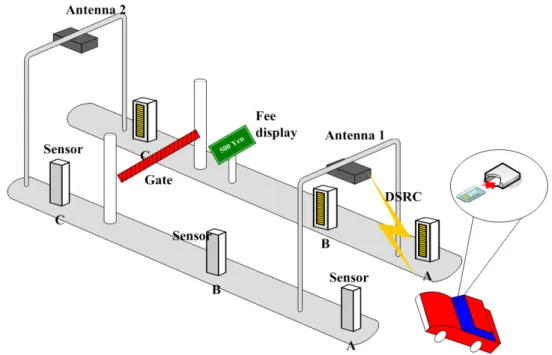
Figure 2-1 ETC Highway Charging Process ... 19
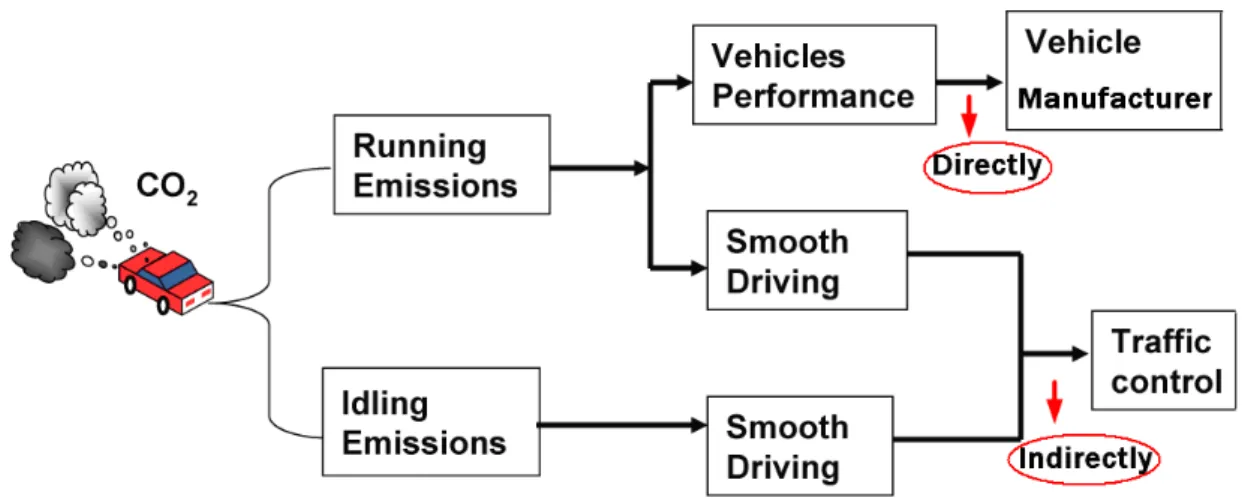
Figure 2-2 Ways to Reduce Vehicles’ CO2 Emissions ... 25
Figure 3-1 Vehicle-Traffic Light Communication Process ... 33
Figure 3-2 Decision Forest Control Scheme for One City’s Intersection ... 36
Figure 3-3 A Decision Tree Control Scheme for One Intersection ... 38
Figure 3-4 Traffic Control Algorithm ... 41
Figure 3-5 Two Cases for Simulation ... 43
Figure 3-6 Average Waiting Time for Two Cases: (a) Case A , and (b) Case B ... 45
Figure 3-7 Waiting Time Distributions Probability for Two Cases: (a) Case A , and (b) Case B(When Traffic Flow =1,700 veh/h) ... 46
Figure 3-8 Non-stop Passing Rate for Two Cases: (a) Case A, and (b) Case B ... 48
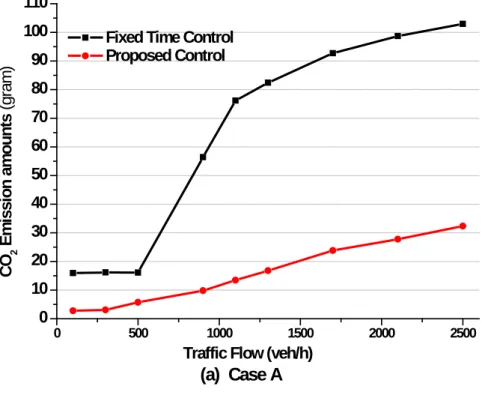
Figure 3-9 CO2 Emission Amounts during Waiting Time in Two Cases: (a) Case A, and (b) Case B ... 50
Figure 4-1 Speed-Emission plot [20] ... 56
Figure 4-2 Traffic operation strategies in reducing CO2 Emissions [20] ... 56
Figure 4-3 Vehicle Fleet Model ... 57
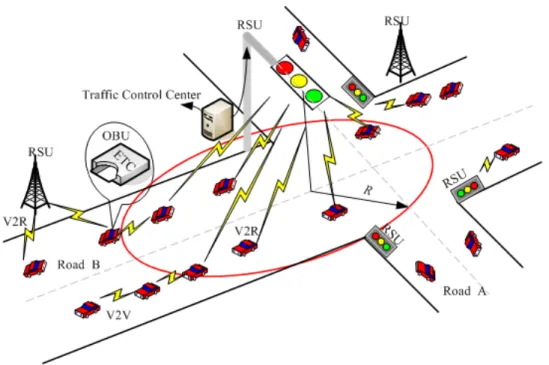
Figure 4-4 V2R & V2V for obtaining vehicle’s state information. ... 59
Figure 4-5 Near and Far Intersection Region ... 61
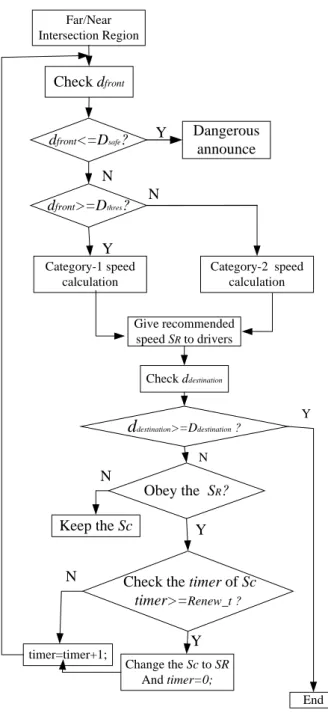
Figure 4-6 Recommended Speed Calculation Process ... 61
Figure 4-7 Speed Calculation for Far/Near Intersection Region ... 62
Figure 4-8 Illustration for dlight ... 64
Figure 4-9 Simulation Scenario ... 68
Figure 4-10 Average Waiting Time from S to D under Different Obey Ratio ... 71
Figure 4-11 Non-stop Passing Rate from S to D under Different Obey Ratio ... 72
Figure 4-12 CO2 Emission Amounts under Different Obey Ratio ... 73
Figure 4-13 Average Waiting Time from S to D ... 74
Figure 4-14 Non-stop Passing Rate from S to D ... 75
Figure 4-15 Average CO2 Emissions for S to D ... 75
Figure 5-1 Three-tier Open Traffic Light Control Model ... 82
Figure 5-2 ETC-Based Traffic Flow Detection Process ... 83
Figure 5-3 Distance d and dilemma zone ... 97
Figure 5-4 Simulation Scenario ... 101
Figure 5-5 Traffic Flow Rate for R3 and R4 ... 102
Figure 5-6 Average Travel Time (R1 and R2)... 105
Figure 5-7 Average Waiting Time (R1 and R2) ... 105
Figure 5-8 Nonstop Passing Rate from S to D (R1 and R2) ... 106
Figure 5-9 Nonstop Passing Rate in I3 ... 107
Figure 5-10 Nonstop Passing Rate in I4 ... 107
Figure 5-11 Average Stop Times from S to D (R1 and R2) ... 108
Figure 5-12 Average CO2 Emissions from S to D (R1 and R2) ... 109
Figure 5-13 Average CO2 Reductions from S to D (R1 and R2) ... 110
Figure 5-14 CO2 Reduction Percentage from S to D (R1 and R2) ... 110
List of Table
Table 1-1 Underlying of ITS [3] ... 5
Table 1-2 Approaches and Technologies for Energy Saving in Automobile Transportation [19] ... 11
Table 3-1 Parameters for Simulation ... 43
Table 3-2 CO2 Reduction Percentages ... 49
Table 4-1 Related Parameters for Figure 4-9 ... 69
Table 5-1 Algorithm Parameters[120] ... 90
Table 5-2 Algorithm 1: SBB Algorithm for Searching LB ... 92
Table 5-3 Algorithm 2: SBB Algorithm for Searching Evacuating Order ... 93
Table 5-4 Computing Time & Traffic Flow Rate ... 95
Table 5-5 Road Type ... 101
Acknowledgement
This dissertation summarizes the achievements of my research in Graduate School of Global Information and Telecommunication Studies, Waseda University, Japan, under the supervision of Prof. Shigeru Shimamoto. Firstly, I would like to express my grate acknowledgement to my supervisor, Prof. Shimamoto, for his valuable guidance, insightful suggestions, kind and constant help and encouragement during the past three years. I also would like to convey my sincere gratitude to my doctoral thesis review panel which included Prof. Takuro Sato, Prof. Mitsuji Matsumoto, and Prof.Yoshiaki Tanaka for their kind acceptance to be reviewers and their helpful comments.
I also would like to give my thanks to all the members in Shimamoto Laboratory, especially, Mr. Bingxuan Zhao, Mr. Jun Wu, Ms. Jiang Liu, Ms. Wasinee Noonpakdee, Ms. Rabarijaona Verotiana Hanitriniala, Ms. Zhenni Pan, Mr. Jin Qi , and Mr. Nan Gao, for their continuous encouragement, support, and technical discussions. Also, I would like to thank all my friends in GITS, Waseda University.
In addition, I really appreciate my supervisor in the master course, Prof. Zhengqi Zheng, in East China Normal University for his kind help and meaningful discussions.
Besides, I also really thank the Prof. Jieyi Yin in East China Normal University, for his continues encouragement and helps.
I am very proud of being awarded the CSC scholarship from China Scholarship Council. I would like to thank for the financial support.
Last but not least, I would like to show my respects and deep gratitude to my parents, my brother, my sisters, and my husband. Their understanding, encouragement and support, have helped me to complete this work.
Chunxiao LI July 2012
Summary
In recent years, the problem of global warming has seriously become a worldwide concern. It involves issues such as the sea level rising problem and catastrophic floods.
To slow down the speed of our living environment’s deterioration, the reduction of Greenhouse Gas (GHG) emissions has become urgent. As we know, the GHG are produced from multiple sectors of the economy, including industrial sources, electric power plants, residences, and agriculture; as well as the different transportation modes.
And the GHG from the transportation sector can be accounted about 20 percent of the total GHG. Besides, the primary GHG produced by the transportation sector are carbon dioxide (CO2), methane (CH4), nitrous oxide (N2O), and hydro fluorocarbons Carbon dioxide, a product of fossil fuel combustion, accounts for 95 percent of transportation GHG emissions. Therefore, if the GHG emissions from the transportation can be reduced, the global warming issues will be alleviated.
Since the Energy Intelligent Transportation System (ITS) is an emerging technique, thus there are various research directions to be addressed. The most popular research direction is how to save the fuels and how to reduce thetail gas emissions, especially the CO2 emissions. Usually, vehicles’ fuel consumption rate is related to the CO2
emissions rate. Therefore, the problem turns to how to improve the fuel consumption rate to achieve the goal of CO2 reduction. This dissertation focuses on ITS related systems and technologies for energy saving. There are many approaches to energy saving for automobiles and road transportation. The energy saving in automobiles can be classified into two categories: the first one is the fuel consumption reduction while driving, and the second one is the total driving mileage reduction. To the first category, for the approaches to the fuel consumption reduction while driving, can include the reduction in fuel necessary for driving, and the reduction in fuel consumption by driving behavior improvement. To the second category, for the approaches of the total driving mileage reduction can include the traffic reduction while keeping the transportation volume, and the reduction in the transportation volume itself.
In this dissertation, I coped with these issues by improving vehicles’ travel efficiency from three aspects: to control the traffic light, to control the vehicles’ speed,
and to control the traffic light and speed at the same time, respectively. Based on the Electronic Toll Collection (ETC) technologies, the Road-to-Vehicle (R2V) communications and Vehicle-to-Vehicle (V2V) communications were used for transmitting the real time road traffic flow conditions to the traffic control center. After obtained the road traffic flow conditions, the control center would carry out optimal traffic light control algorithms, and the OBU would work out recommended speed for the drivers.
In chapter 1, the basic concept of ITS and Energy ITS were briefly introduced. At first, the history, the underling key technologies, and the present application situations all over the world of the ITS were described, respectively. Then, the contributions to the energy saving from the ITS aspects were presented as well. At last, a brief introduction of the Vehicle to Grid (V2G) was provided. The ITS could contribute to the energy saving on two aspects: one was to eliminate the traffic congestion, which enabled each automobile to drive at the fuel optimal speeds, and the other was to provide means for modal shift, which could reduce the traffic flow.
In chapter 2, the basic knowledge of ETC and Global warming were overviewed.
In section for overview of the ETC technology, the core technology of the ETC, the benefits of ETC and the ETC’s developments histories in different countries were listed, respectively. Besides, I also presented the global warming problems in this chapter. The reasons of the global warming, the worse and worse effects to the human being which brought by the Global warming, and some ways for alleviating the Global warming in our daily life were described, respectively. In the end of this chapter, I also discussed the relationship between the global warming and the public transportations. And this dissertation also indicated that reducing tail gas emissions from transportation sector was one of feasible ways for solving the global warming.
In chapter 3, a dynamic traffic light control scheme based on decision tree scheme was given out for improving vehicles’ travel efficiency. This traffic light control scheme was based on the ETC installed vehicles. In this scheme, the ETC vehicles could communicate with the traffic lights, thus the real time road traffic flow conditions would be collected in real time. And this collected road conditions information would be analyzed in the traffic control center, then the control center would give an optimal
traffic light duration time based on the traffic light control algorithm. By this dynamic traffic light control, vehicles’ travel efficiency could be improved. e.g., vehicles’
average waiting time for the red light would be greatly reduced. More important, vehicles could go through the intersection without any stops when the traffic volumes were very small. In this dissertation, I mainly focused on improving the travel efficiency by traffic light control.
In chapter 4, a recommendation speed calculation scheme was presented for improving drivers’ travel efficiency. In this chapter, the dissertation only focused on how to improve the travel efficiency from the drivers’ aspect, without considering the traffic lights. In other words, this chapter did not do anything for the traffic lights (suppose the traffic light control was the traditional fixed-time control scheme). In the recommendation speed calculation scheme, the vehicles could communicate with the traffic light based on the ETC devices, therefore, the traffic lights states would be noted before the vehicles arriving at the intersection. In this scheme, after vehicles received a recommended speed, the drivers needed to choose obey or disobey the recommended speed. If the drivers obeyed the recommended speed, they should change their current speed to the recommended speed which would help drivers to arrive at the destination with a less waiting time and less CO2 emissions. If the drives planed to disobey the recommended speed, this scheme was also available. Compared with the without recommended speed, the drivers would arrive at their destinations with less travel time, less waiting time and less number of short-time stop-and-go. Therefore, the travel efficiency was greatly improved.
In chapter 5, detailed three-tier system architecture was given. In this three-tier architecture, dynamic traffic light control and speed control schemes were combined together and then implemented into the three-tier architecture. In tier-1, vehicles’ state information would be obtained from the GPS devices. The ETC OBUs devices could communicate with the traffic lights (in tier-2) to send current traffic flow information to the traffic control center (in tier-3) and receive traffic light phase data. The function of tier-1 mainly concerned collecting road traffic flow information data, sending traffic flow data, receiving traffic light phase data, and calculating recommended speeds.
Tier-2 was mainly responsible for receiving and saving traffic flow data and then sending the control results to the ETC OBUs. This tier-2 consisted of the following
three parts: 1) antennas; 2) storage; and 3) traffic lights. The purpose of the storage was used to save the received traffic flow data. The traffic lights were the displays that showed the control results. Tier-3 took responsibility for data processing, which could be divided into three sections. The first section was data extraction. As vehicles periodically sent the traffic flow information to the antenna before passing through the intersection, it might cause some problems. Therefore, it was necessary to extract the useful data from the received data. The second section was traffic light control. The control center periodically acquired the latest traffic flow data from the storage and calculated the optimal light-changing policy for this period. The third section provided an open interface for third-party applications. Vehicle information, traffic flow data, or CO2 emissions data could be shared by third-party applications.
In chapter 6, I concluded the dissertation and stated the future works.
Chapter 1 Introduction
With the rapid increase of modern economical and technical development, the Intelligent Transportation System (ITS) becomes more and more important and essential for many countries in the world. The previous concept of ITS was proposed by United States in the 20th century [1] [2]. Currently, the research and development bases have been established in the United States, Japan and European Union in the worldwide range. In addition, South Korea and Singapore also have high level of ITS development [1]. In this chapter, a brief overview of the ITS is introduced. In the end of this chapter, the contribution of this dissertation and organization are also presented.
1.1 Overview of Intelligent Transportation System
1.1.1 Introduction of ITS
The original idea of ITS was born during 1980s, which proposed as originally intelligent vehicle-highway systems [2].
ITS is a new technology which used to improve the safety, efficiency, and convenience of transportation, both for people and for goods. A glance at the current state of transportation, roads equipped with electronic tolling (known as ETC devices) and variable message signs, passenger vehicles with navigation products (e.g., GPS devices) and emergency notification systems, commercial vehicles equipped for nonstop weighing and cross-border credentials checking, transit vehicles containing location and communications systems, infrastructure to automatically track and support the better management of traffic flow. We can confirm that ITS is gaining widespread acceptance within the transportation community and by the general public [2].
The mainstreaming of ITS is also evident in the private sector, the critical engine of technological innovation in the market [2]. Advances in wireless communications are
widening the national and global information infrastructure, giving individuals seamless access to information anywhere, any time[2]. ITS is taking advantage of these technological developments, including the explosive growth of the Internet. Automotive manufacturers are coming to view wireless communications as an important complement to their relationship with their customers. Many new products are being marketed not as ITS applications, but as enhancements to the mobile individual’s ability to use the information superhighway[2]. In the following, this chapter will give an introduction about several key underlying technologies used in the world.
1.1.2 Key Underlying Technologies for ITS
Global Positioning System (GPS).
GPS is the core technology behind many in-vehicle navigation and route guidance systems [3]. The GPS receivers embedded in vehicles, acting as on-board units. These on-board units can be used for receiving signals from several different satellites and then to calculate the device’s position. Therefore, this requires line of sight to satellites, which can inhibit use of GPS in downtown settings due to “urban canyon” effects [3].
Usually location can be determined within 10 meters [3]. Several countries, notably Holland and Germany, are using or will use OBUs equipped with satellite-based GPS devices to record miles traveled by automobiles and/or trucks in order to implement user fees based on vehicle miles traveled to finance their transportation systems [3].
Dedicated-Short Range Communications (DSRC).
DSRC is a subset of radio frequency identification (RFID) technology, widely known as a short- to-medium-range wireless communication channel, operating in the 5.8 GHz band (in Japan and Europe) or 5.9GHz band (United States) wireless spectrum, specifically designed for automotive uses [4] [5] [6]. Critically, DSRC enables two-way wireless communications between the vehicle (through embedded tags or sensors) and roadside equipment (RSE or RSU). DSRC is a key enabling technology for many intelligent transportation systems, including vehicle-to-infrastructure integration, vehicle-to-vehicle communication, adaptive traffic signal timing, electronic toll collection, congestion charging, electronic road pricing, information provision, etc [4].
At present, DSRC systems in Europe, Japan, and the United States are generally not compatible [3]. In 2004, the U.S. Federal Communications Commission (FCC), prescribed a common standard for the DSRC band both to promote interoperability and to discourage the limitation of competition through proprietary technologies [3] [7].
Wireless Networks.
Similar to technology commonly used for wireless Internet access, wireless networks allow rapid communications between vehicles and the roadside to transmit traffic and public transit information, but have a range of only a few hundred meters [8].
However, this range can be extended by each successive vehicle or roadside node passing information onto the next vehicle or node by multi-hops[3].
Mobile Telephony
ITS applications can transmit information over standard third or fourth generation (3G or 4G) mobile telephone networks[3]. Advantages of mobile networks include wide availability in towns and along major roads. However, additional network capacity may be required if vehicles are fitted with this technology, and network operators might need to cover these costs. Mobile telephony may not be suitable for some safety-critical ITS applications since it may be too slow [3] [9].
Radio wave or Infrared Beacons.
Japan’s Vehicle Information Communications System (VICS) uses radio wave beacons on expressways and infrared beacons on trunk and arterial roadways to communicate real-time traffic information[3]. Arterial roadways are moderate capacity roadways just below highways in level of service; a key distinction is that arterial roadways tend to use traffic signals. Arterial roadways carry large volumes of traffic between areas in urban centers[3].
Roadside Camera Recognition.
Camera based or tag based schemes can be used for zone-based congestion charging systems (as in London), or for charging on specific roads[3]. Such systems use cameras placed on roadways where drivers enter and exit congestion zones. The cameras use Automatic License Plate Recognition (ALPR), based on Optical Character
Recognition (OCR) technology, to identify vehicle license plates; this information is passed digitally to back-office servers, which assess and post charges to drivers for their use of roadways within the congestion zone [3].
Probe Vehicles or Devices.
In several countries, the probe vehicles can be used to report vehicles’ speed and location to a central traffic operations management center, and these probe data is aggregated to generate an area-wide picture of traffic flow and to identify congested locations[3]. Extensive research has also been performed into using mobile phones that drivers often carry as a mechanism to generate real-time traffic information, using the GPS-derived location of the phone as it moves along with the vehicle[3]. As a related example, in Beijing, more than 10,000 taxis and commercial vehicles have been outfitted with GPS chips that send travel speed information to a satellite, which then sends the information down to the Beijing Transportation Information Center, which then translates the data into average travel speeds on every road in the city[3] [10].
The application of ITS and ITS related underlying projects can be summarized in the following Table 1-1.
1.1.3 ITS in the World
There were five key classes benefits brought by applying information technology to a country’s transportation network, the following listed these five benefits[3]:
1) To ensure the safety of driver and pedestrian, 2) To reduce traffic congestions,
3) To enhance personal mobility and convenience, 4) To bring great environmental benefits,
5) Boosting productivity and expanding economic and employment growth.
Considering the great benefits of ITS, more and more countries devoted lots funds to develop the ITS. Here, we will list the development histories of ETC in some leader counties in the world.
Table 1-1 Underlying of ITS [3]
ITS Category Specific ITS Applications
Advanced Traveler Information Systems(ATIS)
Real-time Traffic Information Position Route Guidance/Navigation Systems
Parking Information
Road-Side Weather Information Systems Advanced Transportation Management
Systems(ATMS)
Traffic Operations Centers(TOCs) Adaptive Traffic Signal Control
Dynamic Message Sings(or “Variable ”Message Signs) Ramp Metering
ITS-Enabled Transportation Pricing Systems
Electronic Toll Collection(ETC)
Congestion Pricing/Electronic Road Pricing(ERP) Fee-Based Express(HOT)Lanes
Vehicle-Miles Traveled(VMT)Usage Fees Variable Parking Fees
Advanced Public Transportation Systems(APTS)
Real-time Status Information for Public Transit System(e.g. Bus, Subway, Rail) Automatic Vehicle Location(AVL)
Electronic Fare Payment(for example, Smart cards) Vehicle-to-Infrastructure Integration(VII) and
Vehicle-to-Vehicle Integration(V2V)
Cooperative intersection collision avoidance systems(CICAS) Intelligent Speed Adaptation(ISA)
Japan
Japanese government have put a massive investment on ITS, they have got impressive benefits from applying those technologies into the operational deployment, which enable Japan to play a leading role in the world in ITS [3].
To collect and transmit real time traffic information, Japan began their research in 1996 and created the world’s first vehicle information communications system (VICS) which has been available in nationwide since 2003 [3].
But since 2003, traffic and congestion information in Japan has been generated increasingly through the use of probe vehicles, specifically by making VICS-enabled vehicles the probe vehicles themselves [3].
The technical architecture of Japan’s VICS which was designed in the early 1990s was called “Version 1.0” of in-car navigation systems in Japan [3]. Japan is developing the Smartway now, which might be called “Version 2.0” of the country’s state-of-the-art ITS service [3]. Smartway finished its concept development in 2004 and was put into partial deployment in 2007. This process only took 3 years. It is an extremely fast development timeline. Japan began widespread national Smartway deployment in 2010 [3].
Smartway cooperated with vehicle-highway was developed on the basis of Japan’s deployment of ITS experience. There are a lot of services which are provided by using the Smartway platform. Using 5.8 GHz DSRC technology, Smartway can provide visual information of road conditions ahead, traffic information through audio in a visual format and location, and contextually specific information to the driver. Smartway is able to warn drivers when they are coming across particularly accident prone areas of a roadway, and uses a DSRC-enabled roadside unit to alert drivers on the main lanes of the presence of merging vehicles and sends appropriate warnings [3] [11, 12].
United States
In the United States, Electronic Route Guidance System (EGRS) was the initial stage of Intelligent Transportation system (ITS) in 1970s [13]. In 1991s United States’
congress enacted integrated surface transportation efficiency programs (ISTEA).
TEA-21 (Transportation Equity Act for the 21st Century) as a successor project ISTEA
was formulated in 1997s [13]. Compared with ISTEA, TEA-21’s project scale and economic investment have a significant growth which can provide a strong guarantee for the development of ITS technology [13].
In order to improve the safety and efficiency of the nation's road transportation system, Federal and State Departments of Transportation (DOTs) cooperated with vehicle manufacturers to propose the Vehicle Infrastructure Integration (VII) based on the evaluation of the technical, economical, and political feasibility of deploying a communications system. The VII provides a communications link between vehicles on the road (via On-Board Equipment, OBE), and also between vehicles and the roadside infrastructure (via Roadside Equipment, RSE) [14]. The VII’s key technology is emphasized on short range communication (DSRC) which is allocated by FCC, and spans over 75 MHz of spectrum in the 5.9 GHz band in US. VII connects vehicles and infrastructure and creates an “enabling communication infrastructure”. But there are two base premises that all new vehicles would be equipped with DSRC at 5.9GHz and GPS and a nationwide roadway-based Intelligence Communication Systems and Communications Network should be created [3, 13].
The ITS Strategic Research Plan for the four yeas, from 2010 to 2014, was promulgated by the United States Department of Transportation (USDOT) on December 8, 2009 [13]. The ITS Strategic Research Plan is designed to achieve a vision of a national, multi-modal surface transportation system which features a connected transportation environment among vehicles, the infrastructure and passengers’ portable devices. This connected environment will leverage technology to maximize safety, mobility and environmental performance [3, 13, 15].
South Korea
South Korea’s strengths in several ITS application areas make it a world leader in intelligent transportation systems. South Korea formulated the “transportation system efficiency Law”, which set a national legal basis for ITS implementation plan, and promoted the work of ITS technical standards in February 1999 [3].
In December 2000, South Korea ventilated a 20-year blueprint for ITS development which used to be called National ITS Master Plan for the 21st century.
Seven specific ITS application areas which are part of a National ITS Service along with time schedules and budgets were proposed as a strategic guideline for development by the plan [3, 13].
The ITS Master Plan defined three phases of ITS development in Korea[3, 13]:
1) From 2001 to 2005, the main task is to compose ITS institutions and make the initial work on ITS;
2) From 2006 to 2010, this stage is the formation of industrialization, expanding the scale of Stage;
3) from 2011 to 2020, this phase is to ensure the system type connection, compatibility and efficiency of operation and to plan more advanced technology systems for the advanced stage [3, 13].
A central mission of the National ITS Service is to create a network of traffic systems which can facilitate interactions and interconnection between South Korea’s large cities [3, 13]. Now South Korea has basically completed the basic framework of the ITS, technology standardization, electronic road maps and other related applications in the establishment [3, 13].
European Union
In order to control and solve the traffic problems, in 1980s, United Kingdom, France and Germany as the representatives of European countries, began to seriously study ITS technology. In 1985s, EUREKA (European Road Transport Telemetric Implementation Coordination Organization) was established to promote the cooperation of government and private organization in research and development of ITS. In the following year, PROMETHEUS (Programme for European Traffic with Highest Efficiency and Unprecedented Safety) was launched [13]. But the program started officially in 1987s with a period of 7 years. DRIVE (Dedicated Road Infrastructure for Vehicle Safety in Europe) as the second phase of Europe’s R & D part of the framework was adopted in June 1988s [13].
In 1991s, because the DRIVE program was implemented successfully, the EU set up ERTICO [13]. In 1994s, when PROMETHEUS went into the end of the period, after
consultation, all members of the unit agreed to establish a new round of research project PROMOTE. This plan involved much broader problems of integrated transport systems.
The plan did not just focus on the vehicle systems, but also was applicable to public sector and was no longer limited to enterprise-wide [13].
In recent years, ERTICO technology uses CVIS (Cooperative Vehicle Infrastructure Systems), COOPERS (Cooperative Systems for Intelligent Road Safety) and the other wireless communication systems mean to implement the exchange of information between road infrastructure and vehicles, vehicles and vehicles so that it can improve traffic safety and efficiency with the latest ITS services which is being developed [13, 16].
Cooperative ITS is developed on the basis of many communication-paths communications. Focusing on the last group and I2V communication systems, the European Integrated project COOPERS (Cooperative Systems for Intelligent Road Safety) plans to connect vehicles on the motorway to the road infrastructure via continuous bidirectional wireless communication [13, 16, 17].
Singapore
Singapore is a world leader in intelligent transportation systems [3], the character of ITS in Singapore can be described in the following:
1) Probes vehicles are used to collect traffic information,
2) For congestion charging, Singapore use the electronic road pricing, 3) Nationwide deployment of adaptive computerized traffic signals, 4) Use of traffic management ITS applications.
Singapore’s Land Transport Authority (LTA) has responsibility for all modes of transportation in the country and oversees implementation of intelligent transportation systems in Singapore [18]. Singapore collects real time traffic information through a fleet of 5,000 taxis which act as vehicle probes, feeding their speed and location information back to Singapore’s Traffic Operations Management Center,enabling it to generate an accurate picture of traffic flow and congestion on Singapore’s roadways from this critical mass of probe data [3]. The country’s ITS Master Plan envisions an
optimized and efficient land transport network leveraging ITS to enhance commuters’
traveling experience. The three strategic thrusts of Singapore’s ITS Master Plan include:
1) deploying and integrating ITS across Singapore, 2) developing partnerships between the private sector and government agencies (as well as other stakeholders), and 3) viewing ITS as a platform for industry development [3].
Singapore’s long-term ITS plans include advanced telematics that will bring location-based services and traffic information to commuters through in-vehicle devices, and advanced congestion management systems that will include both targeted and variable user road-charging schemes. Singapore is at the cutting edge of predictive traffic flow modeling based on using historic and real-time traffic data [3].
1.2 Energy ITS
The ITS contribute to the energy saving on two aspects: one is to eliminate the congestion, which enables each automobile to drive at the fuel optimal speeds, and the other is to provide means for modal shift, which reduces the traffic [13]. The energy consumption by the industry, civil, and transportation sectors in 2007 in Japan accounts for 45.3 percent, 31.4 percent, and 23.4 percent, respectively, and each increasing rate from 1990 to 2007 is 102.3 percent, 135.0 percent, and 114.2 percent, respectively, as referred in [19]. In the transportation sector, the energy consumption by passenger and freight transportation account for 61 percent and 39 percent, respectively [19]. In the passenger transportation, that by passenger cars and buses accounts for 85 percent and 3 percent, respectively, and in the freight transportation that by trucks accounts for 90 percent [19].
As shown in Table 1-2 [19], there are many approaches to energy saving for automobiles and road transportation. Firstly, the energy saving in automobiles can be classified into two categories: the first one is the fuel consumption reduction while driving, and the second one is the total driving mileage reduction. Secondly, the approaches to the fuel consumption reduction while driving can include the reduction in fuel necessary for driving, and the reduction in fuel consumption by driving behavior improvement. And for the total driving mileage reduction, it includes the traffic reduction while keeping the transportation volume, and the reduction in the
Table 1-2 Approaches and Technologies for Energy Saving in Automobile Transportation [19]
Issues Approaches Technologies
Reduction of fuel consumption
Fuel reduction necessary for driving
Vehicles
Improvement of fuel efficiency of vehicles
themselves
Improvement of engines, weight
reductions Roadways Improvement of roadways
Rolling resistance reduction, slope
elimination
Fuel reduction by improvement of driving
behavior
Efficient driving Promotion of fuel efficient driving
Economy driving, signal control, route guidance,
aerodynamic, drag reduction by platooning
Smooth traffic flow
Improvement of road network Efficient
use of roadways
Efficient lane use Traffic
management
Optimal signal control Collision avoidance
Throughp ut increase
Platoon, dynamic route guidance
Demand distribution
Flow assignment, road reservation Bottleneck elimination ETC, cruise control,
ACC
Reduction of mileage
Traffic reduction keeping transportation
amount
Transportation efficiency increase
Occupancy increase Car sharing, car pool, public transportation Use of other
transportation means
Multi modality
P&R,K&R, Use of public transportation Traffic reduction by
transportation
Less transportation
Demand management Road pricing Parking Strategy
No transportation
Communication Teleconference City planning Compact city
transportation volume itself [19].
The ITS-related systems and technologies can contribute mainly to the reduction in fuel consumption by driving behavior improvement, and partly to the traffic reduction.
The background of the reduction in fuel consumption by driving behavior improvement is that the most energy efficient speed of automobiles is 50–60 km/h for gasoline engines and around 70 km/h for Diesel engines [19, 20].
There are various approaches to the energy saving for automobiles, and this dissertation focuses on Intelligent Transport Systems (ITS) related systems and technologies for energy saving The dissertation describes the effects of ITS related systems and technologies on the energy saving, CO2 emission reduction from automobiles, and road transportation based on the detected real time traffic flow condition data focusing on the role of vehicular communications including the road-to-vehicle (R2V) communications and vehicle-to-vehicle (V2V) communications.
Vehicular communications are essential in ITS and they play an essential role in the energy saving as well as in the safety.
1.3 Vehicle to Grid
With the development of industry, more and more machines need the fuel or oil as the power sources. However, the fossil fuel is a kind of finite source, it will be burned out in the future. We need to find the new renewable energy to replace the finite source.
Currently, the most developed new sources are wind, solar and tides.
For reducing the tail gas emissions from vehicles, new no-emission or less-emission vehicles have been put in to the markets. Plug-in Hybrid Electric Vehicles (PHEVs) and Plug-in Electric Vehicles (PEVs) have received increasing attention because of their low pollution emissions and high fuel economy. Vehicle to grid(V2G) describes a system in which Plug-in electric vehicles, such as electric cars(BEVs) and plug-in hybrids(PHEVs), communicate with the power grid to sell demand response services by either delivering electric into the grid or by throttling their charge rate [21].
1.4 Contribution of the Dissertation
Vehicle’s CO2 emission is greatly affected by the road and traffic flow conditions.
On one hand, different road conditions have different fuel consumption rates and thus lead to different CO2 emission rates. Urban roads usually have higher emission rates than rural roads, and ramp roads need more fuels than smooth roads [20]. On the other hand, when the road conditions are fixed, different traffic conditions would also lead to different CO2 emissions. Congestions would lead to more emissions; for example, about 11% of all fuel consumed by automobiles is wasted during congestion [19]. According to the Oguchi et al. [22], who designed an emission model for estimating vehicles’ CO2 emissions. As this model is derived from experiments by testing real-time traffic conditions on urban roads in Tokyo, Japan, is available for analyzing the ways to reduce vehicles’ CO2 emissions. We can infer that the CO2 emissions amounts are factored by the distance, travel time, and speed. If we want to reduce vehicles CO2 in a give travel distance, the travel time and speed are two key factors. Besides, the fuel consumption rate will be very low if the vehicle drive at a stop-and-go style.
To achieve the goal of CO2 reduction, we need to reduce the travel time and keep a suitable speed for higher fuel consumption rate. So this dissertation focused on dynamic traffic light control and vehicle speed control to smooth travel trips. By a suitable traffic light control, vehicles no need to wait a long time red traffic light, so the travel time will be reduced. For the speed control, the drivers will receive a recommended speed, if the drivers obey the recommendation and change the current speed to the recommended speed, the travel time also will be reduced.
So the contributions of this dissertation can be described in the following 3 parts:
The first contribution of this dissertation is the real time traffic flow detection scheme by the wireless communication between the ETC-installed vehicles and traffic lights. Many other researchers are using the loop detectors or sensors or similar tools to detect the road traffic flow condition. However, these traditional detection tools some time can not ensure response to the control center timely and exactly. This dissertation
employs the ETC devices as the detection tool. The modified ETC can communication with the traffic light, the control center of traffic light can get the road traffic flow conditions timely and exactly.
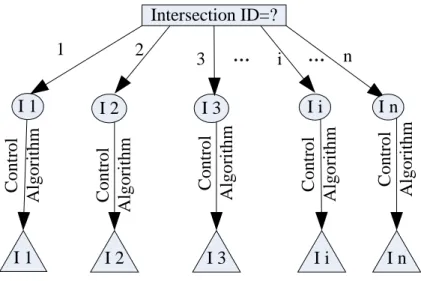
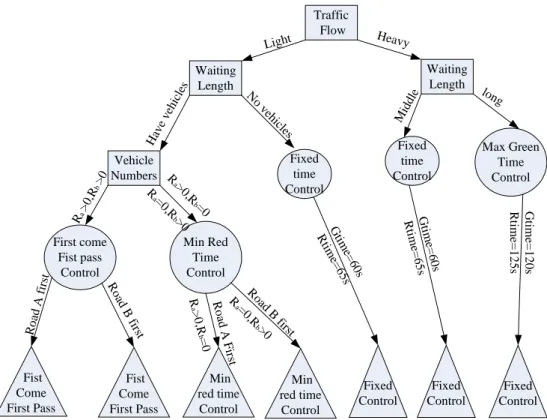
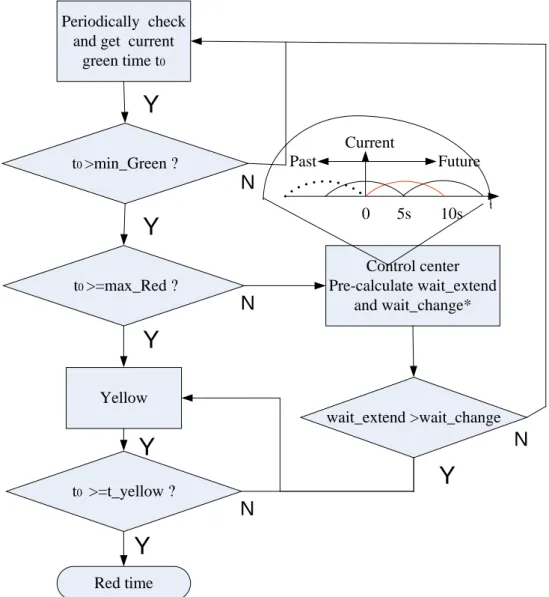
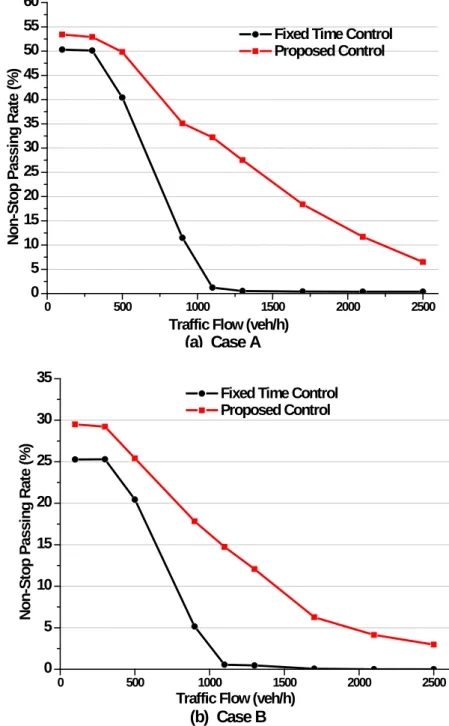
The second contribution of this dissertation is dynamic traffic light control. We proposed two traffic light control algorithms, the first one is decision tree based dynamic traffic light control, and the second one is branch and bound based dynamic traffic light control. For the decision tree based control algorithm, one intersection is treated as one tree, and the traffic flow conditions from different lanes are set as branches or leaves, which are sorted by traffic flow or the length of waiting queues. For each branch, a given control algorithm is assigned. Thus, under the control of traffic control center, a large number of intersections can be treated as a forest. By this control algorithm, vehicles can go through the intersections with shorter red light waiting time, higher probability for non-stop passing, and less CO2 emissions. The second control algorithm is based on the branch and bound method. In this control algorithm, it solves the traffic flow issues as an order-decision problem for evacuating the detected vehicles in the waiting queues. Then the problem turns out to allocate the passing order for the detected vehicles. The complexity for this algorithm is O(n2).Under both of these two control algorithms, vehicles can go through the intersections with less red light waiting time, higher probability for non-stop passing, and less CO2 emissions.
The third contribution of this dissertation is dynamic vehicles’ speed control. Vehicles speed is one of the key factors for improving travel efficiency of vehicles. Traditionally, vehicles’ speed is controlled by the drivers, who take into account local traffic conditions as well as applicable speed limit lows. However, decisions by the driver are sensitive to driver’s personal judgment and usually have many operational errors. Many accidents are speed related and partly due to human error. In case of congestion, human drivers are typically poor controllers. Based on the ETC devices and GPS devices, the vehicles positions, current speed, distance to the destination, and some other relegated information will be obtained in advance. The control center can calculate out a recommended speed for the drivers. The recommended speed is worked out based on the obtained information about vehicles current stages and current traffic light stages.
When the drivers receive this recommended speeds, they can make a decision that to
choose obey or disobey the recommended speed. This speed assisted the drivers to have higher travel efficiency. Compared with without recommended speed, the average waiting time would be shorter; the non-stop passing rate would be higher. Meanwhile vehicles fuel consumption would be lower, which lead to the lower CO2 emissions.
1.5 Organization of the Dissertation
Since the Energy ITS is an emerging technique, there are various research directions to be addressed. The most popular research direction is how to save the fuel and how to reduce the CO2 emissions. Usually, vehicles’ fuel consumption is related to the amount of CO2 emissions. Therefore, the problem turns to how to improve the fuel consumption rate. In the traffic engineer area, there are different kinds of schemes for improving vehicles’ fuel consumption efficiency, we cope with these issues by improving vehicles’ travel efficiency in this dissertation.
The remainder of this dissertation is organized as follows:
In chapter 2, the basic knowledge of ETC and Global warming were overviewed.
In section for overview of the ETC technology, the core technology of the ETC, the benefits of ETC and the ETC’s developments histories in different countries were listed, respectively. Besides, I also presented the global warming problems in this chapter. The reasons of the global warming, the worse and worse effects to the human being which brought by the Global warming, and some ways for alleviating the Global warming in our daily life were described, respectively. In the end of this chapter, I also discussed the relationship between the global warming and the public transportations. And this dissertation also indicated that reducing tail gas emissions from transportation sector was one of feasible ways for solving the global warming.
In chapter 3, a dynamic traffic light control scheme based on decision tree scheme was given out for improving vehicles’ travel efficiency. This traffic light control scheme was based on the ETC installed vehicles. In this scheme, the ETC vehicles could communicate with the traffic lights, thus the real time road traffic flow conditions would be collected in real time. And this collected road conditions information would be analyzed in the traffic control center, then the control center would give an optimal
traffic light duration time based on the traffic light control algorithm. By this dynamic traffic light control, vehicles’ travel efficiency could be improved. e.g., vehicles’
average waiting time for the red light would be greatly reduced. More important, vehicles could go through the intersection without any stops when the traffic volumes were very small. In this dissertation, I mainly focused on improving the travel efficiency by traffic light control.
In chapter 4, a recommendation speed calculation scheme was presented for improving drivers’ travel efficiency. In this chapter, the dissertation only focused on how to improve the travel efficiency from the drivers’ aspect, without considering the traffic lights. In other words, this chapter did not do anything for the traffic lights (suppose the traffic light control was the traditional fixed-time control scheme). In the recommendation speed calculation scheme, the vehicles could communicate with the traffic light based on the ETC devices, therefore, the traffic lights states would be noted before the vehicles arriving at the intersection. In this scheme, after vehicles received a recommended speed, the drivers needed to choose obey or disobey the recommended speed. If the drivers obeyed the recommended speed, they should change their current speed to the recommended speed which would help drivers to arrive at the destination with a less waiting time and less CO2 emissions. If the drives planed to disobey the recommended speed, this scheme was also available. Compared with the without recommended speed, the drivers would arrive at their destinations with less travel time, less waiting time and less number of short-time stop-and-go. Therefore, the travel efficiency was greatly improved.
In chapter 5, detailed three-tier system architecture was given. In this three-tier architecture, dynamic traffic light control and speed control schemes were combined together and then implemented into the three-tier architecture. In tier-1, vehicles’ state information would be obtained from the GPS devices. The ETC OBUs devices could communicate with the traffic lights (in tier-2) to send current traffic flow information to the traffic control center (in tier-3) and receive traffic light phase data. The function of tier-1 mainly concerned collecting road traffic flow information data, sending traffic flow data, receiving traffic light phase data, and calculating recommended speeds.
Tier-2 was mainly responsible for receiving and saving traffic flow data and then sending the control results to the ETC OBUs. This tier-2 consisted of the following
three parts: 1) antennas; 2) storage; and 3) traffic lights. The purpose of the storage was used to save the received traffic flow data. The traffic lights were the displays that showed the control results. Tier-3 took responsibility for data processing, which could be divided into three sections. The first section was data extraction. As vehicles periodically sent the traffic flow information to the antenna before passing through the intersection, it might cause some problems. Therefore, it was necessary to extract the useful data from the received data. The second section was traffic light control. The control center periodically acquired the latest traffic flow data from the storage and calculated the optimal light-changing policy for this period. The third section provided an open interface for third-party applications. Vehicle information, traffic flow data, or CO2 emissions data could be shared by third-party applications.
In chapter 6, I concluded the dissertation and stated the future works.
It would be the great honor of the author if this work could contribute towards the travel efficiency improvement for reducing vehicles’ CO2 emissions for alleviating the global warming issues.
Chapter 2
Overview of Electronic Toll Collection Technology and Global Warming
2.1 Overview of Electronic Toll Collection Technology
Since 1992, active Radio Frequency Identification (RFID) tags have been used in vehicles to automate the toll charging process on toll roads, highways, bridges, and tunnels[25]. These tags are mounted to the winds shield or externally surrounding the license plate on a vehicle and read as the vehicle proceeds without stopping through special lanes at the toll plaza. This toll charging process is called as Electronic Toll Collection (ETC) [25, 26] .
2.1.1 Introduction of ETC
As one of most popular applications of ITS, ETC technology has become a mature technology that is widely used in all over the world [27]. It takes advantage of the communication between inter-vehicle devices (On Board Unit (OBU)) and roadside devices (Road Side Unit (RSU)) to realize highway road pricing with non-stop passing of toll gates for vehicles. Communication between OBU and RSU is based on the Dedicated Short Range Communications (DSRC) technology [26]. Figure 2-1 shows the full process of automatic toll charging for ETC vehicles [26].
ETC consists of two parts, one is an in-vehicle device, having a card slot, which used for increased convenience, and the other part is a card, which is connected with the card holder’s bank account for highway charging. As shown in Figure 2-1. The in-vehicle device and the card are separate; one card can be used in any in-vehicle devices. This enables the card holder to make the highway payments using their own
card when traveling in any car installed the in-vehicle devices [26].
Figure 2-1 ETC Highway Charging Process 2.1.2 Benefits of ETC
Pass Through Smoothly with ETC
Compared with non-ETC highway payments, the greatest benefit of ETC is that vehicles can pass smoothly through toll gates. In addition to preventing traffic jams, drivers do not have to waste time making payments[26].
Environmentally Friendly
Vehicles do not have to repeatedly short time stop-and-go to pay tolls, this process is more smooth than non-ETC. Thus reducing the amount of noise and emissions near toll gates and contributing to the improvement of the surrounding environment [26]. In addition, when the emission is reduced, the global warming issue some what may be alleviated [26].
In-car Comfort without Opening Windows
Compared with the non-ETC highway payments, drivers do not need to stop and then stretch their arms to show the tickets to the highway workers from the vehicle windows[26]. For one thing, this provides in-car comfort for drivers, for another, without the highway workers, it is a way for saving labors.
In the ETC highway tollgates passing process, the drivers do not have to open/close the window, this brings many other benefits. For example, on wet and windy days the driver can be freed from the discomfort of having rain blow inside their vehicle when paying. Meanwhile, comfortably conditioned vehicles do not have to fear cold or warm air escaping. In addition, drivers do not have to worry about exhaust fumes from the vehicle in front, thus making ETC a system that protects the comfortable in-vehicle environment [26].
2.1.3 ETC in the World
The ETC system is currently being used almost in all over the world. In the following, the ETC development histories in three leader countries will be briefly introduced.
ETC in USA
In the United States, many states have implemented an ETC system called E-Z Pass [28].
ETC has become the wedge for deployment of ITS in the U.S. In 1996, the U.S.
Department of Transportation outlined a goal to achieve a complete ITS infrastructure in the country’s seventy-five largest metropolitan areas within 10 years [28]. Until 2004, about 62 of 75 metropolitan areas had met the U.S. Department of Transportation’ s goals for ITS deployment, largely by implementing the ETC [29] [28].
ETC in Canada
In Canada, the ETC system is named as the Canada 407 Express toll route (ETR).
It is one of the most sophisticated toll roads in the world [29, 30]. The Canada 407 ETR is a closed-access toll road, which means that there are gantries placed at the entrance and exit points of each toll. In this system, cameras are equipped with Optical Character Recognition (OCR) [31]. The OCR cameras are used to photograph license plate numbers of vehicles that do not have transponders. The toll bill will then be sent directly to the registered address of the vehicle owners. Other than that, two laser beam scanners are placed above the roadway to detect the types of vehicles passing through the gantries. Nevertheless, this toll road bears a very high infrastructure cost, and the users are the ones who help recover the cost through increments in their toll bills [31].
ETC in Japan
Ministry of Construction and the four major highway public corporations started to develop ETC system in 1994, and the first operation finally started in April 2000 [32,34].
Until February 12, 2012, the total number of ETC on-board units in service is reached 47 million, accounting about 86 percentages of the total vehicles in Japan [33].
2.2 Overview of Global Warming
2.2.1 Why Global Warming Happened?
In recently years, with the development of technologies and human activities, the climate changed much worse. The Global Warming is the most urgent issues that everybody must to be faced. Currently, it seems very clear that CO2 emissions have become the main reason for much of the current global warming. Due to burn the fossil fuel oils, the greenhouse gases (e.g., CO2, water vapor, CH4, and N2O) and other heat-trapping emissions are released into the air, they act like a blanket, holding heat in
our atmosphere and warming the planet. The greenhouse gases can collect the heat and light from the sun. If there are too many greenhouses gases in the air, the atmosphere of the earth will trap too much heat and the earth will get too hot. As a result, people, animals, and plants would die because the heat would be too strong [23, 24], thus solving the global warming problem is urgent.
2.2.2 How the Global Warming to Effect Human being’ Daily Life?
In fact, nobody knows what will be happened with the global warming. But the great effects brought in the daily life by the global warming are known by everyone. e.g.
the temperature is increased, so the weather becomes warmer, thus the sea levels is raised, so some cities near the sea line is in danger, and low lying areas is flooded while some place become desert.[35]. In the following, the possible effects brought by global warming will be introduced.
Sea level rise
Sea level will continue to rise; beaches will be eroded beaches, which may lead to the disappear of some near sea line islands [35].
Temperature is increased.
Increasing temperatures are likely to affect human health on the following aspects [35]:
(1) Ground-level ozone pollution will likely worsen;
(2) Heat waves will cause more death;
(3) In the living habitat changed, some plants and animas may extinct.
Weather patterns will be changed
Changing weather patterns could affect agriculture. Northern states could actually experience longer growing seasons. And some forests may disappear, which leading to extinction of wildlife species. Besides, the oceans will become more acidic [35].
Economic effects.
Billions of dollars in property damage from sea level rise and worsening storms [35].
2.2.3 What Can We Do about the Global Warming?
One of the best way for alleviate the global warming is energy saving. For achieve this goal, we can do from the little saving actions in our daily life [35]:
Recycling saves the energy to manufacture new products;
To improve the efficiency of energy;
Riding a bike, bus, train, or just walking, to instead of driving a car;
Plant trees for absorbing CO2;
Saving electricity in home by turning off the TV and lights when you are through with them and use compact fluorescent light bulbs;
Find renewable energy technologies to reduce dependence on fossil fuels. Change to the electric vehicles, which is without emissions.
2.3 Transportation Emission and Global Warming
2.3.1 The Contributions of Transportation Exhaust to the Global Warming
Greenhouse Gas (GHG) is produced from many sectors, which are included industrial sources, electric power plants, residences, and agriculture; as well as the different transportation modes. The primary GHG produced by the transportation sector are carbon dioxide (CO2), methane (CH4), nitrous oxide (N2O), and hydro fluorocarbons Carbon dioxide, a product of fossil fuel combustion. Take US as example, the CO2 accounts for about 95 percent of transportation GHG emissions in the United States [36].
Besides, transportation emissions account for 29 percent of U.S. GHG emissions
[36], and 26 percent of Japan’s GHG emissions [37]. Only the emission from the vehicle, which burning the fossil fuels as the power for engine working, would be considered. For the vehicles, which are without greenhouse gas emission, will not be considered. Such as the manufacture vehicles and electric vehicles.
When compared with transportation emissions from all countries in the world, and total world emissions, GHG emissions from the U.S. transportation sector are put into a global context. International Energy Agency (IEA) data for 2006 show that while the U.S. accounts for 5 percent of the world population, it accounts for 21 percent of global CO2 emissions, with the U.S. transportation sector accounting for 33 percent of global transportation CO2 emissions [36]. That is to say, direct emissions from the U.S.
transportation sector represent about 7 percent of global CO2 emissions [36].
According to [36], direct emissions from light-duty vehicles, which include passenger cars and light duty trucks (e.g., sport utility vehicles, minivans, and pickup trucks,) accounted for 59 percent of U.S. transportation GHG emissions in 2006 [36].
Emissions from freight trucks accounted for 19 percent of emissions. Commercial aircraft (domestic and international) accounted for 12 percent [36, 38]. All other modes accounted for less than 10 percent of total emissions. Overall, on-road vehicles accounted for 79 percent of emissions [36, 38].
For the U.S. case, it is easily to get the conclusion that, the CO2 emissions from the transportation sector accounted about 26 percentages of the total emissions. Thus, to reduce the emission from the transportation sector, the global warming issues can be alleviated in a certain degree.
2.3.2 The Ways to Alleviate the Global Warming Issues
As mentioned above, the CO2 emissions for the sector of transportation accounts for about 20 percentages of the total CO2 emissions. Thus, to reduce the CO2 emissions from the transportation sector will become a feasible way for alleviating the Global Warming issues.
As shown in the Figure 2-2, the ways to reduce vehicles’ CO2 emissions can be summarized into two directions: one is the directly way and the other is the indirectly
way.
Figure 2-2 Ways to Reduce Vehicles’ CO2 Emissions
For the directly way, it mainly concerns on improving the vehicles’ performance, e.g., to improve the engine fuel consumption rate, or to design new types of engine which with a lower tail gas emissions. This directly way is fixed by the vehicle designer and manufacturer. By this way, good performance vehicles will release less CO2, such as low-emission vehicles usually have good performance than the high-emission vehicles in the trail gas reduction aspects. So, the directly way can reduce the CO2 from the root. However, when a vehicle was putted into the markets, the performance would be fixed and without big improvements. Thus, this needed the second way to reduce the tail gas emissions, which called as the indirectly way.
For the indirectly way, it mainly focuses on how to improve travel efficiency to improve the fuel consumption rate. Therefore, the CO2 emission issue turns to how to improve travel efficiency. According to many researchers’ previous works, it is easily to go to the following concludes:
Barth et al. carried out experiments [20], which indicated that during an idling period, the engine would consume more fuel and release more CO2 emissions than in a cruising period; on the other hand, lower waiting times and a constant-speed driving style would lead to less CO2 emissions;
Besides, a study in [39] indicated that accelerating and decelerating had a higher emission rate than idling;
And then, [20] implied that the most common reason for engine idling is a stop-and-go driving style, because in a short time period, drivers have to decelerate to stop and then accelerate to go. During this period, vehicles would emit more CO2 emissions.
All of the previous works indicates that, the traffic light control and vehicles’
speed control can greatly improve vehicles’ travel efficiency. For example, the stop-and-go driving style usually happens when parking or passing through intersections, e.g., taxies that wait in queues to pick up passengers in taxi pickup points and vehicles that wait for traffic lights at intersections. Thus, minimizing the waiting time and avoiding unnecessary stop-and-go driving can smooth travel and then reduce CO2 emissions. As we know, there are many ways to improve vehicles’ travel efficiency, e.g. to control the traffic lights which with less red light waiting time [40] [41] [42] [43], to solve the traffic jams as quickly as possible [44] [45], or to control vehicles’ speed to reduce the total travel time [46] [47].
This dissertation will give some contributions to reduce the CO2 emissions. The standard vehicles’ CO2 emissions are set as the research objectives. Only the vehicles which use the gasoline as the power source for engine will be considered in this dissertation. And we will not consider the electric vehicles, solar vehicles, and so on.
The CO2 of vehicles will be reduced through three ways, one is to reduce the idling period emissions by dynamic traffic light control, the other is to reduce the running period emission by speed control, and the other is to reduce the entire period emission by the traffic light control and speed control together.
2.3.3 Standard Vehicle Model and CO2 Emission Estimation Model
2.3.3.1 Standard Vehicle Model
This dissertation only considered the standard vehicles as the research objective.
![Figure 4-2 Traffic operation strategies in reducing CO 2 Emissions [20]](https://thumb-ap.123doks.com/thumbv2/123deta/9785477.1868779/70.892.145.750.511.997/figure-traffic-operation-strategies-in-reducing-co-emissions.webp)