「学ぶ」 と 「働く」 をつなぐ英語教授・学習理論の構築
平成 29 年 4 月 24 日受付
大 和 隆 介 *
要 旨
本研究の目的は,「英語教育」と「キャリア教育」を新たな視点で融合することにより,グローバ ル社会に生きる若者が,学校における学習者としての生活から社会での職業人としての生活への移行 が円滑なものとなるように,新たな英語教授・学習の理論的枠組みを構築することである。従来,英 語教育における職業を意識した指導は ESP(English for Specific Purposes)の枠組みで行われてき たが,本研究では,特定の職種に対応した限定的英語力を育成する ESP の立場から脱し,学習者が 自らのキャリア形成に主体的に関与するために必要となる「統合的コミュニケーション能力(inter/
intra personal communication ability)」の涵養を目的とする英語教授・学習理論を構築することを目 指す。
キーワード:英語教育,キャリア教育,職業教育,ESP,統合的コミュニケーション能力
1.学術的背景
(1)学校教育におけるキャリア教育および職業教育の現状
「キャリア教育・職業教育の課題と基本的方向性」(中央教育審議会答申,平成 23 年 1 月 31 日)
において,急激な時代の変遷の中で,「若者の社会的・職業的自立」に種々の課題が存在することが 示された。グローバル化・少子高齢化が進展する社会構造の中で,このような社会環境の変化に対応 した教育を提供するためには,若者が自己の希望やライフスタイルに応じて学習機会を選択し自らの キャリアをデザインするために必要な知識・技能を習得できるように,学校教育において教科指導と キャリア教育を融合することが強く求められていると言える。
(2)職業教育とキャリア教育の区別の必要性
上記答申によれば,「職業教育」とは「一定または特定の職業に従事するために必要な知識・技能,
能力や態度を育てる教育」であり,「キャリア教育」とは「一人一人の社会的・職業的自立に向け,
必要な基盤となる能力や態度を育てることを通して,キャリア発達を促す教育」と定義される。前者 は,「実践的」な雇用可能性(employability)の育成を目的とし,後者は,生涯にわたる社会人・職 業人としてのキャリア形成の基盤となる汎用的な能力を育成することを目的としている。こうした区 別を明確にした上で,教科教育および専門教育の中にキャリア教育の要素を取り入れた教育の質的改
*
京都産業大学外国語学部
善を図ることが求められている。
(3)英語教育とキャリア教育・職業教育
日本の英語教育においては,実用目的と教養目的の両面が存在し(『近代日本の英語科教育史』江 利川春雄,2006 年),その実用目的に関して多くの学習者や教員は「受験のための英語」を重要視し,
就業のための英語については職業系高校や専門大学で ESP(English for Specific Purposes: 以下 ESP と呼ぶ)の枠組みで指導が行われている(『ESP の理論と実践』深山晶子他 , 2000)。現状では,
生涯に渡るキャリア形成に留意した英語教育は未だ実践されていないと言える。
2.学術的特色とチャレンジ性
ESP を超えた生涯教育に通じるキャリア教育の観点から英語教育の教授法・学習理論を本格的に 論じた研究は,申請者は浅学寡聞にしてその存在を承知していない。本研究は,キャリア教育に関す る上記中教審答申を踏まえ,初等中等教育だけでなく高等教育において,体系的なキャリア教育を教 科教育(本研究においては英語教育)と有機的に連携する理論構築を目指す先導的研究として位置づ けることが出来る。本研究が所期の目標を達成するならば,他の教科への応用することにより,「学 校で学ぶ」と「社会で働く」の架け橋になる成果になると期待される。以下,本研究の独創性および チャレンジ性を具体的に記す。
(1)「職業訓練」観に依拠した ESP を「キャリア教育」観から再解釈しようとする点
従来の ESP(English for Specific Purposes)を「キャリア教育」の観点から再解釈し,学習者が 英語学習を通して,グローバル化が進展し絶えず変化する現代社会の中で,自らのキャリアを生涯に わたり適切にデザインする能力を養うための英語教育・英語学習の理論的枠組みを構築しようとする 点に独創性が認められる。
(2)CLT の観点からキャリア教育と英語教育を融合した教授法を構築しようとする点
本研究では,キャリア教育と英語教育を融合する道具として,Johnson(2002)や Parnell(2001)
が唱道する「文脈的教授・学習(Contextual Teaching & Learning:以下 CLT と呼ぶ)」を活用する。
CLT とは,「学校での教科学習において学習者の動機づけを高めるために,学習者の興味・関心に基 づいて,学習内容と生徒の現実の生活世界を結び付け,生活世界における学習内容の応用を促すもの である。さらに Falk & Dierking(2000)が唱える学習における文脈を「個人的文脈」 「物理的文脈」 「社 会的文脈」の 3 種の多層的分類の考え方も緩用しながら,両者の融合を図ることを試みるに点にも斬 新生が認められる。(3)上記のキャリア教育と英語教育の融合を図る指標として独創的指標を利用す る点
本研究では,キャリア教育と英語教育の有機的に融合する指導理論を構築する際の,理論的構成素 として,英語力(English ability),雇用可能性(employability),将来の幸福度(Future Happiness)
の 3 つを定義し,その関係性が学習にどのような変化を遂げるかを検証する。
60 「学ぶ」と「働く」をつなぐ英語教授・学習理論の構築
3.期待される効果と意義
これまでの英語教育は,他の教科と同様に学習内容と実生活での活用の間に物理的かつ精神的な ギャップが存在していた。また,そのギャップを解消するために日常生活や特定の職業に焦点を当て た指導法の改善も試みられていたが,なかなか現実感や実効性を高める改善は実現していない。本研 究では,学校教育の中でも重要教科の 1 つである英語教育にキャリア形成支援的要素を導入すること により,教科教育が教育本来の目的「一人ひとりの人格・能力を高め,自己を確立させ,自らの力で 人間らしく生きる力を育てる」に資する英語教育の質的改善に資する研究成果が得られると期待され る。
加えて,従来の英語教育においてはキャリアを意識した指導は,ESP の枠組みで学習内容と特定 職業との結合を図ろうとしてきた。しかし,職業生活に関する現実的経験値が低い学習者に特定の職 業のみを意識して英語学習を行うことには,英語学習の本来の多様な可能性や楽しみを毀損するなど の弊害も存在する。本研究により,英語教育のおける ESP を職業教育からキャリア教育という汎用 性の高い観点で指導する理論的枠組みを構築することが出来れば,英語学習の本質的楽しみを損ねる ことなく,学習者が主体的に自らの将来のキャリアをデザインしようとする意欲を育てる重要な足場 作りとなる。このような教育理論・方法の改善は,まさに「学ぶ」と「働く」をつなぐ生涯学習の実 現に向けた重要な一歩と位置付けることができる。
4.平成 28 年度の研究成果
上記の研究構想に基づき,関連領域の多様な文献を購読すると同時に,学習者(大学生)の英語力,
自己認識,職業観との間の関係性について分析を行い,その成果を国際学会で発表した。以下,発表 内容の要旨を報告する。
(1)要旨
本発表は,政府の教育政策におけるキャリア教育と職業教育の位置づけを報告した後,これらの政 策が日本の教育現場(特に英語教育)においてどのように反映されているかを報告する。こうした現 状分析に基づき,狭義の職業教育に資する英語教育ではなく,グローバル化した社会で生涯にわたる キャリア形成に資する英語教育を実践するための新たなアプローチが必要であることを指摘した上 で,学習者の英語力と自己認識・職業観に関する分析結果を報告する。
(2)内容と成果
目的:大学新入生の就職学習意識と英語力の関係について検討する。
参加者:日本人大学生 150 名。
材料:基礎学力を測るための簡易テスト,学習観・職業観を尋ねる質問紙 分析:SPSS を用いた量的解析(相関分析,回帰分析 etc.)
結果と考察:
①英語得点(TOEIC)と学習者の自己認識の間には興味深い相関関係が見られた。
② TOEIC の総合・読解,聴解得点と学習者の基礎学力・自己認識との間には異なる相関傾向が 見られた。
③ 上記相関関係においては,論理的思考力,学習習慣だけでなく,将来のキャリアに対する具体 的イメージも英語力と正の相関が認められた。
④ 上記の分析結果は,個別技能における柔軟性を有する指導の必要性と将来の具体的キャリア観 形成が英語力の伸長にも良い影響を与える可能性があることを示唆している。
62 「学ぶ」と「働く」をつなぐ英語教授・学習理論の構築
1
Ryusuke Yamato [email protected] Kyoto Sangyo University, Japan The iicah Dubai 2017
February 26th, 2017Venue :Crown Plaza Dubai Festival City, Dubai, UAE
`
Under the harsh economic circumstances, Japanese industry has not been able to provide new employees with adequate in-house training.
`
`
This lack of OJT (on the job training) led to increasing demand for college graduates who can serve as immediate and effective resources.
`
But
`
Many universities in Japan have failed to meet this social demand.
`
Figure 1 : Motive to Enter High School by course
`
Figure 2 : Employment Rate of High School Graduates
Figure 3: Reasons for Matriculation to University63
「学ぶ」と「働く」をつなぐ英語教授・学習理論の構築
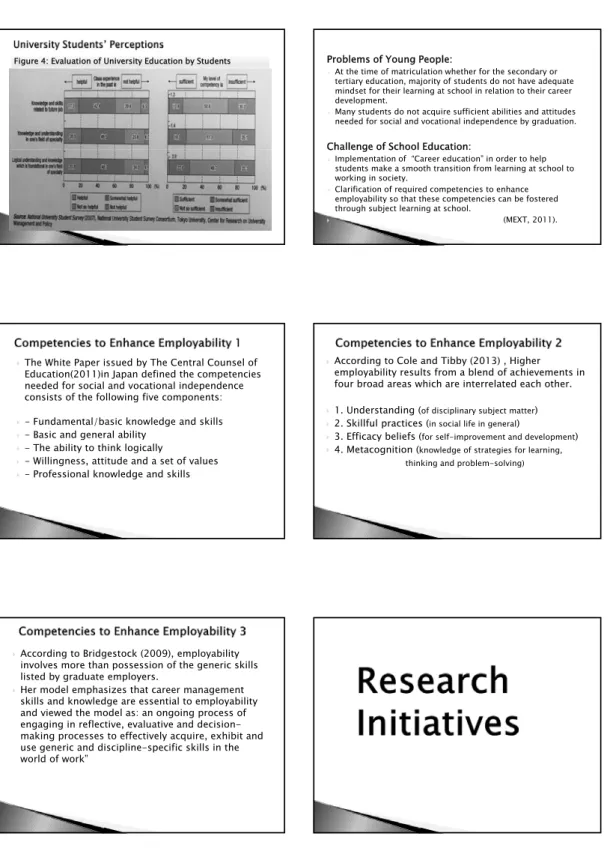
Figure 4: Evaluation of University Education by Students Problems of Young People:
¾
At the time of matriculation whether for the secondary or tertiary education, majority of students do not have adequate mindset for their learning at school in relation to their career development.
¾
Many students do not acquire sufficient abilities and attitudes needed for social and vocational independence by graduation.
Challenge of School Education:
¾
Implementation of “Career education” in order to help students make a smooth transition from learning at school to working in society.
¾
Clarification of required competencies to enhance employability so that these competencies can be fostered through subject learning at school.
`
(MEXT, 2011).
`
The White Paper issued by The Central Counsel of Education(2011)in Japan defined the competencies needed for social and vocational independence consists of the following five components:
`
- Fundamental/basic knowledge and skills
`
- Basic and general ability
`
- The ability to think logically
`
- Willingness, attitude and a set of values
`
- Professional knowledge and skills
`
According to Cole and Tibby (2013) , Higher employability results from a blend of achievements in four broad areas which are interrelated each other.
`
1. Understanding ( of disciplinary subject matter )
`
2. Skillful practices ( in social life in general )
`
3. Efficacy beliefs ( for self-improvement and development )
`
4. Metacognition ( knowledge of strategies for learning, thinking and problem-solving)
`
According to Bridgestock (2009), employability involves more than possession of the generic skills listed by graduate employers.
`
Her model emphasizes that career management skills and knowledge are essential to employability and viewed the model as: an ongoing process of engaging in reflective, evaluative and decision- making processes to effectively acquire, exhibit and use generic and discipline-specific skills in the world of work”
64 「学ぶ」と「働く」をつなぐ英語教授・学習理論の構築
`
The CTL(Contextual Teaching & Learning) system is an educational process that aims to help students see meaning in the academic material they are studying.
`
Johnson(2002) claims that this can be done by connecting academic subjects with the context of their daily lives, that is, with the context of their personal, social, and cultural circumstances.
`
In English education in Japan in which multi- purposes have existed. "English for Examination"
has been regarded as the most dominant goal.
`
(Erikawa, 2006).
`
English teaching which aims at enhancing employability has been exclusively conducted at vocational schools in a framework of ESP.
`
(Akiko Fukayama et al., 2000).
`
Almost no element of “Career education“ has been observed in English class so far.
`
More realistic approach
䞉䞉䞉䞉䞉䞉䞉?
`
Objective: To make the transition from school to work for university students more smooth by integrating “career education elements”
into English Teaching.
`
Outcome: Construction of a new English instructional model which helps English learners to form a healthy view of life and design a life long career on their own.
`
Objective:
`
To examine the relationship between university freshmen’s perception toward employment and learning and their English ability.
`
Participants: 150 university freshmen studying at a private university in Kyoto, Japan
`
Instrument: Questionnaire about freshmen’s perception toward employment and learning.
`
Analysis: Quantitative analysis using SPSS.
`
Part 1: Critical thinking ability:
`䐟
To understand the contents accurately.
`䐠
To confirm the validity of given data
`䐡
To judge the suitability of logical development
`
Part 2: Self-perception toward learning and employment.
`䐟
20 questions about Attitudes towards Future Jobs
`䐠
30 questions about Self-regulation
`䐡
30 questions about collaborative work.
`䐢