第 54 卷第 6 期
2019 年 12 月
JOURNAL OF SOUTHWEST JIAOTONG UNIVERSITY
Vol. 54 No. 6
Dec. 2019
ISSN: 0258-2724 DOI:10.35741/issn.0258-2724.54.6.6
Research ArticleElectrical and Electronic Engineering
B
IOMEDICAL
A
PPLICATIONS
B
ASED ON
M
OBILE
P
HONE
C
ELL
N
ETWORK
S
YSTEMS
基于移动电话网络系统的生物医学应用
Jafaar Fahad A. Rida
Department of Information System Computer, College of Computer Science and Information Technology, University of Sumer
Dhiqar, Iraq, [email protected]
Abstract
The paper focuses on the functionality and effectiveness of wireless mobile medical devices in tele-biomedical applications with the development of mobile wireless techniques. Medical implementation is a field for supporting the future of wireless networking. A patient who is remotely situated can be treated remotely by communicating their status to caregivers in real-time. The e-healthcare devices were created mainly to observe physiological parameters such as body temperature, level of oxygen saturation, heart rate, amount of blood sugar, blood pressure, etc. With the development of wireless technologies, however, there has been a variety of variations and improvements in e-healthcare systems. Tele-biomedical apps with wireless networks for mobile communications such as telemedicine is a distant medical practice that enables cooperation between distinct people and promotes their collaborative attempts to diagnose or treat illness through IT and telecommunications. Medical servers and databases are remote computers that assist medical personnel and hospitals analyze and monitor vital signs and provide patients with adequate facilities in real time. The tele-biomedical environment is a general word used for the use of mobile phones (handheld devices) and other wireless systems and communication devices to inform users or customers of medical preventive healthcare facilities. The scheme launched applications that can adapt to other illnesses, including elevated BP, diabetes and fever, through biometric devices such as thermometers, glucometers and densitometers to transmit patient data from an Android application based on the user's sensitivity to a social media scheme, such as a software application to monitor children's vaccination coverage.
Keywords: Biomedical Application, E-Healthcare System, Wireless Mobile Medical Device, Tele-Medicine
System, Mobile Wireless Network
摘要 随着移动无线技术的发展,本文重点关注远程生物医学应用中无线移动医疗设备的功能和有
效性。医疗实施是支持无线网络未来的领域。可以通过与护理人员实时沟通其状态来远程治疗处 于远程位置的患者。创建电子医疗设备主要是为了观察生理参数,例如体温,血氧饱和度,心率
,血糖量,血压等。但是,随着无线技术的发展,出现了各种各样的电子医疗系统的变化和改进 。具有用于移动通信的无线网络的远程生物医学应用程序(例如远程医疗)是一种遥远的医学实 践,它使不同的人之间能够合作,并通过它和电信促进他们的协作尝试来诊断或治疗疾病。医疗 服务器和数据库是远程计算机,可帮助医务人员和医院分析和监控生命体征并实时为患者提供适 当的设施。远程生物医学环境是一个通用词,用于使用移动电话(手持设备)以及其他无线系统 和通信设备,以向用户或客户告知预防性医疗保健设施。该计划推出了可通过诸如温度计,血糖 仪和光密度计等生物识别设备来适应其他疾病(包括血压升高,糖尿病和发烧)的应用程序,以 根据用户对社交媒体方案的敏感性,从安卓系统应用程序传输患者数据,例如用于监视儿童疫苗 接种覆盖率的软件应用程序。 关键词: 生物医学应用,电子保健系统,无线移动医疗设备,远程医疗系统,移动无线网络
I. I
NTRODUCTIONWireless networking technology has been improving continuously over time and finding its way more and more into all elements of our daily life. Medical applications are a field in which wireless networking can promote the future. Access and cost savings in healthcare are two of the key issues [1]. Wireless technology can help solve these problems. Wireless medical devices with radio frequency (RF) conduct at least one role that supports health care delivery by using wireless RF communication such as Wi-Fi, Bluetooth and cellular/mobile phone [2]. Examples of tasks that can use wireless technology include controlling and programming a medical device, remote monitoring of patients, or transferring patient information from the medical device to another platform such as a cell phone [3]. As RF wireless technology continues to develop, it will be increasingly integrated into medical device design [4]. Applying radio frequency (RF) communication, wireless medical telemetry is usually used to track the essential signs of a patient (e.g. pulse and respiration) [5], [6]. These phones have the benefit of enabling patient motion without limiting patients to a hard-wired link bedside monitor [7], [8]. By allocating particular frequency bands solely for wireless medical telemetry [9], [10], the Federal Communications Commission (FCC) created the Wireless Medical Telemetry Service (WMTS). The WMTS set aside 14 MHz of spectrum for main or co-primary use by eligible wireless medical telemetry customers in three specified frequency bands: 608-614 MHz, 1395-1400 MHz and 1427-1432 MHz. The WMTS produces frequencies that protect medical telemetry from interference from other sources of RF. A main characteristic of WMTS is the setting up of a Frequency Coordinator to keep a user and equipment database to enable spectrum sharing and to assist avoiding interference between
WMTS users. The operation of these systems within the particular frequency bands solely assigned to WMTS should decrease the likelihood of electromagnetic interference (EMI) with essential medical telemetry signals [11], [12]. The healthcare system is continually becoming more complicated around the globe, but as a consequence of preventable medical errors, 98,000 patients die every year, particularly in the United States. These are mistakes that might have been prevented. Most of the time, doctors and clinicians provide patient care without understanding the history of prescriptions and medical processes, leading to both wasteful duplication and sketchy clinical choices that do not consider critical patient health information. Wireless technology provides instruments that can assist situations like this. Wireless Network shows access to precise patient data, clinical history, treatments, medicines, tests, laboratory outcomes, insurance information, and so on to caregivers in real time. Healthcare companies such as hospitals, insurance organizations and government are becoming interested in investing in this region with wireless apps [13], [14]. Cost savings are one of the primary variables that lead physicians to bring lawsuits for medical errors. Management of patients and hospitals can also be very costly. Rapid developments in the field of electrical engineering, such as flexible electronics and miniaturized wireless technologies, have led to a new era of medical devices that improve the quality of life for patients suffering from a wide variety of conditions. Diagnostic, tracking, and therapy devices are becoming portable, wearable, and even implantable, giving them countless benefits over voluminous medical devices, including minimized patient discomfort and reduced expenses for both health care suppliers and owners. However, the wireless nature of these electronic biomedical devices raises a fresh set of issues from past generations of medical
devices [15], [16]. The primary worry about the wireless operation of these devices is a huge security vulnerability that malicious hackers can exploit [17].
This article will address the functionality and effectiveness of wireless mobile medical devices in tele-biomedical applications with the development of mobile wireless techniques with examples to support the assertion. The variety and severity of safety threats intrinsic in these systems will then be assessed as a transition [18], [19]. The incorporation of wireless technology into medical devices can have many advantages, including enhancing patient mobility by eliminating cables that tie a patient to a medical bed, providing healthcare experts with the capacity to remotely program systems and supplying physicians with the capacity to remotely access and monitor patient information regardless of the patient's or physician's place (hospital) [20], [21]. These advantages can have a significant effect on patients’ results by enabling physicians to access patients’ information in real time without the physician being in the hospital and enabling patient therapy to be adjusted in real time. Remote monitoring can also assist specific populations such as seniors by surveillance chronic diseases at home so that changes can be identified sooner before more severe effects happen.
Innovation in broadband and wireless medical devices is promising to improve health and reduce health care expenses for all Americans. Examples include wireless sensors that track heart rhythm remotely and portable tracking devices for glucose. With improved broadband and wireless technology, all Americans should be given the opportunity to benefit from advances in medical technology [22]. Developing and incorporating wireless and broadband communication technology with medical devices and apps needs organizations to ensure the safe, reliable and secure operation of such devices. Providing leadership and encouraging innovation and investment in fresh healthcare techniques that allow patients, physicians, and other healthcare professionals to access the greatest quality of care is essential for the federal government [23]. The American public — including sector, suppliers, patients, and other stakeholders — should have clear legislative procedures, procedures, and norms for marketing broadband and wireless medical devices. This involves clarity as to the scope of power of each agency with regard to these instruments, predictability with regard to regulatory processes, and streamlining, as necessary, the
implementation process to promote innovation while protecting patients [24]. On this initiative launched today, the FDA and the FCC agree to proactively serve the domestic interest in finding creative solutions to America's healthcare issues. All wireless technology types are facing challenges that coexist in the same space. Using either licensed radio spectrum or unlicensed in designated frequency bands, mobile wireless equipment can communicate. Licensed spectrum enables the use of specific frequencies or channels in specific places exclusively and in some instances non-exclusively. Unlicensed radio frequency devices working under FCC Part 15 regulations are subject to circumstances that do not cause "damaging interference" and any interference from the frequency band's main consumers must be accepted [25], [26].
A. Mobile Wireless Medical Devices
New and innovative applications are being considered in both the medical and healthcare fields due to improvements in the field of wireless networks. Applications are being created in the medical sector, ranging from machinery management to patient leadership. Using some of these newly accessible applications and instruments, efficiency among hospital employees is improved. Issues such as long-term support for elderly patients and intelligent homes are being discussed in the field of wireless networks in the healthcare field [27]. Research on the creation of teletrauma systems using the wireless channel is also underway. This may allow trauma specialists to be practically on the sides of patients’ beds while moving to the trauma center. In the near future, homes can be intended to care for patients or individuals with disabilities without a health care provider being present. A patient who is remotely situated can be treated remotely by communicating their status to caregivers in real-time. The very big amount of costly medical devices that are inconsistent with each other is another problem that concerns the healthcare sector. The translation of outcomes from one machine to another involves tedious routines [28]. This compatibility problem can be reduced with Wireless Technology. Implantable devices are another hot problem in the field of wireless networks. These devices can be implanted on normal day-to-day wearable Wireless sensors implanted within the body of the patient have their own significant advantages. Patients can wear sensors that monitor vital signs and report them to their doctors in real time. This helps the access issue, as patients do not have to be around the hospital all the time. This enhances
patients' access and quality of healthcare and saves cash for care suppliers. As analog and digital electronics grow rapidly with ultra-low energy consumption, in earlier uninhabitable economies, miniaturized electronic devices are becoming feasible. Medical space is one industry that demonstrates enormous potential. With the development of micro-sized, ultra-thin, versatile and biocompatible electronic devices at major research organizations and corporations, a fresh age of medical care is on the rise [29]. Biomedical devices that previously required bulky read-out equipment, large assortments of wires, and importable displays give way to wearable and implantable devices that can achieve the same functionality with significantly reduced discomfort for the patient. Furthermore, wireless medical solutions are often much more affordable for patients and reduced costs for suppliers of health care. Medical devices from prior generations require samples and sensors to be attached to the patient with lengthy cables leading off the samples to a voluminous, non-portable display/user interface [30] to accomplish patient diagnosis, tracking and therapy. The cables and bulky nature of the machines connect the patient to a hospital bed, during which their hospital visits are costly and often inexpensive. These generations' technology merely did not allow portable wireless medical devices to compete with the performance of cumbersome, importable medical systems [31]. However, with the above-mentioned developments in electrical engineering, especially in wireless communications, research-level prototypes for portable wireless medical devices are emerging across all medical industries. Examples of wearable or implantable independent medical devices already in use in the field include pacemakers, defibrillators, glucose monitoring instruments, insulin pumps, and neuro-monitoring systems. But this is only the beginning: scientists are working on developing the next generation of wireless medical devices on all fronts that will revolutionize healthcare. A smart wound dressing platform is one instance of promising studies combining the use of miniaturized sensor systems, microprocessors, and low-power wireless communications in a biomedical implementation. Ubiquitous health systems that concentrate on automated apps that can deliver HealthCare to citizens anywhere / anytime using mobile wired and wireless technologies are becoming increasingly important. As a result, handheld devices have been noted to become increasingly common for health care, particularly PDAs and smartphones.
Research efforts and the use of wireless communications techniques to extend healthcare applications' reach, scope and maneuverability [32]. Other study work showing the feasibility, comfort and effectiveness of using handheld devices to improve care delivery in fields such as clinical information transfer and electronic messaging systems. The growing acceptance for HealthCare (mobile health care) delivery of mobile technology systems such as PDAs, cell phones, and laptops is due to the flexibility and portability they give to doctors than some more computational desktop PCs. Furthermore, handheld phones and the apps bundled within them are considerably cheaper and involve very little training unlike most alternatives based on PCs. In addition, mobile devices support functions that enable remote users to synchronize private databases and provide access to network facilities such as wireless e-mail, web browsing, and Internet access, thus meeting patients or medical professionals' mobility requirements that are always on the move. The shortage of health care staff throughout the globe continues to raise major issues about health care systems [33], [34], [35], [36].
The explosive development and implementation of mobile communications over the past decade in the developing world, however, has given fresh possibilities to promote quality HealthCare. There is no doubt that mobile devices have a big impact on how we do stuff. Mobile health care systems enable precise medical data to be provided anywhere via mobile devices at any time. A number of public health projects have been piloted and used from one nation to another in latest times [37]. In terms of cost-effectiveness, scalability, comfort, wide reach and extensive popularity in the developing world, Short Message Services (SMS) stands out among these projects. SMS alerts have been shown to be especially efficient in targeting hard-to-reach rural residents where lack of HealthCare facilities, lack of HealthCare employees, and restricted access to significant health information [38]. Overall, mHealth projects promise to close the information gap that presently exists in the developing world for patient data, allowing health employees to assess the efficiency of HealthCare programs, more effectively allocate funds, and modify programs and policies accordingly.
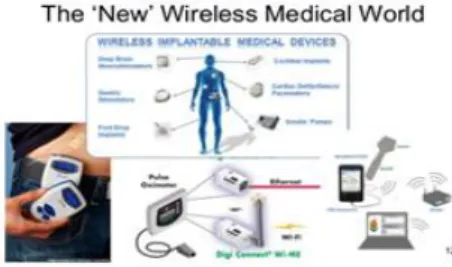
Figure 1. Some of wireless medical devices in the world
Despite improvements in portable delivery of HealthCare, there are often circumstances where patients with certain medical circumstances are reluctant or unable to go to a doctor reliably. Examples of such prevalent health issues are obesity, high blood pressure, irregular heartbeat, or diabetes, HIV / AIDS. HIV can infect anyone of any era, ethnicity, sex or sexual orientation. In these instances, individuals are generally recommended to visit their physicians on a regular basis for regular medical checks and to take certain prescribed medicines frequently. Providing more smart and personalized means by which patients can obtain medical feedback would definitely lead to savings in life, time and cost. Patient health monitoring has been a significant problem in the delivery of mobile health care [39], [40], [41], [42].
B. Generation 3.9, Mobile Wireless Networks 4 Generation and Wireless Local Area Networks (Wi-Fi)
The third generation (3 G) of wireless communication aims to provide relatively high-speed wireless communications in addition to voice support for multimedia, data and video [43], [44]. The main features of 3 G systems developed in the early 2000s are:
- High transmission rate and multimedia support: Using a single mobile device, multi-megabit internet services, video calls and mobile TV.
- Data rate: It's about 2Mbps. Bandwidth: in MHz order.
The ITU's International Mobile Telecommunications initiative for the year 2000 (IMT-2000) defined the ITU's view of third-generation capabilities as voice quality comparable to the public switched telephone network, 144 kbps of data available to users in high-speed motor vehicles over large areas, 384 kbps available to pedestrians standing or slowly moving over small areas, 2.0 support. Generally, the planned technology is digital using TDMA or CDMA to ensure spectrum efficiency and high
capacity utilization. Enhanced audio and video streaming, increased information speed several times, support for video conferencing, greater velocity internet and WAP browsing, and support for IPTV (Internet TV). Long Term Evolution (LTE) is the standard for high-speed wireless data communication for mobile phones and data terminals. It is based on GSM / EDGE and UMTS network technologies and, together with core network improvements, increases capacity and speed using a different radio interface. The 3GPP develops the standard. The LTE characteristics are: downlink peak rates of 300 Mbit / s, Uplink peak rates of 75 Mbit / s, Quality of Service (QoS) clauses allowing a transfer latency of less than 5 ms in the radio access network (RAN), the 4 generation has the capacity to handle fast-moving mobile, Supports scalable carrier bandwidths, from 1.4 MHz to 20 MHz, Orthogonal frequency-division multiple access (OFDMA) for d. 4 G offers greater information rates and extended multimedia facilities for mobile broadband Internet access. The main features of the 4 G systems are higher speed 0.1~1 Gbps, higher security, higher capacity, lower cost than previous generations, providing the digital system with voice over-IP (VOIP) technology, IPv6 core, and multiplexing orthogonal frequency division (OFDM) instead of CDMA. One of the major differences between 3 G and 4 G technology is to eliminate circuit switching, rather than using an all-IP network [45], [46].
Table 1.
The difference in mobile wireless communication networks between the 3 generation and 4 generation
Technology 3 generation 4 generation
Data transfer rate 3.1 MB/ Sec 100MB/Sec Internet services Broadband Ultra -
Broadband Mobile–TV resolution Low High Bandwidth 5- 20 MHz 100MHz Frequency 1.6 – 2 GHz 2- 8 GHz Download and upload 5.8 Mbps 14 Mbps
Instead of traditional phone lines or cables, wirelesses LANs connect computer networks via radio transmission. The benefits of these systems go far beyond getting rid of all the wires and cables. Campus networks can grow bigger geographically while maintaining all their effectiveness and velocity. Additionally, cost savings can be made if third-party telephone lines are no longer needed, saving the cost of renting
lines and maintaining facilities. Finally, for the networking specialist, flexibility in the design of campus networks improves considerably, while network accessibility and usefulness for individual users rises. 802.11 Wireless LAN Fundamentals assists networking experts in realizing these advantages by assisting them to know how to design, construct and retain these networks and how to justify their importance within organizations. The world around us is changing with Wi-Fi. The way we operate, play, and communicate [47], [48], [49] is evolving. Wi-Fi's economy is rapidly changing the landscape for providing wireless high-speed data services. With humble beginnings in 1997 in the unlicensed 2.4 GHz band as a 1 Mbps and 2 Mbps wireless standard, data rates jumped to 11 Mbps in 1999 and, most recently, to 54 Mbps in both the 2.4 GHz and 5 GHz frequency bands. As a manner for companies to make their staff more productive, it rapidly became popular by enabling them to stay attached to the network when they were away from the office. The performance of Wi-Fi equipment increased with multiple vendors building up to a common standard and an interoperability certification program provided by the Wi-Fi Alliance, while the cost declined rapidly. As a consumer technology, Wi-Fi soon became popular and is now a standard feature on many laptops and handheld devices. Single PC cards that are readily available today can operate from 1 Mbps to 54 Mbps in both the 2.4 GHz and 5 GHz bands at a cost less than what most people could pay for a cell phone. Compare this speed, mobility, and cost to the $700 that one might have paid about ten years ago for a 9600 Kbps modem, and you can see that Wi-Fi technology is accelerating at a pace comparable to a few prior technologies. IEEE 802.11, or Wi-Fi, has expanded the warehousing, inventory management and linkage of cash registers from its vertical application to a horizontal application that many of us use at home and at work. Today, Wi-Fi is mainly used as a high-speed wireless expansion of the Ethernet network around us, linking us easily and conveniently to the Internet and our office apps wherever we may be — at the office, at the airport, at home, at our favorite coffee store, or at the road park [7], [50], [51]. Wireless communication relates to the transfer between two or more points of electronic data without the use of cables or electrical conductors. In medical arenas, we see loads of cables scattered throughout interconnecting one device to another, which, apart from being just cables, can cause harm when they come into contact with patients and care workers. While these wires play
very significant tasks in the day-to-day operation of medical equipment, seeing how these wires scatter around rooms and offices is sometimes an eye-catcher. In order to prevent wires running around rooms and offices and to prevent it affecting patients and careful employees, it is necessary to create equipment for healthcare facilities work and to interact connectively but without wires. Wireless technology has been around for some moment and is now able to provide elevated information rates and brief range reliability. Some wireless systems currently in use are wireless LANs that provide flexibility and reliability for users of company computers, Bluetooth, WLAN, PAN, and cell phones. With wireless technology in medical arenas today, patients do not have to be in hospitals at all times as there are now devices implanted in the patient's body that can be used to monitor patients and their medical situations with the right technology in place, patient data is now easily accessible and costs are minimized, bed space is saved. Through video conferencing, doctors can communicate with each other on the medical situation of the patient and can easily obtain medical history from patients. A patient can be at home and watched far away in clinics. Wireless technology is a blessing for all areas of life, particularly in the field of medicine [4], [10], [52], [53], [54].
II. M
ATERIAL ANDM
ETHODThe extensive use of mobile technologies and their user-friendly health-related applications has created a new e-health paradigm known as m- Health. According to the International Telecommunications Union, the world now has more than 5 billion mobile subscriptions, with more than 85% of the world's population now covered by a commercial wireless signal [30]. These networks' growing sophistication – offering higher and higher data transmission speeds along with cheaper and more powerful handsets – is transforming the way in which health services and information are accessed, delivered, and managed. The possibility of greater personalization and citizen-focused public health and medical care comes with increased accessibility [55]. The e-healthcare and now its mobile version, m-healthcare, the system basically includes Wireless Body Sensor Networks (WRSN) or Wireless Personal Area Networks (WPAN) to provide patients with higher quality medical services and more efficient medical responses. In such an e-healthcare / m-e-healthcare systems, the medical instrumentation or the biomedical sensors placed
around patient's body gather the vital parameters (e.g. heart rate, pulse rate, oxygen saturation level, sugar level, blood pressure, and many medical alarms) with report of them to remote healthcare service provider and/ or physician immediately for real time and long – term monitoring. Models and formats viz. e-healthcare systems have been developed. Tele – home healthcare consisting of a cuffless blood pressure meter, ring – heart rate monitor type and Bluetooth – ECG-based monitor, wrist – wearable cardiac telemedicine monitor (AMON) and a generic belt – embedded home and hospital computing platform (QBIC), mobile / smartphone physiological parameter tracking and more reporting in [57]. There are mobile and e-related elements and difficulties – healthcare systems: 1) Questions concerning architectural design and execution, 2) Data and networking integration. 3) Maintaining the privacy and data of patients. This document describes the present status of mobile and e-healthcare systems in the framework of the above-mentioned elements and difficulties and future trends [58], [59].
A. Models and Schemes for E-Healthcare
There are many reasons to innovate the mobile and e-healthcare systems, e.g. daily monitoring of essential physiological parameters in order to detect an unusual incident by outpatient surveillance. For example, a telephone – home healthcare system was proposed for remote monitoring of patients [8], [11]. The system uses wearable equipment, wireless communication and multi-sensory information fusion techniques (cuffless blood pressure meter, ECG, PPG, and measurements of biomedical instrumentation). A body sensor network (BSN) has been suggested in writers that allocate additional funds to a significant parameter such as ECG that maintains data security over the network. The IEEE 802.11/WLAN and IEEE 802.16/WiMAX embedded network can introduce synergetic improvements to telemedicine services on mobile user coverage, information, prices and quality of service (QoS) provisioning. This embedded network will provide facilities such as emergency telemedicine, portable medical information, portable robotic system and pre-hospital care. The 2G-based healthcare and patient surveillance systems – RFID, Bluetooth – allowed with 802.15.4 low information rate WPAN with 802.11 WLAN in the home patient surveillance scheme and multi-user wireless network were suggested in [54], [60]. Smart wearable clothes such as ProeTEX (Protective Electronic TEXtiles for Emergency
Operators) and Heally recording system with ECG / EMG / EOG electrodes, multiple electronic modules and NiMH batteries) installed on a jacket. Automatic sleep classification wake, fast eye motion (REM) and non-REM are created in a sensorized T-shirt based on heart rate variation (HRV), breathing and motion signals. Systems have been created for wireless powered fabric patch sensors or biomedical devices for ECG recording at very low power [61], [62].
1) The E-Health Care Systems Based on Cellular and Smartphone
A Mobicare cardio surveillance scheme composed of a cell phone integrated with real-time ECG processing algorithms – QRS complicated detection, Q onset, T offset (MobiECG), A Bluetooth – allowed ECG sensor, a web-based server, a patient database and a biomedical detector or biomedical device user interface [21], [22], [23]. In this context, the ECG processing is performed by MobiECG and it will send the abnormal ECG data to alarm physicians via a cellular network (3.9 g/4 G) only when it detects an abnormal ECG signal to hospitals or care centers. The scheme comprises of a network coordinator and a private computer operating on a PDA. HeartToGo is a windows phone smartphone-based cardiac disease (CVD) detection system that is capable of acquiring and displaying ECG in real time, extracting features and beat classification. The contraction (PVC) as well as the generation of the cardiac summary report consisting of the average, high, low heart rate and the total number of beats, as well as the number of normal beats and PVC. The contraction (PVC) as well as the generation of the cardiac summary report consisting of the average, high, low heart rate and the total number of beats, as well as the number of normal beats and PVC. MobiHealth Vital Telemonitoring – Body Area Network (BAN)-based therapy system and mobile healthcare platform using 3.9 generation or 4 generation wireless networks, smartphone-based body area network (SBBANS) system, Android-based fall detection system with physiological information tracking, mobile multi-functional health surveillance system, human activity recognition system with Android-based smartphone accelerometer information and GPS. Daily mood evaluation with mobile phone sensing, portable EOG – human computer-based healthcare interface (EyePhone), smartphone-based sleep measurement and modeling algorithm, android-based mobile healthcare system with PSoC and cloud storage, Continuous surveillance of home-bound elders and patients based on smartphones has been discovered in the
literature, which has used cell phones and smartphones widely for effective, wearable and mobile healthcare devices [54], [60], [61], [62], [63].
2) Chip System (SoC) E-Health Modules
A portable system on chip for ECG monitoring has been developed which is capable of implementing configurable functionality with low power consumption. The SoC is deployed in 0.18 um CMOS method and consumes 32 uw of a 1.2v while the application for heartbeat detection is running and is incorporated with Bluetooth protocol into a wireless ECG surveillance scheme. A low-power biosignal acquisition and classification scheme composed of 1) a high-pass signal delta modulator-based biosignal processor (BSP) for signal acquisition and digitalization, 2) low-power, super-regenerative on – off keying transceiver for short-range wireless communication, and 3) an ECG classification digital signal processor (DSP). The chips are also manufactured in the TSMC 0.18um normal CMOS process in this scheme. For the detection of respiration, an airflow sensing chip is suggested to integrate MEM detectors with their CMOS signal processing circuits. The airflow sensors were produced using a mixed signal process of 0.35um CMOS / MEMs 2P4M. A wearable neurofeedback device for mental status surveillance with ECG and transcranial electrical stimulation is suggested with a low-power neurofeedback SoC (NFS) [64], [65].
3) E-Health Cloud-Based Systems
The evolution of mobile and e technology – healthcare, health concept – cloud was described the related default gateway also shifts when a mobile patient's location changes, and consequently the optimum mapping between the server and the mobile node also changes. An ideal resource allocation framework for health based on auction theory – cloud to track the health situation of the patient. Existing cloud-based e-healthcare apps provide single-sign-on (SSO) protocol access to their services. There is another system called the cloud chord (COC) to overcome both the cloud gateway's enhanced execution load and the identity provider. Other problems linked to cloud-based e-healthcare technologies such as information safety, data/image compression, a combination of cryptographic and watermarking methods to combat insider assaults on medical data of patients, improving computing ability. For multimedia medical information in particular, database management schemes for accessing sensitivity information via personal cloud and government information via government cloud,
thus creating a hybrid cloud, the privacy-conserving protocol for dynamic medical text mining (PPDM) in cloud-assisted e-health system [66], [67].
4) Application Mobile and E-Domains — Healthcare
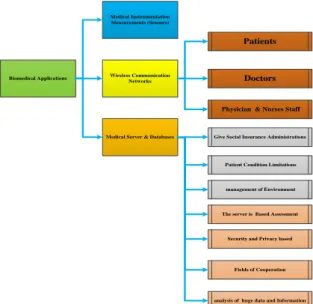
The e-healthcare devices were created mainly to monitor physiological parameters such as body temperature, level of oxygen saturation, heart rate, amount of blood sugar, blood pressure, etc. [56]. However, there has been a variety of variation and improvement in e-healthcare systems with the evolution of wireless technologies. Three main sections 1) Medical Instrumentation Measures (Sensors), 2) Wireless Communication Networks, and 3) Medical Server & Databases as shown in Figure 2 include biomedical apps with mobile wireless communications networks. In the use of contemporary data and communication techniques for health services, biomedical implementation has become an important component. Telemedicine's oldest mention in cardiology dates back to the early 20th century when electrocardiographic information was first transferred over telephone wires. Telemedicine is a distant medical practice that enables cooperation between people and promotes their collaborative attempts to diagnose or treat illness through IT and telecommunications [68], [69]. This domain needs multidisciplinary progress, particularly in the use of telecommunications, computer science and instrumentation for the exchange and administration of medical data.
This part discusses and summarizes telemedicine sensor techniques and problems that can provide patients with reliable and ongoing surveillance. Wireless Body Area Networks (WBANs) are wireless sensors that consider small smart devices to collect and transmit patients' essential signals. The sensor-based category has been researched in various fields, including reliability, energy efficiency, service quality (QoS), security- and privacy-based sensors, assessment- and evaluation-based sensors and ontology-based sensors. Numerous studies have discussed the reliability of sensor systems in the first domain except in four primary fields: quality of connection and packet delay, congestion control, electromagnetic interference (EMI) and false alarm detection (FAD). In the telemedicine setting, the wireless communication network (Gateway) is a particular word for the use of mobile phones (handheld devices) and other wireless systems and communication systems to inform users or customers of preventive medical care facilities [70], [71], [72], [73]. The 3.9 generation mobile
wireless and 4 generation have a wide bandwidth and ability to work with multimedia biomedical information such as disaster management, network management, ambient aided living (AAL), integration and aggregation, therapy support and illness surveillance, mobile user interfaces (MUI) adaptation, decision support system (DSS) and gateway for assessment and assessment. Biomedical Applications Medical Instrumentation Measurements (Sensors) Wireless Communication Networks
Medical Server & Databases Give Social Insurance Administrations Patient Condition Limitations management of Environment The server is Based Assessment
Security and Privacy based Fields of Cooperation analysis of huge data and Information
Patients
Doctors
Physician & Nurses Staff
Figure 2. Biomedical applications with mobile wireless networks
Medical server and database are remote computers that support the analysis and monitoring of vital signs by medical employees and hospitals and provide patients with suitable services in real time. The server is also able to handle, organize and assist telemedicine experts. It usually includes a server of medical institutions, history, and database of patients, and generation of services. The medical server has been researched in seven domains in accordance with the characteristics and contributions provided on the telemedicine server side, which are environmental management, evaluation and evaluation, collaborative areas, servers based on safety and privacy, big data analysis, patient triage, and health facilities. The medical server evaluated the features and effectiveness of common telehealthcare systems aimed at establishing user-friendly, omnipresent and patient-centered systems for caregivers and their patients, depending on the ongoing application of clinical guidelines and semantically combined electronic health records as shown in Figure 2 [59], [74], [75], [76].
III. S
YSTEMA
NALYSISIn specific, a general three-tiered omnipresent telemedicine scheme based on the Wireless Body Area Network (WBAN) was used for real-time
and continual surveillance of health care. In section 1, users obtain their vital signs by means of sensors such as the electrocardiogram (ECG) for the graphical measurement of heartbeat and oxygen saturation (SpO2) for the measurement of blood oxygen concentration by biomedical instrumentation measurements. In Section 2, the measurements acquired are transferred to private gateways, such as handheld devices, personal digital assistants (PDAs) and personal computers, all using LAN (Bluetooth and Zigbee) and WBAN protocols. Medical information is sent through comprehensive wireless link protocols or Internet facilities from section 2 to section 3. Section 3 includes health care providers in medical institutes (MIs) that perform a certain operation and produce services that are returned as user answers. Figure 3 shows the entire system cycle.
Figure 3. Mobile wireless network for biomedical applications
In this context, as the biomedical mobile wireless requirement should consist of three parts, section 1, section 2, and section 3. Section 1 and section 2 can, however, constitute a client side, while section 3 is a medical center linked to remote hospitals and medical experts to provide healthcare facilities. Three primary parts were noted in the literature on telemedicine apps as shown in Figure 2, which are Medical Instrumentation Measures (Sensors) (Section 1), Wireless Communication Networks and Internet (Section 2), Intelligent Healthcare Applications Body Section -1 Section -2 Section -3 Sensors Wireless and Wired Network Motion Sensor EMG, Blood Pressure and Sensor Ear Sensor ECG Immediate Family Sensors Communication Layers Alarming, Pro-active side, medical databases, and server of medical centers (Section 3). Telemedicine sensor technologies and problems that can provide patient reliable and ongoing tracking. Wireless body area networks (WBANs) consist of wireless sensors that
Biomedical Instrumentation Measurement System
Section 1
Wireless Medical Devices , Clients & Mobile Phone (Smartphone)
Section2
Internet & Wireless and Wired Networks Section 2
Medical Server & Databases Section 3
Emergency & Family Immediately Patients & Physicians
Section 3
Biomedical Instrumentation measurement ( Biomedical Sensors) Tele-Communication (Internet & Mobile wireless 4G)
consider small smart hardware to collect and transmit essential signals from patients such as biomedical devices. The category of sensors based on biomedical instruments (Section 1) has been researched in various areas, namely reliability, energy efficiency, service quality (QoS), sensors based on safety and privacy, assessment- and evaluation-based sensors and ontology-based sensors. In the first domain, sensor technology reliability except in four primary fields: quality of connection and packet delay, congestion control, electromagnetic interference (EMI) and false alarm detection (FAD). In the healthcare scheme, the system created real-time publishes-subscribe middleware features and retained a collection of QoS to help real-time information transmission. An infrastructure-based technique was provided to improve the quality of telehealth apps by controlling the distribution and quality of Internet traffic among machines linked in network settings in the home region. The research enhanced the efficiency of WBAN's MAC protocol which, based on the user's medical condition and channel circumstances, implemented traffic prioritization and adaptive resource allocation. The second area dealt with in Section 1 is sensor energy efficiency in telemedicine technology. The energy efficiency of sensor systems has been discussed in two ways in numerous research: traffic routing and data packet transmission. The routing concentrated on high-energy efficiency and reliable data transmission by decreasing energy consumption, extending the life of the network and ensuring on-time performance by enhancing system predictability. The third domain dealt with sensor QoS in telemedicine technology and concentrated on WBAN QoS, which is a provisioning parameter for extracting QoS performance metrics such as packet loss frequency, throughput, and delay. The fourth sensor domain discussed sensor information safety and privacy in telemedicine techniques and submitted a prototype biomedical sensor implementation that introduced TinyECC to secure wireless communication between sensor nodes and to study the feasibility of using TinyECC in real-time sensor networks. Improved the secure logging of information collected from the nodes in a wireless sensor network and provided multiple levels of security to achieve encryption and a distance bounding test to deny long-distance attacks; the method is used for medical devices in body area networks (BANs) where security is imperative. Wireless Communication Networks and the Internet (Gateway) in the
telebiomedical setting is a particular word for the use of mobile phones (handheld devices) and other wireless systems and communication systems to inform users or customers about preventive healthcare facilities in medical care such as disaster management, network management, Ambient Assisted Living (AAL), inclusion and aggregation. In the first domain, various studies discussed therapy assistance and disease surveillance and undertaken research to track and handle patients with chronic illnesses, as well as BP, heart rate (HR) and body temperature, either using biometrics, such as portable machine learning model, or a fresh device, namely, Arduino Mega micro-system. The scheme launched apps that can adapt to other illnesses, including elevated BP, diabetes and fever, through biometric systems such as thermometers, glucometers and densitometers to transmit patient data from an Android application based on the user's sensitivity to a social media scheme, such as a computer application to monitor children's vaccination coverage. The second domain in the communication chapter presents a mHealth scheme using tsunami-stricken catastrophe scenarios and introduces a platform to develop a smart surveillance system for field accidents and emergency centers and proposes a real-time evaluation scheme for patients using portable electronic triage integrated with crowd source and sensor data. Providing situational awareness for rescue activities and urban searches in indoor/outdoor environments and focusing on monitoring pilgrims under secure circumstances in the holy region in the event of natural disasters. The Ripple Project generated a sensor medical BAN used in disasters to assist in the triage and collect patient physiological information. The third domain provided a linear sequential data modeling strategy (i.e. GUDM) with an expert-centered priority-based strategy and suggested a theory-based strategy and highlighted architecture, technology, and algorithmic solution design of choices. The fourth domain in the chapter is concentrated beyond WBAN communications either by proposing a radio resource allocation system or by implementing a priority-aware ability sharing system and multi-attribute decision-making algorithm that supports the mobile patient and dynamically chooses the best network by offering a ranking order among the applicants available. The multiuser sharing system was suggested with various medical data and a mobile ad hoc network-dependent strategy was explored to address the problems of improving patient monitoring-related
communication reliability. A ubiquitous system was created in the fifth domain discussed in the category of wireless communication and Internet involving the processing of video and audio that supports automatic fall detection for patients. The improvement is intended and implemented through the provision of knowledge-based services and data on a semantic, data-driven and cloud-based backend platform. In a home setting, the actions of a single person are inhabitants to simulate daily activity and trends in ICTs. In an urban setting, the feasibility of medical alarm dissemination through mobile phones was assessed when congestion or failure occurs in the network infrastructure.
The medical center server is a remote computer that supports the analysis and monitoring of essential indications by medical employees and hospitals and provides patients with suitable services in actual time. The server is also able to handle, organize and assist telemedicine experts. It usually includes a server of medical institutions, history, and database of patients, and generation of services. The Medical Center Server (Section 3) was submitted in seven fields in accordance with the characteristics and contributions provided on the tele-biomedical server side, which are Environment Management, Assessment and Assessment, Cooperation Fields, Security and Privacy Server, Huge Data and Information Analysis, Patient Condition Limitations and Healthcare Services. Using the suggested system to ensure confidentiality, integrity and fine-grained access control of outsourced medical information, the security of medical data produced by medical sensor networks. Domain areas of cooperation describe and review various actions and areas of cooperation that interact with each other on the telemedicine medical center server. Cooperative environment and professional tele-expertise. The collaborative environment particularly involves incorporating a u-healthcare environment into the virtual organization. Individual physical environments, therefore, share data collected from sensors and computers or devices via WSN and enhanced healthcare data systems to provide a nice amount of data and implement distributed and heterogeneous resource access alternatives that fully fulfill user demands in different circumstances. In addition, countless studies provided tele-expertise among experts, which is the second region in the areas of cooperation. Big data is a notion, which refers to data that exceeds the standard database systems' handling ability. Big data in the healthcare sector refer to electronic health datasets that are so large and
complex that they are difficult to manage using traditional or common data management methods and traditional software and/or hardware. Environmental leadership is essential to healthcare organizations for multiple reasons, such as vibrant procedures and distributed hospital organization. This research created a new algorithm/network called Bio Cog to implement cognitive networks for the transmission of medical information using the effective technique of distribution of frequency spectrum. The proposed and used in hospital management, monitoring, and collection of essential indications of sensors such as BP, (HR), body temperature, and respiratory rate. The information collected will then be stored in a database and the suggested MAS will consist of four agents, namely admin, control, query and information agents. The idea was first used in warfare when a scheme was required to prioritize all deaths and provide instant care to the most severely wounded and in the hospital domain, triage has traditionally relied on nurses' capacity to prioritize situations, originally by sorting patients who arrive at the ED by rapidly identifying those who need instant care owing to urgent, life-threatening situations. A skilled triage physician assesses the status of a patient, notes any modifications and determines the priority of the patient for admission to ED and significant treatments. Triage patients are shifted to suitable therapy fields. A triage area with designated spaces may be needed to separate patients who have recently moved from the site of the incident from those who have already been triaged and who are ready to move to the appropriate treatment area. The triage staff must maintain a tally of the total amount of triaged clients and the amount allocated to all classifications. In addition, to monitor changes in patient conditions, the triage officer must repeat the triage sequence at regular intervals. The framework for multi-sources healthcare architecture (MSHA) to enhance the effectiveness of healthcare problems, such as scalability, and enhance remote triage procedures and patient priorities. A 3D real-time interactive system, namely physical therapy as a service (PTaaS), to assist therapists to track patient performance remotely within the PTaaS exercise balance evaluation program, implement PTaaS interface characteristics and provide verbal, auditory and visual signals to obtain appropriate exercise movements. The framework consisting of WBSNs, service-oriented architecture, and web-based services to provide healthcare services in both clinical and non-clinical settings to patients, caregivers, and
doctors. These facilities include emergency warning service, medication, video conferencing, and general data such as giving emergency numbers, local location data about neighboring clinics, mail IDs, and quick health status intimation caregiver details. A hierarchical particle swarm optimization algorithm with cyclic ortho-circles that function effectively in dynamic environments. The algorithm gets the application from various resources in the cloud, uses multi-swarm interaction, and uses hierarchically cyclic and orthogonal characteristics to provide the closest optimal solution. Service provision relates to the transmission to the licensed physicians of the alert SMS regarding the status of the patient (in case of abnormality). The SMS details are patient ID, abnormal parameter value, abnormality, gender, age, and name. The architecture depends on the ontological capacity to monitor chronic disease patients ' exercise routine and healthcare recommendations.
This architecture allows chronic disease patients to enhance their eating and exercise routine. In the event of abnormal health status, a people-centered sensing framework was provided for tracking and offering healthcare facilities to people, particularly elderly and disabled individuals, with service-oriented emergency reaction. Relatives can see the alarm status, unusual physiological parameters, and the disabled patient's place. A remote monitoring system for surveillance HR and transmitting vital signs to the tracking center to create fast-acting and alert medical teams and doctors if the elderly patient's health is at the point of danger. Remote tracking and updating patients with fresh medication data that a prescriber can perform by using the Web according to the patient's schedule and situation. The information is collected from the sensor side remotely, and then the alarm is generated depending on the level of emergency. Through the Web, after comparing patients' drug-taking practices, the scheme can assist save future references and update drug data according to the need. It can at any time diagnose the overall status of patients, perform long-term monitoring for daily patient measurement in clinics, and be used for self-examination and nurse monitoring to minimize the incidence of fatigue-related errors. As the amount of patients in the hospital continually rises in line with catastrophe scenes and aging of the population, health care facilities and medical resources will decrease, resulting in less availability of healthcare facilities. Furthermore, as the amount of patients continues to increase, the medical
center should use any advanced system efficiently to meet this increasing demand for the system. Increasing requirements for healthcare services have also resulted in the immediate need for efficient and scalable healthcare services [19], [77], [78], [79], [80], [81], [82], [83], [84], [85], [86], [87].
IV. C
ONCLUSIONTelemedicine is a distant medical practice that enables cooperation between distinct people and promotes their collaborative attempts to diagnose or treat disease through IT and telecommunications. Management of data and services should be linked to hospitals and telemedicine systems in ordr to share medical resources and prevent the chronic shortage of health care services in the event of increased demand for health care services. In such a situation, a management scheme for healthcare facilities can manage the burden on healthcare services between hospitals as well as identify a suitable hospital to handle and provide patients with precise services. In addition, chronic heart disease has been established as a case study in these studies as evidence of idea in a distant surveillance setting. The following research shows further inquiry of chronic heart illness in the distant surveillance setting. Medical Instrumentation Measurements (Section 1), Wireless Communication Networks and Internet (Section 2), Intelligent Healthcare Applications Body Section -1 Section -2 Section -3 Sensors Wireless and Wired Network Motion Sensor EMG, ECG, Blood Pressure and Sensor Ear Sensor ECG Immediate Family Sensors Communication Layers Alarming, Medical Databases and Medical Sensors. As the number of patients is continuously in accordance with disaster scenes and population ageing, healthcare services and medical resources will reduce in the hospital, causing less availability of healthcare services. Moreover, as the number of patients is continuously increasing, the medical center should effectively use any developed system to accommodate this growing system demand.