• 検索結果がありません。

Expression analysis of genes for cytochrome P450 CYP86 and glycerol-3-phosphate acyltransferase related to suberin biosynthesis in rice roots under stagnant deoxygenated conditions

N/A
N/A
Protected

Academic year: 2021

シェア "Expression analysis of genes for cytochrome P450 CYP86 and glycerol-3-phosphate acyltransferase related to suberin biosynthesis in rice roots under stagnant deoxygenated conditions"

Copied!
19
0
0

読み込み中.... (全文を見る)

全文

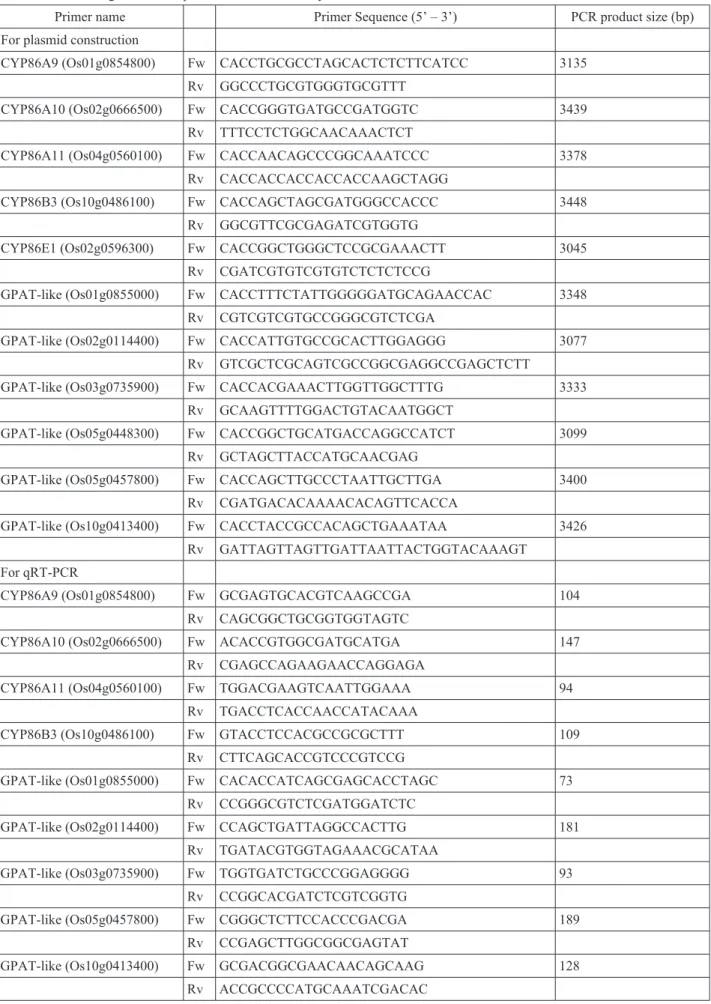
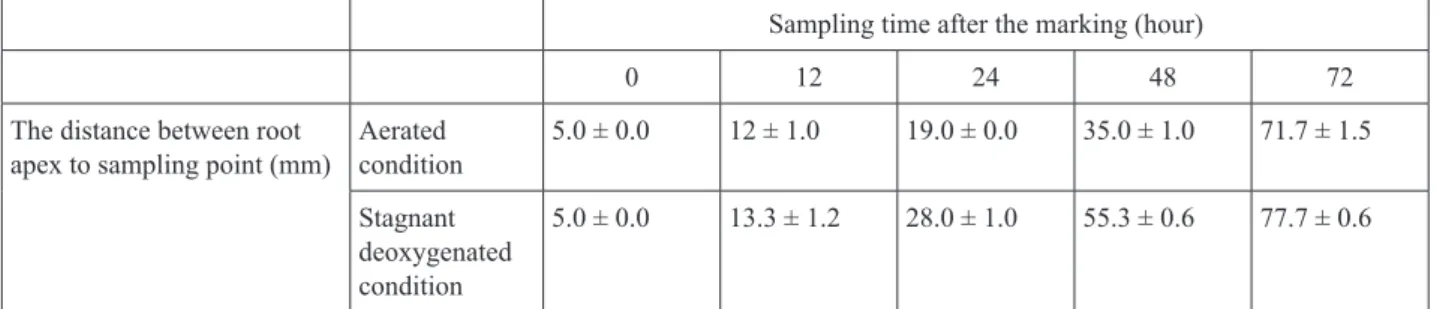
www.plantroot.org 19. OOrriiggiinnaall rreesseeaarrcchh aarrttiiccllee . RReevviieeww aarrttiiccllee SShhoorrtt rreeppoorrtt . Nishiuchi S, Watanabe K, Sato S, Takahashi H and Nakazono M 2021 Expression analysis of genes for cyto- chrome P450 CYP86 and glycerol-3-phosphate acyltransferase related to suberin biosynthesis in rice roots under stagnant deoxygenated conditions. Plant Root 15:19-35. doi:10.3117/plantroot.15.19 Copyrights 2021, Plant Root (JSRR), www.plantroot.org. Expression analysis of genes for cytochrome P450 CYP86 and glycerol-3-phosphate acyltransferase related to suberin biosyn- thesis in rice roots under stagnant deoxygenated conditions. Shunsaku Nishiuchi1,co, Kohtaro Watanabe1,co, Saori Sato1, Hirokazu Takahashi1 and Mikio Nakazono1,2. 1Graduate School of Bioagricultural Sciences, Nagoya University, Furo-cho, Chikusa, Nagoya 464-8601, Japan 2UWA School of Agriculture and Environment, Faculty of Science, The University of Western Australia, Perth, WA 6009, Australia. coCo-first authorship. Corresponding author: S. Nishiuchi, E-mail: [email protected], Phone: +81-561-37-0205, Fax: +81-561-37-0205, M. Nakazono, E-mail: [email protected], Phone: +81-52-789-4017, Fax: +81-52-789-4017. Received on January 19, 2021; Accepted on April 21, 2021. Abstract: The radial oxygen loss (ROL) barrier formed on the outer cell layers of roots of rice (Oryza sativa) contributes to efficient oxygen trans- fer through the aerenchyma from the aerial parts to the root apex. It is hypothesized that suberin accu- mulation in the exodermis contributes to an apo- plastic barrier and plays a vital role in ROL barrier formation. A previous study reported that some genes encoding cytochrome P450 family 86 (CYP86) and glycerol-3-phosphate acyltransferase (GPAT) might be involved in suberin biosynthesis during ROL barrier development of rice roots. However, how these genes are expressed and their contribution to the sequential development of suberin accumulation in rice roots remains unclear. In this study, four CYP86 and five GPAT genes of rice were identified as candidate genes involved in suberin biosynthesis in roots using sequence ho- mology alignment with Arabidopsis suberin and cu- tin biosynthesis genes. Gene expression analyses revealed that expression of the candidate genes was induced at the region where suberin biosyn- thesis occurred under stagnant deoxygenated con- ditions. These genes showed two types of spatio- temporal expression patterns, at the regions of 5–25 mm and 25–35 mm from the root apex. Tissue-specific expression analyses using laser microdissection and histochemical GUS staining revealed that candidate gene expression was simi- lar in the cell layer of the root exodermis. These re-. sults suggest that the selected CYP86 and GPAT genes are involved in suberin biosynthesis in the exodermis, and that suberin biosynthesis in the root may be controlled by the spatiotemporal ex- pression of two groups of genes.. Keywords: cytochrome P450, glycerol-3-phosphate acyltransferase (GPAT), rice (Oryza sativa L.), spa- tiotemporal gene expression, suberin. Abbreviations: CYP, cytochrome P450; GPAT, glycerol-3-phosphate acyltransferase. Introduction. Under waterlogged soil conditions, oxygen supply to the roots is remarkably limited, with the available oxygen being used for respiration of plant roots and surrounding microorganisms, thereby resulting in anaerobic conditions within several hours to several days (Jackson and Campbell 1976, Lynch and Harper 1980). Under these conditions, reduction reactions by anaerobic edaphic microorganisms result in increased concentrations of metallic ions such as Fe2+ and Mn2+, as well as sulfide ions such as HS- and S2-; at the same time, accumulation of organic acids such as acetic acid and propionic acid occurs via metabolic reactions (Ponnamperuma 1972). As these substances are toxic to plants, physiological d isorders such as metabol ic. www.plantroot.org 20. the three-dimensional structure of complex suberin polymers (Pollard et al. 2008, Beisson et al. 2012).. Among the hydroxylases of Arabidopsis cytochrome P450s (CYP), the CYP86, CYP94, and CYP96 families have ω-hydroxylation activities of fatty acids, and CYP86A1 and CYP86B1 have been reported to be involved in suberin biosynthesis (Höfer et al. 2008, Compagnon et al. 2009).. The eight glycerol-3-phosphate, acyl-CoA acyltransferase (GPAT1-GPAT8) catalyze the transfer of acyl groups from acyl-CoA to glycerol-3-phosphate to form sn-2 monoacylglycerol, and mostly participate in suberin and cutin biosynthesis in Arabidopsis (Beisson et al. 2012, Yang et al. 2012). Arabidopsis GPAT5 and GPAT7 are required for suberin biosynthesis and GPAT4, GPAT6, and GPAT8 participate in cutin biosynthesis (Yang et al. 2012).. Previously, Shiono et al. (2014b) reported that several rice CYP and GPAT genes show specific expression patterns in the outer parts of the proximal tissues of adventitious roots under stagnant deoxygenated conditions, and are involved in the biosynthesis of suberin, which is assumed to contribute to the ROL barrier. However, it was unclear how the CYP and GPAT genes were expressed along with root elongation in the regions where suberin accumulation occurred.. Oryza sativa has 35 CYP genes belonging to the families of CYP86, CYP94, and CYP96, and 16 GPAT genes (Nelson et al. 2004, Yang et al. 2012). The aim of this study was to identify CYP and GPAT genes involved in suberin biosynthesis in rice roots by selecting genes with sequence homology to Arabidopsis, and by investigation through gene expression analysis. This was based on the hypothesis that rice CYP86 and GPAT genes involved in ROL barrier formation are specifically expressed in the exodermis at the root ROL barrier fo rmat ion s i tes and cont r ibu te to suber in biosynthesis in different ways.. Materials and Methods. Plant materials and growth conditions. Rice (O. sativa L.) ‘Nipponbare’ was used in this study. In each experiment, seeds were soaked for 30 min in 0.6% (w/v) sodium hypochlorite for surface sterilization. Seeds were then washed thoroughly with deionized water, and placed in Petri dishes containing deionized water for 2 days in darkness at 28°C. After 2 days of imbibition, germinated seeds were placed on a stainless mesh floating on aerated quarter-strength nutrient solution (Colmer 2003a), and the pots were placed in a growth chamber (LH- 411SP; Nippon Medical & Chemical Instruments. abnormalities can occur (Jackson and Taylor 1970, Drew 1983).. To adapt to waterlogged soil conditions, plants possess effective mechanisms to transport oxygen in roots and to oxidize the rhizosphere around the root apex. Under anaerobic reduction conditions, many gramineous plants (i.e., plants in the family Poaceae) deve lop p r imary ae renchyma ( lys igenous aerenchyma) via selective programmed cell death of the root cortical tissue, thereby creating a pathway for oxygen to be transported to the root apex to cope with root anoxia (Jackson and Armstrong 1999, Yamauchi et al. 2018). Oxygen in the aerenchyma is not only consumed by respiration of surrounding cells but also leaks out of the aerenchyma into the rhizosphere by diffusion (Armstrong 1964, 1979); this oxygen leakage is called radial oxygen loss (ROL). In species that are highly tolerant to waterlogging, in addition to aerenchyma, barriers are formed in the outer layer at the base of the roots to inhibit apoplastic transport. The apoplastic barrier that suppresses ROL from the aerenchyma to the rhizosphere is called the ROL barrier, and increases the amount of oxygen transported to the root apex (Armstrong 1979, Colmer 2003b, Ejiri et al. 2021).. The ROL barrier occurs around the outer cell layers of roots (Armstrong et al. 2000). Histochemical and analytical chemical analyses have shown that accumulation of biopolymers such as suberin and lignin occurs in the cell walls of the outer cell layers of the roots of reeds (Phragmites australis) and rice (Oryza sativa) growing under flooding conditions, suggesting that these secondary metabolites may constitute the ROL barrier (Armstrong et al. 2000, Kotula et al. 2009).. The ω-hydroxylation of fatty acids and the transacylation of acyl-CoA to glycerol-3-phosphate are key steps in suberin biosynthesis (Franke and Schreiber 2007, Pollard et al. 2008). Suberin monomers are biosynthesized in the cell and transported out of the cell, and then polymerized into suberin polymers in the cell wall by an esterification reaction (Franke and Schreiber 2007, Pollard et al. 2008). The esterification reaction is a dehydration condensation reaction of an alcoholic hydroxyl group and a carboxyl group. The ω-hydroxylation reaction of fatty acids which increases the number of alcoholic hydroxyl groups of fatty acids is thought to be related to the number of crosslinks in suberin polymers, which depends on the number of functional groups of alcoholic hydroxyl and carboxyl groups.. The acyl group transfer reaction from acyl-CoA to glycerol-3-phosphate is a reaction that adds an acyl group to glycerol, involved in cross-linking between monomers, and is thought to be involved in. www.plantroot.org 21. Co., Ltd, Osaka, Japan) for 7 days at 28°C (lighting conditions: PAR of 250–300 μmol m-2s-1; 24 h light).. After 9 days of imbibition, 9-day-old plants were held with a floating soft sponge of 2 cm thickness in 5 L pots (height 250 mm, depth 120 mm, width 180 mm) containing aerated full-strength nutrient solution (dissolved O2 ≧ 7.0 mg L-1, quantification with a dissolved oxygen meter; SevenGo pro-SG6, Mettler Toledo, Schwerzenbach, Switzerland) or the stagnant deoxygenated solution for 14 to 16 days. Stagnant deoxygenated solution contained the same strength nutrient as in the aerated condition treatment, and 0.1% (w/v) agar; this solution was deoxygenated by bubbling with nitrogen gas (Wiengweera et al. 1997). The dissolved oxygen level was lower than 0.5 mg L-1. The solutions were renewed every 7 days. To prevent the entry of light in the roots, the pots were wrapped with aluminum foil, and the surface of the floating foam, which held each plant at the shoot base, was also covered on the upper side with aluminum foil. Adventitious roots of 23- to 25-day- old plants were used to measure root ROL, for histochemical staining of suberin, and for gene expression analyses. The experimental design for all experiments were two growing conditions with 1–2 adventitious roots/plant and with 3–5 plant replicates. Adventitious roots which emerged after the transfer of the plants to aerated or stagnant deoxygenated conditions were used.. Method for ROL measurement. Root-sleeving cylindrical platinum oxygen electrode enables quantification of ROL at selected positions along the roots in an oxygen-free medium (Armstrong and Wright 1975). The roots of 23- to 25-day-old plants, which were grown in either aerated solution or stagnant deoxygenated solution, were immersed in a deoxygenated solution containing 0.1% (w/v) agar, 5.0 mM KCl and 0.50 m M C a S O 4 ( C o l m e r e t a l . 1 9 9 8 ) . F o r deoxygenation, the solution was bubbled with high- purity nitrogen gas. Each plant was held with the root-shoot junction at 30 mm below the surface of the oxygen-free medium in an acrylic tank, and the shoot was in the air, all at 28°C in a growth chamber with conditions identical to those used during plant growth. A cylindrical platinum electrode (inner diameter 2.25 mm, height 5.0 mm) fitted with root- centralizing guides was placed around a selected adventitious root (100–130 mm in length). The cylindrical platinum electrode was polarized relative to a silver/silver chloride reference. Voltage was adjusted with a potentiostat (HA-1010 mM1A, Hokuto Denko Co., Tokyo, Japan) to obtain a. current near the peak of the current-voltage curve. Voltage and current outputs from the potentiostat were monitored with a laptop computer. The ROL measurements were taken along each root by positioning the center of the electrode at distances of 5, 10, 20, 30, 40, 50, 60, 70, and 80 mm behind the root apex.. Preparation of cross sections for histochemical analyses. Root cross sections were prepared from 10 mm-long root segments excised from adventitious roots, which were used in ROL measurements. Root segments were sampled at distances of 5–15, 15–25, 25–35, 35–45, 45–55, 55–65, 65–75, and 75–85 mm behind the root apex. The segments were embedded in 4% (w/v) agar. Cross sections (75 μm thickness) were prepared by cutting agar blocks containing root segments using a vibrating microtome (VT 1200S; Leica Biosystems Nussloch GmbH, Nussloch, Germany). To remove the adherent agar from the sections, they were incubated with clearing solution (2 g mL-1 chloral hydrate in glycerol: water = 1:3) for 1 h at 70°C. After clearing, the cross sections were washed several times with warm water and then stained as described in the next section.. Histochemical staining of suberin. Suberin lamellae of root cross sections were detected using Fluorol Yellow 088. The staining solution was prepared by adding Fluorol Yellow 088 in polyethylene glycol 400 (PEG-400) at 0.1% (w/ v), and dissolved by heating at 90°C for 1 h, following which 90% glycerol was added at the same volume as PEG-400 (Brundrett et al. 1991, Lux et al. 2005). The cleared root cross sections were placed in the staining solution for 1 h at 25°C. Excess stain was washed away by several rinses with warm water. Suberin lamellae were detected with a CCD camera (DP70, Olympus Optical Co. Ltd., Tokyo, Japan) as yellowish green fluorescence upon excitation by UV light (U-RFL-T, Olympus Optical Co. Ltd., Tokyo, Japan) under a fluorescence microscope (Olympus BX60, Olympus Optical Co. Ltd., Tokyo, Japan) equipped with a U-MWU filter cube (Olympus Optical Co. Ltd., Tokyo, Japan). Suberin-stained tissues in this study represent the typical results from at least three independent plants.. Quantification of fluorescence intensity. All suberin-stained sections were photographed with a fluorescence microscope with the following settings [Exposure time: 50 msec; ISO: 400] with. www.plantroot.org 22. same laser power for excitation. Our method is based on the procedure outlined in Ejiri et al. (2020), with two minor modifications: changing the size of region-of-interest (ROI) and handling background values. The original 12-bit color images were split into red, green, and blue channels and the yellow intensity was calculated as the sum of the red and green intensities minus the blue intensity. Ten cells of the exodermis were selected as ROI. The background fluorescence intensity from the solvent region without root cross-section was obtained for each image and subtracted from the average fluorescence intensity of the ROIs to calculate the final fluorescence intensity using Fiji (version 2.1.0/1.53c).. Sequence alignment and phylogenetic analysis. Multiple sequence alignment of rice and Arabidopsis CYP and GPAT proteins were performed using Clustal W program 2.0 (Larkin et al. 2007). The phylogenetic tree was reconstructed by molecular evolutionary genetics analysis (MEGA6) program using the neighborhood joining method (Saitou and Nei 1987). The amino acid sequences of 29 Arabidopsis CYPs belonging to CYP86, CYP94, and CYP96 families were obtained from the TAIR database (http://www.arabidopsis.org/). The amino acid sequences of 35 rice CYPs belonging to CYP86, CYP94, and CYP96 families were obtained from RAP-DB (http://rapdb.dna.affrc.go.jp/). Note that amino acid sequences of rice CYP94D4 (LOC_ Os11g04310), CYP94D9 (LOC_Os01g59000), CYP94D10 (LOC_Os01g58990), CYP94D12 ( L O C _ O s 0 1 g 5 8 9 6 0 ) , C Y P 9 4 D 1 3 ( L O C _ Os01g58950), CYP94E1 (LOC_Os01g72270), and CYP96B9 (LOC_Os03g04640) were obtained from MSU (http://rice.plantbiology.msu.edu/). As an outgroup, Arabidopsis CYP97B3 (AT4G15110) and rice CYP97B4 (LOC_Os02g07680) were selected. Similarly, the amino acid sequences of GPATs were obtained from the TAIR and RAP-DB databases, including the 8 Arabidopsis GPAT and 16 rice GPAT sequences. The amino acid sequence of rice GPAT-like protein (LOC_Os01g14900) was obtained from MSU and the rice lysophosphatidyl acyltransferase (LPAT)-like protein (LOC_ Os11g41900) was selected as an outgroup.. Laser microdissection. After treating the plants in aerated or stagnant deoxygenated condition for 14 to 16 days, two parts (15–25 mm and 25–35 mm from the root apex) of adventitious roots (100–130 mm in length) were collected, fixed in 100% acetone, embedded in. paraffin (Fisher ScientificTM Tissue PathTM ParaplastTM Tissue Embedding Media; Fisher HealthCare, USA) with a H2850 Microwave processor (H2850; Energy Beam Science, USA), as described previously (Takahashi et al. 2010) , and sectioned at a thickness of 20 μm with a Microtome (RM2135; Leica, Germany). Serial sections were placed onto polyethylene naphthalate (PEN) membrane glass slides (Life Technologies, Carlsbad, CA, USA) for laser microdissection. After removing the paraffin, cells in the outer part of the root (OPR, including exodermis and sclerenchyma), cortical parenchyma (CP, excluding exodermis, sclerenchyma, and endodermis), or central cylinder (CC, including endodermis) were collected from the root tissue sections using a Veritas Laser Microdissection System LCC1704 (Life Technologies, USA), as described by Takahashi et al. (2010).. Quantitative RT-PCR using root segments and laser-microdissected samples. For spatial expression analysis of rice CYP and GPAT genes in the adventitious roots, the roots (100–130 mm in length) of 23- to 25-day-old plants that were grown in each condition were used for RNA extraction. Root segments were sampled at distances of 0–5, 5–15, 15–25, 25–35, 35–45, 45– 55, 55–65, 65–75, and 75–85 mm behind the root apex. For time course expression analysis in the adventitious roots, the adventitious roots (30–45 mm in length) of 23-day-old plants that were grown under aerated and stagnant deoxygenated conditions were selected and marked with a string. To evaluate the rate of root elongation, some roots were marked at a distance of 5 mm behind the root apex. After 12 h, 24 h, 48 h, and 72 h of treatment, the lengths of roots measured, and the root segments were sampled from where they had been at a distance of 5 mm behind the root apex when the root had been selected. RNA was extracted using a RNeasy Plant Mini Kit (Qiagen, Germany) according to the manufacturer’s protocol.. To observe tissue-specific expression, RNA was extracted from the LM-isolated from the outer part o f r o o t ( O P R , i n c l u d i n g e x o d e r m i s a n d sclerenchyma), cortical parenchyma (CP, excluding exodermis, sclerenchyma, and endodermis), or central cylinder (CC, including endodermis) using Pico PureTM RNA Isolation Kit (Life Technologies, USA) according to the manufacturer’s protocol. The concentration and quality of RNA were assessed using Agilent RNA6000 Pico Kit (Agilent Technologies, USA) with Agilent 2100 Bioanalyzer (Agilent Technologies, USA), as described by Takahashi et al. (2010).. www.plantroot.org 23. min using mild vacuum infiltration. The roots were incubated at 37°C in the dark and sliced using a vibrating microtome (VT 1200S; Leica Biosystems Nussloch GmbH, Nussloch, Germany) at 75 μm thickness. The GUS-positive root sections were examined with a microscope (Olympus BX60, Olympus Optical Co. Ltd., Tokyo, Japan) under bright field. GUS-stained tissues in this study represent the typical results of at least three independent lines for each construct.. Statistical analysis. R 3.6.0 was used for statistical analyses and graphing of data. Student’s t-test and Tukey’s HSD test were used as statistical methods. Details on the various tests used and significance levels are presented in the captions of the relevant figures and tables.. Results. ROL profile and suberin deposition at the exodermis of adventitious roots. When rice was grown under stagnant deoxygenated conditions for 14 days, a high degree of oxygen leakage was detected only from the root apex to 10 mm behind the root apex, and the leakage began to decrease 20 mm behind the root apex in the adventitious roots (100–130 mm in length). Very low oxygen leakage was detected at from the base to 30 mm behind the root apex, indicating the presence of a dense ROL barrier at this part of the adventitious root. However, the roots did not form a ROL barrier under aerated conditions (Fig. 1a). Estimation of suberin in the exodermis of adventitious roots using histochemical staining and quantification revealed that suberin accumulated from the basal part of the root to a 20 mm behind the root apex under stagnant deoxygenated conditions and the exodermal fluorescence intensity at 20 mm from the root apex under stagnant conditions was higher than that at 80 mm from the root apex under aerated conditions (Fig. 1b, c). On the basis of these results, suberin biosynthesis was confirmed to be initiated in the region about 20 mm behind the root apex of rice grown under stagnant deoxygenated conditions. Moreover, the ROL barrier formation was confirmed to be initiated in the same region, as seen previously (Kotula et al. 2009).. Phylogenetic analysis of CYP genes in rice and Arabidopsis. To screen the rice CYP genes related to suberin biosynthesis, a phylogenetic tree using amino acid. Gene expression of CYP86A9 (Os01g0854800), C Y P 8 6 A 1 1 ( O s 0 4 g 0 5 6 0 1 0 0 ) , C Y P 8 6 A 1 0 (Os02g0666500), CYP86B3 (Os10g0486100), CYP86E1 (Os02g0596300), and GPAT-like genes (Os01g0855000, Os02g0114400, Os03g0735900, Os05g0448300, Os05g0457800, Os10g0413400) were analyzed by quantitative RT-PCR (qRT-PCR). OneStep SYBR Primer ScriptTM RT-PCR kit (TAKARA, Japan) was used for subsequent qRT- PCR with the appropriate primers (Table S1), according to the manufacturer’s protocol. Gene expression was normalized to the expression of TFII (Transcription initiation factor II, OsTFⅡE , Os10g0397200).. Plasmid construction and plant transformation. Each DNA fragment covering the 5ʹ flanking regions of CYP86A9, CYP86A11, CYP86B3, CYP86A10, a n d G P A T - l i k e g e n e s ( O s 0 1 g 0 8 5 5 0 0 0 , Os02g0114400, Os03g0735900, Os05g0457800 and Os10g0413400) were amplified from O. sativa L. ‘Nipponbare’ genomic DNA by polymerase chain reaction (PCR) with appropriate primers (Table S1). These PCR products were inserted into a pENTR D-TOPO plasmid using the pENTRTM Directional TOPOR Cloning Kit (Life Technologies, USA) and sequenced to confirm that there was no spontaneous mutation. The DNA fragments were then transferred into the pHGWFS7 vector (no promoter-GFP-GUS, Plant Systems Biology http://gateway.psb.ugent.be/) using the LR reaction, with a Gateway LR Clonase Enzyme mix (Life Technologies, USA), and fused t o a G U S r e p o r t e r g e n e , t o c r e a t e g e n e promoter::GUS constructs.. The resulting fusion gene promoter::GUS constructs were introduced into Agrobacterium tumefaciens strain EHA101 by electroporation. Agrobacterium-mediated transformation of rice was performed as described previously (Ozawa 2009). Transgenic plants were selected using Murashige and Skoog medium that contained 50 mg L-1 hygromycin.. Histochemical GUS analysis. Histochemical GUS staining of transgenic rice plants containing gene promoter::GUS fusion constructs followed a previously described method (Shiono et al. 2014a). The adventitious roots (100– 130 mm in length) of 23- to 25-day-old transgenic plants that were grown in a stagnant deoxygenated solution were fixed with 90% acetone and stained with GUS buffer [methanol: 50 mM sodium phosphate (pH 8.0), 7:93 (v/v), and 0.5 mg mL-1 5-bromo-4-chloro-3-indolyl-β-glucuronic acid] for 5. www.plantroot.org 24. 0. 10. 20. 30. 40. 10 20 30 40 50 60 70 80. Aerated Stagnant. (b)(a) Aerated Stagnant. D is. ta nc. e be. hi nd. ro ot. a pe. x (m. m ). Radial O2 loss (nmol m-2 s-1). 5. 10. 20. 30. 40. 50. 60. 70. 80. 10 mm. 20 mm. 30 mm. 40 mm. 50 mm. 60 mm. 70 mm. 80 mm. 0 600200 400. Aerated. Stagnant. (c). In te. ns ity. a t t. he. ex od. er m. is (μ. m -2 ). Distance from the root apex (mm). Fig. 1. Responses of rice adventitious root radial O2 loss (ROL) and suberin deposition to aerated and stagnant deoxygenated conditions. Plants were grown at 28°C with continuous light for 9 days, prior to transfer to aerated nutrient solution or stagnant deoxygenated agar nutrient solution for 14 days. Adventitious roots (100–130 mm in length) that emerged after the transfer of the plants to aerated or stagnant deoxygenated conditions were used for rates of ROL measurements (a) and histochemical suberin staining (b, c). (a) ROL data are mean ± S.D. (n = 3), with each replicate being measured for one intact root on a different plant, at 28°C. (b) The outer part of the root (1–8, 17–24) and central cylinder (9–16, 25–32) were taken from diff erent positions of adventitious roots treated under aerated conditions (1–16) or stagnant deoxygenated conditions (17–32). The presence of suberin was detected by yellowish green fl uorescence (white arrowheads, mean of intensity value > 5 μm-2 ) under UV light after staining with Fluorol Yellow 088. Suberin-stained tissues represent the typical results of at least three independent plants. White arrows indicate non-suberized cells. ep, epidermis; ex, exodermis; sc, sclerenchyma; co, cortical cells; ve, vessel; ae, aerenchyma. Scale bar = 50 μm. (c) Fluorescence intensity of Fluorol Yellow 088 at the exodermis under aerated (white box) or stagnant (grey box) conditions. Black dots indicate each raw value.. www.plantroot.org 25. Fig. 2. Phylogenetic tree of cytochrome P450 (CYP) belonging to CYP86, CYP94, and CYP96 families from rice (Os) and Arabidopsis (At). A phylogenetic tree was constructed using the molecular evolutionary genetics analysis (MEGA6) program and the neighborhood joining method. Arabidopsis CYP97B3 (AT4G15110) and rice CYP97B4 (Os02g1731000) were selected as an outgroup. The 52 CYP genes were divided into four clades (including one sub-clade) indicated as black bars. Since the Arabidopsis CYPs involved in suberin biosynthesis (black arrowheads) and cutin biosynthesis (white arrowheads) belong to the CYP86 family clade (II), five genes encoding rice CYP86A9, CYP86A10, CYP86A11, CYP86B3, and CYP86E1 were selected as candidates and used for further analyses (black arrow).. III. II. I-2. I-1. ). www.plantroot.org 26. sequences was constructed for the 29 Arabidopsis and the 35 rice CYPs belonging to the families of CYP86, CYP94, and CYP96 (Fig. 2). Arabidopsis CYP86A1 and CYP86B1 have been reported to be involved in suberin biosynthesis (Höfer et al. 2008, Compagnon et al. 2009) and CYP86A2, CYP86A4, and CYP86A8 have been reported to be involved in cutin biosynthesis (Wellesen et al. 2001, Xiao et al. 2004, Li-Beisson et al. 2009). Cutin is a significant component of the cuticle that accumulates in leaves, and is a secondary metabolite similar to suberin, composed of ω-hydroxy fatty acids and glycerols (Pollard et al. 2008). Therefore, CYPs involved in suberin and cutin biosynthesis may have similar functions. The 52 CYP genes were divided into four clades (including sub-clades) in the phylogenetic tree (Fig. 2). Since the Arabidopsis CYPs involved in suberin and cutin biosynthesis belong to the CYP86 family clade, it was predicted that the rice. CYP genes involved in suberin biosynthesis were also included in the CYP86 family clade. Five genes encoding rice CYP86A9, CYP86A10, CYP86A11, CYP86B3, and CYP86E1 were used for further expression analysis. Phylogenetic analysis of GPAT genes in rice and Arabidopsis. To screen the rice GPAT genes related to suberin biosynthesis, a phylogenetic tree based on amino acid sequences was constructed for the eight Arabidopsis and the 16 rice GPAT proteins (Fig. 3). GPAT5 and GPAT7 have been suggested to be involved in suberin biosynthesis (Beisson et al. 2012, Yang et al. 2012). Arabidopsis GPAT4, GPAT6, and GPAT8 are known to contribute to cutin biosynthesis (Li et al. 2007, Li-Beisson et al. 2009, Yang et al. 2012). Therefore, GPATs involved. Fig. 3. Phylogenetic tree of glycerol-3-phosphate acyltransferase (GPAT) from rice (Os) and Arabidopsis (At). A phylogenetic tree was constructed using molecular evolutionary genetics analysis (MEGA6) program and the neighbor-joining method. Rice lysophosphatidyl acyltransferase (LPAT)-like gene (Os11g0637800) was used as an outgroup. The 24 GPAT genes were divided into three clades indicated as black bars. Since the Arabidopsis GPAT genes involved in suberin biosynthesis (black arrowheads) and cutin biosynthesis (white arrowheads) belong to the same clade (III), six genes encoding the GPAT-like proteins (Os01g0855000, Os02g0114400, Os03g0735900, Os05g0448300, Os05g0457800, and Os10g0413400) were selected as candidates and used for further analyses (black arrow).. II. III. I. www.plantroot.org 27. in both suberin and cutin biosynthesis may have similar functions. The 24 GPAT genes were divided into three clades in the phylogenetic tree (Fig. 3). Since the Arabidopsis GPAT genes involved in suberin biosynthesis (GPAT5 and GPAT7) and cutin. biosynthesis (GPAT4, GPAT6, and GPAT8) belong to one clade, it was predicted that the GPAT genes involved in suberin biosynthesis of rice are also included in the same clade. Six genes encoding the GPAT-like genes (Os01g0855000, Os02g0114400,. Fig. 4. Spatial expression of candidate genes involved in suberin biosynthesis in adventitious roots of rice grown under aerated and stagnant deoxygenated conditions. Transcript abundance was assessed using quantitative reverse transcription PCR analyses of four fatty acid ω-hydroxylase genes (CYP86) [a: CYP86A9 (Os01g0854800); b: CYP86A10 (Os02g0666500); c: CYP86A11 (Os04g0560100); d: CYP86B3 (Os10g0486100)] and five glycerol-3-phosphate acyltransferase genes (GPAT- like) [e: Os01g0855000; f: Os02g0114400; g: Os03g0735900; h: Os05g0457800; i: Os10g0413400] using total RNA extracted from the segments of adventitious roots. The positions of segments were at distances of 0–5, 5–15, 15–25, 25– 35, 35–45, 45–55, 55–65, 65–75, and 75–85 mm behind the root apex. Plants were grown at 28°C with continuous light for 9 days, prior to transfer to an aerated nutrient solution (aerated: white bar) or stagnant deoxygenated agar nutrient solution (stagnant: black bar) for 14 days. Adventitious roots (100–130 mm in length), which emerged after the transfer of the plants to aerated or stagnant deoxygenated conditions, were used. Data are mean ± S.E. (n = 3), with each replicate containing two or three root segments that were sampled from different plants. Asterisks indicate statistically significant differences between the segments of adventitious roots of rice grown under aerated and stagnant deoxygenated conditions by Student’s t-test (*P < 0.05 and **P < 0.01).. 0 1.0 × 10⁴ 2.0 × 10⁴ 3.0 × 10⁴ 4.0 × 10⁴ 5.0 × 10⁴. 0-5 5-15 15-25 25-35 35-45 45-55 55-65 65-75 75-85. 0. 1.0 × 10³ 2.0 × 10³ 3.0 × 10³ 4.0 × 10³. 0-5 5-15 15-25 25-35 35-45 45-55 55-65 65-75 75-85. 0. 3.0 × 10³. 6.0 × 10³. 9.0 × 10³. 0-5 5-15 15-25 25-35 35-45 45-55 55-65 65-75 75-85. 0. 2.5 × 10³ 5.0 × 10³ 7.5 × 10³ 1.0 × 10⁴. 0-5 5-15 15-25 25-35 35-45 45-55 55-65 65-75 75-85. 0. 5.0 × 10³ 1.0 × 10⁴ 1.5 × 10⁴ 2.0 × 10⁴. 0-5 5-15 15-25 25-35 35-45 45-55 55-65 65-75 75-85. 0. 2.5 × 10⁴ 5.0 × 10⁴ 7.5 × 10⁴ 1.0 × 10⁵. 0-5 5-15 15-25 25-35 35-45 45-55 55-65 65-75 75-85. 0. 5.0 × 10². 1.0 × 10³. 0-5 5-15 15-25 25-35 35-45 45-55 55-65 65-75 75-85. 0. 3.0 × 10⁴ 6.0 × 10⁴ 9.0 × 10⁴ 1.2 × 10⁵. 0-5 5-15 15-25 25-35 35-45 45-55 55-65 65-75 75-85. 0. 2.0 × 10⁴ 4.0 × 10⁴ 6.0 × 10⁴ 8.0 × 10⁴. 0-5 5-15 15-25 25-35 35-45 45-55 55-65 65-75 75-85. CYP86A9 (Os01g0854800). CYP86A10 (Os02g0666500). CYP86A11 (Os04g0560100). CYP86B3 (Os10g0486100)m RN. A tra. ns cr. ip t c. op ie. s p er. 1 n. g to. ta l R. NA. GPAT-like (Os01g0855000). GPAT-like (Os02g0114400). GPAT-like (Os03g0735900). GPAT-like (Os05g0457800). Distance behind root apex (mm). Aerated Stagnant. GPAT-like (Os10g0413400). (a). (b). (c). (d). (e). (f). (g). (h). (i)Distance behind root apex (mm). Aerated Stagnant. * * ***. **. ** ** **. **. **. **. ** * ** **. ** **. ** * **. ** *. **. ** * * **. ** **. ** * ** **. **. **. ** * *. *. **. **. ** ** ** ** ** **. * * **. **. ** ** ** **. ** **. **. www.plantroot.org 28. Os03g0735900, Os05g0448300, Os05g0457800, and Os10g0413400) were used for fur ther expression analysis.. Spatial expression analysis of candidate genes related to suberin biosynthesis. To investigate the relation between the expression sites of CYP86 and GPAT genes and regions where suberin accumulation was observed in rice, the adventitious roots were cut from the root apex to the base in nine segments, and the expression of rice CYP86 and GPAT genes was ana lyzed by quantitative RT-PCR (Fig. 4). Under the growth conditions of this study, four out of five candidate CYP86 genes (CYP86A9, CYP86A10, CYP86A11, and CYP86B3) were found to be expressed in all the root segments (Fig. 4a-d), but CYP86E1 could hardly be detected in any of the root segments (data. not shown). Under s tagnant deoxygenated conditions, the three genes (CYP86A10, CYP86A11, and CYP86B3) showed the highest expression levels in the regions of 5–15 mm and 15–25 mm behind the root apex compared with other segments, and CYP86A9 showed highest expression levels in the region of 25–35 mm behind the root apex (Fig. 4).. For GPAT genes, f ive GPAT- l ike genes (Os01g0855000, Os02g0114400, Os03g0735900, Os05g0457800, and Os10g0413400) were found to be expressed in all the root segments (Fig. 4e-i), but another GPAT-like gene (Os05g0448300) could barely be detected (data not shown). Under stagnant deoxygenated conditions, the expression levels of two GPAT- l ike genes (Os02g0114400 and Os05g0457800) were highest in the regions of 5–15 mm and 15–25 mm behind the root apex, and that of three other GPAT-like genes (Os01g0855000, Os03g0735900, and Os10g0413400) was highest in the region of 25–35 mm from the root apex (Fig. 4).. Temporal gene expression analysis of CYP86 and GPAT genes. Spatial gene expression analysis revealed that the candidate genes were expressed at two different zones of the root. In order to investigate how many time deviations existed, and how gene expression of candidates changed with cell maturation, a time- series gene expression analysis was performed. The adventitious roots (35–45 mm in length) of 23-day- o ld p lan t s g rown in ae ra ted and s tagnant deoxygenated conditions for 14 days were marked at the 5 mm position behind the root apex, and the movements of the mark on roots were investigated with root elongation for 72 h (Fig. 5). The selected adventitious root grew under aerated conditions and stagnant deoxygenated conditions over 72 h; however, the distances from the initially marked position to the root-shoot junction were found to be virtually unchanged at 72 h under both conditions. Therefore, the 5 mm segments of the roots were sampled from the position of 5 ± 2.5 mm behind root apex at the time of marking, and the temporal change in gene expression was analyzed. At the time of sampling, the distances from the root apex to the sampled position were measured (Table S2).. The four selected CYP genes (CYP86A9 , CYP86A10, CYP86A11, and CYP86B3) exhibited transient expression under stagnant deoxygenated conditions. Strong induction of CYP86A10 , CYP86A11, and CYP86B3 expression was observed 12 h after the marking, and the expression of CYP86A9 was observed at 24 h (Fig. 6a-d).. T h e s e l e c t e d f i v e G P A T - l i k e g e n e s (Os01g0855000, Os02g0114400, Os03g0735900,. Fig. 5. Root elongation and the movements of the mark on roots. The adventitious roots (30–45 mm in length) of 23-day-old plants grown in aerated and stagnant deoxygenated conditions for 14 days, were marked at a 5 mm position behind the root apex, and the movements of the marks on roots (rectangle) and the full length of roots (circle) were investigated with root elongation for 72 h. The distances from marked position to the root-shoot junction were found to be virtually unchanged. Therefore, the 5 mm segments of the roots were sampled from the position of 5 ± 2.5 mm behind the root apex at the time point of marking for temporal changes in gene expression analyses. Data are mean ± S.E. (n = 3), with each replicate being measured for one intact root on a different plant.. 0. 30. 60. 90. 120 0 12 24 36 48 60 72. Time (hour). Le ng. th (m. m ). Aerated – Full length Aerated – Marked position from. root-shoot junction Stagnant – Full length Stagnant – Marked position from. root-shoot junction. www.plantroot.org 29. Fig. 6. Temporal expression of candidate genes involved in suberin biosynthesis in adventitious roots of rice grown under aerated and stagnant deoxygenated conditions. Transcript abundance was assessed using quantitative reverse transcription PCR analyses of four fatty acid ω-hydroxylase genes (CYP86) [a: CYP86A9 (Os01g0854800); b: CYP86A10 (Os02g0666500); c: CYP86A11 (Os04g0560100); d: CYP86B3 (Os10g0486100)], and five glycerol-3-phosphate acyltransferase genes (GPAT- like) [e: Os01g0855000; f: Os02g0114400; g: Os03g0735900; h: Os05g0457800; i: Os10g0413400] with total RNA extracted from the segments of adventitious roots. The positions of the sampled segments are shown in Table S2. Plants were grown at 28°C with continuous light for 9 days, before transfer to an aerated nutrient solution (aerated: white rectangle) or stagnant deoxygenated agar nutrient solution (stagnant: black rectangle) for 14 days. Adventitious roots (30– 45 mm in length) which emerged after the transfer of plants to aerated or stagnant deoxygenated conditions were marked at 0 h. The root segments 5 mm behind the root apex to the root-shoot junction were found to be virtually unchanged. After 12, 24, 48, and 72 h of root selection, the lengths of roots were measured, and the 5 mm root segments were sampled from where they had been at a distance of 5 mm behind the root apex when the root had been selected. The abundance of transcripts of each gene was normalized against transcripts of transcription initiation factor IIE (TF-IIE) within each sample. Data are presented as changes in transcript abundances relative to the aerated condition at 0 h. Data are mean ± S.E. (n = 3), with each replicate containing two or three root segments sampled from different plants. The error bars are not visible when smaller than the size of the symbol. Asterisks indicate statistically significant differences between adventitious roots of rice grown under aerated and stagnant deoxygenated conditions by Student’s t-test (*P < 0.05 and **P < 0.01).. 0. 2. 4. 6. 8. 0 12 24 36 48 60 72. 0. 2. 4. 6. 0 12 24 36 48 60 72. 0.0. 2.5. 5.0. 7.5. 10.0. 0 12 24 36 48 60 72. 0 1 2 3 4 5 6. 0 12 24 36 48 60 72. 0 1 2 3 4 5. 0 12 24 36 48 60 72. 0 1 2 3 4 5. 0 12 24 36 48 60 72. 0 1 2 3 4 5. 0 12 24 36 48 60 72. 0 1 2 3 4 5. 0 12 24 36 48 60 72. 0.0. 2.5. 5.0. 7.5. 10.0. 0 12 24 36 48 60 72. CYP86A9 (Os01g0854800). CYP86A10 (Os02g0666500). CYP86A11 (Os04g0560100). CYP86B3 (Os10g0486100). Re la. tiv e. ex pr. es sio. n le. ve l (/. TF 2E. ). Time (hour). GPAT-like (Os01g0855000). GPAT-like (Os02g0114400). GPAT-like (Os03g0735900). GPAT-like (Os05g0457800). Aerated Stagnant. GPAT-like (Os10g0413400). Time (hour). (a). (b). (c). (d). (e). (f). (g). (h). (i). Aerated Stagnant. **. **. *. ***. **. *. **. **. *. *. **. *. **. *. **. www.plantroot.org 30. Os05g0457800, and Os10g0413400) showed transient expression under stagnant deoxygenated conditions. Strong induction of expression of Os02g0114400 and Os05g0457800 were observed 12 h after the marking, and those of Os01g0855000, Os03g0735900, and Os10g0413400 was observed at 24 h (Fig. 6e-i).. Tissue-specific gene expression analysis with Laser Microdissection. Under s tagnant deoxygena ted condi t ions , accumulation of suberin has been observed in the endodermis and exodermis of rice roots (Ranathunge et al. 2011). In order to investigate tissue-specific expression of CYP86 and GPAT genes, root sections were cut into three tissues: cells in the outer part of root (OPR, including exodermis and sclerenchyma), cortical parenchyma (CP, excluding exodermis, sclerenchyma, and endodermis), or central cylinder ( C C , i n c l u d i n g e n d o d e r m i s ) u s i n g L a s e r Microdissection (LM). RNA was subsequently extracted from each tissue, and gene expression analysis was performed (Fig. 7). The expression analysis of the CYP86 genes (CYP86A9, CYP86A10, CYP86A11, and CYP86B3) revealed that all four genes were strongly expressed in the outer part of roots under stagnant deoxygenated conditions (Fig. 7a-d). The expression analysis of the GPAT-like g e n e s ( O s 0 1 g 0 8 5 5 0 0 0 , O s 0 2 g 0 1 1 4 4 0 0 , O s 0 3 g 0 7 3 5 9 0 0 , O s 0 5 g 0 4 5 7 8 0 0 , a n d Os10g0413400) revealed that all five genes were strongly expressed in the outer parts of the root under stagnant deoxygenated conditions (Fig. 7e-i).. Analysis of promoter-GUS assay using transgenics. The LM-excised tissues of OPR contained three layers of cells: epidermis, hypodermis/exodermis, and sclerenchyma. More detailed expression sites were investigated by the histochemical GUS staining of rice transformants containing the promoter::GUS constructs. (Fig. 8). The transformants were grown under stagnant deoxygenated conditions for 14 days, and GUS staining of the adventitious roots was performed. The roots of each transformant containing the promoter region of CYP86A9, CYP86A11, and CYP86B3 showed GUS staining in the region of 10–35 mm behind the root apex (Fig. 8). Observations of well-stained transverse sections revealed that the cellular layers of exodermis were s t a i n e d . T h e C Y P 8 6 A 1 0 p r o m o t e r - G U S transformants showed no GUS staining (data not shown). The roots of transformants containing the promoter region of GPAT-like genes Os02g0114400 and Os05g0457800 showed GUS staining in the. region of 10–30 mm behind the root apex (Fig. 8). Observation of well-stained transverse sections revealed that the cellular layers of exodermis were stained. The promoter::GUS transformants of GPAT-like genes Os01g0855000, Os03g0735900, and Os10g0413400 showed no GUS staining (data not shown).. Discussion. Suberin is one of the main barrier biopolymers in plants and is deposited in cell walls to separate living plant tissue from unfavorable environments or to separate different tissues inside the plant during development (Enstone et al. 2003, Schreiber et al. 2005, Tylová et al. 2017). The formation of the ROL barrier is also associated with the deposition of suberin and/or l ignin in the hypodermal or exodermal cell walls in roots of rice (Fig. 1) (Kotula et al. 2009, Watanabe et al. 2013). The key steps in suberin biosynthesis are the ω-hydroxylation of fatty acids and the transacylation of acyl-CoA to glycerol- 3-phosphate by CYP86 and GPAT (Pollard et al. 2008). Although some rice CYP86 and GPAT genes related to suberin biosynthesis were found to be expressed in a tissue-specific manner in the basal parts of the root during ROL barrier development (Shiono et al. 2014b), it was unclear how these genes were expressed alongside root elongation. In the present study, we searched for suberin biosynthetic genes in rice using Arabidopsis homologous genes related to suberin and cutin biosynthesis and investigated detailed gene expression patterns of these genes in ROL barrier- forming roots under stagnant deoxygenated conditions. Phylogenetic analysis of CYP86 and GPAT genes revealed that the suberin and cutin biosynthetic genes of Arabidopsis were both located in the same clade (Figs. 2 and 3). The difference between suberin and cutin is that fatty acid derivative monomers of cutin consist of a relatively short fatty acid derivative of 16 carbons (hereafter C16) and C18, whereas that of suberin consists of a fatty acid derivative containing very long chain fatty acids of C16 to C32 (in case of Arabidopsis it is up to C24; Beisson et al. 2012). Each chemical reaction catalyzed by CYP86 and GPAT appears to be similar between suberin and cutin biosynthesis, and the clade containing Arabidopsis genes involved in the biosynthesis of suberin and cutin was considered to have a high possibility of containing rice genes involved in suberin biosynthesis.. In Arabidopsis, suberin lamellae deposition occurs in the root endodermis (Pollard et al. 2008). CYP86A1 and CYP86B1 are also expressed in the root endodermis (Höfer et al. 2008, Compagnon et. www.plantroot.org 31. Fig. 7. Tissue-specific expression of candidate genes involved in suberin biosynthesis in adventitious roots of rice grown under aerated and stagnant deoxygenated conditions. Transcript abundance was assessed using quantitative reverse transcription PCR analyses of four fatty acid ω-hydroxylase genes (CYP86) [a: CYP86A9 (Os01g0854800); b: CYP86A10 (Os02g0666500); c: CYP86A11 (Os04g0560100); d: CYP86B3 (Os10g0486100)], and five glycerol-3-phosphate acyltransferase genes (GPAT-like) [e: Os01g0855000; f: Os02g0114400; g: Os03g0735900; h: Os05g0457800; i: Os10g0413400] using total RNA extracted from the cells in the outer parts of root (OPR, including exodermis and sclerenchyma), cortical parenchyma (CP, excluding exodermis, sclerenchyma, and endodermis), or central cylinder (CC, including endodermis), collected from the root tissue sections using laser microdissection. Plants were grown at 28°C with continuous light for 9 days, before transfer to an aerated nutrient solution (aerated: white bar) or stagnant deoxygenated agar nutrient solution (stagnant: black bar) for 14 days. Adventitious roots (100–130 mm in length) which emerged after the transfer of the plants to aerated or stagnant deoxygenated conditions were used to collect two parts (15–25 mm and 25–35 mm from the root apex) for total RNA isolation. The abundance of transcripts of each gene was normalized against gene transcripts of transcription initiation factor IIE (TF-IIE) within each sample. Data are presented as changes in transcript abundance relative to the aerated condition at 0 h. Data are mean ± S.E. (n = 3), with each replicate, containing 5 to 10 root segments which were sampled from different plants. Lowercase letters denote significant differences; ns denotes no significant differences (P > 0.05) between samples by Tukey’s HSD test.. 0.00 0.25 0.50 0.75 1.00 1.25. CC CP OPR. 0. 5. 10. 15. CC CP OPR. 0. 1. 2. 3. CC CP OPR. 0.0 2.5 5.0 7.5. 10.0. CC CP OPR. 0. 2. 4. 6. CC CP OPR. 0.0 2.5 5.0 7.5. 10.0 12.5. CC CP OPR. 0.0 2.5 5.0 7.5. 10.0. CC CP OPR. 0. 25. 50. 75. CC CP OPR. 0 1 2 3 4. CC CP OPR. CYP86A9 (Os01g0854800). CYP86A10 (Os02g0666500). CYP86A11 (Os04g0560100). CYP86B3 (Os10g0486100). Re la. tiv e. ex pr. es sio. n le. ve l (/. TF 2E. ). GPAT-like (Os01g0855000). GPAT-like (Os02g0114400). GPAT-like (Os03g0735900). GPAT-like (Os05g0457800). Aerated Stagnant. GPAT-like (Os10g0413400). (a). (b). (c). (d). (e). (f). (g). (h). (i). Aerated Stagnant. a a a a a. b. ab a. a a. a. b. b. a a a a. b. a a. a a a. b. b. a a a a. c. ns. a. a. a a a. b. a ab ab ab ab. b. a a. a a a. b. www.plantroot.org 32. al. 2009), and GPAT5 is expressed in the root but not in the meristem and elongation zone of the root in young seedlings (Beisson et al. 2007). From spatio-temporal gene expression analyses, the rice CYP86 and GPAT genes were both divided into two groups according to their gene expression pattern. One group showed high gene expression in a younger region (5–25 mm behind the root apex), and the other group showed high gene expression in an older region (25–35 mm behind the root apex) about 12–24 h after stagnant treatment (Figs. 4 and 6, and Table S2). Quantitative analyses of suberin levels in the apical zones 5–35 mm behind the root apex revealed markedly higher levels of aliphatic suberin under stagnant deoxygenated conditions than under aerated conditions in four cell layers at the root periphery in series: rhizodermis, exodermis, sclerenchyma, and one layer of cortical cells (Kotula et al. 2009). The regions in which high expression was noted of the candidate genes selected in this study overlap with the 5–35 mm region where. aliphatic suberin accumulation occurs, consistent with our hypothesis that these candidate genes are involved in suberin biosynthesis in the root exodermis. The spatial specific expression of candidate genes in the 5–35 mm region behind root apex is consistent with the supposition that, if genes involved in suberin synthesis are expressed at high levels, leading to the accumulation of a necessary amount of suberin, gene expression does not need to be maintained at a high level after that. These findings also suggest that suberin biosynthesis in root exodermis, which accompanies root elongation under stagnant deoxygenated conditions, may occur stepwise in two spatially and temporally distinct regions, rather than at a single site in the root.. Tissue-specific gene expression analysis with LM revealed that none of the candidate genes were expressed at high levels in the endodermis tissue under stagnant deoxygenated conditions (Fig. 7). However, endodermal suberin accumulated in rice roots under aerated conditions (Fig. 1b) (Ranathunge. Fig. 8. Histochemical GUS analysis of transgenic rice plants containing gene promoter::GUS fusion constructs. Transgenic plants containing the promoter region of three fatty acid ω-hydroxylase genes (CYP86) [a-c: CYP86A9 (Os01g0854800); d-f: CYP86A11 (Os04g0560100); g-j: CYP86B3 (Os10g0486100)], and two glycerol-3-phosphate acyltransferase genes (GPAT-like) (k-m: Os02g0114400; n-p: Os05g0457800), were used for histochemical GUS analysis. The adventitious roots (100–130 mm in length) of 23- to 25-day-old transgenic plants grown in stagnant deoxygenated solution were stained (a, d, g, h, k, n), and well-stained regions were sliced to produce transverse sections (b, c, e, f, i, j, l, m, o, p). The GUS-positive root sections (75 μm in thickness) were examined with a microscope under bright fi eld. GUS-stained tissues in this study represent the typical results of at least three independent lines for each construct. ep, epidermis; ex, exodermis; sc, sclerenchyma; co, cortical cells; OPR: outer part of the root (including exodermis and sclerenchyma); CP: cortical parenchyma (excluding exodermis, sclerenchyma, and endodermis); CC: central cylinder (including endodermis). For a, d, g, h, k, n, scale bars = 1 cm.. CYP86A11 (Os04g0560100)CYP86A9 (Os01g0854800) CYP86B3 (Os10g0486100). GPAT-like (Os02g0114400) GPAT-like (Os05g0457800). (a). (c). CP. CC. OPR. sc ex ep. co. (b) (d) (e). (f). (g) (h) (i). (j). (k) (l). (m). (n) (o). (p). www.plantroot.org 33. et al. 2011, Shiono et al. 2014a); it is, therefore, likely that there are other key genes involved in suberin biosynthesis in the endodermis, or that the region of suberin accumulation in the endodermis differs from the regions to which our investigation was focused. In addition, tissue-specific gene expression analysis via the LM method suggested that the four CYP86 and the five GPAT genes are all expressed at high levels in the outer part of the root (OPR, including exodermis and sclerenchyma) under stagnant deoxygenated conditions (Fig. 7). Histochemical GUS analysis of transformants containing gene promoter::GUS constructs revealed that the promoters of CYP86A9, CYP86A11, CYP86B3 , GPAT- l i ke Os02g0114400 and Os05g0457800, were mainly expressed in the cellular layers of the exodermis (Fig. 8). Therefore, our results verified that these genes are expressed in the exodermis under stagnant deoxygenated conditions. In the expression analysis using the segment and the LM method, the expression of these genes was observed at the apical zones of 5–25 mm from the root apex; however, GUS staining was not o b s e r v e d i n t r a n s f o r m a n t s c o n t a i n i n g promoter::GUS constructs with the promoter regions of CYP86A10, and GPAT-like genes Os01g0855000, Os03g0735900, and Os10g0413400. These three GPAT-like genes were all expressed at higher levels in the older regions (25–35 mm behind the root apex); it is possible that a 3,000 bp sequence upstream of their coding sequence lacked a sufficient set of root-specific cis-elements to exhibit tissue- specific promoter activity at the apical zones 5–35 mm from the root apex.. The transcript copy number indicates that the catalysis of fatty acid ω-hydroxylation by CYP86 occurred prior to the acyl-CoA acyl transfer catalyzed by GPATs. The younger region (5–25 mm behind the root apex) had approximately 172,000 copies of transcripts of CYP86A10, CYP86A11, and CYP86B3; the older region had approximately 84,000 copies of transcripts of CYP86A9 . However , the number of GPAT transcripts varied in the younger region (5–25 mm behind the root apex), and approximately 12,000 copies were present of transcripts of GPAT-like genes Os02g0114400 and Os05g0457800; the older region (25–35 mm behind the root apex) had 75,000 copies of transcripts of GPAT-like genes O s 0 1 g 0 8 5 5 0 0 0 , O s 0 3 g 0 7 3 5 9 0 0 , a n d Os10g0413400. Because different genes are spatially separated and expressed, it is possible that each enzymatic substrate of the respective translational products differs in the younger region and older region. In addit ion, ROL barrier formation is not always accompanied by an. increase in suberin content in the roots or by changes in suberin composition, suggesting that the net accumulation of suberin components in the hypodermal/exodermal layers does not necessarily reflect the barrier properties of impregnated cell walls (Schreiber et al. 2005, Soukup et al. 2007, Watanabe et al. 2013). GPAT contributes to the three-dimensional structure of complex suberin polymers via the addition of an acyl group to glycerol, which is involved in cross-linking between monomers (Pollard et al. 2008, Beisson et al. 2012). In this study, the ROL barrier was tightly formed a t 30 mm behind root apex in the adventitious root of plants grown under stagnant deoxygena ted condi t ions (F ig . 1a) , and a remarkable increase in the quantity of the GPAT transcript in the older region (25–35 mm behind the root apex) was noted with respect to that in the younger region. These results suggest that the structural complexities of the suberin polymers regulated by GPAT may be key to the formation of the ROL barrier.. In summary, the CYP86 genes (CYP86A9, CYP86A10, CYP86A11, and CYP86B3) and the GPAT-like genes (Os01g0855000, Os02g0114400, O s 0 3 g 0 7 3 5 9 0 0 , O s 0 5 g 0 4 5 7 8 0 0 , a n d Os10g0413400) were strongly expressed in the outer parts of the root in the regions 5–35 mm from the root apex, where suberin accumulation and ROL barrier formation commenced under stagnant deoxygenated conditions. In addition, the expression pattern of these candidate genes can be divided into two categories accompanying root elongation under stagnant deoxygenated conditions, suggesting that suberin biosynthesis in rice roots may occur stepwise in two spatially and temporally distinct regions, rather than at a single site. For the direct ident i f ica t ion of genes re la ted to suber in biosynthesis, it would be necessary to generate multiple mutants of candidate genes and evaluate ROL barr ier formation as wel l as perform histological assays and suberin composition analyses. It is expected that elucidating the mechanism of suberin biosynthesis in rice and bettering our understanding of the molecular mechanism of ROL barrier formation will facilitate the improvement of the low waterlogging resistance of other cereal crops such as wheat and maize.. Acknowledgements. This work was supported partly by a grant from the Ministry of Agriculture, Forestry, and Fisheries of Japan, and grants-in-aid from the Ministry of Education, Culture, Sports, Science, and Technology of Japan.. www.plantroot.org 34. References. Armstrong W 1964 Oxygen diffusion from the roots of some british bog plants. Nature 204: 801-802.. Armstrong W 1979 Aeration in higher plants. Adv. Bot. Res. 7: 225-332.. Armstrong W, Cousins D, Armstrong J, Turner DW, Beckett PM 2000 Oxygen distribution in wetland plant roots and permeability barriers to gas-exchange with the rhizosphere: a microelectrode and modelling study with Phragmites australis. Ann. Bot. 86: 687-703.. Armstrong W, Wright EJ 1975 Radial oxygen loss from roots: the theoretical basis for the manipulation of flux data obtained by the cylindrical platinum electrode technique. Physiol. Plant. 35: 21-26.. Beisson F, Li Y, Bonaventure G, Pollard M, Ohlrogge JB 2007 The acyltransferase GPAT5 is required for the synthesis of suberin in seed coat and root of Arabidopsis. Plant Cell 19: 351-368.. Beisson F, Li-Beisson Y, Pollard M 2012 Solving the puzzles of cutin and suberin polymer biosynthesis. Curr. Opin. Plant Biol. 15: 329-337.. Brundrett MC, Kendrick B, Peterson CA 1991 Efficient lipid staining in plant material with sudan red 7B or fluorol yellow 088 in polyethylene glycol-glycerol. Biotech. Histochem. 66: 111-116.. Colmer TD 2003a Aerenchyma and an inducible barrier to radial oxygen loss facilitate root aeration in upland, paddy and deep-water rice (Oryza sativa L.). Ann. Bot. 91: 301-309.. Colmer TD 2003b Long-distance transport of gases in plants: a perspective on internal aeration and radial oxygen loss from roots. Plant Cell Environ. 26: 17-36.. Colmer TD, Gibberd MR, Wiengweera A, Tinh TK 1998 The barrier to radial oxygen loss from roots of rice (Oryza sativa L.) is induced by growth in stagnant solution. J. Exp. Bot. 49: 1431-1436.. Compagnon V, Diehl P, Benveniste I, Meyer D, Schaller H, Schreiber L, Franke R, Pinot F 2009 CYP86B1 is required for very long chain ω-hydroxyacid and α, ω-dicarboxylic acid synthesis in root and seed suberin polyester. Plant Physiol. 150: 1831-1843.. Drew MC 1983 Plant injury and adaptation to oxygen deficiency in the root environment: A review. Plant Soil 75: 179-199.. Ejiri M, Fukao T, Miyashita T, Shiono K 2021 A barrier to radial oxygen loss helps the root system cope with waterlogging-induced hypoxia. Breed. Sci. 71: 40-50.. Ejiri M, Sawazaki Y, Shiono K 2020 Some accessions of amazonian wild rice (Oryza glumaepatula) constitutively form a barrier to radial oxygen loss along adventitious roots under aerated conditions. Plants 9: 880.. Enstone DE, Peterson CA, Ma F 2003 Root endodermis and exodermis: Structure, function, and responses to the environment. J. Plant Growth Regul. 21: 335-351.. Franke R, Schreiber L 2007 Suberin-a biopolyester forming apoplastic plant interfaces. Curr. Opin. Plant Biol. 10: 252-259.. Höfer R, Briesen I, Beck M, Pinot F, Schreiber L, Franke R. 2008 The Arabidopsis cytochrome P450 CYP86A1 encodes a fatty acid ω-hydroxylase involved in suberin monomer biosynthesis. J. Exp. Bot. 59: 2347-2360.. Jackson MB, Armstrong W 1999 Formation of aerenchyma and the processes of plant ventilation in relation to soil flooding and submergence. Plant Biol. 1: 274-287.. Jackson MB, Campbell DJ 1976 Waterlogging and petiole epinasty in tomato: the role of ethylene and low oxygen. New Phytol. 76: 21-29.. Jackson PC, Taylor JM 1970 Effects of organic acids on ion uptake and retention in barley roots. Plant Physiol. 46: 538-542.. Kotula L, Ranathunge K, Schreiber L, Steudle E 2009 Functional and chemical comparison of apoplastic barriers to radial oxygen loss in roots of rice (Oryza sativa L.) grown in aerated or deoxygenated solution. J. Exp. Bot. 60: 2155-2167.. Larkin MA, Blackshields G, Brown NP, Chenna R, McGettigan PA, McWilliam H, Valentin F, Wallace IM, Wilm A, Lopez R, Thompson JD, Gibson TJ, Higgins DG 2007 Clustal W and Clustal X version 2.0. Bioinformatics 23: 2947-2948.. Li Y, Beisson F, Koo AJK, Molina I, Pollard M, Ohlrogge J 2007 Identification of acyltransferases required for cutin biosynthesis and production of cutin with suberin-like monomers. Proc. Natl. Acad. Sci. USA 104: 18339- 18344.. Li-Beisson Y, Pollard M, Sauveplane V, Pinot F, Ohlrogge J, Beisson F 2009 Nanoridges that characterize the surface morphology of flowers require the synthesis of cutin polyester. Proc. Natl. Acad. Sci. USA 106: 22008- 22013.. Lux A, Morita S, Abe J, Ito K 2005 An improved method for clearing and staining free-hand sections and whole- mount samples. Ann. Bot. 96: 989-996.. Lynch JM, Harper SHT 1980 Role of substrates and anoxia in the accumulation of soil ethylene. Soil Biol. Biochem. 12: 363-367.. Nelson DR, Schuler MA, Paquette SM, Werck-Reichhart D, Bak S 2004 Comparative genomics of rice and Arabidopsis. Analysis of 727 cytochrome P450 genes and pseudogenes from a monocot and a dicot. Plant Physiol. 135: 756-772.. Ozawa K 2009 Establishment of a high efficiency Agrobacterium-mediated transformation system of rice (Oryza sativa L.). Plant Sci. 176: 522-527.. Pollard M, Beisson F, Li Y, Ohlrogge JB 2008 Building lipid barriers: biosynthesis of cutin and suberin. Trends Plant Sci. 13: 236-246.. Ponnamperuma FN 1972 The chemistry of submerged soils. Adv. Agron. 24: 29-96.. Ranathunge K, Lin J, Steudle E, Schreiber L 2011 Stagnant deoxygenated growth enhances root suberization and lignifications, but differentially affects water and NaCl permeabilities in rice (Oryza sativa L.) roots. Plant Cell Environ. 34: 1223-1240.. Saitou N, Nei M 1987 The neighbor-joining method: a new method for reconstructing phylogenetic trees. Mol. Biol. Evol. 4: 406-425.. www.plantroot.org 35. Schreiber L, Franke R, Hartmann KD, Ranathunge K, Steudle E 2005 The chemical composition of suberin in apoplastic barriers affects radial hydraulic conductivity differently in the roots of rice (Oryza sativa L. cv. IR64) and corn (Zea mays L. cv. Helix). J. Exp. Bot. 56: 1427- 1436.. Shiono K, Ando M, Nishiuchi S, Takahashi H, Watanabe K, Nakamura M, Matsuo Y, Yasuno N, Yamanouchi U, Fujimoto M, Takanashi H, Ranathunge K, Franke RB, Shitan N, Nishizawa NK, Takamure I, Yano M, Tsutsumi N, Schreiber L, Yazaki K, Nakazono M, Kato K 2014a RCN1/OsABCG5, an ATP-binding cassette (ABC) transporter, is required for hypodermal suberization of roots in rice (Oryza sativa). Plant J. 80: 40-51.. Shiono K, Yamauchi T, Yamazaki S, Mohanty B, Malik AI, Nagamura Y, Nishizawa NK, Tsutsumi N, Colmer TD, Nakazono M 2014b Microarray analysis of laser- microdissected tissues indicates the biosynthesis of suberin in the outer part of roots during formation of a barrier to radial oxygen loss in rice (Oryza sativa). J. Exp. Bot. 65: 4795-4806.. Soukup A, Armstrong W, Schreiber L, Franke R, Votrubova O 2007 Apoplastic barriers to radial oxygen loss and solute penetrat ion: a chemical and functional comparison of the exodermis of two wetland species, Phragmites australis and Glyceria maxima. New Phytol. 173: 264-278.. Takahashi H, Kamakura H, Sato Y, Shiono K, Abiko T, Tsutsumi N, Nagamura Y, Nishizawa NK, Nakazono M 2010 A method for obtaining high quality RNA from paraffin sections of plant tissues by laser microdissection.. J. Plant Res. 123: 807-813. Tylová E, Pecková E, Blascheová Z, Soukup A 2017. Casparian bands and suberin lamellae in exodermis of lateral roots: an important trait of roots system response to abiotic stress factors. Ann. Bot. 120: 71-85.. Watanabe K, Nishiuchi S, Kulichikhin K, Nakazono M 2013 Does suberin accumulation in plant roots contribute to waterlogging tolerance? Front. Plant. Sci. 4: 178.. Wellesen K, Durst F, Pinot F, Benveniste I, Nettesheim K, Wisman E, Steiner-Lange S, Saedler H, Yephremov A 2001 Functional analysis of the LACERATA gene of Arabidopsis provides evidence for different roles of fatty acid ω-hydroxylation in development. Proc. Natl. Acad. Sci. USA 98: 9694-9699.. Wiengweera A, Greenway H, Thomson CJ 1997 The use of agar nutrient solution to simulate lack of convection in waterlogged soils. Ann. Bot. 80: 115-123.. Xiao F, Goodwin SM, Xiao Y, Sun Z, Baker D, Tang X, Jenks MA, Zhou JM 2004 Arabidopsis CYP86A2 represses Pseudomonas syringae type III genes and is required for cuticle development. EMBO J. 23: 2903- 2913.. Yamauchi T, Colmer TD, Pedersen O, Nakazono M 2018 Regulation of root traits for internal aeration and tolerance to soil waterlogging-flooding stress. Plant Physiol. 176: 1118-1130.. Yang W, Simpson JP, Li-Beisson Y, Beisson F, Pollard M, Ohlrogge JB 2012 A land-plant-specific glycerol-3- phosphate acyltransferase family in Arabidopsis: substrate specificity, sn-2 preference, and evolution. Plant Physiol. 160: 638-652.. www.plantroot.org (Supplemental data). Table S1. List of oligonucleotide primers used in this study. Primer name Primer Sequence (5’ – 3’) PCR product size (bp). For plasmid construction. CYP86A9 (Os01g0854800) Fw CACCTGCGCCTAGCACTCTCTTCATCC 3135. Rv GGCCCTGCGTGGGTGCGTTT. CYP86A10 (Os02g0666500) Fw CACCGGGTGATGCCGATGGTC 3439. Rv TTTCCTCTGGCAACAAACTCT. CYP86A11 (Os04g0560100) Fw CACCAACAGCCCGGCAAATCCC 3378. Rv CACCACCACCACCACCAAGCTAGG. CYP86B3 (Os10g0486100) Fw CACCAGCTAGCGATGGGCCACCC 3448. Rv GGCGTTCGCGAGATCGTGGTG. CYP86E1 (Os02g0596300) Fw CACCGGCTGGGCTCCGCGAAACTT 3045. Rv CGATCGTGTCGTGTCTCTCTCCG. GPAT-like (Os01g0855000) Fw CACCTTTCTATTGGGGGATGCAGAACCAC 3348. Rv CGTCGTCGTGCCGGGCGTCTCGA. GPAT-like (Os02g0114400) Fw CACCATTGTGCCGCACTTGGAGGG 3077. Rv GTCGCTCGCAGTCGCCGGCGAGGCCGAGCTCTT. GPAT-like (Os03g0735900) Fw CACCACGAAACTTGGTTGGCTTTG 3333. Rv GCAAGTTTTGGACTGTACAATGGCT. GPAT-like (Os05g0448300) Fw CACCGGCTGCATGACCAGGCCATCT 3099. Rv GCTAGCTTACCATGCAACGAG. GPAT-like (Os05g0457800) Fw CACCAGCTTGCCCTAATTGCTTGA 3400. Rv CGATGACACAAAACACAGTTCACCA. GPAT-like (Os10g0413400) Fw CACCTACCGCCACAGCTGAAATAA 3426. Rv GATTAGTTAGTTGATTAATTACTGGTACAAAGT. For qRT-PCR. CYP86A9 (Os01g0854800) Fw GCGAGTGCACGTCAAGCCGA 104. Rv CAGCGGCTGCGGTGGTAGTC. CYP86A10 (Os02g0666500) Fw ACACCGTGGCGATGCATGA 147. Rv CGAGCCAGAAGAACCAGGAGA. CYP86A11 (Os04g0560100) Fw TGGACGAAGTCAATTGGAAA 94. Rv TGACCTCACCAACCATACAAA. CYP86B3 (Os10g0486100) Fw GTACCTCCACGCCGCGCTTT 109. Rv CTTCAGCACCGTCCCGTCCG. GPAT-like (Os01g0855000) Fw CACACCATCAGCGAGCACCTAGC 73. Rv CCGGGCGTCTCGATGGATCTC. GPAT-like (Os02g0114400) Fw CCAGCTGATTAGGCCACTTG 181. Rv TGATACGTGGTAGAAACGCATAA. GPAT-like (Os03g0735900) Fw TGGTGATCTGCCCGGAGGGG 93. Rv CCGGCACGATCTCGTCGGTG. GPAT-like (Os05g0457800) Fw CGGGCTCTTCCACCCGACGA 189. Rv CCGAGCTTGGCGGCGAGTAT. GPAT-like (Os10g0413400) Fw GCGACGGCGAACAACAGCAAG 128. Rv ACCGCCCCATGCAAATCGACAC. www.plantroot.org (Supplemental data). Table S2. The sampling positions for temporal gene expression analysis of candidate genes. Sampling time after the marking (hour). 0 12 24 48 72. The distance between root apex to sampling point (mm). Aerated condition. 5.0 ± 0.0 12 ± 1.0 19.0 ± 0.0 35.0 ± 1.0 71.7 ± 1.5. Stagnant deoxygenated condition. 5.0 ± 0.0 13.3 ± 1.2 28.0 ± 1.0 55.3 ± 0.6 77.7 ± 0.6. For time course expression analysis, the adventitious roots (30–45 mm in length) of 23-day-old plants which were grown under aerated and stagnant deoxygenated conditions, were marked, and the root lengths were checked. The position at a distance of 5 mm behind the root apex was sampled as 0 h sample. After 12 h, 24 h, 48 h, and 72 h of roots marked, the 5 mm root segments were sampled from where they had been at a distance of 5 mm behind the root apex at 0 h. n = 3, mean ± S.D.

Fig. 1. Responses of rice adventitious root radial O 2  loss (ROL) and suberin deposition to aerated and stagnant deoxygenated  conditions
Fig. 2. Phylogenetic tree of cytochrome P450 (CYP) belonging to CYP86, CYP94, and CYP96 families from rice (Os) and  Arabidopsis (At)
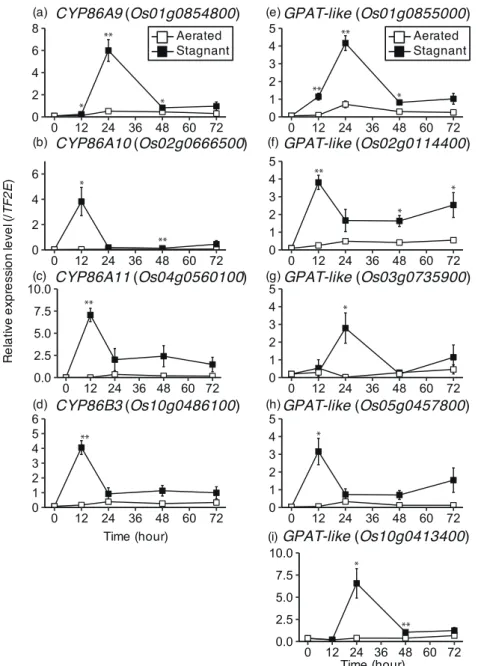
Fig. 6. Temporal expression of candidate genes involved in suberin biosynthesis in adventitious roots of rice grown under aerated  and stagnant deoxygenated conditions
Fig. 7. Tissue-specific expression of candidate genes involved in suberin biosynthesis in adventitious roots of rice grown under  aerated and stagnant deoxygenated conditions
+3

参照

関連したドキュメント

reported that gemcitabine-mediated apoptosis is caspase- dependent in pancreatic cancers; Jones et al [14] showed that gemcitabine-induced apoptosis is achieved through the

To determine whether expression of HPV genes had any influence upon HIF-1α activation or levels in normoxia and hypoxia, we first examined whether HIF-1α levels were induced

Relative expression levels of RaSTM (open) and RaYAB2 (shaded) in phylloclade primordia (PP), shoot apices and bud scales subtending them (S), floral buds (F), scale leaves (L)

Thalidomide (50 mg/kg) was administered 22 h and 2 h before endotoxin injection (1 mg/kg). Blood samples were collected at designated intervals to measure concentra- tions of NOx

Expression of cereolysine AB genes in Bacillus anthracis vaccine strain ensures protection against experimental hemolytic anthrax infection. Vaccine,

熱力学計算によれば、この地下水中において安定なのは FeSe 2 (cr)で、Se 濃度はこの固相の 溶解度である 10 -9 ~10 -8 mol dm

These results are motivated by the bounds for real subspaces recently found by Bachoc, Bannai, Coulangeon and Nebe, and the bounds generalize those of Delsarte, Goethals and Seidel

[Mag3] , Painlev´ e-type differential equations for the recurrence coefficients of semi- classical orthogonal polynomials, J. Zaslavsky , Asymptotic expansions of ratios of