
コンピュータ将棋の現状 2005春
8
0
0
全文
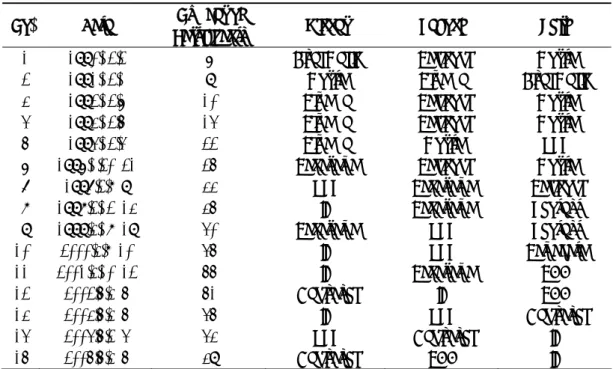
(2) Here, the author discusses contemporary computer shogi and computer shogi in the near future through the game records of the 15th World Computer Shogi Championship. 1. The 15th World Computer Shogi Championship The 15th World Computer Shogi Championship was held at Kazusa Akademia Park, Kisarazu-Shi, Chiba, Japan, May 3-5, 2005. The championship was managed by the Computer Shogi Association (CSA) with help from the Nihon Shogi Renmei, supported by METI and IPSJ and financially supported by AMD Inc., i4 Co., Mainichi Communications Inc., and Fujitsu Ltd. For this championship, 54 teams applied and 39 teams entered the tournament. As mentioned above, the tournament lasted for three days. The first and second days were for the preliminary contests and the third day for the final. Two newcomers entered, although eight applied. Two teams came back, although nine returnees applied. On the other hand, Eisei Meijin did not apply. There were a number of foreign teams in the tournament. KCC Shogi Developing Team’s KCC (from the DPR of Korea), Reijer Grimbergen’s SPEAR (the Netherlands/Japan), team X’s Inaka Shodan (Germany and Japan) and.Jeff Rollason’s Shotest (UK). Shotest was one of the returnees. Professional shogi players Tadao Kitajima (6-dan), Hiroyuki Iida (6-dan), who is also a Table 2. The Results of the First Preliminary Contest No. Program Name 1 2 3 4 5 6 7 Pt SOS SB MD *1 Usapyon 12+ 9+ 16+ 7+ 3+ 6+ 2- 6.0 30.0 24.0 16.0 *2 GPS Shogi 18+ 13+ 6+ 3- 15+ 4+ 1+ 6.0 28.0 23.0 15.0 *3 K-Shogi 13+ 4+ 18+ 2+ 1- 8+ 5- 5.0 31.0 20.0 12.0 *4 Yamada Shogi 22+ 3- 10+ 18+ 7+ 2- 6+ 5.0 25.0 14.0 10.0 *5 Shotest v8.0 7- 19- 21+ 13+ 8+ 9+ 3+ 5.0 23.0 17.0 11.0 *6 Mattari Yuchan 17+ 10+ 2- 16+ 9+ 1- 4- 4.0 31.0 14.0 7.0 *7 Yano Shogi 8 5+ 14+ 11- 1- 4- 15+ 10+ 4.0 30.0 15.0 7.0 *8 Wildcat 16- 11+ 12+ 15+ 5- 3- 17+ 4.0 27.0 14.0 7.0 *9 Auau Shogi 20+ 1- 14+ 11+ 6- 5- 18+ 4.0 26.0 11.0 5.0 *10 Maruyama Shogi 15+ 6- 4- 19+ 20+ 11+ 7- 4.0 24.0 11.0 5.0 11 Oki 21+ 8- 7+ 9- 16+ 10- 14+ 4.0 23.0 11.0 6.0 12 Deep Purple 1- 20+ 8- 14- 19+ 21+ 13+ 4.0 21.0 8.0 4.0 13 My Move 3- 2- 17+ 5- 14+ 22+ 12- 3.0 26.0 6.0 3.0 14 Sugi Shogi 19+ 7- 9- 12+ 13- 16+ 11- 3.0 24.0 9.0 3.0 15 Narikin Shogi 10- 17+ 22+ 8- 2- 7- 20+ 3.0 23.0 5.0 2.0 16 Ryuma Shogi 8+ 21+ 1- 6- 11- 14- 22+ 3.0 22.0 5.0 1.0 17 Tsubakihara Shogi 6- 15- 13- 20+ 22+ 19+ 8- 3.0 18.0 4.0 2.0 18 Chips 2- 22+ 3- 4- 21+ 20- 9- 2.0 23.0 1.0 0.0 19 HIT Shogi 0.1 14- 5+ 20- 10- 12- 17- 21+ 2.0 22.0 6.0 0.0 20 Hayabusa 9- 12- 19+ 17- 10- 18+ 15- 2.0 22.0 4.0 0.0 21 Inaka Shodan 11- 16- 5- 22+ 18- 12- 19- 1.0 20.0 0.0 0.0 22 Daemon Shogi 4- 18- 15- 21- 17- 13- 16- 0.0 20.0 0.0 0.0 *Usapyon, GPS, K-Shogi, Yamada Shogi, Shotest v8.0, Mattari Yuchan, Yano Shogi 8, Wildcat, Auau Shogi and Maruyama Shogi qualify to the second preliminary contest. −18− 2.
(3) professor of Japan Advanced Institute of Science and Technology, and Kiyokazu Katsumata (5-dan) and lady professionals Rieko Yauchi (lady 4-dan) and Fusako Ajiki (lady 1-dan) commented on a number of games in the finals to the audience at the tournament and declared that the top programs of the finalists were about 6-dan in strength at the amateur level as the time limit was 25 minutes per team per game. The strength of the top programs has increased half a dan per year, so that if it continues, the top program will reach the top amateur level in about five years and it is expected to reach professional level in ten years. 1.1. First Preliminary Contest The first preliminary contest was held on the first day. There were 7 Swiss-style games. The top 10 programs joined the second preliminary contest, although usually top 8 programs would proceed, because a couple of second contest seeds applied but did not enter. There were twenty-two programs entered the first preliminary contest. The expected candidates to proceed to the second stage were GPS, K, Usapyon whose main programmer Yasuhiro Ike recently wrote an introductory computer shogi book and awarded by the CSA, Yano, Oki, Mattari Yuchan, Maruyama, and a returnee Shotest. As shown in Table 2, Usapyon and GPS Shogi, both 6 wins and 1 loss, proceeded to the second day. Other programs which qualified were K-Shogi, Yamada Shogi, Shotest v8.0 (5 wins 2 losses), Mattari Yuchan, Yano Shogi 8, Wildcat, Auau Shogi, and Maruyama Shogi (4 wins 3 losses). Oki and Deep Purple won four games but did not proceed to the second day because the SOS’s of those programs were less. 1.2. Second Preliminary Contest The second preliminary contest was held on the second day. There were 9 Swiss-style games. The top 5 programs proceeded to the third day of competition. There were 14 seeded and 10 qualifying programs in the second preliminary contest. The candidates expected to proceed to the final were KCC, Kakinoki which reached 100-win plateau (the first 100-win achiever, 101 wins total from the first through the 14th championships) and awarded by the CSA, TACOS, Kanazawa, and Bingo. Nara, Kinoa, Hyper, KFEnd Isobe, Dragon’s Egg, and qualifying programs Usapyon and Shotest followed. Programs made by non-Japanese teams were KCC, SPEAR, and Shotest. In the sixth round, there was a 1057-move game between Maruyama and Isobe. Maruyama Table 3-1. Second Preliminary Contest (after the 8th round) Note: SOS, SB, and MD are calculated just after the 8th round.. No. Program Name 1 TACOS 2 GPS Shogi 3 KCC Shogi 4 Bingo shogi 5 Dragon's Egg 6 Kakinoki Shogi 7 KFEnd 8 Otsuki Shogi 9 Shotest v8.0 10 SPEAR. 1 21+ 7+ 20+ 23+ 10+ 24+ 217+ 155-. 2 16+ 18+ 81165+ 13+ 3+ 2224+. 3 46+ 14+ 1+ 16+ 224+ 1218+ 19-. 4 6+ 8+ 17+ 13+ 21+ 122+ 220+ 11-. 5 13+ 12+ 11+ 714+ 21+ 4+ 98+ 15+. 6 11+ 5+ 43+ 215+ 12+ 19+ 14+ 22+. −19− 3. 7 7+ 32+ 129+ 11+ 123+ 521+. 8 2+ 15+ 6+ 34918+ 7+ 17+. 9 3 10 1 9 8 7 6 5 4 2. Pt 7.0 6.0 6.0 5.0 5.0 5.0 5.0 5.0 5.0 5.0. SOS SB 35.0 30.0 40.0 27.0 35.0 25.0 37.0 24.0 37.0 20.0 33.0 15.0 33.0 15.0 32.5 17.5 30.5 19.5 23.5 11.5. MD 22.0 19.0 16.5 15.0 13.0 10.0 10.0 9.5 12.0 7.5.
(4) played very special way (the goal is the perpetual loop to get a draw) against Isobe. Isobe’s program refused to be the perpetual position and played through the 1057th move but it went down after the move. The part of the game record is shown in the appendix. After the eighth round, TACOS had earned seven points and had already qualified. GPS and KCC had earned six points, Bingo, Dragon’s Egg, Kakinoki, KFEnd, Otsuki, Shotest and SPEAR earned five points (Table 3-1). GPS and KCC needed just a win or a draw, Bingo and Dragon’s Egg needed a win to the final, but Kakinoki through SPEAR would proceed only special occasion. GPS, KCC, Bingo and Dragon’s Egg won and qualified to the final. KFEnd (6th) also won and had got 6 points but did no qualify. Shotest (10th) and SPEAR (13th) had got 5 points (Table 3-2). The 16th and upper programs (except seeded for the final) each had got the second contest seed. All qualifying programs except GPS and Shotest had not got the second contest seeds. 1.3. The Final The final was held on the third day. There was a round robin of 8 programs with each program playing each other once. Both GPS and Dragon’s Egg were the new finalists. GPS first entered the 11th Table 3-2. The Results of the Second Preliminary Contest No. Program Name 1 2 3 4 5 6 7 8 9 Pt SOS SB MD *1 TACOS 19+ 11+ 5- 7+ 8+ 15+ 6+ 2+ 3- 7.0 48.0 35.0 25.0 *2 GPS Shogi 6+ 21+ 7+ 9+ 16+ 4+ 3- 1- 13+ 7.0 48.0 34.0 25.0 *3 KCC Shogi 22+ 9- 17+ 14+ 15+ 5- 2+ 4+ 1+ 7.0 46.0 35.0 25.5 *4 Dragon's Egg 13+ 7- 11+ 19+ 17+ 2- 10+ 3- 9+ 6.0 46.0 27.0 19.0 *5 Bingo Shogi 23+ 15- 1+ 8+ 6- 3+ 16- 7+ 10+ 6.0 45.0 31.0 22.0 6 KFEnd 2- 8+ 24+ 20+ 5+ 16+ 1- 10- 7+ 6.0 42.0 23.0 17.0 7 Kakinoki Shogi 24+ 4+ 2- 1- 19+ 12+ 15+ 5- 6- 5.0 44.0 18.0 12.0 8 Kanazawa Shogi 21+ 6- 12+ 5- 1- 19+ 11- 17+ 16+ 5.0 43.0 19.0 11.0 9 Otsuki Shogi 14+ 3+ 16- 2- 10- 18+ 23+ 21+ 4- 5.0 42.5 20.5 11.5 10 Shotest v8.0 12- 20- 21+ 22+ 9+ 17+ 4- 6+ 5- 5.0 40.5 20.5 12.0 11 Isobe Shogi 18+ 1- 4- 12- 20+ 22- 8+ 19+ 15+ 5.0 39.5 19.0 11.0 12 Nara Shogi 10+ 16- 8- 11+ 13- 7- 18+ 24+ 17+ 5.0 37.0 18.0 13.0 13 SPEAR 4- 24+ 18- 15- 12+ 20+ 19+ 14+ 2- 5.0 36.5 15.5 10.5 14 Nazo's D S P 9- 22= 20+ 3- 18+ 23+ 17- 13- 21+ 4.5 35.5 12.0 6.0 15 Hyper Shogi 11 17- 5+ 22+ 13+ 3- 1- 7- 16+ 11- 4.0 45.5 17.5 9.0 16 Kinoa Shogi 20+ 12+ 9+ 17- 2- 6- 5+ 15- 8- 4.0 45.0 19.0 10.0 17 K-Shogi 15+ 23+ 3- 16+ 4- 10- 14+ 8- 12- 4.0 42.5 14.5 8.0 18 Usapyon 11- 19- 13+ 24+ 14- 9- 12- 22+ 23+ 4.0 32.0 9.5 4.5 19 Wildcat 1- 18+ 23+ 4- 7- 8- 13- 11- 24+ 3.0 39.0 6.0 2.0 20 Yamada Shogi 16- 10+ 14- 6- 11- 13- 21- 23+ 22+ 3.0 37.0 9.5 2.5 21 Yano Shogi 8 8- 2- 10- 23- 22+ 24+ 20+ 9- 14- 3.0 34.0 5.5 2.5 22 Maruyama Shogi 3- 14= 15- 10- 21- 11+ 24+ 18- 20- 2.5 35.5 5.0 0.0 23 Mattari Yuchan 5- 17- 19- 21+ 24+ 14- 9- 20- 18- 2.0 32.5 3.0 0.0 24 Auau Shogi 7- 13- 6- 18- 23- 21- 22- 12- 19- 0.0 35.5 0.0 0.0 *TACOS, GPS Shogi, KCC Shogi, Dragon’s Egg and Bingo Shogi qualify to the final. −20− 4.
(5) championship, entered to the first preliminary contest this year, and not only qualified to the second preliminary contest but also qualified to the final. This was the third case that the program entered the first preliminary contest and advanced to the final, the first such program was Hyper Shogi in the 11th championship and the second such program was Bingo Shogi in the 13th. Dragon’s Egg first entered the 10th championship, kept the second contest seed after that, and had got as same wins as the qualified programs in the 11th but had not qualified yet. The candidates for victory were YSS, Gekisashi, IS, TACOS and KCC. The winner would be invited to the 18th amateur Ryu-o championship in June 2005 and the finalists will be invited to the Third Computer Shogi Grand Prix at Tokyo in October 2005.. No. Program Name 1 Gekisashi 2 KCC Shogi 3 IS Shogi 4 YSS 5 Bingo Shogi 6 TACOS 7 Dragon's Egg 8 GPS Shogi. Table 4. The Results of the Final 1 2 3 4 5 6 7 Pt SOS 5+ 7+ 2+ 6+ 8+ 3+ 4+ 7.0 21.0 6+ 4+ 1- 3+ 5+ 7= 8+ 5.5 22.5 7+ 8+ 5+ 2- 4+ 1- 6+ 5.0 23.0 8- 2- 7+ 5+ 3- 6+ 1- 3.0 25.0 1- 6+ 3- 4- 2- 8+ 7+ 3.0 25.0 2- 5- 8+ 1- 7+ 4- 3- 2.0 26.0 3- 1- 4- 8+ 6- 2= 5- 1.5 26.5 4+ 3- 6- 7- 1- 5- 2- 1.0 27.0. SB 21.0 14.0 10.5 6.5 4.5 2.5 1.0 3.0. MD 14.5 8.0 6.5 2.0 1.5 0.0 0.0 0.0. GPS beat the former champion YSS in the first round. This gave the audience a big surprise. GPS was created by the different group from IS or Gekisashi team of the University of Tokyo. Yss ran on a 4-CPU high-performance machine. KCC beat YSS in the second round. Gekisashi beat KCC in the third round and only Gekisashi and IS won three games in a row.. KCC beat IS in the fourth round while Gekisashi beat TACOS. This meant that only Gekisashi won four times after the fourth round. Dragon’s Egg beat GPS in the fourth round, and every team had at least one win. In the fifth round IS beat YSS while Gekisashi and KCC won, so the sixth round would be the decisive round for the winner. In the sixth round, KCC and Dragon’s Egg draw by perpetual loop. KCC had misread the rule of the perpetual loop, and draw several times before this tournament, but it had not fixed yet. Gekisashi beat IS and it became the winner. After the sixth round, Gekisashi had six wins and no losses, KCC had four wins one draw and one loss, IS had four wins and two losses, YSS had three wins and three losses. Before the last round, there were only two interesting things left. First, the winner had been decided but could it win the last round and earn seven wins in a row? Secondly, who would be seeded for the final in the next championship? In the seventh round, Gekisashi beat YSS, while KCC beat GPS and IS beat TACOS. Gekisashi had seven wins in a row. The last no loss victory had been IS in the 10th (2000) championship. KCC was second and IS was third in the tournament. The results of the 15th World Computer Championship were Gekisashi, the winner (7 points), KCC, the runner-up (5.5 points), IS, third (5 points), YSS, fourth (3 points), Bingo, fifth (3 points), TACOS, sixth (2 points), Dragon’s Egg, seventh (1.5 points) and GPS, eighth (1 point). Gekisashi, KCC and IS had got the seeded positions. Gekisashi had improved tremendously and was very strong. The finalists performed very well (Table 4). There is a game record from the final (Gekisashi versus KCC) with a partial game record −21− 5.
(6) from the second preliminary contest (Maruyama versus Isobe) in the appendix. 1.4. The Exhibition The winner, Gekisashi, challenged Professional 5-dan Kiyokazu Katsumata after the tournament with a Bishop handicap. Although the 2003 champion IS Shogi, challenged him with a Rook and a Bishop handicap game and won the game and the 2004 champion YSS challenged him with a Rook handicap game and won the game, almost nobody imagined that the program could beat a human professional with a Bishop handicap. Amateur champions used to challenge professional champions with this handicap and won approximately one third of the time. This time, Gekisashi beat Katsumata 5-dan with a surprise. 2. The Amateur Ryu-o Championship The 18th Amateur Ryu-o Championship (managed by Yomiuri Shimbun and Nihon Shogi Renmei) was held June 25-26 at Tokyo. There were 56 entrants including two invited ones in the championship. This time, one of the invited entrants was the winner of the 15th World Computer Shogi Championship, Gekisashi. The other entrants were former amateur Ryu-o and the qualified from the prefecture contest. There were qualifying round and the final knockout round. To qualify to the final, one needed two wins in the qualifying round (special double knockout system). Gekisashi had got two wins in a row and qualified. Because the author expected one win at most, he was very surprised. Gekisashi won the first round of the final, too, but was beaten in the second round and finished tie 9-16th. Gekisashi performed very well at the championship and helped the estimation of what time a computer beats the human champion. After Gekisashi was beaten in the formal tournament, there were two exhibition matches between Gekisashi and former Amateur Ryu-o’s. Gekisashi had got one win and one loss. Eventually, Gekisashi got four wins and two losses versus very strong amateur players. There were a number of professional players watching and commenting the performance of Gekisashi. Professional Ryu-o Akira Watanabe estimated that Gekisashi was worth amateur 6-dan and main commentator Hideyuki Takano Professional 5-dan commented that Gekisashi reached prefecture champion level. Hideyuki Takano also commented that the most weakness of computer shogi programs was opening after watching the games. 3. Computer Shogi in the Near Future Professional players who watched the WCSC and Amateur Ryu-o tournaments estimated the strength of the top finalists at about amateur 6-dan. The strength of the top programs has increased steadily by half a dan every year. If this rate of increase continues, the strength of the top program will reach the top amateur level in about five yeas, and may reach professional level in ten years. To accomplish this, as Hideyuki Takano 5-dan commented, better opening strategies will have to be devised for the computer programs. 4. Conclusion and Acknowledgements Here, we have considered contemporary computer shogi, especially how competitors performed at the 15th World Computer Shogi Championship. The author is grateful to the Nihon Shogi Renmei for its kind help, to the Ministry of Economics, Trade and Industry and Information Processing Society of Japan for their support, −22− 6.
(7) and to Advanced Micro Devices, Inc., i4 Corporation, Mainichi Communications Inc., and Fujitsu Limited for their financial support at the championships. The author is also grateful to the members of the CSA for their kind help. References [1] Computer Shogi Association: “The Annals of CSA”, vol. 1-17, Computer Shogi Association, 1987-2005. [2] Matsubara, et. al (ed.): “Proceedings of Game Programming Workshop”, vol. 1-9, Computer Shogi Association, 1994-2004. [3] Takenobu Takizawa: Computer Shogi – An Overview and the Millennium Championship –, Journal of Liberal Arts No.110, Waseda University, 2001. [4] Takizawa, Grimbergen: “Review: Computer Shogi through 2000”, in Marsland and Frank (eds.) Computers and Games, Lecture Notes in Computer Science 2063, Springer Verlag, 2001. [5] Takenobu Takizawa: “Contemporary Computer Shogi (May 2002)”, Proceedings of Game Informatics 8-3, 2002. [6] Takenobu Takizawa, “Computer Shogi 2000 through 2004”, Journal of Liberal Arts No.117, Waseda University, 2005. [7] Reijer Grimbergen: “Report on the 15th CSA World Computer Shogi Championship”, Shogi-l mailing list, 2005. [8] Junichi Takada: “CSA Home Page”, 2005. http://www.computer-shogi.org/, July 31, 2005.. Appendix. The game records of Gekisashi versus KCC in the final, the partial game records of Maruyama Shogi versus Isobe Shogi in the second preliminary contest of the 15th World Computer Shogi Championship and the game records of Eiji Ogawa (Osaka) versus Gekisashi in the 18th Amateur Ryu-o Championship: Final of the 15th World Computer Shogi Championship, May 5, 2005 Black Gekisashi White KCC Shogi 1.P7g-7f, 7.P1g-1f, 13.G6i-5h, 19.P4g-4f, 25.B8h-7g, 31.P6f-6e, 37.G5h-4g, 43.P2g-2f, 49.G4i-3h, 55.N3g-2e, 61.G5fx4e, 67.S5e-4f, 73.P3f-3e,. 2.P3c-3d, 8.K5a-4b, 14.G6a-5b, 20.P4c-4d, 26.K3b-2b, 32.S5c-5d, 38.B2d-4b, 44.B3a-4b, 50.R7b-7a, 56.P7cx7d, 62.P*5f, 68.P5f-5g+, 74.K2b-3c,. 3.P6g-6f, 9.S3i-3h, 15.S7i-7h, 21.P3g-3f, 27.K5i-4h, 33.S6g-6f, 39.K3i-2h, 45.S3h-2g, 51.P5g-5f, 57.S6f-5e, 63.P*4d, 69.S4fx5g, 75.P3ex3d,. 4.P8c-8d, 10.K4b-3b, 16.S6b-5c, 22.G5b-4c, 28.S3a-3b, 34.R8b-5b, 40.P9c-9d, 46.R5b-6b, 52.P5ex5f, 58.S5d-4c, 64.S4c-5b, 70.P8e-8f, 76.B3c-2d, −23− 7. 5.R2h-6h, 11,P1f-1e, 17.S7h-6g, 23.N2i-3g, 29.K4h-3i, 35.P7f-7e, 41.P9g-9f, 47.P7e-7d, 53.G4gx5f, 59.P4f-4e, 65.N2ex3c+, 71.P8gx8f, 77.P4d-4c+,. 6.S7a-6b 12.P5c-5d 18.B2b-3c 24.P8d-8e 30.P5d-5e 36.B3c-2d 42.B4b-3a 48.R6b-7b 54.G4c-3c 60.P4dx4e 66.B4bx3c 72.P*8h 78.S5bx4c.
(8) 79.G*2b, 85.S*3e, 91.G4fx3e, 97.G3e-4d, 103.K2hx3g, 109.K3gx4f 115.K4fx3f,. 80.K3a-4b, 86.N*5c 92.N5cx6e, 98.G4cx4d, 104.P*3f, 110.P*4e, 116.S5b-5c,. 81.G2bx3b, 87.G4e-4f, 93.R6hx6e, 99.B7gx4d, 105.S2gx3f, 111.R2ex4e, 117.B4dx5c+. 82.G4ax3b, 83.P*4d, 88.P8hx8i+, 89.P*5d, 94.P*3f, 95.P4d-4c+ 100.S*3g, 101.G3hx3g, 106.N*2e, 107.R6ex2e, 112.G*4g, 113.S3fx4g, 118.K4b-3b, 119.R4e-4b+. 84.S4c-5b 90.B2dx3e 96.G3bx4c 102.P3fx3g+ 108.G*4f 114.G*3f Resigns.. Second Preliminary Contest of the 15th World Computer Shogi Championship, May 4, 2005 Black Maruyama Shogi White Isobe Shogi 1.G6i-7h, 7.S6h-5i, 13.B7i-6h, 19.S6i-6h, 25.K4h-5h, 31.P*8g, 37.B6h-7i,. 2.P8c-8d, 8.K4b-3b, 14.P7c-7d, 20.P7d-7e, 26.P5c-5d, 32.R8f-8a, 38.S5c-6d,. 3.K5i-4h, 9.S5i-5h, 15.B6h-5i, 21.S6h-7i, 27.S3i-4h, 33.G4i-3h, 39.B7i-6h,. 4.S7a-6b, 10.P3c-3d, 16.N8a-7c, 22.G5a-4b, 28.P8e-8f, 34.G4a-5b, 40.P4c-4d,. 5.S7i-6h, 11.B8h-7i, 17.S5h-6i, 23.S7i-8h, 29.P8gx8f, 35.B5i-6h, 41.B6h-7i,. 6.K5a-4b 12.P8d-8e 18.G6a-5a 24.P1c-1d 30.R8bx8f 36.S6b-5c .... 997.B6h-7i, 998.G3c-3b, 999.B7i-6h,1000.R8a-8b,1001.B6h-7i,1002.G3b-3c ... 1057.B6h-7i Because Isobe stopped after the 1057th move, Maruyama won. The final of the 18th Amateur Ryu-o Championship, June 25, 2005 Black Eiji Ogawa (Osaka) White Gekisashi 1.P7g-7f, 2.P8c-8d, 3.R2h-7h, 4.P8d-8e, 5.B8h-7g, 7.P6g-6f, 8.K5a-4b, 9.S7i-6h, 10.K4b-3b, 11.K5i-4h, 13.P5g-5f, 14.G6a-5b, 15.G6i-5h, 16.P5c-5d, 17.P1g-1f, 19.S6h-5g, 20.P1c-1d, 21.S3i-3h, 22.K3b-2b, 23.K4h-3i, 25.P4g-4f, 26.S3a-3b, 27.P3g-3f, 28.P4c-4d, 29.K3i-2h, 31.N2i-3g, 32.G5b-4c, 33.P4f-4e, 34.R8b-7b, 35.P4ex4d, 37.P*4e, 38.B4d-3c, 39.N3g-2e, 40.B3c-5a, 41.P6f-6e, 43.N2ex3c+, 44.B5ax3c, 45.B7gx3c+, 46.G4cx3c, 47.B*4f, 49.P7f-7e, 50.N7cx6e, 51.B4fx9a+, 52.N6ex5g+, 53.G5hx5g, 55.G5g-6g, 56.B*6i, 57.R7h-6h, 58.B6ix3f+, 59.L*3g, 61.N*5g, 62.N6ex5g+, 63.G6gx5g, 64.P6c-6d, 65.N8i-7g, 67.R6h-4h, 68.P*4g, 69.G5gx4g, 70.S4fx4g+, 71.S3hx4g, 73.P*4f, 74.G5gx4g, 75.R4hx4g, 76.N*3f, 77.L3gx3f, 79.G*3g, 80.+B3fx4g, 81.G3gx4g, 82.R*7h, 83.S3h, 85.N*4h, 86.L3ex3h+, 87.G4ix3h, 88.R7hx7g+, 89.N*4e, 91.G4g-3g, 92.S*4g, 93.N*3i, 94.S4gx3h+, 95.G3gx3h, 97.B*6c, 98.P4gx4h+, 99.G3hx4h, 100.N*3f, 101.K2h-1g, 103.K1g-2f, 104.N3ex2g+,105.N3ix2g, 106.G*2e Resigns. −24− 8. 6.P3c-3d 12.S7a-6b 18.B2b-3c 24.P7c-7d 30.S6b-5c 36.B3cx4d 42.N2a-3c 48.N8a-7c 54.N*6e 60.+B3fx4e 66.S*4f 72.G*5g 78.+B4ex3f 84.L*3e 90.N*3e 96.P*4g 102.S*2g.
(9)
図


関連したドキュメント
A number of previous papers have obtained heat kernel upper bounds for jump processes under similar conditions – see in particular [3, 5, 13]... Moreover, by the proof of [2,
Key words: Benjamin-Ono equation, time local well-posedness, smoothing effect.. ∗ Faculty of Education and Culture, Miyazaki University, Nishi 1-1, Gakuen kiharudai, Miyazaki
In Section 3 the extended Rapcs´ ak system with curvature condition is considered in the n-dimensional generic case, when the eigenvalues of the Jacobi curvature tensor Φ are
В данной работе приводится алгоритм решения обратной динамической задачи сейсмики в частотной области для горизонтально-слоистой среды
Keywords: continuous time random walk, Brownian motion, collision time, skew Young tableaux, tandem queue.. AMS 2000 Subject Classification: Primary:
Acknowledgement.This work was partially done while the second author was visiting the University of Texas at Austin and Texas A&M University, and in the Linear Analysis Workshop
The time-frequency integrals and the two-dimensional stationary phase method are applied to study the electromagnetic waves radiated by moving modulated sources in dispersive media..
The first result was by the author [Lor05] for invertible bilipschitz mappings with control in inequality (1) of order ε 800 1. This was greatly generalised by Conti,
