International consensus guidelines for the
diagnosis and management of food protein–induced enterocolitis syndrome: Executive
summary—Workgroup Report of the Adverse
Reactions to Foods Committee, American Academy of Allergy, Asthma & Immunology
Anna Nowak-We˛grzyn, MD, Mirna Chehade, MD, Marion E. Groetch, MS, RDN, Jonathan M. Spergel, MD, PhD, Robert A. Wood, MD, Katrina Allen, MD, PhD, Dan Atkins, MD, Sami Bahna, MD, PhD, Ashis V. Barad, MD, Cecilia Berin, PhD, Terri Brown Whitehorn, MD, A. Wesley Burks, MD, Jean-Christoph Caubet, MD, Antonella Cianferoni, MD, PhD, Marisa Conte, MLIS, Carla Davis, MD, Alessandro Fiocchi, MD,
Kate Grimshaw, PhD, RD, RNutr, Ruchi Gupta, MD, Brittany Hofmeister, RD, J. B. Hwang, MD, Yitzhak Katz, MD, George N. Konstantinou, MD, PhD, MSc, Stephanie A. Leonard, MD, Jennifer Lightdale, MD, Sean McGhee, MD, Sami Mehr, MD, FRACP, Stefano Miceli Sopo, MD, Giovanno Monti, MD, PhD, Antonella Muraro, MD, PhD, Stacey Katherine Noel, MD, Ichiro Nomura, MD, Sally Noone, RN, MSN, Hugh A. Sampson, MD,
Fallon Schultz, MSW, LCSW, CAM, Scott H. Sicherer, MD, Cecilia C. Thompson, MD, Paul J. Turner, MD, Carina Venter, RD, PhD, A. Amity Westcott-Chavez, MA, MFA, and Matthew Greenhawt, MD, MBA, MSc
Food protein–induced enterocolitis (FPIES) is a non-IgE cell- mediated food allergy that can be severe and lead to shock.
Despite the potential seriousness of reactions, awareness of FPIES is low; high-quality studies providing insight into the pathophysiology, diagnosis, and management are lacking; and clinical outcomes are poorly established. This consensus document is the result of work done by an international workgroup convened through the Adverse Reactions to Foods Committee of the American Academy of Allergy, Asthma &
Immunology and the International FPIES Association advocacy group. These are the first international evidence-based
guidelines to improve the diagnosis and management of patients with FPIES. Research on prevalence, pathophysiology,
diagnostic markers, and future treatments is necessary to improve the care of patients with FPIES. These guidelines will be updated periodically as more evidence becomes available. (J Allergy Clin Immunol 2017;139:1111-26.)
Key words: Food protein–induced enterocolitis syndrome, guide- lines, non–IgE-mediated food allergy
WORKGROUP MEMBERS Anna Nowak-We˛grzyn, MD, PhD Associate Professor of Pediatrics Division of Allergy and Immunology Icahn School of Medicine at Mount Sinai New York, NY
Mirna Chehade, MD, MPH
Associate Professor of Pediatrics and Medicine Director, Eosinophilic Disorders Center Division of Allergy and Immunology
Icahn School of Medicine at Mount Sinai New York, NY
Marion E. Groetch, MS, RDN
Director of Nutrition Service, Jaffe Food Allergy Institute Division of Allergy and Immunology
Icahn School of Medicine at Mount Sinai New York, NY
Jonathan M. Spergel, MD, PhD Professor of Pediatrics
Division of Allergy and Immunology The Children’s Hospital of Philadelphia
Perelman School of Medicine at University of Pennsylvania Philadelphia, Pa
Robert A. Wood, MD
Professor of Pediatrics and International Health Director, Division of Pediatric Allergy and Immunology Johns Hopkins University School of Medicine
Baltimore, Md
Abbreviations used
AAF: Amino acid–based formula CBC: Complete blood cell count
CM: Cow’s milk
FPIES: Food protein–induced enterocolitis syndrome FTT: Failure to thrive
OFC: Oral food challenge sIgE: Specific IgE
SPT: Skin prick test TD: Threshold dose
Katrina J. Allen, MD, PhD
University of Melbourne Department of Paediatrics Murdoch Children’s Research Institute
Royal Children’s Hospital Melbourne, Australia Institute of Inflammation and Repair
University of Manchester Manchester, United Kingdom Dan Atkins, MD
Chief, Allergy and Immunology Section
Co-Director, Gastrointestinal Eosinophilic Diseases Program Children’s Hospital Colorado
Associate Professor of Pediatrics
University of Colorado School of Medicine Aurora, Colo
Sami Bahna, MD, DrPH
Professor of Pediatrics & Medicine Chief of Allergy & Immunology Section
Louisiana State University Health Sciences Center Shreveport, La
Ashis Barad, MD
Section Chief, Division of Pediatric Gastroenterology, Hepatology and Nutrition Baylor Scott & White McLane Children’s Medical Center
Assistant Professor of Pediatrics Texas A&M Health Sciences Center College of Medicine
Temple, Tex Cecilia Berin, PhD
Associate Professor of Pediatrics Division of Allergy and Immunology Icahn School of Medicine at Mount Sinai New York, NY
Terri Brown Whitehorn, MD Division of Allergy and Immunology The Children’s Hospital of Philadelphia Associate Professor of Clinical Pediatrics
Perelman School of Medicine, University of Pennsylvania Philadelphia, Pa
A. Wesley Burks, MD
Curnen Distinguished Professor of Pediatrics Executive Dean and Chair Pediatrics University of North Carolina Chapel Hill, NC
Jean-Christoph Caubet University Hospitals of Geneva
Pediatric Allergy Unit, Department of Child and Adolescent Geneva, Switzerland
This project has been sponsored by The International FPIES Association.
Disclosure of potential conflict of interest: A. Nowak-We˛grzyn has a board membership with Merck; has consultant arrangements with Aimmune and Nestle; is employed by the Icahn School of Medicine; has received grants from DBV, Food Allergy Research and Education (FARE), the National Institutes of Health (NIH), and Thermo Fisher;
has received payment for lectures from Nestle; has received payment for manuscript preparation from Nestle; has received royalties from UpToDate; has received payment for development of educational presentations from Annenberg Center; and is the chair of the Medical Advisory Board for the International FPIES Organization. M. Chehade is a member of the Medical Advisory Board for the International FPIES Association; is a member of the Medical Advisory Panel for the American Partnership for Eosinophilic Disorders; has consultant arrangements with Actelion, Receptos, and Shire; and has received grants from Nutricia and Regeneron. M. Groetch has received payment for lectures from Nutricia North American and has received royalties from UpToDate. J. M. Spergel is on the Scientific Advisory Boards for DBV Technology and Danone Nutricia; has consultant arrangements with GLG; has received grants from the NIH, Aimmune Therapeutics, and DBV Technology; has received payment for lectures from MEI; has received royalties from UpToDate; and has received stock/
stock options from DBV Technology. R. A. Wood is employed by Johns Hopkins University; has received grants from the NIH, Astellas, DBV, and Aimmune; and has received royalties from UpToDate. K. Allen has consultant arrangements with Nestle, Thermo Fisher, Aspencare, and Nutricia. D. Atkins is on the Medical Advisory Board for the American Partnership for Eosinophilic Disorders, is on the Data Monitoring Safety Board for MILES study for DBV Technologies, has received payment for lectures from Regeneron, and has received travel support from Monsanto. A. Barad has received payment for lectures from Abbott Nutrition. C. Berin has received grants from the NIH. A. W. Burks has received grants from the Food Allergy & Anaphylaxis Network, the NIH, and the Wallace Research Foundation; has received personal fees from FARE, the NIH AITC Review Panel, the NIH HAI Study Section, World Allergy Organization, Aimmune Therapeutics, Epiva Biosciences, Genentech, Merck, Stal- lergenes, Valeant Pharmaceuticals North America, PPD Development, Allertein, and Sanofi US Services; and has received nonfinancial support from Regeneron Pharmaceuticals. J.-C. Caubet is employed by Geneva University Hospitals and has received payment for lectures from Thermo Fisher. A. Fiocchi has received a grant from the International FPIES Association, has a board membership with Ferrero, and is employed by Ospedale Pediatrico Bambino Gesu. K. Grimshaw has consultant arrangements with Reacta Biotech, has received payment for lectures from Danone and Abbott, and has received travel support from Abbott. R. Gupta has consultant arrangements with Kaleo and BEFORE Brands and has received grants from Mylan Specialty, Aimmune, and United Healthcare Group. S. A. Leonard is on the Medical Advisory Board for FARE, has received a grant from the FARE Clinical Network, has received payment for lectures from Allergy and Asthma Medical Group and Research Center, and has received travel support from the American Academy of Allergy, Asthma & Immunology. J. Lightdale has consultant arrangements with Perrigo Nutritionals, Norgine, and Medtronic; has received grants from Abbvie; has received payment for lectures from Mead-Johnson; has received royalties from 5-Min Pediatric
and Immunology Foundation of Australasia and has received payment for lectures from the Immune Deficiency Lecture Series. A. Muraro has consultant arrangements with MEDA, Novartis, and Menarini; is employed by Padua University Hospital; and has received payment for lectures from MEDA and Menarini. S. Noone has consultant arrangements with Aimmune, is employed by Icahn School of Medicine at Mount Sinai, and has received royalties from Up To Date. H. A. Sampson has received royalties from UpToDate and was employed 60% of his time as a Professor of Pediatrics and Director of the Jaffe Food Allergy Institute by the Icahn School of Medicine at Mount Sinai and 40% of his time as the Chief Scientific Officer at DBV Technologies. S. H. Sicherer has received grants from the National Institute of Allergy and Infectious Diseases and Food Allergy Research and Education and has received royalties from UpToDate. P. J. Turner has consultant arrangements with Reacta Biotech and the UK Food Standards Agency; is employed by Public Health England and Imperial College London; has received grants from the Medical Research Council, NIHR/Imperial BRC, EU FP7 Programme, and UK Department of Health; and has received travel support from the National Institute for Health and Care Excellence. C.
Venter has consultant arrangements with Danone and Mead Johnson and has received payment for lectures from Nestle. A. Westcott-Chavez is a board member for the International FPIES Association. M. Greenhawt has received a grant from the Agency for Healthcare Research and Quality (1K08HS024599-01, Career Development Award); has received travel support from the National Institute of Allergy and Infectious Diseases and the Joint Taskforce on Allergy Practice Parameters; is on the scientific advisory council for the National Peanut Board; has consultant arrangements with the Canadian Transportation Agency, Nutricia, Nestle, Aimmune, Kaleo Pharmaceutical, Monsanto, and Intrommune Pharmaceutical; is an Associate Editor for theAnnals of Allergy, Asthma, and Immunologyfor the American College of Al- lergy, Asthma & Immunology; and has received payment for lectures from Reach MD, Thermo Fisher Scientific, New York Allergy and Asthma Society, UCLA/Harbor Heiner Lectureship, Medscape, the Aspen Allergy Society, the European Academy of Allergy and Clinical Immunology, the Canadian Society of Allergy and Clinical Immunology, the Pennsylvania Society for Allergy and Immunology, and American College of Allergy, Asthma & Immunology. The rest of the authors declare that they have no relevant conflicts of interest.
Received for publication September 2, 2016; revised December 7, 2016; accepted for publication December 21, 2016.
Available online February 4, 2017.
Corresponding author: Anna Nowak-We˛grzyn, MD, Icahn School of Medicine at Mount Sinai, Jaffe Food Allergy Institute One Gustave Levy Place, Box 1198, New York, NY 10029. E-mail:[email protected].
The CrossMark symbol notifies online readers when updates have been made to the article such as errata or minor corrections
0091-6749
Ó2017 The Authors. Published by Elsevier Inc. on behalf of the American Academy of Allergy, Asthma & Immunology. This is an open access article under the CC BY-NC-ND license (http://creativecommons.org/licenses/by-nc-nd/4.0/).
http://dx.doi.org/10.1016/j.jaci.2016.12.966
Antonella Cianferoni, MD, PhD Assistant Professor of Pediatrics
Allergy and Immunology Division, Children’s Hospital of Philadelphia
Perelman School of Medicine, University of Pennsylvania Philadelphia, Pa
Marisa L. Conte, MLIS Taubman Health Services Library
The University of Michigan Medical School Ann Arbor, Mich
Carla Davis, MD
Associate Professor of Pediatrics Baylor College of Medicine Houston, Tex
Alessandro Fiocchi, MD Director, Division of Allergy Pediatric Hospital Bambino Gesu Rome, Vatican City, Italy
Matthew Greenhawt, MD, MBA, MSc Assistant Professor of Pediatrics Pediatric Allergy Section Children’s Hospital Colorado
University of Colorado Denver School of Medicine Denver, Colo
Kate Grimshaw, PhD, RD, RNutr
Clinical and Experimental Sciences and Human Development in Health Academic Unit
University of Southampton Faculty of Medicine Department of Nutrition & Dietetics, Southampton’s
Children’s Hospital
Southampton, United Kingdom Ruchi S. Gupta, MD, MPH Northwestern Medicine, Chicago, IL
Ann & Robert H. Lurie Children’s Hospital of Chicago Chicago, Ill
Brittany Hofmeister, RD Medical Advisory Board
International FPIES Association (I-FPIES) Point Pleasant Beach, NJ
Jin-Bok Hwang, MD Department of Pediatrics
Keimyung University Dongsan Medical Center Daegu, Korea
Yitzhak Katz, MD Professor of Pediatrics Sackler School of Medicine Tel-Aviv University, Tel-Aviv, Israel
Director, Institute of Allergy Asthma and Immunology and Food Allergy Center
‘‘Assaf Harofeh’’ Medical Center Zerifin, Israel
George N. Konstantinou, MD, PhD, MSc Department of Allergy and Clinical Immunology 424 General Military Training Hospital
Thessaloniki, Greece
Division of Allergy and Immunology Jaffe Food Allergy Institute
Icahn School of Medicine at Mount Sinai New York, NY
Stephanie A. Leonard, MD
Division of Pediatric Allergy & Immunology
Rady Children’s Hospital San Diego University of California
San Diego, Calif
Jenifer R. Lightdale, MD, MPH, FAAP, AGAF Chief of Pediatric Gastroenterology and Nutrition UMass Memorial Children’s Medical Center Professor of Pediatrics
University of Massachusetts Medical School Worcester, Mass
Sean McGhee, MD
Clinical Associate Professor of Pediatrics Division of Immunology and Allergy Stanford University School of Medicine Palo Alto, Calif
Sam Mehr, MD, FRACP
Department of Allergy and Immunology Children’s Hospital at Westmead Sydney, Australia
Stefano Miceli Sopo, MD Pediatric Allergy Unit
Department of Women and Child Health Catholic University of Sacred Hearth Agostino Gemelli Hospital
Rome, Italy
Monti Giovanna, MD, PhD
Department of Paediatric and Adolescence Science Regina Margherita Children’s Hospital A.O.U.
Citta della Salute e della Scienza Turin, Italy
Antonella Muraro, MD, PhD
Food Allergy Referral Centre Veneto Region
Department of Women and Child Health Padua General University Hospital
Padua, Italy
Stacey Katherine Noel, MD
Assistant Professor, Emergency Medicine University of Michigan School of Medicine Ann Arbor, Mich
Ichiro Nomura, MD, PhD
Department of Allergy and Clinical Immunology National Center for Child Health and Development Tokyo, Japan
Sally A. Noone, RN, MSN Clinical Research Manager Pediatric Allergy and Immunology Jaffe Food Allergy Institute New York, NY
Hugh A. Sampson, MD
Kurt Hirschhorn Professor of Pediatrics Director, Jaffe Food Allergy Institute Department of Pediatric
Icahn School of Medicine at Mount Sinai New York, NY
Fallon Schultz, MSW, LCSW, CAM President and Founder
International FPIES Association (I-FPIES) Point Pleasant Beach, NJ
Scott H. Sicherer, MD Clinical Professor of Pediatrics
Division Chief, Pediatric Allergy and Immunology Icahn School of Medicine at Mount Sinai
Jaffe Food Allergy Institute New York, NY
Cecilia C. Thompson, MD Division of Critical Care Medicine Department of Pediatrics
Icahn School of Medicine at Mount Sinai New York, NY
Paul J. Turner, MD
MRC Clinician Scientist and Clinical Senior Lecturer, Imperial College London
Honorary Consultant in Paediatric Allergy & Immunology Imperial College Healthcare NHS Trust
London, United Kingdom
Clinical Associate Professor in Paediatrics University of Sydney
Sydney, Australia Carina Venter, RD, PhD
Research Associate/Dietitian, Division of Allergy &
Immunology
Cincinnati Children’s Hospital Medical Center Cincinnati, Ohio
Amity Westcott-Chavez, MA, MFA International FPIES Association (I-FPIES) Point Pleasant Beach, NJ
Food protein–induced enterocolitis (FPIES) is a non-IgE cell- mediated food allergy that can be severe and lead to shock.1 Despite the potential seriousness of reactions, awareness of FPIES is low; high-quality studies providing insight into pathophysiology, diagnosis, and management are lacking; and clinical outcomes are poorly established. Unmet needs in the field include identification of noninvasive biomarkers, understanding of the pathophysiology and prevalence, and having uniform approaches to diagnosis and management. This document presents an executive summary of the first international consensus based on available evidence and aims to assist practitioners in their care of patients with FPIES. The full report is available online as open access in this article’s Online Repository at www.jacionline.org.
An international workgroup was convened through the Adverse Reactions to Foods Committee of the American Academy of Allergy, Asthma & Immunology and the International FPIES Association advocacy group.
A comprehensive literature review was performed with the assistance of a research librarian, with searches run in PubMed/
Medline, Web of Science, and Embase. Excluding abstracts, a total of 879 citations were identified through February 2014; of these, 110 were included. Individual sections were written by using subgroup teams, critiqued, and revised based on feedback from all authors until consensus was achieved. Evidence was graded according to the previously established grading system for clinical practice guidelines used by the Joint Task Force on Allergy Practice Parameters.2
SECTION I: DEFINITION AND CLINICAL MANIFESTATIONS
Summary Statement 1: Recognize FPIES as a potential medical emergency, which presents as delayed onset of pro- tracted emesis and/or watery/bloody diarrhea, culminating
in hemodynamic instability and hypotension in at least 15%
of reactions. [Strength of recommendation: Strong; Evidence strength: IIa/IIb; Evidence grade: B]
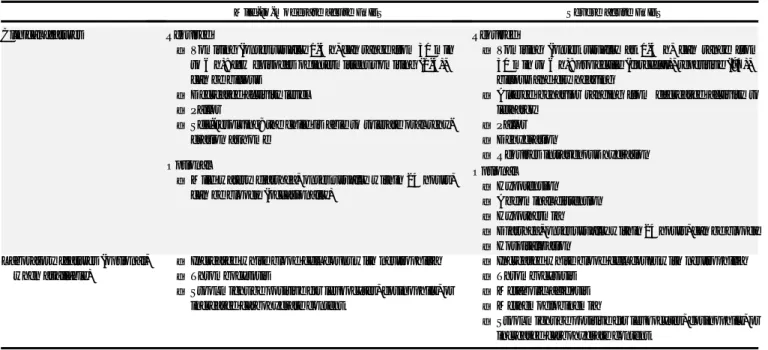
FPIES is a non–IgE-mediated food allergy that typically presents in infancy, with repetitive protracted vomiting that begins approximately 1 to 4 hours after food ingestion. Vomiting is often accompanied by lethargy and pallor and can be followed by diarrhea. Delayed onset and absence of cutaneous and respiratory symptoms suggest a systemic reaction different from anaphylaxis.1,3Severe cases can progress to hypothermia, methemoglobinemia, acidemia, and hypotension, mimicking sepsis.3-5The FPIES clinical phenotype is influenced by the age of onset, nationality, timing, and duration of symptoms and associated IgE-mediated food allergy (Table I).
Summary Statement 2: Recognize that the symptom pheno- type in patients with FPIES is determined by the frequency of food ingestion. [Strength of recommendation: Strong; Evi- dence strength: IIa; Evidence grade: B]
The manifestations and severity of FPIES depend on the frequency and dose of the trigger food, as well as the phenotype and age of an individual patient.6-9The distinct pattern of emesis starting within 1 to 4 hours after food ingestion (acute FPIES) oc- curs when the food is ingested intermittently or after a period of avoidance (Tables IandII). Watery diarrhea (occasionally with blood and mucous) develops in some cases within 5 to 10 hours of ingestion and can be present for up to 24 hours.4,9-13Symptoms of acute FPIES usually resolve within 24 hours after food inges- tion. In most children with acute FPIES, they are well between ep- isodes with normal growth.
Chronic FPIES is less well characterized compared with acute FPIES and only reported in infants younger than 4 months of age fed with cow’s milk (CM) or soy infant formula. Chronic FPIES develops on regular/repeated ingestion of the triggering food, presenting as chronic/intermittent emesis, watery diarrhea, and failure to thrive (FTT;Table I) Severe chronic FPIES can lead to dehydration and shock.6,14Hypoalbuminemia and poor weight gain can predict chronic CM-induced FPIES in young infants with chronic gastrointestinal symptoms.10With elimination of the chronic FPIES food trigger or triggers, symptoms resolve, but subsequent feeding (accidental exposure or oral food chal- lenge [OFC]) induces an acute FPIES reaction within 1 to 4 hours of food ingestion (Table I). The acute symptomatology after food avoidance distinguishes chronic FPIES from food protein–
induced enteropathy, eosinophilic gastroenteritis, or celiac dis- ease. Chronic FPIES is uncommon but appears to be diagnosed more frequently in Japan and Korea.10,13,15
SECTION II: EPIDEMIOLOGY
There is limited, wide-scale epidemiologic information regarding FPIES.16FPIES was recognized and formally defined in the mid-1970s.6A 10th revision of the International Statistical Classification of Diseases and Related Health Problems code for FPIES (K52.2) was implemented in October 2015. Before this, no uniform International Classification of Diseases code existed.
FPIES prevalence estimates vary greatly. Katz et al12presented the only published prospective birth cohort noting a cumulative incidence of infants with CM-induced FPIES of 3 per 1000 new- borns born at a single hospital over 2 years (0.34%).
Summary Statement 3: Recognize that onset of FPIES to CM and soy can occur at younger ages compared with FPIES
to solid foods. Patients can have a single trigger or multiple triggers. [Strength of recommendation: Strong; Evidence strength: IIb-III; Evidence grade: C]
The most commonly reported FPIES triggers are CM, soy, and grains.11,12,17 Soy-induced FPIES and combined soy/CM- induced FPIES are common in the United States (approximately 25% to 50% in reported case series) but uncommon in Australia, Italy, and Israel. Most reported solid food–induced FPIES is attributable to rice and oat. Rice is the most commonly reported grain trigger, except in Italy.18Combined rice/oat-induced FPIES has been reported in almost a third of cases of rice-induced FPIES in both the United States and Australia.4,5,9 In contrast, fish- induced FPIES is common in Italy and Spain but less common
elsewhere.18,19Multiple factors can be involved to explain this geographic variation, including differences in the populations studied in the case series, presence of atopic disease, breast- feeding and dietary practices, and yet-to-be-discovered genetic factors.11,12,17,20
FPIES occurs once CM or soy-based formulas, solid foods, or both are introduced into the infant’s diet, usually between 2 and 7 months of age.4,8,9,12,16,18,21 Infants with CM- and soy- induced FPIES typically present at a younger age (<6 months) compared with those with solid food–induced FPIES (6-12 months) reflecting earlier introduction of CM and soy. The median age of solid food–induced FPIES onset is similar between most series (5-7 months), with grain-
TABLE I.Proposed defining features for clinical phenotyping of FPIES
FPIES subtypes Defining features
Age of onset
Early Younger than age 9 mo
Late Older than age 9 mo
Severity
Mild-to-moderate Repetitive emesis with or without diarrhea, pallor, mild lethargy
Severe Repetitive projectile emesis with or without diarrhea, pallor, lethargy, dehydration, hypotension, shock, methemoglobinemia, metabolic acidosis
Timing and duration of symptoms
Acute Occurs with intermittent food exposures, emesis starts usually within 1-4 h, accompanied by lethargy and pallor;
diarrhea can follow within 24 hours, with usual onset of 5-10 h. Usual resolution of symptoms within 24 h after elimination of the food from the diet. Growth is normal, and child is asymptomatic during food trigger elimination.
Chronic Occurs with daily ingestion of the food (eg, feeding with CM- or soy-based formula in an infant); symptoms include intermittent emesis, chronic diarrhea, poor weight gain, or FTT. Infants with chronic FPIES usually return to their usual state of health within 3-10 d of switching to a hypoallergenic formula, although in severe cases temporary bowel rest and intravenous fluids might be necessary. Subsequent feeding of the offending food after a period of avoidance results in acute symptoms.
IgE positivity
Classic Food specific, IgE negative
Atypical Food specific, IgE positive
TABLE II.Proposed defining features of mild and severe acute FPIES
Mild-to-moderate acute FPIES Severe acute FPIES
Clinical features Required
d Vomiting (onset usually 1-4 h, can range from 30 min to 6 h): few episodes of intermittent vomiting (1-3), can be bilious
d Decreased activity level
d Pallor
d Self-resolving; the child is able to tolerate oral rehy- dration at home
Optional
d Mild watery diarrhea, onset usually within 24 hours, can be bloody (occasionally)
Required
d Vomiting (onset usually at 1-4 h, can range from 30 min to 6 h): projectile (forceful), repetitive (>_4), bilious and dry heaving
d Altered behavior ranging from decreased activity to lethargy
d Pallor
d Dehydration
d Requires intravenous hydration Optional
d Hypotension
d Abdominal distention
d Hypothermia
d Diarrhea, onset usually within 24 hours, can be bloody
d Hospitalization Laboratory features (optional,
when available)
d Increased white blood cell count with neutrophilia
d Thrombocytosis
d Stool might be positive for leukocytes, eosinophils, or increased carbohydrate content
d Increased white blood cell count with neutrophilia
d Thrombocytosis
d Metabolic acidosis
d Methemoglobinemia
d Stool might be positive for leukocytes, eosinophils, or increased carbohydrate content
induced FPIES presenting before FPIES to fish, egg, and poultry (see Table E1 in this article’s Online Repository at www.jacionline.org).4,5,8,9,16,22
Infants with CM/soy-induced FPIES at less than 2 months of age were significantly more likely to manifest diarrhea, blood in stool, and FTT compared with those presenting at more than 2 months of age (P< .05 for all comparisons).7,11,13,18,23-26Older infants were more likely to present with vomiting alone (P< .05).27An acute-on-chronic phenotype also exists, in which neonates initially present with the chronic FPIES but, on acci- dental ‘‘on-off’’ exposure, present with acute FPIES.6,14
FPIES to fish/shellfish and egg in adults, as described in a small case series, is characterized by delayed-onset vomiting, persis- tence of the diagnosis, and a history of previous food tolerance.28,29
Summary Statement 4: Consider specific IgE testing of chil- dren with FPIES to their trigger food because comorbid IgE- mediated sensitization to triggers, such as CM, can infer a greater chance of persistent disease. [Strength of recommen- dation: Moderate; Evidence strength: IIb-III; Evidence grade: C]
FPIES is immunologically distinct from IgE-mediated disease, but many children with FPIES have comorbid atopy, including eczema and food IgE sensitization. Studies from the United States and Australia report frequent atopic coassociation, especially eczema (31% to 57% of cases, seeTable E2in this article’s Online Repository atwww.jacionline.org), although this association is rare in Korea, Israel, and Italy (0% to 9%).18
Children with FPIES can also have coexisting IgE-mediated food allergy at presentation or on follow-up assessment, as reported in 2% to 12% of patients.4,9,18Caubet et al4reported that children with CM-induced FPIES and IgE sensitization to CM (ie, atypical FPIES)8 were more likely to have persistence of CM-induced FPIES after 3 years of age compared with those without sensitization. Sensitization to other food proteins did not appear to delay tolerance acquisition.
Summary Statement 5: Do not recommend any specific pre- natal or postnatal food introduction/avoidance or health be- haviors or advise patients regarding any specific genetic factors known to moderate the risk of a patient with FPIES.
[Strength of recommendation: Weak; Evidence strength:
IIb-III; Evidence grade: C]
In the Israeli birth cohort no association was noted between the development of FPIES and gestational age, maternal age, number of siblings, maternal dairy consumption, or age of introduction of CM, although an association was noted with caesarian section and Jewish religion (ie, a greater proportion had FPIES).12US, Italian, and Australian case series have not assessed prenatal or postnatal risk factors.5,8,9,16-18,22,30,31
Summary Statement 6: Consider FPIES a heterogeneous disorder associated with a number of geographic variations in the features of disease, representing a spectrum of ‘‘syn- dromes’’ as opposed to a uniform ‘‘syndrome.’’ [Strength of recommendation: Strong; Evidence strength: IIb-III; Evi- dence grade: B]
The majority of reports in the literature are from Western countries and predominantly include subjects of white race.16 Japanese data suggest that different FPIES phenotypes might exist based on dietary habits, race, or ethnicity.15In Japanese in- fants with FPIES, vomiting was observed in 100%, bloody stools in 47%, and fever in 13% at the initial presentation. Forty-seven
percent had detectable serum CM-specific IgE (sIgE), and 10%
reported symptoms during breast-feeding.13,19 This phenotype appears distinct to Japan, which is in contrast to the vomiting- predominant presentation without bloody stools in slightly older infants more commonly reported in most other countries.16
SECTION III: DIAGNOSIS OF FPIES
Summary Statement 7: Diagnose FPIES primarily based on a clinical history of typical characteristic signs and symp- toms with improvement after withdrawal of the suspected trigger food. Exclude other potential causes and use OFCs to help confirm the diagnosis if the history is unclear and there is a favorable risk/benefit ratio. [Strength of recommenda- tion: Strong; Evidence strength: IIb-III; Evidence grade: B]
A careful history is the most important diagnostic tool in the evaluation of FPIES.3,32Acute FPIES presents with a constella- tion of unique and sometimes dramatic signs and symptoms.
The clinician must obtain details of all possible reactions, specific symptoms, timing of symptoms in relation to food intake, all sus- pected food triggers, and reproducibility of reactions with repeated exposures to the suspect food or foods. In the vast major- ity of patients with acute FPIES, history alone is sufficient to make a diagnosis and identify trigger foods.
If the diagnosis is unclear after taking a careful history, OFCs should be used as the gold standard to confirm the diagnosis.
There is no laboratory or other diagnostic procedure specific for FPIES, although there are a variety of other laboratory tests to help support the diagnosis and, more importantly, to rule out other conditions, as discussed inTable III.
Infants presenting with a convincing history of FPIES likely do not require challenges to confirm their initial diagnosis. The revised diagnostic criteria for acute and chronic FPIES are presented inTable IV. In fact, in the face of a clear history with repeated reactions to the same food or foods, the risk of an OFC might outweigh its benefits. OFCs are best reserved in the initial diagnostic evaluation for cases in which the history is un- clear, a food trigger is not identified, the time course of symptoms is atypical, or symptoms persist despite removing the suspected trigger food or foods from the diet. OFCs are highly useful to determine whether FPIES has been outgrown (Table V).
In patients with chronic FPIES, the diagnosis can be unclear based on the history alone. Given the less specific nature of chronic FPIES symptoms, a trial of food elimination followed by supervised OFCs to potential food triggers might be necessary for a conclusive diagnosis. In select cases endoscopy and biopsy might be warranted to exclude other causes.
Summary Statement 8: Conduct OFCs in patients with sus- pected FPIES in medically supervised settings in which access to rapid fluid resuscitation is available and prolonged obser- vation can be provided, if necessary. [Strength of recommen- dation: Strong; Evidence strength: IIb; Evidence grade: B]
OFCs in patients with FPIES should be conducted with caution; up to 50% of positive OFC results might require treatment with intravenous fluids.32 Home OFCs to a food suspected of triggering FPIES are not recommended given the potential for severe reactions. Although one recent study reported successful management of OFC reactions with oral rehydration and anecdotally some reactions are managed with oral rehydration,12 it is advisable to have intravenous hydration readily available.
A variety of protocols for FPIES-related OFCs have been published.3,6,32-34All OFCs require close supervision with imme- diate access to intravenous fluids. Some experts strongly recom- mend that peripheral intravenous access be secured before the OFC. A baseline complete blood cell count (CBC) with differen- tial might be of value, especially in the research setting (as a comparator with a postchallenge CBC) but is considered optional in OFCs performed for clinical indications. Although some proto- cols provide the entire dose in a single portion, the current consensus is to administer the challenge food at a dose of 0.06 to 0.6 g, usually 0.3 g of the food protein per kilogram of body weight, in 3 equal doses over 30 minutes. It is generally recom- mended not to exceed a total of 3 g of protein or 10 g of total food (100 mL of liquid) for an initial feeding (which aims to approximate a serving size) and observe the patient for 4 to 6 hours.34Lower starting doses, longer observation periods be- tween doses, or both should be considered in patients with a his- tory of severe reactions.32When a very low dose of food protein is administered and there is no reaction after 2 to 3 hours of obser- vation, some experts advocate that the patient ingest a full age- appropriate serving of the food, followed by 4 hours of observa- tion. However, in patients with detectable sIgE to the challenge food, a more gradual administration of the challenge food
according to protocols for IgE-mediated food allergy is recom- mended, with a longer postchallenge observation period to ac- count for a possible FPIES reaction.34 The total dose and dosing regimen for FPIES-related OFCs have not been systemat- ically studied, and therefore practices can vary internationally; it is ultimately at the physician’s discretion to modify the regimen per the individual circumstances.
With a positive (eg, failed) OFC result, typical FPIES symptoms, including emesis (usually protracted repetitive emesis), pallor, and lethargy, begin within 1 to 4 hours after ingestion. Diarrhea can occur in about 5 to 10 hours. If a CBC with differential was obtained before and after challenge, there is an increase in the neutrophil count (>1500 cells/mL), peaking 6 hours after food ingestion.4,6,14In patients with diarrhea, a stool sample can be assessed for the presence of occult blood, leuko- cytes, or red blood cells. Revised criteria for interpretation of OFC results are presented inTable V.
See Summary Statement 18 for treatment of acute reactions or positive OFC results.
Summary Statement 9: Do not routinely perform testing for food sIgE to identify food triggers of FPIES because FPIES is not an IgE-mediated process. However, because some patients with FPIES can exhibit coexisting IgE-mediated allergies,
TABLE III.Differential diagnosis of FPIES
Condition Features that can distinguish from FPIES
Infectious gastroenteritis (eg, viral or bacterial) Single episode of illness, fever, sick contacts
Sepsis Fluid resuscitation alone not effective
Necrotizing enterocolitis Newborns and younger infants, rapid escalation of symptoms, bloody
stools, shock, intramural gas on abdominal radiographs
Anaphylaxis Symptoms begin within minutes to 2 hours of exposure, positive IgE test
results, usually other manifestations (eg, urticaria)
Food aversion Look at the familial context
Inborn errors of metabolism: urea cycle defects, hereditary fructose intolerance, hyperammonemic syndromes, propionic/methylmalonic acidemia,b-oxidation defects, hyperinsulinism-hyperammonemia syndrome, pyruvate dehydrogenase deficiency, mitochondrial disorders, maple syrup urine disease, ketothiolase deficiency
Developmental delay, neurologic manifestations, organomegaly, reaction to fruits
Lactose intolerance In its severe form gas, bloating, cramps, diarrhea, borborygmi, and
vomiting after ingestion of liquid milk and large doses of dairy products with lactose
Neurologic disorders (eg, cyclic vomiting) No relation to specific food intake
Gastrointestinal reflux disease Emesis more chronic and not usually severe (ie, does not lead to dehydration), only upper gastrointestinal symptoms present
Hirschsprung disease Delay in passage of the first meconium, marked abdominal distention
FPIES Symptoms usually not temporarily associated with specific food intake;
symptoms more chronic than episodic; vomiting less severe; most commonly implicated foods are CM, soy, wheat, and egg white Eosinophilic gastroenteropathies (eg, eosinophilic esophagitis or
eosinophilic gastroenteritis)
Usually not associated with specific food intake, symptoms more chronic than episodic, vomiting less severe, more likely to have positive IgE test results
Celiac disease No temporal relationship between symptoms and specific food intake,
progressive malabsorption, results of celiac serology are positive Immune enteropathies (eg, inflammatory bowel disease, autoimmune
enteropathy, or immunodeficiency)
Rare in infancy, not related to specific food intake
Obstructive problems (eg, malrotation, Ladd bands, or volvulus) Not related to specific food intake, evidence of obstruction on radiologic studies
Coagulation defects No relation to specific food intake
a1-Antitrypsin deficiency No relation to specific food intake, hepatic involvement
Primary immunodeficiencies No relation to specific food intake, intestinal symptoms frequent infections
testing can be considered in patients with certain comorbid conditions. Assessment of chemistry or blood counts can help rule out other causes of symptoms if obtained in the acute setting. [Strength of recommendation: Moderate; Evidence strength: III; Evidence grade: C]
The majority of patients with FPIES have negative skin prick test (SPT) responses and undetectable serum food sIgE to the suspect food at the time of their initial diagnosis.4,8,12,18,22
However, IgE testing can be considered in patients with FPIES at follow-up visits, as dictated by interval history, because 2%
to 20% might eventually have positive test responses to the sus- pect FPIES-related food or foods and 20% to 40% will have pos- itive test responses to other common food allergens.4,8,18There are some children who demonstrate sIgE to their trigger food (so-called atypical FPIES) and have slower resolution of FPIES, and these children are important to identify.8,35Therefore peri- odic testing (eg, before an OFC) for food sIgE can be considered in patients with comorbid conditions, such as IgE-mediated food allergy to other foods and atopic dermatitis believed to be influ- enced by a food allergen, but this is not recommended at the initial evaluation for an FPIES trigger. In patients with CM-induced FPIES, CM sIgE levels should be measured before performing a food challenge, given the risk of conversion to the IgE- mediated CM allergy. Atopy patch tests have been evaluated in 2 small studies as a possible means of identifying specific food sensitivities in patients with FPIES. Because of conflicting re- sults, no recommendation regarding the utility of atopy patch tests can be made.36,37
Patients with chronic FPIES demonstrate varying degrees of anemia, hypoalbuminemia, and an increased white blood cell count with a left shift and eosinophilia.10This frequently leads to sepsis evaluation in the emergency department.22Thrombocyto- sis was reported in 65% of patients in one acute FPIES series.9 Metabolic acidosis and methemoglobinemia were reported in pa- tients with acute and chronic FPIES because of hemodynamic shifts.38
In patients with acute FPIES with diarrhea, frank or occult blood, mucus, leukocytes, and increased carbohydrate content can all occur.6In infants with chronic FPIES with diarrhea, stool examination can reveal occult blood, neutrophils, eosinophils, Charcot-Leyden crystals, and/or reducing substances.10Gastric
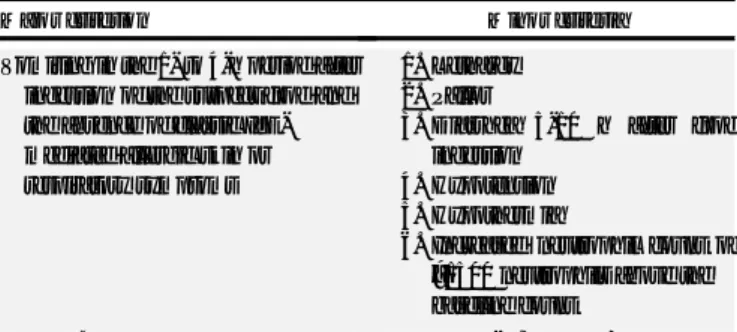
TABLE IV.Diagnostic criteria for patients presenting with possible FPIES Acute FPIES
Major criterion:
Vomiting in the 1- to 4-h period after ingestion of the suspect food and absence of classic IgE-mediated allergic skin or respiratory symptoms
Minor criteria:
1. A second (or more) episode of repetitive vomiting after eating the same suspect food
2. Repetitive vomiting episode 1-4 h after eating a different food 3. Extreme lethargy with any suspected reaction
4. Marked pallor with any suspected reaction
5. Need for emergency department visit with any suspected reaction 6. Need for intravenous fluid support with any suspected reaction 7. Diarrhea in 24 h (usually 5-10 h)
8. Hypotension 9. Hypothermia
The diagnosis of FPIES requires that a patient meets the major criterion and >_3 minor criteria. If only a single episode has occurred, a diagnostic OFC should be strongly considered to confirm the diagnosis, especially because viral gastroenteritis is so common in this age group. Furthermore, although not a criteria for diagnosis, it is important to recognize that acute FPIES reactions will typically completely resolve over a matter of hours compared with the usual several-day time course of gastroenteritis. The patient should be asymptomatic and growing normally when the offending food is eliminated from the diet.
Chronic FPIES
Severe presentation: When the offending food is ingested on a regular basis (eg, infant formula); intermittent but progressive vomiting and diarrhea (occasionally with blood) develop, sometimes with dehydration and metabolic acidosis.
Milder presentation: Lower doses of the problem food (eg, solid foods or food allergens in breast milk) lead to intermittent vomiting and/or diarrhea, usually with poor weight gain/FTT but without dehydration or metabolic acidosis.
The most important criterion for chronic FPIES diagnosis is resolution of the symptoms within days after elimination of the offending food(s) and acute recurrence of symptoms when the food is reintroduced, onset of vomiting in 1-4 h, diarrhea in 24 h (usually 5-10 h). Without confirmatory challenge, the diagnosis of chronic FPIES remains presumptive.
TABLE V.Diagnostic criteria for the interpretation of OFCs in patients with a history of possible or confirmed FPIES
Major criterion Minor criteria
Vomiting in the 1- to 4-h period after ingestion of the suspect food and the absence of classic IgE- mediated allergic skin or respiratory symptoms
1. Lethargy 2. Pallor
3. Diarrhea 5-10 h after food ingestion
4. Hypotension 5. Hypothermia
6. Increased neutrophil count of
>
_1500 neutrophils above the baseline count
The OFC will be considered diagnostic of FPIES (ie, positive) if the major criterion is met with >_2 minor criteria. However, we would suggest 2 important caveats to these criteria: (1) with the rapid use of ondansetron, many of the minor criteria, such as repetitive vomiting, pallor, and lethargy can be averted, and (2) not all facilities performing challenges have the ability to perform neutrophil counts in a timely manner.
Therefore the treating physician might decide that a challenge be considered diagnostic in some instances, even if only the major criterion was met. However, in challenges performed for research purposes, providers should adhere to stringent criteria for challenge positivity.
aspirates were assessed before and 3 hours after an OFC, revealing more than 10 leukocytes/high-power field in 15 of 16 patients with positive OFC results and 0 of 8 patients with nega- tive OFC results.39These evaluations do not have clinical utility for routine use, and even the acute leukocytosis seen in patients with positive OFC results rarely adds to the overall interpretation of the OFC outcome.
Summary Statement 10: Do not obtain radiographic testing in the routine diagnostic work-up of suspected FPIES.
[Strength of recommendation: Strong; Evidence strength:
III; Evidence grade: C]
There is no radiographic finding specific to FPIES. Radiologic studies performed in some older studies involving infants with possible chronic FPIES symptoms showed air-fluid levels, nonspecific narrowing and thumb printing of the rectum and sigmoid, and thickening of the plicae circulares in the duodenum and jejunum with excess luminal fluid.40Intramural gas has been documented, potentially leading to a misdiagnosis of necrotizing enterocolitis.9
Summary Statement 11: Consider a broad differential for a patient presenting with acute vomiting in making a diagnosis of FPIES. [Strength of recommendation: Moderate; Evidence strength: III/IV; Evidence grade: C]
An infant can present with multiple reactions before FPIES is eventually considered, often leading to extensive diagnostic evaluations, especially when FPIES is caused by solid foods.9,22 Delayed diagnosis is likely due to a combination of nonspecific symptoms, the absence of definitive diagnostic tests, and an over- all lack of familiarity with FPIES. Delayed diagnosis of solid food–induced FPIES might also be due to the fact that rice, oat, and vegetables uncommonly cause IgE-mediated food allergy.
The differential diagnosis of FPIES is extensive, as shown in Table III. The initial episodes can be misdiagnosed as acute viral gastroenteritis or be evaluated for sepsis, especially if they present with profound lethargy, hypotension, and increased white blood cell counts with a leftward shift.6,9
Summary Statement 12: Use distinct criteria to diagnose FPIES in the outpatient/community setting compared with the monitored setting in which OFCs are being used to rule in the diagnosis. [Strength of recommendation: Weak; Evi- dence strength: III/IV; Evidence grade: D]
Revised diagnostic criteria for patients presenting with possible acute and chronic FPIES are presented inTable IV. These criteria differ from Powell and Sicherer’s criteria in that they eliminate an age limit for onset of FPIES and emphasize repetitive vomiting as a cardinal feature of acute FPIES based on more recent literature.5,6,8,9,11,12,18,28,41 Specific major and minor criteria for acute FPIES are provided based on the collective pub- lished evidence. The major criterion for acute FPIES is vomiting in the 1- to 4-hour period after ingestion of the suspect food and the absence of classic IgE-mediated allergic skin or respiratory symptoms. Minor criteria include the following:
1. a second (or more) episode of repetitive vomiting after eating the same suspect food;
2. a repetitive vomiting episode 1 to 4 hours after eating a different food;
3. extreme lethargy with any suspected reaction;
4. marked pallor with any suspected reaction;
5. need for emergency department visit with any suspected reaction;
6. need for intravenous fluid support with any suspected reaction;
7. diarrhea in 24 hours (usually 5–10 hours);
8. hypotension; and 9. hypothermia.
The diagnosis of FPIES requires that a patient meets the major criterion and at least 3 minor criteria. If only a single episode has occurred, a diagnostic OFC should be strongly considered to confirm the diagnosis, especially because viral gastroenteritis is so common in this age group.
General criteria are provided for patients with chronic FPIES, but given the paucity of published reports of chronic FPIES, specific major and minor criteria could not be established at this time.
For severe chronic FPIES, when the offending food is ingested on a regular basis (eg, infant formula), intermittent but progres- sive vomiting and diarrhea (occasionally with blood) develop, sometimes with dehydration and metabolic acidosis. For milder chronic FPIES, lower doses of the problem food (eg, solid foods or food allergens in breast milk) lead to intermittent vomiting, diarrhea, or both, usually with poor weight gain/FTT but without dehydration or metabolic acidosis.
It is important to recognize 2 distinct hallmarks of chronic FPIES: patients are asymptomatic and maintain normal growth when the trigger food is eliminated from the diet, and reintro- duction of the trigger food induces acute FPIES symptoms. The diagnostic criteria for the interpretation of OFC results in patients with a history of possible or confirmed FPIES are presented in Table V. These criteria also differ in the degree of neutrophilia and remove the stool laboratory findings, reflecting a possible pheno- typic shift represented by a lower frequency of diarrhea and smaller magnitude of neutrophil count increase during OFCs, as reported in the recent literature.4,11,12
SECTION IV: PATHOPHYSIOLOGY OF FPIES
FPIES can involve antigen-specific T cells, antibodies, and cytokines as a cause of the inflammation found in the colon and, to variable degrees, the ileum by means of endoscopy, colonoscopy, and biopsy.39,42-48 This inflammation is believed to cause an increased intestinal permeability and fluid shift into the gastroin- testinal lumen.49
Summary Statement 13: Classify FPIES as a non–IgE- mediated food allergy but be aware that the postulated T cell–mediated mechanism of FPIES requires further valida- tion. [Strength of Recommendation: Strong; Evidence strength: IIb/III; Evidence grade: C]
FPIES is classified as a non–IgE-mediated disorder.1,8,22,50 However, some patients with FPIES have IgE to the trigger food, which might be associated with a more protracted course, in particular casein in patients with CM-induced FPIES.4,22,32 Phenotypic shifting from IgE-mediated CM-induced allergy to pure FPIES has been reported.51Local intestinal mucosal IgE an- tibodies could facilitate antigen uptake and lead to intestinal inflammation. TH2 responses similar to those occurring in pa- tients with IgE-mediated allergy have been found in patients with FPIES.52,53This corroborates the observation of high rates of atopy in patients with FPIES.3,4 The relationship between IgE and non-IgE mechanisms in patients with FPIES requires further investigations. Reported successful use of ondansetron
to treat vomiting, abdominal pain, and lethargy during FPIES challenges implies neuroimmune mechanism involvement.54,55
SECTION IV: GASTROINTESTINAL MANIFESTATIONS OF FPIES
Summary Statement 14: Do not routinely obtain endo- scopic evaluation as part of the evaluation of FPIES.
[Strength of recommendation: Weak; Evidence strength:
IV; Evidence grade: D]
In patients with chronic FPIES with emesis and FTT, upper endoscopy can reveal gastric edema, erythema, and mucosal friability, with gastric antral erosions.46Colonoscopy results can be normal in the absence of rectal bleeding or diarrhea.42,43,56,57
In patients with rectal bleeding, loss of vascular pattern, spontaneous and induced friability, and variable degrees of ulceration with spontaneous bleeding can occur. Rectal histology ranges from slight infiltrate of lymphocytes and plasma cells in the lamina propria to polymorphonuclear leukocytic infiltration of the lamina propria or glands, with occasional crypt abscesses and depletion of mucus from rectal glands. Destruction of the surface epithelium can be seen. Colonic macroscopic appearance is similar to that of the rectum, with red, fragile, hemorrhagic mucosa seen within a few hours of ingesting the offending food.56 Colonic biopsy specimens show severe inflammation with increased eosinophil numbers.56 In some infants with FPIES, small intestinal damage with variable degrees of villous atrophy has been described.24Clinically, enteropathy can cause carbohy- drate malabsorption and watery stools, which are positive for reducing substances.6,57Gross and histologic abnormalities can revert to normal as soon as 2 days after removal of the trigger food.42
Summary Statement 15: Do not use stool tests to make the diagnosis of FPIES. [Strength of recommendation: Weak; Ev- idence strength: III; Evidence grade: D]
Stool eosinophils, detected by using Hansel’s stain, along with eosinophilic debris can be found in infants with FPIES.57Results of stool cultures and/or evaluation of stool for pathogenic organ- isms, including parasites, should be negative. Stool leukocytes noted on trigger food challenge were included among Powell’s diagnostic criteria of FPIES, although this specific feature is rarely considered essential in light of Sicherer’s modification to the acute FPIES criteria.57 In addition, patients with chronic FPIES can have occult fecal or frank blood after elimination and then reintroduction of the trigger food to their diets.12,17,57
Summary Statement 16: Consider a work-up to rule out other gastrointestinal diseases resulting in symptoms that overlap with FPIES. [Strength of recommendation: Moder- ate; Evidence strength: III; Evidence grade: D]
A broad differential must be considered given that many infantile gastrointestinal disorders cause symptoms overlapping with chronic FPIES (Table III).
SECTION VI: MANAGEMENT OF ACUTE FPIES Summary Statement 17: Treat acute FPIES as a medical emergency and be prepared to provide aggressive fluid resus- citation because approximately 15% of patients can have hy- povolemic shock. [Strength of recommendation: Strong;
Evidence strength: IIa; Evidence grade: B]
Summary Statement 18: Manage acute FPIES individually according to severity and review treatment strategies with the caregivers of each patient. [Strength of recommendation:
Moderate; Evidence strength: IIb/III; Evidence grade: C]
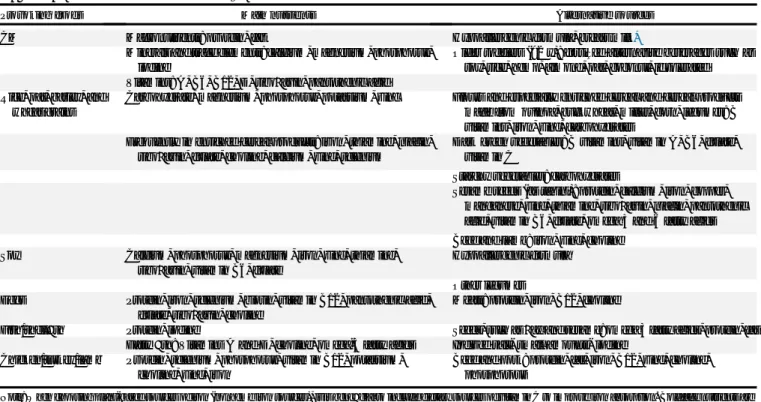
Acute FPIES can result readily in hypovolemic shock and should be managed appropriately whether from a positive OFC result or accidental exposure. The priority in management of severe FPIES is restoration of stable hemodynamics through aggressive isotonic fluid resuscitation (eg, 10-20 mL/kg boluses of normal saline) repeated as needed and dextrose saline as a continuous intravenous maintenance infusion (Table VI).
A single dose of intravenous methylprednisolone (1 mg/kg;
maximum, 60-80 mg), can decrease presumed cell-mediated inflammation, although no studies support this recommenda- tion.33In severe reactions patients might require supplemental oxygen, mechanical ventilation, or noninvasive positive pres- sure ventilation for respiratory insufficiency or failure, vaso- pressors for hypotension, bicarbonate for acidemia, and methylene blue for methemoglobulinemia.3,28,32,38,58,59
Epinephrine autoinjectors are not routinely recommended/pre- scribed for FPIES, although those with concomitant IgE- mediated allergy should be prescribed epinephrine autoinjector at the physician’s discretion if the patient is deemed at risk for food-induced anaphylaxis.1Mild-to-moderate acute FPIES can resolve with oral rehydration, including breast-feeding, at home (Table VII).
Summary Statement 19: Consider ondansetron as an adjunctive management of emesis in patients with acute FPIES. [Strength of recommendation: Weak; Evidence strength: IV; Evidence grade: D]
Ondansetron is a serotonin 5-HT3receptor antagonist used to treat nausea and vomiting, often after chemotherapy, but is used also in patients with viral gastroenteritis. Special caution might be warranted in children with heart disease because of the poten- tial to prolong the QT interval.60Two small case series reported that use of intravenous ondansetron was helpful in stopping emesis during FPIES-related OFCs.54,55 This intervention is promising, but its use is poorly studied at present. Rigorous trials are needed to determine the role and efficacy of ondansetron in the management of acute FPIES.
Summary Statement 20: Use dietary elimination of the trigger food or foods for the primary management of FPIES and educate caregivers and other care providers regarding avoidance strategies. [Strength of recommendation: Strong;
Evidence strength: IIb/IIIIV; Evidence grade: C]
Long-term FPIES management involves elimination of the trigger food or foods, plans for dietary advancement, treatment of symptoms at presentation or on re-exposure (including emer- gency treatment planning), and monitoring for FPIES resolution.
Nutritional consultation should be strongly considered for any patient, irrespective of the number of food avoidances recom- mended, to ensure adherence to dietary avoidance and adequate nutrition.
Infants with suspected CM- or soy-induced FPIES are generally advised to avoid all forms of these foods, including baked and processed foods, unless they are already included in the diet.1,3,61There are no conclusive studies to date evaluating tolerance to CM and egg proteins in baked products in children with FPIES, although a small case series reported tolerance of baked CM and egg in some children. Introduction of baked CM and egg should be done under physician supervision
because there are unclear long-term outcomes associated with this practice.62-67
Infants with CM/soy-induced FPIES can be breast-fed or use a hypoallergenic formula, such as casein-based extensively hydro- lyzed formula. When possible, breast-feeding should be continued, which is consistent with official recommendations for infant feeding.68Ten percent to 20% might require an amino acid–based formula (AAF).4,22 In infants with CM-induced FPIES, introduction of soy formula should be considered under a physician’s supervision andvice versa.
The risk of coreactivity to CM and soy is reported in approximately 20% to 40% of US patients but is noticeably absent in similar reports from Australia, Israel, and Italy.9,12,18 Based on high homology of the protein sequences in these animal milks, goat and sheep milk are not recommended in patients with
CM-induced FPIES.61 It is possible that milks from donkeys, camels, or both might be tolerated in patients with CM-induced FPIES because they are usually well tolerated in those with IgE-mediated CM allergy. Infants with chronic FPIES usually re- turn to their usual state of health within 3 to 10 days of switching to a hypoallergenic formula, although in severe cases temporary bowel rest and intravenous fluids might be necessary.6,14
Summary Statement 21: Do not recommend routine maternal dietary elimination of offending triggers while breast-feeding if the infant is thriving and remains asymptom- atic. [Strength of recommendation: Moderate; Evidence strength: III-IV; Evidence grade: C]
The majority of infants do not react to food allergens present in maternal breast milk. In the case of symptomatic FPIES occurring in an exclusively breast-fed infant, the mother should eliminate
TABLE VI.Management of acute FPIES episode at the medical facility Presenting symptoms
Mild Moderate Severe
Symptoms
1-2 Episodes of emesis No lethargy
>3 Episodes of emesis and mild lethargy >3 Episodes of emesis, with severe lethargy, hypotonia, ashen or cyanotic appearance Management
1. Attempt oral rehydration (eg, breast- feeding or clear fluids)
2. If age 6 mo and older: consider ondanse- tron intramuscular, 0.15 mg/kg/dose;
maximum, 16 mg/dose
3. Monitor for resolution about 4-6 h from the onset of a reaction
1. If age greater than 6 mo: administer on- dansetron intramuscular 0.15 mg/kg/dose;
maximum, 16 mg/dose
2. Consider placing a peripheral intravenous line for normal saline bolus 20 mL/kg, repeat as needed
3. Transfer the patient to the emergency department or intensive care unit in case of persistent or severe hypotension, shock, extreme lethargy, or respiratory distress 4. Monitor vital signs
5. Monitor for resolution at least 4-6 h from the onset of a reaction
6. Discharge home if patient is able to tolerate clear liquids
1. Place a peripheral intravenous line and administer normal saline bolus, 20 mL/kg rapidly; repeat as needed to correct hypotension
2. If age 6 mo and older: administer intrave- nous ondansetron, 0.15 mg/kg/dose;
maximum, 16 mg/dose
3. If placement of intravenous line is delayed because of difficult access and age is 6 mo or older, administer ondansetron intra- muscular, 0.15 mg/kg/dose; maximum, 16 mg/dose
4. Consider administering intravenous meth- ylprednisolone, 1 mg/kg; maximum, 60-80 mg/dose
5. Monitor and correct acid base and electro- lyte abnormalities
6. Correct methemoglobinemia, if present 7. Monitor vital signs
8. Discharge after 4-6 h from the onset of a reaction when the patient is back to base- line and is tolerating oral fluids
9. Transfer the patient to the emergency department or intensive care unit for further management in case of persistent or severe hypotension, shock, extreme lethargy, respiratory distress
Strong consideration should be lent to performing food challenges in children with a history of severe FPIES in the hospital or other monitored setting with immediate availability of intravenous resuscitation. Oral challenges in the physician’s office can be considered in patients with no history of a severe FPIES reaction, although caution should be urged because there are no data that can predict the future severity of FPIES reactions.
TABLE VII.Management of acute FPIES episode at home
Current episode MildA,B Moderate-to-severe
Symptoms 1-2 Episodes of emesis No or mild lethargy
>3 Episodes of emesis and moderate-to-severe lethargy Management Attempt oral rehydration at home (eg, breast-feeding or clear fluids) Call 911 or go to the emergency department
A. Child with history of severe FPIES reaction: call 911 or go to the emergency department if the triggering food was definitely ingested, even in the absence of symptoms or with any symptoms regardless of severity.
B. Child with no history of severe FPIES reaction.