A STUDY ON OPTIMAL INVESTMENT IN NEW ENERGY INDUSTRY OF MYANMAR
(ミャンマーの新エネルギー産業への最適投資に関する研究)
July, 2020
Doctor of Philosophy (Engineering)
NYEIN NYEIN AYE
TOYOHASHI UNIVERSITY OF TECHNOLOGY
別紙4-1(課程博士(英文))
Date of Submission(month day,year): July 7th, 2020
Department of
Architecture and Civil Engineering Student ID Number D179504
Supervisors Takao FUJIWARA
Applicant’s name NYEIN NYEIN AYE
Abstract ( Doctor )
Title of Thesis A STUDY ON OPTIMAL INVESTMENT IN NEW ENERGY INDUSTRY OF MYANMAR (ミャンマーの新エネルギー産業への最適投資に関する研究)
Approx. 800 words
Energy is necessary for socio-economic development. Growth in energy demand increasingly comes from developing economies, including Myanmar. On the other hand, the energy mix is seriously getting shift towards lower carbon fuels for supporting ecosystem, the climate adaptation and technological advances. Currently, 57%
of total population in Myanmar is still deprived of access to electricity although endowed with renewable and non- renewable energy resources. As Myanmar is a developing country, it needs innovative modern technology with huge capitalization in energy sector to be a developed nation.
The research questions are that what kinds of irreversible investment decision make financially optimal under uncertainty, how it is possible for Myanmar to invite foreign technology and investment from a perspective of win- win relationship and finally how Bayesian method would be a useful framework to estimate the parameters and clarify the signaling of investment in new energy industry.
In this thesis, a combination of option-games and Bayesian analysis will be utilized to analyze the optimal investment strategies for high-tech energy industry which needs huge irreversible capitalization and involve a great deal of uncertainty with asymmetric information among competitors. Particularly, managerial flexibility is connected with the Real Options Analysis. In Game Theory, the final realization of competition and cooperation tends to achieve “win-win” relationship with partners. Then, Bayesian MCMC Analysis is useful to the parameter estimation of the risk factors even when using incomplete information. Bayesian method has its advantage of signaling effect over the options-games theory of asymmetric information among competitors. Using options- games and Bayesian method to analyze the condition of two firms in clustering cooperation solves the problems between open innovation for advanced energy technology and cluster formation of the firms rationally.
In dissertation, one-stage strategic investment model is the introduction to the option-games between two players. In this model, option without competition, propriety option, has the implication of incentive to delay investment under uncertainty. But, option with competitive reactions has the timing trade-off between early commitment and flexibility value.
In two-stage option-games models, market structure is assumed to be oligopoly, duopoly in this case, where firm A is the pioneer and firm B is the follower. Firm A and B take actions in R&D commercialization period. The
R&D cost at favorable condition and can stay flexibility by waiting under unfavorable condition. By other words, firms of cooperation can get the win-win survival by the sharing strategy for uncertain condition. However, it needs to remove opportunism and improve the incentive for pioneer’s entrepreneurial initiative.
Then, the Bayesian MCMC analyses are made as the parameter estimation in order to find the optimal energy mix for safe and secure electricity supply and, to examine the R&D investment continuity of new energy start-ups at the ‘Valley of Death’. The flood disaster analysis is made for the risk management from the building of dams for hydroelectricity and also to figure out the best energy mix in electricity supply. In order for the stable supply of electricity all the seasons, solar electricity is an interesting renewable energy source in a dry zone like Myanmar as a backup to hydroelectricity. The revenue analysis from Bayesian perspective pointed out how much amount of investment should be made in new energy industry and how to continue the investments in negative financial period. At that time, firm’s revenue as the sort of real options can be guideline to facilitate the risky but promising investments.
Since it has to invite the outside investors to invest in new energy project, two-players’ game is extended for perfect competition between the competing firms under incomplete information. With information asymmetry in attracting to invest in a project, firm of better information tries to signal the project quality to the competing firm by acquiring patent as signaling game of perfect Bayesian equilibrium.
As the next challenge for my research, Bayesian inferences on stock returns and a Bayesian Regression Analysis for the potentiality to make the R&D investment in new project will be tried by referring to a study on opportunity for the sustainability of energy industry from a viewpoint of jump valuation.
The thesis concludes that there are ample opportunities for regional cooperation and technological innovation for new energy industry between advanced foreign countries including Japan and Myanmar in the development of renewable sources of energy. One of the conclusions of this thesis is that strategic cooperation with Japan would help Myanmar in strengthening energy related infrastructures and sourcing modern technology. I propose the result to appear sufficient generation and stable supply of electricity and then, a vision for the new energy project as the regional development in Myanmar.
ACKNOWLEDGEMENT
First of all, I would like to express my deepest gratitude and utmost respect to my research supervisor, Professor, Dr. Takao FUJIWARA from Institute of Liberal Arts and Sciences for the continuous support, invaluable guidance, warm encouragement, immense knowledge, greatest motivation, kind patience and enthusiasm to complete my research. The doors to his office were, all the time, open whenever I had a question or needed a discussion with him throughout my research period. Moreover, he always gave me strong faith in challenging the present theme and life in Japan and steered me towards the right direction in my efforts by his very warm advice.
Next, I am highly grateful to all the members of my Ph.D. thesis committee, namely Dr. Hiroyuki SHIBUSAWA who is the professor from the Department of Architecture and Civil Engineering, Toyohashi University of Technology and the Chairman of my dissertation committee, Dr. Kotaro TAKAYAMA, professor from the Electronics-Inspired Interdisciplinary Research Institute (EIIRIS) and Department of Architecture and Civil Engineering, Toyohashi University of Technology and Dr. David FLATH who is the professor from the Department of Economics, Ritsumeikan University, for their valuable suggestions and assistance rendered to me on this study. Continuously, I am deeply grateful to the screening committee and Board of Representatives for degree conferment. Their suggestions, evaluations, comments and requests to modify the thesis as it is necessary gave me the great help in improving the quality of this research and thesis.
After that, special thanks to all my lab members, colleagues, friends, sisters and brothers who gave me necessary aids in every aspect to come out this thesis, too. Then, I would like to thank to everyone so much who helped me in the completion of this research work.
This is a major milestone in my life for which I wish to thank all my family members as well. Without their support, help and inspiration, I might not have been able to accomplish this thesis. I really appreciate it from this page.
I am also sincerely thankful to Amano Institute of Technology Scholarship Foundation for supporting me financially and spiritually through their valuable guidance.
Finally, I pay homage to my parents, my greatest benefactors, who brought and fed me up until now, sent me to school to become an educated person and supported me to be able to study abroad and attend this university. In addition, I would like to pay homage to my formerly old teachers since my childhood days and, the President and all professors from the Toyohashi University of Technology who taught me well till I get the Doctoral Degree of Engineering, respectfully.
Hereby, I would like to utter all my hearty gratitude to all the above-mentioned persons.
A Study on Optimal Investment in New Energy Industry of Myanmar
Table of Contents
Page
Acknowledgement ……… i
Contents ………... iii
List of Figures ………. ix
List of Tables ………. xiii
Abbreviations ………. xv
Chapter Topic Page 1. Introduction to the Study ……..………... 1
1.1 Study Background ………... 1
1.2 Problem Statement of the Study ………... 2
1.3 Research Questions ……….. 3
1.4 Research Objectives ………. 3
1.5 Overall Research Methodology ……… 4
1.6 Scope and Opportunities of Research Approaches ……….. 5
1.7 Research Outline ……….. 5
1.8 Structure of the Thesis ……….. 6
2. Review of Literature ……….. 9
2.1 Introduction ……….. 9
2.2 Country’s Context ……….. 10
2.3 Overview of Myanmar Energy Status ……… 13
2.3.1 Primary Energy Data ……….. 14
2.3.2 Organizational Structure and Institutional Framework of Energy Sector ……….. 18
2.3.4 Power Sector, Electricity Network and Grid System of Myanmar ……….22
2.3.5 Core Issues and Causes and Effect of the Electricity Sector ……….. 26
2.3.6 Electricity Tariffs and Myanmar Energy Reform ………... 26
2.4 Net Present Value (NPV) ………... 29
2.4.1 Definition of NPV ………...29
2.4.2 The Scope and Usefulness of NPV ……….30
2.4.3 Weaknesses of NPV ………... 31
2.5 Real Options Theory ……….. 32
2.5.1 Definition and Theory of Real Options ……….. 32
2.5.2 Two Kinds of Options: Put and Call ………...33
2.5.3 Common Types of Real Options ……… 34
2.5.4 Real Options Analysis (ROA) Rule and Formula ……….. 34
2.6 Game Theory ………. 36
2.6.1 Definition of Game Theory and Its Usefulness ……….. 36
2.6.2 Strategic Form Games with Managerial Flexibility ………... 37
2.6.3 Four Dimensions of the Game ……… 38
2.6.4 Dominant Strategy ………... 40
2.6.5 Nash Equilibrium ……… 40
2.6.6 Strategies and Competitive Reactions in Multi-Stage Games ………... 40
2.6.7 Decision Tree in Option-Games ………. 42
2.7 Bayesian Games ………. 43
2.7.1 Definition of Bayesian Games ……… 43
2.7.2 Bayesian Equilibrium ………. 44
2.7.3 Backward Induction Equilibrium ………... 44
2.7.4 Subgames and Subgame Perfect Equilibrium ……… 45
2.7.5 Perfect Bayesian Equilibrium ………. 45
2.7.6 Signaling Games ………... 46
2.7.7 Bayesian Data Analysis and Bayesian Inferences ……….. 47
2.8 Summary ……… 48
3. Industrial Cluster Formation for Regional Development ……… 49
3.1 Introduction ……… 49
3.2 Industrial Cluster Formation ……….. 49
3.2.1 Concept of Industrial Cluster Formation ……… 49
3.2.2 Characteristics of Industrial Cluster Formation ……….. 51
3.3 The Benefits of Industrial Cluster Formation ……….52
3.3.1 Enhancing the Global Competitiveness of Industry ………... 52
3.3.2 Creating a Power for Effective Cooperation ………...53
3.3.3 Boosting the Innovative Ability ……….. 53
3.3.4 Sharing Effect ………. 54
3.4 Clustering of the Organizations for Regional Development of Myanmar ………. 54
3.4.1 Asian Development Bank as Main Partner ………. 57
3.4.2 JICA’s Financial Aids and Technical Supports ……….. 59
3.4.3 Partnership from World Bank Organization ………... 60
3.4.4 Assist from German Development Bank ……… 61
3.4.5 Assist from Department for International Development ……… 61
3.4.6 The Government of Thailand as Developing Partner ……… 61
3.4.7 The Government of Norway as a Partner ………... 62
3.4.8 Private Sector Participation ……… 62
3.5 Summary Result of Cluster Formation ………. 62
4. Application of Option-Games and the One-Stage Strategic Game ………. 65
4.1 Introduction ……… 65
4.2 Analyzing the One-Stage Strategic Investment under Uncertainty ………...65
4.3 Game Against Nature: Under Simple Propriety Options ………... 66
4.3.2 Game with Managerial Flexibility ……….. 67
4.3.3 Impact of Exogenous Competitive Entry ………68
4.3.4 The Effect on Game against Nature ……… 69
4.4 Strategic Games Against Competition: Under Shared Options ………... 70
4.4.1 Investment-timing Scenarios and Competitive Interactions ……….. 70
4.4.2 Payoff Structure of the Game and Analyzed Result ………... 71
4.5 Lessons from the Applications of Games in Real Option Analysis ………... 71
4.6 Sensitivity Analysis for the Strategic Game Investment ……… 72
4.6.1 Analyzing the NPV Behavior Based on Investment Amount Changes ……….. 72
4.6.2 Impact on NPV due to Simultaneously Changes of Investment and Volatility …………... 74
4.6.3 NPV Gaps between Pareto Optimum and Prisoners’ Dilemma ………. 76
4.6.4 Exceptional Points for the Pareto Optimum Solution ………... 78
4.7 Summary ……… 79
5. Two-Stage Option-Games for the Strategic Investment ………...81
5.1 Introduction ………..………..……… 81
5.2 Assumption of the Model and Evaluation under Exogenous Uncertainties ……….. 82
5.3 Two-Stage Investment Game with Endogenous Competition ………... 84
5.3.1 Competition in Commercial Production Stage ………... 84
5.3.2 Calculation Results from the Analysis of Strategic Competitiveness ……… 84
5.3.3 Simultaneous R&D Investment during the Production Stage ……… 90
5.3.4 Explanation of Final Results ………..………. 92
5.4 Summary ………..………..………..……….. 93
6. Two-Stage Investment Model for Optimizing between Flexibility and Commitment Values…... 95
6.1 Introduction ………..………..……… 95
6.2 Nature of Industry and Power Generation Project Model ……….. 96
6.3 Main Concepts and Framework of the Model ………..………. 97
6.4 Model Building and Its Competitive Forms ……….. 99
6.5 Model Analysis and Valuation of Competitive Strategies ………..………. 102
6.5.1 Valuation for Model of Quantity Competition………..………102
6.5.2 Valuation for Model of Pricing Competition ……… 113
6.6 Sensitivity Analysis for Optimizing between Flexibility and Commitment Values ……… 124
6.6.1 Analyzing the Results under Quantity Competition ………. 124
6.6.2 Sensitivity Analysis for the Pricing Competition ………. 137
6.7 Overall Summary ………..………..………. 147
7. Bayesian MCMC Analysis and Application of Bayesian Games to Power Projects……… 149
7.1 Introduction ……….. 149
7.2 Electricity Review for Japan ………... 150
7.3 Bayesian Inferences on the Power Project by using MCMC Analysis ………151
7.4 Analysis to Trace Out the Optimal Energy Mix in Electricity Supply ……… 152
7.4.1 Flood Disasters and Dams in Myanmar ……….. 152
7.4.2 Data and Problem Statement ………... 154
7.4.3 Conceptual Model Building ……… 155
7.4.4 Result and Inferences ……….. 157
7.4.5 Model’s Goodness of Fit ………. 159
7.5 Economic Assessment on Electricity Generation Business ………. 160
7.5.1 Expected Revenue Analysis by the Electricity Tariffs of Myanmar ……….. 161
7.5.2 Model Construction and Analyzing for Bayesian Result ………... 164
7.6 Bayesian Games under Incomplete Information ………. 169
7.6.1 Approaching to Perfect Bayesian Equilibrium by the Signaling Games………. 169
7.6.2 Patent as A Signal for Game Perfection Between Competitive Firms ………... 169
7.6.3 Analyzing for the Equilibrium Result by Updating Beliefs against Strategies ……….. 171
7.7 Summary for Bayesian Methods ………..177
8. Conclusion and Future Research ………. 179
8.2 Research Findings ……….. 179
8.3 General Conclusion ………..………183
8.4 Research Proposal and Expectations ………... 184
8.5 Future Research ………... 184
References ………..………..………... 187
LIST OF FIGURES
Figure No. Title Page
Figure 2.1 Organizational Structure of MOEE ………... 19
Figure 2.2 Institutional Framework of Myanmar Energy Sector ……… 20
Figure 2.3 Primary Energy Supply (KTOE) in 2014-15 ………. 21
Figure 2.4 Final Energy Consumption by Sector (KTOE) in 2014-15 ………... 22
Figure 2.5 Existing Power Supply of Commercial Electricity as of 2019 ……….. 23
Figure 2.6 The National Grid System in 2019………. 25
Figure 2.7 Six Driving Variables for valuing ROA ……… 33
Figure 2.8 A Representation of Strategic Form Game ……… 38
Figure 2.9 Four Kinds of Competitive Strategic Analysis ……….. 41
Figure 2.10 R&D Investment Game Tree ………. 42
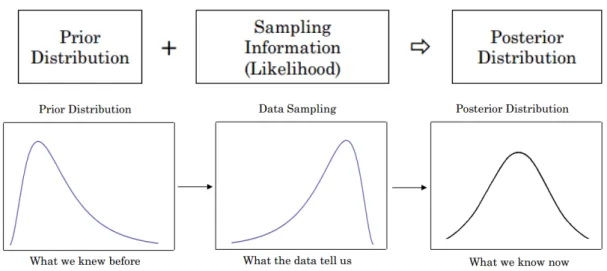
Figure 2.11 The Method for Bayesian Inference ……….. 48
Figure 3.1 System of Industrial Cluster Formation ………. 51
Figure 3.2 Study Flow of Myanmar Energy Master Plan ………... 57
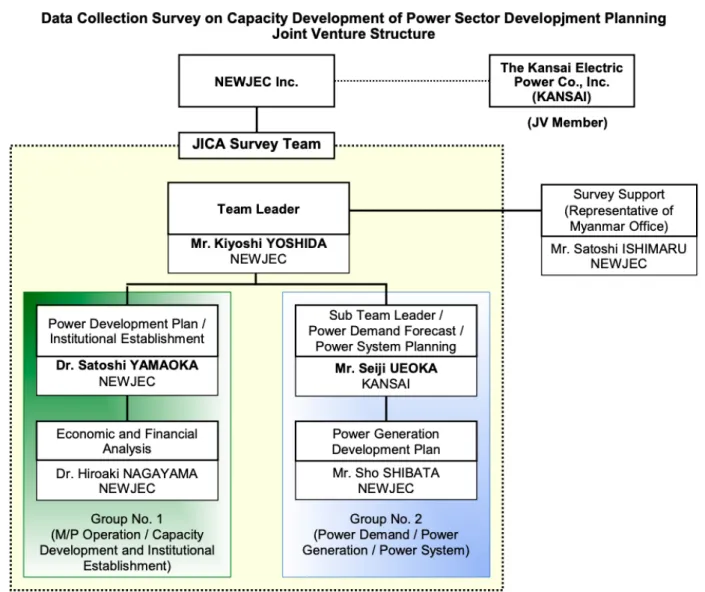
Figure 3.3 Implementation Structure of the Survey Team on Myanmar Power Sector Development … 60 Figure 4.1 One-Stage Game Tree without Managerial Flexibility ………. 66
Figure 4.2 Option Value of Proprietary Opportunity: Wait to Invest under Uncertainty ………... 67
Figure 4.3 Shared Opportunity ……… 68
Figure 4.4 Decision Tree of Premature Competition and Investment ………. 71
Figure 4.5 Impact on the NPV Depending on the Investment Movements ……….... 73
Figure 4.6 The Behavior of NPV Change with the Shifts of Investment Amounts and Volatility according to Prisoners’ Dilemma ………... 74
Figure 4.7 NPV Changes on the shifts of two parameter values, I and s Under the Pareto Optimum ... 75
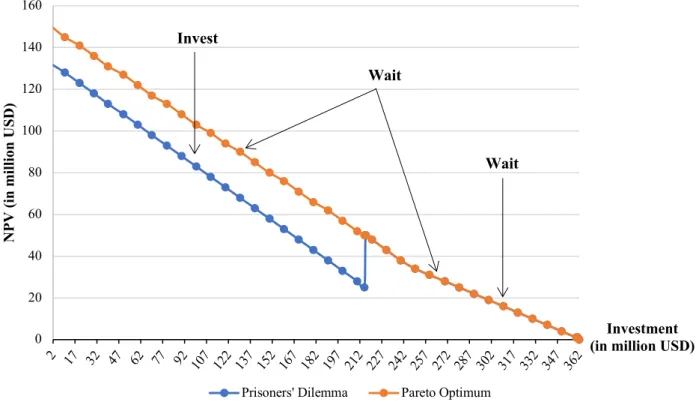
Figure 4.8 NPV Differences between Pareto and Prisoners’ Dilemma ………... 78
Figure 5.2 The Commercialization R&D Period Investment Game Tree ………... 90
Figure 5.3 The Second Stage Development Payoffs under Different Market Structures ……… 91
Figure 6.1 Trade-off between Commitment and Flexibility ……….... 96
Figure 6.2 Power Generation Investment Model ………. 97
Figure 6.3 Strategic Substitute Type of Quantity Competition ………. 100
Figure 6.4 Strategic Complement Type of Price Competition ……….. 100
Figure 6.5 Two-Stage Investment Game in Extensive Form ……… 101
Figure 6.6 Game Tree of Base Case Model ………... 106
Figure 6.7 Propriety Investment Model in Two-Stage Game ………... 108
Figure 6.8 Shared Strategic Investment Game in Extensive Form ……… 110
Figure 6.9 Optimal Actions between Base Case and R&D Investment under Quantity Competition .. 111
Figure 6.10 Base Case of Two-Stage Game under Different Market Structures ……… 117
Figure 6.11 Propriety Investment of Two-Stage Strategic Game for Complementary Competition ….. 119
Figure 6.12 Shared Investment in Two-Stage Strategic Game Model ……… 121
Figure 6.13 Optimal Choices between Base Case and R&D Investment under Pricing Competition …122 Figure 6.14 Changing Behavior of NPV depending on the Shifts of two parameter values, I and q ….. 126
Figure 6.15 NPV Changes on the shifts of I and q under low ranged Demand ………...127
Figure 6.16 Impact of Investment on NPV until high Demands ………. 128
Figure 6.17 NPV Changes with the shift of Investment with few Demands ………... 129
Figure 6.18 Impact on the NPV due to the Demand shifts ……….. 130
Figure 6.19 NPV Changes on the movements under low Demand levels ………... 130
Figure 6.20 Changing Behavior of A’s NPV under Propriety Strategy with wide ranged Demand …... 132
Figure 6.21 Behavior of A’s NPV changes under Low ranged Demand movements ………... 133
Figure 6.22 Changing Behavior of B’s NPV with the shifts of I and q ……….. 134
Figure 6.23 Behavior of B’s NPV changes under low levels of Demand ………... 135
Figure 6.24 The NPV Gaps between A and B by the A Side (A – B) ………. 136
Figure 6.25 NPV Gaps between A and B with narrow ranged Demand shifts ………137
Figure 6.26 Behavior of NPV Changes with the shifts of Demand and Volatility ………. 139
Figure 6.27 Impact on the NPV depending on the Demand changes ………. 140
Figure 6.28 Impact on the NPV with the shifts of the Volatility Parameter ………... 141
Figure 6.29 Behavior of NPV only with Two Values of Demand under various Riskiness ………….. 141
Figure 6.30 The Changing Behavior of A’s NPV with the shifts of two parameter values, q and s ... 143
Figure 6.31 Changes of Firm B’s NPV with the movements of q and s ……… 144
Figure 6.32 The NPV Gaps between A and B by A Side under broad range of Demand ………. 146
Figure 6.33 NPV Differences between A and B (A – B) by narrowing the Demand Range …………. 147
Figure 7.1 Amount of Generating Capacity (Renewable Energy) in 2017 ………... 151
Figure 7.2 Monsoon Floods in Myanmar ……….. 153
Figure 7.3 Annual Transition of the Electricity Supply for Power Resources Balance ……… 154
Figure 7.4 Recorded Flood Disasters in Myanmar ……… 155
Figure 7.5 Graphical Model for the Parameters Generated in the Observations ………... 156
Figure 7.6 Output of PyMC Internal MCMC Plotting Tool ……….. 158
Figure 7.7 Artificial Dataset from the Priors ………. 159
Figure 7.8 Simulated Dataset using Posterior Parameters ………. 159
Figure 7.9 Financial Gap between Power Tariffs and LRMC at Old Rate of Tariffs ………... 162
Figure 7.10 Posterior Distribution of the Probability of User-rates by Electricity Tariffs ……….. 165
Figure 7.11 Posterior Distribution of the Expected Revenue from Household Consumption ………… 166
Figure 7.12 Posterior Distribution of the Expected Revenue from Both Types of Users ………... 167
Figure 7.13 Posterior Distribution of the total revenues from Both Types of Consumption ………….. 168
Figure 7.14 The Game Tree for the Potential Payoffs from New Project ………... 171
Figure 7.15 The Game Tree for Patent as Signal ………...………….. 174
Figure 7.16 The Perfect Bayesian Equilibrium and Payoffs Tree for Signaling Game………... 177
LIST OF TABLES
Table No. Title Page
Table 2.1 General Configuration Data for Country Profile ………... 12
Table 2.2 Potential Resources of Myanmar Energy ……….. 17
Table 2.3 Identified and Installed Energy Resources in Myanmar as of 2016 ……….. 18
Table 2.4 Yearly Renewable Energy Production By Sector ……….. 18
Table 2.5 Comparison of Current and Previous Rates of Electricity Prices ……….. 28
Table 2.6 Criteria of Decision Making on NPV Analysis ………. 30
Table 2.7 Summary Information of the Call Options and Put Options ………... 34
Table 2.8 Basic Options, Effectiveness and Option Type ………. 35
Table 2.9 Comparison among NPV, Option & Game ……… 37
Table 3.1 ADB’s Capacity Development, Policy and Advisory TA Projects to Myanmar …………... 58
Table 4.1 Simultaneous Investment Timing Game Payoff ……… 71
Table 4.2 Summary of Lessons from One-stage Game in ROA (with and without competition) …… 72
Table 4.3 The Numerical Result of NPV and Investment Tree Types Under Prisoners’ Dilemma ….. 77
Table 4.4 Tree Table of NPV Values and Investment Strategy Combination for Pareto Optimum ….. 77
Table 5.1 Payoffs of Proprietary Investment with contrarian reaction ……….. 86
Table 5.2 Proprietary Benefits for reciprocating reaction ……….. 87
Table 5.3 Payoffs of Shared Strategic Investment with contrarian reaction ……….. 88
Table 5.4 Sharing Benefits for reciprocation reaction type ……… 89
Table 6.1 Comparison among the Results of Three Competitive Strategies ……… 112
Table 6.2 Result Comparison among Three Cases ………... 123
Table 6.3 Tree types in Base Case of Quantity Competition at the Start of Game ……….. 125
Table 6.4 Tree Types in Propriety Case of Quantity Competition for Firm A during the Game …… 131
Table 6.5 Tree Types of Firm B at the Start of Game (1st period), 2nd stage ………. 134
Table 6.7 Tree Types of Firm A in Shared Investment Case at the Start of Game ……….. 142
Table 6.8 Tree Diagram of Firm B under Shared Investment Case of the Game ……… 144
Table 7.1 Strong and Weak Points of Hydro and Solar Power Projects ……….. 160
Table 7.2 Main Indicators of Power Resources Balance Scenario ………... 161
Table 7.3 Current Electricity Tariffs in Myanmar ………... 163
ABBREBIATIONS
ADB : Asian Development Bank
CNG : Compressed Natural Gas
CSR : Corporate Social Responsibility DEPP : Department of Electric Power Planning DHPI : Department of Hydropower Implementation
DPTSC : Department of Power Transmission and System Control
EMP : Energy Master Plan
ENPV : Expanded Net Present Value
EPGE : Electric Power Generation Enterprise
ERIA : Economic Research Institute for ASEAN and East Asia ESE : Electricity Supply Enterprise
FCF : Free Cash Flow
FDI : Foreign Direct Investment
FEPC : Federation of Electric Power Companies
FY : Fiscal Year
GW : Gigawatt
GWh : Gigawatt hour
HSE : Health, Safety and Environment IEA : International Energy Agency IES : Intelligent Energy Systems IMF : International Monetary Fund IPP : Independent Power Producer IPPs : Independent Power Producers
JICA : Japan International Cooperation Agency
Kcal : Kilocalorie
km : Kilometer
km2 : Kilometer Square
KTOE : Kilo Tons of Equivalent
kV : Kilovolt
kW : Kilowatt
kWh : Kilowatt Hour
LPG : Liquefied Petroleum Gas LRMC : Long Run Marginal Cost MCMC : Markov Chain Monte Carlo
MESC : Mandalay Electricity Supply Cooperation MIMU : Myanmar Information Management Unit
MMbbl : Million Barrels (double M means square of Roman numerical thousand) MMCF : Million Cubic Feet
MMIC : Myanmar International Consultants MOEE : Ministry of Electricity and Energy MOGE : Myanmar Oil and Gas Enterprise MOUs : Memorandums of Understanding MPE : Myanmar Petrochemical Enterprise MPPE : Myanmar Petroleum Products Enterprise MTOE : Million Tons of Oil Equivalent
MW : Megawatt
MWh : Megawatt Hour
NEP : National Electrification Plan NEP : National Energy Policies
NPV : Net Present Value
OGPD : Oil and Gas Planning Department
OJT : On-the-Job Training
OT : Options Theory
PBE : Perfect Bayesian Equilibrium PPPs : public-private partnerships
QOL : Quality of Life
ROA : Real Options Analysis
SEA : Strategic Environmental Assessment SPE : Subgame Perfect Equilibrium
TA : Technical Assistance
TCF : Trillion Cubic Feet
TVM : Time Value of Money
TWh : Terawatt Hour
UN : United Nations
YESC : Yangon Electricity Supply Cooperation
CHAPTER 11
INTRODUCTION TO THE STUDY 1.1 Study Background
Growth in energy demand increasingly comes from developing economies, especially within Asia including Myanmar. Myanmar is naturally endowed with energy resources and has considerable potential in non-renewable and renewable energy resources, which can meet demand from community in the long term if it is properly managed. But they are far away to fulfill the energy requirement of the domestic people. And it much remains to be done in terms of research, cost-benefit observations and experimentation together with taking priority to the awareness of environmental affects like pollution, deforestation, and so on. Thus, it has immense potential for the cooperation in energy sector with foreign countries including Japan.
Energy is necessary for socio-economic development to meet basic needs of human beings and support the industrial development. However, the energy sector of the country has been underdeveloped due to the lack of financial power and technical capacity and, global isolation in the past. Moreover, insufficient power supply has emerged as one of the most essential infrastructure constraints for the sustainable economic growth of the country. After the country had opened everything to the world in 2011, the energy demand from industry, residential sectors and commerce is on the rise, placing pressure on energy infrastructure which has still some limitations.
Just as the cooperation in energy is a major concentration of future initiative for all nations nowadays, sustainable energy has also turned into a promising way to tackle the challenges of energy demand problems for numerous worldwide consumers. Of course, the energy mix is seriously getting shift towards lower and cleaner carbon fuels, driven by environmental needs to respond the changing nature of supporting ecosystem services, the climate adaptation and technological advances.
1The contents of these chapter are partially drawn from published papers namely Nyein Nyein Aye & T. Fujiwara, 2014, Nyein Nyein Aye & T. Fujiwara, 2017, Nyein Nyein Aye & T. Fujiwara, 2019.
At the same time, the industrial development mainly depends on the technological advances to be resulted in economic progress of Myanmar. It should not be for the people to live in the poor mire of energy- poverty in such a favorable condition of numerous energy potential in Myanmar. In our opinion, Japan is one of the most developed nations in management concerning with the commercialization technique. As Myanmar is a developing country, it needs innovative modern technology to promote the energy sector and construction of the country to be a developed nation. The thesis includes that there are ample opportunities for regional cooperation and technological innovation between Japan and Myanmar, not only in efficiently production and utilization of natural gas, coal and oil but also in hydroelectricity; and especially in the development of new and renewable sources of energy as solar, wind, biomass, etc. Strategic cooperation with Japan and other advanced foreign countries would help Myanmar in strengthening energy related infrastructures and sourcing modern technology for energy generation and supply.
1.2 Problem Statement of the Study
In this study, the first problem is to find the optimal solution for the energy generation and supply to be able to meet the energy demand by the people. In that case, another problem is that it is needed R&D investment in the new energy generation project and in infrastructure development of the electricity sector.
Energy demand for electricity is increasing nowadays in Myanmar. Due to a heavy reliance on hydropower, which accounts for about 70% of electricity production, the country's power generation is extremely seasonal (World Bank, 2013). Delays in hydropower investment program and a rapid increase in electricity demand result in large shortages which are estimated at about 30% of power demand during the dry season every year. To satisfy such problem, the best energy mix from the available energy sources has been formulated by JICA (JICA, NEWJEC Inc., 2015). In the aspect of long-term viewpoint, the new energy generation projects form clean and renewable energy sources as solar, wind, biomass, etc. will have to be implemented for the stable supply of energy demand during the peak season, also for sustainability and eco- system protection. At that time, it is important to promote the international collaboration in electric power and energy sector for financing and technical support. In order to mobilize urgently needed investments and
improve efficiency in the power sector, the government plans to attract Independent Power Producers (IPPs) and promote public-private partnerships (PPPs) both from foreign and domestic partners to accelerate construction of modem power generation projects and reduce losses in the power distribution sector. In such partnership, it is crucial to have the optimal cooperation between existing firm and new comer of foreign investor so as to minimize the gap of the sharing benefits.
1.3 Research Questions
Based on the above study problems, this thesis centralizes the following research questions.
1) What kinds of investment decision make optimal for the financial performance of the electricity firms in the competitive market under uncertainty?
2) How is it possible for Myanmar to invite and promote foreign technology and investment for energy sector from a perspective of win-win relationship and mutual benefits?
3) How would Bayesian Method be a useful framework to estimate the parameters and clarify the signaling of influenced factors on investment in new power plant?
1.4 Research Objectives
The first objective of this thesis is to evaluate the potential of technological new energy industry and support them in eco-system from entrepreneurial perspective.
The second one tends to search the implications for invitation of foreign technology and capital investment from a perspective of win-win relationship and mutual benefits for regional development in Myanmar.
Then it tends to develop an appropriate model for robust R&D investment in innovative and initiative production technology for the implementation of the reliable future plan of energy efficiency, conservation and sustainability.
1.5 Overall Research Methodology
Here, a new energy industry can be defined as the portfolio of real options by considering that the renewable energy resources are ample and investment opportunities that will result in eco-system and commercialization in the future. In order to cover the above concepts, questions and objectives, a combination of real options, game theory and Bayesian Analysis will be utilized to analyze the optimal investment strategies for high-tech energy industry which needs huge irreversible capitalization and involve a great deal of uncertainty with asymmetric information among competitors.
Technical management is a critical factor influencing global competitiveness particularly when competition is becoming increasingly technology intensive. At such time, Real Options Analysis (ROA), which is a decision method to irreversible investment in real assets under uncertainty, should be employed in decision-making for such kind of high risky investment projects (Dixit, A. K. and Pindyck, R. S., 1994).
Particularly, managerial flexibility is connected with the Real Options Analysis (ROA) (Copeland, T. &
Antikarov, V., 2003).
Moreover, game theory is also needed to analyze the cluster formation and behavior of players in new industry. In addition, the final realization of competitive results and cooperation tends to achieve “win-win”
relationship with partners, not to kill the rivals (Fujiwara, T., 2008). Using option-games theory to analyze the condition of competitive firms in clustering cooperation solves the problems between open innovation for advanced energy technology and cluster formation of the firms rationally.
Bayesian MCMC analysis is useful to the assessment of firm’s performance and value for overcoming the ‘Valley of Death’ and consequently, to the parameter estimation of the risk factors even when using incomplete information. Then, Bayesian method has its advantage of signaling effect over the options-games theory of asymmetric information among competitors (David, B. D., 2001). In a dynamic game of asymmetric information, ill-informed players have the ability to learn something about the playing game by observing the moves of better-informed opponents (Bierman, H. Scott & Luis Fernandez, 1998). These Bayesian games
require the players to rationally update their beliefs about the game by using the procedure of Bayesian updating that results in Perfect Bayesian Equilibria.
1.6 Scope and Opportunities of Research Approaches
The scope of the study is confined to identifying strategic investment plans of an innovative electric power project and thus suggests the framework for investment model in competitive landscape by evaluating the self-firm’s performance. Especially, this thesis will help to provide background information of the energy sector for R&D investment in new energy generation project in Myanmar. In addition, the research models in this thesis can be applied to any project of huge capitalization under uncertainty and global competition with high level of risk.
1.7 Research Outline
Energy has been a key in the progress of human society not only in Myanmar but also all over the world. In order to meet the increase in domestic energy demand in the 21st century, efficient and effective management of energy resources and technology for producing it is inevitable and has become very crucial.
And electricity consumption is comprising an increasing share of global energy demand at the present time and it will continue to be happened during next two decades. In recent years, the increasing prices of fossil fuels and concerns about the environmental impact of greenhouse gas emissions have renewed the interest in the development of alternative energy resources around the world. As the consequence, the focus has been on renewable energy sources and many countries have started to install facilities that use renewable energy sources for power generation. Among the renewable energy sources, the solar energy use in the world is increasing dramatically nowadays, providing both heat energy and generation of electricity. This trend is expected to continue due to solar technologies becoming cheaper and more readily available. I believe this research will help us in making decision how to commercialize the technology and how to manage the technology commercialization in the competitive global market to overcome the challenges of energy demand growth.
For my research, I am really interested in management of intangible information like technical proficiency, perception, concept, ideas, analytical and tracing abilities, knack, etc., in addition to objective information that is already built-in within a machine or machinery in the industry by dividing the technology into technical skill and technical knowledge. Technology commercialization, a technical process by which how to use an input and convert it into an output in an effective and efficient technique, is especially interested.
I also have a plan to build and apply real options models for the investment in promising but high risky energy generation projects from the renewable energy source, especially solar, as technology innovation and research development in Myanmar. And then, it is intended to integrate them with game theoretical aspects for the strategy to be able to compete and cooperate with the global large energy companies. Finally, Bayesian games analysis under the incomplete information will be applied as the extension of option-games models for the perfect Bayesian equilibrium and to optimize the cluster growth of new energy industry among competitive players.
1.8 Structure of the Thesis
The thesis is organized into eight chapters as follows.
Chapter 1 is introduction. It provides the background of the research and describes problem statement of the study. Moreover, research questions and research objectives are also detailed in this chapter. Then, it lays down overall research methodology and, scope and opportunities of research approaches as well as outlines of research observation and the whole organization of the thesis in broad term.
In Chapter 2, the review of literature for ROA method, Option-Games models for competitive analysis and strategies and Bayesian Games for perfect competition among players are described. It covers the all the relevant literature about Myanmar and Myanmar Energy status as well as literature review for all research approaches and methods in very detail.
The content of the Chapter 3 is about industrial cluster formation for regional development in Myanmar. First it explains why the cluster formation is important for the regional development and also the
benefits of cluster formation. Then, it gives the information about clustering of the organizations and development partners for Myanmar energy and electricity sector.
Chapter 4 demonstrates the application of Option-Games as methodology and the first model of it as the one-stage game. It is the introduction to the application of real options and game theory. Since then, it compares the difference between the games without managerial flexibility and with managerial flexibility.
After that, it continues as the game of real options and its analysis are made.
In Chapter 5, the one-stage game from Chapter 4 is extended to two-stage strategic investment game as the second model of the research. It includes the endogenous competition of the players during the second stage and discusses the payoffs results under the various kinds of strategic competitiveness.
The modeling of the two-stage strategic investment under the different market structures by the option- games for optimizing between flexibility and commitment values is studied in Chapter 6. Although the model is two-stage game, it is more complicated than the previous model that is used in Chapter 5. In that model, it is explained about not only concept and the framework of the model, but also the types of competitive strategies and the actions of players are mentioned. Then, the valuations of the different cases based on the competitive strategies are made and the optimization between flexibility and commitment values are determined by sensitivity analyses.
Chapter 7 deals with Bayesian MCMC analysis and application of the Bayesian games. In the first part, searching for optimal switch and mix of energy sources for electric power generation is analyzed by Bayesian MCMC method. In addition, expected income analysis to invest in new energy project as well as search for the way of enduring and surviving of the industry during the period of negative profits has been presented. Then, the two-stage game is continued as the Bayesian game with perfect competition under the condition of incomplete information in the real state of the world. Finally, it finishes with Bayesian analysis to trace and estimate the relationship among the sensitive parameters of firm’s sustainability and success.
Chapter 8 summarizes all research observations together with the findings from the studies and analyses as the conclusion of the thesis. It also guides to possible future research of the study.
CHAPTER 2
REVIEW OF LITERATURE 2.1 Introduction
Urbanization is an enormous global issue at the moment. Agricultural land is being converted into urbanized areas at the same pace as the rapid growth of developing nations, including Myanmar. Energy is also a necessity for socioeconomic development to meet basic human needs and support industrial development. At the same time, the existing social infrastructures in most of the countries are ageing in such a way that they no longer meet the requirements of modern-day lifestyles. On the other hand, reducing the burden on the environment through such activities as cutting back on CO2 emissions which is a global issue is an extremely important prerequisite at the current time. Together with these situations, the energy sector of Myanmar has been underdeveloped due to a lack of financial and technical capacity and global isolation.
Furthermore, inadequate power supply has emerged as one of the most serious infrastructure constraints for the country’s sustainable economic growth. Actually, the country has ample scope to rely on renewables in the electrification strategy. Until now however, renewable energy other than hydroelectricity projects has not been widely adopted in a significant way in Myanmar. To launch such new generation project, it has to invite technical and financial aids form private companies and international organizations.
In the uncertain and fiercely competitive high-tech industry, some of the most important decisions relate to investments in capital intensive equipment. The Energy industry for such kind of new electric power generation project is characterized by intense technological and market competitions. Companies must make huge capital investments with a corresponding high degree of risk because falling behind competitors means dropping out of the game. Rapid responses to competition and technology improvements are critical to success in this industry. This rush to get the latest-generation production facilities in high-tech energy industry is akin to an arms race, and therefore, capital investment for such kind of start-up company is critical to the continuously success of firms.
The responsibilities as developing investment decision, resource allocation, innovation and switching a new option require a broad view by making analytical investigations. At this point, by applying the Real Options Analysis for promoting this technology management process, ideas and human resources are developed; technology is rapidly advanced and as a final result, the productivity of energy will increase to a level. And for the sound proposal to new industry of business development as high-tech cluster, game theory is also necessary to analyze the win-win relationships even among competitors as a perspective of Pareto optimization. Furthermore, the application of Bayesian games with the perfect competition under asymmetric information will help to guide the players for making decision of optimal R&D investment in new project by the estimation of some important parameter values with Bayesian updating.
2.2 Country’s Context
Myanmar is the largest country in mainland Southeast Asia with an area of 676,578 Km2 (Worldometer, Myanmar Populaltion, 2020). As of 2019, the population is about 54 million with the population density of 83 per Km2 (Worldometer, 2020). Currently, the population in urban area is 31% and the others live in rural area (Worldometer, 2020). The capital city is Naypyidaw, and the largest city is Yangon.
Myanmar is divided into seven states and seven regions. Regions are predominantly Bamar that is, mainly inhabited by the dominant ethnic group. States, in essence, are regions that are home to particular ethnic minorities. The administrative divisions are further subdivided into districts, which are further subdivided into townships, wards, and villages. According to the Myanmar Information Management Unit (MIMU), as of December 2015, there are 73 districts, 330 townships, 84 sub-townships, 413 towns, 3,133 wards, 13,620 village tracts and 63,698 villages in total.
Myanmar is bordered with in the northwest, north and northeast by Bangladesh, India and China. It is bounded by Laos and Thailand to the southeast. Myanmar has 1,930 km of contiguous coastline along the Bay of Bengal and Andaman Sea to the southwest and the south, which forms one quarter of its total perimeter (World Factbook, 2020). Three mountain ranges run north-to-south from Himalayas and divide Myanmar’s
the valleys between the mountain chains. The majority of Burma's population lives in the Irrawaddy valley, which is situated between the Rakhine Yoema and the Shan Plateau.
The climate of the country is generally tropical, with a rainy season from mid-May to October due to the southwest monsoon, a cool and dry season from November to mid-February, and a hot pre-monsoon season from mid-February to the beginning or the middle of May (World Climate Guide, 2020). In addition, there are mountainous areas, with a mild or cool climate, but also a portion of the Himalayan range in the far north, which is very cold, at least at high altitude. Annual rainfall in coastal regions is over 5,000 mm and in the delta region is approximately 2,500mm; while average annual rainfall in the Dry Zone is less than 1,000mm.
Northern regions of the country are the coolest, with average temperatures of 21 °C. Coastal and delta regions have an average maximum temperature of 32 °C (Thein, M., 2005).
Agriculture, industries, energy and tourism are the main sectors of the Myanmar’s economy.
Agriculture, however, is the dominant sector and accounts for almost 60% of the GDP (Encyclopedia of the Nations, 2020). Agriculture, with rice as the major product, is a backbone of the economy by employing the majority of the country’s workforce. Industrial manufacturing is still developing and most of the foreign direct investments go to manufacturing industries. Myanmar, although classified as a less developed country, has a wealth in natural resources such as timber, hydropower, natural gas, precious gems, rare earth and minerals.
Myanmar has rich solar power and hydropower potential. Country's technical solar power potential is the highest among the nations of the Greater Mekong Sub-region (Myanmar Times, 2019). Wind energy, biogas and biomass have limited potential and weakly developed. The energy sector grew considerably during the late 1990s. The exploration and discovery of petroleum and natural gas deposits continued during this period. Myanmar produces precious stones such as rubies, sapphires, pearls, and jade. Rubies are the biggest earner; 90% of the world's rubies come from the country, whose red stones are prized for their purity and hue (uvvm.edu, 2015). Since 1992, the government has encouraged tourism in the country and the government receives a significant percentage of the income of private sector tourism services (Mon, H. K., 2020).
Table 2.1 General Configuration Data for Country Profile General Facts & Figures
Source: Industrial Energy Efficiency – Current Status of Oil and Gas Sector for Myanmar (July, 2019) Capital (Administrative) Nay Pyi Taw
Largest City (Commercial) Yangon (about 5 million people) Population About 54 million (Worldometer, 2019) Ethnic Groups
(world population prospects 2019 Revision)
Burmese (68%), Shan (10%), Kayin (7%), Rakhine (4%), Mon (2.6%), Chin (2%), Kachin (1.4%), others incl. Chinese &
Indians (5%)
Official Language Myanmar
Currency Kyat (MMK)
Climate (Seasons) Summer, Rainy and Winter
Total Land Area 676, 578 km2
Population Density per km2 83 Population Growth Rate (Annual) 0.9%
Forest Area 49% of the Country
Literacy Rate 92%
Standard Time Six hours and thirty minutes ahead of Greenwich Mean Time Neighboring Countries China, Laos, Bangladesh, India and Thailand
Coastal Strip 1,930km facing to the bay of Bengal and Andaman Sea
GDP USD71.4 billion (IMF)
USD65.7 billion (UN)
GDP Per Capita USD1,312.32 (2017)
GDP Growth Rate (Average) 7.28% (2010 to 2017)
Nowadays, Myanmar is set to benefit from strengthening foreign direct investment inflows. According to the Myanmar Investment Commission, foreign direct investment inflows rose sharply with the bulk of investments channeled into transportation, communication, and manufacturing (Myanmar Times, 2020).
2.3 Overview of Myanmar Energy Status
Myanmar has been reconnected with the world economy since its major reforms in 2011. Gross domestic product growth increased from 5.6% in fiscal year (FY) 2011 to an average of over 8% from FY2013 to FY2015, reflecting strong expansion in construction, manufacturing, and services. Growth is expected to further accelerate to 8.3% in FY2015 and remain close to this pace in FY2016 (ADB, 2016). This optimistic projection is based on the country’s abundant natural resources; strategic location at the crossroads of Asia;
and a large, youthful population. To realize it, however, the country needs to successfully implement extensive reforms and integrated policies, build basic infrastructure, and tackle many bottlenecks. The development of energy sector is key to the country’s future.
The energy sector accounted for 55% of export earnings and 86% of foreign direct investment in 2013 (ADB, 2016). However, the country’s energy sector has been underdeveloped due to a lack of financial and technical capacity and global isolation in the past. Only 34% of the total population had access to electricity in 2014. In terms of per capita electricity consumption, Myanmar is ranked one of the lowest countries in the world, with 110 kilowatt-hours (kWh) per capita in 2011, which is much lower than the world average per capita of 3,000 kWh and even lower than a least developed country average per capita of 174 kWh. In terms of energy intensity, Myanmar was ranked 191 in 2011, making it one of the least energy consuming countries in the world. Traditional biomass (mainly firewood and agricultural wastes) is widely used by most rural people, particularly for cooking and lighting, and access to conventional energy resources is very limited, which impacts the welfare of these people. After the country’s opening in 2011, the demand for energy from industry, commerce, and residential sectors is on the rise, placing pressure on the limited energy infrastructure.
Compared to the population and economy, the availability and accessibility of modern energy resources are significantly low and hence a bottleneck to improve the living standards and support industrial activities. To
tackle such constraints, the government shifted its policy toward increasing domestic energy supply and improving policy frameworks to encourage greater investment in the energy sector. This opens the opportunities for extensive international assistance including public–private partnerships.
2.3.1 Primary Energy Data
The strong economic growth during the last 6 years was also accompanied by an increase in energy consumption in all sectors. Myanmar is endowed with abundant, rich natural resources that, if fully developed, would be sufficient to meet most of the country’s daily energy needs. Myanmar’s energy policy is generally aimed at ensuring energy independence by increasing national production of available primary energy resources through intensive exploration and development activities.
Coal: Coal data is maintained by the Ministry of Natural Resources and Environmental Conservation (MONREC) in Myanmar. In 2015-16, the production of coal is 419.87 kilotons (MOEE, 2017). Among coal production, 57.14% (239.92 kilotons) was used for cement, 17.14% (71.97 kilotons) for steel companies, 0.95% (3.99 kilotons) for briquette and 4.76% (19.99 kilotons) for electric power generation, and 15.24%
(63.98 kilotons) for others. 4.76% (20 kilotons) of total production is accounted for export. Since 2010, all coal production has been made by the private sector and coal price is set by the market.
Crude Oil and Petroleum Products: Crude oil production consists of oil from the oil wells owned by Myanmar Oil and Gas Enterprise (MOGE) and some small wells. There is total production of 4,765.19 kilo barrels in 2015-16 (MOEE, 2017). Among them, 68% (3,255 kilo barrels) are domestic consumption and others are exported to neighboring countries. Myanmar, however, has to import 55,120 thousand barrels due to its insufficient production for its domestic consumption, especially for vehicles.
Natural Gas: Myanmar produces 696, 231 Million Cubic Feet (MMCF) of natural gas per year as of 2015-16 ranking 37th in the world (MOEE, 2017). Domestic gas consumption has percentage of only 17.12% (119, 206 MMCF) Myanmar exports 80.14% (557, 956 MMCF) of its natural gas production in 2015-16. The stock data has been inconsistent between the production and total usage due to its losses in distribution. Natural gas
is a major export resource, which generated USD2.1 billion export revenue in the first half of FY2014 (world Bank, 2016).
Hydropower: Myanmar has abundant renewable energy resources such as hydro, solar, wind, biomass and other types of renewable energy. Among these resources, hydropower is the only renewable energy resource that is being exploited and utilized on a commercial scale for electricity generation, while other resources remain under research and development or pilot stage. Hydropower has the rich potential that drains the four main basins of the Ayeyarwady, Chindwin, Thanlwin, and Sittaung rivers. It is estimated that there is more than 100,000 Megawatts (MW) of installed capacity potential. Myanmar has identified 92 large hydropower potential projects with a total installed capacity of 46,000 MW, while the current installed capacity of hydropower plants is 3,033 MW as the commercial use.
Furthermore, A total of 26 micro-hydro and 9 mini-hydro projects have been implemented with installed capacity ranging from 24 kilowatts (kW) to 5,000 kW to reach remote border areas. The regional government is permitted to approve small-scale hydro plants up to 30 MW according to the new Electricity Law [2014]. Through this strategy, small scale hydropower plants of approximately 40 MW will be developed until 2030 (ADB, 2016).
Solar: Myanmar has a strong solar radiation level, especially in the central parts of the country and extensive dry zones, reaching more than 6.5 kilowatt-hours (kWh)/ square meter and collecting up to 1.9 megawatt-hours (MWh) annually on a square meter, and 60% of the land area appears suitable for photovoltaics (ADB, 2016).
Due to its mountainous terrain and protected areas, Myanmar’s maximum solar power potential is estimated at about 40 terawatt-hours per year. However, the development of solar energy is still in the beginning stages.
Solar energy has been introduced in some rural areas in the last decade through photovoltaic cells for charging batteries and pumping water for irrigation. The MOEE is conducting a preliminary investigation to construct solar power plants with foreign direct investment in Minbu, Magway Region, Myingyan, and Mandalay Region. According to MOEE, there is also a plan to build two solar power plants in Myingyan and Wundwin in the Mandalay region and these are expected to have the capacity to generate 150MW of electricity each.
Solar power in Myanmar has an estimated levelized cost of electricity between USD0.16/kWh and USD0.19/kWh.
Wind: As for wind energy, an average wind speed required for modern wind turbines is at least 6 meters/second, most of Myanmar is considered unattractive as average wind speeds are below 4 meters/second, except for coastline and mountain ranges such as Shan and Chin states. The theoretical wind resource potential in Myanmar is shown as about 80 terawatt-hours per year but site-specific wind data is limited to a few;
therefore, an in-depth assessment is needed. ADB said that foreign investment proposals for a total of 4,032 MW have been received but none of them has yet to begin any activities (ADB, 2016).
In addition, there are small-scale experimental projects. As a very first project for wind power in Myanmar, MOEE signed an agreement with China’s Three Gorges Corporation to develop a 30MW wind power project in Chaung Thar, Ayeyarwady Region (Lwin, K.W., 2019). Myanmar is an agriculturally based economy with plenty of land which provides huge potential for wind-powered projects.
Bioenergy: For biogas, the potential annual yield of wood fuel is up to 21.75 Million Cubic Meters (m3 in million), and 18.56 million acres of land could generate residues, by-products, or direct feedstock for biomass energy. Agricultural by-products, such as sugarcane bagasse, rice straw, rice husks, sesame stalks, and palm leaves, offer limited sources of energy. In addition, there is approximately 103 million heads of livestock generating animal waste that could be used for biogas. Around 190 biogas digesters of varying capacities as 5, 15, and 25 kW have been installed all over the country for lighting and cooking purposes (ADB, 2016).
Biofuels: Five biofuel (biodiesel and bioethanol) plants have been constructed by various agencies between 2003 and 2010, with a total annual production of 19.5 million gallons (ADB, 2016). However, these five facilities are not currently in operation due to lack of support such as subsidies for production, presence of pest and diseases in Jatropha-type cultivation, as well as outstanding legal issues. Bioethanol is a convenient fuel acceptable in remote locations and could provide self-sufficiency supply on a community level. In 2009, the government issued a notification permitting the production, transport, storage, and sale of biofuel in Myanmar
Geothermal, Tidal, and Waste Energy: For geothermal energy, there are a total of 93 potential locations for commercial geothermal-generated electricity throughout the country (ADB, 2016). Around 43 of these sites are being assessed and tested. For tidal energy, there are no studies to assess its potential in Myanmar despite a coastal line of 2,832 km. The first tidal power plant (3 kW) was installed in 2007 in Kanbalar village, providing electricity to about 220 households, approximately 1,200 persons (ADB, 2016). A similar project was being implemented at a salt production site. For waste-to-energy, there is a significant opportunity to develop waste-to-energy projects in urban areas as there is a potential for at least 20 MW of waste-to-energy installed capacity (ADB, 2016).
Table 2.2 summarizes the potential energy resources of Myanmar as of 2017. Then, the identified and installed energy resources are shown in Table 2.3 and sectoral energy production by yearly can be checked in Table 2.4 respectively.
Table 2.2 Potential Resources of Myanmar Energy
Source: Energy Planning Department, MOEE , 2018
Table 2.3 Identified and Installed Energy Resources in Myanmar as of 2016
Description Hydropower Coal-fired Gas-fired
Number of Installed Plants 62 1 20
Installed Capacity in MW 3,033 120 1,823
Number of Proposed Plants 51 10 1
Proposed Capacity in MW 46, 000 7, 994 270
Number of Ongoing Plants
7 (out of planned 51)
1 2
Capacity of Ongoing Plants in MW 1,656 405 625
Source: ADB, Myanmar Energy Assessment, Strategy and Road Map, 2016 Table 2.4 Yearly Renewable Energy Production by Sector
Year
Fuelwood Charcoal Biomass Biogas Wood- waste (Gasifier)
Photovoltaic
(Electricity) Wind
Turbine Micro- Hydro Cubic
Ton Cubic
Ton 1000t 1010KCal 1000t GWh GWh GWh
2011-12 224.659 200.959 22040 0.5216 0.558 4.32 0.0016 0.002 2012-13 227.471 217.001 22302 0.5479 0.558 4.32 0.0016 0.002 2013-14 263.379 228.584 21410 0.5216 0.558 4.32 0.0016 0.002 2014-15 276.052 231.168 23043 0.5200 0.558 13.91 0.0016 5.753 2015-16 289.056 233.73 20622 0.5200 0.558 10.94 0.0016 1.253 Source: Ministry of Electricity and Energy (MOEE), Republic of the Union of Myanmar
2.3.2 Organizational Structure and Institutional Framework of Energy Sector
In April 2016, the organization of the Myanmar government was restructured and the number of ministries was reduced from 36 to 21. In the new organization, Ministry of Electric Power and Ministry of Energy were merged into the new Ministry of Electricity and Energy (MOEE), which is responsible for oil, gas and electricity operations. The current organizational chart of MOEE and the respective responsibilities are shown in Figure 2.1.
Source: Ministry of Electricity and Energy (MOEE), 2016 Figure 2.1 Organizational Structure of MOEE
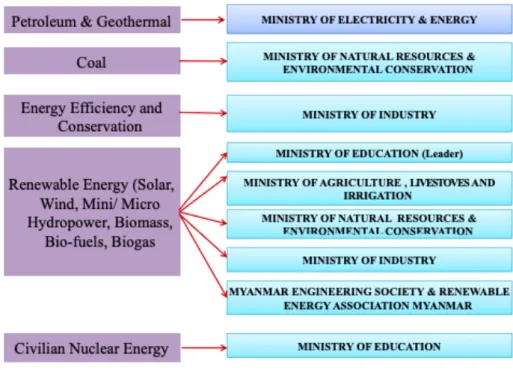
Other ministries related to the energy sector include (i) Ministry of Agriculture, Livestock, and Irrigation with responsibility for off-grid rural electrification, (ii) Ministry of Natural Resources and Environmental Conservation with responsibility for coal mining, and (iii) Ministry of Industry with responsibility for energy efficiency. Ministry of Education is taking responsibility not only for the research and development of the civilian nuclear energy but also for renewable energies with other related government ministries and private organizations as seen in Figure 2.2 below.
Source: Ministry of Electricity and Energy
Figure 2.2 Institutional Framework of Myanmar Energy Sector 2.3.3 Total Energy Supply and Consumption
Although Myanmar is sitting on huge energy resources, current national electrification ratio for households is less than half of the total households. In 2019, electrified households are only 43% all over the country, thus 57% has not yet accessed to electricity (Zaw, H., 2019). 69.81% of total population had a connection to electricity power in 2019 (Energypedia, 2020). Although access to electricity ratio of the population is 89.48% in urban area, only 39.79% of rural households can use electricity as of 2016 (Trading Economics, 2020). It reveals that disparities of electricity access between urban and rural areas are seriously striking.
According to World Bank, Myanmar has one of the lowest rates of electrification in Southeast Asia, and its electricity consumption per capita is among the lowest in the world - twenty times less than the world average. The per capita electricity consumption is 333kWh in 2017-18, it became increased from the per capita electricity consumption of 150-160kWh in 2016 (Zaw, H., 2019). The total electricity consumption in 2017- 18 is 17036.6 million kWh.
Rural areas remain mostly unelectrified, with only 16% of rural households with access to grid-based electricity (World Bank, 2016). Also, access to modem fuels for cooking, such as Liquefied Petroleum Gas (LPG), is limited to urban areas where only one third of population lives. Consequently, traditional biomass, fuelwood and animal dung, is widely utilized and accounts for about two-thirds of Myanmar's primary energy consumption. The country’s primary energy supply mix consists of coal, oil, gas, hydro and biomass.
The major energy sources for the total primary energy supply in Myanmar are coal, oil and petroleum products, gas, hydro, and biomass. Most of the total energy supply came from biomass, with about 10 Million Tons of Oil Equivalent (MTOE) in 2012–2013 (Tun, M. M. and Juchelkova, D. 2019). In 2014-15, the traditional biomass (51%) has the largest share in primary energy supply, followed by hydro and oil &
petroleum (17%) each, natural gas (13%) and coal (2%) as seen in Figure 2.3. According to this, it can be known that biomass and traditional fuel woods are main energy sources for residential energy consumption.
Meanwhile, the total final energy consumption in Myanmar had a gradual increase by around 2% annually during 2000–2013. The final energy consumption by sector in 2014-15 can be seen in Figure 2.4.
Source: Current status of oil and gas sector, MOEE, Myanmar Figure 2.3 Primary Energy Supply in 2014-15
51%
17%
17%
13%
2%
Biomass Hydro Oil & Petroleum Natural Gas Coal