• 検索結果がありません。

Burkitt lymphoma/leukemia initially presenting with extensive peripheral blood and/or bone marrow involvement: A report of 11 cases from a single institution

N/A
N/A
Protected

Academic year: 2021

シェア "Burkitt lymphoma/leukemia initially presenting with extensive peripheral blood and/or bone marrow involvement: A report of 11 cases from a single institution"

Copied!
16
0
0

読み込み中.... (全文を見る)

全文

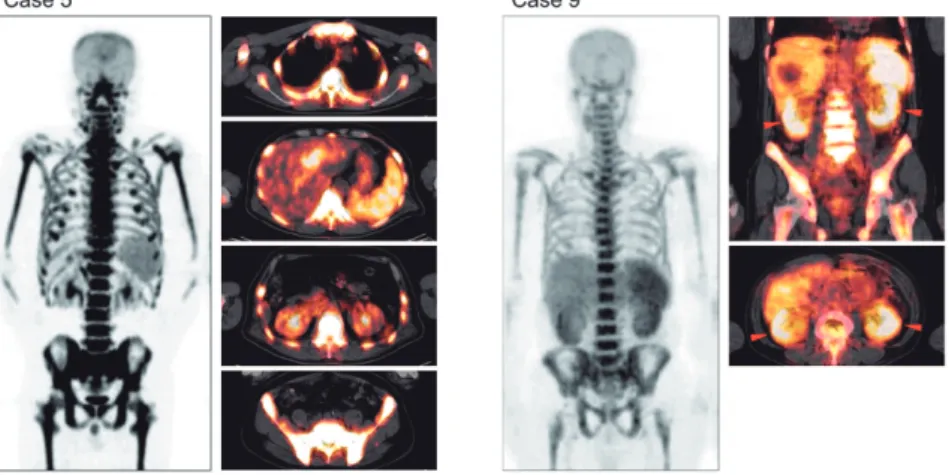
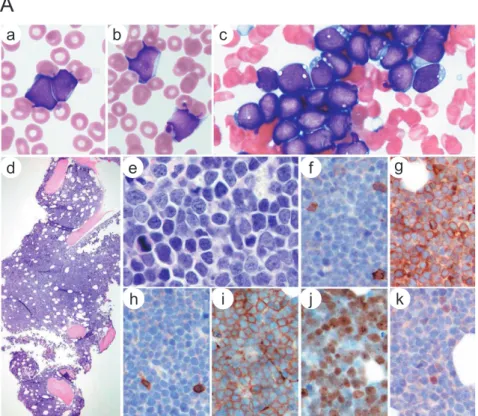
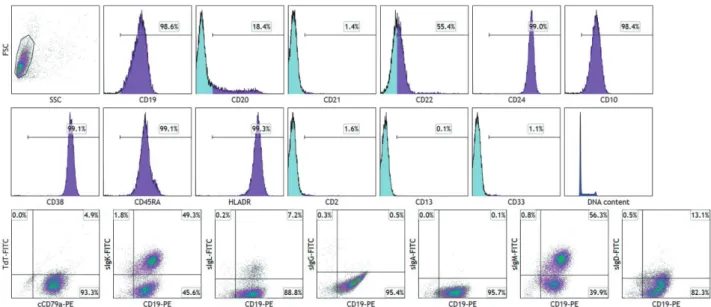
58. Tenri Medical Bulletin 2020;23(2):58-73. Original Article DOI: 10.12936/tenrikiyo.23-011. ✉ Correspondence to: Futoshi Iioka, MD Department of Hematology, Tenri Hospital 200 Mishima, Tenri, Nara 632-8552, Japan e-mail: [email protected]. Burkitt lymphoma/leukemia initially presenting with extensive peripheral blood and/or bone marrow involvement: A report of 11 cases from a single institution. Futoshi Iioka1✉ , Chiyuki Kishimori2, Katsuhiro Fukutsuka2, Masahiko Hayashida2, Wataru Maruyama1, Takashi Akasaka1, Hitoshi Ohno1,2. 1Department of Hematology, Tenri Hospital; 2Tenri Institute of Medical Research. Purpose: To elucidate the clinical features and treatment outcomes of patients with Burkitt lymphoma/ leukemia (BL/L) who initially presented with extensive peripheral blood (PB) and/or bone marrow (BM) involvement. Patients and methods: We retrospectively reviewed the clinical records of patients with aggressive B-cell lymphoma between 2006 and 2017 for whom cytomorphological, immunophenotypic, and cytogenetic data were available. Results: Eleven patients matched the criteria of BL/L. Ages ranged between 16 and 78 years (median, 61 years). Seven patients presented with “B” symptoms and 3 with neurological signs or symptoms. White cell counts ranged between 4.0 and 73.0 × 10³/µL (median, 18.26 × 10³/µL), including 2.5 to 81.2% (median, 15.0%) leukemia cells. All patients showed high lactate dehydrogenase levels (median, 4,103 U/L). BM was infiltrated with 40.1 to 99.6% leukemia cells, showing the French-American-British L3 morphology. Leukemia cells were CD10+, CD19+, CD20+ except for one patient, CD22+, CD38+, and HLA-DR+, and expressed monoclonal surface immunoglobulins in 9 patients. MYC stained positive in leukemia cell nuclei in 6 out of 7 patients, BCL2 was negative, and Ki-67 positivity was higher than 90%. G-banding and/or fluorescence in situ hybridization revealed t(8;14)(q24;q32) in 10 patients and t(2;8)(p12;q32) in 1, and 2 showed unusual hybridization signal patterns. Ten patients were initially treated with dose-intensive chemotherapy in combination with or without rituximab and survival was better in 5 who completed the initial treatment schedule than in those who did not. Conclusion: The hemato logical assessment of PB/BM mater ia ls in combinat ion wi th immunophenotypic and cytogenetic information and laboratory data led to the diagnosis of BL/L. Patients with BL/L may show a favorable response to dose-intensive chemotherapy; however, the development of optimal treatments for elderly patients that maintain high response rates and minimize toxicity remains challenging.. Key words: Burkitt lymphoma/leukemia, French-American-British L3, t(8;14)(q24;q32)/MYC-IGH, dose-intensive chemotherapy, elderly patients. Received 2020/5/22; accepted 2020/8/1; released online 2020/12/25. Tenri Medical Bulletin Vol. 23 No. 2 (2020) 59. Burkitt lymphoma/leukemia with PB/BM involvement. INTRODUCTION Burkitt lymphoma is a highly aggressive, rapidly. growing B-cell tumor, and is classically characterized by chromosomal translocations involving the MYC gene on chromosome 8 and either one of the three immunoglobulin genes, leading to the deregulated expression of the MYC transcription factor protein.1-5 It manifests in sporadic, endemic, or immunodeficiency- associated forms and patients with the sporadic form generally have an abdominal presentat ion, most often with massive disease and ascites, involving the ileocecum, stomach, and/or mesentery.1-4 Burkitt lymphoma may also involve other extranodal sites, including the kidney, pancreas, liver, spleen, breast, testis, or ovary, and bone marrow (BM) and central nervous system (CNS) involvement has been reported in 30–38% and 13–17% of adults, respectively.4. Burkitt lymphoma initially presents not only at extranodal sites, but also as acute leukemia with extensive peripheral blood (PB) and BM involvement, i .e . Bu rk i t t leu kem ia o r t he L3 t y pe of a cu t e lymphoblastic leukemia in the now-obsolete French- American-British (FAB) group scheme.3,6 In the 2017 WHO classification, Burkitt lymphoma and Burkitt leukemia are regarded as different manifestations of the same disease and the term Burkitt leukemia is now obsolete, even though ‘Burkitt leukemia variant’, which presents purely as leukemia, is briefly described in the text.1 Nevertheless, in clinical practice, there are cases in which Burkitt leukemia instead of lymphoma is the appropriate diagnostic term to represent the clinical features of the relevant patients.. Although Burkit t lymphoma is a well-def ined disease entity, its diagnosis based on the histopathology of tumor biopsies remains a challenge due to the significant morphological overlap with diffuse large B-cell lymphoma (DLBCL), and unacceptable low inter- and intraobserver agreements have been reported for their histological distinction.2,7 In Japan, clinical hematologists have assumed responsibility for the. diagnostic work-up of acute leukemia including Burkitt leukemia. Since Burkit t leukemia cells exhibit a characteristic morphology under a routine microscopic examination of PB/BM smear slides and because immunophenotypic and cytogenetic information is readily obtained from PB/BM materials, the diagnosis of Burkitt leukemia may not necessarily be challenging for experienced hematologists. In the present study, we describe the cytomorphological, immunophenotypic, and cytogenetic features as well as treatment outcomes of patients with Burkitt lymphoma/leukemia (BL/ L) who were pr imar i ly d iagnosed based on the hematological assessment of PB/BM materials.. PATIENTS AND METHODS Patients. We retrospectively reviewed the clinical records of patients with aggressive B-cell lymphoma who were diagnosed and treated in our institution between 2006 and 2017, and whose cy tomor pholog ica l , immunophenotypic, and cy togenet ic data were available. We obtained information on pretreatment clinical parameters, laboratory data, radiographic findings, treatments, responses to therapy, and outcomes from the medical records of each patient. Inclusion criteria were: 1) patients who initially presented with PB and/or BM involvement, 2) patients whose leukemia cells in PB/BM exhibited the FAB L3 morphology and expressed B cell-associated antigens, and 3) patients who had cytogenetic evidence for t(8;14)(q24;q32), t(2;8) (p11-12;q24), or t(8;22)(q24;q11). Patients who presented with predominant extranodal diseases (e.g. ileocecum tumor) and those who carried double-hit (DH, when MYC rearrangement was present with either the BCL2 or BCL6 rearrangement) and triple-hit (TH, when all 3 rearrangements were present) rearrangements were excluded.. Flow cytometry (FCM) Mononuclear cells were prepared from PB and/or. Iioka F et al.. 60 Tenri Medical Bulletin Vol. 23 No. 2 (2020). BM aspirates using Lymphocyte Separation Solution (Nacalai Tesque, Kyoto, Japan). Cells were resuspended in phosphate buffered saline at a concentration of 1 × 10⁷/mL and aliquots (100 µL) were subjected to a cell-surface antigen analysis using a f low cytometer (NAVIOS 3L flow cytometer; Beckman Coulter Inc., Fullerton, CA, USA). The distribution of cells was examined in forward versus side scatter cytograms by setting multiple gates, and the surface antigen expression of gated cells was analyzed by single-, dual- , or multicolor FCM. To detect intracellular antigens, cells were initially fixed and permeabilized (Dako's IntraStain Kit; Agilent, Santa Clara, CA, USA) and then subjected to FCM.. Histopathological examination BM biopsy specimens were f ixed, decalcif ied,. processed for paraffin embedding, and then subjected to histopathological examinations. The monoclonal antibodies used were as follows: anti-CD10 (56C6; Leica Biosystems), CD20 (L26; Leica Biosystems), CD79a (JCB117; DAKO, Glostrup, Denmark), terminal deoxynucleotidyl transferase (TdT) (SEN28; Leica Biosystems), c-MYC (Y69; Abcam PLC), BCL2 (124; DAKO), BCL6 (LN22; Nichirei Biosciences), MUM1 (NCL-L-MUM1; Leica Biosystems), and Ki-67 (MIB- 1; DAKO). In situ hybridization (ISH) for Epstein-Barr virus-encoded small RNA (EBER) was performed according to the manufacturer’s instructions.. Cytogenetic study Cells prepared from specimens were incubated. overnight in RPMI 1640 medium supplemented with 15% heat-inactivated fetal bovine serum at 37°C under a CO2 concentration of 5%, and then cultured in the presence of 0.1 µg/mL colcemid for 2 hr. After harvesting, cells were treated with hypotonic solution and fixed in methanol:acetic acid (3:1). Chromosomes were banded by trypsin-Giemsa and the results of the chromosome analysis were described according to. ISCN 2016.. Fluorescence in situ hybridization (FISH) Cytogenetic preparations and/or PB/BM smear slides. were hybridized with fluorophore-labeled probes. FISH probes were as follows: the Vysis LSI MYC dual-color break-apart (BA) rearrangement probe, Vysis LSI IGH/ MYC/CEP 8 tri-color dual-fusion (DF) FISH probe kit, Vysis LSI BCL6 dual-color BA rearrangement probe, Vysis LSI IGH/BCL2 dual-color DF probe, and Vysis LSI IGH dual color, BA rearrangement probe, all of which were purchased from Abbott Laboratories (Abbott Park, IL, USA). Denaturing of the chromosome/probe, hybridization, and washing conditions were conducted as recommended by the manufacturer. FISH results were analyzed using fluorescence microscopes (Nikon Corporation, Tokyo, Japan; Carl Zeiss, Oberkochen, G e r m a ny) e q u ip p e d w i t h DA PI , f l u o r e s c e i n isothiocyanate (FITC), and tetramethylrhodamine B isothiocyanate (TRITC) fluorescence filters as well as a DAPI/FITC/TRITC triple band-pass filter.. RESULTS Clinical features of BL/L patients presenting with extensive PB/BM involvement. Eleven patients matched the criteria of BL/L and their clinical features and representative laboratory data are shown in Tables 1 and 2. Ages ranged between 16 and 78 years, with a median of 61 years. Seven patients were male. Seven patients presented with “B” symptoms and 3 with neurological signs or symptoms, including cranial nerve palsy and numb chin syndrome. Two patients had severe lumbago. Performance statuses (PSs) were ≥ 2 in 4 patients.. A n e m i a ( h e m o g l o b i n , <10 g / d L ) a n d thrombocytopenia (platelet count, <100 × 103/µL) were found in 3 and 9 patients, respectively. White blood cell (WBC) counts ranged between 4.0 and 73.0 × 10³/ µL (median, 18.26 × 10³/µL), including 2.5 to 81.2% (median, 15.0%) leukemia cells. All patients showed. Tenri Medical Bulletin Vol. 23 No. 2 (2020) 61. Burkitt lymphoma/leukemia with PB/BM involvement. Table 2. Laboratory findings Case no.. Hemoglobin (g/dL). Platelets (×104/µL). WBC (×103/µL). Leukemia cells (%). LDH (U/L). Creatinine (mg/dL). Uric acid (mg/dL). CRP (mg/dL). sIL-2R (U/mL). Ferritin (ng/mL). 1 13.5 3.5 27.2 20.0 5,985 0.9 14.9 7.2 2,785 NT. 2 7.2 4.5 73.0 62.0 10,880 2.6 23.7 5.2 3,730 4,283. 3 12.4 4.1 4.0 3.0 2,029 0.7 7.7 16.2 1,760 532. 4 12.4 6.0 21.4 44.5 6,058 1.2 9.0 2.2 NT 714. 5 8.4 2.9 5.5 15.0 2,022 1.2 4.2 7.4 12,360 1,383. 6 7.3 5.0 4.55 5.0 2,254 1.5 18.9 3.1 1,777 NT. 7 14.0 15.6 8.26 4.5 1,873 0.7 9.0 3.0 4,595 NT. 8 11.3 16.6 18.26 2.0 998 1.1 5.2 7.5 5,512 112. 9 10.8 2.3 61.76 81.2 4,103 5.1 33.8 4.48 7,554 933. 10 10.7 3.3 32.43 58.5 16,340 0.9 12.2 0.6 1,424 3,114. 11 13.4 0.7 7.61 2.5 6,131 0.7 6.0 0.54 456 2,441. WBC, white blood cells; LDH, lactate dehydrogenase; CRP, C-reactive protein; sIL-2R, soluble interleukin-2 receptor.. Reference levels: LDH, 124–222 U/L; creatinine, 0.5–0.8 mg/dL; uric acid, 2.6–5.5 mg/dL; CRP, < 0.14 mg/dL; sIL-2R, 145–519 U/mL;. and ferritin, 10–260 ng/mL.. NT, not tested.. Table 1. Clinical characteristics of 11 BL/L patients with extensive PB/BM involvement Case no.. Age/ sex. Presenting symptoms PS Involved organs other than PB/BM “B” symptoms. Neurological symptoms. Others Spleen Liver CSF/ CNS. LN Other organs. 1 66/F − Numb chin, ptosis, diplopia, hemipa- resis. − 1 + − + − Pancreas. 2 57/F + − − 3 − − NT − − 3 16/M + − Headache,. lumbago 1 + + − + −. 4 69/M − − Hematuria 0 + − − − − 5 61/M + − Dyspnea,. petechiae 1 + + − + −. 6 40/F + Numb chin − 4 + − − − Pancreas, kidney 7 49/F + P t o s i s , f a c i a l. nerve palsy − 2 + + + + Pancreas. 8 78/M − − Dyspnea, cough- ing , abdomina l fullness. 1 + − NT + Pleura, peritoneum, ileocecum, mes- entery, and omentum. 9 67/M − − Dysuria 3 + − NT − Kidney 10 75/M + − − 1 + − NT − Small intestine 11 54/M + − Lumbago 1 − − − + − Cases were numbered in the order of the date of initial presentation.. “B” symptoms: fever >38°C, weight loss, night sweating.. PS, performance status; PB, peripheral blood; BM, bone marrow, CSF, cerebrospinal fluid; CNS, central nervous system, LN, lymph. node.. NT, not tested.. Iioka F et al.. 62 Tenri Medical Bulletin Vol. 23 No. 2 (2020). high lactate dehydrogenase (LDH) levels, with a median level of 4,103 U/L. Two patients developed renal insufficiency with high levels of creatinine and uric acid, requiring urgent hemodialysis (cases 2 and 9). C-reactive protein (CRP) levels were over the reference level in all patients. Soluble interleukin-2 receptor (sIL- 2R) levels were > 1,000 U/mL in 9 out of 10 patients and ferritin levels were > 1,000 ng/mL in 4 out of 8. All patients were seronegative for human immunodeficiency virus.. Involved organs recognized by imaging studies. included the spleen in 9 patients, the liver in 3, localized or generalized lymphadenopathy in 5, the pancreas in 3, and the kidney in 2. Lumbar puncture was positive for leukemia cells in 2 pat ients. Figure 1 shows representative 18F-fluorodeoxyglucose (FDG)-positron emission tomography (PET) combined with computed tomography (CT), demonstrating the increased uptake of the tracer throughout the BM space in addition to high-level tracer accumulation in the enlarged spleen, liver, and lymph nodes (case 5) and spleen and bilateral kidneys (case 9).. Table 3. Morphology and immunophenotype of leukemia cells Case no.. BM leukemia cells (%). L3 morphology** Flow cytometry PB BM sIg CD10 CD19 CD20 CD21 CD22 CD23 CD24 CD34 CD38 CD45RA HLA-DR TdT. 1 91.8 + + µk+ + + + − + − NT − + + + − 2 NT NT NT − (cyµ+) + + + − + − NT − + + + − 3 92.2 − − µgk+ + + + − + − + − + + + − 4 99.6 − − − (cyµ−) + + + − + − NT − + + + − 5 97.3* + + µk+ + + + − + − NT − + −/+ + − 6 98.0* + + al+ + + + − + − NT − + + + NT 7 92.5* + + µdk+ + + + − −/+ − + NT + + + NT 8 62.5 − + µdk+ + + + − + − + NT + + + NT 9 88.7* − + µdl+ + + + − −/+ − + − + + + − 10 98.9 − + µdk+/− + + −/+ − −/+ NT + − + + + − 11 40.1 − + k+*** + + + − + NT NT − + NT + NT *Estimated by the “touch” prep of BM biopsy specimens due to dry tap BM aspiration. **A deeply basophilic cytoplasm and cytoplasmic vacuoles, as assessed by the FAB classification. ***Heavy chain expression was not tested. sIg, surface immunoglobulin; cy, cytoplasmic. NT, not tested.. Figure 1. FDG-PET/CT of cases 5 and 9. The anterior views of a maximum intensity projection image (left) and representative fused images (right) are shown. The maximum standardized uptake values of the spine in each case were 20.88 and 10.12, respectively. Arrowheads in case 9 indicate diffusely increased tracer uptake in both kidneys. Decreased tracer uptake in the heart and brain in both cases may have reflected ‘metabolic steal’ by hypermetabolic tumors.. Tenri Medical Bulletin Vol. 23 No. 2 (2020) 63. Burkitt lymphoma/leukemia with PB/BM involvement. Figure 2. Appearance of peripheral blood (PB) and bone marrow (BM). (A) Case 10. (a and b) Wright-stained PB smears, showing medium-sized leukemia cells with f ine nuclear chromatin and a scanty basophi l ic cy toplasm (or iginal magni f i ca t ion, ×100 ob jec t i ve lens) . (c) Wright-stained BM aspirate smear, showing leukemia cel ls with round to ovoid nuclei and a basophilic cytoplasm. Cytoplasmic vacuoles are observed (×100). (d and e) Hematoxylin and eosin (H&E) staining of a BM biopsy specimen, showing the replacement of the marrow space with uniform, medium-sized leukemia cells. Abundant mitotic figures are observed (×4 and ×100). (f to k) Immunohistochemistry of a BM biopsy specimen: f, CD20; g, CD79a; h, CD3; i, CD10; j, Ki-67; and k, TdT (×40).. Figure 2. (Continued) (B) Case 11. (a and b) Wr ight-stained PB smear s , show ing med ium - s ized leukemia cells with fine nuclear chromatin, inconspicuous nucleoli, and a basophilic cytoplasm (×100). (c and d) Wright-stained BM aspirate smears, showing leukemia cells with round to ovoid nuclei and a deeply basophilic cytoplasm with numerous va c u o l e s , a n d h e m o p h a g o c y t i z i n g mac rophages (×100) . (e and f ) H&E staining of a BM biopsy specimen, showing widespread necros is and an area of interstitial infiltrates of viable cells (×4 and ×100). (g to k) Immunohistochemistry of a BM biopsy specimen; g, CD20; h, c-MYC; i, BCL2; j, Ki-67; and k, CD68 (×100).. a b c. d e f g. h kji. A. a. b. c d. e f g h. kji. B. Iioka F et al.. 64 Tenri Medical Bulletin Vol. 23 No. 2 (2020). Morphology and immunophenotype of leukemia cells A BM examination was performed on 10 patients,. and revealed leukemia cells comprising 40.1 to 99.6% BM cells, and more than 90% in 7 (Table 3). To examine the morphology of leukemia cells in each case, Wright-stained PB and BM specimens archived in the laboratory were reviewed by one of the authors (F. I.). As shown in Table 3 and Figures 2A, 2B, and 2C, 4 out of 10 PB specimen and 8 out of 10 BM specimens contained leukemia cel ls showing the FAB-L3 morphology, characterized by being medium in size, having round to ovoid nuclei with fine chromatin, and a deeply basophilic cytoplasm with numerous vacuoles; these features were more clearly observed in touch preparations of biopsy specimens (cases 5, 6, 7, and 9). In contrast, PB leukemia cells in case 9 had indented nuclei and an abundant cytoplasm lacking vacuoles, showing a monoblastic appearance (Figure 2C).. The immunophenotypic features of leukemia cells in PB/BM, as shown by FCM, are summarized in Table 3. Monoclonal immunoglobulins (Igs) were expressed. on the cell surface in 9 cases and were absent in two; in case 10, surface Ig-positive and -negative cells were both present (Figure 3). Heavy chain classes were μ or μ plus δ in 7 cases and α in one. CD10, CD19, CD22, CD38, and HLA-DR were positive in all 11 cases. CD20 was positive, except for case 10, in which the major fraction of cells lacked its expression. CD21 and CD23 were negative, and CD24 was positive in the 5 cases tested. CD34 and TdT were negative in the 9 and 7 cases tested, respectively.. The histopathological assessment of BM biopsy specimens was per formed on 8 cases (Table 4). Specimens were replaced by diffuse inf iltrates of leukemia cells or showed the interst it ial pat tern of inf iltration, while the specimen in case 11 was composed of widespread necrosis (Figu re 2B). Infiltrated cells showed a monomorphic appearance with round to ovoid nuclei with fine chromatin, a single or multiple nucleoli, and a basophilic cytoplasm. In cases 5 and 6, the starry sky appearance resulting from the infiltration of tingible body macrophages. Figure 2. (Continued) (C) Case 9. (a and b) Wright-stained PB smears, showing medium to large-sized leukemia cells with fine nuclear chromatin, prominent nuc leol i , and an abundant cytoplasm. The arrowhead in b shows a “smudge” cell (×100). (c) Wright-stained BM touch preparation, showing leukemia cells with round to ovoid nuclei and a basophilic cy toplasm. Cytoplasmic vacuoles are observed (×100). (d and e) H&E staining of a BM biopsy specimen, showing the diffuse and extensive inf i l t rat ion of leukemia cells. Mitotic figures and apoptotic bodies are obser ved (×4 and ×100) . ( f to k ) Immunohistochemistry of a BM biopsy specimen: f, CD20; g, CD3; h, CD10; i, c-MYC; j, Ki-67; and k, TdT (×100).. a b c. d e f g. h kji. C. Tenri Medical Bulletin Vol. 23 No. 2 (2020) 65. Burkitt lymphoma/leukemia with PB/BM involvement. Figure 3. FCM of leukemia cells in case 10. Top and middle. Single parameter FCM. Positive cell populations for each antigen are indicated by horizontal bars and colored in purple. Cells were positive for CD19, CD24, CD10, CD38, CD45RA, and HLA- DR, and negative for CD21, CD2, CD13, and CD33. CD20 was expressed in a small fraction of cells. Cells were equally divided into CD22-negative and -positive cells. The DNA index was 1.00 relative to normal diploid cells. Bottom. Dual parameter dot plot. Cytoplasmic CD79a was positive and TdT was negative. Surface immunoglobulins µ and k were expressed in approximately 50% of cells. d was weakly expressed.. was observed. Immunohistochemistry revealed the expression of CD10 in 5 cases, CD20 in 7 out of 8 cases, except for case 10 (Figure 2A), and CD79a in all 8 cases. MYC stained positive in the leukemia cell nuclei of all cases tested, except for case 5, in which the histochemical preparation may not have been adequate. BCL2 was negative in all cases. Ki-67 positivity in each case was uniformly more than 90%. EBER-ISH was negative in all cases, indicating the absence of endemic type BL/L in this series.. Cytogenetic observations Metaphase spreads were obtained from PB or BM. after short-term cultures. G-banding revealed t(8;14) (q24;q32) in 9 cases and t(2;8)(p12;q24) in 1 (Figure 4), while in case 7, metaphases were inadequate for karyotyping due to the poor morphology of the chromosomes (Table 5). There was no cytogenetic evidence indicating t(14;18)(q32;q21) or rearrangement of the 3q27 chromosomal band. FISH of interphase nuclei hybridized with the MYC BA probe detected the one red (R, 5′ MYC), one green (G, 3′ MYC), and one. Table 4. Appearance of bone marrow biopsy specimens Case no.. Infiltration of leukemia cells. “Starry sky” appearance. Immunohistochemistry EBER- ISHCD10 CD20 CD79a TdT MYC BCL2 BCL6 MUM1 Ki-67. 4 Replacement − + + + − + − − + >90% − 5 Replacement + − + + NT − − + − >90% − 6 Replacement + − + + NT + − + − >90% − 7 Replacement − − + + NT + − − + >90% − 8 Interstitial infiltrates − + + + NT NT − NT NT >90% NT 9 Replacement − + + + − + − + + >90% − 10 Replacement − + − + − + − − + >90% − 11 Interstitial infiltrates/. necrosis − + + + − + − + + >90% −. NT, not tested.. Iioka F et al.. 66 Tenri Medical Bulletin Vol. 23 No. 2 (2020). Figure 4. Cytogenetic observations of cases 6 and 8. In case 6, t(8;14)(q24;q32) was the sole chromosome abnormality in 4 out of 11 karyotyped metaphases (top), while 5 metaphases carried der(16)t(1;16)(q12;q24), resulting in partial trisomy of the long arm chromosome 1 (bottom, inset). t(8;14)(q24;q32) and der(16)t(1;16) are indicated by arrows. In case 8, 16 out of 19 metaphase cells carried t(2;8)(p12;q24) and r(13) (top), while der(8)t(2;8)(p12;q24) was duplicated in the remaining metaphases, which was confirmed by FISH using the MYC BA probe (bottom). Relevant chromosomes and hybridization signals are indicated by arrows or arrowheads.. Table 5. Cytogenetic findings Case no.. G-banding karyotype FISH MYC BA probe MYC-IGH DF probe. 1 46,XX,trp(7)(q11q36),t(8;14)(q24;q32),add(19)(p13),dmin[2]/46,trp(7)(q11q36),t(8;14) (q24;q32),add(19)(p13)[4]/46,XX,trp(7)(q11q36),t(8;14)(q24;q32),add(21)(p13)[4]. 1R1G1Y NT. 2 46,XX,del(2)(q33)t(5;11)(q23;q22),t(8;14)(q24;q32),−9,add(13)(q34),del(15)(q22),+mar[11] 1R1G2Y 1R1G1Y. 3 46,XY,t(8;14)(q24;q32)[20] 1R1G1Y 1R1G2Y. 4 46~50,XY,+1,+9,−13,der(14)t(8;14)(q24;q32),+1~3mar[cp2] 0R1G2Y/0R2G2Y 2R1G2Y/2R1G1Y. 5 47,XY,t(8;14)(q24;q32),+12[3]/47,idem,dup(1)(q21q42)[7]/48,idem,+X,der(1;22)(q10;q10)[6]/49. idem,+X,+Y,der(1;22)(q10;q10)[2]. 1R1G1Y 1R1G2Y. 6 46,XX,t(8;14)(q24;q32)[4]/46,idem,der(16)t(1;16)(q12;q24)[4]/46,idem,add(7)(q36)[1]/46,XX[2] 1R1G1Y 1R1G2Y. 7 Inadequate metaphases 1R1G1Y 1R1G2Y. 8 46,XY,t(2;8)(p12;q24),r(13)[16]/48,XY,t(2;8)(p12;q24),+der(8)t(2;8)(p12;q24),+20[3] 1R1G1Y/2R1G1Y 2R2G0Y/3R2G0Y. 9 46,XY,t(8;14)(q24;q32)[10] 1R1G1Y 1R1G2Y. 10 46,XY,t(7;13)(7pter→7q22::13q14→13qter;13pter→13q14::7q22→7qter),der(14) (14pter→14q32::8q24→8qter)[2]/46,XY,t(7;13),der(14)(14pter→14q32::8q24→8qter::14q32::8q2 4→8qter::1q25→1qter)[8]. 1R0G2Y/2R0G2Y 2R1G1Y/2R1G2Y. 11 46,XY,t(8;14)(q24;q32)[10]/46,XY[2] 1R1G1Y NT. BA, break-apart probe; DF, dual fusion probe; R, red signal; G, green signal; Y, yellow (fusion) signal.. NT, not tested.. Tenri Medical Bulletin Vol. 23 No. 2 (2020) 67. Burkitt lymphoma/leukemia with PB/BM involvement. Figure 5. Unusual hybridization signal patterns of FISH using MYC BA and MYC - IGH DF probes in cases 4 and 10. FISH signals in nuclei corresponding to t(8;14)(q24;q32) in case 6 are shown as a reference. The MYC BA probe consisted of red (R)- labeled centromeric 5′ MYC and green (G)-labeled te lomer ic 3′ MYC , and the MYC-IGH DF probe consisted o f R - l a b e l e d M Y C a n d G-labeled IGH. Hybridization s i g n a l s a r e i n d i c a t e d b y arrowheads of their respective c o l o r s . T h e M YC - I G H D F probe conta ined b lue (B) - labeled 8p11.1-q11.1 α satellite DNA.. yellow (Y, unrearranged MYC) signal (1R1G1Y) pattern, indicative of the MYC rearrangement, in 9 cases (Table 5, Figure 5). The MYC-IGH DF probe detected the one R (MYC), one G (IGH), and two Y (MYC-IGH fusion) signal (1R1G2Y) pattern, indicative of the generation of the MYC-IGH fusion gene, in 6 out of the 9 cases tested (Table 5, Figure 5); 2R2G0Y/3R2G0Y signals in case 8 indicated that t(2;8)(p12;q24) occurred outside the MYC probe. Case 7 showed both 1R1G1Y by the MYC-BA probe and 1R1G2Y by the MYC-IGH DF probe (Table 5), providing evidence for the presence of t(8;14)(q24;q32)/ MYC-IGH. FISH using the BCL2 and BCL6 probes was. negative for the rearrangement of the two genes (not shown).. On the other hand, since cases 4 and 10 showed unusual hybridization signal patterns (Table 5, Figure 5), we hybridized the two probes with metaphase spreads. In case 4, metaphase cells had der(14)t(8;14)(q24;q32) and an unknown marker chromosome, while reciprocal der(8)t(8;14)(q24;q32) was missing, but instead had a pair of normal chromosome 8s. FISH revealed that the two chromosome 8s were labeled by unrearranged MYC signals, and that telomeric G signals of the MYC BA probe and Y signals of the MYC-IGH DF probe. Iioka F et al.. 68 Tenri Medical Bulletin Vol. 23 No. 2 (2020). were localized at the unknown marker chromosome in addition to der(14)t(8;14) (Figure 5). Case 10 also had a pair of normal chromosome 8s labeled by unrearranged MYC signals, while der(14)t(8;14) or der(14)t(1;8;14) carried one or two MYC-IGH fusion signals; der(14) t(1;8;14) was confirmed by a multicolor FISH analysis (Supplementary Figure S1). Translocated materials to the two der(14)s were not labeled by telomeric G signal(s) (3′ MYC), but instead by centromeric R signal(s), representing the upstream sequence of the MYC gene (5′ MYC).. t(8;14)(q24;q32) was the sole cytogenetic abnormality in 3 cases, while the remaining cases had additional abnormalities, including dup(1)(q21q42) and der(1;22) (q10;q10) (case 5) and der(16)t(1;16)(q12;q24) (case 6, Figure 4), all of which led to an increased copy of a fraction of the long arm of chromosome 1. In case 8, der(8)t(2;8)(p12;q24) was duplicated, theoretically resulting in the duplication of the MYC-IGL fusion gene (Figure 4).. Treatment outcomes All patients, but one (case 8), were initially treated. with dose-intensive chemotherapy in combination with or without rituximab. Five patients completed the treatment schedules, while 3 were withdrawn from the treatment due to severe adverse events and 2 relapsed early in the treatment course. Case 8 was treated with a dose-reduced chemotherapy regimen because intensive chemotherapy was considered to be inappropriate due to frailty. Seven patients are currently alive and free from disease progression (Table 6). With a median duration of observation of 112 months, 5-year progression-free survival (PFS) and overall survival (OS) rates were both 61% (Figure 6A and B). When PFS and OS were compared between the 5 initial treatment-completed patients (median age, 49 years) and the remaining 6 who withdrew from the treatment (median age, 67.5 years), the former patient group showed better survival than the latter group (Figure 6C and D). Among pretreatment. parameters, PS ≥ 2 tended to be related to poor PFS and OS. No association was found between survivals and gender, age, B symptoms, hemoglobin level, platelet count, WBC count, or values of LDH, creatinine, or CRP.. DISCUSSION We herein described 11 BL/L patients who initially. presented with PB/BM involvement. Although the extent of PB involvement varied, BM showed the extensive infiltration of leukemia cells, exhibiting the characteristic morphology, immunophenotype, and chromosomal translocation. Laboratory data included very high levels of LDH and uric acid, reflecting rapidly growing leukemia masses associated with spontaneous cell lysis.2 Thus, the hematological assessment of PB/ BM materials in combination with immunophenotypic and cytogenetic information and laboratory data readily led to the diagnosis of BL/L.. In the present study, increased levels of CRP, sIL- 2R, and ferritin were observed in patients with BL/ L. CRP is the representative acute-phase reactant produced by the liver in response to elevated levels of IL-6, IL-1β, tumor necrosis factor-α, and interferon-γ upon inflammatory stimuli and tissue injury.8 Ferritin is another acute phase reactant that may be elevated under both inflammatory and neoplastic conditions unrelated to iron overload.9,10 It is possible that inf ilt rating macrophages within the BL/L tissues may represent an abnormal immune activation similar to hemophagocytic syndrome, in which high-level fer r it in is almost invariably observed;11 indeed, we found macrophages phagocytizing blood cells (Figure 2Bd). Finally, high levels of sIL-2R are observed not only in the advanced stage of lymphoma, but also under a number of inflammatory conditions.12,13 Thus, increased levels of these serum markers appeared to represent a response of the host to the rapidly proliferating tumor and an inflammatory process was operating within the body. Although these markers have been associated with. Tenri Medical Bulletin Vol. 23 No. 2 (2020) 69. Burkitt lymphoma/leukemia with PB/BM involvement. Table 6. Treatments and outcomes Case no. Initial treatment Course PFS (days). OS (days). Current status. 1 R-HyperCVAD After the 2nd cycle of the treatment, pulmonary aspergillosis occurred; 5 cycles of R-CHOP were subsequently completed.. 4,589 4,589 Alive. 2 HyperCVAD CNS relapse occurred after the 1st cycle of the treatment. 69 83 Died of PD. 3 R-CODOX-M/IVAC Treatment was completed as scheduled. 3,177 3,177 Alive. 4 R-HyperCVAD Withdrawn from the treatment after the 3rd cycle due to prolonged myelo- suppression; relapse occurred 4 years later.. 1,431 1,605 Died of PD. 5 R-HyperCVAD Withdrawn from the treatment after the 2nd cycle due to prolonged myelo- suppression and severe oral mucositis.. 2,000 2,000 Alive. 6 DA-EPOCH-R Treatment was completed as scheduled. 1,816 1,816 Alive. 7 DA-EPOCH-R Treatment was completed as scheduled. 1,840 1,840 Alive. 8 R-miniCHOP BM and CNS relapse occurred after the 3rd cycle of the treatment 77 110 Died of PD. 9 DA-EPOCH-R + HD-MTX Treatment was completed as scheduled. 607 607 Alive. 10 DA-EPOCH BM and CNS relapse occurred after the 2nd cycle of the treatment 45 119 Died of PD. 11 R-CODOX-M/IVAC Treatment was completed as scheduled. 106 106 Alive. R, rituximab; HyperCVAD, hyperfractionated cyclophosphamide, vincristine, doxorubicin, and dexamethasone alternating with high-. dose methotrexate and cytarabine; DA-EPOCH, dose-adjusted etoposide, doxorubicin, vincristine, cyclophosphamide, and prednisone;. CODOX-M/IVAC, cyclophosphamide, vincristine, doxorubicin, and high-dose methotrexate alternating with ifosfamide, etoposide, and. cytarabine; HD-MTX, high-dose methotrexate.. CNS, central nervous system; BM, bone marrow; PD, progressive disease.. Figure 6. ESurvival analysis. (A) Progression-free survival (PFS) and (B) overall survival (OS) in the 11 patients studied. (C) PFS and (D) OS according to the completion of initially planned chemotherapy (n = 5) or withdrawal from the treatment (n = 6).. Iioka F et al.. 70 Tenri Medical Bulletin Vol. 23 No. 2 (2020). worse clinical outcomes in subtypes of lymphoma,10,12-14 their prognostic significance in BL/L currently remains unclear.. The defining feature of BL/L is the presence of t(8;14) (q24;q32)/MYC-IGH or variant translocation t(2;8)(p11- 12;q24)/MYC-IGK or t(8;22)(q24;q11)/MYC-IGL;3 these 3 translocations are found in 85, 5, and 10% of cases, respectively.15 Since adequate metaphase spreads for karyotyping may not necessarily be obtained by routine cytogenetics and because well-designed FISH probes are commercially available, MYC BA and/or MYC-IGH DF signals demonstrated on interphase nuclei have been used to detect translocations instead of a time- consuming G-banding analysis. In our institution, not only cytogenetic preparations but also PB/BM smear slides are subjected to FISH; therefore, test results are available within 24 hours, allowing the immediate initiation of effective treatments. In the present study, we found unusual signal patterns accounting for the distant breakpoint of MYC (case 10) and secondary cytogenetic abnormalities involving chromosomes 8 and 14 and their derivative chromosomes (cases 4 and 10), both of which were identified by G-banding and FISH applied to metaphase spreads. Thus, interphase FISH cannot entirely replace the standard cytogenetic study.. BL/L is defined by the combination of clinical, cytomorphological, immunophenotypic, and cytogenetic criteria. On the other hand, the classif ication and definition of high-grade B-cell lymphoma (HGBL), which is associated with one or more overlapping features with BL/L, have been debated.16 In the current scheme of the 2017 WHO classification, HGBL with the MYC and BCL2 and /or BCL6 rear rangement category, which has been more often referred to as DH/ TH lymphoma, is separated from DLBCL and BL/L. In the present study, we excluded DH/TH cases using available FISH probes detecting the rearrangements of BCL2 and BCL6, and selected MYC single-hit (SH) cases alone. During this process, we encountered. difficult cases that shared clinical, cytomorphological, and immunophenotypic features with BL/L, but were excluded due to the presence of MYC/BCL6 DH. Whole- exome sequencing studies have identified genes other than MYC that are involved in BL/L; in approximately 70% of cases, there were mutations in transcription factor 3, TCF3, or homozygous mutations in or the delet ion of its negative regulator, ID3.1,5,16 These mutations have been shown to activate the survival and proliferation of BL/L cells through the BCR and PI3K signaling pathways.1 Although hemizygous mutations in ID3 may be present in HGBL DH/TH cases,16 the sequencing of these two genes may provide additional information for recognizing BL/L cases and more precisely separating them from DH/TH cases.. Younger patients with BL/L show excellent outcomes with dose-intensive, short-duration chemotherapy regimens originally developed for pediatric patients.4,17 In our ser ies, two patients were t reated with the CODOX-M/IVAC regimen in combinat ion with r ituximab and completed the cycles as scheduled with minimal toxicity; one patient has been free from progression for more than 9 years (Table 6). In an earlier study on HyperCVAD-M/A, 26 adults with newly diagnosed Burkitt’s-type acute lymphoblastic leukemia were treated with this regimen, complete remission was observed in 81%, and the 3-year OS rate was 49%.18 However, this regimen cannot be applied to older patients due to its high toxicity, as shown in our series (Table 6). In contrast, DA-EPOCH-R, which is an intermediate intensity strategy, has been tested for adult patients with BL/L due to its high efficacy in DLBCL patients.19-22 This regimen is characterized by the continuous infusion of three of its components (i.e. etoposide, vincristine, and doxorubicin), based on in vitro studies showing superior tumor-cell killing under prolonged low-concentration drug exposure to brief, high-concentration exposure.20 The doses of etoposide, doxorubicin, and cyclophosphamide in each cycle were increased or decreased by 20% according. Tenri Medical Bulletin Vol. 23 No. 2 (2020) 71. Burkitt lymphoma/leukemia with PB/BM involvement. REFERENCES 1.. 2.. 3.. 4.. 5.. 6.. 7.. Leoncini L, Campo E, Stein H, et al. Burkitt lymphoma. In: Swerdlow SH, Campo E, Harris NL, et al., eds. WHO Classification of Tumours of Haematopoietic and Lymphoid Tissues (Revised 4th edition). Lyon: IARC; 2017:330-334. Freedman AS, Aster JC. Epidemiology, cl in ical manifestations, pathologic features, and diagnosis of Burkitt lymphoma. In: Lister A, Park JR, eds. UpToDate; 2020. Ferry JA. Burkitt's lymphoma: clinicopathologic features and differential diagnosis. Oncologist 2006;11:375-383. Blum KA, Lozanski G, Byrd JC. Adult Burkitt leukemia and lymphoma. Blood 2004;104:3009-3020. Brown JR, Freedman AS, Aster JC. Pathobiology of Burkitt lymphoma. In: Lister A, ed. UpToDate; 2020. Bennett JM, Catovsky D, Daniel MT, et al. Proposals for the classification of the acute leukaemias. French- American-Brit ish (FAB) co-operative group. Br J Haematol 1976;33:451-458. Haralambieva E, Boerma EJ, van Imhoff GW, et al.. to the neutrophil nadir in the previous cycle.19 The final analysis of a multicenter, single-arm phase 2 study evaluating this strategy was very recently published; the study, enrolling 53 patients with HGBL carrying the MYC rearrangement and with a median age of 61 years, demonstrated that event-free survival (EFS) and OS rates at 4 years were 71.0 and 76.7%, respectively, with no significant difference being observed in EFS or OS between MYC-SH and DH cases. Most importantly, no significant differences were noted in age between EFS and OS, even though relevant data were not shown.21 In another study, DA-EPOCH-R was reported to be equally effective across age groups.22 In our series, 4 patients were treated with DA-EPOCH-R and 3 patients aged up to 67 years completed the schedule to achieve disease-free survival (Table 6). Thus, at present, DA- EPOCH-R is the treatment of choice for older patients with BL/L. Nevertheless, there remain unmet needs in the development of optimal approaches for elderly patients that maintain high response rates and minimize toxicity.. Clinical, immunophenotypic, and genetic analysis of adult lymphomas with morphologic features of Burkitt lymphoma. Am J Surg Pathol 2005;29:1086-1094. Kushner I. Acute phase reactants. In: Furst DE, Romain PL, eds. UpToDate; 2020. Kim DJ, Kim T, Jeong JY, et al. Poor prognostic impact of high serum ferritin levels in patients with a lower risk of diffuse large B cell lymphoma. Int J Hematol 2020. Koyama S, Fujisawa S, Watanabe R, et al. Serum ferritin level is a prognostic marker in patients with peripheral T-cell lymphoma. Int J Lab Hematol 2017;39:112-117. Janka GE. Hemophagocytic syndromes. Blood Rev 2007;21:245-253. Umino K, Fujiwara SI, Ito S, et al. Serum soluble interleukin-2 receptor level at diagnosis predicts transformation in patients with follicular lymphoma. Leuk Lymphoma 2017;58:316-323. Yosh i za to T, Na n nya Y, I mai Y, e t a l . Cl i n ica l significance of serum-soluble interleukin-2 receptor in patients with follicular lymphoma. Clin Lymphoma Myeloma Leuk 2013;13:410-416. Qin W, Yuan Q, Wu J, et al. Prognostic value of pre- therapy C-react ive protein level in d if fuse large B-cell lymphoma: A meta-analysis. Leuk Lymphoma 2019;60:358-366. van den Berg E, Stevens-Kroef M. t(8;14)(q24;q32) / t(2;8)(p12;q24) / t(8;22)(q24;q11). Atlas Genet Cytogenet Oncol Haematol 2017;21:56-59. Kluin PM, Campo E, Harris NL, et al. High-grade B-cell lymphoma. In: Swerdlow SH, Campo E, Harris NL, et al., eds. WHO Classif ication of Tumours of Haematopoietic and Lymphoid Tissues (Revised 4th edition). Lyon: IARC; 2017:335-341. Alsharif R, Dunleavy K. Burkitt lymphoma and other high-grade B-cell lymphomas with or without MYC, BCL2, and/or BCL6 rearrangements. Hematol Oncol Clin North Am 2019;33:587-596. Thomas DA, Cortes J, O'Brien S, et al. Hyper-CVAD program in Burkitt's-type adult acute lymphoblastic leukemia. J Clin Oncol 1999;17:2461-2470. Wilson WH, Grossbard ML, Pittaluga S, et al. Dose- adjusted EPOCH chemotherapy for untreated large B-cell lymphomas: a pharmacodynamic approach with high efficacy. Blood 2002;99:2685-2693. Dunleavy K, Pittaluga S, Shovlin M, et al. Low-intensity therapy in adults with Burkitt's lymphoma. N Engl J Med 2013;369:1915-1925. Dunleavy K, Fanale MA, Abramson JS, et al. Dose- adjusted EPOCH-R (etoposide, prednisone, vincristine,. 8.. 9.. 10.. 11.. 12.. 13.. 14.. 15.. 16.. 17.. 18.. 19.. 20.. 21.. Iioka F et al.. 72 Tenri Medical Bulletin Vol. 23 No. 2 (2020). Supplementary Figure S1 G-banding karyotype (top) and multicolor (M-) FISH (bottom) of case 10, showing t(7;13) (arrowheads) and der(14)t(1;8;14) (arrow). M-FISH was performed using the 24XCyte Human Multicolor FISH Probe Kit (Metasystems GmbH, Altlussheim, Germany). Metaphases were captured using a Zeiss AXIO fluorescence microscope (Carl Zeiss, Zaventem, Brussels) equipped with a high-resolution cooled CCD camera and analyzed using M-FISH Isis software (Metasystems GmbH).. cyclophosphamide, doxorubicin, and rituximab) in untreated aggressive diffuse large B-cell lymphoma with MYC rearrangement: A prospective, multicentre, single- arm phase 2 study. Lancet Haematol 2018;5:e609-e617.. Roschewski M, Dunleavy K, Abramson JS, et al. Multicenter study of risk-adapted therapy with dose- adjusted EPOCH-R in adults with untreated Burkitt lymphoma. J Clin Oncol 2020:JCO2000303.. 22.. Tenri Medical Bulletin Vol. 23 No. 2 (2020) 73. Burkitt lymphoma/leukemia with PB/BM involvement. 【緒言】白血化と骨髄浸潤を主体としたバーキット白血病リンパ腫 (BL/L)の臨床病態と治療転帰を明らかにする. 【患者と方法】アグレッシブ B細胞リンパ腫の内,1) 白血化と骨髄浸潤を認める,2) 腫瘍細胞が FAB分類 L3の 形態的特徴を有し B細胞関連抗原を発現している,3) Ig遺伝子と 8q24/MYCの相互転座である t(8;14)(q24;q32), t(2;8)(p11-12;q24)または t(8;22)(q24;q11)のいずれかの染色体異常を有している症例を BL/Lと定義し,2006年 から 2017年の期間に当院で診療した BL/L全 11例の臨床病態および治療転帰について後方視的に解析した. 【結果】発症時年齢中央値 61歳 (16–78).B症状を 7例,脳神経麻痺や numb chin syndromeなどの神経症状を 3例で認めた.白血球数は 4.0–73.0×10³/µL (中央値 18.26×10³),白血病細胞比率は 2.5–81.2% (中央値 15.0%). 全例で LDH値の顕著な増高 (中央値 4,103 U/L),8例で尿酸高値を認め,特に尿酸の顕著な増高を伴った 2例 (23.7, 33.8 mg/dL) では腎不全を認めた.骨髄穿刺またはスタンプ標本の鏡顕では FAB分類で L3に該当する細胞の浸潤 (鏡顕分類での比率 40.1–80.9%) を認め,フローサイトメトリーで CD10, CD19, CD22, CD38および HLA-DRが 全例で陽性,CD20が 10例で陽性,surface Igが 9例で陽性.骨髄生検では腫瘍細胞の顕著な増生を認め,2例 で starry sky appearance,1例で骨髄壊死を伴った.免疫染色では 7例中 6例で MYC陽性,全例で BCL2陰性, 全例で Ki-67は 90%以上陽性.染色体・FISHでは 10例で t(8;14)(q24;q32),1例で t(2;8)(p12;q32)を認めた.初 回治療は DA-EPOCH 4例,Hyper-CVAD 4例,CODOX-M/IVAC 2例,miniCHOP 1例,9例で rituximabを併用, 2例は腎不全のため治療導入時に透析治療を要した.観察期間中央値 112か月で,5年無増悪生存割合 (5-yr PFS) は 61%.初回治療を計画通り完遂できた 5例 (年齢中央値 49歳 )と未完遂 6例 (同 67.5歳 ) の 5-yr PFSはそれ ぞれ 100%と 33% (P = 0.04)であった. 【考察】末梢血および骨髄の形態・組織像,免疫表現型,染色体遺伝子解析から BL/Lと診断した.B症状を高頻 度に認め,LDH値および尿酸値の顕著な増高を伴った.強力な多剤化学療法によって長期生存が期待できるが, 化学療法未完遂例は予後不良であったことから,特に高齢患者における至適治療法の確立が今後の検討課題であ る.. キーワード:バーキットリンパ腫・白血病,FAB分類 L3,t(8;14)(q24;q32)/MYC-IGH,高強度化学療法,高齢者. 白血化と骨髄浸潤を主体としたバーキットリンパ腫 ・ 白血病 (BL/L) の臨床病態と治療. 転帰 : 単施設における全 11 例の後方視的観察研究. 飯岡 大 1,岸森 千幸 2,福塚 勝弘 2,林田 雅彦 2,丸山 亙 1,赤坂 尚司 1,大野 仁嗣 1,2. 1 天理よろづ相談所病院 血液内科 2 天理よろづ相談所 医学研究所

Table 2. Laboratory findings Case  no. Hemoglobin (g/dL) Platelets (×104 /µL) WBC (×103 /µL) Leukemia cells (%) LDH  (U/L) Creatinine (mg/dL) Uric acid (mg/dL) CRP  (mg/dL) sIL-2R (U/mL) Ferritin (ng/mL) 1 13.5 3.5 27.2 20.0 5,985 0.9 14.9 7.2 2,785 NT 2 7
Table 3. Morphology and immunophenotype of leukemia cells Case
Figure 2. Appearance of peripheral blood  (PB) and bone marrow (BM).
Figure 3. FCM of leukemia cells in case 10. Top and middle. Single parameter FCM. Positive cell populations for each antigen  are indicated by horizontal bars and colored in purple
+4

参照

関連したドキュメント