Japan Advanced Institute of Science and Technology
JAIST Repository
https://dspace.jaist.ac.jp/
Title 未利用芳香族アミノ酸 4‑アミノ桂皮酸を用いた芳香族
バイオベースポリマーの開発
Author(s) GREWAL, Manjit Singh Citation
Issue Date 2017‑06
Type Thesis or Dissertation Text version ETD
URL http://hdl.handle.net/10119/14755 Rights
Description Supervisor:篠原 健一, マテリアルサイエンス研究科
, 博士
1
Development of aromatic bio-based polymers derived from unused aromatic amino acid, 4-aminophenylalanine.
By
Manjit Singh Grewal
Submitted to
Japan Advanced Institute of Science and Technology In partial fulfilment of the requirements
for the degree of Doctor of Philosophy
Supervisor: Professor Tatsuo Kaneko School of Materials Science
Japan Advanced Institute of Science and Technology
June 2017
2 CONTENTS
Title Page
Chapter 1: General Introduction 4
1.1 Plastic revolution-contribution, impact and concern 5
1.2 Biopolymers-opportunities and innovations 14
1.3 Bio-based materials used in the present research 18
1.3.1 Aromatic amines as biomonomers 19
1.3.2 Bio-production of 4-aminophenylalanine 24
1.3.3 High-performance polymers 26
1.3.4 Polyureas 26
1.3.5 Polyimides 30
1.4 Aim and scope of study 34
1.5 Research novelity 35
References 36
Chapter 2: Syntheses and characterization of aromatic polyureas from 4-
aminophenylalanine as diamino acid monomer 43
2.1 Introduction 44
2.2 Experimental section 45
2.2.1 Materials 45
2.2.2 Measurements 45
2.2.3 Syntheses 47
2.2.3.1 Monomer preparation 47
2.2.3.2 Polyureas syntheses 53
2.3 Discussion 82
2.4 Conclusion 89
References 90
Chapter 3: Syntheses and characterization of aromatic polyimides from 4-
aminophenylalanine as diamino acid monomer 93
3.1 Introduction 94
3.2 Experimental section 95
3.2.1 Materials 95
3.2.2 Measurements 96
3
3.2.3 Syntheses 97
3.2.3.1 Monomer preparation 97
3.2.3.2 Polyimide syntheses 99
3.3 Discussion 119
3.4 Conclusion 124
References 125
Chapter 4: Development of carbon fibre reinforced polymers (CFRP) using synthesized biopolymers in the present research and investigation of their
mechanical properties. 130
4.1 Introduction 131
4.2 Experimental section 133
4.2.1 Materials 133
4.2.2 Preparation of CFRP sheets and mechanical properties 134
4.3 Discussion 140
4.4 Conclusion 141
References 142
Chapter 5: Conclusive remarks and future potential of this research 144
Achievements 150
Acknowledgements 152
4
Chapter 1
General Introduction
5 Chapter 1
1.1.Plastic revolution-contribution, impact and concern
After the accidental discovery of vulcanized rubber (1-4) by American Scientist Charles Goodyear in the mid-1800s, the development of synthetic polymers (5-10) gained momentum. The enormous benefits of polymers such as Bakelite (11-16) (discovered by Leo Baekeland in 1907), Neoprene (17) (discovered by Chemist and Catholic priest Julius A. Nieuwland and Arnold Collins, a chemist at the Dupont Company in the lab of Wallace Carothers in early 1900s), Nylon (18-20) (discovered in the early 1930s, by Wallace Carothers and his team of chemists at Dupont), poly(vinyl chloride) (21, 22) (discovered by German chemist Eugen Baumann in 1872), Polystyrene (23, 24) (discovered by German apothecary Eduard Simon in 1839), and others helped shape the future of polymers.
KevlarTM LexanTM
Polydimethylsiloxane Figure 1: Polymers used during 2nd world war.
6
World War II further added to the rapid discoveries and pressure to bring more materials.
Wartime demands and shortages pressurized scientists and researchers to develop substitutes or new materials to combat the existing materials. Spurred by the needs in the fields of electronics, medical, telecommunications, food, marine, aerospace, transporation, and other industries, a large number of materials were developed based on material performance. It is rightly said that necessity is the mother of invention. For instance, the aromatic nylons, KevlarTM (25, 26) (capable of stopping a speeding bullet and used as tire cord) and Nomex (26) (used in fire resistant garments), polycarbonates such as MerlonTM and LexonTM which substituted glass in various automotive products, polytetrafluoroethylene, a slick material also known as Teflon (27, 28); polysiloxanes (29), also known as silicones, which have an extremely wide temperature range tolerant, and were used as component of soles of shoes used by astronauts that first landed on moon, polyester fibres and other plastics (30, 31)such as poly(ethylene terephthalate), abbreviated as PET which is widely used in carbonated drink bottles or storing beverages.
Figure 2: Contribution of plastics in various fields. Source: Kohei Watanabe, “Waste and Sustainable Consumption” March 2005; Association of Regional Planners and Architects, Detailed Sorting and Measuring of Household Waste, Kyoto 1998.
7
Today, polymers play an essential and ubiquitous role in everyday life. Human beings have become so dependent on them that polymer industry is the backbone of present era. They are found commonly in a variety of consumer products such as money, super glue, furniture, transportation materials, aircrafts, space-crafts, etc. The various factors which contribute to the popularity of plastics are relative low cost, versatile nature, ease of manufacturing and processability, moisture impervious nature, chemical and thermal resistant, and easy availability of raw materials. As a result, they are available in broad range of products from paper clips to spaceships. The further dominance of plastics can also be judged from the fact that they have replaced most of the traditional materials such as paper, leather, wood, ceramic, horn and bone, and are having high aesthetic values over these traditional materials. In developed countries like Japan, one third of the plastic is used in packaging whereas other main uses are occupied in building materials such as piping used in plumbing materials, furniture, automobiles, toys, etc. In the developing countries, for example India, 42% of platics is used as packaging material because of the greater demand and customers whereas in other areas, the ratios may be varied. In the medical field also, plastics occupy a large portion with products ranges from syringes, gloves to large equipment and tools. The following section covers some of the commonly used plastics (32-40) and their uses.
1. Polyester (PES): Mainly as textiles materials or fibers.
2. Polyethylene terephthalate (PET): Commonly labelled as PET bottles used for storing carbonated drinks or other liquors. Also used in microwave packaging and packing.
3. Polyethylene (PE): also called as polythene, used as supermarket bags and plastic bottles.
4. High-density polyethylene (HDPE): Used in detergent or soap bottles, milk and juice jugs, and also in molded plastic cases.
5. Polyvinyl chloride (PVC): Known for their usage in plumbing pipes and guttering, shower curtains, window frames.
6. Polyvinylidene chloride (PVDC): used in food packaging, widely known as Saran (wrap).
8
7. Low-density polyethylene (LDPE): Shower curtains, floor tiles etc.
8. Polypropylene (PP): Bottle caps, drinking straws, food containers, appliances, pipe systems.
9. Polystyrene (PS): Mainly known for their usage in disposable cups, cutlery, compact disk, cassette boxes, and plastic table wares.
10. High impact polystyrene (HIPS): used in refrigerator liners, food packaging, vending cups.
11. Polyamides (PA or Nylons): Mainly used as Fibers, toothbrush bristles, fishing lines, low-strength machine parts such as engine parts or gun frames.
12. Acrylonitrile butadiene styrene (ABS): Famous for their usage in electronic cases in computers, monitors, printers, keyboards, and drainage pipes.
13. Polyethylene/ Acrylonotrile Butadiene Styrene (PE/ABS): The slippery blend of PE and ABS has been commonly used in low-duty dry bearings, which are strong and tough.
14. Polycarbonate (PC): Used in eyeglasses, compact discs, security windows, traffic lights. Iphone 5C body is mainly polycarbonate.
15. Polycarbonate/Acrylonitrile Butadiene Styrene (PC/ABS): A resin blend of PC and ABS is used for creating a stronger plastic mainly used in car exterior and interior parts and also mobile phone bodies.
16. Polyurethanes (PU): Commonly used plastic in cars in cushioning foams, thermal insulation foams, surface coatings, printing rollers etc.
High performance or special purpose plastics (41-52):
1. Maleimide/ bismaleimide: Mainly used in high temperature composite materials.
2. Melamine formaldehyde (MF): It is one of main amino based plastics called as aminoplast, used in unbreakable crockery, toys for children, decorated top surface layer of the paper laminates (e.g. Formica).
3. Plastarch Material: They are mainly used in heat resistant material, mainly composed of genetically modified corn starch.
9
4. Phenolics or phenol formaldehydes: Bakelite, Formica, Oasis etc. are world-wide renowned phenolics used for a wide range of products. Excellent features include high modulus, relatively heat resistant and excellent fire resistant. Accordingly they are used as insulating parts in electrical fixtures, paper laminated products e.g.
Formica. Bakelite is used in heat resistant products such as transistors, radio and telephone casings, firearms etc.
5. Polyepoxide (epoxy): They are commonly used adhesive materials, also used for electrical components, and matrix of composite materials for binding the fillers along with hardenerd such as amine, amide and boron trifluoride.
6. Polyetheretherketone (PEEK): They are the class of most expensive commercial polymers and known for their excellent chemical and heat resistant nature along with biocompatibility which allows them for use in medical implants, aerospace moldings etc.
7. Polyetherimide (PEI): Chemically stable, high temperature resistant polymer which does not crystallise and is marketed as Ultem.
8. Polyimide: Class of amazing material performance polymers used in a varierty of products. Example is KaptonTM tape.
9. Poly(lactic acid) (PLA): Most widely used biodegradable plastics made from lactic acid derived from fermentation of various agricultural products such as corn starch, or dairy products. A large number of aliphatic polyesters is mainly from poly(lactic acid). Used in disposable cups, plates, bowls etc.
10. Polymethyl methacrylate (PMMA) (acrylic): They are used in contact lenses, glazing materials (Perpex, Oroglas, Plexiglas are various trade names), fluorescent light diffusers, rear light covers for vehicles, etc. They are also quite popular as acrylic paints.
11. Polytetrafluoroethylene (PTFE): Example- Teflon. Used as heat-resistant, low friction coating materials, known as non-stick surfaces for frying pans, water slides, plumber’s tape.
10
12. Urea-formaldehyde (UF): Used as multi-colorable alternatives to phenolics in wood adhesives (for plywood, chip boards, hardboards) and electronic switchings.
13. Furan: Basically a resin from furfuryl alcohol, used in foundry sands and bio- derived composites.
14. Silicone: Because of the high-heat resistance, mainly used as sealant and in high temperature cooking utensil. Also used as a base resin in industrial paints.
15. Polysulfone: They are a class of high temperature melt resin which can easily be processed into membranes, filtration media, water heater dip tubes and other high temperature applications.
Cons of excessive use of platics. (Degradation and pollution)
Because of the excessive exploitation of polymers, the degradation of the polymeric materials has become a menace. The revolutionary success and dominance of plastics beginning from early 20th have led to social, economic and serious environmental concerns.
The degradation of the plastic material is very slow owing to their chemical structure. The strong chemical bonds make them durable and resistant to most of the natural processes of degradation.
Figure 3: Plastic waste floating on the sea. (Source: European environment conference on plastic, 30 September 2013).
11
According to a report released by United Nations Environment Programme (UNEP), the plastic waste cost $ 13 billion in damages to the marine ecosystem. Entrapment of aquatic creatures like fishes, turtle in the plastic web produced by plastic ropes produce shocking pictures. The large debris of plastics near the beach destroy the scenic beauty and are often the breeding ground for mosquitoes or other micro-organisms and hence for epidemic diseases. It has a heavy toll on tourism industry also. Some of the apparent effects of plastic pollution with a short write up are as follows.
1. Disturbs the Food Chain
Since the plastic is available are almost all sizes, so they affect even the world’s tiniest organisms such as planktons. The larger animals that are dependent on these small organisms for the food also gets infected or poisoned. This upsets the whole food chain.
Man being the top at all the food chains suffers the most. The problem magnifies with each step further along the food chain. The toxin remain in the living organisms and destroys the health.
2. Groundwater pollution
When the large amount of toxins leak from the plastics and waste, they reach the ground water and destroys the quality of water. The rains distribute the wastes further. The environmental toxins percolate through the soil and reach ground water andf reservoirs and deteriorate the water quality. According to a survey, most of the litter and marine pollution is derived from plastics because of the ease of littering. Undoubtedly this has terrible effects on the marine species some of which are already extinct and others are on the verge of extinction. Eventually it affects human beings too.
3. Land pollution
Most of the plastic is simply dumped in landfills where it interacts with the moisture present in the soil or environment and releases hazardous toxins, which finally seep through underground and deteriorate the water quality. The water reservoirs which finally meet the
12
oceans destroy the water quality in oceans too. Wind also carries lighter plastics from one place to another and hence increases the litter. Sometimes the plastics get stuck to the poles, trees, towers, ropes, walls, birds and animals which come in the vicinity and might choke them to death.
4. Air pollution
Most of the air pollution from plastics comes from the burning in open air. This leads to the environmental pollution because of the release of poisonous chemicals or toxins. Particulate matter produced as a result from plastic burning is inhaled by humans and animals which affect their health and increases respiratory problems or diseases.
5. High cost on economy
It also costs millions of dollars each year to clean the affected regions which are exposed to plastic menace. Open piles of plastic attract scavengers which further become the breeding ground of epidemic diseases. This causes a huge loss of flora and fauna. In the moden society, due to the increased prices of land, finding a place to dump the garbage is becoming a problem especially in densely populated areas.
6. Important species are getting extinct.
A large number of vulnerable species get extinct because of the harmful effects of plastic pollution. Plastics ingested by birds can obstruct and physically damage their digestive system or digestive ability and hence lead to malnutrition, starvation or ultimate death.
Global Efforts
The massive plastic pollution poses a great challenge to the world that requires an immediate global response. Firstly, the massive piles of plastic debris floating on the surface of the oceans destroying the scenic beauty of the beaches require immediate attention. The European Union should set up an exemplary strategy to set up the plastic waste policy. A second challenge lies in the conservation of resources. According to a
13
survey, a large percentage of the plastic is still landfilled in the EU. Therefore, most of the precious resources are being wasted when they can be reused or recycled into the new products. Much of the energy is lost in the process. It requires a comprehensive policy response with stringent follow ups (53-56).
Plastic pollution existed because of the lack of awareness and ease of simply littering the plastics. According to an estimate, more than 200,000 tonnes of plastics in the form of micro-plastics is floating in the world’s oceans. This posed a serious threat to the aquatic life and as a result, many of the vulnerable marine species have already extinct and some are on the verge of extinction. Moreover, the plastic enter the food chain and does more harm to the human beings who stand on the top of the food chain pyramid. Apart from that, the potential environmental hazard arising from the related phenomenon is beginning to be fully understood. As a result of growing number of reports about marine litter, plastic waster has started to attract increased attention than ever. The ease with which human beings simply litter plastics on the ground or in the water bodies like river, sea, drainage pipes resulted in the accumulation of plastic in the marine environment. According to a report, nearly 80 % of the plastics in the oceans are estimated to be coming from the land.
A number of countries have started taking this concern very seriously in order to save the earth from further disaster or ugliness. Developed countries like Japan encourage its people and authorities to segregate the plastic waste according to its type. A large portion of plastic is recycled or reused. Some plastics are prepared from bio-based sources and hence are easy to decompose naturally. National campaigns, messages through children in school and colleges, television and radio broadcast are some of the practices which promote the efficient use of plastics. Even debates, skits and competitions are organized in order to promote plastic waste management. These are some of the essential contributors which help achieve ‘zero plastic to landfill’ and move to a circular economy, which is very much the need of the hour. Plastics are essential in human’s life. Infact, they are developed to ease the life. Plastic products and plastic waste are the two sides of the coin and are equally significant. In order to deal with the plastic menace, both bottom-up and bottom-down
14
policies are to be approached. Then only, we can reach out to the problems at the grassroots and help solving it completely.
In order to tackle the problem globally, a stringent policies and implementation are need to be framed and all the countries are encouraged to participate in the plastic waste management. After all this is in the benefits of human beings and our earth.
1.2 Biopolymers- Opportunities and Innovations
One of the efficient ways to deal with the plastic pollution is through the use of biodegradable plastics which are equally good in material performance with an additional benefit of natural decomposition. These are considered to the sustainable option to tackle and curb the voracious demand and usage of plastic materials in almost all spheres of human life in its current form. The decomposition products of biodegradable plastics are simply water and carbon dioxide. No harmful chemicals or toxins are being released. In a way, they are pollution free. With the ever increasing demand of non-renewable resources, limited fossil fuels or the progressive decline of fossil resources, ever increasing cost of oil prices, and the heavy dependence on politically unstable countries for crude oil have initiated an increase in the search of alternative resources for the production of energy and useful chemicals. The shift is gradually towards replacement of fossil resources and use of bio based resources which are in abundance in nature, especially in the Asian region.
Scientists are focusing the research in the development of polymeric materials and technology to prepare macromolecules based on renewable resources. Utilization of agricultural biomass has gained momentum. Scientists have successfully synthesized biofuels for instance from sugarcane or other crops by the process of fermentation. High performance materials can also be synthesized through bio-based resources with or without chemical modification.
Bioplastics are the future and sustainable solution. Bioplastics can be defined as the plastics which are mainly derived from renewable biomass resources, such as vegetable oils and fats, agricultural byproducts or crops such as corn, starch, or microbiota. Most of the
15
commonly used plastics are derived from fossil fuel plastics which is petro-based. The production of such petro-based plastics requires large number of fossil fuels which generate a large quantity of greenhouse gases. In this way, the carbon footprint is very high (57-63).
On the other hand, the production of bioplastics does not produce so much of greenhouse gases and have lesser carbon footprint or zero carbon footprints. While most of the bioplastics can be bio-degraded, some cannot be biodegraded. It depends on the chemical structure of the bioplastics being developed and the compatibility to the microorganisms.
Bioplastics can be broken down to simpler substances, carbon dioxide and water mainly, in either aerobic environment or anaerobic environment. In terms of usage, the bioplastics are designed in such a way that some of them are able to replace the petro-based plastics in terms of material performance. They are being used in variety of applications such as in disposable items as in packaging, cups, plates, bowls, straws, cutlery, pots, bags, trays, fruits and vegetables containers, egg cartons, food packaging, bottles for soft drinks or beverages or dairy products. Other applications where durability is required include mobile phone casings, plastic pipes car interiors for insulation purpose, carpet fibres, and fuel lines.
In many cased like these, the goal is to create items from sustainable resources, not towards biodegradability.
Ever since the discovery of poly(lactic acid) or PLA, a bio based plastics been made, scientists and researcher across the world have presented a lot of innovative items from PLA. For example, medical implants made from PLA emerged as a boon to large number of patients as it help them save a second operation, and is easy to dissolve in the body. It is also way too economical.
The definition of bio-based material has been explained by American Society for Testing and Materials (ASTM). According to ASTM, a bio-based material is:
“An organic material in which the carbon is derived from a renewable resource via biological processed. Such biobased materials include all the plants and animal mass derived mainly from CO2 recently fixed via process of photosynthesis, per definition of a renewable resource.”
16
Most of the widely used products in the market are made from a large number of natural feedstocks which includes corn, starch, rice palm fibres, wood cellulose, bagasse, potatotes, tapioca etc. The terms “biodegradable plastics” and “bio-based plastics” are not same and accordingly have different meaning. The biodegradable plastics are not necessarily bio- based plastics or vice versa. While some bio-based plastic products can biodegrade in municipal or commercial facilities, home composting or water bodies or aquatic environment, while others will only biodegrade in very specific environment. Some bio- based plastics don’t degrade at all. In many developed nations like in North America, special agencies dealing with plastic management have issued different certificates for products that are combustible or not despite having bio-based source in their manufacturing.
According to BPI guidelines, for a product to be certified, it must be:
1. During the composting process, the product must disintegrate rapidly.
2. It must also biodegrade completely under the composting conditions.
3. Product must not reduce the utility or overall value of the finished compost. The humus manufactured during the process of composting will support plant life.
4. The product must not contain high amount of regulated metals.
Although bioplastics provide a sustainable solution and need to be promoted for usage worldwide, but they confronts several challenges despite benefits over petro-based plastics.
Some of the challenges are described as:
1. The foremost challenge lies in their development and widespread acceptance.
Scientists face challenges in developing new materials despite biomass abundance in nature. And moreover, the heavy dependence on petro-based plastics makes it difficult for the customers to substitute and use bioplastics.
2. There is also concern over the source for example use of genetically modified organisms (GMOs) in the production of bioplastics.
3. In order to make sure the balance between demand and supply, there is growing desire for sustainable growth of biomass which is difficult to predict based on physical and environmental factors.
17
4. Proper infrastructure and composting programs need to be developed and common people need to be aware of such programs.
5. There is also a concern for over contamination of recycling systems through the introduction of large variety of bioplastics.
6. Doubts on nanocomposites and blends of bioplastics with fossil fuels plastics.
Proper planning and organized management with timely implementation can achieve all the goals and help overcome most of the challenges being put.
There are large numbers of bioplastics which are commercially available from:
1. Starch
2. Cellulose and cellulose acetate.
3. Lignin
4. Chitin and Chitosan 5. Polyhydroxyalkanoates
6. Polyesters from starch and sugars are popular and are being utilized in making utensils, and water resistant materials.Polyamides and polyolefin are also developed.
7. Poly(lactic acid): This is the most commonly used bioplastics. Its transparent property allows it touse in bottles, cups, candy wrappers, bags, clothing, sheets, towels, walls coverings. In the medical field, it is used in several implants, sutures, prosthetic materials, and also in materials for drug delivery as it is easily dissolved in the body.
Figure 4: Disposable cup from biopolymer, poly(lactic acid).
18 8. Protein based plastics.
In the initial phase, the bioplastics were expensive and hence were posed with challenges for consideration of substitutes over petroleum based plastics. However, over the period, the ease of the pricessing and lower temperatures required for their preparation along with the other factors like stable supply of biomass and high cost of petroleum or crude oil make the price of bioplastics more competitive with the regular plastics. There has been a considerable development in the field of bio-based plastics over few years and there is growing pressure on modern industry to promote the use of bio-plastics over the existing petro based plastics because of the various social, economic and environmental concerns. Although there are so much efforts being taken worldwide, yet they are not sufficient, and hence the responsibility is to be shared if we really want to tackle the problem of plastics.
1.3 Bio-based materials used in the present research
The study and research on bio-based materials which can be degraded in natural environmental is necessary because of the considerable contribution to the green sustainable society based on low-carbonization and waster reuse. However, in practice, the studies are very difficult then they seem to be. So much efforts, resources and time are being devoted to develop a new high-performance bio-based polymer. Some of the developed bio-based polymers do not meet all the requirements. For example polylactides.
Polylactides have low softening temperature of 60 °C, which restricts the usage as high- performance material. Moreover, the films from polylactides are easily deformed by immersing in hot water. From the structure property relationship, it is inferred that the presence of long flexible structure composed of aliphatic chains contribute towards low softening temperature. Based on this observation, Prof. Kaneko research group have established a new concept of molecular design which is based on ‘introduction of rigid aromatic component into the bio-based polymer backbone”. As a result, the material performance of the resulting polymer can be enhanced. Biodegradable plastics with high softening temperature such as over 150 °C were developed using the above concept (64-68).
19
The new bio-based polymers research has been published in Nature Materials, which is an highest impact factor journal. Further research continued in finding exotic bio-based sources for developing high performance polymers.
Polymeric materials offer numerous benefits over metallic materials. They are light weight, tough materials, recyclable, versatile, economical, and are widely available. Besides, they also contribute to lesser or zero carbon footprint. The use of bio-based materials is increasing in almost all the fields. Among exotic bio based sources, α-amino acids derived polymers are gaining attention. Prof. Kaneko research group has reported several high performance polymers based on α-amino acids and the studies have been published in high- impact journals. The α-amino acids based bio-polymers offer many advantages such as:
1. These polymers can improve the mechanical and thermal performance with aromatic components.
2. The degradation products are not toxic and can be easily decomposed.
3. They can be further modified to introduce new functionality.
1.3.1 Aromatic amines as biomonomers
Aromatic amines containing an amino-benzene or an aniline moiety comprise versatile natural and artificial compounds including bioactive molecules and resources for advanced materials. However, a bio-production platform has not been implemented. Aromatic amines that are characterized by an amino-substituted benzene (aniline) moiety (referred to hereinafter as AA) serve as resources from which to develop dyes, rubbers, plastics and conductive polymers, and they are important in a broad range of industries. Most living organisms produce the AA, 4-aminobenzoic acid, as a biosynthetic precursor of folate, which is an essential cofactor that is also a dietary supplement. Some AA are intermediates of antibacterial chloramphenicol, pristinamycin and other drugs, and developing a repertoire of AA is important from a pharmaceutical standpoint. Due to such substantial demand, various commercial AA have been synthesized by petroleum chemistry, whereas
20
none has been derived from biomass, which limits the molecular design of practical bio- derived products based on AA.
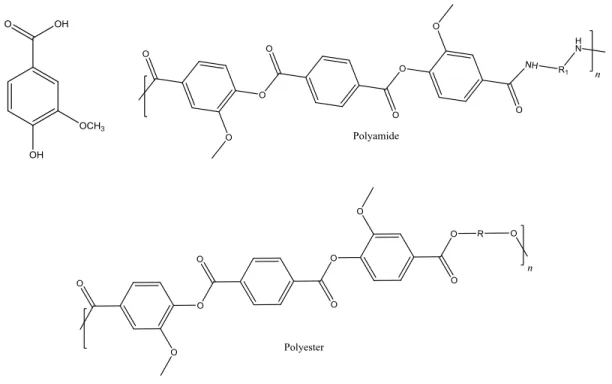
Figure 5: Chemical structure of vanillic acid, polyamide and polyester from vanillic acid.
Scheme 1. Synthetic route of polycondenstaion reaction of caffeic acid via acetylation for the preparation of polycaffeic acid.
21
Few decades earlier, bio derived aliphatic carboxylic acids were mainly used for developing biopolymers. For example, vanillic acid was used for making polyester and polyamide (Teijin Pharma, Japan), Caffeic acid and its derivatives were utilized to produce different kinds of polyesters and polyamides (Kaneko research group). However, the polymers developed have some limitations. They suffer from low thermal performance arising because of the flexible aliphatic regions.
Figure 6: Biopolymers from naturally occurring amino acids.
Amino acids were promising materials for developing polymers as most of them are bioderived. Infact, the biopolymers from naturally occurring amino acid gained initial importance. A polyamino acid, sometimes also called polypeptide, is a synthetic biopolymer made from amino acid repeating units, i.e. -[NH-CHR-CO]x-. Polyamino acids are used in various medical and biological applications such:
cell adhesion, drug delivery, gene therapy, diagnostic, oncology, antibacterial, antifungal, surface chemistry. Few of them were commercialized also. Still the thermomechanical properties of polyamino acids were not so high to consider them as high engineered plastics.
Besides, they were easy to denaturate, and handling and storage of polyamino acids were
22
difficult. However, aromatic amino acids have amazing potential as the rigid aromatic component was one of the pre-requisite for high-performance plastics. Aromatic amines are significant in the production of advanced polymer materials including functional and/or high-performance plastics. The amine group and the aromatic moiety of AA induce nucleophilic reactivity and excellent thermomechanical performance, respectively.
Aromatic amines are polycondensed with carbonyl compounds to generate aromatic polyamides, polyimides, polyazoles, polyurea and polyazomethines. When polycondensed with aromatic acids, AA generate super-engineering plastics with extremely high thermomechanical properties. These include poly(p-phenylene terephthalamide (KevlarTM) and poly(4,4′-oxydiphenylene pyromellitimide) (KaptonTM) that serve as thermostable materials in fabric for body armor and other flame-retardant materials, fiber-reinforced plastics for electronic devices, vehicle bodies and anti-pressure cylinders. The applications of super-engineered plastics are diversifying, and this is increasing the annual global production of AA-derived plastics to around 100,000 tons. Global production of aromatic polyamides accounts for several hundreds of millions of US dollars, which indicates the size of the contribution of AA to both the economy and society.
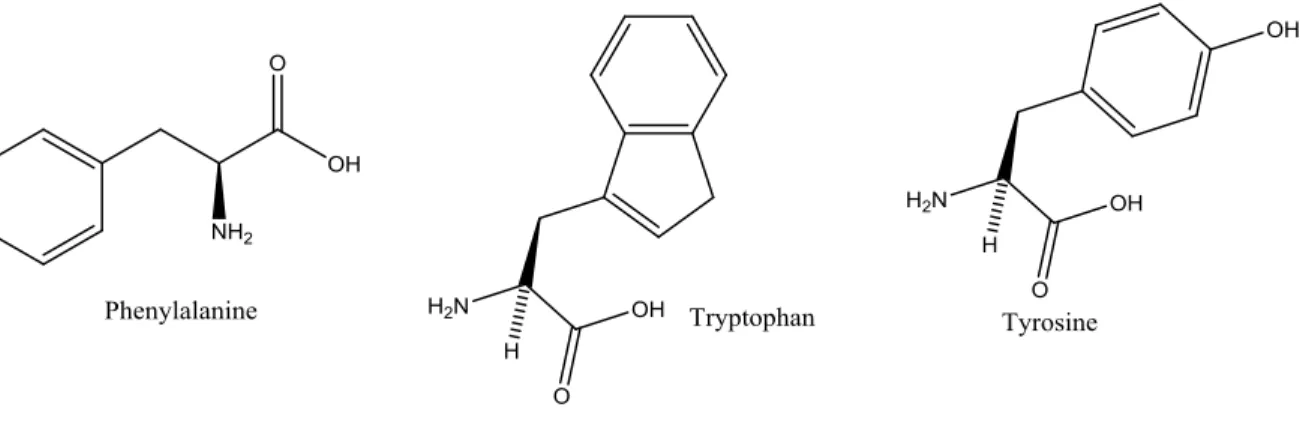
Figure 7: Naturally occurring aromatic amino acids.
Polymers developed by Prof. Kaneko research group
With the objective of the development of high-performance bio-based polymers which are indispensable for the establishment of a green sustainable society, our research group has
23
developed some of the unconventional alternative bio-based polymers from exotic amino acids and other sources. Few of the bio-based materials used are hydroxycinnamate derivatives such as p-coumaric acid (4-hydroxycinnamic acid) and caffeic acid (3,4- dihydroxycinnamic acid) (68) for polyacrylate design. The production of aromatic polyamides and polyimides requires aromatic carboxylic acids and/or AA as building blocks. Whereas aromatic carboxylic acids (such as terephthalic acid) have been derived from biomass, AA have not, and this has precluded the development of fully bio-oriented aromatic polyamides and polyimides. Our recent microbial production of the non-natural AA, 4-aminocinnamic acid (4ACA), from 4-aminophenylalanine (4APhe), which is an intermediate of the chloramphenicol and pristinamycin biosynthesis pathway, followed by synthesis of ultra-high-performance polyimide is the exception. Not only 4ACA, but also other AA derived from biomass would serve as innovative monomers for synthesizing bio- AA plastics, and their environmental impact should be enormous, considering that they would replace polyamides and polyimides derived in bulk from petroleum.
Figure 8: structures of various aromatic amino acids (used by Kaneko research group).
Our research group have reported on the bio-based aromatic diamine 4,4’-diaminotruxillic acid (4ATA) that was photonically derived from microorganismal 4-aminocinnamic acid (4ACA) produced by a bioconversion using PAL enzyme from 4-aminophenylalanine
24
(4APhe) which was fermented by genetically-manipulated Escherichia coli, as a bio-based aromatic diamine monomer. On the other hand, some production steps of bioconversion and photodimerization can be omitted if 4APhe having two amines is used as a diamine monomer for aromatic bio-based polymers with high thermal and mechanical performances.
Bioplastics such as polyureas, polyamide and polyimide (69-71) developed from 4ATA showed ultrahigh thermal and mechanical performances.
1.3.2 Bio-production of 4-aminophenylalanine
Production of 4APhe. The Rhizobium etli gxrA gene (accession number, ACO35311.1)
was amplifies by PCR using the primers (5´-
CCGGATCCATGTCAGTTCGTCCTCCCGTCC-3´ and 5´-
GCGAATTCCTAATAACCGGCGGCGCGATCG-3´), digested with BamHI and EcoRI, and then cloned into BamHI + EcoRIdigested pCWfoxy vectors. The 2.5-kb DNA fragments containing lacI and gxrA were amplified using the primers (5´-
GCGAATTCCAGTCGGGAAACCTGTCGTGCC-3´ and 5´-
CCGTATGCTAATAACCGGCGGCGCGATCG-3´), and the resulting plasmid was digested with EcoRI and SphI and cloned into EcoRI + SphI-digested pHSG298 (Takara Bio, Kyoto, Japan) to generate pHSGgxrA. The AtPal4 cDNA (NP_187645.1) was amplified using the primers (5´-CCGGATCCATGGAGCTATGCAATCAAAACAATC-3´
and 5´-CCGCATGCTCAACAGATTGAAACCGGAGCTCCG-3´), digested with BamHI and SphI, and then cloned into BamHI +SphI-dugested pHSGgxrA to give rise to pHSG- Atpal4. Escherichia coli NST3717 transformed with pHSG-Atpal4 was cultured in 100 mL of Luria broth (10 g/L tryptone, 5 g/L yeast extract, 5 g/L NaCl) containing 50 mg/L Kanamycin sulfate at 37 °C and 120 rpm. After the optical density of the culture reached 3,1 mM IPTG was added and incubated for another 12 h under the same conditions. The cells were collected by centrifugation, washed with 0.1 M potassium phosphate (pH 8.0), and incubated in the same buffer containing 10 mM 4-APhe at 37 °C and 120 rom for 12 h.
The reactions were analyzed by HPLC (HP-1100, Hewlett-Packard, CA, USA) using a packed silica gel column (Purospher star RP-18e 5 µm, 4.6 × 150 mm, Merck, Germany).
25
Methanol: 20 mM phosphate (6:4 v/v) was used as the eluant at a flow rate of 8.0 mL/min.
Phenylalanine ammonia lyase activity was measured as described previously.
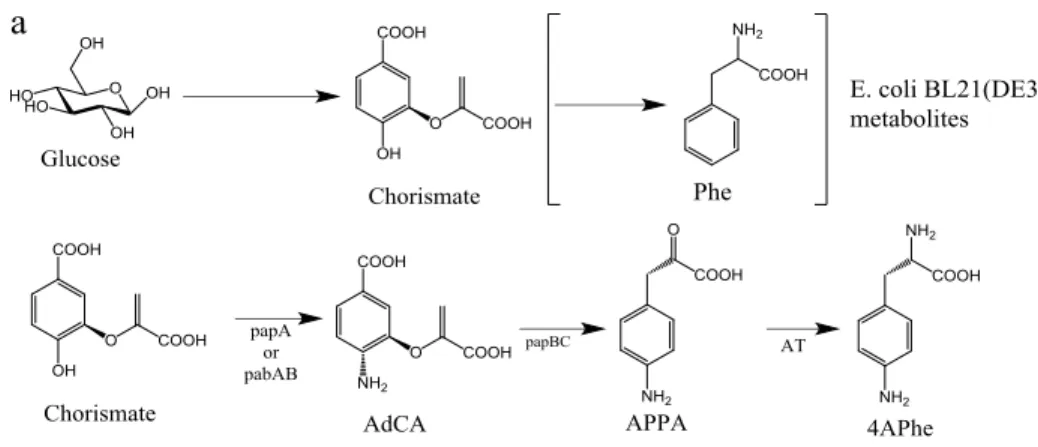
Figure 9: Biosynthetic pathway for the production of 4-APhe using E.coli.
One research has showed that some bacteria produced 4-aminophenylalanine (4APhe) as an intermediate of antibiotics (72). There are established systems for fermenting glucose biomass to produce 4APhe (73-75).
Further, 4-aminocinnamic acid could also be produced from 4-APhe.
Figure 10: High-performance liquid chromatography (HPLC) separation of 4ACA bioconverted from 4APhe. The AtPaI4 producing recombinant E. coli was incubated with 10 mM 4APhe at 37 °C for 0 h (line1) and 12 h (line 2).
26
In the present research, I describe the syntheses and properties of aromatic bio-based polyureas (PUs), and polyimides (PIs) from microorganism-derived diamine, 4APhe, by a polyaddition with various aromatic diisocyanates, and dianhydrides respectively. Some of bio-based PUs and PIs prepared here show high glass transition temperature around 200 oC and mechanical strengths over 100 MPa. Hence, these PUs and PIs might be potentially used in sustainable plastics, coating materials. Further, this approach presents unconventional alternative methods for producing high-performance bio-based polymers which might potentially contribute to the green and sustainable society.
1.3.3 High performance polymers
High performance polymers exhibit exceptional stability upon exposure to extreme environments and have properties that surpass those of traditional polymers. These materials are defined in many ways depending upon the application, and to some extent, on the organized systems used for developing or employing the materials. Outstanding thermal resistance and/ or mechanical strength, low specific density, high-conductivity, high- thermal, electrical, or sound insulation properties or superior flame resistance were few characteristics to determine high performance polymers. Most of the factors that contributed to high-performance and heat resistance properties of these polymers are presented as: resonance stabilization, primary bond strength, molecular symmetry, secondary bonding forces, molecular weight and distribution, rigid intra-chain structure, cross linking, mechanism of bond-cleavage, and additives or reinforcements (fillers, clays, or miscellaneous nanoparticles). Because of the superior performance of these materials, the demand of high-performance materials is always surging. In my research, I focus on two kinds of high-performance polymers, polyureas and polyimides.
1.3.4 Polyureas
According to the definition, a polyurea is elastomer mainly derived from the reaction product of isocyanate and a synthetic resin blend monomers (e.g. diamine) through step growth polymerization. The two components can be aliphatic, aromatic or mixed in nature
27
depending upon the material performance required. Polyurea is a polymer which contains monomers combined through urea linkage. Interestingly, the first organic compound discovered is urea which has the chemical formula (NH2)2CO. In polyurea, the alternating monomer units of diisocyanates and diamines react with each other to form urea linkages.
Originally, polyurea was developed to protect tabletop edges. Further research by Mark S Barton and Mark Schlitcher (US 5534295) led to the development of two component polyurethane and polyurea spray elastomers. The noteworthy features such as fast reactivity, relative moisture insensitivity, weather resistant, chemical and thermal resistant, broad spectrum of color availability made them useful coating materials on large surface area projects such as manhole and tunnel coating, large buildings, swimming pools, truck bed liners etc. Furthermore, through proper primer and surface treatment, the excellent adhesion to concrete and steel is obtained. And hence, it revolutionized the coating industry. They can be applied through various ways or methods such as spray molding, ink jet etc. Very fast curing time allows many coatings to be built up quickly. Some polyureas are reported to reach strengths of 6000 psi (40 MPa) tensile and more than 500 % elongation which make them a very tough coating material (76). For shipping industry, polyurea coating came as a boon as their coatings last for 25-30 years unlike bitumen coatings lasting for 3-4 years. Besides usage as coating materials, the copolymers of polyurea and polyurethane has also been used for developing SpandexTM which is a textile material mainly used in slim suits or as body shaper. SpandexTM is known for its exceptional elasticity and durability and hence has replaced natural rubber in a variety of products.
Figure 11: Spandex’s body suits or slim body shaper made of polyurea.
28
In a world of increasing environmental awareness, polyurea proves to be an effective and economical choice for governments and businesses for their elastomeric and structural needs. Material improvements in cure times, hardness and fire retardancy are being made every day. Application equipment and spray tip innovations are being introduced more rapidly than ever to meet the demand for better, more efficient means of getting the product sprayed in place. Copolymers of polyurea and polyurethane are used in the manufacture of spandexTM, which was invented in 1959.
According to one citation report (Figure 12 and 13), there are very few published articles under the polyurea research theme. And the number of citations is increasing every year.
Therefore, polyurea is one of the interesting areas of polymer domain. The number of papers published under the topic bio-polyureas is even negligible. So there is a large scope of scientific research under the theme biopolyureas. Results found: 1076
Figure 12: Published Items in each year from 1990 till date January 18, 2017.
Figure 13: Citations in each year from 1990 till date January 18, 2017.
29
(Citation Report: 206 (from Web of Science Core Collection) TOPIC: (polyureas). Refined by: WEB OF SCIENCE CATEGORIES: (POLYMER SCIENCE ) AND TOPIC:
(polyureas). Timespan: All years. Indexes: SCI-EXPANDED, SSCI, A&HCI, ESCI.
Sum of the Times Cited: 15648, Sum of Times Cited without self-citations: 12368
Citing Articles: 10554, Citing Articles without self-citations: 9815, Average Citations per Item: 14.54, h-index: 55
Polyureas are very useful materials and hence can be used in a broad range of applications because of their physical and chemical properties. The following section highlights few of the advantages of polyureas.
1. Fast cure: The curing time of polyureas is very fast. They are used as coating materials on the roads because of this feature.
2. Temperature and water insensitivity: polyureas are temperature and water insensitive. Sudden variations in weather conditions like humidity, temperature, etc.
have low effect.
3. 100 % Solids: Fast reaction between two components render one coating in 1:1 volume ratio, and hence multi coating is not required. In this way, polyurea material is ecofriendly.
4. Excellent physical properties: The tensile strength, tear strength and elongation at break of polyurea materials are high which makes them tough material.
5. High heat resistance: Polyureas are thermally stable even upto 150 °C or above in most cases.
6. Pigment compatibility: in order to enhance light stability and change appearance, colorants are added to polyureas during curing process.
7. Formulation stability: They can be applied in various methods and hence can be formulated in soft to hard elastomers.
8. Composites: Being reinforcible materials, they are compatible with fillers and fibers.
30
By selecting the appropriate isocyanate component and amine blend, a variety of system reactivities is possible. They could be aliphatic or aromatic. Usually, in order to have good thermal and mechanical properties, aromatic components are selected.
Scheme2: General scheme illustrating the two main components, diisocyanates and diamines to synthesize polyurea.
In my research, I developed a series of polyureas using 4-aminophenylalanine (4-APhe) and various diisocyanates such as MDI, MMDI, 1,3-PDI, 1,4-PDI, TDI.
1.3.5 Polyimides
Polyimides (also abbreviated as PI) are a class of high-performance polymers. With their exceptionally high heat resistance, polyimides have been commonly used in a range of rugged materials, e.g. high temperature fuel cells, displays, and for military equipments since 1955. A classical example of polyimide is KaptonTM, which is produced by condensation of pyromellitic dianhydride and 4,4’-oxydianiline.
Several methods are possible to prepare polyimides, among them:
1. The reaction between a dianhydride and diamine, which is also the most commonly used method.
2. The reaction between dianhydride and a diisocyanate.
The intermediate poly(amic acid) is usually converted to the final polyimide by the thermal imidization route. Heating the poly(amic acid) mixture to 100 °C and holding for one hour, heating from 100 °C to 200 °C and holding for one hour, heating from 200 °C to 300 °C and holding for one hour and slow cooling to the room temperature from 300 °C.
31
Figure 14: Chemical structure of commercially available polyimide, KaptonTM.
Hundreds of diamines and dianhydrides have been examined to tune the physical and especially the processing properties of these materials. Polyimides materials tend to be insoluble and have high softening temperatures, arising from charge-transfer interactions between the planar subunits.
Polyimide materials are lightweight, flexible, resistant to heat and chemicals. Hence, they are widely used in high temperature plastics, adhesives, dielectrics, photoresists, nonlinear optical materials, membrane materials for separation, and Langmuir–Blodgett (LB) films, among others. Additionally, polyimides are used in a diverse range of applications, including the fields of aerospace, defense, and opto-electronics; they are also used in liquid crystal alignments, composites, electroluminescent devices, electrochromic materials, polymer electrolyte fuel cells, polymer memories, fiber optics, etc. (77-80). The chemistry of polyimides relies on its monomers, diamines and dianhydrides. Any variation in monomers allowed the researchers to tune the properties and applications of polyimides.
However bio-derived PIs were very difficult to prepare since the aromatic diamines cannot be made using biosynthesis because they are incompatible with microorganisms and plant cells, presumably due to the combined interactions of ionic, hydrophobic, and π- electron- related factors with cell constituents. Even aromatic monoamines have rarely been produced by microorganisms. Understanding the structure-property relationship in polyimides simplify the understanding of applications exhibited by them. The reaction for polyimide syntheses is expected to depend upon the electrophilicity of the carbonyl groups
32
of the dianhydride and the nucleophilicity of the amino nitrogen atom of the diamine.
Electrophilicity of the dianhydrides is usually gauged in terms of electron affinity (Ea) which is further measured by polarographic techniques. The following section highlights a small account of the role of dianhydrides.
Dianhydrides
Dianhydrides are widely used as monomers for polyimides. They offer numerous advantages:
1. Dianhydrides offer versatility when used on their own or in admixtures with other dianhydrides.
2. They are compatible with all diamines for building traditional polymers or new hybrids.
3. They are commercially available in high purity and variable particle size to meet specific requirements.
4. Fabricated parts which require high thermal resistance usually rely on dianhydrides for higher Tg.
5. For optimal processing of polyimides, the dianhydrides are available in variable pot life.
6. Another advantage also includes low mix viscosity for easier incorporation of fillers, fibers and additives.
Different aromatic dianhydrides used in the project are:
1. PMDA or Pyromellitic Dianhydride: PMDA is a commonly used dianhydride monomer that is used to prepare many commercial polyimides such as KaptonTM. PMDA-based polyimides are insoluble in organic solvents. Thus, they must be processed in the form of their soluble polyamic acid precursors. PMDA that has the
33
highest Ea, of the common aromatic diamines also usually demonstrates the highest reactivity when reacted with different diamines.
2. OPDA or 4,4'-Oxydiphthalic dianhydride: ODPA is a monomer that can be incorporated in polyimides to increase their flexibility and solubility while maintaining their thermal stability.
3. BPDA or 3,3',4,4'-Biphenyltetracarboxylic acid dianhydride: Mainly employed for commercial polyimides. The asymmetric BPDA is a monomer that can be incorporated in polyimides to reduce their melt viscosity and increase their Tg.
4. BTDA or 3,3',4,4'-Benzophenonetetracarboxylic dianhydride: BTDA is important monomer of polyimide, and used for production of polyimide material.
The material has high temperature resistance, low temperature resistance, corrosion resistance, radiation resistance, insulation, shock resistance, excellent performance.
Can be made into structure parts, laminates, films, adhesives, coatings, insulation materials and reinforcing material, etc., can be widely used in the field of aerospace, electrical / electronics, shipbuilding, automobile, precision machinery.
34
5. DSDA or 3,3',4,4'-diphenylsulfonetetracarboxylic dianhydride: Mainly used as a reagent for High-Performance polyimides polymer research.
6. CBDA or 1,2,3,4-Cyclobutanetetracarboxylic dianhydride: CBDA is widely used as a raw material for polyimide resins or polyamic acid resins in the application of alignment films for liquid-crystal-display devices. In addition, polymer material made of CBDA offers unparalleled transparency, excellent heat resistance and flexibility.
In my research, I developed a series of polyimides using 4-aminophenylalanine (4-APhe) and various dianhydrides such as CMDA, PMDA, BPDA, BTDA, OPDA, and BSDA.
1.4 Aim and scope of the study
My research activities are based on following purposes.
1. Introducing exotic bio-based amino acid as diamine monomer.
35
2. Development of high performance bioplastics such as Polyureas and polyimides using the above monomer.
3. Investigating thermo-mechanical properties of these polymers and clarifying the structure-property relationships.
4. Further modification in polymeric structure to enhance the applicability.
Main work involves:
1. Syntheses and characterization of bio-polyureas from exotic amino acid as diamine monomer with aromatic ring in the polymeric backbone
2. Syntheses and characterization of unconventional alternative biopolyimides from functionalized aromatic amino acid.
3. Reinforcement with carbon fibres to make CFRP (carbon fibre reinforced polymers).
4. Cell culturing on polymeric films.
1.5 Research novelty
To my best knowledge, this is the first attempt to utilize exotic α-amino acid, 4-APhe, as monomeric entity to develop high-performance biopolymers.
36 References
1. D Hosler, SL Burkett and MJ Tarkanian, 1999. "Prehistoric Polymers: Rubber Processing in Ancient Mesoamerica". Science. 284, 5422, 1988–1991.
2. M Marvin; M Duncan, "Rubber recycling" Rubber Chemistry and Technology 2002, 75,429–474.
3. JE Mark, B Erman 2005, Science and technology of rubber, 768.
4. L Bateman, CG Moore, M Porter, and B Saville in “The Chemistry and Physics of Rubber like Substances,” L Bateman, Ed., Maclaren & Sons Ltd., London, Wiley and Sons, 1963, 449.
5. Jensen, B William 2008, "Ask the Historian: The origin of the polymer concept" Journal of Chemical Education. 88, 624–625.
6. AM Alb, MF Drenski, WF Reed, 2008, "Implications to Industry: Perspective.
Automatic continuous online monitoring of polymerization reactions (ACOMP)", Polymer International. 57, 390–396.
7. Introduction to Polymer Science and Chemistry: A Problem-Solving Approach by Manas Chanda.
8. Teegarden, M David 2004, "Polymer Chemistry: Introduction to an Indispensable Science". NSTA Press.
9. Fenichell, Stephen 1996, Plastic: the making of a synthetic century. New York:
HarperBusiness. 17.
10. M Karamanlioglu, R Preziosi, GD Robson, biotic and biotic environmental degradation of the bioplastic polymer poly(lactic acid): A review Polymer Degradation and Stability 2017, 137, 122-130.
11. LH Baekeland, 1909, "Method of making insoluble products of phenol and formaldehyde" 942, 699.
12. C Patrick; S Catherine 1998, An illustrated guide to bakelite collectables. London:
Quantum.
37
13. N Marijan, K Peter, S, Primoz, P. Janez, G Joze, Z Maja, A novel analytical technique suitable for the identification of plastics, Acta Chimica Slovenica, 60, 701-705, 2013.
14. H Kazuhisa, A Masakatsu, Phenolic resins-100 years of progress and their future, Reactive & Functional Polymers, 73, 256-269.
15. K Hirano, M Asami, 3rd International Symposium on Network Polymers (Baekeland 2011 Symposium). Company History of Sumitomo Bakelite Co., Ltd.
16. Y Nishikawa, N Ohta, Y Komatsu, M Takahashi, J. Soc. Mater. Sci. Jpn., 60, 2011, 29–34.
17. JK Smith, the Ten-Year Invention: Neoprene and Du Pont Research, 1930–1939.
Technology and Culture 1985, 26, 34-55.
18. K Melvin 1995, Nylon Plastics Handbook. Munich: Carl Hanser Verlag. 2.
19. History of Nylon US Patent 2,130,523 'Linear polyamides suitable for spinning into strong pliable fibers', U.S. Patent 2,130,947 'Diamine dicarboxylic acid salt' and U.S.
Patent 2,130,948 'Synthetic fibers', all issued 1938.
20. LM Mansour, M Masoud 2009-02-20. "Synthesis of polyamides from p-Xylylene glycol and dinitriles". Journal of Polymer Research. 16, 681.
21. IA Muhammad 2011, Microbial degradation of polyvinyl chloride plastics Ph.D.
Quaid-i-Azam University, 45–46.
22. MW Allsopp, G Vianello, "Poly(Vinyl Chloride)" in Ullmann's Encyclopedia of Industrial Chemistry, 2012, Wiley-VCH, Weinheim.
23. JR Wunsch, 2000, Polystyrene – Synthesis, Production and Applications. iSmithers Rapra Publishing, 15.
24. J Maul, BG Frushour, JR Kontoff, H Eichenauer, KH Ott and C Schade 2007
"Polystyrene and Styrene Copolymers" in Ullmann's Encyclopedia of Industrial Chemistry Wiley-VCH, Weinheim.
25. J. K. Fink, Handbook of Engineering and Specialty Thermoplastics: Polyolefins and Styrenics, Scrivener Publishing, 2010, 35.
38
26. S Kwolek, H Mera and T Takata "High-Performance Fibers" in Ullmann's Encyclopedia of Industrial Chemistry 2002, Wiley-VCH, Weinheim.
27. US 2230654, PR J, "Tetrafluoroethylene polymers", 1941.
28. History Timeline 1930, The Fluorocarbon Boom". DuPont, 2009.
29. JC Lotters, W Olthuis, PH Veltink, Bergveld, P. "The mechanical properties of the rubber elastic polymer polydimethylsiloxane for sensor applications". J Micromech Microeng., 1997, 7, 145–147.
30. Ji, Li Na, "Study on Preparation Process and Properties of Polyethylene Terephthalate (PET)". Applied Mechanics and Materials. 2013, 312, 406–410.
31. JG Speight, NA Lange, McGraw-Hill, ed. Lange's handbook of chemistry, 2005, 2.807–2.758.
32. IE Napper, RC Thompson, "Release of Synthetic Microplastic Plastic Fibres From Domestic Washing Machines: Effects of Fabric Type and Washing Conditions". Marine Pollution Bulletin. 2016, 112, 39–45.
33. VB Gupta, and Z Bashir, 2002, Handbook of Thermoplastic Polyesters, Wiley-VCH, Weinheim.
34. S Fakirov, 2002 Handbook of Thermoplastic Polyesters, Wiley-VCH, Weinheim, 1223.
35. UK Thiele, 2007 Polyester Bottle Resins Production, Processing, Properties and Recycling, PET planet Publisher GmbH, Heidelberg, Germany, 259.
36. S Yoshida, K Hiraga, T Takehana, I Taniguchi, H Yamaji, Y Maeda, K Toyohara, K Miyamoto, Y Kimura, K Oda, "A bacterium that degrades and assimilates poly(ethylene terephthalate)", Science. 2016, 351, 1196.
37. X Cheng, et al. "Assessment of metal contaminations leaching out from recycling plastic bottles upon treatments". Environmental science and pollution research international. 2010, 17, 1323–30.
38. MK Steven, Ph.D. UHMWPE Biomaterials Handbook. Ultra-High Molecular Weight Polyethylene in Total Joint Replacement and Medical Devices, 3.
39. T Nguyen, 2011, "New invention turns plastic bags into oil". smartplanet.com.
39
40. J Yang, Y Yang, WM Wu, J Zhao, L Jiang, "Evidence of Polyethylene Biodegradation by Bacterial Strains from the Guts of Plastic-Eating Waxworms". Environmental Science & Technology. 2014, 48, 13776.
41. KF Lin, JS Lin, CH Cheng, "High temperature resins based on allylamine/bismaleimides". Polymer, 1996, 37, 4729–4737.
42. P Sastia, K Hiroshi, I Fumio, I Yasuhiro and N Takuya. "Farinomalein, a Maleimide-Bearing Compound from the Entomopathogenic Fungus Paecilomyces farinosus", J. Nat. Prod., 2009, 72 (8), 1544-1546.
43. A Gardziella, LA Pilato, A Knop, Phenolic Resins: Chemistry, Applications, Standardization, Safety and Ecology, 2nd edition, Springer, 2000.
44. May, A Clayton, 1987-12-23, Epoxy Resins: Chemistry and Technology (Second ed.). New York: Marcel Dekker 794.
45. J Blumm, A Lindemann, A Schopper, "Influence of the CNT content on the thermophysical properties of PEEK-CNT composites", Proceedings of The 29th Japan Symposium on Thermophysical Properties, 2008, Tokyo.
46. DJ Liaw, KL Wang, YC Huang, KR Lee, JY Lai, CS Ha, “Advanced polyimide materials: Syntheses, physical properties and applications” Progress in Polymer Science 2012, 37, 907-974.
47. A Södergård, M Stolt. "3. Industrial Production of High Molecular Weight Poly(Lactic Acid)". In Rafael Auras; Loong-Tak Lim; Susan E. M. Selke; Hideto Tsuji. Poly(Lactic Acid): Synthesis, Structures, Properties, Processing, and Applications.
48. O Martin, L Avérous, "Poly(lactic acid): plasticization and properties of biodegradable multiphase systems". Polymer. 2001, 42 (14), 6209–6219.
49. YK Jung, TY Kim, , "Metabolic Engineering of Escherichia coli for the production of Polylactic Acid and Its Copolymers". Biotechnology and Bioengineering. 2009, 105 (1), 161.
40
50. LF Gina, J Feng, GYJ Victor, JC Christopher, MA Hillmyer "High Tg Aliphatic Polyesters by the Polymerization of Spirolactide Derivatives". Polymer Chemistry. 2010, 1 (1), 870–877.
51. RA Giordano, BM Wu, SW Borland, LG Cima, EM Sachs, and MJ Cima, Mechanical properties of dense polylactic acid structures fabricated by three dimensional printing. Journal of Biomaterials Science, Polymer Edition, 1997, 8(1), 63-75.
52. VN Khabashesku, ZA Kerzina, KN Kudin, OM Nefedov "Matrix isolation infrared and density functional theoretical studies of organic silanones, (CH3O)2Si=O and (C6H5)2Si=O". J. Organomet. Chem. 1998, 566 (1–2), 45–59.
53. Useful links related to plastic waste. (a). Life Cycle Thinking (LCT) website of the Joint Research Centre (JRC). (b). Lead market initiative on recycling. (c).
Environmental Data Centre on Waste. (d). Impel (Implementation Network, with links to national authorities). (e). European Topic Centre on Waste and Material Flows. (f). European Environment Agency.
54. C Baechler, MD Vuono, JM Pearce, "Distributed Recycling of Waste Polymer into RepRap Feedstock". Rapid Prototyping Journal. 2013, 19 (2), 118–125.
55. MA Kreiger, Mulder, ML; Glover, A.G.; Pearce, J. M. (2014). "Life Cycle Analysis of Distributed Recycling of Post-consumer High Density Polyethylene for 3-D Printing Filament". Journal of Cleaner Production. 70: 90–96.
56. IA Ignatyev, W Thielemans, VB Beke, "Recycling of Polymers: A Review". ChemSusChem. 2014, 7 (6), 1579–1593.
57. AK Mohanty, et al., Natural Fibers, Biopolymers, and Biocomposites 2005.
58. D Klemm, B Heublein, H Fink, and A Bohn, "Cellulose: Fascinating Biopolymer / Sustainable Raw Material", Ang. Chemie (Intl. Edn.) 2004, 44, 3358.
59. Meyers, M.A., et al., "Biological Materials: Structure & Mechanical Properties", Progress in Materials Science, 2008, 53, 1.
60. Chandra, R., and Rustgi, R., "Biodegradable Polymers", Progress in Polymer Science, 1998, 23, 1273.
41
61. M Wang, X Liu, S Ji, WM, J Risen, A new hybrid aerogel approach to modification of bioderived polymers for materials applications, Materials Research Society Symposium Proceedings, 702, Issue Advanced Fibers, Plastics, Laminates and Composites, 77-85.
62. JS Stephens, CL Casper, JF Rabolt, Chase, Bruce, Biomimetic processing of protein-based and bioderived polymers: Effects on chemical architecture, ACS National Meeting, New York, NY, United States, 2003, 532.
63. JS Stephens, CL Casper, DB Chase, JF Rabolt, Biomimetic processing of protein- based and bioderived polymers: Effects on chain conformation, Polymer Preprints (American Chemical Society, Division of Polymer Chemistry), 44, 2, 91.
64. T Kaneko, TH Thi, DJ Shi, M Akashi, Environmentallydegradable, high- performance plastics from phenolic phytomonomers. Nat. Mater. 2006, 5, 966.
65. M Chauzar, S Tateyama, T Ishikura, K Matsumoto, D Kaneko, K Ebitani, T Kaneko, Adv. Funct. Mater. 2012, 22, 3438−3444.
66. D Kaneko, S Kinugawa, K Matsumoto, T Kaneko, Terminally-catecholized hyper- branched polymers with high performance adhesive characteristics. Plant biotechnology. Plant Biotechnol. 2010, 27, 293.
67. T Kaneko, HT Tran, M Matsusaki, M Akashi, Biodegradable LC oligomers with cranked branching points form highly oriented fibrous scaffold for cytoskeletal orientation. Chem. Mater. 2006, 18, 6220.
68. T Kaneko, MT Matsusaki, M Hang, M Akashi, Thermotropic Liquid-Crystalline Polymer Derived from Natural Cinnamoyl Biomonomers. Macromol. Rapid Commun. 2004, 25, 673.
69. X Jin, S Tateyama, T Kaneko, Salt-induced reinforcement of anionic bio-polyureas with high transparency. Polym. J. 2015, 47, 727.
70. Tateyama, S.; Masuo, S.; Suvannasara, P.; Oka, Y.; Miyazato, A.; Yasaki, K.;
Teerawatananond, T.; Muangsin, N.; Zhou, S.; Kawasaki, Y.; Zhu, L.; Zhou, Z.;
Takaya, N.; Kaneko, T. Ultra-strong, transparent polytruxillamides derived from microbial photodimers. Macromolecules 2016, 49, 3336.