森 下 財 団 紀 要
Journal of Morisita Memorial Research
〈第
5 号〉
2020 年 3 月
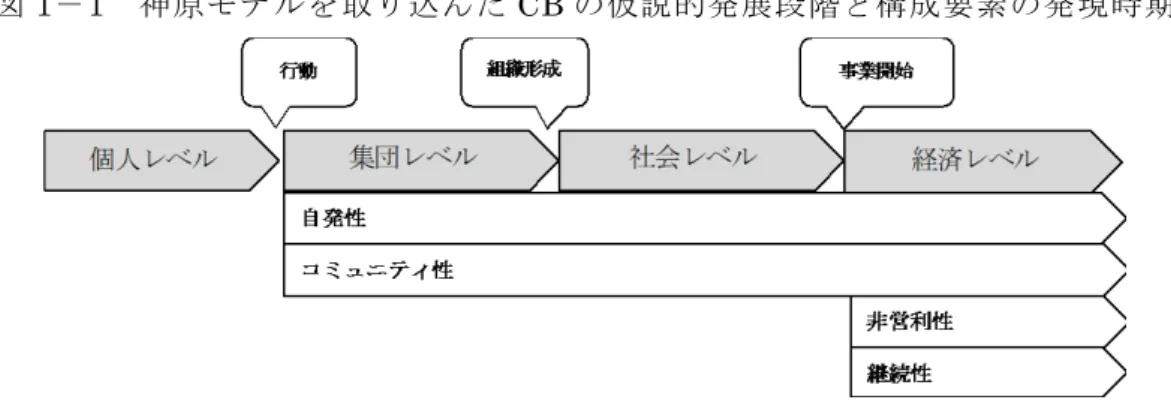
【森下財団紀要第5 号発行に寄せて】 森下財団紀要第5 号の発行にあたりご挨拶 丸山 政行(一般財団法人京都大学名誉教授森下正明研究記念財団 代表理事) 【 論 文 】 傷害保険における限定支払条項に対する一考察 −後縦靭帯骨化症に関する判例を参考として− 日野 一成(鹿児島国際大学経済学部准教授) Study on Features of Earlier Studies related to Filming Locations of Movies and DramasKAKUTANI Naohisa(Senior Associate Professor, Meio University) 【 論 説 】 コミュニティ・ビジネスの創出と発展のプロセスに関する研究 小林 康志(非営利活動法人スタイルワイナリー 代表理事、 一般財団法人京都大学森下正明研究記念財団 主席研究員) 転換期の旅館経営 石﨑 祥之(立命館大学経営学部 教授) 【 研究ノート 】 観光地ブランドの定量分析 香月 義之(同志社大学大学院総合政策科学研究科 技術・革新的経営専攻一貫制博士課程) 【 書 評 】
Nikolay Anguelov, The Dirty Side of the Garment Industry の紹介・考察
濱田 雅子(元武庫川女子大学生活造形学科 教授)
一般財団法人 京都大学名誉教授森下正明研究記念財団
【森下財団紀要第5 号発行に寄せて】 2 一般財団法人京都大学名誉教授 森下正明研究記念財団研究紀要第4 号の発行にあたりご挨拶 丸山 政行(一般財団法人京都大学名誉教授森下正明研究記念財団 代表理事) 【 論 文 】 4 傷害保険における限定支払条項に対する一考察 ―後縦靭帯骨化症に関する判例を参考として― 日野 一成(鹿児島国際大学経済学部准教授)
18 Study on Features of Earlier Studies related to
Filming Locations of Movies and Dramas KAKUTANI Naohisa(Senior Associate Professor, Meio University)
【 論 説 】 36 コミュニティ・ビジネスの創出と発展のプロセスに関する研究 小林 康志(非営利活動法人スタイルワイナリー 代表理事、 一般財団法人京都大学森下正明研究記念財団 主席研究員) 54 転換期の旅館経営 石﨑 祥之(立命館大学経営学部 教授) 【 研究ノート 】 68 観光地ブランドの定量分析 香月 義之(同志社大学大学院総合政策科学研究科 技術・革新的経営専攻一貫制博士課程) 【 書 評 】
84 Nikolay Anguelov, The Dirty Side of the Garment Industry の紹介・考察 濱田 雅子(元武庫川女子大学生活造形学科 教授)
一般財団法人 京都大学名誉教授森下正明研究記念財団 Morisita Memorial & Research Foundation
一般財団法人京都大学名誉教授
森下正明研究記念財団研究紀要第5号の発行にあたりご挨拶
森下正明財団紀要第5 号の研究紀要の発行にあたり,ご投稿いただいた方々,また審査・編 集をご担当いただいた方々に深く御礼を申し上げます。 私たち森下正明研究記念財団は,森下正明の研究精神を引き継ぎ、この研究紀要が観光学,経 営学分野を中心に幅広い学問分野において世界に向けて大きく発信できるよう,努力したいと考 えています。皆様方の変わらぬご支援を賜りますようお願い申し上げます。 この紀要は毎年3 月に発行をしています。京都大学名誉教授森下正明研究記念館に併設して いる居室には,3 月をもって大学から巣立つ方,また 4 月から入居される方が何人かいらっしゃ います。今回退去する方から森下の研究精神を理解していただいた旨をお話いただき大変うれし く思っています。また新しく入居する方にも引継いでいきたいと思います。また研究記念館で は,学際的な活発な議論の場所としての利用もいただいています。昨年は大型モニターも設置し 研究の場所を提供しています。今後ともよろしくお願いいたします。 一般財団法人 京都大学名誉教授森下正明研究記念財団 代表理事丸山政行
博士(経済学)Kyoto University Professor Emeritus Foundation
A Message upon the publication of the 5th issue of the Masaaki Morisita
Research Memorial & Foundation Journal
With the publication of the 4th issue of the Masaaki Morisita Research Memorial & Foundation Journal, we would like to express our gratitude to all those who published, researched and edited.
We at the Masaaki Morisita Research Memorial & Foundation intend to continue the research spirit of Masaaki Morisita. This journal in the fields of tourism and business management is published every March, and we hope to disseminate it to the world. We appreciate your continued support.
Individuals staying at the Kyoto University Professor Emeritus Masaaki Morisita Research Memorial & Foundation Hall have left the university this March. We are very pleased to hear that you have learned of the spirit of Morisita's research from those who are currently departing. Others will be moving in to take their place this April. We are looking forward to taking in new tenants. The Research Memorial Hall serves as a place for lively interdisciplinary discussions. In addition to projectors, we hope to install a large monitor in our continued effort to provide a place for research. We look forward to your cooperation in the future.
Kyoto University Professor Emeritus Masaaki Morisita Research Memorial & Foundation
Director
【 論 文 】
傷害保険における限定支払条項に対する一考察
―後縦靭帯骨化症に関する判例を参考として― 日野 一成 ∗ Kazunari Hino 【要 旨】 傷害保険において、被保険者が既往症等の影響により、事故による傷害が重大になった場合に、それらの影 響がなかったときに相当する保険金を支払うとの保険約款上の命題がある。これは、損害賠償事案においても 同様の命題が認められるが、そこでは、損害の発生および拡大に対する素因の寄与度等の観点から賠償額の減 縮に関わる問題である。 傷害保険では、第三者行為による受傷の結果、保険金請求に至るケースも多く、本稿では、この素因に関わ る問題について、損害賠償事案や人身傷害保険事案における頚椎後縦靭帯骨化症の既往症事例の判例や裁判例 を参考にしながら、傷害保険における限定支払条項の取り扱いについて考察し、方向性を探るものである。 キーワード: 傷害保険、限定支払条項、後縦靭帯骨化症(OPLL)1
. はじめに
1.1. 問題の所在と研究の目的 傷害保険において、被保険者が受傷する前に既に存在していた身体の障害もしくは疾病(以下、 「既往症」という。)や受傷後、当該事故と関係なく発症した傷害もしくは疾病の影響により、本 受傷の傷害が重大になった場合に、それらの影響がなかったときに相当する保険金を支払うとの 保険約款上の命題がある1。 これに関連して、第三者による加害行為により受傷した被害者に対する損害賠償として、被害 者が有していた精神的・身体的性質や病的疾患が、素因として損害の発生あるいは拡大の一因と なっている場合、損害賠償額を算定するに当たって素因を考慮して、損害の発生・拡大に対する 寄与度や寄与率をはかり、賠償額を減縮するという法理が存在する2。すなわち、損害賠償におい ては、被害者が事故によって生じたと考えられる損害賠償額を請求し、それに加害者側に異議が なければ、損害賠償請求額の満額を認められることになるが、異議があれば、被害者の素因にか かわる当該損害の発生あるいは拡大の寄与度や寄与率を証明し、損害賠償額から減額を行うとい う主張になる。 傷害保険約款を素直に読めば、保険者は被保険者に既往症があった場合、事故により発症した∗ 鹿児島国際大学経済学部准教授 Associate Professor, Faculty of Economics, The International University
of Kagoshima 1 傷害保険普通約款 10 条 1 項(他の身体の障害または疾病の影響)は、「被保険者が第2条(保険金を支払う場 合)の傷害を被った時既に存在していた身体の障害もしくは疾病の影響により、または同条の傷害を被った後に その原因となった事故と関係なく発生した傷害もしくは疾病の影響により同条の傷害が重大となった場合は、当 会社は、その影響がなかったときに相当する金額を支払います。」と規定される。 2 窪田充見『過失相殺の法理』(有斐閣、2004 年)3頁参照。
傷害が通常よりも重大となった場合は、通常の傷害に相当する金額を支払えばよいということに なると考えられる。すなわち、保険者は「既往症により傷害が通常より重大となった」との立証 責任を負うと考えられるが、その寄与度や寄与率について考慮するまでもないということになる のではないだろうか。 これらは、事故と相当因果関係のある傷害を対象とする点において共通する問題であるが、損 害賠償事案と傷害保険事案にはやや相違する面もみられる。すなわち、損害賠償事案では、被害 者に実際の損害が発生しており、加害者と被害者間の損害の公平な分担と言う観点から導かれる 法理であるが、定額給付型の傷害保険においては、被保険者間の公平な保険金支払いの観点から 導かれる約款解釈ということになると考えられる。 そこで、本稿では、この既往症に関わる問題について、損害賠償事案や人身傷害保険事案にお ける頚椎後縦靭帯骨化症の既往症事例の判例や裁判例の判旨を参考として定額給付型の傷害保険 における既往症事案の取り扱いについて考察し、前述した問題の方向性を見出すことを目的とす る3 。 1.2. 問題の所在と研究の目的 本研究の方法は認識論に基づき、解釈主義の立場から進める。具体的な流れは次の通りである。 次章では先行研究として既判例について先行研究や判例を深耕する。 本稿で取り上げる定額給付型の傷害保険における既往症事案の取り扱いについては、直接的な 判例等がないことから、損害賠償事案や実損填補型の傷害保険(人身傷害保険)の既往症(後縦 靭帯骨化症)の扱いの典型的な判例(最判平成8年 10 月 29 日交民集 29 巻5号 1272 頁)および それを依拠した裁判例(大阪地判平成 24 年 9 月 19 日自動車保険ジャーナル 1887 号 1 頁)の判 旨を参考とし、定額給付型の傷害保険の扱いについて、分析し検討したものであり、結論の形成 をする。 既往症といっても一般化することは困難であるが、もっとも困難性の高い既往症の一つとして の後縦靭帯骨化症(OPLL)を選択したのは、そこにこの問題点の限界点が潜んでいるからであり、 いわゆる軽微物損詐病型の事案との限界点もあるからである。 すなわち、本研究の一般化は困難であることを認めるものであるが、今後の研究のささやかな 参考に寄与できることを試みるものであり、法的研究ではあるが、社会科学的アプローチで進め 3 「自動車保険の解説」編集委員会『自動車保険の解説 2017』(保険毎日新聞社、2017 年)111 頁・168 頁。自動 車保険では、自損事故条項 11 条 1 項および搭乗者傷害条項 11 条 1 項に規定があるが、「傷害と相当因果関係の ある障害、疾病または死亡」との解説を行っている。例示として、「通常ならば生命に別条のない程度の軽傷を 負った被保険者が、心臓疾患があったために死亡したような場合、死亡という結果は事故と相当因果関係がない から、死亡保険金は支払われず、心臓疾患がなければ要したであろうと考えられる治療日数に対する医療保険金 相当額が支払われる。」と解説している。
ていく。
2
. 先行研究および判例について
2.1. 先行研究 先行研究については,潘(2006)4など「傷害保険契約における傷害事故の外来性の要件につい て」や清水(2017)5「人身傷害補償保険に関する判例と問題点の分析」などは一般的な損害保険 研究は発表されているが、本稿であつかう先行研究はほとんどない。 傷害保険事故の一般的な外来性の研究はあるが、本稿でとりあげる限定支払条項の取り扱いに ついて既述のように、ほとんどみることがない。 2.2. 判例についての考察 2.2.1. 損害賠償事案における素因減額事例(頸椎後縦靭帯骨化症) 損害賠償事案において、後縦靭帯骨化症(OPLL)6の素因減額に関する典型事例として、最判平 成8年 10 月 29 日交民集 29 巻5号 1272 頁 7(以下、「最判平成8年」という。)が認められるが、 その概要について確認し、その理論から傷害保険における同既往症の取り扱いの方向性について 確認したい。 (1)事実の概要 Y1は、Y2が所有する自動車を運転中、前方不注意によりXが徐行運転中の自動車に追突。X は、本件事故により運転席のシートに頭部を強く打撲し、事故の翌日から「頚椎捻挫」の診断を 受けて治療した。しかし、転医した病院は、検査の結果、事故前から頚椎後縦靭帯の骨化が進行 し、神経症状を起こしやすい状態にあったところ、事故による衝撃を受けて頚部運動制限、頚部 痛などの症状が発現したと診断した。そこで、XはY1及びY2に対して損害賠償請求訴訟を提起 4 潘阿憲「傷害保険契約における傷害事故の外来性の要件について」法学会雑誌 46 巻2号 273 頁。 5 清水秀規「人身傷害補償保険に関する判例と問題点の分析」損害保険研究 78 巻4号 241 頁。 6 石井清一他『標準整形外科学第 8 版』(医学書院、2002 年)414 頁。後縦靭帯骨化症(Ossification ofposterior longitudinal ligament:OPLL)とは、脊柱後縦靭帯の骨化変性をいう。後縦靭帯は、上位頚椎から 仙椎に至るまで、椎体後壁に密着して縦に走る靭帯であり、弾力繊維が主な構成要素となっている。この後縦 靭帯が肥厚し、骨化が起きることによって、脊髄や神経根が圧迫され、徐々に麻痺が起きる。同時に脊椎の動 きに関わる靭帯の柔軟性が失われるため脊柱の運動障害が生じる。靭帯の牽引ストレスなどの外的因子や遺伝 的背景が解明されつつあるが、発症原因は不明であるとされる。後縦靭帯骨化症は厚生労働省指定の難治性疾 患の一つであり、有病推定率は人口 10 万対 6.33 人であり、後縦靭帯の骨化は整形外科外来患者の頚椎X線像 で 2%にみられると指摘される。 7 本判例の評釈として以下。高崎尚志「素因に関する平成8年 10 月 29 日の最高裁2判決をめぐって」(判タ No.947、1997 年)78 頁、加藤了「一 被害者の体質的要因についての最判(一) 二 被害者の身体的特徴につい ての最判(二)」(判タ No.947、1997 年)85 頁、舟越忠「素因に関する平成8年 10 月の最高裁二判決を巡る臨床 医学的考察」(判タ No.947、1997 年)91 頁、八島宏平「素因に関する平成8年 10 月の最高裁二判決を巡って」 (判タ No.947、1997 年)93 頁、倉科直文「原因競合―過失相殺の類推(4)―頸椎後縦靭帯骨化症」『交通事故 判例百選<第4版>』(別冊ジュリスト No.152、1999 年)52 頁、山本豊「素因減額(4)―頸椎後縦靭帯骨化 症」『交通事故判例百選<第5版>』(別冊ジュリスト No.233、2017 年)174 頁。
した。 (2)訴訟結果 ①第一審は、頚椎後縦靭帯骨化症による減額を否定。心因的要因による寄与度として総損害か ら2割の減額を行い、約 1133 万円の支払いを命じた。Y1及びY2控訴。 ②控訴審は、第一審の身体的素因斟酌を否定して次の判断を行った。すなわち、「Xが本件事故 前から頸椎後縦靭帯骨化症に罹患していたことが、Xの治療の長期化や後遺障害の程度に大きく 寄与していることは明白であるが、本件事故前、Xは、頸椎後縦靭帯骨化症に伴う症状は何ら発 現しておらず健康な日々を送っていたのであること、頸椎後縦靭帯骨化症は、発症の原因も判ら ないいわゆる難病の一種であるが、近年、特に本邦においては決して稀ではない疾患であり、X が右疾患に罹患するについて何ら責められるべき点はないこと、本件事故によりY1がXの頸部 に与えた衝撃は決して軽いものではなく、Xに右素因がなくとも、相当程度の傷害を与えていた 可能性が高いと推測されること、腰痛症や老化からくる腰椎や頸椎の変性等何らかの損害拡大の 素因を有しながら社会生活を営んでいる者は多数存在していること等に鑑みると、Xが頸椎後縦 靭帯骨化症の素因を有していたがために拡大した損害について、これを加害者であるY1らに負 担させても、公平の理念に照らして不当であるとは認め難い。」。Y1及びY2 はこれを不服とし て上告。 ③最高裁は、以下の理由で原判決中の上告人の敗訴部分を破棄し、原審に差し戻した。 「前記の事実関係によれば、Xの本件疾患は頸椎後縦靭帯骨化症であるが、本件においてXの 罹患していた疾患がXの治療の長期化や後遺障害の程度に大きく寄与していることが明白である というのであるから、たとい本件交通事故前に右疾患に伴う症状が発現しておらず、右疾患が難 病であり、右疾患に罹患するにつきXの責めに帰すべき事由がなく、本件交通事故によりXが被 った衝撃の程度が強く、損害拡大の素因を有しながら社会生活を営んでいる者が多いとしても、 これらの事実により直ちにY1及びY2に損害の全部を賠償させるのが公平を失するときに当た らないとはいえず、損害の額を定めるに当たり右疾患を斟酌すべきものではないということはで きない。右と異なる原審の判断には、法令の解釈適用を誤った違法があり、その違法は原判決の 結論に影響を及ぼすことが明らかである。論旨は理由があり、原判決は上告人ら敗訴の部分につ き破棄を免れない。そして、本件については、上告人らに損害の全部を賠償させることが公平を 失するかどうか及び損害額全般について更に審理を尽くさせる必要があるから、右破棄部分につ きこれを原審に差し戻すのが相当である。」。 ④差戻控訴審では、頚椎後縦靭帯骨化症の素因斟酌による減額割合を3割と認定した 8。 8 大阪高判平成 9 年 4 月 30 日交民集 30 巻 2 号 378 頁。
2.2.2. 人身傷害保険の素因減額裁判例(頸椎後縦靭帯骨化症) 人身傷害保険は、被保険者が受傷により生じた損害を填補する実損填補型の傷害保険である。 しかし、約款上は一般の定額給付型の傷害保険と同様に、「被保険者が傷害を被ったとき既に存在 していた身体の障害もしくは疾病の影響により、または同条の傷害を被った後にその原因となっ た事故と関係なく発生した傷害もしくは疾病の影響により同条の傷害が重大となった場合は、当 会社は、その影響がなかったときに相当する金額を支払います。」との規定(以下、「限定支払条 項」9という。)を有しており、既往症に対する約款上の考え方は定額給付型の傷害保険と同様で ある。 そこで、人身傷害保険に関して5割の素因減額を行った大阪地判平成 24 年 9 月 19 日自動車保 険ジャーナル 1887 号 1 頁(以下、「大阪地判平成 24 年」という。)を確認し 10、その理論から定 額給付型の傷害保険における既往症の取り扱いの方向性について、確認したい。 (1)事実の概要 ①平成 16 年4月 20 日、A市の技能職員であるX1(原告)は、勤務中に駅の階段から転落して 左肩を中心に強打し受傷(左肩関節挫傷、頸椎捻挫、腰部挫傷、右胸部挫傷。以下「前件労災事 故」という)し、全休職、通院のうえ、平成 17 年 10 月 31 日に症状固定(残存症状:左手指の巧 緻障害、頸椎由来の左手背部の知覚過敏、手指の巧緻障害(母指の機能障害)の増悪の可能性) し、労災保険により後遺障害 12 級該当との認定を受けた。 平成 18 年3月 15 日午後9時 55 分頃、B市付近路上において、X1が後部 座席に乗車中のタ クシー(以下「被害車」という。)に、Y(被告)が被害車へ前方不注視により普通乗用自動車を 進行させ、被害車に軽微な追突事故を起こした(以下「本件事故」という)。 X1は平成 18 年3月 15 日にE病院を受診し頸椎捻挫と診断されたが、その後、種々既往疾患 も顕著となり、平成 20 年 1 月 31日を症状固定日として、頸椎後縦靭帯骨化症等の後遺障害診断 がなされ、今後の見通し等については、頸部以下は痙性麻痺状態で緩解の見通しはなく、現在も 就業不能状態である、とされた。この結果、平成 20 年 10 月 30 日に自賠責保険により、経時的な 症状経過などを勘案すれば、本件事故を契機に頸椎後縦靭帯骨化症による脊髄損傷不全麻痺の症 状が発症したものと捉えられ、手術加療がなされるも脊髄症状が消退することなく残存したもの と認められ、その程度は、後遺障害診断書及び脊髄症状判定用書面を踏まえて全身症状を総合評 価すれば、後遺障害等級5級2号(神経系統の機能に著しい障害を残し、特に軽易な労務以外の 労務に服することができないもの)に該当する(既存障害 14 級の加重障害に該当する)と認定さ れた。 9 南出行生「搭乗者傷害保険」山下友信・永澤徹編『保険法Ⅰ」(第一法規、2015 年)352 頁。 10 裁判例の評釈として、肥塚肇雄「人身傷害保険契約と素因減額」損害保険研究 76 巻4号 401 頁、甘利公人 「人身傷害保険と素因減額」交通事故判例百選(第5版)別冊ジュリスト No.233・222 頁。
②X1は、本件事故当時、保険者をX2として保険金額 3000 万円の人身傷害保険(以下、「本件 保険契約」という。)に加入していた。そこで、X1はYに対して損害賠償を求める(①事件請求) と共に、X1に保険金を支払ったX2社がYに対して保険代位による求償を求めて、提訴した(② 事件請求)。本稿では、①事件請求を中心に取り上げる。 ③X1の受傷等に関する主張は、次の通りである。 ア X1は、本件事故により受傷して、入通院治療を受け、後遺障害等級5級該当の後遺障害が 残った。X1の手術を担当したF病院の医師が、もともと骨化が存在し、そこに軽微な外傷が加わ り、脊髄症状が発症したと考えるのが妥当としていることや、自賠責保険でも本件事故との因果 関係を認めていることからすれば、X1の本件事故後の症状や後遺障害が、本件事故によって生じ たことが明らかである。 イ なお、X1は、本件事故前には、後縦靱帯骨化症と診断されたり、その症状により入通院し たことはないし、本件事故後に後縦靱帯骨化が進行したのでもないし、本件事故後は監視業務に しか従事していなかったのであり、後縦靱帯骨化症による脊髄症状(脊髄損傷不全麻痺の症状) は、全て本件事故によって発症したものである。 仮に、X1の後縦靱帯骨化が本件事故により生じたのではないとしても、それは加齢変化である から素因減額の対象とはならないし、仮に、素因減額の対象となるとしても、本件事故前には症 状が無かったこと、本件事故を契機として経時的に脊髄症状が発症したことからすれば、上記素 因の影響は3割を超えないというべきである、と主張した。 (2)判旨 一部請求認容(素因減額5割、因果関係と素因減額の箇所のみ掲載する) ア 因果関係について 前記認定事実を総合すれば、X1は、本件事故を契機として経時的に頸椎後縦靱帯骨化症による 脊髄症状を発症したものと認めるのが相当であり、本件事故との因果関係を肯定するのが相当で ある。 イ 素因について 前記認定のとおり、X1は、本件事故を契機として経時的に頸椎後縦靱帯骨化症による脊髄症状 を発症して後遺障害として残存したものであるところ、X1には、もともと後縦靱帯骨化症(ない し後縦靱帯骨化)の素因があったこと、それは、単なる加齢変化として一般的にみられるもので はなく、難治性の特定疾患とされているものであり、素因減額の対象となるものというべきであ ること、本件事故自体は、到底重大なものとはいえない軽微なもので、通常であれば(後縦靱帯 骨化症の素因がなければ)せいぜい頸椎捻挫等を受傷するに止まる程度のものといえること、X 1の後縦靱帯骨化症の程度は、平成 19 年1月頃時点で、骨化の厚さ7ミリメートル、有効脊柱管 前後径7ミリメートル、骨化占拠率 50%に至っていたもので、もともと、後縦靱帯骨化症による 脊髄症状を発症しやすい状態にあり、脊髄症状を発症した場合には手術によっても十分な改善を
得られない可能性がある状態にあったといえること、他方、X1が本件事故以前から後縦靱帯骨化 症による症状を発症していたとは認められないことや、後縦靱帯骨化症であっても無症状のこと も多いこと、骨化は緩除にしか大きくならないこと、Hの管理は平成 19 年4月から民間委託され たもので、本件事故がなくともその頃までにはX1もA市職員に復職したはずと考えられ、頸部に 負担のかかる労務に従事し続ける状況にあったわけではないこと、したがって、後縦靱帯骨化症 の自然的経過や労務負荷により、本件事故がなくとも、数年内には後縦靱帯骨化症による脊髄症 状を発症する可能性が高い状況にあったとまではいえないことなどを考え併せれば、X1が本件 事故を契機として経時的に頸椎後縦靱帯骨化症による脊髄症状を発症して長期間の治療後に後遺 障害として残存したことについて、素因(後縦靱帯骨化症)の寄与度が5割、本件事故の寄与度 が5割とみるのが相当である。 2.3. 先行研究と判例のまとめ 最判平成8年では、被害者の体質的素因であった「頸椎後縦靭帯骨化症」について、1 審およ び控訴審ともに、本件事故前に症状が発現していなかったことを理由として、「素因原則不考慮説」 11 を採りいれ、判決したものと考えられる。 素因原則不考慮説は素因原則考慮説に対するもので、心因的要因や身体的特徴につき被害者に 回避の義務や可能性、帰責事由の認められないケースにおいては、これらを斟酌することを原則 否定する考え方である。この素因原則不考慮説に立つ裁判例として、いわゆる「あるがまま」判 決 12 が認められるが、比較法的見地からの有力な支持が得られている 13 。 一方、最高裁は、寄与率の具体的評価をしていないものの、損害の公平の分担の観点から、素 因斟酌が必要な事案として、控訴審に差し戻した 14 。これを受けて、差戻控訴審においては、頚 11 窪田充見『不法行為法』(有斐閣、2007 年)400 頁。 12 東京地裁平成元年 9 月 7 日判例タイムズ 729 号 191 頁。同判決は「原告は精神的打撃を受けやすい類型の人間 であることは前記の通りであるが、不法行為の被害者がいわゆる賠償神経症であるためその賠償請求を認めない ことがかえって当該被害者の救済となる場合または損害の拡大が被害者の精神的・心理的状態に基因するためそ のすべてを加害者に負担させるのが公平の観点に照らして著しく不当と認められる場合には、当該賠償請求を棄 却しまたはその一部を減額すべきと解するのは格別、『加害者は被害者のあるがままを受け入れなければならな い』のが不法行為法の基本原則であり、肉体的にも精神的にも個別性の強い存在である人間を基準化して、当該 不法行為と損害との間の相当因果関係の存否等を判断することは、この原則に反するから許されないと解すべ き。」と判示。 13 西垣道夫「『鞭打症』における損害算定上の諸問題」坂井芳雄編『現代損害賠償法講座 7』(日本評論社、 1974 年)318 頁参照。西垣は「素因の寄与の問題」について、「過失相殺の規定ないしその準用によって解 決しようとする考え方もみられる」が、「過失相殺制度は、あくまで被害者の注意義違反をその基礎にお いており」、「損害発生に寄与している因子が病的素因であっても、それだけでは過失相殺ないしそれに 準ずる問題とはなりえないと思う。」としている。 14 高崎・前掲注7・78 頁。高崎は上告人代理人として、控訴審を上告するかいなかに際して考慮した点として、 「後縦靭帯骨化症は、その人がすき好んでなったわけではないから、責めに帰すべき事由があるともいえないし、 顕在化したものでもない。しかし、逆にみると、相当因果関係は、加害者が責任を負うべき原因を与えたと考え られる範囲であるから、被害者の後縦靭帯骨化症によって、それがない人に比べて、治療の長期化や後遺障害の 程度に大きく寄与しているのに、どの程度の減額をするかは別として、すべて加害者の責任にするのは公平では
椎後縦靭帯骨化症の素因斟酌による減額割合を3割と認定したものである。 大阪地判平成 24 年は、極めて軽微な追突事故の結果、後縦靭帯骨化症の脊髄症状を発症させた 事案であるが、最高裁の上記素因原則考慮説を採り、本件事故と後縦靭帯骨化症の発症との相当 因果関係を認め、Yに5割の賠償責任を負わせ、同時に人身傷害保険も保険会社の求償問題に対 して、5割の割合的認定を行ったものと考えられる。
3
.
判例に対する批判的洞察 3.1. 本邦における判例について 本邦の後縦靭帯骨化症に関する下級審裁判例 15においては、疾患と身体的特徴との区別に関す る説明は曖昧である。そこには、医学的にも説明困難な面があるにしても、ルールとして不透明 なのではないだろうか。 そうすると、頸椎後縦靭帯骨化症事例における素因考慮は、素因原則不考慮説に立脚しつつ、 「事故がなくとも、数年内には後縦靭帯骨化症による脊髄症状を発症する可能性が高い状況にあ った場合」か、「事故がなくても日常生活もしくは受傷の機会により同様の症状が発生した可能性 が高い状況にあった場合」に限定的に既往症として扱われ、素因斟酌されるべきなのではないだ ないのではないかと考えた。」としている。 15下級審裁判例は以下。①東京地判平成 13 年 4 月 24 日交民集 34 巻2号 553 頁(交通事故で受傷した被害者が、 事故前に罹患していた脊柱管狭窄症と後縦靱帯骨化症について、被害者はこれまで治療を受けたことがなく、か かる病態による症状が発現したこともないが、本件交通事故のみを契機にこれらが発症したとは考えられないこ とから、被害者が受けた治療の程度や期間等を考慮して、3割の素因減額された事例)、②大阪地判平成 13 年 10 月 17 日交民集 34 巻5号 1403 頁(交通事故で中心性頸髄損傷の傷害を負い、歩行障害等の後遺障害が残った被 害者に、本件事故前から頸椎後縦靱帯骨化症の既存障害があった場合に、同既存障害が事故後の後遺障害の程度 等損害の拡大に相当の寄与をしているとして、公平の観点から民法 722 条2項を類推適用し、被害者に損害額の 5割を負担させるのが相当とされた事例)、③東京地判平成 16 年 2 月 26 日交民集 37 巻1号 215 頁(交通事故で 受傷した被害者に加齢性の変化による脊柱管狭窄や後縦靱帯骨化等があり、それと本件事故による衝撃が相まっ て、被害者の症状が出現したと認められるが、被害者の加齢性の変性が通常の程度を超えるものとはいえず、加 害者に被害者の損害全部を賠償させることが公平を失するとまではいえないとされた事例)、④神戸地判平成 16 年 8 月 16 日交民集 37 巻4号 1065 頁(交通事故で頭部打撲、外傷性頸部症候群等の傷害を負い、四肢のしびれ や上肢巧緻運動障害、歩行障害等の後遺障害(併合8級)が残った被害者に、頸椎後縦靭帯骨化症と変形性頸椎 症の既往症があった場合に、本件事故が既往症による神経症状の発現に主として寄与していると見るのは困難で あるが、被害者に対する治療の長期化や後遺障害の発症については、既往症の存在が主たる要因となっていると して、5割の素因減額がなされた事例)、⑤京都地判平成 22 年1月 21 日交民集 43 巻1号 16 頁(信号に従って 停止中の普通自動車の被害車に、普通貨物自動車の加害車が追突し、被害車運転者が受傷し、歩行障害等残存し た後遺障害等級3級の後遺障害につき、本件事故による衝撃と被害者が本件事故前から有していた頸椎後縦靭帯 骨化症とがともに原因となって被害者の症状が発現したものであるとして、本件事故と被害者の症状との間に相 当因果関係があると認められた事例)、⑥東京地判平成 24 年 7 月 17 日交民集 45 巻4号 820 頁(後遺障害等級1 級1号の後遺障害を残した交通事故の被害者の後縦靱帯骨化症の既往症に対して、加害者らが素因減額を主張し たことについて、被害者に同な既往症が存在したことを認めるには十分ではなく、仮に後縦靱帯骨化症があった としても、加齢による影響等も全く不明であるとして、素因減額が否定された事例)、⑦大阪地判平成 24 年 9 月 19 日交民集 45 巻5号 1164 頁(交通事故後、頸椎後縦靱帯骨化症を発症した被害者につき、同骨化症の素因が あったこと、事故がない場合に数年内に同骨化症を発症する可能性は高くなかったことなどから、被害者が事故 を契機に経時的に脊髄症状を発症して後遺障害を残したことにつき、素因の寄与度が5割、事故の寄与度が5割 と見るのが相当であるとされた事例)ろうか 16。 この考え方は、傷害保険においても同様に扱われるべきものではないだろうか。すなわち、傷 害保険普通約款 10 条 1 項の限定支払条項から、頸椎後縦靭帯骨化症が、既に存在していた身体 の障害として傷害の重大性に対する寄与があったことについて、その程度に応じて個別に判断さ れる必要があるものと考えられる。 林によれば、「先天する疾病と関係なく傷害事故は生じたが、疾病があったために傷害の結果が 加重された場合」として、日本の約款とイギリスおよびアメリカの場合を指摘する。すなわち、 イギリスでは、約款に別段の規定(たとえば、solely and independently of any other cause という文言)がないかぎり、保険者は疾病によって悪化した傷害の結果についても責任を負うと している。その理由として、「傷害事故は疾病とともに障害結果をもたらした複合原因(combined cause)であり、傷害事故がなければ疾病だけではかような傷害結果を生じなかったであろう。」 という点を挙げる。アメリカの数多くの裁判所は、複合原因たる傷害事故そのものが傷害結果の 近接的(proximate)、効果的(efficient)、または優勢的(predominant)な原因となっていれば、 傷害効果に対する保険者の責任を認めるとしている 17。 これらは、傷害保険における被保険者間の公平性においても一定の合理性を有するものと考え られるが、上記のように頸椎後縦靭帯骨化症という素因を斟酌すべき限定的な場合には、損害賠 償事案との一定の整合性を有する必要があるのではないだろうか。 すなわち、わが国の傷害保険の場合、限定支払条項から、頸椎後縦靭帯骨化症の影響が大きい 場合に、それがなかったときに相当する傷害保険金、つまりその影響がなければ要したであろう と一般的に想定される治療日数に対する医療保険金相当額等の支払いを想定している。これは、 被保険者間の公平性の観点から考慮すれば、妥当性が高いと考えられるが、その影響度が低い場 合や不明の場合には、敢えて既往症による減縮を考慮せずに、そのまま受け入れることも必要で はないだろうか 18。 3.2. 最判平成8年の訴訟結果について 前述したように、1 審および控訴審が素因原則不考慮説を採ったのに対し、最高裁は、寄与率 の具体的評価を明示していないが、損害の公平の分担の観点から、素因斟酌が必要な事案として、 控訴審に差し、差戻控訴審では、頚椎後縦靭帯骨化症の素因斟酌による減額割合を3割と認定し 16 舟越・前掲注5・92 頁。舟越(医師)は、後縦靭帯骨化症の問題として、病気はもっていても本人は全然自覚 症状がなく、過去にそのための症状を発症したことがなかった場合をある。そして、普通に見られる加齢的変形 (一般的素因)と同年代であっても加齢的変形がより高度であり、後縦靭帯骨化症によるものと同じ程度変形が 見られた場合、前者と後者で賠償に差をつけることに疑問を呈している。 17 林輝榮「傷害保険の法的構造」田辺康平・石田満編『新損害保険双書3新種保険』(文眞堂、1985 年)362 頁。 18 八島・前掲注7・94 頁。八島は疾患であっても、それが加齢性変化に基づくものであれば、素因減額の主張 は控えるべきとするが、加齢性変化であっても、その程度によるものと考えざるを得ない、とする。
たものである。 この結果、被害者の疾患が損害の拡大に寄与したり、加害行為とともに損害の発生の原因とな ったりしている場合、裁判所は当該疾患の態様・程度などに照らし、被害者の素因(疾患)を斟 酌して損害賠償額を減額すべきであることを明示したということになる。 3.3. 大阪地判平成 24 年について 本件人身傷害保険における限定支払条項は、自動車保険では、自損事故保険や搭乗者傷害保険 の約款にも規定されているが、一般の傷害保険においても同様の規定がある。この限定支払条項 の規定解釈については別れており、その意義について一義的に定めることは困難であり、実務上 問題となっている 19。 この限定支払条項は、傷害と相当因果関係のある死亡・後遺障害等に限り、保険金を支払うも のであり、いわゆる素因が競合し、その影響により傷害が重大となった場合には、保険会社はそ の全部を負担するものではなく、他の原因の影響がなかった場合に相当する金額を決定してこれ を支払う旨を定めている 20。ただし、妊婦が妊娠の影響によって傷害が重大になったり、妊娠そ のものに異常をきたしたりした場合は、妊娠は身体の障害や疾病ではないから、この限定支払条 項に抵触しないと考えられている 21。次章で筆者考察をのべる。
4
.
判例に対しての考察 まず,最初に例示した最判平成8年の訴訟結果に対するこれは、素因原則考慮説ということに なる 。一方、本件が傷害保険であった場合、傷害保険普通約款 10 条 1 項をあてはめると、「被保 険者が傷害を被った時、既に存在していた身体の障害(頸椎後縦靭帯骨化症)の影響により、傷 害が重大となった場合」に該当し、「当会社は、その影響がなかったときに相当する金額を支払い ます」との限定支払条項から、当初の診断結果であった、「頚椎捻挫」の治療に伴う相当金額を支 払えばよいということになるのではないかと考えられる。 すなわち、①損害賠償事案では、「総損害×(1-既往症寄与率)」で損害賠償金を算定するが、 ②傷害保険事案では、「既往症がなかった場合を想定」し傷害保険金を支払う、ということである。 傷害保険に関して、②のような扱いが妥当なのであろうか。 この点について、実損填補型の傷害保険・人身傷害保険の裁判例でもある大阪地判平成 24 年の 判旨を参考として検討したい。 中西によれば、保険契約上因果関係が問題となる場合には、一般には相当因果関係説によって 19 南出・前掲注9・352 頁。 20 南出・前掲注9・352 頁。南出は、鴻常夫『注釈自動車保険約款<上>』[金澤理]251 頁を引用説明。 21 前掲注3・112 頁。よいが、約款に限定支払条項等がある場合には、それによらなければならないとする。これらの 規定は、傷害保険契約が傷害に対する保護の提供を目的とすることにかんがみ、疾病の影響があ る場合を一定範囲において保険保護の対象から除外することを意図したもの、換言すれば、疾病 保険契約において保険金支払いの対象たるべきものが傷害保険契約に取り込まれることの防止を はかったもの、であると解釈される、としている 22。 佐野は、この限定支払条項によれば、かならずしも既存の疾病や障害の寄与率に比例した減額 になるのではないとする。例えば、元の事故では傷害のみであるのに既存疾病によって加重され たことで死亡という結果が生じたような場合には、死亡保険金の割合的減額が行われるわけでは ないとし、その意味で、損害賠償の局面での素因減額の結果と、人身傷害保険の局面での限定支 払条項適用の結果は必ずしも一致しないとしている 23。 南出は、限定支払条項は、相当因果関係の範囲に重きを置いた規定と理解すべきか、素因減額 の法理による規定とすべきは定かではないとし、これらの寄与度減額について、定額給付型の傷 害疾病保険は割合的因果関係に、実損填補型傷害疾病保険は素因減額の法理になじむかという議 論もありえるとしている 24。 そこで、本判旨について検討すると、極めて軽微な追突事故の結果、後縦靭帯骨化症の脊髄症 状を発症させたことについては、疑念が生じざるを得ないところではあるものの、極めて軽微な 追突事故であっても、本件では、その原因が全く皆無であることの立証が困難であったのであろ う。その結果、本件事故と後縦靭帯骨化症の発症との相当因果関係を認め、Yに5割の賠償責任 を負わせ、同時に人身傷害保険も保険会社の求償問題に対して、5割の割合的認定を行ったもの であるが、人身傷害保険における既往症の取り扱いとして、割合的認定を行ったことは、損害賠 償との整合性もあり、一定の合理性を有するものと考えられる、もっとも、この寄与率の5割に ついては、裁判官の裁量の問題であると考えられる。 すなわち、定額給付額型の傷害保険においても既往症が競合する場合の取り扱いとして、既往 症がなかったものとして判断するというよりは、割合的認定をもってすることが妥当することに なるのではないだろうか。
5
.
おわりに 頸椎後縦靭帯骨化症の事例について、同症が加齢とともに発生頻度が高くなる病態であること から、加齢に伴う程度の範囲内であれば、それが明確に疾患であると断定することは困難であり、 本問題における線引きは困難性が高いのではないだろうか。 22 中西正明『傷害保険契約の法理』(有斐閣、1992 年)31 頁。 23 佐野誠『ノーフォルト自動車保険論』(保険毎日新聞社、2016 年)273 頁。 24 南出・前掲注9・253 頁。海外の事例に眼をむければ,窪田によると、損害賠償に関するドイツ法では「虚弱な者に対し て不法行為をなした者は、健康な者に加害をなした場合と同様に取り扱われるべきことを主張す る権利を有しない」というルールがあり、英米法には「不法行為者はその被害者をあるがままの 状態で引き受ける」というルールがある。イギリスには、卵の殻のように異常に薄い頭蓋骨であ ったことをもって賠償額を減額すべきではないと判示された裁判例を指摘している 25。 本稿で分析した内容は、頸椎後縦靭帯骨化症に対する賠償事案に係る判例や人身傷害保険に関 わる裁判例から傷害保険における頸椎後縦靭帯骨化症という既往症疾患の取り扱いについてのも のであり、疾患の内容によって、個々の病態があり、これらを一括りにして既往症におけるルー ルとして把握することは困難であると考えられる 26。 しかしながら、定額給付型の傷害保険では、約款文言の解釈からしても、限定支払条項は、「既 往症がなかった場合を想定」し傷害保険金を支払うということは極めて明確な規定ということに なるが、そこには医学的にもその根拠が担保されるレベルでないと保険者と被保険者間に争いが 生じる可能性が認められる。 すなわち、保険会社は、傷害保険の場合、限定支払条項から、既往症の影響が大きい場合に、 それがなかったときに相当する傷害保険金相当額等の支払いを想定しているが、医学的には、個々 の既往症の状況により判断がわかれる可能性がある。 そうすると、通常よりも素因が大きい事案の場合には、損害賠償事案や人身傷害事案との整合 性の観点から、約款上の規定の解釈としては、割合的因果関係で判断するのが合理的であると考 えられる。また、更に医学、科学、その他関連する分野の知見も取り入れた総合的な考察が必要 であろう 27。 したがって、今後、他の典型的な疾患も個別に考察するとともに、関連する判例や裁判例を分 析し、本問題の全体像を明らかにすることを,後続研究としたい。 【参考文献】 · 潘阿憲「傷害保険契約における傷害事故の外来性の要件について」法学会雑誌 46 巻2号 273 頁。 · 清水秀規「人身傷害補償保険に関する判例と問題点の分析」損害保険研究 78 巻4号 241 頁。 · 石井清一他『標準整形外科学第 8 版』(医学書院、2002 年) 25 窪田充見「被害者の素因と寄与度概念の検討」判タ 558 号 54 頁。 26 舟越・前掲注7・92 頁。舟越は、後縦靭帯骨化症のように、ある程度進行してもそれ以上の増大をやめてし まうようなケースがある疾患や、反対に受傷時の症状がそれほど重大な影響を及ぼすと思われなくとも長期にわ たり増悪していく疾患もあり、臨床医学と法的判断のすり合わせの必要性を指摘している。 27 野村好弘「因果関係の本質―寄与度に基づく割合的因果関係論」交通事故紛争処理センター創立 10 周年 記念論文集『交通事故損害賠償の法理と実務』(ぎょうせい、1984 年)94 頁参照。
· 大阪高判平成 9 年 4 月 30 日交民集 30 巻 2 号 · 南出行生「搭乗者傷害保険」山下友信・永澤徹編『保険法Ⅰ」(第一法規、2015 年) · 窪田充見『不法行為法』(有斐閣、2007 年) · 東京地裁平成元年 9 月 7 日判例タイムズ 729 号 · 東京地判平成 13 年 4 月 24 日交民集 34 巻2号 · 林輝榮「傷害保険の法的構造」田辺康平・石田満編『新損害保険双書3新種保険』(文眞堂、 1985 年) · 中西正明『傷害保険契約の法理』(有斐閣、1992 年) · 窪田充見「被害者の素因と寄与度概念の検討」判タ 558 号 【Abstract】
In accident insurance, there is a problem with the insurance contract wherein an insured whose injuries become serious due to their medical history pays an insurance amount equivalent to when there is no such history. A similar problem is also seen in the case of restitutions, but this is a problem related to the reduction of indemnities when looked at from the degree to which predispositions relate to the development or worsening of an injury.
With accident insurance, there are many cases that lead to insurance claims resulting from injuries caused by third parties. This paper examines the treatment of limited payment clauses in accident
insurance, referring to the precedents and court cases of ossification of the posterior longitudinal ligament of the cervical spine in cases of damages and personal injury insurance. A course of action will then be explored.
【 論 文 】
A Study on Features of Earlier Studies Related to
Filming Locations of Movies and Dramas
KAKUTANI Naohisa∗
【Abstract】
This study analyzes the characteristics of previous studies on film and TV dramas. In recent years, travel to places related to popular culture such as movies and TV dramas has emerged as a new tourist market, and national and local governments have been actively marketing the filming sites to increase the number of visitors. Under these
circumstances, studies on movies and dramas have been actively conducted in academia.
This study considers the characteristics of the published papers and analyzes the characteristics of this paper by classifying the flow of previous research into the relationship between the cognitive and emotional reactions of consumers on the image of tourist destination and the intention to visit. Then, a new direction for this research is suggested based on the results.
Keywords: tourist destination, cognitive reaction, emotional reaction, emotional strength
Ⅰ. Introduction
Recently, the film and TV drama tourism industry, which connects the film or TV drama filming sites with the tourism industry, has been highlighted. Traveling to places related to popular culture, such as movies and TV dramas, is emerging as a new tourist market (Swarbrooke & Horner, 1999). As popular culture deeply penetrates the lives of modern people, people find the stage of movies, TV dramas, and novels and discover the meaning of their works with beautiful sceneries.
This type of tourism is one of the most important examples of economic value added in New Zealand as the filming location of The Lord of the Rings, the hometown of Middle Earth, attracted the attention of the world. In Korea's case, “Daejanggeum,” a successful Korean wave drama, has been opened as a Daejanggeum theme park due to the success of Daejanggeum, making it an economic added value.
However, because each person's tastes are as varied as the types of movies, some people like their own location rather than a very large place. When you go to a filming location that is not very popular, there are times when it is difficult to find the exact place where the scene of the movie appeared because there is no signboard. When you visit the location, you may want to see or recall only the scene
corresponding to the location. It is not possible to make all these shooting sites all set or to
commercialize them. In line with this, efforts are being made to attract movies and TV dramas to attract tourists.
In many countries, research on the relationship between popular culture and tourism is also active.
The real impact of films and television dramas on tourist growth has been influenced by several
researchers (Riley & Van Doren, 1992; Riley, Baker, & Van Doren, 1998; Tooke & Baker, 1996), and the motivation to visit places related to popular culture (Cohen, 1986; Tooke & Baker, 1996; Riley & Van Doren, 1992; Herbert, 1996) and the characteristics of tourism experiences (Squire, 1994). In addition, in the field of tourist physics, the process of changing places appearing in popular culture into tourist destinations and their meaning to visitors was analyzed in terms of social construction of space (Squire, 1994).
Among various approaches to the influence of popular culture, 'image' is a concept that is attracting attention by many researchers in order to analyze the influence of video media including movies and TV dramas on tourism, and to explain tourists' choice of destinations. Tourism is a cultural practice related to the visual and spectacle (Urry, 1990). The choice of a destination is based on the destination's image (Hunt, 1975) or symbolic elements (Mackay & Fesenmaier, 2000) rather than on the objective reality of the place. There is a characteristic. Also, because most of the destination's images are recognized as images (Milman & Pizam, 1995), the images of places reproduced in movies or TV dramas before the trip replaces the actual images of the real space. Schofield (1996) suggests that people form images of places and have an interest in visiting through surrogate consumption of film or TV drama images to confirm that.
A study to grasp the image of tourist destination as a constructive concept of consumer's knowledge (belief), emotion, and overall impression of the place (Baloglu & MacCleary, 1999; Lee, 2002) was conducted, and many articles are published. Considering that consumer's understanding of psychological reaction is essential not only for consumer's cognitive information processing but also for consumers' subjective emotional experience, exposure to film or TV drama as an environmental stimulus. It is necessary to understand both the evaluation and the emotional response.
Therefore, this study proposes a new research direction by examining the preceding studies to investigate the influence of consumer's cognitive and emotional reactions on the image of tourist destination and visit intention.
Ⅱ. Consideration of Theoretical Background
2.1 Concept of tourist destination image
The study of tourist destination imagery began in the early 1970s, and Hunt (1975) studied the role of tourist destination image in tourism development. Since then, tourist destination image has become one of the major areas of tourism research. The tourist destination image is defined as an attitude concept consisting of beliefs, attitudes, ideas, and impressions that tourists have about the tourist destination
(Crompton, 1979). Research on these tourist destinations has been ongoing (Kotler et. Al., 1993; Aaker, Batra, & Myers, 1992; Gallarza, Saura, & Garcia, 2002; Hunt, 1975; Mackay & Fesenmaier, 2000).
A tourist destination image is a “combination of beliefs and attitude ideas and impressions” that tourists have about a place (Kotler et al., 1993). Perception (Baloglu & McCleary, 1999). An image is an associative system (Aaker, Batra, & Myers, 1992) in which a variety of information is associated with an object, such as a specific person, symbol, model, lifestyle, and user characteristics. The image of the tourist destination before their visit reflects the results of the active information search as well as the passive information processing of tourists (Assael, 1995). Because of this, it has a complex, plural, relative, and dynamic (complex, multiple, relativistic, & dynamic) structure (Gallarza, Saura, & Garcia, 2002).
Although image is a general term that is widely used, criticism is steadily raised because its meaning is not clear, and there is a lack of conceptual research (Echtner & Ritchie, 1991; Fakeye & Crompton, 1991; Gartner, 1993). For example, Yoo Pyeong-geun and Jin Hyung-jun (2000) presuppose that image is always a model, but it cannot be 'what' itself, but the ambiguity between the extremes of sense and meaning, sign and symbol exists. Nevertheless, many researchers are paying attention to the concept of 'images' in order to explain the choice of tourist destinations. This is because tourist destinations tend to be determined by the symbolic meaning or overall image (Hunt, 1975; Mackay & Fesenmaier, 2000), which is perceived by consumers rather than the objective characteristics of places. In this context, Burstein (2004) argued that tourists' interest is defined by images that is produced in the mass media.
2.2 Influence of Movie or TV Drama on Tourist Destination Image
Movies and TV dramas are one of the most popular cultures these days and have a great impact on the place image (Kotler et al., 1993; Schofield, 1996). Gartner (1993) says that autonomous drivers such as popular culture and news have a high credibility and market penetration to change local image in a short period of time. Butler (1990) and Waitt (1996) insist the influence of visual and mass media in image formation respectively, which can be large.
Movies and TV dramas are also powerful sources of image formation. Viewers have a surrogate experience (TV, Linnington, 1994; Turner, 1994) through identification with various characters or situations while watching TV. This experience is not exposed to real-world adventures or commercials, which promotes high levels of involvement, active discovery of places, and the formation of new images (Baloglu, 2001; Riley & Van Doren, 1992; Williams, 1999).
Hollywood tourism, the subject of visual media, the superstructure of media images of places is a positive and romantic image of the city as well as a new perspective on urban heritage. In particular, tourism is a visual practice (Urry, 1990; Williams, 1999). Tourists not only acquire information about places and create specific images through movies, but also consume the image of places themselves (Pretes, 1995).
Kwon Yu-hong (2005) noted that the image of tourist destinations includes people's feelings about the place, and how the feelings of watching movies or TV dramas influence the formation of the image of the drama’s locations. As a result of the empirical research on weekend melodrama, the feelings of watching dramas directly affect the cognitive images of tourist destinations rather than indirectly
affecting the formation of tourist destination images through drama attitudes. It appeared to be important. Therefore, Kwon Yoo-hong (2005) suggested that the positive change in tourist image due to the viewing of drama could be due to the positive effect of emotional reaction on cognitive judgment, in addition to the surrogate experience and rediscovery of beautiful landscape.
The impact of movies and TV dramas was also confirmed by Shin Yoon-sook (2005) 's image survey of Bali, Indonesia. The drama 'What happened in Bali' (75.7%) is the typical of beach resorts such as 'sea, beach and marine sports'. Following the image appeared as the second important image. On the other hand, Hwang Kyu-sung (2004), in the study of the effect of the background of the movie (movie, TV drama, CF) on the tourist image, showed that the perception of the image, the attribute of the image, and the attribute of the tourist attraction had a partial correlation with the tourist image.
There is also a critical view of the tendency of the influence of popular culture to be focused on the formation and change of tourist image. Choi In-ho (2005) discusses the social composition of tourist destinations through media, criticizing that image studies have neglected efforts to identify the production of meanings of tourist destinations through media by focusing on the discovery of image formation factors and measurement of results. He conducted a case study on 'Winter Sonata', where tourists constantly interact with the media throughout their journey from preparation to recollection, rather than following the eye of the expert as a passive being, driven by huge amounts of information. He argued that it plays the role of producer to produce various discourses.
The above research is summarized as follows: the tourist destination image is the overall
perception that includes not only beliefs about the property of the place or the result of the visit, but also feelings about the place. It is understood as an constructive construct. And people watching a movie or TV drama not only find a place through a surrogate experience, but also recognize the background as part of the film while experiencing various emotions.
Ⅲ. Review of Previous Studies on Emotions and Consumer Behavior
3.1 Emotion concept
The nature of emotion is still being debated among psychologists. In other words, terms related to emotions such as emotion, feeling, and mood have been confusingly used in the state of low agreement of concepts among researchers (Kwan Wan-suk, 1991, 2002; Bagozzi et al., 1999; Batra & Ray, 1986; Luomala & Laaksonen, 2000). Some common perceptions have recently been formed on terms related to emotions and the context in which they are used (Erevelles, 1998). Affects are 'valenced feeling states' (i.e. positive or negative feelings). It is defined as the most common term for 'state' (Cohen & Areni, 1991).
Emotion and mood are often described as contrasting concepts as special examples of emotion (Cohen & Areni, 1991). In other words, emotion refers to an emotional reaction with strong intensity and specific behavioral tendencies. Mood, however, refers to a rather global feeling that is less intense and is not associated with a specific stimulus object (Yoon and Min Jae-yeon, 2004; Bagozzi et al., 1999; Gardner, 1985; Erevelles, 1998; Luomala & Laaksonen, 2000: 196; Peter & Olson, 1994).
In the field of consumer behavior, emotional research is focused on the emotions and moods of consumers (Seo Yong-won, Sohn, 2004). Unlike the differences between the two concepts in Table 1, which are accepted by many researchers, some researchers distinguish between emotions (Gardner, 1985) and moods (Clark, 1982), or both are not distinguished, which is totally depending on the researcher. It is used as a concept (Peter & Olson, 1994) with a moderate intensity and arousal level. Also, researchers who do not distinguish emotions and moods at all (Edell & Burke, 1987; Burke & Edell, 1989), or understand emotions as a more comprehensive concept than emotions (Holbrook & Batra, 1987; Hirschman & Holbrook, 1982). Meanwhile, there are some marketing researchers who translate 'affect' as 'emotion' and 'emotion' as feelings. Therefore, it can be said that there is difficulty in consensus.
Affective responses are not used separately from “emotion” in the above-mentioned sense. But the word 'response' implies the meaning of 'object-oriented'. For this reason, it is mainly used to express 'the emotional state subjectively experienced while being exposed to a certain situation or stimulus' rather than the general emotional state that can be at a time irrelevant to a specific object. Peter and Olson (1994) categorize emotional responses into four types of emotions, feelings, moods, and evaluations according to the intensity and arousal level of experience, as shown in Table 1.
< Table 1> Type of emotional reaction
Type of emotional reactions
Physiological
recognition level Experience Example Emotion How to feel Feeling Evaluation High ↑ ↓ Low Strong ↑ ↓ Week
Joy, Love, Fear, Resentment,
Warmth, Satisfaction, Discomfort, Sadness Relax, Calm, Melancholy, Relax, Boredom Good, Like, Not good, Disliked
Source: Peter, J. & Olson, J.(1994). Understanding consumer behavior. Burr Ridge, IL: Irwin.
3.2 Influence of emotion on consumer's evaluation and judgment
The debate between Lazarus (1982) and Zajonc (1980) over the independence of cognitive and emotional systems and whether emotions can occur before cognition is still not consent within
psychology. However, it has the effect inducing various theories and studies on the relationship between the two systems. Recently, it is common to think that the two systems of emotion and cognition are related to each other as shown in <Figure 1>. Research on the problem is ongoing.
< Figure 1> Relationship between cognitive and emotional systems
Source: Peter, J. & Olson, J.(1994). Understanding consumer behavior. Burr Ridge, IL: Irwin.
The emotional impact on consumer behavior illustrates the process was feeling the effects of direct and indirect effects on the recall (recall) and judgments, and actions such as <Figure 2> (Gardner, 1985). Recall is compounded by emotions at the time of withdrawing information as well as emotions when exposed to stimuli and whether the emotions at exposure and withdrawal coincide (Bagozzi et al., 1999).
This paper examines the effects of emotional responses to film and TV dramas on cognitive and emotional evaluations of backgrounds.
< Figure 2> Role of emotion in consumer behavior
Source: Gardner, M.(1985). Mood states and consumer behavior: a critical review. Journal of Consumer Research, 12(December): 281-300.
The impact of emotion on evaluation and judgment can be distinguished between direct and indirect (Gardner, 1985). In other words, there is a direct effect of emotion in which the emotion caused by one stimulus (unconditional stimulus) is combined with the other (condition stimulus). But emotions can indirectly affect evaluation through information processing. The effects of emotion have been studied focusing on the relationship between emotion and cognition.
Ⅳ. Role of Emotional Responses in Advertising and Film
4.1 Control role of emotional strength
Responses to emotion-inducing stimuli vary from person to person. Aaker and Stayman (1989) find that personal differences in emotional responses play an important role in determining advertising
effectiveness because people are more deviant from emotional judgments than people make cognitive judgments. Larsen (1984; Larsen, Diener, & Emmons, 1986) has developed an Affect Intensity Measurement (AIM), which pays particular attention to individual differences in the intensity of emotional responses.
Effect Intensity can be conceptualized as 'personal difference in the intensity of the emotions people experience' (Larsen & Diener, 1987). It is assumed that people with high emotional intensity not only pursue and prefer emotional stimuli, but also enjoy the stimulation itself (Raman, Chattopadhyay, & Hoyer, 1995; Goossens, 2000). Also, it is generally known that females have stronger emotional strength than males .
Early work on emotional strength has been studied mainly by Larsen (1984) and colleagues (Larsen & Diener, 1985-1987; Larsen et al., 1986). As well as finding a stable individual difference in intensity with respect to the individual's emotional experience, this difference was analyzed to be consistent in time.
Emotional strength is a concept similar to emotionality among the four temperaments of human beings: emotionality, activity, sociability, and impulsivity (Buss & Plomin, 1975). Larsen et al., 1986). However, Larsen et al. (1986) show that emotionality only occurs in negative emotions such as fear and anger (Buss & Plomin, 1975), whereas individual differences in emotional intensity are found in both positive and negative emotions.
Emotional strength is a personal characteristic that represents the degree of emotion that individuals experience with a particular subject (Lee Sik-Jeong, Joo-Hoon Lee, Ho-bae Lee, 1998). In addition to experiencing strong positive emotional reactions (Moore, Harris, & Chen, 1995), they form more favorable advertising attitudes and brand attitudes. However, even in the case of exposure to positive emotion-induced stimuli, the negative emotional response showed a relatively weak negative emotional response compared to the low emotional one and the other (Moore & Harris, 1996).
Regarding the usefulness of emotional strength, the higher the emotional strength, the more the emotions induced through advertising influences the brand attitudes. There are studies that show that attitudes are better in using two variables together than using emotions or emotional strengths caused by advertising (Moore et al., 1995). On the other hand, Lee Hak-sik et al. (1998) found that emotional intensity alone did not significantly affect brand attitudes. However, research shows that favorable brand attitude can be formed only when strong emotional appeals and interaction effect occurs. This fact proved that individual differences in emotional strength were of value as moderating variables in the persuasive communication process. In this regard, emotional intensity can be a temperamental characteristic that controls the influence of mood on cognitive processing (Basso, Schefft, & Hoffmann, 1994:). It is widely accepted among marketing researchers that can be an important regulatory variable in studying effects (Erevelles, 1998).
4.2 Study on the Attributes and Emotional Responses of Movies and TV Dramas
The research on film and TV drama consumers focuses on the effects of information sources such as advertisements, criticisms, oral traditions, and the various attributes of film as a product to identify how to select and evaluate movies and the causes of movie entertainment. The purpose of this paper is to investigate the influence of consumer's cognitive evaluation and emotional response on the formation of image about place. Representative preceding studies focusing on the practical attributes and emotional