Japan Advanced Institute of Science and Technology
Title 水処理用可視光応答型触媒としての二酸化チタン/グラ
フェンナノコンポジットの開発
Author(s) TON, NU THANH NHAN Citation
Issue Date 2020‑09
Type Thesis or Dissertation Text version ETD
URL http://hdl.handle.net/10119/17009 Rights
Description Supervisor:谷池 俊明, 先端科学技術研究科, 博士
1
Development of TiO
2/graphene nanocomposites as visible- light active photocatalysts for water treatment
Ton Nu Thanh Nhan
Supervisor: Assoc. Prof. Toshiaki Taniike
Graduate School of Advanced Science and Technology Japan Advanced Institute of Science and Technology
Material Science
September 2020
2
Ton Nu Thanh Nhan 1720422
Heterogeneous photocatalysis using titanium dioxide is a well-known advanced oxidation process for water treatment. However, the large band gap, a short lifetime of photo-excited electron-hole pairs, and the ability as an absorbent limit its applications. Hybridization of TiO2 with graphene emerges as a promising approach to diminish these drawbacks. Many efforts have been reported on the preparation of TiO2/graphene composites, but most of them utilized graphene oxide (GO) as a starting material.
Subsequent reduction of GO into so-called reduced graphene oxide (rGO) leads to the formation of defect-rich graphene with disadvantageous electronic properties. Furthermore, the aggregation of TiO2 is usually observed because the sensitivity of titanium alkoxide to water (GO usually contains) significantly impedes the uniform and controlled growth of TiO2 on graphene. Hence, the aim of this thesis is to explore a novel and effective approach for the preparation of the TiO2/graphene nanocomposites to obtain excellent visible-light photocatalysts for water treatment application.
In Chapter 2, a novel GO-free route for the fabrication of TiO2/graphene nanocomposites was explored. This route involved the ultrasonication-assisted exfoliation of graphite in a titanium tetra-n- butoxide and subsequent sol-gel reaction to form TiO2 using the graphene dispersion. Featured with various advantageous characteristics (Figure 1), the obtained the TiO2/graphene nanocomposites exhibited an excellent performance for the visible-light photocatalytic decomposition of methylene blue in an aqueous medium.
Chapter 3 concentrated on the exploration of new solvents for liquid-phase exfoliation of graphite via ultrasonication. Various new exfoliating solvents were found through screening of different solvents and their mixtures. Most importantly, the preparation of a graphene dispersion in the presence of different metal alkoxides was demonstrated, which could be useful as a direct precursor of various oxide@graphene nanocomposites without mediating GO.
In Chapter 4, further improvement in the visible-light photocatalytic performance of the TiO2/graphene nanocomposites was achieved by chlorine doping. The chlorine-doped TiO2/graphene nanocomposites were synthesized based on the synthetic method established in Chapter 2. With the aid of chlorine radicals in accelerating the photodecomposition of target organic compounds and a significant reduction of the amount of graphene defects, the chlorine-doped TiO2/graphene nanocomposites exhibited a significant improvement in the photocatalytic performance compared to that of the undoped TiO2/graphene nanocomposite (Figure 1).
To the end, I have successfully established a novel and effective route for the synthesis of the TiO2/graphene nanocomposites and demonstrated its usefulness in the field of water treatment based on excellent visible-light photocatalysis. The results are expected to be useful not only in the field of photocatalysis, but also in the development of various oxide/graphene functional composite materials.
Figure 1. Development of TiO2/graphene nanocomposites for the enhancement of visible-light photocatalytic activity.
Keywords: TiO2/graphene, Chemical exfoliation, Sol-gel, Photocatalysis, Water treatment
3 Referee-in-chief: Associate Professor Toshiaki Taniike
Japan Advanced Institute of Science and Technology
Referees: Professor Shinya Maenosono
Japan Advanced Institute of Science and Technology
Professor Noriyoshi Matsumi
Japan Advanced Institute of Science and Technology Associate Professor Eijiro Miyako
Japan Advanced Institute of Science and Technology
Professor Hisayuki Nakatani
Nagasaki University
4 The present thesis is submitted for the Degree of Doctor of Philosophy at Japan Advanced Institute of Science and Technology, Japan. The thesis is a unification of results of the research works that were performed on the topic “Development of TiO2/graphene nanocomposites as visible-light active photocatalysts for water treatment” from October 2017 to September 2020 under the supervision of Assoc. Prof.
Toshiaki Taniike at Graduate School of Advanced Science and Technology, Japan Advanced Institute of Science and Technology from October 2017 to September 2020..
Chapter 1 describes a general introduction of the research field and the objective of this thesis. Chapter 2 introduces a novel synthetic route for TiO2/graphene nanocomposites with an excellent visible-light photocatalytic activity. Chapter 3 presents a solvent screening for the exploration of solvents for the liquid-phase exfoliation of graphite. Chapter 4 reports the synthesis of the chlorine-doped TiO2/graphene nanocomposites for a further improvement of the visible-light photocatalytic activity. Chapter 5 gives a conclusion for this thesis. All of these works are original and no part of this thesis has been plagiarized.
Ton Nu Thanh Nhan
Graduate School of Advanced Science and Technology Japan Advanced Institute of Science and Technology
5 My first words are to express my acknowledgements to all of people who contributed to the works in my dissertation. The foremost place of my sincere gratitude is of Assoc. Prof.
Toshiaki Taniike for his supervision, guidance, and encouragements to me from the very first day when I started to accustom science in Japan Advanced Institute of Science and Technology. His endless motivation, creativity, and enthusiasm for science have encouraged me in doing research in various ways. Once again, I would like to express my most sincere gratitude to my supervisor.
I also would like to give my special thanks to Prof. Minoru Terano, Prof. Noriyoshi Matsumi, Prof. Hideyuki Murata, Senior Lecturer Patchanee Chammingkwan, and Assist.
Prof. Rajashekar Badam for their kind advice and helps to me in doing research.
I especially thank all the members in Taniike laboratory for their cooperation, suggestion and support not only for my work but also for my daily life. Special thanks would be given to Dr. Toru Wada and Dr. Ashutosh Thakur for their support and valuable discussion on my research.
I would like to specially thank my reviewers, Prof. Shinya Maenosono, Prof.
Noriyoshi Matsumi, Assoc. Prof. Eijiro Miyako, and Prof. Hisayuki Nakatani to spend their time to read my thesis and give me valuable comments to improve the quality of my thesis
I would like to express my heartfelt thanks to my parents and my whole big family, who always been staying by my side, encouraging and supporting me. This is the largest motivation for me to complete my dissertation. I also deeply thank Assis. Prof. Dao Thi Ngoc Anh in Tohoku University, my senior and also my close friend, for her support and
6 laboratory.
I also would like to give my thanks to Mr. Le Cong Duy in Murata laboratory and Mr.
Le Dinh Son in Nishimura laboratory for their valuable discussions about scientific areas which I am not familiar with. My Vietnamese friends, especially Ms. Mai Thi Minh Anh and my foreign friends at JAIST have shared memorable time with me at JAIST.
7
Table of Contents
Abstract
Acknowledgements
CHAPTER 1: General introduction ... 10
1.1 Water treatment ... 10
1.2 TiO2 photocatalysis ... 12
1.2.1. Fundamental and mechanism for TiO2-based photocatalytic degradation of organic compounds ... 12
1.2.2. Design strategies of TiO2-based photocatalysts ... 16
1.3 TiO2/graphene in photocatalysis ... 25
1.3.1. Fundamental of TiO2/graphene photocatalysts ... 25
1.3.2. Synthesis of TiO2/graphene photocatalysts ... 27
1.4 Research objective ... 31
1.5 References ... 33
CHAPTER 2: Synthesis of TiO2/graphene nanocomposites based on chemical exfoliation method. ... 53
Abstract ... 53
2.1. Introduction ... 54
2.2. Materials and methods ... 56
2.2.1. Materials ... 56
2.2.2. Synthesis of TiO2/graphene nanocomposites ... 56
2.2.3. Characterizations ... 58
2.2.4. Photocatalytic test ... 60
2.2.5. Investigation of active species ... 61
2.3. Results and discussion ... 62
2.3.1. Synthesis of the TiO2/graphene nanocomposites ... 62
8
2.3.3. Identification of active species ... 80
2.4. Conclusion ... 82
2.5. References ... 83
CHAPTER 3: Solvents screening for efficient chemical exfoliation of graphite ... 96
Abstract ... 96
3.1. Introduction ... 97
3.2. Materials and methods ... 99
3.2.1. Materials ... 99
3.2.2. Chemical exfoliation of graphite ... 99
3.3. Results and discussion ... 100
3.3.1. Screening of single solvents ... 100
3.3.2. Screening of solvent mixtures ... 103
3.4. Conclusion ... 106
3.5. References ... 107
CHAPTER 4: Chlorine-doped TiO2/graphene nanocomposites for improving visible- light photocatalytic activity ... 113
Abstract ... 113
4.1. Introduction ... 114
4.2. Materials and methods ... 116
4.2.1. Materials ... 116
4.2.2. Synthesis of graphene dispersion in Ti(OnBu)4 ... 117
4.2.3. Synthesis of chlorine-doped graphene dispersion in Ti(OnBu)4 ... 117
4.2.4. Fabrication of chlorine-doped TiO2/graphene nanocomposites using sol-gel method 118 4.2.5. Preparation of TiO2/rGO ... 119
4.2.6. Characterizations ... 120
9
4.3. Results and discussion ... 123
4.3.1. Preparation of chlorine-doped TiO2/graphene nanocomposites ... 123
4.3.2. Photocatalytic test ... 128
4.4. Conclusion ... 138
4.5. References ... 139
CHAPTER 5. General Conclusion and Future Plan ... 146
5.1. General conclusion ... 146
5.2. Future plan ... 148
Achievements ... 150
10
CHAPTER 1: General introduction
1.1 Water treatment
In recent years, clean water shortage is becoming a severe problem due to the expeditious growth of industry and the environmental pollution [1,2]. As a consequence of the industrial revolution, the rapid development of manufacturing technology has significantly enhanced the living standard of our human beings; however, it is also a factor threatening the environment and human health. Along with the diversification of high-tech industry, pollutants are now quantitatively and qualitatively changing, in which around 38,000 kinds of chemicals and more than 300 new materials are synthesized every year [3,4]. Thus, industrial wastewater is becoming severely and complicatedly contaminated to be managed. In addition, consideration of effective treatment methods for litter leachate and livestock manure is not sufficient. Residual organic compounds and toxic pesticides from industry are polluting rivers, groundwater and becoming more and more severe worldwide, which cannot be solved by a natural cleaning system [5–7]. Moreover, it is found that nearly 4 billion people worldwide are facing with a lack of clean and sanitized water supply, and millions of people died because of waterborne disease annually [8]. Thus, the development of advanced technologies of high efficiency as well as of low cost for water treatment is significantly important.
Several water treatment methods have been investigated or even commercialized.
These methods include filtration, biodegradation [9,10], adsorption [11], coagulation/precipitation [12,13], Fenton oxidation [14,15], or biological treatment using microbial metabolism [16–18]. Though these conventional water treatment strategies are
11 economical and safe, each strategy has their own problems for removal of pollutants. In the coagulation and precipitation method, pollutants are precipitated as separable flocs by adding polymer coagulators or inorganic coagulants under proper pH control [19–22].
Although this method has high processing efficiency, the pipe blockages and water deterioration due to the usage of chemicals and the residual biological sludge constitute main drawbacks. In the Fenton oxidation technology, organic pollutants are decomposed by a strong oxidation power of Fenton’s reagents. The process involves a coagulation process, neutralization, and oxidative reaction. However, this easy process might produce large amount of sludge and to be high cost for the operation [23–26]. Biological treatment can also be considered as an environmentally friendly method for water treatment; nevertheless, unstable processing with the production of a large amount of sludge limits the usage of this method [16–18]. Advanced oxidation processes (AOPs) have appeared as groundbreaking technologies for water treatment, which realize the elimination of organic compounds resistant to the conventional treatment methods. Based on physicochemical processes, AOPs produce powerful oxidative species such as H2O2, O2•–/HO2•, and HO•, which are the most oxidative agents, contributing to the redox process to destruct the target pollutants and transform them to less or non-toxic compounds [27–29]. Based on the generation mechanism of hydroxyl radicals, the AOPs can be classified into ozone-based, Fenton-based, electrochemical-based, and photocatalysis-based processes. Among these AOPs methods, heterogeneous photocatalysis has received a great interest due to its low cost with the usage of solar energy and its efficiency to decompose a wide range of ambiguous refractory organics into non-toxic compounds, or even mineralized them into carbon dioxide and water [30,31].
12 1.2 TiO2 photocatalysis
1.2.1. Fundamental and mechanism for TiO2-based photocatalytic degradation of organic compounds
Basically, photocatalytic research is related to the improvement of the solar energy utilization efficiency including solar batteries [32,33], solar thermal systems [34], and photocatalysis [35], in which solar energy is converted into chemical energy. After the finding of Fujishima and Honda about the hydrogen production by photocatalytic water splitting under solar light using a semiconductor as a catalyst [36], semiconductor photocatalysis, especially TiO2 photocatalysis, has received a tremendous attention in both academy and industry with a wide range of applications such as hydrogen evolution [37–40], air cleaning [41–43], anti-corrosion of metals [44,45], self-purification [46–48], and antibacterial [49,50]. In particular, TiO2 photocatalysis has been considered suitable to requirements of heterogeneous photocatalysis in water treatment, which includes i) ambient operating conditions, ii) complete mineralization of the pollutants and their intermediate compounds without production of any secondary pollution, and iii) low cost. In fact, the formation of highly reactive oxygen species on TiO2 by the photo-induced charge separation realizes complete mineralization of organic pollutants without generating secondary pollutants [51,52].
The fundamental of the heterogeneous photocatalysis in general and for TiO2 in particular has been reported in many literatures [36,53]. As shown in Figure 1.1, under the illumination with the photo energy (hν) of greater than or equal to the band gap of TiO2 (3.2 eV for anatase or 3.0 eV for rutile), an electron in the valence band (VB) of TiO2 is photo- excited to the empty conduction band (CB) of TiO2 in the time scale of femtoseconds, and this leaves a hole in VB, thus creating a photo-excited electron-hole pair, which undergoes a series of reactions summarized as follows:
13
Photoexcitation: TiO2 + hν → e– + h+ (1.1)
Charge carrier trapping of e‒: e–CB → e–TR (1.2)
Charge carrier trapping of h+: h+VB → h+TR (1.3)
Electron-hole recombination: e‒TR + h+VB(h+TR) → e‒CB + heat (1.4) Photoexcited electron scavenging: (O2)ads + e‒ → O2•‒ (1.5)
Oxidation of hydroxyls: HO‒ + h+ → HO• (1.6)
Photodegradation by HO•: R–H + HO• → R• + H2O (1.7) Direct oxidation by photo-induced holes: R• + h+ → R•+ →
intermediate(s)/final degradation products
(1.8)
Protonation of superoxide: O2•‒ + H+ → HOO• (1.9)
Co-scavenging of e‒: HOO• + e‒ → HOO‒ (1.10)
Formation of H2O2: HOO‒ + H+ → H2O2 (1.11)
14 Figure 1.1. Photocatalytic process over TiO2.Reproduced from Ref. [54].
In the absence of electron scavengers, the photo-excited electrons recombine with the holes in nanoseconds with the release of heat (Equation 1.4). Therefore, the existence of electron scavengers is critical for the successful functioning of photocatalysis. As seen in Equation 1.5, the presence of O2, which works as an electron scavenger, prevents the electron-hole recombination through the formation of superoxide radicals. In most applications, photocatalytic decomposition reactions are conducted in the co-presence of air, water (moisture), the target compound, and the photocatalyst, in which water plays a crucial role in the reaction. This is because water molecules lead to, the production of highly reactive hydroxyl radicals for the photodegradation of organic compounds in liquid phase.
Moreover, holes have a significant potential to oxidize organic species directly or indirectly by the combination with hydroxyl radicals in an aqueous solution to form intermediate(s) or
15 final products (Equations 1.6–1.9) [55,56]. Superoxide radicals are protonated to form hydroperoxide radicals and superoxide (Equation 1.9–1.11). The co-existence of these radicals can further prolong the lifetime of the electron-hole pairs in the photocatalytic reaction. Furthermore, these highly reactive intermediated radicals concomitantly act with holes and hydroxyl radicals to oxidize organic pollutants including bioaerosols or volatile organic compounds [57,58].
Recently, many mechanistic studies are reported on the photodegradation of different organic compounds over the TiO2 surface. By highly reactive hydroxyl radicals, aromatic compounds can be hydroxylated, leading to successive oxidation/addition or even ring opening [59]. Then the resulting intermediates (aldehydes and/or carboxylic acids) are further oxidized to produce carbon dioxide and water if the irradiation time is adequate (Equation 1.13)
Organic compounds Intermediate(s) → CO2 + H2O (1.13) In detail, the photocatalytic reaction in Equation 1.13 can be divided into 5 steps (Figure 1.2) [60,61]:
Step 1. Mass transfer of organic compound(s) (e.g. A) in the liquid phase to the TiO2
photocatalyst surface;
Step 2. Adsorption of the organic compounds onto the photo-activated surface of TiO2; Step 3. Photocatalysis on the TiO2 surface for the adsorbed organic compounds (e.g.
A→B);
Step 4. Desorption of the intermediates (e.g. B) from the TiO2 surface;
Step 5. Mass transfer of the intermediates (e.g. B) to the bulk fluid from the interface region.
16 Figure 1.2. Steps involved in heterogeneous photocatalysis. Reproduced from Ref. [61].
In the consideration of rate determination step, it is clear that Steps 1 and 5 for the mass transfer are very fast compared to Steps 2, 3, and 4. According to the finding of Vinodgopal et al. in 1992 about the dependence of the photodegradation rate on the surface coverage of the photocatalyst [62], reactant adsorption and desorption (i.e. Steps 3 and 4) are believed to be impactful on the overall rate of the photocatalytic reaction.
1.2.2. Design strategies of TiO2-based photocatalysts
So far, water treatment using TiO2 photocatalysis has been restricted to the scale of laboratory experiments due to many technical challenges. First, the band gap of TiO2 (3.2 eV for anatase) corresponds to the energy of ultraviolet (UV) irradiation [63‒65]. In solar light, UV light accounts only 5 % of the total energy, a small fraction compared to 45 % for the visible light. Hence, improving visible-light response of TiO2 is the primary focus of research towards its practical applications. Second, as mentioned above, the photocatalytic
17 reaction mainly arises on TiO2 surfaces. Nevertheless, the adsorption of organic pollutants on the surface of TiO2 is relatively poor (especially hydrophobic organic pollutants), which significantly reduces the photocatalytic degradation rate. Third, during the reaction, an aggregation of TiO2 nanoparticles (NPs) may occur because of the instability of nanosized particles feature with a large surface-to-volume ratio and surface energy. This can obstruct the light absorption on the active center and decrease the photocatalytic activity of TiO2
[66,67]. Finally, the short lifetime of electron-hole pairs (ranging from nanosecond to microsecond) of TiO2 significantly limits its photocatalytic activity [68]. Thus, modification of TiO2 as well as optimization of the catalyst synthesis to obtain the catalyst with a defined crystal structure, a high ability to adsorb various organic pollutants, an enhancement of electron-hole separation, and most importantly an improvement of a visible-light photocatalytic activity are the main focuses of the recent TiO2-based photocatalysis research.
A large number of efforts on TiO2 modification have been devoted to improve its photocatalytic activity. They include doping with metal or non-metal elements, introducing heterojunctions, and surface modification with organic ligands. Past efforts presented along these three strategies are reviewed as follows.
Doping with metal and non-metal
It is known that the properties and efficiency of nanomaterials are highly influenced by the surface composition and the lattice structure. Many reports pointed out the significant improvement in the optical absorption and the charge carrier lifetime of the nanomaterials by introducing electronically active secondary species. Roy et al. reported hydrothermal preparation of Cu-doped TiO2 and found the reduction of the band gap of the TiO2 into 2.06 eV [69]. Sood et al. prepared Fe-doped TiO2 using an ultrasonication-assisted hydrothermal method. The obtained material presented improved visible-light photocatalytic response due to the extension of the optical absorption edge to visible region through band gap reduction
18 to 2.9 eV [70]. In addition, the modification of TiO2 by doping of metal ions like La3+, Ce3+, Er3+, Pr3+, Nd3+, or Sm3+ exhibited an improvement in the ability to adsorb organic pollutant, resulting in the enhancement in the photocatalytic activity [71,72].
Improvement of the visible-light photocatalytic activity of TiO2 doped with non- metals was also reported. In 2008, Yang et al. introduced N and C dopants in the TiO2
lattice and found that the mixing of N 2p and O 2p states narrows the band gap to improve the visible-light response [73]. Bakar et al. prepared S-doped TiO2 by a template-free peroxide route and followed by a hydrothermal treatment [74]. It was reported that the replacement of oxygen atoms by sulfur atoms in the crystal lattice of TiO2 led to a band gap narrowing of TiO2 [75,76]. In addition, the incorporation of sulfur atoms generated surface oxygen vacancies, which work as trapping centers for the photo-induced electrons, resulting in the reduction of the charge carrier recombination. These factors led to the improvement of its visible-light photocatalytic performance. The improvement of the visible-light photocatalytic activity was also identified in C-doped TiO2 [77]. The incorporation of carbon atoms on the TiO2 crystal lattice could generate oxygen vacancies. These led to the introduction of some defect levels between the VB and CB of TiO2, resulting in the optical absorption extension to visible region [78‒80].
In summary, doping with metals and non-metals can increase the visible-light photocatalytic activity of TiO2 primarily based on the band gap narrowing or gap state introduction, and secondly due to the creation of trapping centers for photo-induced electrons. Several challenges were also reported. In the case of metal-doped TiO2, the photocatalytic activity of these photocatalysts can be affected by the concentration of dopants [81,82]: Below an optimum dosage level, dopant ions can act as electron-hole separation centers improving the photocatalytic activity. Nevertheless, if the dosage level of dopant ions exceeds an optimum value, they can become recombination centers. Moreover,
19 deteriorated thermal stability and high cost due to the requirement of expensive ion- implantation facilities also limit the usage of metal-doped TiO2 photocatalysts [83]. In the case of non-metal doping, several negative aspects were also reported including the energy intensive aspect of non-metal doping at high temperature and the usage of toxic, expensive, and unstable precursors as well as the formation of undesirable gaseous byproducts [84].
Heterojunction
In order to overcome the limitations of TiO2 in photocatalysis, constructing heterojunctions with noble metal or other semiconductor oxides are considered to be effective to enhance the stability, optical absorption, and the electron-hole separation of TiO2 photocatalysts. Choosing a proper substrate to couple is significantly important to increase the photocatalytic efficiency and the stability of TiO2. The substrate with a large surface area can offer more active sites, essential for photocatalytic reaction. A proper band gap with an appropriate band edge alignment is also significant since the energy level at the interface junction dictates the transportation and separation direction of charge carriers.
According to these, heterojunction can be classified into heterojunction with noble metals and heterojunction with semiconductors.
Heterojunction with noble metals
It has been found that the coupling of noble metal nanoparticles with TiO2 could greatly enhance the visible-light photocatalytic performance of TiO2 through surface plasmon resonance (SPR) that originates from the collective oscillation of electrons in these nanoparticles. When irradiated, hot electrons transfer into the CB of the coupled semiconductor across the Schottky barrier. It is well known that compared to semiconductors, metals have lower Fermi levels. If a semiconductor and a metal contact physically, electrons flow from the semiconductor to the metal until the Fermi level
20 equilibration, and this leads to the formation of a Schottky barrier, which serves as an electron trap [85]. In addition, noble metal NPs present an absorption in the visible-light region because of SPR [86,87]. There have been three mechanisms proposed to explain SPR-semiconductor photocatalysis [88]. The first one is a direct electron transfer from an excited plasmon state of the metal to the CB of the coupled semiconductor. The second mechanism is based on an increase in the optical path length of photons in the semiconductor matrix by light scattering on the metal NPs. The third one relies on the electromagnetic near-field enhancement in the vicinity of the excited plasmonic NPs.
Heterojunction with semiconductors
In the case of heterojunction between TiO2 and another semiconductor, both of the components can generate electrons and holes by the photoexcitation. On the other hand, the direction of charge transfer relies on the relative position of VB and CB of the two components, facilitating the charge carrier separation. When TiO2, a n-type semiconductor couples with p-type semiconductor, a p-n heterojunction can be generated. Figure 1.3 presents the formation of a space charge region at the interface by the diffusion of electrons and holes in the p-n heterojunction [89]. It is found that a strong electric field created by the difference in the electric potential can accelerate the charge carrier separation, in which the electrons are transferred from the CB of the p-type semiconductor to CB of the n-type semiconductor while holes are transferred to the VB of the p-type semiconductor. Copper oxides have received a great attention to be coupled with TiO2 to form a p-n heterojunction for the photocatalytic reduction of CO2 [90‒93]. Xu et al. [90] prepared Cu2O/TiO2 with a porous and heterojunction structure by a two-step strategy. With a high surface area (4 times higher than that of TiO2-P25), the Cu2O/TiO2 presented significant improvement in the adsorption ability, resulting in the improvement in the photocatalytic performance in the visible-light photoreduction of CO2. In et al. reported hollow CuO nanotubes loaded on
21 titanium oxynitride, denoted as CuO-TiO2−xNx, which exhibited 3 times higher photocatalytic activity compared to that of TiO2-P25 [94].
Figure 1.3. Schematic illustration of the band structure and charge carrier transfer in the a) p-n heterojunction and b) non p-n heterojunction. Adapted from Ref. [89].
In addition to the p-n heterojunction, non p-n heterojunction also exists, where a staggered band gap combination is usually employed in photocatalytic applications (Figure 1.3b). The heterostructure in this type is constructed when the two semiconductors with matching band properties tightly bond together. When the CB level of the semiconductor B is lower than that of the semiconductor A, electrons can transfer from the CB of the semiconductor A to that of B. Similarly, when the VB level of the semiconductor B is lower than the VB level of the semiconductor A, holes can transfer from the VB of the semiconductor B to that of A. These processes promote the migration and separation of photo-induced charge carrier by the internal field, preventing the recombination of electrons and holes. As a result, the photocatalytic activity of the catalyst is improved due to the effectiveness of a large number of electrons and holes in the surface of the semiconductor B and A to directly or indirectly decompose organic pollutants. Various combinations of non p-n heterojunction have been examined including CdS/TiO2 [95‒99], Bi2S3/TiO2 [100‒104], PbS/TiO2 [105‒108], or CeO2/TiO2 [109‒112]. It was found that the formation of
22 heterojunction with TiO2 can moderate the photocorrosion of sulfide semiconductor and also enhance the photocatalytic performance of TiO2. Beigi et al. reported the synthesis of CdS/TiO2 nanocomposites by the hydrothermal process and found that with an optimal ratio of CdS and TiO2, the CdS/TiO2 nanocomposite exhibited around 14 times higher in photocatalytic activity compared to that of TiO2 and CdS [97]. Li et al. reported Bi2S3 or CdS loaded into TiO2 by a precipitation method for the photoreduction of CO2 to methanol [98]. Bi2S3/TiO2 and CdS/TiO2 exhibited around 2 times greater photocatalytic performance compared to that of TiO2-P25 and TiO2 nanotubes. Wang et al. reported the loading of PbS quantum dots on TiO2 for the photoreduction of CO2 and identified significant improvement of the photocatalytic performance [108]. Jiao et al. loaded CeO2 onto 3D ordered microporous (3DOM) TiO2 [112]. The 3DOM CeO2/TiO2 showed 2 times higher photocatalytic performance compared to that of TiO2-P25. The improvement was explained due to the benefits of the heterojunction including the extension of the optical absorption to visible region based on the introduction of CeO2 photosensitization and the improvement of electron-hole separation based on the inner electric field. Furthermore, the addition of CeO2
was thought to be advantageous in generating surface oxygen radicals.
Surface modification with organic ligands
The visible-light photocatalytic performance of TiO2 can also be improved by an organic modification on the surface of TiO2, in which the modified TiO2 shows the extension of the optical absorption into the visible region. This surface organic modification of TiO2 includes the dye-sensitization and organic coating.
Dye-sensitization
Dye-sensitized TiO2 photocatalysts are given by adsorption of dye molecules such as erythrosin B [113], thionine [114], substituted and unsubstituted bipyridine [115,116], or
23 phthalocyanine [117] on TiO2. By sensitizing with a proper dye molecule, the light absorption could be extended to the visible-light range [115]. The dye-sensitized TiO2 has been widely applied to the photodegradation of pollutants in an aqueous media [118,119].
As presented in Figure 1.4, the reaction process is started by HOMO-LUMO photoexcitation in dye molecules adsorbed on the surface of TiO2 upon the visible-light irradiation, and subsequently by the electron transfer from the excited dye to the CB of TiO2. Consequently, dyes get oxidized in the existence of proper electron donors e.g. EDTA, water, alcohol, etc., the oxidized dye is formed. The injected electrons at the TiO2 CB react with O2 adsorbed on the catalyst surface to form O2•‒
, which further produce HO2•
, H2O2
and subsequently HO•, leading to the oxidation of the target organic pollutants.
In the photocatalytic mechanism, beginning with the light absorption by dye molecules and followed by the electron transfer to the TiO2 CB, the quantity and also the stability of adsorbed dye molecules on the surface of TiO2 are essential [120]. Insufficient stability is an intrinsic problem of the dye sensitization approach. There is no steady chemical bond formed between TiO2 and dye molecules, and thus the desorption of dye molecules tends to occur, which necessarily reduces the photocatalytic efficiency during the photodegradation reaction. Furthermore, the competitive adsorption with coexisting pollutants at a high concentration can also strongly depress the activity of the catalyst.
24 Figure 1.4. Schematic illustration of the band structure of dye-sensitized TiO2. Adapted from Ref. [121].
Organic coating
Surface modification of TiO2 NPs with organic chelating ligands has also received a great attention due to its ability to change the electrical and optical properties of the NPs. In 2007, Jiang et al. reported modification of the TiO2 nanocrystal surface by a traditional reaction between the NCO groups of toluene diisocyanate (TDI) and the hydroxyl groups on the TiO2 surface to form a steady chemical bond [122]. The presence of the surface complex leads to the extension of the absorption edge into the visible-light region, improving the photocatalytic activity compared to the unmodified TiO2. The mechanism of the visible- light photocatalysis for TDI-modified TiO2 is similar to that for dye-sensitized TiO2. Upon the absorption of visible light, electrons are transferred from the organic ligand to the CB of TiO2, then react with the adsorbed O2 to produce O2•‒ radicals, and so on. However, the organic ligand is not cleaved differently from dye molecules. By capturing an electron from the environment, it can be recovered and then involved in another reaction cycle by the absorption of another photon [123].
25 1.3 TiO2/graphene in photocatalysis
Among different materials that can be paired with TiO2, carbon materials are regarded as promising owing to their unique advantages such as chemical inertness and high stability in both acidic and basic environments as well as tunable chemical and textual properties.
Recently, carbon nanomaterials including carbon nanotubes, fullerenes, and graphene nanosheets have been widely investigated to be paired with TiO2, opening a new generation for this material in photocatalysis [124‒126]. Among carbon nanomaterials, graphene appeared as the newest material to be paired with TiO2. Graphene is a versatile material, featured with advantageous characteristics like high electron mobility (15000 cm2 V−1 s−1), extremely high specific surface area (2630 m2 g−1), excellent thermal conductivity (~4000 W m−1 K−1), and outstanding mechanical strength (tensile strength of 130 GPa) [127‒130].
In paring with TiO2, the zero band gap of graphene satisfies a prerequisite to be an excellent sensitizer. In addition, high electron mobility of graphene resulting from a delocalized conjugated π electrons is advantageous to the effective charge carrier separation, resulting in the enhancement of photocatalytic activity of the material [131‒133]. In addition, an extremely large specific surface area of graphene as a support provides a favorable scaffold to anchor TiO2 NPs and also improves the adsorption capacity of the TiO2 catalyst with pollutants [134,135].
1.3.1. Fundamental of TiO2/graphene photocatalysts
In the preparation of the TiO2/graphene photocatalyst, most of the conventional methods have used graphene oxide (GO) as a starting material and then reduced into graphene; thus, the term reduced graphene oxide (rGO) was always appeared in the sample name. The first report in the preparation of TiO2/graphene (denoted as TiO2/rGO)
26 composites was released in 2008 by Williams et al. [136], in which UV-assisted photocatalytic reduction was employed. In brief, in the presence of ethanol and under UV irradiation, photogenerated holes in TiO2 VB were scavenged to form ethoxy radicals, leaving electrons accumulating within TiO2 NPs. When GO was added, the accumulated electrons interacted with GO and reduced certain surface groups to form rGO (Equations 1.14 and 1.15, and Figure 1.5).
TiO2 + hν → TiO2(h+ + e‒) TiO2(e‒) + H+ + C2H4OH• (1.14)
TiO2(e‒) + GO → TiO2 + rGO (1.15)
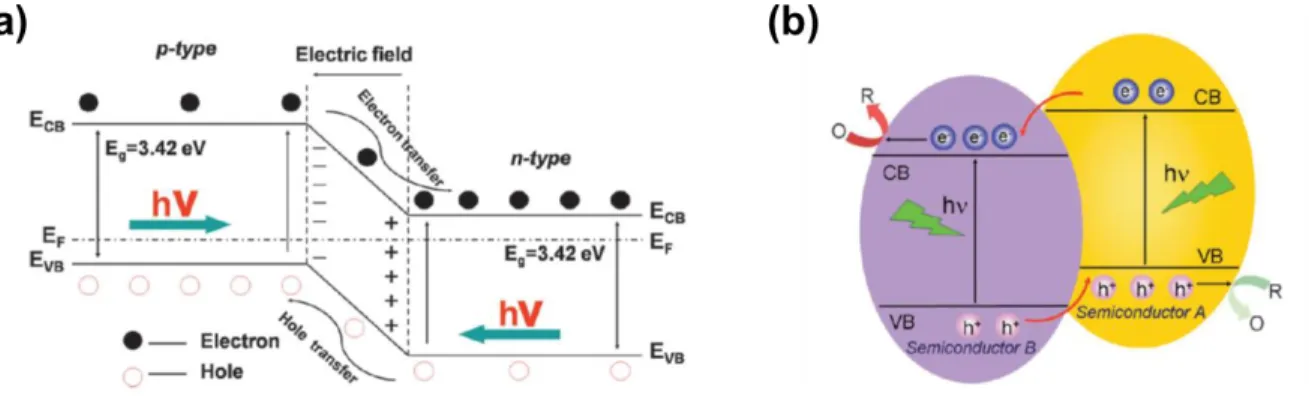
Figure 1.5. Preparation of a TiO2/rGO composite with the reduction of GO and the formation of HO• under UV irradiation [137].
There have been several pathways to explain the photodegradation of pollutants in the presence of TiO2/rGO composites. Liu et al. studied the degradation of methylene blue (MB) in water using rGO-wrapped TiO2 photocatalysts and indicated that rGO acted as a
27 sink for photo-generated electrons [138]. By the irreversible adsorption process on the surface of the catalyst, adsorbed MB molecules would be oxidized by O2•‒
produced from the reaction between a dissolved O2 molecule and an electron contained in rGO surface. The photogenerated holes in TiO2 could also generate the active HO•. Chen et al. prepared TiO2/rGO composites and observed that with the behavior of p-type semiconductor, GO also presented as a sensitizer improving the visible-light photocatalytic activity [139].
Similarly, Du et al. also confirmed the role of GO as a sensitizer by investigating the interface between the graphene and TiO2 rutile [140]. They found that a significant charge was transferred to TiO2 from graphene, producing a hole doping in the graphene layer.
Therefore, under this hypothesis, electrons can be excited and transferred from graphene to the CB of TiO2 under visible-light irradiation.
1.3.2. Synthesis of TiO2/graphene photocatalysts
In recent years, many efforts have been devoted on the synthesis of TiO2/graphene photocatalysts with varied morphologies. Various methods have been proposed, for example, mechanical mixing, hydrothermal/solvothermal, sol-gel, vacuum activation, heterogeneous coagulation, and so on. This section summarizes synthetic methods widely used in literature for the preparation of TiO2/graphene.
Mechanical mixing method
Among the synthetic methods for TiO2/graphene photocatalysts, mechanical mixing is the easiest one, which includes mixing and sonication steps between TiO2 NPs and graphene or GO. The formation of chemical bonds is not expected in this case, resulting in the weak interaction of the two phases [136]. Zhang et al. synthesized P25/GO/Pt hybrid photocatalyst based on a mechanical mixing strategy [141]. The obtained photocatalyst presented improved photocatalytic performance in the hydrogen production via water
28 splitting even though the weak interaction between the hybrids was found. Kamegawa et al.
utilized a mixing process at high temperature to crystallize TiO2 NPs on a mesoporous silica support along with graphene coating [142]. The synthesized photocatalyst showed high performance in the photodegradation of 2-propanol. This improvement was attributed to the transfer of electron to graphene, enhancing the charge carrier separation and also to the high adsorption ability of the material.
Hydrothermal and solvothermal methods
Hydrothermal and solvothermal methods are popular methods for the production of TiO2/rGO composites. The methods involve treatment under elevated temperature and pressure using a stainless steel autoclave to convert GO into rGO. The term “hydrothermal”
indicates a strategy in which crystals are grown in an aqueous medium at high temperature and pressure. High pressure comes from the usage of water above its boiling point and the use of high temperature is beneficial to produce high-quality crystals of the material. In the hydrothermal technique, TiO2 NPs and nanowires are utilized as TiO2 sources [143]. In addition, other precursors such as TiCl4, (NH4)2TiF6, or titanium alkoxides are also alternatively used to prepare TiO2/graphene nanocomposites [144]. For examples, Zhang et al. prepared TiO2-P25/rGO composites by a hydrothermal method [145], which maintained the surface area and identical crystalline structure of TiO2-P25. However, a poor connection between TiO2 NPs and rGO sheets was observed in the produced composite. To deal with this limitation, Liang et al. synthesized similar composites by a two-step method consisting of the deposition of TiO2 on GO sheets by a slow hydrolysis of titanium tetra-n-butoxide and then a hydrothermal treatment to convert TiO2 into the anatase form [146]. Liu et al.
also synthesized the composites through a two-phase strategy [147]. First, TiO2 nanorods were dispersed in toluene and then stabilized with oleic acid to form the first phase. The second phase was formed by dispersing GO sheets in deionized water. The self-assembly of
29 these two materials took place at the water/toluene interface. The usage of ecofriendly reducing agents was also considered to reduce GO in the hydrothermal method. For examples, Shen et al. introduced glucose as a reducing agent to prepare TiO2/rGO composites; nonetheless, the utilization of glucose led to incomplete reduction of GO under hydrothermal conditions [148].
Similar to the definition of the hydrothermal method, the term solvothermal process illustrates the growth of crystals at high temperature and pressure but in a non-aqueous solution. Nevertheless, the operated temperature can be much higher than that in the hydrothermal strategy due to the usage of high boiling points organic solvents. It has been reported that compared to hydrothermal one, the solvothermal method usually presents a better control in the shape, size distribution and crystallinity of the TiO2 NPs, thus it is more widely used to prepare NPs with narrow size range and dispersity [149‒151]. A variety of research works on the synthesis of TiO2/graphene nanocomposite have been published based on the solvothermal method. For example, Li et al. synthesized TiO2/graphene nanocomposites using a solvothermal method with the aid of a surfactant to prevent the agglomeration of TiO2 NPs and increase the surface area of the nanocomposites [152]. The formed TiO2/graphene nanocomposites presented high photocatalytic activity and stability in the visible-light photodegradation of dye molecules. This high activity was ascribed to the band gap narrowing, the improvement of textural properties, and restricted charge career recombination in the prepared nanocomposites. The next efforts on the synthesis of TiO2/graphene nanocomposites based on a solvothermal method introduced a sort of structure-directing agents to control the shape and the morphology of the nanocomposites [153‒156]. For instance, Xie et al. utilized glucose to control the morphology and shape of TiO2/graphene [153]. They found that through the surface hydroxyl groups, a low content of glucose can bridge chemically the GO surface and TiO2 nanoparticles, resulting in the
30 formation of the well-dispersed TiO2/graphene nanocomposites. A similar result in controlling the shape and morphology of the TiO2/graphene nanocomposites was also obtained using HF [157‒160], ethylene glycol [161], or ammonia [162,163].
Sol-gel method
The sol-gel method is a technique to prepare inorganic ceramics from a solution by converting a liquid precursor to a sol, which is subsequently transformed to a gel network [164]. The precursors are firstly mixed together in a liquid phase. Then via hydrolysis and condensation processes, a stable colloidal suspension is formed, called as a sol.
Subsequently, the colloidal particles in the sol aggregate to form a three-dimensional network structure of the gel. The final products are obtained after drying and/or calcination processes. The particle sizes of the nanomaterials can be tuned by controlling pH, solution composition, and reaction temperature [165]. This method has been widely used in the synthesis of TiO2/graphene nanocomposites. The main advantage of the sol-gel method is the mild synthetic condition, in which high temperature and pressure are not required. In addition, the controllability and low cost are also the highlights of this synthetic method [166]. Wang et al utilized the sol-gel method for in-situ growth of nanocrystalline TiO2 on graphene sheets [167]. At first, the sol was formed by mixing graphene sheets, titanium sources, sulfate surfactants, and solvents. Subsequently, the nucleation and condensation processes led to the in-situ crystallization of TiO2 on graphene sheets with a desired phase and morphology. In another work, Liu et al. prepared TiO2/graphene nanocomposites via the sol-gel method using titanium isopropoxide as the TiO2 precursor and graphene (formed by a reduction of GO using hydrazine hydrate) [168]. Titanium isopropoxide was dropwise added into a graphene dispersion in ethanol in the presence of cetyltrimethylammonium bromide as a cationic surfactant. Water was then added dropwise into the mixture. The
31 obtained TiO2/graphene nanocomposite exhibited an excellent visible-light photocatalytic performance in the photodegradation of methylene blue.
1.4 Research objective
Owing to the expeditious growth of industry and the environmental pollution in both quantity and quality, clean water shortage is becoming more and more serious. Thus, the development of efficient and low-cost water treatment technologies is of paramount importance. Several economical and safe methods for water treatment have been established like filtration, biodegradation, coagulation/precipitation, Fenton oxidation, etc. However, the pipe blockages due to the production of a large amount of sludge is one of the main drawbacks of these conventional methods. AOPs have emerged as innovated alternatives for water treatment. Among AOPs approaches, heterogeneous photocatalysis is one of the promising methods owing to its low cost and high efficiency to decompose a wide range of organic pollutants into non-toxic compounds and even achieving their mineralization.
TiO2 has received an enormous interest as a photocatalyst in a wide range of applications and especially in water treatment because of its ambient operation conditions, low cost, and an ability to mineralize completely the pollutants and their intermediate compounds. However, the large band gap, a short lifetime of photo-excited electron-hole pairs, and the low adsorption ability limit the photocatalytic efficiency of TiO2. Considerable efforts have been made to eliminate these pitfalls of TiO2 including doping with metallic or non-metallic elements, introducing heterojunctions, or surface modification with organic ligands. Among these modifications, hybridization of TiO2 with graphene is a promising approach.
32 In recent years, many efforts have been reported on the synthesis of TiO2/graphene nanocomposites. In these efforts, nanocomposites were mostly prepared from GO, in which GO sheets were coupled with TiO2 or some molecular precursor such as titanium alkoxides, and then reduced to rGO. Compared to the commercial TiO2-P25, the produced nanocomposites exhibited an enhancement in the photocatalytic activity in the visible-light region. However, the reported improvements are still unsatisfactory for practical applications. This is partly because the GO reduction process can generate a large amount of defects on the graphene framework [169–171]. These defects inevitably affect the electronic properties of the photocatalyst by the decrease of the ballistic transport path length and the introduction of scattering centers. In addition, the aggregation of TiO2 was usually observed because the sensitivity of titanium alkoxide to water (GO usually contains) significantly impedes the uniform and controlled growth of TiO2 on graphene
Thus, the aims of this thesis are to explore a novel and effective approach for the preparation of the TiO2/graphene nanocomposites which can solve the above-mentioned difficulties in the conventional synthetic methods, and to develop excellent visible-light photocatalysts for water treatment application. These objectives are effectuated and developed in the following three chapters of this thesis.
Chapter 2 demonstrates a novel GO-free route to synthesize the TiO2/graphene nanocomposites. Via the chemical exfoliation of graphite in titanium tetra-n-butoxide, a graphene dispersion was obtained, which was used for the sol-gel reaction to produce the TiO2/graphene nanocomposites in the presence of different catalysts. Featured with various advantages for effective visible-light photocatalysts, the obtained the TiO2/graphene nanocomposites exhibited excellent performance for the photocatalytic decomposition of methylene blue in an aqueous medium.
33 Chapter 3 focuses on the solvent exploration for the liquid-phase exfoliation of graphite under ultrasonication. By screening different solvents and their mixtures, various of new exfoliating solvents were found. A synergistic effect among different effective functional groups had been identified. The synergism was found to be more effective in a form of solvent mixtures. In addition, this solvent-mixture strategy was also effective for the preparation of a graphene dispersion with metal alkoxides, precursors for the synthesis of oxide@graphene nanocomposite.
Chapter 4 presents further improvement in the visible-light photocatalytic performance of the TiO2/graphene nanocomposites by doping chlorine. Chlorine-doped TiO2/graphene nanocomposites were synthesized based on the synthetic method discovered in Chapter 2. With the aid of chlorine radicals in accelerating the photodecomposition of organic compounds, dramatic improvement in the visible-light photocatalytic activity was achieved.
This thesis is expected to be useful for the synthesis of excellent visible-light TiO2/graphene photocatalysts in particular and for the synthesis of a variety of oxide@graphene nanocomposites with desirable properties for a wide range of applications in general.
1.5 References
[1] Tollefson, J. How green is my future? UN panel foresees big growth in renewable energy, but policies will dictate just how big. Nature 2011; 473(7346):134‒6.
[2] Rodell, M., Velicogna, I., Famiglietti, J. S. Satellite-based estimates of groundwater depletion in India. Nature 2009; 460(7258):999‒1002.
34 [3] Richardson, S. D. Environmental mass spectrometry: Emerging contaminants and current issues. Anal. Chem. 2012; 84(2):747‒78.
[4] Carlsen, L., Bruggemann, R., Sailaukhanuly, Y. Application of selected partial order tools to analyze fate and toxicity indicators of environmentally hazardous chemicals. Ecol.
Indic. 2013; 29:191‒202.
[5] Heikkinen, M., Poutiainen, H., Liukkonen, M., Heikkinen, T., Hiltunen, Y. Subtraction analysis based on self-organizing maps for an industrial wastewater treatment process. Math.
Comput. Simulat. 2011; 82(3):450‒9.
[6] Biati, A., Moattar, F., Karbassi, A. R., Hassani, A. H. Role of saline water in removal of heavy elements from industrial wastewaters. Int. J. Environ. Res. 2010; 4(1):177‒82.
[7] Tajeddine, L., Nemmaoui, M., Mountacer, H., Dahchour, A., Sarakha, M.
Photodegradation of fenamiphos on the surface of clays and soils. Environ. Chem. Lett.
2010; 8(2):123‒8.
[8] Malato, S., Fernández-Ibáñez, P., Maldonado, M. I., Blanco, J., Gernjak, W.
Decontamination and disinfection of water by solar photocatalysis: Recent overview and trends. Catal. Today 2009; 147(1):1‒59.
[9] Dhall, P., Kumar, R., Kumar, A. Biodegradation of sewage wastewater using autochthonous bacteria. Sci. World J. 2012; 2012:861903.
[10] Massot, A., Estève, K., Noilet, P., Méoule, C., Poupot, C., Mietton-Peuchot, M.
Biodegradation of phytosanitary products in biological wastewater treatment. Water Res.
2012; 46(6):1785‒92.
[11] Burakov, A. E., Galunin, E. V., Burakova, I. V., Kucherova, A. E., Agarwal, S., Tkachev, A. G., et al. Adsorption of heavy metals on conventional and nanostructured materials for wastewater treatment purposes: A review. Ecotoxicol. Environ. Saf.
2018; 148:702‒712.
35 [12] Sun, Y., Zhou, S., Chiang, P. C., Shah, K. J. Evaluation and optimization of enhanced coagulation process: Water and energy Nexus. Water-Energy Nexus 2020; 2(1):25‒36.
[13] Keeley, J., Jarvis, P., Judd, S. J. Coagulant recovery from water treatment residuals: A review of applicable technologies. Crit. Rev. Environ. Sci. Technol. 2014; 44(24):2675‒719.
[14] Zhang, M. H., Dong, H., Zhao, L., Wang, D. X., Meng, D. A review on Fenton process for organic wastewater treatment based on optimization perspective. Sci. Total Environ.
2019; 670:110‒21.
[15] Chen, Y., Cheng, Y., Guan, X., Liu, Y., Nie, J., Li, C. A rapid Fenton treatment of bio- treated dyeing and finishing wastewater at second-scale intervals: Kinetics by stopped-flow technique and application in a full-scale plant. Sci. Rep. 2019; 9(1):1‒11.
[16] Liberatore, L., Bressan, M., Belli, C., Lustrato, G., Ranalli, G. Chemical and biological combined treatments for the removal of pesticides from wastewaters. Water Air Soil Pollut.
2012; 223(8):4751‒9.
[17] López, J. C., Reina, A. C., Gómez, E. O., Martín, M. B., Rodríguez, S. M., Pérez, J. S.
Integration of solar photocatalysis and membrane bioreactor for pesticides degradation. Sep.
Sci. Technol. 2010; 45(11):1571‒8.
[18] Bressan, M., Liberatore, L., d'Alessandro, N., Tonucci, L., Belli, C., Ranalli, G.
Improved combined chemical and biological treatments of olive oil mill wastewaters. J.
Agric. Food Chem. 2004; 52(5):1228‒33.
[19] Tahir, M. S., Saleem, M., Malik, S. R., Khan, J. R., Siebenhofer, M. An innovative and advanced oxidation process for effluent treatment through wet tube-type electrostatic precipitation. Chem. Eng. Process. 2012; 52:16‒20.
[20] de Mello Ferreira, A., Marchesiello, M., Thivel, P. X. Removal of copper, zinc and nickel present in natural water containing Ca2+ and HCO3‒ ions by electrocoagulation. Sep.
Purif. Technol. 2013; 107:109‒17.
36 [21] Mansour, L. B., Kesentini, I. Treatment of effluents from cardboard industry by coagulation-electroflotation. J. Hazard. Mater. 2008; 153(3):1067‒70.
[22] Hanay, Ö., Hasar, H. Effect of anions on removing Cu2+, Mn2+ and Zn2+ in electrocoagulation process using aluminum electrodes. J. Hazard. Mater.
2011;189(1‒2):572‒6.
[23] Ghosh, P., Samanta, A. N., Ray, S. Reduction of COD and removal of Zn2+ from rayon industry wastewater by combined electro-Fenton treatment and chemical precipitation. Desalination 2011; 266(1‒3):213‒7.
[24] Lin, S. H., Chang, C. C. Treatment of landfill leachate by combined electro-Fenton oxidation and sequencing batch reactor method. Water Res. 2000; 34(17):4243‒9.
[25] Ayodele, O. B., Hameed, B. H. Synthesis of copper pillared bentonite ferrioxalate catalyst for degradation of 4-nitrophenol in visible-light assisted Fenton process. J. Ind. Eng.
Chem. 2013; 19(3):966‒74.
[26] Monteagudo, J. M., Durán, A., San Martin, I., Aguirre, M. Catalytic degradation of Orange II in a ferrioxalate-assisted photo-Fenton process using a combined UV-A/C-solar pilot-plant system. Appl. Catal. B: Environ. 2010; 95(1‒2):120‒9.
[27] Martins, R. C., Quinta-Ferreira, R. M. Remediation of phenolic wastewaters by advanced oxidation processes (AOPs) at ambient conditions: Comparative studies. Chem.
Eng. Sci. 2011; 66(14):3243‒50.
[28] Lei, W., Portehault, D., Liu, D., Qin, S., Chen, Y. Porous boron nitride nanosheets for effective water cleaning. Nat. Commun. 2013; 4(1):1‒7.
[29] Deng, Y., Zhao, R. Advanced oxidation processes (AOPs) in wastewater treatment. Curr. Pollut. Rep. 2015; 1(3):167‒76.
37 [30] Devi, L. G., Kavitha, R. A review on non-metal ion doped titania for the photocatalytic degradation of organic pollutants under UV/solar light: Role of photogenerated charge carrier dynamics in enhancing the activity. Appl. Catal. B: Environ. 2013; 140:559‒87.
[31] Amr, S. S. A., Aziz, H. A., Adlan, M. N., Aziz, S. Q. Effect of ozone and ozone/Fenton in the advanced oxidation process on biodegradable characteristics of semi‐aerobic stabilized leachate. CLEAN-Soil, Air, Water 2013; 41(2):148‒52.
[32] Nottrott, A., Kleissl, J., Washom, B. Energy dispatch schedule optimization and cost benefit analysis for grid-connected, photovoltaic-battery storage systems. Renew. Energy 2013; 55:230‒40.
[33] Lewis, N. S. Toward cost-effective solar energy use. Science 2007; 315(5813):798‒801.
[34] Bouadila, S., Kooli, S., Lazaar, M., Skouri, S., Farhat, A. Performance of a new solar air heater with packed-bed latent storage energy for nocturnal use. Appl. Energy 2013; 110:267‒75.
[35] Shavisi, Y., Sharifnia, S., Zendehzaban, M., Mirghavami, M. L., Kakehazar, S.
Application of solar light for degradation of ammonia in petrochemical wastewater by a floating TiO2/LECA photocatalyst. J. Ind. Eng. Chem. 2014; 20(5):2806‒13.
[36] Fujishima, A., Honda, K. Electrochemical photolysis of water at a semiconductor electrode. Nature 1972; 238(5358):37‒8.
[37] Kim, S., Kang, M. Hydrogen production from methanol steam reforming over Cu-Ti-P oxide catalysts. J. Ind. Eng. Chem. 2012; 18(3):969‒78.
[38] Moriya, Y., Takata, T., Domen, K. Recent progress in the development of (oxy) nitride photocatalysts for water splitting under visible-light irradiation. Coord. Chem. Rev.
2013; 257(13‒14):1957‒69.
38 [39] Clatworthy, E. B., Yick, S., Murdock, A. T., Allison, M. C., Bendavid, A., Masters, A.
F., Maschmeyer, T. Enhanced Photocatalytic Hydrogen Evolution with TiO2-TiN Nanoparticle Composites. J. Phys. Chem. C 2019; 123(6):3740‒9.
[40] Li, Y., Peng, Y. K., Hu, L., Zheng, J., Prabhakaran, D., Wu, S., et al. Photocatalytic water splitting by N-TiO2 on MgO (111) with exceptional quantum efficiencies at elevated temperatures. Nat. Commun. 2019; 10(1):1‒9.
[41] Binas, V., Venieri, D., Kotzias, D., Kiriakidis, G. Modified TiO2 based photocatalysts for improved air and health quality. J. Materiomics 2017; 3(1):3‒16.
[42] Paz, Y. Application of TiO2 photocatalysis for air treatment: Patents’ overview. Appl.
Catal. B: Environ. 2010; 99(3‒4):448‒60.
[43] Mo, J., Zhang, Y., Xu, Q., Lamson, J. J., Zhao, R. Photocatalytic purification of volatile organic compounds in indoor air: a literature review. Atmos. Environ.
2009; 43(14):2229‒46.
[44] Lee, C. K. Comparative corrosion resistance of electroless Ni-P/nano-TiO2 and Ni- P/nano-CNT composite coatings on 5083 aluminum alloy. Int. J. Electrochem. Sci.
2012; 7:12941‒54.
[45] Li, S., Fu, J. Improvement in corrosion protection properties of TiO2 coatings by chromium doping. Corros. Sci. 2013; 68:101‒10.
[46] Zhang, L., Kanki, T., Sano, N., Toyoda, A. Development of TiO2 photocatalyst reaction for water purification. Sep. Purif. Technol. 2003; 31(1):105‒10.
[47] Banerjee, S., Dionysiou, D. D., Pillai, S. C. Self-cleaning applications of TiO2 by photoinduced hydrophilicity and photocatalysis. Appl. Catal. B: Environ. 2015;
176:396‒428.
[48] Benedix, R., Dehn, F., Quaas, J., Orgass, M. Application of titanium dioxide photocatalysis to create self-cleaning building materials. Lacer 2000; 5:157‒68.

![Figure 1.5. Preparation of a TiO 2 /rGO composite with the reduction of GO and the formation of HO• under UV irradiation [137]](https://thumb-ap.123doks.com/thumbv2/123deta/6183124.1085980/27.893.217.734.496.879/figure-preparation-tio-rgo-composite-reduction-formation-irradiation.webp)