Tokyo Metropolitan University
Dissertation for a Degree of Doctor of Tourism Science Fiscal Year 2018
Sustainability of Community-Based Ecotourism Development Post Tsunami Disasters:
Comparison Between Buddhism and Muslim Communities in Phuket Province, Thailand
Sommai Theingthae
Tokyo Metropolitan University
Sustainability of Community-Based Ecotourism Development Post Tsunami Disasters: Comparison Between Buddhism and
Muslim Communities in Phuket Province, Thailand
Doctoral Dissertation Submitted to
The Graduate School of Urban Environmental Sciences in Partial Fulfillment of the Requirements for
the Degree of Doctor of Tourism Science
Department of Nature and Culture Tourism
By
Sommai Theingthae September 2018
Tokyo Metropolitan University
Dissertation for a Degree of Doctor of Tourism Science Title:
Sustainability of Community-Based Ecotourism Development Post Tsunami Disasters: Comparison Between Buddhism and Muslim
Communities in Phuket Province, Thailand Author:
Sommai Theingthae
Examined by Chief Examiner
Examiner
Examiner
The Graduate School of Urban Environmental Sciences Dean
Date
ABSTRACT
Community-based ecotourism represents a vital tool for rural community development, while biodiversity conservation and environmental protection has an important value for raising competitiveness of ecotourism destinations leading to social sustainability and sustainable community economic development. The paper aimed to the assess ecotourism attractions potential for sustainable development, to set a model of sustainable ecotourism development, to assess the implementation of community- based ecotourism. Comparison between a Ban Bang Rong Muslim community and a Ban Tha Chat Chai Buddhism community concerning sustainability of community- based ecotourism development, and outcomes of points of distinction rooted in spiritual and religious traditions. This study was conducted to provide in-depth understanding of the concept and theoretical and empirical findings insights into the suitable implementation of ecotourism development context. The study employed a mixed of both qualitative and quantitative methodologies for data collection. In a cluster sampling, at difference five groups (government agencies and local authorities, tourism business stakeholders, local people, Thai tourists and international tourists). Using the quantitative method, 315 households were interviewed for this paper including 160 of Ban Tha Chat Chai Buddhism and 155 of Ban Bang Rong Muslim participants to assess the impacts of ecotourism on the community and assessment implementation of community- based ecotourism development. The study uses 74 indicators based on 7 dimensions, environment, social, cultural heritage, economic, marketing, spirituality and religious traditions and policy. Furthermore, the study to an assessment of participation of local people in spirituality and religious traditional beliefs and practices for ecotourism destinations and ecological restoration post-tsunami disaster base on questionnaire surveys of 235 of Muslims and 225 of Buddhists.
The results show that residents of Ban Bang Rong Muslim community perceived a few negative natural environmental and ecological impacts, economic impacts, and social and culture impacts on community, and the most important dimensions that have positive influence on the sustainability of community-based ecotourism development concept are spirituality and religious traditions dimensions, and cultural heritage
v
dimensions respectively. On the other hand, the residents of Ban Tha Chat Chai Buddhism community perceived more negative natural environmental and ecological impacts, economic impacts and the most important dimensions that have positive influence on the sustainability of CBED concept are the cultural heritage dimensions followed by spirituality and religious traditions dimensions respectively. As a result, Ban Bang Rong Muslim community is more successful in sustainability of CBED compared with the Ban Tha Chat Chai Buddhism community.
The concept of ecotourism as sustainable alternative tourism, is defined by its potential to provide alternative income to the local people and or native people derived from good management of ecotourism based on seven principles: 1) environment (ecological integrity), 2) economic (ecotourism businesses), 3) cultural (safeguard cultural heritage), 4) social (community empowerment), 5) marketing (competitiveness of destination), 6) spirituality and religious tradition (beliefs and practice), and 7) policy (ecotourism policy compliance) outcome. The results of the present study reveal great variety between two communities according with empowerment and local community involvement in the implementation of community- based ecotourism. While, both communities show poorest sustainability on the economic dimension, the most important dimension remains spirituality and religious traditional dimension. Both communities’ adherence to their respective religious precepts can promote harmoniousness and the require to achieving the balanced use of natural resource, sharing benefits equally. Measures to promote preservation of the ecosystems, conserving and enhancing biodiversity and natural resource conservation, through help protect the natural and cultural heritage that are associated with ecotourism, have the potential to lead to the creation of a beautiful ecotourist destination and support positive economic growth and contribute to the planet’s sustainability. The need to achieve sustainable community-based ecotourism development, partnerships should be collaborative making design policies forenhancing community-based ecotourism’s role in sustainable development
Keyword: Community based ecotourism, sustainability ecotourism, tsunami disaster, Thai Muslim community, Thai Buddhism community
ACKNOWLEDGEMENTS
Dear God, thank you for my life and spirituality on this earth. First of all, I would like to thank our Heavenly Father for his many blessings for me and for this wonderful opportunity for me to be gathered in one place of Japan.
I would like to thank the Doctoral Scholarship Program at Tokyo Metropolitan, Japan funded by Asian Human Recourses Fund, 2013. And thank you, my father, for “Father of Light and Wisdom” and thank you for my mother for giving me a mind that can know and a heart that can love and help me to keep learning throughout my life and thank family for encouraging my education.
Secondly, my study program was successful and completed and possible to do without support, help, kindness guidance of my supervisor, Professor Kikuchi Toshio during my thesis and study period in TMU. I am deeply grateful to all the lecturers of the department tourism science, especially to Professor Numata Shinya and Assistant Professor, Tokyo Metropolitan University of Urban Environmental Sciences, and Associate Professor Phayom Thambutr, College of Management University of Phayao, Bangkok Campus for providing valuable feedback on this research article. I thank you to monks of Tha Chat Chai temple for providing me a place to study and support to collected data and discusses both Buddhist religious theory and specific social and community programs with relevant to environmentalism. I thank you to Bang Rong Muslim community of religious leaders providing me a place to study and support to collected data and discusses both Muslim theory and aspect social and community programs with relevant to environment and ecology restorations. And thank you to Mr.
Somporn Tansakul, Mr. Panya Sampaorat, Mayor of Pa Khlok Subdistrict and Mayor of Maikhao Subdistrict in Phuket Province, for providing supports and information of this study. I thank you to community leaders, conservationists, owner of resorts, homestays, staff of restaurants, travel agencies, tourist guide, drivers and the villagers of Tha Chat Chai Buddhism community and Bang Rong Muslim community, Phuket island for sharing their experiences as written in my thesis topic. I especially thank you to Damrong Phidet the Former Director General of the Department of National Parks,
vii
staff of Sirinath National Park and Khao Phra Thaeo National Park for providing information.
Thirdly, I am thankful to Muna Azmy my friends who support me for the project by supplying their suggestion and help through discussion in Muslim religious and environment conservation. Thanks to all the TMU of student for our friendship and kindness to me who from developing countries and warm welcome to your country.
Thank to tutors for by supplying their suggestion and help me. Thank you to Miyahara Hiromitsu and him families for providing me a nice house for best way of live more than four years and Kato Noriko thank you for becoming my closest persons and my very best friends in Japan.
Dear Buddha, thank you for providing principal teachings as a guidance for human peace and help human escape suffering and approach enlightenment and create human of wisdom of mindful. I believe that if human stickily in spirituality and religious belief and practices as result “planetary sustainability” outcomes.
Sommai T.
Minami Ozawa Campus
LIST OF FIGURES
Figure 1. 1 Structure of the research and links between chapters ... 13
Figure 1. 2 Study area location ... 16
Figure 2. 1 Ecotourism Concept ... 20
Figure 2. 2 Communities Based Ecotourism ... 21
Figure 2. 3 The earthquake and tsunami in the coastal area ... 26
Figure 2. 4 Southern coastal areas were strongly affected in six provinces on the Andaman Sea ... 27
Figure 2. 5 Tsunami Impact on coastal communities ... 29
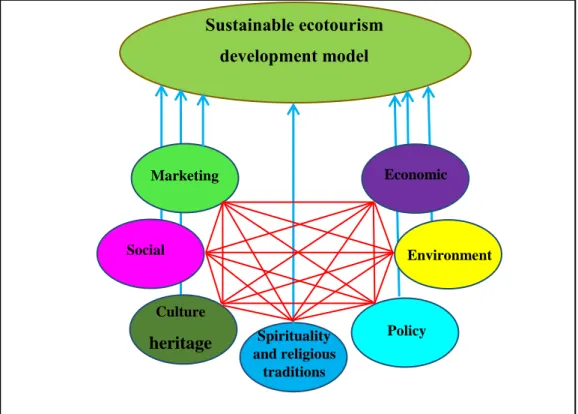
Figure 2. 6 Sustainable ecotourism development model ... 37
Figure 3. 1 Conceptual Framework of the research ... 40
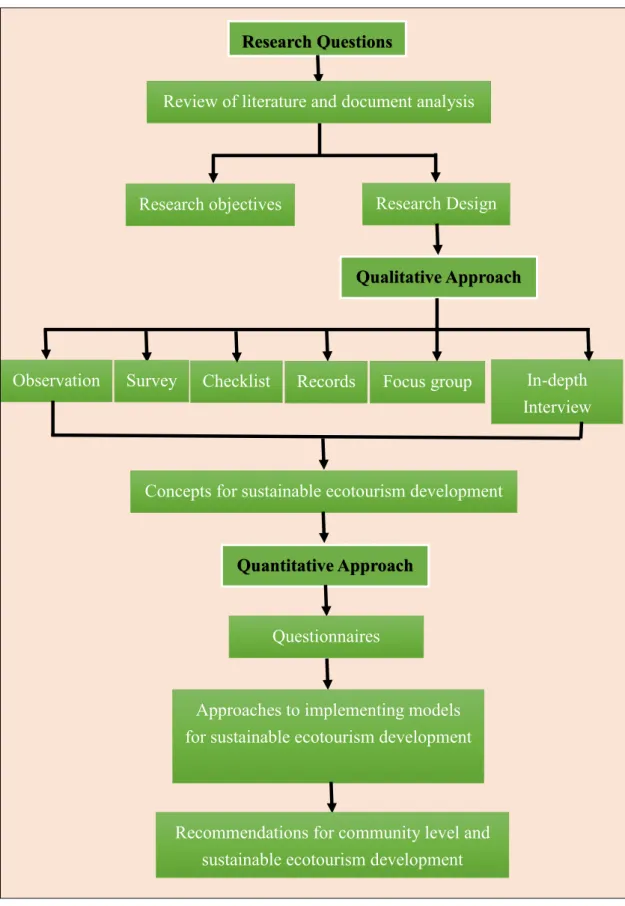
Figure 3. 2 Research Process of the study ... 42
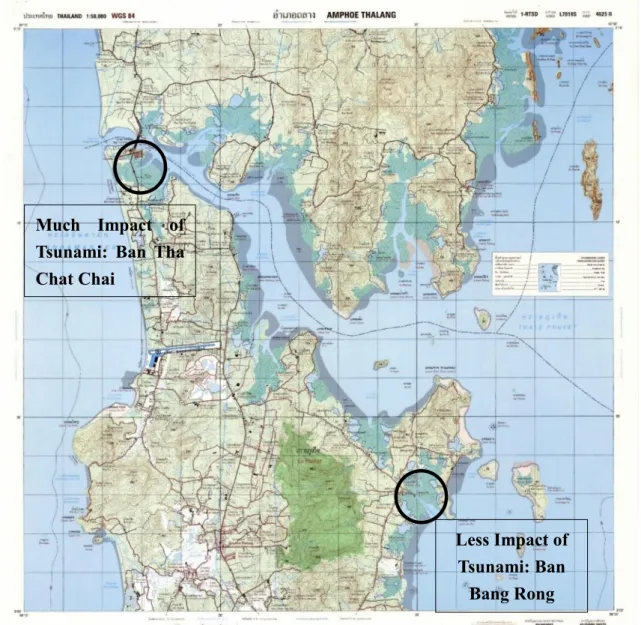
Figure 4. 1 Impact of Tsunami on BBR Muslim Community Map ... 51
Figure 4. 2 Ecotourism management organizations structure of BBR Muslim community ... 56
Figure 4. 3 Networking tourism activities management in BBR Muslim Community ... 57
Figure 4. 4 Farmer networks: mixed farming ... 59
Figure 4. 5 Agro-tourism activities ... 60
Figure 4. 6 Corporation group in BBR Muslim Community ... 61
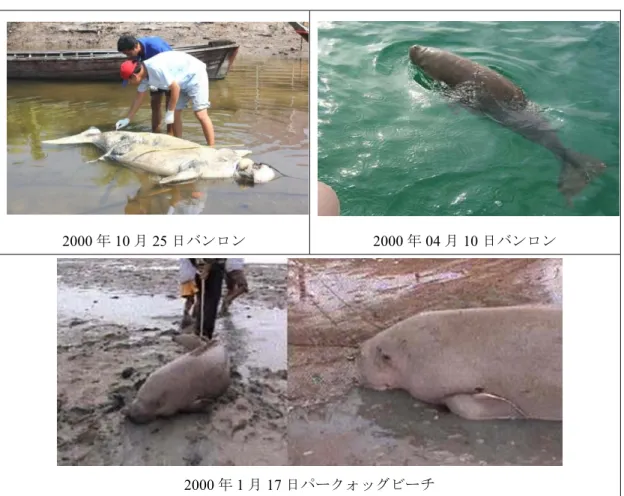
Figure 4. 7 Dugongs effected ... 64
Figure 4. 8 Gibbon Rehabilitation Project ... 68
Figure 4. 9 Mangrove Monkey ... 68
Figure 4. 10 White-Backed palm restoration project ... 71
Figure 4. 11 Mangrove areas in Phuket ... 72
Figure 5. 1 Impact of Tsunami on BTCC Buddhism Community Map ... 83
ix
Figure 5. 2 Ecotourism management organizations structure of BTCC Buddhism
community ... 88
Figure 5. 3 Networking tourism activities management in BTCC Buddhism community ... 89
Figure 5. 4 Cooperation groups in BTCC Buddhism community ... 91
Figure 5. 5 Hat Sai Kaew Beach ... 96
Figure 5. 6 Coral Reef ... 97
Figure 5. 7 Sea Turtle Conservation Project ... 98
Figure 5. 8 Abundant carapaces length ... 100
Figure 5. 9 Jellyfish processing plant ... 101
Figure 6. 1 Local people income from tourism activities ... 114
Figure 6. 2 Comparison of mean importance rating on negative and positive impact between BBR Muslim and BTCC Buddhism communities ... 129
Figure 7. 1 Often adopt your own religious teachings to daily life ... 139
Figure 7. 2 Have opportunities to participate in practices of the host community religious traditional ... 140
Figure 7. 3 Supporting spirituality and religious traditional activities to children ... 141
Figure 7. 4 Often to foster care, and conscience protection on the host community religious and other... 141
Figure 7. 5 Respect the religion and traditional culture of the host community . 142 Figure 7. 6 Obtaining equality and justice and encourage local communities to value and benefit from tourism services ... 142
Figure 7. 7 Participate in the preservation and promotion of local traditional culture, historical and religious heritages ... 143
Figure 7. 8 Compliance with all laws and land use regulations and zone management ... 144
Figure 7. 9 Involved in the care, attention of protecting and rehabilitation of the nature resources ... 144
Figure 7. 10 Strictly spirituality and religious tradition of regulations management
... 145
Figure 7. 11 Physical and Ecology characteristics ... 148
Figure 7. 12 Ecosystems management in tourism attractions ... 150
Figure 7. 13 Value and importance of tourism attraction ... 153
Figure 7. 14 Education ... 155
Figure 7. 15 Management ... 157
Figure 7. 16 Participation in conservation ... 160
Figure 7. 17 Summary mean value of assessment of ecotourism attraction ... 162
Figure 7. 18 The large percentage of condition of potentials in BBR Muslim community ... 162
Figure 7. 19 The large percentage of condition of potentials in BTCC Buddhism community ... 164
Figure 8. 1 Environmental dimension ... 177
Figure 8. 2 Social dimension ... 180
Figure 8. 3 Cultural heritage dimension ... 183
Figure 8. 4 Economic dimension ... 185
Figure 8. 5 Marketing dimension ... 187
Figure 8. 6 Spirituality and religious traditions dimension ... 189
Figure 8. 7 Policy dimension ... 192
Figure 8. 8 Implementation of CBE ... 194
Figure 9. 1 Sustainability achievement of ecotourism development ... 208
Figure 9. 2 Buddhists and Muslim Culture ... 216
xi
LIST OF TABLES
Table 2. 1 Sustainability indicators ... 22 Table 2. 2 Positive and Negative Impact of Ecotourism ... 30 Table 3. 1 Application of criteria and indicators for the assessment of ecotourism attractions ... 44 Table 3. 2 Household and sub-sample sizes ... 47 Table 4. 1 Sample Groups ... 50 Table 4. 2 Opinion of entrepreneur and business related to the tourism industry 52 Table 4. 3 Types of tourism activities ... 58 Table 5. 1 Sample Groups ... 81 Table 5. 2 Opinion of entrepreneur and business related to the tourism industries
... 83 Table 5. 3 Types of tourism activities in BTCC Buddhism community ... 90 Table 6. 1 Personnel demographic characteristics ... 111 Table 6. 2 Impact assessments of ecotourism before and after the tsunami disaster
... 115 Table 6. 3 Comparative assessments of ecotourism before and after the tsunami disaster in BBR Muslim community ... 118 Table 6. 4 Comparative assessments of ecotourism before and after the tsunami disaster in BTCC Buddhism community ... 123 Table 7. 1 Sampling Groups ... 134 Table 7. 2 Personnel demographic characteristics and behaviors ... 134 Table 7. 3 Summary comparison of BBR Muslim and BTCC Buddhism communities in physical and ecology characteristics using F-test ... 149 Table 7. 4 Summary comparison of BBR Muslim and BTCC Buddhism communities in ecosystems management in tourism attractions using F-test
... 151
Table 7. 5 Summary comparison of BBR Muslim and BTCC Buddhism communities in value and important of tourism attractions using F-test .... 154
Table 7. 6 Summary comparison of BBR Muslim and BTCC Buddhism communities in education using F-test ... 156
Table 7. 7 Summary comparison of BBR Muslim and BTCC Buddhism communities in management using F-test ... 158
Table 7. 8 Summary comparison of BBR Muslim and BTCC Buddhism communities in participation in conservation using F-test ... 161
Table 7. 9 Community assessment of potential ecotourism attractions of each activities ... 165
Table 8. 1 Environment Dimension ... 176
Table 8. 2 Social Dimension ... 179
Table 8. 3 Culture heritage Dimension ... 182
Table 8. 4 Economic Dimension ... 184
Table 8. 5 Marketing Dimension ... 186
Table 8. 6 Spirituality and religious traditions Dimension ... 188
Table 8. 7 Policy Dimension ... 191
Table 8. 8 Sustainability achievement of BTCC Buddhism Community in inter- relationship aspects. ... 193
Table 8. 9 Sustainability achievement of BBR Muslim Community in inter- relationship aspects ... 193
Table 9. 1 General Characteristics ... 196
Table 9. 2 Comparison potential assessment ecotourism attraction ... 203
Table 9. 3 Comparison implementation of the religious beliefs and practices ... 205
Table 9. 4 Comparison the dimensions influencing the sustainable ecotourism development ... 226
xiii
LIST OF ABBREVIATIONS
ADAST Administration of Designated Areas for Sustainable Tourism AGT Agrotourism
AOG Agricultural occupational group
ACFRDCP Andaman Coastal Fisheries Research and Development Center (Phuket)
BBR Ban Bang Rong
BMAC Ban Bang Rong Mosque Administrative Committee BTCC Ban Tha Chat Chai
CBE Community-based ecotourism
CBED Community-based ecotourism development CBEM Community- based ecotourism management CODI Community Organizations Development Institute
CTT Cultural tourism
DEO Department of Economic Opportunity
DMCR Department of Marine and Coastal Resources ETC English Tourism Council
GEN Global Ecovillage Network GDP Gross domestic product
HCCC Health Communication Capacity Collaborative ILO International Labor Organization
KPTNHA Khao Pra Theaw Non-Hunting Area
KPTWCDEC Khao Phra Thaeo Wildlife Conservation Development and Extension Centre
MGT Mangrove trail tourism
MIT Ministry of the Interior of Thailand MKMTF Mai Khao Marine Turtle Foundation
MRT Marine tourism
MRLs Muslim religious leaders
NGOs Non- Government Organizations
NOAA National Oceanic and Atmospheric Administration
PDDPM Phuket of Department of Disaster Prevention and Mitigation PMBC Phuket Marine Biological Centre
PR Public relations
RFT Rainforest tourism
SDI Sustainable Development Indicators SMEs Small and Medium Enterprises SNMP Sirinath National Marine Park TEI Thailand Environment Institute WLT Wildlife tourism
WTO World Tourism Organization
UNCSD The United Nations Commission on Sustainable Development UNDOC United Nations office on Drugs and Crime
UN-REDD United Nations Collaborative Initiative on Reducing Emissions from Deforestation and Forest Degradation
xv
TABLE OF CONTENTS
ABSTRACT ... iv
ACKNOWLEDGEMENTS ... vi
LIST OF FIGURES ... viii
LIST OF TABLES ... xi
LIST OF ABBREVIATIONS ... xiii
SUMMARY ... xxiii
CHAPTER 1 ... 1
INTRODUCTION ... 1
1.1 Background and Study context ... 1
1.2 Statement of the research problem ... 7
1.3 Research Objectives ... 7
1.4 Hypotheses ... 8
1.5 Research Questions ... 8
1.6 Research Significance ... 9
1.7 Definition of Terms ... 9
1.8 Organization of the remaining chapter ... 10
1.9 Study area descriptions ... 14
1.10 Selection of cased studies ... 14
CHAPTER 2 ... 17
LITERATURE REVIEW ... 17
Introduction ... 17
2.1 Sustainable tourism development ... 17
2.2 Assessing tourism potential based on indicators of sustainable tourism for ecotourism development ... 17
2.3 Ecotourism ... 19
2.4 Community- Based Ecotourism ... 21
2.5 Sustainability indicators for the community- based ecotourism development ... 22
2.6 Tsunami disasters ... 26
2.7 Impact of ecotourism on community ... 30
2.8 Community participation and empowerment in ecotourism development 31
2.9 Spirituality and religious traditions ... 32
2.10 Sustainable ecotourism development ... 34
2.11 Sustainability of CBED ... 35
2.12 Chapter Summary ... 37
CHAPTER 3 ... 39
RESEARCH FRAMEWORK AND METHODOLOGY ... 39
Introduction ... 39
3.1 Research Framework ... 39
3.1.1 Scope of study... 39
3.1.2 Conceptual Framework of the research ... 40
3.2 Research Methodology ... 41
3.2.1 Research Design ... 41
3.2.2 Research Process ... 41
3.2.3 Data Collection ... 43
3.2.4 Sample Selection ... 47
3.2.5 Data Analysis ... 47
3.3 Chapter Summary ... 48
CHAPTER 4 ... 49
MUSLIM COMMUNITY ... 49
Introduction ... 49
4.1 Ban Bang Rong Muslim Community Background ... 49
4.2 Tsunami 2004 impact on tourism activities and attractions in BBR Muslim community ... 50
4.3 Community-Based Ecotourism in BBR Muslim Community ... 54
4.3.1 Ecotourism management organizations structure of BBR Muslim community ... 54
4.3.2 Networking tourism activities management in BBR Muslim community 57 4.3.3 Agro-tourism activities in BBR Muslim community ... 58
xvii
4.3.4 Community participation in ecotourism development in BBR Muslim
community ... 60
4.4 Islam and Ecotourism concept ... 62
4.5 Natural Ecological Environment ... 63
4.6 Conservation and Rural Community Development in BBR Muslim Community ... 73
4.6.1 Collaboration forest management ... 73
4.6.2 Collaboration coastal fisheries and mangrove management ... 74
4.6.3 Collaboration wildlife management ... 74
4.6.4 Collaboration pollution management ... 74
4.6.5 Collaboration cultural heritage management ... 75
4.6.6 Collaboration land management ... 75
4.7 Community-Based Spirituality and Religious Traditional Practices for Ecotourism Destinations and Ecological Restoration Post-Tsunami disaster .. 75
4.7.1 Muslim spirituality and Religious Traditional Practices and community-based approach to disaster management ... 76
4.7.2 Ecotourism Destinations and Ecological Restoration Post-Tsunami disaster in Muslim community ... 78
4.8 Chapter summary ... 79
CHAPTER 5 ... 80
BUDDHISM COMMUNITY ... 80
Introduction ... 80
5.1 Ban Tha Chat Chai Buddhism Community Background ... 80
5.2 Tsunami 2004 impact on tourism activities and attractions ... 81
5.3 Community-Based Ecotourism in BTCC Buddhism Community ... 85
5.3.1 Ecotourism management organizations structure of BTCC Buddhism community ... 86
5.3.2 Networking tourism activities management BTCC Buddhism community ... 89
5.3.3 Community participation in tourism development in BTCC Buddhism community ... 90
5.4 Buddhism and ecotourism concept ... 91
5.5 Natural Ecological Environment ... 93
5.6 Conservation and Rural Community Development in BTCC Buddhism Community ... 101
5.7 Community Based Spirituality and Religious Traditional Practices for Ecotourism Destinations and Ecological Restoration Post-Tsunami disaster 104 5.7.1 Buddhist spirituality and religious traditional practices and community-based approach to disaster management ... 105
5.7.2 Ecotourism Destinations and Ecological Restoration Post-Tsunami disaster in Buddhist community ... 108
5.8 Chapter Summary ... 109
CHAPTER 6 ... 111
IMPACT ASSESSMENT OF ECOTOURISM ON COMMUNITIES ... 111
Introduction ... 111
6.1 Personnel demographic characteristics ... 111
6.2 Sources of local people income ... 114
6.3 Impact assessments of ecotourism before and after tsunami disaster in BBR Muslim community and BTCC Buddhism Community ... 115
6.4 Comparative meaning of negative impacts and positive assessments of ecotourism before and after the tsunami disaster in BBR Muslim community 118 6.4.1 Negative impact of ecotourism before and after the tsunami disaster in BBR Muslim Community ... 120
6.4.2 Positive impact of ecotourism before and after the tsunami disaster in BBR Muslim Community ... 121
6.5 Comparative meaning of negative impacts and positive assessments of tourism before and after the tsunami disaster in Buddhism community ... 123
6.5.1 Negative impacts of ecotourism before and after tsunami disaster in BTCCH Buddhism community ... 125
6.5.2 Positive impacts of ecotourism before and after the tsunami disaster in BTCCH Buddhism community ... 127
xix
6.6 Post-tsunami disaster negative and positive impact in BBR Muslim
community and BTCC Buddhism community ... 129
6.6.1 Natural environment and ecology Impacts ... 129
6.6.2 Economic Impacts... 130
6.6.3 Society and Culture impacts ... 130
6.7 Chapter Summary ... 131
CHAPTER 7 ... 133
ASSESSMENT OF ECOTOURISM POTENTIALS FOR SUSTAINABLE DEVELOPMENT ... 133
Introduction ... 133
7.1 Sampling Groups ... 134
7.2 Personnel demographic characteristics and behavior ... 134
7.3 Tourists’ attitude toward spirituality and religious traditional beliefs and practices in natural environment conservation and preserving ecotourism destination ... 139
7.4 Local people and tourists’ attitude toward ecotourism attractions potential for sustainable development in BBR Muslim and BTCC Buddhism communities ... 146
7.4.1 Physical and Ecology characteristics ... 148
7.4.2 Ecosystems management in tourism attraction ... 150
7.4.3 Value and important of tourism attraction ... 152
7.4.4 Education ... 155
7.4.5 Management ... 157
7.4.6 Participation in conservation ... 159
7.5 Community assessment of potential ecotourism attractions of each activities ... 165
7.6 The role of community leaders ... 167
7.7 The role of religious leaders ... 168
7.8 The role of the entrepreneurship ... 169
7.9 The role of residents or local people ... 171
7.10 The role of tourists ... 172
7.11 Chapter Summary ... 174
CHAPTER 8 ... 175
COMPARING MUSLIM COMMUNITY AND BUDDHISM COMMUNITY . 175 Introduction ... 175
8.1 Sustainability of Community Based Ecotourism post the Impact of Tsunami Disaster ... 176
8.1.1 Comparative indicators for sustainability of the community-based ecotourism in the implementation of each dimension accordingly ... 176
8.1.2 Description of each dimension weights for successful sustainability implementation aspects ... 193
8.1.3 Implementation of CBE ... 194
8.2 Chapter Summary ... 195
CHAPTER 9 ... 196
DISCUSSION AND INTERPRETATION ... 196
Introduction ... 196
9.1 General Characteristics ... 196
9.2 Comparing Muslim Community and Buddhism Community post tsunami disaster ... 198
9.2.1 Economic Impact ... 198
9.2.2 Social and cultural Impact ... 200
9.2.3 Natural environment and ecology Impact ... 201
9.3 Comparison potential assessment ecotourism attractions in BBR Muslim community and BTCC Buddhism community ... 203
9.4 Comparison implementation of the religious beliefs and practices ... 205
9.5 Comparison of sustainability achievement of ecotourism development based on internal 7 dimensions in BBR Muslim and BTCC Buddhism communities ... 207
9.5.1 Environmental dimensions ... 208
9.5.2 Social dimensions ... 211
9.5.3 Cultural heritage dimension ... 214
9.5.4 Economic dimension ... 217
xxi
9.5.5 Marketing dimensions ... 219
9.5.6 Spirituality and religious traditions dimensions ... 220
9.5.7 Policy dimensions ... 223
9.6 Comparison the dimensions influencing the sustainable ecotourism development concept. ... 226
9.7 Chapter Summary ... 228
CHAPTER 10 ... 230
CONCLUSIONS AND RECOMMENDATIONS ... 230
Introduction ... 230
10.1 Conclusions ... 230
10.1.1 The impact of ecotourism ... 230
10.1.2 Assessment of ecotourism attractions potential for sustainable development after the tsunami disaster... 232
10.1.3 Comparison between BBR Muslim community and BTCC Buddhism community concerning how they develop ecotourism attractions. ... 234
10.2 Recommendations community Level ... 235
10.3 Recommendations for sustainability development ... 235
10.3.1 Sustainability environment development ... 236
10.3.2 Sustainability social development ... 236
10.3.3 Sustainability of culture heritage ... 237
10.3.4 Sustainability of economic ... 238
10.3.5 Sustainability ecotourism marketing development ... 238
10.3.6 Sustainability of spirituality and religious traditional dimension ... 239
10.3.7 Sustainability of policy dimension ... 239
10.4 Recommendation for case studies ... 240
10.4.1 BBR Muslim community ... 240
10.4.2 BTCC Buddhism community ... 241
10.5 Recommendation for research ... 242
10.6 Chapter Summary ... 243
APPENDIXES ... 244 Appendix 1 Definition of impact indicators assessed before and after the tsunami
disaster ... 244 Appendix 2 Impacts assessments of ecotourism before and after tsunami disaster in BBR Muslim community and BTCC Buddhism community... 246 Appendix 3 Residents Interviews ... 249 Appendix 4 Potential indicators used in ecotourism attractions ... 258 Appendix 5 Tourists Interviews ... 260 Appendix 6 Public Sector Interviews ... 265 Appendix 7 Private Sector Interviews ... 269 Appendix 8 Ban Bang Rong Muslim community ... 271 Appendix 9 Ban Tha Chat Chai Buddhism community ... 275 References ... 278
xxiii
SUMMARY
Phuket is largest island of south-west coast of Thailand, we called as a Pearl of Andaman sea, and which popularity center of marine tourism through a few decades promoting ecotourism, and high potential of social-cultural capital for community economic development. There are a variety of natural heritage, cultural traditions and lifestyle inherited long time ago, especially Buddhists and Islam, I am pay more interested in the BBR Muslim and the BTCC Buddhism communities, because there are establish CBE programs for recovery economic, social and environment which relate to my framework and objective.
In the part, the managed ecotourism of Phuket as grows on the large scale become mass tourism it can lead toward negative impacts ecosystem, social-culture and economic no community. Besides, natural hazard, such as tsunami, flood, typhoon, phenomenon climate change, and drought, it effected to natural environment and ecosystems and local people of live, especially food short stage, water short stage as well as high of cost.
Post tsunami disaster, Phuket government and local agencies have collaboration in established CBE programs for recovery community economic while encouragement environmental preservation and conservation. However, there are some problems have occurred, and obstacles to sustainability in the ecotourism. Yet, lack of driven approach addressing the sustainability achieve in implementation of CBE.
This study was conducted to provide in-depth understanding the concept and theoretical and empirical finding to the suitable implementation of ecotourism development context. It aimed to study the assessment of ecotourism attractions potential for sustainable development, to set a model of sustainable ecotourism development, to assess the implementation of CBE. Comparison between the BBR Muslim and the BTCC Buddhism communities. There are differences and similarities between the BBR Muslim and the BTCC communities concerning sustainability of CBED. However, this study was not only focus on ecotourism development, but was also study on spiritual and religious traditional too added. Besides, this study regarding
to the mainly holy of religious in Phuket Island as Buddhism and Muslim, as well as spiritual and religious communities engaged in environmental conservation and climate change (IUCN, 2018). Instance, namely, there appear four of the world’ s major religious belief and practices through faiths and ritual which intimately related between human life and environment conservation and balance consumption of natural and ecotourism of resources, all of the faiths share a common ethic based on harmoniousness with natural, they include Christian, Muslim, Hindus, and Buddhists (Hope & Jones, 2014; Oliver, 2008; Weeramantry, 2017). In addition, according to IEF (2010) given discussion in sub- religious that relationship between religious and environment and ethics of Sikhs , Jews , Jains , Baha , and Shinto in japan which various traditional based on beliefs animism have led to established sacred the nature sites that mean to they display respect on sacred site such rivers, mountains as important for preservation and conservation of practices in all of plants and animals and may not destroy biological diversity and ecosystems and do not destroy God’ creation and love act of God.
This study employed a mixed of both qualitative and quantitative methodologies for data collection from wide range on five group of population sampling as mentioned above Chapter 2. The study relevant secondary data on demographic, natural resources and geographical and social-cultural of the BBR Muslim and the BTCC Buddhism communities through the management policy and projects implementation of community-based on collaboration of responsible government agencies and NGOs were analysis. The primary data were various applied methods as mentioned above Chapter 3. In the process of impacts assessment of ecotourism on communities aim to study is to compare the impact of ecotourism which occurred before and after the tsunami disaster by considering 3 criteria: social, economic and the environment. In the process of assesses the implementation of CBED and compares sustainability of ecotourism development between the BTCC Buddhism and the BBR Muslim communities, the data were collected mainly through household questionnaire surveys, field observation, in depth interviews and focus group discussions. A total of 315 households were informed in this paper including 160 of TCCB and 155 of BRM participants. The study uses 74 indicators based on 7 dimensions,environment,social,
xxv
cultural heritage, economic, marketing,spirituality and religious traditions and policy as mentioned above Chapter 8. And assessment participation of local people in spirituality and religious traditional belief and practices for ecotourism destinations and ecological restoration post-tsunami disaster base on questionnaire surveys 235 of Muslim and 225 of Buddhist as mentioned above Chapter 4 and Chapter 5, and tourists’ attitude toward spirituality and religious traditional beliefs and practices in natural environment conservation and preserving ecotourism destination base on questionnaire surveys total 411 respondents consist of four groups; 150 domestic tourists and 56 international tourists in BBR Muslim community, 150 domestic tourists and 55 international tourists in Buddhism community were conducted during fieldwork period, through the questionnaire to residents and tourists’ perception in assessment of ecotourism potential base on 6 criteria; physical and ecology characteristics, ecosystem management in ecotourism attractions, value and important of tourism attractions, education, management and participation in conservation as mentioned above Chapter 7. Using multiple methods for analysis of data, namely, used parametric statistical technique is Analysis of Variance (ANOVA) to compare data sets and the fits of different models (F- statistics and F-test, t-test), the finally discussion of descriptive interpretation (percentage, mean, S.D.), and basic statistical analysis by Microsoft Excel 2013 software package to analysis questionnaires and R for data analysis.
Community-based ecotourism development as a tool for biodiversity conservation and environment protection including social sustainability and sustainable community economic development, this study can be applied the concept of sustainability of community-based ecotourism development based on seven dimensions as great tool for recovery communities economic and restoration ecotourism destinations at risk areas.
The study demonstrates that the residents of BBR Muslim community perceived post- tsunami disaster event, outcome of implementation of CBE have a few decreased negative natural environment and ecology impact, economic impact, and society and culture impact on community, but highest the negative impacts on community economic, where compare between pre- tsunami disaster implementation of CBE, however post-tsunami disaster have a few increased the positive society and cultural
impacts of CBE, Muslim people seeking to support restorations ecotourism destinations for attract tourists to revisit, increased residents involved in cultural activities, traditions, historical and religious heritages, increase quality of children education and efficient safety and or clean drinking water, increase quality of local healthy and social welfare.
Community leaders and committees are most like playing a volunteer role to making development of grass roots innovations in sustainable development or intentions to act in social-environmental sustainability manner, indicates that they have a good spiritual of leaderships. Finding that the most important dimensions that have positive influencing the sustainability of CBED concept are spirituality and religious traditions dimensions, and cultural heritage dimensions, respective in the Muslim community.
The residents of the BTCC Buddhism community perceived have more increased negative natural environment and ecology impact, economic impact and the most important dimensions that have positive influencing the sustainability of CBED concept are cultural heritage dimensions and spirituality and religious traditions dimensions, respective. Finding that both domestic and international can have great influence on community ecotourism, most of domestic tourists who visit at BTCC Buddhism community have a good attituded in ecotourism destinations based on themselves spirituality and religious traditional beliefs and practices in natural environment conservation and preserving ecotourism destinations.
The study indicates that ecotourism attractions in the BBR Muslim community have high potential, different between the BTCC Buddhism community have moderate potential, where different with effective of implementation in development of ecotourism attractions and restoration ecotourism destinations.
Concluded, the spirituality and religious traditional dimension have had major positively influences on the social, cultural, economic, natural environment, and marketing. Thus, the government and policies makers should establish the policy of ecotourism management with spirituality and religious traditional dimension add, that mean to adherence to practices of participants on conservation and management ecosystems outcome lead to sustainable development.
CHAPTER 1 INTRODUCTION 1.1 Background and Study context
Phuket is largest island of south-west coast of Thailand, we called as a “Pearl of Andaman sea” and one of the most popular marine tourism center and high potential of social-cultural capital for community economic development that can attract many tourists to visit. Moreover, Phuket are a variety of natural heritage, cultural traditions and lifestyle inherited long time ago, especially Buddhists and Islamic. There are fairly large number of religious communities in the Phuket Island, found that 246,739 of the largest resident population identified themselves as Buddhists, 84,201 of resident population identified themselves as Muslims, 4,537 of resident population identified themselves as Christians and 1,450 of resident population identified themselves as others in 2010 (Phuket Cultural Office, 2010), where 75% Buddhists, 20% Muslims, 4% Christians, and 1% Hindus and ethics of Sikhs (Phuket City Municipality, 2018), with 2018 consists of 38 Buddhist temples and 20 monk residences (Phuket Provincial Buddhist Office , 2018) includes 56 Mosques (The Islamic Committee of Phuket, 2018) and 3 Christ Church, 1Sikh temple and 1 Hindu temple in Phuket town (Phuket City Municipality, 2018). Indeed, the importance of religious belief and practices related positively to environmental protection and conservation of ecosystems as well as the concepts of ecotourism such as Buddhists and Islamic were difference in attitudes and adherence toward individuals to practices of moral precepts. Ecotourism, a few decades has been promoting in Phuket, Thailand as a tool for protection, restoration or conservation of natural environment and economic development opportunity in rural communities (Leksakundilok, 2004). Hence it is evident that stakeholders, local government agencies, entrepreneurs and local people recognizes the importance of addressing sustainability development of ecotourism policy together. Especially promoting in the Bang Rong community, Thalang sub-district and Tha Chat Chai community, Mai Kao sub-district in Phuket province (Phuket Office of Tourism and Sports, 2017). Tourism is the largest industry in Phuket and many uses of the natural resources on tourism industry. But it has serious impact on nature and the environment,
and communities of culture, must realize a sustainable future for tourism. Purpose of sustainable tourism development should be measures to promote and establish ecotourism in Thailand (Governor of Phuket, 2015).
Ecotourism is a concept that still appears close to nature–based tourism, bio- tourism or green tourism, which provides to meeting the need of tourist and residents and use existing resources wisely, preserve cultural traditions and heritage and benefit for local community.
However, ecotourism also brings positive and negative impact on economic, environmental, and social-cultural aspects. Inadequate ecotourism management and plan can have caused negative impact on community and decreasing eco-tourists and stakeholders’ environmental awareness causing severe environmental degradation that indirectly leads to natural habitat destruction.
For sustainable tourism development the impact assessment is a process of reviewing and assessing the impact of ecotourism on the community (natural resources environment, social-culture, economy, etc.) Sustainable ecotourism development based on ecological integrity, economic viability, and social justice (Klak, 2007). I offer the concept of sustainable ecotourism development refer to sustainability management on policy, spirituality and religious traditional, economic, environment, social, culture heritage and marketing. The results of the impact assessment of ecotourism attractions and assessment the implementation of CBED and compare sustainability of ecotourism indicators. Sustainable ecotourism development based on the sustainable management seven dimensions will help to make it more profitable for the host community and provides to approach the guideline or model for sustainable development rural tourism.
Since this paper proposes sustainable ecotourism development for post-tsunami disaster, we look at how the natural disaster affected the local tourism industry based on other industries crisis such as fisheries, agricultures, natural resources, and ecotourism attractions that impact could have directly factorized ecotourism industry.
The impact from economy, social-culture and environment is highly related issues. This research focus on the impact on community and ecotourism’s potential attractions as an effective tool for sustainable ecotourism planning, potential important information for tourism recovery policy making for community-based management (Waris, Shahir
3 Liew, Faris Khamidi, & Idrus, 2014). With BBR Muslim of CBE establishment before tsunami, poverty issue can be recovered through existing financial. In general, CBE is a form of ecotourism which aims to development of local communities and supporting socio-cultural environment conservation and protection of natural areas by local residents and community development organizations for tourist attractions (Richard, 2001) sustainable CBE to encourage awareness on environment protection and rehabilitation of nature also wildlife among both tourists and local community (TAT NEWS, 2016). In the conservation theory and practice, CBE is community- based natural resource management and biodiversity conservation (Salafsky, et al., 2001).
Identically, the term ‘Ecotourism’ focuses on conservation and protection of the natural resources (Boley & Green, 2015). There are numerous ecotourism attractions such as mangrove forest tail, rainforest, Gibbon Rehabilitation, mangrove monkey and marine tourism, Muslim’s spiritual and religious traditional activities is attractive for both religious and non- religious tourist. Moreover, spirituality and religious traditional beliefs can be integrated into tourism for sustainable ecotourism development while the theme of spirituality and religious traditional plays a role in ecotourism attractions and new one’s ecotourism product development, it’s beliefs that cultivate inner awareness and enhancing cultural exchange and promote mutual understanding between local people and tourists to participate in the protection of cultural and natural heritage by promote activities spirituality and religious practices and beliefs within community.
Acknowledging the main part of cultural heritage which contribute to the reality reflecting the spiritual and religious practices. The important role of spirituality and religious values can play in conservation biology and ecosystem management and including cultural landscapes (Infield & Mugisha, 2010). Example sacred natural sites (SNSs) also indigenous communities; rural traditional cultures and lifestyles such as, sacred mountains, rivers, forests, mangrove, beach or coastal, islands and animal species are the world’s oldest natural environment conservation (IUCN Org, 2016), including promote environmental conservation and habitat protection, and supporting community-based natural resource management through ecological implications of Buddhist tradition and teaching at the grassroots level by providing monks with training in Buddhism and Ecology (Mlup Baitong;, 1998). Besides, indigenous spirituality and
religious beliefs is the relationship to the environment; most of the activities of daily life are accompanied by rituals and specific religious practices or training aimed at preserve the natural environment (Naomi , 2009). For example, believers who are involved in religious pilgrimages such as Muslim doing the Hajj or Mecca, Buddhists visiting the four sacred sites in India and Nepal. Actually, sustainable ecotourism which requires the protection and preservation of cultural and natural heritage, the spiritual and religious values of the tourism sites. In the case of BTCC Buddhism of CBE established post tsunami disaster for recovery community economic and nature environment. There are numerous ecotourism attractions such as mangrove forest tail, Swamp forest, National Park and marine tourism, Buddhist’s spiritual and religious traditional activities is attractive for both religious and non- religious tourist. The foremost principles of Buddhist should be applied in sustainable ecotourism development guidelines for social and environment sustainability in rural communities.
The Buddhist teacher Thich Nhat Hanh (1991, pp. 146-151) can to application of Buddhist ethics to a range of sustainable development such as meditation based on your own depth of practice to help us maintain mindfulness as the following major principle are Buddhist practice of the Precepts (14 precepts), which we are fully aware of the responsibility of bringing new lives and forgiveness and reconciliation to all of people.
Furthermore, the Four Noble Truths, the Noble Eightfold Path, Refuge in Three Jewels, and other making merits (Kamma), Buddhist meditation, the Simple life, Middle way (moderation), practice vegetarianism might help provide a balanced consumption of natural resources for sustainability human being (Rao C. , 2013).
However, there are differences between the two CBE in the term of religious aspect in BBR Muslim community has high potential more than BTCC community such as community of implementation on spirituality and religious management within community; BBR Islamic strictly spirituality and religious tradition of regulations more than BTCC Buddhist particularly religious practice and rituals, every Muslim respect the Five Pillars: Faith, Prayer, Alms, Pilgrimage, and Fasting. They need to go to participate in religious activities at the Mosques Center on Friday. In case study, community religious leaders of vision to strengthen positive and make the community policy for human happiness such as not support selling and purchased alcohol, not offer
5 service sex tourism club and night bar in this community, enhance spiritually and religious practice and faiths to children in holiday related to the pilgrimage and fast of Ramadan, safeguarding the spirit of places, community religious leaders was cooperating with Chaipattana Foundation for sustainable development among the Thai royal ideas given to be guideline based on Sufficiency Economic Philosophy (SEP) that leading one’s life by following the middle path (Mongsawad, 2010) and conducting financial transactions based on religious belief, and adapted principles on teaching about religious and Islamic faiths for conservation. Examples, resident’s attention to energy management and water conservation, priorities for natural environment protection and rehabilitation projects, supporting environmental spirituality and environmental volunteerism groups for rehabilitation mangrove and marine resource.
Beside post tsunami disaster, BBR Muslims people constantly bring the spiritual and religious dimension into peacemaking process by Muslim religious leaders (MRLs) and institutions for resolving violent conflicts between conservationist and investors. In a case of BTCC Buddhism community, lack of cooperation between community religious leaders and community leaders to resolve social and environment problem also intensity of religious conflict within community, residents perceive that lack of attention to spiritually and religious practice and management for environment conservation, also intensity of religious conflict within community, many residents do not go to meditation and merit on Buddhist holidays in community temples. According to (Horie, 2013), community-based spiritually and religious belief and practice can have an important role in natural resources conservation and preservation of ecotourism destinations. As described by Mulyasari and Shaw (Mulyasari & Shaw, 2012), providing that a crisis or disaster threatens a tourism destination, community- based disaster risk reduction is the formed delivery service to community, which participation of community groups such as women, youth, and faith-based or religious organizations as grass root level and therefore need to mainstream and conduct activities in reducing the disaster risk.
Recommendations section is also provided in this paper to advice specific approach based on seven dimensions which are economic, environment, social, cultural heritage, spirituality and religious traditions, marketing and policy planning for
sustainable ecotourism development. Sustainable tourism development in rural area under concept of ecotourism can to help generate revenue and poverty alleviation, increasing employment opportunities for local people with job related to tourism such as restaurants, tour guides, transportation, accommodation, and souvenir shops etc., while biodiversity conservation and environmental protection has an important value for raising competitiveness of ecotourism destinations leading to social sustainability and sustainable community economic development. In this concept, sustainable ecotourism development refers to sustainability and promotion practices amongst all of seven dimensions and suitable balance must be established management and owned by communities; government agencies, tourism business stakeholders, and local people should be involved in opinion of planning in ecotourism development by defining economic, ecotourism marketing, social, culture heritage, spirituality and religious traditions, environment of policy, and operating as planned. Each of seven dimensions of sustainable ecotourism development can be further described. Community economic refers to equivalent to financial viability, important economic efficiently indicators for CBEM that include investments, revenues, costs, cash flow, source of income, dynamic network of funds or financial support and insurance. Tourism marketing was suggested to make moderate marketing planning also middle way tourism policy. Social justice means equality or equal opportunity in society, welfare, not mutual conflict, safety and security. Cultural vitality means well-being, creativity, diversity, unique, distinctive and innovation. For sustainable urban community planning, cultural dimension plays a major role in supporting the three dimensions of sustainability: social-culture, economic and environment (Alex , 2015). Spirituality and religious traditions are important in ecotourism attractions development, such principles religious and beliefs encourages a spirit of mutual harmony in community and natural environment protection with spiritual awareness (UNESCO;, 1999). Indeed, the environment responsibility means striving to reduce the environment impact, restoration, protection, conservation. Policy dimension refers to decision on ecotourism development of policy must address all dimensions. On comparison, provide information for stakeholders from different level between two areas in which improvement are needed and can develop or design marketing strategy plan.