Title Study of Genetic Diversity, Leaf Pigmentation and Abiotic StressTolerance in Vegetable Amaranth( 本文(Fulltext) )
Author(s) Umakanta Sarker
Report No.(Doctoral Degree) 博士(農学) 乙第152号 Issue Date 2019-03-13 Type 博士論文 Version ETD URL http://hdl.handle.net/20.500.12099/77974 ※この資料の著作権は、各資料の著者・学協会・出版社等に帰属します。
Study of Genetic Diversity, Leaf Pigmentation and Abiotic
Stress Tolerance in Vegetable Amaranth
野菜用アマランスにおける遺伝的多様性、 葉の
色素沈着および環境ストレス耐性に関する研究
2018
The United Graduate School of Agricultural Science
,
Gifu University
Study of Genetic Diversity, Leaf Pigmentation and Abiotic Stress
Tolerance in Vegetable Amaranth
野菜用アマランスにおける遺伝的多様性、 葉の
色素沈着および環境ストレス耐性に関する研究
TABLE OF CONTENTS
CONTENTS Page
No.
CHAPTER 1 General Introduction 1
1.1 Genetic Diversity of Vegetable Amaranth
1.1.1 Genetic variations and diversity for morphological and nutritional traits 1
1.1.2 Variability in antioxidant leaf pigmentation 2
1.1.3 Phenotypic divergence for antioxidant profile, nutritional and agronomic traits
3 1.2 Abiotic Stress Response of Vegetable Amaranth
1.2.1 Response of nutrients, antioxidant phytochemicals, phenolic acid, avonoid and antioxidant activity to drought stress
4 1.2.2 Drought stress effects on growth, ROS markers, compatible solutes, non-enzymatic antioxidants
5
1.2.3 Drought effects on antioxidant enzymes 6
1.2.4 Effect of salinity stress on nutrients, color parameters, leaf pigmentation, antioxidant phytochemicals, phenolic acid, avonoid and antioxidant activity 7
1.3 Aim of the study 9
CHAPTER 2 Genetic Diversity 11
2.1 Morphological and Nutritional Traits
2.1.1 Genetic variability for nutrient, antioxidant, yield and yield contributing morphological traits in vegetable amaranth.
Purpose of the study 11
Materials and Methods 12
Results and Discussion 15
Abstract 22
2.2 Agronomic Traits, Leaf Pigmentation, Antioxidant Phytochemicals and Antioxidant Activity
2..2.1 Variability, heritability and genetic association in vegetable amaranth (Amaranthus tricolor L.)
Purpose of the study 23
Materials and Methods 24
Results and Discussion 25
Abstract 31
2.2.2 Variability in total antioxidant capacity, antioxidant leaf pigments and foliage yield of vegetable amaranth
Purpose of the study 32
Materials and Methods 33
Results and Discussion 34
Abstract 41
2.2.3 Phenotypic divergence in vegetable amaranth for total antioxidant capacity, antioxidant profile, dietary fiber, nutritional and agronomic traits
Purpose of the study 42
Materials and Methods 43
Abstract 51 CHAPTER 3 Abiotic Stress Tolerance of Vegetable Amaranth
3.1 Biochemistry and Food Aspect on Drought Stress of Vegetable Amaranth 3.1.1 Response of nutrients, minerals, antioxidant leaf pigments, vitamins,
polyphenol, avonoid and antioxidant activity in selected vegetable amaranth under four soil water content
Purpose of the study 52
Materials and Methods 53
Results and Discussion 55
Abstract 68
3.1.2 Drought stress enhances nutritional and bioactive compounds, phenolic acids and antioxidant capacity of Amaranthus leafy vegetable
Purpose of the study 69
Materials and Methods 70
Results and Discussion 72
Abstract 81
3.2 Biochemistry and Physiological Aspect on Drought Stress of Vegetable Amaranth
3.2.1 Drought Stress Effects on Growth, ROS Markers, Compatible Solutes, Phenolics, Flavonoids, and Antioxidant Activity in Amaranthus tricolor
Purpose of the study 82
Materials and Methods 83
Results and Discussion 87
Abstract 98
3.2.2 Catalase, superoxide dismutase and ascorbate-glutathione cycle enzymes confer drought tolerance of Amaranthus tricolor
Purpose of the study 99
Materials and Methods 100
Results and Discussion 104
Abstract 113
3.3 Biochemistry and Food Aspect on Salinity Stress of Vegetable Amaranth 3.3.1 Salinity stress accelerates nutrients, dietary fiber, minerals, phytochemicals and antioxidant activity in Amaranthus tricolor leaves
Purpose of the study 115
Materials and Methods 116
Results and Discussion 118
Abstract 129
3.3.2 Salinity stress enhances color parameters, bioactive leaf pigments,
vitamins, polyphenol, flavonoid and antioxidant activity in selected Amaranthus leafy vegetables
Purpose of the study 130
Materials and Methods 131
Results and Discussion 131
Abstract 139
3.3.3 Augmentation of leaf color parameters, pigments, vitamins, phenolic acids, avonoids and antioxidant activity in selected A. tricolor under salinity stress
Purpose of the study 141
Materials and Methods 142
Results and Discussion 143
Abstract 150
Chapter 4 General Discussion 152
Summary 181
Acknowledgments 187
1
CHAPTER 1
GENERAL INTRODUCTION
1.1 Genetic Diversity of Vegetable amaranth
1.1.1 Genetic variation and diversity for morphological and nutritional traits
Vegetable amaranth serves as an alternative source of nutrition for vegetarian people in developing countries where the bulk of the population has little access to protein rich food. It contains high amount of protein with nutritionally critical amino acids, lysine and methionine, dietary fiber, dietary minerals and antioxidant compounds like ascorbic acid and beta-carotene [6, 7]. Recently, the genus has been reported to have medicinal value including anticancer properties [8]. It has been rated equal or superior in taste to spinach and is considerably higher in protein (14 - 30% on dry weight basis), minerals (Fe, Mn and Zn) and antioxidants like beta-carotene (90 - 200 mg/kg) and ascorbic acid (about 28 mg/100 g) compared to any other leafy vegetables [3, 6, 9-10]. Antioxidants like carotenoids, ascorbic acid, Fe, Mn, and Zn contents in vegetable amaranth are considerably higher than in many leafy vegetables [11-14]. Some metalloenzymes like catalase (Fe) and superoxide dismutase (Mn and Zn) required Fe, Mn and Zn minerals for their antioxidant activity [16].
The main vegetable type of amaranth, Amaranthus tricolor L., seems to have originated in South or Southeast Asia [1] and then spread through the tropics and the temperate zone [2]. Leafy vegetables are a valuable part of the diet owing to their nutritive values which plays an important role in the human diet [3, 4]. Among 60 species, vegetable amaranth (Amaranthus
tricolor) is now very popular as vegetable in many Asian and African countries. In Bangladesh Amaranthus tricolor is grown year-round and it is the only crop available in the hot summer
months when no other foliage crop grown in the field [5].
Generation of oxygen radicals, such as superoxide radical (O2•-), hydroxyl radical (OH•), and non-free radical species such as H2O2 and singlet oxygen (1
O2), is associated with cellular and metabolic injury, accelerated aging, cancer, cardiovascular diseases, neurodegenerative diseases, and inflammation [16]. Antioxidant neutralizes or removes free oxygen radicals in the body and helps to protect many diseases including cancer, cardiovascular diseases, neurodegenerative diseases and inflammation and prevent aging [8]. It has high adaptability under varied soil and agro-climatic conditions and great amount of genetic variability and phenotypic plasticity [17, 18]. It is also extremely adaptable to harsh environmental conditions, including high temperature and drought, and resistant against major
2
diseases [19]. Although vegetable amaranth is used as a cheap source of a variety of antioxidants, nutrient, little efforts have been made for its genetic improvement of this underutilized crop plant [4,19]. A large number of studies are available on genetic variability and interrelationships among various traits such as growth, nutrient contents, and antioxidants in many other crops [20-22]. However, reports on vegetable amaranth are rare [23].
A plant breeding program can be divided into three stages, viz. building up a gene pool of variable germplasm, selection of individuals from the gene pool and utilization of selected individuals to evolve a superior variety [24]. The available variability in a population can be partitioned into heritable and non-heritable parts with the aid of genetic parameters such as genetic coefficient of variation, heritability and genetic advance [25]. Correlation coefficient helps to identify the relative contribution of component characters towards yield [26]. The correlation between yield and a component character may sometimes be misleading. Thus, splitting of total correlation into direct and indirect effects would provide a more meaningful interpretation of such association. Path coefficient, which is a standard partial regression coefficient, specifies the cause and effect relationship and measures the relative importance of each variable [27]. Therefore, correlation in combination with path coefficient analysis will be an important tool to find out the association and quantify the direct and indirect influence of one character upon another [28]. Genetic diversity assessment is very useful tools that help a breeder to identify diverse parental combinations for creation of segregating progenies with genetic variability. It also facilitates introgression of desirable genes from a diverse germplasm into the existing genetic base population [29].
1.1.2 Variability in antioxidant leaf pigmentation and total antioxidant capacity
Vegetable amaranth serves as an alternative source of nutrition for people in developing countries since it is a rich and inexpensive source of mineral, vitamins, protein, dietary fiber, flavonoids, polyphenols, antioxidant leaf pigments like betalain, carotene, and chlorophyll [6, 12].
Coloring food products have been put forward in recent years as they considerably a ect the acceptability of foods and are fundamentally linked to multisensory interactions including perception of avor and signi cant enjoyment of food. The growing interest of consumers in the aesthetic, nutritional and safety aspects of food has increased the demand for natural pigments such as chlorophyll, betalain and carotene. Betalain are water-soluble compounds found in a limited number of families of the plant order Caryophyllales like
3
Betacyanin are red to purple colored betalain (absorbance ranging from 530 to 545 nm and condensation of betalamic acid and cyclo-Dopa, considering hydroxycinnamic acid derivatives or sugars as residue) and yellow colored betalain known as betaxanthin (absorbance ranging from 475 to 485 nm and imine condensation products between betalamic acid and amines or amino acid residues) [32-37]. Similarly, carotene grouped into alpha-carotene, beta-carotene and xanthophyll. They are hydrophilic nitrogenous secondary metabolites which replace anthocyanins in the owers and fruits of most plants in families of Caryophyllales. Betacyanin, betaxanthin and carotene are also free radical scavengers (antioxidants) [35, 38], which play an important role in human health. Their pharmacological activities include anticancer, [39-40] antilipidemic [41] and antimicrobial [42] activities, indicating that betalain and carotene may be a potential source for the production of functional foods. Presently, the only commercial source of betalain and carotene is the red beet root. The colorant preparations from red beet root labelled as E-162 are exempted from batch certi cation. E-162 is used in processed foods such as dairy products and frozen desserts [34].
Among the naturally occurring vegetable pigments, betalain are rare and limited to a few edible vegetables such as red beet and amaranth, while chlorophylls are widely distributed in plant species [43]. The active ingredients of betalain and carotene provide anti-inflammatory property to our food and act as potential antioxidants and reduce the risk of cardiovascular disease and lung and skin cancers and is widely used as additive for food, drugs, and cosmetic products because of natural properties and absence of toxicity [12, 44-46]. In Asia, and Africa vegetable amaranth is intake by boiling, making curries while in Americas, Japan, few Asian and European countries it is freshly intake by making salad or juice. Recently, we extracted red color juice for natural drinks containing leaf color pigments chlorophyll, betalain, and carotene from Amaranthus. It demands more genotypes enriched with leaf pigments.
1.1.3 Phenotypic divergence for antioxidant profile, nutritional and agronomic traits Antioxidant vitamins, minerals and leaf pigments, phenolic compounds and flavonoids protect the body from harmful free radicals such as superoxide, hydroxyl, hypochlorite, hydrogen peroxide, lipid peroxides and nitric oxide. Free radicals can cause damage to cells and impair the immune system and lead to infections and various degenerative diseases like cancer, cardiovascular diseases, atherosclerosis, arthritis, cataracts, emphysema, retinopathy, neuro degenerative diseases and inflammation and prevent aging [8, 35, 38, 47-51]. Antioxidant vitamins and minerals include vitamins A, C, and E; beta-carotene; and the minerals selenium, zinc, manganese, copper, and iron [52, 53]. Antioxidant leaf pigments includes, betacyanin,
4
betaxanthin, chlorophyll, carotenoids [38]. Sufficient delivery of the first line defense antioxidants (Cu, Zn, Fe and Mn) from diet is required in order for the body to synthesize antioxidant metalloenzymes such as catalase (Fe) and superoxide dismutase (Cu, Zn, and Mn) [52]. Free radical scavengers include vitamin C, beta-carotene, and flavonoids and are considered to be second-line defense antioxidants [52]. Some metalloenzymes such as catalase and super oxide dismutase required Fe, Mn, Cu and Zn for their antioxidant activity [15, 52, 54].
Amaranths are C4, dicotyledonous herbaceous plants that include approximately 70 species, of which 17 species produce edible leaves and three produce food grains [55]. The edible amaranth is a popular leafy vegetable in the South East Asia and is becoming increasingly popular in the rest of the continent and elsewhere due to its attractive leaf color, taste and nutritional value. Amaranthus tricolor leaves are a rich and inexpensive source of dietary fiber, proteins, vitamins and a wide range of minerals, leaf pigments, phenolic compounds and flavonoids [3, 4, 6, 16].
Genetic diversity assessment is a useful tool to help breeders for identifying appropriate parental combinations for the creation of suitable segregating progenies with excellent genetic variability that also facilitates integration of desirable genes from a diverse germplasm into the existing genetic base population [29]. Multivariate statistical methods have been successfully used to classify both quantitative and qualitative variation in many crop species, including mustard, [56] Russian wild rye [57], Arachis [58] and Ethiopian mustard [59]. There are few reports on genetic diversity in grain amaranth [60-62] performed a diversity analysis on
Amaranthus tricolor for nutrient content and agronomic traits.
1.2 Abiotic Stress Response of Vegetable Amaranth
1.2.1 Response of nutrients, antioxidant phytochemicals, phenolic acid, avonoid and antioxidant activity to drought stress
Natural antioxidants, in vegetables, have gained the attention of both researchers and consumers. Vegetable amaranth (Amaranthus tricolor) is a good source of minerals, vitamins, phenolics, and carotenoids; it also contains betalain, a nitrogen containing group of natural pigments, as well as proteins and fibers [6, 35]. Those secondary metabolites or natural antioxidants are involved in defenses against several diseases like cancer, atherosclerosis, arthritis, cataracts, emphysema, and retinopathy, neuro-degenerative and cardiovascular diseases [6, 35, 50].
5
The degree of damage by reactive oxygen species (ROS) is highly related to the balance between ROS production and its removal by the antioxidant scavenging system [64]. On the other hand, it has been reported that the plant cell membrane was more sensitive to rapid damage and leakage under water stress [64]. Plants can synthesize some secondary metabolites i. e., α-tocopherol (vitamin E), and polyphenol to protect them against oxidative damage caused by environmental stresses [65, 66]. These compounds evolve to detoxify reactive oxygen species in plants, but they also show bene cial activity against some human diseases related to oxidative damage and aging [67].
Amaranths are often described as drought tolerant plants [68, 69]. Amaranthus tricolor is a versatile food crop exhibiting high adaptability to new environments, even in the presence of different biotic and abiotic stresses [70]. The amount of metabolites in plants might be affected by different factors such as biological, environmental, biochemical, physiological, ecological, and evolutionary processes [71]. Among these factors, drought stress can highly enhance the concentration of secondary metabolites [72].
There are few reports related to the effect of water stress on secondary metabolites of different crops including leafy vegetables. To date, scarce information is available for betalainic food crops under water stress, although betaxanthin and betacyanin have recently attracted attention for their antioxidant activities [73]. Water stress elevated secondary metabolites such as beta-carotene content in Choysum in dry season trial [74], in perennial herbaceous [75], ascorbic acid in tomato [73], TPC, TFC in buckwheat [76], TPC, TFC and antioxidant activity in Achillea species [77]. In contrast, water stress reduced the protein content in buckwheat [79], beta-carotene content in Kailaan in dry season trial [74], ascorbic acid, Ca, Fe and Zn content [74].
1.2.2 Drought stress effects on growth, ROS markers, compatible solutes, non-enzymatic antioxidants
Amaranthus tricolor L. is one of the most important and popular leafy vegetables in Bangladesh
including Southeast Asia, Africa and South America often cultivated in arid and semiarid regions with drought stress. Vegetable amaranth is the inexpensive sources of natural antioxidants like, vitamins, phenolics, flavonoids and a unique source of betalain (betacyanin and betaxanthin). These secondary metabolites or natural antioxidants are involved in defense against several diseases like cancer, atherosclerosis, arthritis, cataracts, emphysema, and retinopathy, neuro-degenerative and cardiovascular diseases [35, 48]. Amaranthus tricolor is often described as drought tolerant plants [68].
6
Drought stress leads to the accumulation of reactive oxygen species (ROS), which might initiate destructive oxidative processes such as lipid peroxidation, chlorophyll and betalain bleaching and protein oxidation. Plants have evolved both enzymatic and non-enzymatic defense systems for scavenging and detoxifying ROS, resulting in antioxidant defense capacity [78]. Drought ameliorates active accumulation of solutes (e.g., proline, α-tocopherol and polyphenol) to protect them against oxidative damage and allows plants to maintain positive turgor pressure, a requirement for maintaining stomata aperture and gas exchange [79]. Besides, non-enzymatic antioxidants like, leaf pigments, ascorbic acid, carotenoids, phenolics and flavonoids have a protective role to avoid ROS generation [80].
Thus, there are three general types of response to drought stress including [81]: a) mechanisms to avoid water loss (e.g. osmotic adjustment), b) mechanisms for protection of cellular components (e.g. qualitative and quantitative changes of pigments), and c) mechanisms of repairing against oxidative damage (e.g. antioxidant systems).
Excessive accumulation of reactive oxygen species (hydrogen peroxide, H2O2; superoxide, O2•-; hydroxyl radical, OH• and singlet oxygen, 1O2), and malondialdehyde are enhanced under abiotic and/or biotic stresses, which can cause oxidative damage to plant macromolecules and cell structures, leading to inhibition of plant growth and development, or to death. Among the various ROS, freely diffusible and relatively long-lived H2O2 acts as a central player in stress signal transduction pathways. These pathways can then activate multiple acclamatory responses that reinforce resistance to various abiotic and biotic stressors. To utilize H2O2 as a signaling molecule, non-toxic levels must be maintained in a delicate balancing act between H2O2 production and scavenging.
1.2.3 Drought effects on antioxidant enzymes
Drought stress causes oxidative stress by decreasing stomatal conductivity that confines CO2 in ux in to the leaves, reduces the leaf internal CO2, leads to the formation of ROS such as hydroxyl radicals (OH•) singlet oxygen (1O
2), hydrogen peroxide (H2O2), alkoxyl radical (RO) and superoxide radical (O2•-) by enhancing electrons leakage to oxygen molecule [82-85]. In plant cell, mitochondria, chloroplasts and peroxisomes are the main location of ROS generation [86]. In addition, Environmental stress stimulates xanthine oxidase in peroxisomes, amine oxidase in the apoplast and NADPH oxidases (NOX) in the plasma membrane and produce ROS [87, 88]. Environmental stress induces excess ROS that can injure plant cells by oxidation of cellular components such as proteins, inactivate metabolic enzymes, DNA and lipids [89, 90].
7
The response to plant defense system to stress varies with the times, duration of contact and stress severity, type of organ or tissue and developmental stage [91, 92]. At a certain level, ROS works as an indicator molecule for activating acclimatory/protection responses through transduction pathways, where H2O2 acts as a secondary messenger [93, 94]. However, additional ROS induces harmful effects on plant cells. As a result, defenses against ROS are activated [95] by an array of nonenzymatic antioxidants [metabolites such as ascorbate (AsA), carotenoids, glutathione (GSH) and proline] and antioxidant enzymes [such as guaiacol peroxidases (GPOX), catalase (CAT), superoxide dismutase (SOD) and AsA-GSH cycle enzymes like glutathione reductase (GR) ascorbate peroxidase (APX), monodehydroascorbate reductase (MDHAR), dehydroascorbate reductase (DHAR)], work together for detoxi cation of ROS [88-89, 96-101]. In glutathione-ascorbate cycle, reduced glutathione is produced from oxidized glutathione through the donated electrons of all nonenzymatic and enzymatic antioxidants [89]. In addition to their damaging effects on cells, ROS can also take part as signaling molecules in many biological processes such as growth, enclosure of stomata, stress signaling and development [90, [102-104]. Recently more attention has been given to understand the antioxidant defense mechanism in plants exposed to drought stress [105-107]. Abiotic stress enhances the production of AsA–GSH and AsA–GSH cycle enzymes activities for cellular protection. Plant water relations play a significant role in the stimulation and/or modulation of antioxidative defense mechanism at drought stress [97-110].
1.2.4 Effect of salinity stress on nutrients, color parameters, leaf pigmentation, antioxidant phytochemicals, phenolic acid, avonoid and antioxidant activity
Salinity is one of the major abiotic stressors which limits crop production and poses a serious threat to global food security. It prohibits the cultivation of vegetables in many areas in the globe. Approximately, 20% percent of the arable land and 50% of total irrigated land have varying levels of salinity [111]. Salinity stress induces a multitude of adverse effects on plants including morphological, physiological, biochemical, and molecular changes. It affects plant growth and development by creating osmotic stress by reducing the soil water potential and water uptake, causing specific ions (Na+ and Cl-) toxicity, stomatal closure, and reducing rate of photosynthesis [112].
All these physiological changes in plant aggravate overproduction of reactive oxygen species (ROS) that interferes normal cellular metabolism and results in oxidative damage by oxidizing proteins, lipids and DNA and other cellular macromolecules [88]. To counterbalance the osmotic stress, plants show variable adaptation processes such as enclosure of stomata,
8
metabolic adjustment, toxic ion homeostasis, and osmotic adjustment [112]. Plants have an excellent network of ROS detoxification system including, either non-enzymatic through protein, proline, carbohydrate, ascorbic acid (AsA), beta-carotene and carotenoids, phenolic compounds and flavonoids or through enzymatic antioxidants, such as superoxide dismutase (SOD), peroxidase (GPOX), catalase (CAT), and AsA peroxidase (APX) [88]. Salinity tolerance mechanisms in plants are remarkably varied among the species or even in different accessions of a species.
The leafy vegetables, A. tricolor comprises an excellent source of proximate and minerals, antioxidant leaf pigments, carotenoids, vitamins, phenolics and flavonoids. Natural antioxidants like leaf pigments, carotenoids, vitamins, phenolics and flavonoids have proven for health benefits as they detoxify ROS in the human body [6, 35]. These natural antioxidants play an important role in the human diet and involved in defense against several diseases like cancer, atherosclerosis, arthritis, cataracts, emphysema, and retinopathy, neuro-degenerative and cardiovascular diseases [8, 48, 50, 51]. A. tricolor is a popular leafy vegetable in many tropical and subtropical countries which is rich in nutrients, beta-carotene, vitamin C, polyphenols, flavonoids and antioxidants.
Compared to lettuce, Amaranthus contains 18 times more vitamin A, 13 times more vitamin C, 20 times more calcium and 7 times more iron. Amaranthus leaves contain 3 times more vitamin C, 3 times more calcium and 3 times more niacin than spinach leaves. [113]. It has been rated equal or superior in taste to spinach and is considerably higher in carotenoids (90-200 mg kg-1), protein (14-30% on dry weight basis) and ascorbic acid (about 28 mg 100g -1) [7]. Minerals are of critical importance in the diet, even though they comprise only 4–6% of the human body. Major minerals are those required in amounts greater than 100 mg per day and they represent 1% or less of body weight. These include calcium, phosphorus, magnesium, sulfur, potassium, chloride, and sodium. Trace minerals are essential in much smaller amounts, less than 100 mg per day, and make up less than 0.01% of body weight. Essential trace elements are zinc, iron, silicon, manganese, copper, fluoride, iodine, and chromium. The major minerals serve as structural components of tissues and function in cellular and basal metabolism and water and acid–base balance [114, 115].
Amaranth is a salt tolerant plant [116]. Salinity stress enhances the contents of these natural antioxidants in plants [117-119]. Therefore, salt-stressed plants could economically be the potential sources of antioxidants in human lifestyle. The natural antioxidants in diet play an important role in human health as they are involved in defense against several diseases such as cancer, atherosclerosis, arthritis, cataracts, emphysema, retinopathy, neuro-degenerative and
9
cardiovascular diseases [8, 48, 50, 51]. A. tricolor is a well acclimatized leafy popular vegetable to different biotic and abiotic stresses [70]. Various factors such as biological, environmental, biochemical, physiological, ecological and evolutionary processes, and salinity are involved in the quantitative and qualitative improvement of natural antioxidants in this vegetable crop [72]. Scant information is available on the effects of soil salinity stress on proximate and minerals, antioxidant leaf pigments, carotenoids, vitamins, phenolics and flavonoids in leafy vegetables like A. tricolor. However, salt stress elevated protein, ascorbic acid, phenolics, flavonoids and antioxidant activity and reduced the fat, carbohydrate, sugar, and chlorophyll pigments in
Cichorium spinosum [117]. Alam et al. [118] observed that in purslane, different doses of salt
concentrations increased total polyphenol content (TPC); total flavonoid content (TFC); and FRAP activity by 8–35%, 35%, and 18–35%, respectively. Similarly, in buckwheat sprouts, salinity stress remarkably increased phenolic compounds and carotenoids compared to non-saline condition [119].
1.3 Aim of The Study
The leafy vegetables, A. tricolor comprises an excellent source of proximate and minerals, antioxidant leaf pigments, carotenoids, vitamins, phenolics and flavonoids. Natural antioxidants like leaf pigments, carotenoids, vitamins, phenolics and flavonoids have proven for health benefits as they detoxify ROS in the human body. The natural antioxidants are involved in defense against several diseases such as cancer, atherosclerosis, arthritis, cataracts, emphysema, retinopathy, neuro-degenerative and cardiovascular diseases. It is a popular leafy vegetable in the South East Asia and is becoming increasingly popular in the rest of the continent and elsewhere due to its attractive leaf color, taste and nutritional value. A lot of variations in this vegetable germplasm have been observed in Bangladesh. But no efforts had not been taken to know the status of these functional phytochemicals in this vegetable in terms of genetic diversity as well as abiotic stress response in the globe. Therefore, the present investigations of this doctoral dissertation were undertaken to study the genetic diversity and effects of abiotic stress response of this vegetable in relation to proximate and minerals, antioxidant leaf pigments, carotenoids, vitamins, phenolics and flavonoids with following purposes.
To estimate quality, vitamins, minerals, polyphenol, flavonoids, antioxidant capacity, antioxidant leaf pigments, foliage and biological yield and their variability in vegetable amaranth
10
To determine contribution of the component traits towards yield potential
To find out possible ways for improving quality, vitamins, minerals, polyphenol, flavonoids, antioxidant leaf pigments and antioxidant capacity without compromising foliage yield
To find out appropriate selection parameters for the improvement of vegetable amaranth.
To categorize vegetable amaranth genotypes based on the contribution of antioxidant, nutrient content, and contributing agronomic traits towards divergence and to identify genotype for utilization in future breeding program.
To study the selected A. tricolor genotypes in response to drought and salinity stress in terms of proximate, minerals, antioxidant leaf pigments, carotenoids, vitamins, phenolics, flavonoids and antioxidant activity.
To elucidate key growth, anatomical, physiological, non-antioxidative and antioxidative defense mechanisms involved in drought tolerant by comparing selected
A. tricolor genotypes
To elucidate key physiological, enzymatic and non-enzymatic pathways involved in ROS detoxification and tolerance of A. tricolor under drought stress.
11
CHAPTER 2
GENETIC DIVERSITY
2.1 Morphological and Nutritional Traits
Vegetable amaranth contains high amount of protein, dietary fiber, dietary minerals and antioxidant compounds like ascorbic acid, beta-carotene and minerals (Fe, Mn and Zn) [6, 19, 120-124]. It has high adaptability under varied soil and agro-climatic conditions and great amount of genetic variability and phenotypic plasticity [17, 18]. However, very little attention has been paid for genetic improvement of this underutilized crop plant. Improvement of foliage yield of vegetable amaranth with yield related morphological traits, protein, dietary fiber, dietary minerals and antioxidant compounds like ascorbic acid, beta-carotene and minerals (Fe, Mn and Zn) through the knowledge of variability, association, along with direct and indirect influence of these component traits on yield has so far been lacking.
2.1.1 Genetic variability for nutrient, antioxidant, yield and yield contributing morphological traits in vegetable amaranth.
Purpose of the study
Underutilized crops like chenopods, buckwheat, and amaranth have recently gained worldwide attention in this respect as these contain abundant amounts of all the common antioxidant vitamin and nutrients required for normal human growth. Amaranth contains minerals, beta carotenoid, ascorbic acid, protein with nutritionally critical amino acids viz. lysine and methionine in addition to dietary fiber [6, 13, 14, 121, 124]. Besides its immense nutritional importance, it can grow successfully under varied soil and agro-climatic conditions [17, 18].
Simultaneously, these crops do not require large inputs and can be grown in agriculturally marginal lands [125]. With the increase in the world’s population demands increased production of food crops that should also be nutritionally superior to the existing ones. FAO statistics reveal that there is a high frequency of low birth weight children in the developing countries, which is primarily due to deficiency of micronutrients in the mother’s diet.
In Bangladesh, there are lots of variations in vegetable amaranth germplasm. As a potential underutilized crop, vegetable amaranth has drowned attention to carry out extensive research efforts to ascertain its antioxidant vitamin and nutritional composition. The literature on for nutrient, protein, dietary fiber antioxidant vitamins and mineral, yield and yield contributing morphological traits of leaves is rare. Also, there is absolutely no information on
12
the qualitative improvement of foliage with special reference to nutrient, protein, dietary fiber antioxidant vitamins and mineral, yield and yield contributing morphological traits. To fill this knowledge gap, the objectives of the present investigation were to (i) estimate nutrient, protein, dietary fiber antioxidant vitamins and mineral, yield and yield contributing morphological traits in genotypes of vegetable amaranth available in Bangladesh, and (ii) to find out possible ways for improvement of nutrient, protein, dietary fiber antioxidant vitamins and mineral, yield contributing morphological traits without compromising foliage yield.
Materials and methods
Plant materials, site and cultural practices
The germplasm accessions of the vegetable amaranth (Amaranthus tricolor) collected from different eco-geographical regions of Bangladesh were used in this investigation. Forty- seven distinct and promising genotypes of vegetable amaranth were grown under two sub experiments in 2011, 2012 and 2013 with repetition for two years for each sub experiments in a randomized block design with three replications at the experimental field of Bangabandhu Sheikh Mujibur Rahman Agricultural University, Bangladesh. Weeding and hoeing was done at 7 days interval. Irrigation was provided at 5-7 days interval. For foliage yield plants were cut at the base of the stem (base of ground level). The plot size for each treatment was 2 m2 for foliage yield and 1 m2 for antioxidant, quality and morphological traits for sub experiment1, 4 m2 for foliage yield and 1 m2 for vitamin and mineral composition measurement for sub experiment2 and 4 m2 for foliage yield and 1 m2 for nutrient and antioxidant and yield contributing morphological traits for sub experiment3. Spacing was maintained with row-to-row and plant-to-plant distance 20 cm and 5 cm, respectively for sub expeiment1 and 25 cm and 5 cm from row-to-row and plant-to-plant, respectively were maintained for sub expeiment2 and 3. Recommended fertilizer and compost doses, appropriate cultural practices were maintained.
Data collection on plant traits
Data were collected at 30 days after sowing of the seeds for both the years for two sub experiments. The data were recorded from 10 randomly selected plants from each replication for plant height (cm), leaves plant-1 and stem base diameter (cm). Foliage yield were harvested on whole plot basis. Beside this, five antioxidant traits viz., beta-carotene (mg g-1), ascorbic acid (mg 100 g-1) and iron (mg kg-1), zinc (mg kg-1) and Mn (mg kg-1) and protein (mg 100 g -1), fiber (%) and Ca (g 100 g-1), K (g 100g-1), Mg (g 100g-1) were estimated.
13 Extraction and estimation of antioxidant vitamin Beta Carotene
The extraction and estimation of carotenoid was done following the protocol previously described by Jensen [126]. To carry out the extraction process, 500 mg of fresh leaf sample was grinded in 10 ml of 80% acetone and centrifuged at 10,000 rpm for 3–4 min. The supernatant was taken and volume was made up to 20 ml in a volumetric flask. The absorbance values were taken at 510 nm and 480 nm.
The beta carotene was calculated by the following formula:
Amount of beta carotene = 7.6(Abs.at 480) - 1.49(Abs.at 510) ×Final volume/ (1000 × fresh weight of leaf taken).
Ascorbic acid
Ascorbic acid was analyzed by the method given by Glick [127]. To extract the sample, 5 gm fresh leaves were grinded with 5% H3PO3 – 10% acetic acid (5% Meta phosphoric acid (H3PO3) –10% acetic acid was prepared by dissolving 50 gm of H3PO3 in 800 ml of distilled water + 100 ml of glacial acetic acid and volume was made up to 1 liter with distilled water) for 1–3 min. The amount of extracting fluid was taken such that it should yield 1–10 µg of ascorbic acid/ml. In the solution, 1–2 drops of bromine was added and stirred until the solution became yellow. The excess bromine was decanted into bubbler and air was passed till bromine color disappeared. The bromine oxidized solution was placed in 2 matched tubes. In first tube 1 ml of 2, 4-DNP thio urea reagent (2,4-dinitrophenyl hydrazine-thio urea reagent was prepared by dissolving 2 gm 2,4-DNP in 100 ml of 9 N H2SO4. Four gm thio urea was added and dissolved in this solution. The filtered solution was added and the tube was placed in water at 37 C for 3 h. 5 ml of 85% H2SO4 (100 ml distilled water +900 ml conc. H2SO4; sp.gr. 1.84) was added drop wise by the burette in the tube, placed in a beaker of ice water. In second tube, 1 ml of 2, 4-DNP thio urea reagent was only added to prepare blank solution. After 30 min, the absorbance reading of the sample was taken at the wavelength of 540 nm by spectrophotometer. The blank solution was used for setting the zero transmittance of the spectrophotometer. The standard solution was prepared by dissolving 100 mg ascorbic acid of highest purity in 100 ml of 5% H3PO3–10% acetic acid. The solution was oxidized with bromine water as above. 10 ml of this dehydrated ascorbic acid was pipette in 500 ml volumetric flask and the solution was made up to 500 ml with the 85% H2SO4 solution. The solutions of different dilution were prepared by pipetting 5, 10, 20, 30, 40, 50 and 60 ml of the above solution into 100 ml volumetric flasks and volumes were made up to 100 ml of each by addition of 85% H2SO4 ml solution of each flask was taken separately and further the procedure was followed as discussed
14
above for the sample. The calibration curve was prepared by plotting absorbance values against concentration of ascorbic acid (in µg).
The amount of ascorbic acid (mg/100 gm) was calculated as follows:
Ascorbic acid content (mg/100 gm) = (µg from curve)/1000 × (ml of extract taken)/4 × 100/(sample wt. in gm)
Extraction and estimation of fiber
Fiber content was estimated using the method proposed by Watson [128]. The 500 mg dried leaves sample was extracted by boiling for 30 min in 50 ml of 5% H2SO4 and 75 ml of distilled water. The sample was filtered through linen cloth after 1 h with the addition of some cold distilled water and residue was washed twice with distilled water. In the residue, 50 ml of 5% KOH was added and volume was made up to the original volume. Further, the solution was boiled for 30 min and allowed to stand for some time after adding little cold distilled water and filtered through linen cloth. The residue was again washed with hot distilled water followed by a mixture of dilute HCl (HCl:H2O in ratio of 1:2) and 5 ml ethyl alcohol. The residue was finally dried in a crucible at 80–100 °C and dried weight was measured and represented as percentage of initial material taken.
Extraction and estimation of protein
Protein was estimated following the method of Lowry et al. [129]. Briefly, 500 mg fresh vegetable amaranth leaves were washed and grinded in 1 ml of 20% trichloro acetic acid and placed over night. Next day supernatant was discarded and the residue washed thoroughly 2 – 3 times with distilled water. The chlorophyll was removed from the residue by adding sufficient amount of 80% acetone solution and centrifugation. After the removal of chlorophyll, the sample was dried in vacuum to evaporate the acetone. The pellet was digested with 1 ml of 0.5 N NaOH at 80 °C for 10 min in water bath. Further, 4 ml of distilled water was added and the sample was centrifuged at 7500 rpm. An aliquot of 0.5 ml was taken and 5 ml B.C. reagent (The B.C. reagent was prepared by adding 50 mg CuSO4.5H2O in 10 ml of 2% sodium tartrate and 1 ml of this solution was added to 50 ml of 2% sodium carbonate prepared in 0.1 N NaOH) was added. After 10 min the color was developed by the addition of 0.5 ml 1 N Folin- Ciocalteu’s reagent in the sample. The absorbance values were taken at wavelength of 640 nm on spectrophotometer. The standard graph was plotted against concentration of protein and absorbance values, using bovine albumen serum protein of 0.2, 0.4, 0.6, 0.8 and 1 µg/ml concentrations. The amount of protein in the sample can be calculated by comparing (interpolation) with the standard graph and expressed as mg/100 mg of fresh sample weight taken initially.
15
For determination of mineral nutrient and antioxidant mineral composition, the leaves were first oven dried and then digested in a 1:4 mixture of HClO3 and HNO3. Calcium was determined by flame photometry and iron, zinc and manganese were determined using atomic absorption spectrophotometer (Perkin Elmer 5100) [130, 131]
Statistical analysis
The raw data of consecutive two years for each sub experiments were compiled by taking the means of all the plants taken for each treatment and replication for different traits. The mean data of consecutive two years were averaged and the averages of two years means were statistically and biometrically analyzed. Analysis of variance was done according to Panse and Sukhatme [132] for each character. Genotypic and phenotypic variances, genotypic (GCV) and phenotypic (PCV) coefficient of variations, heritability (h2
b) in broad sense, and genetic advance (GA%) were estimated according to Singh and Chaudhary [133]. Correlation coefficient was analyzed following Johnson et al. [134]. Path coefficient analysis was calculated according to the formula given by Dewey and Lu [28].
Results and discussion
Anemia, night blindness, scurvy, is the problem for poor child community in the third world countries including Indian subcontinent. Iron, beta carotene and ascorbic acid are also important for recovery of anemia, night blindness and scurvy, respectively. Antioxidant vitamins and minerals are important constituents of the human diet by serving as cofactors for many physiological and metabolic processes.
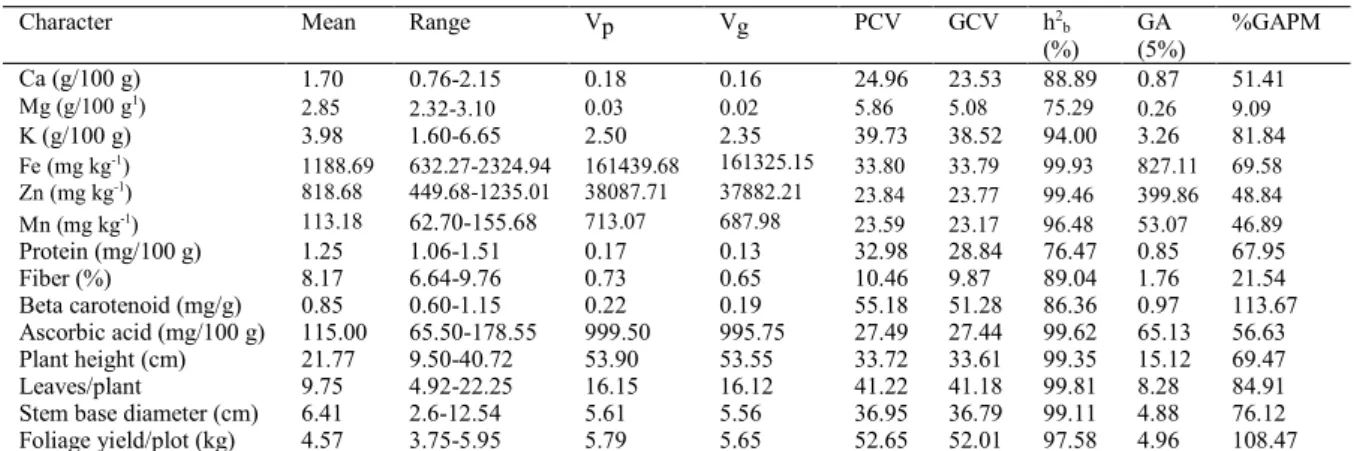
The analysis of variance revealed significant differences among the genotypes for all the all traits, which was the indication of the validity of further statistical analysis due to the presence of a wide range of variability among the 47 genotypes of vegetable amaranth (Table 1). Mean performance, %CV and CD for antioxidant and nutrient content, number of leaves per plant and foliage yield in 47 vegetable amaranth genotypes are presented in Table 1.
Variability Studies
Variability plays a vital role in the selection of superior genotypes in crop improvement program. Pronounced variation in the breeding materials is a prerequisite for development of varieties to fulfill the existing demand. Economically important traits are generally quantitative in nature that interacts with the environment where it is grown. This is why; breeder should calculate the variability by partitioning into genotypic, phenotypic, and environmental effects. Creation of variability is prerequisite for crop breeders. morphological traits are quantitative in nature, and interact with the environment under study, so partitioning the traits into genotypic,
16
phenotypic, and environmental effects is essential to find out the additive or heritable portion of variability. The mean, range, genotypic and phenotypic variance (Vg, Vp and coefficient of variation (GCV, PCV), h2b, GA and GA in percent of mean are presented in Table 1. In the present investigation, the range of variation was much pronounced for all the traits except Ca, Mg, K, protein and beta-carotene content indicating a wide range of variability among the genotypes studied. High genotypic and phenotypic variances were observed for Fe, Zn, Mn, ascorbic acid, plant height, fiber content, and leaves per plant indicating the presence of the wide range of variability among the traits in vegetable amaranth.
Table 1. Genetic parameters for nutrient, antioxidant, yield and yield contributing morphological traits in
vegetable amaranth
Character Mean Range Vp Vg PCV GCV h2
b (%) GA (5%) %GAPM Ca (g/100 g) 1.70 0.76-2.15 0.18 0.16 24.96 23.53 88.89 0.87 51.41 Mg (g/100 g1) 2.85 2.32-3.10 0.03 0.02 5.86 5.08 75.29 0.26 9.09 K (g/100 g) 3.98 1.60-6.65 2.50 2.35 39.73 38.52 94.00 3.26 81.84 Fe (mg kg-1) 1188.69 632.27-2324.94 161439.68 161325.15 33.80 33.79 99.93 827.11 69.58 Zn (mg kg-1) 818.68 449.68-1235.01 38087.71 37882.21 23.84 23.77 99.46 399.86 48.84 Mn (mg kg-1) 113.18 62.70-155.68 713.07 687.98 23.59 23.17 96.48 53.07 46.89 Protein (mg/100 g) 1.25 1.06-1.51 0.17 0.13 32.98 28.84 76.47 0.85 67.95 Fiber (%) 8.17 6.64-9.76 0.73 0.65 10.46 9.87 89.04 1.76 21.54 Beta carotenoid (mg/g) 0.85 0.60-1.15 0.22 0.19 55.18 51.28 86.36 0.97 113.67 Ascorbic acid (mg/100 g) 115.00 65.50-178.55 999.50 995.75 27.49 27.44 99.62 65.13 56.63 Plant height (cm) 21.77 9.50-40.72 53.90 53.55 33.72 33.61 99.35 15.12 69.47 Leaves/plant 9.75 4.92-22.25 16.15 16.12 41.22 41.18 99.81 8.28 84.91 Stem base diameter (cm) 6.41 2.6-12.54 5.61 5.56 36.95 36.79 99.11 4.88 76.12 Foliage yield/plot (kg) 4.57 3.75-5.95 5.79 5.65 52.65 52.01 97.58 4.96 108.47 Vp = Phenotypic variance, Vg = Genotypic variance, PCV = Phenotypic co-efficient of variation, GCV = Genotypic co-efficient of variation, h2
b = heritability in broad sense, GA = Genetic advance, GAPM = Genetic advance in per-cent of mean, Fe = Iron, Zn= Zinc, Mn = manganese,
Mg= magnesium, K= potassium.
In contrast, Ca, Mg, K, protein and beta-carotene content showed low genotypic and phenotypic variances that indicated no scope of selection on the basis of these traits for improvement of vegetable amaranth crop. Fe, Zn, Mn, ascorbic acid, plant height, fiber content, leaves per plant and foliage yield had close differences in genotypic and phenotypic variances along with genotypic coefficient of variability (GCV) and phenotypic coefficient of variability (PCV) values, which indicated preponderance of additive gene effects for these traits i. e., less environmental influence in the expression of these traits or the major portion of the phenotypic variance was genetic in nature and greater scope of improvement of vegetable amaranth through selection. Variability alone is not of much help in determining the heritable portion of variation. The amount of gain expected from a selection depends on heritability and genetic advance in a trait. Heritability has been widely used to assess the degree to which a character may be transmitted from parent to offspring. Knowledge of heritability of a character is important as it indicates the possibility and extent to which improvement is possible through selection [135]. However, high heritability alone is not enough to make sufficient improvement through selection generally in advance generations unless accompanied by a substantial amount
17
of genetic advance [136]. The expected genetic advance is a function of selection intensity, phenotypic variance, and heritability and measures the differences between the mean genotypic values of the original population from which the progeny is selected. It has been emphasized that genetic gain should be considered along with heritability in coherent selection breeding program [19]. It is considered that if a trait is governed by non-additive gene action it may give high heritability but low genetic advance, which limits the scope for improvement through selection, whereas if it is governed by additive gene action, heritability and genetic advance would be high, consequently substantial gain can be achieved through selection. I these studies, the heritability was high for all the traits except beta carotene indicated the preponderance of additive gene action for these traits. High heritability coupled with high GA in percent of mean was observed for all the traits except Mg indicated that were govern to a great extent by additive gene. So, selection based on these traits would be effective for the improvement of vegetable amaranth.
Correlation Studies
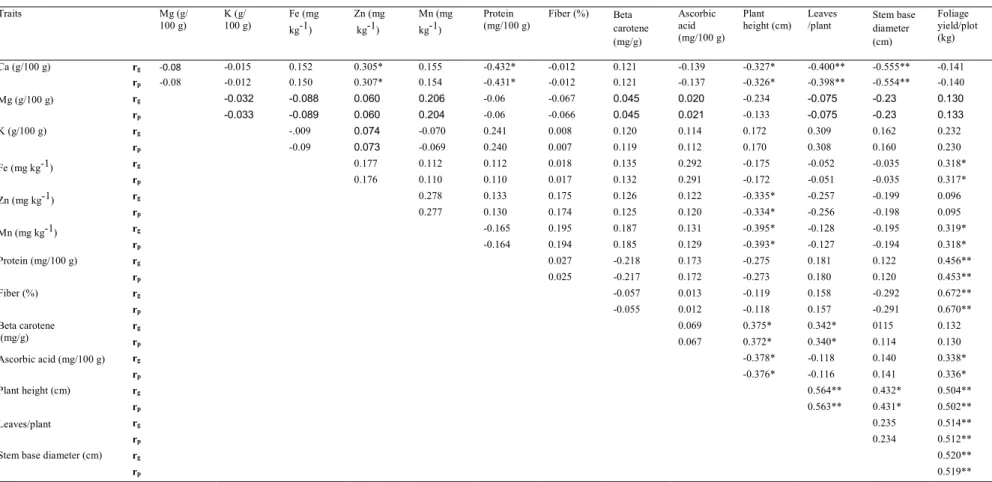
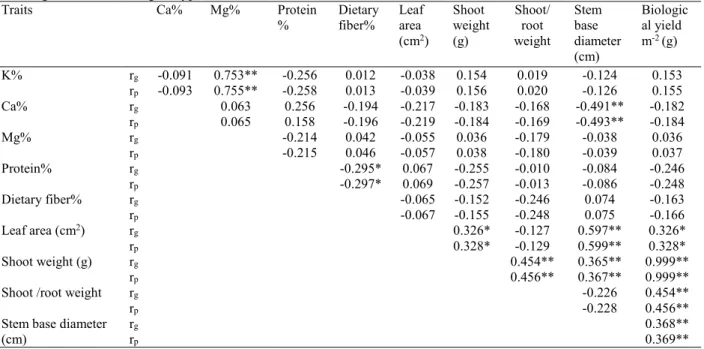
The phenotypic and genotypic correlations between the various characters are presented in Table 2. The genotypic correlation analysis presented in Table 2 showed some interesting results. In the present investigation, the genotypic correlation coefficients were very much close to the corresponding phenotypic values for all the traits indicating additive type of gene action i.e., less environmental influence on the expression of the traits. The higher magnitude of genotypic correlation than respective phenotypic correlations between various characters in amaranth have also been reported by Shukla et al. [23] and Shukla and Singh [18]. From Table 2 it was revealed that foliage yield had a significant positive correlation with iron, manganese, protein, fiber content, ascorbic acid, plant height, leaves per plant and stem base diameter indicating selection for high iron, manganese, protein, fiber, ascorbic acid content and tall and thick plant with more leaves were closely associated with high foliage yield i.e., increase in with iron, manganese, protein, fiber content, ascorbic acid, plant height, leaves per plant and stem base diameter could lead to increase the foliage yield of vegetable amaranth genotypes. Shukla et al. [23] observed positive association of foliage yield with beta-carotene and ascorbic acid, plant height, diameter of stem base and fiber content [23].
18
Table 2. Genotypic and phenotypic correlation co-efficient (rg and rp) for nutrient, antioxidant, yield and yield contributing morphological traits in vegetable amaranth
Traits Mg (g/
100 g) K (g/ 100 g) Fe (mg kg-1) Zn (mg kg-1) Mn (mg kg-1) Protein (mg/100 g) Fiber (%) Beta carotene (mg/g)
Ascorbic acid (mg/100 g)
Plant
height (cm) Leaves /plant Stem base diameter (cm) Foliage yield/plot (kg) Ca (g/100 g) rg -0.08 -0.015 0.152 0.305* 0.155 -0.432* -0.012 0.121 -0.139 -0.327* -0.400** -0.555** -0.141 rp -0.08 -0.012 0.150 0.307* 0.154 -0.431* -0.012 0.121 -0.137 -0.326* -0.398** -0.554** -0.140 Mg (g/100 g) rg -0.032 -0.088 0.060 0.206 -0.06 -0.067 0.045 0.020 -0.234 -0.075 -0.23 0.130 rp -0.033 -0.089 0.060 0.204 -0.06 -0.066 0.045 0.021 -0.133 -0.075 -0.23 0.133 K (g/100 g) rg -.009 0.074 -0.070 0.241 0.008 0.120 0.114 0.172 0.309 0.162 0.232 rp -0.09 0.073 -0.069 0.240 0.007 0.119 0.112 0.170 0.308 0.160 0.230 Fe (mg kg-1) rg 0.177 0.112 0.112 0.018 0.135 0.292 -0.175 -0.052 -0.035 0.318* rp 0.176 0.110 0.110 0.017 0.132 0.291 -0.172 -0.051 -0.035 0.317* Zn (mg kg-1) rg 0.278 0.133 0.175 0.126 0.122 -0.335* -0.257 -0.199 0.096 rp 0.277 0.130 0.174 0.125 0.120 -0.334* -0.256 -0.198 0.095 Mn (mg kg-1) rg -0.165 0.195 0.187 0.131 -0.395* -0.128 -0.195 0.319* rp -0.164 0.194 0.185 0.129 -0.393* -0.127 -0.194 0.318* Protein (mg/100 g) rg 0.027 -0.218 0.173 -0.275 0.181 0.122 0.456** rp 0.025 -0.217 0.172 -0.273 0.180 0.120 0.453** Fiber (%) rg -0.057 0.013 -0.119 0.158 -0.292 0.672** rp -0.055 0.012 -0.118 0.157 -0.291 0.670** Beta carotene (mg/g) rg rp 0.069 0.067 0.375* 0.372* 0.342* 0.340* 0115 0.114 0.132 0.130 Ascorbic acid (mg/100 g) rg -0.378* -0.118 0.140 0.338* rp -0.376* -0.116 0.141 0.336* Plant height (cm) rg 0.564** 0.432* 0.504** rp 0.563** 0.431* 0.502** Leaves/plant rg 0.235 0.514** rp 0.234 0.512**
Stem base diameter (cm) rg 0.520**
rp 0.519**
19
Similarly, Sarker and Mian [137] observed significant positive association between yield and its contributing traits in rice. Plant height had significant exhibited significant positive association with leaves per plant and stem base diameter. A Similar trend was observed by earlier work in A. tricolor [23]. Rest of the nutrient, antioxidant, yield and yield contributing morphological traits in vegetable amaranth antioxidant vitamins and minerals traits showed insignificant association with foliage yield. It indicated that selection for high vitamins and mineral content might be possible without compromising yield loss i. e., concomitant selection for high antioxidant and yield contributing traits lead to develop high foliage yielding vegetable amaranth varieties.
Considering high genotypic and phenotypic variances along with genotypic coefficient of variability and phenotypic coefficient of variability values, high heritability coupled with high genetic advance and genetic advance in percent of mean, six traits viz., Fe, Mn, Zn, protein, fiber, beta-carotene, ascorbic acid, plant height, leaves per plant, stem base diameter and foliage yield would be selected for the improvement of vegetable amaranth genotypes under study. However, correlation study revealed that strong positive association of Fe, Mn, protein, fiber, beta-carotene, ascorbic acid, plant height, leaves per plant and stem base diameter with foliage yield. Selection based on Fe, Mn, protein, fiber, beta-carotene, ascorbic acid, plant height, leaves per plant and stem base diameter could lead to increase the foliage yield of vegetable amaranth strains.
Path coefficient studies
Path coefficient analysis was carried out using genotypic correlation coefficient among fourteen nutrients, antioxidants, yield and its contributing traits to estimate the direct and indirect effect on foliage yield (Table 3). The fiber content, leaves plant-1 and plant height had
high positive direct effect on foliage yield. High positive direct effect for fiber content, leaves plant-1 and plant height, moderate positive direct effect for stem base diameter Fe, Mn K and
beta-carotene content in amaranth had been reported. On the other hand, high negative direct effect was observed in Ca content and negligible positive direct effect was found in Zn and protein content. Shukla et al. [23] also found similar results for protein content in same crop. The ascorbic acid showed negligible negative direct effect positive direct effect on foliage yield. It was interesting that path coefficient analysis results confirmed the similarity of the correlation coefficient analysis results. Calcium had high negative direct effect and insignificant negative correlation. Potassium had considerable positive direct effect and
20
Table 3. Partitioning of genotypic correlation into direct (bold phase) and indirect effect for nutrient, antioxidant, yield and yield contributing morphological traits in
vegetable amaranth
Traits Ca (g/
100 g)
K (g/
100 g) Fe (mg kg-1) Zn (mg kg-1) Mn (mg kg-1) Protein (mg/100 g) Fiber (%) Beta carotene (mg/g)
Ascorbic acid (mg/100 g)
Plant
height (cm) Leaves /plant Stem base diameter (cm) Genotypic correlation with foliage yield plot-1 (kg) Ca (g/100 g) -0.300 -0.004 0.012 0.003 0.046 0.050 -0.003 0.004 0.005 0.103 -0.131 0.070 -0.141 K (g/100 g) 0.006 0.230 0.0001 0.0002 0.0001 0.002 0.002 0.043 0.020 -0.051 0.031 0.003 0.232 Fe (mg kg-1) -0.019 -0.002 0.290 0.001 0.003 -0.007 0.009 0.021 -0.010 0.039 -0.020 0.011 0.318* Zn (mg kg-1) -0.094 -0.001 0.031 0.083 0.064 0.001 0.008 -0.035 -0.004 0.091 -0.074 0.025 0.096 Mn (mg kg-1) -0.054 -0.016 0.003 0.002 0.260 0.004 -0.015 0.012 -0.005 0.127 -0.041 0.026 0.319* Protein (mg/100 g) 0.168 0.002 0.168 0.055 -0.037 0.058 0.002 -0.075 0.028 0.079 0.008 0.002 0.456** Fiber (%) 0.004 0.003 0.004 0.001 0.037 0.000 0.621 -0.034 0.000 0.029 0.016 -0.006 0.672** Beta-carotene (mg/g) -0.028 -0.001 0.028 -0.003 0.021 0.001 0.026 0.141 -0.022 -0.126 0.102 -0.008 0.132 Ascorbic acid (mg/100 g) 0.040 -0.002 0.152 0.001 0.032 0.000 0.024 0.008 -0.038 0.130 -0.006 -0.005 0.338* Plant height (cm) -0.179 0.001 0.123 0.103 0.102 -0.006 -0.137 -0.156 -0.107 0.518 0.181 0.062 0.504** Leaves plant-1 0.120 0.003 -0.012 -0.002 -0.032 -0.002 0.063 0.044 0.001 -0.175 0.537 -0.028 0.514**
21
insignificant positive correlation. Zn had negligible positive direct effect and insignificant positive correlation. Protein exhibited negligible positive direct effect and significant positive correlation. Direct selection based on these three nutrient traits (Ca, K, Zn and protein) would not be effective for the improvement of foliage yield of vegetable amaranth. Concomitant selection based on high nutrient content and high foliage yield would be effective for the improvement of vegetable amaranth. Manganese and Fe showed considerable positive direct effect with considerable positive genotypic correlation, so direct selection based on Fe and Mn would be effective for the improvement of vegetable amaranth. Beta-carotene exhibited moderate positive direct effect but its negative indirect effect via plant height made negligible genotypic correlation on foliage yield. Ascorbic acid had negligible negative direct effect with significant genotypic correlation on foliage yield. Direct selection based on antioxidant traits (beta-carotene and ascorbic acid) would not be effective for improving foliage yield. Rather, concomitant selection with high antioxidant and high foliage yield would be effective selection method for improvement of vegetable amaranth. Fiber content, leaves plant-1 and plant height
had high positive direct effect and stem base diameter had moderate positive direct effect along with highly significant positive genotypic correlation with foliage yield. Shukla et al. [25] observed similar findings for plant height, fiber and beta-carotene content in vegetable amaranth. Direct selection on the basis of fiber content, leaves plant-1, plant height and stem base diameter would significantly improve the foliage yield of vegetable amaranth. Selection based on plant height and leaves/plant concomitantly required considering Ca and beta-carotene content of the genotypes.
Considering all genetic parameters, Ca, Mg, K, protein and beta-carotene content all the traits studied would be selected for the improvement of 47 vegetable amaranth genotypes. However, correlation study revealed that selection based on Fe, Mn, protein, fiber, plant height, leaves/plant and stem base diameter could lead to increase the foliage yield of vegetable amaranth genotypes. Based on mean, range, genetic parameters, correlation coefficient values and path coefficient values finally we could conclude that direct selection through Fe, Mn, fiber, plant height, leaves/plant and stem base diameter would significantly improve the foliage yield of vegetable amaranth. Concomitant selection based on high nutrient and antioxidant content and high foliage yield would be effective for improvement of vegetable amaranth.
Lot of variability in respect of nutrient, antioxidant, yield and yield contributing morphological traits were observed among the germplasm while analyzing genetic parameters, correlation and path coefficient values and interpretation of these results. Breeder may utilize the present findings for developing high yielding varieties with high nutrient and antioxidant
22
content in future. Further investigation may be carried out to confirm the study in different locations of Bangladesh for their stability analysis. Association of nutrient and antioxidant and yield contributing traits revealed that breeder can improve the foliage yield without compromising high nutrient, antioxidant and yield related morphological traits.
Abstract
Four-seven vegetable amaranth genotypes were evaluated to investigate nutrient, antioxidant, yield and yield contributing morphological traits and its genetic variability in a RCBD with three replications at Bangabandhu Sheikh Mujibur Rahman Agricultural University in Bangladesh. Significant mean sum of square revealed a wide range of genotypic variability among traits. Vegetable amaranth was rich in iron, zinc, manganese, magnesium and potassium. High mean, high range of variability and high genotypic variance were observed for all the traits except Ca, Mg, K, protein and beta-carotene content. Considering genetic parameter all the traits except Ca, Mg, K, protein and beta-carotene content would be selected for the improvement of vegetable amaranth genotypes under study. However, correlation study revealed that selection based on Fe, Mn, protein, fiber, ascorbic acid and plant height, leaves per plant and stem base diameter could lead to increase the foliage yield of vegetable amaranth genotypes. Based on mean, range, genetic parameters, correlation coefficient values and path coefficient values finally we could conclude that direct selection through Fe, Mn, fiber, plant height, leaves/plant and stem base diameter would significantly improve the foliage yield of vegetable amaranth. Insignificant genotypic correlations between foliage yield with most of nutrient, antioxidant, yield and yield contributing morphological indicating that selection for high nutrient, antioxidant and yield contributing morphological traits might be possible without compromising yield loss.
23
2.2 Agronomic Traits, Leaf Pigmentation, Antioxidant Phytochemicals and
Antioxidant Activity
Vegetable amaranth is one of the popular leafy vegetables in the South-East Asia and is becoming increasingly popular in the Asia and elsewhere due to its attractive leaf color, taste and nutritional value. Amaranth leaves are a rich and inexpensive source of dietary fiber, protein, vitamins and a wide range of minerals and natural leaf pigments, TAC, TFC and
antioxidants [3, 4, 6]. The interest of consumers in the aesthetic, nutritional and safety aspects
of food has increased the demand for natural pigments such as chlorophyll, betalain, and carotene. Betalain are water-soluble compounds found in a limited number of families of the plant order Caryophyllales like Amaranthus have a unique source of betalain and important free radical-scavenging activity [30, 31]. betacyanin are red to purple colored betalain and yellow colored betalain known as betaxanthin [32]. Similarly, carotene grouped into alpha-carotene, beta-carotene and xanthophyll. Antioxidant vitamins and minerals, phenolic compounds and flavonoids protect the body from harmful free radicals such as superoxide, hydroxyl, hypochlorite, hydrogen peroxide, lipid peroxides and nitric oxide that cause damage to cells and impair the immune system and lead to infections and various degenerative diseases like heart disease, neuro-degenerative disease, atherosclerosis, cancer, arthritis, cataracts, emphysema, retinopathy [49, 52].
2..2.1 Variability, heritability and genetic association in vegetable amaranth (Amaranthus tricolor L.)
Purpose of the study
Amaranth leaves are a rich and inexpensive source of dietary fiber, protein, vitamins and a
wide range of minerals [3, 4, 6]. The species of Amaranthus tricolor L. grown as leafy
vegetables are loosely termed as vegetable amaranth; it is a self-pollinated C4 crop with wide genetic diversity and phenotypic plasticity [142]. The species used as vegetable types have short plants with large smooth leaves, small auxiliary inflorescences, and succulent stems. In Bangladesh, we found lots of variations in vegetable amaranth germplasm in respect of antioxidant, yield and yield related traits [143]. Generally, the success of any crop improvement program largely depends on the magnitude of genetic variability, heritability, genetic advance, character association. Genetic variability is important for selection of parents with transgressive segregants [144]. Heritability estimates, provide information on the proportion of phenotypic variance that is due to genetic factors for different traits but heritability estimate alone is not a sufficient measure of the level of possible genetic progress. Effective selection can be made when the value broad sense heritability estimates is considered together with
24
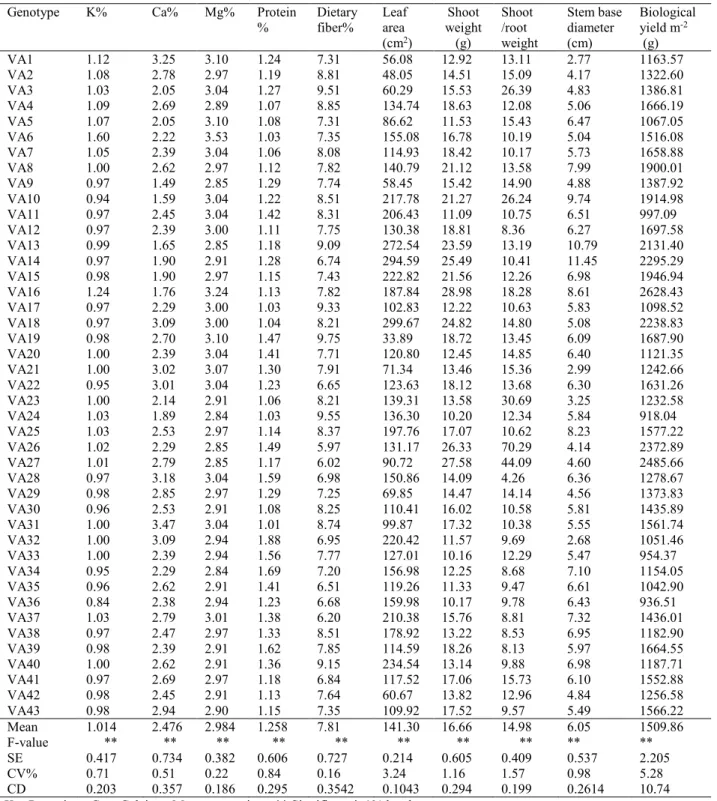
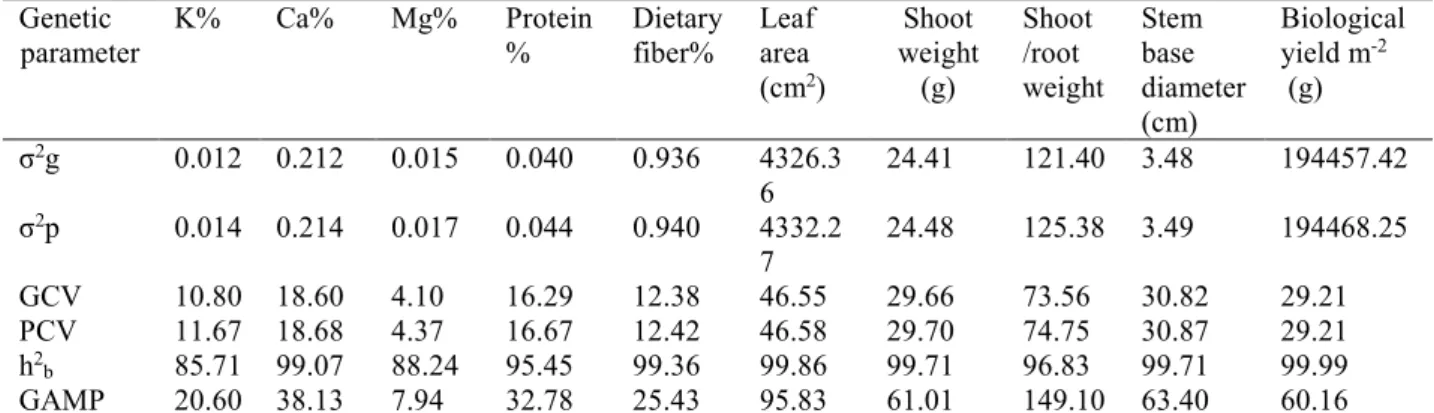
selection differential or genetic advance [145]. Information on the amount and direction of association between yield and yield related characteristics is important for rapid progress in selection and genetic improvement of a crop [146]. Correlations between two or more plant characters and yield provide suitable means for indirect selection for yield. Extensive research efforts have been carried out to ascertain the mineral composition of vegetable amaranth. Although some reports on its nutritional aspects are available [4, 7, 147], there are few works on mineral composition of leaves along with qualitative improvement of foliage with special reference to leaf attributes [9, 148]. So, the present investigation was carried out (i) to estimate quality, biological yield and composition of minerals in 43 different cultivated genotypes of vegetable amaranth available in Bangladesh, and (ii) to find out possible ways for improvement of protein, dietary fiber, K, Ca and Mg compositions without compromising biological yield. Material and methods
The experiment was conducted at the experimental field of Bangabandhu Sheikh Mujibur Rahman Agricultural University, Bangladesh. The experimental site was located in the center of the Madhupur Tract (AEZ28), about 24°23´N 90°08´E, with a mean elevation of 8.4 m. s. l. The experimental field was a high land having silty clay soil. The soil was slightly acidic (pH 6.4) and low in organic matter (0.87%), total N (0.09%) and exchangeable K (0.13 cmol/kg). The site falls under the subtropical Zone and has mean temperatures of 29 °C (summer) and 18 °C (winter). Based on our previous studies, 43 genotypes were selected from102 genotypes based on our previous studies for further confirmation of that selected genotypes on agro-nutritional traits. The genotypes were locally well adapted and cultivated as varieties by local farmers. The genotypes were sown in a randomized complete block design (RCBD) with five replications, during three successive years (2013, 2014 and 2015). Each accession was sown in two-unit plots, one of 1 m2 for the biological yield and other of 0.6 m2 for the mineral, quality and agronomic traits study. The spacing was 20 cm from row-to-row and 5 cm from plant-to-plant, respectively. Recommended fertilizer dose, appropriate cultural practices were maintained. To record the data on biological yield, plants were cut at the base of the stem (base of ground-level). Data were collected at 30 days after seed sowing, on 10 randomly selected plants in each replication for four agronomic traits such as leaf area (cm), shoot weight (g), shoot/root weight and stem base diameter (cm). Biological yield was recorded on whole plot basis. Beside this, content percentages of three minerals, K, Ca and Mg and of protein and dietary fiber, were estimated.