The State of Dialect Speech Perception in the Younger Generation of the Miyako Islands
著者(英) Yumi NAKAJIMA, Akiko TOKUNAGA, Daigo MOROOKA journal or
publication title
Research Report on Miyako Ryukyuan : General Study for Research and Conservation of
Endangered Dialects in Japan page range 159‑183
year 2019‑05‑23
URL http://doi.org/10.15084/00002528
1. Introduction
As of this writing, there have been many reports and analyses regarding a number of unusual speech sounds that are heard often on the Miyako Islands. Among them, a vowel, corresponding to *i in the mainland dialects, that is accompanied by a distinct friction noise due to the tip of the tongue approaching the alveolar ridge has especially garnered attention. The questions of how to define this vowel phonetically and how to describe it phonologically have also been raised, and attempts have been made at analyzing it using experimental phonetics. Through the use of a standardized survey sheet, the joint survey conducted as part of the present project (henceforth: ʻthe joint surveyʼ) has provided us with new, somewhat comprehensive phonetic data, which has made it easier to perform an analysis that takes all aspects of the Miyako dialects into account, and it is against the background sketched above that we decided to utilize this data in a survey on the linguistic behavior of the younger generation that we had been conducting. Although it is still just an experimental attempt at this stage, and the methodology and the like must be tested, we hope that it will be of use in grasping the state of dialect speech perception in the younger generation in the interest of the preservation and passing on of these endangered dialects.
Yumi Nakajima and her students at the Faculty of Social Sciences of Hitotsubashi University have been conducting a continuous survey on the state of everyday language use on Miyakojima and Irabujima since 2008.
Although, for purposes of comparison, it is also partly a survey of the older generation, it mostly focuses on the younger generation, high school students in particular. We have been trying different ways of combining questionnaires and interviews, but while we have always been interested in how the younger generation perceives those phonetic characteristics that are different not only from those of mainland Japanese, but also from those of Okinawa Island, we had not been able to settle on a methodology for investigating this.
With the above in mind, we decided to seek a way forward by including speech recognition items in a small questionnaire conducted in November 2011, which formed the beginning of an experimental attempt at using the data obtained in the joint survey. Based on the results of that questionnaire, we conducted a somewhat larger-scale survey specifically tailored to speech recognition in March 2012. In this chapter, we will report on the results obtained thus far, on the basis of which we plan to determine the direction in which to proceed with this research.
2. Survey overview
The State of Dialect Speech Perception in the Younger Generation of the Miyako Islands
Yumi NAKAJIMA, Akiko TOKUNAGA & Daigo MOROOKA
A. Survey 1 on the state of Miyakojima dialect speech recognition in the younger generation B. Survey 2 on the state of Miyakojima dialect speech recognition in the younger generation
2.1 Survey 1 and Survey 2
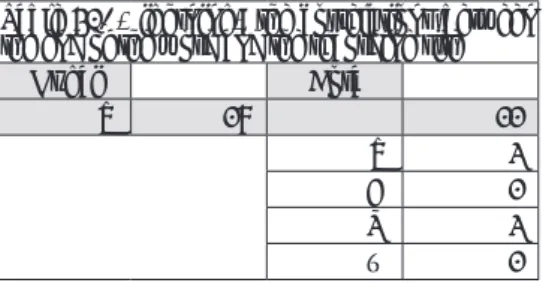
Survey 1 was conducted in November 2011 with the cooperation of two of the prefectural high schools in Miyakojima City, as part of a survey on the state of everyday language use by high school students. The survey combined a questionnaire with interviews; for the questionnaire, five items that included unusual speech sounds were selected from among the phonetic data collected in the joint survey and played back for the high school students, who were asked, (1) ʻWhat does it sound like?ʼ (Japanese kana were specified as the means to write down the answer, the choice between katakana and hiragana being up to the student), and (2) ʻDo you know what it means?ʼ Additionally, for purposes of comparison, a questionnaire on the same items was conducted in March 2012 with the cooperation of a high school in central Okinawa Island. The two high schools in Miyakojima City will be referred to as ʻhigh school Aʼ and ʻhigh school Bʼ, while the third high school, located in Urasoe City, will be referred to as ʻhigh school Cʼ 1. Combined, 130 students at these schools participated in the survey, 79 male and 51 female.
Survey 2 was conducted in March 2012, again at the high schools in Miyakojima City. A somewhat larger-scale survey specifically tailored to speech recognition based on the results of Survey 1, it contained fifty items, again selected from among the data collected in the joint survey. As the task of transcribing fifty items is quite a lot more demanding of the students than an ordinary questionnaire, we asked the schools to enlist volunteers; we were able to secure the cooperation of seventeen students, two male and fifteen female. We will give an overview of the above two surveys in the following section.
2.2 On the survey contents
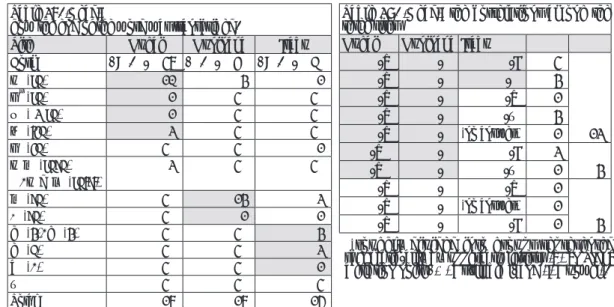
The items used for Survey 1 were the four words and one sentence given in Table 1. They were selected because they contain unusual speech sounds that deviate markedly from the sounds of Standard Japanese; that is, (1) a central vowel that is accompanied by friction noise, (2) a group of consonants ([m̩], [ɭ], and the like; henceforth referred to simply as ʻsyllabic mʼ, ʻsyllabic lʼ, and so on), and (3) another group of unusual consonants ([f], [v], and the like). Recordings of a high quality with a clear pronunciation were
1 The three schools that cooperated with these surveys were Okinawa Prefectural Miyako High School and Okinawa Prefectural Irabu High School in Miyakojima City and Okinawa Prefectural Urasoe Industrial High School in Urasoe City. We would like to take this opportunity to thank these three schools for their cooperation. Survey 1 was jointly conducted by fourteen undergraduate and one graduate student studying under Yumi Nakajima at the Faculty of Social Sciences of Hitotsubashi University as well as three undergraduate students at Shigakukan University in Kagoshima. Survey 2 was jointly conducted by Yumi Nakajima and two of her graduate students, the coauthors of this chapter.
Table 1. Survey 1 speech recognition items
Item Recording site
1 'head' Irabu
2 'liver' Kugai
3 'earthworm' Bora
4 'rice ball' Irabu
5 'A child is born.' Yonaha
selected from among the data collected in the vocabulary modules of the joint survey. The single sentence was also obtained in the vocabulary module of the joint survey, as an example sentence.
At this stage, we did not give particular consideration to regional differences in speech sounds.
In Survey 2, the number of items was increased to fifty. The selection criteria were generally the same as those used in Survey 1, but in cases where regional differences had been identified in the joint survey, we strove to select a sample for each feature when the quality of the recordings permitted this. For example, even among just the survey sites of the joint survey, what appear to be three variants of the sound corresponding to *-ri in the mainland dialects were identified: that of southwestern Miyakojima, including Kugai, which is accompanied by a distinct friction noise; that of Karimata, Ikema, and the like, which is more vowel-like; and that of Irabujima, Kuninaka, and the like, which sounds like a syllabic l. In order to determine how high school students perceived these regional differences, we selected recordings from the three recording sites of Kugai, Kuninaka, and Irabu for the item ʻheadʼ, which contains the sound corresponding to *-ri. For each survey site, however, there were either no recordings of certain items or only recordings that were unusable due to their quality, so it was not possible to make an exhaustive selection of recordings. Including words added in order to examine other seemingly unusual speech sounds and semantic comprehension, 42 word items were selected and arranged to avoid consecutive words that either have the same meaning or were recorded at the same site. Furthermore, eight short sentences from the grammar module of the joint survey were added. This was done in order to find out how dialect perception differs between words and sentences, but the phonetic criteria given above for the word items were also taken into account in their selection.
In the survey, each of the recordings was played back three times in direct succession for the high school Table 3. Survey 2 sentence items.
Item Recording
1 ‘A child is born.’ Irabu
2 ‘I went to the sea.’ Kurima
3 ‘Cockroaches don’t die easily.’ Bora 4 ‘High school students wear uniforms.’ Bora 5 ‘Yesterday, the principal sat.’ Bora
6 ‘I just drank tea.’ Uruka
7 ‘Yesterday, I played with my cousin.’ Uruka 8 ‘I went to the sea yesterday, too.’ Bora Table 2. Survey 2 word items.
Sites Miyakojima Kurima-
jima Irabujima No. of
sites Kugai Bora Miyaguni Kurima Irabu Kuninaka
ʻheadʼ ○ - - - ○ ○ 3
ʻliverʼ ○ - - - ○ ○ 3
ʻsugar caneʼ ○ ○ - - ○ - 3 ʻbreathʼ ○ - - ○ - - 2 ʻlightningʼ ○ ○ - - - - 2
ʻyouʼ ○ - - - - ○ 2
ʻsickleʼ ○ - - - ○ - 2
ʻfogʼ ○ ○ - - - - 2
ʻfistʼ - ○ - - ○ - 2
ʻfishʼ ○ - - - ○ - 2
ʻpersonʼ ○ - - - ○ - 2 ʻeveryoneʼ ○ - - - ○ - 2
ʻnieceʼ - ○ - - - ○ 2
ʻgrease misoʼ - ○ - - - - 1
ʻantʼ - - - - - ○ 1
ʻseaʼ - ○ - - - - 1
ʻmirrorʼ - - - - ○ - 1
ʻmouthʼ - - - - - ○ 1
ʻnight-
scented lilyʼ - ○ - - - - 1
ʻchildʼ ○ - - - - - 1
ʻanyoneʼ - - ○ - - - 1 ʻthe moonʼ ○ - - - - - 1 ʻthe eastʼ ○ - - - - - 1 ʻdaytimeʼ ○ - - - - - 1 ʻall togetherʼ - - ○ - - - 1 ʻelderly
personʼ ○ - - - - - 1
No. of word
items 16 8 2 1 9 6 42
students, who were asked to transcribe them. As in Survey 1, the answers were to be written down using kana, the choice between katakana and hiragana being up to the student. All the different word items and the sites whose recordings were selected for them are given in Table 2 on the previous page, while the sentence items and their recording sites are given in Table 3. Additionally, distribution maps indicating the regional differences are given in Figures 1–8.
2.3 On the treatment of the different phonetic characteristics
We focused on regional variants in Survey 2 because we thought that their differences might be reflected to a significant degree in the high school studentsʼ perception. We hoped that we would be able to attain a more concrete understanding of speech perception in the younger generation if we compared how they would process each variant—how they would react to different sounds appearing in similar words. Our classification of these variants was geared towards this purpose; it was not based on a comprehensive understanding of geographic distributions among the different areas of Miyakojima. The joint survey was not originally aimed at investigating distributions, nor have the documentation formats of the different researchers been standardized. We therefore decided to classify the variants on the basis of the sound recordings, using the documentation by the researchers as a reference. There were cases where the recording quality and the like made classification difficult; we made the final judgments ourselves 2.
2.4 Regarding the survey participants Survey 1
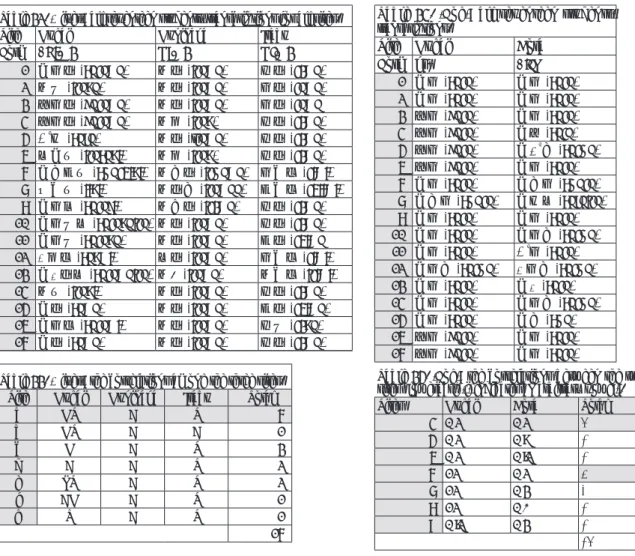
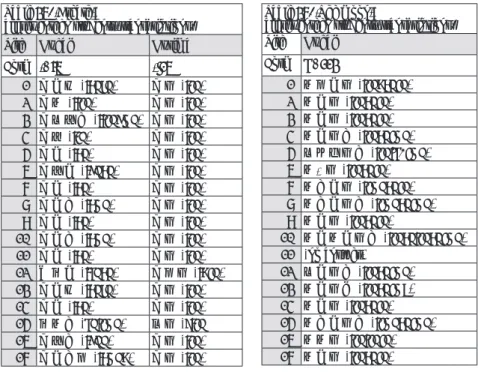
The numbers of students participating in the survey at each of the three schools, broken down by sex, are given in Table 4 on the next page. There were first-year as well as second-year students among them, but as there were no noticeable differences between them in the survey results, grades have not been indicated. While there was no large difference in number between male and female participants at high school A, there were relatively fewer female participants at high schools B and C. A breakdown of the birthplaces and places of residence of the students at the two schools in Miyakojima City (School A, B) is given in Tables 5 and 6 on the next page. Although there were four students born outside Okinawa Prefecture at high school A and five at high school B, for a total of nine, their survey results have not been excluded from the data. The birthplaces and places of residence of the students at high school C are given separately in Tables 7 and 8.
Survey 2
As was mentioned above, this survey was conducted with the cooperation of a total of seventeen high school students; three first-year students and fourteen second-year students, or fifteen female and two male students. Fourteen of the students were born on Miyakojima (none on Irabujima) and three outside Okinawa Prefecture (Kagoshima, Aichi, 2 There were also cases where the informant would pronounce a word with a strong friction sound at first, but then pronounce it slowly with a vowel instead upon the researcher asking them to repeat it. While it is an interesting question what this reveals about the informantʼs internal phonology, we have used both forms in these cases. Although vowels were realized in various ways, as well, such as more to the front or more to the back, we did not distinguish between these different pronunciations.
and Tokyo). They all currently live on Miyakojima, twelve of them in the Hirara area (including Shimozato, Nishizato, and Higashi-Nakasone, among others), two in Kugai, one in Uruka, and one in Gusukube; the exact place of residence of one of the students is unclear. Among the students who had experience living outside the island, twelve had lived on Miyakojima for sixteen years or more, but among the remaining five, two students had not lived there for more than five years. Because the whole classes who are the objects of our regular surveys do not exclusively consist of students who were born and raised in the areas in question, either, we have chosen not to differentiate between these groups of participants. As regards their parents, both of them are from Miyakojima in the case of eleven students, one of them in the case of four students, and neither in the case of two students.
3. Survey results
3.1 Survey 1: speech perception and semantic comprehension 3.1.1 ʻHeadʼ
For ʻheadʼ, a recording from Irabu on Irabujima (transcribed as ʻkʰanamaɿʼ in the joint survey documentation) was used. At the Kuninaka survey site, also on Irabujima, there is a clear syllabic l at the end of this word; in Irabu the sound is more vowel-like than that, but it sounds more lateral than in Karimata on Miyakojima, for example. It thus sounds like an intermediate pronunciation.
Among the 121 students who transcribed this item, there were only twelve who used something other than ʻ カ ʼ (ka)3 for the beginning of this word (see Table 9 on the next page); everyone else used ʻ カ ʼ, and the transcriptions of more than half of them matched the recording up to ʻ カナマ ʼ (kanama). Among the answers that matched it up to ʻ カ 3 As was indicated above, both hiragana and katakana were used for the answers, but as no one used a mixture of them to transcribe a single item, we use katakana to represent both here.
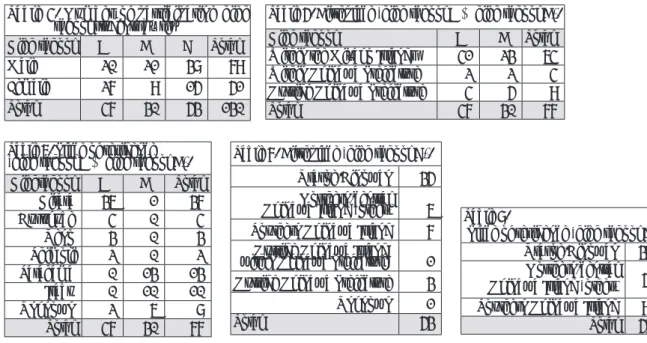
Table 4. Number of participating high school students by sex
High school A B C Total
Male 20 21 38 79
Female 27 9 15 51
Total 47 30 53 130
Table 5. Birthplace (high school A & high school B).
High school A B Total
Within the Miyako Islands 41 23 64
Within Okinawa Prefecture 2 2 4
Outside Okinawa Prefecture 4 5 9
Total 47 30 77
Table 6. Place of residence (high school A & high school B).
Highschool A B Total
Hirara 36 1 37
Gusukube 4 0 4
Ueno 3 0 3
Shimoji 2 0 2
Sarahama 0 13 13
Irabu 0 10 10
Unknown 2 6 8
Total 47 30 77
Table 7. Birthplace (high school C).
Urasoe/Ginowan 35 Northern/central Okinawa Island (other) 6 Southern Okinawa Island 7
Outside Okinawa Island;
within Okinawa Prefecture; 1 Outside Okinawa Prefecture 3
Unknown 1
Total 53
Table 8.
Place of residence (high school C).
Urasoe/Ginowan 39 Northern/central Okinawa Island (other) 5 Southern Okinawa Island 9 Total 53
ナマ ʼ, we looked at how the students transcribed the following sound (see Table 10). Vowels were most numerous; in all, only five student used ʻ ル ʼ (ru), presumably to represent a syllabic l. Among the vowels, ʻ イ ʼ (i) was the most numerous, followed by ʻ ウ ʼ (u) 4. Interestingly, of the students of high school B who live on Irabujima, where one can hear the syllabic l being used by the older generation as in Kuninaka, none used ʻ ル ʼ. It may be that it is precisely
because they were used to hearing this dialect sound that they did not expressly transcribe it as such, but this is conjecture.
Next, among the answers that matched the recording up to ʻ カ ナ ʼ (kana), ʻ ン ʼ (n) was used most often to transcribe the final sound (see Table 11). On the whole, when comparing these answers to those that matched it up to ʻ カ ナ マ ʼ, these studentsʼ perception of the word-final sounds was less consistent. Furthermore, considering how multiple students transcribed it as ʻ か な む ん ʼ (kanamun; five students) at high school A and as ʻ か な わ ん ʼ (kanawan; six students) at high school C, it may be that some of the students having trouble determining what sounds followed ʻ カナ ʼ reasoned their way towards a straightforward word form.
While we have considered the answers that were close to the dialect form above, there were many considerably different answers, as well, such as ʻ カ ラ マ ル ʼ (karamaru) and ʻ ツ ナ マ ヨ ʼ (tsunamayo). Incidentally, while the degree of semantic comprehension was on the whole low, that of ʻheadʼ was highest among the five items (see Table 13),
4 After pronouncing a word once with a syllabic l or a friction noise, one sometimes hears the older generation use an i when pronouncing it again slowly; it is unclear if there is a connection.
Table 13.The meaning of ʻheadʼ Students answering ʻheadʼ
High school A 5
High school B 9
High school C -
Total 14
Table 14. The connection between semantic comprehension and form
(how the students who answered the meaning correctly transcribed the form).
ʻHeadʼ カナマイ
(kanamai) カナムアイ
(kanamuai) カナマウ/ゥ ʼ
(kanamau) カナマル
(kanamaru) カナム
(kanamu) High
school A 2 - 1 1 1
High
school B 5 1 3 - -
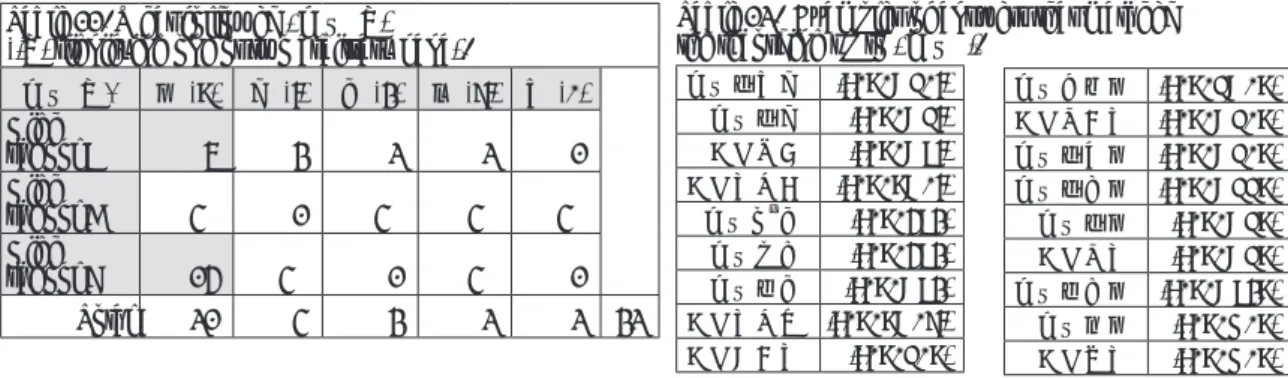
Table 10. What followed ʻ カナマ ʼ.
カナマ + イ(i) ウ(u) エ(e) ズ(zu) ル(ru) ア/ー(a) ヌ(nu) ン(n) Ø High
school A 6 5 1 3 3 - 2 3 2
High
school B 22 3 - - - 2 - - -
High
school C - - 1 - 2 1 - 2 1
Total 28 8 2 3 5 3 2 5 3 59
Table 9. Answers beginning with something other than カ.
タ(ta) ハ(ha) Highschool A 1 1 Highschool B 1 4 Highschool C 5 -
Total 7 5 12
Table 11. What followed ʻ カナXʼ (ʻXʼ signifying one or two arbitrary kana).
カナX + ン(n) イ(i) エ(e) リ(ri) ア(a) High
school A 6 3 2 2 1
High
school B - 1 - - -
High
school C 15 - 1 - 1
Total 21 4 3 2 2 32
カナムアイ ʻkanamuaiʼ カナムイ ʻkanamuiʼ かなもぃ ʻkanamoiʼ かなんまい ʻkananmaiʼ カナコ○ エ ʻkanagoeʼ カナゴェ ʻkanagoeʼ カナモエ ʻkanamoeʼ かなんまり ʻkananmariʼ かなうぁん ʻkanauanʼ
カナウマン ʻkanaumanʼ かなむぁん ʻkanamuanʼ カナムァン ʻkanamuanʼ カナムゥン ʻkanamuunʼ カナムン ʻkanamunʼ かなむん ʻkanamunʼ カナモェン ʻkanamoenʼ カナワン ʻkanawanʼ かなわん ʻkanawanʼ Table 12. Examples of answers that matched the recording up to ʻ カナ ʼ.
but there cannot be said to be a correlation between the actual transcription and semantic comprehension (see Table 14).
3.1.2 ʻLiverʼ
For ʻliverʼ, a recording from Kugai on Miyakojima, where it is pronounced with a strong friction noise (ʻkˢᶻïmuʼ in the joint survey documentation), was used. How did the students perceive such a marked friction noise? Not counting the students who were unable to give an answer, everyone used ʻ ク ʼ (ku) for the beginning of the word. We consider either ʻ ス ʼ (su) or ʻ ツ ʼ (tsu) following this ʻ ク ʼ to be a likely reflection of the friction noise. If this is correct, it turns out that the students of Okinawa Island (School C) were more responsive to this sound. While, similarly to ʻheadʼ above, the students of Miyakojima (School A, B) only have a marginal familiarity with this word in regard to semantic comprehension, they might be able to recognize the sound it contains as a ʻregionalʼ or ʻnaturalʼ sound. Incidentally, ʻ ス ʼ
was by far the most commonly used of the transcriptions thought to reflect the friction noise, as can be seen in Table 16.
Next, we will look at how the transcriptions were structured on the whole, both those that did and those that did not include an element thought to reflect the friction noise. Answers consisting of two kana in which ʻ ク ʼ is followed by ʻ ヌ ʼ (nu), ʻ ン ʼ (n), or ʻ ム ʼ (mu) were most numerous (75 students), but kana representing an M sound 5, such as ʻ ム ʼ, accounted for only six of these; ʻ ヌ ʼ and ʻ ン ʼ were more common choices at all three schools. This could mean that the studentsʼ ability to perceive word-final -m is low, or perhaps that that they chose transcriptions representing n
5 As regards kana used to represent the word-final nasal, we use the term ʻn soundʼ for kana such as ʻ ヌ ʼ and ʻ ン ʼ, and ʻm soundʼ for kana such as ʻ ム ʼ and ʻムʼ.
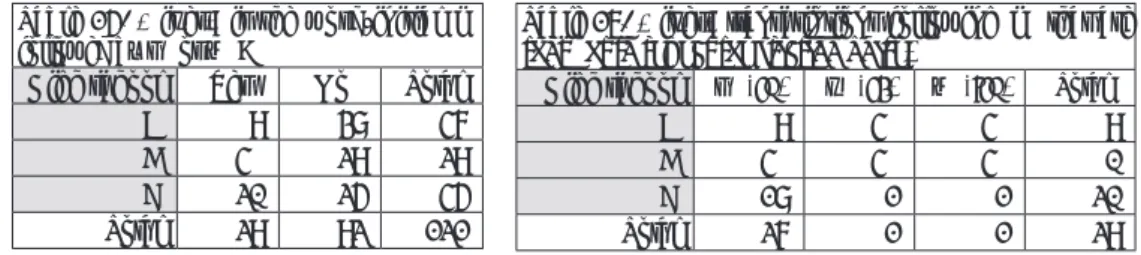
Table 15. ʻLiverʼ: is the word-initial ク followed byス or ツ?
High school Yes No Total
A 9 38 47
B - 29 29
C 20 25 45
Total 29 92 121
Table 16. ʻLiverʼ: transcriptions following ク that are thought to reflect the friction noise.
High school ス(su) セ(se) ツ(tsu) Total
A 9 - - 9
B - - - 0
C 18 1 1 20
Total 27 1 1 29
Table 17. Answers that did not include an element thought to reflect the friction noise
Two-kana forms Other Total
Final
nasal Total KNC KNN KvN
High
school A n 28 5 3 2 38
m 2 - - - 2
High
school B n 24 3 - 0 27
m 0 - - - 0
High
school C n 17 3 - - 20
m 4 1 - - 5
Total 75 12 3 2 92
E.g. くぬ(kunu)
くん(kun) クム(kumu) クム(kumu)
くぬっ(kunutsu) くんっ(kuntsu) クモッ(kumotsu)
クヌン(kunun) くぅぬ(kūnu)
(ʻvʼ represents vowels; a lowercase ʻvʼ is used to distinguish them from consonants).
sounds regardless of an awareness of this sound as a dialect sound. Among the 27 answers including an element thought to reflect the friction noise, on the other hand, answers consisting of three kana were most numerous at 24, sixteen of them representing the word-final nasal as an n sound and eight as an m sound; answers representing it as an m sound were thus relatively slightly more common than among answers consisting of two kana. While the sample size is very small, it may be that the students who perceived the friction noise as a peculiar sound were also more responsive to the word- final -m. As was the case with ʻheadʼ, these answers were more common at high school C; this could perhaps be said to be reflective of a single tendency.
Incidentally, while we had expected the younger generation to be relatively more familiar with the word for ʻliverʼ, as it is used in various idioms, only two students gave a meaning for this word, their answers being ʻthese two peopleʼ and ʻyesterdayʼ.
3.1.3 ʻEarthwormʼ
A recording obtained in Bora (ʻmimʣɿʼ in the documentation) was used. Our intention was to find out how the students would perceive syllabic m, which is used often in the Miyako dialects, as in m: ʻsweet potatoʼ, for instance.
Contrary to our expectations that due to the relatively simple structure, it would be easy to perceive as a dialect sound, the answers were quite rich in variety. Not counting the students who were unable to give an answer (one at high school A and five at high school C), 96 students used ʻ ミ ʼ (mi) for the beginning of the word, but there were also 27 students who used ʻ ニ ʼ (ni). With the exception of ʻ びんず ʼ (binzu), which occurred once, the remainder of the answers all started with a nasal, as well, such as ʻ みゅんず ʼ (myunzu) and ʻ ネンムズ ʼ (nenmuzu). Furthermore, all answers ended in ʻ ズ ʼ (zu), with the exception of two answers ending in ʻ ツ ʼ (tsu). The majority of the answers thus took the form ʻ ミ/ニ ズ ʼ, so we looked at what kana were used for the syllabic m in the middle of the word. Overviews of forms beginning with ʻ ニ ʼ and ʻ ミ ʼ are given in Tables 19 and 20 on the next page, respectively, on the next page. In both cases ʻ ン ʼ (n) was by far the most common; occurrences of ʻ ム ʼ (mu) thought to represent the syllabic m were rare. Moreover, the majority of those who used the latter were Okinawa Island high school students (School C).In comparison to a central vowel accompanied by a friction noise, it would seem that syllabic consonants such as m and l would not sound too strange to
Table 18. Answers that did include an element thought to reflect the friction noise.
Three-kana forms Other Total
Final
nasal Total KSNC KSNv KSNN NSKN
High school A
n 6 - - - 1 7
m - - - - - 0
High school B
n - 1 - - - 1
m 0 - - - - 0
High school C
n 10 - - - - 10
n 8 1 1 1 - 11
Total 24 2 1 1 1 29
E.g. クスム(kusumu)
くすん(kusun) クセム(kusemu) クスミ(kusumi)
くすむっ(kusumutsu) クスモア
(kusumoa) クスムン
(kusumun) ンクスヌ
(nkusunu)
(ʻvʼ represents vowels; a lowercase ʻvʼ is used to distinguish them from consonants).
the younger generation of today, accustomed as they are to the sounds of foreign languages, but it nevertheless appears that they are not perceived in particular as dialect sounds. Although these unusual dialect sounds may sound peculiar to the younger generation, the sound system of Standard Japanese having become their frame
of reference, it appears that they do not particularly stand out to them.
3.1.4 ʻRice ballʼ
In one of the vocabulary modules of the joint survey, the word for ʻrice ballʼ was recorded at a number of research sites as a related vocabulary item for ʻ(cooked) riceʼ. We used a recording from Yonaha (ʻmaᶻɿnuᶻɿʼ in the documentation). How
Table 21. How students having trouble identifying the sounds transcribed ʻrice ballʼ.
マジムンʻmajimunʼ マヨネーズ
ʻmayonēzuʼ マイブーム
ʻmaibūmuʼ マングフ
ʻmangufuʼ ワームン ʻwāmunʼ ワンヌ
ʻwannuʼ High
school A 3 - 1 1 - -
High
school B 21 - - - - -
High
school C 1 1 - - 1 1
Total 25 1 1 1 1 1
Table 22. The meaning of ʻrice ballʼ.
ʻmonsterʼ ʻghostʼ ʻcooked riceʼ ʻto taste goodʼ ʻmy hobbyʼ High
school A - 1 - - -
High
school B 11 3 1 1 1
High
school C - - - - -
マイグン ʻmaigunʼ マイブゥ ʻmaibwuʼ まいぶ ʻmaibuʼ マイブーム ʻmaibūmuʼ マイフン ʻmaifunʼ マング ʻmanguʼ まんぐ ʻmanguʼ まうぐー ʻmaugūʼ マイム ʻmaimuʼ マングフ ʻmangufuʼ マグン ʻmagunʼ マグーゥ ʻmagūuʼ マイム ʻmaimuʼ まいむ ʻmaimuʼ マイヌ ʻmainuʼ マイヴン ʻmaivunʼ マジムン ʻmajimunʼ
まぐ ʻmaguʼ
まんず ʻmanzuʼ まいみ ʻmaimiʼ マィヌー ʻmainūʼ らいぐ ʻraiguʼ まじむん ʻmajimunʼ マイムン ʻmaimunʼ
まる ʻmaruʼ
Table 23. Examples of transcriptions for ʻrice ballʼ.
Table 19. Kana used for the middle of the word in answers beginning with ニ.
High school ン(n) ンッ(ntsu) ンム(nmu) ム(mu) Total
A 8 1 1 1 11
B - - - - 0
C 9 - 5 2 16
Total 17 1 6 3 27
Eg. ニンズ
(ninzu) にんっず
(nintsuzu) ニンムズ
(ninmuzu) ニムズ (nimuzu)
Table 20. Kana used for the middle of the word in answers beginning with ʻ ミ ʼ.
High school ン(n) ンッ(ntsu) ンム(nmu) ウン(un) ム(mu) ミ(mi) ニ(ni) ンムン(nmun) Ø Total
A 32 - 2 1 - 1 - - - 36
B 28 1 - - - - - - - 29
C 18 - 1 - 3 4 1 1 2 30
Total 78 1 3 1 3 5 1 1 2 95
Eg. ミンズ
(minzu) ミンッズ
(mintsuzu) ミンムズ
(minmuzu) みうんず
(miunzu) ミムズ
(mimuzu) ミミズ
(mimizu) ミニズ
(minizu) ミェンムンズ (myenmunzu)
did the high school students react to these peculiar sounds? Almost all of the answers either were very different from how the recording actually sounded or seemed to have been attempts at somehow connecting the form with a given meaning.
As can be seen in Tables 21–23 on the previous page, 25 students transcribed it as ʻ マジムン ʼ (majimun, used to mean ʻghostʼ or ʻmonsterʼ in the Miyako area), and there were even answers such as ʻ マ イ ブ ー ム ʼ (maibūmu ʻmy boomʼ, used for things one has recently taken a liking to) and ʻ マヨネーズ ʼ (mayonēzu ʻmayonnaiseʼ); it appears that, having trouble identifying the sounds used in the word, the students reasoned their way towards these answers. In any case, it is difficult to offer a more detailed analysis than to just state that the degree of comprehension was low for this word.
3.1.5 ʻA child is born.ʼ
As above, we used a recording obtained in Yonaha as an example sentence in one of the vocabulary modules of the joint survey ([ffanudu mmaɾiː]; the consonant in the particle nu sounds close to -r-). We included a sentence item in order to examine whether words and sentences differ in terms of, for example, difficulty in perception and degrees of semantic comprehension.
The answers can be broadly divided into two groups: 44 answers beginning with ʻ ファ ʼ (fa) and 47 beginning with ʻ パ ʼ (pa). It can be surmised that whichever they chose, the students in the Miyako area (School A, B) are familiar with both ʻ ファ ʼ and ʻ パ ʼ as dialect sounds and naturally chose one of these kana when they heard a sound that approximated it. In the two groups of answers beginning with ʻ フ ァ ʼ and ʻ パ ʼ, the first part of the recording, corresponding to ʻa childʼ, is transcribed in a way that can be represented schematically as ʻFARDʼ or ʻPARDʼ in more than half of the answers (see Tables 24 and 25). Although the ʻDʼ represents several different kana used by the students, such as ʻ ド ʼ (do), ʻ ド ン ʼ (don), and ʻ ド ゥ ʼ (du), these all appear to be the result of the accurate perception of the particle in the recording. Taking both groups together, then, it can be concluded that 52 students, or around 40%, perceived the first part of the sentence more or less accurately. It therefore seems reasonable to state that the phonetic perception of sentences is not necessarily more difficult than that of words. This conclusion, however, does not seem to hold for the students of Okinawa Island (School C), who gave many answers such as ʻ はなづまり ʼ (hana(d)zumari ʻnasal congestionʼ), ʻ たなのまわり ʼ (tana no mawari ʻaround the shelfʼ), ʻ バリどまり ʼ (Bari-domari, the meaning is not
Table 24. ʻA child is bornʼ: answers of which the first part began with ファ(roughly divided into groups represented schematically by uppercase letters).
FARD FARN FARNT FAID FAIB FAIT FAIND FANG FARG/K FANZ Total
High school A 11 1 1 - 1 - - - 4 1 19
High school B 9 - - - - - - - - - 9
High school C 4 - - 2 - 7 2 1 - - 16
Total 24 1 1 2 1 7 2 1 4 1 44
Table 25. ʻA child is bornʼ: answers of which the first part began with パ
PARD PANG PAND PARG PARK PART PAFUN BARD HAND HARB HANZ Total
High school A 18 - - 2 2 - 1 - - - - 23
High school B 1 - - - - - - - - 2 - 3
High school C 9 3 5 - - 1 - 1 1 - 1 21
Total 28 3 5 2 2 1 1 1 1 2 1 47
clear), and even ʻ ファイトマネー ʼ (faito manē ʻfight moneyʼ). This result is the inverse of what we saw above, which seems to suggest a difference in perception between words and sentences.
3.1.6 Survey 1 summary
The results discussed above can be summarized as follows:
1) Although we cannot easily draw conclusions from a survey on just five items, there clearly cannot be said to be a high level of comprehension ability regarding dialectal speech sounds in the younger generation on the Miyako Islands, even though it is claimed that its dialects have been preserved relatively well among those of the Ryukyu Islands. They appear to be unable to associate forms with meanings even for frequently used vocabulary items.
2) The proportion of students who attempted to transcribe sounds such as the friction noise was larger at the Okinawa Island high school than at the Miyakojima City high schools. One possibility to consider is that the fact that they did not understand the meanings of the words at all could be what caused them to try to capture them objectively as sounds. It may be that the stranger the sounds sounded to them, the more they felt the need to proactively distinguish between them in their transcriptions. As dialect use is still relatively prevalent among the middle-aged and elderly generations in Miyakojima City, it may be that the high school students there are at least familiar with the sounds of these dialects, so that they have an awareness of them as a ʻpeculiar kind of pronunciationʼ even as they are unable to understand them or reproduce them themselves; because of this, they might not perceive them as unusual sounds, reinterpreting them in their own way along the lines of Standard Japanese, instead.
3) On the Miyako Islands, there is a special system for transcribing unusual sounds, Miyako-gana, which is widely used locally for compiling dictionaries, the lyrics of traditional songs, publicity campaigns using dialect, and so on.
The only apparent attempts at using Miyako-gana, however, were two occurrences of ʻコ○ʼ; it can thus clearly hardly be said to be in general use among the younger generation. The students did, however, devise a variety of their own transcriptions. The use of small kana, not only for vowels and geminates, but also for ʻ ス ʼ (su), ʻ ン ʼ (n), and the like, seems to be one way in which they tried to reproduce their impressions of the sounds in question.
4) Contrary to our expectation that sentences would be more difficult to perceive accurately than words, it appears to be easier to obtain a response to a complete message in the form of a sentence than to an isolated word. It is possible that the sentence was perceived as being easier to understand the gist of and as containing more material on which to base oneʼs judgment. This can only be said, however, of the students at the Miyakojima City high schools; in contrast to them, the students at the Okinawa Island high school, who did respond to the ʻpeculiar soundsʼ in the words, had trouble dealing with the sentence. The fact that the students at the Miyakojima City high schools are familiar with the dialect speech of the older generation appears to be a factor here, but it could also suggest a difference in perception between words and sentences.
3.2 Survey 2: speech perception and semantic comprehension
With seventeen students participating, the sample size in Survey 2 was small, so a quantitative analysis is not possible; it is possible, on the other hand, to closely examine how each of the students dealt with the data. In the following, we will take this perspective in considering a number of cases.
3.2.1 ʻHeadʼ, ʻthe eastʼ, and ʻlightningʼ: responses to sounds corresponding to *ri
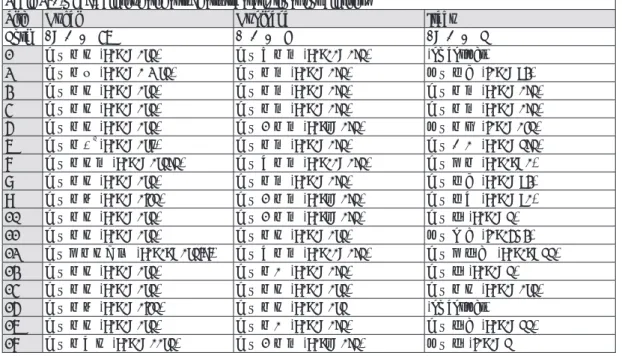
First, we will consider words containing sounds that correspond to *ri. All the data that was obtained in response to recordings of words for ʻheadʼ (surmised to derive from *kanamari based on sound correspondences) are given in Table 26. All of the students transcribed the recordings from Kugai and Kuninaka quite accurately, almost all of their transcriptions matching them up to ʻ カナマ ʼ (kanama). In the case of Irabu, on the other hand, there was on the whole quite a lot of variety, including two students who did not give an answer. When focusing on the end of the word, we can clearly distinguish between three groups of answers. As regards the recording from Kugai, the students can be considered to have recognized the friction sound, seeing how they all used either a fricative such as ʻ ズ ʼ (zu) or ʻ ス ʼ (su) or one of the affricates ʻ ツ ʼ (tsu) and ʻ ヅ ʼ ((d)zu). As for Kuninaka, it is clear that the students were aware of the consonant, as many as fourteen students using either a normal-sized or a small ʻ ル ʼ (ru), while only three students used ʻ ズ ʼ. Answers making distinctions such as ʻKugai: “ カナマズル ” (kanamazuru)/Kuninaka: “ カナマル ” (kanamaru)ʼ can be seen as examples of this. When we look at the correlations between the answers and the three recording sites, it is clear that a majority of the students accurately perceived the contrast between the Kugai and Kuninaka recordings (see Table 27 on the next page). As we had arranged the words to avoid instances of the same word appearing in succession, students could not directly compare these recordings while listening. Compared to the recording from Irabu, also used in Survey 1, those from Kugai and Kuninaka appear to have been relatively easy to perceive accurately for the high school
Table 26. ʻHeadʼ: all seventeenstudentsʼ transcriptions for all sites.
Site Kugai Kuninaka Irabu
Form kʰanamazï kanamaɭ kʰanamaɿ
1 カナマズ(kanamazu) カナアマル(kanaamaru) (no answer)
2 カナマヅ(kanama(d)zu) カナマル(kanamaru) タナモエ(tanamoe)
3 カナマズ(kanamazu) カナマル(kanamaru) カナマル(kanamaru)
4 カナマズ(kanamazu) カナマル(kanamaru) カナマル(kanamaru)
5 カナマズ(kanamazu) カナーマル(kanāmaru) タナマス(tanamasu)
6 カナマス〇(kanamazu) カナマル(kanamaru) カナムル(kanamuru)
7 カナマズル(kanamazuru) カナァマル(kanaamaru) カナンマ(kananma)
8 カナマズ(kanamazu) カナマル(kanamaru) カナモエ(kanamoe)
9 カナマツ(kanamatsu) カナーマル(kanāmaru) カナモァ(kanamoa)
10 カナマズ(kanamazu) カナーマル(kanāmaru) カナム(kanamu)
11 カナマズ(kanamazu) カナマズ(kanamazu) タナグェ(tanagwe)
12 カナンマズイリ (kananmazuiri) カナァマル(kanaamaru) カナンムゥ (kananmuu)
13 カナマズ(kanamazu) カナマル(kanamaru) カナム(kanamu)
14 カナマズ(kanamazu) カナマズ(kanamazu) カナマズ(kanamazu)
15 カナマツ(kanamatsu) カナマズ(kanamazu) (no answer)
16 カナマズ(kanamazu) カナマル(kanamaru) カナムゥ(kanamuu)
17 カナマァズ(kanamaazu) カナーマル(kanāmaru) タナム(tanamu)
students; almost all of them made a distinction between them. As regards that from Irabu, on the other hand, transcription appears to have been difficult for the students. In addition to the two students mentioned above who did not give an answer, there were also students who transcribed it as ʻ カナマ ʼ, stopping after the first three morae; it is likely that they stopped writing halfway through, unable to decide how to transcribe the end of the word.
Let us consider this from the viewpoint of the correlations between the answers and the three recording sites again. Among the twelve students who made a z/l-distinction between the Kugai and Kuninaka recordings, four students used a vowel and three students used ʻ ル ʼ for the Irabu recording; of the five remaining students, one used ʻ ズ ʼ, while the rest did not transcribe the end of the word. When compared to the recording from Karimata mentioned above ([kanamaɯ ~ kʰanamaï] according to the documentation; additionally, aha is used as a synonym), the pronunciation in Irabu does sound like the tongue approaches the alveolar ridge quite closely. It would seem that high school students who do not know what the word means would have quite a hard time transcribing it. Furthermore, only two students gave an answer regarding the meaning of the word; one of them only gave the correct answer for the recording from Kuninaka, being unable to give an accurate meaning for the other two sites.
All the data for ʻlightningʼ are given in Table 29 on the next page. When focusing on the end of the word, we see that all students used ʻ ズ ʼ for the recording from Kugai, with the exception of one student that used ʻ ヅ ʼ. For the recording from Bora, on the other hand, only one student used ʻ ズ ʼ; among the rest, answers were diverse, eleven students using ʻ ル ʼ, two using ʻ ド ゥ ʼ or ʻ ヅ ʼ, and two using ʻ ウ ʼ (u), for example. There is a marked friction noise in both the Kugai and the Bora sound recordings, but as is also clear from the different transcriptions used by the researchers in the documentation, it appears that it is weaker in that from Bora, and that the tongue does not approach the alveolar ridge as closely and for as long as in that from Kugai. It would seem reasonable to view the fact that the high school students were divided in how they transcribed the sound in the recording from Bora while they uniformly used ʻ ズ ʼ for the clear friction sound in the Kugai recording as resulting from their reactions to this subtle difference. An overview of the kinds of sounds the students used for the final part of the word is given in Table 30 on the next page. When these
Table 28. ʻHeadʼ: the correlations among the three sites
Kugai Kuninaka Irabu
-Z -L -I 4
12
-Z -L -L 3
-Z -L -Z 1
-Z -L -Ø 3
-Z -L (no answer) 1
-ZL -L -I 2
3
-ZL -L -Ø 1
-Z -L -Z 1
3
-Z -L (no answer) 1
-Z -L -I 1
(roughly divided into groups represented schematic-ally by uppercase letters; ʻZʼ signifies a friction noise, ʻLʼ a syllabic l, and ʻIʼ a vowel).
Table 27. ʻHeadʼ:
how the end of the word was transcribed.
Site Kugai Kuninaka Irabu
Form kʰanamazï kanamaɭ kʰanamaɿ
ズ (zu) 10 3 1
ス○(zu) 1 - -
ヅ ((d)zu) 1 - -
ツ (tsu) 2 - -
ス (su) - - 1
ズル (zuru)
/ズイリ (zuiri) 2 - -
ル (ru) - 13 2
ル (ru) - 1 1
エ (e)/ェ (e) - - 3
ゥ (u) - - 2
ァ (a) - - 1
Ø - - 4
Total 16 17 15
sounds are classified broadly, we see that only two students used a vowel for the recording from Bora with its weak friction noise, the majority using a consonant.
As there was also an instance of the word for ʻthe eastʼ among the recordings from Kugai, an overview of how each student reacted to different recordings of this sound from Kugai is given in Table 31. When ʻ ズ ʼ and ʻ ヅ ʼ are taken together, it becomes clear that as many as ten students recognized the friction sound in all three words, while there were no students who did not recognize it in any of them. The friction noise in the recordings from Kugai seems to be perceived quite consistently, and it appears to be recognized as involving an independent consonant [z], which matches the documentation by the researchers.
Furthermore, the Miyako-gana ʻス〇ʼ was used twice, as was ʻ ク○ʼ, which appears to be modeled on Miyako- gana. The sound represented by the latter is usually written as ʻ クス ʼ (kusu); this should be viewed as an indication of how there is no general awareness of Miyako-gana among the younger generation, as was also argued in the summary of Survey 1.
3.2.2 ʻLiverʼ, ʻfogʼ, ʻthe moonʼ, and ʻbreathʼ: responses to sounds corresponding to *ki
We will now consider four words containing sounds corresponding to *ki, representing cases of voiceless consonants followed by central vowels. In the case of ʻliverʼ, for which recordings from three sites were chosen, many students used ʻ ク ʼ (ku) followed by ʻ ス ʼ or ʻ ス ʼ (su) for the recording from Kugai; if we include answers beginning with ʻ プ ʼ (pu), ten students can be considered to have perceived a word-initial consonant followed by some kind of friction noise (see Table 32 on the next page). In the documentation of the joint survey, the transcription of the recording from Kugai has a central vowel preceded by both a voiceless and a voiced friction noise, which would seem to be intended
Table 29. ʻLightningʼ: all seventeen studentsʼ transcriptions.
Site Kugai Bora
Form mːnapskaz nnapskaᶻɿ 1 ンナプカズ
(nnapukazu) ンナピカル
(nnapikaru) 2 ンーナツカズ
(nnatsukazu) ンナツカル
(nnatsukaru) 3 ンナプスカズ
(nnapusukazu) ンナピカル
(nnapikaru) 4 ンーナプスカズ
(nnapusukazu) ンナップスカドゥ
(nnappusukadu) 5 ンーナプゥカズ
(nnapwukazu) ンア ピィカル
(nʼa piikaru) 6 ンーナプスカズ
(nnapusukazu) ナプスカル
(napusukaru) 7 ンナプスカズ
(nnapusukazu) ンナプカル
(nnapukaru) 8 ンナピカズ
(nnapikazu) ンナピカ
(nnapika) 9 ンナプツカズ
(nnaputsukazu) ンナピカウ
(nnapikau) 10 ンーナスプカァズ
(nnasupukaazu) ンナクスカル
(nnakusukaru) 11 ンーナプツカァズ
(nnaputsukaazu) ンナプカーズ
(nnapukāzu) 12 ンーナプゥカズ
(nnapwukazu) ンナァピカル
(nnaapikaru)
13 ンーナプスカズ
(nnapusukazu) ンプスカウ
(npusukau) 14 ウンナツカズ
(unnatsukazu) ウナプカル
(unapukaru) 15 ンナピカヅ
(nnapika(d)zu) ンナピカヅ
(nnapika(d)zu) 16 ンナプクスカズ
(nnapukusukazu) ナプスカル
(napusukaru) 17 ンナッピカズ
(nnappikazu) ンナムピィカァル
(nnamupiikaaru)
Table 30. ʻLightningʼ: the correlations between the end of the word and the recording site
Kugai Bora
Z 17 L 11
Z 2
D 1
U 2
Ø 1
Table 31. ʻLightningʼ, ʻthe eastʼ, and ʻheadʼ: responses to the Kugai sound corresponding to *ri.Table 32.
ʻLiverʼ: all seventeen studentsʼ transcriptions for all sites.
ʻlightningʼ ʻthe eastʼ ʻheadʼ
Z Z Z 10
Z ZN Z 2
Z Z ZL 2
Z Z C 2
Z SN Z 1
(roughly divided into groups represented schematically by uppercase letters).
to indicate the strength and length of the friction sound; the high school students seem to have responded similarly to this strong friction sound. In their transcriptions of both the Irabu and the Kuninaka recording, too, the researchers give an affricate followed by a central vowel. They were transcribed by different researchers, so the transcriptions differ as well, but when the sound recordings are compared, the affricate appears to be stronger in the recording from Kuninaka, while the plosive portion in that from Irabu seems a little weaker. Moreover, the beginning of the word has high pitch in the recording from Kuninaka ([ʦɨ]mu), while the end of the word has high pitch in the recording from Irabu (ʦɿ[mu]). The high school students overwhelmingly used kana including an s-sound, such as ʻ サ ʼ (sa), ʻ セ ʼ (se), and ʻ シ ʼ (shi), for the recording from Irabu, while only one of them used an affricate; it is likely that it is not only because of the weakness of the plosive portion, but also because of the pitch accent that they had difficulty perceiving the first syllable. An overview of these correlations is given in Table 33.
As is the case with ʻliverʼ, the word for ʻfogʼ also begins with a sound corresponding to *ki 6; we used recordings from the two sites of Kugai and Bora. The word is pronounced with a marked friction noise in both recordings, but while the researchers of the joint survey have transcribed the recording from Kugai using an independent consonant [s], 6 Although the forms kʰiɾi and kçɨˑu̞ɾi were reported for Irabu and Uechi, respectively, in the joint survey, we have considered the forms reported for the other sites, including Kugai and Bora, as corresponding to a form in which the second half of *kiri was lost.
Table 32. ʻLiverʼ: all seventeen studentsʼ transcriptions for all sites.
Site Kugai Kuninaka Irabu
Form kˢᶻïmu ʦɨmu ʦɿmu
1 クスム(kusumu) ツム(tsumu) セム(semu)
2 ツヌ(tsunu) ツム(tsumu) スム(sumu)
3 プスム(pusumu) ツム(tsumu) スム(sumu)
4 プスム(pusumu) ツン(tsun) セム(semu)
5 ク〇ズ(kuzu) ツム(tsumu) セム(semu)
6 ックニ(tsukuni) ツン(tsun) セム(semu)
7 クゥシニ(kwushini) ツゥム(tswumu) スィミ(simi)
8 ティニ(tini) ツムゥ(tsumuu) シィミ(shiimi)
9 クスリ(kusuri) ツェム(tsemu) セム(semu)
10 クスヌッ(kusunutsu) ツム(tsumu) セム(semu)
11 クスヌ(kusunu) ツム(tsumu) シム(shimu)
12 クンミ(kunmi) ッム(tsumu) スィミ(simi)
13 クスムッ(kusumutsu) ツム(tsumu) ツィミ(tsimi)
14 ツニ(tsuni) ツム(tsumu) セム(semu)
15 クム(kumu) ツム(tsumu) シム(shimu)
16 クスミ(kusumi) ツム(tsumu) セヌ(senu)
17 クム(kumu) ツム(tsumu) セム(semu)
Table 33. ʻLiverʼ: the correlations among the three sites.
Site Kugai Kuninaka Irabu Total
a KS C S 7
b KS C C 1
c K C S 3
d C C S 2
e PS C S 2
f CK C S 1
g T C S 1
17
Table 34. ʻFogʼ: all seventeen studentsʼ transcriptions.
Site Kugai Bora
Form ksï kˢɿː
1 クス(kusu) クス(kusu)
2 クス(kusu) クス(kusu)
3 プス(pusu) クス(kusu)
4 プス(pusu) クフ(kufu)
5 プス(pusu) クス〇ゥ(kuswu)
6 プス(pusu) クス(kusu)
7 クス(kusu) クゥス(kwusu)
8 クゥス(kwusu) クズッ(kuzutsu)
9 クス(kusu) クス(kusu)
10 クス(kusu) クスゥ(kuswu)
11 クス(kusu) ク〇ス(kusu) 12 クスゥ(kuswu) クスゥ(kuswu) 13 クス(kusu) クス(kusu)
14 クス(kusu) クスゥ(kuswu)
15 クス(kusu) クゥ(kwu)
16 プス(pusu) クス(kusu)
17 プス(pusu) クス(kusu)
Table 35. ʻFogʼ: the correlations between the two sites (lowercase ʻiʼ indicates an arbitrary vowel).
Sites Kugai Bora Total
a KS KS 7
b KS Ki 1
c KS KiS 1
d PS KS 4
e PS KZ 2
f PS KF 1
g KiS KZ 1
17
a vowel accompanied by a friction noise is used for that from Bora. Interestingly, nearly all of the high school students, too, used ʻ クス ʼ (kusu) or something similar for the recording from Kugai; if we include answers beginning with ʻ プ ʼ (pu), all answers can be considered to be of the same kind. As the students were asked to use kana, it is unclear how they perceived the vowel following the s, but compared to the recording from Bora, it is likely that their attention was aimed mostly at the strength of the friction sound. While there was only one student who expressly wrote a small ʻ ウ ʼ (u) at the end of the word for the Kugai recording, the number of instances of kana such as ʻ ゥ ʼ and ʻ ッ ʼ (tsu) is higher for the recording from Bora, and there were also transcriptions such as ʻス○ゥ ʼ 7. Possibly, these students, while hearing a friction 7 A small ʻ ウ ʼ is frequently used in Miyako to indicate rounded vowels in contrast to central vowels (e.g. ʻがんずぅʼ (ganzuu ʻhealthyʼ)). In
Table 36. ʻBreathʼ:
all seventeen studentsʼ transcriptions.
Site Kugai Kurima
Form ikˢï iᵗsï
1 イクズ(ikuzu) イス(isu)
2 イツ(itsu) イス(isu)
3 イップゥ(itsupwu) イス(isu)
4 イフ(ifu) イス(isu)
5 イク(iku) イス(isu)
6 イプク(ipuku) イス(isu)
7 イク(iku) イス(isu)
8 イクゥ(ikwu) イス(isu)
9 イク(iku) イス(isu)
10 イクゥ(ikwu) イス(isu)
11 イク(iku) イス(isu)
12 ィユク(iyuku) インス(insu)
13 イクズ(ikuzu) イス(isu)
14 イク(iku) イス(isu)
15 ユツゥ(yutswu) リス(risu)
16 イプゥ(ipuu) イス(isu)
17 イクゥン(ikwun) イス(isu)
Table 37. ʻThe moonʼ:
all seventeen studentsʼ transcriptions.
Site Kugai Form ʦkssu
1 ツンクス(tsunkusu) 2 ツクス(tsukusu) 3 ツクス(tsukusu) 4 ツクスゥ(tsukuswu) 5 ッチャスゥ(tsutyaswu) 6 ツクス(tsukusu) 7 ツゥクス(tswukusu) 8 ツゥクスゥ(tswukuswu) 9 ツクス(tsukusu)
10 ツクツクスゥ(tsukutsukuswu) 11 (no answer)
12 ックスゥ(tsukuswu) 13 ツクスォ(tsukuswo) 14 ツクス(tsukusu) 15 ツゥクスゥ(tswukuswu) 16 ツツス(tsutsusu) 17 ツクス(tsukusu)
Table 39. Kugai sounds corresponding to *ki:
whether the friction noise was transcribed ʻliverʼ ʻfogʼ ʻthe moonʼ ʻbreathʼ
Yes 13 17 16 6
No 4 0 1 11
(affricates are also regarded as containing fricativity).
Table 38. How each of the seventeen students transcribed the Kugai sounds corresponding to *ki.
ʻliverʼ ʻfogʼ ʻthe moonʼ ʻbreathʼ
Word-initial Word-final
1 クス(kusu) クス(kusu) クス(kusu) クズ(kuzu)
2 ツ(tsu) クス(kusu) クス(kusu) ツ(tsu)
3 プス(pusu) プス(pusu) クス(kusu) ップゥ(tsupwu)
4 プス(pusu) プス(pusu) クスゥ(kuswu) フ(fu)
5 ク○(ku) プス(pusu) スゥ(swu) ク(ku)
6 ック(tsuku) プス(pusu) クスツ(kusutsu) プク(puku)
7 クゥ(kwu) クス(kusu) クス(kusu) ク(ku)
8 ティ(ti) クゥス(kwusu) クスゥ(kuswu) クゥ(kwu)
9 クス(kusu) クス(kusu) クス(kusu) ク(ku)
10 クス(kusu) クス(kusuu) クスゥ(kuswu) クゥ(kwu)
11 クス(kusu) クス(kusuu) (no answer) ク(ku)
12 ク(ku) クスゥ(kuswu) クスゥ(kuswu) ユク(yuku)
13 クス(kusu) クス(kusuu) クスォ(kuswo) クズ(kuzu)
14 ツ(tsu) クス(kusu) クス(kusu) ク(ku)
15 ク(ku) プス(kusu) クスゥ(kuswu) ツゥ(tswu)
16 クス(kusu) プス(pusu) ツス(tsusu) プゥ(pwu)
17 ク(ku) プス(pusu) クス(kusu) クゥン(kwun)
noise, did get the impression that the word did not simply end after the consonant. This is all the more interesting when considered in the connection with the joint survey documentation.
Next, we will consider the words for ʻthe moonʼ and ʻbreathʼ, in which the sounds corresponding to *ki appear in the second syllable. Although we have chosen recordings from the two sites of Kugai and Kurima for ʻbreathʼ, we have chosen only a recording from Kugai for ʻthe moonʼ.
There are recordings of two informants from Kurima for ʻbreathʼ; of the two, we have used the one with the weaker plosive (see Table 36 on the previous page). The high school students did not perceive the plosive portion of this pronunciation, all of them using ʻ ス ʼ in their answers.
The reason we have used so many recordings from Kugai in this survey is that we were especially interested in how friction noises would be perceived. An overview of the transcriptions given for the recordings of the four words from Kugai is given in Table 38 on the previous page. The use of ʻ ス ʼ, ʻ ツ ʼ, and the like seems to be a reflection of the strong friction noises in the recordings from Kugai, which is especially clear for ʻfogʼ and ʻthe moonʼ. While the perception of these sounds appears to be influenced by aspects such as their position in the word and the pitch accent, and the sample size is too small to draw any conclusions, it is likely that the high school students perceived them as an independent consonant. We hope to be able to pursue this point further, also in light of the correlation with the documentation by the researchers.
3.2.3 ʻPersonʼ, ʻdaytimeʼ, ʻlightningʼ: responses to sounds corresponding to *hi Next, we will consider sounds that correspond to *hi.
For the word for ʻpersonʼ, we used recordings from the two sites of Kugai and Irabu (see Table 40). Although the Irabu and Kugai recordings are transcribed the same way in the documentation of the joint survey, the friction noise in that from Kugai sounds much sharper when the sound recordings are compared. When ʻ ピ ʼ (pi) and ʻ プ ʼ (pu) are taken together, the friction noise that follows p- was reflected well in the high school studentsʼ transcriptions of the Kugai recording; there is only a single exception, in which ʻ ツ ʼ (tsu) was used. Either ʻ ト ゥ ʼ (tu) or ʻ ト ʼ (to) was used for the second half of the word in the majority of the answers. For the recording from Irabu, on the other hand, answers were more diverse: seven students used ʻ ツ ʼ for the first half of the word, eight students used ʻ ピ ʼ, ʻ プ ʼ,
and the like, and one student used ʻ ト ʼ. Moreover, there was a variety of transcriptions for the second half of the word, as well: in addition to the ten students who used either ʻ ト ʼ or ʻ トゥ ʼ, some students used kana such as ʻ テ ʼ (te) or ʻ タ ʼ (ta). Incidentally, when looking at the transcriptions of the second half of the word, a small ʻ ウ ʼ (u) was added at the case of a central vowel, ʻス ʼ, ʻ ズʼ (zu), and the like are used without ʻウʼ.
Table 40. ʻPersonʼ:all seventeen studentsʼ transcriptions.
Site Kugai Irabu
Form pstu pstu
1 プストゥ(pusutu) プスト(pusutu)
2 ピツ(pitsu) ピツ(pitsu)
3 ピストゥ(pisutu) プスタ(pusuta) 4 プストゥ(pusutu) プストゥ(pusutu) 5 ピストゥ(pisutu) ピトゥ(pitu) 6 プスト(pusuto) ツトゥ(tsutu) 7 プストゥ(pusutu) トゥク(tuku) 8 ピストゥ(pisutu) ツトゥ(tsutu) 9 プストゥ(pusutu) ツテ(tsute) 10 ピストゥ(pisutu) ピストゥ(pisutu) 11 ピトゥ(pitu) (no answer)
12 プストゥ(pusutu) ピュストゥ(pyusutu) 13 プスト(pusuto) プスト(pusuto) 14 プストゥ(pusutu) ツトゥ(tsutu) 15 ピトゥ(pitu) (no answer) 16 ピゥス(piusu) ツタ(tsuta) 17 ツゥトッ(tswutots) ツトゥ(tsutu)
the end by twelve out of the seventeen students for the recording from Kugai, as well as by eight students for that from Irabu, regardless of the diversity in transcriptions for the latter; it can be surmised from this that the students perceived the rounded vowel u clearly.
Other words containing sounds that correspond to *hi are the words for ʻdaytimeʼ, ʻelderly personʼ, and ʻlightningʼ. An overview of the transcriptions given for the recordings from Kugai, in which the friction noises are particularly marked, is given in Table 42. Close to half of the students gave transcriptions containing what appear to be reflections of the friction noises for the recordings of all four words (seven students; see ʻaʼ in Table 43). Although the variety in ʻcʼ and below seems to be idiosyncratic, the fact that there were five students among whose transcriptions that of the word for ʻlightningʼ was the only one to lack a reflection of the friction noise, as seen in ʻbʼ, may be due to some kind of difference in its phonetic environment.
3.2.4 Consonant perception
In the previous section, the initial syllabic m given in the joint survey documentation for the word for ʻlightningʼ was transcribed using ʻ ン ʼ (n) by all the students. An overview of the studentsʼ transcriptions of recordings of words
Table 41. ʻPersonʼ: transcriptions of the beginning of the word.
ピス (pisu) プス (pusu) ピツ
(pitsu) ツ
(tsu) No answer
Kugai 5 8 1 1 0
Irabu 2 4 1 6 2
Table 42. How each of the seventeen students transcribed the Kugai sounds corresponding to *hi.
Word-initial Word-final
ʻpersonʼ ʻdaytimeʼ ʻelderly personʼ ʻlightningʼ
Form pstu psïma uipstu mːnapskaz
1 プストゥ
(pusutu) プスマ
(pusuma) ウミプトゥス
(umiputusu) ンナプカズ
(nnapukazu)
2 ピツ
(pitsu) プスマ
(pusuma) ウイピトゥ
(uipitu) ンーナツカズ
(nnatsukazu)
3 ピストゥ
(pisutu) プスマ
(pusuma) ウリピスト
(uripisuto) ンナプスカズ
(nnapusukazu)
4 プストゥ
(pusutu) プスマ
(pusuma) ウィッピストゥ
(wippisutu) ンーナプスカズ
(nnapusukazu) 5 ピストゥ
(pisutu) プスマ
(pusuma) ウイプストゥ
(uipusutu) ンーナプゥカズ
(nnapwukazu) 6 プスト
(pusuto) プスマ
(pusuma) ウィプスト
(wipusuto) ンーナプスカズ
(nnapusukazu)
7 プストゥ
(pusutu) プスマ
(pusuma) ウミプストゥ
(umipusutu) ンナプスカズ
(nnapusukazu)
8 ピストゥ
(pisutu) ピスィマ
(pisima) ウィピストゥ
(wipisutu) ンナピカズ
(nnapikazu)
9 プストゥ
(pusutu) プスマ
(pusuma) ウィプスト
(wipusuto) ンナプツカズ
(nnaputsukazu)
10 ピストゥ
(pisutu) プスマ
(pusuma) ウィピストゥ
(wipisutu)
ンーナス プカァズ(nnasupukaazu)
11 ピトゥ
(pitu) プスマ
(pusuma) ウミピトュ
(umipityu) ンーナプツカァ
(nnaputsukaazu)
12 プストゥ
(pusutu) プスマ
(pusuma) ゥィピストゥ
(uipisutu) ンーナプゥカズ
(nnapwukazu)
13 プスト
(pusuto) プスマ
(pusuma) ウミプスト
(umipusuto) ンーナプスカズ
(nnapusukazu)
14 プストゥ
(pusutu) プスマ
(pusuma) ウイプゥト
(uipwuto) ウンナツカズ
(unnatsukazu)
15 ピトゥ
(pitu) プスゥマ
(puswuma) ウイピトゥ
(uipitu) ンナピカヅ
(nnapika(d)zu)
16 ピゥス
(piusu) プスマ
(pusuma) ウグィクス
(ugwikusu) ンナプクスカズ
(nnapukusukazu)
17 ツゥトッ
(tswutotsu) ピスマ
(pisuma) ウウィップスト
(uwippusuto) ンナッピカズ
(nnappikazu)
Table 43. Whether the friction noises in the Kugai sounds corresponding to *hi were transcribed.
ʻpersonʼ ʻdaytimeʼ ʻelderly
personʼ ʻlightningʼ No. of answers
a 〇 〇 〇 〇 7
b 〇 〇 〇 × 5
c × 〇 × 〇 2
d 〇 〇 × × 1
e × 〇 〇 × 1
f × 〇 × × 1
was only used in one transcription of the recording of the word for ʻeveryoneʼ from Kugai; ʻ ン ʼ was used in all the other answers for the two sites of Irabu and Kugai. In the case of the recording from Miyaguni, there is an audible interruption in the form of a glottal closure; it is difficult to identify any particular reaction to this, but compared to the transcriptions of the Irabu and Kugai recordings, the students can be seen to have come up with a variety of ways to describe the first part of the word. The fact that four students began their answers with p- may indicate that they perceived the bilabial m as a voiceless stop due to a reinforced articulation caused by the interruption in the form of the glottal closure following it.
Answers such as ʻ ピッナシ ʼ (piʔnashi) could be seen as providing evidence for this. As it is possible that the younger generation in the Miyakojima area is able perceive this m accurately but cannot think of a way to transcribe it other than to use ʻ ン ʼ as in Standard Japanese, it is unclear how they actually perceived the sound. The results for the word for ʻseaʼ (only a recording from Bora was used) were mostly the same in this regard.
In the above, we have reported on the results regarding words containing sounds that appear to correspond to
*ri, *ki, or *hi, as well as syllabic m. While we have also obtained data regarding the perception of the voiced consonant g- followed by a central vowel, as well as of sounds that appear to correspond to *i, the answers were considerably more diverse than those reported here for *ki and *hi, apparently indicating that these sounds were more difficult for the high school students to perceive accurately. For example, the students used a variety of word-initial consonants, the overall shape of the words becoming quite far removed from the recordings, and they inserted ʻ イ ʼ (i) before consonants even in cases where there was a distinct friction noise, as in the recordings from Kugai; there were therefore some striking tendencies that were not observed in the case of voiceless consonants.
The degree of comprehension was on the whole extremely low; the only words for which meanings were given were those for ʻheadʼ (two correct answers), ʻsugar caneʼ (two correct answers), ʻyouʼ (four correct answers), ʻpersonʼ
Table 44. ʻEveryoneʼ: all seventeen studentsʼ transcriptions.
Site Kugai Irabu Miyaguni
ʻeveryoneʼ ʻeveryoneʼ ʻall togetherʼ
Form mːna mːna m̩ˀnaɕi
1 ウムンナ(umunna) ンナ(nna) プンーナシ(punnashi)
2 ンーナ(nna) ンナ(nna) ピーンナシ(pīnnashi)
3 ンッナ(ntsuna) ンナ(nna) ピッナシ(pitsunashi)
4 ンーナ(nna) ンナ(nna) インナシィ(innashii)
5 ンーナ(nna) ンーナ(nna) ンーナシ(nnashi)
6 ンーナ(nna) ンナ(nna) ンーナシ(nnashi)
7 ンーナ(nna) ンナ(nna) ピンナシ(pinnashi)
8 ンーナ(nna) ンナ(nna) ンナシ(nnashi)
9 ンーナ(nna) ンナ(nna) ンナシ(nnashi)
10 ンーナッ(nnatsu) ンナァ(nnaa) ンーナシ(nnashi)
11 ンーナ(nna) ンナ(nna) ンーナシイ(nnashii)
12 ンーナッ(nnatsu) ンナァ(nnaa) ンーナシュ(nnashu)
13 ンーナ(nna) ンナ(nna) ンーナシ(nnashi)
14 ンーナ(nna) ンナ(nna) ンーナシ(nnashi)
15 ンーナ(nna) ンナ(nna) ンーナシ(nnashi)
16 ンナァ(nnaa) ンナ(nna) インナシ(innashi)
17 ンーナシ(nnashi) ンナ(nna) ンーナシ(nnashi)
Table 45.ʻSeaʼ: all seventeen studentsʼ transcriptions.
Site Bora
Form im
1 イン(in) 2 イン(in) 3 イン(in) 4 イヌ(inu) 5 イム(imu) 6 イン(in) 7 イン(in) 8 イン(in) 9 イン(in) 10 イッ(itsu) 11 イン(in) 12 ンユ(nʼyu) 13 イム(imu) 14 イン(in) 15 ビュ(byu) 16 イン(in) 17 イン(in)
(including ʻelderly personʼ; five correct answers), and ʻeveryone/all togetherʼ (four correct answers). There was only one case in which a student gave the correct meaning of a word for all the recordings from multiple sites: one student gave the correct meaning for the word for ʻheadʼ for each of the used recordings.
3.2.5 Speech perception results for the sentence items
In the discussion regarding Survey 1, we mentioned how the Miyakojima City high school students, at least, performed better than expected in transcribing the sentence items, which we had thought would be more difficult to perceive accurately; in Survey 2, too, the transcriptions of the sentence items matched the sound recordings more closely than expected. Setting aside whether the answers were correct, it especially catches the eye that meanings were given for the sentences more often than was the case with the word items. We thought that we might be able to examine the degree of comprehension regarding the predicates of the sentences if we managed to get the students
to give meanings for more sentences to begin with, by intentionally choosing sentence items containing familiar words that might be easy to understand quickly even for the younger generation, such as words for ʻhigh school studentʼ, ʻ(school) uniformʼ, ʻprincipalʼ, and ʻteaʼ. Below, we give the answers for two of the items for which particularly many students gave meanings.
Although the studentsʼ transcriptions of the predicates are quite varied, one gets the sense from the above that the students were quite eager to comprehend the semantic content of the sentences, taking the associations ʻuniform—
put onʼ and ʻtea—drinkʼ as a starting point, even if their phonetic forms were difficult to perceive accurately. It can be assumed that the younger generation of the Miyakojima area, at least, also does this naturally in their interactions with the older generation, which still actively uses the dialects. If only the parts corresponding to ʻto put onʼ and ʻto drinkʼ had been played back for the students, semantic comprehension would perhaps have been lower, as it was for the other word items. They grasped the gist of the sentences, not only in regard to the predicates, but also including particles and adverbs such as that for ʻnowʼ; the younger generation can be surmised to encounter these kinds of elements in their interactions with the older generation, as well.
Table 46. ʻSugar caneʼ:
all seventeen studentsʼ transcriptions for all three sites.
Site Kugai Bora Irabu
Form buːɡᶻï bʊːɡᶻɿ ~ bʊːʣɿ buːʣɿ
1 ウーズ
(uuzu) プーグ
(puugu) ブーズ
(buuzu)
2 ウージ
(uuji) ブーク
(buuku) ブーズ
(buuzu) 3 ウォーイズン
(wooizun) ドゥーク
(duuku) プーッグ
(puutsugu)
4 ウージン
(uujin) ドゥーグ
(duuguu) ブーブゥ
(buubwu)
5 ウーズ
(uuzu) ウークヌ
(uukunu) ヴーズゥ
(vuuzwu)
6 ウィズン
(wizun) ドプーク
(dopuuku) プーグズ
(puuguzu)
7 ウーイズ
(uuizu) ドゥーグ
(duugu) ブゥーグ
(bwuugu)
8 ヴーズ
(vuuzu) ドゥーグゥッ
(duugwutsu) プゥーズ
(pwuuzu)
9 ウーィズ
(uuizu) ドゥーク
(duuku) ブーグズ
(buuguzu)
10 ボーイズ
(bōizu) ブウーク
(buuku) ブゥグズ
(bwuguzu)
11 ウーイズ
(uuizu) ドゥーグ
(duugu) ブーク〇
(buugu)
12 ウゥズ
(wuzu) プーンクゥ
(puunkwu) プーングズゥ
(puunguzwu)
13 ウーズ
(uuzu) ブーグズ
(buuguzu) ブーグズ
(buuguzu)
14 ウーズ
(uuzu) ドゥーグ
(duugu) ブーズ
(buuzu)
15 (no answer) ドゥムク
(dumuku) ドゥーワ
(duuwa) 16 ウグイズゥ
(uguizwu) ドゥーグ
(duuugu) ウーズ
(uuzu)
17 ウゥーズ
(wūzu) ブーグ
(buugu) ブーグズ
(buuguzu)