Academia Arena
学术争鸣
ISSN: 1553-992X
http://www.sciencepub.net/academia Volume 1 - Number 4 (Cumulated No. 4), July 1, 2009
Marsland Press, Brooklyn, New York, the United States
Academia Arena, ISSN 1553-992X, http://www.sciencepub.net, [email protected]
Academia Arena 学术争鸣
Academia Arena is published bi-linguistically with English and Chinese for the scientists and Engineers by Marsland Press in USA. The journal founded in January 1, 2009 aims to present an arena of science and engineering.
The Editor-in-Chief, Associate Editors-in-Chief and Editors have backgrounds in Philosophy, Science, Technology, Cosmology, Mathematics, Physics, Chemistry, Biology, Medicine, Civil, Electrical, Mechanical Engineering, etc.
Papers submitted could be reviews, objective descriptions, research reports, opinions/debates, news, letters, and other types of writings.
学术争鸣于2009年元月1日在美国纽约马斯兰德出版社发刊,主要目标为提供科学家与工程师及社会工作者 学术辩论的发表园地,专业领域包含哲学、科学、技术、宇宙学、数学、物理、化学、生物学、医学、土 木、电机、化工、机械工程,等,编辑群将以最专业客观的立场为所有投稿作者服务。
Editor-in-Chief:
Ma, Hongbao <[email protected]>
Associate Editors-in-Chief:
Cherng, Shen <[email protected]>
Henry, Mark <[email protected]>
Herbert, John < [email protected]>
Editors:
Badoni, Anoop <[email protected]>
Chen, George <[email protected]>
Chen, Guoren <[email protected]>
Kalimuthu, Sennimalai <[email protected]>
Ma, Margaret <[email protected]>
Tan, Tianrong <[email protected]>
Tewari, Lalit M. <[email protected]>
Young, Jenny <[email protected]>
Zhang, Dongsheng <[email protected]>
Web Design:
Ma, Hongbao <[email protected]>
Information for Authors
Manuscripts Submission
(1) Submission Methods: Electronic submission through email would be accepted.
(2) Software: The Microsoft Word file is preferred.
(3) Font: Normal, Times New Roman, 10 pt, single space.
(4) Indent: Type 4 spaces in the beginning of each new paragraph.
(5) Manuscript: Don’t use “Footnote” or “Header and Footer”.
(6) Cover Page: Put detail information of authors and a short running title in the cover page.
(7) Title: Use Title Case in the title and subtitles, e.g.
“Debt and Agency Costs”.
(8) Figures and Tables: Use full word of figure and table, e.g. “Figure 1. Annul Income of Different Groups”, Table 1. List Data”.
(9) References: Cite references by “last name, year”, e.g. “(Smith, 2003)”. References should include all the authors’ last names and initials, title, journal, year, volume, issue, and pages etc.
Reference Examples:
Journal Article: Hacker J, Hentschel U, Dobrindt U. Prokaryotic chromosomes and disease. Science 2003;301(34):790-3.
Book: Berkowitz BA, Katzung BG. Basic and clinical evaluation of new drugs. In: Katzung BG, ed. Basic and clinical pharmacology. Appleton &
Lance Publisher. Norwalk, Connecticut, USA.
1995:60-9.
(10) Submission Address: Marsland Company, 525 Rockaway PKWY, #B44, Brooklyn, New York 11212, The United States; Telephone: (347) 321-7172; Email:
(11) Reviewers: Authors should suggest 2-8 competent reviewers with their name and email.
2. Manuscript Preparation
Each manuscript should be formatted to include the following components:
(1) Title: Complete article title;
(2) Author(s): Each author’s full name; institution(s) with which each author is affiliated, with city, state/province, zip code, and country; and the name, complete mailing address, telephone number, facsimile number (if available), and e-mail address for all correspondence.
(3) Abstract: including Background, Materials and Methods, Results, and Discussions.
(4) Key Words.
(5) Introduction.
(6) Materials and Methods.
(7) Results.
(8) Discussions.
(9) Acknowledgments.
(10) References.
(11) Date submitted
Journal Address:
Marsland Press
525 Rockaway PKWY, #B44 Brooklyn, New York 11212 The United States
Telephone: (347) 321-7172 E-mail: [email protected];
Websites: http://www.sciencepub.net
© 2009 Marsland Press
Science Journal
Academia Arena 学术争鸣
Volume 1 - Number 4, July 1, 2009, ISSN 1553-992X
Cover Page, Introduction, Contents, Call for Papers, All papers in one file
CONTENTS
No. / Titles / Authors page
1. Anthelmintic study of Solanum lycocarpum St. Hill in mice naturally infected with Aspiculuris tetraptera
Costa DPC, Cruz APS, Amorim TA, Albuquerque AC, Almeida STP, Ferreira MJC, Fernandes GLT, Camacho ACLF, Lima RC, Almeida ACC, Mattos DMM, Duarte RM, Azevedo CSS, Azevedo SSS, Nascimento SF, Framil RAl, Diré GF, Borba
HR. 1-6
2. Comparative Performance Of Day And Boarding Students In Secondary School Certificate Mathematics Examinations: A Case Study Of Kasena-Nankana And Asuogyaman Districts Of Ghana
Adetunde AI, Asare B 7-10
3. Microbial Desulfurization of Diesel by Desulfobacterium anilini
Aribike DS, A A Susu, S C U Nwachukwu & S A Kareem 11-17
4. Population Model of Esan West Local Government Area of Edo State, Nigeria
Ogbeide E. M. and Ikpotokin O. 18-22
5. 笔者对于现代物理学基础的思考
李学生 23-24
6. 我的“私人物理学”
谭天荣 25-31
7. 十月革命的历史教训
谭天荣 32-41
8. 人类也许永远不可能制造出任何真正的人造引力(史瓦西)黑洞
张洞生 42-54
10. The Use Of Predictive Modeling In Shelf Life Determination Of Paints
Obidi, O. F.,Nwachukwu, S. C.U. and Aboaba, O. O. 58-63
11. Einstein 的哲学观
李学生 64-69
12. 科学史上的遗憾和悲剧
佚名,张洞生推荐 70-71
13. 蔡铭超竞拍圆明园兽首的可能原因
郝思宝 72-74
14. 相对论的一些问题
李学生 75-87
Emails: [email protected]; [email protected] Website: http://www.sciencepub.net/academia
| Terms of Service | Privacy Policy | © 2009. Marsland Press
Academia Arena, 2009;1(4), ISSN 1553-992X, http://www.sciencepub.org, [email protected]
Anthelmintic study of Solanum lycocarpum St. Hill in mice naturally infected with Aspiculuris tetraptera
Costa, D. P. C. 1, Cruz, A. P. S.1, Amorim, T. A. 1, Albuquerque, A. C. 3, Almeida, S. T. P. 3, Ferreira, M. J.
C. 3, Fernandes, G. L. T 3, Camacho, A. C. L. F. 3, Lima, R. C. 3, Almeida, A. C. C. 3, Mattos, D. M. M. 3, Duarte, R. M3, Azevedo, C. S. S. 3, Azevedo, S. S. S.3, Nascimento, S. F. 3, Framil R.Al3, Diré, G. F. 1,2,3,4,
Borba, H .R1.
1Universidade Federal Rural do Rio de Janeiro, Instituto de Biologia, Departamento de Biologia Animal, Laboratório de Atividade Anti-helmíntica de Plantas. Seropédica, Rio de Janeiro, RJ, Brazil.
2Centro Universitário da Zona Oeste- UEZO, Avenida Manuel Caldeira de Alvarenga, 1203. Campo Grande, RJ 23070-200, Brazil. Telefone/Fax: 2415-8392; e-mail: [email protected]
3Universidade Estácio de Sá. Centro de Ciências da Saúde. Rio de Janeiro, RJ, Brazil.
4Instituto Federal do Rio de Janeiro, Maracanã, Rio de Janeiro, RJ, Brazil.
Abstract: This study intends to add new data on the helminthes parasites of laboratory mice. It has been investigated the anthelmintic activity of Solanum lycocarpum (Solanaceae) extracts against Aspiculuris tetraptera in mice naturally infected. The extracts were applied for oral saw (intragastric), into the volume of 0.04 mL/g , with the employing of a dead and bend probe during three consecutive days. The fecal material, collected 24 hours after each application, performing a total of four fecal collection, have been softened previously, transferred about to sieve of network of 125 micrometers and tested under microscope stereoscope, with the objective of behave the identification and counting from the worms eliminated of the second to the fifth day of the experimental. Tukey-Kramer Multiple Comparisons Test was applied to compare the results. This approach intends to add new data on the helminthes parasites of laboratory mice.
According to the analysis of the results it was observed that there were differences (p<0.001) in the %of elimination between 20% TM and 20% 20%UR (from 2.24 ± 3.33 to 2.92 ± 3.33), 20% TM and Nit (from 2.24 ± 3.33 to 64.0 ± 2.89), 20%TM and Meb (from 2.24 ± 3.33 to 100.0 ± 3.16 ), 20% UR and Nit (from 2.92 ± 3.16 to 64.0 ± 2.89) and (p<0.01) 20%UR and C (from 2.92 ± 3.16 to 1.56 ± 3.16). It was published that medicinal plants which were reported as useful in the treatment of diabetes the S. lycocarpum was the sixth most frequently mentioned. According to the results obtained in the present study, we can speculate that the anthelmintic effect of Solanum lycocarpum was noticed due to the concentration of steroidal alkaloid oligoglycosides and short-chain fatty acids. [Academia Arena, 2009;1(4):1-6]. ISSN 1553-992X.
Keywords: Anthelmintic; Solanum lycocarpum; Aspiculuris tetraptera; mouse
Introduction
The Brazilian flora is one the world richest sources of bioactive material due to its biodiversity.
Several plants are currently used in Brazilian traditional medicine to treat diabetes. The starch obtained from the unripe fruits of Solanum lycocarpum St. Hill. (Solanaceae) has been widely used and commercialized as a hypoglycemic agent in Brazil. Recently studies carried out a chemical analysis of the starch and tried to correlate its supposed hypoglycemic activity with the polysaccharide content. However, these investigators did not conduct any experimental test to directly demonstrate the hypoglycemic effect attributed to the starch. As far as we know, no studies have evaluated the potential hypoglycemic effect of the starch of S. lycocarpum in experimental animals or the pattern of its use by a group of diabetic patients.
S. lycocarpum is a plant which is shrubs ranging in height from 1.2 to 3 m. The fruit is yellow in color and resembles a medium sized tomato. Parts of the plant are poisonous if it gets in your system. When it is in bloom, it is medium blue. It blooms in the late winter, early spring, late fall, early winter, and mid winter. It is velvety or fuzzy. It needs water regularly. It is found in the Brazilian savannah but has been said to grow in San Antonio, Texas. S. lycocarpum is commonly used in Brazilian folk medicine. Solanaceae or lobeira is a plant used as a hypoglycemic agent. A study reported that the extract reduces glycemia in alloxan induced diabetic rats. It was reported that the potential of S.lycocarpum as antioxidant was capable reduce in 27% nitrate generation in diabetic animals. In literaturature has been demonstrated that S.lycocarpum is not ulcerogenic and restored haemoglobin and haematocrit to normal values in diabetic animals (Perez et al, 2006). Yoshikawa et al (2007) described that steroidal alkaloid oligoglycosides as solamargine, solasonine, and 12-hydroxysolasonine, inhibited the increase of rat serum glucose levels by suppressing the transfer of sucrose from the stomach to the small intestine.
It grows in wet, red clay. It needs water regularly. It doesn’t need as much water in the winter because it needs full sunlight, and mild temperatures. They are edible by humans. This plant contains steroidal glycoalkaloids that can be transformed into an intermediate for steroidal drug production. In this way, it is very possible that these glycoalkaloids and its aglycone, once in the body by ingestion of S.
lycocarpum fruits, may act by disrupting the endocrine system. Because its fruits may be consumed by pregnant animals in the fields, various studies determined the possible toxic effects of exposure to S.
lycocarpum fruit from gestation. The unripe fruits contained 0.6% of solamargine and 0.9% of solasonine.
It was related that S. lycocarpum, during gestation and the beginning of lactation reduces intrauterine growth. It is known that during adulthood, female offspring showed impaired sexual behavior and male offspring showed prominent degeneration of testis germinative cells, characterized by a reduced number of germ cells and vacuolation. It has been documented that the exposed offspring showed reduced hypothalamic norepinephrine (NOR), vanillylmandelic acid (VMA), 3-methoxy-4-hydrophenylglycol (MHPG) and homovanillic acid (HVA) levels, and reduced striatum NOR, HVA, VMA, MHPG, dopamine (DA), dihydroxyphenylacetic acid (DOPAC) and 5-hydroxyindolacetic acid (5-HIAA) levels. It is suggest that the fruit may act as an estrogen, with a long-term effect, impairing the receptive lordosis behavior of female offspring and promoting testis abnormalities in male offspring at adulthood. It appears to disrupt brain organization since important central monoamine level alterations were also related (Schwarz et al, 2005).
It was described by Vieira et al (2003) the anti-inflammatory effects of the crude ethanol extract and its alkaloid fraction from S. lycocarpum fruits. Due to the referred study the alkaloid fraction induced a dose-dependent reduction in ear edema formation and leukocyte migration, suggesting that S. lycocarpum fruits may contain steroidal alkaloids accounting for the anti-inflammatory effect of the crude ethanol extract.
Maruo et al (2003) demonstrated the embryotoxic effects of S. lycocarpum fruit ingestion during preimplantation and during organogenesis in rats. In this study few differences were observed in food and water consumption without biological importance. It was observed that the placental weight in the group that received the plant during the organogenesis period was decreased. An increase in sternebra abnormalities was observed in animals treated with the plant during organogenesis. Olfactory bulb hemorrhage was increased in the group that received the plant during preimplantation when compared to the control group. These results indicate that consumption of S. lycocarpum at 3% in diet during pregnancy cause slight toxicological effects. Chang et al (2002) evaluating the toxic effects of lobeira during the fetogenesis period, related that no clinical signs of maternal toxicity were observed. The placenta weights of the treated rats were lower than those of the control. lungs and kidneys of the fetuses treated with lobeira were also significantly reduced, suggesting a fetotoxic effect of this plant.
Rodents, as mice and rats are the most common laboratory animals used in research and testing.
They are seldom investigated for autochthonous ecto- and endoparasites prior their utilization in the experiments. Pinworms commonly infecting laboratory rodents include mainly the mice pinworms Syphacia obvelata and Aspiculuris tetraptera, and in rats Syphacia muris (Matysiak et al, 2006). Fecal specimens obtained from rats and mice in general are infected with one or more helminth species.
Syphacia muris and Syphacia obvelata are more frequently in rats, and Aspiculuris tetraptera, S. obvelata , in mice (Senlik et al, 2005).
Some plant extracts are efficient due to their anthelmintic activity. It was related that ethanolic and aqueous extracts obtained from nine plant species from seven families selected depending on their use in Turkish folk medicine, including Citrillus lanatus (Thunb.) Matsum. (seed), Jasminum fruticans L.
(branches), Juniperus drupacea Labill. (fruits), Juniperus nana L. (fruit and leaves), Juniperus oxcycedrus L (fruit and leaves), Mentha longifolia L. (herba), Pinus nigra ssp. pallasiana (Lamb.) Richt. (fruits), Plantago lanceolata L. (leaves), and Zea mays L. (seed) were evaluated for their in vivo anthelmintic activity. Among the plant extracts studied, both ethanolic and aqueous extracts of Jasminum fruticans, Mentha longifolia and Pinus nigra ssp. pallasiana, the aqueous extracts of Zea mays, the ethanolic extracts of Citrillus lanatus, Juniperus drupacea (fruit), Juniperus oxcycedrus and Plantago lanceolata displayed significant anthelmintic activity against pinworms, Syphacia obvelata and Aspiculuris tetraptera, in mice.
Rest of the extracts from plants did not show any remarkable anthelmintic activity (Kozan et al, 2006).
Some plant extract may act differently due to its action against the parasite. In a study the anthelmintic activity of the extracts obtained from Luxemburgia octandra was evaluated naturally infected mice with Aspiculuris tetraptera. The leaves extracts were given to the animals during three days. The ethanolic and ethyl acetate extracts did not present the nematicide effect against A. tetraptera (Silva et al, 2005). In the
Academia Arena, 2009;1(4), ISSN 1553-992X, http://www.sciencepub.org, [email protected]
present study we evaluated the anthelmintic activity of Solanum lycocarpum extracts in a concentration of 20% in mice naturally infected Aspiculuris tetraptera.
Material and Method
Vegetal extracts: Dried leaves of units of had been used in the anthelmintic tests Solanum lycocarpum collected in the City of Três Marias, State of Minas Gerais and in the City of Seropédica, State of Rio de Janeiro. The botanical identification was carried through in the Department of Botany of the Rural Federal University of Rio de Janeiro, having been the exsiccates deposited under numbers RBR 28010 and RBR 14071. For the execution of the tests, the extracts had been gotten by infusion (tea), submitted to the filtration in nylon and the express concentrations in g/100 ml (p/v).
Animals and anthelmintic tests: For anthelmintc test have been used lots of albinos mice, male and females weighted in media of 25g and naturally infecting for Aspiculuris tetraptera, originated from Oswaldo Cruz Foundation – FIOCRUZ and held into the Institute of Biology from Rural Federal University from Rio de Janeiro. The animals have been held into bird cages individual of polypropylene (30x 20 x 13cm), it has at the bottom road of screen stark and stiff (network of 7x 7mm) upon a sheet of absorbent paper with the aim to facilitate the collection diary of excrement ( Steward,1955, Amorim et al., 1987 e Amorim e Borba, 1990).
The extracts were applied for oral saw (intragastric), into the volume of 0.04mL/g , with the employing of a dead and bend probe during three consecutive days. The excrement, collected 24 hours after each application, performing a total of four fecal collection, have been softened previously, transferred about to tames of network of 125 micrometers (µm) and evaluated under microscope stereoscope, with the objective of behave the identification from the worm eliminated of the second to the fifth day of the experimental. Into the fifth and last days from the tests, the mice have been sacrificing for inhalation of vapors of ether ethyl, examining in the colon the number of the A. tetraptera remnants (Amorin et al., 1999). On the tests have been used the extracts of Solanum lycocarpum (leaves dried from Três Marias in the concentration of 20%) and (leaves dried from UFRRJ in the concentration of 20%).
Additional lots of mice have been used with standard, they receiving doses of 20mg/kg/day of mebendazol and 100mg/kg/day of nitroscanato and they were submitted to the identical assessment anthelmintic description about to the animals treated with the plant extracts. A batch control, without a treatment served about to appraise the elimination spontaneous from the helminthes studied. The outcome antinematode also was denominated in terms percentile average of roundworm eliminated, considering the number of roundworm eliminated in the faecal material in relation to the total number. Statistical analysis were performed and Tukey-Kramer Multiple Comparisons Test was applied to compare the results.
Results
Table 1. Anthelmintic activity of the extracts obtained of Solanum lycocarpum in the elimination of Aspiculuris tetraptera in mice naturally infected.
Used Parts Administration Form
Number of animals
Number of Helminthes ____________________________
Fecal Necropsy Exam
Elimination (%)
Leaves Dried from Três Três Marias (TM)
20% 07 09 393 2.24
Leaves Dried from UFRRJ (UR) Nitroscanato (NIT)
20%
10 12
22 729
499 282
2.92
64.0 Mebendazol (MEB)
Control (C)
10
10
324 0.0 45 2836
100 1.56
The extracts were applied for oral saw (intragastric), into the volume of 0.04mL/g , with the employing of a dead and bend probe during three consecutive days. The excrements, collected 24 hours after each application, performing a total of four fecal collection, have been softened previously, transferred about to tames of network of 125µm and evaluated under microscope stereoscope, with the objective of behave the identification of the worm eliminated of the second to the fifth day of the experimental. Tukey-Kramer Multiple Comparisons Test was applied to compare the results.
According to the analysis of the results it was observed that there were differences (p<0.001) in the %of elimination between 20%TM and 20% 20%UR (from 2.24 ± 3.33 to 2.92 ± 3.33), 20%TM and Nit (from 2.24 ± 3.33 to 64.0 ± 2.89), 20%TM and Meb (from 2.24 ± 3.33 to 100.0 ± 3.16 ), 20%UR and Nit (from 2.92 ± 3.16 to 64.0 ± 2.89) and (p<0.01) 20%UR and C (from 2.92 ± 3.16 to 1.56 ± 3.16).
Discussion
Although the objective of the present study was not to carry out a toxicological investigation of S.
lycocarpum starch, we observed that the animals treated with the starch did not differ from those treated with the vehicle in terms of body weight changes during the experimental period. Many studies carried out on experimental animals have shown that steroidal alkaloids are generally toxic. Baker et al, (1989) have shown that Syrian hamsters orally treated with ground material obtained from Solanaceae species developed gastric and intestinal mucosal lesions. In addition, treatment of mice with steroidal alkaloids isolated from plants of this family also induced alterations of liver weight, arrhythmic beating in neonatal heart cells and neural-tube defects (Schwarz et al, 2005). Animal models have been exhaustively investigated regarding aspects related to their suitability for the development of experimental protocols under laboratory conditions. Nevertheless, in most of the adopted procedures, the prior detection of their ecto and endo parasites are generally overlooked related to the really effects of natural extracts in their biological cycle.
In the Brazilian cerate, a preparation obtained from the fruits of Solanum lycocarpum St.-Hill.
(Solanaceae), popularly known as 'fruta-de-lobo' (wolf-fruit), have been widely employed for diabetes management, obesity and to decrease cholesterol levels. The medicinal preparation consists of the green fruits which are ground in aqueous solution and filtered. The white 'gum' deposited is decanted and slowly dried providing a powder which is commercialized in capsules with the name of 'polvilho-de-lobeira'.
Through phytochemical analysis of this phytomedicine and the fruit of S. lycocarpum were found polysaccharides as the main component. Some polysaccharides slow gastric emptying and act on the endocrinous system affecting the liberation of gastrointestinal hormones, lowering blood glucose levels.
According to Schwarz et al (2005) it is well known that this plant contain steroidal glycoalkaloids that can be transformed into an intermediate for steroidal drugs production, like oral contraceptives. In this way, it is very possible that these glycoalkaloids and its aglycone, once in the body by ingestion of S. lycocarpum fruits, may act disrupting to the endocrine system as well as it may probably affect the reproductive system of helminthes. The hypocholesterolemic activity could be due to the increased fecal bile acid excretion as well as to the action of the short-chain fatty acids, coming from fermentation, on the synthesis of delta- aminolevulinate and by the increase of the cholesterol 7-alpha-hydroxylase and 3-hydroxy-3- methylglutaryl CoA reductase synthesis (Dall and Lino, 2000).
Due to the effect related it may be possible that these fatty acids could act as an anthelmintic, although in he present study there was not observed differences between TM and UR extracts related to % of elimination in comparison one to another, although in comparison to the control group was evident a significative difference due to the UR group. Related to the obtained results due to the action of the UR extract it may be explained by their concentration as well as originated region which may explain the effect due to the biochemistry compounds in the equivalents proportions in spite of different conditions as soil composition, light and water availability.
The effect of UR extract may be support by possible modifications in ribosomal DNA spacer region suggesting that it could result in genetic and geographical variability as well as different bioactivity which may not be effective depend on the concentration of the extract (Arruda et al, 2003).
We can speculate that the other effect would be related to the low concentration of steroidal alkaloid oligoglycosides which in a optimal concentration may suppress the transfer of sucrose from the stomach to the small intestine which could diminish the support of glucose to helminthes together with its antioxidant effect which is capable of reducing the nitrate generation which can be used in the protein
Academia Arena, 2009;1(4), ISSN 1553-992X, http://www.sciencepub.org, [email protected]
synthesis as well as the possible inflamatory effect induced by the extract in the gastric and intestinal mucosal which could interfere in local homeostasis which is essentially to the develop of helminthes.
Conclusion
The results of the present study point to the need for a careful evaluation of the phytotherapic product in researching even when it may be widely used by the population. Based on the results we can suggested that the anthelmintic effect of Solanum lycocarpum, TM and UR extracts, is related to the possible concentration of steroidal alkaloid oligoglycosides as well as the short-chain fatty acids presents in the extract. The similar action of the extracts may be explained by adaptation mechanisms related to the genetic and geographical variability.
References
J Ethnopharmacol. 2006, 19: 442-444. Effect of Solanum lycocarpum St. Hill on various haematological parameters in diabetic rats. Perez AC, Franca V, Daldegan VM Jr, Duarte ID.
J Nat Prod. 2007, 70:210-214. Structures of steroidal alkaloid oligoglycosides, robeneosides A and B, and antidiabetogenic constituents from the Brazilian medicinal plant Solanum lycocarpum. Yoshikawa M, Nakamura S, Ozaki K, Kumahara A, Morikawa T, Matsuda H.
Neurotoxicol Teratol. 2005, 27: 861-870. Rats exposed to Solanum lycocarpum fruit in utero and during lactation: neurochemical, behavioral and histopathological effects. Schwarz A, Soares MR, Florio JC, Bernardi MM, Spinosa HS.
Phytother Res. 2003, 17: 892-896. Anti-inflammatory effect of Solanum lycocarpum fruits. Vieira G Jr, Ferreira PM, Matos LG, Ferreira EC, Rodovalho W, Ferri PH, Ferreira HD, Costa EA.
Neurotoxicol Teratol. 2003, 25: 627-631. Embryotoxic effects of Solanum lycocarpum St. Hill fruits consumption during preimplantation and organogenesis in rats. Maruo VM, Soares MR, Bernardi MM, Spinosa HS.
J Ethnopharmacol. 2002, 81: 265-269. Fetal toxicity of Solanum lycocarpum (Solanaceae) in rats. Chang CV, Felicio AC, Reis JE, Guerra Mde O, Peters VM.
Wiad Parazytol. 2006, 52: 99-102. Helminth parasites of laboratory mice and rats. Perec-Matysiak A, Okulewicz A, Hildebrand J, Zalesny G.
J Ethnopharmacol. 2006, 108: 211-216. Epub 2006 May 16. Evaluation of some plants used in Turkish folk medicine against parasitic infections for their in vivo anthelmintic activity. Kozan E, Kupeli E, Yesilada E.
Rev Bras Parasitol Vet. 2005, 14: 106-118. Evaluation of the anthelmintic activity of extracts from Luxemburgia octandra St. Hill. in mice naturally infected with Aspiculuris tetraptera and Vampirolepis nana. Alves CC, Borba HR, Carvalho MG, Bomfim TC.
Turkiye Parazitol Derg. 2005, 29:123-125. Helminths detected in some laboratory animals by fecal examinations. Senlik B, Diker AI, Kucukyildiz F.
Rev Bras Farmácia. 1990, 71: 85-87. Ação anti-helmíntica III. Efeito de extratos aquosos de Punica granatum L. (romã) na eliminação de Vampirolepis nana e de oxiurídeos em camundongos. Amorin, A. &
Borba, H.R.
J Ethnopharmacol. 1999, 64: 255-258. Anthelmintic activity of látex of Fícus species. Amorim, A., Borba, H.R., Carauta, J.P.P., Lopes, D. & Kaplan, M.A.C.
Rev Bras de Farmácia. 1987, 68: 64-70. Ação anti-helmíntica de plantas. Amorim, A., Borba, H.R. & Silva, W.J.
Toxicon, 1989, 27: 1331-1337. Pathology in hamsters administered Solanum plant species that contain steroidal alkaloids. Baker DC, Keeler RF & Gaffield W.
Parasitology, 1955, 45: 231-241. Anthelmintic studies: A controlled critical entero-nemacidal test. Steward, J. S
J Ethnopharmacol. 2000, 71: 337-341. The use of complex polysaccharides in the management of metabolic diseases: the case of Solanum lycocarpum fruits. Dall'Agnol R, Lino von Poser G.
J Ethnopharmacol. 2000, 73: 283-287. Evaluation of the toxicity of Solanum lycocarpum in the reproductive system of male mice and rats.de Cassia da SeSa R, Vireque AA, Reis JE, Guerra MO.
Mycol Res. 2003, 107: 25-37. Nuclear and mitochondrial rDNA variability in Crinipellis perniciosa from different geographic origins and hosts. de Arruda MC, Ferreira MA, Miller RN, Resende ML, Felipe MS.
Pharmacol Biochem Behav. 2005, 81: 928-934. Impaired female sexual behavior of rat offspring exposed to Solanum lycocarpum unripe fruits during gestation and lactation: lack of hormonal and fertility alterations. Schwarz A, Felippe EC, Bernardi MM, Spinosa HS.
J of Ethnopharmacol. 2000, 71: 337-341. The use of complex polysaccharides in the management of metabolic diseases: the case of Solanum lycocarpum fruits. Dall'Agnol R, Von Poser, GL.
Academia Arena, 2009;1(4), ISSN 1553-992X, http://www.sciencepub.org, [email protected]
Comparative Performance Of Day And Boarding Students In Secondary School Certificate Mathematics Examinations: A Case Study Of Kasena-Nankana And Asuogyaman Districts
Of Ghana
Adetunde, A. I. *, Asare, B **.
* Department Of Mathematics, Faculty Of Engineering, University Of Mines And Technology, Tarkwa. Ghana
** Department Of Applied Mathematics And Computer Science, Faculty Of Applied Sciences, University For Development Studies, Navrongo. Ghana
ABSTRACT: This paper examined comparative assessment of performance of Day and Boarding students in senior secondary school certificate mathematics examination in Kassena-Nankana and Asuogyaman districts of Republic of Ghana. An ex-post facto research design was adopted, using a multistage probability proportion to size (MPPS) method to select the samples from the population used in this study. Out of 11 Secondary schools in the two districts 4 whose results were consistently released for years were selected for the study. Hypothesis was tested while the analyses of data were presented using t-test for differences between sample means. The study revealed that there was a significant difference between a student been a boarding student and day student. The study has implication for policy and practice in educational sector.
[Academia Arena, 2009;1(4):7-10]. ISSN 1553-992X.
KEYWORDS: Performance, Day Students, Boarding Students, Senior Secondary School Certificate Mathematics Examination
INTRODUCTION
Evidence last show from students’ reaction to mathematics in that not many of the students would sincerely want to go in for mathematics as a course of study in Higher Institution of learning. This is as a result of the erroneous impression created about Mathematics, that Mathematician is one of the most misunderstood people in the world just as the subject Mathematic. Most non-Mathematician see mathematics as just a theoretical and complex subject, with no practical applications especially in the “real world” they do not realize that Mathematical models ideas on which divisions are based and found in Mathematics, so mathematical foundations are needed. It is noteworthy to mention that right from childhood; in nursery classes, mathematics is one of the basic skill emphasied. This shows that mathematics forms the foundation of any solid education. Everybody is also aware that mathematics is the key to all field of studies be it the Sciences, Technology, Accounting and Social Sciences, or even Law in any University all over the world. But because of the quest for admission, majority of mathematics student reluctantly accept to study mathematics as a degree course.
As a result, the poor performance of secondary school student in the subject (mathematics) cannot be allowed to go unattended to. Hence the effort to look into the probable causes of students poor performance in the subjects and this paper will also try to dive into the comparative assessment of performance of day students and boarding students in secondary school certificate mathematics examinations, a case study in Kassenan-Nankana and Asuogyaman district in Republic of Ghana.
STATEMENT OF PROBLEM
Mathematic has been the impediment or hindrance to the progress of many students, out of all the subjects in the school curriculum it is mathematics that records the most woeful and heart-rending results in publicly-conducted examination. This disappointingly poor performance of students in mathematics year-in-year-out has been a constant source of concern, worry and anxiety to all stakeholders in the educational sector-governments, educationists, proprietors, principals, teachers, guardians etc. However, because of the failure rate that leads to the
research on the comparative assessment of performance of day students and boarding students in Senior Secondary School Certificate mathematics examinations,a case study of Kassena- Nankana and Asuogyaman districts in Upper East region and Eastern region of the Republic of Ghana respectively. Attempts were made to test the hypothesis below.
Ho: There is no significant difference between a Day student and a Boarding student they perform equally.
PURPOSE OF THE STUDY
The purpose of this work is to see the performance of a student been a day student or boarding student in relation to his/her senior secondary school mathematics examination.
MATERIALS AND METHODOS
The research study was conducted in the Kassena-Nankana District in Upper East Region and the Asuogyaman District in the Eastern Region. Four out of the eleven Secondary School in these districts were selected on the basis of
(a) single sex school (b) public mixed school (c) private school
(d) government coeducational school
STATISTICALLY ANALYSIS: Two schools each were selected from each district. Empirical descriptive research was carried out ex-post facto, and a multi-stage probability proportion to size (MPPS) sampling technique was used.
RESULTS ANALYSIS AND INTERPRETATION OF DATA ACCORDING TO THE QUESTIONNAIRES
Table I: Frequency distribution of students for Performance Analysis SEX
REGION OF THE CHOICE OF SSS
Female Male
Total EASTERN Schools AKW
AIS Total
17 12 29
15 11 26
32 23 55 UPPER-EAST Schools NDSS
NAV Total
6 6
30 20 50
30 26 56
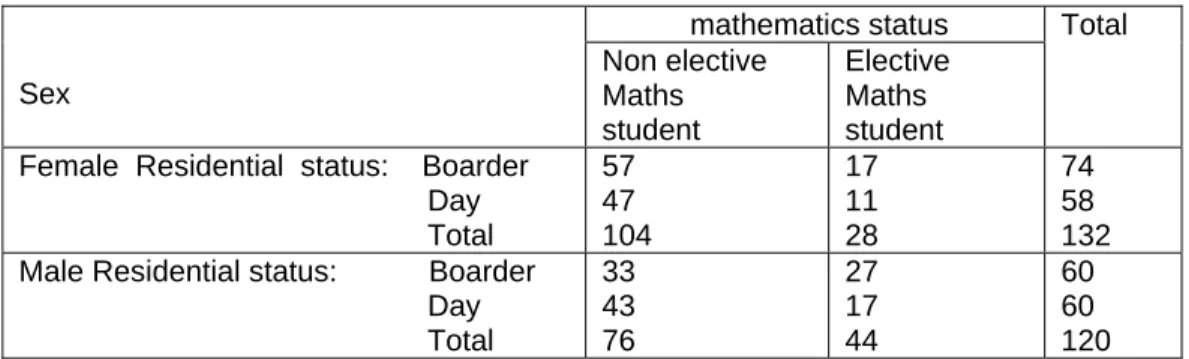
Table II: Residential status with course of study frequency distribution of Students for performance in terms of sex cross-tabulation
mathematics status Sex
Non elective Maths student
Elective Maths student
Total
Female Residential status: Boarder Day Total
57 47 104
17 11 28
74 58 132 Male Residential status: Boarder
Day Total
33 43 76
27 17 44
60 60 120
Academia Arena, 2009;1(4), ISSN 1553-992X, http://www.sciencepub.org, [email protected]
Table III: Showing descriptive for Course of Study
Students Mean Std. Deviation Kurtosis Skewness
Non elective maths student Elective maths student Total
40.186 64.764 47.208
17.6309 19.6284 21.3174
-.685 .150 -.910
.298 -.817 .190
Table IV: Showing descriptive for Residential Status
Boarder/day Mean Std. Deviation Kurtosis Skewness Boarder student
Day Students Total
49.280 44.856 47.208
22.6743 19.4927 21.3174
-1.058 -.841 -.910
.154 -.131 .190
TABLE V: ANOVA Table between results of Elective mathematics and non Elective mathematics Students
Sum of Squares df Mean Square F Sig.
Elective maths.
Non Elective maths.
Total
31066.311 82996.501 114062.8
1 250 251
31066.311 331.986
93.577 .000
Table VI: Regression Model of results in terms of course of study, residential status and sex
Unstandardized coefficient standardized coefficient Model
B Std. Error Beta T Sig.
Constant 29.593 4.620 6.406 .000
Sex 10.662 2.245 .250 4.749 .000
Elective Maths status 22.225 2.490 .472 8.925 .000
Residential status -3.047 2.225 -.071 -1.369 .172
Table VII: Regression Model of Results in terms of course of study and sex
Unstandardized Coefficient
Standardized Coefficients
Model B Std. Error Beta T Sig.
Constant 25.369 3.445 7.363 .000
Sex 10.418 2.242 .245 4.647 .000
Elective Maths Status 22.610 2.479 .480 9.122 .000
Table VIII: Correlations with Students’ Marks
Sex** Elective Maths status** Residential status
Person correlation .327 .522 -.104
Sig. (2-tailed) .000 .000 .000
N 252 252 252
From table VIII we can see that at ∝=0.05, we cannot reject the null hypothesis since the correlation of -0.104 is significant at ∝0.05. Hence we accept our Null Hypothesis.
That is at ∝=0.05 significance level, there is not enough evidence to prove that there is a difference between the performances of boarders and day students.
CONCLUDING REMARKS
The study investigated the performance of day students and boarder students in senior secondary school certificate mathematics examinations in Kassena-Nankana district in Upper East Region and Asuogyaman district in Eastern Region of the Republic of Ghana.
The study revealed that:
There was no significant difference between a student been a boarder or day student in terms of the performance in mathematics. There are some boarding students who will not study because there is no control over them.
There are however day students who will have no choice but to sit behind their books and study because their parents say so. The role of parents on day students is a factor for the insignificant difference in their performance otherwise boarding students should have done better than the day students.
RECOMMENDATIONS
Government should encourage the hall tutors or house master, to be given counseling to the boarding students so that they may know the need why they are in boarding school. The parent Teacher Association should also do like wise.
REFERENCES
1. Monastryrsky, M (2001): Some trends in Modern Mathematics and the Fields Medals
“Notes-de la SMC, Vol. 33 No. 2 and 3
2. HU, J.J. and Wang; H(2001)- “US National Research Trends in Mathematics and Intelligent Control: Trends in DOD/Army Funding in Mathematical Research”
Available Http://www.arpfe.army.mil/conference/intelligent-abstract/1AWu.pdf.
3. Adetunde, I. A. (1987) Causes of failure in Mathematics in Secondary School West African Examinations Council (WAEC) “O” Level examinations and the Recipe: A case study of Ogbomuso Local Government Area (An Unpublished Project submitted to the Polytechnic of Ibadan, Ibadan).
4. Adetunde, A. K. (2001) Teachers’ Supervisory role on Secondary students’ Academic performance in English Language. M. Edu Thesis submitted to University of Calabar, Calabar, Nigeria (Unpublished)
5. Teacher Education Division, GES Mathematics for Teacher Training in Ghana.
Playpen Ltd. Accra-Ghana
6. Adeniran, S. A. (1997) Improving teaching and learning of Mathematics in Primary and Junior Secondary classes. A paper presented at the Annual Conference of M.A.N Oyo state branch of M.A.N. Mathematics Oyo State Bulletin Vol. 2. No. 1 7. Abdul-Jelil, A.A. (2004): Address by6 the Honorable Commission for Education,
Science and Technology to English Language and Mathematics Teachers jointly organized by the University press PLC and Oyo State Ministry of Education, Science and Technology.
3/1/2009
Academia Arena, 2009;1(4), ISSN 1553-992X, http://www.sciencepub.org, [email protected]
Microbial Desulfurization of Diesel by Desulfobacterium anilini
1 Aribike D S, 1A A Susu, 2S C U Nwachukwu & 3S A Kareem*
1Department of Chemical Engineering, University of Lagos, Akoka Yaba Lagos Nigeria
2Department of Botany & Microbiology, University of Lagos, Akoka Yaba Lagos Nigeria
3Department of Chemical Engineering, Federal University of Technology Yola Nigeria [email protected]
ABSTRACT: The desulfurizing bacterium Desulfobacterium anilini was isolated and subsequently identified by the Department of Botany & Microbiology; University of Lagos, Nigeria. The effects of selective removal of sulfur-containing hydrocarbons in diesel using the Desulfobacterium anilini isolated from petroleum products-polluted soil was investigated in this study. They exhibited very high desulfurizing ability towards diesel at 300C and normal atmospheric pressure. Gas chromatography analysis with a pulsed flame photoatomic detector revealed that the peaks of benzothiophene and dibenzothiophene in diesel significantly decreased after biodesulfurization.
At the end of 72 hours, 82% of the analyzed sulfur in diesel was desulfurized by the organism.
[Academia Arena, 2009;1(4):11-17]. ISSN 1553-992X.
Keywords: Microbial Desulfurization; Diesel; Desulfobacterium anilini
INTRODUCTION
The availability of low-sulfur crude has decreased over the last decade as a consequence of the increasing reserves of heavy crude. Terrestrial oil or petroleum deposits, which often contain high levels of sulfurous hydrocarbons, are being increasingly employed for the production of fuels. The concentration of sulfur in crude oil is typically between 0.05 and 5% (by weight), although values as high as 13% have been reported (Rall, 1972). In general, the distributions of sulfur in crude oil increase along with the boiling point of the distillate fractions. As a result, the higher the boiling range of the oil, the higher the sulfur content will tend to be. Upon combustion, the sulfur in fuels can contribute to air pollution in the form of particulate materials and acidic gases, such as sulfur dioxide. To reduce sulfur-related air pollution, the level of sulfur in fuels is regulated, and to meet these regulations sulfur must be removed from fuels during the refining process.
Governments throughout the world have recognized the problems associated with these emissions and moved to reduce them through legislation. Regulations for the sulfur level in diesel oil have become increasingly strict and it was planned to reduce the level to 50 ppm by 2005 in the European Union and Japan. The sulfur content in diesel will probably be less than 10 or 15 ppm (w/w) in the United States and Europe by 2010 (Constanti et al, 1994). To meet regulated sulfur levels, petroleum fuels must be treated to remove organic sulfur.
This is accomplished mainly by hydrodesulfurization (HDS), which converts organic sulfur in the feed to hydrogen sulfide in the presence of a transition metal catalyst and hydrogen. The extent of desulfurization achieved by HDS is determined by the reaction conditions, with higher hydrogen pressures and temperatures giving greater sulfur removal (Speight et al, 1981). In middle distillate (diesel range) fractions, the sulfur that remains after aggressive HDS treatment is typically in the form of Dibenzothiophene (DBT) and its substituents compounds. The most refractory DBTs have substituents at the 4 and 6 positions, which are adjacent o the sulfur moiety and are believed to sterically hinder access of the sulfur atom to the catalyst surface (Kabe et al, 1992). As regulations on sulfur levels in fuels become stricter, more of the HDS-refractory compounds must be removed. As a result, HDS-refractory sulfur compounds represent a significant barrier to reaching very low sulfur levels in the middle and heavy distillate range fuels.
Early work on biodesulfurization focused on organisms that degrade DBT. The pathways involved relied on oxidation and mineralization of the DBT carbon skeleton instead of sulfur removal and thus reduced the fuel value of the desulfurized product (Kodama et al, 1970 & 1973). Recent studies focus on organisms that use a sulfur-selective oxidative pathway to remove sulfur from organic sulfur compounds and are capable of desulfurizing DBT and sterically hindered DBT compounds (Lee et al, 1995). A number of bacteria that use the sulfur-selective oxidative
desulfurization pathway have been isolated (Campbell, 1993, Chang et al, 1998, Wang et al, 1994 & Grossman 1996). This pathway involves sequential oxidation of the sulfur moiety and cleavage of the carbon – sulfur bonds. This system consists of two monooxygenases, Dsz and DszC which sequentially oxidize DBT to DBT sulfone and 2-hydroxybiphenyl-2-sulfinic acid, an NADH-flavin mononucleotide oxidoreductase (DszD) which supplies the two monooxygenases with reduced flavin and a desulfinase (DszB) which converts 2-hydroxybiphenyl-2-sulfinic acid to the desulfurized end product 2-hydroxybiphenyl (Denome et al, 1994, Gray et al, 1996 &
Piddington et al, 1995).
Previous work on sulfur oxidative pathway has focused on model compounds most especially DBT and little has been reported on the biodesulfurization of real refinery feeds limiting the ability to assess the commercial potential of biodesulfurization.
In this work, Desulfobacterium anilini was isolated and subsequently used to desulfurize diesel obtained from a fuel filling station in Lagos Nigeria.
MATERIALS AND METHODS
The microorganism Desulfobacterium anilini with the ability to desulfurize oil was isolated from oil contaminated soil by enrichment culture. It was suspended in 9 ml of 0.1M sulfur free phosphate buffer solution (pH 7.0) and 1 ml of diesel for the biodesulfurization experiment in a 100 ml Erlenmeyer flask (Rhee et al, 1998). The experiment was performed at 300C with a moderate shaking of 180 rpm in a shaker incubator. Also, the growth of Desulfobacterium anilini in the experimental tube was monitored as described previously (Chukwu and Nwachukwu, 2005).
Thiophene, 2, 5 – dimethyl thiophene, benzothiophene and Dibenzothiophene were analyzed using gas chromatography 5890 Hewlett Packard, equipped with a pulsed flame photoatomic detector (PFPD).
RESULT AND DISCUSSION
Desulfobacterium anilini is a motile, oval to rod like, gram positive, non spore forming microorganism. Biochemical test has shown that it is capable of utilizing various kind of sugar as a source of carbon. However, it is unable to utilize lactose.
In the biodesulfurization experiment, the organism was suspended in a sulfur free phosphate medium and the fuels (diesel and kerosene) to which 2% glucose was added to serve as a source of carbon for the organisms. The addition of the glucose was done to serve as a source of energy since it is easier for the organism to utilize carbon in glucose which is in aqueous phase in which the organism is also suspended if available than in diesel which is oil.
Upon centrifugation of the reaction broth, the cells of Desulfobacterium anilini were observed at the interface of the fuel and the aqueous solution. The observation of the cells of Desulfobacterium anilini at the interface suggests that the organisms did not secret any emulsifier which may alter the molecules of the hydrocarbon in the fuels. Rather, it desulfurized the diesel by increasing its cell surface hydrophobicity so that its adherent capacity to the hydrocarbon is enhanced. Expectantly, the carbon frameworks of the fuel remain intact.
The GC analysis revealed that the fresh undesulfurized diesel contain 9.006 mg/l of benzothiophene and 157.031 mg/l of dibenzothiophene. No thiophene and 2, 5 – dimethyl thiophene were detected in diesel.
Academia Arena, 2009;1(4), ISSN 1553-992X, http://www.sciencepub.org, [email protected]
Figure 1: GC-PFPD Chromatograms for Diesel before Biodesulfurization.
Figure2: GC-PFPD Chromatograms for Diesel 72 hours after Biodesulfurization by Desulfobacterium anilini
It is important to note that the sulfur compounds with retention times longer than 5 minutes nearly disappeared. Such characteristics of desulfurization by cells of Desulfobacterium anilini are opposite or complimentary to those of hydrodesulfurization, in which sulfur compounds with a shorter residence time are more easily desulfurized (Dzidic et al, 1988). Based on these results, cells of Desulfobacterium anilini are considered to have a sufficiently broad substrate specificity to desulfurize major organic sulfur compounds contained in diesel.
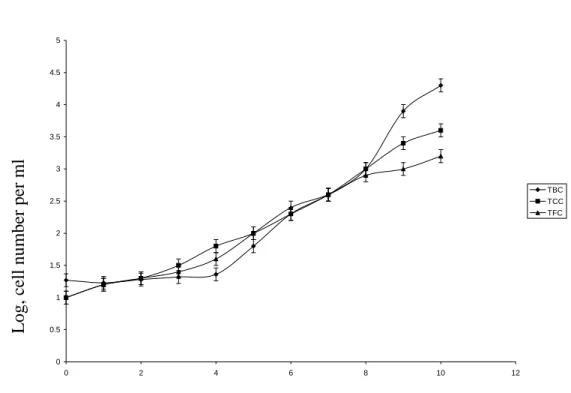
The concentration-time profiles for the biodesulfurization of benzothiophene and Dibenzothiophene in diesel by Desulfobacterium anilini are shown below:
Figure 3 below shows the concentration-time profile for the biodesulfurization of benzothiophene. It showed that Desulfobacterium anilini steadily desulfurized the benzothiophene decreasing its concentration to 1.681 mg/l at the end of 72 hours. This represents 81%
biodesulfurization of this diesel component. Similarly, Figure 4 below shows that Desulfobacterium anilini also desulfurized dibenzothiophene steadily reducing its concentration to 28.318 mg/l at the end of 72 hours. This represents 82% biodesulfurization of this diesel component.
0 1 2 3 4 5 6 7 8 9 10
0 10 20 30 40 50 60 70
Time ((Hr)
Conc of Benzothiophene (mg/l)
80
Benzothiophene
Figure 3: The Concentration-Time Profile of Benzothiophene Biodesulfurization by Desulfobacterium aniline
Academia Arena, 2009;1(4), ISSN 1553-992X, http://www.sciencepub.org, [email protected]
0 20 40 60 80 100 120 140 160 180
0 10 20 30 40 50 60 70 8
Time (Hr)
Conc of Dibenzothiophene (DBT) (mg/l)
0
Dibenzothiophene
Figure 4: The Concentration-Time Profile of Dibenzothiophene Biodesulfurization in Diesel by Desulfobacterium anilini.
This is a remarkable feat at a reaction temperature of only 300C, extremes of reaction conditions would have been employed in hydrodesulfurization to attain the same level of desulfurization if at all sulfur heterocycles like Dibenzothiophene would be desulfurized.
The extent of biodesulfurization of the benzothiophene and Dibenzothiophene is steadily rising as shown in figure 5 below.
0 10 20 30 40 50 60 70 80 90
0 10 20 30 40 50 60 70 8
Time (Hr)
% of Sulfur
0
Benzothiophene Dibenzothiophene
Figure 5: The Percentage Desulfurization -Time Profile of benzothiophene and dibenzothiophene Biodesulfurization by Desulfobacterium anilini