Minority Language Endangerment and Ethnic
Identity: A Case Study of Pumi in Yunnan,
China
著者
An Jing
号
22
学位授与機関
Tohoku University
Doctoral Dissertation Abstract
Minority Language Endangerment and Ethnic Identity: A
Case Study of Pumi in Yunnan, China
少数民族の消滅危機言語と民族意識に関する研究
―中国雲南省プミ族を例として―
Tohoku University
Graduate School of International Cultural Studies
Division of International Cultural Studies
An Jing
Supervisor: Prof. Jeong Soo Yu
Sub-supervisor: Associate Prof. Peter John Wanner
Sub-supervisor: Prof. Naoyuki Ono
2
As a large multi-national state, China is composed of 56 ethnic groups and the total population is 1.37 billion. Currently, about 60 million people out of China's minority people use the minority languages (Upholding, 2010). According to the report of UNESCO Atlas of the World's Languages in Danger, 144 minority languages are accelerating towards becoming endangered and extinct. The minority language is an important cultural heritage, the multiculturalism derived from minorities plays an indispensable role in promoting cultural diversity, and language is also the central element of expression of identity and a key to keeping a group’s identity. The intensification of the endangered language threatens the inherent balance of the language system, which is a serious challenge to the pattern of language and culture, and thus it triggers a language crisis locally and all over the world. Therefore, it is imperative to take action to protect the endangered languages.
Quantitative assessment of the vitality index of minority languages provides an intuitive and effective way to monitor trends of language status and shift trends, the ethnic cognitive analysis in terms of endangered language use can effectively help us understand the inductive factors behind language endangerment. These two aspects of research can provide a basis for us to formulate language protection countermeasures. Many kinds of research have been carried out regarding language vitality assessment, language cognitive analysis based on fieldwork data. However, previous research has problems in terms of accuracy, comprehensiveness, and versatility of analysis, and have not reached the level applicable to China's unique conditions. In addition, for a specific language, they are also more concerned with the current state of this language in the field of linguistics and less concerned with the policy orientation of the language's future development.
PURPOSE
This research will be examined following three questions: 1) How have China's endangered minority languages evolved in recent decades? 2) What is the reason for the China’s endangered minority languages? 3) How to protect and inherit the endangered minority languages in China? According to these questions, this
3
thesis has three objectives: 1) developing an accurate and comprehensive language vitality evaluation method that accordance with China's conditions, 2) investigating the endangered language use from the perspective of ethnic identity, and 3) proposing the reasons for language endangerment and strategies for responding to the language endangerment.
Methodology
The investigation was carried out among Pumi people of the Lanping town in Yunnan Province, China respectively in December of 2016 and in December of 2017 (Figure 1). In the case of the lack of investigation partners, harsh objective conditions and limited time, the survey finally received a total of 130 questionnaires and 12 interviews from 7 representative villages, which respectively are Shangshuifeng Village, Luoguqing Village, Dagumei Village, Ahuoji Village, Yushichang Village, Guadeng Village, and Xiagaoping Village. Among these seven villages, Luoguqing Village and Xiagaoping Village are our first investigated region, and the other five villages are in the second survey.
4
The main originality of this thesis focuses on the method. It is as follows: (A) This research refined the language vitality assessment method by 1) emphasizing the role of sociological factors in the vitality assessment, while the previous method pay attention to the sociolinguistic factors and 2) adopting a more scientific and detailed survey data analysis methods, the survey data were analyzed by speaker-related variables (such as age, gender and Education level), we suppose that those speaker-related variables are expected to make a significant difference in language vitality because of how they influe nce language shift, while the previous method only made a rough analysis based on the absolute number of people; (B) this research initially investigated the ethnic Identity of endangered minority languages, while the previous research only focuses on the ethnic identity of vigorous language, therefore, the perspective of our focus is novel; (C) this research adopted the latest field survey questionnaires.In addition, for a specific language, they are also more concerned with the current state of language in the field of linguistics and less concerned with the policy orientation of the language's future development.
1. The Linguistic Vitality of Pumi language of Yunnan, China
The Flowchart of language vitality assessment framework is shown in Fig 2. The new language vitality assessment method was derived from a series of sociological factors and sociolinguistic factors related to the language endangerment based on latest fieldwork data in Pumi community of Yunnan province, China. First, this study carried out the field investigation in Pumi community of Yunnan province, China to administer the questionnaire. The questionnaire focus on 9 factors that are related to the endangerment of language, they are 1) Intergenerational language transmission, 2) Speaker Proportion & Language Proficiency, 3) Domains of language use, 4) Governmental language attitudes and policies, 5) Community members’ attitudes towards their own language, 6) Education expectation, 7) Availability of materials for language education and literacy, 8) Ethnic distribution, 9) Geographical Features and Traffic Conditions. Second, these nine factors were analyzed and were categorized at a quantitative level based on the proposed criteria, all the levels of the nine factors were
5
comprehensively considered to reach the final endangerment level of the language. Finally, the vitality assessment result obtained by the new language vitality assessment method was compared and analyzed with that of EGIDS (Lewis & Simons, 2010), and LEI (Lee & Van Way, 2016).Thus, this section mainly includes three different research methods: first, the Literature Research Method where the researcher collects and analyzes literature to identify the terms, and clarifies a series of indicators that can be used to evaluate the vitality of the Pumi Language. Second, the Field Investigation and Statistical Analysis Method involves the researcher visiting the minority regions in China to collect data through semi-structured interviews and questionnaires and then evaluate the Pumi language situation based on the statistical analysis of the field investigation datasets. Third, the Comparative Analysis Method that involves comparing the situations in the different language vitality evaluated methods to conclude the language vitality results.
6
2. The Ethnic Identity, Language Use and Language Attitude of the Pumi in Yunnan, China
The flowchart of the method used in this study is as follows: 1). The questionnaires and interviews were conducted in the field to construct a database for this study, and then the description of the datasets regarding the ethnic identity, language attitude and language proficiency level were presented, respectively. 2). The Spearman correlation analysis method was employed in SPSS software to study the correlation between ethnic identity quantitatively, language attitude and language proficiency level to further get the solution of dealing with the problem of endangered language. 3). This study analyzed semi-structured recording interviews for getting more comprehensive understanding regarding the relationship between ethnic identity, language attitude, and language proficiency level (Jing, 2018).
3. The Causes and Protection Countermeasures of Endangered Languages in China.
First of all, in this study the literature method is used to summarize previous research and complete data collection; second, a field survey and some statistical analysis methods are adopted. This method combined with the analysis of statistical results shows the Pumi's local condition and the concepts of the Pumi people, as well as a conclusion that corresponds with proposed countermeasures.
Results and Discussion
Based on analysis of related questionnaires and interviews, this study indicates that in the EGIDS model, the vitality of Pumi language is at the stage of the written level, which represents that the language is used orally by all generations and is effectively used in written form in parts of the community. This conclusion is inconsistent with the fact that there is no character in the Pumi language. While the LEI model indicates that the Pumi language is endangered, it seriously overestimates the endangerment degree of the Pumi language, because there is still a large proportion of Pumi people who can use Pumi language proficiently. However, the proposed language vitality assessment method not only shows the vitality of the
7
Pumi language is mainly vulnerable but it also helps us to understand the complicated situation of the Pumi language more comprehensively and helps predict a future trend, which is useful for the government countermeasures. In addition, the vitality factor analysis indicated the following results: 1) All of the factors related to the Pumi language usage presents a state of polarization and the overall level is not optimistic. Also, the external protection from geographic seclusion and occlusion will become more and more vulnerable. 2) There is a significant relationship between age and language vitality, and the speakers' language environment greatly influences this difference. 3) The current local people have the strong will to protect and inherit their native language, which is quite different from the previous research.4) Language policy is a very important factor that influences speaker's language use and language attitude.
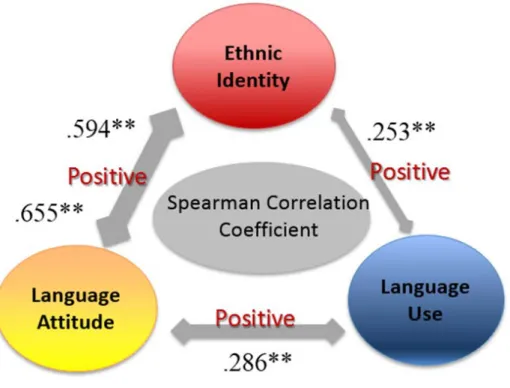
Figure 3. Flowchart of the correlation analysis between Ethnic Identity, Language Use and Language
In the study of the Ethnic Identity, Language Use and Language Attitude of the Pumi in Yunnan of China (Figure 3), the results show that the Pumi people have an objective and positive attitude towards their
8
ethnic identity. Concerning the correlation research, in the case of Pumi language, our conclusions are as follows: 1) both ethnic identity exploration and ethnic identity commitment have a powerful correlation with the language attitude 2) the ethnic identity exploration has a positive correlation with the language proficiency, but ethnic identity commitment has no correlation with it and 3) there is a positive correlation between the language attitude and language proficiency. On the whole,there is a positive correlation between the language use, language attitude, and ethnic identity. Therefore, the minority people should be encouraged to use their mother tongue, to establish a positive language attitude and enhance their ethnic identity.
Conclusion
In fact, the causes of Pumi language endangerment is an integrated result that is influenced by various aspects, such as ethnic psychology and language attitude, social language environment, political and historical environment, lack of characters, geographical environment, family environment, and the educational and cultural environment. Therefore, the author suggests that we can pay more attention to these causes to protect the Pumi language. Rising to the higher national endangered language problem, so far, China has achieved some achievements in language legislation, bilingual education, and financial support, but they are far from sufficient. In the future, The Chinese government should take a key role, especially in strengthening and improving relevant legal systems, expanding media publicity and financial support, and establishing a complete minority language documentation system and bilingual education system.
Overall,the research of Pumi language is only one situation of endangered language studies in China. As one of the countries with the wealthiest linguistic resources in the world, China’s endangered language protection is of great significance to the development of the world’s cultural diversity. The complex and particular national conditions also determine that China’s endangered language research cannot fully replicate international research results and should be integrated with local reality. In this study, the Pumi language is evaluated based on results that reflect not only its dangerous current status but also the existence and trend of
9
its salvation. This puts forward higher and more urgent demands on the government and scholars. Now is the crucial period for the protection of the Pumi language, so it is hoped that the local government can pay more attention to promote relevant policies and measures of academic and educational stature, and strive to encourage the local people's ability and attitude in using their mother tongue to build a good language environment. The author hopes that the government and related scholars should pay attention to the uniqueness of each minority language and culture, and the author is willing to do his best for the protection of China’s endangered languages and the development of the world's cultural diversity.
References
Ashmore, R. D., Deaux, K., & McLaughlin-Volpe, T. (2004). An organizing framework for collective identity: Articulation and significance of multidimensionality. Psychological Bulletin, 130(1), 80. Brenzinger, M., Yamamoto, A., Aikawa, N., Koundiouba, D., Minasyan, A., Dwyer, A., & Smeets, R. (2003).
Language vitality and endangerment. Paris: UNESCO Intangible Cultural Unit, Safeguarding
Endangered Languages. http://www. UNESCO. org/culture/ich/doc/src/00120-en. Pdf. Last accessed July, 1, 2010.
Chengfeng, J. (2011). Research on Ethnic Identity of Xinjiang Multilingual Cultural Interaction. Social
Sciences of Gansu. 2011(6), 239-243.
Cokley, K. (2007). Critical issues in the measurement of ethnic and racial identity: A referendum on the state of the field. Journal of Counseling Psychology, 54(3), 224.
Edwards, J. (1992). Sociopolitical aspects of language maintenance and loss. Maintenance and loss of
minority languages, 37-54.
Grenoble, L. A., & Whaley, L. J. (1998). Endangered languages (pp. 22-54). Cambridge: Cambridge
University Press.
10
National Minority Youth Seminar on Natural Language Processing.
Huiying, S. (2007). A Study of Ethnic Identity Psychology and Behavior Adaptation in Southwest China Minority Areas. Doctoral Dissertation, Southwest University.
Jing, A. (2018). Ethnic Identity, Language Use and Language Attitude of the Pumi in Yunnan, China.
International Journal of Language & Linguistics, (4).
Lewis, M. P., & Simons, G. F. (2010). Assessing endangerment: expanding Fishman’s GIDS. Revue roumaine
de Linguistique, 55(2), 103-120.
Lee, N. H., & Van Way, J. (2016). Assessing levels of endangerment in the Catalogue of Endangered Languages (ELCat) using the Language Endangerment Index (LEI). Language in Society, 45(2), 271-292.
Phinney, J. S. (1990). Ethnic identity in adolescents and adults: review of research. Psychological Bulletin,
別 記 様 式 博在-Ⅶ-2-②-A
論 文 審 査 の 結 果 の 要 旨
学 位 の 種 類 博 士 ( 国 際 文 化 ) 氏 名 ア ン ジ ン
学 位 論 文 の
題 名
Minority Language Endangerment and Ethnic Identity: A Case Study of Pumi in Yunnan, China
(少 数 民族 の 消滅 危 機言 語 と民 族 意識 に関 する 研 究- 中 国雲 南省 プミ 族 を 例 と し て -) 論 文 審 査 担 当 者 氏 名 ( 主 査 ) 劉 庭秀 ,小野 尚之 ,大河原 知樹 ワ ー ナ ー ピーター・ジョン ,青木 俊明 ,佐藤 正弘 論 文 審 査 の 結 果 の 要 旨 ( 1,000 字 内 外 ) 本 研 究 は 、 中 国 に お け る 消 滅 危 機 の 少 数 民 族 言 語 が ど の よ う に 変 遷 し て き た の か 、 ま た 少 数 民 族 言 語 が 消 滅 危 機 に 陥 っ た 理 由 は 何 か 、 さ ら に こ れ ら の 言 語 を ど の よ う に 保 護 し 、 受 け 継 い で い く べ き な の か を リ サ ー チ ク エ ス チ ョ ン と し て 設 定 し た 。 そ し て 、 本 論 文 は こ れ ら の 研 究 上 の 問 い に 基 づ い て 、 中 国 の 状 況 を 考 慮 し つ つ 正 確 、 か つ 総 合 的 に 危 機 の 度 合 い を 判 定 す る 方 法 を 開 発 す る こ と 、 民 族 と し て の 独 自 性 の 観 点 か ら 消 滅 危 機 言 語 を 調 査 す る こ と 、 少 数 民 族 の 言 語 が 消 滅 危 機 に 陥 ら れ る 理 由 と そ れ に 対 応 す る 戦 略 を 提 示 す る こ と を 、 研 究 の 目 的 と し た 。 研 究 の 方 法 と し て は 、 中 国 雲 南 省(Yunnan Province)の蘭坪(Lanping)地域に住んでいる プ ミ(Pumi)族のフィールドワークを行い、7 つの代表的な村を対象に、130 人のアンケー ト 調 査 と 12 人に対して詳細なインタビューを実施した。先行研究は社会言語学的なファ ク タ ー に 注 目 し た こ と に 対 し て 、 本 研 究 で は 、 言 語 の 危 機 の 度 合 い 評 価 に 社 会 学 的 な フ ァ ク タ ー の 役 割 を 重 視 し た 上 、 言 語 使 用 者 の 年 齢 や 性 別 、 教 育 水 準 な ど の 影 響 を 定 量 的 に 分 析 し た 結 果 を 加 え て 、 評 価 手 法 の 改 善 を 試 み た 。 消 滅 危 機 言 語 を 使 用 し て い る 少 数 民 族 と し て の 独 自 性 を 考 察 し た こ と に 本 研 究 の オ リ ジ ナ リ テ ィ が あ り 、 言 語 の 将 来 動 向 に 関 す る 政 策 指 向 の 研 究 と い う よ り は 、 言 語 学 分 野 に お け る 特 定 言 語 の 現 状 を 分 析 考 察 し た 研 究 で あ る 。
ア ン ケ ー ト と イ ン タ ビ ュ ー 調 査 に 基 づ い た EGIDS (Expanded Graded Intergenerational Disruption Scale)モ デ ル の 分 析 結 果 で は 、 プミ語 が 文 字 を 使 う 段 階 で あ り 、 す べ て の 世 代 が 話 せ る と と も に 、 一 部 の コ ミ ュ ニ テ ィ は 効 果 的 に 文 字 が 使 わ れ て い る こ と が 示 さ れ ま し た 。 こ の 結 果 は 、 プ ミ 語 に は 文 字 が な い と い う 既 成 の 事 実 に 反 す る 内 容 で あ っ た 。 一 方 、LEI (Language Endangerment Index) モデルは、大半のプミ族がプ ミ 語 を 使 っ て い る に も か か わ ら ず 、 消 滅 危 険 度 を 過 剰 評 価 す る よ う な 結 果 と な っ た 。 し か し 、 こ れ ら の 評 価 方 法 は プ ミ 語 の 脆 弱 性 を 分 析 す る だ け で は な く 、 プ ミ 語 の 複 雑 な 状 況 を
別 記 様 式 博在-Ⅶ-2-②-B 理 解 し 、 今 後 の 政 府 の 言 語 政 策 に 対 応 策 を 講 じ る こ と が で き る 。 ま た 、 プ ミ 族 の 地 理 的 な 隔 離 と 閉 鎖 的 な 状 況 は 、 言 語 と し て の 脆 弱 性 が 増 す こ と に な る 。 こ の 研 究 で は 言 語 の 活 力 と 年 齢 は 深 い 関 係 が あ り 、 話 す 人 の 言 語 環 境 に も 大 き い 影 響 を 与 え る こ と と 、 実 際 、 現 地 の 人 々 は 自 分 た ち の 言 語 を 守 っ て 、 継 承 す る こ と に 対 し て 強 い 意 志 を 持 っ て い る こ と を 明 ら か に し て い る 。 さ ら に 、 言 語 政 策 は 言 語 使 用 と 言 語 態 度 に と て も 重 要 な 影 響 を 与 え る フ ァ ク タ ー で あ る こ と も 示 し て い る 。 本 研 究 で は 、 プ ミ 族 の 民 族 と し て の 独 自 性 、 言 語 使 用 、 言 語 態 度 の 関 係 を 事 例 分 析 し た 。 プ ミ 族 は 、 民 族 と し て の 独 自 性 に 対 し て 客 観 的 で ポ ジ テ ィ ブ な 態 度 を 示 し て お り 、 言 語 態 度 と 強 い 相 関 が あ る こ と が わ か っ た 。 ま た 、 全 体 的 に も 言 語 使 用 、 言 語 態 度 、 民 族 と し て の 独 自 性 の 間 に 相 関 関 係 が あ る こ と を 示 し た 。 こ れ ら の 結 果 か ら 少 数 民 族 は 、 母 語 使 用 を 促 し 、 ポ ジ テ ィ ブ な 言 語 態 度 の 構 築 と 民 族 と し て の 独 自 性 を 強 化 す べ き で あ る こ と を 提 案 し た 。 本 論 文 は 、 特 定 地 域 と 言 語 を 中 心 と し た 事 例 分 析 で あ り 、 中 国 に お け る 少 数 民 族 言 語 の 特 徴 と 課 題 を す べ て 解 明 す る に は 限 界 が あ っ た が 、 中 国 雲 南 省 の プ ミ 族 を 例 と し て 少 数 民 族 の 消 滅 危 機 言 語 と 民 族 意 識 に 関 す る 貴 重 な デ ー タ を 収 集 、 分 析 し 、 こ れ ら の 分 析 結 果 に 基 づ い て 関 連 法 制 度 の 整 備 、 バ イ リ ン ガ ル 教 育 、 財 政 的 な 支 援 の 必 要 性 に つ い て 政 策 提 言 す る こ と が で き た 。 こ れ ら の 結 果 か ら 、 本 論 文 の 審 査 委 員 会 は 、 筆 者 が 本 論 文 に 自 立 し て 研 究 活 動 を 行 う に 必 要 な 高 度 の 研 究 能 力 と 学 識 を 有 す る こ と を 示 し て い る と 判 断 し た 。 よ っ て 、 本 論 文 は 、 博 士 ( 国 際 文 化 ) の 学 位 論 文 と し て 合 格 と 認 め る 。