九州大学学術情報リポジトリ
Kyushu University Institutional Repository
Transgene integration into the ovalbumin locus of chicken cells using CRISPR/Cas9 system for transgenic chicken bioreactors
石, 銘
http://hdl.handle.net/2324/4060136
出版情報:九州大学, 2019, 博士(工学), 課程博士 バージョン:
権利関係:
Transgene integration into the ovalbumin locus of chicken cells using CRISPR/Cas9 system for
transgenic chicken bioreactors
SHI MING December 2019
TABLE OF CONTENTS
Abstract ... 1
Chapter 1 ... 2
Introduction ... 2
1.1 Recombination protein expression system ... 3
1.1.1 Escherichia coli ... 3
1.1.2 Pichia pastoris ... 4
1.1.3 Baculovirus/Insect Cells ... 7
1.1.4 Mammalian Cells ... 9
1.2 Transgenic animal bioreactor ... 13
1.3 Transgenic chicken oviduct bioreactor ... 14
1.3.1 Basic principle of chicken oviduct bioreactor ... 15
1.3.2 Fertilization and early development of chicken embryo ... 15
1.3.3 Ovalbumin... 17
1.4 Gene editing ... 19
1.4.1 ZFNs ... 22
1.4.3 TALEN ... 23
1.4.4 CRISPR/Cas9 ... 25
1.5 Research purpose ... 31
1.6 Thesis components ... 32
Chapter 2 ... 33
Background ... 33
2.1 DNA double strand breaks repair mechanism ... 33
2.1.1 Homologous recombination mediated repair ... 33
2.1.2 Nonhomologous end joining mediated repair ... 34
2.1.3 Microhomology mediated end joining mediated repair ... 36
2.2 Detection of knock-out mutation ... 37
2.2.1 T7endonuclease I assay ... 37
2.2.2 Single strand annealing recombination assay ... 37
ii
2.3 CRISPR/dCas9 system in gene expression regulation ... 38
2.3.1 CRISPR / dCas9 system suppresses gene expression ... 39
2.3.2 CRISPR / dCas9 system activates gene expression ... 40
Conclusion ... 42
Chapter 3 ... 43
Selection of high efficiency gRNAs in ovalbumin and lysozyme genes and determine HITI pathway to knock-in exogenous gene efficiency ... 43
3.1 Introduction ... 43
3.2 Experimental Purpose ... 44
3.3 Selection of high efficiency gRNAs in ovalbumin and lysozyme genes ... 44
3.3.1 Material and Methods ... 44
3.3.2 Results and Discussion ... 48
3.4 Detect efficiency of HITI 1-cut donor vector to knock-in ovalbumin gene ... 54
3.4.1 Materials and Methods ... 54
3.4.2 Results and Discussion ... 56
3.5 Conclusion ... 59
Chapter 4 ... 61
dCas9-VPR transactivation system initiating ovalbumin gene express in chicken cells ... 61
4.1 Introduction ... 61
4.2 Experimental Purpose ... 61
4.3 Materials and Methods ... 62
4.3.1 Plasmid construction ... 62
4.3.2 Cell culture and transfection ... 62
4.3.3 Isolation of total mRNA and qRT-PCR analysis ... 63
4.3.4 Western blot analysis ... 64
4.4 Results and Discussion ... 65
4.4.1 Each gRNA sequence activation efficiency in OVA gene promoter region with dCas9 system ... 65
4.4.2 Detect different gRNA combination activate gene expression efficiency
... 67
4.4.3 dCas9 activation system initiating ovalbumin protein expression in DF-1 cell ... 69
4.5 Conclusion ... 70
Chapter 5 ... 72
Induction of transgene expression under control of endogenous OVA promoter using dCas9-VPR transactivation system ... 72
5.1 Introduction ... 72
5.2 Experimental Purpose ... 73
5.3 Prepare transgene EGFP knock-in DF-1 cell line under endogenous OVA promoter ... 73
5.3.1 Materials and Methods ... 73
5.3.2 Results and Discussion ... 75
5.4 Induction of EGFP expression under control of OVA promoter using dCas9-VPR transactivation system ... 79
5.4.1 Materials and Methods ... 79
5.4.2 Results and Discussion ... 80
5.4.3 Conclusion ... 81
Chapter 6 ... 82
Conclusion ... 82
References ... 85
Acknowledgements ... 104
1
Abstract
Transgenic chickens have been expected to be used as living bioreactors for the production of biopharmaceutical proteins. Development of a tissue-specific expression system of exogenous genes is a major concern in the construction of transgenic chicken bioreactors. For this purpose, it is important to develop a transgene integration method with high efficiency and specificity of expression. In recent years, the clustered regularly interspaced short palindromic repeat (CRISPR)/CRISPR-associated protein 9 (Cas9) system has attracted much attention as a versatile genome editing tool because of its ease of handling and simplicity. In this thesis study, the CRISPR/Cas9 system was applied to targeted knock-in of transgene into the ovalbumin (OVA) locus of chicken cells. The guide RNA sequences (gRNAs) of the CRISPR/Cas9 system against the OVA prompter were designed and evaluated for oviduct-specific expression of exogenous gene. A reporter gene expression cassette was integrated into the OVA locus of chicken cells using CRISPR/Cas9 system mediated by homology-independent targeted integration (HITI).
For the knock-in cells, the transgene expression was successfully induced by activation of the endogenous OVA promoter using the CRISPR transactivation system.
These results would contribute to studies in generating transgenic chicken bioreactors and activation of tissue-specific promoters for the production of pharmaceutical proteins.
Chapter 1 Introduction
The production of pharmaceutical and industrial recombinant proteins is needed to meet the demands of modern society. Recombinant proteins are an important tool to study biological processes and vital movement. The production of recombinant proteins requires an appropriate expression system. Currently, there are four major recombinant protein expression systems: Escherichia coli, Pichia pastoris, baculovirus/insect cell, and mammalian cells. The recent progress in gene editing technology developed for the chicken genome has enabled the production of recombination proteins in chicken, which is a powerful and cost-effective bioreactor.
Pharmaceutical proteins can be produced in the laying hen through the expression of recombination proteins in the eggs. The chicken ovalbumin (OVA) promoter exhibits strong tissue-specific characteristics and over 50% egg protein can be expressed from this promoter.
The selection of an appropriate expression system is dependent on the recombinant protein characteristics, application purpose, and ability to produce the activated protein. Although the proteins can be rapidly expressed in the E. coli system, this system lacks the ability for posttranslational modifications (PTMs), which are observed in eukaryotes. The PTMs, such as SUMOylation, phosphorylation, palmitoylation, and glycosylation are essential for protein activity. In contrast to the E.
coli expression system, some recombination protein expression systems enable optimal protein folding and PTMs. An appropriate expression system for the production of a recombinant protein must be selected based on the protein mass, disulfide bond number, type of PTM, recombinant protein purification method, and application of protein. The applications of recombinant proteins include structural studies, in vitro activity studies, antigens for antibody production, in vivo studies, and clinical studies. (Tab. 1-1)
3 1.1 Recombination protein expression system
1.1.1 Escherichia coli
The E. coli expression system has several characteristics, such as known genetic background, low cost, ease of operation, and high expression volume. E. coli is still the most widely used expression system for the production of recombinant proteins with high efficiency. Currently, many commercialized pharmaceutical proteins, such as G-CSF, interferon, and growth factor are produced in the E. coli system, which accounts for the production of one-third of all pharmaceutical proteins [1].
The E. coli expression system includes expression vector and host bacteria. In addition to the inserted gene fragments, the complete vector must also include the origin of replication, selective screening marker, promoter, and transcriptional terminator [2]. The promoter determines the transcription starting site and transcription efficiency, which is the key factor affecting the expression level of foreign genes [3]. The ideal promoter should be optimally regulated to reduce the toxicity of protein expression on the cells and to improve the expression level.
Although several E. coli promoter systems are described, only a few promoters are commonly used for the recombinant protein expression. In the E. coli expression system, the production of recombinant protein can be increased and the negative effects of metabolism and product toxicity can be reduced using a suitable promoter.
Currently, the recombinant proteins are expressed using the temperature-induced, isopropyl β-thiogalactopyranoside (IPTG)-induced, or nutrition-induced promoters. In addition to the commonly used promoters, such as PL, PR, Ptrp, PTAC, and Plac, several efficient promoters, such as T7, ara, and cadA promoters are used for protein expression in E. coli [4]. The E. coli lac promoter is weak and does not promote efficient expression. Hence, it is not commonly used for the expression of recombinant protein. The Tac promoter is a strong promoter, which includes the ˗35 region of the trp promoter and ˗10 region of the lac promoter. The Tac promoter exhibits 5 times higher expression efficiency than the lacUV5 promoter. However,
this promoter is also prone to miss expression and is toxic to the cells. The T7 RNA polymerase system designed using the T7 promoter can achieve high expression levels of thousands of homologous and heterologous proteins in E. coli BL21 (DE3).
However, E. coli BL21 (DE3) does not exhibit high cell density [5]. The phage PL
promoter, a temperature-induced promoter, is used to transform the foreign proteins that are sensitive to a temperature range of 30–42°C. At 30°C, the promoter is inhibited by the repressor. At 42°C, the function of the repressor is attenuated, which induces the expression of foreign gene [6]. The phoA promoter, an alkaline phosphatase promoter, along with a signal peptide sequence of protein transport can guide foreign proteins into the periplasmic space. The phoA promoter is mild and can promote continuous expression. Additionally, the phoA promoter does not require additional inducers. The activation of the phoA promoter is inhibited in the presence of excessive phosphate in the medium. Conversely, phosphate starvation could activate the expression of exogenous proteins [7]. Another commonly used nutrient-induced promoter is the araBAD arabinose promoter, which is induced by arabinose. The araBAD expression system can be used with other promoters to regulate the expression of two or more recombinant proteins. However, the use of nutrient-induced promoter to express foreign proteins limits the composition of the culture medium [8].
1.1.2 Pichia pastoris
In the last decade, Pichia pastoris was rapidly developed as a eukaryotic expression system. The original host of this expression system is Pichia pastoris NRRLY11430, which was first discovered by Ogata in 1969. This strain is reported to exhibit rapid growth characteristics in the medium and utilize methanol as the sole carbon source [9]. Since the discovery of this strain, the potential of using Pichia pastoris to produce single-cell protein and then processing it into high-quality animal feed has gained the attention of many companies. Salk Institute of Biochemistry and Philip oil company have rapidly developed the Pichia pastoris expression system.
5
Salk Institute of Biochemistry has successfully isolated the alcohol oxidase gene (AOX1) promoter from the host bacteria and constructed the relevant vectors.
Subsequently, the technical manual of Pichia pastoris gene operation was developed by Salk Institute of Biochemistry. Philip oil company has performed several studies and has experience in the field of single-cell protein production using this promoter.
Furthermore, Salk Institute of Biochemistry successfully achieved the high-efficiency expression of the exogenous protein in Pichia pastoris. In 1993, Philip oil company sold the patent of Pichia pastoris expression system to Research Corporation Technologies and entrusted Invitrogen company to sell the related products. Currently, there are several commercial Pichia expression system kits available in the market, which has enabled the easy expression of the exogenous protein in Pichia pastoris.
Additionally, the availability of these kits has markedly increased the utilization of Pichia pastoris as an expression system in the past decade. Furthermore, several structural genome projects have used Pichia pastoris as the protein expression system for protein production platforms.
There are three types of Pichia pastoris based on the presence of screening markers: wild type, nutritional deficiency type, and protease deficiency type. The wild type strains include bg10 (from strain nrrly-11430) and X-33. The X-33 strain is generated using the histidine dehydrogenase deficient strain, GS115 through overexpression of histidine HIS4. The nutritional deficiency strains are mainly used to screen the recombinant transformants, such as the deletion mutants of HIS4, arg4, ade1, URA3, or their combination by comparing them to the wild type strains. There are three types [10] of protease deficient strains: smd1163, smd1165, and smd1168.
Among these strains, smd1168 is the most commonly used strain for recombinant protein expression. Smd1168 (the carboxypeptidase pep4 (pep4: URA3) mutated on the basis of GS115 strain) can inhibit the hydrolysis of the carboxyl end of the recombinant protein (mainly the C-end of protein containing Lys and Arg basic amino acids) [11]. The main disadvantages of smd1168 are that this strain exhibits slow growth and low transformation efficiency when compared to other strains, such as
GS115 and X-33 strains. Various proteins exhibit different expression and degradation levels in Pichia pastoris. Hence, the Pichia pastoris strains should be selected according to different conditions.
Based on the speed of methanol metabolism, Pichia pastoris is divided into three types: Mut+, MutS, and Mut-. Pichia pastoris can utilize methanol as a carbon source, which is mainly because of the presence of alcohol oxidase (AOX) in the peroxisome.
AOX can metabolize methanol to produce formaldehyde and hydrogen peroxide.
Hydrogen peroxide is reduced to water and oxygen by catalase, while formaldehyde is converted into formic acid and carbon dioxide by formaldehyde dehydrogenase (FLD) and formic dehydrogenase (FDH), respectively. During this process, NAD is reduced to NADH and a large amount of ATP is produced through electron transfer and oxidative phosphorylation [12]. Therefore, the final metabolites of methanol can provide energy and carbon sources for yeast growth. Most AOX is encoded by the AOX1 gene, while a few AOXs is encoded by the AOX2 gene. Although the AOX1 and AOX2 gene sequences share 97% homology, their promoter sequence exhibit variation. The AOX1 promoter promotes the expression of AOX2 gene, while the AOX2 promoter downregulates the expression of AOX1 gene [13]. This indicated that the difference in the expression of AOX1 and AOX2 is mainly due to the promoter.
Both AOX1 and AOX2 genes are expressed in the Mut+ strain, which exhibits rapid growth in the methanol medium. The AOX1 gene is nonfunctional in the MutS strain.
If the AOX1 gene in the KM71 strain is replaced by aox1::ARG4 sequence, AOX is expressed only by the AOX2 gene. Additionally, this strain exhibits slow methanol metabolism and cell growth in the methanol medium. The Mut- strain does not have functional AOX1 and AOX2 genes and thus cannot express AOX. Therefore, this strain is rarely used to express foreign proteins. The homologous recombination of plasmids determines the recombinant GS115 strain phenotype. If an insertion introduced in the linearized plasmids via homologous recombination does not disrupt the AOX1 gene, the recombinant strain exhibits Mut+ phenotype. If a substitution is introduced via homologous recombination, the transformant exhibits MutS phenotype.
7 1.1.3 Baculovirus/Insect Cells
Baculovirus is an encapsulated double-stranded circular DNA virus. The viral body is rod-shaped and thus named as baculovirus [14]. Baculovirus is mainly found in insects. Among the baculovriuses, Autographa calofornica nuclear polyhedrosis virus (AcMNPV) has been extensively studied. The expression system of autumn slime insect cell (Spodoptera frugiperda, SF) was first established by Smith using the strong polyhedrin gene promoter. The characteristics of large-scale expression in the late stage were successfully used to express human interferon β [15]. Baculovirus has been used as a vector to express foreign genes in insect cells or body. Baculovirus expression vector system (BEVS) is one of the four major expression systems in the field of genetic engineering. BEVS has increasingly important applications in studies on gene expression regulation, protein structure and function analysis, as well as the production of various bioactive substances [16].
Baculoviruses can be divided into two subfamilies: Baculoviridae (inclusion body baculoviridae) and nudibaculovirinae (non-inclusion body baculovirinae). The inclusion body baculoviruses can be divided into nuclear polyhedrosis virus (NPV) and granulosis virus (GV). There are several NPV particles in the protein crystal of the single nucleus. According to the degree of its core-shell aggregation, NPV can be further divided into single entrapment (SNPV) and multiple entrapment types (MNPV) (Fig. 1-1). Generally, there is only one virus particle in the protein crystal of GV. The non-occluded baculovirus does not form the inclusion body, which may be due to the lack of gene encoding crystal protein.
Insect baculovirus is an enveloped closed double-stranded DNA virus. The circular DNA has an average length of 135 kb (80–180 kb) [16]. AcMNPV C6 strain was the first baculovirus whose whole genome was completely sequenced. The genome length of AcMNPV C6 strain is 133894 bp, which includes 59% A+ T content and 337 open reading frames (ORFs) (with a length higher than 150 bp) that are evenly distributed in two chains of the whole genome [17]. Ahrens et al. reported the complete nucleotide sequence of Orgyia pseudotsugata multinucleocapsid NPV
(OpMNPV) of the yellow cedar moth in 1997 [18]. The sequence analysis of BmNPV which from Bombyxmori ovaries revealed that the genome length was 128413 bp, which comprises 40% G + C content and 136 ORFs that are predicted to encode more than 60 amino acids. The ORF amino acid sequence homology of BmNPV to that of AcMNPV was about 90% [19]. The total length of LdMNPV is 161046 bp, which comprises 57.5% G + C content and 163 estimated ORFs [20]. Recently, various NPV genomes have been sequenced [21, 22].
Based on the time of gene expression relative to DNA replication of baculovirus, the virus genes are divided into two comprehensive phases. The genes expressed before the initiation of DNA replication are called early genes, while those genes expressed at the beginning of DNA replication or later are called late genes. During the late stage, polyhedrin and P10 proteins are highly expressed. Polyhedrin is the main component for the formation of inclusion bodies. The accumulation of polyhedrin in cells can be as high as 30–50% during the later stages of infection.
Although polyhedron is not necessary for virus replication, it exerts a protective effect on the virus particles, which can keep them stable and infectious. P10 protein is also a non-essential component of virus replication. P10 can form fibrous substances in cells, which may be related to cell lysis. The polyhedral and P10 genes have been mapped and cloned. These two genes have strong promoters and thus these two gene loci are the ideal foreign gene insertion sites of the BEVS [23].
Baculovirus genes are copied and transcribed in the insect nucleus [16]. The DNA is replicated and assembled in the baculovirus nucleocapsid, which is flexible and can accommodate larger fragments of foreign DNA. Thus, baculovirus is an ideal vector for the expression of large fragments of DNA. Among the baculoviruses, only NPV is used as a foreign gene expression vector. The virus particles can be packaged in polyhedrin to form a 1–5 μm long inclusion body virus in the shape of polyhedron [24]. There are two forms of NPV [25]: occlusion derived virus (ODV) and extracellular budding virus (BV). Although these two forms have the same genetic information [26], they use different ways to infect the host. The inclusion body virus
is h con laye an i prot proc viru alka the prod syst
1.1.
HEK thre used
horizontally sumes food er of protein important ro tect the vir cess of exte us particles
aline enviro virus partic duced by c tem and infe
F
.4 Mammal
The most K293, COS ee most imp d to constr
transmitted d contamina n crystal tha ole in the h rus particle ernal transm are release onment (pH cles to relea cell buds, is ects the cell
Fig. 1-1 Schem
lian Cells
commonly S, BHK, an portant and ruct stable
d in the ins ated with O at comprise horizontal tr es from ina mission. Add ed at appro
= 10.5) in t ase protease s transmitte ls in other re
matic represen
y used mam nd SP2/0. A
commonly expression
9 sects, which ODV. The i es around 29 ransmission
activation b ditionally, t opriate loca
the local mi e to dissolv ed between egions or di
ntation of str
mmalian cel Among them y used host
cell lines,
h often caus nclusion bo 9,000 polyh n of the viru by environm
he polyhedr ations to ca idgut epithe ve the polyh
cells. BV irectly infec
ucture of bac
l expression m, CHO, N
cells [28].
which can
ses infection ody virus is hedral prote us. The poly
mental fact ral proteins ause infecti elium of ins hedron [27]
then enters cts the surro
culoviridae [1
n systems a NS0, and H
CHO and N n be used f
n after the s coated wi eins, which
yhedral prot tors during s ensure tha ion. The str sects can ind ]. BV, whic s the hemo ounding cell
16]
are CHO, N HEK293 are
NS0 are mo for comme
host ith a play teins g the at the
rong duce ch is lytic ls.
NS0, e the
ostly rcial
production. The NS0 cells are mainly used in the production of recombinant therapeutic antibodies, while the CHO cells are not only used for the production of recombinant therapeutic antibodies but also for the expression of other recombinant proteins. The HEK293 cells are mainly used for transient expression as they have high transfection efficiency.
The human embryonic kidney cells (HEK293) are immortalized by transfecting adenovirus type 5 (Ad5) DNA into the primary human embryonic kidney cells. Since the generation of these cells in 1977, several derived cells have been widely used for transient expression [29, 30]. The 293-F cells in suspension culture are domesticated by wild type HEK293 cells with good growth status and high expression of exogenous protein [31]. Other derived 293 cells have been genetically engineered, such as 293EBNA cells that stably express Epstein Barr virus nuclear antigen (EBNA-1), 293T cells that stably express SV40 virus large T antigen, and HKB-11 cells that are a fusion of 293 cells and B lymphocytes. Although the protein expression in the HEK293 derived cells is slightly different during transient expression, these cells can be easily transfected compared to other mammalian cells.
Therefore, the 293 cells have been the preferred host cells for transient gene expression. The titer of the recombinant antibody after instantaneous expression in the 293E cells can reach 1 g/L, which was reported as early as 2008 [32].
Although a large number of mammalian cell lines can be selected to express foreign proteins, almost 70% of the recombinant proteins are obtained by stable expression in the recombinant CHO cell lines [33]. The wide application of CHO cells can be attributed to the following advantages: (1) well-known genetic background and stable physiological metabolism, which are recognized as safe gene engineering receptor cells by the FDA; (2) CHOs are fibroblasts cells, which rarely secrete their own internal proteins and are conducive to the separation and purification of external proteins; (3) Accurate modification of external proteins; (4) Optimal gene transfer and expression system; (5) Exhibit good shear resistance and is easy to culture in a serum-free medium with high density and large-scale suspension; (6) After the foreign
11
gene is integrated into the CHO cell chromosome, it can be maintained stably without selection pressure. The main disadvantage of the CHO cell expression system is the low yield. An important way to improve the expression level of foreign genes in the CHO cell is to use the gene screening amplification system to build a stable and high-yield CHO cell line. This mainly includes two kinds of gene amplification mediated by dihydrofolate reductase (DHFR) and glutamine synthetase (GS) system.
After the introduction of foreign target genes into the CHO cells, the foreign genes integrate into the genome of only a few cells. These foreign genes can be transcribed and expressed for long-term and the stable expression of the target protein can be maintained. To construct a stable CHO cell line, selective markers must be used for screening. The cells that contain the integrated foreign genes in the genome can be screened out by co-expressing the selective markers with the target gene. The selective markers can be divided into two types: non-amplified genes, such as neomycin, which has no effect on the copy number of the target gene and amplified genes, such as the DHFR and GS genes. A high copy number of the target gene can be obtained by enhanced expression of target protein, which is an important way to improve the expression level of foreign genes in the CHO cells. Currently, almost all recombinant proteins used in commercial production are stably expressed using this gene amplification strategy. The recombinant CHO cell line is a commonly used platform for the production of recombinant therapeutic proteins in the biopharmaceutical industry. The most commonly used gene amplification system is the DHFR system [33]. DHFR can be inhibited by methotrexate (MTX), a folate analog. When the expression plasmids carrying the DHFR gene and target gene are transfected into the DHFR gene-deficient CHO cells or wild type CHO cells, the clones can be obtained by culturing the cells in the selective medium. The selection pressure of MTX resistance promotes the co-expression of foreign genes and DHFR.
The copy number can increase hundreds to thousands of times, which results in high target gene expression [34].
The selection pressure markedly increases the target gene expression and the
stability of the cell line. It is beneficial to obtain high-yield recombinant cell lines and stable target gene expression in the cell lines. High expression clone cells can be obtained in a short period of time by large-scale and rapid selective pressure. However, the final expression level obtained using the large-scale and rapid pressure strategy will not be higher than that obtained using the small-scale and repeated pressure strategy. The target gene expression level in the cell lines is unstable and often drops after the removal of selection pressure. The limitation of the DHFR amplification system is mainly associated with the time-consuming and laborious multi-level repeated screening of resistant cells. The whole screening process usually lasts for 4–
6 months. Additionally, the gene amplification is unstable after the removal of the selection pressure. The selection pressure may result in complex composition and poor product homogeneity because the gene amplification range is not fixed.
The GS system is another effective gene amplification system that has been successfully applied in the CHO cells expressing GS [35, 36]. The CHO cells contain endogenous GS gene and hence the GS inhibitor, methionine sulfoximine (MSX) inhibits the endogenous GS activity. Similar to the MTX screening process, the expression of GS gene and its related target gene increases with MSX concentration, which results in enhanced target gene expression level. The number of foreign gene copies of the recombinant cell lines increased by more than 200 times. The main advantage of this system is that there is no need to add glutamine in the cell culture medium. Hence, toxic ammonia will not accumulate during culturing. The screening intensity and GS efficiency have greatly improved with the development of a GS knockout CHO cell line (CHOK1SV). The major limitation of the GS system is that the long-term continuous culture results in poor growth conditions for the cells.
Currently, the foreign genes are mainly integrated into the host cell genome randomly, which usually requires multiple rounds of cloning and screening to produce acceptable high expression clones. However, re-screening the monoclonal cells is necessary whenever a new expression system is constructed. The homologous recombination or clustered regularly interspaced short palindromic repeats
(CR tech activ poin can
1.2
emb
RISPR)/CRI hnology can ve regions nts, most of
be expresse
Transgenic
The moder bryo engine
ISPR-associ n achieve ho
and form f which are ed efficientl
Ta
c animal bi
rn molecul eering are us
iated protei omologous
"landing p in the stron ly and stabl
able 1-1 Sum
ioreactor
ar genetic sed to modi
13 in 9 (Cas9)-
recombinat ad" that ca ng transcrip ly with or w
mmary of expr
technologi ify the anim
-mediated h tion at know an insert th ptional activ without selec
ression metho
ies along w mal genome
homologous wn transcrip he target ge
ve regions. T ctive pressu
ods [37]
with cell en to produce
s recombina ptionally str enes at spe
The target g ure [28].
engineering some unnat
ation rong ecific gene
and tural
characters or to improve the production performance. One of the most attractive prospects of transgenic technology is that transgenic animals are transformed into efficient biopharmaceutical "factory," which can rapidly produce cytokines, serum proteins, and recombinant antigens for immunotherapy and some antibodies for passive immunotherapy.
There are two important breakthroughs in biological research that have enabled the construction of the transgenic animal bioreactor: generation of transgenic mice and the discovery of tissue-specific expression regulatory elements. Godrno et al. [38, 39] injected DNA into the pronucleus of the mouse fertilized eggs by microinjection, which demonstrated that the foreign genes can be integrated into the genome of recipient mice and can be transmitted to the offspring. The tissue-specific expression regulatory elements have enabled the foreign genes to be localized and expressed in specific tissues [40-42]. The pioneering work of Clark et al. resulted in transgenic mice exhibiting mammary gland-specific expression of foreign genes, which enabled the modification of the nutritional composition of animal milk or "human emulsification" of animal milk [43-45]. Subsequently, the transgenic cows [46], goats [47], sheep [47] and pigs [48] expressing the recombinant protein in the mammary gland were generated successively. These breakthrough studies on transgenic animal bioreactors have resulted in increased investment in technology-related research by biotechnology companies.
1.3 Transgenic chicken oviduct bioreactor
The main advantages of transgenic animal mammary gland bioreactor include high expression quantity and complete activity of expression products, but there are some disadvantages such as long research cycle, long generation interval and high development cost, while transgenic chicken bioreactor can not only avoid the above problems, but also has some outstanding advantages. Each egg contains about 3.5–4.0 g protein, which ovalbumin (> 50%) is the main protein. The expression level of other four proteins (lysozyme, ovomucoid, ovomucin and companion protein) is about 50
15
mg. More than 300 eggs can be laid each year in excellent breed of laying hens. If each egg produces 1g of medicinal protein, 3–4 chickens can produce 1kg of protein in one year. Moreover, the protein composition in the egg white is relatively simple, and the purification of recombinant protein is relatively convenient. Moreover, there has been successful experience in extracting the target egg white protein such as lysozyme from the egg. The egg white contains natural protease inhibitor, plus natural sterile micro environment provides a guarantee for avoiding the pollution of recombinant protein and ensuring its biological activity stability [49]. Compared with mammalian, the glycosylation pattern of chicken derived protein is more similar to that of human derived protein [50]. Therefore, chicken is very promising as a low-cost and high-yield bioreactor, but its special reproductive biological characteristics make the research of transgenic chicken far behind other animals.
1.3.1 Basic principle of chicken oviduct bioreactor
The basic principle of chicken oviduct bioreactor is to use the regulatory sequence in the chicken gene for oviduct-specific expression of foreign genes and secrete the expression products into the egg white. The main techniques used in this bioreactor include the construction of oviduct-specific expression vector, gene transfection into the chicken fertilized eggs (embryos), and breeding of transgenic chicken offspring.
The construction of chicken oviduct-specific expression vector and the tissue specificity of driving foreign gene expression are keys to develop transgenic chicken bioreactors.
1.3.2 Fertilization and early development of chicken embryo
There is little progress in poultry transgenic research when compared to other animals because of the complex physiological process from hatching to producing fertilized eggs. The production of eggs starts from the ovulation of mature eggs. The yolk is equivalent to the oocyte. The sperm enters the vagina and some of them are stored in the seminal gland (the special tube gland of the shell gland and the vagina
junction). The sperms are then continuously transported to the funnel of the fallopian tube. The egg enters the funnel after ovulation and fertilizes with the sperm. The fertilized egg enters the enlarged part of the fallopian tube, where it stays for at least 2.5 h and the gland is formed. The fusion of female and male pronucleus usually happened within 3–4 h after ovulation [51, 52]. The pronucleus is located at 22–52 µm below the yolk membrane [52], which cannot be observed without fixation. Hence, the formation of eggs takes at least 22 h and the early development of embryos is initiated in the reproductive system of female birds [53]. Therefore, even the newly produced eggs have developed into a disc (located in the blastocyst cavity) with about 60,000 undifferentiated totipotent cells (Fig 1-2). The fertilized egg and early embryo have huge yolk, which prevents direct gene transfection. In the newly produced egg, the embryo develops to the late stage of the blastocyst (named as the tenth stage, i.e.
the X stage). The blastoderm consists of 60,000 pluripotent blastomeres with clear demarcation between blastocyst cavity and yolk. Next, the primordial germ cells begin to appear. Once the egg is produced, the embryo stops developing. The embryo development will restart when suitable hatching conditions are provided. After hatching for 18 h, the primordial germ cells are formed and migrate to the new moon.
Next, the primordial germ cells enter the blood system and finally the developing gonads.
1.3.
secr acro acid cod
ovo The whi each exon
.3 Ovalbum
Ovalbumin reted into th oplasmic se d residues a
ing gene is The ovalb omucoid, an
e ovalbumin ich are arran h haploid g
ns and 7 in min
n is specif he lumen of ecretion. Ov and has a m
760 bp, wh bumin gen nd lysozyme
n gene fam nged seque genome has ntrons. The l
Fig 1-2 E
fically expr f oviduct by valbumin, a molecular w hile the leng
e belongs e genes, whi mily consists ntially from only one c length of th
17 Egg informati
ressed in y the secreto a phosphogl weight of 4 gth of the ma
to the sa ich are loca s of x gene m 5′ to 3′ di copy of the he first intro
ion in hen [54
the chicken ory cells of o lycoprotein, 43 kDa. The
ature mRNA ame gene ated on the l e, y gene, irection. In e ovalbumin on is 1.5 kb
4]
n oviduct.
oviduct epit is made up e length of A is 1873 nu
group as long arm of
and ovalbu the chicken n gene, whi b. The nonco
Ovalbumi thelium thro p of 386 am f the ovalbu
ucleotides.
ovotransfe f chromosom umin gene [
n somatic c ich compris oding regio
n is ough mino umin
errin, me 2.
[55], cells, ses 8 on of
the 5' end is divided into two parts: leading region (47 bp) and noncoding region (17 bp). The last exon of the ovalbumin gene is one of the largest known exons, accounting for more than half of the whole mRNA coding region, with a total length of 1043 bp.
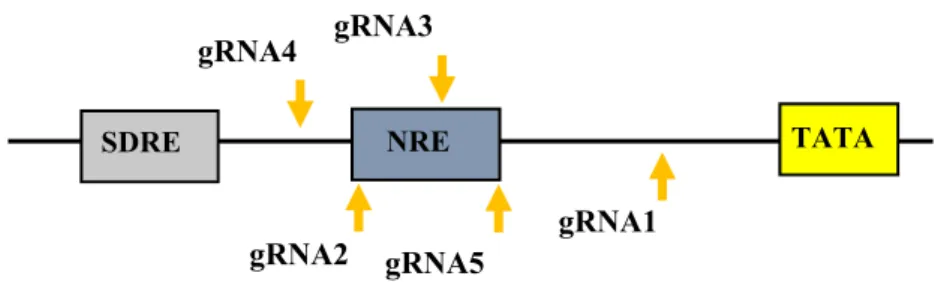
The chicken ovalbumin gene has regions that are associated with transcriptional activity, such as DNase I hypersensitive region. The ovalbumin gene and β-globin gene extracted from the chicken oviduct cells are degraded by DNase I. There are four hormone-induced DNase I hypersensitive sites [56, 57] in the 5' terminal regulatory region of the ovalbumin gene. The transcription factors easily bind to these sites, allowing the rotation of DNA. Site I is a group of negative regulatory elements (NREs) located between ˗308 and ˗88 regions, including ˗308 and ˗256 region, ˗239 and ˗220 region, and ˗174 and ˗88 region. Some oligomers corresponding to these three regulatory elements can also inhibit the promoter of the thymidine kinase gene.
Several studies have demonstrated that the region between ˗239 and ˗220 is a transcriptional silencer and its sequence (TCTCTCCNA) is consistent with that in other genes. The oviduct-specific proteins can bind to the following regions: ˗280 and
˗252 region and ˗134 and ˗88 region. These regions may be potential tissue-specific expression regulators of the ovalbumin gene [58]. Site II is a steroid-dependent regulatory element (SDRE) located between the ˗892 and ˗780 region, which can combine with estrogen and glucocorticoid to produce the corresponding response.
Additionally, the SDRE is an important regulatory element for hormone-induced gene expression in the chicken oviduct cells in vitro. NRE is reported to exert dual effects.
In the absence of steroids, NRE can inhibit the ovalbumin gene transcription. In the presence of steroids, NRE and SDRE can promote the ovalbumin gene transcription [59]. DNase I hypersensitive site contains the direct repeat sequence of estrogen semi responsive element with palindrome structure, which can mediate hormone-induced gene expression in the HeLa cells [60] and enhance the transcription activity of the upstream chicken ovalbumin gene promoter [61]. The function of the remote DNase I sensitive point IV is still unknown.
19
The whole ovalbumin gene family is distributed in the 120 kb region [62]. Thus, there may be other cis-regulatory elements [63, 64] besides the ovalbumin gene.
Snadesr et al. demonstrated that the downstream sequence of ovalbumin gene (˗880) was sufficient to promote high steroid-induced reporter gene expression level, which was lower than the level guided by the regulatory regions of ˗2.8 kb and ˗3.5 kb [59].
There may be tissue-specific expression regulators in the region between ˗3200 and
˗2800, which inhibit the expression of exogenous genes in the liver driven by ovalbumin gene regulatory region [65].
The mRNA structure of the ovalbumin gene has been elucidated. There is a hairpin structure at the 5' end of the ovalbumin gene, which has a high affinity for the eukaryotic initiation factor, eIF-2. It can be used as an initiation signal to facilitate the translation initiation of mRNA [66]. Several studies have demonstrated that steroids can enhance the ovalbumin gene transcription and contribute to the stability of mRNA [67].
1.4 Gene editing
There is a renewed interest in gene research since the discovery of genes as the carrier of genetic information and the elucidation of DNA structure. The development of new sequencing technology has enabled the sequencing of the whole genome of several species. The sequencing data can aid in understanding the application of gene function. The manipulation of the genome is called “genome editing,” which involves deletion, insertion or substitution of genomic DNA sections using the DNA repair mechanism in the cell. The traditional genome editing is mainly used to modify the genome by spontaneous homologous recombination and integration of foreign genes.
However, this method is very inefficient (about 10-7) and is associated with many random integrations [68]. Hence, traditional genome editing is only suitable for screening rare targeted yeast cells and cultivable mammalian cells by detecting a large number of transfected cells [69, 70].
DNA damage can produce DNA double-strand breaks (DSBs), which are usually
toxic to cells and results in genomic instability and gene mutations that cause diseases.
However, the efficiency of gene targeting increased by 50,000 times when the target site has DSBs [71]. DSBs stimulate the DNA repair mechanism in vivo. The DNA repair mechanism can not only repair the damage but is also involved in some important biological processes, such as meiotic recombination, antibody class conversion, and VDJ rearrangement. DNA DSBs induce two main repair mechanisms:
non-homologous end joining (NHEJ) and homology directed repair (HDR). HDR uses homologous DNA sequence as a template to repair the cleaved DNA double strand and the damaged DNA sequence is strictly complementary to the template DNA. This repair is catalyzed by RecA protein in bacteria and Rad51 protein in eukaryotes [72].
Homologous recombination usually occurs in the S/G2 phase of cell cycle. In the absence of homologous sequences, DSBs are repaired by NHEJ. This mechanism can cause mismatches, which can easily change the sequence of genes and result in deletion or insertion of small fragments of bases at the damaged sites. NHEJ is active during the whole cell cycle. Although NHEJ is prone to mismatch, this is the main repair mechanism for DSBs [73]. NHEJ provides an effective way to interrupt gene function by knocking out the gene. HDR provides another editing method, which relies on the knock-in of homologous sequence, by precisely copying the recombinant genetic information on the template into the repaired DNA. NHEJ and HDR are two important ways of gene editing in almost all living organisms. Therefore, these two methods can be theoretically be applied to any species [74].
As HDR repairs the damaged DNA in strict accordance with the donor homologous template, researchers used HDR to insert and repair mammalian cell genes in the 1980s [75]. This technology was then used by Capecchi to target the mouse embryonic stem cells and successfully obtained transgenic mice [68]. However, this technology can only produce effective HDR in yeast, chicken DT40 cells, and mouse embryonic stem cells among eukaryotes [76]. This traditional DNA homologous recombination technology is time-consuming, laborious, and inefficient, which hinders the wide application of gene editing technology. Thus, researchers
21
searched for an endonuclease that can cut the genomic sites at specific sites and produce DSBs. The first nuclease used for genome editing of mammalian cells is the yeast homing endonuclease, I-SceI. I-SceI recognizes a special 18-bp sequence of chromosomes. This endonuclease exhibits high specificity as the recognition sites are not present in the mouse and human genomes. DSBs are produced by I-SceI cleavage, which improves the HDR efficiency of mammalian cell genome target sites by 500 times [77]. As the recognition sites of I-SceI endonuclease are present only in yeast, it cannot be used to edit endogenous genes in mammalian genome, which limits its application. Studies on I-SceI indicate that designing site-specific endonucleases will promote the development of genome editing technology.
One of the challenges of genome editing is to identify a nuclease that can specifically recognize and cut the genome to produce DSBs [78]. Recently, researchers have realized that a wider range of nuclease target DNA sequence combinations can be employed [79]. Based on this concept, the following two nucleases have been artificially developed: zinc finger nuclease (ZFN) and transcription activator-like effector nuclease (TALEN). ZFN and TALEN both cleave DNA via the FokI domain. In contrast to ZFN and TALEN, CRISPR/Cas, which is a third-generation artificial nuclease, is an RNA-mediated genome editing technology.
CRISPR/Cas system is a widely used genome editing tool mainly due to its simplicity, low consumption, and high efficiency.
The emergence of endonuclease that can specifically cleave the genomic site has enabled accurate editing of the target gene sites. The development of genomic editing technology promotes innovation in the field of gene research. Researchers can now use artificial nuclease to delete or integrate any gene [80]. The new genome editing technology is accurate as it can modify the genome by targeting the gene sequence.
Thus, the new genome editing technologies have more advantages than traditional transgenic methods and RNAi-mediated knockdown technology. Artificial nuclease technology can not only modify the coding gene but also edit the cis-regulatory elements, which results in gain or loss of gene function. Hence, artificial nuclease
technology can sensitively and accurately reflect the expression and function of endogenous genes.
1.4.1 ZFNs
ZFN is a chimeric protein comprising a zinc finger module and a FokI nuclease domain [79]. The single nuclease domain lacks the specificity of DNA recognition and relies on the fused zinc finger protein to specifically recognize the DNA sequence.
The zinc finger domain is a natural DNA binding domain, which is present in transcription factors. One zinc finger module can recognize three nucleotide bases.
The recognition of DNA sequences by protein domains, such as zinc finger allows researchers to assemble an artificial DNA binding module based on zinc finger. The first generation of tools that was directly used for genome editing comprised designable DNA binding sites and nuclease domain [81]. Type II restriction endonucleases, such as FokI can recognize short DNA sequences and induce DSBs by cutting the DNA at a certain distance between recognition sites. This is because the DNA binding sites and nuclease domains of these proteins are separate and can function independently [82]. The nuclease domain does not exhibit sequence specificity and the site of DNA break can be changed by changing the specificity of DNA binding domain [83]. Cys2-His2 family is the most suitable zinc finger protein for application in combination with fixed-point nuclease. Each zinc finger is very small with about 30 amino acids. The secondary structure consists of an α helix and two β sheets (αββ). One of the characteristics of zinc finger endonuclease is that FokI needs to form dimer to exhibit the enzyme activity of cutting DNA double strand [84].
Therefore, the two zinc finger proteins must be combined with FokI, which allows FokI to form a dimer and cleave the DNA double strand. The formation of nuclease domain dimer increases the recognition accuracy as the length of the recognition sequence doubles. In the DNA binding domain and target sequence, two nuclease domains must be engineered close to each other to form dimer for cleaving the DNA.
The best distance between two zinc finger domains is 5–7 nucleotides [85].
in 2 zebr of d Alth trad gen expr time
1.4.
Xan thro expr tran cert tran activ tand Am
Since ZFN 2002, it ha
rafish, mou different ge hough the ditional meth
es with ZFN ression libr e for screen
Fig. 1-3 S
.3 TALEN
Transcript nthomonas, ough type I ression of nsmission [9 tain structu nsport signa vation regio dem repeats mong the con
N was first s as been suc use, rat, pig, ene editors ZFN-medi hods for sit N. To selec rary and ma ning high eff
Schematic di
tion activa a plant pa III secretion
downstrea 92, 93]. Ty ural charact al, central r on (Fig 1-4) s, each of nserved ami
successfully ccessfully u silkworm, s varies wi
ated genom te-specific in ct a specific any zinc fing
ficiency and
iagram of ZF
ator-like ef athogenic b n system. N am target g ypical TALE teristics, inc repeat DNA ). A typical
which cont ino acid res
23 y used to kn
used to mo Arabidopsi ith an aver me editing
ntegration, c target site ger proteins d specific zi
FN compone
ffector (TA bacterium.
Next, TAL genes, whi E proteins cluding nu A binding r TALE DNA tains 34 hig sidues, the t
nockout the odify differ s, and huma rage efficie method is it is a time- , researcher s do not exh inc finger p
ents and geno
ALE) is a TALE prot E enters th ich aids in contain so uclear locali
egion, and A binding re ghly conser twelfth and
yellow gen rent genes ans [86-91]
ency of ab s more effi -consuming rs must buil hibit activit
roteins incr
ome-editing p
a secreted tein enters he nucleus n virus pr
me identica ization sign C-terminal egion consis
rved amino thirteenth a
ne of Drosop of Drosop . The efficie bout 10% [ ficient than g process to ld a zinc fi ty. The cost reases.
processes.
protein f the plant to activate roliferation
al regions nal, N-term l transcripti
sts of 15.5–
o acid resid amino acids
phila phila, ency [81].
the edit nger t and
from cells e the
and with minal ional –19.5 dues.
s are
called repeat variable residues (RVDS), which determine the specificity of DNA binding region for a nucleotide. The last repeat unit has only 20 amino acids, which is only half a repeat. Bioinformatic laboratory studies have demonstrated that there is a certain correspondence between RVD of TALE and nucleotide of the target DNA sequence. RVD with different amino acid combinations can recognize one or more of A, T, G, and C bases. Common corresponding relationships are as follows: histidine aspartic acid (HD) recognizes base C; asparagine isoleucine (Ni) recognizes base A;
asparagine asparagine (NN) recognizes base A or G; asparagine glycine (NG) recognizes base T; asparagine serine (NS) can recognize any of A, T, G, C; asparagine lysine (NK) recognizes base G [94]. After the discovery of TALE code, TALEN, another landmark gene editing tool, was developed by combining TALE protein with nuclease. Similar to ZFN, a pair of two TALE proteins bind to the fusion protein of nucleic acid endonuclease FokI to form a dimer. Generally, the distance between two TALENs and the corresponding genomic DNA binding sites is 10–20 bp for cleaving the specific target sites on the target genome. Some different assembly methods are used to generate customized TALENs. The TAL module area and simple DNA recognition code enable us to assemble TALENs that easily and rapidly target any gene of interest. Generally, TALEN can recognize 18–20 bp DNA sequences and increasing the number of DNA binding regions on TALENs will reduce the specificity [95]. The characteristics of the TAL region in TALEN enable the prediction of target specificity. Since the advent of TALEN technology, genome modification has been successfully accomplished in zebrafish, mouse, fruit fly, rat, frog, human cell, insect, and various plants in a short time [96-99]. Although the size of TALE protein is similar to zinc finger protein, the TALE protein can recognize only one base. Thus, the final constructed nuclease could be larger. Additionally, the difficulty of transfection is also a limitation. Similar to other nucleases, TALEN can miss the target sequence in the genome. This can be addressed by selecting a unique site (at least 7 nucleotides) that is different from other sites in the genome.
Compared to ZFN, the construction of TALEN is easier. TALEN can complete
the time stro targ acid that a TA asse edit nuc new tech
1.4.
1.4.
[100 The foun spp, sequ
screening e-consumin onger ability get efficienc ds of a TAL t can recogn
ALEN prot embly, TAL ting efficien
lease to ZF w technolog
hnology.
Fig. 1-4 S
.4 CRISPR
.4.1 The res The disco 0] identified ese DNA seq nd in about , [101, 102]
uences wer
with sim ng. Compare
y to recogni cy. Howeve L module c nize the spec tein with hu LEN protein
ncy. Before FN, the RN gy directly
Schematic dia
R/Cas9
search histo overy of CR d a cluster quences exh t 40% of ba
], Salmonell re later refe
mple molecu ed to ZFN, ize the spec er, TALEN can recogniz
cific sequen undreds of n may also e e TALEN c NA-mediated
replaced T
agram of TAL
ory of CRI RISPR/Cas of 29 bp r hibited a un acterial spec la entreica, erred to as
25 ular clonin TALEN ha cific DNA se technology ze a base. T nce of a targ
amino acid elicit an imm could be wi
d nuclease, TALEN to
LENs compon
ISPR/Cas s began in 1 repeats dow nique cluster cies and 90%
and Shigel non-repeat
ng technolo as a wider equence, be y is similar Therefore, t get DNA, it ds. In additi mune respo idely used , CRISPR/C
be the pre
nents and gen
ystem 987 when N wnstream of
r duplicatio
% of archae lla dysenteri short sequ
ogy, which target site s etter specifi r to ZFN. O
to build a T t may be nec ion to the t onse in vivo as an altern Cas system dominant g
nome-editing
Nakata and f the IAP g n, which wa ea, such as M
iae [77, 103 uence separ
h does is selection ra icity, and hi Only 34 am TALEN pro
cessary to b time-consum o and reduce
rnative artif m emerged.
genome ed
processes.
d his collea gene in E.
as subseque Mycobacter 3]. These re ration of sp
not ange, gher mino otein build ming e the ficial This iting
gues coli.
ently rium epeat pacer
DNA. In 2002, Jansen and Mojica called coined the term CRISPR for these short repeats. CRISPR is located in the prokaryote genome or some plasmids. The number of CRISPR loci and the number of repeat sequences within CRISPR varies among species [104]. Additionally, four genes encoding CRISPR-associated (Cas) proteins were discovered [105]. CRISPR/Cas system is speculated to play an important role in biological processes. Moreover, some of the spacer sequences are homologous with phage DNA sequences. These spacer sequences are indeed from phage DNA. After the bacteria are infected, the CRISPR system selects about 20 bp DNA fragments near the potential PAM (prospacer adjacent motif) sequence of phage genomic DNA and inserts them into the bacteria or archaea to extend the CRISPR expression box. Upon re-infection, the presence of these spacer sequences in bacteria can prevent the invasion of foreign plasmids or phages. Two research groups [106, 107] combined CRISPR with immune system to prevent the invasion of exogenous DNA and predicted that CRISPR might play an important role in immune defense through a mechanism similar to that of eukaryotic RNA interference. Subsequently, Barrangou et al. inserted the phage spacer into S. thermophilus in 2007, which conferred resistance to phage infection. This confirmed that CRISPR confers the bacteria with immunity against phage invasion [108]. In 2010, Garneau et al. demonstrated that the spacer sequence in Streptococcus thermophilus can guide Cas9 in Cas gene cluster to cut DNA [109]. These important findings enabled the scientists to study the mechanism of CRISPR/Cas9 system. Subsequently, there was a rapid development of the CRISPR/Cas9 system.
Fig
1.4.
CRI hav sequ tran thus sequ sequ repe sequ form with
g. 1-4 Schema
.4.2 The str CRISPR ISPR seque
e a 5′ term uence. The nscription of s cannot en uence is rel uences bein eat sequenc uences of G med after tr
h Cas prote
atic overview
ructure of C R/Cas syste ence compri minal with
precursor s f CRISPR s ncode protei latively wel ng identical.
ce is a 24–4 GTTT/G and ranscription in [114]. Th
of the Type I
CRISPR/C em compris ises the lead a length o sequence ha sequence [1
ins. The pre ll-conserved . The variab 48 bp forw d GAAAC a
has a stabl he repeat se
27 I, II, and III C
[110]
as system ses the CR der, repeat, of 300–500 as a transcri
11, 112]. H ecursor seq d within the bility is ver ward repeat at both ends le neck ring equences ar
CRISPR expr
RISPR sequ and spacer 0 bp and a iption start However, the quence is no e same spec ry high in d sequence w s. The matu g structure [ re not contin
ression and in
uence and r. Most CRI an adenine site, which e sequence l ot strongly cies with ab different spe with 5–7 bp ure CRISPR [113] and fo nuous but a
nterference st
Cas gene.
ISPR seque e-rich precu
can initiate lacks ORFs
conserved.
bout 80% of ecies [105].
p of palindr R RNA (crR orms a com are separate
ages
The nces ursor e the s and The f the The rome RNA) mplex d by
interval sequences of 26–72 bp. The bacteria with only one repeat can still have spacer sequences [115]. The number of interval sequences in different CRISPR sequences also varies. There are 587 interval sequences in the CRISPR sequence of a slime bacteria, which is the most number of known interval sequences. These sequences are not the genome sequences of bacteria and are from phage or plasmid DNA sequences. These sequences confer the bacteria with resistance against phages.
Cas gene, another important component of the CRISPR/Cas system, is located near the CRISPR sequence. The Cas gene is usually a group of conservative protein-coding genes in the upstream region, including nuclease, helicase, polymerase and RNA binding domains, which combine with crRNA to form ribonucleoprotein complex to specifically degrade foreign DNA through binding sites [116]. Generally, there is a corresponding Cas protein gene near the active CRISPR sequence. However, if there are multiple CRISPR sequences in the same bacteria, the CRISPR sequences without Cas gene in some adjacent regions can be transcribed and combined with the Cas gene at other positions in the genome to form a complex.
1.4.4.4 Type of CRISPR/Cas system
The bioinformatics analysis of advanced sequencing data revealed that the Cas gene exhibits high diversity and 45 Cas proteins have been reported successively [117]. The CRISPR/Cas system is often found in bacteria and archaea inhabiting extreme environmental conditions. The functioning of some CRISPR/Cas systems is conserved in all prokaryotes. However, several Cas protein families reflect a different evolutionary pattern. The continuous coevolution between viruses and their hosts has led to the emergence of anti-CRISPR in viruses, which may explain the high diversity of CRISPR/Cas. The CRISPR/Cas system is divided into three types based on the sequence and structure of Cas protein (type I, type II and type III) and at least 10 subtypes (Fig. 1-4).
Type I CRISPR/Cas comprises 6 different subtypes (I-A to I-F) in bacteria and archaea. Cas3 is the essential and major conserved marker protein in the interference reaction. Cas3 contains an HD phosphohydrolase region and a DExH-like helicase
29
region [118]. These two regions are independently encoded by two unrelated genes.
Depending on the presence of ATP and Mg2+, dsDNA is desorbed in the helicase region and ssDNA is cleaved in the HD region [119]. Cas3 interacts with different cascades (CRISPR-associated complex for anti-viral defense, cascade) and transports crRNA. The crRNA and cascade complex can recognize the target DNA sequence.
The recruited Cas3 degrades the target virus DNA molecule by forming negative super helix DNA.
Type II CRISPR/Cas is the smallest Cas gene with unique characteristics and is only found in the bacterial genome. In such systems, the multifunctional protein Cas9 is involved in both crRNA maturation and subsequent interference response [120].
The process of crRNA maturation depends on the trans-activated crRNA (tracrRNA), which contains 25 nucleotides and crRNA repeats matched near the CRISPR site [121]. Cas9 can promote the pairing of tracrRNA and pre-crRNA base to form RNA double strand. RNase III cuts the double strand RNA to produce mature crRNA [122].
The cleaving of dsDNA requires crRNA, tracrRNA, and Cas9. The McrA/HNH nuclease region of Cas9 cuts the complementary DNA strand with crRNA. The RNase H folding region cuts the non-complementary DNA strand in the presence of Mg2+. The DNA is cleaved precisely at a site that is 3 nucleotides upstream of PAM, while the non-complementary DNA strand is cleaved at 3–8 bp upstream of PAM sequence and produces a blunt end [109].
Two known CRISPR/Cas systems of type III (III-A and III-B) are mainly present in the genome of archaea. Type III system encodes CRISPR-specific ribonuclease-Cas6 protein and Cas10 protein subtypes, which are likely to participate in targeted interference. Cas10 encodes an area of targeted degradation of HD nuclease. The type III-A system of Staphylococcus epidermidis contains five Csm proteins that can target DNA [123]. This type of target DNA system does not need a specific PAM sequence but cannot target the sequence complementary to 8 nucleotides of crRNA [124]. In the type III-B system of Pyrococcus furiosus, Cas6 is not an essential part of the interference complex after the crRNA ripening process.
However, the 8 nucleotides of 5′ repeat sequence label provide the nuclear protein interference complex with the fixed assembly of 6 proteins (Cmr1–Cmr6). The Cmr complex containing 7 proteins (Cmr1–Cmr7) in Sulfolobus solfataricus exhibits endonuclease activity at the UA dinucleotide of the invading RNA. For both Cmr complexes, PAM sequences are not required for the target RNA. Unlike other subtypes, these two types of interference complexes specifically target RNA rather than DNA [125]. However, Cmr protein is reported to target the plasmid DNA in vivo independent of the PAM sequence.
1.4.4.5 CRISPR/Cas9 system as a genome editing tool
There is great potential to use different CRISPR/Cas systems as genomic manipulation tools. It is necessary to study the activity of different Cas proteins and use them for the development of different editing tools. For example, Cas6f, previously known as Csy4, is a pre-crRNA process enzyme that predicts gene expression. In recent years, studies on the Cas protein interference complex have revealed that Cas proteins play an important role in the development of new genome editing tools. They can be used to target specific DNA or RNA. One of the most important Cas proteins is Cas9, a large type II protein. During the early stage, natural Cas9-mediated genome editing is realized in two steps. Cas9 induces DSB in the genomic DNA target site through a 20-nucleotide guiding sequence in crRNA. Next, the DSB is repaired through NHEJ or HDR. The natural Cas9 system requires the following three basic parts: Cas9 nuclease, tracrRNA, and designable crRNA. The type II CRISPR/Cas system is further simplified with the system requiring only two parts: Cas9 nuclease and designable gRNA. Studies on Cas9 interference have revealed that the fusion product of crRNA and racrRNA has similar efficiency with the crRNA: tracrRNA double strand processed by RNase III [122]. Therefore, the design method of Cas9 and sgRNA is similar to the fused crRNA/tracrRNA sequence.
The ribonucleoprotein formed is called RNA guided endonucleases (RGENs). RGENs can target a single gene or even multiple genes and edit the target sequence efficiently and specifically. The specificity of targeting is determined by the sgRNA sequence.
31
Different single Cas9 proteins of sgRNA can be targeted repeatedly without the time-consuming reassembly like protein-directed artificial nuclease. Several sgRNAs can target edit five genes at the same time in a single reaction. This method of genome editing opens a wider choice for genome editing of different species and different kinds of cells.
The Ruvc or HNH domain of mutant Cas9, and the gRNA mediated Cas9 can generate the gap at the target site. This mutant complex, gRNA mediated Cas9, can produce DSB- and NHEJ-mediated mutations at specific target sites when used in a pair. This double notch design can target the complementary chain of a target site to initiate HDR, which is more efficient and faster than natural Cas9-mediated HDR and single Cas9-mediated HDR.
1.5 Research purpose
It is anticipated that transgenic avian species will be used as living bioreactors for the production of biopharmaceutical proteins. Precise tissue-specific expression of exogenous genes is a major challenge for the development of avian bioreactors. No robust vector is currently available for an efficient and specific expression. In recent years, genome editing techniques, such as the CRISPR/Cas9 system have emerged as efficient and user-friendly genetic modification tools. To apply the CRISPR/Cas9 system for the development of transgenic chickens, guide RNA (gRNAs) sequences of the CRISPR/Cas9 system for the ovalbumin (OVA) locus were evaluated for the oviduct-specific expression of exogenous genes. An EGFP gene expression cassette was introduced into the OVA locus of chicken DF-1 and embryonic fibroblasts using the CRISPR/Cas9 system via homology-independent targeted integration. For the knock-in cells, EGFP expression was successfully induced by activation of the endogenous OVA promoter using the dCas9-VPR transactivation system. The combination of gRNAs designed around the OVA TATA box was important to induce endogenous OVA gene expression with high efficiency. These methods provide a useful tool for studies on the generation of transgenic chicken bioreactors and the
activation of tissue-specific promoters.
1.6 Thesis components
Chapter 1 introduces general information on the recombination protein expression system. Additionally, the difficulty in the generation of transgenic chicken is introduced. Furthermore, the mechanisms of gene editing methods are also discussed.
In Chapter 2, the techniques and mechanisms related to the study in this thesis are reviewed.
In Chapter 3, the selection of high efficiency gRNAs for the ovalbumin and lysozyme genes in the CEF cells is discussed. The HITI pathway was used to evaluate the knock-in efficiency of an exogenous gene.
In Chapter 4, 5 gRNA sequences around the ovalbumin gene promoter (TATA box) were co-cultured into CEF and DF-1 cells to initiate ovalbumin protein expression to check dCas9 transactivation system efficiency.
In Chapter 5, An EGFP gene expression cassette was introduced into the OVA locus of chicken DF-1 using the CRISPR/Cas9 system via homology-independent targeted integration to confirm the endogenous OVA gene promoter able to initiate exogenous gene expression with high efficiency
In Chapter 6, the contents of this study are summarized.