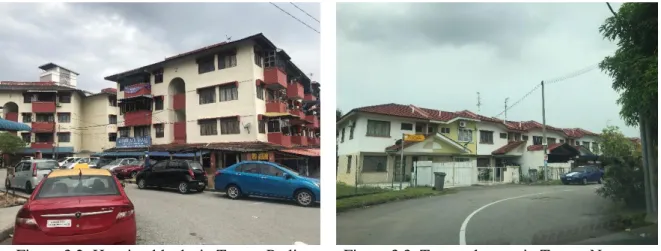
1
DOCTORAL THESIS
SHIBAURA INSTITUTE OF TECHNOLOGY
THE RELATIONSHIP OF PHYSICAL AND SOCIAL ENVIRONMENTS WITH
ACTIVE AGEING AMONG OLDER ADULTS: A CASE STUDY IN THE
MALAYSIAN NEIGHBOURHOODS OF JOHOR BAHRU
2020 / SEPTEMBER
2
ACKNOWLEDGEMENT
First of all, I would like to acknowledge my deepest gratitude to Prof. Nakamura, my supervisor, for his kind supervision on guiding me with my research and giving me the extra knowledge for my self-improvement. Thank you for guiding me step by step until I have reached my level of expertise now. It is really a great honor to work under his supervision.
I would also like to express my deepest thanks and sincere appreciation to Prof. Suzuki, Prof. Masuda, and Dr. Yasmin from Shibaura Institute of Technology (SIT), and Prof. Murayama from the University of Tokyo for lending their time to help me in completing my thesis and giving constructive and useful comments to improve on the contents of my research.
In completing my Phd journey here in Japan, my parents and my family have always been there to give me moral support and motivation from afar. I am very thankful for my parents, Nordin and Amy Haslinda, and my siblings, Nayli Batrisyia, Marsya, and Bazeil. I would also like to express my sincere gratitude for my friends here who have been supporting and assisting me in my research, giving moral support, and their companionship that made me who I am today. Thank you to Sabri, Syafikah, Mira, Teh, Adilin, Yosi, Ashikin, Atikah, and Fatina. I am blessed with all of your support and encouragements in completing my PhD. And also, sincere thanks to my Japanese lab mates, Adachi, Kodai, Atsuo, and Yuka for assisting me during my study years in SIT.
3
ABSTRACT
An ageing population poses a major challenge to low and middle-income countries such as Malaysia which is related to an increased prevalence of non-communicable diseases among older adults due to physical inactivity. Focusing on developing an active ageing living environment is the preferred solution to deal with this problem. The physical and social neighbourhood environments (PNE & SNE) can affect active ageing among older residents from the context of physical activity (PA) level. The objectives of this research are to examine the objective and subjective measures of PNE & SNE, and their direct and indirect relationship with (PA) levels of older residents. The PNE objective (PNEO): land use mix entropy, population density, traffic intersection density and distance to facilities; and PNE subjective (PNES): comprised of physical neighbourhood perception based on the NEWS-A questionnaire items: and their relationship with older adults’ PA were analyzed. Concurrently, the SNE objective (SNEO): social networks and sociability; and SNE subjective (SNES): generalized trust, collective action and cooperation, and perception towards community groups: and their relationship with older adults’ PA were also analyzed. The SNEO and SNES items were based on the SC-IQ questionnaire items and findings from the author’s pilot survey. The PA was measured based on the IPAQ questionnaire items. The questionnaire were combined and survey was conducted on 280 older residents in four neighbourhoods of Johor Bahru city, Johor, Malaysia. Cross-tabulations and correlation analyses were conducted to analyse the significant relationships.
4
TABLE OF CONTENTS
ACKNOWLEDGEMENT………..2 ABSTRACT……….3 TABLE OF CONTENTS………...4 1 INTRODUCTION ... 7 1.1 Research Background ... 71.2 Problem Statement and Significance of the Study ... 8
1.3 Research Objectives ... 10
1.4 Expected Outcomes ... 10
1.5 Research Questions and Hypotheses ... 10
1.6 Scope of the Study ... 11
1.7 Thesis Structure ... 12
2 ACTIVE AGEING AND THE NEIGHBOURHOOD ENVIRONMENT ... 14
2.1 Active Ageing and Ageing-in-Place ... 14
2.2 Physical Activity as the Indicator of Active Ageing and Ageing-in-Place ... 15
2.3 Physical Neighbourhood Environment (PNE) and Physical Activity among Older Adults ... 16
2.3.1 Objective and Subjective Measures of PNE ... 17
2.4 Social Neighbourhood Environments (SNE) and the Physical Activity of Older Adults ... 19
2.4.1 Objective and Subjective Measures of SNE ... 22
2.5 Active Ageing from a Structural Social Capital perspective (Pilot Study Findings) ... 22
2.5.1 ‘Rukun Tetangga’ (RT) in Taman Selesa Jaya (SJ) ... 25
2.5.2 The RT in Taman Nusantara ... 26
2.5.3 RT in Taman Johor ... 27
2.6 Theoretical Frameworks and Conceptual Model ... 28
2.7 Hypothesis Formulation ... 30
3 METHODOLOGY ... 33
3.1 Introduction ... 33
3.2 Study Area ... 33
3.3 Research Design ... 42
3.4 Spatial Data on Physical Neighbourhood Environment ... 43
3.4.1 Land Use Mix ... 44
3.4.2 Density ... 44
3.4.3 Accessibility ... 44
3.4.4 Proximity ... 44
5
3.5.1 Study samples (SES items) ... 45
3.5.2 Social Capital Integrated Questionnaire (SC-IQ) ... 46
3.5.3 Neighbourhood Environment Walkability Scale – Abbreviated (NEWS-A) ... 49
3.5.4 International Physical Activity Questionnaire (IPAQ)... 50
3.5.5 Final Questionnaire Structure ... 51
3.6 Research Measurements for the Hypotheses ... 51
3.7 Summary of Chapter... 52
4 CASE STUDY ON TAMAN PERLING TERRACE ... 53
4.1 Analysis on Spatial Data using ArcGIS ... 53
4.2 Descriptive Statistics on Questionnaire Data ... 56
4.2.1 Part 2: Social Capital Theme (SNEO & SNES) ... 56
4.2.2 Part 3: Physical Activity (PA) ... 61
4.2.3 Part 4: Physical Neighbourhood Environment Subjective (PNES) ... 62
4.3 Significant Results based on Correlation Tests ... 66
4.3.1 Direct relationship for PNEO – PA (H1) & PNES – PA (H2) ... 66
4.3.2 Direct relationship for SNEO – PA (H3) ... 70
4.3.3 Indirect relationship for PNEO => PNES – PA (H4) ... 71
4.3.4 Indirect relationship for PNEO => SNEO – PA (H5) ... 72
4.3.5 Indirect relationship for PNEO => SNES – PA (H6) ... 73
4.3.6 Direct relationship for SES => PA (H7) ... 74
4.4 Summary of Chapter... 74
5 CASE STUDY ON TAMAN PERLING HOUSING BLOCKS ... 75
5.1 Analysis on Spatial Data using ArcGIS ... 75
5.2.1 Part 2: Social Capital Theme (SNEO & SNES) ... 78
5.2.2 Part 3: Physical Activity ... 84
5.2.3 Part 4: Physical Neighbourhood Environment Subjective (PNES) ... 84
5.3 Significant Results based on Correlation Tests ... 88
5.3.1 Direct relationship for PNEO – PA (H1) ... 88
5.3.2 Direct relationship for PNES – PA (H2) ... 90
5.3.3 Direct relationship for SNEO – PA (H3) ... 91
5.3.4 Indirect relationship for PNEO => PNES – PA (H4) ... 91
5.3.5 Indirect relationship for PNEO => SNEO – PA (H5) ... 91
5.3.6 Indirect relationship for PNEO => SNES – PA (H6) ... 95
5.3.7 Direct relationship for SES => PA ... 95
5.4 Summary of Chapter... 96
6 CASE STUDY ON TAMAN NUSANTARA ... 97
6
6.2 Descriptive Statistics on Questionnaire Data ... 100
6.2.1 Part 2: Social Capital Theme (SNEO & SNES) ... 100
6.2.2 Part 3: Physical Activity (PA) ... 105
6.2.3 Part 4: Physical Neighbourhood Environment Subjective (PNES) ... 106
6.3 Significant Results based on Correlation Tests ... 109
6.3.1 Direct relationship for PNEO => PA (H1) and PNES => PA (H2) ... 109
6.3.2 Direct relationship for SNEO => PA (H3) ... 112
6.3.4 Indirect relationship for PNEO => SNEO – PA (H5) ... 114
6.3.5 Indirect relationship for PNEO => SNES – PA (H6) ... 116
6.3.6 Direct relationship for SES => PA ... 116
6.4 Summary of Chapter... 117
7 CASE STUDY ON TAMAN SELESA JAYA ... 118
7.1 Analysis on Spatial Data using ArcGIS ... 118
7.2 Descriptive Statistics on Questionnaire Data ... 121
7.2.1 Part 2: Social Capital Theme (SNEO & SNES) ... 121
7.2.2 Part 3: Physical Activity (PA) ... 126
7.2.3 Part 4: Physical Neighbourhood Environment System (PNES) ... 127
7.3 Significant Results based on Correlation Tests ... 130
7.3.1 Direct relationship for PNEO – PA (H1) and PNES – PA (H2) ... 131
7.3.2 Direct relationship for SNEO – PA (H3) ... 134
7.3.4 Indirect relationship for PNEO => SNEO – PA (H5) ... 134
7.3.5 Indirect relationship for PNEO => SNES – PA (H6) ... 135
7.3.6 Direct relationship for SES => PA (H7) ... 136
7.4 Summary of Chapter... 136
8 CONCLUSION ... 137
8.1 Overall Findings ... 137
8.2 Implementation of Research Outcomes to the context of Malaysia’s Housing Policy and Guidelines for Active Ageing Promotion ... 148
8.3 Research Limitations ... 150
8.4 Conclusion ... 150
8.5 Future Study ... 151
APPENDIX………..153
7
1 INTRODUCTION
1.1 Research Background
Globally, nations are now encountering a state of increasing ageing population which is a major issue of social transformation, whereby all sectors of development are affected. Population ageing is a continuous phenomenon that are mainly caused by reduced fertility rates and an increased in life expectancy in the population. The global ageing population aged 60 years and above is expected to increase to 1.5 billion in 2050 from an estimated 524 million in 2010, in which most increased of ageing population occurred in developing countries (National Institute on Ageing. & Health., 2011). The United Nations defined an ageing society when 15% of the country’s population consisted of elderly people who aged 60 years and above. Developed countries like Japan are experiencing a super-aged phenomena in which the percentage of its elderly population (aged 65 and older) increases from 19.8% in 2005 to 26.3% in 2015 (World Bank, 2016), and is projected to increase to 33.3% in 2036, which makes Japan as the country with the highest ageing ratio in the world (National Institute of Population and Social Security Research, 2017). This has become a major challenge for developed countries, and an even more formidable challenge for developing countries such as Malaysia.
Malaysia has seen a progressive development growth but rather a slow-paced ageing society in which the population will consist of about 7 percent elderly people according to the forecast in 2020, and in 2030, the percentage of the elderly population will increase to about 11 percent (Hedrich et al., 2016). An ageing population poses a major challenge to low and middle-income countries especially relating to an increased prevalence of non-communicable diseases (Kampfen, Wijemunige, & Evangelista Jr., 2018), usually related to diseases among the elderlies. Moreover, global health estimates projections by WHO (2018) shows that Malaysia as an upper-middle income country will experience a gradual increase of mortality caused by non-communicable diseases from 84.3% in 2016 to 89.9% in 2045. Concurrently, the health and social care system of the living environment among the elderly population has become the subject of numerous discussions. However, using conventional measures for dealing with the increasing number of elderly people is no longer the main solution. Instead, the focus has been towards improving environmental spatial planning in order to cater to the elderly. In addition, preparation towards a social shift that is deemed fit for all age sectors among the population is vital in order to experience continual progress in sustainable development. Previous studies have shown that the neighbourhood environment is an important aspect regarding the well-being of the elderly, especially in terms of their physical and social needs. This is because such an environment serves as a daily setting that facilitates/assists the community members as well as acts as a support system to those experiencing decreasing health levels and social isolation. Cramm and Nieboer (2015) reported that a poor neighbourhood environment negatively affects elderly people who live alone, especially in obtaining support in their daily lives. Therefore, establishing and maintaining supportive relationships through a desirable neighbourhood environment can positively influence morbidity, mortality, and the elderly dependency ratio, all of which can strengthen the level of social capital among the community members (Cramm & Nieboer, 2015). Furthermore, strong evidence has shown that non-communicable diseases are caused by physical inactivity which is usually prevalent among older adults (Chan et al., 2019). As older adults increase with age and enters the retirement period, their level of physical activity will be reduced.
8 experience higher life expectancies and improve their quality of life by becoming physically fit and by showing active engagement in the community.
Physical activity (PA) can be assessed from several active ageing indicators related to the economy, health and social services, behaviour, personal circumstances, social surroundings and the physical environment (WHO, 2002). It has been found that older adults who participate in social and physical activities have higher self-satisfaction and confidence, a lower level of hospitalisations and a decreased likelihood of early mortality (Gautam, Saito, & Kai, 2007). Risk of obesity can be reduced among older adults who regularly participate in physical activities such as physical transportation activities (walking or cycling to destinations), physical occupational activities, indoor and outdoor household chores and daily sports and recreation activities (WHO, 2011). On the other hand, social activities such as interaction with neighbours and participating in community activities were also known to influence elderlies extent of PA level (Rebecchi et al., 2019).
Thus, an extensive approach such as the promotion of active ageing lifestyle among older adults are currently sought upon as an alternative to cope with the trend of ageing society. Malaysia as a developing country should be outlining its future developments to meet the needs of a future ageing nation. In Malaysia, the issue of ageing society and how to cater the needs of increasing number of elderlies are mainly done by promoting through health awareness campaigns among the population in order to live a healthy lifestyle. It is insufficient to just promoting through awareness campaigns, thus, the physical environment in which the elderlies live should also be aware of. The built environment characteristics is of utmost important when it comes to elderlies, especially in terms of the spatial planning that affects the accessibility, mobility, safety, attractiveness to make elderlies want to spend time outdoors during their everyday life.
1.2 Problem Statement and Significance of the Study
As one of the developing countries in Southeast Asia, Malaysia’s economic growth has increased gradually as well as the rate of the country’s development. Prior to this, the population demographic in Malaysia is fast increasing into the middle aged working people and this indicates a starting process of population ageing where the number of elderlies will make up a larger share of proportion in the future total population. The proportion of elderly is projected to reach 16.3% of the total population in Malaysia by the year 2040 (Abd. Rashid S. et al., 2016). Estimates by Jacob (2016) also showed a gradual increase of the elderly share of the population from 7% in 2005 to 12% in 2020. The age structure has gradually changed over the past few years: the proportion of younger people is declining and the proportion of older adults showed a steady increase (Karim, 1997). As shown in Figure 1.1, Malaysia is expected to become an ageing society in 2030, when 15% of the population will comprised of elderly people (UM, 2012). Based on these statistics, it is forecasted that Malaysia will become an ageing nation in the near future.
Figure 1.1: Malaysia’s Elderly Population Trend
9 Generally, people’s physical functions deteriorate with age, making older people less active and less mobile (Milanovic et al., 2013), which tends to lead to physical inactivity, as has been found in 48.8% of Malaysian men and women aged 60 years and above (Yy et al., 2019). An increase in physical inactivity will have major impacts on Malaysia such as an increase in dependency ratio and increasing needs of healthcare and medical facilities due to unhealthy dietary habits and sedentary lifestyle. In developed nation like Japan, this has become a major issue concerning the shift in demographic change. An increase of the elderlies percentage was shown to influence Japan’s local and national economies which caused a huge surge on pension funds and greater reliance on health care systems (Rupavijetra, Chompikul, & Rupavijetra, 2016). Furthermore, a higher proportion of older people living in the urban area greatly affect the distribution of health care resources in Malaysia (Mafauzy, 2000). Thus, a preparation to cope with this demographic shift in all related sectors is deemed important since Malaysia is moving progressively to an ageing society in the future.
Figure 1.2 shows the current population pyramid of Malaysia, in which the majority are young and middle-aged adults between the ages of 20 and 39. The population in 2040 is expected to increase, which will change the pattern of the population pyramid. Figure 1.3 shows a majority age group from the population pyramid, which will be among young-old adults in the range of 45 to 59. This is a slowly progressing trend that shows the importance of a development shift towards prioritising the needs of older adults in Malaysia, especially in the neighbourhood environment, to help them live independently.
Figure 1.2: Population pyramid for Malaysia in 2020 Source: Department of Statistics Malaysia (2020)
10 Malaysia’s current progress regarding the promotion of active ageing lifestyle is still underway, by promoting active ageing in its revised policy framework in the National Policy and Plan of Action for Older Persons in 2011 (Zawawi, 2013). Yet, the actions promoted remain rather general, which mostly focused on the health care provision and promotion of elderlies’ well-being. This study is significant to highlight the importance of specific policies concerning the development of an active ageing lifestyle in Malaysia, as well as the importance of the physical neighbourhood environment (PNE) as a daily setting that facilitates an active ageing lifestyle among older people.
1.3 Research Objectives
This research aimed to investigate the physical and social characteristics of the neighbourhood environment that can facilitate an active ageing lifestyle among older adults in Malaysia. The objectives for this research were developed based on the general research background, which are:
Objective 1: To investigate the influence of the PNE on the physical activity level among older adults
Objective 2: To examine the impact of the social neighbourhood environment (SNE) on the physical activity level among older adults
Objective 3: To investigate the influence of the PNE on the physical activity level among older adults through SNE
1.4 Expected Outcomes
The results of this study are expected to facilitate the housing policy and planning guidelines for Malaysian neighbourhoods that can act as a benchmark, especially in Malaysia’s housing sector. Significant relationships between the PNE and SNE with older adults’ physical activity are expected to aid the formulation of specific policies.
1.5 Research Questions and Hypotheses
Several research challenges arise to achieve the research objectives. Several hypotheses were then formulated to answer the research questions from this study which are described below in Table 1.1.
Table 1.1: List of research questions and hypotheses statements of this study
Research Questions (RQ) Hypotheses Statement
RQ1: Is there any relationship between each objective measure of the physical neighbourhood environment (PNEO) and the physical activity level of older adults?
H1: There is a statistically significant association between each PNEO measure and physical activity level of older adults
RQ2: Is there any relationship between each subjective measure of the physical neighbourhood environment (PNES) and the physical activity level of older adults?
H2: There is a statistically significant association between each PNES measure and physical activity level of older adults
RQ3: Is there any relationship between each objective measure of the social neighbourhood environment (SNEO) and the physical activity level of older adults?
11 RQ4: Is there any relationship between each
PNES measure with PA which is indirectly caused by PNEO?
H4: There is a statistically significant association between the PNES measure with PA which is indirectly caused by PNEO
RQ5: Is there any relationship between each SNEO measure with PA which is indirectly caused by PNEO?
H5: There is a statistically significant association between the SNEO measure with PA which is indirectly caused by PNEO
RQ6: Is there any relationship between each SNES measure with PA which is indirectly caused by PNEO?
H6: There is a statistically significant association between the SNES measure with PA which is indirectly caused by PNEO
RQ7: Is there any relationship between each demographic attribute with the physical activity level of older adults?
H7: There is a statistically significant association between each demographic attribute and physical activity level of older adults
1.6 Scope of the Study
This research This research highlights the influence of important physical and social neighbourhood environmental characteristics, primarily in terms of objective and perceptual measures on the degree of physical activity among older adults in the context of the Malaysian urban neighbourhood. There are currently limited studies focusing on this research area in Malaysia. Specific physical and social characteristics of the neighbourhood environment were hypothesised to influence the extent of physical activity among Malaysian older adults.
The study area was chosen based on the high proportion of older adults living in the urban neighbourhood of Johor Bahru City, Malaysia, based on the 2010 census data. The population census data of 2010 is the only data currently available from the Department of Statistics Malaysia. In Malaysia, the population census report is formulated every ten years. The physical characteristics of the neighbourhood areas are limited to the existing GIS data of the Iskandar Malaysia region in Johor Bahru, which was obtained in 2012. Further modifications were added to suit the current land-use status in the study area. Only three neighbourhoods were selected as the final study areas due to the difficulties of obtaining respondents with the age range of 50 and over. The neighbourhoods were selected based on the activeness of the neighbourhood associations that were managed by the community themselves. To date, few studies have investigated active ageing (Ambigga et al., 2011; H. Elsawahli et al., 2017) and the impact of PNES on older adults active lifestyles (Ajit Singh et al., 2018; Azmi and Karim, 2012; H. Elsawahli, Ahmad, & Ali, 2016; Lai et al., 2016; Mohammad and Abbas, 2012; APUDG, 2000) in Malaysia. There are no studies on possible relationships between objective PNE measures (PNEO) and Physical activity (PA) levels in Malaysian older adults. Since investigations have also found relationships between PNES and PA in Malaysia, it was anticipated that these measures also affect the PA levels of older Malaysian adults. Therefore, this study hypothesised that PNEO characteristics directly affect the level of PA in older adults and that the PNES characteristics indirectly affect the PA level depending on the respondent’s perception towards the distinctive physical characteristics of each neighbourhood. The unique physical attributes for each neighbourhood in this study were defined as small-scale physical features such as road medians, main roads with no pedestrian crossings, residential district boundaries and drainage barriers.
We also focus on the daily setting of the neighbourhood environment among elderlies living independently in their own house. By looking at a bigger context, the clusters of elderlies’ current location of living must be determined first to understand the spatial location of elderlies further. Also, we need to realise in what neighbourhood conditions they currently live (whether ground properties or high-rise affordable housing).
12 engage in healthy and active ageing activities (Kerr, Rosenberg, & Frank, 2012; Rosso, Auchincloss, & Michael, 2011). PNE can be measured objectively and subjectively. The objectively-measured PNE (PNEO) is the observable and measurable real-time data related to the physical characteristics of the neighbourhood environment, which can be obtained and analysed from either direct observation or secondary GIS data. PA can also be measured objectively through questionnaire surveys on residents. However, subjectively-measured PNE (PNES) is the perceived and subjective opinions of the general population about their surrounding neighbourhood environment. While both measures are interdependent (Sayegh et al., 2016), it is also essential to explore the underlying assumptions that may influence the PA levels in older adults (Hawkesworth et al., 2018; Nyunt et al., 2015; Thornton et al., 2017).
1.7 Thesis Structure
The overall flow of the thesis structure is described in Figure 1.4. Chapter 1 discussed the construction of the overall research framework, including the research background, problem statement, study significance, research objectives, expected outcomes, research questions, hypotheses and the scope of the study. Chapter 2 highlights the discussion of the literature review to develop an appropriate conceptual framework for this research. The main topics of this research include active ageing concepts and PA as the primary indicators, various physical and social neighbourhood environmental measures, and the research pilot study findings regarding active ageing in the context of bridging social capital. Chapter 3 is related more to the overall research methodology, including the description of the study areas, research method design, respondents of this study, analytical methods of the PNE spatial data, questionnaire framework and analytical methods performed based on the characteristics of variables.
14
2 ACTIVE AGEING AND THE NEIGHBOURHOOD ENVIRONMENT
This chapter will discuss about the current literature review regarding the importance of active ageing and ageing-in-place, the present situation of Malaysia’s housing policy and guidelines focusing on older people, and the importance of physical and social neighbourhood environment in terms of objective and subjective measures which greatly affect the extent of physical activity among older people especially in the neighbourhood setting.
2.1 Active Ageing and Ageing-in-Place
Active ageing can be generally understood as sustaining participation in all domains of life, such as the physical, social, economic, civic and spiritual aspects, to enhance the quality of life (WHO, 2007). This concept improves the life quality and well-being of older people by maximising the opportunities to be physically, socially and mentally healthy, as well as maintaining autonomy and living independently. Older retired adults, as well as unemployed older adults such as housewives, can remain active across the different domains of active ageing. It promotes behaviours that lead to higher life expectancies and better quality of life by becoming physically fit and active, nurturing each individual’s well-being and continuous involvement in the community, as well as having a healthy mental state. Furthermore, active ageing captures the synonym of being engaged in life, which includes a healthy, emotional, environmental, physical, social and spiritual life despite age, demographic attributes and health status (International Council on Active Ageing, 2015). As theorised by WHO (2007), active ageing exists in different domains of an individual’s life. It varies according to gender and various cultural backgrounds in a community (see Figure 2.1).
Figure 2.1: Active Ageing concept by WHO (2007)
15 participation, high levels of respect and social inclusion, and civic participation and employment. The planning for an age-friendly city focuses especially on the social and the physical built environment, whereby these settings have a profound significance to each other (Phillipson, 2011).
Ageing-in-place is regarded as a sensible concept for many since it allows older people to remain living independently rather than having to move out to live in institutional care facilities regardless of their health changing over time (Hagen, 2013). Past researches have also proven that most older adults tend to continue staying in their current homes compared to moving out to retirement homes (Hartje, 2004; Wiles et al., 2012). Malaysian middle adults aged 40 and above mostly preferred to stay in their homes when they get older, provided that they are surrounded by family and friends and have high mobility to access to facilities and services in their housing area (Aini, Aziz, & Hanif, 2015). This signifies the importance of ageing-in-place, since it empowers them to be independent and socially engaged in a secure and comfortable neighbourhood environment. Furthermore, this concept is referred extensively in both the internal housing environment as well as the neighbourhood environment setting that plays an important role for older adults to participate in various outdoor physical activities. Hence, it is sufficient to assume that ageing-in-place concept as a firm foundation to be a starting point in planning for an inclusive and sustainable neighbourhood environment in the future.
Currently, all issues regarding older persons are counselled by the Department of Social Welfare under the Ministry of Women, Family and Community Development. The ageing-in-place concept in Malaysia is still underway with the government formulating a few housing policies to address the needs of the older people. The National Policy and Plan of Actions for Older Persons was formulated in October 1995, focusing on older people right of access to obtain ample health care. In accordance to this, the Ministry of Health (MOH) Malaysia initiated the National Council on Health of the Elderly in 1997 with specific action plans for health care allocation for older people in Malaysia (Mohammad & Abbas, 2012). A newer version of the National Policy and Plan of Actions for Older Persons was approved in January 2011. The modifications includes integrating the older persons in the society and to empower older persons with a high self-worth and integrity. This policy is expected to initiate a conducive environment for older people to help develop their sense of independence and realizing their self-potential for their own self-improvement (Zawawi, 2013). Furthermore, the government have also developed the National Health Policy for Older Person in 2008 which mainly focused on improving the healthcare services for older people as well promoting individual health. All of the current policies for elderly in Malaysia only focuses on providing sufficient and high quality health care services and none focusing on the neighbourhood built environment. Until now, there have been no specific housing policy or guidelines which aims towards promoting an active ageing and ageing-in-place lifestyle in the neighbourhood environment in Malaysia.
2.2 Physical Activity as the Indicator of Active Ageing and Ageing-in-Place
Physical activity is an important measure for active ageing among older adults. Active ageing stems from the elderly individuals’ own desires and intentions to introduce physical activity into their everyday lives, simultaneously engageing in economic or social activities. This typically depends on the shift older adults experienced when entering the retirement phase. They tend to have more free time for leisure as well as focusing on their own self-improvement.
16 tends to spend time shopping, socializing, volunteering, and exercising (Brandon, 2013). In another region of Southeast Asia, a study based in Hong Kong deduced that the elderly subjects tended to spend their time in social centers and become followers of religious beliefs, because they considered religious activities to be a major pursuit in life (Chow & Chi, 1994). Participation in religious activity such as frequent church attendance among older adults in Western countries was associated with positive outcomes of active ageing (Gautam, Saito, & Kai, 2007). The act of praying and going to religious places are regarded as a form of physical activity specifically focusing on the dimension of religiosity among older adults.
A similar trend was observed in Malaysia, which has multiple ethnicities and religions among its population, showing that learning is integral for a seamless ageing process involving health, spiritual and community concerns (Muhamad & Merriam, 2000). In Malaysia, the process of learning among the elderly is firmly link with daily routines, regardless of differences in religions and ethnicities. Informal learning, especially among elderly Muslims, who constitute the majority is usually practiced through attending religious classes at a mosque, going to the mosque to pray during a certain time of the day, and spending one’s free time reciting the Koran to improve their life’s contentment (Muhamad & Merriam, 2000). Similarly, in the aforementioned study, Malaysian elderlies who follow other religions also incorporate learning into their daily lives, for example by walking daily, learning new farming techniques, helping others, and giving back to their society through learning and teaching. Most daily activities pursued by the elderly in Malaysia involve spending time outdoors, normally in the surrounding neighbourhood setting. For this reason, the outdoor neighbourhood environment can be expected to facilitate daily learning activities among the elderly in Malaysia.
Previous research has established several types of physical activities common among older people such as the transportation physical activity, the moderate-vigorous physical activity and the leisure-time physical activity. It is commonly depicted that participation in different types of physical activities occurs simultaneously across neighbourhood settings in which the physical and social environment might encourage or discourage physical activity among older adults. The main issue in promoting active ageing is whether older adults can maintain their physical and cognitive function during their free time across the outdoor neighbourhood environment settings, which is indirectly related to the objectives of this study by proving the relationship between the PNE, SNE and PA among older adults.
2.3 Physical Neighbourhood Environment (PNE) and Physical Activity among Older Adults The role of the built environment greatly influences the extent of physical activity among older adults. Previous research by Michael, Green, & Farquhar (2006) shows that good neighbourhood design and outdoor environment promotes active ageing by providing access to daily activities that can eventually improve their quality of life through daily walking and physical activity. The surrounding physical neighbourhood environment tend to substantially influences residents’ intentions of spending time outdoors. Previous studies have also examined what constitutes an age-friendly environment that promotes both active ageing and ageing-in-place. Physical features in the neighbourhood environment must be barrier-free in order to encourage the elderly to engage in daily activities outdoors (Anastasia, Lené, & Madeline, 2014).
17 traffic, pedestrian or bicycle infrastructure (Sallis et al., 2013), neighbourhood attractiveness, and public transportation (Michael, Green, & Farquhar, 2006). Furthermore, a study done among older adults in Belgium, Brazil, Canada, Colombia, Hong Kong, Japan, Lithuania, New Zealand, Norway, Sweden, and the U.S has shown that having good accessibility to sidewalks is second-most-important factor in increasing the activity level of the elderly in a neighbourhood, following only that of neighbourhood amenities such as transit stops and low-cost recreational facilities (Sallis, Bowles, et al., 2009).
Contrarily, the PNES may also hinder PA among its dwellers. Adults living in automobile-dependent neighbourhoods tend to have lower levels of PA, particularly in low-walkable neighbourhoods that usually leads to increased sedentary time (Silfee et al., 2016). Physical neighbourhood barriers such as railway tracks and highways, heavy traffic and high crime rates were linked with physical inactivity and increased sedentary behaviours (Stappers et al., 2018). In addition, older adults may experience a reduced extent of PA in neighbourhoods with low qualities such as lack of access to public services, overpopulation, traffic jam, elevated and slippery slopes and low street lights (Barnett et al., 2016). This underscores the critical role of the PNES in promoting the increased likelihood of older people doing PA outside their homes.
Furthermore, one important feature of a physical daily setting for elderly residents is the presence of an elderly-friendly park that is within walking distance which offers recreation activities in a neighbourhood. Previous studies have shown that older people in South Korea tend to be more physically active when they live near public exercise areas, which greatly support elderly residents in being healthy and active (An, Lee, & Kim, 2012). Public parks are an important resource, especially in minority communities, as such communities are often underserved by their neighbourhoods, which are less accessible to resources (Cohen et al., 2007). Differences in socio-demographic and cultural characteristics also demonstrate the norms that determine the user patterns and preferences for parks of the elderly in a neighbourhood (King & King, 2010). It is likely that low-income people living in affordable housing will use the nearest public transportation, as they tend to have no private vehicles, meaning they spend more time outdoors than medium-and high-income people in the same neighbourhood (Nagel et al., 2008). A recent study of elderly in Malaysian neighbourhoods by Lai et al. (2016) showed that such needs of accessibility to public transportation, outdoor spaces, buildings that are elderly-friendly, and affordable healthcare services are among the highest priorities in the creation of an age-friendly environment and promotion of active ageing in Malaysia.
2.3.1 Objective and Subjective Measures of PNE
The physical neighbourhood environment can be measured objectively and subjectively. Objective physical neighbourhood environment concerns on the structural real-time ground data and the subjective measures concerns more on the cognitive aspects such as the perception of the community towards the neighbourhood physical environment. Objective measures of the physical neighbourhood environment (PNEO) is greatly related the design of the neighbourhood districts and how its land uses are planned.
18 mix and the availability of parks and green space, significantly influenced the PA level of older adults (Hanibuchi et al., 2012). Accessibility indices are usually measured by combining the values and weights from PNEO measures such as residential density, street connectivity and land use mix (Oliver et al., 2011; Nyunt et al., 2015) and walkability indices are usually measured by the proximity to community facilities (Nyunt et al., 2015). While most PNE studies have used the walkability and accessibility indices to determine the influence of PNEO on PA, this study specifically referred to each PNEO measure and did not rely on any PNEO index to determine which of these measures were significantly related to the PA level of the older adults. This is because based on the author’s observation and pilot survey, walking for transportation is not a common trend among older people in Malaysia.
Numerous studies have shown that objective measures such as density, accessibility, proximity and connectivity greatly influence the extent of physical activity especially among older adults. PNEO measures such as land use mix entropy (Christian et al., 2011; Hajna et al., 2015; Wei et al., 2016), population density (Hajna et al., 2015; Zhiyong Wang et al., 2019; Wei et al., 2016), traffic intersection density (Berrigan, Pickle, & Dill, 2010; Kaczynski et al., 2014; Nyunt et al., 2015; Wu et al., 2019; Ying, Ning, & Xin, 2015) and proximity to recreation areas (Azmi & Karim, 2012; Ribeiro et al., 2015; Ying et al., 2015) influence the PA levels of older adults. While these types of PNEO measures are reliable in representing the objective physical characteristics of the neighbourhood environment that can strongly influence the PA level in older adults, in some cases local considerations are also needed. For example in this study, an additional PNEO measure: the proximity to the mosque: was added as it was hypothesised that this also was directly related to the PA of Malaysian older adults. This was because older Muslim Malaysian adults tend to spend their free time in leisure and spiritual activities, which is considered an important type of PA as they spend more time performing formal and informal spiritual learning activities, with many attending religious activities and social activities at the mosque (Merriam & Mohamad, 2000). Therefore, it was hypothesised that older adults living nearer to the mosque would have a higher PA.
19 2.4 Social Neighbourhood Environments (SNE) and the Physical Activity of Older Adults
Physical neighbourhood environments significantly influence the physical activity of the older resident adults, with communities living in walkable, pedestrian-oriented, and mixed-use neighbourhoods being found to be more socially engaged than communities in car-oriented neighbourhoods (Leyden, 2003), and neighbourhoods with high walkability having been found to be correlated with social cohesion and social connections (Beenackers et al., 2013), reduced social seclusion (Leyden, 2003) and low crime levels (Edwards & Dulai, 2018; Foster et al., 2014). Older people who are more involved in outdoor activities have been found to experience a higher rate of community participation (Chudyk et al., 2017). Walking or simply spending time outdoors also facilitates social interactions, which in turn improve physical and mental health (Phillipson, 2011), and the presence of elderly-friendly parks have also been found to enhance social interactions between strangers (Aelbrecht, 2010), reduce social isolation, increase the possibility of intergenerational communication and produce a sense of attachment and belonging to the neighbourhood (Anastasia et al., 2014).
Therefore, neighbourhood environments shape daily resident social, community, health, mobility and safety activities, all of which are essential elements for a healthy lifestyle, which is especially important for the ageing and aged. Recent studies have found that older people living at home tend to rely heavily on supportive social environments to help them live an active ageing lifestyle. The daily social interactions that occur in neighbourhood settings can lead to the development of informal relationships that can assist the elderly develop healthy well-being (Gardner, 2011), and the establishment and maintenance of supportive relationships in desirable neighbourhood environments can positively influence morbidity, mortality, and the elderly dependency ratio, thereby strengthening community social capital (Cramm, Van Dijk, & Nieboer, 2013). Social interactions between family members, friends, neighbours (Iecovich, 2014) and the community are generally regarded as the social neighbourhood environment.
To sustain physical and cognitive functions, physical wellness activities should be mostly done outdoors (International Council on Active Ageing, 2011) and possibly in physical neighbourhood settings. Depledge, Stone, & Bird (2011) found that being exposed to the natural environment reduces stress and aids in mental recovery; therefore, being exposed to daily outdoor settings in neighbourhoods, such as parks, backyard spaces, and converted empty spaces, can reduce stress and mental fatigue (Kaplan, Kaplan, & Ryan, 1998). Further, water-features in outdoor natural environments have also been found to boost older people’s self-esteem and moods (Barton & Pretty, 2010).
Gilleard, Hyde, & Higgs (2007) proved that older people tended to experience reduced residential mobility but an increased sense of belonging to their community, which indicated that the physical neighbourhood environment in terms of accessible facilities and services was significant, and that age-friendly environments that encourage daily social connectedness and engagement promote more active and healthy older people (Lai et al., 2016). Previous studies have shown that as physical environments provide support systems, they play an important role in the well-being and social connectedness of older people experiencing decreasing health and social isolation. Cramm et al. (2013) found that poor neighbourhood environments adversely affected the elderly living alone, especially in terms of daily support; therefore, neighbourhood environments in which there are open outdoor spaces can help encourage continuous community engagement and maintain social ties (Kweon, Sullivan, & Wiley, 1998).
20 actions (Putnam, 2000). The social connectedness between certain groups in society plays an important role in maintaining a certain quality of life, which is especially important for older retired people who have a greater amount of spare time. Social capital for individuals involves a willingness to participate in community organisations, and being socially proactive in terms of trustworthiness, safety, neighbourhood connections, family and friend relationships, work connections, tolerance of diversity and the value of life (Bullen & Onyx, 2005).In this regard, it is important to create a strong social capital, which can be further understood by the three main domains in the neighbourhood environment; sense of community, place attachment, and citizen’s participation (Twigger-Ross et al., 2016). Social connectedness is greatly influenced by social participation or civic engagement: the more engaged a person is, the stronger the social connectedness and bonds with other people in their groups within society. Because ageing is positively associated with volunteering (Cornwell, Laumann, & Schumm, 2008), and the act of volunteering is a form of social participation, social connectedness can be achieved through participating in volunteering and other activities that give mutual benefits to older and younger people (Emlet & Moceri, 2012).
Developing social capital and good life quality in ageing people can promote active ageing (Aminjafari, Aghajani, & Hashemianfar, 2016; Ueshima et al., 2010), as being socially engaged and connected affects physical and mental health and maintains cognitive function (Fratiglioni, Paillard-Borg, & Winblad, 2004; Glei, 2005). Zunzunegui et al. (2003) discovered that the number of older people living with experienced cognitive decline due to limited social connections, less social participation and a certain degree of social disengagement.
The degree of social connections in a society is usually implied by structural social capital, which means connections at the substantial levels, and cognitive social capital, which means relationships at the psychological levels (Nishide, 2006), making social connections the basis for social equity. Structural social capital is the density of the connections between community group members. It refers to ‘what people do’, while cognitive social capital is the sentiment values and norms that refers to ‘what people think’ (Campos et al., 2015). For example, networks and standards can be closely related to the structural and cognitive aspects of social capital (Keefer & Knack, 2005), but social trust is usually associated with cognitive aspects (Mitchell & Bossert, 2007). Therefore, structural social capital is related to the intensity of the activities and relationships, and cognitive social capital is associated with the recognition of support, reciprocity, sharing and trust (Harpham, 2002).
21 Figure 2.2: Social capital theory: bonding, bridging and linking (Ernstson, 2010)
There are two distinct interrelated components in neighbourhood social capital: trust and association (Larsen et al., 2004). Social trust is the extent of credence one community member has with another community member, including the trust for close companions and for strangers (Lim et al., 2017). Association, however, is related to socialising behaviours (Larsen et al., 2004), such as the informal companionship of family friends and neighbours, or the formal relationships of organisational members such as local government and authorities. Therefore, both social trust and social associations contribute to community social capital. Lim et al. (2017) found that social trust could lead to substantial collective actions and cooperation and was related to cognitive social capital, and Larsen et al. (2004) found that strong community social bonds led to members surpassing their own interests to engage in mutually collective actions. Collective and cooperative actions involve willing community members getting together to solve common issues or problems to achieve a shared community goal (Ireland & Thomalla, 2009; Meinzen-dick, Gregorio, & Mccarthy, 2004).
Good cognitive social capital (trust and association, and collective action and cooperation) can lead to greater membership density in community organisations, which is a type of structural social capital. The membership density in community organisations can simply be understood as the number of community groups a person becomes involved in. Belonging to a neighbourhood community organisation can increase social capital trust and interpersonal relationships (Ruef & Kwon, 2016), and different types of neighbourhood community organisations can be crucial sources of information for local residents. This is an important element of social capital as joining the various community groups leads to better well-being and health, especially in older adults (Yamakita et al., 2015; Zaitsu et al., 2018).
22 community organisations are essential components of social capital (Campos et al., 2015) and can significantly influence the PA of older adults in the social neighbourhood environment.
2.4.1 Objective and Subjective Measures of SNE
To clarify, structural and cognitive social capital are both bound within the social capital bonding, bridging and linking ties or relationships, and similar to the physical neighbourhood environment, the social capital structural and cognitive components can also be measured objectively and subjectively in the social neighbourhood environment by obtaining primary data. The objective structural social capital measures are tangible measures. Structural social capital can be assessed through various factors such as community organisation membership and the width of a person’s social network (having many close friends, people willing to lend money and the frequency of interactions with neighbours), and the cognitive social capital can be assessed through more subjective or intangible measures by the individual’s perception of the various social capital components in the community such as generalised trust, collective action and cooperation and their perceptions of the neighbourhood community groups.
2.5 Active Ageing from a Structural Social Capital perspective (Pilot Study Findings)
The Rukun Tetangga (RT), which are formal neighbourhood associations in Malaysia, were established with the aim of developing stronger community interdependence between residents and the committee members and between the residents and higher authorities. The RT committees act as mediators between the government and the neighbourhood on issues of local concern. Khairi (2016) concluded that developing a community that had strong social bonds and a peaceful living environment required the RT to take responsibility for implementing programmes and community activities focusing on ten main areas: sports, culture, social, recreation, welfare, education, security, health, economic and religion. The RT also develop their own project ventures to contribute to their neighbourhood’s capital assets. Abdul Karim & Abdul Rashid (2012) found that the RTs were able to bring communities together and make collective actions. Therefore, it is important to examine the neighbourhood associations (RT) in Malaysia to determine the extent of their social capital and whether it might influence the PA level among the community members.
23 Figure 2.3: Number of Neighbourhood Associations (RT) in Johor Bahru City
The RTs are important in mobilising community activities and strengthening community social unity. Ahmad Sabri & Mohd Rashidi (2016) reported that the RT functions were to: promote community solidarity and national integration, help prevent perpetrators or inter-racial issues, implement citizenship values for a united Malaysia, detect and assess racial and community relations from a national integrity perspective (Alias Mohamad, 2005), and coordinate programmes/activities that encourage unity in association with government agencies, private companies and other organisations. The RTs also play a role in controlling crime and other social problems (Then, 2018), act as mediators between the higher authorities and the local community to address local problems and issues, and work together with community members to help alleviate the problems. Formal neighbourhood associations are a form of structural social capital within which bridging and linking relationships occur. Bridging relationships usually occur in an RT in which the members have different demographic characteristics and linking relationships may occur as vertical relationships between the RT members and individuals or groups belonging to different neighbourhood communities, higher government authorities, or non-profit organisations.
24 A pilot survey was conducted in three RT in three different neighbourhoods in Johor Bahru, which were Taman Nusantara, Bandar Selesa Jaya and Taman Johor. These neighbourhoods were chosen because the RT were considered very active in terms of conducting various types of community activities and programs. The leader and committee members were interviewed using a questionnaire, with the content and questions mainly focused on RT activities and the efforts made to encourage the residents to join the RT activities. While neighbourhood RT should have no more than 80 houses and populations of no more than 2,000 people, the RT in Johor Bahru at the time of the pilot study only involved a small community that was divided by roads; that is, the neighbourhood areas were only around 20 to 60 houses in Johor Bahru, with focused populations of around 90 to 270 people.
The leader and most of the higher RT members were pensioners, most of whom were in their 60s and above; however, the normal active RT members were working people aged from 40. The majority of the Johor Bahru RT members were Malays, with a small percentage being from Chinese and Indian cultural backgrounds. However, to ensure that the voices from the various cultural backgrounds were heard, a neighbourhood with a majority of people from Chinese cultural backgrounds was also chosen. RT leaders were usually chosen based on their good public relations, social networking and experience with political parties and government statutory bodies. Most of the RT leaders in Johor Bahru had been councillors at the nearest local authority or important committee members of their political parties. Their public involvement was found to be important for the activation of the RT activities and in improving neighbourhood conditions. Normally, the RT leaders, who are usually retired officials, are elected by the community based on a majority voting system.
The structural social capital and specifically the bridging capital was found to be strong among the RT members, possibly because of their importance in the neighbourhood. As all residents tended to know each other very well, all neighbourhood problems and complaints in the RT were directed to the leaders and the RT members for resolution. However, not all residents actively participated in the community activities organised by the RT, especially those from younger working families who had less time; therefore, a majority of the RT activity participants were older retired people and housewives.
As Malaysia is a multicultural country, it was found that Malaysians from different cultural backgrounds tended to participate in different types of activities. For example, Malays tended to join religious and spiritual activities and activities in the mosque. All RT organisations that had indigenous Malay majorities had a mosque bureau unit, and almost all RT members were also members of the mosque bureau, and had specific roles, such as organizing weekly Quran readings, weekly religious talks, celebrations during festive Muslim occasions, and activities during the month of Ramadhan. However, the Chinese Malaysian majority RTs tended to organise recreational and leisure activities to fill their free time, such as ‘karaoke’ and ‘tai chi’ clubs. It was found that Chinese Malays were actively involved in the RT activities if the leaders were also involved, which indicated that there were strong trust and social bonds with the RT leaders and that the role of the RT leader was important in encourageing the residents to become involved.
25 Figure 2.4 shows the normal RT organisational structure in all neighbourhoods, which was developed by the JPNIN to simplify the RT management. The RT chairman is responsible for organising the various activities, connecting members in the RT area, and establishing links with higher government officials and non-profit organisations to improve the neighbourhood condition. The chairman is assisted in these tasks by the vice chairman, secretary and treasurer, who also are responsible for activities associated with the smaller RT sub-units.
Figure 2.4: Normal RT organisational structure
At the beginning of this research, as it was difficult to find respondents, assistance was sought from the Ministry associated with the establishment of the RT. The government officer in charge of the JPNIN gave a briefing session regarding the history and management of the RT and provided a list of all active RT in the Johor Bahru area. Then, the RT leaders in Taman Perling, Taman Selesa Jaya, Taman Nusantara and Taman Johor were contacted. However, Taman Perling was not included due to time constraints. A pilot survey was conducted in 2017 by performing an interview session with the leader of the neighbourhood associations (‘Rukun Tetangga’) and several active members in the three neighbourhoods. It was performed in order to obtain the general information on the activities done by their neighbourhood association, as well as some insights on the leader’s perspective towards their neighbourhood community. The outcomes from this pilot survey is explained in the next section.
2.5.1 ‘Rukun Tetangga’ (RT) in Taman Selesa Jaya (SJ)
The leader of the RT in SJ is En. Mazalan, a 57-year old clerk currently working in a private company and also the owner of a livestock sales business. He is also a member of the Local Authority and is active in the UMNO political party. There are 23 committee members (20 Malays and 3 Chinese) in this RT, of which 14 males and 9 are females belonging to different sub-units in the RT, as shown in Figure 4 above.
This RT was involved in establishing a Koperasi RT (neighbourhood cooperative), which was an initiative introduced by the JPNIN to assist people, and especially those from low-income households, to start their own businesses and become involved in small and medium enterprises. The Koperasi was started with funds from the JPNIN and knowledge from the Malaysian National Co-operative Movement (ANGKASA). The management of the cooperative is funded by the annual fees collected from participating members who were also responsible for the Koperasi’s long-term insurance investments.
26 renters. Based on the interview with the leader of this RT, the percentage of permanent residents and temporary residents were almost similar, due to the present of a high-rise condominium which makes up most of the temporary residents in this neighbourhood.
Table 2.1 shows the 2018 programmes and activities schedule done by the RT committee in Taman Selesa Jaya.
Table 2.1: Monthly and weekly activities and programmes run by the Rukun Tetangga in Taman Selesa Jaya in 2018
Monthly Programs
January Disaster Prevention Lecture and Demonstration Program in collaboration with this RT and the Fire and Rescue Department (e.g.: practice putting out fires using a fire extinguisher)
April Community programme and lecture from the Police State Department on crime & safety in the SJ
community (current collaboration from the SJ residents as the SRS together with the local police)
June (Ramadan) Community work with UTM students to cook and distribute food to the needy during suhoor and iftar sessions every weekend
July (Eid Celebration month)
Eid prayer at the mosque with community food banquet
August Eid Al-Adha Muslim Celebration (community work to perform livestock sacrifices and distribute the meat to the local community)
October Annual General Meeting of the Koperasi Rukun
Tetangga for this RT with a guide and collaboration with JPNIN & ANGKASA
Weekly Activities
1 time Quran recitation class & religious lecture 3 times SRS patrol with the help of the local police
Source: Author’s Pilot Survey Findings from Interview Sessions with the leader and members of Taman Selesa Jaya RT (2018)
2.5.2 The RT in Taman Nusantara
27 Table 2.2: 2018 monthly and weekly activities and programmes by the Taman Nusantara
Rukun Tetangga
Monthly Programmes
January ‘Gotong-royong Perdana’ (extensive community programme to clean up the neighbourhood )
February ‘Program Mencegah Denggi’ (Dengue Prevention Program) in collaboration with the State Health Department of Johor Bahru April Bowling Competition & Family Day
May ‘Gotong-royong’ in each of the RT Taman Nusantara Phase 4 road sections
June (Ramadan) Weekly suhoor and iftar in nearest surau July (Eid
Celebration month)
‘Qiamullail’ program during the last 10 days of Ramadhan
August Quran Recitation Program under Biro Helwah (all female sub-unit under the RT Taman Nusantara Phase 4)
October ‘Marhaban’ visitation for a few selected houses in Taman Nusantara Phase 4 during the first 7 days of the Eid Celebration
December Formal Program for the appointment of the Taman Nusantara Phase 4 RT leader as the Female Leader of RT Zon Iskandar Puteri with an invitation from the State Director of Unity, Johor
Weekly Activities
1 time Quran recitation class & religious lectures
Source: Author’s Pilot Survey Findings from Interview Session with the leader and members of Taman Nusantara RT (2018)
2.5.3 RT in Taman Johor
The leader of the RT in Taman Johor is Mr. Chua, a 67 year old Chinese Malay who has lived in Taman Johor since its construction in the early 1990s. The RT committee has 23 Chinese Malays and 2 indigenous Malays, which includes a female representative, a youth representative and an elderly representative, each of whom function as the voice for their specific communities in Taman Johor. Around 60% of the committee members are retired, with the other 40% being late-middle aged and working. The Taman Johor RT area includes about 600 houses; however, only about 100 households actively participate in the RT programs and activities. Table 2.3 shows the 2018 program and activities schedule.
Table 2.3: 2018 monthly and weekly activities and programmes by Rukun Tetangga committee in Taman Johor
Monthly Programmes
February Chinese New Year Celebrations (Chinese lion dance performance) March Women’s Day Celebration (banquet, karaoke session)
April ‘Program Mesra Rakyat’ (People’s Outreach Program) May Labour Day Celebration
August Independence Day Celebration (banquet, community cultural dance) September Celebrating the 30th Anniversary of community cultural dance
- Formal invitation of Parliament Member Dato’ Nur Jazlan, State Director of Unity, & Director of Local Authority Government
Weekly Activities
28 2 times ‘Tai chi’ morning session (all elderly)
3 times Mixed community dance and aerobic fitness (mix of elderly & younger people)
3 times Chinese lion dance (all younger people) 2 times Karaoke session for 2 groups (all elderly)
Source: Author’s Pilot Survey Findings from Interview Session with the leader and members of the Taman Johor RT (2018)
2.5.4 Overview of the RT pilot survey findings
The RT activities conducted in the three surveyed neighbourhoods were found to increase the social capital between the residents, and especially between the older retired residents. The RTs were observed to be the main driving force for the neighbourhood community activities, which means that the funding was effectively empowering the community. The RT acts as a bridge between the community and the government, and the active and effective leadership of the RT leaders and committees has positively influenced the community’s social capital.
The leadership and the majority ethnicities among the RT committees means that types of community activities are normally based on ethnic interests. For instance, RT committee with Malay majorities focused on organizing religious activities as well as some programmes involving other higher officials. Meanwhile, RT committee with Chinese majorities focused on organizing leisure and recreation activities such as karaoke session and ‘tai chi’ session. Programmes that include all types of ethnicities are usually collaboration programs with higher government officials or non-profit organization and celebration day programmes. Formal and informal community activities organized by the community organization are an important type of bridging social capital at the same time may impact the extent of informal social bonding between the members of the community. Considering the influence of physical neighbourhood environment towards the social neighbourhood environment that can help improve the physical activity level among older residents, the settings of these community activities and programmes needs to be taken into account. Community facilities such as community hall and small recreation areas, as well as religious facility such as mosque are important physical features of the physical neighbourhood environment. The accessibility to these community facilities in the neighbourhood environment is also an important physical measure that needs to be considered. Thus, future research needs to examine how the physical neighbourhood features affects the social neighbourhood environment and especially on the structural social capital domains.
2.6 Theoretical Frameworks and Conceptual Model
29 Figure 2.5: Theoretical framework illustrating the physical neighbourhood environment
(PNE) domain which can influence the PA level among older adults
On the other hand, the SNE domain, which is composed of both objective (SNEO) and subjective (SNES) measures, was also assumed to have a direct relationship with PA levels among older adults, as shown in Figure 2.6. It was also hypothesised that SNES has an indirect relationship with the PA levels caused by SNEO, making SNEO as the independent variable, SNES as the dependent variable, and PA level as the outcome variable for the SNE domain. Moreover, it is logical to assume that SNEO and SNES have a direct or indirect relationship with each other. However, in this research context, since PNEO measures were supposed to be the major impact of both PNE and SNE domains, it was sufficient to assume a direct relationship between SNES-PA and SNEO-PA.
30 Next, a final conceptual framework was created by combining the two PNE and SNE domains, as well as including the demographic attributes of the respondents as the external domain shown in Figure 2.7. The final conceptual framework was created to formulate the research hypotheses as well as to highlight the gaps in this study. A new relationship was assumed by merging the two PNE and SNE domains and associating physical and social neighbourhood environments. H1, H2 and H3 were the assumed relationships that directly influence the PA levels. Meanwhile, H4, H5 and H6 were the indirect relationships that were hypothesised to affect the PA levels. For H4 and H5, the independent variable was PNEO, which was assumed to have an indirect relationship with the PA levels (outcome variable) through PNES and SNES (the dependent variable). In contrast, for H6, the independent variable was SNEO, which was assumed to have an indirect relationship with PA levels (outcome variable) through SNES (dependent variable).
Figure 2.7: Overall conceptual framework for this study
2.7 Hypothesis Formulation