Japan Advanced Institute of Science and Technology Title
親水性向上を伴うルチル型二酸化チタン上ヘテロエピ タキシャル成長酸化シリコン層のナノスケール表面解 析
Author(s) LE, TRAN UYEN TU Citation
Issue Date 2013‑12
Type Thesis or Dissertation Text version ETD
URL http://hdl.handle.net/10119/11934 Rights
Description Supervisor:富取 正彦, マテリアルサイエンス研究科
, 博士
layers hetero-epitaxially grown on a rutile titanium dioxide with improvement of water hydrophilicity
by
LE TRAN UYEN TU
Submitted to
Japan Advanced Institute of Science and Technology In partial fulfillment of the requirements
For the degree of Doctor of Philosophy
Supervisors: Professor Dr. Masahiko Tomitori School of Materials Science
Japan Advanced Institute of Science and Technology
December, 2013
Professor Masahiko Tomitori
Japan Advanced Institute of Science and Technology
Referees:
Professor Tatsuya Shimoda
Japan Advanced Institute of Science and Technology Professor Goro Mizutani
Japan Advanced Institute of Science and Technology Professor Susumu Horita
Japan Advanced Institute of Science and Technology Professor Toshiaki Taniike
Japan Advanced Institute of Science and Technology Professor Hiroshi Onishi
Kobe University
First and foremost, I wish to express my deepest appreciation to my Ph.D. supervisor, Prof.
Masahiko Tomitori. With his enthusiasm, inspiration, and great efforts, he continuously teaches, advises and supports me during my working periods under his supervision. His advice and encouragement regarding this research are invaluable to me.
I would like to thank my internal committee members, Prof. Tatsuya Shimoda, Prof. Goro Mizutani, Prof. Susumu Horita, and Prof. Toshiaki Taniike from School of Materials Science, JAIST. My special thanks go to Prof. Hiroshi Onishi from Kobe University as an external committee. I thank all of them for their time and consideration in serving on my thesis committee.
Also my great respect and thankfulness address to Prof. Tatsuya Shimoda and his lab members, especially Mr. Kazuhiko Fukada, for welcoming and supporting me to complete my minor research and Mr. Hirose Daisuke for kindly helping in simulation.
I also wish to acknowledge Japanese and Vietnamese Professors who have supported me with fundamental and advanced knowledge about a modern science, nano science and technology.
Special thanks go to my lab members, Assist. Prof. Akira Sasahara, Mrs. Hashimoto Miho, Miss. Tatsumi Hitomi, Mr. Tetsuya Yoshi, Mr. Amer Hassan Mahmoud, Mr. Makoto Nogami, Mr. Tomoaki Miyagi and so on for their camaraderie throughout my graduate school experience, especially for all of the hours of interesting we have shared.
Vietnam, Japan Advanced Institute of Science and Technology, and Hue University of Sciences, for their financial support during my study in Japan.
Finally, my deepest thanks are to my parents, my family and relative for their selfless love, understanding, and support me all the time. I thank my husband and my lovely son very much for their love, patience, and support.
Last but not least, thank you for all you have done for me.
JAIST, Nomi, Ishikawa, Japan December 2013
Le Tran Uyen Tu
Japan Advanced Institute Science and Technology
Contents
CHAPTER 1 ...
INTRODUCTION ... 1
1.1 Historical background ... 1
1.2 Motivation. ... 9
1.3 Outline. ... 11
References ... 12
CHAPTER 2 ... RUTILE TITANIUM DIOXIDE AND SILICON DIOXIDE ... 15
2.1 Rutile titanium dioxide – TiO2 ... 16
2.2 Properties of TiO2 surface ... 19
2.2.1 Geometric structure of rutile TiO2(110) surface ... 19
2.2.2 Preparation of surface ... 21
2.2.3 Experimental analysis on TiO2 (110) surface ... 22
2.2.4 Adsorption on TiO2(110) surfaces ... 25
2.3 Silicon dioxides ... 30
2.4 TiO2-SiO2 composite systems. ... 35
References ... 40
CHAPTER 3 ... EXPERIMENTAL PROCEDURES ... 44
Japan Advanced Institute Science and Technology
3.1 Sample preparation: vapor phase deposition of silicon oxides on TiO2(110) ... 44
3.2 X-ray photoemission spectroscopy (XPS) chemical analysis ... 46
3.3 Low energy electron diffraction (LEED) structure analysis ... 49
3.4 Frequency-modulation atomic force microscopy (FM-AFM) imaging ... 51
3.5 Water contact angle measurement ... 53
References ... 55
CHAPTER 4 ... STRUCTURAL AND COMPOSITIONAL ANALYSIS OF SILICON OXIDE LAYERS ON RUTILE TiO2(110) ... 57
4.1 Annealing temperature effects of the growth observed by FM-AFM ... 58
4.2 XPS analysis results and discussion ... 62
4.3 Structural analysis by LEED ... 70
4.4 Surface topography imaged by FM-AFM ... 71
4.5 Model of structures of SiO2 layers on rutile TiO2(110) ... 76
References ... 78
CHAPTER 5 ... WATER WETTABILITY OF SILICON OXIDE LAYERS ON RUTILE TiO2(110) ... 80
5.1 Water contact angle of TiO2(110) surfaces ... 81
5.2 Water contact angle of silicon oxide layers on rutile TiO2(110) ... 85
Japan Advanced Institute Science and Technology
5.3 Ultraviolet irradiation effect on water wettability ... 89 References ... 98 CHAPTER 6 ...
SUMMARY ... 100 6.1 Conclusion ... 100 6.2 Future prospects ... 102
1
Japan Advanced Institute of Science and Technology
Chapter 1
INTRODUCTION
1.1 Historical background
In the current material science and technology, metal oxides play key roles because of their variety and unique features suitable for electronic devices and catalysts. A variety of the properties of metal oxides originate from their compositional diversity and complexity. Thus, scientific insights into their features are fundamentally needed to improve the performance of the devices and catalysts utilizing the metal oxides in many fields. In particular, surface scientific approach is crucial to study atomic phenomena on metal oxide surfaces. The obtained knowledge is useful for applications to catalysis, gas sensors, photo-electrolysis, and transparent semiconducting films. The phenomena on metal oxide surfaces, however, are less understood than those on metal surfaces. The real surfaces of metal oxides are easily deviated from the stoichiometry of bulk, exhibiting high surface reactivity. In addition, since most of their features are deeply linked to the insulating properties of metal oxides, the conventional surface analytical techniques utilizing electron beam or ion beam incident on the surface cannot fully be applied owing to electric charges induced on it with the beam. Further difficulty in understanding of metal
2
Japan Advanced Institute of Science and Technology
oxide lies in their dynamic nature. Hence, there are still many issues on metal oxides under debate.
Among a tremendous number of metal oxides, titanium dioxide (TiO2) has been widely known as one of fascinating materials with expansive applications in industries at low-cost and environmentally friendly, commonly found in minerals, and a research target as a model system of metal oxides in surface science. In particular, a rutile TiO2(110) surface is regarded as a standard model in surface science, because a large-size single crystal wafer of high quality is commercially available with the most stable crystalline plane of (110), and it has been well characterized using a wide-range of surface analytical techniques through surface cleaning procedures. The cleaning procedures including the cycles of Argon ion sputtering and annealing in ultra-high vacuum (UHV) reduce the TiO2, providing a semiconducting nature. Consequently, the charging problem is not a significant obstacle to carry out the conventional surface analysis on it. Up to now, x-ray photoelectron spectroscopy (XPS), low energy electron diffraction (LEED), Auger electron spectroscopy (AES), low energy ion scattering (LEIS), electron stimulated desorption technique (ESD), and static secondary ion mass spectrometry (SIMS) have often been applied to analyze the rutile TiO2(110) surface. Those analyses showed the chemical composition and states of them, including the relaxation and reconstruction as well as molecular adsorption on them, such as hydrogen, oxygen, water molecules, and others [1-8].
Furthermore, scanning tunneling microscopy (STM) has greatly contributed to reveal their features on a nanoscale: in 1995 Onishi et al. reported the atomic-scale STM images
3
Japan Advanced Institute of Science and Technology
of a rutile TiO2(110)-(1×1) surface. The STM images successfully depicted unoccupied surface states localized on individual fivefold (5f) coordinated Ti4+ atoms [1], which were forming regular ridges along the [001] direction, depicted as bright rows in STM images.
This report indicated that there were bright spots on dark rows, corresponding to bridging oxygen rows [9]. Several years later Wendt et al. showed that an oxygen vacancy was depicted darker than a hydroxyl group on the bridging oxygen rows in the STM images [10]. The results were further confirmed by the density-of-state (DOS) on the TiO2(110)- (1×1) surface calculated by Diebold et al. [11]. Subsequently, Xu et al. recognized using STM that the phase transition from the (1×1) to the (1×2) structure could be caused by oxygen desorption, while the oxygen diffusion from bulk to surface led to the transformation from the (1×2) to the (1×1) structure [12]. It is noted that the STM usually depicts the Ti rows clearly, which have the high density of empty states, and thus, tunneling electrons pass from an STM tip into them, although the bridging oxygen rows with the low density are observed just as dark rows in a stable manner on the STM imaging.
Meanwhile, frequency modulation atomic force microscopy (FM-AFM) was developed, the principle of which is similar to the STM but utilizes the force between a tip and a sample, and successfully demonstrated to observe insulating sample surfaces with atomic resolution. The FM-AFM was able to visualize bright rows composed of the topmost oxygen atoms, i.e., the bridging oxygen rows, along the [001] direction on the rutile TiO2(110)-(1×1) surface, and dark single oxygen vacancies in their rows [13-16].
4
Japan Advanced Institute of Science and Technology
The atomistic pictures of the rutile TiO2(110)-(1×1) surface prepared in UHV have progressively been constructed experimentally.
Here it should be mentioned that theoretical studies have significantly contributed to understand the features of TiO2(110)-(1×1) surface. Many of them provided overviews on the atomic and electronic structures involving surface defects and the relaxation as well as the adsorption of hydrogen, oxygen, and water molecules on it, and reconstruction phases [17-19]; those were stimulated by experimental studies accumulated on it. Moreover, the mechanism of empirical phenomena such as the interaction with aqueous solution on it was also examined [20, 21].
Conversely, fully oxidized TiO2 surfaces have not been examined thoroughly, while a large number of researches were conducted for reduced TiO2 surfaces annealed in UHV.
Noted that the reduced TiO2 surface can be partially restored to the chemical stoichiometry through annealing procedures in oxygen gas, leaving the electric conductivity in bulk [22].
Meanwhile, for the first time, in 2005, Nakamura et al. investigated the smoothness and stability of the rutile (100) and (110) surfaces, which were oxidized thoroughly by annealing in air after doping with Nb oxide at 0.05 wt%, which provided the conductivity [22]. AFM and LEED were used to observe the morphology and the order of its surface structure. The AFM images showed clear terrace and step structures over a wide scanning region with a shape intense (1×1) LEED pattern. The authors concluded that the air- annealed TiO2 surfaces were stable enough in aqueous solution, contrary to the instability of surfaces prepared by the ion sputtering and annealing in UHV. A similar conclusion was
5
Japan Advanced Institute of Science and Technology
obtained by observing a TiO2(100) surface annealed in air with the FM-AFM operated in water, reported by Sasahara et al. in 2010 [23]. At present we have attained to a new stage of surface analysis for insulating materials with atomic resolution by the FM-AFM.
From a viewpoint of application, one of the most prominent features of TiO2 is a photocatalyst, which splits water into hydrogen and oxygen under sunlight and produces electric energy, and decomposes hydrocarbons over the surface. The photo-catalytic activity of rutile TiO2(110) surface have remarkably been investigated [11, 24-26]; many of the studies indicated that the surface reactivity was related to the vacancies in the bridging oxygen rows. Fujishima et al. shed light on two types of photo-induced phenomena on a TiO2 surface in their review paper [24]: one is the photo-catalysis, and the other is super-hydrophilicity under ultraviolet (UV) light; completely spreading of a water droplet over the surface with a contact angle of ~0° under UV light. This was explained as follows: when UV light incident on the TiO2 surface can generate a lot of pairs of an electron and a hole, the electrons react with molecular oxygen to produce super-oxide radical anion (O2-), and the holes react with water to produce hydroxyl (OH+) radicals. The two types of reactive radicals work together to decompose and remove organic compounds covering the surface with help of water, resulting in the super-hydrophilicity. On the other hand, Yates et al. pointed out that the second order recombination of an electron-hole pair was dominant to the photo-desorption rate of organic compounds [25]. An exciton produced by absorption of a photon is followed by charge separation of an electron-hole
6
Japan Advanced Institute of Science and Technology
pair. The charge transport to the surfaces led by two processes induces desirable reduction and oxidation reactions at the surface, resulting in O2- and hydroxyl radicals.
The photo-induced hydrophilicity was historically discovered at a laboratory of TOTO Ltd. in 1995. They explained it in a different way: the photo-generated electrons tend to reduce the Ti4+ cations at the surface to Ti3+ state, and the holes oxidize the O-2 anions to O- state, leading to ejection of oxygen atoms by weakened chemical bond of TiO2
at the surface, and to formation of oxygen vacancies. Water (H2O) molecules can then be decomposed into H and OH at the oxygen vacancies, and OH groups are adsorbed at the vacancies, which tend to make the surface hydrophilic through hydrogen bonding between the OH groups and water molecules around them [11, 26, 27]. Hence, the TiO2 prepared by sputtering and annealing processes in UHV, inducing oxygen vacancies, likely exhibits the super-hydrophilicity. To the contrary, an air-annealed TiO2 surface showed less hydrophilicity when the stoichiometry of surfaces is maintained with less oxygen vacancies, i.e., terminated mostly with oxygen atoms [23].
On the one hand, the photo-induced super-hydrophilicity of TiO2 rapidly vanishes when the surface is stored in dark [28-31]. To overcome this drawback, TiO2-based hyrdophilicity without UV light irradiation has been explored: the treatment of TiO2 by air plasma [31], or mixing SiO2 to TiO2 is promising to extend the lifetime of the hydrophilicity in dark, which is previously activated with UV light irradiation [31-33]. The mixing of SiO2 can also provide the hardness and durability to the TiO2 surfaces, which are beneficial for self-cleaning and anti-fog coating of mirrors used in the open air. The
7
Japan Advanced Institute of Science and Technology
layers of SiO2 on TiO2 substrates have been fabricated using a range of different techniques, including sol-gel dip coating, evaporation-induced self-assembly using dip- coating, electrochemical deposition, and ion milling [31-33]. In sol-gel method, several successive studies agreed with the conclusion obtained by Machida et al. that the super- hydrophilicity of TiO2 system was improved by adding SiO2 into TiO2 films. This might be attributed to suppression of the phase transformation from anatase to rutile structure or of the size-growth of particle during annealing process [34]. On the other hand, Guan et al.
recognized that the minor formation of complex oxides as the bond Ti-O-Si changed the surface acidity. This means that the electron pair acceptor accelerating in the topmost layer due to Ti-O-Si formation increased the number of hydroxyl groups on the surface, resulting in maintaining the hydrophilicity [35, 36]. In addition, the bonding energy of Si-OH are known to be more stable than Ti-OH. These results coincided with results reported by Nakamura and others [36-38]. Nevertheless, most of the techniques could not avoid film inhomogeneity on a nano-scale to clarify the reason why adding SiO2 enhanced the super- hydrophilicity. Barranco et al. at first analyzed surface compositions of a SiO2 layer on a TiO2(110) surface prepared by evaporation in UHV from silicon monooxide powder [38].
The chemical shift of Si-O component was estimated through the XPS spectra of Si. Abad et al. evaluated the deposition of Si onto the TiO2(110)-(1×2) surface using AES and STM.
The positive shift of the Si XPS peak with the increase of the Si coverage was attributed to the formation of less oxidized species SiOx (1<x<2). However, no ordered structure was observed for the SiOx layer by STM. In 2010, the group in our laboratory investigated a
8
Japan Advanced Institute of Science and Technology
SiOx layer grown on a single crystal rutile TiO2(100) substrate using a vapor phase method;
during annealing process in air, the TiO2 substrate was being stored in a quartz container, which acted as a Si-O source [39]. The results analyzed by LEED, XPS and FM-AFM indicated that the SiO layer was hetero-epitaxially grown on the TiO2 substrate in an atomically well-ordered manner, resulting in the surface phase transition from (1×1) to (3×4) of the LEED pattern. It is notable that the vapor phase hetero-epitaxial growth of silicon oxide on the TiO2(100) surface can form a well-ordered surface structure, and seems to be a promising approach for understanding of the SiO2/TiO2 system with the ordered surface structure.
To summarize the historical background mentioned above, the atom-scale surface analysis of metal oxides, in particular, rutile TiO2, has rapidly developed, and TiO2 has attracted much interest because of a model system of metal oxides and of its prominent photo-induced chemical reactivity. The hybrid metal oxide systems, such as TiO2-SiO2, has inspiring potential to open novel applications of materials, but there are many unsettled issues on the metal oxides from a viewpoint of material science; it is keenly expected to reveal the mechanism of their fascinating phenomena fully using surface analytical methods by combining with sample preparation methods to prepare well-defined surfaces of metal oxides.
9
Japan Advanced Institute of Science and Technology
1.2 Motivation.
To date, well-characterized TiO2 surfaces have been obtained by preparation methods involving the processes in UHV, and various informative studies were reported on photocatalytic reaction and adsorbed molecules on the TiO2 surfaces. Nevertheless, understanding of superior properties of TiO2 in practical use has not yet been sufficient because of the difference between the surfaces well characterized in UHV and the surfaces in practical use as well as its polymorphism, complex native defects and extrinsic impurities. To clarify the properties in practical use, it is indispensable to prepare the most suitable surface of a sample well-defined for the purpose, to characterize it, and to discuss the phenomena found under control experiments.
In this study the rutile TiO2(110) surfaces are focused, and the sample is annealed in air at about 1000 °C as the surface preparation method. It is noted that a sapphire container was utilized for the first time as an annealing environment in air, which is expected to steadily oxidize the surfaces to decrease the number of vacancies in the bridging oxygen rows as well as to remove extrinsic impurities as oxidized evaporants from the environments. An ideal stoichiometric rutile TiO2(110) surface has been subject to debate, which should contain simultaneously two kinds of titanium atoms in different states as well as oxygen atoms, on which bridging oxygen anion occupy in the topmost. Because of under-saturated coordination of bridging oxygen, atoms from these rows are through to be removed relatively easily by thermal excitation. The induced point defects affect the overall chemistry of surface through the oxygen vacancies, resulting in the super-hydrophilicity.
10
Japan Advanced Institute of Science and Technology
Moreover, a disagreement arose for the adsorption of the water molecules on the rutile (110) face, which is still a matter of controversy [40, 41]: some authors found spontaneous dissociation, while others agreed with molecular adsorption mechanism. Thus, further experimental researches focusing on mechanism of adsorbed water on the rutile TiO2(110) are necessary as a background for more understanding of wettability on composite systems based on TiO2 substrates.
Here, referring to Sasahara’s discovery of the silicon oxide ultra-thin layer grown on the rutile TiO2(100) surface by annealing in air stored in a quartz container [39], two annealing procedures are adopted for the control experiment on the rutile TiO2(110) surface as a model system: annealed in the quartz container as a SiO vapor source and in a sapphire container with no vapor. Since the silicon oxide layer was hetero-epitaxially grown on the rutile TiO2(100) surface, the growth on the rutile TiO2(110) surface is examined using XPS, LEED, and FM-AFM operated in water. This is also a first step to confirm whether the method to grow a single crystal oxide layer on a crystal can be extended to other system or not.
One of representative benefits of this system prepared in this study is to reveal the mechanism of the super-hydrophilicity of SiO2/TiO2; it is still in dispute. To my knowledge, there have been few reports on not only experimental but also theoretical results to approach it, plausibly due to the absence of a method to prepare a well-ordered surface of SiO2/TiO2 to give a decisive clue for it. The change in water wettability on the surfaces is characterized through water contact angle measurements, and the correlation
11
Japan Advanced Institute of Science and Technology
among the contact angle, the morphology and chemical composition is discussed. An atomistic model of the grown layer to explain the change in the water wettability is proposed. This possibly leads to revealing the photo-induced super-hydrophilicity of TiO2
and related material systems.
1.3 Outline.
This thesis describes the work done in my PhD course at School of Materials Science, Japan Advanced Institute of Science and Technology. It consists of six chapters, and the contents of the thesis is as follows:
Chapter 1: Introduction. The historical background of studies of TiO2 and SiO2/TiO2
composite system is concisely described as well as the motivation from my standpoint with future prospect of this study, and the outline of this thesis.
Chapter 2: Rutile titanium dioxide and silicon dioxides. The atomic structures and prominent properties as well as the interaction of TiO2 and SiO2 surfaces with aqueous solution are described. The properties of SiO2/TiO2 composite systems are also discussed.
Chapter 3: Experimental procedures. The experimental procedures of sample preparation as well as the analytical methodology used in this study are described.
Chapter 4: Structural and compositional analysis of silicon oxide layers on rutile TiO2(110). The surface composition and atomic arrangement of silicon oxide layers grown on the rutile TiO2(110) surfaces are described. An atomistic model of the silicon oxide layer grown on a rutile TiO2(110) surface is proposed.
12
Japan Advanced Institute of Science and Technology
Chapter 5: Water wettability of silicon oxide layers on rutile TiO2(110). The water wettability of an intrinsic rutile TiO2(110) surface and the hydrophobic-hydrophilic conversion of silicon oxide layers on the TiO2(110) are described together with the effect of UV irradiation on the water wettability.
Chapter 6: Summary. The general summary of this study is given, followed by an outlook at the future prospect and unsettled issues of super-hydrophilicity of TiO2 systems and the applications of hetero-epitaxial growth of silicon oxide on TiO2 surface.
References
[1] H. Onishi et al., Bull. Chem. Soc. JPN., 68, 1995, 2447.
[2] A. N. Shultz et al., Sur. Sci., 339, 1995, 114.
[3] S. Suzuki, K. I. Fukui, H. Onishi, Y. Iwasawa, Phys. Rev. Let., 84, 2000, 10.
[4] J. M. Pan et al., J. Vac. Sci. Techno. A., 10, 1992, 4.
[5] G. Charlton et al., Phys. Rev. Let., 78, 1997, 3.
[6] P. Karmakar, G. F. Liu, J.A. Yarmoff, Phys. Rev. B, 76, 2007, 193410.
[7] M. B. Hugenschmidt, L. Gamble, C. T. Campbell, Sur. Sci., 302, 1994, 329.
[8] S. Fischer et al., J. Vac. Sci. Technol. B, 14, 1996, 961.
[9] E. Asiri, R. Souda, Sol. Sta. Com., 129, 2004, 15.
[10] Wendt et al., Sur. Sci., 598, 2005, 226.
13
Japan Advanced Institute of Science and Technology
[11] U. Diebold, Surf. Sci. Rep. 48, 2003, 53.
[12] C. Xu, X. Lai, G. W. Zajac, D. W. Goodman, Phys. Rev. B., 56, 1997, 20.
[13] K. I. Fukui, H. Onishi, Y. Iwasawa, Phys. Rev. Let., 79, 1997, 21.
[14] C. L. Pang, H. Raza, S.A. Haycock, G. Thornton, Appl. Sur. Sci., 157, 2000, 233.
[15] M. Ashino et al., Appl. Sur. Sci., 157, 2000, 212.
[16] A. Yurtsever, Y. Sugimoto, M. Abe, S. Morita, Nanotechnol., 21, 2010, 165702.
[17] K. O. Ng, D. Vanderbilt, Phys. Rev., 56, 1997, 16.
[18] A. T. Paxton, L. T. Nga, Phys. Rev., 57, 1998, 3.
[19] M. Ramamoorthy, D. Vanderbilt, Phys. Rev. B, 49, 1994, 23.
[20] L. Vernon, S. D. Kenny, R. Smith, E. Sanville, Phys. Rev. B, 83, 2011, 075412.
[21] A. A. Skelton, T. R. Walsh, Mole. Sci., 33, 2007, 379.
[22] R. Nakamura et al., J. Phys. Chem. B, 109, 2005, 5.
[23] A. Sasahara and M. Tomitori, J. Vac. Sci. Technol. B, 28, 2010, 3.
[24] A. Fujishima, T. N. Rao, D. A. Tryk, J. Photo-chem. Photo-bio. C, Rev., 1, 2000, 1.
[25] J. T. Yates, Sur. Sci., 603, 2009, 1605.
[26] M. A. Henderson, Langmuir, 12, 1996, 5093.
[27] T. Zubkov, J. T. Yates et al., J. Phys. Chem. B, 109, 2005, 15454.
[28] J. M. White, J. Szanyi, M. A. Henderson, J. Phys. Chem. B, 107, 2003, 9029.
[29] N. Ohtsu, N. Masahashi, Y. Mizukoshi, K. Wagatsuma, Langmuir, 25, 2009,11586.
[30] N. Ishida, D. Fujita, J. Vac. Sci. Technol. A, 30, 2012, 051402.
14
Japan Advanced Institute of Science and Technology
[31] M. Machida, K. Norimoto, T. Watanabe, K. Hashimoto, A. Fujishima, J. Mater.
Sci., 34, 1999, 2569.
[32] K. Gan, B. Lu, Y. Yin, Sur. & Coat. Tech., 173, 2003, 219.
[33] M. Jarn, Q. Xu, M. Linden, Langmuir, 26, 13, 2010, 11330-11336.
[34] M. Machida, K. Norimoto, T. Watanabe, J. Mater. Sci., 34, 1999, 2569.
[35] K. Guan, B. Lu, Y. Yin, Sur. Coat. Technol., 173, 2003, 219.
[36] K. Guan, H. Xu, B. Le, Trans. Nonferrous Met. Soc. China, 14, 2004, 2.
[37] M. Nakamura, M. Kobayashi, N. Kuzuya, T. Komatsu, T. Mochizuka, Thin solid films, 502, 2006, 121.
[38] A. Barranco, F. Yubero, J. A. Mejı´as, J. P. Espino´s, A. R. Gonza´lez-Elipe, Surf.
Sci., 482-485, 2001, 680.
[39] A. Sasahara, C. L. Pang, M. Tomitori, J. Phys. Chem. C, 114, 2010, 20189.
[40] M. Menetrey, A. Markovits, C. Minot, Surf. Sci., 524, 2003, 49.
[41] A. S. Barnard, P. Zapol, L. A. Curtiss, J. Chem. Theory Comput., 1, 2005, 107.
15
Japan Advanced Institute of Science and Technology
CHAPTER 2
RUTILE TITANIUM DIOXIDE AND SILICON DIOXIDE
During the last decades, there has been a shift in target systems that surface scientists enthusiastically investigated: whereas the initial focus was predominantly on metals and semiconductors, there is an upward trend on metal-oxide surfaces. A driving force for metal- oxide surfaces, in general, has come from their variety and unique features, which open many important applications [1-3]. Progressive insights into their surface properties on the fundamental level will help to improve the material characteristics and device performance of metal oxides in many fields.
Among metal oxides, titanium dioxide (TiO2) has fascinating properties as a photo- catalyst to typically dissociate water, and has intensively been explored as a model of oxides with rapidly increasing interest and applications [4-5]. On one hand, the combination with other oxides such as silicon dioxide (SiO2) on it has expanded their applications by providing novel features; the heterogeneous oxide films have a wide range of benefits and complexities, which should be revealed in regard to fundamental physics and chemistry, for applications such as self-cleaning, anti-fogging, and photo induced super hydrophilic properties [6-7].
Those applications have widely been used in practice, especially for the automobile’s exterior rear view mirrors. However, general understanding of the properties is still controversial, because the surfaces and interfaces of SiO2/TiO2 composite systems used for the application are complicated in terms of their atomic structure and electronic states. To reveal their properties, well-ordered heterogeneous oxide films should be prepared and analyzed from atomistic point of view.
16
Japan Advanced Institute of Science and Technology
In general, the inherent compositional and structural inhomogeneity of oxide surfaces makes the issue extremely difficult in identifying the essential properties for their functions.
In addition, the insulating or semi-insulating properties often refuse the use of electron beam techniques for characterization. This problem can be overcome using scanning probe microscopy (SPM) with a fine needle probe (tip) that is scanned over a surface. The use of tunneling current passing or force working between the probe and a sample, or light through an aperture in the probe allows us to observe the topography and to measure the properties of the fascinating oxide surfaces and interfaces.
2.1 Rutile titanium dioxide – TiO2
Titanium dioxide was discovered in 1791 when chemist William Gregor examined sand from the local river. He used a magnet to extract ilmenite (FeTiO3), from which he removed iron by treatment with hydrochloric acid. The residue was the impure oxide of a new element. In 1795, German M. H. Klaproth also independently discovered titanium dioxide [8, 9]. Since then, titanium dioxide has attracted much interest in many research groups due to its fascinating and unique characteristics, opening novel industrial application. Titanium dioxide is used as heterogeneous catalysis [1, 4], as photocatalyst [5] for waste water treatment, in biocompatible implants [10], in solar cells for the production of hydrogen and electric energy [4, 5], in gas sensors, and for optical coating.
Titanium dioxide minerals are found in three different crystalline forms; rutile, anatase, and brookite. Brookite transforms into rutile at low temperature [1]. Consequently, only rutile and anatase have been studied and play a role in applications of TiO2. Rutile, the thermodynamically most stable phase, is focused in this study. The bulk structure of rutile
17
Japan Advanced Institute of Science and Technology
with tetragonal unit cell is shown in Fig. 2.1 [11]. Although the structures of rutile and anatase appear very different, their building blocks, distorted TiO6 octahedra, are similar, where each Ti4+ ion is surrounded by an octahedron of six O2- ions [1, 11-15]. In the rutile structure, each octahedron is in contact with ten neighbor octahedra; two by edges and eight by corners. The chains of edge-sharing octahedral lie along the [001] direction, and adjacent octahedral on different chains share corner [15]. The octahedron in rutile is not regular, showing a slight orthorhombic distortion.
The bond lengths between Ti and O atoms are 1.946 Å and 1.983 Å for the four-fold symmetric and two-fold symmetric bonds, respectively. In the crystal, the octahedra are stacked with their long axis alternating by 90°, resulting in three-fold coordinated O atoms [15]. Stoichiometric rutile TiO2 is a transparent yellow non-conducting crystal, which turns black blue upon reduction of the bulk [12]. On the other hand, the bulk contains defects that might migrate to the surface, which should also be considered.
The fully oxidized compound, rutile TiO2 has a wide band-gap of ∼3 eV and therefore it is an insulator at room temperature. Fig. 2.2 shows the theoretically calculated density of states (DOS) of the oxygen 2p and the Ti 3d orbitals arising from the non-negligible covalent
Figure 2.1. The primitive unit cell of bulk rutile TiO2 [11].
18
Japan Advanced Institute of Science and Technology
character in TiO2 [16, 17]. The valence band is based predominantly on O 2p orbitals, while the conduction band is Ti 3d based [16].
However, under UHV condition the oxide is reduced mildly so that oxygen vacancies are present, donor states appear in the band gap region and the electrical conductivity increases dramatically [18, 19]. The optical properties depend strongly on the density of oxygen vacancies as well. A fully oxidized crystal is transparent, but with increasing concentration of oxygen vacancy it gradually becomes yellow, light blue, dark blue and finally completely black. Although these changes are dramatic and clearly visible, the change in composition associated with them is very small [19].
Figure 2.2. The density of states (DOS) of bulk TiO2. The DOS is decomposed into partial Ti and O density of states, and their respective sub-bands with different symmetry [16].
19
Japan Advanced Institute of Science and Technology
2.2 Properties of TiO2 surface
2.2.1 Geometric structure of rutile TiO2(110) surface
On the surfaces of TiO2 the octahedral is truncated in various ways, giving rise to patterns of atomic coordination at surfaces differing from that in the bulk. Among the low- index surfaces, rutile has three main crystal faces: (110), (100), and (001). The (110) and (100) surfaces are quite stable and are thus considered to be important for practical applications [20]. The (110) surface, as shown in Fig. 2.3, is the most stable with the surface energy of 30.7 and 15.6 meV/(a.u.2) for unrelaxed and relaxed, respectively. This is evidenced by the fact that it has the least number of dandling bonds on the surface [20]. The stability of this surface can also be explained using an auto-compensation concept, which was applied to metal oxide surfaces by La Femina [21].
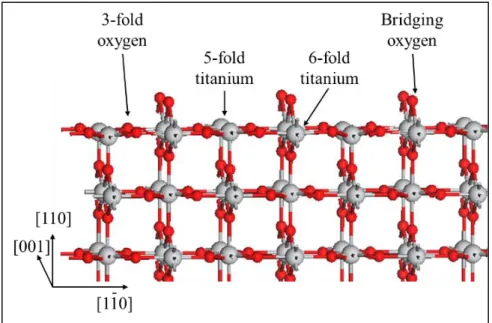
Figure 2.3. Ball and stick model of rutile TiO2(110)-(1×1) surface. Grey and red spheres are titanium and oxygen atoms, respectively.
20
Japan Advanced Institute of Science and Technology
The electrons transferred from the bonds of the Ti cations are just compensated with the charge in the dangling bonds of the O anions. To realize the neutral planes of the oxide, the number of Ti to O bonds broken on the top plane is the same with that of O to Ti bonds broken on the bottom plane.
Geometrically the rutile TiO2(110) surface comprises both Ti atoms and O atoms with two different kinds of coordination. In the surface plane the rows of five-fold coordinated (5f) Ti atoms are alternately placed with the rows of six-fold coordinated (6f) Ti atoms, which are separated by rows of O atoms. All rows run in the [001] direction. The former Ti atoms are exposed to the surface, while the latter are covered with the row of two-fold coordinated O atoms positioned at bridge sites, named the bridging oxygen rows (see Fig. 2.3). The size of a (1×1) unit cell at the surface is 2.96 Å in the [001] direction and 6.5 Å in the [110] direction [22].
When an oxide crystal is broken at a surface, the top layer accommodates the surface atoms by relaxing their positions into a more energetically favorable atomic arrangement. On the TiO2(110) surface the two different types of Ti atoms move in opposite directions. Ti (5f) atoms move inwards, i.e., towards the bulk, by 0.16 Å, while Ti (6f) atoms move outward by 0.12 Å. This gives rise to a rumpling of the in-plane layer with an amplitude of 0.3 Å. When the bridging oxygen atoms above the Ti (6f) relax inwards by as much as 0.27 Å, the (3f) oxygen atoms move either upwards or laterally towards the (5f) neighboring Ti atoms. The second layer relaxes in the same directions, but the relaxations are significantly less [12, 22].
21
Japan Advanced Institute of Science and Technology
2.2.2 Preparation of surface
For investigation, an appropriate method to prepare a TiO2 surface is chosen from several recipes. The widely used process in UHV condition is repetition of Ar+ sputtering and annealing in UHV with different temperatures above 600 °C [12-22], exhibiting pale or deep blue in color, resulting in the reduced (1×1) or (1×2) reconstructed surfaces for rutile TiO2(110). C. D. Pang and others suggested a model for the (1×2) structure, featured with added rows along the [001] direction, in which the termination is of a completely reduced (1×1) surface, as depicted in Fig. 2.4. In this model, two rows of fivefold coordinated Ti atoms in outer, and fourfold coordinated Ti atoms in the center are added, which involves narrow rows with missing bridging oxygen that are effectively part of the upper terrace. Lateral relaxations were also included.
Annealing in air [23] or chemical etching [24, 25] is usually applied as a pre-treatment prior to the preparation in UHV to improve the cleanness and flatness of a TiO2 substrate. Etching Figure 2.4. Ball and stick model of reduced rutile TiO2(110)-(1×2) surface. White and black spheres are titanium and oxygen atoms, respectively [36].
22
Japan Advanced Institute of Science and Technology
solutions, sulfuric acid (H2SO4) or hydrofluoric acid (HF), are frequently used to completely remove metal contaminations. The substrate annealed in oxygen gas after the sputtering exhibits nearly stoichiometric surface, evidenced by sharp Ti 2p X-ray photoemission spectroscopy (XPS) peaks with no indication of reduced Ti states [26]. Annealing in air can make fully oxidized stoichiometric TiO2 surface [27]. Comprehensive understanding of fully oxidizied stoichiometric TiO2, however, has not been achieved to nano-scale characterization.
2.2.3 Experimental analysis on TiO2 (110) surface
In order to understand the geometric structure, electronic states, and surface chemistry of TiO2, considerable research effort has been directed to single crystal surfaces of TiO2 as model systems from a scientific point of view. So far, the research in this field is wide-ranging with activity extending from synthesis of novel TiO2 to fundamental characterization aiming at comprehensive surface chemistry at the atomic scale. TiO2 has been analyzed with a wide variety of surface-sensitive techniques, such as x-ray photoelectron spectroscopy (XPS), low energy electron diffraction (LEED), Auger electron spectroscopy, low energy ion scattering (LEIS), near-edge x-ray absorption fine structure, and static secondary ion mass spectrometry, which all show sputtering-induced changes in the composition and chemical state [11,12, 19, 24]. Pan et al. introduced a change of stoichiometry caused by the formation of oxygen vacancy during XPS analysis. While symmetric sharp Ti 2p peaks correspond to only the Ti4+
component on a nearly perfect surface, the shoulder in lower binding energy side of XPS spectra ascribed to Ti3+ and Ti2+ was observed in slightly oxygen deficient surface, with a
23
Japan Advanced Institute of Science and Technology
(1×1) LEED pattern was obtain. The Ti4+ component and the surface ordered structure vanish for a highly oxygen deficient surface; no spot of LEED pattern was observed on it [26].
These results is fully consistent with that reported by Karmakar et al. for cluster formation induced by sputtering [28]. Moreover, the TiO2(110) morphologies with different preparation processes have been confirmed experimentally using various quantitative probes for surface crystallography. Initially, the reduced TiO2(110) surface was imaged with STM for the first time in 1990 [29], and the atomic resolution of the surface was obtained in 1994 [30].
Interpretation of the STM data took a little longer, and it was in 1996 when the final interpretation was found [31]. When the TiO2(110) surface is imaged with STM, it is stably possible to work at a positively biased sample, since a negatively biased sample often causes the tip to crash into the surface, ruining resolution. When biased positively, electrons tunnel Figure 2.5. STM image of rutile TiO2(110)-(1×1) surface. The bright lines are Ti rows separated by darker bridging oxygen rows with oxygen vacancies, which are imaged as bright protrusions [33].
24
Japan Advanced Institute of Science and Technology
from an STM tip into the empty surface states of the sample. These states are located primarily on the Ti atoms and the in-plane Ti(5f) atoms appear protruding in the STM images.
Due to a low local density of state (LDOS) at the Fermi level of oxygen atoms, they are imaged as depressions with STM, despite the fact that they protrude in the atomic structure, so that the bright rows in the STM images correspond to the rows of Ti(5f) atoms in the [001]
direction. For a long period time, it was difficult to distinguish whether protrusions appearing on the bridging oxygen rows in STM images are missing oxygen atoms or hydroxyls (OH groups). This issue was not clarified until Suzuki et al. discovered hydroxyls based on an experiment that TiO2(110) surface was exposed to atomic hydrogen [32]. In agreement with results by Diebold et al. [31], Schaub et al. have shown that both defects look much the same in STM images, but that the two can be distinguished from each other in size of bright spots in dark rows [32, 33]. Fig. 2.5 shows a typical STM image of the surface with bridging oxygen vacancies clearly present. Simulated STM images in Fig. 2.6 illustrate the difference between (a) the stoichiometric surface and (b) a bridging oxygen vacancy. Along with STM, AFM has Figure 2.6. TiO2 surface structures and simulated STM images of (a) the stoichiometric TiO2 surface illustrating how the Ti(5f) appears as protruding, (b) a missing oxygen atom in a bridging oxygen row, giving rise to a protrusion on the bridging oxygen row in the STM image [33].
25
Japan Advanced Institute of Science and Technology
been known with a promising ability in visualizing reactions on metal oxide surfaces even in the presence of reactant gas and for natural insulation of fully oxidized surfaces. In general, if it is difficult for STM to distinguish between geometric and electronic structures on oxygen rows due to less electron tunneling, non-contact (NC)-AFM utilizing the interaction force between an AFM tip and a sample can visualize rows of the topmost oxygen atoms, such as bridging oxygen rows running in the [001] direction and also single oxygen vacancies in their rows on the (1×1) phase [34, 37-39]. By this way, the atomic-scale AFM images of reconstruction TiO2(110)-(1×2) surfaces were observed, which gave a sufficient evidence to determine the correctness of several theoretical models, such as a missing row model originally proposed by Molle and Wu, a Ti2O3 added row model by Onishi et al., or modified added row models by Pang el al. [32-37]. In addition, AFM images recently visualized in atmospheric conditions have provided a great deal of nano-scale information of interaction between aqueous solution and TiO2 surfaces [27, 40, 41]. However, the atomic resolution of AFM images of fully oxidized TiO2(110) surfaces in air until now has not been performed thoroughly.
2.2.4 Adsorption on TiO2(110) surfaces
With the wide variety of technological applications utilizing the properties of TiO2, it is no wonder that extensive studies have been performed on the interaction of gases and aqueous solutions with the surfaces of TiO2. The adsorption, dissociation and/or reactions of atoms and molecules on the TiO2(110) surface are of fundamental importance to understand surface chemistry that governs the exciting technological applications. Extensive experimental and
26
Japan Advanced Institute of Science and Technology
theoretical works have been done on the system, and those works have been excellently reviewed by Henrich and Cox, and Diebold [1, 12]. This section is primarily based on these reviews, where some of the interesting features of adsorption of small molecules on TiO2(110) were focused to give a better background. That said, despite wide-range and numerous studies of absorption on TiO2(110) surface, the adsorption chemistry on this surface has been not well understood. Different experimental groups dispute, and the discrepancies between experiment and theory are not negligible.
Chemisorption on the TiO2(110) surface is much affected by the ionic nature of the crystal. Ti cations on the surface are coordinatively unsaturated, and act as Lewis acids (electron pair acceptor) that may interact with electron donors like H2O. Bridging oxygen atoms are basic sites and interact with electron acceptors like H+ creating bridging hydroxyls (-OH groups). Most studies show that the stoichiometric (110) surface is relatively inert, as is expected from the lowest-energy surface of the TiO2 surfaces [1]. The primary adsorption sites on the non-stoichiometric surface are the bridging oxygen vacancies, where especially dissociative adsorption is found. The main problem with the study of these interactions is the inherently low concentration of these vacancies, which makes the signal from the vacancies small when utilizing space averaging surface science techniques. The vacancies are hot spots with respect to adsorbates, because two electrons are left in non-bonding 3d states on the neighboring coordinatively unsaturated Ti atoms. This makes electronic interactions favorable in a large number of cases. Some features relating to atomic interaction between hydrogen, oxygen or water molecules and individual surface atoms are reviewed as follows.
27
Japan Advanced Institute of Science and Technology
2.2.4.1 Hydrogen adsorbed on TiO2(110) surface.
The adsorption sites and characteristics of hydrogen on the TiO2(110) surface are still unresolved. Molecular hydrogen does not stick to the stoichiometric surface at room temperature. When dosing molecular hydrogen on the reduced surface, several experimental studies proposed the dissociative adsorption of two hydrogen atoms in the bridging oxygen vacancies each bound to a five-fold coordinated Ti atom as a hydride (Ti(III)-H) [42, 43], while others found no change in the surface-defects states upon exposure to hydrogen molecules [44]. Very few theoretical studies have been made, falling short for the problem whether hydrogen molecules bind more strongly to both the bridging oxygen atoms or to the acidic cation sites on the stoichiometric surface than in the vacancies [45, 46].
Dosing atomic hydrogen also brings about unresolved matters. Suzuki claimed that by dosing atomic hydrogen cracked over a hot filament in front of the sample, around 25% of the bridging oxygen atoms are hydrogenated to form hydroxyls [43], while Wöll in similar experiments found 100% hydroxyls on the surface by means of helium scattering [47]. Fujino carried out low energy ion scattering and recoiling spectroscopy experiments in the combined mode of coaxial impact-collision ion scattering spectroscopy and time-of flight elastic recoil detection. This analysis indicated one monolayer of hydrogen atoms on vacuum-annealed TiO2(110)-(1x1). The hydrogen atoms were assigned to surface hydroxyls, created through the vacancy sites by dissociative adsorption of water molecules during thermal annealing [48]. An interesting problem with hydrogen on the TiO2(110) surface is the fact that hydrogen is able to diffuse into and out of the bulk. The hydrogen atoms have been shown to diffuse
28
Japan Advanced Institute of Science and Technology
preferentially along the bulk crystal channels, while some diffusion have been found along the (110) surface normal [49, 50].
2.2.4.2 Oxygen adsorbed on TiO2 (110) surface.
Hereafter, oxygen chemistry on the TiO2(110) surface is reviewed briefly. It was previously assumed that the entire interaction between oxygen molecules and the surface was through a simple dissociative filling of a vacancy:
VO + OA → OL, (2.1)
where VO is the bridging oxygen vacancy, OA the adsorbed oxygen atom and OL a bridging oxygen atom in the lattice structure [42]. At low temperatures (∼100 K) Henderson et al.
showed that three oxygen molecules adsorb to each vacancy present on the surface [19]. They argued that all three molecules were bound as O−2 species in and around the vacancy. One molecule in the vacancy dissociates to fill the vacancy, while the other two molecules desorb at 410 K. The rest oxygen atom dissociated from the molecule was unaccounted for in Ref.
19, while the same group in Ref. 51 suggested that the single atom most probably diffuses into the bulk. When exposing a vacuum annealed surface to 2.4 L O2 at 120 K (the favorable condition for adsorption of oxygen molecules at vacancy sites), a significant temperature programmed desorption (TPD) peak was found at 410 K. This peak disappeared if the oxygen dosing is done in two steps with an initial exposure of 0.8 L O2 at 120 K followed by annealing to 200 K and then exposure to the remaining 1.6 L at 120 K to give a total of 2.4 L O2. This would indicate that further molecular adsorption is blocked by annealing the surface with
29
Japan Advanced Institute of Science and Technology
oxygen molecules adsorbed in the vacancies. Lu et al. [52, 53] found two low temperature oxygen species, with distinctly different photo-desorption patterns; one channel (α) which undergoes slow photo-desorption and can be photo-activated to oxidize CO to CO2, and a fast channel (β). The α state is populated at 105 K, and it is thermally converted into the β state above 200 K, indicating that either the β state is more strongly bound to the surface than the α state or the α state is not entropically stable above 200 K. Population of the β state is maximized between 250-300 K.
2.2.4.3 Water adsorbed on TiO2 (110) surface.
Accompanying with hydrogen and oxygen, the interactions with water are important to understand, because water, either liquid or vapor, is almost always present in photo-catalytic reactions. In the past decades, much of the work has been targeted at the question of whether water is adsorbed molecularly or dissociatively. Santerler, in 1992, reported that water adsorption on TiO2(110) surface depends on its geometric arrangements [54]. On the surface with appreciable amounts of oxygen vacancies, water molecules tend to adsorb on the bridging rows. The water molecules, consequently, may interact with its neighboring atoms and dissociate to form bridging hydroxyl groups. On the other hand, if the surface has almost no oxygen vacancies, water adsorbs preferentially and dissociates to OH and H on Ti (5f) cation rows, resulting in terminal hydroxyl group. Nevertheless, Henderson, using high- resolution electron energy loss spectroscopy (HREELS) and TPD study, concluded that the adsorption of water on TiO2(110) is molecular on the stoichiometric surface and dissociative on the reduced surface, which is conventionally produced by heat treatment, forming oxygen
30
Japan Advanced Institute of Science and Technology
defects [55, 56]. The reason of molecular water forming on the stoichiometric surfaces is that the distance between each bridging oxygen sites and biding sites of water (five-coordinate Ti4+ site) is too large to form hydrogen bonding interactions with water that might facilitate O-H bond dissociation. Taking adsorbed water in oxygen vacancy sites, Henrich et al.
detected using UPS that surface hydroxyl groups were present after adsorption of H2O on a slightly reduced TiO2(110) surface at 300 K [57]. Several other studies have confirmed the existence of hydroxyl groups on reduced surfaces [22, 24, 26, 32, 33, 39, 42, 48, 51] and the consensus among them is that H2O adsorbs in the bridging oxygen vacancy, where one of the hydrogen atoms is transferred onto the neighboring bridging oxygen atom. Isotopic labelling studies have shown that the hydrogen atoms loose the original adsorption site in the dissociation process, indicating that they readily diffuse along the bridging oxygen rows [55].
2.3 Silicon dioxides
Silicon dioxide is a commonly found material in minerals with many polycrystalline forms as well as a vitreous glassy state. From a technological point of view, silicon dioxide is one of the most useful wide band gap materials. SiO2 plays a crucial role in silicon based electronic devices as well as in the glass and ceramic industry. Most common forms of silica, including - and -quartz, -tridymite, - and -crystobalite, keatite, coesite, and stishovite are composed of silicon atoms bonded in a covalent manner to oxygen atoms [58, 59]. With the exception of stishovite, all these polycrystals phases have local structures of fourfold tetrahedral bonding for Si and twofold bridging bonding for O. The tetrahedra link together corner to corner and different rotations determine the different forms of the silicon dioxide.
31
Japan Advanced Institute of Science and Technology
In -quartz, which is thermodynamically the most stable form at room temperature, the SiO4
tetrahedra form interlinked helical chains; there are two slightly different Si-O distances (1.59 Å and 1.61 Å) and the angle Si-O-Si is 144o.
The helices in any one crystal can be either right-handed or left-handed so that individual crystals have non-superimposable mirror images [59]. The structure of -quartz crystal is illustrated in Fig. 2.7. Meanwhile, for stishovite formed under high pressures at high temperatures, each Si atom is six-fold coordinated in the form of a distorted SiO6 octahedron and each O atom is threefold bonded in the center of a planar triangle [58-59], depicted in Fig. 2.8, the same with the rutile structure. The density of stishovite is 4.287 g/cm3, while - quartz, the densest among the low pressure forms, has a density of 2.648 g/cm3. The difference of density can be ascribed to the increase in coordination. Using first principle orthogonalized linear combination of atomic orbital methods, Li and Ching elucidated the linear correlations
Figure 2.7. The crystal structure of -quartz, c-axis projection [58].
32
Japan Advanced Institute of Science and Technology
between the band gaps and the average Si-O bond lengths as well as Si-O-Si angles [60].
Accordingly, because of increased coordination number corresponding to a reduced band gap in stishovite, it has more covalent bonding character than the 4:2 bonded polymorphs and has a quite different electronic structure [61].
The surface aspect of silicon dioxide, on the other hand, presents a somewhat different structural problem. One of surface structures have been suggested in Ref. 62. The requirements are that O satisfies two bonds and Si satisfies four bonds. Newman constructed numerous models and came to the conclusion that in real possibility for the surface structure of silicon dioxide, the oxygen atoms form the surface layer by double bonding with the silicon atoms below them. It should be noted that the substructure is quartz and the single bond lengths are longer than in the tetrahedra substructures. The various bond lengths and orientations of the surface bond structures directly depend on the substructure tetrahedra orientations and, thus, the particular form of the silicon dioxide. Because of the dependence of the bond orientations of the surface structure on the substructure form, one would expect Figure 2.8. The structure of unit cell of stishovite, illustrating the octrahedral coordination of silicon atom [61].
33
Japan Advanced Institute of Science and Technology
that surface reactivity involving the oxygen atoms would be temperature dependent as the temperature dependence of the bulk form. The temperature dependence and relationship between the crystalline forms of silicon dioxide are as follows [58]:
Here the surface structure of -quartz, most commonly colorless, transparent and crystalline stable in atmosphere condition, has been extensively discussed for understanding its water wettability. In general, the structure terminates at the surface in either siloxane groups with the oxygen on the surface, or silanol groups with hydroxyls [58].
Figure 2.10. The structure of siloxane, isolated silanol, vicical silanol, and germinal silanol groups, which occupy the topmost layer of silicon dioxide [62].
Figure 2.9. The crystalline forms of silicon dioxide dependence on temperature [58].
34
Japan Advanced Institute of Science and Technology
There are three possibilities of silanol formation as shown in Fig. 2.10; the first one is an isolated group when the surface silicon atom has three bonds into the bulk and a bound with a single hydroxyl group, and the second one is bridged silanol groups, formed by hydrogen bonding of two adjacent single groups of different silicon atoms due to close distance. The third type of silanol consists of two hydroxyl groups attached to the same silicon atom, called germinal silanol [62]. Even various theoretical and empirical studies have been tried, but no consensus can be found concerning the existence of germinal hydroxyl groups.
In addition, the hydrophobic/hydrophilic conversion was discussed in terms of the structural alteration of surface arrangement dependent on treatment temperature. At room temperature, crystalline silicon dioxide surfaces which are fully hydroxylated through one of three forms of silanol groups display the hydrophilicity due to the characteristic of hydroxyl groups. On the other hand, the quartz surfaces present hydrophobicity (or less hydrophilicity) after annealing up to 673 K. This conversion has been likely induced by dehydration and dehydroxylation processes under high temperature up to 1373 K [59, 61, 62]. While the number of physisorbed water molecules decreases as a function of increasing temperature in dehydration, the condensation of hydroxyl groups forms siloxane bonds that exhibit hydrophobicity in dehydroxylation. Agzamkhodzhaev et al. showed that the dehydroxylated surface of silica can be completely recovered to be terminated with silanol groups with water at room temperature, but it needs several years [62]. Further study of correlation between structural arrangement and its wettability should be carried out to fully understand the hydroxyl termination of SiO2 crystals as well as SiO2 layers.
35
Japan Advanced Institute of Science and Technology
2.4 TiO2-SiO2 composite systems.
So far, TiO2 has been known as one of metal oxides showing interesting photoinduced reactions, called photocatalytic reactions. Two kinds of photo-induced reactions, that is, strong oxidation reaction and high hydrophilicity are widely known under UV light irradiation onto titanium oxide surfaces. The former is caused by several active oxygen species, such as O2- (superoxide) or OH+ (hydroxyl radical), formed by redox reaction with electrons and holes generated by UV light irradiation. The latter is considered that trapping of adsorbed water at the oxygen defects, which are caused by reduction of TiO2 matrices, result in formation of hydrophilic domains. The oxidation reactions have received much attention from the standpoint of environmental applications, such as self-cleaning and anti-bacterial coatings, and have been extensively investigated [5]. In spite of its potential into wide application fields, the investigation on photo-induced super-hydrophilic properties of TiO2 surfaces has been studied only in recent decades since super hydrophilic phenomenon was accidently discovered in TOTO Inc. laboratory in 1995 [5]. However, the super-hydrophilicity showing a water contact angle of zero does not persist in time in the absence of UV light radiation, which limits the field of its application because in real conditions surfaces are not permanently exposed to UV light. Therefore, enhancing and persisting the super-hydrophicity of TiO2
surfaces using various additives have recently become more attractive. Silicon dioxide with its notable hardness and chemical stability has been one of the most popular candidates for research of mixed oxide systems with TiO2 for improving its super-hydrophilicity. Machida et al. have first reported that the addition of 10-30 mol% of SiO2 in sol-gel process into a TiO2
film yielded optimum photo-induced super-hydrophilicity, which maintained for a certain time in the dark [63]. This was explained as SiO2 less than 30 mol% has a suppress effect on
36
Japan Advanced Institute of Science and Technology
the transformation of anatase to rutile and on the crystal growth in annealing process. This is consistent with that in several successive studies of photo-induced hydrophilic on SiO2/TiO2
systems. Subsequently, SiO2-TiO2 composite films have been produced using various techniques including sol-gel [63], spin-coating [64], electron-beam evaporation [66], chemical vapor deposition [67, 68], and flame hydrolysis [69] processes in order to understand the intrinsic correlation of surface chemical and electronic properties, and super- hydrophilicity. Another interpretation for the enhancement and durability of super- hidrophilicity by adding SiO2 to TiO2 has been proposed by K. Guan et al. [64]. Due to minor formation of complex oxides with the bonds of Ti-O-Si formed from single oxides of SiO2
and TiO2 particles, the surface acidity can be improved, resulting in stronger surface hydroxyl groups to maintain the hydrophilicty. Tanabe et al. showed that silicon can enter the TiO2
lattice as a minor component, because Si4+ cations retain their fourfold coordination, SiO4+4/3
unit are formed with the charge difference as +4/3, as depicted in Fig. 2.10. Lewis acidity is thus assumed to appear owing to an excess of localized positive charge. Similarly, when titanium can enter the SiO2 network as a minor component, because Ti4+ cations retain their sixfold coordination, TiO62- units are formed [70]. Bronsted acidity is thus assumed to appear because these units may be compensated by two protons to keep the electric neutrality.
Moreover, the decreasing of grain size in composite films, which was formed in sol-gel solution by dip coating method, was also helpful in increasing hydrophilic property due to the increased quantum effect of TiO2 [64]. The super-hydrophilic mechanism of SiO2-TiO2
system related to chemistry and electronic properties of the surface was further discussed in terms of the hydrophilic property of SiO2 overlayers films on TiO2 and SiO2/TiO2 mixing films [65].
![Figure 2.1. The primitive unit cell of bulk rutile TiO 2 [11].](https://thumb-ap.123doks.com/thumbv2/123deta/6203193.1088625/25.892.281.600.427.660/figure-primitive-unit-cell-bulk-rutile-tio.webp)
![Figure 2.2. The density of states (DOS) of bulk TiO 2 . The DOS is decomposed into partial Ti and O density of states, and their respective sub-bands with different symmetry [16]](https://thumb-ap.123doks.com/thumbv2/123deta/6203193.1088625/26.892.283.610.216.644/figure-density-decomposed-partial-density-respective-different-symmetry.webp)
![Figure 2.7. The crystal structure of -quartz, c-axis projection [58].](https://thumb-ap.123doks.com/thumbv2/123deta/6203193.1088625/39.892.191.721.263.612/figure-crystal-structure-quartz-c-axis-projection.webp)
![Figure 2.9. The crystalline forms of silicon dioxide dependence on temperature [58].](https://thumb-ap.123doks.com/thumbv2/123deta/6203193.1088625/41.892.189.723.736.927/figure-crystalline-forms-silicon-dioxide-dependence-temperature.webp)
![Figure 2.10. Schematic model of SiO 2 -TiO 2 structure and charge difference [64].](https://thumb-ap.123doks.com/thumbv2/123deta/6203193.1088625/45.892.309.637.104.400/figure-schematic-model-sio-tio-structure-charge-difference.webp)
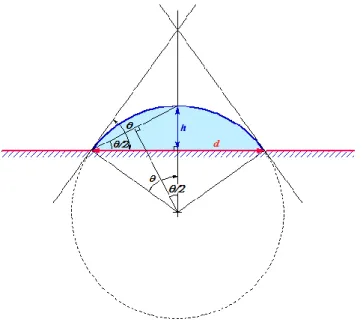
![Figure 3.4: Schematic of a contact angle of a fluid drop on a surface [17]](https://thumb-ap.123doks.com/thumbv2/123deta/6203193.1088625/61.893.207.729.558.817/figure-schematic-contact-angle-fluid-drop-surface.webp)