ORIGINAL ARTICLE
COMPARISON OF THE EFFECTS OF ISOFLURANE INHALATION, PENTOBARBITAL AND A MEDETOMIDINE-MIDAZOLAM-BUTORPHANOL
COMBINATION ANESTHESIA ON ELECTROCARDIOGRAMS IN MICE
Tomohiro Shintaku
1),Takayoshi Ohba
2),Hidetoshi Niwa
3),Testuya Kushikata
3), Kazuyoshi Hirota
3),Kyoichi Ono
2),Yasushi Matsuzaki
4),Tadaatsu Imaizumi
5),
Daisuke Sawamura
4)and Manabu Murakami
1)Abstract We compared the effects of inhalation anesthesia (2% isoflurane), intraperitoneal injection of pentobarbital anesthesia (50 mg/kg), and a combination anesthetic consisting of medetomidine, midazolam and butorphanol
(MMB) on electrocardiograms in mice. Using either isoflurane inhalation anesthesia or pentobarbital anesthesia, heart rate (HR) was in the acceptable range (ca. 450-500 bpm). In contrast, MMB anesthesia decreased HR significantly. Importantly, MMB anesthesia responded minimally to propranolol (β-blocker), suggesting that MMB anesthesia affects sympathetic tonus and is not suitable for evaluation of the cardiovascular or sympathetic system.
We confirmed that modified MMB, with a decreased dose of medetomidine from the original protocol (an α2 agonist), was associated with a HR of 400 bpm and a diminished response to propranolol. Our present results illustrate the importance of using an appropriate form of anesthesia suitable for experimental pharmacological studies.
Hirosaki Med.J. 66:15―21,2015
Key words: inhalation anesthesia; isoflurane; propofol; pentobarbital; medetomidine; midazolam.
1)Department of Pharmacology, 3)Department of Anesthesiology, 4)Department of Dermatology,
5) Department of Vascular Biology, Institute of Brain Science, Hirosaki University Graduate School of Medicine, Hirosaki, 036-8562, Japan
2) Department of Cell Physiology, Akita University, Graduate School of Medicine, Akita, 010-8543, Japan Correspondence: M. Murakami
Received for publication, July 24, 2014 Accepted for publication, October 7, 2014
Introduction
General anesthesia is important for ensuring reliability in pharmacological animal studies.
Recently, the transgenic mouse model has gained popularity for the investigation of human inherited cardiac disease. Electrophysiological studies, including electrocardiograms (ECGs), have recently been performed using transgenic mice to characterize the electrical phenotype of the heart. However, little is known regarding the impacts of experimental conditions or the type of model selected on the outcomes of these electrophysiological studies.
Proper anesthetics should be selected depending on the type of experiment. Some anesthetics confer cardioprotective effects, which
might be relevant to models of ischemia
1, 2).
Several studies have examined the influence of
commonly used anesthetics on the short-term and
non-invasive assessment of cardiac function using
echocardiography
3, 4). Sodium pentobarbital and
ketamine/xylazine have been used widely in mice
models
5). Inhalation anesthetic agents, such as
isoflurane, offer significant advantages compared
with invasive agents
6). Isoflurane anesthesia has
minimal impact on the hemodynamic status of
mice, compared with other injectable anesthetics
such as pentobarbital and ketamine/xylazine
6, 7).
The use of isoflurane and injectable anesthetic
combinations such as ketamine/xylazine has
increased worldwide
8). However, because
ketamine was classified as a narcotic drug in
2006, its use has decreased significantly in
General Anesthesia
In the inhalation group, anesthesia was induced by placing the mice in an anesthesia induction chamber (15 x 15 x 7 cm) containing 2% isoflurane (Forane
®; Abbott Japan Co., Ltd., Japan) and room air. Anesthesia was subsequently maintained for 30 min (anesthetic maintenance state) using 2% isoflurane inhalation anesthesia. For pentobarbital anesthesia, the C57BL6 mice were anesthetized intraperitoneally w i t h 5 0 m g / k g s o d i u m p e n t o b a r b i t a l
(Nembutal
®; Dainippon-Sumitomo Seiyaku Co., Ltd., Japan). In the preliminary experiment, 50 mg/kg pentobarbital was determined as the dose at which the righting reflex disappeared after
≥ 30 min. Therefore, we used this dosage for pentobarbital anesthesia. MMB was introduced by i.p. injection of 0.3 mg/kg medetomidine hydrochloride, 4 mg/kg midazolam and 5 mg/kg butorphanol, a combination first used by Kawai et al
9).
The behavioral endpoint of loss of the righting reflex (LORR) was used to investigate the hypnotic properties of intravenous anesthetics in mice. All experiments were conducted between 1:00 and 4:00 p.m.
Evaluating Heart Rate
The ECG recording, heart rate (HR), R-R interval, QRS duration, and PQ, and QT times were measured simultaneously (ML846 Power Lab system, AD Instruments, Dunedin, New Zealand). HR variability (HRV) is considered an indicator of cardiac vagal control
10, 11). The HRV power spectrum comprises three components:
very low frequency (VLF), low frequency (LF)
and high frequency (HF). The authors set the range for the respective spectral components as follows according to the manufacturer’s protocol:
VLF < 0.15 Hz, 0.15< LF < 1.5 Hz, and 1.5< HF
< 5 Hz. Generally, the LF component reflects Japan.
Regarding alternatives, pentobarbital sodium can no longer be commercially available, because the manufacture of Nembutal
®, pentobarbital sodium, has been discontinued.
Therefore, other anesthetic agents that can be used without a license and do not involve complicated procedures are required.
Recently, a combination anesthetic consisting of 0.3 mg/kg medetomidine, 4 mg/kg midazolam and 5 mg/kg butorphanol (MMB) has been used widely in Japan
9). However, the effects of MMB on the cardiovascular system have not been investigated in detail
9).
In the present study, we examined the effects of MMB on the mouse cardiovascular system. We evaluated hemodynamic parameters in mice using either intraperitoneal (i.p.)
anesthesia (MMB or pentobarbital) or isoflurane inhalation anesthesia. We also assessed the effects of a novel modified form of MMB
(MMBmod) on ECG output. The data obtained in this study could provide a basis for anesthetic regimens in future pharmacological studies.
Materials and Methods
This study was performed in accordance with the institutional guidelines of Hirosaki University and was approved by the Animal Care and Use Committee (protocol number M13040). Eight- week-old C57BL6 mice (Japan SLC Inc., Japan)
with a mean weight of 32 ± 3 g were used. The animals were housed under standard laboratory conditions.
The following anesthetics were evaluated:
medetomidine hydrochloride (Domitor
®, Meiji Seika Pharma Co., Ltd., Tokyo, Japan), which is an α
2adrenoceptor agonist; midazolam
(Dormicum
®, Astellas Pharma Inc., Tokyo, Japan), which is a benzodiazepine derivative;
and butorphanol (Vetorphale
®, Meiji Seika
Pharma Co., Ltd.).
sympathetic/parasympathetic tone, whereas the HF component reflects parasympathetic tone. For pharmacological analysis, mice were administered with propranolol (0.8 mg/kg) for sympathetic blockade.
Statistical Analysis
Results are expressed as means ± SE.
The data were analyzed using post hoc mean comparisons via the Newman-Keuls multiple- range test. Group differences were determined using analysis of variance (ANOVA) followed by Dunnett’s test. A p value < 0.05 was taken to indicate statistical significance.
Results
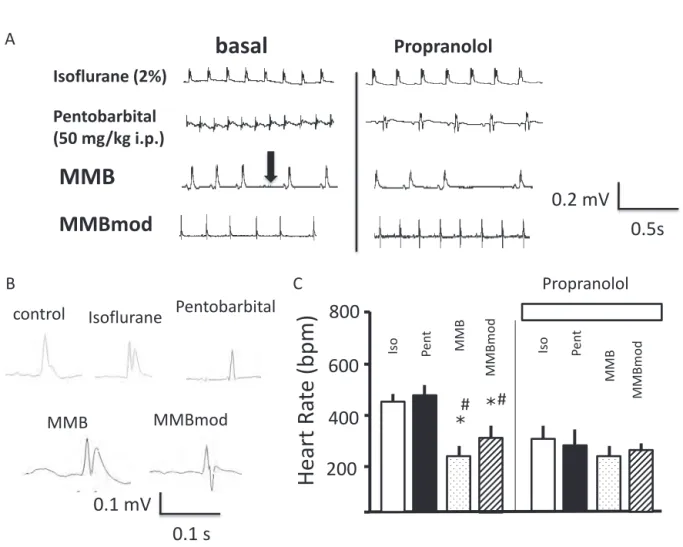
Figure 1A depicts representative ECG traces.
Using isoflurane or pentobarbital anesthesia, the HR was in an acceptable range (ca. 450- 500 bpm) compared with our former study using non-anesthetized mice
12). Intraperitoneal injection of propranolol (0.8 mg/kg) significantly extended R-R intervals in both groups (right panel).
Peritoneal injection of the original MMB formulation resulted in a very low HR, i.e., <
200 bpm, possibly due to the agonistic effects of medetomidine hydrochloride on the adrenergic α
2receptor. MMB also occasionally led to occasional absent heartbeats (arrow). When an absent heart beat was observed, the experiments were terminated. Furthermore, the mice exhibited no response to propranolol, indicating marginal tonus of the autonomic nerve regulation system.
Because MMB was associated with a very low HR (< 200 bpm) and frequent absent heartbeats (arrow), we reduced the dose of medetomidine hydrochloride from 0.3 to 0.1 mg/kg without changing doses of the other drugs. This new combination was referred to as MMBmod and used in subsequent
analyses. Following i.p. injection of MMBmod, ECG recordings revealed an acceptable HR of approximately 400 bpm (MMBmod; Figure 1A). In addition, the mice were reasonably responsive to propranolol, suggesting that, when the MMBmod was administered, anesthetized mice still retain the functionality of their autonomic regulation system (right panel).
Average ECG shown in the system (Power Lab system, AD Instruments) revealed that P, Q, R, S, and T waves were conserved (Figure 1B).
There were no significant differences in any parameters, such as PQ time or QTc time, with each basal anesthesia administration (data not shown).
Relatively high HRs were observed with 2%
isoflurane inhalation (468 ± 9.3 bpm, n = 16).
Pentobarbital (50 mg/kg) injection resulted in similar HRs (498 ± 19.0 bpm, n = 15; Figure 1C).
MMB was associated with low HRs (231 ± 15.9 bpm, n = 8), as was MMBmod (315 ± 32.0 bpm, n = 10; Figure 1C).
Propranolol injection (0.8 mg/kg) resulted in decreased HR during isoflurane and pentobarbital anesthesia, but little response was observed during MMB anesthesia (Fig. 1C right panel). On the other hand, MMBmod showed limited but significant response to propranolol,
(p<0.05).
The HR response types were then analyzed further. Figure 2A depicts representative Poincaré plots for each type of anesthesia.
At baseline, Poincaré plots denote stable R-R interval changes with isoflurane anesthesia, while pentobarbital anesthesia apparently increased the variability of R-R intervals. MMB injection also resulted in a significant increase in R-R interval variability. MMBmod was associated with reduced R-R intervals, compared with MMB; unstable R-R intervals were reflected by the scattered dots in the Poincaré plot.
Power spectral analysis (corresponding to
the arrow in Figure 2B) revealed increased LF with pentobarbital anesthesia (15.1 ± 5.6%, n = 15, p<0.05) compared with isoflurane (6.6
± 0.9%, n = 16). The increased LF resulted in an increased LF/HF ratio (1.76 ± 0.17%, n = 15, p<0.05, Figure 2C, closed bar) compared with isoflurane (0.74 ± 0.11%, n = 16, Figure 2C, open bar). An increased LF and LF/HF ratio with pentobarbital anesthesia suggest modified sympathetic tonus.
However, MMB anesthesia resulted in lower LF/HF ratios (0.32 ± 0.10%, n = 8, p<0.05, dotted bar). MMBmod resulted in a relatively lower LF/HF ratio (0.46 ± 0.07%, n = 8, shaded bar), but no significant difference was detected in the LF/HF ratio with isoflurane anesthesia
(p > 0.05), suggesting a relatively conserved sympathetic tonus.
Figure 1 A)Representative tracing of ECG during isoflurane (2%), pentobarbital (50 mg/kg), original MMB and modified MMB administration.
B)Representative tracing of the “average view” of ECG in free-moving control mice (negative control)
and ECG during isoflurane (2%), pentobarbital (50 mg/kg), original MMB and modified MMB administration.
C)Statistical analysis of heart rates associated with the different anesthetic agents. Anesthesia regimens include gaseous isoflurane (Iso; open bar), pentobarbital (Pent; closed bar), original MMB (MMB; dotted bar) and modified MMB (MMBmod; hatched bar). Original MMB was characterized by a significantly decreased heart rate compared with isoflurane or pentobarbital.
The effects of the β-blocker propranolol (0.8 mg/kg) are denoted in the right panel. *p <
0.05; difference between isoflurane and other anesthetic agents. #p < 0.05, difference between pentobarbital and other anesthetic agents.
Fig. 1
Pentobarbital (50 mg/kg i.p.) Isoflurane (2%)
Propranolol
basal
0.5s 0.2 mV
A
C
400 800
MMBmod
Iso Pent
Heart Ra te (bpm)
MMB* 200
600
MMBmod
Iso Pent MMB
Propranolol B
Isoflurane Pentobarbital
MMB MMBmod
0.1 s 0.1 mV
MMB MMBmod
*
# #
control
Discussion
We compared the electrophysiological effects of a combination anesthetic agent
(MMB, comprising 0.3 mg/kg medetomidine
( a n α
2a g o n i s t ), 4 m g / k g m i d a z o l a m , and 5 mg/kg butorphanol) with those of isoflurane and pentobarbital anesthesia. MMB anesthesia was associated with low HR, occasionally absent heartbeats, and a marginal
response to propranolol. MMBmod, with low medetomidine, was associated with decreased HR and a diminished response to propranolol.
The original MMB anesthesia resulted in a decreased LF/HF ratio and minimal response to propranolol, indicating decreased sympathetic tonus. However, isoflurane anesthesia was associated with a high stable HR. Pentobarbital anesthesia was also associated with a slower HR and with less stable R-R intervals, as
Figure 2 A)Representative Poincaré plots of ECG following isoflurane, pentobarbital, original MMB and modified MMB administration. Isoflurane anesthesia was associated with highly conserved R-R intervals, compared with the unstable intervals associated with pentobarbital and MMB.
B)Representative power spectral analysis using isoflurane, pentobarbital, original MMB and modified MMB anesthesia. The arrow in the pentobarbital panel indicates an increased low frequency (LF) component during pentobarbital anesthesia.
C)Statistical analysis of the power spectrum. Frequency domain measures of basal heart rate changes. Comparison of the LF/HF ratio among isoflurane (open bar, n = 15), pentobarbital
(closed bar, n = 16), original MMB (dotted bar, n = 15) and modified MMB (hatched bar, n
= 16) in anesthetized mice. Error bars indicate the SEM.
Statistical significance: *p < 0.05; difference between isoflurane and the other anesthetic agents. #p < 0.05; difference between pentobarbital and the other anesthetic agents.
A
B
C
MMB
RRnInterval (msec.) 100100
200 300
300 200
RRn+1Interval(msec.)
200
Frequency (Hz)
0 2.0 4.0
Power spectral density (ms2/Hz) 0 0.15 1.5
MMBmod
200
Frequency (Hz)
0 2.0 4.0
Power spectral density (ms2/Hz) 0 0.15 1.5
MMB Pentobarbital
RRnInterval (msec.) 100100
200 300
300 200
RRn+1Interval(msec.)
200
Frequency (Hz)
0 2.0 4.0
Power spectral density (ms2/Hz) 0 0.15 1.5
Pentobarbital
200Frequency (Hz)
0 2.0 4.0
Power spectral density (ms2/Hz) 0 0.15 1.5
Isoflurane
RRnInterval (msec.) 100100
200 300
300 200
RRn+1Interval(msec.)
Isoflurane
1.0 0 2.0
MMBmod
Iso Pent
LF /HF
MMBMMBmod
RRnInterval (msec.) 100100
200 300
300 200
RRn+1Interval(msec.)
*
*
*p<0.05 vs. Isoflurane#p<0.05 vs. pentobarbital
Fig. 2
# #
#
per isoflurane. Considering the physiological heart rate (ca. 500 bpm without anesthesia)
and pharmacological response to propranolol
(ca. 80 bpm reduction in heart rate without anesthesia
13)), the data obtained for isoflurane anesthesia were sufficient for interpretation of the results of pharmacological manipulation using an adrenergic β-blocker (propranolol).
In the present study, we focused on the use of MMB in ECG analyses. MMB has been used in a number of animal experiments, instead of pentobarbital. Our novel MMBmod, with low- dose medetomidine, was associated with a com- parable HR and a diminished pharmacological response to an adrenergic β-blocker, effects which were clearly due to the α
2agonistic action of medetomidine. Nevertheless, MMBmod might be more suited for cardiovascular analyses.
Recently, transgenic mice have been used to evaluate the physiological importance of single genes in human disease models. Data resulting from such models could be useful for the development of novel drugs. Anesthesia is required frequently in experimental interventions and phenotypic evaluations using transgenic mice. However, in such experiments, accidents including death and unexpected hypotension occur often. A wide range of anesthetic regimens have been employed according to strain differences, previous experience, and institutional regulations
14). Janssen et al.
reported that isoflurane has less effect on systemic hemodynamic factors, compared with pentobarbital anesthetics, in mice
6). Szczesny et al. also reported that isoflurane anesthesia is useful in mouse models, because it is easy to administer, rapidly induces anesthesia, and allows for fine controlling of the depth of anesthesia
15). In contrast, inhalation anesthesia requires a specialized apparatus. Therefore, inhalation anesthesia in mice has been performed only in a limited number of laboratories.
In this study, we analyzed ECG recordings
during a nest hesia induced by va rious methods. Our results demonstrated that the electrophysiological state (HR) was more stable during isoflurane anesthesia compared with pentobarbital or MMB anesthesia. It is important to be aware that the depth of anesthesia can also affect factors such as plasma catecholamine levels. Our results demonstrate the importance of selecting an appropriate form of anesthesia and a suitable dosage.
Appleton et al., reported that the anesthetic mixture of ketamine, xylazine, and aceprom- azine had a more marked effect on cardiac electrophysiological factors compared with pen- tobarbital or isoflurane
16). In the present study, we investigated the difference between MMB and other anesthetic agents, i.e., sodium pento- barbital and inhalation anesthesia (isoflurane).
Isoflurane anesthesia clearly conferred several advantages, including a stable HR and good re- sponse to the β-blocker propranolol.
Following i.p. injection of original MMB, the HR in mice decreased to 231 ± 16 bpm
(a reduction of 28%); MMBmod anesthesia produced a comparable HR (315 ± 27 bpm).
Fifty mg/kg of i.p. pentobarbital increased HR variability, as illustrated in the corresponding Poincaré plot (Figure 2B). Similarly, i.p. injection of original MMB or MMBmod increased HR variability (Figure 2). Nevertheless, isoflurane anesthesia was associated with an acceptable HR variability, suggesting that this agent is appropriate for the evaluation of cardiovascular parameters.
In summary, original MMB anesthesia
decreased HR and responded minimally to
propranolol (an adrenergic β-blocker). MMBmod,
with low-dose medetomidine (an α
2agonist),
was characterized by a diminished response to
propranolol. Inhalation (isoflurane) anesthesia
was associated with a desirable HR and good
response to propranolol. The present results
underline the importance of selecting an
anesthesia methodology suited to the specific purpose of pharmacological experiments.
Acknowledgement
This research was supported partially by Grants-in-Aid for Scientific Research from JSPS, KAKENHI, Special Project of Three Northern Tohoku Universities, and Influence of socio- environmental factors on the progression of atherosclerosis among the general population.
References
1)Lee HT, Krichevsky IE, Xu H, Ota-Setlik A, D’
Agati VD, Emala CV. Local anesthetics worsen renal function after ischemia-reperfusion injury in rats. Am J Physiol Renal Physiol. 2004;286:F111-9.
2)Oguchi T, Kashimoto S, Yamaguchi T, Nakamura T, Kumazawa T. Is pentobarbital appropriate for basal anesthesia in the working rat heart model?
J Pharmacol Toxicol Methods. 1993;29:37-43.
3)Hart CY, Burnett JC Jr, Redfield MM. Effects of avertin versus xylazine-ketamine anesthesia on cardiac function in normal mice. Am J Physiol Heart Circ Physiol. 2001;281:H1938-45.
4)Yang XP, Liu YH, Rhaleb NE, Kurihara N, Kim HE, Carretero OA. Echocardiographic assessment of cardiac function in conscious and anesthetized mice. Am J Physiol Heart Circ Physiol. 1999;277:
H1967-74.
5)Bauer JA, Fung HL. Concurrent hydralazine administration prevents nitroglycerin-induced hemodynamic tolerance in experimental heart failure. Circulation 1991;84:35-9.
6)Janssen BJA, Celle TD, Debets JJ, Brouns AE, Callahan MF, Smith TL. Effects of anesthetics on systemic hemodynamics in mice. Am J Physiol Heart Circ Physiol. 2004;287:H1618-24.
7)Roth DM, Swaney JS, Dalton ND, Gilpin EA, Ross J Jr. Impact of anesthesia on cardiac function during echocardiography in mice. Am J Physiol Heart Circ Physiol. 2002;282: H2134-40.
8)Richardson CA, Flecknell PA. Anaesthesia and post-operative analgesia following experimental surgery in laboratory rodents: are we making progress? Altern Lab Anim. 2005;33:119-27.
9)Kawai S, Takagi Y, Kaneko S, and Kurosawa T. Effect of Three Types of Mixed Anesthetic Agents Alternate to Ketamine in Mice. Exp Anim.
2011;60:481-7.
10)Routledge HC, Chowdhary S, Townend JN. HR variability—a therapeutic target? J Clin Pharm Ther. 2002;27:85–92.
11)Murakami M, Niwa H, Kushikata T, Watanabe H, Hirota K, Ono K, Ohba T. Inhalation anesthesia is preferable for recording rat cardiac function using an electrocardiogram. Biol Pharm Bull.
2014;37:834-9.
12)Murakami M, Ohba T, Xu F, Satoh E, Miyoshi I, Suzuki T, Takahashi Y, Takahashi E, Watanabe H, Ono K, Sasano H, Kasai N, Ito H, and Iijima T.
Modified sympathetic nerve system activity with over-expression of the voltage-dependent calcium channel β3 subunit. J Biol Chem. 2008;283:24554- 60.
13)Shintaku T, Ohba T, Niwa H, Kushikata T, Hirota K, Ono K, Matsuzaki Y, Imaizumi T, Kuwasako K, Sawamura D, Murakami M. Effects of Propofol on Electrocardiogram Measures in Mice. J Pharmacol Sci 2014;126:351-8.
14)Rao S, Verkman AS. Analysis of organ physiology in transgenic mice. Am J Physiol Cell Physiol.
2000;279:C1-C18.
15)Szczesny G, Veihelmann A, Massberg S, Nolte D, Messmer K. Long-term anaesthesia using inhalatory isoflurane in different strains of mice- the haemodynamic effects. Lab Anim. 2004;38:64-9.
16)Appleton GO, Li Y, Taffet GE, Hartley CJ, Michael LH, Entman ML, Roberts R, Khoury DS. Determinants of cardiac electrophysiological properties in mice. J Interv Card Electrophysiol.
2004;11:5-14.