1
Analysis and modeling of household solid waste separation behavior towards recycling promotion
in Da Nang City, Vietnam
ベトナム・ダナン市におけるリサイクル推進に向けたご み分別行動の分析及びモデリング
March 2020 TRAN VU CHI MAI
Graduate School of Environmental and Life Science (Doctor’s Course)
OKAYAMA UNIVERSITY
2 ABSTRACT
Given the needs to both manage the increasing amount of solid waste and preserve natural resources, waste separation at source (WSS) has become a hot issue in Vietnam in recent years. Some municipalities in Vietnam have also established local regulations and action plans on solid waste management and introduced pilot projects including WSS. In 2017, under the management of Da Nang City authorities, a WSS program for the local community was introduced in 4 wards of Hai Chau District. In 2018, the WSS program was expanded to two additional wards of Thanh Khe District. In the WSS program, the recycling activity is managed by the ward-level authorities, and implemented by the community-level leadership under each ward, and there is no scheduled separate collection by official workers.
As WSS expands, it is indispensable for Da Nang City to review the effect of the WSS program and clarify the weaknesses and strengths of existing systems in order to highlight the factors influencing success and failure.
This study focused on the household solid waste in Da Nang City, Vietnam. As the scientific basis for promoting citizens’ recycling behavior and contributing to the successful expansion of the WSS program in Da Nang City, this study aims to achieve the following objectives: 1) To survey, describe the waste separation behavior (including the waste separation rate, and the disposal habits of leftover food and detail recyclable categories), and to develop the structure models for the waste separation behaviors to figure out the influencing factors of citizens’ separation; 2) To assess the current status of implementing the waste separation at source (WSS) program by city authorities in some specific areas, and to clarify the effect of the current WSS program on waste separation behavior and its influencing factors, and to compare these influencing factors by time-series data to evaluate the changing over time; 3) To analyze the difference in waste separation behavior among the attribute categories including age, gender, household size, etc.; 4) To suggest the weaknesses and strengths of existing WSS program, the higher-priority waste categories, influence factors, and attribute categories for recycling promotion measures based on the abovementioned analytical results; 5) To estimate the potential impact of suggested promotion measures on waste separation rate and waste separation amount of detail recyclable categories via sensitivity analysis of the predictive models.
A questionnaire survey was conducted via face-to-face interviews with 150 households in six urban districts on November, 2016 and 602 households in 6 wards with WSS program on October, 2018. The questionnaire items covered the household attributes (age, gender, household size, etc.), the household’s current waste separation activity, attitudes and
3
perception (e.g., behavioral intention, evaluation of trouble). The major findings were indicated as follows:
Regarding the leftover food separation behavior, the separation rate was 77.3% in 2016 and 76.1% in 2018. No significant difference was found by time. Most people participated in leftover food separation voluntarily without material benefits (nearly 70%). The positive factors included behavior intention, perception of information, and sympathy for the collector.
The negative factor was the evaluation of trouble. Households located in high urbanization areas, male respondents and respondents in 1−2 persons families were less active in separating leftover food.
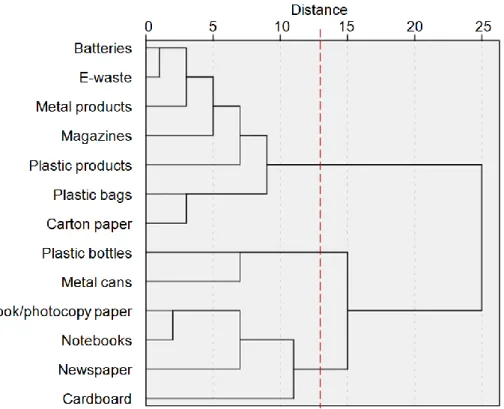
Regarding the recyclable separation behavior, in 2016, the separation rates of recyclables differed widely among the surveyed 13 recyclables, from the lowest 13.0% for Batteries to the highest 72.5% for plastic bottles. The recyclable categories were divided into three groups: “higher participation group” including plastic bottles (72.5%) and metal cans (63.8%),
“moderate participation group” including cardboard (50%), newspaper (43.8%), book/photocopy paper (38.4%), and notebooks (37.7%), and “low participation group”
including plastic products (33.3%), magazines (25.4%), metal products (23.9%), e-waste (18.8%), plastic bags (15.2%), carton paper (15.2%), and batteries (13.0%). In 2018, the recyclable categories including aluminum cans, plastic bottles, magazines, plastic products, cardboard, newspaper, steel cans, book or photocopy paper, notebooks, and metal products were categorized as “higher participation group” with the participation rate more than 80%.
Besides, 4 recyclable categories including carton (63.9.0%), e-waste (57.8%), plastic shopping bags (40.8%), and batteries (22.4%) were still defined as “low participation group”.
Regarding the recyclable waste disposal habit, in 2016, more than half of the respondents separated recyclables for giving to others for free (53.6%) and about 30% of them separated recyclables for selling to the informal sector. In 2018, up to 70% of respondents engaged in waste separation without economic incentive and only about 12% of them sold recyclable waste to the informal sector.
The factors with a positive influence on waste separation behavior were the behavioral intention, perception of information, the incentive provided by recycling benefit, internal norm, and perception of responsibility and seriousness. The perception of information and behavioral intention were two important factors. A stronger behavioral intention and increased knowledge about waste separation would promote the waste separation rate. The negative factor was the evaluation of trouble. A higher evaluation of trouble could prevent respondents from participating in waste separation.
4
Regarding the current WSS program in 2018, the WSS program consisting of an explanatory meeting and the distribution of leaflets played an important role in improving the waste separation rate. Two-thirds of respondents had attended the explanatory meeting, while the remaining one-third didn’t know about the program. Under the program, the residents were encouraged to separate recyclables for donating to their community or for independent direct sale to informal sectors. For donations, the women’s union or youth union of the community collected recyclables from households and sold them to the junk shop for fundraising. Normally, recyclables were collected every week or every 2 weeks via door-to- door or drop-off collection.
Regarding the effect of the current WSS program, by the data in 2018, the separation rates for before the WSS program were higher for “higher participation group” were about 70.3%−72.3%, followed by carton (56.0%), e-waste (45.9%), plastic shopping bags (34.3%), and batteries (20.9%). The promotion effects of the WSS program, represented by the increase in participation in waste separation after the WSS program, were 12.5%−13.9% for recyclable items in “higher participation group”, 7.9% for carton, 11.9% for e-waste, 6.5%
for plastic shopping bags and 1.5% for batteries. In this WSS program, attendance of the explanatory meeting raised the separation rates by nearly 20% and also shifted the influencing factors of waste separation behavior in a positive direction. Receiving the leaflets in addition to attending the meeting enhanced the separation rate and also had positive effects on the influencing factors.
Regarding the potential effects of recycling promotion measures on waste separation behavior, recycling promotion measures were proposed as follows: (1) The provision of information (through frequent and convenient explanatory meetings, and leaflet on the knowledge of waste separation, the benefits of waste separation, etc.); (2) The provision of collection services (through designing the place for recyclable storage outside of the house, flexible times for disposing of recyclables, etc.); (3) The promotion of environmental awareness (through public relations, etc.).
By the sensitivity analysis of the predictive models, the provision of information has the largest impact on waste separation rate with an increase by 6.1%−9.5% for higher participation group and 26.4%−49.0% for low participation group. The total amount of recyclable can be separated was up to 22.15 g/cap/day, equivalent to 9.6% of total waste generation amount. The highest priority should be given to ensure that the knowledge related to waste separation is fully provided to everyone. By providing collection service, waste separation rate is expected to increase by 4.4%−5.8% for higher participation group and 1.6%−7.7% for low participation group. The total amount of recyclable can be separated was
5
about 17.86 g/cap/day, equivalent to 7.7% of total waste generation amount. By other promotion measures, waste separation rate is expected to increase by 1.5%−5.9%. The total amount of separated recyclable waste was 4%−4.5%. Therefore, to further promote waste separation behavior, additional promotion measures aimed to minimize the trouble, maximize the perception and internal norm should be considered.
In Vietnam, waste separation at source has been introduced in the national government regulation, and the Vietnam Government set the national target for a recovery rate of HSW.
Vietnamese authorities of MSW promptly need to establish the explicit strategy and guidelines for waste separation at the local level. The findings of this study would be important to support a strategy formulation aimed to enhance waste separation activities at the household level and expand to the whole city.
6 TABLE OF CONTENTS
ABSTRACT ... 2
TABLE OF CONTENTS ... 6
LIST OF TABLE ... 9
LIST OF FIGURE... 11
LIST OF ABBREVIATIONS AND ACRONYMS ... 13
ACKNOWLEDGMENT... 14
CHAPTER 1: INTRODUCTION ... 15
1.1 Background ... 15
1.2 General ... 17
1.2.1 Overview of Da Nang city ... 17
1.2.2 Municipal solid waste management in Da Nang ... 18
1.2.2.1 Current situation of MSWM ... 18
1.2.2.2 The current status of recycling activity and WSS program ... 20
1.2.2.3 Remaining issues ... 23
1.3 Scope and objectives of the study ... 24
1.4 Conceptual outline of the dissertation ... 24
1.5 References for chapter 1 ... 27
CHAPTER 2: LITERATURE REVIEW ... 29
2.1 Literature review ... 29
2.1.1 Influencing factors of the behavior ... 29
2.1.2 Measuring the effect of a waste separation program... 35
2.2 Remained problems and proposed research ... 36
2.3 References for chapter 2 ... 38
CHAPTER 3: CURRENT STATUS AND BEHAVIOR MODELING ON HOUSEHOLD SOLID WASTE SEPARATION ... 42
3.1 Methodology ... 42
3.1.1 Research areas and sampling method... 42
3.1.2 Outline of the questionnaire survey ... 44
3.1.3 Data analysis for waste separation behavior modeling ... 45
3.1.3.1 Classification of recyclable separation behavior by cluster analysis ... 45
3.1.3.2 Construction of attitude scales by factor analysis ... 45
3.1.3.3 Development of behavior models ... 45
7
3.1.4 Data analysis for the differences in separation rates by attributes ... 46
3.2 Results and discussion ... 46
3.2.1 Waste separation rate ... 46
3.2.2 Waste separation behavior modeling ... 48
3.2.2.1 Classification of recyclable separation behavior by cluster analysis ... 48
3.2.2.2 Construction of attitude scales by factor analysis ... 49
3.2.2.3 Development of behavior models ... 50
3.2.3 Household recognition and attitude of separation behavior ... 57
3.2.4 Waste separation rate by household’s attributes ... 57
3.3 Conclusions ... 61
3.3.1 Policy implication/Suggestions ... 61
3.3.2 Conclusion ... 62
3.4 References for chapter 3 ... 63
CHAPTER 4: MEASURING THE EFFECT OF A PROGRAM OF WASTE SEPARATION AT SOURCE ... 66
4.1 Methodology ... 66
4.1.1 Research areas and sampling method... 66
4.1.2 Outline of the questionnaire survey ... 67
4.1.3 Analytical procedure ... 70
4.1.3.1 Data analysis for waste separation behavior modeling ... 70
4.1.3.2 Data analysis for measuring the effects of WSS program on waste separation behavior and its influencing factors ... 70
4.1.3.3 Data analysis for the differences in separation rates by attributes ... 70
4.2 Results and discussion ... 71
4.2.1 Waste separation rate ... 71
4.2.2 Waste separation behavior modeling ... 75
4.2.2.1 Classification of recyclable separation behavior by cluster analysis ... 75
4.2.2.2 Construction of attitude scales by factor analysis ... 76
4.2.2.3 Development of behavior models ... 77
4.2.3 Household recognition and attitude of separation behavior ... 83
4.2.4 Effect measurement of the WSS program ... 84
4.2.4.1 The involvement of respondents in the WSS program ... 84
4.2.4.2 The effect of the WSS program on waste separation rate ... 84
8
4.2.4.3 The effect of the WSS program on the factors influencing waste separation
behavior ... 85
4.2.5 Waste separation rate by household’s attributes ... 93
4.3 Conclusions and comments ... 95
4.3.1 Political implications/suggestions ... 95
4.3.2 Conclusion ... 95
4.4 References for chapter 4 ... 97
CHAPTER 5: THE PREDICTION OF THE EFFECT OF PROMOTION MEASURES ON WASTE SEPARATION BEHAVIOR ... 100
5.1 Methodology ... 100
5.2 Results and discussion ... 101
5.2.1 Predictive models on separation behavior for 14 recyclable items ... 101
5.2.2 Effects of proposed promotion measures for recycling on waste separation rate ... 102
5.2.3 Estimation of separated waste amount by proposed promotion measures ... 106
5.3 Conclusion ... 109
5.4 References for chapter 5 ... 110
CHAPTER 6: CONCLUSION ... 111
6.1 Summary of key points ... 111
6.2 Recommendation for future researches ... 118
9 LIST OF TABLE
Table 1-1 Composition of municipal solid waste in Da Nang (2010-2014) [6] ... 18
Table 3-1 Characteristic of 45 wards in Da Nang city ... 42
Table 3-2 Target wards by urbanization level ... 43
Table 3-3 Outline of questionnaire ... 44
Table 3-4 Attributes of respondents ... 47
Table 3-5 Current status of Leftover food disposal habit ... 48
Table 3-6 Current status of Recyclables disposal habit ... 48
Table 3-7 Separation behavior variables ... 49
Table 3-8 Summary of exploratory factor analysis... 50
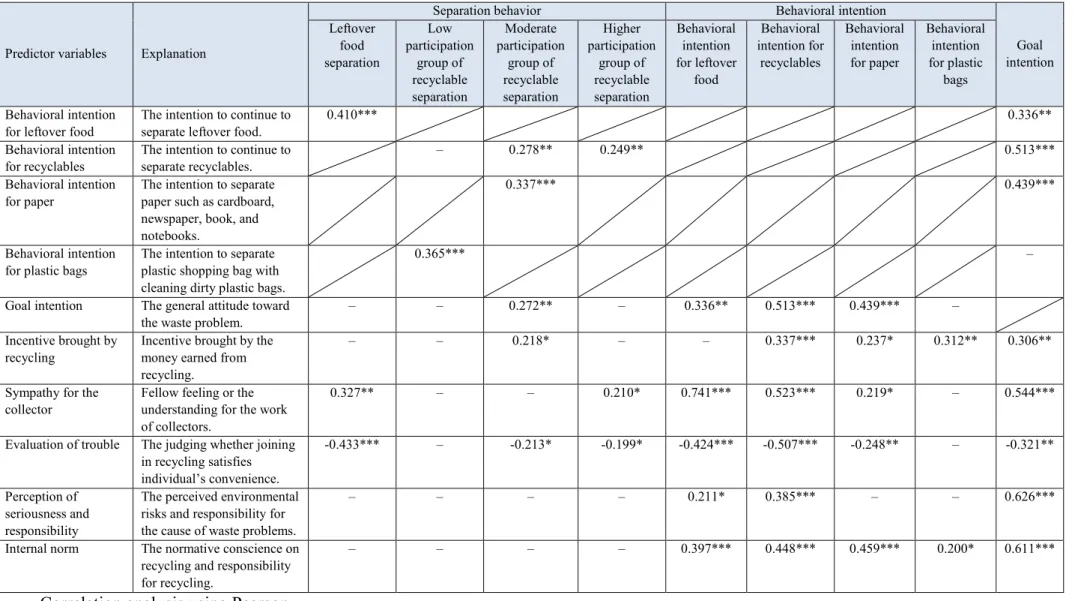
Table 3-9 Result of correlation analysis between separation behavior and predictor variables ... 53
Table 3-10 Predictive models on separation behavior ... 54
Table 3-11 Predictive models on behavioral intention and goal intention ... 54
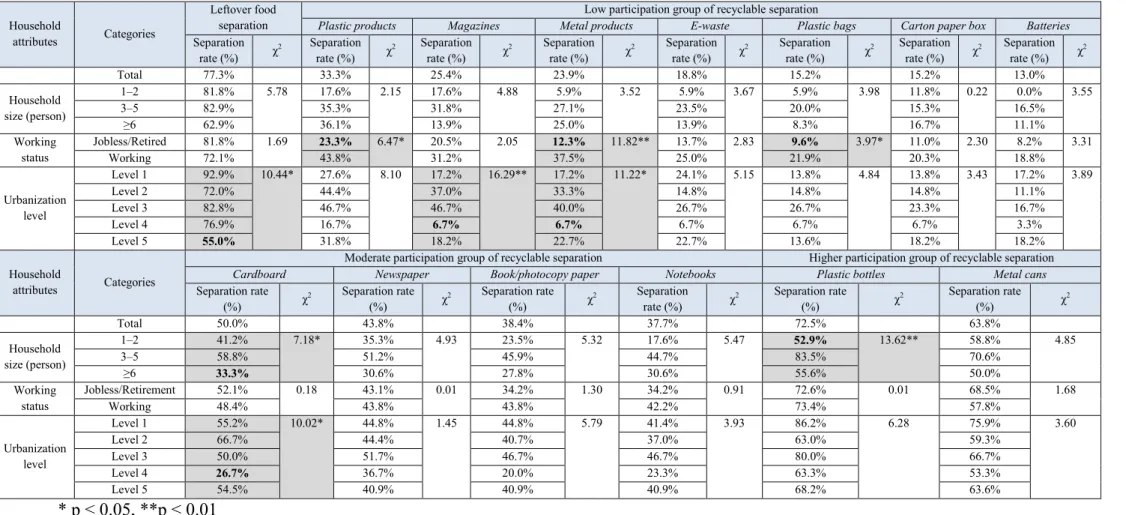
Table 3-12 Chi-square results of separation rates and household attributes ... 60
Table 4-1 Outline of questionnaire ... 68
Table 4-2 Attributes of respondents ... 72
Table 4-3 Current status of Leftover food disposal habit ... 73
Table 4-4 Current status of Recyclables disposal habit ... 74
Table 4-5 Separation behavior variables ... 76
Table 4-6 Summary of exploratory factor analysis and Cronbach’s alpha ... 76
Table 4-7 Result of correlation analysis between separation behavior and predictor variables ... 79
Table 4-8 Predictive models on separation behavior ... 80
Table 4-9 Predictive models on behavioral intention ... 81
Table 4-10 Waste separation rates by the level of involvement in the WSS program ... 88
Table 4-11 Factors influencing waste separation behavior for different levels of involvement in the WSS program ... 91
Table 4-12 Percentages of positive answers for the factors influencing waste separation behavior before and after the WSS program... 92
Table 4-13 Chi-square results of separation rates and household attributes ... 94
Table 5-1 Predictive models on waste separation behavior by logistic regression analysis .. 104
Table 5-2 Effect of promotion measures on waste separation rate through sensitivity analysis of the models ... 105
10
Table 5-3 WGR by physical categories ... 106 Table 5-4 Household solid waste categories and generation rate ... 106 Table 5-5 Recyclable generation amount per capita (g/cap/day)... 108 Table 6-1 Remained problems of the current waste separation activities by interviews and observations, and the corresponding suggestions ... 115
11 LIST OF FIGURE
Figure 1-1 Location of Da Nang City ... 17
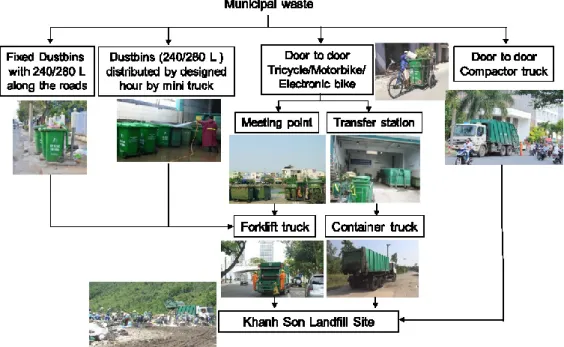
Figure 1-2 Municipal solid waste collection system... 19
Figure 1-3 The explanatory meeting in Hai Chau District [10] ... 22
Figure 1-4 Recycling activities in Thach Thang Ward, Hai Chau District ... 22
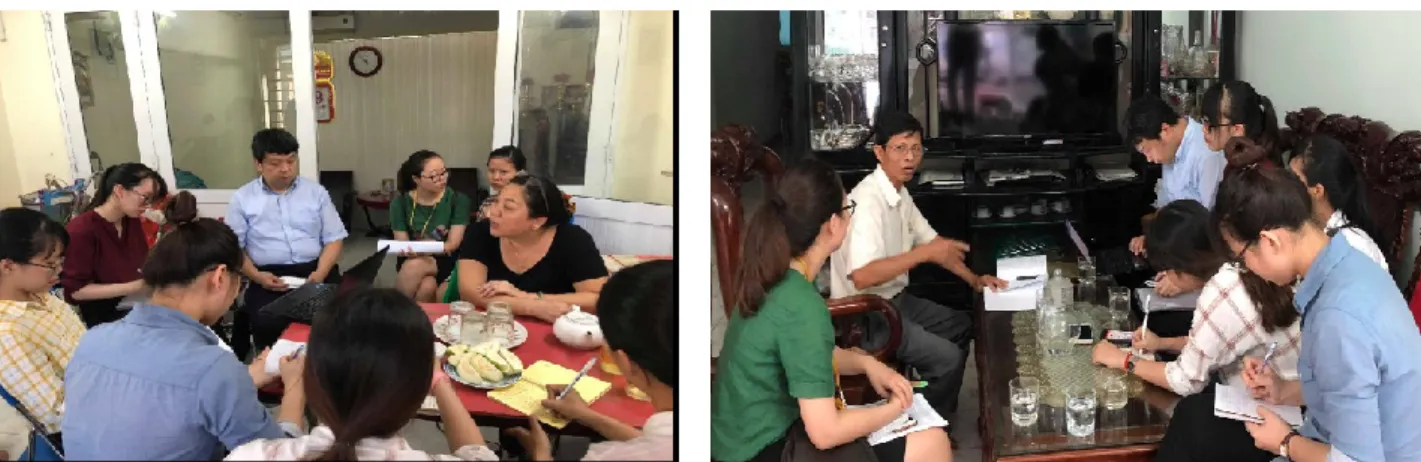
Figure 1-5 Interview at household in Thach Thang Ward, Hai Chau District and Thuan Phuoc Ward, Hai Chau District ... 22
Figure 1-6 The leaflet for the WSS program [10] ... 22
Figure 1-7 Guideline handbook ... 22
Figure 1-8 Recyclable bag for households in Thuan Phuoc Ward, Hai Chau District ... 23
Figure 1-9 Recyclable waste container in the street in Thuan Phuoc Ward, Hai Chau District ... 23
Figure 1-10 Outline of dissertation ... 26
Figure 2-1 Structure model of recycling behavior on station collection of Cans & Bottles .... 30
Figure 2-2 The proposed model for waste separation behavior ... 37
Figure 3-1 Locations of target wards ... 43
Figure 3-2 Separation rate on leftover food and recyclables ... 47
Figure 3-3 Dendrogram of recyclable separation clusters ... 49
Figure 3-4 Behavior model for leftover separation... 55
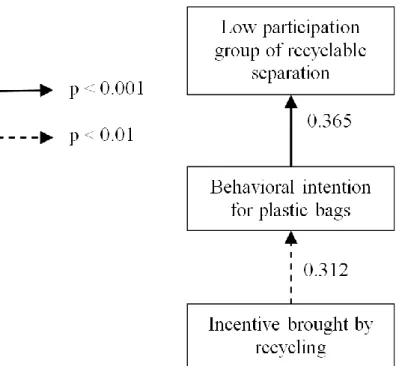
Figure 3-5 Behavior model for low participation group of recyclable separation ... 55
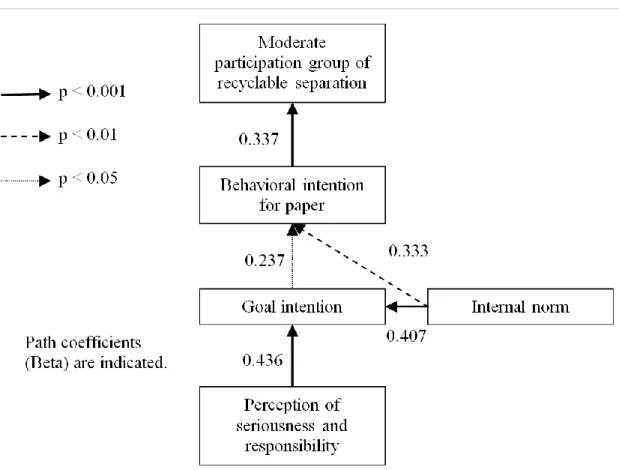
Figure 3-6 Behavior model for moderate participation group of recyclable separation ... 56
Figure 3-7 Behavior model for higher participation group of recyclable separation ... 56
Figure 3-8 Percentages of positive/neutral/negative answers for the factors influencing leftover food and recyclable separation behavior ... 59
Figure 4-1 The explanatory meeting in Hai Chau District and the leaflet for the WSS program [16] ... 66
Figure 4-2 Separation rate on leftover food and recyclables ... 73
Figure 4-3 Dendrogram of recyclable separation clusters ... 75
Figure 4-4 Behavior model for leftover separation... 82
Figure 4-5 Behavior model for higher participation group of recyclable separation ... 82
Figure 4-6 Behavior model for low participation group of recyclable separation ... 83
Figure 4-7 Percentages of positive/neutral/negative answers for the factors influencing leftover food separation behavior ... 87
12
Figure 4-8 Percentages of positive/neutral/negative answers for the factors influencing
recyclable separation behavior ... 87 Figure 4-9 Percentages of positive answers for the factors influencing waste separation behavior before and after the WSS program... 92 Figure 5-1 Relationship between promotion measures and influencing factors of waste
separation behavior ... 100 Figure 5-2 The expected amount of separated recyclable waste by promotion measures (g/cap/day) ... 108
13 LIST OF ABBREVIATIONS AND ACRONYMS
3R: Reduce, Reuse, Recycle ANOVA: Analysis of Variance HSW: Household Solid Waste
MSWM: Municipal Solid Waste Management SWM: Solid Waste Management
URENCO: Urban Environment Company WGR: Waste Generation Rate
WSS: Waste separation at source
14 ACKNOWLEDGMENT
First of all, I would like to express my deep gratitude to Associate Professor Yasuhiro Matsui, my research supervisors, for his patient guidance, enthusiastic encouragement and useful critiques of my research work.
I would like to offer my special thanks to Associate Professor Tran Van Quang for his meaningful support and to colleagues and students from Faculty of Environment, Da Nang University of Science and Technology for collaborating and supporting me in the site measurement in Da Nang city. Their willingness to give their time so generously has been very much appreciated.
I wish to thank all companies and persons who offered me their time in providing necessary data and agreement for my survey, including People's Committee of Da Nang city, Environmental Protection Agency.
Finally, I wish to warmly thank my family for their loving support and encouragement throughout my study. Their understanding and valuable advice motivate me to do my best.
15
CHAPTER 1: INTRODUCTION
1.1 Background
Vietnam has faced a rapid increase in solid waste generation in recent years. Together with the growth of the economy and population, the total amount of solid waste increased by 10% every year during the 2006–2010 period, and by 12% per year during the 2011–2015 period [8]. The municipal solid waste (MSW) generated from urban areas was approximately 32,000 tons/d in 2014 [8], which results in a great challenge for municipalities to handle.
Given the needs to both manage the increasing amount of solid waste and preserve natural resources, waste separation at source (WSS) has become a hot issue in Vietnam in recent years. Regarding national-level regulation, WSS was first specified by Decree No.
59/2007/NĐ-CP on Solid Waste Management dated April 9, 2007, then by Article 95 of the Law on Environmental Protection issued in 2014 [12, 13]. In the newest Decree on Management of Wastes and Discarded Materials issued in 2015, household solid waste (HSW) was required to be separated into three groups; “group of disintegrable organic wastes,” “group of reusable and recyclable wastes,” and “remaining group” [14]. A national target for waste separation was also set by Decision 491/QĐ-TTg on approving adjustments to national strategy for general management of solid waste to 2025 with vision towards 2050 [11]. Regarding HSW in urban areas, the specific targets up to 2025 were to improve rates of recycling, reuse, energy recovery, and organic fertilizer production, and consequently to reduce the rate of landfilling below 30%. It is indispensable for Vietnamese authorities of MSW to promote citizens’ separation behavior effectively.
In order to promote recycling, the participation of citizens in waste separation should be improved by appropriate measures. This raised the question of which determinants that predict recycling behavior and how the behavior could be enhanced by 3R promotion measures. The cooperation of citizen in waste separation could be affected by various factors such as the awareness of environmental problems, the collection system, perceiving the environmental risks and responsibility, etc. It is necessary to develop a model of such environmental behavior aimed to extract factors affecting behavior. From that, the participation of citizen could be achieved by considering of such extracted factors.
In response to the national target, some municipalities in Vietnam have also established local regulations and action plans on solid waste management and introduced pilot projects including WSS.
16
There are advanced areas with active 3R promotion, including Ha Noi, Hai Phong, Hue, Cham Islands, Ho Chi Minh, Da Nang. In Cham Islands, as an example, residents separate their wastes into: biodegradable wastes for composting, recyclables for selling to junk buyers, and others wastes for dumping at the dump site. In terms of reducing activities, from 2009, Cham government had a program in limitation of using of plastic bags. The propaganda and education for residents are applied. Banners are hung, leaflets are given and the residents signed in the agreement contract. The participation of residents is showed through using paper bags and environmentally friendly bags instead of plastic bags.
The 3R-HN project is another example on implementing WSS. The Project developed source separation and collection system model for organic waste, inorganic waste and recyclable waste, composting model and environmental education model for three years from 2006 to 2008 in Ha Noi City. The Public Relations of the project was also designed on the theory of “AIDMA” aiming at integrated activities through PR tools, mass media to improve the awareness of the public and stakeholders from do not know – know little – know – understand – change behavior. Holding events, broadcasting TV commercials, making a 3R song, developing and distributing PR tools (T-shirt, cap, calendar, poster, flyer, eco-bag etc), etc. were carried out to raise awareness of Hanoi citizens on 3R.
Da Nang City issued a Decision on building an environmental city by 2020 [1] and set an aggressive target of recycling 70% of solid waste in the 2016-2020 period. Then, in 2017, under the management of Da Nang City authorities, a WSS program for the local community was introduced in 4 wards of Hai Chau District: Thuan Phuoc, Thach Thang, Hoa Thuan Tay, and Hoa Cuong Bac. In 2018, the WSS program was expanded to two additional wards of Thanh Khe District: Thac Gian and Tam Thuan. In the latest decision, the Da Nang People’s Committee approved an implementation plan for WSS for the whole city up to 2025 [2]. In the WSS program, the recycling activity is managed by the ward-level authorities, and implemented by the community-level leadership under each ward (one ward comprises of several communities), and there is no scheduled separate collection by official workers. As WSS expands, it is indispensable for Da Nang City to review the effect of the WSS program and clarify the weaknesses and strengths of existing systems in order to highlight the factors influencing success and failure.
In this study, the authors intended to assess how the WSS program in Da Nang City affects the waste separation behavior and influencing factors in target areas. In order to obtain scientific findings that can contribute to the successful expansion of the WSS program.
17 1.2 General
1.2.1 Overview of Da Nang city
Da Nang (Vietnamese: Đà Nẵng), the fourth largest city in Vietnam in terms of urbanization and economy, is the commercial and educational center of the region. In addition, being located within 100 km of several UNESCO World Heritage Sites (the Imperial City of Hue, the Old Town of Hoi An, and the My Son sanctuary city), it also becomes a famous tourist destination. Da Nang is the fifth most populated city in Vietnam, with an area of 1,285.4 km² and a population of 1,046,876 as of 2015 [3].
Figure 1-1 Location of Da Nang City
Regarding administrative divisions, Da Nang has 6 urban districts (Hai Chau, Thanh Khe, Cam Le, Lien Chieu, Son Tra, Ngu Hanh Son) and 2 rural districts (Hoa Vang and Hoang Sa).
They are further subdivided into 45 wards (under 6 urban districts) and 11 communes (under Hoa Vang District). Da Nang has the highest urbanization ratio among provinces and municipalities in Vietnam with an average annual urban population growth at 3.5% as of 2015, and 87% of the population lived in urban areas [5].
The Urban Environment Company of Da Nang (Da Nang URENCO), the formal waste collection and treatment Company in Da Nang, reported that the collected amount of municipal solid waste (MSW) has been increased 16.7% in five years, from 223,521 tons (2010) to 260,923 tons (2014). In addition, 95% collected amount was from urban areas (248,995 tons). In rural area, the household solid waste (HSW) is dumped or open burned by residences [4].
Ha Noi
Ho Chi Minh Hue Hai Phong
Can Tho
18
1.2.2 Municipal solid waste management in Da Nang 1.2.2.1 Current situation of MSWM
(1) Waste generation and composition
Municipal solid waste is officially collected and transported to the landfill site by the Urban Environment Company (URENCO) of Da Nang. The average amount of collected waste reached 362,979 tons in 2018 (around 994 tons/day), an increase of 15% compared to the collected waste in 2017 [6].
In terms of waste generation and characterization, MSW in Da Nang city is generated from various sources including households, commercial sectors, offices, schools, institutions, hospitals, airports, parks, etc. The composition of MSW in 2010−2014 period was presented in report of URENCO (2019) as shown in Table 1-1. Organic waste accounted for the greatest part (around 70%), followed by Plastic (1.11−14.00%), and Nylon (0.00−12.13%).
Table 1-1 Composition of municipal solid waste in Da Nang (2010-2014) [6]
No. Category Percentage (%)
1 Biodegradable/ Organics 66.71−74.65
2 Paper 2.81−5.16
3 Cardboard 0.00−2.38
4 Textiles 1.55−3.50
5 Wood 0.00−2.79
6 Plastic 1.11−14.00
7 Nylon 0.00−12.13
8 Leather and rubber 0.32−2.12
9 Metal 0.19−1.01
10 Glass 0.14−1.89
11 Plate girder, ceramic 0.00−1.48
12 Soil, sand 0.00−6.75
13 Coal slag 0.00−0.60
14 Hazardous waste 0.00−0.27
15 Others 0.00−3.10
(2) Collection and transportation
In Da Nang City, the mixed waste system collection is implemented daily, and all the waste stream comes to landfill site. There are currently three main practices of waste collection (Fig. 1-2) [6, 9] as follow:
19
Practice 1: Dustbin collection and transport by truck
Several tens of households share a dustbin with a capacity of 240 L/280 L/660 L.
Dustbins were put along the road lastingly or distributed by designed hour. Every day, the empty dustbins are placed from 14:30 to 15:00 by a small lift-equipped truck (mini-truck).
Then, the residents are requested to bring their waste and put it into the dustbin by themselves.
A forklift truck comes to transfer the waste by turning over the dustbin at the fixed time from 21:00 to 22:00, and directly carries it to the landfill site.
Practice 2: Door-to-door collection by tricycle/ motorbike/ electronic bike and transport by truck
A waste collection worker visits households from door to door to pick up the waste discharged at the side of the road by plastic bag, basket or foam box. The worker moves by tricycle/ motorbike/ electronic bike with a 660L dustbin, loads the waste into the dustbin, and carries it to a meeting point for transfer. In some areas, the worker rings a bell to inform the residents of waste collection and waits for a while, then the surrounding residents bring their waste for collection. At the meeting point, a forklift truck with loading and compaction equipment transfers the waste by turning over the dustbin, and transports it to the landfill site.
Figure 1-2 Municipal solid waste collection system Practice 3: Door-to-door collection and transport by truck
A compactor truck with a loading and compaction equipment visits households from door to door to pick up the waste discharged at the side of the road by plastic bag, basket or foam box. The driver keeps driving at a walking pace, and the collection workers follow the
20
truck and load the waste directly into the truck. The truck plays music to inform the residents of waste collection, and some of the surrounding residents bring their waste for collection.
After the waste collection, the truck directly carries the waste to the landfill site without transfer.
Regarding business sectors with large amounts of waste generated, they keep their own dustbins and do not have a daily dustbin distribution. There are some dustbins for public use put along the main streets.
(3) Treatment and disposal
All the waste stream is transported to landfill site (Khanh Son sanitary landfill).
Regarding medical waste, there are 7 medical waste incinerators. Medical waste from all hospitals is collected, transported by separated system and treated by medical waste incinerator at the Khanh Son landfill.
Regarding industrial waste, normal industrial waste is treated by sanitary landfill.
Some hazardous industrial waste is incinerated with medical waste in the same incinerator.
Regarding other waste (households, commercial sectors, offices, schools, institutions, etc.), it is collected and transported to Khanh Son landfill for burying.
1.2.2.2 The current status of recycling activity and WSS program
Recycling activity has been carried out by informal sectors such as junk buyers, waste pickers, and junk shops. Recyclables are primarily collected by junk buyers visiting households or by waste pickers collecting items from landfill sites/the street.
In 2016, Da Nang People’s Committee cooperated with Yokohama City conducted
“Solid waste management for promoting classification and recycling in Da Nang” project sponsored by JICA in the period 2017-2019. Then, in 2017, under the management of Da Nang City authorities, a waste separation at source (WSS) program for the local community was firstly introduced in 4 wards of Hai Chau District: Thuan Phuoc, Thach Thang, Hoa Thuan Tay, and Hoa Cuong Bac. In 2018, the WSS program was expanded to two additional wards of Thanh Khe District: Thac Gian and Tam Thuan.
In the latest decision, the Da Nang People’s Committee approved an implementation plan for WSS for the whole city up to 2025 [2]. In the WSS program, the recycling activity is managed by the ward-level authorities, and implemented by the community-level leadership under each ward (one ward comprises of several communities).
21
At the ward-level, follow the decision for the whole city, the People's Committee of Wards contributed the specific implementation plans for each ward, set up the Steering Committee and the core propagator team to manage, propagated and guided the classification of garbage at the source to the residents.
The People's Committees of wards carried out various forms of propaganda such as:
Hanging posters at the office, residential area and banners about classification of waste at the source.
Decorating cars to propaganda about the content of waste separation at sources running on roads and in residential areas.
Publishing contents about waste separation at source on the website of the ward.
Organizing propaganda events.
In addition, People's Committees also cooperate with other official organizations in order to improve the popularity of the program. In 2017, People's Committee of Hai Chau District coordinated with Department of Education and Training organized successfully the festival for environment in 2017 which aims to educate all children about the role of environmental protection. At the same time, they will be equipped with basic knowledge and skills in the waste separation.
At the community-level, the community’s leadership explained the WSS program to the residents through explanatory meetings and distributed a leaflet (Fig. 1−3 and 1−6). The target categories of recyclables were plastic, paper, and metal. In the explanatory meetings, the current status of solid waste management, the benefit of WSS, and the method how to separate recyclables were introduced. The leaflet was distributed to the meeting participants or delivered to all households in the target areas. It indicated the 3 steps for separation, including examples of recyclables with pictures, how to process recyclables like washing and bundling, and keeping in one bag as shown in Fig. 1−6. Besides that, guideline handbooks (Fig. 1−7) and recyclable bags (Fig. 1−8) were delivered to some residential areas.
Recyclable waste containers (Fig. 1−9) were also provided for some residential areas of Thuan Phuoc and Thach Thang Ward of Hai Chau District (9-10 containers for each ward).
Under the program, the residents were encouraged to separate recyclables for donating to their community or for independent direct sale to informal sectors. For donations, the volunteers from women’s union or youth union of the community collected recyclables from households and sold them to the junk shop for fundraising. Normally, recyclables were collected every week or every 2 weeks via door-to-door or drop-off collection (Fig. 1−4).
22
Drop-off points could be recyclable waste containers if applicable or the collectors’ house - volunteers from women’s union.
Figure 1-3 The explanatory meeting in Hai Chau District [10]
Figure 1-4 Recycling activities in Thach Thang Ward, Hai Chau District
Figure 1-5 Interview at household in Thach Thang Ward, Hai Chau District and Thuan Phuoc Ward, Hai Chau District
Figure 1-6 The leaflet for the WSS program [10] Figure 1-7 Guideline handbook
23 Figure 1-8 Recyclable bag for households in
Thuan Phuoc Ward, Hai Chau District
Figure 1-9 Recyclable waste container in the street in Thuan Phuoc Ward, Hai Chau
District 1.2.2.3 Remaining issues
There are some remaining issues should be considered more as follows:
In general, solid waste has been increasing in the city due to the growing population.
According to the report from JICA [7], the current landfill will be entirely filled by 2019 unless effective countermeasures are taken. In addition, industrial and hazardous waste are not strictly controlled, creating the potential for contamination.
Recyclable material is disposal of together with other waste on landfill. The mixed waste system collection is implemented daily, and all the waste streams come to landfill site while landfill capacity is limited. Also, a large quantity of recyclable waste was not recovery due to this combine collection system, and this might burden on the landfill capacity and demonstrate the inefficiency in material recovery [9].
Regarding environmental issues, a large amount of methane gas, leachate releases from open dumping site. Improper treatment practices cause a serious impact to local environment, especially the underground water.
Regarding social issues, unsanitary landfill causes an adverse impact on human health.
Regarding technical issues, there is lack of officially waste separated collection for WSS program. All recovery and recycling facilities are small, unorganized and are privately owned.
Regarding political issues, there is lack of scientific studies on evaluation the efficiency of source separation of waste.
24 1.3 Scope and objectives of the study
This study focused on the household solid waste in Da Nang City, Vietnam.
As the scientific basis for promoting citizens’ recycling behavior and contributing to the successful expansion of the WSS program in Da Nang City, this study aims to achieve the following objectives:
1) To survey, describe the waste separation behavior (including the waste separation rate, and the disposal habits of leftover food and detail recyclable categories) and households’ recognition and attitude of waste separation and environmental issues by questionnaire.
2) To develop the structure models for the separation behaviors of leftover food and detail recyclable categories to figure out the influencing factors of citizens’
separation.
3) To assess the current status of implementing the waste separation at source (WSS) program by city authorities in some specific areas.
4) To clarify the effect of the current WSS program on waste separation behavior by comparing the separation rates among individuals before and after the program.
5) To clarify the effect of the current WSS program on the influencing factors of waste separation behavior, which were obtained from structure models, and to compare these influencing factors by time-series data to evaluate the changing over time.
6) To analyze the difference in waste separation behavior among the attribute categories including age, gender, household size, income level, working status, and urbanization level (represented by population density).
7) To figure out the weaknesses and strengths of existing WSS program, the higher- priority waste categories, influence factors, and attribute categories; to suggest the recycling promotion measures based on the abovementioned analytical results.
8) To predict the impact of suggested promotion measures on waste separation rate and waste separation amount of detail recyclable categories via sensitivity analysis of the predictive models.
1.4 Conceptual outline of the dissertation
In order to approach and obtain the proposed objectives, the contents of the individual Chapters are as follows:
Chapter 1 introduces the research background, overview of solid waste management in
25
Da Nang City, Vietnam, and the scope as well as objectives of the study. The outline of whole study was also presented in this chapter.
In Chapter 2, the literature review relating to this study was presented. The methods for behavior modelling, the influencing factors of the waste separation behavior were introduced by studies in Vietnam and other countries. In addition, the methods for measuring the effect of a waste separation program were also shown. Thereafter, the remained problems of past studies were pointed out aimed to clarify the novelty and originality of the proposed research.
Finally, the research framework was proposed.
Chapter 3 described the household solid waste (HSW) separation behavior and its structure models in the whole city of Da Nang. The methodology including the research area, sampling method, outline of questionnaire survey, and data analysis for modeling was presented. The questionnaire survey was conducted in 2016. The separation behaviors of leftover food and 13 recyclable categories were shown. The factors influencing these waste separation behaviors was analyzed and discussed based on the developed models.
Chapter 4 was the main section of the dissertation. It described the structure models of the HSW separation behavior and the effects of WSS program on behavior and its influencing factors in 6 areas where WSS program was implemented by city authorities in Da Nang city.
The survey was conducted in 2018. The methodology including the outline of questionnaire survey, the differences from past survey in 2016 and data analysis for modeling and measuring the effects of WSS program was presented. The results showed the separation behaviors of leftover food and 14 recyclable categories. The influencing factors of the behavior were explored by the modeling. The impact of WSS program on the changing of waste separation rate and the influencing factors was clarified. Besides, a comparison of the surveyed data by time series (in 2016 and 2018) was conducted. Thereafter, the weaknesses and strengths of existing WSS program were highlighted and the promotion measures were proposed aimed to improve the waste separation behavior.
In Chapter 5, the predictive effects of promotion measures, which were suggested in Chapter 4, on the waste separation rate and waste separation amount for 14 recyclable categories were presented. The predictive changes of waste separation rate by each promotion measures were estimated by the predictive models for 14 recyclable categories. The potential waste separation amount was also calculated for each recyclable category.
Finally, Chapter 6 summarized the main conclusions of the dissertation. The recommendations for future research were also described.
26
Figure 1-10 Outline of dissertation
Chapter 3: Current status and behavior modeling on household solid waste separation o The survey was conducted in 2016 in the whole city of Da Nang
o The separation behaviors of leftover food and 13 recyclable categories by questionnaire survey
o The factors influencing these waste separation behaviors based on the developed models
→ This survey was considered as a basis framework for later survey in 2018 (chapter 4).
Chapter 4: Measuring the effect of a program of waste separation at source
o The survey was conducted in 2018 in 6 areas where WSS program was implemented by city authorities
o The separation behaviors of leftover food and 14 recyclable categories o The influencing factors of the behavior by the modeling
o The impact of WSS program on the changing of waste separation rate and the influencing factors
o A comparison of the surveyed data by time series (in 2016 and 2018)
→ The weaknesses and strengths of existing WSS program were highlighted and the promotion measures were proposed aimed to improve the waste separation behavior.
Chapter 1: Introduction
o Overview of solid waste management in Da Nang city o Scope and objectives
Chapter 2: Literature review
o The methods for behavior modelling
o The influencing factors of the waste separation behavior
o The methods for measuring the effect of a waste separation program
→ The remained problems of past studies were pointed out aimed to clarify the novelty and originality of the proposed research.
→ The research framework was proposed.
Chapter 5: The prediction of the effect of promotion measures on waste separation behavior
o The predictive changes of waste separation rate by each promotion measures by the predictive models for 14 recyclable categories
o The potential waste separation amount for each recyclable category by each promotion measures
→ The highest priority of promotion measures was pointed out to further promote waste separation behavior.
Chapter 6: Conclusion
o Summary of the key points, remained problems of the current waste separation activities by interviews and observations, and the corresponding suggestions o Recommendations for future research
27 1.5 References for chapter 1
[1] Da Nang People’s Committee (2008) Decision No.41/2008/QD-UBND on approving the Project of an Environment City (in Vietnamese). https://thuvienphapluat.vn/van- ban/Bo-may-hanh-chinh/Quyet-dinh-so-41-2008-QD-UBND-de-an-xay-dung-Da- Nang-thanh-pho-moi-truong-194143.aspx. Accessed 15 July 2019
[2] Da Nang People’s Committee (2019) Decision No.1577/QD-UBND on implementation plan of waste separation at source in Da Nang City up to 2025 (in Vietnamese).
https://thuvienphapluat.vn/van-ban/Tai-nguyen-Moi-truong/Quyet-dinh-1577-QD- UBND-2019-Ke-hoach-trien-khai-phan-loai-chat-thai-ran-sinh-hoat-Da-Nang- 412525.aspx. Accessed 9 August 2019
[3] Da Nang People’s Committee, 2016a. Da Nang statistical year book 2016
[4] Da Nang People’s Committee, 2016b. Master plan on waste management in Da Nang until 2030, vision to 2050.
[5] Da Nang People’s Committee, 2018. danang.gov.vn. Accessed 31 May 2018
[6] Da Nang URENCO (2019). Report of MSWM status in the period of 2015-2019 (in Vietnamese).
[7] Japan International Cooperation Agency (JICA) (2016). Data collection survey on sustainable and integrated urban development in Da Nang.
[8] Ministry of Natural Resources and Environment (MONRE) (2015) National environment report 2011−2015 (in Vietnamese). https://opendata.vn/dataset/bao-cao- hien-trang-moi-truong-quoc-gia-nam-2011. Accessed 12 Dec 2018
[9] Nguyen HD (2018). Assessment of waste collection systems and separate collection alternatives in Vietnam. PhD. Dissertation of Okayama University, Japan
[10] People’s Committee of Hai Chau District, Da Nang city (2017) The implementation of waste separation at source. https://haichau.danang.gov.vn/chi-tiet-tin- tuc?dinhdanh=45001&cat=0. Accessed 02 August 2019
[11] The Prime Minister of Vietnam (2018) Decision No.491/QD−TTg on Approving Adjustments to National Strategy for General Management of Solid Waste to 2025 with the vision towards 2050 (in Vietnamese). https://thuvienphapluat.vn/van-ban/Tai- nguyen-Moi-truong/Decision-491-QD-TTg-approving-adjustments-to-national-
strategy-for-general-management-solid-waste-387109.aspx.Accessed 15 July 2019
28
[12] Vietnam Government (2007) Decree No.59/2007/ND-CP on Management of Solid Waste. https://vanbanphapluat.co/decree-of-government-no-59-2007-nd-cp-of-april-09- 2007-on-solid-waste-management. Accessed 15 July 2019
[13] Vietnam Government (2014) Law on Environmental Protection (in Vietnamese).
https://thuvienphapluat.vn/van-ban/Tai-nguyen-Moi-truong/Luat-bao-ve-moi-truong- 2014-238636.aspx.Accessed 15 July 2019
[14] Vietnam Government (2015) Decree No.38/2015/ND−CP on Management of Wastes and Discarded Materials. https://vanbanphapluat.co/decree-no-38-2015-nd-cp-on- management-of-waste-and-discarded-materials. Accessed 15 July 2019
29
CHAPTER 2: LITERATURE REVIEW
2.1 Literature review
Vietnam has faced a rapid increase in solid waste generation in recent years. Together with the growth of the economy and population, the total amount of solid waste increased by 10% every year during the 2006–2010 period, and by 12% per year during the 2011–2015 period [18]. The municipal solid waste (MSW) generated from urban areas was approximately 32,000 tons/d in 2014 [18], which results in a great challenge for municipalities to handle. Given the need to both manage the increasing amount of solid waste and preserve natural resources, waste separation at source (WSS) has become a hot issue in Vietnam in recent years. Regarding national-level regulation, WSS was first specified by Decree No. 59/2007/NĐ-CP on Solid Waste Management dated April 9, 2007, then by Article 95 of the Law on Environmental Protection issued in 2014 [24, 25]. In the newest Decree on Management of Wastes and Discarded Materials issued in 2015, household solid waste (HSW) was required to be separated into three groups; “group of disintegrable organic wastes,” “group of reusable and recyclable wastes,” and “remaining group” [26]. A national target for waste separation was also set by Decision 491/QĐ-TTg on approving adjustments to the national strategy for general management of solid waste to 2025 with vision towards 2050 [19]. Regarding HSW in urban areas, the specific targets up to 2025 were to improve rates of recycling, reuse, energy recovery, and organic fertilizer production, and consequently to reduce the rate of landfilling below 30%. It is indispensable for Vietnamese authorities of MSW to promote citizens’ separation behavior effectively. This raised the question “What are the influence factors of separation behavior of citizens?” Barr (2007) and Oskamp (1995) have argued that the strategies or policies can only be implemented in an effective way to resolve the waste problems when the understanding of what factors influence individual behaviors is clarified clearly which in turn has to be grounded in scientific research.
2.1.1 Influencing factors of the behavior
Past studies on waste separation behavior in other countries
The environmental behavior is affected by various factors including the intention to perform or not perform the behavior, the perceptions of those individuals toward the behavior that they are undertaking, demographic factors, etc. The models of such behavior were reported in some past researches. In this context, researches related to waste separation behavior (recycling behavior) is reviewed.
30
The factors influencing waste separation behavior have been studied in some previous research. The structure model from Matsui et al. (2001 and 2007) provided a suitable framework for investigating the factors influencing waste separation behavior (Fig. 2−1). The model suggested three steps: waste separation behavior, behavioral intention, and goal intention. In the model of waste separation behavior, “behavioral intention”, referring to the intention to perform a specific behavior, and “perception of information”, referring to the understanding of how to separate waste and what to separate, were both positive predictors.
In the model of behavioral intention, “evaluation of trouble” (i.e., the difficulty of waste separation or recycling, such as the space it takes up, the time and money required, etc.),
“perception of neighbors’ participation” (i.e., the recognition of neighbors’ participation in waste separation), and “goal intention” (i.e., the intention to contribute to solve waste problems) were predictors of “behavioral intention”. In the model of goal intention, “goal intention” was affected by 4 factors, “perception of seriousness & responsibility” – the individual’s evaluation of their own responsibility for recycling and the need for recycling,
“perception of coping efficacy” – perceiving that recycling is effective for reducing waste,
“evaluation of social norm” – perceiving social pressure to perform or not perform the behavior, and “perception of neighbor’s participation”.
Figure 2-1 Structure model of recycling behavior on station collection of Cans & Bottles This model can provide the basic framework and key concepts for understanding the current status of the separation behavior and determinants, and the framework is also applicable to clarify the effects of promotion measures on the changes of states of mind.
31
These above influencing factors of the behavior were also determined in other past studies.
The following brief reviews on each factor are presented to examine the proposed determinants of separation behavior.
Behavioral intention and perception of information
As a model of environmental behavior, Ajzen (1991) presented the theory of planned behavior which aims to predict behavior directly from intentions (i.e. the intention to perform a specific behavior). The stronger the behavioral intention, the more likely the behavior should be performed. Several studies have demonstrated the theory’s value in predicting behaviors. For example, Chu and Chiu (2003) developed an integrated household waste management model which indicated that recycling behavior was significantly influenced by behavioral intention. Another example is the model of environment-friendly behavior contributed by Hirose (1995), in which the decision-making process leading to the behavior was illustrated by two stages; behavioral intention and goal intention (i.e. the intention or desire to contribute to solving environmental problems by taking specific actions). A positive effect of behavioral intention has also been reported in other later studies (Boldero, 1995;
Stoeva & Alriksson, 2017; Ulhasanah & Goto, 2018; Tran et al., 2019).
In the previous report (Matsui et al., 2007), the authors described a structural model for recycling behavior by referring to Hirose (1995). In this model, recycling behavior was affected by two factors; behavioral intention and perception of information – perceiving the information on the collection date and place, knowledge of recycling. This suggested that even though the intention was high, the behavior can not be performed unless sufficient information was provided. Other studies by Schahn & Holzer (1990), and Vining & Ebreo (1990) stated that a person’s knowledge of how to recycle and the types of materials eligible for recycling is an important factor influencing recycling participation. The knowledge for action is a significant prerequisite for behaving in an appropriate manner and would be a significant barrier to action if levels were low. Thus, it could be argued that the intentions, perception of information can be seen as direct factors of behaviors.
Evaluation of trouble (perceived difficulties)/Perceived behavioral control (self-efficacy) Perceived behavioral control (self-efficacy) or evaluation of trouble (perceived difficulties) should be also considered as a significant predictor of the behavior. This reflects the individual’s perceived difficulty or ease in performing a particular behavior. As mention in the theory of planned behavior (Ajzen, 1991), behavioral achievement depends directly not only on motivation (intention) but also on ability (behavioral control). The performance of most depends at least on some degree of ability or non-motivational factors such as
32
opportunities and resources (e.g., time, money, skills, and cooperation of others). Self- efficacy such as time to act, the convenience of behavior, the space to store items was a significant predictor of behavior that has also been found by Gamba and Oskamp (1994), and Barr (2007). Derksen and Gartrell (l993) suggested that when provided with access to a convenient curbside recycling program, even those with relatively low levels of environmental concern would participate. In another example, for explaining recycling behavior, Lindsay and Strathman (1997) identified barriers (perceived difficulties related to recycling) as the variable with the strongest effect on recycling.
By a different approach, perceived behavioral control was examined as an indirect factor of waste management behavior via behavioral intention. In detail, perceived behavioral control was determined as one of the predictors of the intention to perform a particular behavior. This finding was described in some studies by Ajzen (1991), Chu and Chiu (2003), Matsui et al. (2007). Ajzen (1991) and Chu & Chiu (2003) proved that the greater the perceived behavioral control, an individual’s intention to perform the behavior is more likely to improve. On the other way, perceived behavioral control was defined as evaluation of trouble – judging whether waste collection services satisfy an individual’s convenience, by Matsui et al. (2007), and was determined as evaluation of feasibility by Hirose (1995), situation factor by Boldero (1995) and Tonglet et al. (2004). For example, people might feel difficult to recycle because of lack of time, lack of space for keeping recycled waste at home, or lack of information on how to recycle, collection time or collection place. By this definition, if people get a higher level of evaluation of trouble which means they feel more difficult to separate waste, then they have less intention to participate the recycling (Matsui et al., 2007). The role of difficulty, barriers, or personal convenience in recycling behavior was the most reliable finding.
Perception of neighbor’s participation
The term perception of neighbor’s participation reflects the perceived information of the participation in a specific behavior of others. Some studies argued the importance of others’
recycling behavior. Oskamp et al. (1991) noted that one important predictor of recycling behavior was having friends and neighbors who recycled, suggesting that peer influence is an important consideration in people’s decision to recycle. They noted that the degree to which people acknowledged friends' and neighbors' recycling behavior was one significant predictor of recycling behavior. For example, a person might believe that his or her family thinks he or she should recycle household waste. If that person is strongly motivated to comply with the expectations of his or her family, a positive impact on subjective norm might occur. Social influences on the performance of recycling and other environmental behaviors from various
33
referents (e.g., family, friends, neighbors), have been studied broadly (Oskamp et al., 1991;
Taylor & Todd, 1995). Vining and Ebreo (1990) also demonstrated that peer influence or the awareness of recycling behavior of other people is important in people’s decision to recycle.
In the recycling behavior model by Matsui et al. (2007), perception of neighbor’s participation was one of the significant factors affecting behavioral intention and goal intention - the intention to contribute to solving waste problems. The intention is strengthened by a high perception of neighbor’s participation.
Moral norms (internal norm)
The moral norm relates to the individual’s personal beliefs about the moral correctness or incorrectness of performing a specific behavior. The inclusion of a moral factor has significantly improved the prediction of intention in studies of behaviors. Indeed, Tonglet et al. (2004) showed the significant correlations between moral norm and the intention of recycling behavior. As the recycling of household waste is a behavior likely to contain elements of personal morality and social responsibility, it was considered appropriate to include this variable within the model.
Evaluation of social norm/ Social pressure / Subjective norm
Subjective norm refers to the perceived social pressure to perform or not to perform the behavior. As Fishbein and Ajzen (1975) have argued, the behavior is likely to be modified when individuals are aware of a given social norm and, more crucially, accept this norm.
Chan’s (1998) study of recycling in Hong Kong also highlighted the importance of subjective norms in encouraging others to participate. Clearly, subjective norms play an important role in shaping recycling behavior.
Perception of seriousness and responsibility
Perception of seriousness and responsibility refers to the degree of general knowledge about environmental risks and the individual’s evaluation of the responsibility for waste problems. Environmental and behavioral knowledge has been found to play a significant part in shaping waste management behavior. The former relates to what Schahn and Holzer (1990) have termed abstract knowledge for action, being a representation of general knowledge about the state of the environment and an awareness of environmental problems, such as waste issues. The latter refers to what Schahn and Holzer have termed concrete knowledge, which is essential knowledge for action, for example knowing what and where to recycle waste, that mentioned in the paragraph of perception of information. Vining and Ebreo (1990) have found the relationships between environmental knowledge and behaviors.
Oskamp et al. (1991) also claimed that one of the significant predictors of curbside recycling
34
was respondent’s acknowledge of environmental problems, and of intrinsic motives to recycle (e.g., satisfaction from saving natural resources and helping to solve a national problem). Thus, environmental knowledge or perception of seriousness and responsibility plays an important role in shaping behavior.
Demographic factors
Demographic factors refer to the personality characteristics of individuals such as age, gender, housing type, income level, educational level, etc. The relationship between demographic factors and environmental behaviors was pointed out in the previous study of Barr (2007). Demographics only have a small effect on reduction behavior, and recycling behavior. Respondents in older age groups appear to reduce and recycle more. With a small indirect effect via intention, gender has a moderately strong effect on reducing and reuse behavior. It appears that females are more likely intended to reduce and reuse than males, thus leading to the conclusion that this may reflect more regarding the consumption and shopping habits between householders than necessarily a fundamental division in values between females and males. Another study from Tabernero et al. (2015) pointed out that age and educational levels are related to recycling behavior: older people and individuals with a higher educational level recycle most. However, as Tabernero et al. (2015) and Guerin et al.
(2001), demographic variables had a modest relationship with recycling behavior and explained only a small percentage of the variance. Indeed, Khan et al. (2019) noted that the impacts on the behavior of all control variables including age, gender, income, and educational level were found insignificant. Therefore, there may have some relationship between social characteristics and environmental behavior.
Past studies on waste separation behavior and its influencing factors in Vietnam In Vietnam, solid waste management and separation behavior were also discussed in some studies. Some municipalities introduced the trial separate collection for recyclables and food residues, and some surveys reported the citizens’ separation rate in Hanoi and Da Nang city. In Hanoi, the waste separation rate was 83.9% for recyclables and 43.3% for food residues (Nguyen et al., 2015). In Da Nang, the waste separation rate was 77.7% for food residues (Kato et al., 2015). The other study in Da Nang showed that about 60% of households could separate waste into organic and inorganic waste (Otoma et al., 2013).
In relation to factors influencing the separation rates of recyclables and leftover food, some studies in Hanoi and Hoi An city suggested that the attitude toward recycling and moral norm (i.e., feeling of guilt not to perform waste separation) were positive factors affecting the recycling behavior, while situational factors or attitude toward the inconvenience of recycling
35
were negative factors (Loan et al., 2017; Nguyen et al., 2017). The public awareness and attitude toward SWM and the 3R program were also investigated in the Mekong Delta region by Thanh et al. (2012) and in Da Nang city by Dao et al. (2013).
2.1.2 Measuring the effect of a waste separation program
Solid waste management in low and middle-income countries has a lot of potential for improvement. Understanding how a specific decision choice towards improvement will match to enabling local conditions and thereafter impact on the local context, is crucial when identifying the most sustainable solutions. Zurbrugg et al. (2014) indicated that a well- defined assessment method can help evaluate the performance/impact of a project to better understand how and why the performance/impact is as it is. Of which, social impact assessment is one of the methods which measure the impact of a project. Social assessment may include changing behavior, interest, motivation and willingness to participate and contribute to the process and the objectives of the project. On the other hand, every solid waste management project will have an effect and impact on the socio-cultural environment.
Social impact criteria may include equity (distribution of impact on different social groups), participation/collaboration, motivation, etc.
Within the purpose of this study, waste separation at source (WSS) program was a target for social impact assessment. As WSS expands, it is indispensable for waste management authorities to review the effect of the WSS program and clarify the weaknesses and strengths of existing systems in order to highlight the factors influencing success and failure.
The effect of a recycling program has been evaluated in some past studies. Previous work in Sweden and China evaluated the effect of a food waste separation campaign by measuring the waste quantity and a questionnaire survey before and after the campaign (Bernstad, 2014; Dai et al., 2015). In Sweden, two types of interventions aiming at increasing food waste source-segregation rates used in the area were: (a) distribution of written information amongst household and (b) installation of equipment aiming at increasing convenience for source-segregation of household food waste inside the household. The results showed that the weekly amounts of separated food waste increased by 12% and the convenience and existence of infrastructure necessary for source-segregation of waste were important factors for household waste recycling (Bernstad, 2014). In China, an intervention used in the research area was distributing posters about the environmental consequences of food waste sorting. The questionnaire was conducted for half of the target households before the intervention and half of them afterward. Dai et al. (2015) noted that a 12.5% increase in the food waste capture rate was found, but there was no significant difference between answers in the questionnaire before and after the intervention. In Vietnam, waste quantity