SUSTAINABLE TREATMENT OF
ENVIRONMENTAL WATER POLLUTED
WITH PHENOLIC COMPOUNDS BY
FUNCTIONALLY-ENHANCED
RHIZOSPHERE OF DUCKWEED
September 2014
YAN LI
SUSTAINABLE TREATMENT OF
ENVIRONMENTAL WATER POLLUTED
WITH PHENOLIC COMPOUNDS BY
FUNCTIONALLY-ENHANCED
RHIZOSPHERE OF DUCKWEED
ウキクサ類の根圏機能を強化することによるフェノ
ール汚染環境水の持続的処理
A dissertation submitted in partial fulfillment of the requirements for the
degree of
Doctor of Philosophy in Engineering
Special Doctoral Course on Integrated River Basin Management Interdisciplinary Graduate School of Medicine and Engineering
University Of Yamanashi, Japan
September 2014
i
ABSTRACT
Phenol and its derivates are hazards pollutants widely existed in aquatic environment. Most of them are toxic and pose severe threat to human health. Eleven of them were listed as the priority pollutants by US Environmental Protection Agency. Establishment of an effective remediation technology is of great necessity. During recent decades, waste water treatment or remediation systems using various duckweed species have been used as low-cost, easy-to-operate, and environmentally-friendly technologies around the world for nutrients and/or BOD removal. Recently, the giant duckweed (Spirodela polyrhiza) has been found to promote the phenolic compounds removal in its rhizosphere. However, the previous studies focused mainly on S. polyrhiza, and the potential of other duckweed species in acceleration of phenolic pollutant removal were unknown to us, and the mechanism of rhizoremediation of phenolic pollutant by duckweed also has not been fully understood. The main objective of this study is to evaluate the potential of different duckweed species in removal of phenolic pollutants, and to elucidate the mechanisms of remediation of phenolic pollution by duckweed-based system.
Firstly, the phenol degradation in three river waters in the presence and absence of four different duckweed species (Spirodela polyrhiza, Lemna minor, Lemna aequinoctialis, and Wolffia arrhiza) were investigated. The results showed that all the duckweed species can accelerate the phenol removal from river waters and the acceleration was not caused by phenol biodegradation, adsorption or uptake by duckweeds. S. polyrhiza and W. arrhiza showed higher acceleration ability than the other species. The numbers of total culturable bacteria and phenol-degrading bacteria in the original river water and in the phytosphere of duckweeds were examined. A considerable number of bacteria including
ii
phenol-degrading bacteria were found to be carried by duckweeds, which may be one of the reasons attributed to the accelerated phenol removal from river waters in the presence of duckweeds. These results demonstrated that all the duckweeds species showed the potential in acceleration of phenol degradation in the environmental waters.
Furthermore, the total microbial community in the phytosphere of duckweeds (S. polyrhiza, L. minor, and W. arrhiza) cultivated in three different environmental waters were investigated by using metagenomic technique. The bacterial communities in the phytosphere of duckweeds were significantly different from that in envrionmental water. Comamonadaceae and Rhodocyclaeae were dominant bacteria in the phytosphere of duckweeds species, regardless of the source of environmental waters. Similar bacterial populations were observed in the phytosphere of different duckweed species from same river water.
Forty-seven phenol-degrading bacteria were isolated from the phytosphere of duckweed species, which belonged to Pseudomonas, Delftia, Azospirillum, Acinetobacter, Arthrobacter, Zoogloea and Comamonas. All of them can utilize phenol as sole carbon source for cell growth. It indicated that the duckweeds can be served as a good carrier of various phenol-degrading bacteria.
The phenol production ability of different duckweed speices (S. polyrhiza, L. minor, and W. arrhiza) were evaluated. All the duckweeds species can produce phenolic compounds and S. polyrhiza showed the highest production ability, which may account for recruiting the phenol-degrading bacteria in the phytosphere. Furthermore, the extract from duckweed plants (S. polyrhiza and W. arrhiza) promoted the cell growth and/or the rate of phenol degradation by the phenol-degrading bacteria isolated from the plant
iii
surface of duckweeds. The results clarified part of the mechanisms of accelerated phenol removal by duckweed species and provided useful information for the development of effective duckweed based treatment technology for remediation of phenolic polluted waters bodies.
Next, the removal efficiencies of various phenolic compounds from environmental water by using S. polyrhiza and W. arrhiza were evaluated. S. polyrhiza showed slightly higher potential in acceleration of the removal of different phenolic compounds. Some recalcitrant phenolic compounds (4-nitrophenol, 4-chlorophenol, and 4-tert-butylphenol) cannot be effectively removed from environmental water in the presence of S. polyrhiza or W. arrhiza. It is necessary to develop an effective strategy to improve the efficiency of duckweed based rhizoremediation technology.
At last, in order to improve the efficiency of duckweed based rhizoremediation technology, we developed rhizoaugmentation technology by inoculating pollutant-degrading bacteria onto the plant surface of duckweed. Firstly, one bisphenol A (BPA)-degrading bacterium, Novosphingobium sp. FID3, was isolated from S. polyrhiza roots. Strain FID3 can degrade BPA via an oxidative skeletal rearrangement mechanism and utilize BPA as a carbon source for growth. Organic compounds released from S. polyrhiza support the cell growth of strain FID3 and the strain can sustainably colonized the S. polyrhiza roots during the vegetative reproduction. S. polyrhiza in association with strain FID3 were able to repeatedly remove BPA from polluted effluent with high efficiency. The results indicated that rhizoaugmentation technology is an effective strategy for sustainable treatment of waters polluted by BPA. Furthermore, it also could be applied for the various waters polluted by other recalcitrant phenolic
iv compounds.
In this study, the potential of different duckweed species (S. polyrhiza, L. minor, L. aequinoctialis, and W. arrhiza) in acceleration of phenol removal was firstly evaluated, and then a part of the mechanisms of accelerated phenol removal by duckweeds were elucidated. The development of rhizoaugmentation technology was an effective and sustainable strategy for remediation of recalcitrant phenolic pollutants. In conclusion, the duckweed-based treatment technology is a strategy with great potential in remediation of phenolic polluted waters bodies.
v
ACKNOWLEDGEMENTS
Times passes so quickly. Looking back to the past three-year doctoral study, the things touched my heart are too many to count, the people who have helped me are far more than that listed here. First of all, I would express my deepest gratitude to my supervisor Assoc. Prof. Kazuhiro Mori for his valuable guidance, continuous caring, encouragement, and support throughout my doctoral study life in Japan. I am also sincerely grateful to Assoc. Prof. Tadashi Toyama for his valuable and patiently guiding in my research, kindly help in my study and life in the past three years. I would like to give my great thanks to Prof. Hidehiro Kaneko, Prof. Futaba Kazama and Assoc. Prof. Kei Nishida for their valuable guidance and suggestions as my supervising committee member and Prof. Hiroshi Kurosawa for his valuable comments as my dissertation committee.
I also would to express my great thanks to Assist. Prof. Tanaka Yasuhiro for his valuable suggestions and advice on my research. I also gave heartfelt thanks to Prof. Xiaolei Wu in Peking University and Prof. Yueqin Tang in Sichuan University, for their valuable suggestions in my study and kindly help all the time. Sincere thanks to Prof. Michihiko Ike in Osaka University for his greatly support and instructive suggestions on my research.
Many thanks were sent to Izumi Omori for her kindly and in-time support on purchase of my experiment necessities. I gave my great thanks to the friends in my lab, including Hiroaki Matsuzawa, Risky Ayu Kristanti, Takeshi Furuya, Masahiro Kambe, Hiroyuki Saido, Kaiji Iwanaga, Yuki Toda and Hiroyuki Mizuno and for their great help in my study and life. They made my life in Japan full of joy and warmness.
I also would to extend my gratitude to Prof. Kimiaki Hirayama and Assist. Prof. Keiko Katayama-Hirayama, and friends in GCOE family, Shrestha Sadhana, Amarathunga Deeptha, Sokchhay Heng, Widyasamratri Hasti and …I will not list one by one here, thanks for their friendly help in my work and life. Sincere thanks to GCOE program and Japanese government (MEXT) scholarship for my financial support during my doctoral study periods.
At last, I would to express my deepest gratitude to my family. Their support is my strongest backup and the source of inspiration driving me to this point.
vi
TABLE OF CONTENTS
ABSTRACT ... i ACKNOWLEDGEMENTS ... v TABLE OF CONTENTS ... vi LIST OF TABLES ... ix LIST OF FIGURES ... xLIST OF ABBREVIATION ... xiii
Chapter 1 INTRODUCTION ... 1
1.1 Phenols ... 1
1.1.1 An overview of phenolic compounds ... 1
1.1.2 Treatment methods for phenolic pollution ... 3
1.2 Rhizoremediation ... 4
1.2.1 Overview of rhizoremediation ... 4
1.2.2 Mechanisms of rhizoremediation ... 6
1.2.3 Current research progress of rhizoremediation in the world ... 7
1.3 Aquatic plants-duckweed ... 7
1.3.1 Introduction of duckweeds ... 8
1.3.2 Potential of duckweed-based treatment techniques in remediation of aquatic environmental pollution ... 8
1.4 Objectives of this study ... 9
1.5 Dissertation outline and summary ... 9
Chapter 2 EFFECTS OF VARIOUS DUCKWEED SPECIES ON PHENOL DEGRADATION IN ENVIRONMENTAL WATERS ... 17
2.1 Introduction ... 17
2.2 Materials and methods... 18
2.2.1 Plant samples ... 18
2.2.2 Environmental water samples ... 19
2.2.3 Culture media ... 19
2.2.4 Pre-culture of four duckweed species in environmental water samples ... 19
2.2.5 Phenol removal from environmental water samples in the presence and absence of duckweed species ... 19
2.2.6 Analytical procedures... 20
2.3 Results and discussion ... 21
2.3.1 Phenol removal from environmental waters in the presence of each duckweed species ... 21
vii
2.3.2 Enumeration of total culturable bacteria and phenol-degrading bacteria on the
plant surface ... 24
2.4 Summary ... 25
Chapter 3 MECHANISMS OF ACCELERATED PHENOL REMOVAL BY DUCKWEEDS ... 27
3.1 Introduction ... 27
3.2 Materials and methods... 28
3.2.1 Chemicals ... 28
3.2.2 Plant materials ... 28
3.2.3 Environmental water samples ... 29
3.2.4 Culture media for phenol-degrading bacteria ... 29
3.2.5 Pre-culture of four duckweed species in environmental water samples ... 29
3.2.6 Culture-independent analysis of microbial community associated with duckweeds ... 29
3.2.8 Phenol-degradation assays using pure cultures of isolated strains ... 31
3.2.9 Phenols production ability of S. polyrhiza, L. minor, and W. arrhiza ... 31
3.2.10 Effects of plant extracts on cell growth and phenol-degradation ability of phenol-degrading bacteria ... 33
3.1.11 Analytical procedures ... 34
3.3 Results and discussion ... 35
3.3.1 Culture-independent analysis of Microbial community associated with duckweeds ... 35
3.3.2 Isolation and characterization of phenol-degrading bacteria from S. polyrhiza, L. minor, and W. arrhiza ... 46
3.3.3 Assay of total phenolics contents in S. polyrhiza, L. minor, and W. arrhiza ... 49
3.3.4 Effects of plant extracts on cell growth and phenol-degradation ability of isolated phenol-degrading bacteria ... 52
3.4 Summary ... 54
Chapter 4 EFFECTS OF SPIRODELA POLYRHIZA AND WOLFFIA ARRHIZA ON VARIOUS PHENOLIC COMPOUNDS REMOVAL ... 59
4.1 Introduction ... 59
4.2 Materials and methods... 60
4.2.1 Chemicals ... 60
4.2.2 Plant materials ... 60
4.2.3 Environmental waters ... 60 4.2.3 Removal of various phenolic compounds from the environmental water in the
viii
presence and absence of S. polyrhiza and W. arrhiza ... 60
4.2.4 Analytical procedures... 61
4.3 Results and discussion ... 62
4.4 Summary ... 65
Chapter 5 SUSTAINABLE BIODEGRADATION OF BISPHENOL A BY SPIRODELA POLYRHIZA AND ASSOCIATED BISPHENOL A -DEGRADING BACTERIA ... 67
5.1 Introduction ... 67
5.2 Materials and methods... 68
5.2.1 Chemicals ... 68
5.2.2 Plant and water samples ... 68
5.2.3 Culture media for BPA-degrading bacteria ... 69
5.2.4 BPA removal experiment using a river water sample in the presence and absence of S. polyrhiza ... 69
5.2.5 Isolation, identification and characterization of BPA-degrading bacteria ... 70
5.2.6 Strain FID3 growth experiment using S. polyrhiza root extract ... 71
5.2.7 Preparation of S. polyrhiza–FID3 association ... 72
5.2.8 Colonization of strain FID3 on S. polyrhiza roots, and BPA degradation by S. polyrhiza–FID3 association ... 72
5.2.9 Transmission of strain FID3 from original S. polyrhiza–FID3 to daughter plants ... 73
5.2.10 SBR experiment using S. polyrhiza–FID3 association ... 74
5.2.11 Analytical procedures ... 74
5.3 Results and discussion ... 75
5.3.1 Removal of BPA from river water in the presence and absence of S. polyrhiza ... 75
5.3.2 Isolation, identification, and characterization of BPA-degrading bacterial strain ... 76
5.3.3 Growth of strain FID3 using S. polyrhiza root extract ... 78
5.3.4 Colonization of strain FID3 on S. polyrhiza roots, and BPA degradation by S. polyrhiza–FID3 association ... 79
5.3.5 Sustainable degradation of BPA in an SBR hydroponic system using the S. polyrhiza–FID3 association ... 82
5.4 Summary ... 83
ix
LIST OF TABLES
Table Title Page
Table 1.1 Various treatment methods used in phenol removal from wastewater
4
Table 2.1 The numbers of total culturable and phenol degrading bacteria in original river water and phytosphere of duckweeds (S. polyrhiza, L. minor, L. aequinoctialis, and W. arrhiza)
24
Table 3.1 The numbers of identified bacterial taxa observed in each sample 35 Table 3.2 Alpha indices of total bacterial community 36 Table 3.3 Abundance of main bacterial taxa in original water and
phytosphere of duckweeds
38
Table 3.4 The top 10 abundant bacterial populations in the treatments with WWTP water.
44
Table 3.5 The top 10 abundant bacterial populations in the treatments with Nigori River water
45
Table 3.6 The top 10 abundant bacterial populations in the treatments with Kamata River water
46
Table 3.7 Taxonomic identity and phenol degradation rate of the phenol-degrading bacteria isolated from S. polyrhiza leaves, S. polyrhiza roots and W. arrhiza
48
Table 5.1 Transmission of strain FID3 from original S. polyrhiza–FID3 to daughter plants. Changes in strain FID3 population on the roots of the original S. polyrhiza–FID3 association and the first- and second-generation daughter plants during growth in Hoagland solution with or without BPA.
x
LIST OF FIGURES
Figure Title Page
Fig. 1.1 Chemical structures of some phenolic pollutant commonly existing in the environment
3
Fig. 1.2 The schematic diagram of rhizoremediation 5 Fig. 1.3 Plant phenolic compounds as xenobiotic structural analogues 7
Fig. 1.4 The schematic diagram of this study 10
Fig. 2.1 Removal of phenol from Nigori River and Kamata River in the absence (closed circles) and presence of four duckweed species (S. polyrhiza: open squares; L. minor: open triangles; L. aequinoctialis: open diamonds; W. arrhiza: open circles). Data are mean values of duplicate experiments, and error bars show the standard deviations
23
Fig. 2.2 Removal of phenol in sterilized Hoagland solution with the sterile duckweed species (S. polyrhiza: open squares; L. minor: open triangles; L. aequinoctialis: open diamonds; W. arrhiza: open circles). Data are mean values of duplicate experiments, and error bars show the standard deviations.
23
Fig. 3.1 Bacterial community composition in the original environmental water and phytosphere of duckweeds. The abbreviations were showed in the List of Abbreviations
37
Fig. 3.2 The microbial populations in original environmental water and phytosphere of duckweeds (S. polyrhiza, L. minor, and W. arrhiza) from WWTP water
39
Fig. 3.3 The microbial populations in original environmental water and phytosphere of duckweeds (S. polyrhiza, L. minor, and W. arrhiza) from Nigori river water.
40
Fig. 3.4 The microbial populations in original environmental water and phytosphere of duckweeds (S. polyrhiza, L. minor, and W. arrhiza) from Kamata river water
40
Fig. 3.5 Correlations between bacterial populations in different samples based on spearman’s rank correlation test by using average link rules. (Red color: positive correlation; blue color: negative correlation)
41
Fig. 3.6 Total phenol content in three duckweed species under different nutrient conditions.
49
Fig. 3.7 Total phenol content in different duckweed species (S. polyrhiza, L. minor, and W. arrhiza) under different nutrient conditions.
xi
Fig. 3.8 Total phenol content in the frond and root of S. polyrhiza and L. minor 51 Fig. 3.9 Cell growth (open symbols) and phenol-degradation ability (closed
symbols) of isolated phenol-degrading bacteria (NSL1, NSL3, NSR2, NW1, and NW3) in each pure culture with (triangles) and without (circles) extracts from the tissues from which these bacteria were isolated. Data are mean values of duplicate experiments, and error bars show the standard deviations.
53
Fig. 4.1 Removal of various phenolic compounds from Nigori River water (closed symbols) in the presence and absence (closed triangles) of S. polyrhiza (closed squares) and W. arrhiza (closed circles). Removal of various phenolic compounds from Hoagland solution (open symbols) in the presence of S. polyrhiza (open squares) and W. arrhiza (open circles).
64
Fig. 5.1 Experimental design of survival ability of FID3 on duckweed root surface
73
Fig. 5.2 Time course of BPA removal from Fuefuki River water in the presence (open circles) or absence (closed squares) of S. polyrhiza. Each symbol represents the mean of duplicate experiments, and vertical bars show the standard deviation.
76
Fig. 5.3 Time courses of BPA degradation by strain FID3 without (A) and with (B) metyrapone, an inhibitor of cytochrome p450 monooxygenase. BPA concentration (squares) and cell density (circles) are shown. Each symbol represents the mean of triplicate experiments, and vertical bars show the standard deviation
77
Fig. 5.4 HPLC chromatograms showing the appearance and disappearance of intermediate metabolite peaks (4-hydroxybenzaldehyde, 4-hydroxyacetophenone, and 4-hydroxybenzoic acid) during BPA degradation by strain FID3.
78
Fig. 5.5 Time courses of cell growth of strain FID3 in BPA–BSM (50 mg/L TOC) (closed squares) or in BSM containing sterilized S. polyrhiza root extract (50 mg/L TOC) (open circles). Each symbol represents the mean of triplicate experiments, and vertical bars show the standard deviation.
79
Fig. 5.6 Time courses of BPA removal from sterilized Hoagland solution with BPA (10 mg/L) by S. polyrhiza–FID3 association (closed squares) or sterile S. polyrhiza (open circles). Each symbol represents the mean of triplicate experiments, and vertical bars show the standard deviation.
80
Fig. 5.7 Time courses of BPA removal from secondary effluent (BPA content 10 mg/L) by S. polyrhiza–FID3 association (closed squares) or
xii
un-inoculated S. polyrhiza (open circles). Each symbol represents the mean of triplicate experiments, and vertical bars show the standard deviation.
xiii
LIST OF ABBREVIATION
BLAST Basic Local Search Tool
BSM Basal Salts Medium
C Catechol
CaCl2 Calcium chloride
CaCl2·2H2O Calcium dichloride dehydrate
CFU Colony Forming Units
CP Chlorophenol
CuSO4·5H2O Copper Sulphate Pentahydrate FeCl3·6H2O Ferrous Chloride Hexahydrate FeSO4·7H2O Ferrous Sulfate Heptahydrate
GC-MS Gas Chromatography Mass Spectrometry
H3BO3 Boric acid
H2MoO4·H2O Molybdenum Acid Monohydrate
HPLC high-performance liquid chromatography
KNO3 Potassium Nitrate
K2HP4 Dipotassium Posphate
KLL Leaves of L. minor precultured with Kamata River water KLR Roots of L. minor precultured with Kamata River water KSL Leaves of S. polyrhiza precultured with Kamata River water KSR Roots of S. polyrhiza precultured with Kamata River water
KW W. arrhiza precultured with Kamata River water
MgSO4·7H2O Magnesium Sulphate Heptahydrate MgCl2·4H2O Manganese Chloride Tetrahydrate
NaCl Sodium Chloride
NaH2PO4 Sodium Phosphate
Na2MoO4·4H2O Sodium Molybdate Dihydrate
NH4+-N Ammonium-Nitrogen
(NH4)2SO4 Ammonium Sulphate NO2-N Nitrite-Nitrogen
NO3-N Nitrate-Nitrogen
NP Nitrophenol
N original Nigori River water
NLL Leaves of L. minor precultured with Nigori River water NLR Roots of L. minor precultured with Nigori River water NSL Leaves of S. polyrhiza precultured with Nigori River
xiv
NSR Roots of S. polyrhiza precultured with Nigori River water
NW W. arrhiza precultured with Nigori River water
PO43--P Phosphate-Phosphorous
16S rRNA 16 Sequence Ribosomal Ribonucleic Acid US EPA United States Environmental Protection Agency WLL Leaves of L. minor precultured with WWTP water WLR Roots of L. minor precultured with WWTP water WSL Leaves of S. polyrhiza precultured with WWTP water WSR Roots of S. polyrhiza precultured with WWTP water
WW W. arrhiza precultured in WWTP water
W original WWTP water
WWTP Waste Water Treatment Plant
ZnCl2 Zinc Chloride
1
Chapter 1 INTRODUCTION
1.1 Phenols
1.1.1 An overview of phenolic compounds
Phenolic compounds are a group of chemical compounds consisting of a hydroxyl group (-OH) bonded directly to an aromatic hydrocarbon group. Phenol (C6H5OH) is the simplest compound within this group.
Based on the originating source of the chemicals, all the phenolic compounds can be grouped into natural phenolic compounds and manufactured phenolic compounds. Natural phenolic compounds are widely distributed in nature, and naturally produced by plants, microorganisms, animals including humans. Among them, plant phenolic compounds account a large proportion in natural occurring phenolic compounds and are the most abundant plant secondary metabolites, which account for 40% of organic carbon circulating in the biosphere. More than 8,000 plant phenolic structures are currently known, ranging from simple molecules such as phenolic acids to highly polymerized substances such as tannins (Singer et al., 2003; Dai et al., 2010). Most of the plant phenolic compounds can function as antioxidants which are actively involved in defense oxidative stress or aggression by pathogens, parasites and predators, and also account for the flavor and color of plant and certain food. Besides that, phenolic compounds are important components of plant tissues (Dai et al., 2010)
On the other hand, the manufactured phenolic compounds are largely produced and widely used in different fields of industry, such as the manufacture of phenolic resins and synthetic fibres, the use of slimicide, disinfectant, preservatives, disinfectants, pesticides, textile, dyes, in the pharmaceutical and also the preparation of medicals
2
(ATSDR). Take phenol for example, in Japan, the amount of phenol production reached up to 1,200,000 tons per year in last nineties, and in the US, they have been ranked in the top 50 major chemicals (Rappoport et al., 2003).
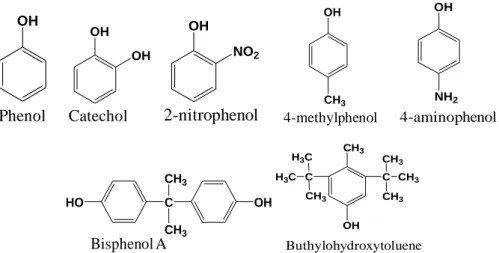
With the large amount of production and widespread use, phenol and phenolic compounds have inevitably become the ubiquitous pollutants in the air, soil and water environment during the past decades (Gad et al., 2008, Kumar et al., 2010). Most of the phenolic pollution was caused by the manufactured phenols. Eleven phenolic compounds were defined as priority pollutants by US Environmental Protection Agency (US EPA), which are characterized by the substituent chloro, nitro, and methyl groups (Rappoport, 2003). Most of these phenolic chemicals are hazardous and harmful to human health. Higher than 2 mg/l is toxic to fish, and 10-100 mg/l will lead to the death of most aquatic life within 96h (Lanouette et al., 1977). For human health, excessive exposure to these chemicals may cause a variety of health effects, such as skin corrosion, diarrhea, nausea, mouth sores, paralysis of the central nervous system, kidney damage and some of them can lead to fatal effects (Senturk et al., 2009). The toxic level of phenol range between 10-24 mg/L for human and the lethal blood concentration is around 150 mg/100 mL (Kulkarni et al., 2013). Several hazardous phenolic compounds that commonly existed in the environment were showed in Fig. 1.1.
3
Fig 1.1 Chemical structure of some phenolic pollutants commonly existed in the environment
Because of the toxic effects of phenolic compounds, a safe criteria of 1g/L for phenol and its nitro-, methyl-, and chloro-derivatives in drinking water are defined by US EPA (Michałowicz et al., 2006). However, the concentrations of phenolic compounds existing in the aquatic environment, especially in some industrial waste waters, can reach up to 10 g/L, which is much higher than the threshold (Fedorak and Hrudey, 1988). So it is of great necessity to remove phenolic pollutants from environment. In this study, we will focus on the phenols removal from aquatic environment.
1.1.2 Treatment methods for phenolic pollution
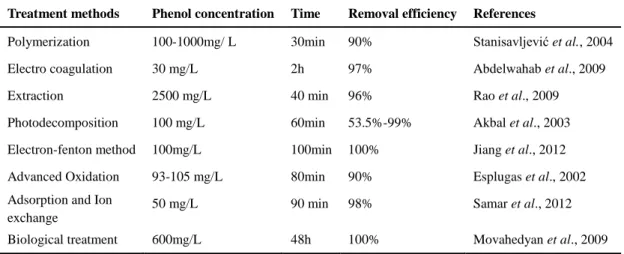
Until now, a variety of treatment methods have been applied to remove phenols from environment, including incineration, adsorption, oxidation, biological methods or the combination of these treatment techniques. Extensive studies have been carried out to compare the efficiency of different treatment methods in removal of phenolic pollutants (Table 1.1). However, most of the physico-chemical treatment methods need high energy and cost consumption, which are unsuitable for large-scale application. Some of the physic-chemical methods produce harmful metabolites and cause second pollution. Biological treatment method by inoculating pollutant-degrading microorganism is a
OH Phenol OH OH Catechol OH NO2 2-nitrophenol OH CH3 4-methylphenol OH NH2 4-aminophenol C CH3 OH HO CH3 Bisphenol A CH3 OH C CH3 CH3 CH3 C H3C H3C CH3 Buthylohydroxytoluene
4
preferable alternative (Krastanov et al., 2013), such as biostimulation and bioaugmentation methods. The organic contaminants can be completely destroyed and converted to nontoxic products during the biodegradation process, and also the cost is low (Thavasi et al., 2003). However, biositmulation method is low efficiency and need low duration, which caused by the low degradation activity of native microbes; On the other hand, for bioaugmentation method, the low survival rate of microorganisms and swift declining of microbial activity, which may caused by the adverse nutrient conditions in the environment and the inefficient competitive ability compared with the indigenous microbial communities, is the bottleneck of successful application of this technology (Segura et al., 2009).
Table 1.1 Various treatment methods used in phenol removal from wastewater
Treatment methods Phenol concentration Time Removal efficiency References
Polymerization 100-1000mg/ L 30min 90% Stanisavljević et al., 2004 Electro coagulation 30 mg/L 2h 97% Abdelwahab et al., 2009 Extraction 2500 mg/L 40 min 96% Rao et al., 2009 Photodecomposition 100 mg/L 60min 53.5%-99% Akbal et al., 2003 Electron-fenton method 100mg/L 100min 100% Jiang et al., 2012 Advanced Oxidation 93-105 mg/L 80min 90% Esplugas et al., 2002 Adsorption and Ion
exchange
50 mg/L 90 min 98% Samar et al., 2012 Biological treatment 600mg/L 48h 100% Movahedyan et al., 2009
1.2 Rhizoremediation
Recently, rhizoremediation technology has been considered as an attractive alternative bioremediation technology.
1.2.1 Overview of rhizoremediation
Rhizoremediation, the removal of pollutants is ascribed to the microbes present in the rhizosphere of plant (Fig. 1.2). The plant release oxygen and various organic materials
5
into the rhizosphere, including sugars, amino acids, organic acids, phenolic compounds and flavonones, which account for about 20% of the assimilated carbon by plant and can be readily used by rhizospheric microorganism as carbon and energy source (Guckert A, 1992; Helal et al., 1989). In return, rhizobacteria can effectively degrade the pollutants in the environment, and promote plant growth by involving nitrogen fixation and increasing phosphorus solubility. The combination of plant and associated microbes has the advantage of promoting the microbial population proliferation and metabolic activity in the rhizosphere, which lead the rhizoremediation technology is known for its low cost, zero-energy consumption, high efficiency, and environmentally-friendly characteristics (Kuiper et al., 2004). Furthermore, as an in-situ remediation technique, it may avoid the labor-consuming work caused by excavation and heavy transportation.
Fig. 1.2 The schematic diagram of rhizoremediation
During the past decades, rhizoremediation has been intensively studied to remove various pollutants from soil or aquatic environment, including nitrogen/phosphorus, polycyclic aromatic hydrocarbons, pesticides, pyrene, polychlorinated biphenyls, heavy metals (Kupier et al., 2004).
Toxic Organics Rhizosphere Bacteria Sugars phenols O2 O2 Root exudates Nontoxic Organics
6
The outcome of rhizoremediation was decided by different factors. Plant genotypes can affect the performance of rhizoremediation by accumulating specific microbial community in the rhizosphere (Slater et al., 2011); In addition, the type and amount of pollutants and environmental characters were the other influencing factors (Segura et al., 2012).
1.2.2 Mechanisms of rhizoremediation
In previous studies, intensive efforts have been devoted to unveiling the mechanisms of rhizoremediation in terrestrial environment. Until now, it still has not been fully elucidated, because of the complexity of the interactions between plant-microbe-surroundings in the rhizosphere.
It is generally accepted that the components in the rhizodeposit which are structural analogues for the pollutant (Fig. 1.3) were of important driving forces in rhizoremediation (Singer et al., 2003). These plant phenolics may: 1) act as a growth substrate to selectively promote the proliferation of pollutant-degrading microorganisms; 2) function as a co-metabolite, or inducer in the induction of phenolic pollutants catabolic pathways (Shaw et al., 2003).
In the case of aquatic environment, the definition and effect of rhizosphere may differ from that in terrestrial environment, because of the high-diffusion rate of pollutants and root exudates in the water environment. It is unclear whether the similar mechanisms were feasible to the remediation in aquatic environment. Clarification of the mechanism underlying rhizoremediation will be helpful to better manipulation of the process by providing useful information.
7
Fig. 1.3 Plant phenolic compounds as xenobiotic structural analogues
1.2.3 Current research progress of rhizoremediation in the world
During the past decades, rhizoremediation has been intensively studied and it has been considered as a potential strategy to remove different organic pollutants (Chaudhry et al. 2004, Kuiper et al., 2004).
For the aquatic environment, several aquatic plants have been used in remediation of water body pollution, including: the floating aquatic plant (Spirodela polyrhiza and Lemna aequinoctialis) and emerged aquatic plant (Pragmites australis), which were used to accelerate the removal of surfactant (Mori et al., 2005), phenol, aniline (Toyama et al., 2006) , bisphenols (Toyama et al., 2009a), pyrene from environmental water and sediment (Yamaga et al., 2010; Toyama et al., 2011).
1.3 Aquatic plants-duckweed Cl Cl O C H2 COOH 2,4-Dichlorophenoxyacetic acid Cl Cl Cl PCBs Phenanthrene Pyrene OH Phenol Cl Cl Cl ClCl DDT OH Phenol Cl Cl C C H COOH H 4-Hydroxycinnamic acid OCH3 OH OCH3 H3CO HO Confusarin OCH3 OH OCH3 Aucuparin Stilbene
8 1.3.1 Introduction of duckweeds
Duckweed (Lemnaceae), is a family of smallest floating aquatic plant, which widely spread all over the world, especially in the nutrient-rich water bodies. It includes five different genera: Spirodela, Lemna, Landoltia, Wolffia and Wolffiella, and about 40 species are known world-widely (Leng RA, 1999). The structures of duckweeds are very simple, which are characterized by flattened minute, leaflike oval to round fronds. Spirodela has two or more thread-like roots and Lemna has only one, while Wolffia and Wolffiela are thalloid and have no roots (Landolt, 1986). They reproduce both vegetatively and sexually, and their biomass double in 16 hrs to 2 days under ideal conditions (Leng RA, 1999).
1.3.2 Potential of duckweed-based treatment techniques in remediation of aquatic environmental pollution
During the past decades, duckweed-based wastewater treatment system-the use of duckweed to treat the polluted waters has been intensively studied, especially in removal of nitrogen & phosphorus (Oron et al., 1987, Alaerts et al., 1996, Körner et al., 1998), heavy metal (Axtell et al., 2003, Miretzky et al., 2004) and xenobiotic compounds (Mori et al., 2005; Olette et al., 2008, Dosnon-Olette et al., 2009). Characterized by the advantages of fast growth rate (Hillman et al., 1961), high nutrient removal rate (Alaerts et al., 1996), easy-harvest and high protein/starch content and dietary mineral (Hammouda et al., 1995), duckweeds have been considered as an effective and ideal bio-remediator.
Recent studies discovered that S. polyrhiza can accelerate the biodegradation of various phenolic compounds, including phenol (Toyama et al., 2006), nitrophenols (Kristanti et al., 2012), 4-tert-butylphenol (Ogata et al., 2013). It implied that S. polyrhiza maybe a
9
potential candidate in remediation of phenolic pollution. However, previous study mainly focused on S. polyrhiza, and no reference information about the other duckweed species was presented.
1.4 Objectives of this study
The objectives of this study is to clarify and elucidate the potential of duckweed species in sustainable treatment of phenolic polluted water
1) To evaluate the phenol removal efficiency by using four different duckweed species; 2) To elucidate the mechanisms of accelerated phenols removal by duckweeds;
3) To evaluate the potential of duckweeds in acceleration of various phenolic compounds removal;
4) To improve the removal efficiency of recalcitrant phenolic compounds by developing rhizoaugmentation technique.
1.5 Dissertation outline and summary
10
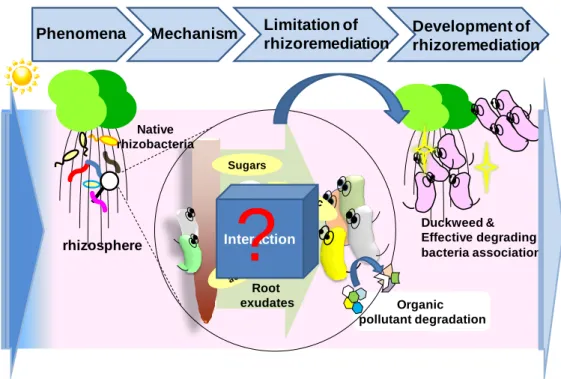
Fig. 1.4 The schematic diagram of this study
Chapter 1
This chapter gave a general overview of phenolic compounds and duckweeds, summarize the present research status, present the significance, objectives, and chapter summary of this study.
Chapter 2
In this chapter, we discovered that four different duckweed species can commonly accelerate phenol removal from three different environmental waters, which was due to biodegradation by the microorganisms in the phytosphere, rather than by uptake by duckweeds;
Chapter 3
What kinds of microorganisms play an active role during the accelerated phenol removal? What is the mechanism of the accelerated phenol-removal by duckweeds? In this chapter, we analyzed the total bacterial community in the phytosphere of duckweeds from different environmental waters; we isolated and identified various
Phenomena Mechanism Development of
rhizoremediation Limitation of rhizoremediation rhizosphere
?
Duckweed & Effective degrading bacteria association Organic pollutant degradation Root exudates Native rhizobacteria Sugars phenols O2 O2 Interaction?
11
phenol-degrading bacteria from the phytosphere of different duckweeds; Furthermore, the phenolic production ability of different duckweeds were evaluated; the effects of plant extract on the cell growth and phenol-degradation activity of isolated phenol-degrading bacteria were examined.
Chapter 4
Due to the limited degradation ability of native bacteria, some recalcitrant pollutants cannot be effectively removed in rhizoremediation process. In this chapter, we evaluated the potential of S. polyrhiza and W. arrhiza in acceleration of various phenolic compounds removal from environmental waters.
Chapter 5
In the case of some recalcitrant pollutants, it is necessary to improve the efficiency of duckweed-based treatment system. In this chapter, we proposed rhizoaugmentation technique to enhance the BPA removal efficiency. BPA-degrading bacteria were re-introduced onto the root surface of S. polyrhiza, and BPA can be effectively and sustainably removed from polluted environmental water by using constructed duckweed-BPA degrading bacteria association.
Chapter 6
12
Reference
Abdelwahab O, Amin NK, El-Ashtoukhy E-SZ, 2009. Electrochemical removal of phenol from oil refinery wastewater. J. Hazard. Mater. 163: 711–716.
Akbal F. and Onar AN. 2003. Photocatalytic degradation of phenol. Environ. Monit. Assess. 83: 295-302.
Alaerts GJ, Mahbubar Rahman M, and Kelderman P. 1996. Performance analysis of a full-scale duckweed covered lagoon. Water Res. 30: 843-852.
Agency for Toxic Substances and Disease Registry (ATSDR), 1989.
Alaerts GJ, Mahbubar Rahman PM, Kelderman et al., 2003. Lead and nickel removal using Microspora and Lemna minor. Bioresource Technology. 89: 41-48.
Basha KM, Rajendran A and Thangavelu V, 2010. Recent advances in the biodegradation of phenol: A review. Asian J. Exp. Biol. Sci. 2: 219-234.
Chaudhry Q, Blom-Zandstra M, Gupta S, Joner EJ. 2005. Utilising the synergy between plants and rhizosphere microorganisms to enhance breakdown of organic pollutants in the environment. Environ. Sci. Pollut. Res. 12: 34–48.
Dai J and Mumper RJ. 2010. Plant phenolics: extraction, analysis and their antioxidant and anticancer properties. Molecules. 15: 7313-7352.
Dosnon-Olette R, Couderchet M, Eullaffroy P. 2009. Phytoremediation of fungicides by aquatic macrophytes: toxicity and removal rate. Ecotoxicology and Environmental Safety. 72: 2096-2101.
Esplugas S, Giménez J, Conteras S, Pascual E, et al., 2002. Comparison of different advanced oxidation processes for phenol degradation. Water Res. 36, 1034-1042. Fedorak PM, Hrudey SE, 1988. Anarobic degradation of phenolic compounds with
13
Biotreatment Systems, vol.1. CRC press, Boca Raton. FL, pp. 170-212.
Gad SN, Saad SA, 2008. Effect of environmental pollution by phenol on some physiological parameters of Oreochromis niloticus. Global Vet. 2:312–319. Guckert A. 1992. Significance of roots and their exudates as sources of organic soil
substances. [German]. Berichte uber Landwirtschaft, Sonderheft, pp. 97-113. Hammouda O, Gaber S, Abdul-Hameed M, 1990. Assessment of the effectiveness of
treatment of wastewatercontaminated aquatic systems with Lemna gibba. Enzyme Microb. Technol. 17, 317–323.
Helal HM, Sauerbeck D. 1989. Carbon turnover in the rhizosphere. Z Pflanzenernahr Bodenk. 152: 211-216.
Hillman WS. 1961. The lemnaceae or duckweeds: A review of the descriptive and experimental literature. Botanical Review. 27: 221-87.
Hoagland R and Williams R. 1985. The influence of secondary plant compounds on the associations of soil microorganisms and plant roots. The chemistry of allelopathy. Biochemical interactions among plants. American Chemical Society, Washington DC, USA, pp 301-325.
Jiang L and Mao X, 2012. Degradation of Phenol-containing wastewater using an improved electro-Fenton process. Int. J. Electrochem. Sci. 7: 4078 – 4088. Körner S, Lyatuu GB, Vermaat JE. 1998. The influence of Lemna gibba L. on the
degradation of organic material in duckweed-covered domestic wastewater. Water Res. 32, 3092–3098.
Khoddami A, Wilkes MA, Roberts TH. 2013.Techniques for analysis of plant phenolic compounds. Molecules, 18: 2328–2375.
Kristanti RA, Kanbe M, Toyama T, Tanaka Y, Tang YQ, Wu XL, Mori K, 2012. Accelerated biodegradation of nitrophenols in the rhizosphere of Spirodela
14 polyrrhiza, J. Environ. Sci., 24: 800-807.
Kuiper I, Lagendijk EL, Bloemberg GV & Lugtenberg BJ. 2004. Rhizoremediation: a beneficial plant–microbe interaction. Mol Plant Microbe Interact. 17: 6–1. Kulkarni SJ, Kaware DJP. 2013. Review on research for removal of phenol from
wastewater. International Journal of Scientific and research Publications. 3:1-5. Kumar P. 2010. Remediation of high phenol concentrations using chemical and
biological technologies. doctor thesis.
Lanouette K. H., 1997. Treatment of phenolic waste, Chemical Engineering, 84: pp. 99-106.
Leng RA, 1999. Duckweed: A tiny aquatic plant with enormous potential for agriculture and environment. (Eds) Food and Agriculture Organization of the United Nations. Landolt E, 1986. Biosystematics investigations in the family of duckweeds (Lemnaceae)
(vol.2). The family of Lemnaceae-a monographic study vol.1. Veroffentlichungen De Geobotanischen Institutes Der Eidg. Techn. Hochschule, Stifung.
Macek T, M Mackova, and J Kas. 2000. Exploitation of plants for the removal of o rganics in environmental remediation. Biotechnol. Adv. 18:23–34.
Michałowicz J, Duda W, 2007. Phenols-sources and toxicity. Pol. J. Environ. Stud. 16: 347–362.
Miretzky P, Saralegui A, Fernández Cirelli A, 2004. Aquatic macrophytes potential for the simultaneous removal of heavy metals (Buenos Aires, Argentina). Chemosphere. 57: 997–1005.
Mori K, Toyama T, and Sei K, 2005. Surfactants degrading activities in the rhizosphere of giant duckweed (Spirodela polyrrhiza). Jpn. J. Water Treat. Biol., 41: 129-140.
15
degrading bacteria and Pseudomonas putida in activated sludge by polymerase chain reaction. Iran J Environ Healh Sci Eng. 6:115–120.
Ogata Y, Toyama T, Yu N, Wang X, Sei K, Ike M. 2013, Occurrence of 4-tert-butylphenol (4-t-BP) biodegradation in an aquatic sample caused by the presence of Spirodela polyrrhiza and isolation of a 4-t-BP-utilizing bacterium. Biodegradation, 24:191–202.
Olette R, Couderchet M, Biagianti S, Eullaffroy P, 2008. Toxicity and removal of pesticides by selected aquatic plants. Chemosphere, 70:1414–1421.
Oron G., Jansen H. and Porath D. 1987. Performance of the duckweed species Lemna gibba on municipal wastewater for effluent renovation and protein production. Biotech. Bioengng , 29: 258-268.
Segura, A. and J. L. Ramos, 2012. Plant–bacteria interactions in the removal of pollutants. Curr. Opin. Biotech. 24: 467-473.
Segura A, Rodríguez-Conde S, et al., 2009. Bacterial responses and interactions with plants during rhizoremediation. Microbial Biotechnol., 4: 452-464.
Senturk, H. B., et al. 2009. Removal of phenol from aqueous solutions by adsorption onto organomodified Tirebolu bentonite: equilibrium, kinetic and thermodynamic study. J. Hazard. Mater. 172: 353-362.
Singer AC, Crowley DE and Thompson IP. 2003. Secondary plant metabolites in phytoremediation and biotransformation. Trends Biotechnol. 21: 123-130.
Slater H, Gouin T, Leigh MB, 2011, Assessing the potential for rhizoremediation of PCB contaminated souls in northern regions using native tree species. Chemosphere, 84: 199-206.
Stanisavljevic M, Nedic L, 2004. Removal of Phenol from Industrial Wastewater by HRP, Working and Living Environmental Protection, 2: 345-349.
16
Thavasi R, Jayalakshmi S. 2003. Bioremediation potential of hydrocarbonoclastic bacteria in Cuddalore harbour waters (India). Res. J. Chem. Environ.7: 17-22 Toyama T, Furukawa T, Maeda N, Inoue D, Sei K, Mori K, Kikuchi S, Ike M, 2011.
Accelerated biodegradation of pyrene and benzo[α]pyrene in the Phragmites australis rhizosphere by bacteria-root exudates interactions. Water Res. 45: 1629–1638.
Toyama T, Murashita M, Kobayashi K, Kikuchi S, Kanunari S, Tanaka Y, Ike M. & Mori K. 2011. Acceleration of nonylphenol and 4-tert-octylphenol degradation in sediment by Phragmites australis and associated rhizosphere bacteria. Environ. Sci. Technol. 45: 6524-6530.
Toyama T, Sato Y, Inoue D, Sei K, Chang Y C, Kikuchi S et al., 2009a. Biodegradation of bisphenol A and bisphenol F in the rhizosphere sediment of Phragmites australis. Journal of Bioscience and Bioengineering, 108: 147-150.
Toyama T, Sei K, Yu N, Kumada H, Inoue D, Hoang H et al., 2009b. Enrichment of bacteria possessing catechol dioxygenase genes in the rhizosphere of Spirodela polyrrhiza: A mechanism of accelerated biodegradation of phenol. Water Research. 43: 3765-3776.
Toyama T, Yu N, Kumada H, Sei K, Ike M, Fujita M, 2006. Accelerated aromatic compounds degradation in aquatic environment by use of interaction between Spirodela polyrrhiza and bacteria in its rhizosphere. Journal of Bioscience and Bioengineering. 101: 346-353.
Yamaga F, et al. 2010. Sustainable biodegradation of phenol by Acinetobacter calcoaceticus P23 isolated from the rhizosphere of duckweed Lemna aoukikusa. Environ. Sci. Technol, 44: 6470-647.
17
Chapter 2 EFFECTS OF VARIOUS DUCKWEED SPECIES ON
PHENOL DEGRADATION IN ENVIRONMENTAL
WATERS
2.1 Introduction
Duckweeds are small, fast-growing aquatic plants that float on the surface of the water and are widely distributed throughout the world. They are classified in the Lemnaceae family, which includes five genera (Spirodela, Lemna, Landoltia, Wolffia, and Wolffiella) (Les et al., 2002). Duckweeds can be used for nutrient removal from water because of their high growth rates and nutrient-rich biomass (Körner et al., 2003). During recent decades, duckweed-based water treatment systems or remediation using various species have been used as low-cost, easy-to-operate, and environmentally-friendly technologies around the world.
Recently, giant duckweed (Spirodela polyrhiza) has been found to promote the degradation of organic chemicals such as surfactants and phenolic compounds around its roots (i.e., within its rhizosphere) (Mori et al., 2005; Toyama et al., 2006; Toyama et al., 2009). The accumulation and stimulation of bacteria capable of degrading organic chemicals in the rhizosphere are thought to be the main factors responsible for the degradation of these compounds. The discoveries suggest the possibility of using duckweeds to facilitate degradation of organic chemicals as well as nutrient removal from water. However, previous studies have focused mainly on S. polyrhiza and degradation of organic chemicals in the rhizosphere of other duckweed species has not been fully explored. I am interested in whether biodegradation of chemical can be commonly enhanced by various kinds of duckweeds. Alternatively, if the phenomenon
18
were associated with a limited number of duckweed species, selection of species with high potentials for water treatment will facilitate development of effective duckweed-based water treatment systems.
In order to obtain the useful information in selection of potential duckweeds for treatment of phenolic polluted environmental water, four duckweed species that had been used in duckweed-based water treatment systems for nutrients and/or BOD removal were selected: S. polyrhiza, Lemna minor, Lemna aequinoctialis, and Wolffia arrhiza. Phenol degradation in environmental water samples was examined with and without duckweeds, and the duckweed species with high phenol-degradation ability were identified. And then the total culturable bacteria and the phenol-degrading bacteria attached on the plant surface of duckweeds were monitored.
2.2 Materials and methods
2.2.1 Plant samples
Sterile Spirodela polyrhiza, Lemna minor, Lemna aequinoctialis, and Wolffia arrhiza were prepared by a wash with 0.5% sodium hypochlorite, followed by a wash with 70% ethanol, and rinses in sterilized water three times. Each sterilized duckweed plant was aseptically cultured in a flask containing sterile Hoagland solution (36.1 mg/L KNO3, 293 mg/L K2SO4, 3.87 mg/L NaH2PO4, 103 mg/L MgSO4·7H2O, 147 mg/L CaCl2·H2O, 3.33 mg/L FeSO4·7H2O, 0.95 mg/L H3BO3, 0.39 mg/L MnCl2·4H2O, 0.03 mg/L CuSO4·5H2O, 0.08 mg/L ZnSO4·7H2O, and 0.254 mg/L H2MoO4·4H2O; pH 7.0) in an incubation chamber (28 ± 1°C, fluorescent lamps with an illuminance of 8000 lux, 16-h light and 8-h dark cycle of illumination).
19 2.2.2 Environmental water samples
River water samples were collected from two rivers in Yamanashi Prefecture, Japan: the Nigori River (0.47 mg/L NH4-N, 0.03 mg/L NO2-N, 0.4 mg/L NO3-N, 0.07 mg/L PO4-P, 4.6 mg/L total organic carbon (TOC); pH 7.1) and the Kamata River (0.26 mg/L NH4-N, 0.02 mg/L NO2-N, 0.96 mg/L NO3-N, 0.06 mg/L PO4-P, 2.9 mg/L TOC; pH 7.2).
2.2.3 Culture media
Basal salts medium (BSM: 1.0 g/L (NH4)2SO4, 1 g/L K2HPO4, 0.2 g/L NaH2PO4, 0.2 g/L MgSO4·7H2O, 0.05 mg/L NaCl, 0.05 g/L CaCl2, 8.3 mg/L FeCl3·6H2O, 1.4 mg/L MnCl2·4H2O, 1.17 mg/L Na2MoO4·2H2O, and 1 mg/L ZnCl2; pH 7.2) containing phenol as the sole carbon source (BSM-phenol) used for phenol-degrading bacteria. 1/100 diluted tryptic soy broth medium (Wako pure chemicals industries, Ltd.) were used for total culturable bacteria. Agar solid medium was prepared with 1.5% agar.
2.2.4 Pre-culture of four duckweed species in environmental water samples Each sterile duckweed species was placed in 250 mL of each environmental water sample in a 500-mL flask. The duckweeds were incubated statically in the incubation chamber. Every 24 h, the duckweeds were transferred to a new flask containing the same water sample and were incubated under the same conditions. After 7 days of culture, the duckweeds were collected and used in subsequent experiments. The numbers of all culturable and phenol-degrading bacteria attached to the plant surface of pre-cultured duckweeds were monitored.
2.2.5 Phenol removal from environmental water samples in the presence and absence of duckweed species
To evaluate the effect of duckweed species on phenol removal from environmental waters, phenol-removal experiments were performed in: (i) environmental water with
20
duckweed plants and (ii) without duckweeds (control experiments). Experiments were performed with all combinations of environmental water samples (Nigori River and Kamata River water) and duckweed species (S. polyrhiza, L. minor, L. aequinoctialis, and W. arrhiza). Five-milligrams (dry weight) of pre-cultured duckweed was added to a flask containing 100 mL of the river water supplemented with 10 mg/L phenol. In the control experiment, only environmental water supplemented with 10 mg/L phenol was added to each flask. All the flasks were statically incubated under the same conditions as described above. After 24 h, the same dry weight of duckweeds were transferred to a new flask containing 100 mL of the same environmental water with 10 mg/L phenol and incubated under the same conditions. This 24-h cycle operation was repeated five times, though the control experiments without duckweed were performed only once. Sterile control experiments using each sterile duckweed species in 100 mL of autoclaved Hoagland solution supplemented with 10 mg/L phenol were also be conducted. The phenol concentration in the environmental water sample or Hoagland solution was monitored periodically. The experiments were conducted in duplicate. At the start and end of phenol degradation experiment, the numbers of total culturable bacteria and phenol-degrading bacteria attached on the plant surface of duckweeds were monitored.
2.2.6 Analytical procedures
The numbers of total culturable bacteria and phenol-degrading bacteria attached to the whole plant surface of pre-cultured duckweeds were determined as described previously (Toyama et al., 2006). For the number of all culturable bacteria, 1/100 diluted tryptic soy broth medium was used, whereas for phenol-degrading bacteria, BSM supplemented with 100 mg/L phenol was used. The results were quantified as CFU per plant. The concentration of phenol was determined by high-performance liquid
21
chromatography. The environmental water and liquid culture samples were centrifuged (10,000 × g at 4C for 10 min), and the supernatant was analyzed using a Shimadzu high-performance liquid chromatography system equipped with a UV–vis detector and a Shim-pack VP-ODS column (150 mm × 4.6 mm, particle size 5 m; Shimadzu, Kyoto, Japan). A 50% aqueous solution of acetonitrile was used as the mobile phase at a flow rate of 1 mL/min. Peaks were detected at a wavelength of 280 nm.
2.3 Results and discussion
2.3.1 Phenol removal from environmental waters in the presence of each duckweed species
To examine the effect of the duckweed species S. polyrhiza, L. minor, L. aequinoctialis, or W. arrhiza on phenol removal from environmental waters, phenol-removal experiments with and without each duckweed species were conducted (Fig. 2.1). In the environmental water samples without any duckweed, phenol concentrations decreased slightly or not at all during the first cycle of cultivation; percentage removals of phenol from Nigori River and Kamata River were only 2% and 0%, respectively. In contrast, in environmental waters samples with duckweeds, significant phenol removal were observed: 12-15% of phenol was removed from Nigori River water and about 13% from Kamata River water in the presence of S. polyrhiza, L. minor, L. aequinoctialis, and W. arrhiza, respectively. Furthermore, the phenol-removal efficiencies in the presence of each duckweed species increased substantially as the number of cycles proceeded. After five cycles, 98%, 84%, 81%, and 100% of phenol had been removed from Nigori River water containing S. polyrhiza, L. minor, L. aequinoctialis, or W. arrhiza, respectively; 100%, 66%, 66%, and 100% of phenol had been removed from Kamata River water containing S. polyrhiza, L. minor, L. aequinoctialis, and W. arrhiza, respectively. In
22
contrast, the phenol concentration did not decrease in sterile control experiments with sterile duckweed (Fig. 2.1 and Fig. 2.2).
These results clearly showed that all four duckweed species could promote phenol removal from environmental waters and that the enhanced removal of phenol was due to the enhancement of biodegradation by microbes associated with the duckweeds rather than by uptake by the duckweeds. Previous studies have revealed that S. polyrhiza accelerates biodegradation of aromatic compounds such as phenol, aniline, and 4-tert-butylphenol (Toyama et al., 2006; Ogata et al., 2013) and that L. aequinoctialis also accelerates phenol biodegradation in environmental waters (Yamaga et al., 2010). In this study, we discovered that not only S. polyrhiza and L. aequinoctialis but also L. minor and W. arrhiza enhance phenol-degradation activity. This result indicates that acceleration of the removal of phenol or aromatic compounds is a characteristic that is shared by various duckweed species. Furthermore, the extent to which duckweeds accelerate phenol removal differs between species. Among the four species we tested, the most effective species were S. polyrhiza and W. arrhiza in terms of phenol removal per unit of plant dry weight. It is of interest to note that the rootless duckweed W. arrhiza was the most effective in promoting phenol degradation in these environmental waters. No obvious toxic effects were observed on the growth and phenotypic properties of the duckweeds during the experimental periods.
23
Fig. 2.1 Removal of phenol from Nigori River and Kamata River in the absence (closed circles) and presence of four duckweed species (S. polyrhiza: open squares; L. minor: open triangles; L. aequinoctialis: open diamonds; W. arrhiza: open circles). Data are mean values of duplicate experiments, and error bars show the standard deviations.
Fig. 2.2 Removal of phenol in sterilized Hoagland solution with the sterile duckweed species (S. polyrhiza: open squares; L. minor: open triangles; L. aequinoctialis: open diamonds; W. arrhiza: open circles). Data are mean values of duplicate experiments and error bars show the standard deviations. Time (hour) P h en ol ( m g/ L ) Nigori River 0 2 4 6 8 10 0 20 40 60 80 100 Kamata River Time (hour) P h e n ol ( m g/ L ) 0 2 4 6 8 10 0 20 40 60 80 100 Time (hour) P h en o l ( m g /L ) 0 2 4 6 8 10 0 6 12 18 24
24
2.3.2 Enumeration of total culturable bacteria and phenol-degrading bacteria on the plant surface
The total culturable bacteria and phenol-degrading bacteria accumulated on the plant surface of different pre-cultured duckweeds were enumerated (Table 2.1).
Table 2.1 The numbers of total culturable and phenol degrading bacteria in original river water and phytosphere of duckweeds (S. polyrhiza, L. minor, L. aequinoctialis, and W. arrhiza)
Source
Numbers of total culturable and phenol-degrading bacteria Original river water
(CFU/mL)
Phytosphere of duckweed (CFU/plant)
River water / Duckweed
Total culturable bacteria Phenol-degradin g bacteria (% of phenol-degradin g bacteria) Total culturable bacteria Phenol-degrading bacteria (% of phenol-degrading bacteria) Nigori River S. polyrhiza (1.9±0.1) ×104 (3.8±0.2)×103 (20.3%) (1.7±0.2) ×106 (5.4±0.9)×10 5 (32.0%) L. minor (1.9±0.5) ×106 (1.1±0.1)×10 6 (57.5%) L. aequinoctialis (1.8±0.2) ×107 (2.3±0.1)×10 6 (12.8%) W. arrhiza (1.8±0.1) ×105 (4.9±0.2)×10 4 (27.4%) Kamata River S. polyrhiza (1.2±0.4) ×104 (7.6±1.3)×102 (6.1%) (1.4±0.5) ×106 (6.8±0.4)×10 5 (49.9%) L. minor (1.3±0.1) ×107 (1.1±0.3)×10 7 (90.2%) L. aequinoctialis No data W. arrhiza (2.8±1.2) ×105 (6.3±1.4)×104 (22.8%)
A considerable number of bacteria were detected on the plant surface of pre-cultured duckweeds. In addition, about 5.4×10⁵, 1.1×10⁶, 2.3×10⁶, and 4.9×10⁴ CFU/plant of phenol-degrading bacteria were detected on the plant surface of S. polyrhiza, L. minor, L. aequinoctialis, and W. arrhiza pre-cultured with Nigori River water, respectively, which accounted for 32.0%, 57.5%, 12.8%, and 27.4% of total culturable bacteria. In duckweeds pre-cultured with Kamata River, about 6.8×10⁵, 1.1×10⁷, 4.7×10⁶, and
25
6.3×10⁴ CFU/plant of phenol degrading bacteria were observed on the plant surface of S. polyrhiza, L. minor, L. aequinoctialis, and W. arrhiza, which accounted for 49.9%, 90.2%, 6.5% and 22.8% of total culturable bacteria, respectively.
Compared with the amount of total culturable bacteria in the original water, the presence of duckweeds lead to a greatly increase of bacteria in the system by releasing the organic compounds into the rhizosphere, including phenol-degrading bacteria. This result showed that duckweeds can carry a number of bacteria on their plant surface. The previous study has showed that S. polyrhiza can promote the growth of various rhizobacteria by releasing the oxygen and root extract, and selectively accumulate phenol-degrading bacteria in the rhizosphere, which accounted for the acceleration of aromatic compounds removal (Toyama et al., 2006). Maybe it is also the reason accounted for the accelerated phenol-removal by the other duckweed species. The mechanism of this phenomenon will be further investigated in the next study.
2.4 Summary
In summary, four different duckweed species (S. polyrhiza, L. minor, L. aequinoctialis, and W. arrhiza) can commonly enhanced the phenol removal from two environmental waters. S. polyrhiza and root-less W. arrhiza showed higher phenol-removal acceleration capacity in the terms of per plant dry weight. The recruitment of microorganisms in the phytosphere, including phenol-degrading bacteria, may be one of the important contributing factors for the accelerated phenol removal.
26
Reference
Altschul SF, Gish W, Myers EW and Lipman DJ, 1990. Basic local alignment search tool. J. Mol. Biol. 215: 403–410.
Körner S, Vermaat JE, and Veenstra S, 2003. The capacity of duckweed to trea twastewater: ecological considerations for a sound design. J. Environ. Qual., 32: 1583–1590.
Les DH, Crawford DJ, Landolt E, Gabel JD et al., 2002. Phylogeny and systematics of Lemnaceae, the duckweed family. Systematic Botany, 27: 221–240.
Mori K, Toyama T, Sei K. 2005. Surfactants degrading activities in the rhizosphere of giant duckweed (Spirodela polyrrhiza). Jpn. J. Water Treat. Biol. 41: 129–140. Ogata Y, Toyama T, Yu N, Wang X, Sei K., Ike M, 2013. Occurrence of
4-tert-butylphenol (4-t-BP) biodegradation in an aquatic sample caused by the presence of Spirodela polyrrhiza and isolation of a 4-t-BP-utilizing bacterium. Biodegradation, 24: 191–202.
Toyama T, Yu N, Kumada H, Sei K, Ike M, Fujita M. 2006. Accelerated aromatic compounds degradation in aquatic environment by use of interaction between Spirodela polyrrhiza and bacteria in its rhizosphere. J. Biosci. Bioeng. 101: 346–353.
Toyama T, Sei K, Yu N, Kumada H, Inoue D, Hoang H, et al., 2009. Enrichment of bacteria possessing catechol dioxygenase genes in the rhizosphere of Spirodela polyrrhiza: A mechanism of accelerated biodegradation of phenol. Wat. Res. 43: 3765–3776.
Yamaga F, Washio K, Morikawa M. 2010. Sustainable biodegradation of phenol by Acinetobacter calcoaceticus P23 isolated from the rhizosphere of duckweed Lemna aoukikusa. Environ. Sci. Technol. 44: 6470–6474.
27
Chapter
3
MECHANISMS
OF
ACCELERATED
PHENOL
REMOVAL BY DUCKWEEDS
3.1 Introduction
In chapter 2, we found that four different duckweed species can accelerate the phenol removal from the environmental waters, and the huge numbers of bacteria carried by the duckweed were considered as the main contributing factor of phenol degradation. Also, previous studies have showed that the biodegradation of nitrophenols (Kristanti et al., 2012), aniline (Toyama et al., 2006), and 4-t-butylphenol (Ogata et al., 2013) can be accelerated in the rhizosphere of duckweeds. However, the mechanisms of these phenomena are still largely unknown.
In terrestrial environment, plant-rhizobacteria interactions were considered as the important factors responsible for the pollutant degradation (Kuiper et al., 2004; Van Aken et al., 2010). It is well-known that the plant extracts can shift the microbial structure by selectively fostering specific microbial populations (Uhlik et al., 2012). Phenolic compounds is an important group in plant extract, and some of them can be used as growth substrate to promote the growth of pollutant-degrading bacteria (Leigh et al., 2002); In addition, phenolic compounds released by plant can act as an inducer or co-metabolites to accelerate some pollutants removal (Singer et al., 2003; Shurtliff et al., 1996).
Aquatic plant-S. polyrhiza has been found to recruit aromatic compounds degrading bacteria in the rhizosphere by releasing phenolic-rich root exudates, which lead to the accelerated phenol removal in the rhizosphere (Toyama et al., 2009). However, it should