The transcriptional regulation of fruit ripening by low temperature
March 2020 Oscar Witere Mitalo
Graduate School of
Environmental and Life Science (Doctor’s Course)
OKAYAMA UNIVERSITY
Declaration
I declare that this thesis has been composed by myself and that the work has not be submitted for any other degree or professional qualification. I confirm that the work submitted here is my own, except where work which has formed part of jointly authored publications has been included. I confirm that appropriate credit has been given within this thesis where reference has been made to the work of others.
The work presented in Chapter 2.1 was previously published in The Horticultural Journal as Characterization of ripening-related genes involved in ethylene-independent low temperature- modulated ripening in ‘Rainbow Red’ kiwifruit during storage and on-vine (https://doi.org/10.2503/hortj.OKD-035) by myself (Oscar Witere Mitalo), William O. Asiche, Yuka Kasahara, Yasuaki Tosa, Willis O. Owino, Eric G. Mworia, Koichiro Ushijima, Ryohei Nakano, and Yasutaka Kubo.
The work presented in Chapter 2.2 was previously published in Postharvest Biology and Technology as Comparative analysis of fruit ripening and associated genes in two kiwifruit cultivars (‘Sanuki Gold’
and ‘Hayward’) at various storage temperatures (https://doi.org/10.1016/j.postharvbio.2018.08.017) by myself (Oscar Witere Mitalo), William O. Asiche, Yuka Kasahara, Yasuaki Tosa, Sumire Tokiwa, Koichiro Ushijima, Ryohei Nakano and Yasutaka Kubo.
The work presented in Chapter 2.3 was previously published in Acta Horticulturae as Determination of optimum temperature for long-term storage and analysis of ripening-related genes in 'Rainbow Red' kiwifruit (https://doi.org/10.17660/ActaHortic.2018.1218.71) by myself (Oscar Witere Mitalo), Sumire Tokiwa, Yuka Kasahara, Yasuaki Tosa, Yuki Kondo, William O. Asiche, Ikuo Kataoka, Katsuhiko Suezawa, Koichiro Ushijima, Ryohei Nakano and Yasutaka Kubo.
The work presented in Chapter 2.4 was previously published in Frontiers in Plant Science as Low temperature storage stimulates fruit softening and sugar accumulation without ethylene and aroma volatile production in kiwifruit (https://doi.org/10.3389/fpls.2019.00888) by myself (Oscar Witere Mitalo), Sumire Tokiwa, Yuki Kondo, Takumi Otsuki, Ivan Galis, Katsuhiko Suezawa, Ikuo Kataoka, Anh T. Doan, Ryohei Nakano, Koichiro Ushijima and Yasutaka Kubo.
The work presented in Chapter 3 was previously published in Postharvest Biology and Technology as ‘Passe Crassane’ pear fruit (Pyrus communis L.) ripening: Revisiting the role of low temperature via integrated physiological and transcriptome analysis (https://doi.org/10.1016/j.postharvbio.2019.110949) by myself (Oscar Witere Mitalo), Yasuaki Tosa, SumireTokiwa, Yuki Kondo, Azimullah Azimi, Yuko Hojo, Takakazu Matsuura, Izumi C. Mori, Ryohei Nakano, Takashi Akagi, Koichiro Ushijima and Yasutaka Kubo.
……….
Oscar Witere Mitalo
Acknowledgements
I would like to express my appreciation to everyone who has helped me to accomplish this doctorate research. In particular, I would like to thank my supervisors Prof. Yasutaka Kubo, Dr. Koichiro Ushijima and Dr. Takashi Akagi for being positive, supportive and knowledgeable supervisors throughout this research. I greatly appreciate all of the suggestions and support you have given me over the last years. To Prof. Kubo, thank you so much for being instrumental both in my academic and social life, and for your financial support when I would run out of scholarship options. Your generous heart cannot go unnoticed. Honestly, there is no better place I would have completed my doctorate research than in your lab. I would also like to thank Dr. Ryohei Nakano (currently at Kyoto University) for his positive suggestions and criticisms while he was in our lab.
I must also extend a special thanks to everyone who assisted me up to this point. Thank you Prof. Ivan Galis and Prof. Izumo C. Mori at the Institute of Plant Science and Resources for allowing me to use your labs for the analysis of aroma volatiles, soluble sugar profiles and phytohormones, without which this project would not have been feasible. Thanks to both of you, I could boost my knowledge in GC/MS and LC/MS analyses. I would also like to thank Dr. William Asiche, Ms. Yuka Kasahara, Mr. Yasuaki Tosa and the rest of my research group (alias the kiwifruit group) for their unrelenting technical support during the period of conducting this research. Prof. Willis Owino and Prof. Daniel Sila at Jomo Kenyatta University of Agriculture and Technology, thank you for encouragement and for introducing me to the research world.
I would also like to express unending gratitude to the Japanese government Ministry of Education, Culture, Sports, Science and Technology who provided me with the payment of the cost of research, tuition fees and living expenses. The opportunity to pursue further studies in Japan will forever be a landmark in my life.
I must also thank the people of Okayama who made a home for me away from home. Thank you to Ms. Mariko Kawachi, Kenny, Ms. Mutsuko Sekiba and the people of Yakage town for making my stay in Okayama comfortable.
Acknowledgement must also go to my mum Noel Anyona, my brothers Festo and Benson as well as my wife Natsuko. Thank you for always supporting and encouraging me to do better. I would not be the person I am today and could not have achieved this without you. Thank you
to my friends James, Justers, Seng, David Wari, Eva Leventer, Sarah Leventer and Annah for your support.
Above all, thanks to the Almighty God for granting me good health and wisdom that were and continue to be indispensable for the success of this project. “We have come this far with the Lord’s help” (1 Samuel 7:12).
Abstract
Fruit ripening is one of the major biological processes that influence the postharvest life of fruit. While the ripening process renders fruit attractive and palatable for consumption, premature/uncontrolled ripening increases their susceptibility to pathogen attack and may cause problems during postharvest handling. Therefore, a better understanding of the underlying regulatory mechanisms is essential for the prediction and/or control of fruit ripening.
Cold storage is the most widely used postharvest technology to extend the postharvest life of many fruit. However, low temperature has been shown to enhance fruit ripening in certain fruit species. This thesis investigated low temperature roles in the transcriptional control of fruit ripening in kiwifruit, European pears and citrus fruit.
Kiwifruit are generally classified as climacteric fruit, which essentially require ethylene for fruit ripening induction. However, previous studies have demonstrated that storage at 4–5 ºC can accelerate fruit ripening and related gene expression independently of ethylene. Despite these findings, low temperature-modulated ripening is relatively unexplored compared to ethylene-dependent ripening, and hence the underlying regulatory mechanisms remain unclear.
This thesis shows (through studies in ‘Rainbow Red’ kiwifruit) that low temperature regulates fruit ripening independently of ethylene via a dose × time-dependent mechanism. Relatively low storage temperatures (5 ºC and 10 ºC) sufficiently induced fruit ripening along with the expression of various associated genes within just 4 weeks, while storage at 15 ºC required 8 weeks to elicit a similar response. By contrast, storage at 22 ºC did not provide an adequate ripening stimulus even after 8 weeks. Fruit of the ‘Sanuki Gold’ kiwifruit cultivar responded rapidly to low temperature as storage at 5 ºC, 10 ºC and 15 ºC induced significant softening, soluble solids concentration (SSC) increase and titratable acidity (TA) reduction within 28 d.
The expression levels of various ripening-related genes such as AcXET2, AcPG, AcEXP1, AcPMEi, AcGA2ox1, AcMADS2, AcNAC5 and AcbZIP2 also increased rapidly within 28 d during storage of ‘Sanuki Gold’ fruit at 5 ºC, 10 ºC and 15 ºC. On the other hand, ‘Hayward’
fruit responded slowly to low temperature as significant ripening and associated gene expression increase occurred only during storage at 5 ºC and 10 ºC. These results indicated that
‘Sanuki Gold’ fruit are more sensitive to low temperature than ‘Hayward’ fruit, which would account for the large disparities in harvest maturity dates and postharvest storability between the two cultivars.
Given the findings that low temperature can modulate fruit ripening independently of ethylene, this thesis sought to establish an appropriate temperature for long-term storage of kiwifruit.
Results showed that storage at 22 ºC maintained high fruit firmness and TA for up to 8 weeks, but disease incidence was incredibly high (~77 %), hence ruling out the possible use of this temperature for long-term storage. At 5 ºC, disease incidence was greatly reduced to < 10 % after 8 weeks although there was a sharp increase to 50 % after 12 weeks. However, significant softening and TA reduction occurred relatively faster within 8 weeks, suggesting that 5 ºC can be appropriate for only short-term storage. Fruit softening and TA reduction progressed very slowly during storage at 2 ºC and the disease incidence rate was maintained at minimal levels, which suggested that it could be suitable temperature for medium-term storage. Interestingly, storage at 0 ºC effectively suppressed both fruit ripening and disease incidence rates for up to 12 weeks, suggesting its potentiality for long-term storage of kiwifruit.
Both ethylene-dependent and low temperature-modulated fruit ripening encompass significant fruit softening and SSC increase. GC/MS analysis of soluble sugar profiles further revealed that sucrose, fructose and sucrose contents increased in both ripening systems. However, kiwifruit that were ripened by low temperature showed no production of aroma volatiles (especially ethyl- and methyl-butanoate), which were exclusively induced during ethylene- dependent ripening. The expression of AcAAT, whose homologues have been linked to aroma volatile ester production in many fruit such as apples and melons, increased specifically during ethylene-dependent fruit ripening while the changes during low temperature-modulated ripening were minimal. Other ethylene-specific genes including AcACS1 and AcNAC5 also showed no expression changes during low temperature-modulated fruit ripening. Conversely, the expression levels of the low temperature-specific gene AcMADS2 did not change significantly during ethylene-dependent fruit ripening. These findings clearly demonstrated that ethylene signalling is non-functional during low temperature-modulated fruit ripening, and that ethylene-dependent and low temperature-modulated fruit ripening involve distinct regulatory mechanisms.
European pear fruit, like kiwifruit, are also considered climacteric as fruit ripening changes are primarily driven by ethylene-regulated changes in gene expression. In most cultivars, especially the late-maturing ones such as ‘Passe Crassane’ and ‘Rocha’, low temperature storage is commercially used to induce ethylene production and subsequently, fruit ripening.
However, the mechanisms involved in this unique ripening behaviour remain to be seen. In this thesis, we followed the physiological and molecular responses of ‘Passe Crassane’ pears to low temperature and the ethylene analogue, propylene, at various storage temperatures. Fruit at 20
changes in endogenous ethylene production (< 0.03 µg kg-1 s-1). By contrast, low temperature- treated fruit (0 ºC and 5 ºC for 42 d) produced large amounts of ethylene (1–2 µg kg-1 s-1), and rapidly softened to < 5 N after being transferred to 20 ºC. From transcriptomic analyses, we identified 437 differentially expressed genes (DEGs) between propylene-treated and control fruit, which were further augmented by low temperature treatment. On the other hand, the expression patterns of 763 DEGs between 5 ºC vs. 20 ºC was not significantly affected by propylene treatment in non-chilled fruit. To examine low temperature-induced and ethylene- induced pathways separately during chilling, the responses of low temperature-induced DEGs to 1-methylcyclopropene (1-MCP), an ethylene action inhibitor, were assessed. Among the 763 low temperature-induced DEGs, 1-MCP treatment disrupted the expression of 390 DEGs, indicating that they were regulated by low temperature-induced ethylene. Intriguingly, 373 DEGs including transcription factor-related genes such as PcERF98-like, PcATL65, PcMYB6- like, PcGRP2-like, PcTCP7 and PcMBF1c were unaffected by 1-MCP treatment, and thus, likely to be influenced by low temperature alone. Therefore, it appears that these low temperature-specific genes play a critical role to activate ethylene biosynthetic genes, and to potentiate ethylene responsiveness of ripening-related genes.
Peel degreening is the most obvious aspect of fruit ripening in citrus fruit species, and it involves the degradation of green-coloured chlorophyll pigments and/or the synthesis of carotenoid pigments of varying colours including yellow, orange or red. Although classified as non-climacteric fruit, ethylene treatment enhances peel colour changes, and this has prompted wide use of the hormone in commercial peel degreening. Earlier studies in lemons, grapefruit, oranges and satsuma mandarins have demonstrated that low temperature can also promote peel degreening both during postharvest storage and on-tree maturation. However, the role of low temperature in this process remains unclear and most studies attribute it to the trace levels of system I ethylene produced by most plants.
In this study, treatments with either ethylene or propylene triggered peel degreening in lemons and satsuma mandarins within 4 d. A single treatment of fruit with 1-MCP (2 uLL-1) for 12 h strongly inhibited ethylene-induced peel degreening in lemons. Peel degreening was also triggered by moderately low storage temperatures (5 ºC, 10 ºC, 15 ºC and 20 ºC) in lemons, and by 10 ºC and 15 ºC in satsuma mandarins after 28–42 d. No appreciable peel colour changes were observed during storage at 25 ºC for lemons, and 5 ºC, 20 ºC and 25 ºC for satsuma mandarins. Surprisingly, repeated treatments with 1-MCP to block ethylene signalling failed to inhibit the accelerated peel colour changes observed at low storage temperatures.
Transcriptome analysis in both lemons and satsuma mandarins revealed that low temperature and ethylene independently regulated genes associated with chlorophyll degradation, carotenoid metabolism, photosystem proteins, phytohormone biosynthesis and signalling, and transcription factors. On-tree peel degreening correlated well with environmental temperature drops, and it coincided with the differential expression of low temperature-regulated genes. In contrast, genes that were uniquely regulated by ethylene showed no significant expression changes during on-tree peel degreening. These findings strongly argue for the hypothesis that low temperature plays a prominent role in regulating natural peel degreening independently of endogenous ethylene in citrus fruit.
Altogether, it is evident from the results of this thesis that contrary to the conventional understanding, low temperature can modulate fruit ripening either independently or in conjunction with ethylene. This conclusion is however limited in the fact that evidences obtained in this thesis are only at the transcriptional level. Advanced research tools such as gene editing via CRISPR/Cas9 techniques and protein assays would enable us to clearly elucidate low temperature perception and signalling pathways in the fruit ripening process.
This would in turn boost our ability to control and/or predict fruit ripening, and hence reduce postharvest losses that have posed a constant menace to the global food security situation.
Table of Contents
Declaration ... iii
Acknowledgements ... iv
Abstract ... vi
Table of Contents ... x
CHAPTER 1 ... 1
A general introduction into fruit ripening and its regulation ... 1
Preface ... 2
1.1. The physiology and biochemistry of fruit ripening ... 2
1.1.1. Fruit softening ... 2
1.1.2. Increase in soluble sugar content ... 3
1.1.3. Reduction in acidity ... 3
1.1.4. Colour changes ... 3
1.1.5. Release of aroma volatiles ... 4
1.2. The role of ethylene in fruit ripening regulation ... 4
1.2.1. Climacteric and non-climacteric fruit ripening ... 4
1.2.2. Regulation of ethylene production ... 5
1.2.3. Ethylene perception and signal transduction pathway ... 7
1.2.4. Propylene is an analogue of ethylene ... 8
1.2.5. 1-Methylcyclopropene (1-MCP) is a competitive inhibitor of ethylene action ... 9
1.3. Insights into the transcriptional control of fruit ripening ... 10
1.3.1. The MADS-box domain ... 10
1.3.2. The NAC domain ... 10
1.3.3. Ethylene responsive factors ... 10
1.3.4. Other ripening-related TFs ... 11
1.4. Other phytohormones that regulate fruit ripening ... 12
1.4.1. Auxin ... 12
1.4.2. Abscisic acid (ABA) ... 12
1.4.3. Gibberellin (GA) ... 12
1.4.4. Jasmonates ... 13
1.5. Low temperature and fruit ripening regulation ... 13
1.5.1. Low temperature as a postharvest technology ... 13
1.5.2. Chilling injury in fruit ... 14
1.5.3. Promotion of fruit ripening by low temperature ... 14
1.5.3.1. Kiwifruit ... 14
1.5.3.2. European pears ... 16
1.5.3.3. Citrus fruit ... 17
1.6. Project goal and objectives ... 17
CHAPTER 2 ... 19
Low temperature regulation of fruit ripening in kiwifruit ... 19
2.1. Low temperature regulates fruit ripening in kiwifruit via a dose × time-dependent mechanism ... 20
Abstract ... 20
2.1.1. Introduction ... 20
2.1.2. Materials and methods ... 22
2.1.2.1. Plant materials and treatments ... 22
2.1.2.2. Measurement of ethylene production ... 22
2.1.2.3. Evaluation of fruit quality parameters ... 23
2.1.2.4. RNA extraction, cDNA synthesis, and Real-Time PCR ... 23
2.1.3. Results ... 25
2.1.3.1. Ethylene-induced kiwifruit ripening ... 25
2.1.3.2. Kiwifruit ripening behaviour at different storage temperatures ... 25
2.1.3.3. On-vine kiwifruit ripening behaviour ... 26
2.1.3.4. Expression of ethylene biosynthetic genes ... 27
2.1.3.5. Expression of cell wall-modifying genes ... 27
2.1.3.6. Carbohydrate metabolism and gibberellins degradation genes ... 31
2.1.3.7. Expression of ripening-associated transcription factors ... 31
2.1.4. Discussion ... 31
2.1.4.1. Dose × time-dependent fruit ripening during storage ... 32
2.1.4.2. On-vine fruit ripening is a response to low temperature ... 34
2.1.5. Conclusion ... 34
2.2. Fruit ripening responses to low temperature in two kiwifruit cultivars differing in maturity date and postharvest storability ... 36
Abstract ... 36
2.2.1. Introduction ... 36
2.2.2. Materials and methods ... 39
2.2.2.1. Plant material ... 39
2.2.2.2. Treatments ... 39
2.2.2.3. Storage technique ... 39
2.2.2.4. Determination of ethylene production ... 39
2.2.2.5. Fruit quality assessments ... 40
2.2.2.6. Effect of propylene on kiwifruit ripening ... 40
2.2.2.7. RNA extraction, cDNA synthesis and RT-qPCR analysis ... 40
2.2.3. Results ... 43
2.2.3.1. Fruit quality at harvest ... 43
2.2.3.2. Ethylene production and fruit rot incidence ... 43
2.2.3.3. Ripening behaviour of ‘Sanuki Gold’ and ‘Hayward’ kiwifruit cultivars at different storage temperatures ... 48
2.2.3.4. Expression analysis of ripening-associated genes in ‘Sanuki Gold’ and ‘Hayward’ kiwifruit during storage ... 49
2.2.5. Conclusion ... 57
2.3. Determination of optimum temperature for long-term storage of kiwifruit ... 58
Abstract ... 58
2.3.1. Introduction ... 58
2.3.2. Materials and methods ... 59
2.3.2.1. Plant material and treatments ... 60
2.3.2.2. Determination of ethylene production and assessment of disease incidence ... 60
2.3.2.3. Assessment of fruit ripening characteristics ... 60
2.3.2.4. RNA extraction, cDNA synthesis and RT-qPCR analysis ... 61
2.3.2.5. Statistical analysis ... 62
2.3.3. Results ... 62
2.3.3.1. Disease incidence during storage ... 62
2.3.3.2. Changes in kiwifruit ripening attributes ... 62
2.3.3.3. Expression of fruit ripening-associated genes ... 62
2.3.4. Discussion ... 63
2.3.5. Conclusion ... 66
2.4. Soluble sugar and aroma volatile changes during ethylene-dependent and low temperature-modulated fruit ripening in kiwifruit ... 67
2.4.2. Materials and methods ... 70
2.4.2.1. Plant material and treatments ... 70
2.4.2.2. Ethylene-dependent fruit ripening ... 70
2.4.2.3. Low temperature-modulated fruit ripening ... 70
2.4.2.4. Evaluation of changes in ethylene production, firmness, SSC, and TA ... 71
2.4.2.5. Collection of aroma volatiles ... 71
2.4.2.6. Extraction and derivatization of soluble sugars ... 72
2.4.2.7. GC-MS conditions and chemical analysis ... 72
2.4.2.8. RNA extraction ... 73
2.4.2.9. Quantitative Real-Time PCR (RT-qPCR) ... 73
2.4.2.10. Statistical analysis ... 73
2.4.3. Results ... 75
2.4.3.1. Induction of ethylene biosynthesis in postharvest kiwifruit ... 75
2.4.3.2. Kiwifruit softening is inducible by either ethylene or low temperature ... 76
2.4.3.3. Changes in the composition of major soluble sugars ... 78
2.4.3.4. Aroma volatile production is strongly ethylene-dependent, and is undetectable during low temperature-modulated fruit ripening ... 81
... 84
2.4.3.5. Expression analysis of fruit ripening-associated transcription factors ... 85
2.4.4. Discussion ... 85
2.4.5. Conclusion ... 89
CHAPTER 3 ... 90
Fruit ripening regulation in European pears by low temperature ... 90
Abstract ... 91
3.1. Introduction ... 91
3.2. Materials and methods ... 93
3.2.1. Plant material ... 93
3.2.2. Treatments ... 94
3.2.2.1. Propylene treatment ... 94
3.2.2.2. Storage tests ... 94
3.2.3. Evaluation of fruit ripening characteristics ... 95
3.2.4. Phytohormone content analysis ... 95
3.2.5. RNA extraction ... 96
3.2.6. RNA-seq, differential expression and functional annotation analyses ... 96
3.2.7. Validation by reverse-transcriptase quantitative PCR (RT-qPCR) ... 97
3.2.8. Statistical analysis ... 98
3.3. Results ... 98
3.3.1. Effect of propylene treatment on fruit ripening in non-chilled pears ... 98
3.3.2. Effect of storage temperature on fruit ripening ... 98
3.3.3. Overview of RNA-seq analysis ... 101
3.3.4. Identification and expression analysis of genes associated with ethylene biosynthesis ... 101
3.3.5. Expression analysis and functions of genes regulated by ethylene in non-chilled fruit ... 102
3.3.6. Transcripts responding to ethylene after LT exposure ... 103
3.3.7. Identification of LT-specific genes and expression analysis of selected genes ... 103
3.3.8. Expression analysis of LT-specific genes in ‘Bartlett’ pear fruit ... 104
3.3.9. Changes in the contents of phytohormones ... 111
3.4. Discussion ... 112
3.4.1. Augmented ethylene responses after LT exposure in ‘Passe Crassane’ fruit ... 112
3.4.2. Development of new ethylene responses after LT exposure ... 113
3.4.3. Potential functions of LT-specific genes in European pear fruit ripening ... 114
3.5. Conclusion ... 117
CHAPTER 4 ... 118
Regulation of peel degreening in citrus fruit by low temperature ... 118
4.1. Ethylene-independent modulation of natural peel degreening in lemon (Citrus limon L.) fruit by low temperature ... 119
Abstract ... 119
4.1.1. Introduction ... 119
4.1.2. Materials and methods ... 122
4.1.2.1. Plant material and treatments ... 122
4.1.2.2. Citrus colour index (CCI) determination ... 122
4.1.2.3. Determination of chlorophyll and carotenoid content ... 122
4.1.2.4. Phytohormone measurements ... 123
4.1.2.5. RNA-seq and differential gene expression analysis ... 123
4.1.2.6. Reverse-transcriptase quantitative PCR (RT-qPCR) ... 124
4.1.2.7. Statistical analysis ... 124
4.1.3. Results ... 124
4.1.3.1. Ethylene-induced peel degreening ... 124
4.1.3.2. Peel degreening behaviour at different storage temperatures and the effect of 1-MCP ... 126
4.1.3.3. Differential expression analysis in lemon fruit flavedo ... 126
Overview of the transcriptome changes ... 126
Carotenoid metabolism and associated transcripts ... 129
Transcripts encoding photosystem proteins ... 135
Phytohormone levels and associated transcripts ... 135
Transcripts encoding transcription factors ... 136
4.1.3.4. On-tree peel degreening behaviour and expression analysis of associated genes ... 136
4.1.4. Discussion ... 137
4.1.5. Conclusion ... 142
4.2. Physiological and transcriptomic evidence suggests an ethylene-independent regulation of satsuma mandarin fruit degreening by low temperature ... 144
Abstract ... 144
4.2.1. Introduction ... 144
4.2.2. Materials and methods ... 146
4.2.2.1. Plant material ... 146
4.2.2.2. Treatments ... 146
4.2.2.3. Determination of colour and chlorophyll content ... 147
4.2.2.4. RNA extraction ... 147
4.2.2.5. RNA-seq and differential gene expression analysis ... 147
4.2.2.6. Reverse-transcriptase quantitative PCR (RT-qPCR) analysis ... 148
4.2.2.7. Statistical analysis ... 148
4.2.3. Results ... 148
4.2.3.1. Effect of propylene treatment on postharvest peel degreening ... 148
4.2.3.2. Peel degreening rates at different storage temperatures ... 149
4.2.3.3. Relationship between on-tree peel degreening and changes in ambient temperatures ... 152
4.2.3.4. Transcriptome: differential expression analysis ... 152
4.2.3.5. RT-qPCR validation and on-tree gene expression analysis ... 153
4.2.3.6. Expression patterns of ethylene-specific and low temperature-specific genes during postharvest and on-tree degreening ... 154
4.2.4. Discussion ... 159
4.2.5. Conclusion ... 161
CHAPTER 5 ... 162
General conclusions and directions for future research ... 162
Appendices ... 164
CHAPTER 1
A general introduction into fruit ripening and its
regulation
Preface
Fruit ripening is a process by which the biochemistry and physiology of fruit are developmentally altered to influence their appearance, texture, flavour and aroma (Giovannoni, 2004). From an evolutionary perspective, fruit ripening is seen as a survival strategy used by plants to attract seed-dispersing animals. However, fleshy fruit are predominant sources of fibre, vitamins, water, minerals and various anti-carcinogenic phytochemicals that are required for a healthy human diet (Laura et al., 2009; Slavin and Lloyd, 2012), and thus provide unique and critical contributions to food security. Fleshy fruit are considered perishable produce that are subject to decay during postharvest handling, and this can be aggravated by fruit ripening.
Premature or uncontrolled fruit ripening especially increases the susceptibility of fruit to pathogen attack and may cause problems during postharvest handling of fruit commodities (Golden et al., 2014). Thus, better understanding of the regulatory mechanisms involved in fruit ripening is required to boost our ability to predict and/or control the ripening process in fruit and hence maintain the quality attributes of the fruit during the postharvest handling.
This chapter aims to give a background of our current understanding of the physio-molecular factors that orchestrate fruit ripening. Additionally, this chapter endeavours to enlighten the reader on the progress made so far in understanding the role of low temperature in regulation of fruit ripening and overall fruit physiology. The outcome of researching this background material will be to use this information to identify mechanisms that low temperature may use to stimulate certain fruit ripening aspects.
1.1. The physiology and biochemistry of fruit ripening
Fruit ripening is a complex process involving various changes that can include a colour change, softening, an increase in sugars, a decrease in acidity and release of aroma volatiles (Seymour et al., 2014). Fruit ripening-associated changes vary depending on the fruit species and cultivar.
However, most fruit exhibit some, if not all, of the above ripening attributes. Each fruit ripening attribute is tightly regulated at the transcriptional level through the up and downregulation of genes encoding various structural and accessory proteins.
1.1.1. Fruit softening
Ripening-associated fruit softening is complex in nature, although it typically involves
(Brummell, 2006; Vicente et al., 2007; Tucker et al., 2017). Fruit softening during ripening was shown to be a result of the concerted action of various enzymes such as polygalacturonase (PG), pectate lyase (PL), β-galactosidase (β-GAL), pectin esterase (PE), 1,4-β-glucanase, xyloglucan transglycosylase/hydrolase (XTH) and expansin (EXP) (Tucker et al., 2017). These enzymes are involved in the depolymerisation, de-esterification and transglycosylation of pectin, cellulose and hemicellulose, and in the disruption of hydrogen bonds that bind the polysaccharides, resulting in cell wall loosening (Brummell, 2006; Vicente et al., 2007).
1.1.2. Increase in soluble sugar content
Accumulation of soluble sugars is another important change that is associated with fruit ripening. This has been attributed to the active conversion of starch, the major carbohydrate in most mature fruit, to soluble sugars (sucrose, glucose and fructose) through the action of β- amylase (β-AMY) and α-amylase (α-AMY) (Hu et al., 2016; Maria et al., 2016; Xiao et al., 2018). Soluble sugar accumulation during fruit ripening is also linked to the action of other enzymes such as sucrose synthase (SUS), sucrose phosphate synthase (SPS), and invertases that are involved in sugar interconversion (Kim et al., 2015).
1.1.3. Reduction in acidity
The major organic acids in fruit are citrate, malate and ascorbate, and it is widely recognized that their content, especially that of citrate and malate, dramatically decreases during fruit ripening (Osorio et al., 2012; Merchante et al., 2013). The molecular mechanisms that are involved in acidity reduction during ripening have received much less attention to date.
However, it is believed that the ripening-associated reduction of malate and citrate content is due to increased respiratory metabolism of these compounds (Centeno et al., 2011).
1.1.4. Colour changes
Colour changes during fruit ripening can occur in the peel and/or flesh, depending on the fruit species and cultivar. In either case, colour change results from the ultrastructural transformation of chloroplasts to chromoplasts (Rodrigo et al., 2013), and the degradation of green-coloured chlorophyll pigments (Bramley, 2002; Grassi et al., 2013), as well as from the biosynthesis and metabolism of carotenoids with varying colours (Yuan et al., 2015; Ohmiya et al., 2019). The chlorophyll degradation pathway is well established in higher plants (Hörtensteiner, 2006), and it involves the sequential conversion of chlorophyll pigments to
colourless non-fluorescent derivatives. Carotenoids provide fruit with different colours that range from yellow and pink to deep orange and red depending on the fruit tissue and species.
The ripening process is marked by dramatic changes in the content and composition of carotenoids, and the biochemical steps involved have long been established (Nisar et al., 2015;
Yuan et al., 2015).
Apart from chlorophylls and carotenoids, other compounds such as flavonoids also contribute to the colour of many fruit during ripening. Flavonoids, especially anthocyanins, form the major pigments in ripe strawberry (Medina-Puche et al., 2014), grape (Castellarin et al., 2007), and peach (Ravaglia et al., 2013). Flavonoids are responsible for the major red, purple, violet, and blue pigments found in many fruit (Petroni and Tonelli, 2011).
1.1.5. Release of aroma volatiles
Most fruit also produce a large number of aroma volatile compounds as an indicator of fruit ripening. Although the volatile profiles of fruit vary depending on the species, cultivar, ripening stage and postharvest conditions (El Hadi et al., 2013), the major groups include alcohols, terpenoids, aldehydes and particularly, esters (Defilippi et al., 2009). Volatile esters often represent the major contribution of aroma during ripening in many fruit including kiwifruit, apple, pear and peach (Fellman et al., 2000; Ortiz et al., 2010). On the other hand, terpenoids such as limonene, S-linalool, valencene and β-pinene are key compounds determining the characteristic aroma of ripe tomato, strawberry and citrus.
1.2. The role of ethylene in fruit ripening regulation
Ethylene is a simple gaseous plant hormone that is made up of two carbons bound to four hydrogen molecules (C2H4). Most plant tissues naturally produce ethylene for the regulation of a wide range of growth and developmental processes, as well as for response to environmental stresses (Abeles et al., 1992, Lashbrook et al., 1998; Schaller, 2012; Khan et al., 2017).
However, ethylene is widely known for its extreme ripening effect in many fruit, earning it an alias “the ripening hormone”.
1.2.1. Climacteric and non-climacteric fruit ripening
Fruit are broadly classified into two main types (climacteric or non-climacteric) based on their
an increase in respiration and a simultaneous rise in ethylene production (Lelievre et al. 1997a;
Paul et al., 2012). The rate of ethylene production during ripening varies greatly among different species and cultivars of climacteric fruit such as tomato, kiwifruit, apple and peach.
Most of the ripening-associated changes in climacteric fruit are driven by ethylene-regulated changes in gene expression and enzyme activity (Giovannoni, 2004). The application of exogenous ethylene can also trigger fruit ripening in climacteric fruit (Agar et al., 1999). On the other hand, non-climacteric fruit ripening occurs in the absence of any detectable increase in ethylene production (Paul et al., 2012).
A major weakness of this classification of fruit is that ethylene has been implicated in the regulation of certain fruit ripening attributes in some classical non-climacteric fruit. Although citrus fruit as considered non-climacteric, ethylene has been shown to trigger fruit ripening- related chlorophyll degradation and carotenoid biosynthesis (Jacob-Wilk et al., 1999; Shemer et al., 2008). A second weakness of this classification is that some fruit ripening-associated changes in classical climacteric fruit have been shown to be independent of ethylene regulation in tomato and banana (Golding et al., 1998; Yokotani et al., 2009), or to occur in the absence of any detectable ethylene increase in kiwifruit (Kim et al., 1999; Richardson et al., 2011).
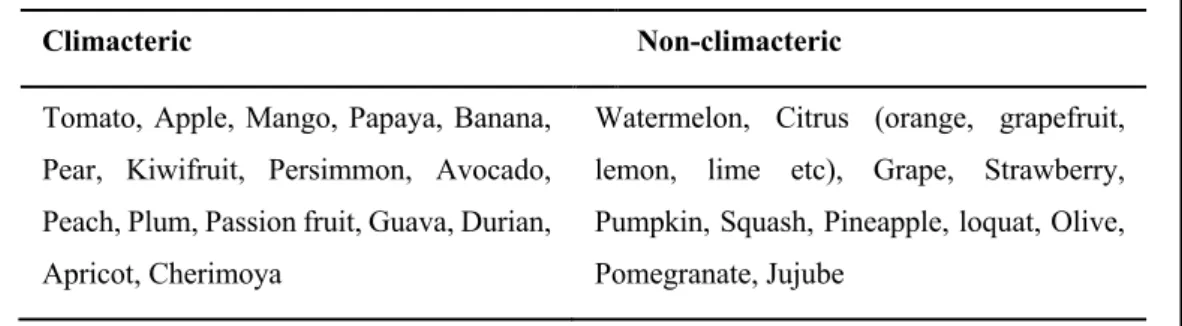
Table 1.1. Classification of fruit into climacteric and non-climacteric groups
Climacteric Non-climacteric
Tomato, Apple, Mango, Papaya, Banana, Pear, Kiwifruit, Persimmon, Avocado, Peach, Plum, Passion fruit, Guava, Durian, Apricot, Cherimoya
Watermelon, Citrus (orange, grapefruit, lemon, lime etc), Grape, Strawberry, Pumpkin, Squash, Pineapple, loquat, Olive, Pomegranate, Jujube
1.2.2. Regulation of ethylene production
In higher plants, ethylene is biosynthesized through a three-step pathway (Fig. 1.1) involving the conversion of (i) methionine to S-adenosyl-L-methionine (SAM) by SAM synthetase, (ii) SAM to 1-amino cyclopropane-1-carboxylate (ACC) by ACC synthase (ACS), and (iii) ACC to ethylene by ACC oxidase (ACO) (Kende, 1993). The key ethylene biosynthetic enzymes are ACS and ACO, both of which are encoded by multigene families (Wang et al., 2002; Cara and Giovannoni, 2008). Earlier studies have demonstrated that ACS catalyses the rate-limiting step for ethylene biosynthesis (Kende, 1993; Wang et al., 2002). The genes encoding both ACS and
various tissues at different stages of development and in response to internal or external stimuli such as ripening, senescence, wounding and pathogen attack (Lelievre et al., 1997a; Nakatsuka et al., 1998; Bouzayen et al., 2010).
There are two systems of ethylene production that have been defined in plants (McMurchie et al., 1972; Kende, 1993). The first one is designated as system I and it is responsible for the basal levels of ethylene production in vegetative tissues and unripe fruit (Barry and Giovannoni, 2007). This system is regulated in auto-inhibitory manner, that is, presence of exogenous ethylene suppresses further biosynthesis of ethylene (Kende, 1993) (Fig. 1.1). The second system is referred to as system II and it is responsible for the dramatic increase in ethylene production during fruit ripening and floral senescence (Barry and Giovannoni, 2007). System II is regulated in an autocatalytic manner (Fig. 1.1), as exogenous ethylene stimulates its own biosynthesis as well as rapid fruit ripening (Lelievre et al. 1997a; Nakatsuka et al. 1998; Inaba et al; 2007; Yokotani et al., 2009). In a broad perspective, climacteric fruit ripening is regulated by system II ethylene whereas non-climacteric fruit produce basal levels of system I ethylene throughout the ripening stages.
The physio-molecular pathways that act to initiate the transition from system I to system II ethylene biosynthesis are largely unknown. One explanation is that the cumulative effects of system I ethylene reach a certain limit where they can induce system II ethylene production (Klee, 2004). The second explanation is that there is a change in ethylene sensitivity during fruit maturation, that is, fruit might become more sensitive to system I ethylene as its
Fig. 1.1. A simplified ethylene biosynthesis pathway in plants showing system I (auto-inhibitory) and system II (autocatalytic) ethylene production. ACO expression and activity are induced by ethylene in both systems but no auto-induction is observed in system I due to absence of ACS activity enhancement. (Modified from Paul et al., 2012).
production might be induced by other hormones. Work in peach has shown that increased levels of auxin are required for system II ethylene production via the induction of various ACS genes (Tatsuki et al., 2013; Pan et al., 2015). Additionally, stresses such as wounding, water stress, and disease during fruit development induce ethylene production and this shortens the period required for the onset of fruit ripening (Abeles et al., 1992; Nakano et al., 2003).
1.2.3. Ethylene perception and signal transduction pathway
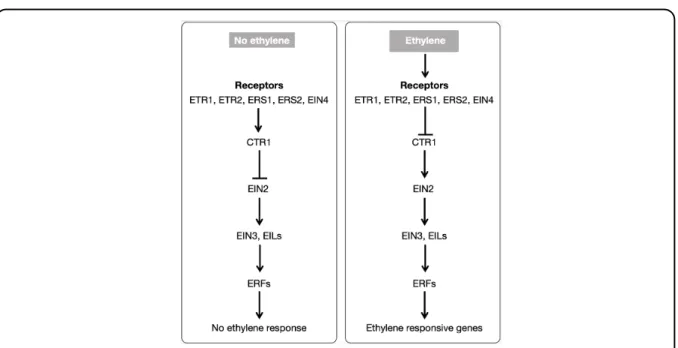
Plants perceive ethylene using a family of receptors that are localized on the endoplasmic reticulum (Chang et al., 1993; Ju and Chang, 2015). Multiple ethylene receptor complexes have been identified in Arabidopsis and tomato including ethylene receptor 1 (ETR1), ETR2, ethylene response sensor 1 (ERS1) ERS2 and ethylene insensitive 4 (EIN4), all of which function as negative regulators of ethylene action (Ju and Chang, 2015). The ethylene signalling pathway is highly conserved in higher plants (Fig. 1.2). Ethylene binding results in the degradation of these receptors, disrupting its interaction with constitutive response 1 (CTR1). This subsequently activates EIN2 that in turn stabilises multiple families of EIN3 and EIN3-like (EIL) transcription factors (TF). From EIN3 and EILs, the signal is then transmitted to a large group of TFs termed ethylene responsive factors (ERF) that have been shown to modulate specific genes associated with various biological responses such as fruit ripening.
Fig. 1.2. Model for ethylene perception and signaling in plants. Ethylene receptors, together with CTR1 function as negative regulators.
In the absence of ethylene, receptors bind to CTR1 which inactivates EIN2 via phosphorylation. Ethylene binding degrades the receptors and subsequently inactivates CTR1 which releases EIN2 that stabilizes and activates EIN3/EILs. The signal is transmitted to ERFs (the primary ethylene target genes) which then modulate various genes (secondary ethylene responsive genes) that are associated with a wide range of biological processes such as fruit ripening.
As stated earlier in section 1.2.1, many fruit ripening-associated changes are regulated by the ethylene signalling pathway especially in climacteric fruit. Ethylene signalling stimulates the expression of various softening related genes in tomato (Sitrit and Bennet, 1998), kiwifruit (Wang et al., 2000; Mworia et al., 2012), and apple (Ireland et al., 2014), among others.
Additionally, various genes associated with starch degradation and sugar accumulation have been shown to be influenced by ethylene (Hu et al., 2016). Ethylene also modulates ripening- related colour changes through the stimulation of genes associated with chlorophyll degradation and carotenoid metabolism both in climacteric fruit such as tomato (Su et al., 2015), and non-climacteric fruit such as citrus fruit (Goldschmidt et al., 1993; Rodrigo and Zacarias, 2007; Shemer et al., 2008). Works in various fruit species have demonstrated that aroma volatile production during fruit ripening strictly relies on the presence of ethylene signalling (Defilippi et al., 2004; Schaffer et al., 2007; Pech et al., 2008; Atkinson et al., 2011).
1.2.4. Propylene is an analogue of ethylene
Earlier studies have identified and characterized several organic compounds that exhibit a similar function as ethylene (Burg and Burg, 1967, Abeles and Gahagan, 1968), among which propylene was identified as the most active ethylene analogue (Table 1.2). Treatment of fruit with propylene triggers ethylene signalling, resulting in autocatalytic ethylene production and accelerated fruit ripening in climacteric fruit. McMurchie et al. (1972) effectively used propylene treatment to identify system II ethylene production in banana. Propylene treatment has also long been used to study ethylene-dependent and independent fruit ripening in various fruit including kiwifruit (Antunes et al., 2000; Mworia et al., 2012), banana (Golding et al., 1998; Inaba et al., 2007), and tomato (Giovannoni et al., 1989). The use of propylene treatment is beneficial because it allows for accurate measurement of endogenous ethylene produced by the fruit sample in question. Therefore, propylene treatments are widely used in this thesis for the main purpose of triggering ethylene signalling.
Table 1.2. Biological activity of ethylene and other unsaturated compounds (Burg and Burg, 1967)
1.2.5. 1-Methylcyclopropene (1-MCP) is a competitive inhibitor of ethylene action
A number of molecules including 1-MCP, silver nitrate and 2,5-norbornadiene (NBD) have been shown to counteract ethylene effect by interaction with ethylene receptors (Goren et al, 1984; Sisler and Yang, 1984; Sisler and Serek, 1997). Among them, 1-MCP stands out because of its powerful ethylene inhibitory effect and eco-friendly nature (Golding and Singh, 2017).
1-MCP is a synthetic cyclic olefin that binds ethylene receptors with an affinity that is about 10 times higher than that of ethylene (Jiang et al., 1999; Golding and Singh, 2017). Unlike ethylene, 1-MCP irreversibly binds ethylene receptors and the resulting 1-MCP-receptor complexes block ethylene perception even in the presence of the hormone (Watkins, 2006;
Golding and Singh, 2017). The duration of ethylene insensitivity after 1-MCP treatment depends on the rate of turnover of the 1-MCP-receptor complex, and this varies greatly among different fruit species. For instance, kiwifruit treated with 1-MCP become insensitive to ethylene for about 5 d (Mworia et al., 2012). On the other hand, 1-MCP treatment can be severe in pear fruit cultivars as it indefinitely inhibits ethylene-dependent fruit ripening (Villalobos- Acuna and Mitcham, 2008). Since its discovery as an ethylene perception inhibitor, 1-MCP has been extensively used in postharvest handling of fruit and vegetables (Watkins, 2006). In addition, several studies have employed 1-MCP to unravel ethylene-dependent and independent fruit ripening regulation in kiwifruit (Mworia et al., 2012; Asiche et al., 2018), banana (Zhang et al., 2006), papaya (Ergun and Huber, 2004), tomato (Hoeberichts et al., 2002), and avocado (Jeong and Huber, 2004).
1.3. Insights into the transcriptional control of fruit ripening
There is growing understanding of how fruit ripening is regulated at the molecular level.
Studies in tomato have revealed a number of TFs that bind to and activate various fruit ripening-related genes such as those for ethylene biosynthesis, and specific fruit ripening attributes. This transcriptional regulatory network is evident from a large number of mutations that affect ethylene production leading to defective fruit ripening.
1.3.1. The MADS-box domain
The best studied transcriptional regulator of fruit ripening is the MADS-box family of transcription factors including ripening inhibitor (RIN) and colourless non-ripening (CNR).
RIN has been shown to bind a large number of fruit ripening related genes (Fujisawa et al., 2013), and it is highly up-regulated during fruit ripening in tomato (Vrebalov et al., 2002), banana (Elitzur et al., 2010), strawberry (Seymour et al., 2011), and apple (Ireland et al., 2013).
Furthermore, the rin mutation results in a complete inhibition of system II ethylene production and subsequent fruit ripening (Manning et al., 2006; Ito et al., 2017). The Cnr mutation is epigenetic due to methylation in the promoter of squamosa binding protein (SBP), and it also effectively blocks fruit ripening (Manning et al., 2006; Giovannoni, 2007). Additional MADS- box transcription factors that regulate fruit ripening include tomato agamous-like (TAGL) (Itkin et al., 2009), and FUL/TDR4 (Bemer et al., 2012).
1.3.2. The NAC domain
NAC domain TFs also have a critical role in the regulation of fruit ripening. The first NAC family TF to be characterized in NOR, and like rin, nor tomato fruit fail to produce system II ethylene and thus fail to ripen normally (Giovannoni et al., 1995; Karlova et al., 2014). Since then, several other NACs have been shown to modulate ethylene biosynthesis and fruit ripening in various fruit including tomato (Zhu et al., 2013; Kou et al., 2016), banana (Shan et al., 2014), and kiwifruit (Nieuwenhuizen et al., 2015).
1.3.3. Ethylene responsive factors
The ERFs belong to the large AP2/ERF multigene family that are known to mediate ethylene- dependent gene expression (Pirrello et al., 2012). ERFs have also been shown to play a role in different plant developmental processes, including fruit ripening. Generally, ERFs act
genes (Pirrello et al., 2012). A large number of ERFs have been associated with ethylene- dependent fruit ripening in many fruit including tomato (Chung et al., 2010; Liu et al., 2016), kiwifruit (Yin et al., 2010), apple (Wang et al., 2007; Li et al., 2016), and citrus fruit (Yin et al., 2016). However, ERFs have been linked with plant environmental responses, particularly to low temperature stress (Yin et al., 2012; Zeng et al., 2015; Wang et al., 2017). In fact, the C-repeat/DRE-Binding Factor (CBF) are members of the ERF family that are crucial for cold acclimation in plants (Fowler and Thomashow, 2002; Thomashow, 2010; Barrero-Gil et al., 2016).
1.3.4. Other ripening-related TFs
Apart from the TF family mentioned above, there are several other minor TFs that have been shown to modulate specific fruit ripening attributes. MYB TFs play an important role in flavonoid biosynthesis pathway, and in tomato, MYB10 was shown to regulate anthocyanin levels during fruit ripening (Adato et al., 2009; Ballester et al., 2010). Different MYBs have also been linked with anthocyanin biosynthesis during fruit ripening, strawberry (Schaart et al., 2013), peach (Rahim et al., 2014); grapevine (Czemmel et al., 2012), loquat (Zeng et al., 2015), and apple (Takos et al., 2006; Espley et al., 2007). Recently, R2R3-MYB transcription factor has been shown to regulate chlorophyll degradation and carotenoid accumulation in kiwifruit (Ampomah-Dwamena et al., 2019).
Homeobox proteins have also been associated with fruit ripening regulation. In tomato, Lin et al. (2008) identified a putative HD-zip homeobox protein (HB1) that binds to the promoters of ACO genes. Most recently, four HD-zip TFs including MaHDZI.19, MaHDZI.26, MaHDZII.4 and MaHDZII.7 have been shown to promote fruit ripening by activating ethylene biosynthetic and cell wall modifying genes in banana (Yang et al., 2019). Basic leucine zippers have been shown to regulate fruit ripening in banana (Hu et al., 2016), peach (Lovisetto et al., 2013), and grape (Nicolas et al., 2014). In several fruit, basic helix-loop-helix (bHLH) TFs have also been linked to anthocyanin accumulation during ripening (Tani et al., 2011; Xie et al., 2012; Sun et al., 2015). Other TFs that have been shown to play a crucial role during fruit ripening include WRKY (Cheng et al., 2016), zinc finger (Weng et al., 2015; Han et al., 2016), TCP (Guo et al., 2018; Song et al., 2018), and GRAS (Huang et al., 2015; Zhang et al., 2018).
1.4. Other phytohormones that regulate fruit ripening
Besides ethylene, other hormones such as auxin, abscisic acid, jasmonate and gibberellin have also been linked to fruit ripening regulation (McAtee et al., 2013; Kumar et al., 2014). These hormones achieve this by acting either in conjunction with ethylene or independently of ethylene.
1.4.1. Auxin
Indole-3-acetic acid (IAA), the major auxin in plants, was shown to be involved in a crosstalk with ethylene to regulate fruit ripening in peach (Trainotti et al., 2007; Tatsuki et al., 2013). In tomato, several auxin signalling-related TFs, the auxin responsive factors (ARF), were shown to regulate tomato fruit ripening (Sagar et al., 2013; Hao et al., 2015). Cruz et al. (2018) demonstrated that the interaction between light, ethylene and auxin was involved in the regulation of carotenoid metabolism in tomato.
1.4.2. Abscisic acid (ABA)
ABA seems to have a stronger fruit ripening regulatory role in non-climacteric fruit (McAtee et al., 2013). However, most fleshy fruit exhibit an increase in ABA content during fruit ripening and any treatment that delays this increase has been found to delay the fruit ripening process as well (Zhang et al., 2009). In tomato, Sun et al. (2012) demonstrated that ABA promotes fruit ripening by enhancing ethylene biosynthesis via upregulation of ethylene biosynthetic genes. ABA has also been shown to modulate fruit ripening in citrus by promoting carotenoid biosynthesis (Rodrigo et al., 2003).
1.4.3. Gibberellin (GA)
The role of GA in fruit ripening has been extensively reviewed in citrus fruit whereby application of GA was shown to delay fruit ripening (Alós et al., 2006; Rodrigo and Zacarias, 2007; Rios et al., 2010). Yamaguchi (2008) argued that the rate of GA biosynthesis and deactivation is the criteria for determining GA bioactivity. In this regard, kiwifruit ripening was shown to be accompanied by an increase in the expression of a gene encoding gibberellic acid-2-oxidase (GA2ox), which is associated with GA degradation (Atkinson et al., 2011;
Asiche et al., 2018).
1.4.4. Jasmonates
Jasmonates including jasmonic acid (JA) and methyl jasmonate (MeJA) are important regulators of plant responses to abiotic and biotic stresses (Wasternack and Hause, 2013).
However, JAs have also been found to play a role in fruit ripening regulation. JAs stimulate ethylene biosynthesis in climacteric fruit such as pear and tomato, resulting in accelerated fruit ripening (Liu et al., 2012; Concha et al., 2013; Zhang et al., 2014). In apple, the JA-activated TF MdMYC2 was shown to regulate fruit ripening via interaction with ERF and ethylene biosynthetic genes (Li et al., 2017).
1.5. Low temperature and fruit ripening regulation
Temperature is the most important environmental factor that influences the postharvest life of fruit and other fresh horticultural produce. This is due to the ability of temperature to influence the both internal and external factors affecting fruit quality such as general metabolic and developmental changes, water loss, physiological disorders and pathogen attack (McGlasson et al., 1979; Hardenburg et al., 1986).
1.5.1. Low temperature as a postharvest technology
Low temperature is a major postharvest technology that is used widely to extend the postharvest life of fruit and vegetables. Indeed, most postharvest protocols recommend a cold chain network right from harvest to the point of purchase by the consumer in order to minimize the incidence of postharvest losses (McGlasson et al., 1979; Gross et al., 2016). The popularity of cold storage in postharvest handling is founded on the ability of low temperature to slow most cell metabolic activities including those related to fruit ripening and plant senescence. In addition, low temperature inhibition of fruit ripening is attributed to a delay in the onset of system II ethylene production (Gross et al., 2016). Low temperature also retards the growth of most postharvest fruit pathogens, which alleviates the deteriorative effects of disease-induced ethylene (Everett, 2003; Wang and Wang, 2009; Vico et al., 2011; Manning et al., 2016).
However, fruit quality deterioration is known to occur at every point in the postharvest cycle and therefore, low temperature storage is often integrated with other approaches such as ethylene removal, controlled and modified atmosphere, and use of ethylene antagonists.
1.5.2. Chilling injury in fruit
Despite the wide use of low temperature storage to extend the postharvest life of horticultural produce, certain tropical and subtropical fruit are not suitable for this kind of storage. In these chilling-sensitive fruit, suboptimal low storage temperatures trigger the developmental of physiological disorders termed chilling injury that negatively affect fruit quality (Lyons, 1973;
Sevillano et al., 2009). The most common chilling injury symptoms include tissue browning, woolly or dry texture, and abnormal cell metabolism such as membrane permeability disorders (Sevillano et al., 2009). Chilling injury symptoms activate ethylene biosynthesis and signalling elements (Wang et al., 2009), and this further aggravates the deteriorative processes during storage.
The sensitivity to low temperature and the nature of chilling injury symptoms differs depending on the fruit species and cultivar. Banana fruit are usually considered very sensitive to chilling as chilling symptoms including peel darkening and browning appear at relatively high storage temperatures (12 ºC) (Nguyen et al., 2003). In kiwifruit, the recommended storage temperatures for long-term storage are 0–4 ºC (Arpaia et al., 1987; Pranamornkith et al., 2012).
Extended storage at temperatures below this recommended range result in the development of chilling injury symptoms manifested as low temperature breakdown (Lallu, 1997; Jabbar and East, 2016), and lignification (Li et al., 2017; Suo et al., 2018). Exposure of citrus fruit to low temperatures induces chilling injury symptoms that can include pitting, necrosis, and staining in the flavedo tissue (Lafuente et al., 2001). Chilling injury symptoms in tomato fruit occur after extended storage at below 8 ºC and include surface pitting, flavour loss and blotchy ripening among others (Wang, 1993; Zhang et al., 2016). Therefore, proper management of storage temperature is required to balance between the preservation of fruit quality and prevention of chilling injury symptom appearance.
1.5.3. Promotion of fruit ripening by low temperature
1.5.3.1. Kiwifruit
Kiwifruit are classified as climacteric fruit as most of the ripening-associated changes including softening, sugar increase, acidity reduction and aroma volatile production are triggered by ethylene (Pratt and Reid, 1974). However, kiwifruit exhibit a unique ripening pattern as system II (autocatalytic) ethylene production occurs when the fruit have already ripened to eating
quality (Richardson et al., 2011). The role of ethylene in on-vine fruit ripening therefore remains unclear.
During low temperature storage, kiwifruit are known to soften extensively in the absence of any detectable increase in ethylene production (Kim et al., 1999; Antunes, 2007; Yin et al., 2009). Because of limited experimental evidence, this unique ripening behaviour exhibited by kiwifruit has been attributed to the basal levels of system I ethylene, as it was demonstrated that kiwifruit can be induced by extremely low ethylene concentrations (Pranamornkith et al., 2012; Jabbar and East, 2016). To support this hypothesis, it has been suggested that the ripening is caused by a synergy between ethylene and low temperature, that is, low temperature storage increases the sensitivity of kiwifruit to trace levels of ethylene (Murakami et al., 2014; Minas et al., 2016). However, this hypothesis is limited in the fact that no comparisons were made to the ripening pattern during room temperature storage.
Storage of kiwifruit at room temperature is an uphill task since kiwifruit are known to be susceptible to pathogen attack especially Botryoshaeria spp., Phomopsis spp., and Diaporthe actinidia (Yano and Hasegawa, 1993; Kinugawa, 2000; Koh et al., 2005; Manning et al., 2016).
Disease-infected fruit produce stress ethylene that can trigger ethylene-dependent ripening in adjacent fruit. Therefore, careful handling to eliminate the effects of disease-induced ethylene is crucial in studies of the mechanism of fruit ripening in kiwifruit under either low or room temperature conditions.
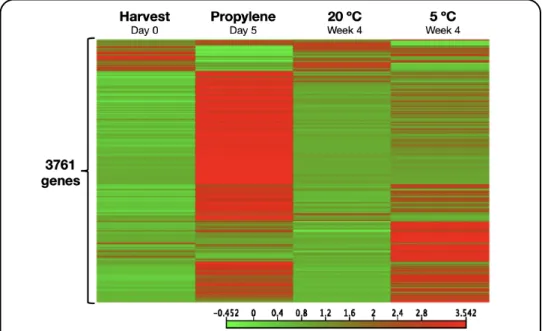
Fig. 1.3. Heatmap showing distinct sets of genes that are regulated by independently by either ethylene
In an attempt to understand the mechanisms involved in kiwifruit ripening during low temperature storage, my predecessors demonstrated that kiwifruit ripening occurred faster during storage at 5 ºC than at 20 ºC in the absence of any measurable increase in ethylene production (Mworia et al., 2012; Asiche et al., 2017; Asiche et al., 2018). Furthermore, blocking ethylene signalling by repeated 1-MCP treatments failed to inhibit the accelerated fruit ripening during low temperature storage. These observations indicated that kiwifruit ripening was inducible by low temperature independently of ethylene. As a follow-up to this conclusion, Asiche et al. (2018) demonstrated by RNA-seq analysis that low temperature regulated a distinct ripening-related set of genes in kiwifruit independently of ethylene (Fig.
1.3). Nevertheless, research on low temperature regulation of fruit ripening in kiwifruit remains underexplored.
1.5.3.2. European pears
The ripening of European pear fruit relies on the initiation of autocatalytic ethylene production which triggers dramatic flesh softening, aroma volatile production and in some cultivars, skin colour change (Lelièvre et al., 1997b; Itai et al., 1999; Hiwasa et al., 2003). European pear fruit ripening can also be advanced by treatment with ethylene or its analogue propylene (Hiwasa et al., 2003). Most European pear cultivars attain optimum soluble sugar content and acidity level at the commercial maturity stage and thus, ethylene does not have a significant influence on their content.
European pears are unique in that most of the cultivars exhibit some resistance to ripening even at the correct maturity. Therefore, the common practice is to store the fruit at low temperature conditions for a specified period of time to trigger fruit ripening (Villalobolos-Acuna and Mitcham, 2008). Early-maturing cultivars such as ‘Bartlett’ and ‘La France’ require a relatively shorter chilling period (10–21 d) to induce ripening (Hiwasa et al., 2003; Nham et al., 2017), whereas late-maturing cultivars like ‘Passe Crassane’ have a long chilling requirement of up to 3 months (Lelievre et al. 1997b; El-Sharkawy et al., 2003). ‘Passe Crassane’ fruit are inexplicable since they fail to produce autocatalytic ethylene and ripen during storage at room temperature even for 145 d (El-Sharkawy et al., 2004).
Many studies have demonstrated that low temperature can activate the expression of ethylene biosynthetic genes, ACSs and ACOs, which enables the fruit to produce autocatalytic system II
ethylene that is required for fruit ripening (Lelievre et al. 1997b; El-Sharkawy et al., 2003;
Hiwasa et al., 2003; Villalobolos-Acuna and Mitcham, 2008). Upon low temperature storage, increased ethylene production triggers the expression of various softening related genes (Fonseca et al., 2005). However, the physiological and molecular changes triggered by low temperature resulting in increased ethylene production and fruit ripening remain to be seen.
1.5.3.3. Citrus fruit
Unlike kiwifruit and European pears, citrus fruit are generally classified as non-climacteric since mature fruit produce trace levels of ethylene (system I) and ethylene is not required for normal ripening (Eaks, 1970; Sawamura, 1981; Katz et al., 2004). However, treatments with ethylene have been shown to advance the peel degreening process (Purvis and Barmore, 1981), forming the basis for the wide use of this hormone for commercial degreening purposes (Porat, 2008; Mayuoni et al., 2011). Nevertheless, the primary regulator of natural peel degreening which occurs in the presence of trace levels of system I ethylene remains unknown.
The progression of on-tree peel degreening in various citrus cultivars requires extended cold periods below 13 ºC (Manera et al., 2012; Manera et al., 2013; Rodrigo et al., 2013; Conesa et al., 2019). Peel degreening is also accelerated by low/intermediate storage temperatures (6–15 ºC) (Matsumoto et al., 2009; Van Wyk et al., 2009; Zhu et al., 2011; Carmona et al., 2012a;
Tao et al., 2012). The promotion of peel degreening by low temperature is attributed to the stimulation of chlorophyll degradation and carotenoid accumulation (Matsumoto et al., 2009;
Carmona et al., 2012a; Tao et al., 2012). Like in kiwifruit, low temperature promotion of citrus peel degreening is also attributed to trace levels of system I ethylene that are present in mature fruit (Goldschmidt et al., 1993; Carmona et al., 2012b). The underlying regulatory mechanisms involved in natural peel degreening have therefore remained a mystery.
1.6. Project goal and objectives
A majority of fruit ripening studies have, up to this point, focussed on the role of ethylene. As a result, accelerated fruit ripening observed during low temperature storage is often attributed to ethylene signalling even though there are no direct evidences. The current understanding of the molecular mechanisms underlying low temperature regulation of fruit ripening are thus limited. The aim of this project was to address this issue by carrying out comprehensive physiological and transcriptome analyses to compare ethylene-dependent and low temperature-
modulated fruit ripening changes in various cultivars of kiwifruit, citrus and European pear.
To achieve this, the role of low temperature in fruit ripening regulation is discussed in this thesis based on the following specific objectives:
i. To determine the sufficient low temperature that is required to induce fruit ripening in the absence of ethylene.
ii. To examine cultivar differences in the responses of kiwifruit to low temperature- modulated fruit ripening.
iii. To investigate the role of low temperature in the regulation of on-vine and on-tree fruit ripening.
iv. To determine the optimum temperature for long-term storage of kiwifruit which can counteract premature ripening by low temperature.
v. To evaluate the differences in quality attributes between fruit ripened by ethylene and low temperature.
vi. To find out the physiological and transcriptional changes involved in low temperature stimulation of fruit ripening in ‘Passe Crassane’ pear fruit.
vii. To establish the role of low temperature in regulation of peel degreening and associated gene expression in lemons and satsuma mandarins.