
トップページ - 横浜国立大学学術情報リポジトリ
29
0
0
全文
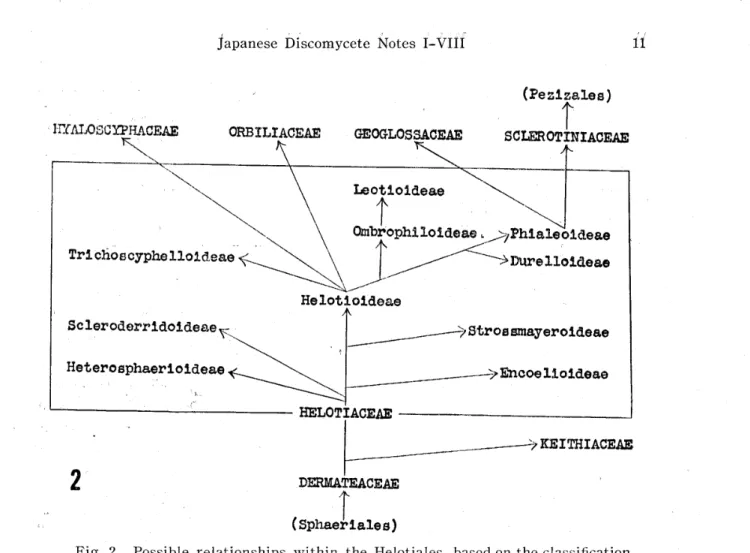
(2) P,. Richard. 8. Experiment ing. Station. (whQ. trips), deserve from. specimens. it is impossible warm. appreciation. Deposit of specimens. in. a. series. divisible,. was. deposited. by. a. be. generally. the. can. Cornell. or. at. data. full. taxa,. I. mens・. addition,. STAFLEU, 1owlng. are. in and divided also. series, full. data. labels In. the. merely. "F.. the. are. the. list. of. collection. tin my. of. be. specimen. there). the. where Science. her-. will. the. collec-. of J.”),the IsLAfJD,. no. provided. also Tokyo.. collections. ♪ro2)ince) will. indicating. was. but. number. In the. and. mentioned. is deposited of. case. new. of deposit of speci& STAFL^EU (1956)・ In. place. listed by LANJOUW abbreviations l berbaria■ from which obtained specimens with Two. my. a. deposited. on. the. provided. that. additionally and sent for identi丘cation sent. and. the lab':els (even where. on. wa.ys, express. National. the. specimens. abbreviated. Hokkaido,. of. be・recorded.. Peps. comm.). is the. and. series,. Case. duplicate. will use. space;. Japan. sent. herbarium,. personal. in this. these:notes,. save. consulted. Tokyo,. certain. listed). not. be. data. will. In to. many. trips,. colleagues Science Museum,. Cornell. were specimens discomycete of. specimens:. collectso. Japanese. my. in my. at. also. Whenever. Nartional. the. accessioned. were. (or, in the. prefecture. Full. few. elimir)ated Fungi of. tion/(ih the. of. bsited. Fragments. herbaria. of. aln. University・. use. I in. 1. IWere.. A. herbaria.. Citation. the. divisible,. was t・he collection Museum, Tokyo.. other from other barium.. Cornell. for IMAI. collections. to. to. from are Japan collections accessioned deposited in the herbqrium Japan,= of the. of. portion. Professor. Discomycete. indebted. am. own. Pathology,. Plant. of. My. :. =Fungi. entitled. Department. additioll,I I. thanks∴In. special. for. ar.rチngementS. have me accompanied colleagues who on由1d herbaria, me in ntlmerOuS their and assisted Other To I to list them here. to eachofthem, a】.1 wish. Japanese. my. of. my. of the housipg,. many. made.. Korf. (and. provisional. which by them. were. (Dr.. abbreviations approved herbaria are The personal also abbreviated・ berbarium for specimens abbreviations accessioned. folto. date:. p. -Department. DAOM. -MycologlCal. FU-P. -PhytopathologlCal. K. -Herbarium,. KYO r. Cornell Pathology; University, of Plant Ⅲerbarium, Department Agriculture,㌔ of. CUP. -Department. TFM. -Labor?tory Station,. TNS. -Botanical. YNU. -Agricultural. S/Ⅰ.. -Personal. sity). R, P・ K・-Personal. Instittlte, Kyushu Royal of. Botanic. Botany,. Kyoto. National. Institute, herbarium. of Sanshi. herbariurnlOf. Forest. Museum, National. Yokohama. Experiment. Tokyo>. University,. IMAIてYokohama. the author. Fukuoka.. Kyoto.. Government. Science. Ottawa.. Sew.. luniversity,. Mycology,. of Forest Tokyo. Section,. Gardens,. University,. Ithaca.. Yokohama・. National. Univer-. (CorrlelltJniversity)I.
(3) Discomycete. Japanese. aassiRcation is the. lack. One. :. the. of. di琉culties. major. in the study. any. system accepted of generally definition,? discomycete is any fungus in which induced even layer, which the great,est palisade. of. C. NotesトⅤⅠⅠI. classi申cation. the. Bo口DIER. (1907), in his. (Exoascales) to. comycete. layet. those. of asci, the. include. to. of. fungi. which. fungi. ullrelated. have. an. open. a. still embraces. If. we. polyphyletic. with. such. group・. In. (unlttlnlcaも○ ). a. palisade. FIGURE. l・ Ⅰ. (b1もunic8.te ). pEZITw8\ a. m&cld.i&1e8. Le c anorale. So血o. Hypo. dis-. term. the. (S由一stT工止TO). I)ISCOhrYC即ES. T UBERALB. Taphrinales. restrict. ascocarp. crel. l. ⊥「. _. a. discomycetes,. the. as. in. arranged. of the. master. discomycetes.. the. concept. term. such. are. asci. ′. Emile. of discornycetes By ori_e broad. 8. 光ost Pyr e, noLi chenB. ラ. /. /. DothidealeB. 晦pi&ngl色1eB. 1i¢hen12i息七1on). =. _([=:>. (Plec七叩COte8) 1・. Fig・. lato) Tbe. Diagram. from. and. comycetes an. of der the. by. coined. of the disc Hysteriales. family. of. All. 2). the. both. unitunicate. Lecanoralesl to. the. it. Lecideales.. letters.. (many. species. 1951), certainly. which discomycetes.. are. bitnnicate seem. which. fungl. advisable. are. to. (sensu ancestors′.. of. relationships. so-called. dis-. is the presence slgni丘cance bitunicate li占hens),with asci (the. completely. the. remain-. type. classifications recognize family, Hysteriaceae, as. (cfr. LロTTRELL. l have. studied in his order included in current the. transfer. to. unrelated. (Some. (Pseudosphaeriales). places. pyrenomycetous. prime. unitunicate2). I treat the. of the Lecanorales LロTTRELL (1955). and. of the. concept. of the discomycetes. origin. capital. are. Pleosporales. would. in. are. my. fungi,. members that. Note,. however,. (right). Of. LuTTR肌L,. as. polypbyletic bitunicate. pyrenomycetes.. certain. Lecahorales. order,. term. and. orders. t/o illustrate. attempted. the. (left). unitunicate discomycete. 〃true〃. have. indicating. the. unitunicate. have. 1955), and. bitunicate. unitunicate. be-. asci.. series∴If. classi丘cations species. a. and. of. tわe. genera.
(4) P.. Richard. 10. Korf. bitunicate 'othet f去milies unquestionably pyrenomycetes3). are have included in the Hysteriales unitunicate asci transferr6/d to which are The Ostropales the Phacidiales.) clearlすderived from the Clavicipitales, to other disc fungl・ The Phacidiales to little relationship appear and show lieve. they. be. to. me. are. it should. but. studies. family. of the. than. tensive. the. within tiales.. that. The. of甲y. fungl・. more. ex-. treated. a■s. a. come. scarcely. be. to. appear. in my. discomycetes,. be. should uchens, have. far, but. thus. Studies. far. of. forms. being. disc. th占other. basis. the. on. these. Lecideales,. to. than. (1932),. c?ncluded. mine, flelotia]es・. scope. The. Sphaeriales. to the related Closely NANNFELDT be note(1 that. more. lichenized. Helo-. be. by. the concept, would represented Pezizales the (with Helotiales operculate asci), and the asci), a habitat, forms derived from the latter order that have adopted subterranean are as Tuberales have lost a functiollal the brought together and operculum, "true=. (vitb inoperculate. (thoughthe to. con丘ne Witbin. the. order,. Helotiaceae from. removed. in. in this ships Sclerotiniaceae LE. GAL. the. Pezizales,. (based. vellaceae. has. lopment). division. a. ceae. was. tribes. into. relation-. of Rutsiroemia been. and. concept. I. pointed. Lophiostomataceae. of. the. out. by. and. be the. more. as. I plan. thi・sL Classification, to. is. seems. the. peritbecium-like. this. expand. FIGURE. notes.. order.. the. Octosporeae. the. position to. be. The・. eleven classia. dia-. arrangement. and. a. modi6ed. the. pseudotheciurri the. Peziza-. 3 is. genera. pseudpthecitlm. (1937),. new. of the merely. slit-ostiolate case between. deve-. of ascocarp. in this. whether tribes;. also. h. 1954). it in these. use. sure. distinct. found,. and円el-. the. of the王壬ysteriaceae between it and the. intergrades may. shall. not. Pezizaceae. misconceptions. of relationships. am as. families. the. and. (KoRF proposed in the Pezizaceae.. hysterothecium. Lobhiostomataceae pOraCeae・. conc6pt. between. are. published,. suggestions of NANNFELDT Cyttariaceae, Sarcoscyphaceae, and. families,. three. present. and. into. separation. brie8.y. recognized in future papers,. The. old. morphology following abandoned,. is still tentative: e.g., can be retained nemeae. 3). validly. has. Ⅲelotiaceae. of the. present. connection Sarcoscyphaceae. gross. been. recently. of my. theciurn,. my. is. Strossmayeroideae. subfamily yet. NANN-. as. Leotioideae. the. addition,. is. of. same. subfamily. the. (FIGU苧E2). possible. a. of which. neither. operculate. the. on. were. fication gram. the. and. In as. taxa,. provisional. The. inten.d. family. The. essentially the. treated. and. Pbacidiales.. order,. Ciborioideae.. diagram. the. I. notes,. (1953).. In. and. Two. order.. separate. 1945) is recognized,. Keithiaceae,. included. also. a. Geoglossaceae. the. family. the. as. subfamily. II, below.).. (cfr. Note and. treated. (WHETZEL. Sclerotin主aceae FELDT's. certain. and. these. of the Helotiales and Pezizales. members I shall follow by the classi丘cation proposed The Phacidiaceae are modi丘cations・ removed. Helotiales,. order. In. polyphyletic)・. to. wholly. (1932),with. the. be. to. prove. almost. myself. NANNFELDT from. may. order. ascocarp Of. typical. PyroAleuria. pseu,doof the of. tiile. Ple'oS-.
(5) Japanese. Notes. Discomycete. ll. I-ⅤⅠⅠⅠ. (Pezi2;&1e白) lTLAIJO. a e EP王払CEÅE. ORB王L王ACEAE. GE. ㌔ 、\. O8LOS. SACEAE. SCLm. \. 工βotioiaea¢. \\\. †. O℡王Ⅳ‡ACEAB. 1oid◎a◎. Tri. lloideae. choBCyPhe. Qdbr.,hi. i. D叫re. lloi丘e&e. Ee lo七iolaea¢ Sclez・odeprlaoldeae. ラ凱ro8即l町erOi丘e&e. He七ero6Ph&erloldeae. li. o. ldea◎. _._ー_〆--⊥>丑ncoe 王王ELO℡IACEA玉 J. 〟__. 2. D瓢皿EAC苫AE. † 1&1e8). (sph&e Fig. of. EE I TEIACEA毘. 2.. Possible. NANNFELDT. (1932),. Pe 2i1 2ieae. based the Helotiales, within by the author (see text).. relationships as. r. modi丘ed. ?ノTuber&le8'. ABCOboleae. DIBClne&e. Rh1. Oc. 2iine&e. Hop. on. the. chcl lleae. classi丘cation. A¢e t&btllo80. eae. toBPlr. PyエーOne血○ &e. P8i. 211eae. PEZI. 3. S瓜C. ZACEAB. OB CTHACELAB. (Eeloもble8 Fig. of. KoRF. 3.. Possible. (1954)・. relationshipswithin. CYT. TAR. IAC玉AE. ) the. Pezizales,. based. on. the classification.
(6) Richard. 12. FucKEL a. in future. tribe. separate. NANNF.. Sowerbyella. and. the nomenclature gated for example, the that. family. is used. and these may I have not carefully me,. tribe. and. It. names.. Sarcosomaceae. name. to. the. (taxa based. requlre. investi-. seems. probable,. (KoBAYASI. 1937) should. are. of the 4,. the. fairlyfirm. EpITI‡ECI口M. the. taxonomic. same. synonyms. be. median layer the. section. of. of. asci.. (FIG. 4b), though. an. notes,. longer.. At. or. a. tissue. is. provided. are. Such. tips.. de丘ne to. para-. with about. as. the. apices. of. ends. may. cohere. to. layer. is. commonly times,. a ". in. rare. Be-. reference The HyMENIUM. branched. these. I shall. the. with. apothecium. also. ascus. such. these. literature,. asci, usually The paraphyses. the. above. in the. used. shorter branched, and. tissue. in. in. be. may. of tissues within discomycetes. classifying-. in terminology. will. be. may. paraphyses a. they. palisade. asci, but. (-). sign. on. types. and. importance. confusion. lie among. which. indicate. to. used. identity. (taxa based. synonyms. arrangement. great. diagrammatic. a. (FIG. 4a) is the. as. The of. existing here as. terms. certain FIGURE. often. the. synonymy,. types).. anatomy:. apothecium. is. (-). sign. different. indicating. (nomenclatural). equality. on. Apothecial. cause. In. of sgnonymg: indicate obligate. type), while. form. to. Further,. classi丘cations. family of these. Notations. the. ●. is still unclear. Sarcoscypbaceae.. replace. physes long. P.琴orf. termed. an. discomycetes,. true〃. but. 4 4.. Fig. c,. Diagrammatic. hypothecium;. d,. beneath. the. of e,. excipulum;. in the. uncommon. not. section. hymenium. ectal. Phacidiales is found. an. and the. hymenitlm;. a,. apothecium:. f, medullary. excipulum;. Lecanorales,. for. HypoTEECIUM. excipulum.. Immediately. example.. by. (FIG. 4c), termed. StJBEYMENiuM,”. ". b, epithecium;. many. the tangle authors usually consisting of tightly arranged hyphae to is di氏cult the.asci (It of giving rise and paraphyses. sometimes to distinguish a The is distir19t-、hypothecium・) remainder of the apothecium is always divided into two termed the ExcIPULUM (FIG. 4d), which the parts, EcTAL. ExcIPULUM. tissue,. including. (FIG. 4f), the excipulup1.. zone. (FIG. 4e) the. magln. of tissue. (Consultation. aries will convince in particular, are. a. which. forms. Of the. apothecium, betweerl enclosed of. the. the reader that in various -used. standard. the. and the. the. mycological It should. and ”. be丘oted. layers. or. M昆DULLARY. hypotheciljm. the termsりhypothecium. senses.). layer. outermost,. and botanical and. of. ExcIPULUM. ". that. the. ectal diction-. exclpulum,” not. uncom-.
(7) i)iscomycete Nlotes王-VIII'. Japanese. the. monly types. of tissue・. exclpulum Likewise,. than. tissue. more. of. ectal. ectal. and. medullary formed. apothecium, of the. olle. When. into. not. medullary The most. or. the. on. strati丘cation distinguish. to. Of the Side. margln. down. tissues. this. towards the. apotbecium,. these. inside. formed. types. tissue. new. show. convenient method is to examine the. in sections. the. tissue. marglnal the. are. outside layer may. medullary. distinct. two. than. more. may. exclpulum. of ectal tissues, and New formed tissue types. the. extend Tissue-type. the type・. two,. one,. of. to follow. any while stipe is present. a. consist. exclpulum. apothecium.. medullary,. may. 土菖. are. ectal・ or. may. stipe. I. terminology:. designating. am. that. still convinced. the. e氏cient disthe. most. to be found in Of tissues as STARBAcK (1895) comycetes aIⅥーpli丘edby KoRF u畠e the terminology of りtextura that the term (1951). I uhwisely (loc. cit.) to indicate neglected & DICE new, (1957) the result that SNELL angularisりwas of my coinage, with. of. method. the. types. variotlS. is to. have. ". term,. both. text血a. globulosa,”. textura. 1ation. and. it. textura. of. also. to. reprint. limited. STARBÅcK's. broader. including. application, sense. Since. in my. key. advisable. seems. had. globulosa is not. his. term. new. formerly. wbicll. and. emendation. coueagues,. (FIGURE. angularis. My. td STARBÅcK:. this term. attributed. trans-. my. to my readily available a it here, along with. Japanese diagram. 5).. I/?. (. /. ”. )i rl. \/ 5 ; Fig・. I.. Diagr,ammatic. 5・. Cells 1. 2.. B.1. Cells Cells. to. up,. with. by. tissue. of textura. textura. d,. byphae. pressure,. text). :. a,. textura. intricata;. textura. not. distinguishable.. no. textura. :. intercellular. globulosa spaces:. (FIG・ 5a)・ textura. (FIG. 5b); orレ1ess. in. section,. hyphae. easily. rectang-ular. not. isodiametric:. (FIG. 5c). tissue:. -Long-cel・1ed C. Hyphae runnlng. the ln. separate. all directions,. not. e,. porrecta.. isodiametric・ almost intercellular spa”ces. mutual. (see. types. prlSmatica;. g,. oblita;. separate. polyhedral,. polyhedral. angularis more Cells. textura. the. rounding. Prismatica II・. f,. tissue:. round. c,. angularis;. epidermoidea;. Sborトcelled A.. representation. b, textura. globulosa; textura. g. para11el・. distinguishable・. jextwa.
(8) 14. Richard. 3・. 4・. Hyphae. with. spaces. textura. !. Hypbae. a. Hyphae 5・. with. textura. Porrecta. I have. found. superior. iodine. crystals,. 1.5 gm. use. ascus. the. three. those. formulae. walls,. walls,. cohering:. noトcohering:. many. Re-. Meltzer's of preparing for chloral are hydrate. methods calling. (A good, 20gm. iodine,. come. to be of importance.. all appear. and. have. reagents. microchemical. discomycetes.. typical. dis0.5gm. formula:. hydrate, 20 ml distilled chloral Pezizales (Pezizeae, Ascoboleae,. apex. or. as. ”J+,”. or,. occurs. tissues. certain. ascus. to. pore. BLUE. be. di丘cult. asci are conveniently ”J-.” An entirely different. asci (in certain in Meltzer's Reagent. The. Pezizaceae). on. Pezizales are. markings LE GAL's. Mme. apothe1956b,. the. of. these. uslng. or. (cfr. DENNIS. ascospores. usually By. blue.. the. reaction,. MAR丘INGS:. turn. may. apothecium. manner,. young. though marked, to interpret.. characteristically may. a. such. SpoR・E. FOR. the. of in this. reacts. lacking. only rarely when become wine-red. CoTTON. and. non-thickened. are. cial tissues may Eelotium friesii).. 1ine. thickened. and. becomes. apex. or. often. (FIG. 5e).. less parallel.. or. strongly. there. with. (Strossmayeroideae),. pyrenomycete. are. epidermoidea. usually. blue in certain is in blue, or the plug itself may bepore outlined in many Helotiales, Phacidiales, Ostropales, the of and unitunicate Rarely, become blue ancestors. the ascospores themselves may. blue,. 2). more. discomycetes,. potassium. ascus. reaction. spaces,. textura. :. and. Only. :. in the. The. referred. interhyphal. (FIG. 5g).. that. for. When. lumina. reagents. tinctly. come. distinct. with. interhyphal. without. direction, lumina. wide. use general IoDINE: Though. water.) The Cyttariaceae).. usually. oblita (FIG. 5f).. fairly. agent,. un・ited, tissue. nar吏ow. Hyphae. l). walls. lri one. Microchemical into. united,. (FIG・ 5d)A. membranaceous. with. textura. 6・. their. runnlng. ⅠIyphae. not. walls intricata. with. forming D・. their. P. Korf. bya-. technique. in 30 gm. blue. lactic acid) or KoRF's (0.05 gm cotton (0.05 gm cotton modi丘cation blue in 30 ml distilled water), in which are heated sections of apotbecia gently to the boiling in a drop dye the the point small of solution, callose-pectic become dark blue in color, spore of most species of the Pezizaceae markings and. (KoRF. stand. out. 1952).. in clear The. detail. markings. the. against the. on. essentially. (Galiella NANNF. stain with these methods PoTASSIUM HyDROXIDE:.i. In most 3) of my i in KOH-phloxine. KOH ti-ales, The mount not. dried. tissnes,. 丘rst placed pbloxine destained. glycerihe.. in dye by. is a. two. a. small. drop. is. added, dra'wlng. (The. three. or. glycerine. and. then. through shou(1d. a. small cover. drop. a. be. &. KoRF. is. work, solution,. adjusted. wall do usually. exception).. The. that. with in. valuable. of. slightly so. an. solution,. drop slip.. of. ascospore. particularly. aqueous. percent. of this. L A. unstained. Sarcoscyphaceae. of the. spores. one. and. reviving are. sections. percent. background acidified it is not. Helo-. 50% too. aqueous. be. may aqueous. acid,. or. it.
(9) Japanese. the section will destain in KOH-pbloxine-glycerine the. while. Spore. completely.) mounts,. in KOH. termed. ‥Ⅹanthochroic.”. solution. GRAY. Dasyscyphus. and often release A few yellow Discolorantes. Sect.. a. discomycetes.”. chroic. Catinella,. midotis,. have. solution. or. release. copious. is. and. Though. drop. of. turns. which Catinella, I have of available.) Since this. material is found as. in xanthochroic. describe. it.. mentioned ionomidotic. which. exhibit. reaction. (to KOH,. had. describing. 1946). family. greenish-colored types. the. after. c) PARAPEYSIS Mollisioideae,. of broad. color sense,. in. at. J. W.. least. not. GROVES. earlier he had. I have KOH. dye. in. to. ". alcohol) has. to. me. KOH. Japanese of reaction. a. term. new. the. and. discomycetes.”. already. been. of Catinella,. (pers. comm.), reaction. dark,. (However,. reaction,. ionomidotic. medium.. of. the. coin. KOIi. tile fruit-. type. same. of (onomidotis and by stressed workers. noted but. the genus vith to in response. in Dermea,. that. he. in the this reaction of species his monograph (GROVES of the genus Dermateaceae the of submembers. I) noted. completed In some. solution, to KOH includes. termed. the. alcohol:. "ionomidotic=. an. of the. noted. (F. of J.. is added.. it is advisable. advises. than. ((onoin. quantity. KOH. the. Ⅹantho-. genera. into. smaller. alcohol-soluble seem to be the. not. characteristic. REACTIONS:. reactions for. but. "discoveryD. (and. time. some. or. my. independently. Dermea. being. a. when. I feel. are. Dermea・ letter. not. it. overlooked However, Dr.. a. no. as. workers. other has been. purple-brown. to. as. ". as. way. a. xantho-. genus undescribed on immersion which. release. referred. by. extending. other. dye purple-brown in 95,o,o'ethyl soluble. found. term. possibly. alcohol. does. few. g.,. such. am. in this. A. :. e.. the I. a. species,. It is here. which. are. medium. exactly. I believe. react. apothecia,. quantities of least partially. dye. yellow-brown in the case. The. pink,. discomycetes,. Basidiomycetes,. fourth,. a. the. (1949), exhibit. REACTION. purplish-black. at also in a mounted. bodies. IoNOMIDOTIC. Dermea,. black. dye. b). into. yellow-brown. DENNIS. dye. change and release of purple has been to the chroic always restricted de丘nition, and to the discomycetes refer. dye. purple. or. color. genera. brigllt. is stained. cytoplasm. discern. to. easy. This. purple. to. is very. walls remain unstained, method of mounting simulfor the regular some discomycetes testing of the reactions of KOH These are types: solution. reactions of three general a) XANREACTION : The Basidiomycetes turn yellow-brown series of which. dilute. This. 15. allows. T壬IOCIiROIC. 440)). I-VIIi. septation. the. as. spore. taneously to. Notes. Discomycete. (unpublished) while in the. KANOUSE. that. the. (1948). become. paraphyses reports. four. other. paraphyses of species of lTelvella (in in distinct that l would three place. she species re・ The of the Pezizaceae). question of the value of these paraphysis is more intensive is・ necessary before actions not settled, and much study if any, can their slgni丘cance, be ascertained. tribes.
(10) 16. P. Eorf. Richard. II.. On. the. Transfer. to IMAI. When glossaceae, from. most. placed. prlme. genera. were. Cudonieae, ment. adopted. brought. In. IMAI. (1941). (1942) the. his. of the. shape. system. which. recent. spores,. this. of gross. the. The. Cudonioideae.. not. IMAI. placed. emphasis. was to gross morphology. given in all three he the of subfamilies、 new, the Leotioideae, and contained. the. Leotia. and logical,. only. somewhere. of the Neocudoniella,. of but. of the. I The. essential. in the Helotiaceae,. Phialeoideae.. from. the. these. likewise丘nd. I. as. their. from. The to. in. a. gel. Geoglossoideae each. and. clearly by MAINS. (1932). and. IMAI. these. 1942) and. of the. Geoglossaceae.. matrix, byphae. the. while. families.. Neocudoniella. FELDT,. enveloped. Certainly,. (1956).. Scleroti□.iaceae. of the (1955) and independently of. and. The. feel. It. the. of Mitrula,. Pro-. of. Geoglos-、. the is not. Leotioideae,. much. that. was. in Mitrula. be. to. appear. instead. derivation. consistency Ombrophiloideae. the. outgrowth. Geoglossoideae. the but. from. closely. more. caused. however. related. Leotioideae.. member. relationships. suggest. of is not. derived an. species. a. as. of. or. monopbyletic NANNFELDT. to. some. of. from. specimens. Phialeoideae.. the. char-. derivation. represent. This. Cudonioideae the. in. ascocarp. him. led. in. as. such. these. the Geoglossaceae whether has been by not many raised. question. a. to. than. other. The. the. of. of a. (sensu stricto) he. that. relatives. Ombrophiloideae.. the. soideae by hyphae. I feel. study. that. convinced Cudonioideae. nearest. semi-gelatinous consistency fessor IMAI advises me, that. my. ascocarps. were. Leotioideae. the. derivlng satis丘ed with he suggests, however,. not. Ombrophiloideae,. derived. From. am. and. am. IMAI. of genera, Helotiaceae・. phy】ogeny. the. gelatinous. us.. Ⅵras of these subfamilies Leotia Neocudoniella, both genera, only and with gelatinous The two Geoglossoideae the Cudonioideae, other subfamilies, and in their emended sense in his treatment. acterized. his proposed Ombrophiloideae. sub-. on. two. In. or. weight. appearlng. One. recognized.. tribe treat-. the. tribes. fleshy. the. pileate the. as. In. into. major. on. emphasis. Little. signi丘cantly had. treatments. (1956). divided. Geo-. the. of. ascocarp.. MAINS. (1908) and was. secondary. consistency of the ascocarps. This in pileate gellera resulted. of the. shape. subfamily. family. classi丘cation, and. Geoglossaceae. Earlier. famil吏.. DuRAND. as. the. of the classi丘cation differs markedly and. revision. by. from. Helotiaceae.. his. together. and NANNFELDT. families.. a. proposed classi丘cations importance on the. by. by. the. (1956) proposed. he. Leotioideae. the. of. by But. occ,upy. medullary. Leotia an. in the. sense,. Geoglossaceae. (1956) <points to possible (as already pointJed out, by. isolated. hyphae. is composed ectal exclpulum by a layer of hypbae in a. are. understood. by most workers, recently inclusion the o-f Verbatinia,. in my. IMAI. usually. position. are. embedded of. gel,. a. layer. in any in. inter-, NANN-. classi卑cation a. gelatinous. of non-gelatinized features of. characteristic.
(11) members found. Ombropbiloideae.. the. of. in Neobulgaria. At. the. fらr the stipitate,. ceae. Ombrophiloid. to. be. merged. are. is. still uncertain・ family Geoglossa-. the. indeed,. (with which, IMAI. Professor. future).. the. the. retain of the Helotiales with members Leotioideae be transferred must. subfamily Ombropbiloideae. the. clearly. to. the. only distinguishes. polyphyletic. advisable. pileate. The. near. in. and to. clavate. structure.. Helotiaceae,. Lhe. w・bich. is. arrangement. It is, indeed,. SEAVER).). Geoglossaceae. it is practical. tissue. similar. (-Ascotremella. remaining. I丘nd. present. PETRAK. 17. I-ⅤⅠⅠI. (A wholly. ascocarp of the character the Ombrophiloideae.. stipitate-pileate Leotioideae from Whether. Notes. Discomycete. Japanese. joins. to. it may. in. me. non-. need the. proposing. transfer:. Geoglossaceae 5: 7. 1956). ⅠⅠ. Type. I have. that. with. R.P.冗.), and血d Leotia.. of. On. cies. Species. a. a. Lambertella. of. Aucuba. K.. Tokyo,. note. to. appears. be. WHETZEL's. Government. young. the. first. comments. (1943: 19). on. Asakawa,. Station,. leaves. an. of kindly. then. at. a. Nagao. spe-. host,. endemic isolated. the. lnstitute,. University.. of Lambertella identity possible. species the. Tokyo,. in collecting. being maintained Pathology, Cornell a. provides. studied・. fortunate. were. of. report. and. (Sclerotiniaceae).. shoot and Dr. TuBAKI. are cultures Plant of. be. to. Forest l. and. (Cornaceae).. culture, and in the Department. and. This. Lambertella. TuBAEI. in pure. fungus. of. MAINS). (PECK). albiceps. distinct,. as. stand. can. still remain. wbicb. dying. the. on. the. at. THUNB.. japonica. Additional. (non liooKER).. genera. (…Leoiia. problems. On. two. the. PECK. albiceps. trip collecting K. AosHIMA, friends. my. Univ・. Nat・. Yokohama. :. monotype species of IMAI's specimen. of the Ishikari: F・ of J・ 469, (IMAI) IMAI (HoEEAIDO, identical is essentially that the structure. Whether. are. earl-ier epithet,. ⅠII.. (but. jezoensis. OmbroPhila. whether an. type. the. examined. S`Ⅰ. (holotype),. GRAY. eX. (basionym. nOV・. Stat・. IMAI.. Neocudoniella. genus,. KoRF,. S°i. Reports. IMAI, PERSOON. Leotia. genus:. Neocudoniella. I.. genus. Leotioideae. subfamily. &. (IMAI) IMAI. Helotiaceae subfamilyLeotioideae. from of. Japan l%aeo-. HoRI Lambertella VON In every it appears H6HNEL). respect and sclerotinia identical described by WHETZEL aS L. the species (a Women with viburni a lacking Latin was found on hanging dead diagnosis), which subnudum, leaves in New Hampshire (U. S. A.). of Viburnum cassinoides In. PATOUILLARD. 1927,. leaf unidenti丘ed immature specimens, an. according who. found. maturity.. to. the the. She. described. in Madagascar. for. he. ascospores. found. H.. His. found. reinvestigation to. Helotium. the. description. ascospores. to. of the type specimen be be larger than. brunneolum. agrees. from. brunneolum. in. all. collection based apparently. Ⅵ7aS. be. a. hyaline by. Mme. reported, features. and LE and with. too. GAL. on. small,. (1953),. brown L.. on. at. 2)iburni,.
(12) 18. Richard. and. PATOUILIJARD's. since. From. bertella. correctness. the. panylng. not. the. men. the. only as. be. to. 1953. IioNSIiU,. paper. M.. neotype,. then,. and. seven. a. new. genus,. This. of. genera. other. him,. to. 1923.. One. the. as. SpECIES. of my. (1923), being. ascospores.. KoBAYASI. (1939a). as. lost・. My. been serious. the. cop10uS. lesser. tic reaction).. a. be. is. release production. circinate. Dr・. R・ on. the. the. island. KoBAYASI's. of purple-brown of yellow-brown. type. a. species, and Though many species,. Acad.. DuRAND,. Arts. well Sci.. loc. cit. p. 9. species clearly identical with. almost. by. described. specimen Dr・ and of Kyushu. Dr. IMAZ.t=KI cultivation. inhabitants have who to. later-. DuRAND. paraphysis apices and small, 丘ts the fungus described by. type. IMAZEIこI. a. was. DロRAND. reaction,. Amer.. looks. anything. exactly. the. paper,. in having. large,flabelliform eye. cited,. of which. author. American. (ScEW.). frondosa,. occurs. added. other North. I. irregularis. strongly. colleagues,. one. DuRAND. Proc.. a. rarely. that. FR., species, M. 1ingua even basidiomycetous.. DuRAND,. collection. Of Kyushu. poISOnlng can. any. designate. Japan. Bulgaria. type. SenSu. by. a. In. perhaps. FR.. to. ‖shii-take〃. Little. the. from. by. commonly. for. cut. LECTOTYPICA:. My. allantoid. it. species,. Ionomidotis. characterized. apparently. to. choose. in. the ionomidotic exhibit He failed to designate. which. type:. R.P.K.. species,. original. Midotis. TNS,. THAXTER.. three. The. Speci-. subnudum).. erected. was. the naked which is, however, distinct from. It. ∫.irregularis.. that. but. collections Ionomidotis,. tO. FR.. doubtful. a. 4:. Madagascar. Women. CUP,. by for. Myc.. (Dermateaceae).. (1923). recognized. resemble. I. troplCal,. are. 43. 1943,. 6:. ・Ionomidotis. been designated yet. has. llOne. belonging. and. some. of. Flore. Lonomidotis. of. (MoNT.). apothecia,. apparently species known. Was. which. Prodr.. posthumously. still remains,. species. erected. note. species. of J. 438,. DuRAND. published. heteromera. GAL,. F.. Species. a. FRIES. ally attached. me. the. Lloydia. Tokyo:. lonomidotis. Midotis. genus. 8.. On. genus. LE. (PAT.). WHETZEL,. uiburni. examined:. incomplete. 59:. range. as. these.】on. Aucubd.. on. material. partiaccom-. spermagonia GAL 丘nds. LE. our. are. early,. of this species, and extらhds the In general, species of Ld碗bertella. collection. geographic host-restricted. brunneola. (-L・. Th,e. For. known. the as. on. present. also. black. Mme. and. be. Sclerotiniaceae.. IV.. was. are. third. as. well. appear. Lambertella 328・. They. which lenticular,. leaves,. the. to Lqmspecies no doubt of the. the. deliquesce. asci,. described. on. type.. is apparently host range do. W工IETZEL. stromata. PATOUILLARD's. The. synonymy.. diagnostic.. cularly. priority, transferred description, to there seems. excellent. this. of. has. epithet. her. P. Korf. excellent dye on pigment. has eaten. of. is. which. KoBAYASII. Y・ on. wood. also. told. this. description, mounting in alcohol. now. advised which meー. Of. has the. fungus. to other than in dilute KOH. (the ionomido-.
(13) Discomycete. Japanese. (1923) did. 'DuRAND. not. NotesトⅤⅠⅠI. himself. commit. position of his have ignored. the. on. 19. in the. new. genus. the classi丘cation, and most subsequent authors genus known its SEAVER (or lonomidotis not (1951) entirely of recombined existence). Midot7's, he placed in his Helotiaceae, an tribe Helotieae, with Which unfordonbtful tunate assemblage genera of various of relationship. My. have. studies. The. gelatinous leased in. walls,. KOH)I. also dark can new. the. and. of several. in. excipulum. Dermea. of. species is. consists. or. broⅦ・n. thicker. much. hyphae. of. similar displays. contents,. thickerled,. with the. and. sent. me・. or. in F.. nearly. Ombrophiloideae. now. joins. frondosa. in proposing. me. Bot・. Miyazaki:. F.. V・. of. J.. On. the. . The. is and herbaria.. blue-green. by. The. than. of species Position. of. wらre originally (ScI‡W.) CuRTIS genus. is. Chlorociboria along. the. in the. genus. in the. placed in SpRAGUE≡-C.. genus. (1936) erected. Ciboria. genera. Bulgariaceae, the. diagnosis),. based. Most. some. placed. ”)subtribe One. C・ aeruginosa・. WHITE. stained. bright. these. rather. in亡he. number. of Chlorociboria (holotype : C. chlora. the. structure. of. that. now in of tile Species Ciboriinae (”Ciborieae”). species. he treated. to. provide. (1941) suggested. (REHM SEAVER. ("Bulgarieae=).. failed. (but. to. species. FRIES. Bulgarioideae. Chlorociboria on. are. Europe.. FR.), but. Rutstroemia.. subfamily. genus. or. Chloros.blenium. schweinitzii. and. examined‥. is widely distributed Helotiales to be found. call attention be much richer. to. America. (1893). Bulgaria. Specimen. substrate. to. appears. (”Helotieae. Ionomidotis. B・. &. of the. classijication:. REHM. the. K・. genera. North. rel・ationship Dr. KoBAYASt. (SclerotirLiaceae).. serves. which Japanese月.ora. a. problem. no. (basionym:. 1939)・. and fungl. R.P.K.. of th占woody. species,. of. 158・. in RAMAM・,. areas. is the月.ora. 53‥. TNS,. it. whe亡ber. species:. nov.. comb.. or. and. Japanese. Chorociboria. commonest. distinct. quite in the Helotiaceae. with 1891) in the. Latin. the. of. CUP,. SEAVER. Extensiv6. most. fungi.. small. one. of the. (Tokyo). GentlS. KoBAYASI),. sensu. KoRF,. 387,. Chlorociboria. genus. in Japan, in the. &. Mag・. KoBチアASI,. frondosa-. transfer. a. KoBAYASI. (KoBAyASI). KyusEU,. (Bulgariaceae. walls, these. reaction. in a single subfamily, Dermateoideae, encompassed family be for is an may Lonomidotis, sub required unsolved Despite its gelatinous lonomidotis has quality, the genus the. the 440,. of J.. Whether. all be. with. genus. Though. hyaline. ionomidotic. re-. patellate apothecia. been able to study. to. in lonomidotis. is. color. undescribed. minute, I have. he. which than. of the. possibly. a. nearly. several cells hyaline, highly. nearly. (most. a. at. arranged. apothecium,. hyaline. dark. are. contents. the. of. structure recalls that is ionomidotic but has which also kindness J・WI GROVES, of Dr・. Throughthe ectal. of hyphae. The. (F・ of J・ 440), material. layer. ectal. to the outer angle surface individual have cells thick,. perpendicular thick.. an. shown. a. validating. that. Chloro・.
(14) P. Korf. Richard. 20. may. ciboria. to. prove. The classi丘cation. aceae, by WHFJTZEL The. paper. may. not. was. have. neither WHETZEL. family. the. in his. Ciborioideae. species. diagnosis. for. ble. for. the. lack. the. genus. a. In KoRF. of the discovery. The. stroma.. &. BATRA. genus. ar-. paper. in. genus. of. the. North. the. Latin validating am I paper, responsi-. that. a. Sclerotiniaceae,. the. least. of at by. a. revision. 1958), In. to. in than. than. in. in. included. and. the. placed. recent. provided・. was丘nally transfer. the. (1938). included. rather. (1956b),. classification,. Pbialeoideae.. WⅡETZEL. Chlorociboria. DENNIS. ("Sclerotineae”).. and include. to. are. Helotieae,. tribe. death,. intended &. family.. the. W=ETZEL's. WHITE which in the Ciborioideae. Helotiaceae. in. genus. after had. author. (1951) emended. NANNF-DT's. suggested. of. the. Sclerotini-. the. as. rank,. the. NANNFELDT's. of. l%aeociboria. (RAMAMURTfII,. the. include. family. F=TZPATR=CK. SEAVER. paper).. to according ranged Helotiaceae, subfamily. American. not. did. (1940) included. Sclerotinieae. tribe. to. material. nor. WHITE. Ciborioideae. raised. H・ M・. completed included all the. heterogeneous. very. he. by. &. Helotiaceae,. Ⅶ-as. (1945), but. in this. it in his. in the. PycnoPeziza. (e.g., and. belong. despite in species in some. Japanese. three. as (much germinate spermatia regularly lends additional is of Rutstroemia) species weight to my view that the genus familLy. In family a the Sclerotiniaceae, of that erecting correctly member had on WHETZEL the (1945) emphasis placed possession of a stroma. which. the. (often. a. ascospores. major. sclerotium),. the. on. and. in most. of spermatia directly sometimes. presence. (usual-. species. in spermidia, but the ascospores). The phialides Lambertella is type, in of the substratal stroma of Rutstroemia and of which inv?ded a incomT the (or substrate are,blocked off with of complete portions ly. on. plete) dark however, such In the trate sent. a. one. rind, usually in some that. or. cell,. at. few. a. most. on. cells, in thickness.. Note,. Rutstroemia of the genus (cfr. WHITE 1941) species in a distinguishable is (or, other words, rind absent). Chlorociboria, invaded the the of species portion of subs-. is absent. stroma case. of many is stained blue-green. Such 〃stroma‖ in this genus, the I have. in any. invaded. and. though. a. areas. stained. rind in nature. has. does. not. typical. investigated,. may. repre-. well been. not. fou、nd. in culture.. either of the species are The Fl'eld characteristics: apothecia of the majority of the species but in some bright blue-green they are (aeruginous), species olive colored, brown. blackish.. or. particularly tions I have. The. reliable seen. concolorous with other and in certain aeruglnOuS. From are. limited leached. aeruglnOuS. tO. Japanese. yellow-green. observations, or by rain apOthecia,. In. excIPulum.. the. species, to. pallid. I suspect condensed woody. aeruglnOuS. even. Ⅵ7hite, the bymenial. substrate. is. all collec-. essentially C. aeruginosq, from・ dark vary. species, may. within In. moisture.. in. a. it remains. the. other common hymenium the. be. to. seem. though. Species,. C. aeruginascens. common. very. bymenium. the. of in the. character. of the the. color. or. the. pigments all known. stained. same. in. collection. these. species. species,. blue-green.. Even. with in.
(15) Discomycete. Japanese. the. of C. aeruginella. case. discoloration by. me. In. DENNIS,. Under. green.. black. to. nium. by. immersion. in the. from. exclpulum. intricata.. usually. a. ・nacequs.,㌢′. Z%ialea the. a. ectal. In. angularis・. distinct. three. one. layer. a. with. apotbecium. typical TIie. of. a. Of this the. group・. in. the a. ectal. excIPulum textura. bordered. found. are. are. aeruginous. the. in. 。。tal. In. some. of. species species. of has. textura. or. composed. globulosa, inner. outer. are. apothecia. a. at. arrange′d. surface. surface. third. of within. the. this. absent. normally. of. the. is. on. to. reminiscent. globulosa. compact. parallel. as. oblita,. of textura. intricata,. membra-. of species,. textura. apothecium. The third group. part,. running. oblita. of the. pigments. of found・. the. slightly. ectal. intricata,. of textura is sometimes. the second. group. textura. layer tissue is. to. its allies, the. and. structure. outermost. cells, such Sclerotiniaceae, and. some. characters. identi丘cation.. species. compacted The walls.. least. at. loose. very. on丘eld. species. type. the. porrecta. surface be. types,. of textura Isodiametric. blue-green. the. spqcleS. tissue. is found. which. In. may. composed,. sbortin diameter,. 2cm. than. more. The. surface).. is. correct. The. the. stru.cture. similar layer. reported. is never. types noted main of tissue arrangement The medullary excIPulum of all species. of textura to. to. the. on. species. Phial占oideae).In. lo☆ angle. highotl. to. sent. oil. gelatinized. is composed. greenish. specimen been not. An. textura′epidermoidea・. G,alyeel彪(Helotiaceae, exclptllrtlm. lmm. for. ∫ tightly. fairly. a. consists of distinctly with. a. three. of Chlorociboria・. of. composed. I have. textura. British. a. apparently hand, the. lying. identify. to. is essential. anatomy:. species. has. spores. less than. impossible. microscope. Apothecial. discharged. vary. stipitate,ap〇thecia it is almost and. 21. other substrate the apotbecia conditions of drying, of the olivacedevelop on tints, particularly aeruglnOuS the hyme-. may. species. in. the. on. species,. some. (possibly caused. is evident. this discoloration. black. I-ⅤⅠⅠⅠ. of Filil,endula in Europe). stems. elements. though to. olivaceous. stained ous. of the vascular. Dr.. the. (on the. Notes. the. of. a、re. group,. in the. Phialeoideae.. usually. localized. in. layer. outermost. layer. be. will. layer. of tissue. though the outermost of the ectal excIPulum, occasionally or brown, be the found in a green plgment and Will immediately it. In the species with olivaceous to blacl( within. hyaline. apothecia,-. the. plgmentS. -in. ectal the. is usually exclpulum hyphal walls of the. brownisl1,. there. and. medullary. are. excipulum. dark. often and. the. of. bypotbecium.. Ascospores many. species or. greenish evident. short. ides. yellowish. guttules.. production matia. and. The. sPermatia:. 1-septate. spores. in Three. are. not. mass,. and. of the. of minute, ovoid, on borne short to. ascospores. are. uncommon.. in many. Japanese. pyriform, long. or. usually They are. species species. are. provided. regularly. subspherical. unicellular, hyaline or. but. slightly very. with by. germinate. spermatia.. in. The. the sper-. at times phialides, whicll are merely in 0r long, tubules Rutstroemia),1 Phial(as structures. rather subulate in are some C・ only rarely aeruginosa produced主,n and other species in are. rather.
(16) 22. the. which of the. spermatia In. plug・. young. of the. Japanese asci. asci. and. base. the. at. usually. narrow丘1iform,. near. the. for. immature. aplCeS.. Tomentum. hMhae:. (1956b) this. These. them). from. the. ectal. They. stipe.. cylindrical, and. in. roughened; be. might. or. termed. species,. apparently. method. of species some. spores) of. There. species whic■h. world. Japanese丘nds,. identi丘ca亡ion.. fortunately, required sequence,. matches before any in the. may. DENNIS. hypbae''in. and. be. may. They. margln.. hypbae present. when. be. a. offer. and in. present very. some. precise. (without. specimens. can. granularly coarse,. very are. are. branched,. or. smooth are. the. on. often. (capitate), rarely. immature. asci o; identi丘ed by. positively. hyphae. Five and. C. aeruginella,. except species North America. be. a. DENNIS. (cfr.. profusion have been. clearly the "new”. following. kindly. sent. species. Japanese species key and. known. are. verslformis). to. C. aeruginella, from Europe,. (C. aeruginascens,. species C.. of Chlorosplenium are in need of investigation.. of which. mistaken be found. the literature,. the. near. tomentum. and. be. "tomentum. roughenings. Even. asci,. are paraphyses but not normally. could. apothecium. They. (e. g., C. aeruginosa). however,. are. from. apically. the. asci. in wbicb he saw species hair-like cells found protruding. short. coiled.. the. two. the. of. and. termed. the. brown,. i凸Others,. absent. in. that. pigments. determine. both. of. well-preserved base. broad,. I have. swollen. tubercules.. Dr.. out,. make. presence. The. the. near. brownish. very. These. from. appear,. many. absent. species. known. to. least,. evident.. very. or. can. or. species. (the European. species de丘nitely. are. flanks. the. Japanese. C. bulgarioides,. inosa,. with. or. abruptly. of the tomentum SPecies involved:. means. l. as. characteristically one. a. The. se・en.. at. they. green, on. usually. or. straight. a provided with dark blue color,. di氏cult. suggests,. what "hairs=. them. clavate,. spores. describe. to. excIPulum. are. in. (or collections). greenish. far. were. pore. usually be branched. species. hyaline,. are. apex. outlined. are. may. times,. (he termed. genus. asci. So. the丘rst. was. species. the and. asci・ paraphyses.. mature. one. At. the. within. thickened. the. J+. a. In of. In. is血known.. are asci but of the asci, also. age. abundant. croziers. times,. with. deliquesce・. soon. function. a. Germinati・on. tube.. germ. being a perhaps species for example, in Lambertella In brunneola). three l have been but in two to血d unable mature asci,. species. immature. of these immature. is by. is clearly. plug. At. advanced is the case, (as. characteristic. have. asci. the. asci・. indicating. perhaps. may. Reagent. Meltzer's. in fairly. even. The. Parabhyses:. and. Eorf. method of spore germination has not been seen, and their. usual. Asci. some. P.. Richard. me. and. of species described. (Tor assist sections. of. Chlorociboria. nlotes. on. the. but a. In. of none. several of. proposed.. Japanese. of these, un-. which,. monographic are. addition,. other parts 、of the in identifying・ my. me. of types. of Chlwociborla, species.) Clearly. &. in Japan. from. 丘ve. and. C. rugipes) are BATRA 1958).. also KoRF. RAMAMURTHI,. C. derug-. species,. is. study In. con-. I. have.
(17) Japanese from. refrained. describing. Discomycete、. the. Notes. apparently. new. ∫-ⅤⅠⅠⅠ. species,. 23. have. and. to resorted R・ W・ G・ DENNIS colleague, (1949, 1956 b)I of merely desig■nating these as Taxonomic species I, ⅠⅠ, etc.”・ Formal diagnoses of the new species, if any, will be postponed until monographic ・such are studies completed・ (Provisional, herba・r・iqm namesi however, are on used the labels of the specimens in the berbaria listed below.) Four to species the referable chlorociboria have genus been reported from previously Japaq (AEAI 1934, 1{oBAYASI 1939 b), namely C・ aeruginosa, C. C・・ aeruginella・ aeruginascens, C・ am and i to able the uerslformis・ c6nfirm of the first two in Japan・ abundant presence species kindness Throughthe I have ofJ Dr・ AKA=・ the specimen examined (F・ of J・ 474) which he reported as Chlorosplenium on Rhus aeruginellum・ sp・・- and血d that it -is typical ChloroThe ciboria aeruginosa・ Dr・ specimen upon EoBAYASI which based his. the. technique. by. ctlamPioned. friend. my. and. =. report. of C・. cannot verslformis regretably J・ 479) which he has determined to. but. me・. to. possible only. it. few. a. was. the. out. years. old・. The. of textura. globulosa・ characteristic of C・. asci. found・. or. verslformis,. the. and. collection. kindly. made. in. formalin,. of. the. well-preserved,. the. ascospores. are. longer. no. is. collection and. composed. tomentum. clavate. (F. of. available. it is. and. though. even. is fairly. trace. no. second. species. paraphyses layer. A he. preserved. ectal is. There. this. as. unfortunately. make. be. now. hyphaa7t言. too. for. small thaf col・1ection i・s C・ rugil)es'kno,wn thus fat North America・ only from it has long been where confusedwith the very C・ for similar-looking (SEAVER (1951), verslformis example, synonymized the two EoRF species, but RAヤAMURTHI, & BATRA (1958) have out pointed the until fresh or dried major distinguishing characters)・ are specimens available for study, however, the identi丘cation of ・this species be tentative. ca皿Only The report original of C・ verslformis by KoBAYASI Was on Probably also based a C・ as he specimen of gave ascospore rugil)es, measurements 8.5-10 of only x2.7-3/∫. It. species・. A I・. Ectal. seems. KEY. Spores byphae. B・. ′. TO. Spores. like,1y that the. SpECIES. TEE. excIPulum. Apothecia A・. very. of. CE,LOROCIBORIA. OF. I(NOWN. textura. intricata. substrate. stained. gelatinized. aeruginous green・ 16-20〟 long, regularly. textura. or. spermatial. c・ Tax・. germination. epidermoidea.. Tomentum. rare・. Toment岬. spermatia・. absent-・-・-----:------・-・ smaller,. JAPAN. green.. by. germinating. FROM. sp・. Ⅰ (FIG∴6) 壷. hyphae白Fe一. sent,. 1・. usually coiled. Tom6ntum-hyphae gfanulately. roughened・. Spores. ●●=-、---・・-------・・・--.----・・・・・. 2・. Tornentum. Spores. hyphae smaller.. splOOth,. or. only. slightly. and. about. 10-14. C・ aeruginosa irregularly. ”. I.ng. (FIG∴7). roughenらd..
(18) Richard. 24. P. Korf. 1. PafaPhyses. a.. sp.ores. b.. .sfPOO紬..‥‥‥‥..‥‥‥‥..-‥...--long・ Paraphy-Ses spores ab如7・5-10,5β. 5-紬1ong.. about. larged. 2 p・. to. upwards. 〟. hyphae. To由entum. strate c.. stained. Ectal. e茸Cipulum. strate. staiロed. Tomentum. Ectal. D.. or. ttlbercu圭如eTa葺. Sp. ⅠⅠⅠ (FIG. 10). ‥‥‥‥‥‥‥‥‥…c. to textura globulosa. ・. or not・ green stained Spores Substrate green・ stained gree払 Tomentum hyphae absent・ spermatia・. abundant. the apothecium・. ・-・・-・・:----・---・-.・・・--・・・--・・・c・ de血ed, Of poorly excIPultlm narrower, Spores 13-17jL long・ about globulosa.. Apothecia. olivaceoqs・, brownish, tint to the hymerlium. aeruginous. Spermatia. green・.. Apothecia. e,. black. so一 pearly Spores about. ,or. hyphae. tomentum. tbick-walled. Tax.. 6. Chlorociboria. 6-10:. -. germ-. d組ned with. cells granul-. or. loosely. arranged. C. Tax.. sp.. V. textura. (FIG. 12). an black, spmetimes with nearly on drying. Stlbstfate not Stairled. tlnknown・. 1iq叫eSCing early,. Fig.. ・. ---.・・t-. Ectal. d.. ・. to the parallel oblita runn紬g of textura long 13-16p Spores about Tax・sp・ ⅠⅤ(FILG・ ll). walls,. in.nerrrlQSt layer of. ・. Substrate. aeruginous-. ou.tside. ・. Apothecia. angularis・. of clearly excipulu狂1 br鋤d, 3-layered, outermost a layer loose hyphae forming next of textur卑globulQSa. ate. epiderSub-. black・. nearly. coarsely. apices,. `capitate. textura. colors. by. Olive-green,. teXltura. nLOr. Ectal. c.. 4.. with of. excipulum. inating. intricata. Subof tex如a oblita. Apothecia aeruginousかeen・ 9-llp long, Spores green・ about spLermatia urlknown・. hyphae. of various 3. Apothecia. w錬h occasional ⅠⅠ(F‡G・9). or. smooth. en-. not・. or. green. below,. broad. 、1・5p. C・ Tax・sp・. te如ra. not of gela触ized exclpulum ApQthecia moidea. aerugiflO掛green,. (F∫G∴8). a, acruginascens. granules‥…‥‥‥,‥‥‥.・‥‥--・・---・ ⅠⅠ.Ectal. hyprhae. Tom組tum. brQad・. sp・. paraphyses 9T12. ji. long.. present‥‥.. Ⅰ. (F・. of. J・ 31),. broad. Clavate 1C.. Asci. clavate・. Tax・. to sp・. s:ulbcap/itate, VI (FiG,.1<3). four. paraphysis,. ascus,. de-. ・. two spefmatiaJ ascQSpOreS・! ungermirlated Ldetach′ed ascus・ J, 401)I para7・ C・ layer (F・ of outer ex.cipul叫m; qeruginosa of the ectal layer of one ascospores・1 Outer three ascospore, ungerminated germina・ting physis, 8・ C・ tomentum hyphae; aerugin・ the ectal exclpulumwith granulately roughened the ecta1 aSCuS, o・u・ter layer・of Paraphysis・ 仰ens (F. Qf J・ 400), four ascQSPQreS,. germiqatiflg. thres. aSCQSPQreS,. to嘩帥turrl. 9蔓Cip軸興With声甲糾th paraphysis,. ro粥h紺ed two. four. ascospores,. germinating串SCOSPOreS, eapi,bate,. e監elPulum繭th. 由熱闘確態h紘帽aid otlt!ide. of the. Q・f. apothecium. a. 9・ C・ Tax・等p・圭Ⅰ. (F・ Qf J・ 44.6),. asctiS,. rarely. ectal exc皇ptl・l抑With of the paraphysis, sp・ III (F・ of J・ 419), ascus, yectal layer outer two ascospores, of the ungerminated hyphae・ All丘gures tomentum tuberLeulatelyゝ roughened outer. hぎ坤ae; 10・. toglentum. hyphaQ;. All lueida at xleOO・ the left in tらe drawln昏S・. caqvera to. layer. C・ Tax・. exe、如1ar. detail革bave. the.
(19) 貞5#. i一号iff 5apanese i)irseornycete包もtes i.. Apothecia. with. th・e hymef壬主tlrH∴0・livaceotlS, eXC王pulum. Paraphysesfi1ifor,m・ often reddish-brown・ Spores 8-ll ” long. Tomentum byphae about. Asci. absent‥ C.?. ‥‥‥‥..‥‥‥‥. or olivaceous deliqtleSCe雌・ not ‥. …‥‖. ‥. rugil)es (FI-G. 14). 昏. 白. ㌔ C) ぐヾ. e ♂. 匂. ア. 8. ‥. a CD. 昏 10-. ../.
(20) 26. Richard. 、. NoTES Chlorociboria. Taxonomic. The. spores. large is. which HoNSHU,. Chlorociboria The. distinctive・. are. this. F. of. J.. CoLLECTIONS. I have. =section”. 31,. CUP,. (OEDER. aeruginosa. Japanese. JAPANESE. TEE. I (FIG. 6).. sp.. for. unusual Tochigi:. ON. P. Korf. eX. is. material. the. of. found. not. genus∴spetcimen. TNS,. R.P.K.. GRAY). SEAVER. Specimens collections・ S・Ⅰ・・ R・PIK・; 453・ YNU, R・P・K・;. Oshima:. F・. of J・. K・ &. North. fr6m HoEKAIDO,. examined:. examined:. in RAMAM・,. indistinguishable. European. hyphae,. tomentum. any. (FIG. 7).. American. Ishikari:. 449,. B.. and. F. of J. 445,. S・I・, R・P.冗.;. HoNSHU, F・ of J・ 474・ KYO, R・P・K・; Iwate: F・ of J・ 451, 452, 454, 455, 456・ YNU・ R・P・K・; Kyoto: F・ ofJ・ 443, S・I・, R・P・K・; 470, KYO, 472, 478, RIP・K・; Tokyo: F・ of J・ 457,TFM, R・P・K・; Yamanashi= F. of J. 459, TFM, R・P・K・; S=IEOKU・ Kochi: F・ of J・ 442, S・Ⅰ・, R・P・K・; KyusHU,Ml・yazaki: F. of J・ 401・ CUP, TNS, R・P・K・; Nagasaki: F. of J. 339, R.P.K. Ishikawa:. Chlorociboria The. from. material. and European larger than. KANOUSE. (NyLANDER). aeruginascens. Japan The. collections・. in RAMAM・,. indistinguishable. seems. of this. &. K.. from. B.. (FIG. 8).. North. American. apothecia species generally much aeruglnOuS for C・ Tax・ other except SPeCies, sp・ II which be confused in tbe鮎1d・ The might is often asymmetry of the apotbecia When RAMAMURIHI, KoRF very & BATRA pronounced・ (1958) made the valid for this species in the genus combination Chorociboria in the name of Dr. KANOUSE, had Who it, they were unaware earlier (but invalidly) proposed that the combination had been rpropo_sed even by KoBAYASI earlier (1939 b), though any. that. combination ciboria had not. Fig・ inating. (F・. four. detached. four. tomentum. the. ectal. 1ayered. Chloro??'boria TaxI two. C・. Tax・. spermatia, sp・. ascospores,. hyphae; excipulum;. 14・. (F・ layer. C・:P. nlgipes. 1岳・ombroPhila. of. of J. two. :. examined. HoKKAII,0,. two paraphysis, detached spermatia, 12.. excipulum;. and three. Chloyt)-. genus. 52),. one. ascospores,. excipulum. J・ 178),. of. otiter. (F.. mednllary. germinating ectal. ⅤⅠ. the. of. three. (since the. nudum Specimens. ascospores,. part. and. IV. SP・. ungerminated. excipulum. 13・. cipulum; ascus,. 11・. J・ 347), paraphysi,冒,. of. pore,. yet. ll-16:. ectal. a Women also technically been validly published)・. was. ascospores・. 1ayered. are. part. C.. Tax.. of. the. Ⅴ. sp. ascos-. ungerminated. paraphyses,:apex. germthree-. ex・. medullary a. young. of thick-wailed exclpulu甲With clavate, (F・ of J・ 479), four ascospores, layer outer of twobusilla (F・ of J・ 163), four ascospores, the. ectal. part 16. Sl'hagnicola of the medullary and excipulum; through an 0f J・ 308), section a, (×40) apothecium showing: h,y=hreni也m; b,. hypotheciurn; c, inner d, layer layer the of ectal excipul-um; gel of '由c_lpulum thすニーectal ; e,- amorphous, layer devoid granular-appearing of gelatinous hyphae;I, Allfigures drawn the with aid 。f a camera medullar吏excipulum. lucida in at x1580 to Fig. and reduced reproduction All exxlOOO (except 16). details have to the left in the drawings. the outside clpular of the apothecium. ectal. excipulum′. iodocy竺nescenS (F1.
(21) Japanese. Disco皿yCete. Notes. I-ⅤⅠⅠⅠ. 27. \. A. ( 13 a. QC) G). 12 1_ C). ∼. ヽ. ノ. 1+.t. 川 ?'::I. G 16 0. 15. b L. d.. 習戯 吊鵡 慰.
(22) 28. Richard. lslu'kari:. F・ of J・ 447, 448, Akita: F・ ofJ. 450,. HoNSfIU, Shizuoka:. F・ of J.. R・P・K・;. KyusEU,. 466,. FU-P,. 480,. TNS,. This. hyphae,. and. species・ be best. to. serve. J.. 446,. FU-P, R.P.K.; Kagoshima: F.of J. of J. F. of J. 379, 良.P.K.; 400, CUP, TNS, R.P.K.; F. of J. 331, 346, 357, CUP, TNS, R.P.K.. closely. a. type. thanーis. cells. it. which. broader. somewhat. exclpular it to the. tomerltum. in that. normal. Perhaps it would eye・ naked large-spored form of C. aeruginascens,. a. merely The only material Specimen examined:. specimen.. from. aeruginascens,. paraphyses,. less gelatinized indistinguishable from be. C.. to. related. different. spores,. this consider a distinct species・. available HoKEAIDO,. is too. now. scanty. (shikari:. F. of. S.I., R.P.K.. Chlorociboria The. from. Taxonomic. with. It. differs. hyphae,. make. type. good. J. 419,. from. in this・ species. The. only. are. a. rela-. yetknoyn. its peculiar, tocapitate be払g the roughening coarser much has・ too few to available apothecia. material. Specimen. to. point. in. species. tuberculate,. specinlen・. to. seems. uerslformis (neither of which. anyknown. are. which. in C・ aeruginosa・ a. III (FIG. 10).. apothecium C・ aeruginella and C・. Japan)I. mentum. sp.. of the. structure. tionship. than. SIIIKOKU,. II (FIG. 9).. sp.. to. as. S.Ⅰ., R.P.冗.;. 467,. Nagasaki:. is most. F. of J. 444,. F. of J. 473, KYO, R.P.K; F. of J. 471, Kochi: KYO,. Kyoto:. R.P.K.; F.. somewhat. It is. than. to. TFM,. Taxonomic. Shiribeshi:. S.Ⅰ., R.P.K.;. Miyazaki:. R・P・K・;. species in larger. differs. S.Ⅰ., R.P.K.;. Fukuoka:. R・P・K・・,. Chlorociboria. rather. 458,. P. Korf. KyusHU,. examined:. F. of. Ml'yazaki:. R.P.K.. Chlorociboria The. Taxonomic. sp.. IV. (FIG. ll).. 3-layered. is unusual, ectal excIPulum this species and easily separates V・ it in having large, sp・ which closely resembles spermatiaI cannot血d spores・ disappear they asci; very presumably early. HoNSEU, Tochigi: F. of J. 52, CUP, TFJS, R.P.K. examined:. C・ Tax・. from. producing Specimen Chlorociboria This. Taxonomic. sp.. V. (FIG. 12).. is clearly. distinguishable Sp・ 1V,, but easily allied to C・ TaxI in scction・ It is also devoid disappear of mature asci, which presumably Specimen KyusEU, Nagasaki: F.347, Cワp, TNS, early・ examined: ,of J. R.P.氏. species. Chlorociboria In sible. spi. this species, the find a mature. to. pore・. The. takes. on. coloring. Taxonomic. light,. of the. disc. (FIG. 13).. asciL disappear ascus. apotheciu皿becomes a. VI. aeruginous. to. very. measure. almost tint. of C・ rugipes has. to. black. (from been. so. early, or. on. the noted. test. th紙it the. drying, expelled in my. is almost impd畠iQdvine re琵Ction of the except. spores?). North. the. that A. American. disc. similar col-.
(23) but. 1ections, serve. also most. CUP,. a.P.. TNS,. chlwociboria?. The. from. C.. CUP,. broad. TNS,. clavate. to. rugipes, hyphae・. tomentum. lacks. 29. paraphyses it appears. which. Specimens. R・P・K・;. :. examined. KyusliU,. Ml.yaZaki:. RAMAM.,. K・. F.. K. &. RAMAMURTHI. (PECK). rugipes. I-VII1. conditions.. species. which of J. 178,. F.. Gamma:. of J. 414,. this. but. c皇osely related,. ・Eo封SI和,. drying. some. only under to distinguish. Notes. Discomycetc. Japanese. KoRF. in. &. B・. (FIG.. 14). As. noted. in formalin, microscopic. the. and. characters TNS, of J. 479,. F.. ma:. I have seen from Japan was preserved only specimen is identi丘cation tentative necessarily since many of the : HoNSftU, Gumhave disappeared・ Specimen examined. the. above,. On. Vl.. R.P.K.. Species. a. Pez享zeae)with one. BoロDIER. have. and. small. I believe. studies,. (pr.imitive to. intend. Reagent. its. eventually. pi7tOne卿-like. apo・thecia fo beta. Spe.Cies. the. ascospores. There. are,. unfortullately,. oetoslwa efr. KoRF. 1955), and. one. for. er. example,. 、¢c印r. Qrl. of placed. du喝,. Previously. While. A・. genera. testaceus. Meltzer's in. placed. Asco-. (Acetabuleae). nud・. 1954)・. CARUS,. on. discomycete. The. proves. identify. 1 tentatively from. reported. as. I. Japan・. species of Ascophanus, Auct., SEAVER, (-Humaria …Humarina on It an・d some of these occur plaster・ to any speci丘c name of these fungi with are have J- asci and clearly not condescribed. poorly. to. these. now. A.. FL.. a assign however, them, have, furlguS・ Species. this. another. 19-21. KoRF. state・. stricto) which not. many. Pyronema. 主s ・tbus a血o鈍impossible Several of certainty,. (KoRF. in. blue. specie%s KbRF nOm・. I. for. sense. restricted. becomes. apex. simple. Pezizaceae.. of the. a. imperfect. (sensu. GRA盲emend.. eX. a. are. orange, my attention small, pinkish Called had collected on a damp (EoNStm, plaster wall His cultures 429, CUP, TNS, R・P・K・)I of the. 13-15×. mostly. fIEDW.. s,enericwith. he. in FR.) PHILLIPS,. (MouG.. testaceus. in. to. Ascobhanus. of. ascus. tllis genus. tribes. (Pyronemeae). nud・. Oedocebhalum. an. yielded. the. Mom.. which R.P.K.;. F. pf I., 428,. Tokyo:. Ascophanus. which. TtJBAEI,. fungus. three. Jof the Pezizeae).. The bc transferred to Coprotus. KoRF. fri<end, Dr. K・. of name. generic allies, in. least. at. are apothecia of incomplete. the basis. to. ass.iglled. currently. the. and. On. characteristics.. members. the. Ascophanella. to. 丘nd. species. reduced). retain. will. My. A.. the. (characteristic. phanu3 and. or. and. cameus. distinguishing. few. dung,. on. is Asco-. discomycetes. operculate. occur. species. State.. lmperfe・ct. of. genera. understood Most of the. (Pezizaceae,. stricto. sensu. Oedocephalum. an. least. of the. bhanus. Ascophanus. of. purely. regrettably, arti丘cial. in 〃Humarinaりon. he treat・ed the admittedly. often. been. grounds・ the basis. closely. referred SEAVER. that. re一ated. A・. (1928),. it does carneus. to. not. in.
(24) 30. Richard. REHM. Ascobhanus・ to. P∴Eorf. BouDIER. (1895) and. (1907) correctly. both. referred. species. Ascophanus. ScHMIDT. (1910) reported (-P・ conJiuens)・. omPhalodes itICluding sclerotia tively. identi丘ed. as. which. produces. a. report. is. based. may. have. tion. of Meltzer's. the. the asci of his species. Pachyella,. Sarcosphaera,. prirr]itive. or. VII・. On. the. that. Octospora. l. have. species. classi丘cation.. oedocephalum. an. as. reac-. unknown.. all such in my. Pezizeae. has,. as. The. reported, and of large, operculate. species. genus. such. treated. restricted its closest BouDIER nOn. state. sense). relatives,. FucEEL),. similar,. small,. Pyronema,. and. in. wher声. it.. Ombrophila. genus. omphalodes=. stricto Galactim'a and Alewia It should be not placed alongside. etc・. ScⅡMIDT、,s. are. states. (including. reduced, have usually. authors. that. Ascophanus.. with. tenta-. of Pyrbnema. species. (in its. sensu. butトgenera. (1953). is unfortunately. imperfect. of that. placing. any. Japanese. on. allied. GAL. probable hisりPyronema. that. and to, the. or. Ascophanus. peziza. as. such. other. highly. seems. as,. my. con丘rm Pezizeae・. tribe. genera. It. never. fa一l within the tribe all would by Dr・ TtJBAKI Of an Ascophanus. to. serves. the. I have. LE. which found. them (unpublisbed), in several It is particularly interesting to note. asci, and discovery. thus. 1954) and. discovered. also. The. KoRF. OedocePhalum-like. and. Pyronema. several species of Pyronema, hairy undescribed, species that forms. misidenti丘cation,. same. Reagent. discomycetes.. J+. a. in. state. cultured. possibly &. state・. conidial on. been. a. P・ domesticum.. Oedocei,halum have. I have. P・ omphalodes and in culture (RosINSKI. imperfect. Oedocephalum. an. (Ⅲelotiaceae, Ombrophiloideae).. Many. have been to the genus FRIES, species referred ombroPhila is Which by pellucid, : Two characterized gelatinous apothecia・ Neobulgaria genera, and SPhagnicola, have been segregated from it on the basis of apothecial It should the. be. Ombrophila. genus. has no and which DENNIS (1956b) has The. type. light-violaceous well,. It. F・ of. thoughthe. The. normal・ but this. is. that. 126,. in this. appears. reports. possible. J・. gel. and. is. is O・ m'olacea debris・ The below. a. species. into. from. R.P.K.). are. Helotium. of. are. as. Orbilia. fairly. variable. are. short. somewhat. collection. a. apothecia a. TNS,. as. appears. which. species. usually Though. stipe. Japan, I have'a. small. (1891)finds. them. (about. small this. collection to丘t. long-stalked. more. rather. variable・耳EHM. them. FR・,. reported. CUP,. apothecia. ascospores. character. (1956b). vegetable. contracted has not been. species. Gumma:. (HoNS=U,. DENNIS. of Ombrobhila. WOOd・ soil and in diameter), and. (1-4mm. a. out.. pointed. species. built his concept/bf unfortunately he incorrectly terms which the =type,-. clavus, in of hyphae. layer. structurら.. (1951) has. O・. on. On. occurrlng. fairly. SEAVER. that. noted. thdn. it is. 5-6×3〟),. 6-8×3-4p,. and. 6十11×3-4J上.. limbida. KoBAY.. is. a. pallid,. sessile. form. of.
(25) Discomycete. Japanese. Notes. I-vuI. 3L. b. Om. roph ila u7'olacea (spores 6・3-7× 3・5-4 p・ but asciトaccording to the origina一, descrlption by KoBAYASI 1939a), but unfortunately・the type specimen cannot be located, and have been may lost in thewar・ Except for tile lack of a J+ to the ascus reaction pore, the description fits the genus ombrophila far better,I to my it than does Orbil7'a. mind, I have. found one additional be referred species which might to Ombrophila, differs from which the type species in that the iayeT significantly Of hyphae in a gel is quite restricted, forming actually Only the inner layer of the ectal excipulum, the medullary while tissue is not gelatinized・ It is only de-メ with 血ife reservations that l now identify it as O・ pusilla VEL・, Since I have not had an to study opportunity the type that brieay specimen described of species, in which the structure is unreported. of the apothecium Since some, become of the spores septate at maturity・ since the and anatomy of the・ is apparently apothecium distinct from that of O・ violacea, it will presumablyhave to be removed from the I append genus eventually・ a日ampli丘ed description of the species・ VELENOVSKY,s citing (1934) ma)・or points of disin parentheses・ agreement He described the species as occurring On Veratruw・ but. album, is. my while herbaceous. on. Dr・. J・ OEWI・. The. 〃OmbroPhila”? 32・ 1934,. descr.. tq. plane the. point. (" carnosa. l expect. TNS,. R・. P・.E・)1. determined. as. issue. to. of. POrreCta. ectal lower. of. attachment, disc; the the. 150. it in my. Bohem・. 1:. excipulum of Banks the of. upper且a□・ks lower且anks so. cells, the. that. whole. thick. ”. two. ;. up. enlarged apothecium. to. 750〟. outer. 2:. by-. Discomy・-. pl・ 18, f. 31,〟. not. thin-walled. hyphae. to. about. apothecium,. the. outermost. and. wholly. textura. non-gelatinized cells about. 6-8×10iL,. and. stipe. larger. (up. varies. from. the. outer. spaced surface. ca・. 20p. stipe,. in or. a. lacking. tO. to. three. (0) 15-60p. teXtura. wide the-. at. wide. Pellucid-gelatinous・・. watery-pink whendry. (” when section:differentiated ; medulLary broad,. ”. forming. intricata thickest the. at. cells and. it forms. running intricata・. the. the. margln,. stipe. margln,. hyphae more. Asci. theA the・. on. layers. of` layer. inner tO. uP. l・5-2.5 or. and-. on. more. the. disc;.. COnSisting. prlSmatica, deep, and. with. the. textura-. in. on. thick;. of thin-wailed matrix,. disc. ,・. 250p. and. 500p. to textura. lOx15〟). where. consisting. a. 3. layer. two. thick. gelatinous forming. ca・. VEL.). to. textura. angularis. the. often layer. clearly. to. porrecta. -. long. appearing. hypothecium. layers:. ectal excIPulum beヱo-IV and in the widely. 110,. obconico-attenuata. stipe. gradually. of non-gelatinized・ in the stipe and textural. thin-wa11ed・. the. Disc・. (〟basi. short-stipitate o・5-1mm in diameter;. about. excipulum. rather. Monogr・. ”. hymenium. thick. pusilla VEL・,. (non gelatin・), -pellucida VEL.), Watery-White (〃1ilacina‥ VEL・), pale buff and much contracted. fresh. to. CUP・. (Compositae),. sp・. and. discoid,. convex,. junction. of. is ample,. of J・ 163,. dhlPl. (FIGロRE 15).. Apothecia. of. probably. collection. F・. Gumma:. of Cacalia. Exsiccatae.. ceteae. at. (HoNSHU・. collection stems,. less clavate,. ”. 40Fl・. broad.. parallel with. a.
(26) 32. Richard. long. pedicel,. the. fairly. Reagent. croziers. thick. apex. septate. at. the. with Ascospores. (J+).. 8-spored,. seen,. not. P. Korf. 13-17×130-160/上("20×200” in dark. pore. blue. VEL.),. in Meltzer's. maturity. clearly outlined long-ellipsoid, sometimes slightly curved, by or biseriate, (septa not noted VEL.), uniseriate. 0-2. (-3)-. hyaline,. (" eguttulatae often with guttules and granules VEL.), (15) 18-25 (32)×(4) 4.56 (7・5)” ("25'' VEL.), fi1iform, branched, 1.5-2/J below, ParaPhyses rarely to 3/上at the apex, as long as the asci. gradually enlarged about ”. The. followlng. key. Ombrophiloideae. the. Medullary .Ⅰ.・ A・ The. to- the. out. points. tissues. the. ma)'or. of tlle apOthecia. The. ectal. composed ̄. in. a. an. gel, with. of. wholly. tissue.. non-gela血ized. FR・. of two. excip111um. composed inner layer. members of in apothecial structure・ hypbae in a of gel.. difference?. ectal exclpulum composed Apothecia Asci J+ usually small・. B・. hyaline-spored. non-septate,. usually. ------_--・-・OmbroPhila layers,. the. of non-gelatinized. outermost. hypbae. of. Apotbecia. cells.. usually. large. Apothecia. 1・. to. turbinate. Asci. J+ (thoughdi免cult to see) PETRA‡く(-Ascotremella SEAVER). cerebriform. Neobulgaria. ・-‥.‥.‥‥‥‥..‥..,. (2・ Apothecia. long. stipitate. and. Asci. pileate.. ∫-. Note. 1・・・・・..・...・・・・.・・・.・・・・・・・・・・・.・・.・・..・.・・:Leotioideae,,cfr・ Medullary tissue? of the apothecia not composed of hyphae c. outer layer of the ectal exclpulum of hypbae composed. 1I・. D.. layer. not. Inner. layer. layer. not. genus. species in having. :layer. of. the. a. in which ユall fully decided. the. one. of甲y. ンTNS,. R.P.K.. -SPhagnicola. ‥. composed. ‥.... …. ‖‥‥. of. hyphae. in. ‥. ‥"OmbroPhila‥. VIII). a. gel, outer pusilla VEL.. (Ⅱelotiaceae, Ombrophiloideae).. Sphaglu'cola to. referred. gel・ gel, inner. (Cfr. Note. VEL・. -. a. OmbrobhT'la. FR・,. but. differing. from. that. tissues the superficial and only medullary DENNIS in a gelatinous of hyphae matrix, composed DENNIS aS P・ Pseudodiscinella, with ciliiferalKARST・). genus. three S・. designate. Vith. -. exclpulum ‥. (1934) had. VELENOVSKY. included. ノSynOnymy. ‥. of. excIPulum ̄. it is based. lSince. -. in. II). a. non-gelatinized. described, to. ectal. Species. species. he. -. -:.. previously. (1956a) erected -Jthe type. of the. -. gelatinized.. On. VIII. For. gelatinized・・. in. on. species. earlier a. and. ciliifera (KARST・). erected. the. SPhagnicola,. genus. one only variety, VEL・ DENNモs- &. of KoRF. is. which. at. (1958) have. S・ ciliifera as the lectotype and of VEL苧空OVSKY'sgenu芦, into DENN-S falls type the same Pseudodiscihella species,. it.. (isotypes)). is. a. new. DENNIS ・′甲med S・ iodocyanes?ens 1958)・ The small D車NLN=三& KoRF. 七olored, ombrophiloid. apothecia. F・ of J・ 308・. Nagasaki:. COliections (Ky?s=u・. sbecies &. (up. 、KoRF to. occurred. of. (holotype), CUP,. K. SPhagnic占Ia,which. is provided. (a full description 3・5mm on. diameter)2 twigs,. has. been in buff-. i-rat:l・Slu品t,. leaves,も'erbac占ousstem苧,.
(27) Discomycete. Japanese. areas bed. The moist of- a stream it turns bright blue in Meltzer's Reagent.. that. lower. the. composed. of the. position. BouD.. of the gel layer may in the niycola is best placed part. gelatinized. apothecia, The tissues. gel. in the. SPhagnicola. be. part. distinct. from. the. of. layer. gel. not. is directly a. merely tissue. On. (In Japanese)・. 16. is. 1907・. 1949・. R.W.G. related 1956a. Bull.. 1956b.. Myc.. A. Inst.. &. Sci. 59:. Myc.. notes. 62:. 1>216・. 1958.. The. A. outside. basic. a. part. of. section is quite. which. causing. green-stained. u'ood. 1-223・. Paris・. d・Europe・. p・. HyaloscyphlaCeae. Myc・. Inst・. with. Myc・. With 32. Papers. not・es. on. 1・ヰ7・. :. tissues・. surface. gelatinised. Ⅱelotiaceae主n. Kew. Ml'dotis,. America.. North. of. Ve16nOVSky・. Ann・. Cordierites・. and. of the Royal Commonwealth. berbarium species・. of Sbhagnicola. species. Zonomidoiis. the. European. related. on. Japanese. Geoglossaceae. genera. 1946.. North. American. Geoglossaceae. 1948・. Letters. SciリArts. 1937,. 510-520.. ad. phylogenicarum・ B・. BESSIE. On. species. japoniae.. Contributiones. classi丘cationis. Y.. the. on. Myc・. 6:. Kew. 387-477・. Amer・. Proc・. Bull・. Acad・. Arts. 1-18.. 1956.. 13:. British. the. with. Papers. The. S. 1941.. KoBAYASI,. but. the medullary. arrangement,. discomyc占tes. British. Eelotiaceae. of. of. Kew,. 1908.. J. W.. KANOUSE,. somewhat. (in press)I. E.J. 1923.. IMAI,. revision. R. P. KoRF.. 1958:. GROVES,. species. with layer. base. 567-569.. Gardens,. Botanic. des. classification. o土 the revision Commonwealth species・. Two. the. non・. Cited. A. European. 1955:. et. lacking. near. pre・. SPhag・. diagrammatic. Chlorosplenium the species of the genus Bot・ & Zool・ 2: 834-840・ Histoire. and. the. the. Discinella,. a. a. that. in contact. the tissue. ′. E.. BouDIER,. DuRAND,. Pachydisca,. iodocyanescehs. super丘cial. of. References S. 1934.. S.. is completely. apothecium showlng found in other genera.. that. some-. still feel that. and. In. excipulum. excipular FIG口RE. anatomy. an. of great. is thus. angularis. apothecial. DENNIS,. is still. classification. importance,. Ombrophiloideae.. ectal. where layer. textura. though. the. of. the. AEAI,. only but. its nearest (1956a) suggested'that relatives might be & KoRF (Helotiaceae, Helotieae), while DENNIS (1958). sence. the. is found. possible. Phaeohelotium. of. layer. gel. in. peculiar,. relationships with species of Eelot2'um, Helotiaceae, I believe, however, (all Helotieae).. out. the. The. is most. angularis.. genus. DENNIS. in Discinella. point. textura. thin-walled. doubtful.. what found. layer. gel. In addition, a of the apothecia. granular-appearing devoid hypbae is formed on the outer surface, and stains of is The the I(0白-phloxine mounts. margin of apotbecium. in. of. The. 33. flanks. layer. gelatinous bright pink. of. I-ⅤⅠⅠⅠ. in.the. etc.. on. Notes. Some. Jour.. of. Dermea・. Fac.. Agr・. monographica studia S°i, Rep・ Yokohama in. studies. 32:. 83-90・. the. gelatinous. the. genus. 38.: 351-431・. Mycologia Hokkaido. lmp・. Univ・. 45. Nat・■ Univ・ Helvella・. :. 155-264・. III・, Studia. Geoglossacearum・ ⅠⅠ5. Papers. :. 1-8・. Mick. Acad・. (1946・) cup. fungi,. Bulgaria-group・. Jour・ Japanese. Bot・.
図
関連したドキュメント
On the other hand, from physical arguments, it is expected that asymptotically in time the concentration approach certain values of the minimizers of the function f appearing in
The reader is referred to [4, 5, 10, 24, 30] for the study on the spatial spreading speeds and traveling wave solutions for KPP-type one species lattice equations in homogeneous
Since we are interested in bounds that incorporate only the phase individual properties and their volume fractions, there are mainly four different approaches: the variational method
The variational constant formula plays an important role in the study of the stability, existence of bounded solutions and the asymptotic behavior of non linear ordinary
Then it follows immediately from a suitable version of “Hensel’s Lemma” [cf., e.g., the argument of [4], Lemma 2.1] that S may be obtained, as the notation suggests, as the m A
For a positive definite fundamental tensor all known examples of Osserman algebraic curvature tensors have a typical structure.. They can be produced from a metric tensor and a
A Darboux type problem for a model hyperbolic equation of the third order with multiple characteristics is considered in the case of two independent variables.. In the class
7.1. Deconvolution in sequence spaces. Subsequently, we present some numerical results on the reconstruction of a function from convolution data. The example is taken from [38],
