The Genera Callithamnion, Aglaothamnion,
Seirospora, Pleonosporium and Mesothamnion
(Ceramiaceae, Rhodophyta) in Southern Japan
著者
ITONO Hiroshi
journal or
publication title
鹿児島大学水産学部紀要=Memoirs of Faculty of
Fisheries Kagoshima University
volume
20
number
1
page range
217-237
別言語のタイトル
日本南海産キヌイトグサ属及びその他の属について
Vol. 20, No. 1, pp. 217—237 (1971)
The Genera Callithamnion, Aglaothamnion, Seirospora,
Pleonosporium and Mesothamnion (Ceramiaceae,
Rhodophyta) in Southern Japan
Hiroshi Itono*Abstract
Some filamentous, minute red algae of the Callithamnieae and Compsothamnieae
(Ceramiaceae, Rhodophyta) are described here. The species described are as follows :
Callithamnion pedicellatum spec, nov., C. aglaothamnioides spec. nov. Aglaothamnion
oo-sumiense spec, nov., A. cordatum, A. neglectum, Seirospora occidentalis, Pleonosporiumjaponicum spec, nov., P. polymorpha spec, nov., P. pusillum and Mesothamnion caribaeum.
Introduction
For several years, the writer has been collecting minute benthonic marine
algae from the southern parts of Japan. Little notice has been paid on these deep
sea growing algae, especially those of the southern Japanese species.
In this
paper, 10 species belonging to Callithamnieae and Compsothamnieae are describ
ed. The genera described here are Callithamnion Lyngbye, Aglaothamnion
Feldmann-Mazoyer, Seirospora Harvey, Pleonosporium Naegeli and Mesothamnion B^rgesen. Of
these five genera, three genera, namely Callithamnion, Pleonosporium and Mesotha
mnion, were already described in Japan, but the remaining two genera are the
ones reported newly from southern Japan.The genus Callithamnion (Callithamnieae) in Japan was mentioned first in
Yama-da's (1928 : 526); onlysix species, C. corymbosum (Yamada 1928: 528), C. callophyllidicola
(Yamada 1932 : 271), C. minutissima (Yamada 1941 : 14 ; Noda 1969 : 11), C.
fureel-lariae (Kawashima 1957: 70; Noda 1964: 66), C. nipponicum (Noda and Kitami
1971: 42) and C. japonicum (Noda and Kitami 1971 : 43), being described. Of these
six species, C. furcellariae was treated as a type species of genus Aglaothamnion
(Feldmann-Mazoyer 1940: 451).
The genus Aglaothamnion (Callithamnieae) was established by Feldmann-Mazoyer
(1940 : 451), based on the European Callithamnion furcellariae J. Ag. which is also
known in northern Japan.
Species of this genus are mostly known in the Mediter
ranean and Atlantic ocean. But, recently, two species, namely A. cordatum (B0rg.)
Feldmann-Mazoyer and A. brodiae (Harvey) Feldmann-Mazoyer, were reported
from Pacific Mexico by Dawson (1962 : 36).
This is the first and the only
report concerning the Pacific species of genus Aglaothamnion, any report about
the Japanese species of this genus being quite unknown. However, as mentioned
above, the type species of this genus. Aglaothamnion furcellariae, was already
mentioned by Kawashima (1957: 70) and Noda (1964 : 66) respectively of the
samples from the northern part of Japan as Callithamnion furcellariae. In addition
to this, three species of this genus collected by the present author from the
southern parts of Japan are described here.
The genus Seirospora (Callithamnieae) was originally known in the Atlantic
and Mediterranean areas and within the present author's knowledge no descrip
tions on the species of this genus were made on those from the Pacific area.
B^rgesen (1909 : 14) described Seirospora occidentalis from the Danish West Indies
and the same species was collected from Amami Island, southern Japan.
The genus Pleonosporium (Compsothamnieae) in Japan was described first by
Yendo (1917 : 91) and, up to now, five species have been described in Japan.
Noda (1970 : 33) described P. elongatum, but judging from his descriptions and in
consideration of the structures and external features of the tetra- and
poly-sporangia it is quite doubtful whether it belongs to genus Pleonosporium or not.
As to the asexual reproduction only polysporangia were described in this genus,
and in this respect, the formation of tetrasporangia associated with polyspo
rangia in P. elongatum, as was described by Noda, is very peculiar. Hence, it is
supposed that P. elongatum is one of the species that should nearly be related to
Mesothamnion yagii Yamada.Most of these Japanese species of genus Pleonosporium have been known in
northern Japan, but the present author was able to collect two additional new
species from the southern parts of Japan.
The genus Mesothamnion (Compsothamnieae) was established by B^rgesen (1917 :
206) basing on the specimens from Danish West Indies, and, up to now, only
the three species, namely M. caribaeum (B0rgesen 1917 : 208), M. boergeseni (Joly
1957: 142) and M. yagii (Yamada 1968 : 374), have been described. The first rec
ord on the presence of this genus in the Pacific area was made by Dawson (1954 :
444) and the same species, M. caribaeum, is described in this paper based on the
specimens from southern Japan,
Working Key to the Southern Japanese Species described in this paper
A. Procarps lateral on indeterminate axes ; tetrasporophytes mostly with te
trasporangia Callithamnieae
B. Cells plurinucleate, gonimoblast formed of spherical or rounded
gonimo-lobes Callithamnion
C. Branching dominantly distichous in the middle and upper parts, tetra
sporangia pedicellate.
C. pedicellatum spec. nov.
C. Branching dominantly multifarious
C. aglaothamnioides spec. nov.
B. Cells uninucleate D
D. Gonimoblast cordiform, or of angular or lobed gonimolobes
Aglaothamnion
E. Branching dominantly distichous, alternate
A. oosumiense spec. nov.
F. Ultimate branches with cells about 10 diameters long, gonimoblast irregularly heart -shaped A. cordatum (B0rg.) Feldmann-Mazoyer
F. Ultimate branches with cells about 5 diameters long, gonimoblast
irregularly 3-lobed A. neglecturn Feldmann-Mazoyer
D. Gonimoblast with repeatedly branched carpospores Seirospora S. occidentalis B0rgesen
A. Procarps subterminal on the determinate branches Compsothamnieae G. Plants alternately and distichously branched Pleonosporium
H. Determinate branches from principal axes, usually with 1 or more
orders of branchlets P. japonicum spec. nov.
H. Determinate branches from principal axes usually simple I I. Lower parts loosely clothed with rhizoids ; polysporangia with about
32 spores P. polymorpha spec. nov.
I. Lower parts not clothed with rhizoids ; polysporangia with 12 spores
P. pusillum Yamada G. Plants ploystichous, tetrasporophytes with tetra- and polysporangia
Mesothamnion
M. caribaeum B^rgesen
Callithamnion pedicellatum spec. nov.
Fig. 1 A-C
Thalli epiphytici, penicilla compacta rotundata, 2-3 cm. alt. formantes, ex axibus per rhizoidea multicellularia affixis; axes principales ecorticati ad 45-60 jx in diam., et cellulis infra 1 plo longiore quam latam, supra 2-3 compositi ; ramificato e parte superiore cellularum successivarum alterna, disticha ; rami ad basim ad 30 ju in diam., 2-3 ordines ramorum habentes e parte superiore cellularum succes sivarum alterna, disticha; rami adaxialiter curvati, ramis ultimis terminaliter obtusis ; tetrasporangia adaxialia in ramis ultimis, pedicellatique, sphaerica, solit-aria, cum involucro crasso ca. 40 ju in diam.; pedicello ca 12 fx in diam. e 1-3 cellulis constantes ; plantae sexuales non visae.
Plants epiphytic, entangled, 2-3 cm. high, consisting of a delicate, purplish tufts; axes from a multicellular branched rhizoids ; rhizoids about 15 ju in diameter ; erect axes 45-64 fx in diameter in lower parts, of cells about as long as broad near the base, ecorticate, provided with branches alternately and distichously, axial cells 2-3 times as long as broad ; branches about 30 ju in diameter near the base, alternately and distichously provided with branchlets, branchlets with 1-2 advanced order of branchlets ; all branches and branchlets incurved adaxially, branchtips blunt; tetrasporangia abundant, born adaxially, pedicellate, spherical, solitary, 40 ju in diameter including thick envelope ; pedicels about 12 li in dia meter, 1-3 cells long ; sexual reproductions unknown.
Hab.: Yurinohama, Yoron Island. Growing at the depth depth of about 5 m. as an epi
Fig. 1. Callithamnion pedicellatum spec. nov.
A. Part of tetrasporangial branch. (X 130)
B. Detail of pedicellate tetrasporangium. (X 266)
C. Basal part of erect axes. (X 130)
The present new species is characterized by the external features of tetraspo rangia which are spherical, pedicellate and solitary. In the north pacific species of genus Callithamnion, only one species has its sporangia pedicellated. C. biseriatum Kylin, has been described of the sample collected from Friday Harbor (Kylin 1925: 45) and Monterey Peninsula (Smith 1944: 319). Externally, C. biseriatum has the tetrasporangial features quite distinguishable from the present southern Japanese species. Namely, the tetrasporangia of C. biseriatum are pyriform, pedicels being sometimes branched with 2-3 tetrasporangia.
Callithamnion aglaothamnioides spec. nov.
Fig. 2, Fig. 3 A-D
Thalli epiphytici, 1.3 cm. alt., delicati fruticulosi; axes erecti ecorticati, ad basim ca. 100 fx in diam. cellulis ca 55 /x in diam. ca 1.5 plo longiore quam latam; ramificatio e parte superiore cellularum successivarum spiralis, multifarii, alter-nati, attenuati; rami ad basim 55 fx in diam., cellularum 30 fx in diam. ca 10 plo longiore quam latam ; ramis ultimis 15 /x in diam., cellularum 10 plo longiore quam latam, terminaliter saetae ornates; tetrasporangia tetraedrice divisa, sub-sphaerica, sessilia, cum involucro crasso ca 50x55 jx in diam., ornato e parte su periore cellularum spermatangia pulvinato, adaxialia in ramis ultimis ; cystocarpia bini, sphaerica.
Plants epiphytic, about 1.3 cm. high, forming delicate tufts consisting of sever al erect, multifarious axes from a rhizoidal attachment organs ; erect axes about 100 /x in diameter of cells 55 fx in diameter and about 1.5 times as long as broad near the base branching alternate, spiral, multifarious, from the upper distal end
of axia cells; branches attenuate, 55 ju in diameter, of cells 30 fx in diameter and about 10 times as long as broad; branchlets 15 ix in diameter, of cells 12
ix in diameter and 10 times as long as
broad; terminal cells of branchlets much shorter, terminating into hairs; tetra sporangia subspherical, sessile, 50 by 55
fx in diameter including thick envelope
formed on upper distal end of cells; spermatangial clusters pulvinate along the adaxial side of branchlets ; cysto-carps binate, the halves almost globose containing carpospores loosely.
Hab.: Koniya, Amami Island. Growing on the frond of Liagora spec, at the depth of about 18 m. Collected on June 29, 1970. no. 19716.
Externally, the vegetative structures of the present new species bear similari ties to the member of the genus Aglao
thamnion. Furthermore, as to the repro ductive organs, tetrasporangial and sper matangial bodies are quite similar to those of the above genus. But, as to the female reproductive organ, mature cystocarps show a binate structure and the halves of the binate cystocarps are formed globosely and spherically, containing several carpospores loosely
and laxly. These features are the typical characteristics of the genus Callithamnion as was already mentioned by Feldmann-Mazoyer (1940: 437), Kylin (1956: 369) and Dawson (1962 : 3).
Besides the shape of mature cystocarps the fixed number of nucleus per cell, being plurinucleate in case of Callithamnion and nuinucleate in that of Aglaotham
nion, is the most striking characteristic to distinguish the genus Callithamnion
from Aglaothamnion ; but owing to the lack of fresh materials the present author was unable to check the number of nucleus of the present new species.
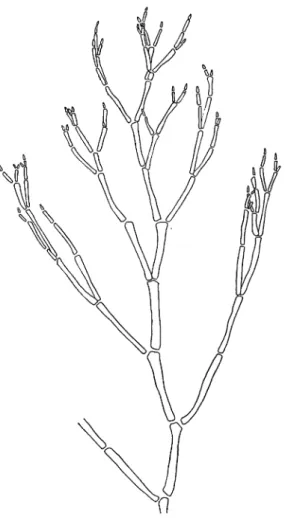
Fig 2. Callithamnion aglaothamnioides spec,
n o v .
Portions of filament. (X 130)
Aglaothamnion oosumiense spec. nov.
Fig. 4 A-E
Thalli epiphytici, ad 0.4 cm. alt., fruticulosi, axes per rhizoidea multicellularia affixos habentes; axes principales ecorticati ad basim 45 /x in diam. et cellulae 27
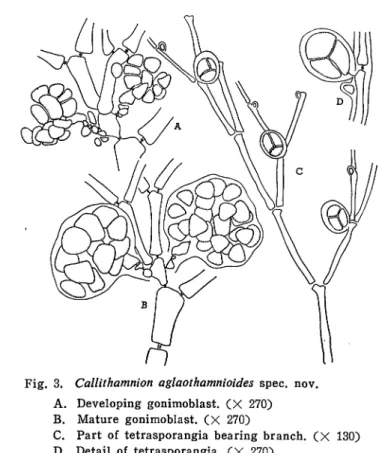
Fig. 3. Callithamnion aglaothamnioides spec. nov.
A. Developing gonimoblast. (X 270)
B. Mature gonimoblast. (X 270)
C. Part of tetrasporangia bearing branch. (X 130)
D. Detail of tetrasporangia. (X 270)
ix in diam., 2.5 plo longiore quam latam, attenuati; ramis ultimis 12-18 /x in diam.,
ca 4-5 plo longiore quam latam ramificatio e parte superiore cellularum succes-sivarum alterna, disticha, subdisticha supra; cellulis inferioribus axium princi-palium partim sine ramis ; rami autem ultimis terminaliter obtuse, cellulis 12-18
/x in diam., 3-4 plo longiore quam latam; glandicellulae nullae ; tetrasporangia
tetraedrice divisa, sessilis, cum involucro crasso ca 70x27 fx in diam.; sperma-tangia pulvinato, adaxialia in ramis ultimis; cystocarpi bini, lobes humiles ir-regulare habentes.
Plants epiphytic, 0.4 cm. high or less, consisting of several erect axes from a rhizoidal attachment; erect axes 45 ju in diameter near the base, of cells 27 ju in diameter and 2.5 times as long as broad, gradually tapering towards the ultimate branches measuring 12-18 /x in diameter and about 4-5 times as long as broad; branching alternate and pinnate, distichous becoming subdistichous above; lower axes (5-7 cells from base) not provided with branches; branchlets not terminat ing in a hair, lateral branches with probably to 3 orders of branchlets; the ultimate ones 12-18 ju in diameter and 3-4 times as long as broad, with blunt apex; gland cells absent; tetrasporangia long, ovate, measuring 70 by 27 /x includ ing thick envelope, tripartitely divided; spermatangia sessile, in pulvinate groups on the adaxial side of branchlets; cystocarps binate, the lobes irregular.
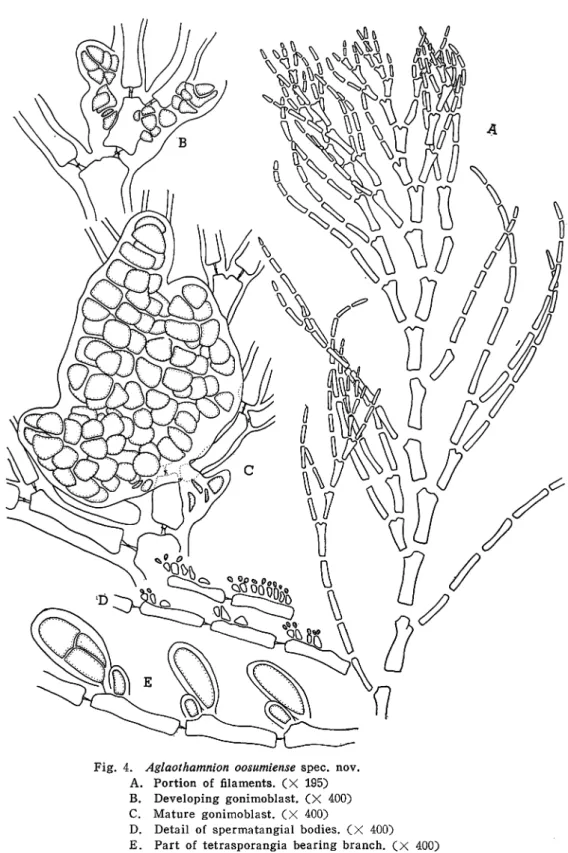
Fig. 4. Aglaothamnion oosumiense spec. nov.
A. Portion of filaments. (X 195) B. Developing gonimoblast. (X 400) C. Mature gonimoblast. (X 400)
D. Detail of spermatangial bodies. (X 400) E. Part of tetrasporangia bearing branch. (X 400)
Hab. : Tajiri, Oosumi Peninsula. Growing at the depth of about 20, m. Collected on June 13, 1966. no. 19717.
Vegetatively, the external features of the present new species show one of the variant of Aglaothamnion cordatum, but are distinguishable from other up-to-now known species of genus Aglaothamnion by its branching manner. Thus, branches of the present southern Japanese species are formed alternately and distichously all over the frond. It seems that the present species is one of the members of the genus Callithamnion, but the structures of sexual reproductive organs are ample enough for us to regard the present species as a member of genus Aglao thamnion.
The present new species is also similar to Callithamnion paschale in its vegeta tive features, but it differs from it in its simple lateral branches. C. paschale
bears the branches more complicated than those of the present species. Among the species of genus Aglaothamnion, A. oosumiense is most nearly related to A.
tenuis-simum but is easily distinguishable on the grounds of its branching manner. The
branching manner of the present species is wholly distichous, while in A.
tenuis-simum the branches are formed distichously in the upper parts and are multi
farious in the lower parts.
Aglaothamnion cordatum (B0rgesen) Feldmann-Mazoyer
Fig. 5 A-C
Ceram. Mediter., (1940) p. 459; Dawson, Mar. Red Alg. Pacif. Mexico, (1962) p. 36, pi. 12 figs. 1-3.
Plants epiphytic, about 1 cm. tall, attached by loose, descending rhizoidal fila
ments ; principal axes about 135 jx in diameter, of cells 70 ll in diameter and 2
times as long as broad at the base, forming delicate tufts, axial cells longer ab
ove, 3-4 diameters long, gradually attenuated through successive branch orders ;
principal branching regularly alternate, spiral, multifarious, formed on the distal
end of axial cells, the basal cell of lateral branches often producing single slender, descending, closely oppressed rhizoidal filament especially in the lower
parts of the plants, rhizoids about 18 ll in diameter; lateral branches with 4 or
more orders of dichotomous branches; branch tips with minutely blunt tips or
rarely terminating into short hair, all ascending and inwardly curved;
sperma-tangia borne in pulvinate adaxial clusters along branchlets of last several orders ;
cystocarps binate, the lobes irregularly heart-shaped or triangular ; tetrasporangi
al plants not seen in the southern Japanese specimens.
Hab.: Tatsugo, Amami Island. Growing at the depth of about 50 m. Collected on June
27, 1970. no. 19718. Additional materials were collected at Koniya, Amami Island,
growing on the frond of Liagora spec, at the depth of about 18 m.
Distr.: Virgin Island (B^rgesen 1909 : 10; 1917: 216) ; Pacific Baja California (Dawson
1962: 36).
Syn.: Callithamnion cordatum B^rgesen (1909: 10)
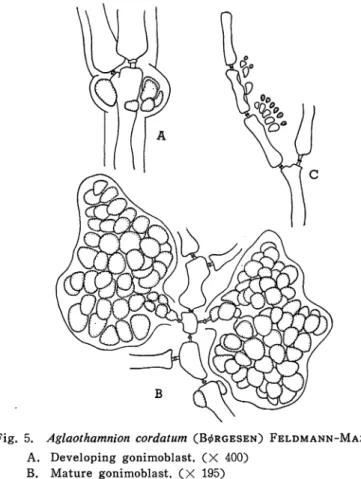
de-Fig. 5. Aglaothamnion cordatum (B^rgesen) Feldmann-Mazoyer
A. Developing gonimoblast. (X 400) B. Mature gonimoblast. (X 195)
C. Part of spermatangia bearing branch. (X 400)
scriptions made by Dawson (1962 : 36) on the specimens from Pacific Baja, Cali fornia and with the original descriptions and figures on the specimens of Cal
lithamnion cordatum made by B^rgesen (1909 : 10).
Minute examinations of the present southern Japanese specimens of this spe cies, show a slight difference, in comparison with the descriptions mentioned above. Judging from the previously described notes and figures, branchlets are not terminally provided with hairs but in our southern Japanse specimens of this species it bears hairs on the terminal cells of the branchlets. But this case is rather unusual in our specimen, and seem to be of no taxonomic value.
Aglaothamnion neglectum Feldmann-Mazoyer
Fig. 6 A-E
Ceram. Mediter. (1940) p. 459, figs. 181-183 ; Joly, Fl. Mar., (1965) p. 203.
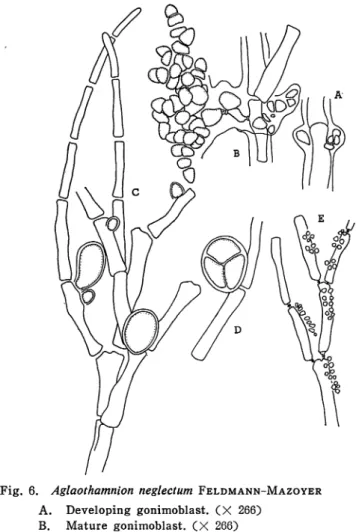
Plants epiphytic, solitary, 0.7 cm. tall, attached by little branched, slender nu merous rhizoidal filament measuring about 15 m in diameter; several erect,
multi-farious axes from a rhizoidal attachments; erect axes 120 ll in diameter near the base, of cells 70 ll in diameter and 1.5 times as long as broad; axial cells long above, gradually tapering the successive branch-orders ; axes of middle part about 30 ll in diameter, of cells 20 ll in diameter and 7 times as long as broad, ultimate branchlets 12 ll in diameter and of cells 5 times as long as broad, apex of branch and branchlets blunt measuring about 6-8 ll in diameter ; principal branching alternate, spiral, multifarious, branches from the distal end of the re spective axial cells ; lateral branches with 4 orders of branchlets ; tetrasporangia scattered throughout the upper branches, formed adaxially on upper distal end of cells, solitary, sessile, subspherical, about 45 ll in diameter including thick en velope ; spermatangia in spreading adaxial tufts along upper branchlets; cysto carps binate, lobed irregularly.
Hab.: Tanegashima. Growing on the frond of Codium spec, at the depth of about 30 m.
Fig. 6. Aglaothamnion neglectum Feldmann-Mazoyer
A. Developing gonimoblast. (X 266) B. Mature gonimoblast. (X 266)
C-D. Parts of tetrasporangia bearing branches. (X 266)
Collected on Oct. 2, 1968. no. 19719.
Distr.: The Mediterranean (Feldmann-Mazoyer 1940: 459) ; Brazil (Joly 1965: 203)
The plants were growing crowded together upon the frond of Codium spec. fastened to the host by means of rhizoids. Mostly, the basal cells or the 2nd cells from the base of the principal erect axes produce longitudinally elongated rhizoidal filaments, and these rhizoidal filaments penetrate the host tissue; i. e. between the utricles of the Codium spec, so as to fasten the plants. These rhi zoidal filaments which penetrate deeply are colorless and little branched, tips of rhiziods are blunt. Sometimes, rhizoids of different features are observable, viz., rhizoids whose tips never penetrate the host-tissue are found. These rhizoids are irregularly ramified and their tips are discoid, creeping upon the host tissue. The plants described here are quite similar to the descriptions and illustra tions of A. neglectum made by Feldmann-Mazoyer.
Seirospora occidentalis B0rgesen
Fig. 7 A-C
West Indi. Florid., (1909) p. 14; Rhodo. Danish W. Indi., (1917) p. 222 ; De Toni Syll. Alg. 6, (1924) p. 482.
Thalli epiphytic, about 0.7 cm tall, forming delicate tufts ; principal axes about 135 ll in diameter near the base, attached by slender, little branched, multicel lular rhizoids, the cells 75 ll in diameter and about 1.5 times as long as broad near the base ; gradually reduced to the ultimate branchlets ; axes of middle parts about 85 ll in diameter, of cells 60 ll in diameter and 4.5 times as long as broad ; terminal cells of ultimate branches much shorter, measuring 6 ll in dia meter and about 2 times as long as broad; axial cells longer above ; gradually attenuate through the successive branch orders ; principal branching alternate, spiral, multifarious, formed from the upper distal end of axial cells ; lateral bran ches with a deciduous hairs on the tops ; tetrasporangia scattered throughout the upper branches, adaxial, sessile, ovoid, 57 ll in diameter including envelope, tri partite ; cystocarps binate, bearing longitudinally chained carpospores, carpospores spherical measuring 39-42 ll in diameter; spermatangia and seirospores not seen.
Japanese name : Beni Isobudo (nom. nov.)
Hab.: Koniya, Amami Island. Growing on the frond of Liagora spec, at the depth of
a-bout 18 m. Collected on June 29, 1970 no. 197110. Distr.: Danish West Indies (Btfrgesen 1909: 14; 1917: 222).
Up to now, several species of genus Seirospora have been described from the Atlantic and the Mediterranean (De Toni 1903 : 1344; 1924: 480; B^rgesen 1909: 14; 1917; 222 ; Feldmann-Mazoyer 1940 : 438), and no species of this genus has
ever been described from the Pacific area within the present author's knowledge.
Therefore, this seems to be the first record of this genus from the Pacific area.
The species described here is S. occidentalis established by B^rgesen (1909 :14)
from Danish West Indies.
The specimen of S. occidentalis from southern part of
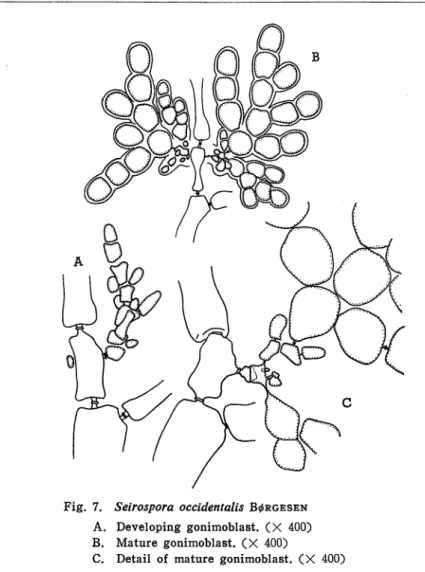
Fig. 7. Seirospora occidentalis B^rgesen
A. Developing gonimoblast. (X 400)
B. Mature gonimoblast. (X 400)
C. Detail of mature gonimoblast. (X 400)
Japan coincides well with the descriptions made by B^rgesen, although only one specimen is at hand. The southern Japanese specimen bears well developed cystocarps and the fragment of tetrasporangial branch, but spermatangial bodies and seirospores are not to be seen. The vegetative structures of the present species are quite similar to those of Aglaothamnion, but the major keys to the differences between the genera Seirospora and Aglaothamnion are the structure of cystocarps and the presence of seirospore. The present southern Japanese speci men lacks seirospore, which makes it impossible for the author to make a dis cussion on this. The gonimoblasts of genus Aglaothamnion form a cordiform or angular, lobed gonimoblasts, while those of genus Seirospora form carpospores which appear as if they were chained longitudinally and moniliformly (Fig. 7
A-C).
Thus, the female reproductive organs of genus Seirospora are amply peculiar
to make it easy to fix the present species as a different one from that of genus
S. occidentalis is vegetatively quite similar to that of Callithamnion aglaothamniodes,
as described in this paper, but the external features of the cystocarps are quite
different.Pleonosporium japonicum spec. nov.
Fig. 8 A-C
Thalli penicillatim ramosi, ad 1.5 cm. alt., constantes ex axibus multis ramosis erectis, e massa rhizoiderorum adhaerentium formantium orientibus ; axes erecti ad basim 85 ll in diam., e cellulis 36 ll in diam. ca 2 plo longiore quam latam, cellulis axibus superiore 2.5 plo longiore quam latam, ramis ultimis terminaliter obtusis ; ramificatio e parte superiore cellularum successivarum alterna, disticha, 3 ordines ramorum habentes, cellulis rami basalibus gracilis descendere filamentis habentes, e cellulis basalibus saepissime ultimis ramis habentes, ramis adaxialiter curvatis ; ad ramos ultimos ca 12 ll in diam per longitudinem gradatim attenuati; procarpi terminalibus ; spermatangia et tetrasporangia non visae.
Plants 1.5 cm. high, epiphytic, forming delicate tufts, consisting of several
Fig. 8. Pleonosporium japonicum spec. nov.
A. Part of filaments provided with procarps terminally. (X 287) B. Detail of procarp. (X 430)
erect axes from rhizoidal attachmet; attachment by digitate holdfast; axes 85
ll in diameter near the base, of cells 36 ll in diameter and about 2 times as long
as broad; alternately and distichously branched from the upper distal end of axial cells; basal cells and those next to the basal cell of each lateral branch in lower parts rarely bear single, slender, descending, closely appressed rhizoid; lateral branches with 3 orders of branchlets, provided with branchlets alternately, usual ly bearing branchlets from the basal most cell; axial cells slightly longer above, 2.5 diameters long, gradually attenuate through the successive branch orders ; ultimate branches about 12 ll in diameter, with blunt tips, all ascending and curved inwardly; procarps terminal on axes ; spermatangia and tetrasporangia not
s e e n .
Hab.: Yurinohama, Yoron Island. Collected on August 23, 1967. no. 197111.
In its vegetative features, the present minute species of genus Pleonosporium reminds us of P. tohyamanum, as described by Tokida and Inaba (1950 : 130) from northern Japan. But the presence of branchlets in the present southern Japanese species in some of the basal most cell of lateral branches is ample enough to regard it as a distinct species. Mostly, especially in the lower parts of the frond, the lateral branches are usually provided with ascending single branchlet from the basal most cell laterally; but the lateral branches, especially in the middle- and upper-parts of fronds, often lack branchlets and the basal most branch-lets are arising adaxially from the second cells of the lateral branches. These features of this species are the most striking dfferences in comparison with the up-to-now described species.
In the north Pacific species of this genus, the species whose lateral branches are usually bearing branchlets from the basal most cell, are restricted to only three species. They are P. abysicola, P. squarrosum and P. vancouverianum. But in these three species, the basal most branchlets are formed abaxially. In the present species the basal most branchlets tend to be formed, laterally rather than abaxially, from the basal most cells of lateral branches. In this respect the present new species is distinct.
Pleonosporium polymorpha spec. nov.
Fig. 9 A-C, Fig. 10 A-G
Thalli epiphytici, impedire ramosi, frequentes massa rhizoiderorum adhaeren tium f ormanteum orientibus ; axes erecti ad basim ca 120 ll in diam., cellulis ca 55 ll in diam., 1-1.5 plo longiore quam latam ; ramificatio alterna, disticha ; cellulis basalibus ramium principalium saepissime gracilis descendre filamentis habentes; cellulis inferioribus ramium principalium partim sine ramis ; cellulis superioribus ramium principalium frequentes cum ramis alterna, disticha, frequentes termi nalibus cum rhizoiderorum adhaerentium; polysporangia creati irregulariter in ramis ultimis, sessilis, cum involucro crasso ca. 80 ll in diam., ca 32 sporas con-tinentia, f erentibus; spermatangia pedicellatique, subcylindracea, 40 ll in diam. e
80 ll longioribus, seriata in ramulis lateralibus determinates adaxilaliae; procarpi subspherici terminalibus in partibus thalli ferentibus.
Plants epiphytic, entangled, attached by numerous rhizoidal filaments ; erect axes about 120 ll in diameter, of cells about 55 ll in diameter and 1-1.5 times as long as broad, provided with lateral branches alternately and distichously; basal cells of lateral branches in lower parts of plants sometimes bear a single, ap-pressed, unbranched descending filaments; lateral branches unbranched near the base and provided terminally with branchlets alternately and distichously, ter minal cells of branches blunt or sometimes turned into rhizoidal filaments; poly-sorangia spherical, sessile, about 80 ll in diameter including thick envelope, con taining about 32 spores, seriate or irregularly formed along branchlets of last several orders ; spermatangial clusters pedicellate, subcylindrical, 40 M in dia meter and 80 ll long, pedicel about 12 ll in diameter, seriate on adaxial side of branchlets ; procarps subterminal on branchlets.
Pleonosporium polymorpha spec. nov.
Part of axes with distichously and alternately provided lateral branches.
(X 39)
Part of densely branched parts of thallus. (X 100)
Eig. 10. Pleonosporium polymorpha spec. nov.
A. Parts of filaments with procarps. (X 87) B-C. Detail of procarps. (X 433)
D. Detail of young spermatangial bodies. (X 433)
E. Part of filament provided with spermatangial bodies secundly. (X 87)
F. Detail of mature spermatangial bodies. (X 433)
G. Detail of polysporangium. (X 433)
Japanese name: Motsure kusudama (nom. nov.)
Hab.: Suno, Amami Island. Growing at the depth of about 10 m. Collected on August 30,
1967. no. 197112.
:JThe plants described here as a new species are vegetatively closely related to
P. pusillum. But the present species is easily distinguishable both by its vegetative
and fertile structures. Concerning the fertile structures, the polysporangial
structures present a very reliable characteristic. Such that, the polysporangia
of the present species contain about 32 spores and are formed irregularly along
the fertile determinate branchlets ; however in P. pusillum they contain about 12
spores and are formed seriately along the adaxial side of lateral branches.
As
to the spermatangial clusters, there is no difference between these two species except their sizes, and furthermore, P. polymorpha lacks mature cytsocarp bearing
only young procarps and P.pusillum lacks young procarps; therefore it is almost
As to the vegetative structures, the erect principal axes bear the branches
alternately and distichously as it does in P. pusillum, but the lateral branching
are provided with branchlets frequently, alternately and distichously Some parts
of these branchlets are transformed into rhizoids and much deformed. The basal cells of lateral branches in lower parts sometimes cut off the descending, uniseriate, unbranched or little branched rhizoidal filaments which terminate into blunt apex or modified as attachment-organs. These features described above are basically enough to make a distinction between these two species.Dawson (1962 : 42) described P. rhizoideum from Pacific Mexico. The sporangia of this Pacific Mexican species are formed alternately in groups and in this re spect, the plant of this species is distinct.
Pleonosporium pusillum Yamada
Fig. 11 A-B
Note. Jap. Alg., (1932) p. 121 fig. 5; Womersley and Bailey, Mar. alg. Solomon Is., (1970) p. 325.
Plants epiphytic, 0.5 cm. tall, consisting of a tuft of axes from a multicel lular, little branched rhizoidal attachments; erect axes about 100 ll in diameter, of cells 80-90 ll in diameter and 1.1-1.2 times as long as broad; erect
indeter-Fig. 11. Preonosporium pusillum Yamada
A. Part of axes provided with lateral branches and polysporangia.
(X 66)
minate part unbranched provided with distichous, alternately formed lateral bran ches, lateral branches unbranched, simple, about 50 ll in diameter near the base, of cells 30 ax in diameter and about 2.5 times as long as broad, gradually at tenuate towards the tips, tips blunt measuring about 21 ax in diameter, inwardly curved or straight; polysporangia subspherical or spherical, 65 ll in diameter in cluding thick envelope, sessile, formed seriately along the adaxial side of lateral branches, containing about 12 spores; spermatangia clusters subcylindrical, about 45 ll in diameter and 60 ax long, seriate along adaxial side of lateral branches, pedicellate, pedicels about 12 ll in diameter; cystocarps subterminal on the axes.
Hab.: Yo, Amami Island. Growing in tide pool. Collected on May 1969. no. 197113. Distr.: Riu Kiu (Yamada 1932: 121) ; Solomon Is. (Womersley and Bailey 1970: 325)
The present species was reported originally from Riu-Kiu Island by Yamada. There were no descriptions on the type descriptions about the sexual reproductive organs, however, in the present southern Japanese specimens both male and fem ale reproductions are found, besides polysporangia. The presence of male and polysporangial plants was already reported by Womersley and Bailey (1970:325). The spermatangial clusters are formed from the adaxial side of lateral bran ches and seriately arranged along the adaxial side of lateral branches, appearing like that of P. polymorpha as described in this paper.
Mesothamnion caribaeum B^rgesen
Fig. 12 A-F
Rhodo. Danish W Indi., (1917) p. 208 figs. 194-200; Dawson, Mar. PI. Nha Trang, (1954) p. 444 fig. 54 a-b.
Plants epiphytic, 1.5 cm. high, consisting of several erect axes from a rhizoid al attachments; rhizoidal attachment filaments from basal part of axes ; erect axes about 123 ll in diameter near the base, of cells 75 ax in diameter and about 1.5 times as long as broad, gradually reduced its diameter towards the ultimate branches and branchlets measuring about 6 ll in diameter; branching at tenuate, spiral multifarious of several orders, the ultimate one about 6 ll in di ameter, of cells 2.5 times as long as broad, branch tips blunt; gland cells absent; tetrasporangia ssesile, spherical, about 50 ax in diameter including thick envelope, adaxial along the upper branches, tripartite or sometimes turned into polys porangia ; spermatangia forming terminal subcylindrical, elongate-capitate clusters on short branchlets ; cystocarps terminal, containing densely compact carpospores.
Japanese name: Nankai kudakoginu (nom. nov.)
Hab.: Tatsugo, Amami Island. Growing at the depth of about 30m. Collected on June 28,
1970. no. 197114.
Distr.: Danish West Indies (B^rgesen 1917: 208); South Viet Nam (Dawson 1954: 444).
Up to now, three species are allied to genus Mesothamnion. They are M. cari
baeum, M. boergeseni and M. yagii. M. boergeseni has been described from Brazil
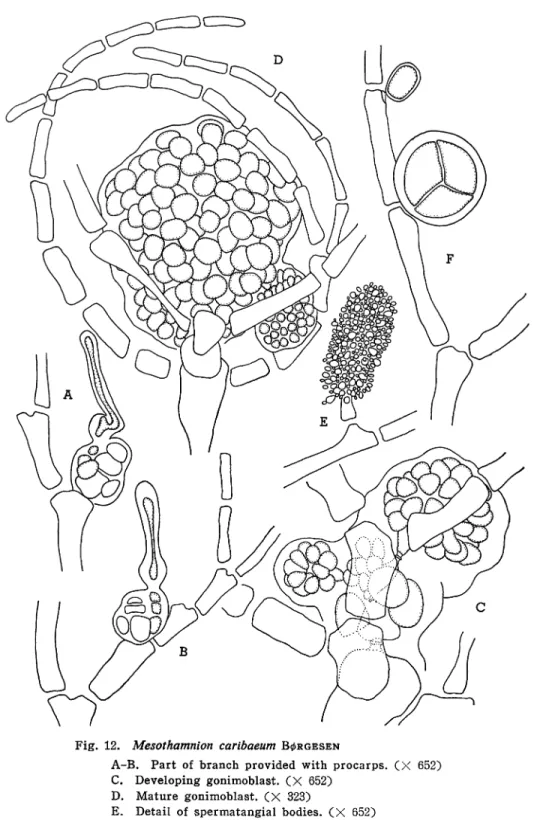
Fig. 12. Mesothamnion caribaeum B^rgesen
A-B. Part of branch provided with procarps. (X 652) C. Developing gonimoblast. (X 652)
D. Mature gonimoblast. (X 323)
E. Detail of spermatangial bodies. (X 652) F. Part of tetrasporangia bearing branch. (X 652)
appears, vegetatively to be one of the members of the genus Pleonosporum. M.
caribaeum and M. yagii bear the branches alternately and polystichously.
The plant described here, M. caribaeum, was described originally from the
Cari-bean Sea (B^rgesen 1917: 203), but Dawson (1954 : 444) described this species from
South Viet Nam. Dawson's description was the first record on the presence of
this peculiar and interesting species from the Pacific area far from the type-locality. But the present author was able to collect the same species from the southern part of Japan.
The plants from southern Japan bear well-developed sexual reproductive organs. In comparison with the original descriptions of this species made by B^rgesen (1917; 208), the present specimens show a close affinity with B$rgesen's descrip tions in its external features. But a closer examination shows some dif ferences. Namely, although our specimens at hand bear the well matured repro ductive organs and it seem to be matured vegetatively, they are much smaller in the size of their primary axes, lateral branches and so forth. Most striking difference lies in the asexual reproduction. The polysporangia, aside from tetras porangia, are formed in our southern Japanese materials. Concerning polys porangia, B$rgesen mentioned none in his paper; nevertheless, in our materials, the tetrasporangia continue to divide and produce polysporangia. Joly (1957 : 142) and Yamada (1968 : 374) described about the occurence of polysporangia in the present genus.
Acknowledgement
I wish to express my thanks to Dr. T. Tanaka, Department of Botany, Faculty ^.f Fisheries, Kagoshima University, for his kind help during this study.
Literature Cited
B^rgesen, F. (1909): Some new or little known West Indian Florideae. Bot., Tidssk. 30, 1-19. (1917): The marine algae of the Danish West Indies. Ill Rhodophyceae. Dansk. Bot. Arkiv.
3 (1): 1-504.
(1924): Marine algae from Easter Island. Nat. Hist. Juan Fernandez and Easter Is. 2,
247-309.
Dawson, E. Y. (1944) : The marine algae of the Gulf of California. A. Hancock Pacif. Exped.
3, 189-464.
(1959) : Marine algae from the 1958 cruise of the Stella Polaris in the Gulf of California.
Los Angeles Co. Museum Contri. Sci. 27, 1-39.
(1962) : Marine red algae of Pacific Mexico. Pt. 7. 106 pp.+50 pis. (Univ. South. California
Press).
De Toni, G. B. (1903) : Sylloge algarum omnium hucusque cognitarum. Vol 4 Florideae, Sec. 3.
pp. 775-1525. (Padua).
(1924): Ibid Vol. 6 Florideae. xi+767 pp. (Padua).
Funk, G. (1927) : Die Algenvegetation des Golfes von Neapel. Publ. Staz. Zool. Napoli 7 (Suppi.), 1-507.
Feldmann-Mazoyer, G. (1940) : Recherches sur les Ceramiacees de la Mediterranee Occidentale.
510 pp. (Algiers),
San-tos Arredores. Bol. Fac. Fil. Cienc. Letr., Univ. S. Paulo, Bot. 14, 1-196.
(1965) : Flora marinha do litoral norte do estado de San Paulo e regioes Circumvizinhas.
ibid. 21, 1-267.
Kawashima, S. (1957) : Notes on Some Marine Algae from the Northern Honshu, (2). Bull. Jap.
Soc. Phycol. Jap. Soc. Phycol. 5 (3), 67-73.
(1960) : ibid (4). Ibid 8 (3), 100-107.
Kylin, H. (1925) : The marine algae in the biological station at Friday Harbor, Wash. Lunds
Univ. Arsskr., N. F., Avd. 21 (9), 187.
(1956) : Die Gattungen der Rhodophyceen. xv+673 pp. (C. W. K. Gleerups, Lund). Noda, M. (1964) : Marine algae in the vicinity of the Shioyazaki Cape, Fukushima Prefecture.
J. Fac. Sci. Niigata Univ. Ser. II, 4, 33-75.
(1967) : The species of Ceramiaceae from Sado Island in the Japan Sea. Sci. Rep. Niigata
Univ. 4, 9-31.
(1970) : Some Marine Algae collected on the Coast of Iwagasaki, Prov. Echigo facing the Japan Sea. Ibid 7, 27-35.
and T. Kitami (1971) : Some Species of Marine Algae from Echigo Province facing the Ja
pan Sea. Ibid 8, 35-52.
Smith, G. M. (1944): Marine algae of the Monterey Peninsula, California, ix+622 pp., 98 pis.
(Stanford, Calif.).
Tokida, J. and T. Inaba (1950) : Contributions to the knowledge of the Pacific species of An
tithamnion and related algae. Pacif. Sci. 4 (2), 118-134.
Womersley, H. B. S. and A. Bailey (1970) : Marine Algae of the Solomon Island. Phil. Trans. Royal Soc. 259 (830), 257-352.
Yamada, Y. (1932): Notes on some Japanese algae III. Jour. Fac Sci., Hokkaido Imp. Univ.V. 1
(3), 109-123.
(1932) : ibid IV. Ibid 2 (2), 267-276.
• (1944) : A list of marine algae from the atoll of Ant. Sci. Pap. Ins. Algol. Res. Fac. Sci.
Hokkaido Imp. Univ. 3 (1), 31-45.
(1968): Two new marine algae from Japan. Jour. Jap. Bot. 43 (10-11 Asahina Comm. Num
ber), 372-377.