厚生労働科学研究費補助金(化学リスク研究事業)
化学物質の動物個体レベルの免疫毒性データ集積とそれに基づくMulti-ImmunoTox assay
(MITA)による予測性試験法の確立と国際標準化 令和2年度分担研究報告書
免疫毒性データの集積、国際標準化へ向けてのvalidation試験の計画、国際会議の企画、進行
分担研究者 小島 肇
国立医薬品食品衛生研究所 安全性生物試験研究センター 安全性予測評価部 室長
研究要旨
in vitro免疫毒性評価試験法(Multi-ImmunoTox assay:MITA)に含まれるIL-1β Lucアッセ
イ及び新たに相場らによって開発されたIL-2 Lucアッセイの変法であるIL-2 Luc LTT アッ セイを、経済協力開発機構(Organisation for Economic Co-operation and Development:OECD) の試験法ガイドライン(Test Guideline:TG)として公定化するため、国際バリデーション 研究を施行した。本年度、IL-1β Lucアッセイに関しては、相場らの作成したバリデーショ ン報告書案をもとにVMTで議論した。新たにバリデーションを開始したIL-2 Luc LTT アッ セイについては、施設内及び施設間再現性を検証するため、バリデーション研究(phase I)
を実施した。その結果、いずれの施設も目標値である80%を達成でき、追加物質で施設間 再現性を検証するためのPhase IIに移行できた。
研究協力者氏名・所属機関名及び所属機関におけ る職名
相場節也 東北大学医学系研究科・医学部・皮 膚科学分野教授
木村 裕 東北大学医学系研究科・医学部・皮 膚科学分野准教授
足利太可雄 国立医薬品食品衛生研究所 安全性 生物試験研究センター 安全性予測 評価部主任研究員
A.研究目的
in vitro 免疫毒性評価試験法(Multi-ImmunoTox
assay:MITA)に含まれるIL-1β Lucアッセイ及び
新たに相場らによって開発されたIL-2 Lucアッセ イの変法であるIL-2 Luc LTT アッセイを、経済協
力 開 発 機 構 ( Organisation for Economic Co-operation and Development:OECD)の試験法ガ イドライン(Test Guideline:TG)として公定化す るため、国際バリデーション研究を施行する。
B.研究方法
B-1. IL-1β Lucアッセイのバリデーション研究の報 告書の作成
免疫毒性データを集積し、IL-1β Luc assay(国際バ リデーション研究 phase I、IIが既に終了)の最終結 果を反映した報告書案が相場らによって、MITAに 関する国際バリデーション実行委員会(Validation Management Team: VMT、表1)に提出された。な お、この報告書の中で、私はデータの品質管理
(Quality Control: QC)にあたる部分の記載と appendixの作成を担当した。
本報告書内容の合意を得るため、VMT電話会議 を企画した。
B-2. IL-2 Luc LTT アッセイバリデーション研究の 実験支援
B-2-1. IL-2 Luc LTT アッセイバリデーション被 験物質の送付
VMTの電話会議でバリデーション計画につい て議論した後、IL-2 Luc LTT アッセイの技術移転 性を評価するため、Phase0(以下、Phase 0と記す) として3物質を各施設に配布した。次に、Phase I (以 下、Phase Iと記す)のために選ばれた5物質をコー ド化し、施設内及び施設間再現性を評価するため に各施設に送付した。
また、Phase I終了後、Phase II (以下、Phase IIと 記す)のために選ばれた20物質をコード化し、施設 間再現性を評価するために各施設に送付した。
被験物質は、電話会議にて、相場らが取得した 実験結果のある物質を用いて選択された。
B-2-2. IL-2 Luc LTT アッセイバリデーション結 果の記録確認
Phase I で用いられた各施設の記録用紙及びデ
ータを回収し、まとめた。
C.結果
C-1. IL-1β Lucアッセイのバリデーション研究
の報告書作成
相場らが作成したバリデーション報告書案につ いて、VMTにて検討した。この報告書の中で、QC 報告書及びAppendixを作成した(添付資料1~3)。 QCの 結 果 、 い ず れ もGLP(Good Laboratory
Procedure)施設ではないが、すべての結果はプロ
トコルに準じて求められ、実験に関わるすべての 記録も適切になされていることを確認した。
電話会議は7月21日(添付資料4)、9月8日(添 付資料5)、1月7日(添付資料6)に開催され、主 に本アッセイの免疫毒性における科学的な位置づ
け、予測性、予測性値を改善するための方法など について議論された。
本アッセイの指標であるIL-1βは自然免疫に関与 するTol受容体に関与し、妥当な指標である合意は 取れた。しかし、in houseデータを用いて予測値を 検討したところ、まだVMTの合意は得られておら ず、議論が続いている。
C-2. バリデーション研究の実験支援
C-2-1. IL-2 Luc LTTアッセイバリデーション被 験物質の送付
VMTにて新たな試験法であるIL-2 Luc LTTアッ セイバリデーション計画を議論し、その計画(添 付資料7)が合意された。まず技術移転性を評価す
るため、Phase0として3物質を各施設に配布した(表
2)。Phase0で良好な技術移転性を確認した後(添付
資料8)、Phase Iとして施設間再現性を求めるため
にVMTにて選ばれた5物質を、コード化してリー ド施設を含む参加3施設に送付した。表3に被験物 質のコード番号を示す。結果としてPhase Iにおけ る各施設の結果はすべて一致し、いずれの施設も 施設内及び施設間再現性の目標値である80%を達 成できた(結果は本報告書には示していない)。
なお、Phase IIが進行中であることもあり、各施
設に配布した被験物質名は本報告書ではまだ公開 できない。
実験の終了まで、被験物質による誤使用などに よる健康障害などのトラブルは生じなかった。
C-2-2. IL-2 Luc LTTバリデーション結果の記録 確認
Phase I終了後に回収した記録用紙の一覧を添付 資料9に示した。施設によって一部記載の不備があ
ったが、GLPの精神に則り、適切に実験が実施され、
その記録が残されていることを確認し、VMTに提 示した。
D. 考察
MITAの一つであるIL-1β Lucアッセイの予測性 は、現状では高いものではない。大森らが統計学 的な処理を行って検討したが、予測性を高めるこ とができなかった。特に、特異度が低いことから、
バリデーション報告書の完成にはもう少し時間が 必要と考えている。
一方、MITAのもう一つの試験法であるIL-2 Luc LTTアッセイのバリデーション研究のphase Iは無 事終了した。追加実験なく、phase IIに移行するこ とができた。
来年度以降、Phase IIの終了を受け、バリデーシ ョン報告書が作成され、第三者評価委員会に移行 されることを期待している。
いずれの方法も将来的には、OECDにてTGと採 択されることを目指しており、来年度にはいずれ の方法もOECDに提案できる段階となると考えて いる。
E.結論
相場らにより開発されたMITAに含まれるIL-1β Lucアッセイ及びIL-2 Luc LTTアッセイの公定化を 目指すため、国際的なバリデーション研究を施行
した。IL-1β Lucアッセイについては、バリデーシ
ョン報告書をVMTで議論している。
新たにバリデーションを開始したIL-2 Lucアッセ イの変法であるIL-2 Luc LTTアッセイに関しては、
Phase Iにおいていずれの施設も施設内及び施設 間再現性の目標値である80%を達成でき、追加物 質で施設間再現性を検証するためのPhase IIに移 行できた。
F. 添付文書
1) Quality assurance report for IL-1β validation study 2) Appendix 17-1 IL-1β(P1)2018 Check List
3) Appendix 17-2 IL-1β(P2)2019 Check List
4)Minutes, Conference call for the MITA assay validation study on July 21th, 2020
5)Minutes, Conference call for the MITA assay validation study on September 8th, 2020
6)Minutes, Conference call for the MITA assay validation study on January 7th, 2021 7) Study plan for the validation trial on multicolor
reporter assay using IL-2 Luc leukocyte toxicity test (IL-2 Luc LTT) as a test evaluating the immunotoxic potential of chemicals 8) Results of Phase 0
9) IL-2 LTT (P1)2020 Check List
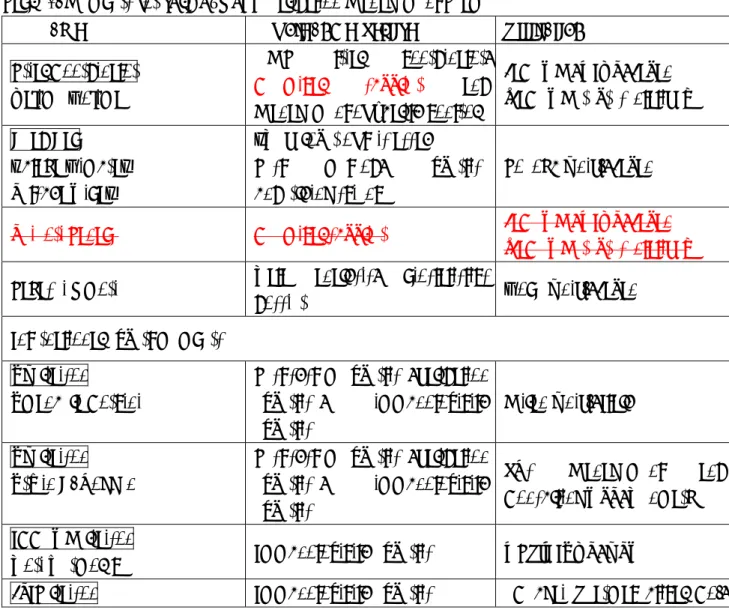
表1.2020年度 MITA国際バリデーション実行委員会及び参加施設の主なリスト
No. Name Affiliation Country
1 Emanuela Corsini Universit.AN` degli Studi di Milano Italy 2 Erwin L. Roggen 3Rs Management and Consulting ApS Denmark
3 Dori Germolec NIH/NIEHS USA
4 Tomoaki Inoue Chugai Pharmaceutical Co., Ltd. Japan
5 Setsuya Aiba Tohoku University Graduate School of Medicine Japan 6 Yutaka Kimura Tohoku University Graduate School of Medicine Japan 7 Yoshihiro Nakajima National Institute of Advanced Industrial Science and
Technology (AIST), Shikoku Japan
8 Rie Yasuno AIST, Tsukuba Japan
9 Takashi Omori Kobe University Japan
10 Nana Mashimo Kobe University Japan
11 K. Okayama Kobe University Japan
12 Hajime Kojima JaCVAM, National Institute of Health Sciences Japan
表2 IL-2 LTTアッセイ Phase 0 被験物質リスト
No. Chemical name CAS No. Storage Physicality Supplier 1 Bleomycin sulfate 9041-93-4 C(0〜10℃) Solid TCI
2 6-Thioguanine 154-42-7 R Solid TCI
3 Dexamathasone 50-02-2 C(2〜10℃) Solid WAKO
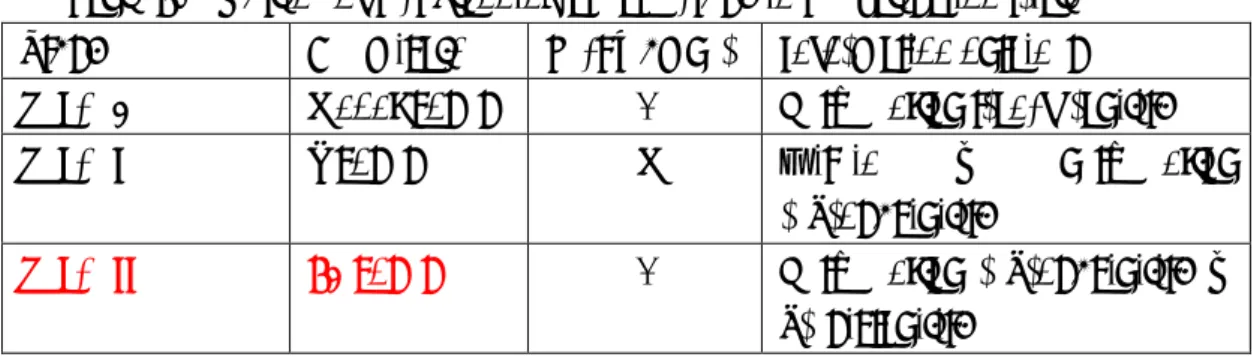
表3 IL-2 LTTアッセイ Phase I 被験物質コード表
G. 研究発表
G-1.学会誌・雑誌等における論文一覧
(国内誌 8 件、国際誌 2 件)
1.
山田 隆志, 足利 太可雄, 小島 肇
,広瀬 明彦: AOP (Adverse Outcome
Pathway;有害性発現経路)
に基づ
いた化学物質の安全性評価へ向け た チ ャ レ ン ジ
. Yakugaku Zasshi.2020;140(4):481-484.doi:
10.1248/yakushi.19-00190-1
2.
小島 肇:世界の化粧品における安 全性評価の現状と日本の立ち位置
-今後の代替法の見通し. フレグ ランスジャーナル, 202;9:30-36.
3.
小島 肇:OECD 試験法ガイドライン 開発における
CERIの国際貢献
. CERI NEWS, 2020;90:2-3.4.
小島 肇:AOP 及び
IATAに基づく安 全性評価手法の進捗. JETOC 40 周 年記念誌, 2020;71-101.
5. Mizoi K, Arakawa H, Yano K, Koyama S, Kojima H, Ogihara T:Utility of Three-Dimensional Cultures of Primary Human Hepatocytes (Spheroids) as Pharmacokinetic Models.
JBiomedicines. 2020;8(10):374. doi:
10.3390/biomedicines8100374
6. Kato Y, Yamamoto N, Hiramatsu N, Sato A, Kojima H:Inhouse Fabrication of a Reconstructed Human Corneal Epithelium Model for Use in Testing for Eye Irritation Potential. Applied in Vitro Toxicology, 2020;6(3), doi:
10.1089/aivt.2020.0003
7.
髙橋祐次, 小島肇
,栗原正明, 笠原 利彦,若栗忍, 萩野滋延, 本山径子:
急性経口毒性を予測するための
invitro
細 胞 毒 性 試 験
.AATEX-JaCVAM, 2020;9(1), 1-34.
8.
山本直樹
,小島肇
,佐々木正治
,竹 内 小 苗
,波 多 野 浩 太
,森 村 智 美
:2018年改定
OECD TG 438ニワ ト リ 眼 球 を 用 い た 眼 刺 激 性 試 験
(
Isolated Chicken Eye Test: ICE法)
. AATEX-JaCVAM, 2020;9(1), 35-42.9.
足利太可雄
,小島肇,平林容子
:日本 動 物 実 験 代 替 法 評 価 セ ン タ ー
(
JaCVAM)令 和 元 年 度 報 告 書
. AATEX-JaCVAM, 2020;9(1), 58-64.10.
尾上誠良
,上月裕一
,豊田明美
,笛 木修
,細井一弘
,小島 肇
,足利太可 雄
,小野寺 博志
:光安全性評価の 現状と課題
. YAKUGAKU ZASSHI, 2021, 141(1), 111-124.https://doi.org/10.1248/yakushi.20-00 148
G-2.学会・シンポジウム等における口頭・ポ スター発表
1.
小 島 肇
:安 全 性 評 価 に お け る
Replacementの概要
,第
47回日本毒 性学会学術年会(
2020.6.29, web開 催
)2.
小島 肇
: ICHにおける発生毒性代
替法の考え方
,第
60回日本先天異 常学会学術集会(
2020.7.12, web開 催)
3.
小島 肇
:化粧品安全性研究はどこ
まで進んでいるか
-国際情報・代替
法
-,アレルギー成分確認方法のエ
キスパートセミナー/多職種ワー
クショップ(
2020.8.30, web開催)
4.
深井悠貴
,溝井健太
,松本映子
,小 山智志
,矢野健太郎
,石田誠一
,小 島 肇
,荻 原 琢 男
: OECD/TGの
cytochrome P450誘導試験における
mRNA測 定 の 有 用 性
,第
27回
HAB研究機構学術年会(
2020.9.3-4,web
開催)
5. Kojima H, Ishida S: Challenge of standardization in the AMED-MPS project, Global Summit on Regulatory Science (GSRS20)
(
2020.9.30, web開 催)
6.
小島 肇
: OECDにおけるコンピュ
ーターモデルの行政的な受け入れ
, CBI学会
2020年大会(
2020.10.28,web
開催)
7.
小島 肇
:医薬品の発生毒性試験に ゼブラフィッシュ試験を利用する 上での期待,問題点,課題
,第
6回 ゼ ブ ラ フ ィ ッ シ ュ 創 薬 研 究 会
(
2020.10.30,つくば)
8.
赤木隆美
,村上将登
,宮崎裕美
,田
口浩之
,池田英史
,加藤雅一
,山田 知美
, Mura S, Couvreur P,足利太可 雄
,小島 肇
,明石 満
:三次元培養皮
膚モデル
LbL-3D Skinを用いた皮
膚刺激性試験代替法の バリデーシ ョン研究
,日本動物実験代替法学 会 第
33回大会(
2020.11.12, web開 催)
9.
水町秀之
,渡辺美香
,生悦住茉友
,梶原三智香
,安田美智代
,水野 誠
,今井教安
,佐久間めぐみ
,芝田桃子
,渡辺真一
,上野順子
, Basketter D, Eskes C, Hoffmann S, Lehmann D,足 利太可雄
,寒水孝司
,武吉正博
,宮 澤正明
,小島 肇
:皮膚感作性試験代
替法
Epidermal Sensitization Assay (EpiSensA)の
Validation研究
(施設
内再現性
Phase I),日本動物実験代
替法学会 第
33回大会(
2020.11.12,web
開催)
10.
木村 裕
,安野理恵
,渡辺美香
,小 林美和子
,岩城知子
,藤村千鶴
,近 江谷克裕
,山影康次
,中島芳浩
,真 下奈々
,岡山昂祐
,高木佑実
,大森 崇
,小 島 肇
,相 場 節 也
:Multi-ImmunoTox Assay (MITA):
IL-1 Luc assayバリデーシ ョン試験の結果
,日本動物実験代 替法学会 第
33回大会(
2020.11.12,web
開催)
11.
山口宏之
,押方 歩
,綿谷弘勝
,小島 肇
,竹澤俊明
:固体を含む被検物質に 使用可能な
Vitrigel-EIT法の改訂手 順の提案
,日本動物実験代替法学 会 第
33回大会(
2020.11.12, web開 催)
12.
浅野哲秀
,笠松俊夫
,北本幸子
,山 本 美 佳
,足 利 太 可 雄
,小 島 肇
,:Bhas42細 胞 形 質 転 換 試 験 法
(
Bhas 42 CTA)の評価
,日本環境 変異原学会第
49回大会 (
2020.11.27,沼津
,静岡および
web開催)
13.
小島 肇
:発生毒性代替法の状況と 方向性について
,第
2回日本生殖発 生毒性フォーラム(
2020.11.28, web開催)
14. Kojima H: Establishment of the Asian Consortium for Three R’s,The 26th Frontier Scientists Workshop (2020.12.
18, Korea, web
開催
)15. Kojima H: Establishment of the Asian Consortium for Three R’s with
SAAE-I, International Webinar & 3rd National Conference of the Society for Alternatives to Animal Experiments (IWSAAE& NCSAAE-2020) (2020.12.28, India, web
開催
)16. Kojima H: Non-animal Alternative Toxicology and Regulatory Testing:
An Update from Japan. Virtual International Conference to Mark the Launch of the Society for Alternatives to Animal Testing in Sri Lanka (SAAT-SL)(2020.2.7,Sri Lanka, web
開催
)H. 知的所有権の取得状況 H-1)特許取得
特になし
H-2)実用新案登録 特になし H-3)その他 特になし
Appendix 16 QC for IL-1 β validation(R1)
Quality assurance report for IL-1β validation study
Hajime Kojima and Asako Ueda JaCVAM, NIHS
2020.3.31
Appendix 16 QC for IL-1 β validation(R1)
1.Chemical distribution
1-1. Chemical Acquisition, Coding and Distribution
The assessment of laboratory transferability, and within- and between-laboratory reproducibility and predictivity, in all test facilities were performed with the coded chemicals. The coding was supervised by JaCVAM (See Appendix 1). JaCVAM was responsible for coding and distributing the test chemicals for the validation study.
1-2. Handling
The chemical master at each test facility received complete information considered essential regarding the test chemicals (physical state, weight or volume of sample, specific density for liquid test chemicals, and storage instructions) by JaCVAM. Moreover, the test facility chemical master stored each chemical at conditions in accordance with the storage instructions and received sealed safety information such as the Material Safety Data Sheet (MSDS) describing the hazards identification and exposure controls/personal protection for each chemical (See Appendix 2.1 and 2.2). The test chemicals were delivered directly to the study director and the study director was not shown the MSDSs.
The study director was to refer to the MSDSs only in the event of an accident. If the study director referred to the MSDS, he/she was not to reveal the content of the MSDS to the test facility technicians.
No accidents occurred during the course of the validation study, and all test facilities returned the MSDSs for the test chemicals to JaCVAM in their sealed envelope upon completion of the validation study. All test chemicals were disposed of in compliance with the rules and regulations of the test facilities upon completion of the validation study.
2. Quality assurance
All the records (data sheets and record sheets) from the participating laboratories were checked by Dr. Takashi Omori, Kobe univ. and JaCVAM (See Appendix 3). The record sheets mean “Reagent records, solubility test, Cell culture records, Test records and data sheets”. They are total more than 300 pages and available at JaCVAM website (http://
http://www.jacvam.jp/validation08-login.html). Testings performed as part of a validation study were carried out in accordance with the principles of GLP (OECD, 1998) and necessarily include, without being limited to, the use of protocol and adequate recording of data as well as suitable reporting of results and archival record keeping.
The culture of the cells, the preparation and application of test chemicals and data sheets were completed and the results accurately reflect the raw data. Unfortunately, the record sheets on the maintenance of measuring instruments had not collected before the
Appendix 16 QC for IL-1 β validation(R1)
validation study. JaCVAM considered these records had concerns on quality of data in the validation study. However, JaCVAM checked carefully all the results and judged all data within acceptable ranges.
At least, the reliability of measuring instruments would be checked by an independent organization before the validation study. JaCVAM recommend the validation management team the formal validation study participated with GLP laboratories will be done.
Reference
OECD (1998), OECD Principles on Good Laboratory Practice, OECD SERIES ON PRINCIPLES OF GOOD LABORATORY PRACTICE AND COMPLIANCE MONITORING, No 1, Available at:
http://www.oecd.org/officialdocuments/publicdisplaydocumentpdf/?cote=env/mc/
chem(98)17&doclanguage=en
IL-1β(P1)2018 Check List
LabA Tohoku LabB AIST, Tsukuba LabC AIST, Takamatsu
Reagent Records IL-1 2018-A01 IL-1 2018-B01 IL-1 2018-C01
Solubility Test IL-1 2018-A02 IL-1 2018-B02 IL-1 2018-C02
Cell Culture Records IL-1 2018-A03 IL-1 2018-B03 IL-1 2018-C03
Date 2018.12.7 2019.1.23 2019.1.22
Test Records IL-1 2018-A04 IL-1 2018-B04 IL-1 2018-C04
Datasheets IL-1 2018-A41 IL-1 2018-B41 IL-1 2018-C41
Date 2018.12.10 2019.1.29 2019.1.24
Test Records IL-1 2018-A05 IL-1 2018-B05 IL-1 2018-C05
Datasheets IL-1 2018-A42 IL-1 2018-B42 IL-1 2018-C42
Date 2018.12.14 2019.1.28
Test Records IL-1 2018-A06 IL-1 2018-C06
Datasheets IL-1 2018-A43 IL-1 2018-C43
Date 2018.12.17
Test Records IL-1 2018-A07
Datasheets IL-1 2018-A44
Date 2018.12.21
Test Records IL-1 2018-A08
Datasheets IL-1 2018-A45
Date 2018.12.26
Test Records IL-1 2018-A09
Datasheets IL-1 2018-A46
Date 2018.12.28
Test Records IL-1 2018-A10
Datasheets IL-1 2018-A47
Date 2019.1.11
Test Records IL-1 2018-A11
Datasheets IL-1 2018-A48
Date 2019.1.28
Test Records IL-1 2018-A12
Datasheets IL-1 2018-A49
Date 2019.5.13
Test Records IL-1 2018-B10
Datasheets IL-1 2018-B43
set1
set1 retrial
Appendix 17-1 IL-1β(P1)2018 Check List
LabA Tohoku LabB AIST, Tsukuba LabC AIST, Takamatsu
Reagent Records IL-1 2018-A21 IL-1 2018-B21 IL-1 2018-C21
Solubility Test IL-1 2018-A22 IL-1 2018-B22 IL-1 2018-C22
Cell Culture Records IL-1 2018-A23 IL-1 2018-B03 IL-1 2018-C23
Date 2019.2.18 2019.1.30 2019.1.31
Test Records IL-1 2018-A24 IL-1 2018-B24 IL-1 2018-C24
Datasheets IL-1 2018-A51 IL-1 2018-B51 IL-1 2018-C51
Date 2019.2.20 2019.2.8 2019.2.4
Test Records IL-1 2018-A25 IL-1 2018-B25 IL-1 2018-C25
Datasheets IL-1 2018-A52 IL-1 2018-B52 IL-1 2018-C52
Date 2019.2.25 2019.2.12 2019.2.12
Test Records IL-1 2018-A26 IL-1 2018-B26 IL-1 2018-C26
Datasheets IL-1 2018-A53 IL-1 2018-B53 IL-1 2018-C53
Date 2019.2.27
Test Records IL-1 2018-A27
Datasheets IL-1 2018-A54
Date 2019.2.28
Test Records IL-1 2018-A28
Datasheets IL-1 2018-A55
Date 2019.3.1
Test Records IL-1 2018-A29
Datasheets IL-1 2018-A56
Date 2019.3.4
Test Records IL-1 2018-A30
Datasheets IL-1 2018-A57
Cell Culture Records IL-1 2018-A73 IL-1 2018-C73
Date 2019.5.9 2019.5.27
Test Records IL-1 2018-A70 IL-1 2018-C70
Datasheets IL-1 2018-A71 IL-1 2018-C71
set2
set2 retrial
LabA Tohoku LabB AIST, Tsukuba LabC AIST, Takamatsu
Reagent Records IL-1 2018-A31 IL-1 2018-B31 IL-1 2018-C31
Solubility Test IL-1 2018-A32 IL-1 2018-B32 IL-1 2018-C32
Cell Culture Records IL-1 2018-A33 IL-1 2018-B03 IL-1 2018-C33
Date 2019.3.11 2019.2.14 2019.2.18
Test Records IL-1 2018-A34 IL-1 2018-B34 IL-1 2018-C34
Datasheets IL-1 2018-A61 IL-1 2018-B61 IL-1 2018-C61
Date 2019.3.13 2019.2.18 2019.2.21
Test Records IL-1 2018-A35 IL-1 2018-B35 IL-1 2018-C35
Datasheets IL-1 2018-A62 IL-1 2018-B62 IL-1 2018-C62
Date 2019.3.14 2019.3.3 2019.2.25
Test Records IL-1 2018-A36 IL-1 2018-B36 IL-1 2018-C36
Datasheets IL-1 2018-A63 IL-1 2018-B63 IL-1 2018-C63
Date 2019.3.15
Test Records IL-1 2018-A37
Datasheets IL-1 2018-A64
Date 2019.3.18
Test Records IL-1 2018-A38
Datasheets IL-1 2018-A65
Cell Culture Records IL-1 2018-B03 IL-1 2018-C73
Date 2019.2.28 2019.5.31
Test Records IL-1 2018-B70 IL-1 2018-C80
Datasheets IL-1 2018-B71 -
Date 2019.6.3
Test Records IL-1 2018-C90
Datasheets IL-1 2018-C91
set3 retrial
set3
IL-1β(P2)2019 Check List
LabA Tohoku LabB AIST, Tsukuba LabC AIST, Takamatsu
Reagent Records IL-1 2019-A01 IL-1 2019-B01 IL-1 2019-C01
Solubility Test IL-1 2019-A02 IL-1 2019-B02 IL-1 2019-C02
Cell Culture Records IL-1 2019-A03 IL-1 2019-B03 IL-1 2019-C03
Date 2019.9.2 2019.8.19 2019.8.16
Test Records IL-1 2019-A04 IL-1 2019-B04 IL-1 2019-C04
Datasheets IL-1 2019-A20 IL-1 2019-B20 IL-1 2019-C20
Date 2019.9.4 2019.8.20 2019.8.19
Test Records IL-1 2019-A05 IL-1 2019-B05 IL-1 2019-C05
Datasheets IL-1 2019-A21 IL-1 2019-B21 IL-1 2019-C21
Date 2019.9.6 2019.8.22 2019.8.22
Test Records IL-1 2019-A06 IL-1 2019-B06 IL-1 2019-C06
Datasheets IL-1 2019-A22 IL-1 2019-B22 IL-1 2019-C22
Date 2019.9.9 2019.8.23 2019.8.23
Test Records IL-1 2019-A07 IL-1 2019-B07 IL-1 2019-C07
Datasheets IL-1 2019-A23 IL-1 2019-B23 IL-1 2019-C23
Date 2019.9.12 2019.8.26 2019.8.26
Test Records IL-1 2019-A08 IL-1 2019-B08 IL-1 2019-C08
Datasheets IL-1 2019-A24 IL-1 2019-B24 IL-1 2019-C24
Date 2019.9.13 2019.8.27 2019.8.29
Test Records IL-1 2019-A09 IL-1 2019-B09 IL-1 2019-C09
Datasheets IL-1 2019-A25 IL-1 2019-B25 IL-1 2019-C25
Date 2019.10.3 2019.8.29 2019.9.2
Test Records IL-1 2019-A10 IL-1 2019-B10 IL-1 2019-C10
Datasheets IL-1 2019-A26 IL-1 2019-B26 IL-1 2019-C26
Date 2019.10.4 2019.9.2 2019.9.5
Test Records IL-1 2019-A11 IL-1 2019-B11 IL-1 2019-C11
Datasheets IL-1 2019-A27 IL-1 2019-B27 IL-1 2019-C27
Date 2019.9.6 2019.9.6
Test Records IL-1 2019-B12 IL-1 2019-C12
Datasheets IL-1 2019-B28 IL-1 2019-C28
Date 2019.9.9 2019.9.9
Test Records IL-1 2019-B13 IL-1 2019-C13
Datasheets IL-1 2019-B29 IL-1 2019-C29
Date 2019.9.12
Test Records IL-1 2019-C14
Datasheets IL-1 2019-C30
Appendix 17-2 IL-1β(P2)2019 Check List ueda (1)
Draft minutes
Conference call for the MITA assay validation study
Date: July 21th, 2020
Validation Management Team (VMT): Corsini, E., Roggen, E., Germolec, D., Inoue, T., Aiba, S., Kimura, Y., Omori, T., Nakajima, Y., Yasuno, R., Kojima, H.
1. Welcome address and approve draft agenda
Kojima welcomed to join this meeting and the VMT members approved the agenda.
2. Predictivity of IL-1β assay
Based on discussion the predictive capacity on IL-1β assay in the last meeting, Aiba proposed a new hypothesis on the correlation with TLR signaling and IL-1β. TLR signaling activates NF-κB and MAP kinase to induce regulatory responses in any stimulated receptor. The active NF-κB promotes the transcription of NF-κB-dependent genes, such as NLRP3, Pro-IL-1 and Pro-IL-18, which are necessary for inflammasome activation. On the other hand, the transcription factor NF-κB regulates multiple aspects of innate and adaptive immune functions and serves as a pivotal mediator of inflammatory responses such as IL-2 and IL-1. NF-κB plays a critical role in regulating the survival, activation and differentiation of inflammatory T cells. So, it makes a sense for the reason that there are similar results between IL-2 and IL1β regarding NF-κB. The VMT agreed with this hypothesis.
In addition, Aiba explained it is important to investigate different signaling pathways for immunotoxicity and the IL-1β assay supports out of applicability domain in the IL-8 assay. So, we should have same options based on different mechanisms in IATA such as endpoints of IL-2, IL-1 and IL-8. The VMT agreed with his proposal which is included in the detailed review paper.
Kojima proposed Aiba will be shared the all members the tables and results in the validation report by the next meeting in September.
3. Proposal of new protocol and study plan for IL-2 Luc assay LTT
Aiba introduced the protocol of IL-2 Luc assay LTT. Especially, he talked about the prediction model and proposed five categories; Leukocyte toxic, Augmentation, immunosuppression, equivocal and no effects. The VMT concerned these complicated criteria for the validation study. They requested more simple criteria and proposes the definition of positive means the inhibition of cell proliferation and the others are defined as negative. Aiba agreed this prediction model for the validation study.
Kojima introduced the draft revised study plan on the validation study for IL-2 Luc assay LTT and invited the all members at the VMT. He proposed to avoid the tight
schedule. The validation study will be finished phase I by the end of this year and completed phase II one year later. He suggests to start a pre-validation study using three chemicals; bleomycin, 6-thioguanine and dexamethasone next month.
After the pre-validation study, he organised the next meeting in September and we discussed the revised protocol based on the results and the only VMT will select the chemicals for phase I. The members agreed this proposal.
Draft minutes
Conference call for the MITA assay validation study
Date : September 8th, 2020
Validation Management Team: Corsini, E., Roggen, E., Germolec, D., Inoue, T., Aiba, S., Kimura, Y., Kojima, H.
Chemical selection for phase I
After leaving the delegates of the participated laboratories, the VMT members discussed the chemical selection. Firstly, Kojima proposed the criteria of selecting candidate chemicals for phase I. In addition, Kojima proposed nine candidate chemicals for phase I.
• Five chemicals are selected for phase I.
• Mainly, the candidates should be selected from the list of Detailed Review Paper for in vitro immunotoxicity.
• The candidates should be selected from the chemicals tested by the test developers.
• The candidates should be selected at least each one in four classifications.
1) IL-2 Luc: positive, IL-2 Luc LTT: positive 2) IL-2 Luc: positive, IL-2 Luc LTT: negative 3) IL-2 Luc: negative, IL-2 Luc LTT: positive 4) IL-2 Luc: negative, IL-2 Luc LTT: negative
All the members discussed the selection criteria refer to the chemical list. As a result, all members made an agreement as the following; 1) The candidates were selected at least each one in four classifications.2)Regardless metabolism products, it is important for metabolic activity, 3)Regardless in vivo MOA, in vitro results based on in house data are put emphasis, 4) For within-laboratory reproducibility, three positives and two negatives are selected, and 5) Two liquids and three solids are selected based on the information physical properties.
Finally, all the members agreed the following draft candidate chemicals for phase I. On the other hand, Emanuela suggested more additional chemical or replacement one to Indeterminate (water insoluble chemical) in prediction model. Kojima will share the draft list and in house data to all after the meeting and continue to discuss the final decision by e-mail.
He wished to distribute the chemicals by the end of September and start phase 1 next month.
So, he hopes to fix the chemicals for phase I ASAP.
1.Mycophenolic acid, CAS. 24280-93-1, Solid positive, Immunosuppressive drugs, myelo or leukocyte-toxic
2.Indomethacin, CAS. 53-86-1, Solid, positive, Immunosuppressive drugs 3.Cyclosporin A, CAS. 59865-13-3, Solid, negative, Immunosuppressive drugs
4. 5-FU, CAS. 51-21-8, Solid, positive, Anti-caner drug/Immunosuppressive drugs, myelo or leukocyte-toxic
5. Ethanol, CAS. 64-17-5, Liquid, negative, Immunosuppressive drugs*
*I am sorry that Mycophenolic acid is a solid compound. The balance of liquid: solid is too bad in phase I.
This is my proposal and I would like to change from ethanol to cyclophosphamide. In this case, there are all solid chemicals used in phase I.
Draft minutes
Conference call for the MITA assay validation study
Date ︓ January 7th, 2021
Validation Management Team: Corsini, E., Roggen, E., Germolec, D., Inoue, T., Aiba, S., Kimura, Y., Y., Omori, T., Nakajima, Y., Yasuno, R., Kojima, H.
1. Welcome address and approve draft agenda
Dr. Kojima welcomed to all and draft agenda was approved.
2. IL-2 Luc LTT
Omori introduced the results of phase I. The obtained data from three laboratory was perfect.
Kimura proposed a minor change to phase II. The VMT approved the phase I results and minor modification of protocol.
Kojima mentioned the experiment parts of phase I completed and to move phase II in February.
After the members left this meeting, he proposed the VMT the candidate list of phase II.
Hopefully, he requested them to fix the chemicals for phase II by the middle of January.
3. IL-1 Luc assay validation report.
Aiba introduced about the validation report. Corsini pointed out of error predictivity combined with IL-2 Luc assay and IL-1 Luc assay. He requested the comments and suggestions to all, because he has not yet found the good predictive capacity. After this meeting, the following comments shared.
please find attached the document with some comments. As it is written it may generate confusion in the External Reviewers.
To me WLR, BLR and predictive capacity must presented separately: Phase I WLR; Phase II BLR; and predictive capacity including all results. It must be clearly stated that the purpose of the validation study was to assess transferability, WLR and BLR. I see that having changed the prediction model after Phase I, we wanted to evaluated again WLR also in Phase II but this needs to be clearly stated. In any case, I will leave predictive capacity as a separate chapter.
For the overall predictive capacity, one should refer to the Lead lab. It is also important to mention that the assay will not be used a stand alone assay but as a tool in a toolbox. In addition, considering that since a specific parameter is measured it has been difficult to find in vivo data that specifically measured IL-1, which resulted in an apparent low predictive capacity. Then, I like the approach used to establish it, with the history of the process.
My apologies for taking longer to get to this than I had agreed. Attached please find my comments on the report. I agree with Emanuela's comments below. In addition, I found that often, even though a call of Stimulatory or Augmentation was made, it was not referred to in the writeup. I think that the document needs to be more clear as to when augmentation was measured, how it was calculated and there needs to be some additional discussion outside of the summary box of why the criteria were changed. Hajime and I were just on a review panel where there was much discussion about the transparency of using test chemicals and data from multiple phases in the final analyses, and so I have tried to note where perhaps this should be clarified. Please let me know if you have any questions, I am also happy to discuss if needed.
I'm sending my general comments on the issues when mRNA expressions are applies as only endpoints of toxicities without measuring protein functions. It may depend on the target proteins and cell types.
In the case of IL-1b, the IL-1b is transcripted as a precursor of IL-1b which is inactive form of IL-1b. The precursor is processed by caspase-1 to form active form of IL-1b. Effects of chemicals on caspase-1 may affect the IL-1b activities. The activity of proteasomes including caspase-1 may be different depending on cell types. In the IL-1b Luc assay, THP-1 cells are used, but IL-1b is secreted also from other cell types such as neutrophils, B-cells, endothelial cells, NK cells. The activation system of IL-1b may be different depending on the cell types.
I actually experienced in my research on human iPS-derives hepatocytes that CYP mRNA expressions are not indications of CYP activities.
遅くなりました.いくつか検討しましたが,なかなかうまくはいかないですね.
〇以前提⽰されていたIL1-betaとIl2のORの組み合わせ と今回の検討1
感度︓77.6% 特異度︓14.3%
〇今回の検討2
感度︓87.8% 特異度︓0%
と芳しくありません.ちなみに他の組み合わせもやりましたが,上記を超えるような成績にはなりませんでした.
データを⾒ていて,気が付いたのは,
・組み合わせの予測で”P”となってしまうものが多いこと
・Immunotoxicity judgmentが”Negative”の物質はわずか14物質ということです.
このデータでは,あまりにも2つの系でPになっているのですが,もっと広い範囲で免疫毒性とは無縁の物質に適⽤したときに,
どちらかが p になるようなことがあるのでしょうか?そうなると試験系としては問題ということになるのですが,素⼈の私としてはそんなに 光るわけがないように思います.
”Positive”物質が49あるので,もし免疫毒性がない⼀般の物質で,IL1-betaもIL2もNになるような物質をあと35(=49‐14)
⾏われたら,特異度は上がるはずで,OR判定なら14.3%は,75.5%(=100×(2+35)/49)までは上がると思います
Study plan
for the validation trial on multicolor reporter assay using IL-2 Luc leukocyte toxicity test (IL-2 Luc LTT) as a test evaluating the
immunotoxic potential of chemicals
Version 1.0 July, 2020
Conducted by:
IL-2 Luc assay Validation Management Team
INDEX
1. Background
2. Objective of the trial
3. Validation Management Team 4. Protocol
5. Chemical
6. Records and archiving 7. Study timeline
1. Background
The use of multicolor reporter assay using IL-2 Luc, Jurkat cell (IL-2 assay) is an important for evaluating the immunotoxic potential of chemicals as a part of Multi- ImmunoTox assay (MITA), because of its technical simplicity, short-term test period and accuracy of test result based on a mechanism of immunotoxicity.
The aim of this trial is to (pre)validate the modified IL-2 Luc assay, IL-2 Luc leukocyte toxicity test (IL-2 Luc LTT) method to assess transferability and inter- laboratory variability, in order to incorporate this test for screening the immunotoxic chemicals. This assay has developed to support the evidence of IL-2 Luc assay. The IL- 2 Luc LTT for the validation trial will be undertaken i) in accordance with the principles and criteria documented in the OECD No. 34 Guidance Document on the Validation and International Acceptance of New or Updated Test Methods for Hazard Assessment [OECD, 2005], ii) according to the Modular Approach to validation [Hartung et al., 2004], iii) according to the concept discussed on the validation trials with participation of GLP Test Facilities [Cooper-Hannan et al., 1999] where the whole concept of the validation trials is described in the context of GLP, iv) and in line with the ISO procedure JRC.I.03.GP.01v.01 (http://ihcpnet.jrc.it/quality-safety/quality-documents/unit-03- ivm/doc/JRC.I.03.GP.01v.01.pdf).
The studies part of a validation trial should ideally be performed in accordance with GLP [OECD, 1998-2007; FDA, 1999; EPA, 1998a&b; JSQA, 2010; SCC, 2010]. As a minimum, but not necessary limited, use of standard operating procedures (SOP), adequate data recording, reporting and record keeping are essential.
A general conceptional framework [Hartung et al., 2004; OECD, 2005] will be used for documenting all the study to assess the validation status of a test method, called
“modular approach” to validation. In this approach, the information needed to support the validity of the method is organized into modules that provide the following information:
Module 1: Test Definition
Module 2: Within-laboratory repeatability and reproducibility Module 3: Between-laboratory transferability
Module 4: Between-laboratory reproducibility Module 5: Predictive capacity
Module 6: Applicability domain Module 7: Performance standards
The Modular approach as introduced by Hartung et al., allows using datasets from various data sources and studies. This advantage is used in the following proposal to assess the scientific validity of the IL-2 Luc LTT. This IL-2 Luc LTT for the validation
trial has performed under the GLP principle.
2. Objective of the trial
The validation trial will assess the reliability (reproducibility within and between laboratories) and relevance (predictive capacity) of the IL-2 Luc LTT with a challenging set of test substances (test items) for which high quality in vitro and in vivo data are available.
3. Validation Management Team (VMT)
The VMT encompasses collective expertise with the test, in the underlying science and the scientific design, management and evaluation of a validation trial.
The VMT, which plays a central role overseeing the conduct of the validation trial, includes:
Table 1. Members for IL-2 Luc LTT Validation Management Team
Name Role and expertise Affiliation
Trial Coordinator Hajime Kojima
VMT trial coordinator, Chemical supplier and Management of quality control
JaCVAM, NIHS, Japan (JaCVAM representative) Lead Lab
Yutaka Kimura*
Setsuya Aiba*
*Developer of this assay
Test method, expertise underlying science
Tohoku Univ., Japan
Shihori Tanabe Chemical supplier JaCVAM, NIHS, Japan
(JaCVAM representative) Takashi Omori Data analysis, biostatistics
dossier Kobe Univ., Japan
International expert members EU liaison
Emanuela Corcini
Test system expertise, validation expertise, immunotoxicity expertise
Milan Univ., Italy
EU liaison Erwin L. Roggen
Test system expertise, validation expertise, immunotoxicity expertise
3Rs Management and Consulting ApS, Denmark ICCVAM liaison
Dori Germolec Immunotoxicity expertise NTP/NIEHS, USA
JSIT liaison Immunotoxicity expertise Chugai Pharmaceutical Co.,
Tomoaki Inoue Ltd.
3.1 Participating Test Facilities
The laboratories participating in the trial are defined as follow:
Test Facility 1: Tohoku University. Study Director (SD): Yutaka Kimura Test Facility 2: AIST, Tsukuba SD: Rie Yasuno
Test Facility 3: AIST, Takamatsu SD: Yoshihiro Nakajima
Information relevant for Modules 1, 2, 3 performed by all laboratories. Data obtained by these laboratories have demonstrated that the IL-2 Luc LTT is transferable and reproducible between experienced laboratories. The all facility will be the laboratory participating in this validation trial acting as unexperienced laboratory to assess between laboratory transferability, reliability and relevance of the IL-2 Luc LTT method under non-GLP conditions (GLP principle).
3.2 Trial management structure 1) Chemical management group
The members of chemical management group are elected by recommendation of the IL-2 Luc LTT VMT. They prepare a tentative list of test chemicals and works with the VMT to make a final decision on the test chemicals to be used in the validation trial.
The coded test chemicals listed are distributed by JaCVAM.
2) Data analysis group
The members of data analysis group are elected by recommendation of the IL-2 Luc LTT VMT, and check and analyze the data obtained in this validation trial from a third-party standpoint. They also take charge of statistical processing in this validation trial.
3) Quality assurance group
The members of record management group are elected by recommendation of the IL-2 Luc LTT VMT. They prepare protocol, test chemical preparation record forms, blank data sheets, etc. and distributes them to the research laboratories participating in this validation trial. They also collect filled out forms and data sheets after completion of experiments, pointing out omissions or flaws in recording, if any, and requesting correction of such errors.
4) Lead laboratory
The lead laboratory representing the test method is responsible for providing the test method protocol and the eventually necessary data recording or calculation
templates. The Trial Coordinator has to ensure that such data recording or calculation templates have been validated before distribution to the test facilities involved in the validation trial. The lead laboratory is also responsible for providing, if necessary, new versions of the protocols during the entire validation trial. The lead lab and the other participating test facilities might be contacted by the VMT for technical issues.
3.3 Sponsor
The validation trial for assessing the validity of IL-2 Luc LTT will be financed by the Ministry of Health, Labour and Welfare (MHLW), Japan.
The lead laboratory will support the IL-2 Luc LTT validation trial by assuring that reliability is assessed. At the same time, preliminary results of the test method can be evaluated. For this purpose, Lead laboratory will support:
- the financial aspects related to the coordination of a validation trial (e.g.
organization of VMT meetings where also the involved test facilities can be invited for technical clarifications to the VMT, the publication of the validation trial results)
- the test, reference and control item purchase, coding and distribution to the test facility
- the availability of the test systems to the participating laboratories by supporting the Lead laboratory with the logistics for delivering the test system to the facility - the independent data analysis and statistical support (biostatistician) based on the
study reports generated
- the other costs for participating laboratories
3.4 Trial coordination
Dr. Hajime Kojima was appointed as the Trial Coordinator with well-defined roles and responsibilities to coordinate the trial and to establishment of a VMT by supporting of JaCVAM.
The name and location of the Trial Coordinator should be identified in each individual study plan. For the IL-2 Luc LTT validation trial, the Trial Coordinator has direct access to the test item coding.
The Trial Coordinator’s responsibilities include:
a) Establishment of/support to lead laboratory, including meeting organization b) Trial communication and coordination with test facilities
c) Recording of document and data flow between test facilities
d) Assessing and documenting the impact of any amendments and/or deviations from the trial plan and study plans on the quality and integrity of the validation trial e) Ensuring that the individual study reports are forwarded, in a timely manner, for
data and statistical analysis
f) Preparing the trial plan and report, which can be based on the study reports from the lead laboratories and other test facilities involved in the validation trial, and should reflect the overall trial
g) Approval with date and signature of all protocols, Study Plans and Study Reports h) The communication of the results of the trial into the public domain
The role of Trial Coordinator (as the formal representative of the VMT and the single contact point with the SDs) is of fundamental importance. The Trial Coordinator is the single critical point of trial control and must ensure clear lines of communication between the involved test facilities in the trial. The communication line of the Trial Coordinator is with the SDs of the different test facilities. The SDs are the single point of contact with the Trial coordinator (unless otherwise communicated by the participating Test Facilities) to assure a transparent and recorded documentation flow during the trial. The Trial Coordinator should also ensure that appropriate arrangements have been made for the supply of the test systems, and test, control and reference items, which meet the requirements of the trial, and that there are appropriate test method protocols (dated signature by the trial coordinator and the Lead Laboratories) and, if appropriate, validated data recording, data analysis, data reporting sheets for the test method.
It is the responsibility of the Trial Coordinator to approve the study plans send for approval by the test facilities, and any amendments to the study plan, by dated signature.
3.5 Training
The lead laboratory will be responsible for issuing a training agenda to the Trial Coordinator for further distribution to the all test facility giving details what training aspects will be covered during the training of the other SDs and Study Personnel at the lead laboratory. Furthermore, after the training as Phase 0 study, the lead laboratory will issue to the Trial Coordinator a training report and indicating if critical observations are made by the other test facilities regarding the IL-2 Luc LTT protocols. In case any critical observations are made a new version of the IL-2 Luc LTT protocols might
necessary be issued to the other test facilities before initiating the between-laboratory transferability.
3.6 [Module 2] Within-laboratory reproducibility
The within-laboratory reproducibility of the all test facility has been done by an independent biostatistical analysis using coded five chemicals, under the VMT. The proportion of concordance should be equal or more than 80% as tentative acceptance criteria for phase I study.
3.7 [Module 3] Between-laboratory transferability
This between-laboratory transferability (Module 3) is performed in order to assess the successful transfer of the assay to a test facility unexperienced with that particular test method but having knowledge of similar test systems and endpoint detection methods.
For the transfer of IL-2 Luc LTT to the all test facility, the Phase 0 study using - coded five chemicals were performed. A few concentrations of each test item will be tested in triplicate in 3 independent runs according to the IL-2 Luc LTT protocol describing the details of the experimental design.
The five test items selected for the phase I study are coded as follows: A, B, C, D, and E. The all facility will prepare a study according to internal GLP principle. This plan will be submitted to the Trial Coordinator and lead laboratory for approval.
The results of the between-laboratory transferability will be reviewed before progressing with module 4 on the between laboratory reproducibility. If the transferability data do not meet test acceptance criteria, the Trial Coordinator representing the VMT will try to identify the problems and make corrections where needed. At the end of the testing, the test facilities will submit a QC certified copy of whole study dossier to the Trial Coordinator (study plan in GLP principle, raw data, records and data analysis, study report in GLP principle).
3.8 [Module 4] Between-laboratory reproducibility
Twenty-five coded test items have been selected to confirm the between-laboratory reproducibility in the phase I and II study. A few concentrations of each test item will be tested in triplicate according to the IL-2 Luc LTT protocol describing the details of the experimental design.
At the end of the testing, the test facilities will submit a QC certified copy of whole study dossier to the trial coordinator (study plan in GLP principle, raw data, records and
data analysis, study report in GLP principle). The proportion of concordance between- laboratory reproducibility should be equal or more than 80% as acceptance criteria,
3.9 [Module 5] Predictive capacity
The necessity for further chemical analysis will be subject to a VMT decision once the data of the between laboratory reproducibility has been assessed. Depending on the statistical analysis the lean design for validation as well as the automatisation of the test leading to an increased dataset will be considered.
4. Protocol
In this validation trial, the protocol (ver. 0.01E, phase I) will be used). This protocol will make up a draft by the lead laboratory and be finalized by VMT. The criteria to identify immunotoxicants by MITA are provisionally fixed in the protocol ver. 0.01E prior to the phase I study. There are two temporary criteria to identify imunotoxicans. The VMT adopted the criteria after the phase I validation study.
A measurement of bioluminescence intensity induced with chemical treatment will be measured by luminometer (Phelios: ATTO, Cat #:AB-2350) calibrated using stabilized SLG, SLO and SLR enzymes in this validation trial.
5. Chemicals
5.1 Chemical Selection
Test chemicals have been selected by chemical repository based on published papers on in vivo immunotoxicity
The applied selection criteria were:
§ information on mode/site of action
§ coverage of range of relevant chemical classes and product classes
§ quality and quantity of reference data (in vivo and in vitro)
§ high quality data derived from animals and (if available) also humans
§ knowledge on interspecies variations (for example: variability with regard to the uptake of chemicals, metabolism, etc.)
§ coverage of range of toxic effects/potencies
§ chemicals that do not need metabolic activation
§ appropriate negative and positive controls
§ physical and chemical properties (feasibility of use in the experimental set-up as defined by the CAS No.)
§ single chemical entities or formulations of known high purity
§ availability
§ costs
In the first phase of the selection procedure, the Chemical management group identified and collected several existing lists of potential chemical sensitizing in order to establish a primary database. These chemicals had originally been compiled by international experts for various purposes e.g. as reference compounds for validation studies. An extensive literature research was performed by the Chemical management group insuring that the preselected chemical fulfilled the selection criteria described above.
Emphasis was laid on the fact that different potencies (strong, weak and no activity) have been chosen. In addition, it was decided that at least 20% of the total substances to be tested should be negative in order to increase the statistical power of the data analysis.
In the first phase IL-2 Luc LTT validation trial with data generation at the test facilities, five chemicals will be tested three times in each test chemical for between- laboratory reproducibility and to confirm transferability. After discussion of Phase I results, detailed test planning of the Phase II will be determined. At this moment, twenty chemicals will be planned in the phase II trial for predictive capacity (Table 2).
Table 2. Outline of test planning at each study in the validation trial.
Study Chemicals Test Number Information obtained Phase 0 3 non- coded 1 Between-lab transferability
Phase I 5 coded 3 Within & between-lab
reproducibility
Phase II 20 coded 1 Between-lab reproducibility &
predictability
5.2 Chemical Acquisition, Coding and Distribution
The assessment of within-laboratory reproducibility (Module 2), between laboratory transferability (Module 3) in the all test facilities have been performed with coded chemicals. This IL-2 Luc LTT validation trial plan describes the generation of the missing data sets under coded test item. If the results obtained are not very similar to
the previous obtained sets, the VMT has to assess if coded chemicals need to be tested in the all test facilities.
The coding will be supervised by the Trial Coordinator, in collaboration with the chemical repository responsible of coding and distribution of test, reference and control items for the validation trial.
5.3 Handling
Each test facility shall receive through the Trial Coordinator essential information about the test chemicals (physical state, weight or volume of sample, specific density for liquid test chemicals, and storage instructions). Moreover, the SD should receive the safety information concerning the hazards identification and exposure controls/personal protection.
6. Records and archiving
At the end of the trial, the IL-2 Luc LTT validation trial report is prepared by the Trial Coordinator or the VMT personnel who appointed by the Trial Coordinator. The trial report summarizes the trial goals, procedures, results and conclusions of the
validation trial. This represents the whole validation trial, including archiving and, as such, will cover several study reports, as well as reports for test item supply, data management and statistics. The Trial Coordinator oversees the preparation of the trial report. The Trial Coordinator will be representing the VMT discussions responsible for preparation of the scientific conclusions. Signatories to the trial report include the Trial Coordinator, the statistician, and the SDs of the involved test facilities. Although the SDs may not be involved with the preparation of the trial report, their signatures confirm that the trial report is an accurate reflection of the management and study events. The trial report should contain a statement, signed by the Trial Coordinator, commenting on the accuracy and completeness of the trial report and identifying any significant issues which could have affected the integrity of the trial, including matters of GLP compliance. A QC statement will be included in the trial report, in order to identify what QC monitoring was done and to confirm whether or not the trial report is an accurate reflection of the validation trial data.
7. Study timeline
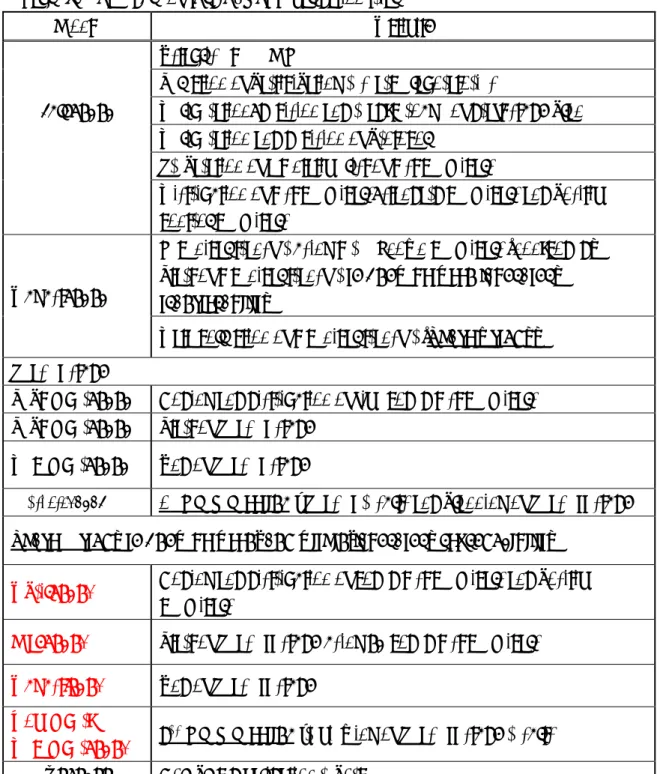
An approximate schedule for IL-2 Luc LTT validation trial is shown in Table 3.
Duration of this validation trial is around twenty -month from July 2020 to August