SUMMARY The recent development of communication devices and wireless network technologies continues to advance the new era of the Internet and telecommunications. The various “things”, which include not only communication devices but also every other physical object on the planet, are also going to be connected to the Internet, and controlled through wireless networks. This concept, which is referred to as the “Inter- net of Things (IoT)”, has attracted much attention from many researchers in recent years. The concept of IoT can be associated with multiple research areas such as body area networks, Device-to-Device (D2D) communica- tions networks, home area networks, Unmanned Aerial Vehicle (UAV) net- works, satellite networks, and so forth. Also, there are various kinds of applications created by using IoT technologies. Thus, the concept of the IoT is expected to be integrated into our society and support our daily life in the near future. In this paper, we introduce different classifications of IoT with examples of utilizing IoT technologies. In addition, as an exam- ple of a practical system using IoT, a tsunami detection system (which is composed of a satellite, sensor terminals, and an active monitoring system for real-time simultaneous utilization of the devices) is introduced. Fur- thermore, the requirements of the next generation systems with the IoT are delineated in the paper.
key words:Internet of Things (IoT), tsunami detection, Body Area Network (BAN), satellite, sensor
1. Introduction
In recent years, the concept of the Internet of Things (IoT) is gaining momentum due to the development of the wireless networking technologies, such as Long Term Evolution Ad- vanced (LTE-A), Wireless Fidelity (WiFi), Bluetooth, Zig- Bee, and so forth. Conventionally, these network technolo- gies are utilized for establishing communication from the Person to Person (P2P) or the Person to Machine (P2M) perspectives. However, due to the diversification of the network equipment, Machine-to-Machine (M2M) commu- nication is also utilized in numerous circumstances, such as inside homes, commercial buildings, schools, hospitals, and factories. The development of smaller and less expen- sive wireless devices enables not only smart-phones, tablets, and personal computers but also cars, home electrical appli- ances, and so forth, in order to connect them to the Inter- net. For example, electric lights, air conditioners, and water heaters can be connected to the network inside a building, and thus, they may be controlled for optimizing the envi-
Manuscript received January 15, 2014.
†The authors are with the Graduate School of Information Sci- ences, Tohoku University, Sendai-shi, 980–8579 Japan.
††The authors are with National Institute of Information and Communications Technology, Koganei-shi, 184–8795 Japan.
a) E-mail: [email protected] DOI: 10.1587/transinf.2013THP0009
ronment inside the building with minimum power consump- tion. In addition, miniaturized network equipment allow communication with the so-called “nano” machines. The nano machines-based networks have attracted much atten- tion, particularly the technologies for body area networks, which give rise to new applications in our daily life, e.g., health care systems utilizing the nano machines. On the other hand, the concept of IoT is also significant for large- scale information systems. For example, in freight trans- portation systems, each cargo in the system has an Inte- grated Circuit (IC) tag, which includes information such as address and sender information. In addition, the Global Po- sitioning System (GPS) is used to confirm the current loca- tions of the freights. By employing wireless networks, the information obtained from the IC tags and GPS are collected and utilized to efficiently control the transportation process.
On the other hand, M2M communication technologies can be used for natural disaster detection purposes since the sen- sor devices equipped with wireless communication module can be deployed even in hazardous areas such as deep ocean, active volcanoes, and radioactive areas. Particularly since the East-Japan Catastrophic Disaster in March 2011, such large-scale data collection systems have been considered as a potential application of IoT systems. In this way, the con- cept of IoT can cover various scales and types of networks.
But the main point regarding the IoT application in such sce- narios is that numerous “things” are connected with one an- other, and controlled by the technologies of computing and networking. While connecting the “things” realizes to know the state of the “things”, to control the “things” is the key issue to be considered in the future IoT research area. Thus, in this paper, we discuss the vision of IoT especially with respect to different types of networks, and represent some future perspectives of IoT.
The remainder of this paper is organized as follows.
Existing works focusing on IoT systems are classified and introduced in Sect. 2. Section 3 introduces concept and ex- periment of a tsunami detection system and an active mon- itoring system for real-time simultaneous utilization as ex- amples of practical IoT systems. In Sect. 4, the future per- spective of IoT is discussed. Finally, concluding remarks are provided in Sect. 5.
2. Classifications and Examples of IoT Systems As a result of rapid development in communication tech- Copyright c2014 The Institute of Electronics, Information and Communication Engineers
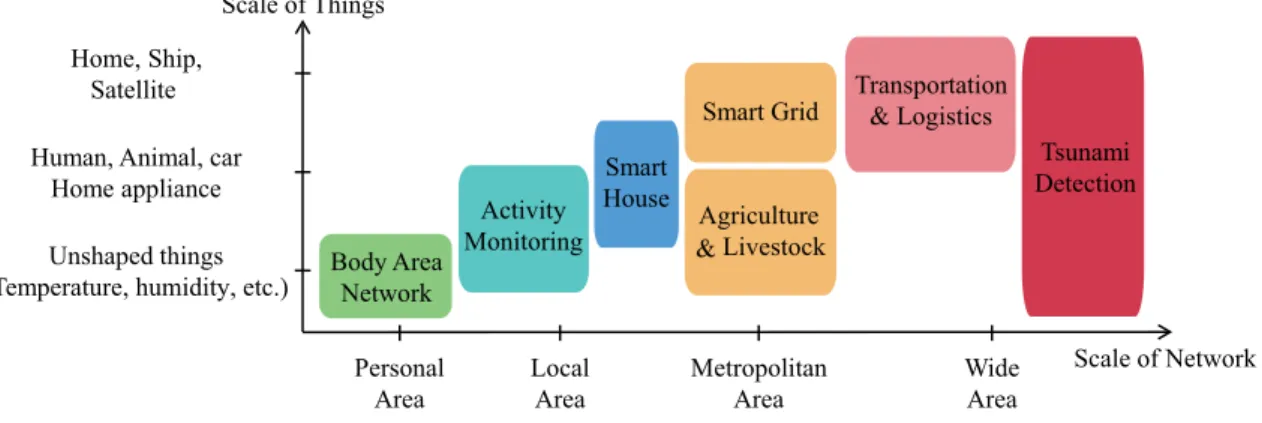
Fig. 1 Classifications and examples of IoT systems.
nologies, a huge variety of networking technologies with different scales are being utilized in our daily life. Due to the large diversity of networks being deployed, the concept of IoT can be broadly classified in terms of network scale as illustrated in Fig. 1. In this section, we aim to classify IoT systems and introduce examples of different IoT systems ac- cording to their respective scales of the network.
2.1 Internet of Nano Things
Firstly, we introduce the concept of the Internet of Nano Things (IoNT) as a type of IoT with small networks com- prising extremely small devices in personal area. In the IoNT, by embedding nano-sensors to the various objects and devices that surround users, it becomes possible to add a new dimension to the IoT. Such miniature sensors, intercon- nected through nano-networks, could provide data from the things (i.e., devices) deployed in hard-to-access areas. The IoNT is expected to lead to the discovery of novel insights and applications in the IoT field.
The work conducted by Akyildizet al.in [1] focuses on electromagnetic communication networks among nano- devices. Their considered network is composed of nano- machines, which include nano-nodes, nano-routers, nano- micro interface devices. These devices construct intra-body networks to provide health-care applications. Additionally, the work shows the model of interconnected office, where every single element normally found in an office are pro- vided with a nano-transceiver. The nano-transceiver in each element allows it to be permanently connected to the In- ternet. Moreover, the work by Balasubramaniamet al.fo- cuses on wireless body area networks constructed by nano devices [2]. The body area networks collect vital patient in- formation and feed those information to service providers’
computing systems. As a consequence, it achieves higher accuracy and efficiency in monitoring the health conditions of a large number of patients. Moreover, sensors embedded in the environment can passively assist daily life of the el- derly and disabled people. With the development of small devices and their communications performance, such net- works in tiny area are also expected to be required in the future.
From the afore-mentioned works, it is understood that IoT with nano-machines have attracted much attention as one of the new research areas. In addition, many research issues on the network are outlined in previously mentioned works. For instance, in the work of Balasubramaniam et al., data collection challenges and middle-ware challenges are picked up. To efficiently collect a large amount of data that nano devices generate, their research attempted at solv- ing the problems from the point of views of system archi- tecture and routing technology. Due to the size of the de- vices in the network, there are some significant differences between macro and nano devices such as frequency range, energy consumption, and energy recharging method. Ad- ditionally, due to the limited memory storage and computa- tional processing capability, it is almost impossible to utilize the knowledge pertaining to the topology of their considered communications environment. Thus, the traditional proto- cols and algorithms for macro networks cannot be applied to the nano networks.
2.2 Internet of WiFi-Enabled Things
Secondly, we show the concept of IoT consisting of WiFi- enabled devices in middle size of networks. WiFi has nowa- days become a popular means of wirelessly connecting var- ious electronic devices to the Internet. Recently, not only mobile devices such as smartphones and laptops but also home appliances and various kinds of sensors in local area are connected to the Internet by employing WiFi. Using the WiFi technologies, along with the concept of D2D, is con- sidered to provide more flexible IoT systems.
In the work [3], Tozluet al.focus on IoT constructed by WiFi equipped sensors and actuators. Especially, they focus on energy consumption of devices in the network.
Since various types of devices are connected to the same network in this considered IoT, the difference in energy uti- lization becomes a significant problem to guarantee network connectivity. In their work, the devices having WiFi func- tionality are categorized into three types: AC-powered de- vices (home appliances, PCs), rechargeable devices (lap- tops, smart-phones), and battery-powered devices (sensors like smoke detectors, motion detectors, and so forth). In ad-
ally, in the developed system, the routing methods of Mobile Ad Hoc Network (MANET) and Delay/Disruption-Tolerant Network (DTN) are combined to achieve effective message delivery. The appropriate routing scheme of devices is cho- sen dynamically based on the devices’ surrounding environ- ment. Moreover, the results of real field experiments con- ducted by using device prototype are presented. By using this technology, a new type of network can be constructed and can be considered as one of the IoT systems.
2.3 Internet of Things for Smart Society
The concept of IoT has also drawn a great deal of research attention for realizing an intelligent society. Unlike the above mentioned examples, it focus on the concept of IoT from a larger scale. To see the IoT from the large area like a city or a metropolitan area can make a novel perspective for utilizing the network technologies.
Li et al. introduced an IoT application, namely the smart society, in their work in [5]. The smart society is a virtual environment consisting of networked smart homes located in a local geographic region. It can improve com- munity safety, home security, health-care quality, and emer- gency response by continuously monitoring the community environment from various aspects. In their work, the authen- tication problem and unreliable nodes detection are denoted as networking challenges in the smart community. It is nec- essary to improve the security and reliability to make the smart society possible in the near future.
Vlacheaset al.[6] focus on the development of the fu- ture smart cities from the perspective of cognitive manage- ment framework of IoT. The main focuses of the proposal are summarized as follows.
• How to make the heterogeneity of connected objects in the networks transparent.
• How to ensure the resilience of dynamic service provi- sioning.
• How to instruct the systems to assess proximity be- tween IoT applications and “things”.
• How to use cognitive technologies to offer intelligence while minimizing users’ intervention.
To develop a smart society with the help of IoT, such cogni- tive management framework is necessary.
Kortuem et al. discussed smart objects for industrial workplaces. In their work in [7], they classify the smart
ety. These challenges from multiple aspects are expected to make smart society possible in the future.
2.4 Global-Scaled Internet of Things
At last, we show some example of the IoT systems which are utilized in global-scaled area. Here, we introduce the con- cept of global-scaled IoT with some existing works on Un- manned Aerial Vehicle (UAV) and satellite networks. Both UAVs and satellites have large coverage and can connect to various devices on the ground such as sensors.
Giorgetti et al.focus on data retrieval from a sensor field by using a UAV [8]. By using a UAV to collect data form sensors, a large area can be covered and the data col- lection can be more flexible due to the mobility of UAV.
On the other hand, sensors on the ground can collect var- ious kinds of environmental information such as tempera- ture, pressure, humidity, and so forth. Additionally, wireless sensor networks are expected to play a major role in disaster detection [9], [10]. Especially after East-Japan Catastrophic Disaster in March 2011, early and accurate disaster detec- tion system is required. Thus, the integration of UAV and wireless sensor networks is one of the possible solutions for environmental observation and disaster detection systems.
Moreover, the UAV can contribute to enabling communica- tion in disaster area. In the disaster area where ground-based stations used by existing communication methods were de- stroyed, alternate communication methods can be provided by relaying the data from users on the ground to surviv- ing ground-based station via the UAV. Furthermore, Lukeet al.considered to construct a network consisting of multiple UAVs for gathering information on the ground [11].
On the other hand, the global-scaled IoT utilizing the satellites network is focused in the work in [12]. The work envisioned a novel data collection method in Satellite- Routed Sensor System (SRSS) to accomplish a global- scaled IoT. In that system, the satellite communicates with smart things equipped with sensors located on the ground directly to collect various kinds of information. Another application of global-scaled IoT is to prevent traffic jams by using data collected from cars in a large area, where the data collection can be carried out by using satellites. Addi- tionally, satellites enable data collection from isolated areas where ground communications infrastructure has not been provided, such as sea or mountain areas and developing countries. Similarly, Bisio et al. consider an environmen-
tal monitoring system over a wide area by using satellite networks [13]. In their work, the satellite collects data form sensor nodes deployed in wide area via sink nodes. They consider how to select an appropriate sink node to forward data to the satellite to improve reliability and reactivity, and reduce energy consumption. From these works, it is shown that not only devices on the surface but also satellites can play a major role to construct an IoT.
3. A Practical System in Collaboration with IoT In this section, we introduce two successive practical sys- tems as examples of pragmatic IoT systems, one is global scale and another is local area. As examples, we illustrate the tsunami detection system and activity monitoring system for real-time simultaneous utilization. In this introduction, the concept of these systems and some experiments which are conducted with these systems are described in the fol- lowing.
3.1 Tsunami Detection System
Here, we introduce the tsunami detection system as an example of pragmatic global-scaled IoT systems. This system is developed as a joint project of Kochi National College of Technology (KNCT), Earthquake Research In- stitute, University of Tokyo, Hitachi Zosen Corporation, Japan Aerospace eXploration Agency (JAXA), and National Institute of Information and Communications Technology (NICT). This project aims to facilitate early detection of the tsunami by using real-time observation of the sea level. In this system, a large number of buoys equipped with sensors and small earth stations are planned to be deployed around Japan. The sensors can measure the fluctuation of the wave height while the small earth stations can send the data gath- ered from the sensors to the satellite. In the remainder of the paper, we refer to a buoy equipped with a sensor and a small earth station as a sensor terminal. In order to cover the entire Japan and detect a tsunami as early as possible, it is neces- sary to deploy numerous sensor terminals. In the case where the sensor terminals are deployed in a large scale, it is dif- ficult to send the data gathered from the sensors directly to the base station on the ground by ground-based wireless net- works due to the remotely located base station. Therefore, in this system, the data is sent from the sensor terminals to the base station via a satellite. Since the satellite has a large coverage, it is possible to collect data from sensor terminals deployed throughout Japan.
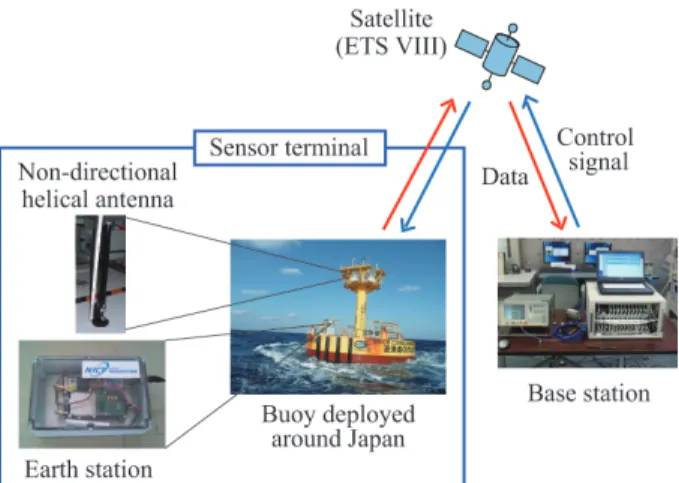
In order to construct the tsunami detection system, a lot of components are developed such as sensors, small earth stations, base stations, and satellites. Figure 2 illustrates the components of our considered tsunami detection system that have been currently developed as prototypes in the project.
The sensors measure the change of the Z-axis position by using the GPS. The change of the Z-axis position implies the change of the sea level. The collected data is sent to the base station via a satellite and then the data are analyzed to
Fig. 2 Components of our considered tsunami detection system.
distinguish the tsunami from normal waves. Thus, the oc- currence of a tsunami can be detected at the base station.
To transmit the data gathered from the sensors to the satel- lite, non-directional helical antenna is employed. It is be- cause the direction towards the satellite is always shifting due to the movement of the buoys. The size of the anten- nas are relatively small at approximately 500 millimeters.
This is possible because the satellite has a large antenna to communicate with the ground stations. In this project, the Engineering Test Satellite VIII (ETS-VIII), which was launched by JAXA in December, 2006, was utilized for various experiments including the communication with the sensors. The large deployable antenna of ETS-VIII allows the ground stations to be smaller. Additionally, it decreases the energy consumption of the ground stations. Moreover, since ETS-VIII employs the S-band frequency, it can avoid rain attenuation in the satellite-sensor and satellite-ground station links. Furthermore, Time Division Multiple Access (TDMA) is adopted as the channel access method to treat multiple sensor terminals by using the same channel. By using these components, the sea level fluctuation data are collected and analyzed at the base station.
The data transmission experiment which was con- ducted with the prototype equipment is performed. In this experiment, a buoy equipped with a sensor and a earth station is deployed at approximately 35 kilometers from Muroto-misaki Cape in Kochi Prefecture, Japan. The data gathered from the sensor are transmitted to the base station at Kashima Space Technology Center of NICT via ETS- VIII. Additionally, the data are transmitted from the base station in real time to KNCT, which analyzes the data. Fig- ure 3 demonstrates the result of the conducted experiment.
The graph represents the change of Frame Error Rate (FER) of hourly measurement. The measurements were carried out over five days. In the conducted experiment, the data gen- erated at the sensor termianl is observed at the base station.
From the result, it is also understood that the FER is different from time to time, and also from day to day. This happens because the communication environment between the sen- sor terminal and the satellite is significantly influenced by
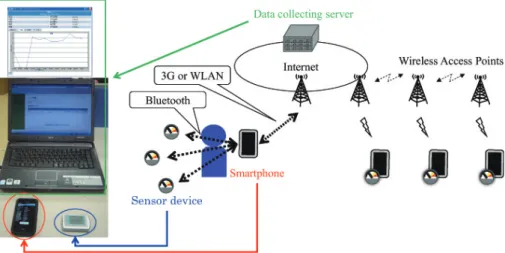
Fig. 4 The system constitution of the activity monitoring system for real-time simultaneous utilization.
Fig. 3 The change of FER of hourly measurement.
the size of the wave and its cycle at the measurement time.
Since the sensor terminal is deployed on the sea, its position drastically changes over time, which causes communication link to the satellite to become unstable. However, the ex- perimental results demonstrate that the data from the sen- sor terminals are successfully transmitted to the base station on the ground via satellites even though the communication environment is not stable. For interested readers for further reading, an effective way to collect data from numerous sen- sors can be found in the research conducted in [12], [14].
3.2 Activity Monitoring System for Real-Time Simultane- ous Utilization
Next, we introduce the activity monitoring system and the experiment that we conducted with a prototype of this sys- tem. This system can be considered as an example of inte- grated IoT system, which consists of local area networks and personal area networks. The significance of the integrated IoT system will be further explained in the next section.
This particular system has been developed via industry- university cooperation which is supported by the Greater Sendai Area Knowledge Cluster Initiative (GSAKCI) of the knowledge cluster initiative (2nd stage) in Japan. As the
member of this project, our team from Tohoku University joined with Tohoku Institute of Technology, Cyber Solu- tions Inc., and I. T. Research Co. LTD to develop the sys- tem. This system aims to measure the stabilizing exercise habits of individual users and visualize the benefit of exer- cise. Especially, in this system, the measuring of the users’
outdoor exercise, measuring multiple users’ conditions si- multaneously, and summarizing the measurement data and generating a report immediately after the exercise are listed as the requirements of the system.
To realize the requirements, we developed the system as demonstrated in Fig. 4. In this system, each user moves with an activity monitoring device, namely “I-moni”, and a smartphone. I-moni is a sensor to measure the activity of the user such as the length of stride, speed, expenditure of calo- ries, number of steps, and walking distance. These activ- ity is presumed from the data measured by I-moni equipped with a triaxial acceleration sensor. These data are sent to the smartphone by using Bluetooth. The smartphone which re- ceived the data from I-moni sends it to the servers to monitor the information via Wireless Local Area Network (WLAN).
The Access Points (APs) in the WLAN are also connected by wireless with one another to relay the data to the servers.
At the server, the data are statistically analyzed and indi- cated to the monitor in real time. Additionally, the informa- tion are provided as a report to the users immediately after the exercise.
An experiment to test the system was conducted in the project as a part of a Nordic walking event [15]. In the ex- periment, about 20 users measured their activities for 10 to 15 minutes. The users moved around the area where the APs were deployed and the data were successfully collected by the servers and monitors. Additionally, the statistically analyzed data were provided to the users immediately af- ter the exercise. From the experiment, it can be understood that many “things” such as sensors, smartphones, APs, and servers can be connected to each other by using wireless communication technologies, and this makes it possible to provide a new service. Although this is just one of the ex-
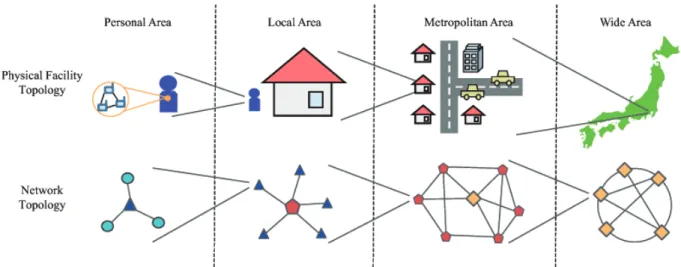
Fig. 5 An example of the situation where the different sizes of existing IoT systems coexist.
amples to utilize the IoT technologies, it indicates the possi- bility for futuristic smart society that are expected to seam- lessly utilize IoT technologies.
4. Future Perspective of IoT
In this section, we consider the integrated IoT system, which shows that the different sizes of existing IoT systems can co- operate, as depicted in Fig. 5. In the future, things may be controlled not only inside the network that they are the parts of but also with the condition of other network scales. In such situations, it is necessary to consider the way to effi- ciently utilize the new type of IoT systems. In this section, we discuss the future perspective of IoT with several chal- lenging issues.
4.1 Integrated Future IoT Systems
From the investigation of the existing researches on IoT, it is understood that almost all existing research works consider the IoT system in a limited size of area or using a limited communication method. In the earlier section, we classified these researches into four groups, including the “Internet of nano things”, “Internet of WiFi-enabled Devices”, “Internet of Things for Smart Society”, and “Global-scaled Internet of things”. As seen in these works in each group, they at- tempted to solve the problem which occurs inside the net- work that they are focusing on. Additionally, they do not employ a wide variety of communication methods. More- over, from a different point of view, many of the earlier research works aimed to extend the existing researches on Wireless Sensor Networks (WSNs) to construct IoT-based networks. Therefore, it is imperative that researchers take upon a more direct approach to IoT by envisioning more specialized themes in this area. Thus, we focus on integrated future IoT systems as one of the future topics.
In the integrated future IoT system, many “things”
which have different types of communication methods and belong to different kinds of networks are connected, and by
this way, they can share the required information. In the existing works like WSNs, the connected and controlled ob- jects usually have the same purpose. Thus, the requirements for the system such as protocol, security, and management schemes are considered in the limited area or for a limited communication methodology. However, in the future IoT systems, different systems having different objectives and purposes coexist in the same network. Additionally, it might be that an object is observed and controlled by different sys- tems with different purposes. Therefore, it is needed to con- sider how to integrate the coexisting systems and construct new IoT systems. So in the following, the requirements of the future IoT system is discussed from the point of view of the integrated IoT systems.
4.2 Requirements of Next Generation IoT Systems 4.2.1 Large Address Space
First of all, the development of the communication tech- nologies in each scale of the network is needed. Especially, in the personal area network, various types of communica- tion ways such as P2P, P2M, M2M, D2D, and so forth, are utilized in the same system. Additionally, the number of
“things” in the network is dramatically increased. Thus, ap- propriate protocols for the communication in the personal area is required. In these surroundings, the Internet Engi- neering Task Force (IETF) has developed a suite of proto- cols to support the IoT [16]. In particular, as introduced in the work of Sehgal et al., the IPv6 protocol has attracted much attention in improving the IoT communications [17].
Due to the large address space available in IPv6 and a large number of existing protocols that are already functioning over the IP, IPv6 is expected to become a fundamental part of IoT. Moreover, the efficient usage of low power and low bandwidth still remains as one of the challenging issues.
Thus, the IPv6 over Low power Wireless Personal Area Net- works (6LoWPAN) standard is expected to support the IoT communication. The 6LoWPAN is an adaptation layer en-
Secondly, the security issue is also focused as an important research topic in IoT [21]–[23]. Since many kinds of devices having various information are connected to the IoT net- work, security requirements are varied according to network conditions. Additionally, since the required information is different in each scale of the system, the required secu- rity framework is also different in each scale of the system.
Thus, the existing framework of security is not sufficient to keep the IoT secured. For example, in the Smart Grid (SG) system [20], [24], the information from each smart house is collected by a management center and they are controlled by the center. At the same time, in each smart house, the en- ergy consumption of each home electrical appliance is the required information and controlled object. But, such de- tailed information are not required for the management cen- ter. In this way, the required information is different in each system having different network scales. Thus, the security framework, which is needed for each network is also dif- ferent. As introduced in [25], since many “things” are con- nected to the untrusted Internet, how to construct a safe and secure network is also important for the IoT systems.
4.2.3 Data Proccessing
Finally, we focus upon the technology for controlling big data as the requirements for the future IoT system. In the integrated IoT system, since various kinds of data are collected from many systems, huge quantities of data are needed to be controlled. In existing works on big data, there have been already some solutions to control such a massive amount of data. However, in the future integrated IoT sys- tem, not only the amount but also the number of varieties of data is also quite large, which causes the difficulty of the data management in the existing system. Thus, to realize the effective big data management in the integrated IoT system, management schemes for big data in each scale of network and a novel framework to control the summarized data in each network is essential.
As just described, it is shown that there are many re- maining issues to realize the future IoT system. Since vari- ous kinds of objectives are observed and controlled in the fu- ture system, integrating various systems is required to con- trol these systems efficiently. Thus, to realize the future in- tegrated IoT systems, it is significant to consider an efficient way to integrate various kinds of systems from the point of view of multiple scales of the network systems.
munication methods, ranges, surrounding environment, ap- plications, and so forth, cause the different requirements of the IoT technologies. Thus, in this paper, we introduced some existing works on IoT from the point of view of dif- ferent networks and summarized the requirements to make next generation IoT systems possible. In addition, we in- troduced a tsunami detection system, which is constructed by a satellite and sensor terminals, and an active monitoring system for real-time simultaneous utilization as examples of practical IoT systems. From the results of the conducted ex- periments, these systems have potential to improve our daily lives and are expected to be practically used in the near fu- ture. Moreover, we discussed the future perspective of IoT systems. From the discussion, as the future aspect of the IoT system, an integrated future IoT system was introduced. To realize the next generation IoT system, we should address some research issues by utilizing exiting researches as the initial IoT framework. Furthermore, it was shown, in the paper, that various kinds of the future system with IoT have gradually begun to emerge. Indeed, the concept of the IoT is not only for a limited research area but also fits, interest- ingly, into multiple topics of networking areas that need to be pursued in future.
References
[1] I.F. Akyildiz and J.M. Jornet, “The Internet of nano-things,” IEEE Wireless Commun., vol.17, no.6, pp.58–63, Dec. 2010.
[2] S. Balasubramaniam and J. Kangasharju, “Realizing the Internet of nano things: Challenges, solutions, and applications,” Computer, vol.46, no.2, pp.62–68, Feb. 2013.
[3] S. Tozlu, M. Senel, W. Mao, and A. Keshavarzian, “Wi-Fi enabled sensors for Internet of things: A practical approach,” IEEE Com- mun. Mag., vol.50, no.6, pp.134–143, June 2012.
[4] H. Nishiyama, M. Ito, and N. Kato, “Relay-by-smartphone: Real- izing multi-hop device-to-device communications,” IEEE Commun.
Mag., vol.52, no.4, pp.56–65, April 2014.
[5] L. Xu, L. Rongxing, L. Xiaohui, S. Xuemin, C. Jiming, and L.
Xiaodong, “Smart community: An Internet of things application,”
IEEE Commun. Mag., vol.49, no.11 pp.68–75, Nov. 2011.
[6] P. Vlacheas, R. Giaffreda, V. Stavroulaki, D. Kelaidonis, V. Foteinos, G. Poulios, P. Demestichas, A. Somov, A.R. Biswas, and K.
Moessner, “Enabling smart cities through a cognitive management framework for the Internet of things,” IEEE Commun. Mag., vol.51, no.6, pp.102–111, June 2013.
[7] G. Kortuem, F. Kawsar, D. Fitton, and V. Sundramoorthy, “Smart objects as building blocks for the Internet of things,” IEEE Internet Comput., vol.14, no.1, pp.44–51, Jan.–Feb. 2010.
[8] A. Giorgetti, M. Lucchi, M. Chiani, and M.Z. Win, “Throughput per pass for data aggregation from a wireless sensor network via a
UAV,” IEEE Trans. Aerosp. Electron. Syst., vol.47, no.4, pp.2610–
2626, Oct. 2011.
[9] L. Liu, N. Antonopoulos, J. Xu, D. Webster, and K. Wu, “Dis- tributed service integration for disaster monitoring sensor systems,”
IET Commun., vol.5, no.12, pp.1777–1784, Aug. 2011.
[10] W.Z. Song, B. Shirazi, H. Renjie, X. Mingsen, N. Peterson, R.
LaHusen, J. Pallister, D. Dzurisin, S. Moran, M. Lisowski, S. Kedar, S. Chien, F. Webb, A. Kiely, J. Doubleday, A. Davies, and D. Pieri,
“Optimized autonomous space in-situ sensor web for volcano mon- itoring,” IEEE J. Selected Topics in Applied Earth Observations and Remote Sensing, vol.3, no.4, pp.541–546, Dec. 2010.
[11] W.T.L. Teacy, N. Jing, S. McClean, and G. Parr, “Maintaining con- nectivity in UAV swarm sensing,” 2010 IEEE GLOBECOM Work- shops (GC Wkshps), pp.1771–1776, Dec. 2010.
[12] Y. Kawamoto, H. Nishiyama, Z.M. Fadlullah, and N. Kato, “Effec- tive data collection via satellite-routed sensor system (SRSS) to real- ize global-scaled Internet of things,” IEEE Sensors Journal, vol.13, no.10, pp.3645–3654, Oct. 2013.
[13] I. Bisio and M. Marchese, “Efficient satellite-based sensor net- works for information retrieval,” IEEE Systems Journal, vol.2, no.4, pp.464–475, Dec. 2008.
[14] Y. Kawamoto, H. Nishiyama, N. Kato, S. Yamamoto, N. Yoshimura, and N. Kadowaki, “A centralized multiple access scheme for data gathering in satellite-routed sensor system (SRSS),” IEEE Global Communications Conference (GLOBECOM) 2013, Atlanta, Geor- gia, USA, Dec. 2013.
[15] H. Tsunoda, H. Nakayama, K. Ohta, A. Suzuki, H. Nishiyama, R.
Nagatomi, K. Hashimoto, Y. Waizumi, G.M. Keeni, and Y. Nemoto,
“Development of a WLAN based monitoring system for group ac- tivity measurement in real-time,” J. Communication and Networks, vol.13, no.2, pp.86–94, April 2011.
[16] Z. Sheng, S. Yang, Y. Yu, A.V. Vasilakos, J.A. Mccann, and K.K.
Leung, “A survey on the IETF protocol suite for the Internet of things: Standards, challenges, and opportunities,” IEEE Wireless Commun., vol.20, no.6, pp.91–98, Dec. 2013.
[17] A. Sehgal, V. Perelman, S. Kuryla, and J. Schonwalder, “Manage- ment of resource constrained devices in the Internet of things,” IEEE Commun. Mag., vol.50, no.12, pp.144–149, Dec. 2012.
[18] Z. Yang, H. Chuan, J. Tao, and C. Shuguang, “Wireless sensor net- works and the Internet of things: Optimal estimation with nonuni- form quantization and bandwidth allocation,” IEEE Sensors Journal, vol.13, no.10, pp.3568–3574, Oct. 2013.
[19] J.M. Liang, J.J. Chen, H.H. Cheng, and Y.C. Tseng, “An energy- efficient sleep scheduling with QoS consideration in 3GPP LTE- advanced networks for Internet of things,” IEEE J. Emerging and Se- lected Topics in Circuits and Systems, vol.3, no.1, pp.13–22, March 2013.
[20] N. Bui, A.P. Castellani, P. Casari, and M. Zorzi, “The Internet of en- ergy: A web-enabled smart grid system,” IEEE Netw., vol.26, no.4, pp.39–45, July-Aug. 2012.
[21] R. Roman, P. Najera, and J. Lopez, “Securing the Internet of things,”
Computer, vol.44, no.9, pp.51–58, Sept. 2011.
[22] Z. Liang and H.C. Chao, “Multimedia traffic security architecture for the Internet of things,” IEEE Netw., vol.25, no.3, pp.35–40, May- June 2011.
[23] C. Kwantae, B.G. Lee, K. Lee, and D.H. Lee, “Energy-efficient replica detection for resource-limited mobile devices in the Internet of things,” IET Commun., vol.7, no.18, pp.2141–2150, Dec. 2013.
[24] M.M. Fouda, Z.M. Fadlullah, N. Kato, R. Lu, and X. Shen, “A lightweight message authentication scheme for smart grid commu- nications,” IEEE Trans. Smart Grid, vol.2, no.4, pp.675–685, Dec.
2011.
[25] S. Raza, H. Shafagh, K. Hewage, R. Hummen, and T. Voigt, “Lithe:
Lightweight secure CoAP for the Internet of things,” IEEE Sensors Journal, vol.13, no.10, pp.3711–3720, Oct. 2013.
Yuichi Kawamoto is pursuing Ph.D. de- gree in the GSIS at Tohoku University. He was acclaimed with the Best Paper Awards in some international conferences including the IEEE WCNC 2014, and the IEEE GLOBECOM 2013.
Also, he was awarded the Satellite Communica- tions Research Award in the fiscal year of 2011 from the IEICE. He is recipient of Japan Society for the Promotion of Science (JSPS) in 2014. He is a student member of IEEE.
Hiroki Nishiyama is an Associate Professor at the Graduate School of Information Sciences (GSIS) at Tohoku University, Japan. He was acclaimed with the best paper awards in many international conferences including the IEEE WCNC 2014 and the IEEE GLOBECOM 2013.
He was also a recipient of the IEEE Communi- cations Society Asia-Pacific Board Outstanding Young Researcher Award 2013, and the IEICE Communications Society Academic Encourage- ment Award in 2011. He is an IEEE Senior Member.
Nei Kato has been a full professor at GSIS, Tohoku University, since 2003. He has been engaged in research on computer network- ing and satellite communications. He has pub- lished more than 300 papers in journals and peer-reviewed conference proceedings. He cur- rently serves as the Chair of IEEE ComSoC Ad Hoc & Sensor Networks TC and Member-at- Large (2014–2017) on the Board of Governors.
He served as the Chair of the IEEE ComSoc Satellite and Space Communications Technical Community (TC) from 2010 to 2011. He is an IEEE Fellow.
Naoko Yoshimura received her M.S. de- gree from Nihon University, Japan, in 1993.
She joined Communications Research Labora- tory, Ministry of Posts and Telecommunications (currently, National Institute of Information and Communications Technology (NICT)) in 1993.
Her research interests are in the fields of high- speed satellite networks and mobile satellite net- works. She became an principal investigator of the Space Communication Systems Laboratory.
She is a member of the Institute of Electronics, Information and Communication Engineers (IEICE).
Shinichi Yamamoto joined Communica- tions Research Laboratory, Ministry of Posts and Telecommunications (currently, National Institute of Information and Communications Technology (NICT)) in 1975. His research in- terests are in the fields of mobile satellite com- munications using ETS-V, ETS-IV, COMETS, and ETS-VIII satellite. Currently, he is a mem- ber of Space Communications Systems Labora- tory, NICT.