Kyushu University Institutional Repository
Enhancement of Treatment System for Waste
Activated Sludge and Methane Cogeneration Using Iron-based Nanoparticles
タレク ワ モ アメン
http://hdl.handle.net/2324/1959161
出版情報:九州大学, 2018, 博士(工学), 課程博士 バージョン:
権利関係:
Enhancement of Treatment System for Waste Activated Sludge and Methane Cogeneration Using Iron Nanoparticles
Tareq W M Amen
Biogas
Organic matter
Soluble organic molecules
Volatile fatty acids
CH
4CO
2Hydrolysis
Acidogensis
CO
2 Aceticacid
Acetogenesis Methanogenesis
H
2Waste Sludge
I
Thesis on
Enhancement of Treatment System for Waste Activated Sludge and Methane Cogeneration
Using Iron Nanoparticles
By
Tareq W M Amen
Supervised by
Associate Professor Osama Eljamal
A thesis submitted in partial fulfillment of the requirements for the degree of Doctor of Engineering
Department of Earth System Science and Technology Interdisciplinary Graduate School of Engineering Sciences
Kyushu University
Japan September 2018
II
Dedication
To my family that is growing
III
Abstract
Employment of the nanoscale zero-valent iron (nZVI) in bioenergy enhancement is a prospective application for increasing the biogas generation process for better economy of sludge treatment. The nZVI and its modifications were applied for enhancement of the anaerobic digestion process as the core treatment process used universally to stabilized waste activated sludge. Several parameters of the sludge and the produced gas compositions have been tracked throughout the anaerobic digestion duration. These include biogas production, biogas composition as methane content and carbon dioxide content, total alkalinity, ammonium nitrogen, chemical oxygen demand, bacterial population and the emitted iron ions. The utilized nZVI stock suspension was freshly synthesized based on the optimal reduction method and the nZVI has a mean diameter less than 42 nm with an average shell thickness in a range 2-3 nm and the average surface area of 25 m2/g, moreover, bimetallic of copper-nZVI (nZVI/Cu0) and nZVI coated zeolite materials (ICZ) were also employed for more clarification and comparisons. Municipal wastewater and the waste activated sludge samples were collected from a domestic wastewater treatment plant with domestic manure as the substrate.
Synthesized additives were characterized and its kinetics and adsorption capacities were determined, subsequently, the toxicity effects on the wastewater microbial life, kinetics of phosphorus, ammonia stripping and the reduction of chemical oxygen demand were examined by the addition of different concentrations of nZVI and nZVI/Cu0 under both aerobic and anaerobic operation conditions. Anaerobic laboratory scale bio-digester system was assembled and operated to study the effects of iron-based nanoparticles on biogas generation and methane content. The results show that high concentrations of nZVI/Cu0 nanoparticles added to the wastewater mixed cultures enhance the bacterial life indicated that the copper, which planted onto the nZVI produce more Fe2+ ions which play a crucial role in the limitation of ammonium production and phosphorus concentrations during biological and chemical degradation processes of the domestic wastewater.
Moreover, the addition of nZVI stimulates the biogas production and methane gas content, and can accelerate the sludge fermentation. However, according to the experimental results, it is advisable to dose the optimum nZVI/Cu0 bimetallic not more than 1500 mg/L, while the cell disruption will occur and other gases such as hydrogen will be rapidly
IV
produced hence, the methanogenesis inhibition will be intentionally turned up. The addition of ICZ causes a lag period before starting to produce a significant biogas cogeneration that reached a maximum value compared with the other bioreactors. The higher the iron particles coated zeolite were added, the more the biogas was generated.
Finally, the nZVI presence in a bio-digester could effectively improve the performance of sulfate-containing sludge digestion because it can serve as an electron donor that could mitigate the competition between sulfate-reducing bacteria and methanogenic bacteria for the same substrates. Also, it can precipitate the content of un-dissociated hydrogen sulfide that is the main factor inhibiting anaerobic digestion of sulfate-containing sludge.
Taken as a whole, it is predicted that this kind of treatment technology may hold promise to be applied in the anaerobic treatment of waste activated sludge and decrease the high costs of construction and operation of normal treatment plants. These outcomes are very interesting for carrying out the full-scale treatment of sludge substrates.
V
Acknowledgments
I would like to start by acknowledging the significant contribution that associate professor Osama Eljamal has made to my work and my life in Japan. Professor Eljamal was an example of work-life balance and was extremely supportive in the more difficult parts of my studies.
I wish to express my gratitude to those who have contributed to the completion of this thesis work in one way or another:
Professor Nobuhiro MATSUNAGA, who is the head of environmental and fluid sciences, for unlimited support.
All my former and present colleagues both Japanese and international students for sharing expertise, collaborating and supporting, especially, Dr. Ahmed Khalil who is now an assistant professor at Cairo University, Eygpt, for technical help during the experiment works; Seiya TAKAMI, and many other graduate students, for sharing the pleasant working atmosphere.
All my friends in Japan, for always being friendly and helpful, especially Fukuoka Muslims community for accepting me as one of the community members.
I would like to acknowledge the Japanese Ministry of Education, Culture, Sports, Science, and Technology (MEXT) for financially supporting the PhD study and for the opportunity and support they gave me.
I’m ever thankful to my loving family for their constant understanding and support. I’m especially thankful for my supportive and wonderful wife, whose her patience and love is a constant source of happiness and renewal, Thanks for always believing in me.
Tareq W M Amen
Fukuoka, Japan
VI
Acronyms, Abbreviations, and Notations
AD Anaerobic Digestion
Ar3+ Arsenite
Ar5+ Arsenate
BET Brunauer, Emmett and Teller
BOD5 5-day Biological Oxygen Demand (composition measurement)
CCD Charge Coupled Device
CFU Colony Forming Unit
CH4 Methane (chemical compound)
CO2 carbon dioxide (chemical compound)
COD Chemical Oxygen Demand
Cr2+ Chromium (II)
DNA Deoxyribo Nucleic Acid
E0 Electrode Potentials
EDX Energy-Dispersive X-ray Spectroscopy e.g. for instance, for example
Eq. Equation
Fe2+ Iron in reduced form (ferrous) (chemical compound) Fe3+ Iron in reduced form (ferric) (chemical compound)
FEG Field Emission Gun
GC Gas Chromotography
HAADF High Angle Annular Dark Field
HRT Hydraulic Retention Time
i.e. id est, in other words
IMZ Iron mixed zeolite
ICZ Iron coated zeolite ICZ
MLSS Mixed liquor suspended solids µZVI Microscale Zero Valent Iron
N Nitrogen (chemical element)
NH4+ Ammonium (chemical compound) NO3- Nitrate (composition measurement)
nZVI Nanoscale Zero Valent Iron
nZVI/Cu0 Iron/Copper Bimetallic Nanoparticles
VII
ORP Oxidation/Reduction Potential
PNP p-nitrophenol
PO42- Ortho-phosphate (chemical compound)
PRB Permeable Reactive Barrier
R2 Regression Coefficient of Determination R1 to R7 Anaerobic, anoxic reactor (process unit)
Redox Reduction-oxidation
ROS Reactive Oxygen Species
SD Standard Deviation
SO42- Sulfate (chemical compound)
SRB Sulfate Reducing Bacteria
SSA Specific Surface Area
T Temperature
TCE Trichloroethylene
TEM Transmission Electron Microscopy
TCD Thermal Conductivity Detector
TS Total Solids
USA United States of America
US EPA American Environmental Protection Agency
VS Volatile Solids
WAS Waste Activated Sludge
WHO Water Health Organization
WWTP Wastewater Treatment Plant
XRD X‐Ray Diffraction
ZVI Zero Valent Iron
< smaller than
> larger than
VIII
Table of Contents
Dedication ... II Abstract ... III Acknowledgments ... V Acronyms, Abbreviations, and Notations ... VI Table of Contents ... VIII List of Figures ... XII List of Tables ... XIV Thesis Declaration ... XV Preface ... XVI
Chapter 1. Introduction ... 2
1.1 Background ... 2
1.2 Wastewater treatment and sludge disposal ... 3
1.3 Basic principles of anaerobic digestion ... 6
1.4 Key parameters affecting anaerobic digestion ... 7
1.4.1 Temperature ... 7
1.4.2 pH and buffering capacity ... 8
1.5 Biogas as resource of renewable energy ... 8
1.6 Nanotechnology ... 9
1.7 Zero-Valent Iron as a catalytic material ... 10
1.7.1 Zero-valent iron ... 10
1.7.2 Nanoscale zero-valent iron ... 11
1.7.3 Nanoscale zero-valent iron copper bimetallic ... 12
1.7.4 Nanoscale zero-valent iron supported onto zeolite ... 13
1.8 Water treatment by nanoscale zero-valent iron ... 13
1.8.1 Nitrate removal ... 14
1.8.2 Chromium and nickel as heavy metals ... 14
1.8.3 Arsenic ... 15
1.9 Anaerobic digestion by nanoscale zero-valent iron and the microbial interactions ... 15
1.10 Nanoscale zero-valent iron applications ... 17
1.11 Cost of nanoscale zero valent iron ... 18
1.12 Research aim and objectives ... 19
1.13 Structure and Outline of the Thesis ... 20
Research experimental work methods ... 21
Chapter 2. Research experimental work methods ... 22
2.1 Chemicals ... 22
2.2 Wastewater and waste sludge samples ... 22
2.3 Catalytic synthesis ... 23
2.3.1 Nanoscale zero-valent iron synthesis ... 23
IX
2.3.2 Iron copper bimetallic synthesis ... 24
2.3.3 Iron coated zeolite synthesis ... 24
2.4 Sorption kinetics study ... 25
2.5 Adsorption isotherm models ... 26
2.6 Batch experiments ... 27
2.7 Biochemical methane potential batch test setup ... 27
2.8 Chemical analysis ... 29
2.9 Gas volume record and composition ... 29
2.10 Culture and analysis of bacteria... 30
2.11 Instrumentation ... 30
2.11.1 X-Ray diffraction ... 30
2.11.2 Transmission elector microscopy ... 31
2.11.3 Specific surface area analyzer ... 31
2.11.4 Particle size analyzer ... 31
Wastewater degradation by iron/copper bimetallic nanoparticles and the microorganism growth rate ... 33
Chapter 3. Wastewater degradation by iron/copper bimetallic nanoparticles and the microorganism growth rate ... 34
3.1 nZVI and iron/copper bimetallic characterization results ... 34
3.2 The toxicity impact of bimetallic on the microorganism’s life ... 39
3.3 The metal dissolution and the profiles of ferrous and ferric ions ... 41
3.4 Effect of bimetallic particles on ammonia concentration ... 44
3.5 Effect of bimetallic particles on phosphorus removal ... 46
3.6 COD removal ... 48
3.7 Conclusions ... 50
Methane yield enhancement by the addition of new novel of iron and copper-iron bimetallic nanoparticles ... 51
Chapter 4. Methane yield enhancement by the addition of new novel of iron and copper-iron bimetallic nanoparticles ... 52
4.1 Comparison between nZVI and nZVI/Cu0 additives for enhancing the biogas cogeneration ... 52
4.2 Iron ions release ... 55
4.3 Methane Content... 58
4.4 Soluble chemical oxygen demand profile ... 60
4.5 Bacterial population changes during anaerobic digestion nanoparticles presence ... 62
4.6 Conclusions ... 64
Biochemical methane potential enhancement of sludge digestion by adding pristine iron nanoparticles and iron coated zeolite compositi ... 65
X
Chapter 5. Biochemical methane potential enhancement of sludge digestion by
adding pristine iron nanoparticles and iron coated zeolite compositions ... 66
5.1 Characterization of iron nanoparticles and iron coated zeolite ... 66
5.2 Kinetics and adsorption isotherm models ... 69
5.2.1 Zeolite-iron kinetics ... 69
5.2.2 The Langmuir isotherm model ... 70
5.2.3 The Freundlich isotherm model ... 70
5.3 Overall anaerobic digestion performance ... 72
5.4 Ammonium nitrogen and soluble COD ... 76
5.5 pH limits and total alkalinity profile ... 78
5.6 Fate of iron ions release ... 80
5.7 Conclusions ... 81
Evaluation of sulfate-containing sludge stabilization and the alleviation of methanogenesis inhibitation at mesophilic temperature ... 83
Chapter 6. Evaluation of sulfate-containing sludge stabilization and the alleviation of methanogenesis inhibitation at mesophilic temperature ... 84
6.1 Removal characteristics of dissolved sulfates in aqueous solution by nZVI 84 6.1.1 Removal kinetics ... 84
6.1.2 Adsorption Isotherm ... 85
6.1.3 Affecting factors at equilibrium ... 86
6.2 Overall anaerobic digestion performance ... 88
6.3 Dynamic changes in pH and Alkalinity ... 91
6.4 Fate of iron ions release ... 92
6.5 Ammonia nitrogen and COD ... 94
6.6 Sulfate reduction ... 96
6.1 Conclusions ... 98
Conclusions and recommendations ... 99
Chapter 7. Conclusions and recommendations ... 100
7.1 Conclusions ... 100
7.2 Recommendations ... 101
7.3 Future outlook and research needs ... 101
7.3.1 Background of proposed research plan ... 101
7.3.2 Double-stage digestion versus conventional technology... 102
7.3.3 Iron nanoparticles supplementation in sludge digestion... 103
7.3.4 Setup and operation of double-stage lab-scale fermenters ... 103
7.3.5 Objectives of proposed research ... 104
7.3.6 Proposed plan ... 104
7.3.7 Expected results and impacts ... 105
References ... 1
XI
Appendices ... 1 A.1 List of Publications ... 1 A.2 About the author ... 3
XII
List of Figures
Figure 1.1 Anerobic digestion process (redrawn) ... 2
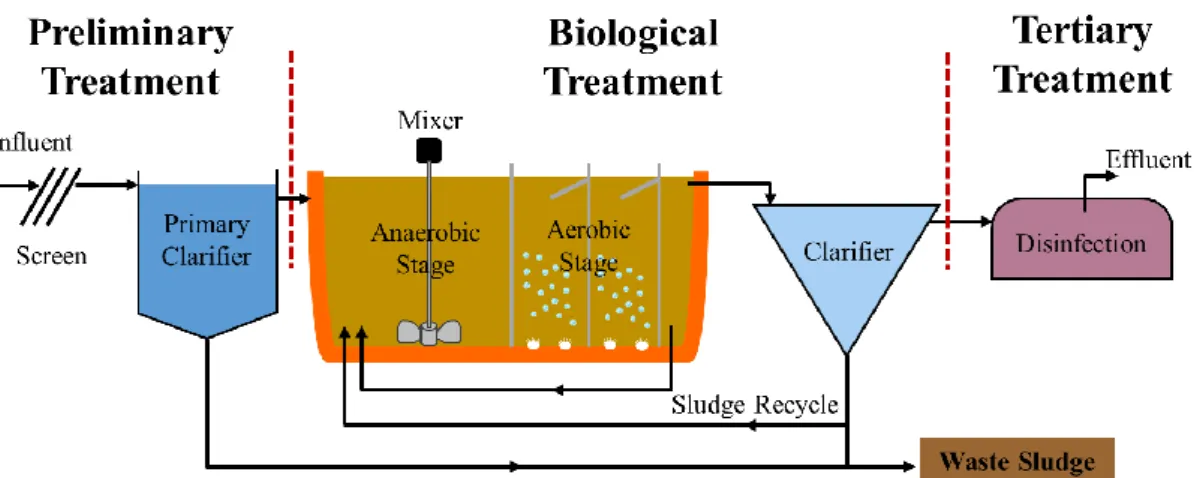
Figure 1.2 Schematic representation of the activated sludge process ... 4
Figure 1.3 Sludge Management ... 5
Figure 1.4 Diagram indicating relative scale of nanosized objects [36] ... 10
Figure 1.5 Core shell structure on nZVI ... 11
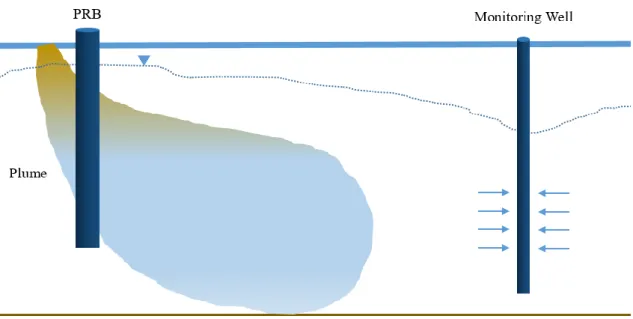
Figure 1.6 Permeable reactive barrier ... 18
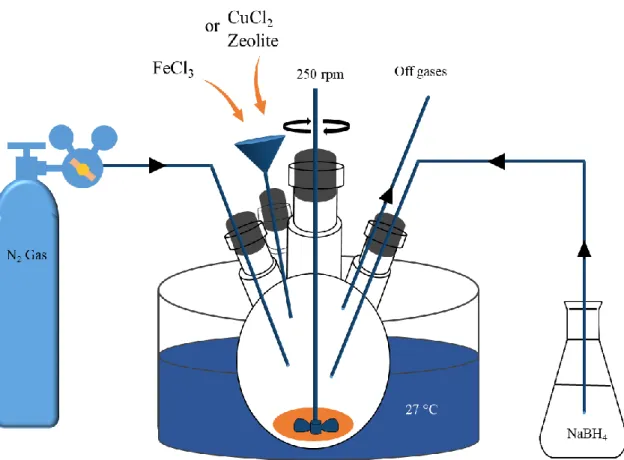
Figure 2.1 Schematic diagram for synthesis the iron based nanoparticles ... 25
Figure 2.2 Bioreactors design and setup ... 28
Figure 2.3 Gas chromatography fowchart ... 29
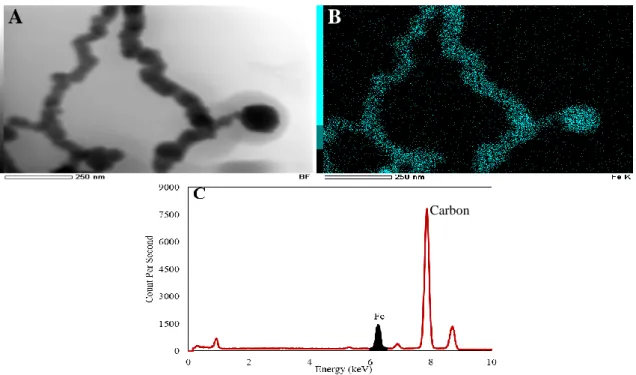
Figure 3.1 TEM HAADF images of the pure nZVI (A); (B) elemental map's observation of the presence of Fe; (C) EDX analysis of the sample, allowing to characterize composition of nZVI. ... 35
Figure 3.2 TEM HAADF images of the fresh nZVI/Cu0 (A); (B) and (C) elemental map's observation of the presence of Fe and Cu; (D) EDX analysis of the sample, allowing to characterize composition of nZVI /Cu0 ... 35
Figure 3.3 TEM HAADF images of the aerobic spent nZVI/Cu0 (A); (B), (C), (D), (E) and (F) elemental map's observation of the presence of Fe, Cu, O, S and P; (G) EDX analysis of the sample, allowing to characterize composition of the aerobic spent nZVI/Cu0 ... 36
Figure 3.4 TEM HAADF images of the anaerobic spent nZVI/Cu0 (A); (B), (C) and (D) elemental map's observation of the presence of Fe, Cu and C; (E) EDX analysis of the sample, allowing to characterize composition of anaerobic spent nZVI/Cu0 ... 37
Figure 3.5 XRD analysis results: A) fresh nZVI/Cu0, B) anaerobic spent nZVI/Cu0 and C) aerobic spent nZVI/Cu0 ... 38
Figure 3.6 Survival counts of bacteria under different condition: A) Aerobic and B) Anaerobic ... 40
Figure 3.7 Iron dissolution (Fe2+ concentration): A) Aerobic and B) Anaerobic ... 42
Figure 3.8 Iron dissolution (Fe3+ concentration): A) Aerobic and B) Anaerobic ... 43
Figure 3.9 Ammonium concentration under different condition: A) Aerobic and B) Anaerobic ... 45
Figure 3.10 Phosphorus concentration under different condition: A) Aerobic and B) Anaerobic ... 47
Figure 3.11 COD concentrations under different condition: A) aerobic and B) anaerobic ... 49
Figure 4.1 Cumulative biogas production profiles affected by the addition of A) nZVI, B) nZVI/Cu0 ... 54
Figure 4.2 Dissolved iron ions concentration change with time A) Ferrous ions of nZVI B) Ferric ions of nZVI C) Ferrous of nZVI/Cu0 D) Ferric of nZVI/Cu0. ... 58
Figure 4.3 Methane Content yielded by A) nZVI, B) nZVI/Cu0 ... 60
Figure 4.4 Soluble COD with time for A) nZVI bioreactors, B) nZVI/Cu0 bioreactors 62 Figure 4.5 Change in bacterial growth rate in presence of A) nZVI, B) nZVI/Cu0 ... 63
Figure 5.1 Transmission electron micrograph of zeolite (A) and prepared nZVI (B) .... 67
Figure 5.2 X-ray diffraction patterns of zeolite (A), prepared nZVI (B), ICZ 500 (C) and ICZ 1000 (D) ... 68
Figure 5.3 Adsorption kinetics of ferric onto zeolite ... 70
Figure 5.4 Isotherm for sorption of ferric onto zeolite surface by Langmuir isotherm model (A) and Freundlich isotherm model (B) ... 71
XIII
Figure 5.5 Kinetics models of zeolite ... 72
Figure 5.6 Effect of different additives on daily biogas cogeneration (A) and cumulative biogas generation (B) ... 73
Figure 5.7 Effect of different additives on methane fraction (A) cumulative methane volume by the end of digestion period (B) ... 75
Figure 5.8 Variation of total ammonia nitrogen (A) and soluble COD (B) of the bioreactors with supplementation of different additives ... 77
Figure 5.9 Initial pH and variations of final pH (a) and total alkalinity (b) during the overall digestion duration ... 79
Figure 5.10 Variations of total dissolved iron concentrations (A) and ferrous iron concentrations (B) of the bioreactors ... 80
Figure 6.1 Kinetics plot for the kinetics of sulfate on nZVI ... 84
Figure 6.2 Effect of adsorption conditions on the amounts of adsorbed sulfates ... 87
Figure 6.3 Cumulative Biogas volume (A), Carbon dioxide (B) Mathane yeild (C) ... 91
Figure 6.4 Total alkalinity ... 92
Figure 6.5 Iron ions release ... 93
Figure 6.6 Ammonia release ... 95
Figure 6.7 Chemical oxygen demand release ... 96
Figure 6.8 Sulfate concentration (A), Sulfate removal rate (B) ... 97
Figure 7.1 Anaerobic digestion ... 101
Figure 7.2 Double-stage lab-scale fermenters ... 103
XIV
List of Tables
Table 1 Redox couples of various metals ions with nZVI ([48]) ... 12
Table 2 List of commercially available nZVI [80] ... 19
Table 3 Wastewater sample characterizations ... 23
Table 4 Additives characterization ... 66
Table 5 Adsorption kinetic equation parameters of ferric ions onto zeolite ... 69
Table 6 Isotherm parameters of Langmuir and Freundlich models for ferric sorption onto zeolite surface ... 72
Table 7 Kinetics models of sulfate on nZVI... 85
Table 8 Adsorption isotherm models ... 86
Table 9 Various bioreactors setup ... 88
Table 10 Initial and Final of pH ... 91
XV
Thesis Declaration
I’m, Tareq W M Amen, hereby declare that all the data described in this thesis are results of my research work unless otherwise acknowledged or referenced. This thesis is submitted in partial fulfillment of the requirements for the award of Doctor of Engineering, in the department of Earth System Science and Technology (ESST) at Interdisciplinary Graduate School of Engineering Sciences (IGSES), Kyushu University, Japan.
XVI
Preface
This thesis is the results of my PhD study conducted at the laboratory of environment and fluid sciences at the department of earth system science and technology of Kyushu University from October 2015 to Septemeber 2018. The research studies were carried out under the supervision of associate professor Osama Eljamal.
The following manuscripts list was prepared during the study.
Publications in Journals
1. Amen, T., Eljamal O., Khalil, A., Matsunaga, N., Evaluation of nano zero valent iron effects on fermentation of municipal anaerobic sludge and inducing biogas production, IOP Conference Series: Earth and Environmental Science, Vol. 67, article number 012004, (June, 2017).
2. Amen, T., Eljamal O., Khalil, A., Matsunaga, N., Biochemical methane potential enhancement of domestic sludge digestion by adding pristine iron nanoparticles and iron nanoparticles coated zeolite composition, Journal of Environmental Chemical Engineering, Vol. 5, Issue. No. 5, 5002-5013. (Oct., 2017).
3. Amen, T., Eljamal O., Khalil, A., Matsunaga, N., Wastewater degradation by iron/copper nanoparticles and the microorganism growth rate, Journal of Environmental Sciences, Accepted, Corrected proof, Available online 7. (Feb, 2018).
4. Amen, T., Eljamal O., Khalil, A., Matsunaga, N., Methane yield enhancement by the addition of new novel of iron and copper-iron bimetallic nanoparticles, Chemical Engineering and Processing: Process Intensification Journal, Vol.
130, 253-261. (June, 2018).
5. Amen, T., Eljamal O., Khalil, A., Matsunaga, N., Evaluation of sulfate- containing sludge stabilization and the alleviation of methanogenesis inhibitation at mesophilic temperature, Journal of Water Process Engineering, Vol. 25, 212- 221. (October, 2018).
Conference presentations
1. Amen, T., Eljamal O., Application of bimetallic nanoparticles during activated sludge digestion at high iron concentrations, International Symposium on Earth Science and Technology, Fukuoka, Japan, December, 2017.
XVII
2. Amen, T., Eljamal O., Anaerobic Digestion Enrichment by Iron-Coated Zeolite, The 19th cross straits symposium on energy and environmental science and technology (CSS-EEST19), Fukuoka, Japan, November 2017.
3. Amen, T., Eljamal O., Khalil, A., Matsunaga, N., Potential catalytic effect of bimetallic nanoparticles on digestion of anaerobic activated sludge, 3rd International Exchange and Innovation Conference on Engineering and Sciences (IEICES), Fukuoka, Japan, October, 2017.
4. Amen, T., Eljamal O., Khalil, A., Matsunaga, N., Evaluation of nano zero valent iron effects on fermentation of municipal anaerobic sludge and inducing biogas production, 7th International Conference on Environment and Industrial Innovation (ICEII), Kuala Lumpur, Malaysia, April 2016.
5. Amen, T., Eljamal O., Khalil, A., Sugihara Y., Matsunaga, N., Functionality of nanoscale zero-valent iron into domestic wastewater treatment and the role of microorganisms, IV. International Chemical Engineering and Technologies Conference (CHEMTECH '16), Istanbul, Turkey, November 2016.
6. Amen, T., Eljamal O., Khalil, A., Sugihara Y., Matsunaga, N., Effects of iron metal on the chemical oxygen demand removal, phosphorus adsorption, and viable bacteria in domestic wastewater, 2nd International Exchange and Innovation Conference on Engineering and Sciences (IEICES), Fukuoka, Japan, October 2016.
1
CHAPTER 1
INTRODUCTION
2
Chapter 1. Introduction
1.1 Background
Anaerobic digestion is a complicated biochemical process that converts complex organic wastes or sludge into a mixture of methane, carbon dioxide gas and other residuals, this mixture is called biogas [1]. Biogas is considered as a renewable energy, which ensures more energy supply as clean, secure and continuous resource. It can be used instead of fossil fuel in various engineering applications as generate electricity and can decrease the running cost of wastewater treatment plants (WWTPs).
During the treatment of wastewater, municipal WWTPs generate sludge as a by-product of the physical, chemical and biological processes used during the treatment. Sludge usually contains mainly water (95%-99%) and separates that mostly putrescible organic matter. The stabilization and disposal of sludge is a problem which representing more than 50% of the operation costs of WWTPs. The generated sludge must subject some treatment in order to eliminate its volume, to reduce the associated health hazardous problems and to improve its character to meet the disposal acceptance regulations. The sludge treatment means, (i) firstly, reduce the water content of the raw sludge, and (ii) transform the biodegradable organic matter into inert or relatively stable organic and inorganic residue. The digesters as one of the crucial facilities inside municipal wastewater treatment plants are used for treating the sludge, which is capable of stabilizing the sludge and producing biogas as a clean renewable energy source [2, 3].
Figure 1.1 Anerobic digestion process (redrawn)
3
Anaerobic digestion is a sludge stabilization process consists of four microbial sequential steps (Figure 1.1): the first process is hydrolysis in which biodegradable organic matters like carbohydrates and proteins are decomposed into amino and fatty acids, these components are converted into intermediates volatile fatty acids (VFAs), like propionic acid and butyric acid during the second step that called acidogenesis. Acetogenesis as the third step converts the intermediates components into acetic acid, carbon dioxide, and hydrogen. In the final step, the biogas that mainly contains methane and carbon dioxide is produced by acetoclastic and hydrogenotrophic methanogenic bacteria [4-6].
Therefore, bacteria play a significant role in biodegradation of sludge and it was evidenced that bacteria affect the function and performance of overall wastewater and sludge treatment [1].
1.2 Wastewater treatment and sludge disposal
Conventionally, WWTPs consist of three treatment levels: a preliminary treatment in which physical removal of solids was performed whereas the secondary treatment was mainly configured based on activated sludge process and the tertiary treatment as the final treatment level. The whole preliminary treatment can remove about 50% of suspended solids and decrease the biological pollutants by 30%. The biological treatment, which consists of bioreactors and secondary clarifiers follows the preliminary treatment and it controls removing of the biodegradable pollutants as nitrogen and phosphorus that commonly removed concurrently. The produced waste sludge which generated from the secondary clarifier, partly recycled in order to ensure minimum microorganisms concentration and the rest of waste sludge is bailed up to the sludge treatment units [7].
Nowadays, activated sludge process is the most common method used for the treatment of the wastewater. During the activated sludge process, the biodegradable pollutants and nutrients like phosphorus are degraded by the function of bacteria. The biodegradable substrates can be defined as how much of a given substrate is actually utilized during the anaerobic digestion process [8].
Wastewater disposal to water bodies without removing these nutrients was the primary cause of eutrophication. Redundant algae growth rate in the surface of coastal waters is the main negative result of eutrophication phenomenon [9]. Therefore, enhancement and reaching the optimal process of activated sludge technics still interesting research point.
4
Throughout the activated sludge process, the sludge is recycled through anaerobic and aerobic (or anoxic) phases in order to take up the substrate. The biological removal process of activated sludge system is comprising of the biological reactor and the secondary clarifier (Figure 1.2), which is applied widely as the secondary treatment for the municipal wastewater [10].
The present solids during the wastewater treatment is called waste activated sludge (WAS) and its usually composed of primary sludge and secondary sludge which is collected from the preliminary and final clarifier, respectively. WAS can be partially degraded and eventually separated to keep the ratio of biomass to food supplied in balance.
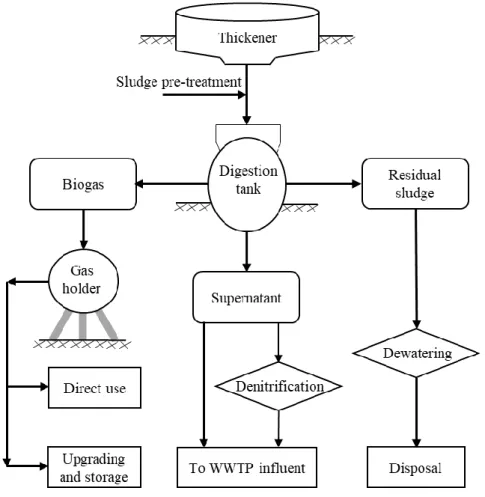
The separated sludge accumulates in various types of thickeners and further stabilized by digestion process in anaerobic digesters prior to disposal (Figure 1.3). The sludge will be stabilized when its organic compounds like proteins and lipids -The typical organic contents (expressed as volatile solids content in total solids, VS/TS) in domestic sludge range from 60% to 80% - converted to biogas (50–60% methane) and (25–50% carbon dioxide) under anaerobic conditions [7, 11].
Accordingly, biogas generation from the waste sludge during the anaerobic digestion process has been all over the world considered as an assured method for sludge treatment and disposal [12].
Practically, a first step for treating activated sludge is thickening it by gravity, flotation or belt filtration. In doing so, the amount of sludge can be reduced to as little as a one- third of its initial volume. The separated water is recycled to the influent of the WWTPs.
Once this has been accomplished, the sludge is subject to some process of biochemical stabilization as anaerobic digestion which plays an important role for further transform organic matter into biogas. Correspondingly, the final sludge solids for disposal is also
Figure 1.2Schematic representation of the activated sludge process
5
reduced, destroying most of the pathogens present in the sludge, and limiting possible odour problems associated with residual putrescible matter.
Generally, the stabilized waste sludge is disposed via incineration, landfilling or ocean disposal as well as reused as a soil conditioner in agriculture. Moreover, the dried sludge or the incinerator ash is used as a primary material in the manufacturing of construction material [13]. Reuse of sludge for construction materials can not only reduce the problems of disposal but also it can offer a renewable substitute for depleting non-renewable resources, and hence provides a great potential for waste utilization [14].
In Japan for over a decade, thermal solidification of stabilized sludge was used for creating a valuable products, where the incinerator ash and dried sludge are utilized as a primary materials in producing of construction materials and other types of products can be made, such as artificial lightweight aggregates, slags, and bricks that are similar in appearance and physical properties to standard building materials [15].
Portland cement manufacturing using incinerated ash, or dried sludge powder is another way to use valuable inorganic and organic compounds of the sludge and subsequently reduce the burden from natural resources like clay and limestone (source of SiO2 and
Figure 1.3 Sludge Management
6
CaO) [16]. Artificial lightweight aggregate can also be produced using the digested sludge, these artificial aggregates were used as pavement materials as in walkways, planter soils and heat-proofing panel [17].
1.3 Basic principles of anaerobic digestion
Anaerobic digestion is a complex process which has successive steps that depend on the activity of a complex microbial association to transform biodegradable organic materials into mostly methane and carbon dioxide and it requires strict conditions to proceed (oxidation-reduction potential (ORP)<−200 mV) [18]. The digestion itself is based on a reduction process consisting of a number of biochemical reactions taking place under anaerobic conditions.
Even though the anaerobic digestion successive steps, the first step -hydrolysis- is generally considered as rate limiting step [7]. The hydrolysis process is the splitting of compounds with water, as splitting the insoluble organic material and the high molecular weight compounds such as cellulose, lipids, polysaccharides, and proteins, into soluble organic substances. Cellulose as one of insoluble organic matter make up more than 15%
of the dry weight of the sludge, it involves many sugar units were joined together by chemical bonds. When the cellulose is hydrolyzed, many soluble molecules glucose are released (Eq. 1.1).
Cellulose (C6H12O6)n+ H2O → hydrolosis → soluble sugar n(C6H12O6) (1. 1) In the second step that mainly acid-forming stage, the hydrolyzed products are further degraded through fermentative processes called acidogenesis and fatty acids and amino acids were formed. Different facultative and obligatory anaerobic bacteria are responsible to produce short chain organic acids such as butyric acids, propanoic acids, acetic acids, alcohols, carbon dioxide and hydrogen. The formed hydrogen concentration as an intermediate product in this stage influences the final product produced during the fermentation process. If the hydrogen partial pressure was too high, it would decrease the number of reduced compounds [19].
The third stage is called acetogenesis, where the organic acids produced by acidogenesis are further digested by acetogens to produce mainly acetic acid, hydrogen and carbon dioxide. The products of the acidogenic phase are consumed as substrates for the other microorganisms, active in the third phase.
In the final step that called methanogenic step, methanogenic bacteria convert the acetogenesis products into methane and carbon dioxide under a strict anaerobic conditions.
7
Methanogenesis is a critical step in the entire anaerobic digestion process as it is the slowest biochemical reaction process [20].
1.4 Key parameters affecting anaerobic digestion
The rate of various processes of the anaerobic digestion process is affected by different important parameters like temperature and pH.
1.4.1 Temperature
The physicochemical characteristics of the anaerobic digestion substrate are controlled directly by the medium temperature, moreover, the microorganisms metabolism and growth rate also are affected. Volatile fatty acids degradation as propionate and butyrate is most sensitive groups to temperature because it affects the partial pressure of hydrogen in the digesters, therefore controlling the kinetics of the metabolism.
The anaerobic digestion was applied in a wide range of temperature from psychrophilic (<20 °C) [21], mesophilic (25-40 °C) [22], thermophilic (45-60 °C) [21, 23], and even extreme-thermophilic conditions (>60 °C) [24]. High temperature has a negative effect due to increases the fraction of free ammonia which has been considered to have actual toxicity as a result of its free membrane permeability, thus inhibit the microorganism’s activity [25]. However, the thermophilic operation is popular in anaerobic digestion applications where the ammonia inhibition is not a major consideration. On the other hand, the temperature has several advantages on anaerobic digestion, B Kanokwan (2006) listed these advantages in his doctoral thesis, as follow [26]:
1. Increasing the solubility of organic compounds to become more accessible to the microorganisms.
2. Increasing chemical and biological reaction rates, thus, accelerates the conversion process.
3. Decreasing the hydraulic retention time, so the reactor size can be smaller.
4. Increasing death rate of pathogenic bacteria especially under thermophilic conditions, which decreases the retention time required for pathogen reduction.
5. Improving the diffusivity of the soluble substrate and increase liquid-to-gas transfer rate due to lower gas solubility.
6. Decrease liquid viscosity which makes less energy required for mixing and also improve liquid-solid biomass separation.
8
It is important to maintain the operational temperature in the digester stable, since frequent fluctuations in the temperature affect the methanogens and process failure can occur at temperature changes in excess of 1 °C/day; and changes in temperature of more than 0.6 °C/day should be avoided [27].
1.4.2 pH and buffering capacity
Each microorganisms group has an optimum pH range, specifically methanogenic bacteria are quite sensitive to pH and it can function in a quite narrow pH interval from 5.5-8.5 with an an optimum from 6.5 to 7.2, whereas the fermentative microorganisms groups are relatively less sensitive with a more wide range of pH between 4.0 and 8.5 [28]. The main products at high pH of 8.0 are propionic acids while at a low pH mainly acetic and butyric acid are produced. Additionally, at high pH, free ammonia can cause weak base inhibition, whereas, at low pH, free volatile fatty acids can cause weak acid medium [29].
The solution resistance to pH change, that known as buffering capacity is an important factor for the anaerobic digestion process stability. Bicarbonate is the main buffer in anaerobic digesters and the volatile fatty acids are the main generated acid and sludge digesters normally have high feed bicarbonate buffering capacity and a high ammonia content which makes the pH around 7.5-8.0 [30].
1.5 Biogas as resource of renewable energy
The worldwide expanded energy demand and the environmental problems of fossil fuels with the unstable energy prices require utilization of bioenergy as a renewable energy. Among others bioenergy production technologies, biogas generation during the anaerobic digestion process attempts major advantages and it has been considered as one of the most environmentally beneficial and efficient technology for bioenergy production [31].
Due to its high methane potential, WAS as biomass has already been considered as a very desirable substrate for anaerobic digestion. Biomass under specific operating conditions will commit to methane generation. Naturally, WAS is considered to be attractive feedstock due to its high nitrogen content, high buffering capacity, and the high nutrients range utilized by methanogenic bacteria (methanogens).
The biogas as the main product of anaerobic digestion is a renewable energy resource therefore, enhancement the biogas production will reflect to increase the sustainable energy because the biogas can be predicted and works as an alternative to fossil fuels.
9
The potential biogas yield of various substrates mainly depends on the waste composition and the rate of biodegradability [32].
1.6 Nanotechnology
The concept of nanotechnology is referred to the application of materials on the nanoscale in the field of applied science. It is one of the rapidly growing areas of technology development and scientific research worldwide [33]. Professor Mihail C.
Roco who is the chair of US National Science and Technology Council refers nanotechnology as the “Next Industrial Revolution” [34] and it is distinguished by the application or use of such material of particle size range between 1 to 100 nanometers (nm), about one hundred thousand times smaller than the diameter of a human hair. Figure 1.4 illustrates the scale of objects in the nanometer range. There are two different processes that the nanoscale particles can be formed, the first pathway that called top- down process like grinding in which the nanoscale particle can be formed mechanically from milling the macro or micro scale particle counterparts whereas, the second pathway or bottom-up processes can create the nanoscale particles from its molecules and atoms.
Commonly when the particles size decreases to be in nanoscale, the physical and chemical characterizations will be changed dramatically and at least particles in nanoscale have more mobility and reactivity in nature.
Recently, materials in nanoscale have been proposed as environmentally-friendly and cost-effective alternatives compared with the existing bulk or microscale materials based on its successes in remediating the environment [33, 35].
Nanoparticles can be also classified into organic nanoparticles like carbon nanoparticles, inorganic magnetic nanoparticles like iron nanoparticles, and semiconductor nanoparticles like zinc oxide.
The nanosize of particles can facilitate a fascinating level in the versatility of remediation and it can make the current treatment technologies more and more energy efficient by utilizing reactive nanoscale particles which can remove the chemical and biological pollutants.
10
1.7 Zero-Valent Iron as a catalytic material 1.7.1 Zero-valent iron
During last two decades, ZVI has been used in order to remediate contaminated groundwater because it is an abundant and non-toxic material, and its redox potential (E0= ̶ 0.44 V). Thus, the directional electrons transfer from the ZVI particles to the contaminants is considered the main contaminants removal mechanism [37].
The ZVI can be obtained chemically using a reducing agent of sodium borohydride (NaBH4), according to the following reaction (Eq. 1.2) [38].
Fe(H2O)63++ 3BH4−+ 3H2O → Fe0 ↓ + 3B(OH)3−+ 10.5H2 (1. 2) Details about ZVI synthesis will be clarified in research experimental work methods chapter.
ZVI in aqueous solutions can donate two electrons to produce ferrous (Fe2+) plus hydrogen peroxide (H2O2) (Eq.1.3).
Fe0+ O2+ 2H+ = Fe2++ H2O2 (1.3) H2O2 then reduced with another two donated electrons to produce water (H2O), (Eq.(1.4)
Fe0+ H2O2+ 2H+ = Fe2++ 2H2O (1. 4) The combination of the Fe2+ and H2O2 can generate ferric (Fe3+) with hydroxyl radicals
(.OH) that is capable to oxidize various types of organic compounds, (Eq. (1.5)).
Fe2++ H2O2 = Fe3++ 𝑂𝐻.+ OH− (1. 5)
Figure 1.4 Diagram indicating relative scale of nanosized objects [36]
11
Recently, ZVI was successfully used for degrading heavy metals [39], dyes [40], nitrate [41], nitroaromatic compounds [42], and phenol [43]. In these uses, ZVI works as electrons donor from its surface to reductive the pollutants.
In addition, another important characteristic of reactive nanoparticles is their strong tendency to aggregate in solution.
1.7.2 Nanoscale zero-valent iron
nZVI particle size is less than 100 nm, typically within a range of 1 to 100 nm, and the form of pure nZVI mainly comprises of a spherical core surrounded by a tiny shell layer (Figure 1.5). The formation of a thin shell is essential to the reactivity of nZVI as the shell layer allows electron donation for reducing pollutant and, at the same time, facilitates efficient adsorption sites for different contaminants due to the surface complexation and electrostatic interactions. Additionally, nZVI shell overcomes the rapid oxidation of the ZVI [44], and numerous studies have documented remarkable contaminants degradation rates by nZVI compared to ZVI particles.
nZVI has large surface-to-volume ratio compared with other sizes of ZVI, and the increase in the proportion of surface area promises benefits for a wide variety of environmental applications and offers unique chemical, electronic and magnetic properties. The chemical reactivity of nZVI is high and it has a long reactive lifespan and high mobility with porous media.
The laboratory and field applications of using nZVI have demonstrated that it can be used as a reactive material to remediate pollutants including chlorinated organic compounds, nitroaromatic compounds, chromium, nitrates, and phosphorus. Moreover, its reactivity
Figure 1.5 Core shell structure on nZVI
Fe
012
and performance are affected clearly by the composition of media, ionic strength in the contaminated water, and the geochemical properties such as pH, dissolved oxygen, and ORP [45]. The main mechanisms of contaminant removal by nZVI application follow reduction, adsorption, and co-precipitation [46]. These mechanisms are constituted according to ferrous and ferric iron ions, leading the released electrons to become available for the contaminants.
1.7.3 Nanoscale zero-valent iron copper bimetallic
Basically, the iron copper bimetallic nanoparticles (nZVI/Cu0) are from a modified technique of nZVI, and they have the similar physico-chemical characteristics and may have a relative stronger oxidability under the aerobic condition.
As demonestrated by Li and Zhang [47], doping metals ions on nZVI that have electrode potentials (E0) more than the nZVI E0 value like copper (Cu2+) and mercury (Hg2+) will remove the pollutants principally by surface-mediated reductive precipitation. However, doping metals on nZVI that have E0 less than or close to the iron E0 value like zinc (Zn2+) and cadmium (Cd2+) will remove the pollutants basically by sorption.
Table 1 Redox couples of various metals ions with nZVI ([48])
Redox couple Principally removal mechanism using nZVI nZVI + Zn2+ → Zn0 + Fe2+ Sorption/surface complexation Cd2+ + nZVI → Cd0 + Fe2+ Sorption/surface complexation Hg2+ + nZVI → Hg0 + Fe2+ Reductive precipitation
Cu2+ + nZVI → Cu0 + Fe2+ Reductive precipitation
As shown in Table 1, there is an excess of aqueous Fe2+ developed from the anodic dissolution of the nZVI that can make contaminant reduction reactions more favorable.
Moreover, when the bimetallic is formed, the nZVI is considered to become an anode that can protect the noble metal. Removal of pollutants by chemical reduction at the surface of nZVI bimetallic particles is considered to occur through two pathways. The first way is through the direct electron transfer with noble metal whereas, the second way is through the hydrogen produced by oxidation of nZVI.
The high potential difference between the nZVI anode and Cu cathode has reflected the acceleration of corrosion rate of nZVI and its reactivity. Therefore, adding a small amount of Cu ions directly through the nZVI synthesis to form nZVI/Cu0 nanoparticles will have a much higher reduction rate of the pollutants than the rate obtained through the nZVI
13
system. It is also proved that the Cu planting onto the iron copper nanoparticles could improve significantly the р-nitrophenol (PNP) removal in aqueous solution [49].
Thereafter, adding bimetallic may sustain the methane production which might not only decrease the operation cost of sludge treatment but also promise a considerable digestion space to increase the sludge stabilization.
1.7.4 Nanoscale zero-valent iron supported onto zeolite
Zeolite is a non-cytotoxic mineral composed of silica, aluminum, and oxygen [50]
and it is distinguished by its systematic structure that consists of plenty of channel and pores cavities.
Zeolite has a large number of mesoporous structures with pore size distribution ranging from 2 to 50 nm, which has high internal and external surface active sites for cation adsorption.
Owing to these properties, the zeolite can trap nanoparticles inside its pores and immobilize the nZVI particles on its surface [51]. Therefore, it can be demonstrated that the zeolite modification by nZVI could allow the nanoparticles to enter into the zeolite pores, which could mitigate agglomeration and excessive oxidation of the nZVI.
It’s also considered that zeolite in presence of nanoparticles can work an inorganic cation exchanger which means can offer high ion exchange capacity, compatibility, and selectivity with the natural environment [52].
Currently, the literature focusing on the use of nZVI coated zeolite for arsenic adsorption [53], nitrate reduction [54], lead ions removal from water [55] and applied the nZVI coated zeolite into the anaerobic digestion application is limited. Planting the nZVI particles on zeolite may be a suitable pathway to enforce the contact between microorganisms and the nZVI species, and as a result, cell membrane disruptions that nZVI caused will be prevented.
Hence, coating the nZVI particles on a carrier may be a feasible strategy to increase the overall performance of anaerobic digestion process.
1.8 Water treatment by nanoscale zero-valent iron
Water resource scarcity listed in 2015 by the World Economic Forum as the largest global risk in terms of potential impact over the next decade [56]. The global water consumption has doubled every 15 years as a result of urbanization and industrialization.
Meanwhile, water resources now have a wide range of contaminants due to the urban and
14
industrial activities and the people's health is directly affected. Therefore, water treatment is a critically important pathway to protect the world peoples.
There is an increase on the use of nanoparticles for the removal of contaminants from water, and this is reflected in the enormous journal articles published during the last decade. The journal articles focus on a range of applications of nZVI for removing several contaminants include nitrate, phosphate, arsenic, nitrobenzene and heavy metals.
1.8.1 Nitrate removal
Nitrate as pollutant can reach the water bodies mainly due to excessive use of pesticides and agricultural fertilizers causing mutation defects, methemoglobinemia and carcinoma [37]. World Health Organization (WHO) standard guidelines set 10 mg/L as nitrate-nitrogen as a maximum concentration of potable water.
ZVI has an ability to remove the nitrate by chemical reduction pathway that is allocated as the major pathway to remove nitrate by the addition of ZVI particles. During the chemical reduction of nitrate, ammonium is to be the main product as detected by Eq.
(1.6) and also ZVI can react with nitrate then nitrite was formed and finally converted to nitrogen gas Eq. (1.7) and Eq. (1.8) [57].
4Fe0+ NO3−+ 10H+ = 4Fe2++ 3H2O + NH4+ (1. 6) Fe0+ NO3−+ 2H+ = Fe2++ H2O + NO2− (1. 7) 3Fe0+ 2NO2−+ 8H+ = 3Fe2++ 4H2O + N2(g) (1. 8)
1.8.2 Chromium and nickel as heavy metals
The seriousness of heavy metals in the water beside is allocated to its toxicity and carcinogenic trends, it can not be biodegradable and it can easy to accumulate on living organisms causing potential short term and long term hazards. Recently, ZVI has been demonstrated as an effective catalytic for removing chromium (Cr) and nickel (Ni).
ZVI can control chromium by instantaneous adsorption of Cr5+ on the surface of ZVI, meanwhile, pricipitate the mixture of Cr3+ and Fe3+ following Eq. (1.9) and Eq. (1.10).
Cr2O72−+ 2Fe + 14H+ = 2Cr3++ 2Fe3++ 7H2O (1. 9) Cr3++ Fe3++ 6OH− = Cr(OH)3↓+ Fe(OH)3↓ (1. 10) Ni ions were uptaken by nZVI through surface precipitation as discussed in the Efecan et al. study [58]. nZVI also elucidated that the kinetics of Ni2+ uptakes was high and the extent of uptake was not profoundly affected by pH variations.
15 1.8.3 Arsenic
Arsenic in water was often found in two form arsenite and arsenate and due to its carcinogenic and toxic effects, WHO considered it as a first priority pollutant and recommended the concentration of 10 µg/L as a limited level in drinking water. Different processes are involved when using ZVI in order to remove arsenic, moreover, reduction, adsorption, and surface precipitation were the main mechanisms of arsenic removal with different nZVI species [59]. Further corrosion of ZVI increased notably the removal of arsenic from groundwater via adsorption and precipitation. In aerated water, arsenite was removed by sorption on newly formed hydrous ferric oxides and hydroxyl radicals [60].
1.9 Anaerobic digestion by nanoscale zero-valent iron and the microbial interactions Waste sludge is stabilized by the anaerobic digestion process and this process is considered to be one of the most energy-efficient methods for sludge stabilization in parallel to produce methane which can be used as a renewable fuel [61]. The addition of nZVI or its composites may significantly affect the biodegradable organic matters of waste sludge into volatile fatty acids and methanogenesis. Therefore, the presence of nanoparticles may imapct the function of bacteria.
nZVI has high ability to gain or lose electrons, this makes it a competitive chemical additive to the anaerobic digestion process but excess iron ions produce a toxic free radicals as presented in Eq. (1.5). Excess ions will disturb the function of microbial life of organic material media. However, the comparatively low release elector donors like nµ particles is suitable for methanogenesis bacteria during the anaerobic digestion process resulting in an increase in the methane yield and increase the biogas production volume [62].
Also nZVI when exerted iron oxide and iron hydroxide ions inhibited a specific type of bacteria by rapid coating cell [63] or due to strong electrostatic interactions between another type like Escherichia coli and iron nanoparticles ions, the pure nZVI was adsorbed vigorously to this type of bacteria and therefore it induces the reductive stress and disrupts cell membranes and finally inhibits the bacterial growth [64]. In addition, nZVI can penetrate the bacterial cell membrane which leads to damage whole bacteria that happen associated with the production of intracellular reactive oxygen species (ROS) [63, 65].
16
In Contrast, nZVI has been paid attention to increase the anaerobic degradation because ZVI can act as an electron donor to improve the anaerobic condition by decreasing the ORP and controling pH through reduction of protons to hydrogen gas.
When Su et al. [66] added 0.1wt% of nZVI on the waste sludge under 37 °C for digestion period of 17 days and the results showed that this 0.1 wt% nZVI increases the methane yield by 40.4% and biogas generation volume by 30.4%. Whereas Yang Y. et al. [67]
who also examined the impact of nZVI on the anaerobic digestion of anaerobic sludge from Columbia municipal wastewater treatment plant for 14 days at 37 °C. The results showed that adding 1, 10 and 30 mM nZVI to the sludge resulted in 20%, 20% and 70%
decrease in methaneproduction respectively. The authors referred the inhibitory behavior of nZVI to the rapid hydrogen ions production that resulted from the dissolution of nZVI but the microscale-ZVI dissolution showed a slow release of hydrogen ions which enabled methanogenesis processes and increased methaneproduction. Comparatively, Abdelsalam E. et al [5] emphasized that 20 mg/L of nZVI yielded 580 mL of biogas which means achieved the highest biogas startup and it reduce the lag phase of production and the average production of the control during the first five days of hydraulic retention time (HRT) was only 159.3 mL. Su L. [66] reported that the promotion of methane production by the addition of nZVI is attributed to the function of nZVI toward reducing the hydrogen sulfide concentration (H2S).
In the anaerobic digestion process with the addition of iron particles, ZVI has been found able to accelerate the hydrolysis and fermentation stages due to its action as electron donor.
Zhang et al. reported that the microscale of ZVI enhanced the methane yields of waste activated sludge for all concentrations. According to the authors, the microbial hydrolysis-acidification of complex matters were promoted by the reduction of ferric oxides on the surface of the iron [68]. A good digestion performance was observed when utilized ZVI bed in an UASB reactor because ZVI could act as additional electron donor to decrease the un-dissociated H2S concentration, thereby decreasing its negative impact on the anaerobic digestion process [69]. In a posterior study, where UASB used for treating azo dye wastewater, the authors claimed that ZVI promoted the growth of methanogens due to the high degradation rates that UASB achieved at low temperature (25 °C) and HRT (12 hrs) [70].
Although ZVI has exhibited its stimulative activity to a plenty of microbes, it is considered as universally bactericidal in aquifer systems and it exerts selective pressure
17
on the microbial community, inhibiting some microbial groups particularly the nanoscale of ZVI [71]. nZVI due to its particular physicochemical property can easily attach to the bacterial cell surface. During their contact, some interactions could occur between nZVI and the bacteria, which may be chemical, physical, biological reaction or any combinations of them and subsequently nZVI exerts an inhibition influences onto the bacteria cells [72]. The inhibition and cytotoxicity of the nZVI include damaging the cell membrane integrity, interference with respiration, oxidative damage of various enzyme of DNA due to excess ROS generated from Fenton’s chemistry. The nZVI toxicity mechanisms to the microbes involve two aspects: one is disruption of the cell membrane architectures and enhancement the membrane permeability, this aspect is recognized as physical damage. The other is biochemical damage in which an interference in energy transduction and exchange, gene and protein damage happened.
1.10 Nanoscale zero-valent iron applications
ZVI-based application technology can be generally divided into two main groups:
in the first group, which use ZVI as an electron donor to convert the contaminants into less toxic compounds or induce the microbial life; and those which use the ZVI as contaminant immobilizing reagent, sorbent or co-precipitant [73].
The American Environmental Protection Agency (US EPA) grouped a list of 25 sites where nZVI was utilized for soil remediation. More than 56% of the sites have 70% as an average contaminants removal rate and all case has high dosage concentration and the most frequently applied concentration was 8 g/L. 40% of sites applied pure nZVI while 32% used bimetallic [74].
New innovative in situ technology has been used to remediate polluted groundwater, this new sustainable technology which called permeable reactive barrier (PRB). The concept of PRB involvesperpendicular injecting of a reactive media like ZVI to the potential path of the polluted groundwater in Figure 1.6. When the polluted plume crosses the PRB, the pollutants will react with the reactive media and will be transferred to be less harmful compounds [75].
18
On the other application, Li S. el al. [76] constructed a new nZVI wastewater treatment pilot plant in order to remove heavy metal. The nZVI treatment plant was constructed in April 2012, and served as a pretreatment to remove arsenic and metals in the wastewater.
Their work demonstrated that nZVI is an ideal reagent for treating wastewater containing heavy metals, and reported a systematic approach using nZVI for wastewater treatment.
On the other side, Kumpiene et al. [77] assessed ZVI for stabilization of Cr, Cu and arsenic in soil. Controlling the bioavailability of the arsenic and Cr in contaminated soil was significantly decreased by 98% and 45%, respectively.
For the drinking water sources contaminated by arsenic, ZVI-based cleanup technologies have been developed to address the major problem of arsenic contamination in groundwater-sourced drinking water, particularly in the areas faced this problem as in West Bengal and Bangladesh, where up to 80 million inhabitants consume contaminated water with arsenic. A considerable number of field studies have been developed the removal of arsenic by ZVI, highlighting the arsenic was removed by direct adsorption processes or co-precipitation with more than 90% arsenic removal rate [78, 79].
1.11 Cost of nanoscale zero valent iron
The price of one kilogram of nZVI particles varies between 25 and 325 Euro. This variation in price is determined by the manufacture and also based on the type of nZVI (stabilised products, modified products, conservation) as listed in Table 2. As much as the micro-scale and granular ZVI are available for less than 1 Euro/kg.
Figure 1.6Permeable reactive barrier
19
Table 2 List of commercially available nZVI [80]
Producer Name Country nZVI Type Price Surface area
Particle size Nano Iron Czech
Republic nZVI powder 25 - 65 Euro/kg
20-25
m²/g 50 nm TODA KOGYO
CORP. Japan
RNIP(mainly iron oxides), powder
25-33
Euro/kg 23 m²/g 100 nm Polyflon
company
USA,
Florida nZVI powder Unknown 37-58 m²/g
100-200 nm Gotthart Maier
Metallpulver GmbH
Germany μZVI powder 1.2 euro/kg N.A. 0–80 μm Even though, the total cost of a particular nZVI application project is difficult to estimate while it depends on various factors, e.g. the amount used, cost of transportation and the product type.
1.12 Research aim and objectives
The goal of this research work was to develop a novel treatment enhancement system for waste activated sludge. A biochemical methane potential setup was primarily assembled and operated. In this study, nZVI was selected as a promising catalytic reactive material for wastewater treatment and sludge stabilization enhancement.
The main research objectives of this Ph.D. study were:
Exploring the role of bimetallic nZVI/Cu0 particles into wastewater contaminants degradation, and the toxicity of nZVI/Cu0 to the domestic wastewater microbial community was distinguished.
Employed nZVI/Cu0 into laboratory scale anaerobic digestion system for improving the biogas production and methaneyield through dosing wide-range bimetallic concentrations and comparison with the outcomes of nZVI influences.
The effect of two different nZVI particles loadings have been examined and the performance on biogas production of this novel composite ICZ was tested based on modified biochemical methane potential test, and compared with that of the bioreactors exposed to only nZVI particles or zeolite material. The batch experiments were also carried out with no additive and with the mixture of both nZVI and zeolite labelled (IMZ).
Assess the performance of anaerobic digestion process for the treatment of sulfate- containing sludge in presence of nZVI. Accurately, the impact of various
20
concentrations of nZVI on methanogenesis activities in anaerobic digestion will be determined.
1.13 Structure and Outline of the Thesis
The thesis consists of six chapters in addition to the conclusions and recommendations. Chapter 1 includes an introduction to the water and sludge treatment by nanoparticles. In chapter 2, the experimental work methods were systematically described. Chapter 3 involves the nZVI and nZVI/Cu0 employment for wastewater contaminants degradation and microorganisms growth rate tracking. Whereas chapter 4 determines the methane generation stimulation by the addition of nZVI/Cu0 bimetallic nanoparticles and chapter 5 compare between pure nZVI and nZVI coated zeolite addition toward enhancing the biomethane generation. Chapter 6 discuss and evaluate the sulfate- containing sludge stabilization by nZVI. Based on the study outcomes, main conclusions and recommendations were listed along with the future outlook and research needs.
21
![Figure 1.4 Diagram indicating relative scale of nanosized objects [36]](https://thumb-ap.123doks.com/thumbv2/123deta/9880699.1906217/30.892.129.761.99.444/figure-diagram-indicating-relative-scale-nanosized-objects.webp)