
• 検索結果がありません。

組見本(pdf)

N/A
N/A
Protected

Academic year: 2021

シェア "組見本(pdf)"

Copied!
20
0
0

読み込み中.... (全文を見る)

全文

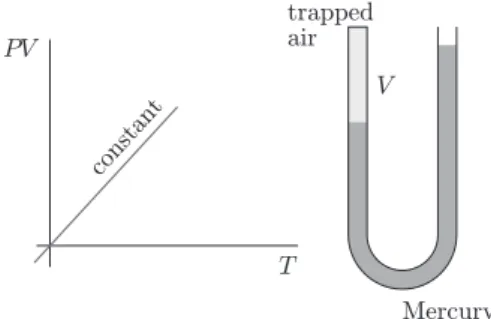
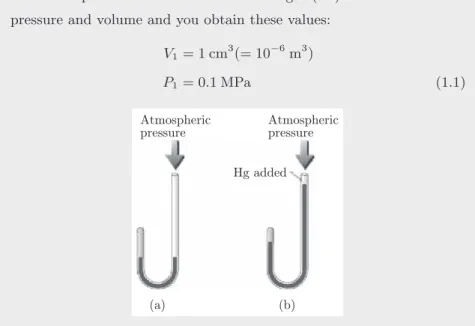
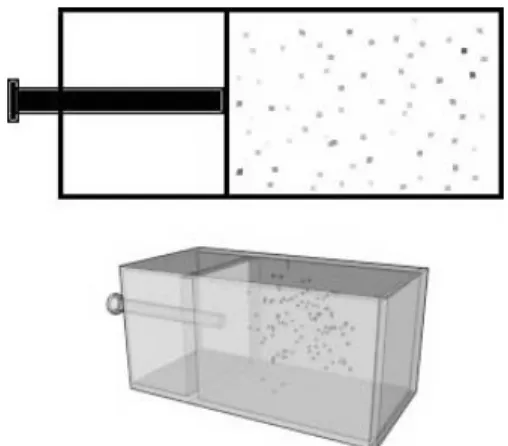
英語と日本語で学ぶ熱力学 xft0127-eigo-mgk.ps : 0001 : 2015/10/6(08:48:13)●. . Message from Author. The idea of this book was born in 2011 because of the necessity of a. proper “Thermodynamics” text book for the students in the Material Sci-. ences Faculty in Yokohama City University, Japan. This university is highly. internationalized and has a number of foreigner teachers that teach sciences. courses in English.. Japanese and foreigner exchange students follow classes, but since ma-. jority of them are Japanese we matured the idea of the necessity of an. appropriate text book in both languages. We contacted the Editor and the. reaction was enthusiastic.. The “Thermodynamics” course is given by one of the authors in the au-. tumn semester and lasts about 22 hours (15 classes of 90 minutes). It gives. the fundamental of thermodynamics, demonstrates from scratch the ideal. gas law, the kinetic theory and Boltzmann principles, teaches what is Brow-. nian motions, its central laws and implications, goes through phenomena like. thermal drift and thermal noise, explains key concepts like the thermody-. namics fundamental laws, thermodynamical machines and entropy and even. touches electrical phenomena and demonstrate the Ohm law.. The class finishes where quantum mechanics begins. At the end of the. course the last lectures introduce the limitations of thermodynamics, explain. and derive step by step the very first quantum mechanical equation: the. Planck “Black Body” radiation formula.. Thermodynamics can be a rather cold and sometimes boring subject. So. we focused to keep reader alert and motivated. In this book we never give. concepts from above, but incite students to understand the fundamental. 英語と日本語で学ぶ熱力学 xft0127-eigo-mgk.ps : 0002 : 2015/10/6(08:48:13)●. Message from Authoriv. meaning of things in the real world. We try always to give reasons why. those concepts were developed and explain what practical problems a theory. solves.. For example, the ideal gas law, usually given as a starting proposition in. many textbooks, it is instead derived gradually here from basic concepts of. first-year physics. Or, as another example of our approach, after introducing. and deriving Boltzmann distribution, we apply it to a column of air and show. how it explains everyday life problems like diminished pressure with height. or the weaker concentration of oxygen at higher elevations.. At the end of this course students are satisfied from the feeling that they. really understood the physical meaning of each formula learned. Instead of. forcing students to just learn and memorize abstract things in order to pass. an exam, we focused on transmitting the essence of the meaning of things,. and give the students the ability of deriving their own physical model so. they feel they are really in control of physical concepts.. We hope this book will transmit the same feeling as our course. Yokohama. City University score each year in the top 10% as student satisfaction and top 1% in students employment-ratio in Japan, surpassing several Japanese world class universities.. Ruggero Micheletto, PhD in Physics. Yokohama, July 2015. 英語と日本語で学ぶ熱力学 xft0127-wabun-mgk.ps : 0001 : 2015/10/6(09:06:00)●. . 著者からのメッセージ. 皆さんは英語は得意ですか? 英語はあまり得意じゃない,という理科系. の学生は少なくありません.ところが,実は,理科系でも研究室に入ると,も. れなく英語の論文を読むという輪講やゼミが待ち構えています.ひょっとす. ると,「ただでさえ英語が苦手なのに,難しい研究の話を英語で読むなんて…」. と思うかもしれません.あるいは,「英語は得意だけど,物理の話を英語で読. むのは敷居が高そうだ」と思う人もいるかもしれません.. この本は,そんな皆さんのために書きました.. いろいろな使い方ができるように,工夫しました.例えば,右のページの日. 本語のところだけを読むと,熱力学の本になっています.具体的な例を使っ. て,なるべくわかりやすく説明しています.英語が苦手な人は,初めは右の. ページだけ読んでもよいでしょう.左のページには,右ページとまったく同じ. 内容が英語で書かれています.英語が苦手だな…と思っている人も,日本語で. 内容を理解できたのなら,きっと英語でも理解できると思います.. 科学の世界で使われる英語は,実はそんなに難しくありません.なぜなら,. 科学の世界では論理を明確に伝える必要があるために,比喩や暗喩,難しい熟. 語などがあまり使われないからです.ごく簡単な文法だけで,科学の英語を読. むことはできるのです.. ただし,普通の英語の教科書には出てこない,いわゆる科学用語やしきたり. といったものは覚えなくてはいけません.英語のページには,私がかつて学生. だったころに,間違ったことや疑問に思ったことを脚注で解説しました.単に. 英語のことだけではなく,物理の世界で用いられるしきたりについても書きま. した.. 英語と日本語で学ぶ熱力学 xft0127-wabun-mgk.ps : 0002 : 2015/10/6(09:06:00)●. 著者からのメッセージvi. 科学の世界の英語って,ちょっとした専門用語を覚えたらそんなに難しくな. いんだ! と皆さんが自信をもつことで,新しい世界がひらけますように.. 2015年 7月. 戸坂亜希. 英語と日本語で学ぶ熱力学 xft0127-eigo-mkj.ps : 0001 : 2015/10/6(09:19:28)●. . Contents. Chapter 1 Basics for thermodynamics ・・・・・・・・・・・・・・・・・・・・・・・・・・・・・・・・・・・・・・・・・・・ 2. 1.1 Introduction ・・・・・・・・・・・・・・・・・・・・・・・・・・・・・・・・・・・・・・・・・・・・・・・・・・・・・・・・・・・・・・・・・・・・・・・・・・・・・・・ 2. 1.2 First experiments with gases ・・・・・・・・・・・・・・・・・・・・・・・・・・・・・・・・・・・・・・・・・・・・・・・・・・・・・ 4. 1.3 The law of ideal gases ・・・・・・・・・・・・・・・・・・・・・・・・・・・・・・・・・・・・・・・・・・・・・・・・・・・・・・・・・・・・・・・・ 10. 1.4 Isothermal compression/expansion ・・・・・・・・・・・・・・・・・・・・・・・・・・・・・・・・・・・・・・・・・・・ 20. 1.5 Adiabatic compression/expansion ・・・・・・・・・・・・・・・・・・・・・・・・・・・・・・・・・・・・・・・・・・・・・ 22. Chapter 2 A mathematical exercise ・・・・・・・・・・・・・・・・・・・・・・・・・・・・・・・・・・・・・・・・・・・・・・・・ 30. 2.1 The physical meaning of differentials ・・・・・・・・・・・・・・・・・・・・・・・・・・・・・・・・・・・・・・・ 30. 2.2 How to obtain the circumference of a circle? ・・・・・・・・・・・・・・・・・・・・・・・・・・・ 34. 2.3 The area of a sphere ・・・・・・・・・・・・・・・・・・・・・・・・・・・・・・・・・・・・・・・・・・・・・・・・・・・・・・・・・・・・・・・・・・ 36. Chapter 3 Laws of thermodynamics ・・・・・・・・・・・・・・・・・・・・・・・・・・・・・・・・・・・・・・・・・・・・・・ 42. 3.1 What is thermodynamics? ・・・・・・・・・・・・・・・・・・・・・・・・・・・・・・・・・・・・・・・・・・・・・・・・・・・・・・・ 42. 3.2 First law: the heat engine ・・・・・・・・・・・・・・・・・・・・・・・・・・・・・・・・・・・・・・・・・・・・・・・・・・・・・・・・・ 42. 3.3 The second law: order and disorder ・・・・・・・・・・・・・・・・・・・・・・・・・・・・・・・・・・・・・・・・・・ 44. 3.4 Entropy ・・・・・・・・・・・・・・・・・・・・・・・・・・・・・・・・・・・・・・・・・・・・・・・・・・・・・・・・・・・・・・・・・・・・・・・・・・・・・・・・・・・・・・ 48. Chapter 4 Distributions ・・・・・・・・・・・・・・・・・・・・・・・・・・・・・・・・・・・・・・・・・・・・・・・・・・・・・・・・・・・・・・・・・・・ 56. 4.1 What is a “distribution”? ・・・・・・・・・・・・・・・・・・・・・・・・・・・・・・・・・・・・・・・・・・・・・・・・・・・・・・・・・・ 56. 4.2 The distribution density in an air column ・・・・・・・・・・・・・・・・・・・・・・・・・・・・・・・・ 56. 4.3 The Boltzmann law ・・・・・・・・・・・・・・・・・・・・・・・・・・・・・・・・・・・・・・・・・・・・・・・・・・・・・・・・・・・・・・・・・・・ 66. 4.4 The concept of distribution of a general potential ・・・・・・・・・・・・・・・・・・・ 74. 英語と日本語で学ぶ熱力学 xft0127-eigo-mkj.ps : 0002 : 2015/10/6(09:19:28)●. Contentsviii. Chapter 5 Various phenomena explained by thermodynamics ・・・ 86. 5.1 Physical states: gas, liquid and solids ・・・・・・・・・・・・・・・・・・・・・・・・・・・・・・・・・・・・・・・ 86. 5.2 Speed distribution in an ideal gas ・・・・・・・・・・・・・・・・・・・・・・・・・・・・・・・・・・・・・・・・・・・・・ 92. 5.3 Brownian motion ・・・・・・・・・・・・・・・・・・・・・・・・・・・・・・・・・・・・・・・・・・・・・・・・・・・・・・・・・・・・・・・・・・・・・・・ 98. 5.4 Thermal noise ・・・・・・・・・・・・・・・・・・・・・・・・・・・・・・・・・・・・・・・・・・・・・・・・・・・・・・・・・・・・・・・・・・・・・・・・・・・・ 110. 5.5 Evaporation ・・・・・・・・・・・・・・・・・・・・・・・・・・・・・・・・・・・・・・・・・・・・・・・・・・・・・・・・・・・・・・・・・・・・・・・・・・・・・・・・ 116. Chapter 6 Applications ・・・・・・・・・・・・・・・・・・・・・・・・・・・・・・・・・・・・・・・・・・・・・・・・・・・・・・・・・・・・・・・・・・・・ 130. 6.1 Diffusion process ・・・・・・・・・・・・・・・・・・・・・・・・・・・・・・・・・・・・・・・・・・・・・・・・・・・・・・・・・・・・・・・・・・・・・・・・ 130. 6.2 The drift velocity ・・・・・・・・・・・・・・・・・・・・・・・・・・・・・・・・・・・・・・・・・・・・・・・・・・・・・・・・・・・・・・・・・・・・・・・ 138. 6.3 Electric resistance ・・・・・・・・・・・・・・・・・・・・・・・・・・・・・・・・・・・・・・・・・・・・・・・・・・・・・・・・・・・・・・・・・・・・・・ 142. 6.4 Diffusion ・・・・・・・・・・・・・・・・・・・・・・・・・・・・・・・・・・・・・・・・・・・・・・・・・・・・・・・・・・・・・・・・・・・・・・・・・・・・・・・・・・・・・ 148. 6.5 Black body radiation ・・・・・・・・・・・・・・・・・・・・・・・・・・・・・・・・・・・・・・・・・・・・・・・・・・・・・・・・・・・・・・・・・ 156. Index ・・・・・・・・・・・・・・・・・・・・・・・・・・・・・・・・・・・・・・・・・・・・・・・・・・・・・・・・・・・・・・・・・・・・・・・・・・・・・・・・・・・・・・・・・・・・・・・・・・・・・ 169. 英語と日本語で学ぶ熱力学 xft0127-wabun-mkj.ps : 0001 : 2015/10/6(09:11:55)●. . 目 次. 第 1章 熱力学の基礎 ・・・・・・・・・・・・・・・・・・・・・・・・・・・・・・・・・・・・・・・・・・・・・・・・・・・・・・・・・・・・・・・・・・・・・・・ 3 1.1 はじめに ・・・・・・・・・・・・・・・・・・・・・・・・・・・・・・・・・・・・・・・・・・・・・・・・・・・・・・・・・・・・・・・・・・・・・・・・・・・・・・・・・・・・・・ 3 1.2 気体分子に関する初期の研究 ・・・・・・・・・・・・・・・・・・・・・・・・・・・・・・・・・・・・・・・・・・・・・・・・・・・・・・ 5 1.3 理想気体の状態方程式 ・・・・・・・・・・・・・・・・・・・・・・・・・・・・・・・・・・・・・・・・・・・・・・・・・・・・・・・・・・・・・・・・・ 11 1.4 等温圧縮と等温膨張 ・・・・・・・・・・・・・・・・・・・・・・・・・・・・・・・・・・・・・・・・・・・・・・・・・・・・・・・・・・・・・・・・・・・・ 21 1.5 断熱圧縮と断熱膨張 ・・・・・・・・・・・・・・・・・・・・・・・・・・・・・・・・・・・・・・・・・・・・・・・・・・・・・・・・・・・・・・・・・・・・ 23. 第 2章 数学のエクササイズ ・・・・・・・・・・・・・・・・・・・・・・・・・・・・・・・・・・・・・・・・・・・・・・・・・・・・・・・・・・・ 31 2.1 微分の物理的な意味とは? ・・・・・・・・・・・・・・・・・・・・・・・・・・・・・・・・・・・・・・・・・・・・・・・・・・・・・・・・・・ 31 2.2 円周の長さの求め方 ・・・・・・・・・・・・・・・・・・・・・・・・・・・・・・・・・・・・・・・・・・・・・・・・・・・・・・・・・・・・・・・・・・・・ 35 2.3 球の表面積の求め方 ・・・・・・・・・・・・・・・・・・・・・・・・・・・・・・・・・・・・・・・・・・・・・・・・・・・・・・・・・・・・・・・・・・・・ 37. 第 3章 熱力学の法則 ・・・・・・・・・・・・・・・・・・・・・・・・・・・・・・・・・・・・・・・・・・・・・・・・・・・・・・・・・・・・・・・・・・・・・・・ 43 3.1 熱力学とは何だろう? ・・・・・・・・・・・・・・・・・・・・・・・・・・・・・・・・・・・・・・・・・・・・・・・・・・・・・・・・・・・・・・・・・ 43 3.2 熱力学第 1法則 ・・・・・・・・・・・・・・・・・・・・・・・・・・・・・・・・・・・・・・・・・・・・・・・・・・・・・・・・・・・・・・・・・・・・・・・・・・・ 43 3.3 熱力学第 2法則:秩序と無秩序 ・・・・・・・・・・・・・・・・・・・・・・・・・・・・・・・・・・・・・・・・・・・・・・・・・・・ 45 3.4 エントロピー ・・・・・・・・・・・・・・・・・・・・・・・・・・・・・・・・・・・・・・・・・・・・・・・・・・・・・・・・・・・・・・・・・・・・・・・・・・・・・・・ 49. 第 4章 分 布 ・・・・・・・・・・・・・・・・・・・・・・・・・・・・・・・・・・・・・・・・・・・・・・・・・・・・・・・・・・・・・・・・・・・・・・・・・・・・・・・ 57 4.1 分布とは何だろう? ・・・・・・・・・・・・・・・・・・・・・・・・・・・・・・・・・・・・・・・・・・・・・・・・・・・・・・・・・・・・・・・・・・・・ 57 4.2 気柱の中の空気の密度分布 ・・・・・・・・・・・・・・・・・・・・・・・・・・・・・・・・・・・・・・・・・・・・・・・・・・・・・・・・・・ 57 4.3 ボルツマンの法則 ・・・・・・・・・・・・・・・・・・・・・・・・・・・・・・・・・・・・・・・・・・・・・・・・・・・・・・・・・・・・・・・・・・・・・・・・ 67 4.4 一般的なポテンシャルの分布についての概念 ・・・・・・・・・・・・・・・・・・・・・・・・・・・・・・ 75. 英語と日本語で学ぶ熱力学 xft0127-wabun-mkj.ps : 0002 : 2015/10/6(09:11:55)●. 目 次x. 第 5章 熱力学から考える様々な現象 ・・・・・・・・・・・・・・・・・・・・・・・・・・・・・・・・・・・・・・・・・・・ 87 5.1 気相・液相・固相という物理的な相について ・・・・・・・・・・・・・・・・・・・・・・・・・・・・・・ 87 5.2 理想気体の速度分布 ・・・・・・・・・・・・・・・・・・・・・・・・・・・・・・・・・・・・・・・・・・・・・・・・・・・・・・・・・・・・・・・・・・・・ 93 5.3 ブラウン運動 ・・・・・・・・・・・・・・・・・・・・・・・・・・・・・・・・・・・・・・・・・・・・・・・・・・・・・・・・・・・・・・・・・・・・・・・・・・・・・・・ 99 5.4 熱雑音 ・・・・・・・・・・・・・・・・・・・・・・・・・・・・・・・・・・・・・・・・・・・・・・・・・・・・・・・・・・・・・・・・・・・・・・・・・・・・・・・・・・・・・・・・・ 111 5.5 蒸発 ・・・・・・・・・・・・・・・・・・・・・・・・・・・・・・・・・・・・・・・・・・・・・・・・・・・・・・・・・・・・・・・・・・・・・・・・・・・・・・・・・・・・・・・・・・・・・ 117. 第 6章 応用編:熱力学的な概念を使って ・・・・・・・・・・・・・・・・・・・・・・・・・・・・・・・・・・・ 131 6.1 拡散のプロセス ・・・・・・・・・・・・・・・・・・・・・・・・・・・・・・・・・・・・・・・・・・・・・・・・・・・・・・・・・・・・・・・・・・・・・・・・・・・ 131 6.2 ドリフト速度 ・・・・・・・・・・・・・・・・・・・・・・・・・・・・・・・・・・・・・・・・・・・・・・・・・・・・・・・・・・・・・・・・・・・・・・・・・・・・・・・ 139 6.3 電気抵抗 ・・・・・・・・・・・・・・・・・・・・・・・・・・・・・・・・・・・・・・・・・・・・・・・・・・・・・・・・・・・・・・・・・・・・・・・・・・・・・・・・・・・・・・ 143 6.4 拡散 ・・・・・・・・・・・・・・・・・・・・・・・・・・・・・・・・・・・・・・・・・・・・・・・・・・・・・・・・・・・・・・・・・・・・・・・・・・・・・・・・・・・・・・・・・・・・・ 149 6.5 黒体放射 ・・・・・・・・・・・・・・・・・・・・・・・・・・・・・・・・・・・・・・・・・・・・・・・・・・・・・・・・・・・・・・・・・・・・・・・・・・・・・・・・・・・・・・ 157. 索 引 ・・・・・・・・・・・・・・・・・・・・・・・・・・・・・・・・・・・・・・・・・・・・・・・・・・・・・・・・・・・・・・・・・・・・・・・・・・・・・・・・・・・・・・・・・・・・・・・ 171. 英語と日本語で学ぶ熱力学 xft0127-stob.ps : 0001 : 2015/10/6(09:26:35)●. . This book is to learn a very important subjects in physics: Thermodynamics.. This apparently boring topic is instead taught here in a fun and thought-. provoking way.. Remember that Newton though that heat was a sort of liquid and that. Brown looking at what we call now Brownian motion thought that inert. particles were alive!. In this book you will learn how scientists discovered the fundamentals. of all physics and modern sciences: the nature of heat, the existence of. atoms, the properties of gas and molecules and up to the quantization of. energy.. You will learn these things in a graceful way, step-by-step here.. So please sit back and enjoy studying!. 英語と日本語で学ぶ熱力学 xft0127-eigo-01.ps : 0001 : 2015/10/6(10:12:02)●. 2. . Chapter 1 Basics for thermodynamics 1.1 Introduction. Thermodynamics is a very important branch of physics, it deals with. the behavior of many particles and tries to use mathematics in order to. control and estimate the global behavior of a great number of independent. objects (molecules, particles, charges... you name it!). For example, if we. consider the movement of a single molecule in a gas, we can imagine that its. movement is chaotic, that the particle will act like a ball colliding randomly. with other molecules or other objects around it. Of course we know very. well the basic physics of such movements. A straight line, a collision and. another straight line again. This is easy Newtonian physics.. But, the problem is that it is clearly too complex to use standard physics. to describe an ensemble of a great number of molecules. If we wanted to do. so, we would need a number of equations equal to the number of molecules. involved. This means, for just a mole of gas, about 1023 equations! Clearly. this is absurd. Then how can we explain collective molecular phenomena like. the temperature, the pressure of a gas, or other collective phenomena like. diffusion, Brownian motion or electric conduction? These are the problems. that thermodynamical approaches and solves with very good approxima-. tions in many cases.. In this book we try to explain the fundamentals of thermodynamics. Es-. pecially we want to make the student to understand how some solutions are. achieved. We want to give the method to reach a solution in order that. he can derive it again by him/herself without the need of the book. Or. better, we hope this book will give students a new “way of thinking” and to. develop his/her own ability to derive thermodynamical solutions for general. 英語と日本語で学ぶ熱力学 xft0127-wabun-01.ps : 0001 : 2015/10/6(09:56:55)●. 3. . 第 1 章 熱力学の基礎 1.1 はじめに. 熱力学は物理の学問のなかでも,とても大切な分野である.というのも,沢 山の粒子の振る舞いについて扱うものであり,数学を用いて沢山の物体(分 子,粒子,電荷・・その他何でも)の包括的な振る舞いについて,調べたり見 積もったりするためのものだからである.例えば,あなたが気体中の 1つの 原子の動きについて考える時,その動きは無秩序で,その分子がまわりの気体 分子と衝突しながらランダムに動くボールのようなものを想像するのではない だろうか.私たちは,まっすぐに進んで他の分子と衝突し,その後もまっすぐ に進むという基礎的な物理についてはよく知っている.これはとても簡単なニ ュートン物理学である. しかし,問題は,沢山の数の分子の記述を考える時には,ごく基礎的な物理. 法則で記述できる運動でもとても複雑になってしまうということである.その 沢山の数の分子の運動を考えようとすると,分子の数だけ方程式を考えなくて はならない.これはつまり,たった 1モルの気体だとしても,1023 もの式を 考えなくてはならないということである! 明らかにこれは無理な話である. それでは,どうやって温度や圧力,拡散,ブラウン運動,電気伝導といった集 合した分子の振る舞いを考えればよいのだろうか.これが熱力学の扱うべき問 題であり,そしてまた,様々な場合,非常によくこれらの現象を解き明かす術 なのである. この本のなかで,私たちは熱力学の基礎的な事柄について説明する.なかで. も,学生の皆さんが「どうやってその考えを導くのか」といった点に重点を置 いた.皆さんが,教科書を見なくても自分の力で答えにたどり着くような力 を身につけることを期待している.あるいは,自分の力で「どうやって考える か」という方法を皆さんに提示し,これを応用して他の一般的な新しい問題に ついて,自分の力で答えを導いて欲しいと思う.. 英語と日本語で学ぶ熱力学 xft0127-eigo-01.ps : 0002 : 2015/10/6(10:12:02)●. 1.2 First experiments with gases4. and even new problems.. The book is based on the “Thermodynamics” course (named also “Mi-. cro phenomena”) in Yokohama City University. We accept both Japanese. and International students, so English vocabulary is simplified and we tried. to avoid complex phrases in order to be more easily understood by inter-. national readers. A full translation with rephrasing and comments about. English expressions is also provided on the opposite side of each page for. the Japanese student.. 1.2 First experiments with gases. Since many years ago people studied the properties of gases. Even in. the late 1600, Mr. Boyle discovered that the product Pressure by Volume. PV 1)is always a constant, if the amount of gas and its temperature do not. change. The experimentalist at the time of Boyle (1650), could measure the. expansion with an apparatus that is represented in principle in the figure. 1.1:. Fig. 1.1 A schematics of the apparatus used by Boyle in 1662. In the graph it is represented the linear behaviour with temperature, however Boyle didn’t know that PV = NkT at that time. He only knew that the product PV was a constant, if T was constant, independently by gas composition or nature.. 1)基本のルール:物理量はイタリック(斜め文字)で表記する.レポートを書く時には物 理量に気をつけて斜体にしてみよう.単位は立体(普通の文字)を使う.. 英語と日本語で学ぶ熱力学 xft0127-wabun-01.ps : 0002 : 2015/10/6(09:56:55)●. 1.2 気体分子に関する初期の研究 5. この本は横浜市立大学の熱力学の授業に基づいて書かれている.授業は日本 人と,そして外国人の両方のためのものである.英語の語彙は複雑な言い回し ではなくごく平易なものを使用し,英語を母国語としない外国人にもわかりや すいように努めた.反対側のページには(つまり,こちらのページ)日本人の 学生のために,日本語で書いてある. . 1.2 気体分子に関する初期の研究. 遥か昔から,人々は気体の性質についての研究を行ってきた.1600年代の 後半という遠い昔でさえ,ボイルは気体の量や温度が変化しない場合,物質の 圧力と体積の積が常に一定であるという法則を発見した.1650年のボイルの 実験は,図 1.1のような気体の膨張を測定することができる装置を用いて行わ れた.. 図 1.1 1662年,ボイルによって用いられた装置の模式図.左のグラフは,圧力と体積の 積が温度に対して線形に比例する関係を示している.ボイルはこのとき PV = NkT の関 係は気づいていなかった.ボイルはただ気体の組成や性質によらず圧力と体積の積が一定 になると気がついていただけだった.. 英語と日本語で学ぶ熱力学 xft0127-eigo-01.ps : 0003 : 2015/10/6(10:12:02)●. 1.2 First experiments with gases6. A fixed amount of air was trapped inside this J shaped tube. Boyle. changed the amount of mercury in the tube in order to exert more or less. pressure on the air. With this simple system he could measure both the. air volume and the pressure exerted by the mercury on it. At constant. temperature, he was surprised to find the famous relation PV = constant.. More surprisingly he discovered that this was true for any kind of gas he put. inside his J shaped tube! There was a linear relation between the product2). PV and the temperature T . Boyle noticed that the inclination of the line. was approximately the same, for any gas, if he inserted about the same. number of molecules. And this was true for ANY gas they tried! Why this. was happening? This fact, now called “Boyle law”, it is amazing. Why it is. amazing? Because of its simplicity! This result is so simple that it is easy. to miss what is quite remarkable about it.. Gases come in many different forms. We might have a very light gas like. helium, the gas used to lift balloons, whose molecules are little spheres. Or. we might have a denser gas like the oxygen of the air, whose molecules are. dumbbell shaped. Or we might have a vaporized liquid, like water vapour,. whose molecules are shaped something like the letter “Y”. In every case,. the same law holds, even if the oxygen or water vapour are mixed up with. another gas like nitrogen in the air. Even though nothing in the law takes. note of all these differences, still this law works...!. Later in the 1700 century J. Charles and J.L. Gay-Lussac discovered. that there was some kind of linear dependence with temperature, now we. call these laws the Charles law (V/T = constant) and the Gay-Lussac law. (P/T = constant).. 2)productは積のこと.ちなみに和:sum,差:difference,商:quotient.. 英語と日本語で学ぶ熱力学 xft0127-wabun-01.ps : 0003 : 2015/10/6(09:56:55)●. 1.2 気体分子に関する初期の研究 7. この図について詳しく説明しよう.まず,ある一定量の空気がアルファベッ トの Jの形をした管に閉じ込められており,水銀の量を調節することで,空 気に働く圧力の大きさをコントロールできるようになっている.この単純な仕 組みを使って,ボイルは空気の体積と空気が水銀から受ける圧力を測定した. 一定の温度条件での測定結果から,ボイルは有名な PV = 一定の関係を発見 して驚いた.そしてもっと驚くことに,J管に閉じ込める気体の種類を変えて も,その法則は成り立ったのであった. 圧力と体積の積 PV と温度 T の間には,線形に比例するという関係がある.. ボイルはこの比例係数について,気体の分子量を揃えて J管に閉じ込めると, どの気体についても同じだということに気がついた.どんな気体を試してもそ うなったのだ.なぜだろうか.ボイルが見つけたこの法則は,まさに現在「ボ イルの法則」と呼ばれるもので,素晴らしい発見だった.何が素晴らしいかと いうと,その単純さである.この関係はとてもシンプルなので,私たちは通常 この法則が非常に注目に値するものだということを忘れがちである. 気体分子は様々な形態をとる.例えば,風船を浮かすのに使われているヘリ. ウムはとても軽くて,その分子の形は小さな球形のようになっている.空気中 に存在する酸素のように集まっている気体もある.酸素分子はダンベルのよ うな形をしている.水蒸気はアルファベットの Yの字のような形をしている. ボイルの法則は,分子の形が違っていても同じ法則が成り立ち,また,大気の ように様々な形の分子の酸素や窒素が混ざり合っている場合にも成り立つ.つ まり,その気体分子の形の違いを知らなくても,この法則は成り立つ.. 17世紀後半,J. シャルルと J.L.ゲイ リュサックは,温度に対して線形の 依存性があることを発見した.これは現在私たちが,シャルルの法則(圧力が 一定の場合に V/T = 一定)あるいはゲイ リュサックの法則(質量と体積が 一定の場合に P/T =一定)と呼ぶものである.. 英語と日本語で学ぶ熱力学 xft0127-eigo-01.ps : 0004 : 2015/10/6(10:12:02)●. 1.2 First experiments with gases8. Example 1.1. Suppose you are Boyle in 1662. You trap in the “J” shaped tube a. fixed amount of air. Changing the amount of mercury, you change the. amount of pressure that is exerted on the gas (air). You first measure. pressure and volume and you obtain these values:. V1 = 1 cm. 3(= 10−6 m3). P1 = 0.1 MPa (1.1). Fig. 1.2 A schematic of the apparatus used by Boyle in 1662. You change the amount of mercury on the column to change the pressure on the gas (panel a and b). Keep PV constant and calculate the new pressure using MKS units. Then you add more mercury in the column. The weight of the col-. umn is now the equivalent of 380 mm of mercury over the atmospheric. pressure, about 0.05 MPascal, so you have:. P2 = 0.15 MPa. can you calculate the volume you expect in this case? Please use MKS. units3), Pascal is already in MKS units (1 Pa = 1 Newton per one square. meter4)).. Answer:V2 ≈ 6.67 × 10⁻⁷ m3. 英語と日本語で学ぶ熱力学 xft0127-wabun-01.ps : 0004 : 2015/10/6(09:56:55)●. 1.2 気体分子に関する初期の研究 9. 例題 1.1. あなたが 1662年のボイルだと想像して,考えてみよう.Jの形の管に, ある量の気体を封じ込めた.水銀の量を変えることで,閉じ込めた気体に 加わる圧力を変えることができる.まず最初に,圧力と体積を測ると, . V1 = 1 cm 3(= 10−6 m3). P1 = 0.1 MPa (1.1). という値を得た.. 図 1.2 ボイルが 1662年に用いた実験装置の模式図.気体にかかる圧力を変えて, 水銀の量を変えることができる((a)および (b)参照).PV を一定に保ち,変化さ せた圧力をMKS単位系を使って考えよう.. 次に,先ほどの状態からさらに水銀を加えた.380 mmの水銀柱の管の 重さ分の圧力が,閉じ込められた気体にかかっている.この圧力分は,お よそ 0.05 MPaなので,閉じ込められた気体の今の圧力は . P2 = 0.15 MPa. であるとわかる.このとき,体積はいくつになっているだろうか? ただ しMKS単位系を使うこと(PaはすでにMKS単位.1 Pa = 1 N/m2) 答え: V2 ≈ 6.67 × 10⁻⁷ m3. 英語と日本語で学ぶ熱力学 xft0127-eigo-01.ps : 0005 : 2015/10/6(10:12:02)●. 1.3 The law of ideal gases10. 1.3 The law of ideal gases. To put together all these relations found by these researchers, we have. to understand one of the oldest mystery of science: what is the physical. meaning of temperature? We know that material can be hot or cold at. touch. But what does that means in physical terms? How do we determine. the real nature of the temperature?. Well, we consider a piston full of gas, like in figure 1.3. If we suppose. that inside this piston there are N particles, what is the force exerted on. the piston? Well, the answer is easy. By definition, if the piston has an area. A, the pressure on it is. P =. < F >. A (1.2). where the symbolism < F > means the average force F .. Now, for sure we can measure the average force on the piston < F >, but. Fig. 1.3 A gas piston with gas molecules in it.. 3)MKS units: MKS単位系.メートル (m),キログラム (kg),秒 (s)を基本単位とする 単位系のこと.科学論文ではMKS単位系を使うのが一般的.. 4)square: 2乗のこと.ここでは m2 という意味.

Fig. 1.1 A schematics of the apparatus used by Boyle in 1662. In the graph it is represented the linear behaviour with temperature, however Boyle didn’t know that P V = NkT at that time
Fig. 1.2 A schematic of the apparatus used by Boyle in 1662. You change the amount of mercury on the column to change the pressure on the gas (panel a and b)
Fig. 1.3 A gas piston with gas molecules in it.

参照

関連したドキュメント

As Riemann and Klein knew and as was proved rigorously by Weyl, there exist many non-constant meromorphic functions on every abstract connected Rie- mann surface and the compact

The main problem upon which most of the geometric topology is based is that of classifying and comparing the various supplementary structures that can be imposed on a

AY2022 Grant Proposal for RIMS Joint Research Activity (RIMS Workshop (Type C)) To Director, Research Institute for Mathematical Sciences, Kyoto University

Although the Sine β and Airy β characterizations in law (in terms of a family of coupled diffusions) look very similar, the analysis of the limiting marginal statistics of the number

This paper studies relationships between the order reductions of ordinary differential equations derived by the existence of λ-symmetries, telescopic vector fields and some

Thus, it has been shown that strong turbulence of the plasma waves combines two basic properties of the nonlinear dynamics, viz., turbulent behavior and nonlinear structures.

Krasnov applied these ideas to the black hole horizon and used the ensemble of quantum states of SU (2) Chern–Simons theory associated with the spin assignments of the punctures on

In the second part the theorem is applied to show that interesting combinatorial sets related to a planar graph have lattice structure: Eulerian orientations, spanning trees