• 検索結果がありません。

Cryo-EM Structures of Centromeric Tri-nucleosomes Containing a Central CENP-A Nucleosome

N/A
N/A
Protected

Academic year: 2021

シェア "Cryo-EM Structures of Centromeric Tri-nucleosomes Containing a Central CENP-A Nucleosome"

Copied!
28
0
0

読み込み中.... (全文を見る)

全文

(1)

Cryo‑EM Structures of Centromeric

Tri‑nucleosomes Containing a Central CENP‑A Nucleosome

Author Yoshimasa Takizawa, Cheng‑Han Ho, Hiroaki Tachiwana, Hideyuki Matsunami, Wataru

Kobayashi, Midori Suzuki, Yasuhiro Arimura, Tetsuya Hori, Tatsuo Fukagawa, Melanie D. Ohi, Matthias Wolf, Hitoshi Kurumizaka

journal or

publication title

Structure

volume 28

number 1

page range 44‑53.e4

year 2019‑11‑08

Publisher Elsevier

Rights This article/chapter was published in Structure, Volume 28, Issue 1, Yoshimasa Takizawa, Cheng‑Han Ho, Hiroaki Tachiwana, Hideyuki Matsunami, Wataru Kobayashi, Midori Suzuki, Yasuhiro Arimura, Tetsuya Hori, Tatsuo Fukagawa, Melanie D. Ohi, Matthias Wolf,

Hitoshi Kurumizaka, Cryo‑EM Structures of Centromeric Tri‑nucleosomes Containing a

Central CENP‑A Nucleosome, 44‑53.e4, (C) 2019 Elsevier Ltd.

Author's flag author

URL http://id.nii.ac.jp/1394/00001371/

doi: info:doi/10.1016/j.str.2019.10.016

(2)

1

Cryo-EM Structures of Centromeric Tri-nucleosomes Containing a Central CENP-A Nucleosome

Yoshimasa Takizawa 1,2,7 , Cheng-Han Ho 1,7 , Hiroaki Tachiwana 3,4,7 , Hideyuki

Matsunami 2 , Wataru Kobayashi 1,3 , Midori Suzuki 3 , Yasuhiro Arimura 1 , Tetsuya Hori 5 , Tatsuo Fukagawa 5 , Melanie D. Ohi 6 , Matthias Wolf 2* and Hitoshi Kurumizaka 1,3,8*

1 Laboratory of Chromatin Structure and Function, Institute for Quantitative Biosciences, The University of Tokyo, Bunkyo-ku, Yayoi, 1-1-1, Tokyo 113-0032, Japan.

2 Molecular Cryo-Electron Microscopy Unit, Okinawa Institute of Science and

Technology Graduate University, 1919-1 Tancha, Onna-son, Kunigami-gun, Okinawa 904-0495, Japan.

3 Graduate School of Advanced Science & Engineering, Waseda University, Shinjuku, Tokyo 162-8480, Japan.

4 Department of Cancer Biology, The Cancer Institute of Japanese Foundation of Cancer Research, 3-8-31 Ariake, Koto-ku, Tokyo 135-8550, Japan.

5 Graduate School of Frontier Biosciences, Osaka University, 1-3 Yamada-oka, Suita, Osaka 565-0871, Japan.

6 Life Science Institute, Cell & Developmental Biology, University of Michigan Medical School, 210 Washtenaw, Ann Arbor, MI 48109-2200, USA.

7 These authors equally contributed to this work.

8 Lead Contact

*To whom correspondence should be addressed.

E-mail: [email protected] (H. Kurumizaka) or [email protected] (M.

Wolf)


(3)

SUMMARY

The histone H3 variant CENP-A is a crucial epigenetic marker for centromere

specification. CENP-A forms a characteristic nucleosome and dictates the higher-order configuration of centromeric chromatin. However, little is known about how the CENP- A nucleosome affects the architecture of centromeric chromatin. In the present study, we reconstituted tri-nucleosomes mimicking a centromeric nucleosome arrangement

containing the CENP-A nucleosome, and determined their three-dimensional structures by cryo-electron microscopy. The H3-CENP-A-H3 tri-nucleosomes adopt an untwisted architecture, with an outward-facing linker DNA path between nucleosomes. This is distinct from the H3-H3-H3 tri-nucleosome architecture, with an inward-facing DNA path. Intriguingly, the untwisted architecture may allow the CENP-A nucleosome to be exposed to the solvent in the condensed chromatin model. These results provide a structural basis for understanding the three-dimensional configuration of CENP-A- containing chromatin, and may explain how centromeric proteins can specifically target the CENP-A nucleosomes buried in the robust amounts of H3 nucleosomes in

centromeres.

Keywords (up to 10): centromere; CENP-A; chromatin; cryo-EM; nucleosome; histone

variant

(4)

INTRODUCTION

Centromeres are chromosome regions for kinetochore assembly, and their positions are epigenetically defined and maintained through cell division (Cheeseman and Desai, 2008; Santaguida and Musacchio, 2009; Fukagawa and Earnshaw, 2014). Many proteins participate in the formation and maintenance of the kinetochore structure on

centromeres (Obuse et al., 2004; Cheeseman et al., 2004; Minoshima et al., 2005; Foltz et al., 2006; Meraldi et al., 2006; Okada et al., 2006; Hori et al., 2008; Amano et al., 2009). CENP-A (also named CenH3) is a highly conserved centromere-specific histone H3 variant (Palmer et al., 1987) that is essential for designating centromeres as sites for kinetochore assembly (Fukagawa and Earnshaw, 2014; McKinley and Cheeseman, 2016; Müller and Almouzni, 2017; Musacchio and Desai, 2017; Hara and Fukagawa, 2018). In fact, CENP-A functions as an epigenetic mark for centromere specification (Black and Cleveland, 2011).

If the CENP-A level is decreased in cells, then kinetochore assembly is severely impaired (Howman et al., 2000; Régnier et al., 2005; Fachinetti et al., 2013). On the other hand, the overproduction of CENP-A has been found in several types of cancer (Tomonaga et al., 2003; Li et al., 2011; Rajput et al., 2011; McGovern et al., 2012;

Stangeland et al., 2015; Sun et al., 2016). In fact, the inappropriate assembly of the CENP-A nucleosome at ectopic loci may lead to a higher incidence of cancer (Lacoste et al., 2014; Shrestha et al., 2017). These findings suggest that proper CENP-A

assembly in centromeres ensures cellular homeostasis.

The CENP-A nucleosome recruits additional centromeric proteins to its assembly sites. This occurs even if CENP-A is artificially positioned at a non- centromere locus on a chromosome (Mendiburo et al., 2011; Logsdon et al., 2015;

Tachiwana et al., 2015). Thus, the CENP-A nucleosome functions as a structural hub for the assembly of other centromeric proteins. Consistent with these cell biological

findings, biochemical and structural analyses demonstrated that some centromeric proteins, including CENP-B, CENP-C, and CENP-N, directly bind to the CENP-A nucleosome (Tanaka et al., 2005; Carroll et al., 2009; 2010; Guse et al., 2011;

Tachiwana et al., 2013; Kato et al., 2013; Arimura et al., 2014; Fujita et al., 2015;

Fachinetti et al., 2015; Falk et al., 2015; Chittori et al., 2018; Pentakota et al., 2017;

Tian et al., 2018). To ensure the specific binding of centromeric proteins to the CENP-A

(5)

nucleosome, it must have distinct features as compared to the canonical H3 nucleosome in centromeric chromatin.

The CENP-A nucleosome contains several unique structural attributes, such as the L1 loop (also called RG loop) protrusion (Sekulic et al., 2010; Tachiwana et al., 2011) and flexible DNA ends (Conde e Silva et al., 2007; Sekulic et al., 2010;

Tachiwana et al., 2011; Kingston et al., 2011; Dechassa et al., 2011; Panchenko et al., 2011; Arimura et al., 2014; Kono et al., 2015; Arimura et al., 2019). Cryo-electron microscopy (cryo-EM) structures revealed that the RG loop directly binds to CENP-N (Chittori et al., 2018; Pentakota et al., 2018; Tian et al., 2018). The flexible DNA ends of the CENP-A nucleosome may have a strong impact on the higher-order chromatin architecture. The structural organization of the DNA ends could be the mechanism that enhances the accessibility of the CENP-A nucleosome to its binding partners, as

compared to the H3 nucleosome. Consistent with this model, the enhanced flexibility of the DNA ends in the CENP-A nucleosome has been observed in human cells, based on native chromatin immunoprecipitation coupled with massively parallel sequencing (ChIP-seq) (Hasson et al., 2013; Lacoste et al., 2014). In addition, the loss of the

flexibility of the DNA ends in the CENP-A nucleosome abrogates kinetochore assembly (Roulland et al., 2016). These observations strongly suggest that the flexible nature of the DNA segments in the CENP-A nucleosome may play important roles to facilitate the assembly of centromeric proteins. However, it remains unclear how the flexible DNA segments of the CENP-A nucleosome contribute to the establishment of the higher-order structure of the centromeric chromatin.

To address this question, we prepared tri-nucleosomes mimicking a centromeric nucleosome arrangement, in which the CENP-A nucleosome is flanked by two H3 nucleosomes (H3-CA-H3). We also prepared tri-nucleosomes without CENP-A (H3- H3-H3). We then determined the structures of these tri-nucleosomes by cryo-EM. The higher-order structures of the H3-CA-H3 tri-nucleosomes provide a structural model for the role of CENP-A as a platform for kinetochore assembly sites on chromosomes.

RESULTS

Reconstitution of the H3-CA-H3 Tri-nucleosome

In higher eukaryotes, the CENP-A nucleosomes are interspersed throughout the

(6)

centromeric chromatin and primarily have H3 nucleosomes as neighbors (Ribeiro et al., 2010; Fukagawa and Earnshaw, 2014; Müller and Almouzni, 2017; Musacchio and Desai, 2017; Nishimura et al., 2019). To study the higher-order structure of centromeric chromatin containing CENP-A nucleosomes, we reconstituted a tri-nucleosome

mimicking a centromeric nucleosome arrangement, in which one CENP-A nucleosome is flanked by two H3 nucleosomes (Figure 1A). We prepared the CENP-A nucleosome with cohesive sites at both DNA ends (Figure 1A-b, 1B). H3 nucleosomes with a single cohesive end were also reconstituted, and the CENP-A nucleosome was then connected to two H3 nucleosomes with linker DNAs by T4 DNA ligase (Figure 1A-a,c, 1B, 1C).

The resulting H3-CA-H3 tri-nucleosome was purified by native polyacrylamide gel electrophoresis (Figure 1A-right, 1D, 1E). For comparison with non-centromeric chromatin, the conventional H3-H3-H3 tri-nucleosome was also generated by the same procedure (Figure 1A-right, 1D, 1E). In these tri-nucleosomes, the nucleosomes were connected by 22 base-pair linker DNAs, which correspond to the predicted linker DNA length in human centromeric alphoid DNA repeats (Masumoto et al., 1989a; Masumoto et al., 1989b). An SDS-PAGE analysis confirmed that both the CENP-A and H3

molecules were properly incorporated into the tri-nucleosomes with the appropriate stoichiometry (Figure 1D).

Imaging of the Tri-nucleosomes by Cryo-EM

The reconstituted H3-CA-H3 and H3-H3-H3 tri-nucleosomes were visualized by cryo- EM, using a Volta phase plate for in-focus phase contrast. As expected, the images showed the three nucleosomes connected by linker DNAs, and the tri-nucleosome conformation appeared flexible in both the H3-CA-H3 and H3-H3-H3 nucleosomes in the absence of Mg 2+ ions (Figure 2A). Interestingly, the addition of a physiological concentration (1mM) of Mg 2+ ion drastically changed the conformations of both the H3- CA-H3 and H3-H3-H3 tri-nucleosomes, resulting in face-to-face stacking of the

peripheral H3 nucleosomes against each other on their histone surfaces (Figure 2B).

The Linker DNA Paths of the Tri-nucleosomes

We processed the cryo-EM images of the H3-CA-H3 and H3-H3-H3 tri-nucleosomes in

the presence of Mg 2+ , and obtained 2D class average images (Figure 3 and Figure S1).

(7)

Interestingly, in the H3-H3-H3 tri-nucleosome with the 22 base-pair linker DNAs, two different linker DNA conformations were observed. In the inward-path conformation, the linker DNAs of the central nucleosome were connected to the inward-facing strands of the stacked nucleosomes (Figure 3A, blue circles), while another population of H3- H3-H3 tri-nucleosomes adopted a conformation in which the linker DNAs were

connected to the outward-facing strands of the stacked nucleosomes in the outward-path conformation (Figure 3A, red circles). Interestingly, the outward-path conformation of the H3-H3-H3 tri-nucleosome was not observed when the linker DNA length was elongated to 30 base pairs (Figure 3B). Therefore, the outward-path structural

conformation may not be favorable in H3-H3-H3 tri-nucleosomes when the linker DNA length extends beyond a certain length.

In contrast, we found that the H3-CA-H3 tri-nucleosome only formed the outward-path conformation with the 22 base-pair linker DNAs (Figure 3C), a linker length that closely corresponds to the predicted linker DNA length in human

centromeric chromatin (Masumoto et al., 1989a; Masumoto et al., 1989b). This

outward-path conformation was still observed even in H3-CA-H3 tri-nucleosomes with 30 base-pair linker DNAs (Figure 3D). These results indicate that the CENP-A

nucleosome has the potential to form the outward-path conformation in chromatin.

The adoption of the outward-path conformation may be enhanced by the DNA end flexibility observed in the CENP-A nucleosome located at the center of the tri- nucleosome (Tachiwana et al., 2011; Arimura et al., 2014). The DNA end flexibility is induced by the N helix of CENP-A (Roulland et al., 2016; Arimura et al., 2019).

Interestingly, the CENP-A nucleosome did not adopt the outward-path conformation when it was located on both sides of the central H3 nucleosome in the CA-H3-CA tri- nucleosome with 30 base-pair linker DNAs (Figure S2). In addition, the CENP-A nucleosomes were stacked in the CA-H3-CA tri-nucleosome, as in the H3 nucleosome.

Therefore, the proper localization of the CENP-A nucleosome may be important for the outward-path conformation in chromatin.

Cryo-EM Structures of Tri-nucleosomes with 22 base-pair Linker DNAs

We reconstructed the 3D structures of the H3-CA-H3 and H3-H3-H3 tri-nucleosomes

with the 22 base-pair linker DNAs in the outward path conformation. For comparison,

(8)

the H3-H3-H3 tri-nucleosome structure (outward path) with the 22 base-pair linker DNAs was reconstructed (Figure 4A). An H3-H3-H3 tri-nucleosome structure, in which the two stacked H3 nucleosomes were slightly shifted, was also obtained (Figure S6).

This could reflect the dynamic nature of the stacked di-nucleosome within the tri- nucleosome. However, the orientation of the central H3 nucleosome relative to the stacked di-nucleosome was quite similar in both H3-H3-H3 tri-nucleosome structures.

Interestingly, in the H3-CA-H3 tri-nucleosome, the orientation of the central CENP-A nucleosome relative to the stacked H3 di-nucleosome was essentially

untwisted, as compared to that of the central H3 nucleosome (Figure 4B). This may be a consequence of the flexible DNA ends of the CENP-A nucleosome. In fact, the linker DNAs of the CENP-A nucleosome did not fit the linker DNA orientation of the H3 nucleosome model (Figure 4C). Therefore, the CENP-A nucleosome with the linker DNA length corresponding to human centromeric alphoid DNA repeats has a strong propensity to change the nucleosome alignment in chromatin.

The Linker DNA Length May Not Affect the CENP-A Configuration in the Tri- nucleosome

We next tested whether this characteristic orientation of the CENP-A nucleosome relative to the stacked H3 di-nucleosome is observed in a situation with a longer linker DNA. We reconstructed the 3D structure of the outward-path conformation of the H3- CA-H3 tri-nucleosome with 30 base-pair linker DNAs, which correspond to the

predicted linker DNA length of centromeric alphoid DNA repeats in plants (Henikoff et al., 2001). In this structure, the CENP-A nucleosome orientation relative to the stacked H3 di-nucleosome was quite similar to that in the tri-nucleosome with 22 base-pair linker DNAs (Figures 3D and 5A). In contrast, the 3D structure of the H3-H3-H3 tri- nucleosome with 30 base-pair linker DNAs formed the inward-linker DNA path, consistent with the 2D class averages (Figures 3B and 5B). This structure is essentially the same as the cryo-EM structure of the poly-nucleosome containing the linker histone H1 (Song et al., 2014), although our structure did not contain histone H1 (Figure S7).

These results suggest that the untwisted chromatin conformation induced by the CENP-

A nucleosome is a common feature that may define the platform chromatin architecture

for subsequent assembly of centromeric proteins.

(9)

DISCUSSION

CENP-A is a crucial epigenetic marker for centromere specification and kinetochore assembly. The CENP-A nucleosomes buried in centromeric chromatin must specifically bind to centromeric proteins, such as CENP-B, CENP-C, and CENP-N (Cheeseman and Desai, 2008; Santaguida and Musacchio, 2009; Fukagawa and Earnshaw, 2014; Müller and Almouzni, 2017; Musacchio and Desai, 2017). CENP-B enhances CENP-A stability on human artificial chromosomes (Fujita et al., 2015). CENP-N and CENP-C also stabilize the CENP-A nucleosome in vitro, although they have minimal effects on centromeric CENP-A stability in vivo (Cao et al., 2018). The CENP-A nucleosome bound with CENP-B, CENP-C, and CENP-N leads to the subsequent assembly of additional centromeric proteins, such as the components of the constitutive centromere- associated network (CCAN), followed by the formation of functional kinetochores (McAinsh and Meraldi, 2011; Fukagawa and Earnshaw, 2014; McKinley and

Cheeseman, 2015; Müller and Almouzni, 2017; Musacchio and Desai, 2017; Hara and Fukagawa, 2018).

CENP-B binds to the specific DNA sequence (CENP-B box) of alphoid DNA within the CENP-A nucleosome, and also directly interacts with the nucleosomal CENP-A protein (Tanaka et al., 2005; Tachiwana et al., 2013; Fujita et al., 2015;

Fachinetti et al., 2015). CENP-C is a key protein for kinetochore assembly (Saitoh et al., 1992; Kwon et al., 2007; Hori et al., 2008; Klare at al., 2015), and binds directly to the CENP-A C-terminal tail and the acidic patch formed with H2A and H2B in the CENP-A nucleosome (Carroll et al., 2010; Guse et al., 2011; Kato et al., 2013; Arimura et al., 2014). CENP-N binds to the CENP-A specific L1 (RG) loop region, together with DNA, in the CENP-A nucleosome (Carroll et al., 2009; Fang et al., 2015; Chittori et al., 2018; Pentakota et al., 2018; Tian et al., 2018). Although structural analyses have revealed the binding modes of CENP-B, CENP-C, and CENP-N to the CENP-A nucleosome, the molecular basis how these centromeric proteins specifically recognize the CENP-A nucleosomes buried in the large amounts of H3 nucleosomes within the centromeric chromatin have remained enigmatic.

It has been suggested that the CENP-A nucleosomes become clustered in the

centromeric chromatin (Allshire and Karpen, 2008). This allows the centromeric

(10)

proteins to find their target CENP-A nucleosome in the centromeric chromatin. On the other hand, it is difficult to target the single CENP-A nucleosome buried in the H3 nucleosome cluster in the centromeric chromatin. Therefore, in the present study, we focused on understanding the structural consequences when a single CENP-A nucleosome is embedded in the H3 nucleosome array. Supporting this idea, recent reports have suggested that the CENP-A nucleosomes are interspersed with the H3 nucleosomes as neighbors in higher eukaryotes (Ribeiro et al., 2010; Fukagawa and Earnshaw, 2014; Müller and Almouzni, 2017; Musacchio and Desai, 2017; Nishimura et al., 2019).

One plausible model is that the CENP-A nucleosome is targeted by the centromeric proteins, if it protrudes and becomes more accessible within the

centromeric chromatin. This could be accomplished if the CENP-A nucleosome favors a specific chromatin conformation. Consistent with this idea, previous studies revealed that the CENP-A nucleosome has distinct structural properties in vitro and in vivo, as compared with the H3 nucleosome (Conde e Silva et al., 2007; Sekulic et al., 2010;

Tachiwana et al., 2011; Kingston et al., 2011; Dechassa et al., 2011; Panchenko et al., 2011; Hasson et al., 2013; Lacoste et al., 2014; Arimura et al., 2014; Kono et al., 2015;

Arimura et al., 2019).

In addition to these previous studies, the present study clearly demonstrates how the CENP-A nucleosome adopts a centromere-specific chromatin conformation, using the H3-CA-H3 tri-nucleosomes mimicking the centromeric nucleosome array. In the absence of Mg 2+ ions, the tri-nucleosome conformation was quite flexible, and no obvious difference was found between the H3-CA-H3 and H3-H3-H3 tri-nucleosomes (Figure 2A). The physiological Mg 2+ ion concentration reportedly compacts poly- nucleosome fibers (Schwarz and Hansen, 1994). Therefore, we added physiological amounts of Mg 2+ ion to the tri-nucleosome samples. We surprisingly found that the peripheral two H3 nucleosomes in the tri-nucleosomes were stacked and formed the characteristic tri-nucleosome architecture under the conditions with a physiological Mg 2+ concentration (Figure 2B). This allowed us to perform the 3D reconstruction of the tri-nucleosomes (Figure 4), which revealed that the CENP-A nucleosome induces the characteristic conformation in tri-nucleosomes.

In the present study, we employed the Widom601 DNA sequence for the tri-

(11)

nucleosome reconstitution (Lowary and Widom, 1998). The Widom601 DNA fixes the nucleosome in a single position, thus facilitating the structural analysis. Since the centromeric -satellite DNA sequence also possesses the propensity for fixing the nucleosome position (Tanaka et al., 2005; Fujita et al., 2015), the overall architectures of the tri-nucleosomes presented here may mimic the centromeric chromatin

architecture.

We built chromatin fiber models with the H3-H3-H3 and H3-CA-H3 tri-

nucleosome structures (outward path) with 22 base-pair linker DNAs (Figure 6). In the model with the H3-H3-H3 tri-nucleosome structure, the nucleosomes are aligned and form a condensed chromatin fiber without steric clashes (Figure 6A, top panel).

Intriguingly, when the H3-CA-H3 tri-nucleosome structure is embedded in the H3-H3- H3 chromatin fiber model, the CENP-A nucleosome is clearly exposed (Figure 6A, bottom panel). In this model, the untwisted CENP-A nucleosome conformation deforms the continuous alignment of the H3 nucleosomes and becomes more accessible than the H3 nucleosome (Figure 6B). Actually, the CENP-A-binding domains of CENP-C and CENP-N and the DNA-binding domain of CENP-B are accessible to the CENP-A nucleosome in the fiber model (Figure 6B). The present chromatin fiber models provide a vision for how the CENP-A nucleosome is exposed for recognition by centromeric proteins in centromeric chromatin, and insights into the mechanisms by which centromere proteins are efficiently assembled in CENP-A containing chromatin. It should be noted that the chromatin fiber model presented in this study was created with the tri-nucleosome structures containing the Widom601 DNA that stably fixes the nucleosome position, and thus the CENP-A nucleosome becomes more accessible on the chromatin fiber with the native centromeric -satellite DNA sequence. Further studies are awaited.

STAR METHODS

⚫ KEYRESOURCES TABLE

⚫ CONTACT FOR REAGENT AND RESOURCE SHARING

⚫ EXPERIMENTAL MODEL AND SUBJECT DETAILS

⚫ METHOD DETAILS

(12)

Reconstitution of Tri-nucleosomes

Sample Preparation for Cryo-electron Microscopy Cryo-Electron Microscopy

Image Processing Model Building

⚫ DATA AND SOFTWARE AVAILABILITY

SUPPLEMENTAL INFORMATION

Supplemental Information includes seven figures.

ACKNOWLEDGMENTS

We thank Ms. Yukari Iikura (Univ. of Tokyo) for her assistance and Mr. Ryohei Matsumoto for his contribution in the initial stage of this project. This work was supported in part by JSPS KAKENHI Grant Numbers JP18H05534 [to H.K.],

JP17H01408 [to H.K.], JP17H05013 [to H.T.], 17H06167 [to T.F.], 15H05972 [to T.F.], JP 17K0731 [to H.M.], and JP19K06522 [to Y.T.]. This work was partly supported by JST CREST Grant Number JPMJCR16G1 [to H.K.] and by the Platform Project for Supporting Drug Discovery and Life Science Research (BINDS) from AMED, under Grant Number JP19am0101076 [to H.K. and M.W.].

AUTHOR CONTRIBUTIONS

Conceptualization, Y.T., H.T., M.W., and H.K.; Methodology, Y.T., H.T., M.W., and H.K.; Investigation, Y.T., C.-H.H., H.T., H.M., W.K., M.S., Y.A., T.H., T.F., M.D.O., and M.W.; Writing – Original Draft, H.K.; Writing – Review & Editing, Y.T., C.-H.H., H.T., T.F., M.D.O., and M.W.; Funding Acquisition, H.K., H.T., T.F., H.M., Y.T., and M.W.; Resources, M.W. and H.K.; Supervision, H.K.

DECLARATION OF INTERESTS

The authors declare no competing interests.

(13)

FIGURE LEGENDS

Figure 1. Tri-Nucleosome Reconstitutions.

(A) Scheme for preparing specific tri-nucleosomes (H3-H3-H3 and H3-CA-H3), using the ligation method. Three kinds of DNA fragments were prepared: two had one cohesive end and one blunt end (a and c), and one had two cohesive ends (b). Mono- nucleosomes were reconstituted on histone octamers containing either histone H3 (blue) or CENP-A (CA) (red). After purification of the mono-nucleosomes, the tri-

nucleosomes were prepared by connecting their linker DNAs with DNA ligase and purified. (B) Reconstituted mono-nucleosomes for the tri-nucleosome preparation were analyzed by 18% SDS-PAGE with Coomassie Brilliant Blue staining. Lane 1, H3 nucleosome(a); Lane 2, H3 nucleosome(c); Lane 3, H3 nucleosome(b); Lane 4, CENP- A nucleosome(b). (C) 4% non-denaturing polyacrylamide gel electrophoresis with ethidium bromide staining for the reconstituted mono-nucleosomes. (D) Reconstituted tri-nucleosomes were analyzed by 18% SDS- polyacrylamide gel electrophoresis with Coomassie Brilliant Blue staining. Lane 1, H3-H3- H3 tri-nucleosome (H3-H3-H3);

Lane 2, H3-CA-H3 tri-nucleosome (H3-CA-H3). (E) 4% non-denaturing

polyacrylamide gel electrophoresis of the reconstituted tri-nucleosomes with ethidium bromide staining.

Figure 2. Mg 2+ -Dependent Compaction of Tri-nucleosomes.

(A and B) Representative cryo-EM images of the tri-nucleosomes in the absence (A) or presence (B) of Mg 2+ . Raw digital micrographs of the tri-nucleosomes (upper) were obtained with a Titan Krios cryo-electron microscope using a Volta phase plate (VPP).

Scale bar, 50 nm. Particles of the tri-nucleosomes (lower) were boxed out from the VPP images. Box size, 40 nm.

Figure 3. Two-Dimensional Class Averages of the Tri-nucleosomes containing Different Linker DNA Length.

(A-B) Representative 2D class averages of the H3-H3-H3 tri-nucleosomes containing

22 base-pair (A), and 30 base-pair (B) linker DNAs. (C-D) Representative 2D class

averages of the H3-CA-H3 tri-nucleosomes containing 22 base-pair (C) and 30 base-

(14)

pair (D) linker DNAs. Red and blue circles indicate the classes with the DNA linker in the outward and inward paths, respectively. 3D-distributions of particle orientations for each class are shown in Figure S1.

Figure 4. Three-Dimensional Structures of the Tri-nucleosomes containing 22 base- pair Linker DNA.

(A) Semi-transparent iso-surface representation of the reconstructed electron potential of the H3-H3-H3 tri-nucleosome, contoured at 6.1 sigma above mean density. Models of the H3-H3-H3 tri-nucleosome, with the crystal structure of the H3 mono-nucleosome (PDB: 3LZ0) colored light blue, were placed into the cryo-EM map. Modeled linker DNAs are shown in light green. (B) Semi-transparent iso-surface representation of the reconstructed electron potential of the H3-CA-H3 tri-nucleosome, contoured at 4.0 sigma above mean density. Models of the H3-CA-H3 tri-nucleosome with the crystal structures of H3 (PDB: 3LZ0) colored light blue and the CENP-A mono-nucleosomes (PDB: 3AN2) colored red were placed into the cryo-EM map. Modeled linker DNAs are shown in light green. Scale bar, 50 Å for both panels. (C) Close-up views of the central nucleosomes of the H3-H3-H3 (left) and the H3-CA-H3 tri-nucleosomes (right).

Figure 5. Three-Dimensional Structures of the Tri-nucleosomes containing the 30 base-pair Linker DNA.

(A) Semi-transparent iso-surface representation of the reconstructed electron potential of the H3-CA-H3 tri-nucleosome, contoured at 2.6 sigma above mean density. Models of the crystal structures of the CENP-A nucleosome (PDB: 3AN2) and the H3

nucleosome (PDB: 3LZ0) were placed into the cryo-EM map. (B) Iso-surface

representation of the reconstructed electron potential of the H3-H3-H3 tri-nucleosome, contoured at 3.6 sigma above mean density, placed in the cryo-EM map. A model of the crystal structure of the H3 nucleosome (PDB: 3LZ0) was placed in the cryo-EM map.

Scale bar, 50 Å.

Figure 6. A model of the Centromere Chromatin Configuration.

(A) Poly-nucleosome model containing the 22 base-pair DNA, based on the H3-H3-H3

and the H3-CA-H3 tri-nucleosome structures. The CENP-A nucleosome is shown in

(15)

pink. The number indicates the assembly order of the nucleosomes. (B) A cartoon model for the centromeric chromatin, based on the cryo-EM structures of the H3-H3-H3 and H3-CA-H3 tri-nucleosomes. The DNA-binding domain of CENP-B (yellow, PDB:

1HLV), the CENP-A nucleosome binding domain of CENP-C (blue, PDB: 4X23), and the CENP-A nucleosome binding domain of CENP-N (green, EMD-7326) are

superimposed on the CENP-A nucleosome (pink, PDB: 6C0W). A close-up view of the CENP-A nucleosome model with these CENP-A nucleosome binding domains is presented in the right panel.

Table 1. DNA Sequences for Reconstitution of the Tri-nucleosomes

Name DNA sequences

DNA (a)

ATCAGAATCCCGGTGCCGAGGCCGCTCAATTGGTCGTAGACAGCTCTAGCACCGCTTAAACGCACGTACGCGC TGTCCCCCGCGTTTTAACCGCCAAGGGGATTACTCCCTAGTCTCCAGGCACGTGTCAGATATATACATCGATT GGATAGGCCC

DNA (b) 22 bp

GGACGGCCTGGATAATCAGAATCCCGGTGCCGAGGCCGCTCAATTGGTCGTAGACAGCTCTAGCACCGCTTAA ACGCACGTACGCGCTGTCCCCCGCGTTTTAACCGCCAAGGGGATTACTCCCTAGTCTCCAGGCACGTGTCAGA TATATACATCGATTGGATAGGCCCCAA

DNA (b) 30 bp

GGACGGCCATCTATATTGGATAATCAGAATCCCGGTGCCGAGGCCGCTCAATTGGTCGTAGACAGCTCTAGCA CCGCTTAAACGCACGTACGCGCTGTCCCCCGCGTTTTAACCGCCAAGGGGATTACTCCCTAGTCTCCAGGCAC GTGTCAGATATATACATCGATTGGATATATATCTAGGCCCCAA

DNA (c)

CGGCCTGGATAATCAGAATCCCGGTGCCGAGGCCGCTCAATTGGTCGTAGACAGCTCTAGCACCGCTTAAACG CACGTACGCGCTGTCCCCCGCGTTTTAACCGCCAAGGGGATTACTCCCTAGTCTCCAGGCACGTGTCAGATAT ATACATCGAT

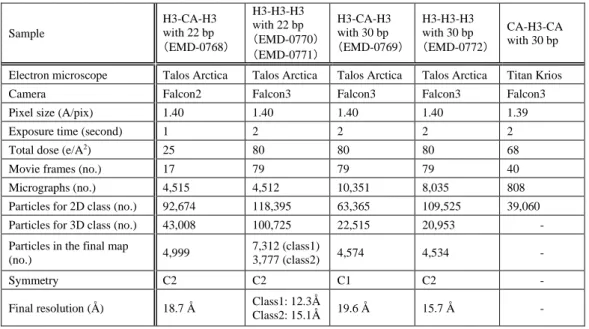
Table 2. Cryo-EM Data Collection and Image Processing for the Tri-nucleosomes.

Sample

H3-CA-H3 with 22 bp

(EMD-0768)

H3-H3-H3 with 22 bp

(EMD-0770)

(EMD-0771)

H3-CA-H3 with 30 bp

(EMD-0769)

H3-H3-H3 with 30 bp

(EMD-0772)

CA-H3-CA with 30 bp Electron microscope Talos Arctica Talos Arctica Talos Arctica Talos Arctica Titan Krios

Camera Falcon2 Falcon3 Falcon3 Falcon3 Falcon3

Pixel size (A/pix) 1.40 1.40 1.40 1.40 1.39

Exposure time (second) 1 2 2 2 2

Total dose (e/A

2

) 25 80 80 80 68

Movie frames (no.) 17 79 79 79 40

Micrographs (no.) 4,515 4,512 10,351 8,035 808

Particles for 2D class (no.) 92,674 118,395 63,365 109,525 39,060

Particles for 3D class (no.) 43,008 100,725 22,515 20,953 -

Particles in the final map

(no.) 4,999 7,312 (class1)

3,777 (class2) 4,574 4,534 -

Symmetry C2 C2 C1 C2 -

Final resolution (Å) 18.7 Å Class1: 12.3Å

Class2: 15.1Å 19.6 Å 15.7 Å -

(16)

STAR METHODS

CONTACT FOR REAGENT AND RESOUCE SHARING

Further information and requests for resources and reagents should be directed to and will be fulfilled by the Lead Contact Hitoshi Kurumizaka ([email protected] tokyo.ac.jp).

EXPERIMENTAL MODEL AND SUBJECT DETAILS

Human histones H2A, H2B, and H3 were expressed in the E. coli BL21 (DE3) strain.

Human histones H4 and CENP-A were expressed in the E. coli JM109 (DE3), and DH5 strains.

METHOD DETAILS

Reconstitution of Tri-nucleosomes

Histones H2A, H2B, H3.1, H4, and CENP-A were prepared as described previously (Tanaka et al., 2004; Kujirai et al., 2018). Three different DNA fragments (DNA(a)-(c) in Fig. 1A) were used for the reconstitution of mono-nucleosomes. The DNA sequences for the tri-nucleosome reconstitution, which were based on the Widom601 sequence, are listed in Supplementary Table 1 (Lowary and Widom, 1998). The DNA(a)-(c) fragments were tandemly inserted into the pGEM-T Easy vector (Promega). After amplification and purification of the plasmids, each fragment was excised with EcoRV, and the fragment was separated from the linearized plasmid by the PEG precipitation method. The purified DNA(a) and DNA(c) fragments were dephosphorylated with calf intestine alkaline phosphatase and then digested by BglI. The purified DNA(b)

fragments (for the 22 and 30 base-pair linker DNAs) were digested by BglI. After the restriction enzyme reactions, the fragments were purified by chromatography on a TSKgel DEAE-5PW column (Tosoh Bioscience).

The ligated tri-nucleosomes were reconstituted by the method described

previously (Kobayashi et al., 2016). Three mono-nucleosomes with different cohesive

ends were reconstituted by salt dialysis, and were purified by 6% polyacrylamide gel

electrophoresis, using a Prep Cell apparatus (Bio-Rad). These mono-nucleosomes

(17)

contained DNA(a), DNA(b), and DNA(c), and are named nucleosome(a),

nucleosome(b), and nucleosome(c), respectively. The tri-nucleosome was prepared by the ligation of nucleosome(a), nucleosome(b) (22 or 30 base-pair), and nucleosome(c) (0.1 mg DNA/ml) in the ratio of 1:0.9:1, with T4 DNA ligase in 0.12-0.2 ligation buffer (50 mM Tris-HCl (pH 7.5), 10 mM MgCl 2 , 20 mM DTT, and 1 mM ATP) for 18 hr at 16°C. The resulting tri-nucleosomes were further purified by 4% polyacrylamide gel electrophoresis, using a Prep Cell apparatus. The H3-H3-H3, H3-CA-H3, and CA- H3-CA tri-nucleosomes were stored at 4°C in 20 mM HEPES-KOH (pH 7.8) buffer.

The DNA sequences are listed in Supplementary Table 1.

Sample Preparation for Cryo-electron Microscopy

For the tri-nucleosomes formed in the absence of 1 mM MgCl 2 , the tri-nucleosomes (2.5 µL of 1 mg/mL) were applied to C-flat 2/1 400-mesh grids (Protochips, USA), which were plasma cleaned for 10 seconds at 20W in a 23% H 2 , 77% O 2 gas mix, using a Solarus Plasma Cleaner (Gatan, Pleasanton, CA, USA). The grids were blotted for 3 seconds at 16°C at 100% humidity in a Vitrobot Mark IV (Thermo Fisher Scientific (TFS), USA), and immediately plunged into liquid ethane. For the tri-nucleosomes formed in the presence of 1 mM MgCl 2 , the tri-nucleosomes (0.06 mg/mL, in 20 mM HEPES-KOH buffer (pH 7.8)) were mixed with 20 mM HEPES-KOH buffer (pH 7.8) containing 2 mM MgCl 2 at a 1:1 ratio, resulting in 0.03 mg/mL of the tri-nucleosome in 20 mM HEPES-KOH buffer (pH 7.8) containing 1 mM MgCl 2 . The tri-nucleosome sample was applied to the same grids with the tri-nucleosomes in the absence of 1 mM MgCl 2. The sample was removed and applied to the grids again, and then the grids were blotted for 3 seconds at 16°C at 100% humidity in a Vitrobot Mark IV and immediately plunged into liquid ethane.

Cryo-Electron Microscopy

For in-focus phase plate imaging, vitrified samples of the tri-nucleosomes, H3-H3-H3

with 22 base-pair linker DNAs, H3-CA-H3 with 22 base-pair linker DNAs, and CA-

H3-CA with 30 base-pair linker DNAs, in the absence or the presence of 1 mM MgCl 2 ,

were observed at liquid nitrogen temperature with a Titan Krios cryo-transmission

electron microscope (TFS) operated at 300 kV and equipped with a Quantum GIF

(18)

imaging filter (Gatan) in the energy-filtered transmission electron microscopy

(EFTEM) mode, using a slit width of 20 eV at a calibrated magnification of 35,971x.

Digital micrographs were captured with a K2 Summit direct electron detector in the counting mode, at a pixel size of 1.39 Å/pixel at the specimen level. Images were manually collected with a Volta phase plate (VPP) in-focus, as described previously (Machida et al., 2018). Images of CA-H3-CA with 30 base-pair linker DNAs were automatically collected using the EPU software (TFS). A 50 µm C2 condenser aperture was used, and the illumination was set up in the nanoprobe mode within the parallel beam range. For defocused data collection without the phase plate, the vitrified tri- nucleosome samples, the H3-H3-H3 with the 22 base-pair linker DNA, the H3-H3-H3 with the 30 base-pair linker DNA, the H3-CA-H3 with the 22 base-pair linker DNA, and the H3-CA-H3 with the 30 base-pair linker DNA, were observed in the presence of 1 mM MgCl 2 at liquid nitrogen temperature with a Talos Arctica cryo-transmission electron microscope (TFS), operated at 200 kV and equipped with a Falcon 2 direct electron detector for the H3-CA-H3 with the 22 base-pair linker DNA or a Falcon 3 detector in the linear mode for the others. Cryo-EM images were automatically collected using the EPU software (TFS). Details of data collection for the tri- nucleosomes are denoted in Table 2.

Image Processing

All frames of the tri-nucleosomes were aligned using MOTIONCOR2 (Zheng et al.,

2016) with dose weighting. For the defocused images, the values for defocus and

objective lens astigmatism were estimated by fitting the phase contrast transfer function

(CTF) with CTFFIND4 (Mindel et al., 2003) from digital micrographs without dose

weighting. RELION 2.1 (Scheres, 2016) was used for all subsequent image processing

operations. The particles of the tri-nucleosomes were picked semi-automatically with a

box-size of 280 x 280 pixels, followed by a few rounds of 2D classification, which

discarded junk particles. For the H3-CA-H3 with the 22 base-pair linker DNA, the H3-

H3-H3 with the 22 base-pair linker DNA, the H3-CA-H3 with the 30 base-pair linker

DNA, and the H3-H3-H3 with the 30 base-pair linker DNA, the selected particles were

used for 3D classification. A cylinder generated with SPIDER (Frank et al., 1996) was

used as the initial alignment model. After a few rounds of 3D classification, the best

(19)

classes were selected for 3D refinement. C2 symmetry was applied to the 3D

reconstructions for the H3-CA-H3 with the 22 base-pair linker DNA, the H3-H3-H3 with the 22 base-pair linker DNA, and the H3-H3-H3 with the 30 base-pair linker DNA. The 3D reconstruction of the H3-CA-H3 with the 30 base-pair linker DNA was unsuccessful when C2 symmetry was applied, probably due to the flexibility of the structure. Therefore, C2 symmetry was not applied to the 3D reconstruction for the H3- CA-H3 with the 30 base-pair linker DNA. Final 3D map resolutions were estimated from independent datasets at an FSC=0.143 (Scheres, 2016). The local resolution of the tri-nucleosomes was calculated with RELION 2.1 (Scheres, 2016). The maps of the tri- nucleosomes were normalized with MAPMAN (Kleywegt et al., 2004) and visualized with UCSF Chimera (Pettersen et al., 2004). Detailed processing statistics for the tri- nucleosomes are listed in Table 2.

Model Building

For the H3-CA-H3 with the 22 base-pair linker DNA, two copies of the nucleosome (PDB: 3LZ0) and a single copy of the CENP-A nucleosome (PDB: 3AN2) were manually fitted into the 20.8-Å-resolution cryo-EM map by UCSF Chimera (Pettersen et al., 2004), and positionally refined with rigid-body docking with colors,

using the SITUS program package (Chacón and Wriggers, 2002). The linker DNA regions missing in the partial model were modeled as double-stranded DNA, and the gaps were manually modeled by COOT (Emsley and Cowtan, 2004) with real-space refinement and regularization. For the H3-H3-H3 with the 22 base-pair linker DNA, three copies of the nucleosome (PDB: 3LZ0) were manually fitted into the 12.4-Å- resolution cryoEM map by UCSF Chimera (Pettersen et al., 2004), and were positionally refined by rigid-body docking with colors, using the SITUS program package (Chacón and Wriggers, 2002). The linker DNA regions missing in the partial model were built as described above. The amino acid sequence and coordinates of the crystal structure of the Xenopus laevis nucleosome (PDB: 3LZ0) were replaced with those of human histones.

QUANTIFICATION AND STATISTICAL ANALYSIS

The cryo-EM single particle analysis was performed within published software as

(20)

described in Image Processing Method Details section.

DATA AND SOFTWARE AVAILABILITY

The cryo-EM reconstructions of the tri-nucleosomes have been deposited in the Electron Microscopy Data Bank, under the accession codes EMD-0768 (Figure 4B), EMD-0769 (Figure 5A), EMD-0770 (Figure 4A), EMD-0771 (Figure S6), and EMD- 0772 (Figure 5B). The cryo-EM models of the tri-nucleosomes have been deposited in the Protein Data Bank, under the accession codes 6L4A (Figure 4A) and 6L49 (Figure 4B). Original gel scans of purified tri-nucleosomes have been deposited in the

Mendeley Data repository (http://dx.doi.org/10.17632/72rdvsvs2r.1).

REFERENCES

Allshire, R. C., and Karpen, G. H. (2008). Epigenetic regulation of centromeric chromatin: old dogs, new tricks? Nat Rev Genet. 9, 923-937.

Amano, M., Suzuki, A., Hori, T., Backer, C., Okawa, K., Cheeseman, I. M., and

Fukagawa, T. (2009). The CENP-S complex is essential for the stable assembly of outer kinetochore structure. J. Cell Biol., 186, 173-182.

Arimura, Y., Shirayama, K., Horikoshi, N., Fujita, R., Taguchi, H., Kagawa,

W., Fukagawa, T., Almouzni, G., and Kurumizaka, H. (2014). Crystal structure and stable property of the cancer-associated heterotypic nucleosome containing CENP-A and H3.3. Sci. Rep. 4, 7115.

Arimura, Y., Tachiwana, H., Takagi, H., Hori, T., Kimura, H., Fukagawa, T., and Kurumizaka, H. (2019). The CENP-A centromere targeting domain facilitates H4K20 monomethylation in the nucleosome by structural polymorphism. Nat. Commun. 10, 576.

Black, B. E., and Cleveland, D. W. (2011). Epigenetic centromere propagation and the nature of CENP-A nucleosomes. Cell 144, 471-479.

Cao, S., Zhou, K., Zhang, Z., Luger, K., and Straight, A. F. (2018) Constitutive centromere-associated network contacts confer differential stability on CENP- A nucleosomes in vitro and in the cell. Mol. Biol. Cell 29. 751-762.

Carroll, C. W., Milks, K. J. and Straight, A. F. (2010). Dual recognition of CENP-A

(21)

nucleosomes is required for centromere assembly. J. Cell Biol. 189, 1143-1155.

Carroll, C. W., Silva, M. C., Godek, K. M., Jansen, L.E. and Straight, A. F. (2009).

Centromere assembly requires the direct recognition of CENP-A nucleosomes by CENP-N. Nat. Cell Biol. 11, 896-902.

Chacón, P., and Wriggers, W. (2002). Multi-resolution contour-based fitting of macromolecular structures. J. Mol. Biol. 317, 375-384.

Cheeseman, I. M., and Desai, A. (2008). Molecular architecture of the kinetochore- microtubule interface. Nat. Rev. Mol. Cell Biol. 9, 33-46.

Cheeseman, I. M., Niessen, S., Anderson, S., Hyndman, F., Yates, J. R. 3 rd , Oegema, K., and Desai, A. (2004). A conserved protein network controls assembly of the outer kinetochore and its ability to sustain tension. Genes Dev. 18, 2255-2268.

Chittori, S., Hong, J., Saunders, H., Feng, H., Ghirlando, R., Kelly, A. E., Bai, Y., and Subramaniam, S. (2018). Structural mechanisms of centromeric nucleosome recognition by the kinetochore protein CENP-N. Science 359, 339-343.

Conde e Silva, N. Black, B. E., Sivolob, A., Filipski, J., Cleveland, D. W., and Prunell, A. (2007). CENP-A-containing nucleosomes: easier disassembly versus exclusive centromeric localization. J. Mol. Biol. 370, 555-573.

Dechassa, M. L., Wyns, K., Li, M., Hall, M. A., Wang, M. D., and Luger, K. (2011).

Structure and Scm3-mediated assembly of budding yeast centromeric nucleosomes.

Nature Commun. 2, 313.

Emsley, P., and Cowtan, K. (2004). Coot: model-building tools for molecular graphics.

Acta Crystallogr D Biol. Crystallogr 60, 2126-2132.

Fachinetti, D., Folco, H. D., Nechemia-Arbely, Y., Valente, L. P., Nguyen, K., Wong, A. J., Zhu, Q., Holland, A. J., Desai, A., Jansen, L. E., et al. (2013). A two-step mechanism for epigenetic specification of centromere identity and function. Nat. Cell Biol. 15, 1056-1066.

Fachinetti, D. Han, J. S., McMahon, M. A., Ly, P., Abdullah, A., Wong, A. J., and Cleveland, D. W. (2015). DNA Sequence-Specific Binding of CENP-B Enhances the Fidelity of Human Centromere Function. Dev. Cell 33, 314-327.

Falk, S. J. Guo, L. Y., Sekulic, N., Smoak, E. M., Mani, T., Logsdon, G. A., Gupta, K., Jansen, L. E., Van, Duyne, G. D., Vinogradov, S. A., et al. (2015). CENP-C

reshapes and stabilizes CENP-A nucleosomes at the centromere. Science 348, 699-703.

(22)

Fang, J., Liu, Y., Wei, Y., Deng, W., Yu, Z., Huang, L., Teng, Y., Yao, T., You, Q., Ruan, H., Chen, P., Xu, R. M., and Li, G. (2015). Structural transitions of centromeric chromatin regulate the cell cycle-dependent recruitment of CENP-N. Genes Dev. 29, 1058-1073.

Foltz, D.R., Jansen, L. E., Black, B. E., Bailey, A.O., Yates, J. R. 3 rd , and Cleveland, D.

W. (2006). The human CENP-A centromeric nucleosome-associated complex. Nat. Cell Biol. 8, 458-469.

Frank, J., Radermacher, M., Penczek, P., Zhu, J., Li, Y., Ladjadj, M., and Leith, A.

(1996). SPIDER and WEB: processing and visualization of images in 3D electron microscopy and related fields. J. Struct. Biol. 116, 190-199.

Fujita, R. Otake, K., Arimura, Y., Horikoshi, N., Miya, Y., Shiga, T., Osakabe,

A., Tachiwana, H., Ohzeki, J., Larionov, V., et al. (2015). Stable complex formation of CENP-B with the CENP-A nucleosome. Nucleic Acids Res. 43, 4909-4922.

Fukagawa, T., and Earnshaw, W. C. (2014). The centromere: Chromatin foundation for the kinetochore machinery. Dev. Cell 30, 496-508.

Guse, A., Carroll, C. W., Moree, B., Fuller, C. J., and Straight, A. F. (2011). In

vitro centromere and kinetochore assembly on defined chromatin templates. Nature 477, 354-358.

Hasson, D., Panchenko, T., Salimian, K. J., Salman, M. U., Sekulic, N., Alonso,

A., Warburton, P. E., and Black, B. E. (2013). The octamer is the major form of CENP- A nucleosomes at human centromeres. Nat. Struct. Mol. Biol. 20, 687-695.

Hara, M., and Fukagawa, T. (2018). Kinetochore assembly and disassembly during mitotic entry and exit. Curr. Opin. Cell Biol. 52, 73-81.

Henikoff, S., Ahmad, K., and Malik, H. S. (2001). The centromere paradox: stable inheritance with rapidly evolving DNA. Science 293, 1098-1102.

Hori, T. Amano, M., Suzuki, A., Backer, C. B., Welburn, J. P., Dong, Y., McEwen, B.

F., Shang, W. H., Suzuki, E., Okawa, K., Cheeseman, I. M., and Fukagawa, T. (2008).

CCAN makes multiple contacts with centromeric DNA to provide distinct pathways to the outer kinetochore. Cell 135, 1039–1052.

Howman, E. V., Fowler, K. J., Newson, A. J., Redward, S., MacDonald, A. C., Kalitsis,

P., and Choo, K. H. (2000). Early disruption of centromeric chromatin organization in

centromere protein A (Cenpa) null mice. Proc. Natl. Acad. Sci. USA 97, 1148-1153.

(23)

Kato, H. Jiang, J., Zhou, B. R., Rozendaal, M., Feng, H., Ghirlando, R., Xiao, T.

S., Straight, A. F., and Bai, Y. (2013). A conserved mechanism for centromeric nucleosome recognition by centromere protein CENP-C. Science 340, 1110-1113.

Kingston, I. J., Yung, J. S. Y. and Singleton, M. R. (2011). Biophysical characterization of the centromere-specific nucleosome from budding yeast. J. Biol. Chem. 286, 4021- 4026.

Klare, K., Weir, J. R., Basilico, F., Zimniak, T., Massimiliano, L., Ludwigs, N., Herzog, F., and Musacchio, A. (2015). CENP-C is a blueprint for constitutive centromere–

associated network assembly within human kinetochores. J. Cell Biol. 210, 11-22.

Kleywegt, G.J., Harris, M.R., Zou, J.Y., Taylor, T.C., Wählby, A., and Jones, T.A.

(2004). The Uppsala Electron-Density Server. Acta Crystallogr. D Biol. Crystallogr. 60, 2240-2249.

Kobayashi, W., Takaku, M., Machida, S., Tachiwana. H., Maehara, K., Ohkawa, Y., and Kurumizaka, H. (2016). Chromatin architecture may dictate the target site for DMC1, but not for RAD51, during homologous pairing. Sci. Rep. 6, 24228.

Kono, H., Shirayama, K., Arimura, Y., Tachiwana, H., and Kurumizaka, H. (2015). Two Arginine Residues Suppress the Flexibility of Nucleosomal DNA in the Canonical Nucleosome Core. PLoS ONE 10, e0120635.

Kwon, M. S., Hori, T., Okada, M., and Fukagawa, T. (2007) CENP-C is involved in chromosome segregation, mitotic checkpoint function, and kinetochore assembly. Mol.

Biol. Cell 18, 2155-2168.

Kujirai, T., Arimura, Y., Fujita, R., Horikoshi, N., Machida, S., Kurumizaka, H. (2018).

Methods for preparing nucleosomes containing histone variants. Methods Mol. Biol.

1832, 3-20.

Lacoste, N., Woolfe, A., Tachiwana, H., Garea, A. V., Barth, T, Cantaloube, S., Kurumizaka, H., Imhof, A., and Almouzni, G. (2014). Mislocalization of the centromeric histone variant CenH3/CENP-A in human cells depends on the chaperone DAXX. Mol. Cell 53, 631-644.

Li, Y., Zhu Z., Zhang, S., Yu, D., Yu, H., Liu, L., Cao, X., Wang, L., Gao, H., and Zhu,

M. (2011). ShRNA-targeted centromere protein A inhibits hepatocellular carcinoma

growth. PLoS One 15, e17794.

(24)

Logsdon, G. A., Barrey, E. J., Bassett, E. A., DeNizio, J. E., Guo, L. Y., Panchenko, T., Dawicki-McKenna, J. M., Heun, P., and Black, B. E. (2015). Both tails and the centromere targeting domain of CENP-A are required for centromere establishment. J.

Cell Biol. 208, 521-531.

Lowary, P. T., and Widom, J. (1998). New DNA sequence rules for high affinity

binding to histone octamer and sequence-directed nucleosome positioning. J. Mol. Biol.

276, 19-42.

Machida, S., Takizawa, Y., Ishimaru, M., Sugita, Y., Sekine, S., Nakayama, J. I., Wolf, M., and Kurumizaka, H. (2018). Structural Basis of Heterochromatin Formation by Human HP1. Mol. Cell 69, 385-397.

Masumoto, H., Sugimoto, K., and Okazaki, T. (1989). Alphoid satellite DNA is tightly associated with centromere antigens in human chromosomes throughout the cell cycle.

Exp. Cell Res. 181, 181-196.

Masumoto, H., Masukata, H., Muro, Y., Nozaki, N., and Okazaki, T. (1989). A human centromere antigen (CENP-B) interacts with a short specific sequence in alphoid DNA, a human centromeric satellite. J. Cell Biol. 109, 1963-1973.

McAinsh, A. D., and Meraldi, P. (2011). The CCAN complex: linking centromere specification to control of kinetochore-microtubule dynamics. Semin. Cell Dev. Biol. 22, 946-952.

McGovern, S. L., Qi, Y., Pusztai, L., Symmans, W. F., and Buchholz, T. A. (2012).

Centromere protein-A, an essential centromere protein, is a prognostic marker for relapse in estrogen receptor-positive breast cancer. Breast Cancer Res. 14, R72.

McKinley, K. L., and Cheeseman, I. M. (2016). The molecular basis for centromere identity and function. Nat Rev Mol Cell Biol. 17, 16-29.

Mendiburo, M. J., Padeken, J., Fülöp, S., Schepers, A., and Heun, P. (2011). Drosophila CENH3 is sufficient for centromere formation. Science 334, 686-690.

Meraldi, P., McAinsh, A. D., Rheinbay, E., and Sorger, P. K. (2006). Phylogenetic and structural analysis of centromeric DNA and kinetochore proteins. Genome Biol. 7, R23.

Mindell, J. A., and Grigorieff, N. (2003) Accurate determination of local defocus and specimen tilt in electron microscopy. J. Struct. Biol. 142, 334–347.

Minoshima, Y., Hori, T., Okada, M., Kimura, H., Haraguchi, T., Hiraoka, Y., Bao, Y.

C., Kawashima, T., Kitamura, T., and Fukagawa, T. (2005). The constitutive

(25)

centromere component CENP-50 is required for recovery from spindle damage. Mol.

Cell. Biol. 25, 10315-10328.

Müller, S., and Almouzni, G. (2017). Chromatin dynamics during the cell cycle at centromeres. Nat. Rev. Genet. 18, 192-208.

Musacchio, A., and Desai, A. (2017). A Molecular View of Kinetochore Assembly and Function. Biology (Basel) 24, pii: E5.

Nishimura, K., Komiya, M., Hori, T., Itoh, T., Fukagawa, T. (2019). 3D genomic architecture reveals that neocentromeres associate with heterochromatin regions. J. Cell Biol. 218, 134-149.

Obuse, C., Yang, H., Nozaki, N., Goto, S., Okazaki, T., and Yoda, K. (2004).

Proteomics analysis of the centromere complex from HeLa interphase cells: UV- damaged DNA binding protein 1 (DDB-1) is a component of the CEN-complex, while BMI-1 is transiently co-localized with the centromeric region in interphase. Genes Cells 9, 105-120.

Okada, M., Cheeseman, I. M., Hori, T., Okawa, K., McLeod, I. X., Yates, J. R.

3 rd , Desai, A., and Fukagawa, T. (2006). The CENP-H-I complex is required for the efficient incorporation of newly synthesized CENP-A into centromeres. Nat. Cell Biol.

8, 446-457.

Palmer, D. K., O’Day, K., Wener, M. H., Andrews, B. S., and Margolis, R. L. (1987). A 17-kD centromere protein (CENP-A) copurifies with nucleosome core particles and with histones. J. Cell Biol. 104, 805-815.

Panchenko, T., Sorensen, T. C., Woodcock, C. L., Kan, Z. Y., Wood, S., Resch, M.

G., Luger, K., Englander, S. W., Hansen, J. C., and Black, B. E. (2011). Replacement of histone H3 with CENP-A directs global nucleosome array condensation and loosening of nucleosome superhelical termini. Proc. Natl. Acad. Sci. USA 108, 16588-16593.

Pentakota, S., Zhou, K., Smith, C., Maffini, S., Petrovic, A., Morgan, G. P., Weir, J.

R., Vetter, I. R., Musacchio, A., and Luger, K. (2017). Decoding the centromeric nucleosome through CENP-N. Elife 6, Pii: e33442.

Pettersen, E. F., Goddard, T. D., Huang, C. C., Couch, G. S., Greenblatt, D. M., Meng,

E. C., and Ferrin, T. E. (2004). UCSF Chimera: A visualization system for exploratory

research and analysis. J. Comput. Chem. 25, 1605-1612.

(26)

Rajput, A. B., Hu, N., Varma, S., Chen, C. H., Ding, K., Park, P. C., Chapman, J.

A., Sengupta, S. K., Madarnas, Y., Elliott, B. E., and Feilotter, H. E. (2011).

Immunohistochemical Assessment of Expression of Centromere Protein-A (CENPA) in Human Invasive Breast Cancer. Cancers (Basel) 3, 4212-4227.

Regnier, V., Vagnarelli, P., Fukagawa, T., Zerjal, T., Burns, E., Trouche, D., Earnshaw, W., and Brown, W. (2005). CENP-A is required for accurate chromosome segregation and sustained kinetochore association of BubR1. Mol. Cell. Biol., 25, 3967-3981.

Ribeiro, S. A., Vagnarelli, P., Dong, Y., Hori, T., McEwen, B. F., Fukagawa, T., Flors, C., and Earnshaw, W. C. (2010). A super-resolution map of the vertebrate kinetochore.

Proc. Natl. Acad. Sci. USA 107, 10484-10489.

Roulland, Y., Ouararhni, K., Naidenov, M., Ramos, L., Shuaib, M., Syed, S. H., Lone, I.

N., Boopathi, R., Fontaine, E., Papai, G., Tachiwana, H., Gautier, T., Skoufias, D., Padmanabhan, K., Bednar, J., Kurumizaka, H., Schultz, P., Angelov, D., Hamiche, A., and Dimitrov, S. (2016). The Flexible Ends of CENP-A Nucleosome Are Required for Mitotic Fidelity. Mol. Cell 63, 674-685.

Saitoh, H., Tomkiel, J., Cooke, C. A., Ratrie, H. 3 rd , Maurer, M., Rothfield, N. F., and Earnshaw, W. C. (1992). CENP-C, an autoantigen in scleroderma, is a component of the human inner kinetochore plate. Cell 70, 115-125.

Santaguida, S. and Musacchio, A. (2009). The life and miracles of kinetochores. EMBO J. 28, 2511-2531.

Schalch, T., Duda, S., Sargent, D. F., Richmond, T. J. (2005). X-ray structure of a tetranucleosome and its implications for the chromatin fibre. Nature, 436, 138-141.

Scheres, S. H. (2016). Processing of structurally heterogeneous cryo-EM data in RELION. Methods Enzymol. 579, 125-157.

Schwarz, P. M. and Hansen, J. C. (1994). Formation and stability of higher order chromatin structures. Contributions of the histone octamer. J. Biol. Chem. 269, 16284- 16289

Sekulic, N., Bassett, E. A., Rogers, D. J., and Black, B. E. (2010). The structure of (CENP-A-H4)(2) reveals physical features that mark centromeres. Nature 467, 347-351.

Shrestha, R. L., Ahn, G. S., Staples, M. I., Sathyan, K. M., Karpova, T. S., Foltz, D. R.,

and Basrai, M. A. (2017). Mislocalization of centromeric histone H3 variant CENP-A

(27)

contributes to chromosomal instability (CIN) in human cells. Oncotarget 8, 46781- 46800.

Song, F., Chen, P., Sun, D., Wang, M., Dong, L., Liang, D., Xu, R. M., Zhu, P., and Li, G. (2014). Cryo-EM study of the chromatin fiber reveals a double helix twisted by tetranucleosomal units. Science 344, 376-380.

Stangeland, B., Mughal, A. A., Grieg, Z., Sandberg, C. J., Joel, M., Nygård, S., Meling, T., Murrell, W., Vik Mo, E. O., and Langmoen, I. A. (2015). Combined expressional analysis, bioinformatics and targeted proteomics identify new potential therapeutic targets in glioblastoma stem cells. Oncotarget 6, 26192-26215.

Sun, X., Clermont, P. L., Jiao, W., Helgason, C. D., Gout, P. W., Wang, Y., and Qu, S.

(2016). Elevated expression of the centromere protein-A(CENP-A)-encoding gene as a prognostic and predictive biomarker in human cancers. Int. J. Cancer. 139, 899-907.

Tachiwana, H., Kagawa, W., Shiga, T., Osakabe, A., Miya, Y., Saito, K., Hayashi- Takanaka, Y., Oda, T., Sato, M., Park, S. Y., Kimura, H., and Kurumizaka, H. (2011).

Crystal structure of the human centromeric nucleosome containing CENP-A. Nature 476, 232–235.

Tachiwana, H., Miya, Y., Shono, N., Ohzeki, J., Osakabe, A., Otake, K., Larionov, V., Earnshaw, W. C., Kimura, H., Masumoto, H., and Kurumizaka, H. (2013). Nap1 regulates proper CENP-B binding to nucleosomes. Nucleic Acids Res. 41. 2868-2880.

Tachiwana, H., Müller, S., Blümer, J., Klare, K., Musacchio, A., and Almouzni, G.

(2015). HJURP involvement in De Novo CenH3 CENP-A and CENP-C Recruitment. Cell Rep. 11, 22-32.

Tanaka, Y., Nureki, O., Kurumizaka, H., Fukai, S., Kawaguchi, S., Ikuta, M., Iwahara, J., Okazaki, T., Yokoyama, S. (2001). Crystal structure of the CENP-B protein-

DNA complex: the DNA-binding domains of CENP-Binduce kinks in the CENP- B box DNA. EMBO J. 20, 6612-6618

Tanaka, Y. Tawaramoto-Sasanuma, M., Kawaguchi, S., Ohta, T., Yoda, K., Kurumizaka, H., and Yokoyama, S. (2004). Expression and purification of recombinant human histones. Methods 33, 3-11.

Tanaka, Y. Tachiwana, H., Yoda, K., Masumoto, H., Okazaki, T., Kurumizaka, H., and

Yokoyama, S. (2005). Human centromere protein B induces translational positioning of

nucleosomes on -satellite sequences. J. Biol. Chem. 280, 41609-41618.

(28)

Tian, T., Li, X., Liu, Y., Wang, C., Liu, X., Bi, G., Zhang, X., Yao, X., Zhou, Z. H., and Zang, J. (2018). Molecular basis for CENP-N recognition of CENP-A nucleosome on the human kinetochore. Cell Res. 28. 374-378.

Tomonaga, T., Matsushita, K., Yamaguchi, S., Oohashi, T., Shimada, H., Ochiai, T., Yoda, K., and Nomura, F. (2003). Overexpression and mistargeting of centromere protein-A in human primary colorectal cancer. Cancer Res., 63, 3511-3516.

Vasudevan, D., Chua, E. Y. D., Davey, C. A. (2010). Crystal Structures of Nucleosome Core Particles Containing the ‘601’ Strong Positioning Sequence. J. Mol. Biol., 15. 1-10.

Zheng, S., Palovcak, E., Armache, J. P., Cheng, Y., and Agard, D. (2016). Anisotropic correction of beam-induced motion for improved single-particle electron cryo-

microscopy. bioRxiv doi: https://doi.org/10.1101/061960

Table 2. Cryo-EM Data Collection and Image Processing for the Tri-nucleosomes.

参照

関連したドキュメント

The input specification of the process of generating db schema of one appli- cation system, supported by IIS*Case, is the union of sets of form types of a chosen application system

In this article we provide a tool for calculating the cohomology algebra of the homo- topy fiber F of a continuous map f in terms of a morphism of chain Hopf algebras that models (Ωf

Therefore, with the weak form of the positive mass theorem, the strict inequality of Theorem 2 is satisfied by locally conformally flat manifolds and by manifolds of dimensions 3, 4

It is suggested by our method that most of the quadratic algebras for all St¨ ackel equivalence classes of 3D second order quantum superintegrable systems on conformally flat

(4) The basin of attraction for each exponential attractor is the entire phase space, and in demonstrating this result we see that the semigroup of solution operators also admits

We present sufficient conditions for the existence of solutions to Neu- mann and periodic boundary-value problems for some class of quasilinear ordinary differential equations.. We

Debreu’s Theorem ([1]) says that every n-component additive conjoint structure can be embedded into (( R ) n i=1 ,. In the introdution, the differences between the analytical and

These are intended to be a model-independent framework in which to study the totality of (∞, 1)-categories and related