日本香粧品学会誌 Vol. 44, No. 1, pp. 30–35 (2020)
〈教育セミナー〉
第44 回教育セミナー(2019)・「美しさの本質を考える」
美容医療 new horizon
—幹細胞への期待—
市 橋 正 光
1,*
,長 濱 宏 治
2Promising Effect of Mesenchymal Stromal Cell and Cell-Derived Secretome
on Cosmetic Medicine
Masamitsu ICHIHASHI
1,*
, Koji NAGAHAMA
2Abstract
Facial cosmetics are essential for female to make them young and personally attractive, and have developed thou-sands of years in human history. Mesenchymal stem cells are currently shown to be effective to recover neuronal function of stroke patients with severe disability which are resistant to common treatment modalities, and now have been applied to the treatment of other intractable diseases, mostly related to aging, including skin rejuvenation. After brief introduction of mechanisms of skin aging focusing on photo-aging of sun-exposed skin, a possible application of regenerative medicine to the recovery from age-related damaged skin is discussed. Application of autologous skin-derived cultured fibroblasts and fat tissue-derived cells, including of extracellular vesicles originated from mesenchymal stem cells to aged human skin is intro-duced. The most important point to be solved scientifically which is thought to deprive of efficacy of cell therapy in cosmetic medicine, is how effectively to confine injected cells within the area for a few weeks and a month to exert them to produce new and young extra-cellular matrixes, such as collagen, proteoglycans and elastic fibers to recover youth in aged-skin. Fur-ther, a promising function of extracellular vesicles, particularly exosome, on skin rejuvenation will be introduced based on recent scientific reports published. Innovative cosmetics are expected to support and enhance the efficacy of stem cell and stem cell-derived extracellular vesicles-induced rejuvenation of aged and photo-aging skin.
Key words: cosmetics, stem cell, skin rejuvenation, cell niche.
1. は じ め に 筆者が,太陽紫外線が皮膚の老化を著しく促進するこ とに興味を抱き,紫外線対策の重要性を意識したのは今 から約50 年前の1971 年頃である。当時,太陽紫外線が 皮膚の細胞遺伝子 DNA に独特の傷をつけ,その修復に 誤りが起きると遺伝子に変異が起きることは,米国や 西欧および日本の基礎学者は理解していたが,わが国で は,太陽紫外線が皮膚がん発症の主原因であることは一 般国民には知られていなかった。限られた皮膚科医師と 紫外線に興味を持つ基礎科学者だけが太陽光線の皮膚へ の有害性を理解していた。シミやシワが加齢とともに発 症することは誰でも知っており,太陽光線が主要な原因 であることは想像されてはいたが,シミやシワ発症の分 子レベルの機序については,当時まだほとんど知られて いなかった。1980 年代に入り,すでに予測されていた 冷媒等に広く用いられていたフロンガスによるオゾン層 破壊1)に伴う地球上の太陽紫外線 B の増加に伴う DNA 損傷の増加とそれに伴う皮膚がんの急増が世界的に懸念 され,わが国でも紫外線対策の重要性が議論され,実行 に移され始めた。1985 年頃から,それまで推奨されて いた日焼けは,シミ・シワなどの光老化を誘発し,また 皮膚がん原因となることが国民にも広く理解され始め, 太陽紫外線対策の必要性が広く認識されることとなっ た。シミやシワのない若々しく健康な皮膚を維持するこ との重要性が,日本経済の発展と軌を一にして,特に女 性の間では一般的な考えとして定着した。 2000 年に設立された日本抗加齢医学会では,健康に 1 アーツ銀座クリニック 2 甲南大学フロンティアサイエンス学部 * Corresponding author:アーツ銀座クリニック,〒105–0004 東 京都港区新橋2 丁目20–15 新橋駅前ビル1 号館201(E-mail: [email protected])
Arts Ginza Clinic (2–20–15–201 Shinbashi, Minato-ku, Tokyo 105– 0004, Japan)
良い食事や健康促進サプリメント摂取による若々しい, 光老化のない皮膚を回復,あるいは維持することが精神 的・身体的にも若さを維持するために重要との考えの基 づき,“見た目のアンチエイジング研究会”が学会内に立 ち上げられ,今日まで毎年研究会が開催され,多くの医 師や医療関連職の参加の下,美容と健康を求める患者た ちに最先端の情報と治療を提供してきている。日本美容 皮膚科学会や日本美容外科学会に限らず,日本皮膚科学 会においても美容に関するプログラムに多くの医療関係 者が参加するまでに成長してきた。多様な学会の中でも 「皮膚の美容」は中心分野となり,多くの医師・医療関係 者が参加する時代を迎えている。また,近年になり,従 来の化粧あるいはアンチエイジング法では期待できな かった高い若返り効果を期待できる新しい美容医療とし て,幹細胞を用いた再生医療・再生美容が最近急速に注 目を浴びてきている2, 3)。今回は,再生医療と幹細胞に ついての基本事項と今後に期待できる間葉系幹細胞,特 に脂肪幹細胞および幹細胞が分泌する物質(細胞外小胞) の医療と美容への応用について現況を紹介する。 2. 美容と皮膚 古来,女性は身体美を求め,それをさらに引き立てる 服装・装飾品をはじめ外出時の必需品を入れるバッグな ど,あらゆる自己表現ができるものを対象に,時代を問 わず,美と若さを引き立てる新しいものを作り出す努力 を重ねてきている。その中でも自己の美表現には欠かす ことができない顔の化粧は,長い歴史の中で,それぞれ の時代の特色を反映しながら,調和を保ち,今も個性豊 かな美を表現するため進化を続けている。 化粧,特に顔のメイクアップ化粧は,個性を豊かに表 現できる極めて有効な手段であり,また,多くの女性が 共鳴した化粧を施すため,時代を反映しているといえ る。近年,基礎化粧品は表皮のバリア機能としての保湿 効果を高める点が認められ,今日主要な化粧品の効果は 「身体を清潔にし,美化し,魅力を増し,容貌を変え, または皮膚もしくは毛髪を健やかに保つために身体に塗 布,散布その他これに類する方法で使用することが目的 とされているもの」と定義されている。しかしながら, 近年,化粧品には多種の機能性成分が含まれており,皮 膚細胞の活性化と皮膚の若さの維持に役立っているにも かかわらず,残念ながら化粧品は機能・効果を明示でき ない4)。その理由は,機能を明示すると薬剤とみなされ る法律の縛りがあるためと考えられる。その一方で機能 性化粧品のジャンルが存在する。しかしながら,年齢を 重ねるに従い,化粧を施す基盤である皮膚の老化,つま り機能的な劣化に伴う見た目の老化に対応するには現在 の化粧品の持つ機能のみでは力不足と言わざるを得な い。今後,美容領域で,若さを維持・回復できる機能性 化粧品が開発され,若返りの機能を持つ未来化粧品が医 療にも劣らない効果を発揮する時代が訪れる可能性が考 えられる。その1 つが,間葉系幹細胞およびその細胞外 放出小胞(secretome,特にエクソソーム)5–7)を用いた皮 膚の美容と再生医療である。そこでも未来化粧品には, 今後,広まりを見せる再生医療の効果をさらに増強する 役割が期待される。 3. 再 生 医 療 再生医療は,医学,工学,理学,薬学,農学や哲学な ど広範囲な学問分野の集学的アプローチによってのみ実 現可能と考えられる。これらの多様な学術領域の複数が うまく機能した研究グループがすでに多くの臨床分野で 臨床研究,前臨床研究,臨床治験などの再生医療へと歩 みを加速している。すでに自家細胞を用いた心不全患者 治療としての細胞シートが患者治療に用いられ,臨床効 果が証明されている。さらに,他家脂肪幹細胞を接着剤 との併用で心不全治療に用いる方法も開発されている。 比較的患者への身体的負担が軽度で簡単に自家幹細胞と して利用できる間葉系幹細胞を用いた幹細胞治療の臨床 応用は,脳卒中,脊髄損傷,変形性膝関節症,難治性下 肢の浮腫の治療などを対象に,わが国では厚生労働省の 認可を得た治療機関で実施されている。 わが国が誇りとしている iPS 細胞を用いた再生医療 は,心不全治療目的で心筋に分化させた細胞シートを用 いる治療が始まったが,まだ残念ながら,多くの難治疾 患への一般的な治療法としての進展は遅れている。現時 点では,疾患特異的な薬剤開発や,希少遺伝疾患の治 療への応用が始まっている段階である。近い将来,iPS 細胞の発がん性を制御できることに期待したい。また, iPS 細胞から樹立した間葉系間細胞の secretomes を,広 く疾患治療や美容への応用する研究も報告されている。 筆者が再生医療目的で細胞を用いた美容を始めた のは,神戸市の「再生未来クリニック・神戸」で美容 医療に携わっていた約9 年前である。患者の耳介後部 皮膚から小片を採取し,クリニックの CPC で培養後, 3.0∼7.0×10⁷個の細胞を,外眼角部,眼瞼やほうれい線 のシワたるみ治療の改善目的で行っていた。確かに,線 維芽細胞の皮内注入でシワの軽減効果は見られたが,難 点として注入時の痛みがあり,また,深いシワやたるみ に対する効果は患者個々で異なり,全体的には軽微で あった。 自家線維芽細胞注入の美容効果8)が期待するほどに大 きくない問題点として,以下の2 点が考えられる。第1 に,注入された線維芽細胞がどれほど注入局所にとどま り,コラーゲンや弾性線維をはじめとした真皮の細胞外 マトリックスを生成しているかが不明であり,注入細胞 数や注入回数の最適条件など基本的な治療手技が確立さ れていない点であった。一般的には,皮内注入された線 維芽細胞は速やかに局所から消失すると言われている。 細胞注入時に,ヒアルロン酸を加えると局所に細胞があ る程度の時間はとどまると報告されていたが,筆者はヒ
アルロン酸の代わりにレーザーで肉眼的には見ることが できない軽度な損傷を真皮上層に誘発し,細胞注入前に 付けることで,真皮の創傷治癒機序を刺激し,同時に細 胞の局所滞在時間を少しでも延ばそうと考え実行した。 したがって,今後,本療法の美容効果を高めるには,注 入細胞が局所にとどまる時間を長くする足場の開発が重 要と考える。なお,現時点での理解では,ヒアルロン酸 注入の効果は,注入局所されたヒアルロン酸の物理的ス トレスが線維芽細胞を活性化するためと考えられてお り,ヒアルロン酸そのものが,線維芽細胞が接着する足 場ではないと言われている9)。ラミニンとその受容体を 介して注入された線維芽細胞や幹細胞が注入局所にとど まると考えられている10)。第2 の問題点は,世界的にも 多くの施設で実施されているが,治療効果についての学 術的報告が極めて少ない。そのため,効率の良い治療法 の発展を期待できない。 再生医療とは,本来生体組織が持っている修復機構を 活性化することであり,幹細胞投与に限られるものでは なく,現在皮膚科美容で行われているケミカルピーリン グ,レーザー治療,その他の光治療は1 種の再生医療と 考えることができる。損傷皮膚では,まずはじめに機能 低下した細胞や変性細胞外成分が排除され,その後に新 しい機能豊かな細胞と細胞外組織で置換される。そのた めには,組織幹細胞が分裂し分化しなければならない。 組織幹細胞の数の減少が組織の老化であると考えられて おり11),老化した皮膚でいかに既存の幹細胞を新しい手 法で活性化するか,あるいは,外部から幹細胞を組織に 注入し,皮膚の若返りを誘導する方法が考えられる。さ らに,皮膚の若さを維持するには,幹細胞に最適の環境 を知り,維持することが重要と考えられる。 4. 毛髪と美容 薄毛や脱毛の悩みは男女共通であり,若さと美容の観 点から薄毛や脱毛症患者の悩みは大きい。特に男性の 30% に見られる AGA(androgenic alopecia)は思春期以降 に発症するため,患者にとっては社会生活上大きな悩み となっている。男性ホルモンのテストステロンが,5α-リダクターゼの作用でデヒドロテストステロンに変換さ れ,頭頂部や前頭部などの毛乳頭細胞に作用する。その 結果毛母細胞の増殖が抑制され,毛周期の成長期が著し く短縮し,毛は細くなり,また早く脱毛する結果,頭髪 が薄くなる。また,女性では頭頂部の比較的広い範囲で 頭髪が薄くなることが多く,また,発症時期は更年期以 降と男性に比べ遅い。現在の主たる治療法は,男性ホル モン「テストステロン」と還元酵素「Ⅱ型5α- リダクター ゼ」の結合を阻害する作用を持っているフェナステリド 内服治療である。すでに数年間の長期使用で発毛効果が 認められている。しかし治療を中止すると,短期間で再 度頭髪の発育は低下する。 皮膚に塗布するミノキシジルの毛髪効果が報告されて いるが女性脱毛症に対する効果は高くないと言われてい る。
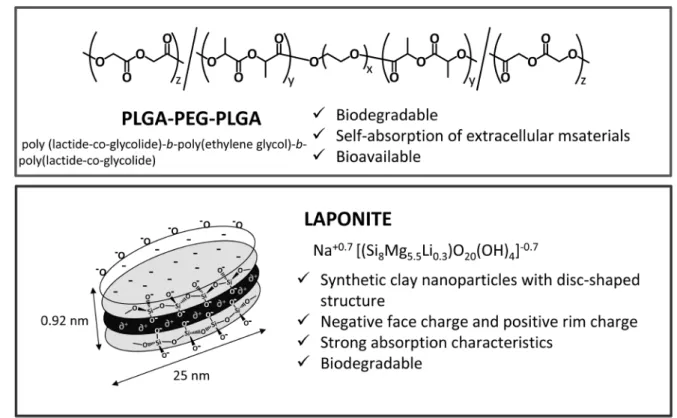
Fig. 1. Desired gel formation using two kinds of materials. By selecting appropriate ratio of two gel materials in solution, which is
criti-cal for making gel to solution at different temperature, {PLGA-PEG-PLGA: poly(lactide-co-glycolide)-b-poly(ethylene glycol)-b-poly(lactide-co-glycolide)} and {LAPONITE:[Na+0.7(Si
8Mg5.5Li0.3)O20(OH)4]−0.7}, we can expect gel formation at each tissue
最近,自己の後頭部の毛包を脱毛部位に植毛する以外 に,自己幹細胞を用いて毛包原器を再現した器官毛包を 薄毛や脱毛皮膚に移植し,正常の毛髪を誘導する植毛療 法の実現が身近といわれている。さらに,毛包原器の移 植よりもはるかに安価で,すでに実際に臨床応用されて いるのが,間葉系幹細胞,その中でも特に血管と毛髪の 成長効果があることが知られている脂肪幹細胞および脂 肪幹細胞培養液上清の利用である12)。自家あるいは他家 脂肪幹細胞培養上清の臨床応用が今後広がると考えられ る。 5. 細胞の足場 最近筆者の興味の1 つは細胞足場関連の研究である。 幹細胞だけでなく成長因子など可溶性成分を含め,ゲ ル化素材の溶液に懸濁し,組織に注入後体温に近い温 度で速やかにゲル化するため(Fig. 1)注入細胞が局所に 約1 カ月間とどまり,また低分子物質も局所にとどまる だけでなく,緩やかに周辺組織に移行し,また周辺から の少分子がゲル内にも浸透してくる。したがって,ゲ ル内は周辺組織と同様の環境を維持できる。そのため, 増殖能が低い細胞もその場で機能を発揮できると考え られている。このゲルは一般的に生物分野で頻用され ているハイドロゲルの1 種で,poly(lactide-co-glycolide)-b-poly(ethylene
glycol)-b-poly(lactide-co-glycolide)(PLGA-PEG-PLGA)と LAPONITE®の混合物である13)(Fig. 2)。
このゲルの最大の特色は,真皮皮下脂肪織まで損傷した マウス皮膚に局所投与すると付属器まで再生させる能力 である(Fig. 3)。現在その機序は,このゲルを開発した 研究者により解明されようとしている。おそらく,ゲル 内に周辺組織から組織再生に必要な多様な物質が取り込 まれ,組織再建を促進すると考えられるが,詳細は不明 である。さらに,瘢痕のない組織治療の可能性が考えら れ,その作用機序解明が待たれると同時に,ヒト臨床応 用が速やかに実施されることを期待している。 6. 間葉系幹細胞と細胞培養上清の臨床利用 間葉系幹細胞の臨床応用研究は約60 年前,Thomas D が骨髄を応用したのが始まりと考えられる。1980 年頃 には,間葉系幹細胞の細胞特性の解明研究が盛んにな り,1999 年には,脂肪組織由来脂肪幹細胞の多細胞へ の分化能が証明され,損傷神経組織の再生に向けた研究 が始まった14)。2003 年以降,成長因子による皮膚の若 返り,脂肪幹細胞由来 TGF-βによる皮膚の抗シワ効果 が報告された15)。その後,2009 年には脂肪幹細胞によ
Fig. 2. Injectable gel. Cells and small biomolecules are added
to the pre-gel solution and suspended at the room tem-perature of 20∼25°C, then injected into skin using needle and syringe. Injected pre-gel solution changes to gel and localize in the injected place for a few weeks.
Fig. 3. Biological repair effect of a single polymer gel and combined gel polymer and LAPONITE on artificial deep skin damage. Two
whole skin damaged areas induced at the back of mouse at 7 mm×7 mm square were treated with a single or combined gel and covered with aseptic thin film, and 23 days later, tissues from each different treatment were obtained, fixed and stained with he-matoxylin and eosin. Normal dermal structure with normal level of hair follicles and sweat glands were recovered in combined gel treated skin, whereas scar formation was observed at a single gel treated skin without an adnexal organ.
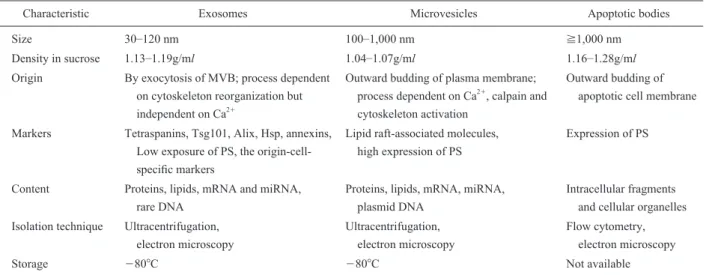
るシワへの治療効果が示された16)。一方,2013 年には, 脂肪幹細胞上清がマイクロニードルフラクショナルレー ザーとの併用で抗シワ効果が証明された17)。 2014 年には血管内皮細胞の培養上清が皮膚を若返ら せるとの論文があり,また,2015 年には,ヒト由来脂 肪幹細胞培養上清が紫外線による線維芽細胞の MMPs 生成を抑制し,皮膚の光老化を制御できると報告されて いる18)。その後,わが国でも,皮膚の若返りに幹細胞上 清が用いられているが,その臨床効果についての詳細な 発表論文はない。現在,皮膚の若返り目的で,脂肪幹細 胞と歯髄由来幹細胞培養上清が,企業より供給され,一 般クリニックで使用されている。これら企業製品を用い たクリニックの治療効果が論文などに投稿され,その効 果が広く客観的に評価されなければならない。現在筆者 のクリニックでは,自家脂肪幹細胞1 億個を,200 ml の 生食に懸濁し,90 分間の点滴投与で脳卒中患者を治療 しているが,患者の中には,皮膚の艶が改善したとか, 毛髪が少し増えたとの印象を話してくれるが,治療前後 の比較など客観的な評価をしていないので効果の程は不 明である。将来,脂肪幹細胞,あるいはその培養上清を 用いて,皮膚の若返り効果がどれほどであるかを具体 的に確認したい。最近,韓国では,すでに,脂肪幹細胞 から exosomes(Table 1)を分離,濃縮した商品が開発さ れ,臨床に供されている。動物モデルではアトピー性皮 膚炎の症状改善効果が確認され論文発表されている19)。 今後,幹細胞の培養上清の成分,特に exosomes につ いては,最終治療目的に合致した exosomes の効率的な 生成法などが研究され,広く使用されていくものと考え られる。 幹細胞の美容医療における現時点での問題点(Ta-ble 2)と筆者の興味をまとめると,①皮膚に存在する組 織幹細胞が豊かな機能を維持し,その数の減少を抑え ることが若さを維持するために必要である。したがっ て,幹細胞が生息する皮膚組織環境を明らかにし,生存 に最適の細胞ニッチを提供することで老化を遅らせ,加 齢による疾病予防を目指す事ができるのではないか?② 皮膚に注入した幹細胞をその局所にとどめ置くための足 場の提供,また,幹細胞培養上およびその特定の成分を 皮膚に注入し,皮膚局在の細胞を活性化する最適条件の 開発,③化粧品あるいは医薬部外品の皮膚塗布や光など 物理的手法での皮膚既存の幹細胞を活性化する方法の開 発,などである。 参 考 文 献
1) Molina, M. J., Rowland, F. S.: Stratospheric sink for chloro-fluoromethanes: Chlorine atom-catalysed destruction of ozone.
Table 1. Characteristics of extracellular vesicles.
Characteristic Exosomes Microvesicles Apoptotic bodies Size 30–120 nm 100–1,000 nm ≧1,000 nm Density in sucrose 1.13–1.19g/ml 1.04–1.07g/ml 1.16–1.28g/ml Origin By exocytosis of MVB; process dependent
on cytoskeleton reorganization but independent on Ca2+
Outward budding of plasma membrane; process dependent on Ca2+, calpain and
cytoskeleton activation
Outward budding of apoptotic cell membrane Markers Tetraspanins, Tsg101, Alix, Hsp, annexins,
Low exposure of PS, the origin-cell-specific markers
Lipid raft-associated molecules, high expression of PS
Expression of PS
Content Proteins, lipids, mRNA and miRNA, rare DNA
Proteins, lipids, mRNA, miRNA, plasmid DNA
Intracellular fragments and cellular organelles Isolation technique Ultracentrifugation,
electron microscopy
Ultracentrifugation, electron microscopy
Flow cytometry, electron microscopy
Storage −80°C −80°C Not available
Hsp, heat-shock protein; MVB, multivesicular body; PS, phosphatidylserine; Tsg101, tumor susceptibility gene 101; Alix, ALG-2-interacting protein X; miRNA, microRNA.
出典 Li Y, Cheng Q, Hu G, et al. Extracellular vesicles in mesenchymal stromal cells: novel therapeutic strategy for stroke. Exp Ther Med 15: 4067–4079, 2018
Table 2. For better application of stem cells to cosmetic medicine.
• Origins of stem cells: autologous or allogenous stem cells depending on safety and economic efficiency • Evaluation of rejuvenation: epidermis, dermis and whole skin including fat tissue
• Retaining and surviving time of injected cells. Development of novel methods to make desirable niche for injected cells, including scaffold • Determination of cell number, skin area and treatment frequency and times of infused cells for skin rejuvenation
• Application of stem cell-derived extracellular vesicles (EVs), particularly exosomes: stable, effective and economical supply of EVs and determination of ideal cell number, injection frequency and total number of treatment
Nature, 249: 810–812, 1974.
2) Park, B. S., Jang, K. A., Sung, J. H., Park, J. S., Kwon, Y. H., Kim, K. J., Kim, W. S.: Adipose-derived stem cells and their secretory factors as a promising therapy for skin aging. Der-matol. Surg., 34: 1323–1326, 2008.
3) Barry, F. P., Murphy, J. M.: Mesenchymal stem cells: Clinical applications and biological characterization. Int. J. Biochem. Cell Biol., 36: 586–584, 2004.
4) 市橋正光.紫外線が肌に与える損傷とその予防.皮膚と 美容,51: 99–108, 2019.
5) Ma, T., Fu, B., Yang, X., Xiao, Y., Pan, M.: Adipose mesen-chymal stem cell-derived exosomes promote cell prolifera-tion, migraprolifera-tion, and inhibit cell apoptosis via Wnt/β catenin signaling in cutaneous wound healing. J. Cell. Biochem., 120: 10847–10854, 2019.
6) Samsonrai, R. M., Raghunath, M., Nurcombe, V., Hui, J. H., Van Winjen, A. J., Cool, S. M. : Concise review: Multifaced characterization of human mesenchymal stem cells for use in regenerative medicine. Stem Cells Transl. Med., 6: 2173–2185, 2017.
7) Simons, M., Raposo, G.: Exosomes-vesicular carriers for intercellular communication. Curr. Opin. Cell Biol., 21: 575– 581, 2009.
8) Eça, L. P., Pinto, D. G., de Pinho, A. M. S., Mazzetti, M. P., Odo, M. E.: Autologous fibroblast culture in the repair of ag-ing skin. Dermatol. Surg., 38: 180–184, 2012.
9) Quan, T., Wang, F., Shao, Y., Rittié, L., Xia, W., Orringer, J. S., Voorhees, J. J., Fisher, G. J.: Enhancing structural support of the dermal microenvironment activates fibroblasts, endo-thelial cells, and keratinocytes in aged human skin in vivo. J. Invest. Dermatol., 133: 658–667, 2013.
10) Sato-Nishiuchi, R., Li, S., Ebisu, F., Sekiguchi, K.: Recombi-nant laminin fragments endowed with collagen-binding activ-ity: A tool for conferring laminin-like cell-adhesive activity to collagen matrices. Matrix Biol., 65: 75–90, 2018.
11) Liu, N., Matsumura, H., Kato, T., Ichinose, S., Takada, A., Namiki, T., Asakawa, K., Morinaga, H., Mohri, Y., De Ar-cangelis, A., Geroges-Labouesse, E., Nanba, D., Nishimura, E.
K.: Stem cell competition orchestrates skin homeostasis and ageing. Nature, 568: 344–350, 2019.
12) Suh, A., Pham, A., Cress, M. J., Pincelli, T., TerKonda, S. P., Bruce, A. J., Zubair, A. C., Wolfram, J., Shapiro, S. A.: Adi-pose-derived cellular and cell-derived regenerative therapies in dermatology and aesthetic rejuvenation. Ageing Res. Rev., 54: 100933, 2019.
13) Nagahama, K., Oyama, N., Ono, K., Hotta, A., Kawauchi, K., Nishikata, T.: Nanocomposite injectable gels capable of self-replenishing regenerative extracellular microenvironments for in vivo tissue engineering. Biomater. Sci., 6: 550–561, 2018. 14) Zuk, P. A., Zhu, M., Ahjian. P., De Ugarte, D. A., Huang,
J. I., Mizuno, H., Alfonso, Z. C., Fraser, J. K., Benhaim, P., Hedrick, M. H., Raff, M., Monitoring Editor.: Human adipose tissue is a source of multipotent stem cells. Mol. Biol. Cell, 13: 4279–4295, 2002.
15) Kim, W. S., Park, B. S., Park, S. H., Kim, H. K., Sung, J. H.: Antiwrinkle effect of adipose-derived stem: Activation of dermal fibroblast by secretary factors. J. Dermatol. Sci., 53: 96–102, 2009.
16) Kim, D. W., Joen, B. J.: Adipose-derived stem cells inhibit epidermal melanocytes through an interleukin-6-mediated mechanism. Plast. Reconstr. Surg., 134: 470–480, 2014. 17) Lee, H. J., Lee, E. C., Kang, S., Sung, J. H., Chung, H. M.,
Kim, D. H.: Efficacy of microneedling plus human stem cell conditioned medium for skin rejuvenation: A randomized, controlled, blinded split-face study. Ann. Dermatol., 26: 584– 591, 2014.
18) Son, W. C., Yun, J. W., Kim, B. H.: Adipose-derived mesen-chymal stem cells reduce MMP-1 expression in UV-irradiated human dermal fibroblasts: Therapeutic poteintial in skin wrin-kling. Biosci. Biotechnol. Biochem., 79: 919–925, 2015. 19) Cho, B. S., Kim, J. O., Ha, D. H., Yi, Y. W.: Exosomes
de-rived from human adipose tissue-dede-rived mesenchymal stem cells alleviate atopic dermatitis. Stem Cell Res. Ther., 9: 187, 2018.