Exploring the linkage between CSR,
HRM and sustainability:
a case study of a Japanese MNC in China and
its transformation after the Global Financial Crisis
Cheng CHI
*Abstract
The global economic downturn forced many companies to make important and difficult choices about how they manage and motivate people, with both immediate and long-term consequences. The decisions being made since then have created a legacy for the future, which will determine success in the 2020s (PwC, 2009). The current phenomena among Japanese MNCs of pursuing sustainable management and the public demands of greater transparency in CSR activities have been magnified by the Global Financial crisis. Combined with the call for taking environmental responsibility already present in the green (CSR) agenda, they will impact many areas of HRM (PwC, 2009), particularly in relation to employee motivation and commitment.
Whilst the need of changing HR roles and functions has been identified, further questions have since appeared. How should those roles and functions be changed and what approaches can be used to support organization development plans and organizational transformation? What revelations for HRM can organizations glean from the three future scenarios, Blue, Green, and Orange, proposed by PwC?
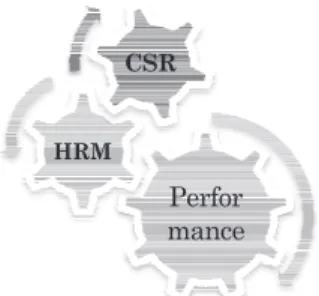
This research investigates the changes that occurred in the policies, strategies in Human Resource Management (HRM), HR function, roles and the transformation of Japanese MNCs in China. This research was conducted using qualitative interview methods. The globally recognized Japanese MNC, Toyota Motor Corporation, was chosen for the case study from the top 20 firms in the CSR Ranking 2013 concluded by Eco-Hotline.com1 from Toyo Keizai Japan CSR Data eBook 2013. In the context of the Chinese economy, politics and culture, the semi-structured interview was done at Tianjin FAW Toyota Motor Co., Ltd. (TFTM), which is Toyota’s international joint venture subsidiary in China. The findings will be presented and discussed for insights on building future-proof corporations, giving implications of sustainable management to Chinese firms and bridging the gap between HRM and CSR and exploring the linkage of HRM-CSR-Organizational Performance.
Keywords:
HRM, Strategic HRM, Sustainable HRM, CSR, Stakeholder Theory, Organizational culture, Change management, Organizational performance
* Graduate School of Business Administration, Doctoral Program in Business Management, Ritsumeikan University
1. Introduction 2. Literature review
2.1 The changing concepts of HRM
2.2 Beyond Strategic HRM: Sustainable HRM 2.3 CSR and HRM nexus
2.3.1 CSR, Stakeholder Theory and employee commitment 2.3.2 CSR and Strategic HRM
2.3.3 CSR and Socially responsible HRM (SR-HRM) 2.4 CSR in China
3. Methodology 3.1 Research design
3.2 Research purpose and framework 4. Data collection, analysis and findings
4.1 Data collection and analysis 4.2 The interview
4.3 Toyota Sustainability Report 2013 and Toyota Sustainable Management Report 2016
4.4 Findings and discussion 5. Conclusion
1. Introduction
In China, where HR processes are still evolving, shareholder perspective seems to be accepted by many firms. Cooke & He (2010) conducted a research with the Chinese textile and apparel firms. They found that in China, more and more firms are beginning to realize the importance of including CSR in their businesses. Most of them still do not have a formal written CSR policy and have not obtained CSR standards. Those firms generally implement CSR practices in philanthropy to create an image of caring for society. In other words, they mainly focus on the marketing facet of CSR. They only want to ‘improve customer satisfaction and reduce operating cost’ (Cooke & He, 2010, p.372), but seldom notice the importance of employees. These kinds of approaches reflect the current situation among the majority of enterprises in China.
From the above, it is obvious that the rise of CSR in China has significant implications for the strategic role change of HR function. It is a strategic priority especially for MNCs, for the reasons that CSR is inseparably linked with corporate governance and relying on effective HR policies. As Japanese MNCs have the traditional corporate culture of valuing talented people and the development of employees, they seem to be willing to embrace the
new concepts of HRM and CSR. And in fact, they have long been leading the way of doing so. Organizational transformation in Japan has long been an important issue and business challenge. After the Post Bubble Economy era, Japanese manufacture industry continues to transform the traditional Japanese business style. During the 1980s, a number of Japanese competitive manufacturing firms emerged in the global economic arena and many scholars used to perceive that Japan was the symbol of ‘economic super power’ at the time (Takeuchi, 2009). “In the early 1990s, Japan’s economy began to decline and fell into a time influenced by prolonged crisis, namely the ‘bubble bursting’ period. Both the researchers and practitioners realized that Japan’s own economic recession during that period had been related not only to deficiencies in the political and legal environment but also to inefficient management (Porter, Takeuchi and Sakakibara, 2000, cited in Takeuchi, 2009, p.34).”
Takeuchi (2009) also wrote in his research that the traditional ways of management (the so called ‘Japanese-style management’) have constrained and limited the ability of many Japanese firms in obtaining better performance. He found that, in the Post Bubble era, some companies had intended to conduct a transformation process by integrating Western management concepts with conventional Japanese know-how. For instance, in the area of HRM, two pillars of ‘Japanese-style management’, namely ‘lifetime employment’ and ‘seniority-based wage’, seem to have been reconsidered to varying degrees in order to enable firms to cope with the dynamic and competitive pressures now surrounding them (e.g. Morishima, 1996; Takeuchi and Wakabayashi, 1998, 1999; Tapp, 2001; Wakabayashi, 2001, cited in Takeuchi, 2009, p.34).”
The 2008 Economic Recession, originating from the US, became a catalyst for a worldwide domino effect. After that researchers broadly began to recognize that globalization does not only bring about financial influences but also social, health, and environmental implications (Truss, Mankin and Kelliher, 2012). The traditional model of employment relationships in Japanese firms began to decline steadily. In searching for sustainability, companies invested a large number of resources on supporting and respecting talent development, improving employee motivation, etc. Since then, they have realized that Human Capital and the skills or knowledge possessed by their employees are the most valuable resources. In addition, as the stable root of CSR management, the reconstruction and transformation of HRM is one of the major challenges faced by firms and should not be neglected by firms who want to gain sustainable competitive advantages. In response to these concerns, Japanese MNCs have started to rethink the feasibility of the ‘Toyota way’
including lean production system (LPS) and scientific management for mass production. Chen and Kuo, 2013 point out that, “environmental management has become an important component of business management beliefs for most firms, and Japanese firms that belong to environmentally-sensitive industries are even more active in using CSR reports as an effective tool to establish their legitimacy image.” Recently many firms start to reconsider their business strategies and develop new polices that focus on how to operate their business in a more ethical and socially responsible manner based on Stakeholder Theory.
In line with Stakeholder Theory, Pfeffer (2010) proposes that, “to be socially responsible, organizations ought to consider both the effects of management practices on the physical and psychological wellbeing of employees and focus on the impacts on both physical and social environment.” Recently, a growing list of HRM literature has put focus on employee interests and needs. For example, HRM ethics (e.g. Winstanley, Woodall and Heery, 1996; Greenwood, 2002), HR diversity management (e.g. Shen, et al., 2009), high-involvement HRM (Guthrie, 2001), flexible employment (Guest, 2004), family-friendly HRM (Bagraim & Sader, 2007) and work-life balance (Kossek & Ozeki, 1999; Bardoel, De Cieri and Mayson, 2008). At the same time, Shen & Zhu (2011) state that society in general and particularly business organizations have placed more attention on CSR activities inside the organization. Maintaining harmonious employment relationships within the organization and its global value chain have become a significant part of CSR agendas. Furthermore, to implement generalized CSR initiatives, such as philanthropic activities, extra organizational resources are required as part of the investment, for example, human resources. Hence, regarding the transformation or change of the whole system of HRM, a newly appeared perspective of socially responsible HRM, addressing ‘the interests of, and satisfy, both internal and external stakeholders (Shen & Zhu, 2011, p.3021)’, has begun to attract scholars’ notice.
A PwC report (2007) proposed three scenarios and put forward the importance of reconstruction of HRM and organization development. These scenarios are entitled the ‘Blue’, ‘Green’, and ‘Orange’ worlds, and each of them has different HRM characteristics (see Table 1 in Appendices).
The alignment of HR practices and strategies with CSR agenda can be seen as a holistic approach to manpower planning and engagement around work-life balance and social responsibility (see characteristics of ‘Green World’ in Table 1). Such an alignment is expected to bring about positive effects on employee commitment and motivation, as well as employee loyalty. Thus, the HR function has to play the key role in developing and promoting
organization’s CSR agenda and help build a consistent employer brand.
Tuss, Mankin and Kelliher (2012) predict that HR functions will have three imminent developments:
• Becoming the heart of the organization, taking on a new remit that will incorporate and influence many other aspects of the business.
• Being the center of organizations’ CSR agenda in the organization. • Taking on more of a transacting role where activity is outsourced.
This research intends to enrich the research gap about the emerging concepts of socially responsible HRM and sustainable HRM, as well as the relationship among those concepts, the internal focuses of CSR and performance. The main focus will be on Japanese MNCs in China, specifically taking the Toyota Motor Corporation and its international joint venture subsidiary TFTM as the study object of this case study. The findings are expected to be beneficial to both Chinese and foreign organizations in China. First of all, the study reminds them that CSR is more than philanthropic activities and thus it may help them appreciate more of the CSR’s internal focuses. Secondly, it will promote the change of HR’s roles and functions in improving the HRM processes to match society’s calls for sustainability. Last but not least, by constructing an effective HR-CSR-Performance Model, it may help them improve employee motivation, satisfaction and commitment and bring about further development.
2. Literature review
2.1 The changing concepts of HRM
Stone (2005, p.4, cited in Shen & Zhu, 2011, p.3020) defined HRM as ‘[the] productive use of people for achieving the organization’s strategic objectives and the satisfaction of individual employee needs’. HR practices are now more and more aligned with firms’ business strategy and associated with business performance. Purcell et al. (2009, p.10) found that recently scholars have applied features of organizational behavior, for instance, organizational values and culture, to HRM and its effects on performance. They also added, “questions of leadership, culture and managerial behavior are commonly seen to fall within the HR manager’s area of activity with growing roles in the management of change and organizational transformation”. Thus, they concluded that, on grounds of theory, and also
from the perspectives of employees and HR managers, it is necessary to have a wider definition of HRM. For example, Paul & Anantharaman (2003) and Purcell et al. (2003, 2009) proposed a new term as ‘people management’.
The changes of the definition represent the development of HRM literature in the past three decades, as well as “the shift of focus from the rational administration of employees to employee motivation and job satisfaction (Hartel, et al., 2007)”. According to Shen & Zhu (2011, p.3020), this shift can be seen as the response to the ‘constantly growing concerns of industrialized (particularly Western) societies regarding employees’ rights, wellbeing and personal and developmental needs’. Despite falling behind the Western countries, China is transitioning to an industrialized society nowadays. Firms in China may pay more attention to the changes and development of HRM concepts and HR practices.
2.2 Beyond Strategic HRM: Sustainable HRM
Boxall, Purcell and Wright (2007) stated that Strategic HRM is a more specific way of managing people that involves various HR strategies designed to improve organizational performance and evaluates the effects of the strategies on organizational performance. Therefore, from the perspective of Strategic HRM, HRM activities ought to be integrated with organizational strategic objectives and specific context factors (Kramar, 2014). It is assumed by some scholars that the effective and efficient alignment of different HRM activities can reinforce the positive impacts of each other and improve organizational performance (Kramar, 2014).
Nonetheless, Kramar (2014) also criticized that the Strategic HRM literature fails to take into account a variety of stakeholders’ requirements and national contexts. It is more likely influenced by the Shareholder Theory. The Strategic HRM literature also has many other drawbacks. First of all, it does not pay enough attention to the topic of inconsistency of HRM practices within an organization. Secondly, it does not acknowledge the complexities such as the ambiguities, paradoxes, dualities and dilemmas coexisting with HRM practices (Hampden-Turner & Trompenaars, 2000). In addition, it pays little attention to the direct impact of external factors on HRM policies and practices (Kramar, 2014). These issues indicate that the Strategic HRM literature should move in new directions. “Three of these directions include examining process, taking into account various stakeholder interests and identifying the capabilities required to manage the negative ecological outcomes of
managerial decision-making (Kramar, 2014, p.1074).” Besides, the interest in the connection between Strategic HRM and sustainability challenges some premises and frameworks of the Strategic HRM literature (Kramar, 2014).
In fact, the notion of Sustainable HRM appeared more than a decade ago. But the relative literature is still fragmented, varied and fraught with difficulties (Kramar, 2014). Sustainable HRM has been used to refer to social and human outcomes that contribute to the long-term sustainability of organizations. A similar term, Green HRM (GHRM) also mentions organizations’ positive environmental outcomes. The concept of Sustainable HRM reflects a new, holistic approach to people management and it is an extension of Strategic HRM (Kramar, 2014). It is an approach that addresses the particular HRM practices which are necessary for the development of the human resource advantage needed to operate in a more environment-friendly society with different demographic and social pressures (Wilkinson, Hill and Gollan, 2001; Clarke, 2011).
“A sustaining organization fully incorporates the tenets of human and ecological sustainability into its own operations and also supports the application of sustainability more widely (Dunphy, Griffiths and Benn, 2007, p.62).” Therefore, sustainable HRM practices have to be more flexible with human capability development, participative decision-making, diversity management, work-place health and safety and performance indicators that reflect ethical concerns (Kramar, 2014). To summarize, Sustainable HRM literature is an alternative approach to HRM and raises the importance of the impact of HRM on more than economic outcomes (Kramar, 2014).
2.3 CSR and HRM nexus
2.3.1 CSR, Stakeholder Theory and employee commitment
In the 1950s, the concept of CSR was brought up (Bowen, 1953), and from that time it has developed vigorously (Carroll, 1998; Porter & Karamer, 2002; Basu & Palazzo, 2008). It is also seen as a success factor to maintain business sustainability in the long-term (Gnyawali, 1996; Carroll, 1998; Porter & Karamer, 2002). Many empirical studies show that CSR can enhance corporate reputation. As a result, customer loyalty and employee retention will be improved (Shen & Zhu, 2011).
It is not easy to design and implement CSR strategies and policies. Blowfield & Murray (2008) said one reason is that CSR is a problematic concept. It is also hard to operationalize
(Pedersen, 2006, cited in Truss, Mankin, and Kelliher, 2012, p.258). But Porter & Kramer (2006) pointed out that firms should integrate CSR as a crucial part of their business strategy. “Because CSR is the extent to which an organization is managed in an ethical and socially responsible manner in order to achieve sustainable competitive advantage (Truss, Mankin, and Kelliher, 2012, p.258).”
To learn about the stakeholders of CSR’s ambit, Cohen (2010, p.20) defines the stakeholders as “all those who have an effect on a business, and all those who are affected by a business”. Managers, employees, customers, investors, shareholders, suppliers, government settings, local communities, the society at large and the natural environment are all included in the range of stakeholders. Freeman (2011) proposes Stakeholder Theory, which is a significant development in the concept of CSR. To be recognized as socially responsible, organizations should take into consideration the interests of multiple stakeholders (employees, consumers, suppliers, investors, communities, etc.), because they all have influences on organizational performance outcomes. Although Greenwood (2007) criticizes the statement above that stakeholder inclusion does not always mean organizations will act responsibly. Still, their findings imply that CSR practices actually depend on the stakeholders that the organization considers relevant (Buciuniene & Kazlauskaite, 2012).
In Stakeholder Theory, CSR requires firms to be responsible to both employees and the external stakeholders, such as, shareholders, customers, suppliers, community, NGOs and governments (Carroll, 1998; Hopkins, 2003; Lee, 2008). CSR has internal and external focuses. The internal focus is mainly about how to manage an organization and its impact on employees. “It includes practices such as HRM, diversity management, health and safety, and environmental protection (Mankin, 2009).”
Stakeholder Theory is very important in understanding CSR from a long-term strategic perspective. In contrast to Shareholder Theory, which tends to encourage a short-term vision with an economic perspective on globalization (Zink, 2005, Truss, Mankin, and Kelliher, 2012). Freeman (2011) comments that, Stakeholder Theory focuses more on social and environmental values than profit maximization. It stresses that to all those who have a stake in the business, firms have moral obligations and should fulfill their responsibilities. Hence, Stakeholder Theory reflects a social perspective on globalization (Truss, Mankin, and Kelliher, 2012).
relies not only on the shareholders but also on other stakeholders. Werther & Chandler (2011, cited in Truss, Mankin, and Kelliher, 2012, p.260) said that, “As a successful CSR strategy involves a two-way relationship between business corporations, as well as other types of large organization, and the societies within which they interact.” Nowadays, this perspective has begun to underpin organizational approaches to CSR (Burchell & Cook, 2006).
Cooke and He (2010) argued that Stakeholder Theory is perceived to be more relevant to HRM. Although there still remains a lack of empirical evidence and studies to support this claim. Some studies do have conclusions, for example, that CSR activities can “enhance employee commitment and satisfaction, increase employee’s trust and engagement, improve employee retention, and help attract new employees (Mankin, 2009; Kim, 2011, cited in Truss, Mankin, and Kelliher, 2012, pp.260-262).”
From the research of Shen & Zhu (2011, p.3020), there are three conclusions: “Labor-related legal compliance HRM and general corporate social responsibility facilitation HRMs have a significant positive relationship with affirmative commitment (AC), continuance commitment (CC) and normative commitment (NC)”. In addition, “employee-oriented HRM has a significant positive relationship with AC and NC, but not CC”. Furthermore, “the relationship between socially responsible HRM (SR-HRM) and AC is stronger than those between SR-HRM and CC and NC”. Those conclusions indicate that SR-HRM has constructive effects on bringing profits and improving business performance.
2.3.2 CSR and Strategic HRM
According to WBCSD (1999), CSR is defined as an organization’s commitment to a discretionary behavior that leads to economic development and contributes to the welfare of its employees, local community and society at large (Buciuniene & Kazlauskaite, 2012). But Fenwick and Bierema (2008), also Inyang, Awa and Enuoh (2011) note that understandings and definitions of CSR are varied and there is contention among researchers.
Looking back over the history of the development of CSR concepts, Carroll (1979, p.500) firstly defines CSR as “the social responsibility of business encompasses the economic, legal, ethical, and discretionary expectations that society has of organizations at a given point in time”. In Carroll’s study (1998), the definition of CSR has four dimensions: doing business should be economically profitable, law abiding, ethically oriented and socially supportive
(Inyang, Awa and Enuoh, 2011). CSR is also defined as “the social obligation to impact society beyond pure profit maximization objectives” (Erondu et al., 2004; Jamali & Neville, 2011).
Inyang, Awa and Enuoh (2011) perceive that an organization’s CSR activities should be aligned with its managerial practices including HRM practices. Thus, CSR can be seen as a planned process strategically links to organizational mission and core competences (Burke & Logsdon, 1996; Carroll & Shabana, 2010; Porter & Kramer, 2011). As academics and practitioners facing the challenge of building CSR’S strategic capability, HRM function and its strategic role may “help firms to amplify their CSR efforts and achieve worthwhile and substantive outcome values” (Jamali, Dirani and Harwood, 2015, p.127). Hence the HRM function is increasingly realized to have pivotal impact by using unique knowledge and skills to support and drive change in people management practices and consider the people implications of changes to strategy and policies (Strandberg, 2009; CIPD, 2011; Jamali, Dirani and Harwood, 2015). Inside an organization, the person with top HR responsibility should be included on the board and involved in the business strategy development (Conner and Ulrich, 1996). It has been recently recognized that HRM can help create win-win outcomes for organizations and their relative stakeholders through better alignment with the organizational mission and strategic direction (Guest, 2011; Wright & McMahan, 2011).
As a significant advance of the Strategic HRM (SHRM) literature, Ulrich (1997) presents the HRM strategic partnership model, in which HR managers should focus more on deliverables and outcomes and restructure the delivery of their services (Jamali, Dirani and Harwood, 2015). A summary of the four roles of HRM is provided in Table 2 and Table 3 (see Appendices). This is the current widely accepted HRM model.
Sharma, Sharma and Devi (2009) also suggested that HRM should take a leading role in advancing CSR activities at all levels. Organizations’ CSR activities should not only remain at the stage of philanthropic activities. A strong corporate culture requires companies to stress CSR values and competencies to obtain synergies. Also the employees should be seen in the central role in constructing such a culture that is underpinned by CSR values and competencies. In their research, they explored the engagement of HRM professionals in carrying out CSR. In addition, they pointed out the importance of the social obligation and the internalization of CSR. They found that the combined impact of CSR and HR activities could strengthen desirable behavior and contribute significantly in pursuing long-term success (Sharma, Sharma and Devi, 2009).
While discussing the role of HR in nurturing CSR culture in corporations, with the growing attention paid to human capital as a success factor for today’s organizations, the role of HR leadership has become more important in leading and educating about the value of CSR and the best way of implementing CSR policies and programs strategically within the parent company and subsidiaries abroad (Lockwood, 2004). From her perspective, HR ought to be aware that effective and efficient CSR needs company respect for cross-cultural and developmental differences and improve the sensitivity toward different values, ideas and beliefs when carrying out global HR policies and programs.
In order to improve business performance and satisfy all the relevant stakeholders, HR policies, such as diversified training and development opportunities for the workforce, and periodic appraisal of employee performance, will help increase motivation and employee commitment within the organization (Agrawal, 2007; Malikarjunan, 2006). Similarly, Krishnan & Balachandran (2004) suggested that HRM should take part in incorporating responsible practices within firms. “It is due to the lack of involvement of employees and failure to implant the socially responsible values into the organizational culture that many CSR initiatives inevitably fail and they just become an exercise in public relations (Mees & Bonham, 2004, cited in Sharma, Sharma and Devi, 2009, p.209).”
From the above, scholars have similar ideas that the role of employee involvement through HR in CSR initiatives should not be neglected. “But they paid little attention on how the internalization of CSR culture can happen with the initiatives of HR department of organization (Sharma, Sharma and Devi, 2009, p.209).” Questions such as how the company’s values and policies for CSR can be reflected through different HR functions and how the HR function can be a powerful agent in developing and influencing organization-wide progress in its CSR performance outcomes should be recognized as an important research topic.
2.3.3 CSR and Socially responsible HRM (SR-HRM)
Many studies make the verdict that CSR has positive effects on employee attitudes and performance (Shen & Zhu, 2011). While there is an increasing concern about CSR and employee’s rights, wellbeing, work-life balance and individual development needs, the effects of SR-HRM on forming organizational citizenship behaviors (OCB) will long be a legitimate pursuit for the HRM research (Shen & Zhu, 2011). Within an organization, CSR initiatives
mainly belong to organizational citizenship behaviors that are discretionary and beyond legal requirements. “Nevertheless, the concern with CSR is having a major impact on business missions, operations, marketing and management in MNCs (Shen, 2011, p.1353).”
There are three components of an SR-HRM system, which are labor law-related legal compliance HRM, employee-oriented HRM and general CSR facilitation HRM (Shen & Zhu, 2011). Legal compliance HRM requires companies to obey the local labor laws and standards (Shen & Zhu, 2011). It mainly includes justice, equal opportunity, health and safety, working hours, minimum wage and the use of child labor (Rowan, 2000; Rhoades & Eisenberger, 2002; Shen & Zhu, 2011). Employee-oriented HRM focuses on family-friendly policies and employees’ interests and needs in personal development and training. In addition, it addresses the adoption of workplace democracy, such as communication, the empowerment and involvement of employees, and employee voice (Legge, 1998). The focal point of general CSR facilitation HRM is the application of HRM policies and practices that facilitate the engagement of general CSR initiatives (Shen & Zhu, 2011). All these components help organizations look after the interests of all the stakeholders including employees, and actualize both short-term effectiveness and long-term sustainability (Shen & Zhu, 2011).
Shen (2011) commented that although the literature about International Human Resource Management (IHRM) recognizes that IHRM is the key to success in International Business (IB), it has not paid enough attention to the interests of internal and external stakeholders. Moreover, because of the growing importance of CSR, the present IHRM literature is considered to be insufficient in response to the current development of IB policies and practices. In IHRM literatures, when building IHRM models, MNCs have to take account of both the host-contextual and firm-specific factors for the purpose of achieving global coordination, local responsiveness and strategic integration, in another word, the ‘best-fit’ with their internal and external environments (Shen, 2011). However, because those models were emerged and developed in 1990s before CSR became a focal point of organizations, they have not yet paid enough attention on the rights and interests of internal and external stakeholders (Shen, 2011). Shen (2011, p.1358) concerned that, all the drawbacks mentioned above “determine employees’ workplace attitudes, behaviors and performance and whether they achieve a sense of social recognition for their efforts and will inevitably compromise and create problems for the long-term sustainability of MNCs.”
2.4 CSR in China
As a result of the economics recession of 2008, including some emerging economies such as China and India that had been continually growing, many countries were unable to prevent this crisis and are suffering some form of financial meltdown. Kaletsky (2010, cited in Truss, Mankin and Kelliher, 2012, p.254) argues that “the new post-2009 version of capitalism ‘should encourage much clearer and more constructive thinking about the new incentives required for changes in technology and behavior to reduce pollution… [and] promote investment in a new global energy infrastructure’ (pp.322-323).”
In response to these concerns, recently an increasing number of organizations started to reconsider their business strategies and develop new policies that focus on how to operate their business in a more ethical and socially responsible manner. Consequently, the concept of CSR, which stresses on business ethics, has been readdressed to define and give explanation to these new approaches and management fashions (Truss, Mankin and Kelliher, 2012).
Maintaining organizational commitment is deemed a priority for organizations in developing economies such as China who face high employee turnover and scarcity of skilled workforce (Hofman & Newman, 2014). Research shows that the ability of employee retention in Chinese firms is positively related to their innovation ability. In developed world, a growing research concern is paid on topics regarding CSR. Nonetheless, few studies have been done in emerging countries.
Recently, the Chinese government has introduced new regulations and guidelines of CSR for corporations; for instance, the Labor Contract Law, PRC Company Law was renewed (Hofman & Newman, 2014). The central government’s guidelines on how to implement social responsibility within state-owned enterprises were also refined (Lin, 2010). “Moreover, the combination of increasing protest against poor working conditions among migrant workers in the manufacturing sector, the rising media coverage of these labor conditions and public statements of high-level government officials condemning firms that mistreat their workers have led to significant pressure on firms to adopt more socially responsible employee-oriented policies and practices (Lin 2010, cited in Hofman & Newman, 2014, p.632).” Because of these developments, some studies began to recognize the increasing concern of firms in China who are conducting CSR initiatives as a powerful tool to improve employee commitment and employee retention (Shen & Zhu, 2011).
3. Methodology
3.1 Research design
This research is designed as an explorative qualitative case study. Saunders, Lewis and Thornhill (2012) suggest that to generate a research plan requires an explicit and coherent research design. First of all, researchers should understand whether the nature of their research project is exploratory, descriptive, explanatory, or a combination of these features. And then a research design based on either mono or mixed methods should be chosen. A qualitative study may involve the use of mixed data analysis methods, including detailed case studies drawing on data from observations, anecdotes, interviews, focus group discussion, surveys, documents and archives and secondary analysis of archival survey data combined with a review of historical sources (Bazeley, 2008). This approach is a useful tool for evaluating and understanding respondents’ attitudes and values, which are harder to be detected or observed using quantitative approach.
Doz (2011) points out that qualitative research plays a determining role in overcoming the limits of borrowed theories and quantitative empiricism. Qualitative research makes a prime contribution to theory building in management (Eisenhardt, 1989; Weick, 1989; Yin, 1994). In fact, the IB field benefited from the early qualitative work of business historians, as qualitative research is “uniquely suited to opening the ‘black box’ of organizational processes, the ‘how’, ‘who’ and ‘why’ of individual and collective organized action as it unfolds over time in context” (Doz, 2011, p.583).
A case study investigates a phenomenon and its dynamics in its natural settings (Eisenhardt, 1989). Case study research explores a research topic or phenomenon within its context, or within a number of real-life contexts. The data sources required are diverse, which can ensure the research topic is not studied from one angle. Yin (2009) also highlights the importance of context, adding that, within a case study, the boundaries between the phenomenon being studied and the context, adding that, within a case study, the boundaries between the phenomenon being studied and the context within which it is being studied are not always apparent. This is potentially an advantage of case study research. Four criteria are used to assess the rigor of case study research (Campbell & Stanley, 1963): internal validity, construct validity, external validity and reliability. Gibbert et al. (2008) described
how to enhance these criteria for case study research. They find that “case studies emphasized external validity at the expense of the two more fundamental quality measures, internal and construct validity” (Gibbert et al., 2008, p.1465).
3.2 Research purpose and framework
In the Green World, HRM will embrace sustainability as a part of its HR development agenda, and will be fused with the CSR agenda, since society becomes a convert to the sustainable living movement (PwC, 2009). Under this scenario, how can firms turn organizational values into a compelling element of their employer brands? Is HR function set up to work with employees who want a greater say in designing their working time, responsibilities, rewards and development plans? How can firm monitor the desired ethics and behavior most effectively? Probably the current Strategic HRM Model needs to be changed (see Figure 1).
This exploratory research intends to discover the current phenomenon of building sustainable business and the transformation of Japanese MNCs. The research questions are as follow:
(1) What influences did the economic downturn bring to current HRM and CSR? (2) How will CSR and HRM link to each other in a world that pursues sustainability?
Being part of the research regarding sustainable business development, the increasing Figure 1: People management model in Green World (from PwC Report, 2007, p.16) Human resources: the current model People and society: the 2020 model
HR business
partners HR sharedservices
Specialist centres of excellence Reward Resourcing Policy Change agents Organisational development consulting Leaming and development People
engagement People sharedservices
Society engagement
Network development Community engagement Resourcing and career management Communications Communications Education Sustainability Employment records Reward and benefits
Programmes Risks Compliance
convergence between CSR and HRM has been observed recently, although this area of research continues to be conceptually underdeveloped (Zappalà 2004; Fenwick & Bierema 2008; Strandberg 2009; Ehnert & Harry 2011; Greenwood 2013; Jamali, Dirani and Harwood, 2015). The HRM-CSR linkage has also received several research attentions. Some prior researchers focused on the issues of ethics in HRM (Guest, 2007; Margolis et al., 2007; Kamoche, 2007). Buciuniene & Kazlauskaite (2012) then argue that HRM plays a critical role in promoting and enhancing CSR, since it contributes to the development of the synchronicity between economic and social goals and organizational performance.
Traditionally, the process of nurturing from CSR policy conception to implementation and operating organization’s CSR activities is a top-management driven initiative, in which the organization’s executive often plays an important role (Sharma, Sharma and Devi, 2009; Inyang, Awa and Enuoh, 2011). Inyang, Awa and Enuoh (2011) point out that employees have been outsiders of the CSR’s ambit. Redington (2005) also mentioned that although employees should be the most important stakeholders of the organization for operating CSR activities, the connection is often neglected. In a survey, only 13% of the companies involved their employees in conducting CSR activities (Bindi, 2003). Besides, “the employees have also been less likely to fully internalize the corporate culture (Rupp, et al., 2006, cited in Sharma, Sharma and Devi, 2009, p.208).”
Strandberg (2009, p.2) argues that, “it is through employee actions and decision-making that many CSR strategies come to life, and HR professionals are in a unique position to nurture and foster CSR performance within their organizations.” As a key stakeholder of the firm, employees belong to the asset to be developed and valued rather than being the cost to be managed (Zappala, 2004; Deniz-Denix & De Saa-Perez, 2003). The focus on a ‘triple bottom line’, which includes the economic, social and environmental performance of organizations, has become a noticeable trend. As CSR commitment has been extended to include both ecological sustainability and social development, employees should be seen as the most strategic part of these stakeholders, whose involvement in CSR programs apparently impacts greatly on the organization’s bottom line (Inyang, Awa and Enuoh, 2011).
Busiuniene & Kazlauskaite (2012) conducted research about the linkage between HRM, CSR and corporate’s performance outcomes. This study has some limitations because there are few organizations applying CSR-related HRM practices. But it does confirm the existence of HRM-CSR-performance linkage. They found that there is causality among them.
“Organizations with better developed HRM, where HR plays a more strategic role and its performance is more evaluated, also have more developed formal CSR policies, which in turn has a positive impact on organizational and financial performance outcomes (Busiuniene & Kazlauskaite, 2012, p.5).” They used the performance measures presented by Dyer & Reeves (1995) to examine the effectiveness of CSR-HRM performance linkage and its outcomes:
• Financial/accounting outcomes
• Organizational outcomes (e.g. productivity, quality, and service)
• HR-related outcomes (e.g. absenteeism, labor turnover, individual/group performance) • Stock-market performance
In order to understand the linkage between HRM and performance, Purcell et al. (2009) and some other scholars have been developing the concept of Human Resource Advantage (HRA) for some years. They point out that the bundles of HRM practices, polices and processes together contribute to the achievement of organizational competitive advantages. Their thoughts form a framework, Human Capital Advantage (HCA) + Organizational process advantage (OPA) = HRA.
Jamali, Dirani and Harwood (2015, p.125) develop the CSR-HRM co-creation model (see Figure 2), “which accounts for the potential HRM roles in CSR and identifies a range of outcome values resulting from a more effective integration of the role of HRM within CSR.” This model is perceived to have the capability for enabling decision makers “to design CSR initiatives that leverage internal competencies as they seek to contribute more constructively
Figure 2: CSR-HRM co-creation model (adapted from Jamali, Dirani and Harwood, 2015) Envir omn ent CSR Inspiration and Strategy Setting CSR Implementation Defining CSR Vision, Mission, Goals/ Objectives ・ Centrality ・ Proactivity ・ Voluntarism Strategic Partner Change Agent Administrat ive Expert Employee Champion Formulate/ Execute CSR Strategy Promote the CSR Change Effective CSR Infrastructure Employee Engagement Talent motivation and retention Employee commitment Trust and loyalty Visibility Specificity ✓ ✓ ✓ ✓ ◮ ◮ ◮ ◮ ✧ ✧ ✧ ✧ ✧ Objec tive Role CSR Improvement and Continuous Innovation
to an improved workplace environment, positive perceptions of the firm, and meeting the expectations of internal and external stakeholders (Morsing & Perrini, 2009; McWilliams & Siegel, 2011, Orlitzky et al., 2011, cited in Jamali, Dirani and Harwood, 2015, p.125).”
The CSR-HRM co-creation model helps create synergies between CSR and HRM. Further, it concerns providing a rationale and structured approach for CSR-HRM cross-fertilization. As Jamali, Dirani and Harwood (2015, p.139) point out that “it constitutes a robust, original contribution that highlights the links between CSR and HRM and emphasizes the sustainable outcome benefits that can result from their effective integration.”
4. Data collection, analysis and findings
4.1 Data collection and analysis
The data used for this research incorporate primary company documentary data, company websites contents and semi-structured interview data. The primary data collected were obtained by doing interviews with relevant individuals from the company. Secondary data, namely, the internal documents and reports from the corporation’s official websites, are also gathered.
In August 2014, I conducted a semi-structured interview, using interview questions prepared ahead based on the research aims. The interview used the focus group discussion method. Three senior staffs from HR, CSR and Public Relations department of TFTM, who have been employed for more than 8 years, attended the interview meeting at TFTM. These representatives are thoroughly knowledgeable about their company’s HRM and CSR strategies and operations and were authorized to give opinions on behalf of their company. The interview was conducted in Chinese and later translated to English for the purpose of writing this thesis (see Appendix 10). The main questions were typed into a collation document and given to the respondents when doing the company visit and the feedbacks were collected via e-mails. The respondents were also asked to clarify some unclear issues through group discussion. No interview was taped or videoed, but extensive notes were taken during and after the interview.
As for the data analysis, this research adopted the philosophy of the interpretative phenomenological analysis (IPA) (Smith, Flowers and Larkin, 2009). IPA aims to understand
respondents’ individual perspectives and to interpret it. The interpretation means to recognize how respondents experience different situations and events. Smith (2008) points out that IPA focuses on the psychological world of interviewees, and meaning is the core content. The focus group discussion explored the comprehensive perceptions and opinions from respondents. The primary data collected was interpreted and used as a foundation for formulating a theory or framework to explain the explored phenomenon.
4.2 The interview
The interview was conducted anonymously and the participants were assured of the confidentiality of the whole process. There were ten interview questions and the interviewees were required to give full narrative explanation of their experiences. After the interview, the more extensive answers were collected via email to assist the transcription and interpretation.
As for the changes and transformation that happened in TFTM after the 2008-2010’s economic recession, two interviewees gave the answer as follow:
Interviewee A: “After the economic crisis, during that hard period, productivity reduced and many product lines were shut down. To deal with this situation, the top and senior managers declared a policy and promised employees that the firm would not cut the salaries or lay off any employees. Our firm has the tradition of valuing human capital, thus, at that time HR department began to improve the firm’s talent development programs. For example, having workshops and training courses to improve employees’ working and technical skills, working on examining and fixing product lines and facilities to ensure the safety. Furthermore, workers were organized to do 4S activities (‘Seiri’, ‘Seiton’, ‘Seisou’, ‘Seiketsu’; 4S means putting everything in order, to clean and tidy up the working environment). These kinds of activities helped the company keep employees’ morale and form strong base for recovering the productivity.”
Interviewee B: “Actually, our company has started to take CSR as focal point from 2010. But still many employees are not quite familiar with the concepts of CSR and stakeholder interests. To educate employees, at the beginning of this year, our company established a vision and mission of ‘building real competitive advantage, gaining approval from customers and society, becoming a model company’. Our company is the first international subsidiary in China of Toyota Motor Corporation that adopted our parent company’s new CSR policies
and programs. We also plan to adopt the KPI system to evaluate our performance from the second half of this year.”
From their answers, we could see that in TFTM, HRM and CSR has become more aligned with each other strategically to help firm achieve sustainability.
As for the feedback of the transformation, respondents gave answers as follow:
Interviewee A: “From my understanding, a firm that wants to improve employees’ sense of belonging and employer reputation must focus on CSR. The majority of our employees felt quite content with the shift of firm’s focus and transformation. This reflects in the improvement of employees’ loyalty and more efforts are put into production.”
Interviewee C: “Many employees appreciated the firm’s effort in providing opportunities for our employees to attend training and development programs and sending them to parent company and subsidiaries in Japan to work and study. Our firm did not cut our salaries and bonuses, and established welfare and well-being committee to discuss how to build efficient employee rewarding system. Our firm has the most attractive rewarding system to fulfill the diverse needs of employees among the same kind of companies in this area, hence, we feel quite proud of our firm.”
From their perspectives, employee engagement and commitment have improved after the transformation. In addition, employees’ understanding of CSR values and knowledge has also increased.
Next, the participants were asked their opinions about the relationship among CSR, HRM and Performance to test and explore their knowledge about the potential positive impacts that CSR can bring to their firm.
Interviewee A: “Our firm is continuously promoting CSR. In my opinion, CSR, HRM and Corporation Performance are closely related to each other. According to our firm’s policy, employees are also seen as important stakeholders. Within our firm, HRM activities such as recruiting, talent management and performance evaluation are used to facilitate the implementation of CSR.”
Interviewee B: “Effective CSR policies can reinforce an organization’s HRM strategies in recruiting, training and rewarding of employees and help form long-term competencies. CSR and HRM activities helped our firm establish the foundation for talent development and improve business performance.”
Interviewee A: “Employees are the stable foundation for the continued existence and development of our firm. Thus, protecting employee’s rights and satisfying the needs of the
employees are crucial for the development of our firm.”
Interviewee B: “There are a lot of examples. For instance, our firm protects the interests of employees by signing the labor contracts under the legislation and we focus on the diversity issue. As for women employees, we provide special care and help; for example, we have maternity leave with compensation. We regularly organize meetings with employees to communicate with them about rewards, vacations.”
Interviewee C: “We made a lot of efforts to improve the working environments for both the manufacturing workers and office staffs, including the hygiene standard, safety and security, to make employees feel comfortable and willing to work here. Our firm respects human beings, values the human capital and makes every effort to build harmonious employment relationship. We employees feel the development of ourselves is closely related to firm’s development.”
From above, we could find out that HR professionals in TFTM began to acknowledge the benefits of CSR and socially responsible HRM to employee and organizational commitment after the policy change. Also, they perceived that there is a close linkage that connects HRM, CSR and Performance.
Then the interviewees were asked about the relationship between CSR and organizational culture:
Interviewee A: “In my opinion, the values of CSR are part of organizational culture. The construction of powerful CSR and the internalization of CSR are very important for the development of organizational culture. CSR is the concretization of organizational culture, from the bases of corporation mission, vision, policies, targets expanding to employees, suppliers and the whole society. Different contexts have different development methods.” Interviewee B: “Not only our firm, more and more companies begin to pay attention on the construction of CSR system. CSR has become never just a slogan, but a more practical and workable notion.”
Interviewee C: “The base of organizational culture is formed of values and beliefs of all the members. Thus, the improvement of CSR would help everyone knows the care and progress of firm and the rewards one can get individually. It is no doubt that it will also help improve employee commitment. These outcomes are what we has long been expected.”
TFTM HRM department has noticed the priority and importance of incorporating CSR and socially responsible values into their works and the development of its organizational culture.
After that, the respondents were asked about the change occurred in HR functions and roles (see Figure 3):
Interviewee A: “CSR is a view of social responsibility and is more than the description of percentage. It is a sort of belief or idea that abstractly embeds in corporate governance. In this notion, employee is a crucial stakeholder that cannot be separated from the firm. CSR initiatives and actives can surely enable and support the development of human resource as well as the refinement of rewarding system. As a result, employees will also strengthen their minds of taking obligations and increase organizational cohesion and competitive advantages.”
Interviewee B: “As for the CSR activities, HR department has various functions. Firstly, how to attract human resource and how to build company’s reputation are all rely on HR department’s strategic planning. Secondly, HRM has strategic role in implementing CSR. HRM should not only responsible for administrative tasks or recruitment and performance appraisal. It should also help firm build responsible image and reputation. The responsibility of HRM should be aligned with employer branding. Additionally, HRM should take on the leadership role in helping firm operate risk management. The above all are the requirements of CSR initiatives.”
After the new CSR policies were established, HRM department and professionals began to notice their strategic and leading role in advancing CSR initiatives within the whole organization.
And then, respondents gave their perceptions about sustainable people management: Interviewee A: CSR is the baseline and standard for different works of firm. It also provides
HRM Functions and Roles within TFTM Atracting Human Resource Helping build firm’s reputation Taking responsibility of the alignment with employer branding Strategic planning role in CSR implementation Leadership role in helping firm operate risk management
guidance for making HRM strategies.
Interviewee B: CSR has external and internal focuses. The internal focus directly relates to HRM
Interviewee C: As for the strategic aspect, CSR and HRM are closely aligned with each other. Whereas for the operational aspect, sustainable people management or socially responsible HRM ensures CSR activities keep the original intention.
From their answers, we know that CSR and sustainable people management should be aligned with each other as an aspect of the transformation of corporate governance.
Regarding the KPI performance appraisal of the economic and social outcomes of the transformation, participants gave answers as follow:
Interviewee A: “Our department provides administrative support and service to senior management level. HR professionals assist CSR department in participating KPI activities. Our responsibilities include thinking of, writing and planning the KPI program; providing reports for the board and basing on the instruction and feedbacks to rewrite, announce and promote KPI. Finally, we also help carry out the appraisal of other departments’ progress of KPI activities.”
Interviewee B: “As one of the most important manufacturing bases for Toyota Motor Corporation in China, our firm announced the comprehensive development plan of CSR in July, 2014. But we did not directly participate in completing our parent company’s sustainability report last year.”
Interviewee C: “After the establishment of our firm, we have always been focusing on company’s sustainable development. Our works is aligned with TFTM’s strategic development plans and we try our best to provide data and materials to our parent company to support its sustainable development. Furthermore, our firm carries out CSR initiatives that positively refer to Toyota Motor Corporation’s sustainability report. As a result, firm’s reputation and social performance have improved recently.”
From their descriptions, HRM department carries out an important role in support of the performance appraisal activities in TFTM.
Finally, they were required to talk about the influence of cross-cultural factors on designing their own CSR policies and activities.
Interviewee A: “Corporations’ CSR activities can be separated as two forms. The first one is the ‘Aggressive CSR’. The second one is the ‘Defensive CSR’. Our parent company in Japan has a long history and does global business. The Toyota Way or the Toyota Management
Style is matured, scientific and reasonable. In recent years, our parent company has implemented ‘Aggressive CSR’, and converted itself to the industry leader of CSR initiatives. But as we all know, in China, CSR is still walking its initial step. Thus, the majority of Chinese domestic firms and MNCs that invest in China tend to choose the ‘Defensive CSR’ strategy. The reason why they have chosen the second form is that they take CSR as a sensor to sense the attitudes and judgments towards themselves from the society and use CSR as an amulet from the perspective of risk management.”
Interviewee B: “Although in Japan, our parent company has already expanded the CSR activities to a wide range. Those CSR and HRM policies and strategies sometimes cannot contribute to our firm effectively due to the situation in China. The policies, strategies and programs of our parent company are just partially included in our firm’s CSR agenda. As a joint-venture company, our CSR initiatives still have a lot of room for improvements. But our firm is strongly influenced by and adhering to the Toyota Way. We have the similar organizational culture with our parent company, but it also influenced by the local context and cross-cultural factors.”
These answers give us the impression that their transformation in pursuing sustainable development still needs more investments and efforts. The transformation is limited by external environmental factors as well.
4.3 Toyota Sustainability Report 2013 and Toyota Sustainable Management Report 2016
The president of Toyota said, since 2009, Toyota has faced a series of extended crisis, including the problem and recall of some products. Toyota learned that it is important to shift the direction to the pursuit of sustainable growth. They proposed the goal of building the true competitiveness that cannot only be measured by financially. As a result, Toyota adopted the TNGA (Toyota New Global Architecture) and used this insight to construct a new long-term business structure (see Figure 4, Figure 5, and Figure 6). This sustainability report is aiming to “convey Toyota’s efforts to realize harmony with all stakeholders and the global environment, as well as a sustainable society through ‘Monozukuri’ (manufacturing) (Toyota Motor Corporation, 2013).”
In its 2016’s Sustainability Report, the president mentioned the goal of Human Resource Development: “Through the introduction of the in-house company system, we want
to create a “smaller Toyota” out of each organizational unit. I hope it will be an organization that encourages employees to give themselves a new challenge and will be a company through which employees are able to sense their own personal growth. (Toyota Motor Corporation Sustainability Report 2016, p.2)” This sort of work style innovation indicates they are
Toyota Visionary Management Toyota Visionary Management
Fruit Always better carsDevelop vehicles which Enriching lives of communities exceed customer expectations Fruit Contribute to communitiesContribute to the future of mobility
Stable base of business Trunk Sustainable growth Sustainable growth Toyota values Roots
The Toyoda Precepts The Guiding Principles at Toyota The Toyota Way
Toyota will lead the way to the future of mobility, enriching lives around the world with the safest and most responsible ways
of moving people. Through our commitment to quality, constant innovation and respect for the planet,
we aim to exceed expectations and be rewarded with a smile. We will meet challenging goals by engaging
the talent and passion of people, who believe there is always a better way.
Rewarded with a Smile
by exceeding your expectations
Figure 4: Toyota management vision (from Toyota Sustainability Report 2013, p.5)
The Toyota Way The Toyota Way
[Continuous Improvement, Respect for Prople] [Continuous Improvement, Respect for Prople]
Toyota plans greater enhancement and reinforcement of educational programs based on the Toyota Way, and strives for creation of a workplace worthy of vigor and enthusiasm.
Toyota strives to foster employees’ pride and loyalty to the company, workplace and colleagues by encourag-ing a culture of teamwork through communication and mutual cooperation.
Safety and Health Safety and
Health Diversity andDiversity andInclusionInclusion
Human Resource Development Human Resource
Development Pride andPride andLoyaltyLoyalty
Toyota is working to develop vigorous workplaces by greater enhancement and reinforcement of educational programs based on the Toyota Way with OJT as an essential.
Ensuring employee safety and health is one of Toyota’s most important bases for our business activities. Each workplace serves as the individual driving force behind a company-wide effort.
Safety and Health
Human Resource
Development Pride and Loyalty
Diversity and Inclusion
The Toyota Way The Toyota Way The Toyota Way The Toyota Way The Toyota Way The Toyota Way The Toyota Way The Toyota Way The Toyota Way The Toyota Way The Toyota Way The Toyota Way The Toyota Way The Toyota Way The Toyota Way
[Continuous Improvement, Respect for Prople] [Continuous Improvement, Respect for Prople] [Continuous Improvement, Respect for Prople] [Continuous Improvement, Respect for Prople] [Continuous Improvement, Respect for Prople] [Continuous Improvement, Respect for Prople] [Continuous Improvement, Respect for Prople] [Continuous Improvement, Respect for Prople] [Continuous Improvement, Respect for Prople] [Continuous Improvement, Respect for Prople] [Continuous Improvement, Respect for Prople] [Continuous Improvement, Respect for Prople] [Continuous Improvement, Respect for Prople] [Continuous Improvement, Respect for Prople] [Continuous Improvement, Respect for Prople] [Continuous Improvement, Respect for Prople] [Continuous Improvement, Respect for Prople] [Continuous Improvement, Respect for Prople] [Continuous Improvement, Respect for Prople] [Continuous Improvement, Respect for Prople] [Continuous Improvement, Respect for Prople] [Continuous Improvement, Respect for Prople] [Continuous Improvement, Respect for Prople] [Continuous Improvement, Respect for Prople] [Continuous Improvement, Respect for Prople] [Continuous Improvement, Respect for Prople] [Continuous Improvement, Respect for Prople] [Continuous Improvement, Respect for Prople] [Continuous Improvement, Respect for Prople] [Continuous Improvement, Respect for Prople] [Continuous Improvement, Respect for Prople] [Continuous Improvement, Respect for Prople] [Continuous Improvement, Respect for Prople] [Continuous Improvement, Respect for Prople] [Continuous Improvement, Respect for Prople] [Continuous Improvement, Respect for Prople] [Continuous Improvement, Respect for Prople] [Continuous Improvement, Respect for Prople] [Continuous Improvement, Respect for Prople] [Continuous Improvement, Respect for Prople] [Continuous Improvement, Respect for Prople] [Continuous Improvement, Respect for Prople] [Continuous Improvement, Respect for Prople]
Safety and Safety and Safety and Safety and Safety and Safety and Safety and Safety and Safety and Safety and Safety and Safety and Safety and Safety and Safety and Health Health Health Health Health Health Health Health Health
Health Diversity andDiversity andDiversity andDiversity andDiversity andDiversity andDiversity andDiversity andDiversity andDiversity andDiversity andDiversity andDiversity andDiversity andDiversity andDiversity andDiversity andDiversity andDiversity andDiversity andInclusionInclusionInclusionInclusionInclusionInclusionInclusionInclusionInclusionInclusionInclusionInclusionInclusionInclusion
Development Human Resource Human Resource Human Resource Human Resource Human Resource Human Resource Human Resource Human Resource Human Resource Human Resource Human Resource Human Resource Human Resource Human Resource Human Resource Human Resource Human Resource Development Development Development Development Development Development Development Development Development Development Development Development Development Development
Development Pride andPride andPride andPride andPride andPride andPride andPride andPride andPride andPride andLoyaltyLoyaltyLoyaltyLoyaltyLoyaltyLoyaltyLoyaltyLoyaltyLoyaltyLoyaltyLoyaltyLoyalty Work with vigor and Enthusiasm Stable E mploymen t and L
abor-management Relationship [Mutual Trust and Mutua
l Resp ect]
making effort on developing employer brand and employees’ long term commitment, which reflects a more holistic HRM-CSR approach. Also, Figure 7 indicates that Toyota constructs business strategy, organizational mission and vision in line with Stakeholder Theory.
Taking a glance at the financial performance of Toyota (see Figure 8), the orange line
Increase the ratio of employees who feel that theirjobs are rewarding
S ta bl e B as e of B us in es s
Establish a stable base of business learnings base, governance, Business Continuity Management [BCM], etc]
[Safety and health]
Implemented activities to enhance employee awareness of safety, establish occupational safety and health management systems [OSHMS], and take proactive preventive measures
[Earnings]
Consolidated operating income grew to 1,320.8 billion yen through groupwide cost reduction efforts and increased vehicle sales
[BCM]
Promoted the creation of a framework for business continuity management that is unique to Toyota and aims for recovery from the perspective of customers and local communities
[Governance]
・Created systems to include diversity in management and reflect external opinions by appointing a female outside Audit and Supervisory Board Member [June 2012] and Outside Directors [June 2013]
・Formulated an executive message on anti-corruption and adopted Anti-Bribery Guidelines
[Employment and work practices]
Expanded opportunities for employees by establishing the Regional Employees System under which employees who are highly skilled and also well acquainted with a particular region continue working in that region
[Development of human resources]
Continued participation in the WorldSkills Competition as part of initiatives to develop human resources who will support Toyota’s monozukuri [manufacturing] [Toyota employees participated in 10 events at the national level competition and won 7 gold medals]
○ ○
○ ○ △
Figure 6: Stable business base of Toyota (from Toyota Sustainability Report 2013, p.7)
Figure 7: Toyota’s ‘Together with our Stakeholders’ (from Toyota Sustainable Management Report 2016, p.24)
Customers
Employees Shareholders Business partners Academic communities Research organizations Local communities Global society Safety and Peace of Mind Environmental Sustainability Waku-doki (excitement and exhiarationthat wons you)
Governments Local governments etc.
Economic organizations Industry organizations Media NPOs/NGOs International organizations
chart shows the net income from 2005 to 2016. Apparently, 2008-2010’s economic recession brought about a great loss to Toyota, and not until 2012 did the net income start sustained recovery. This sharp growth represents the success of Toyota’s sustainable management. 4.4 Findings and discussion
Organizational learning and change have the potential to develop the organization and transform it into a dynamic and self-learning organization. In addition, organizational learning can also allow the parallel transition to appear from an organization to its stakeholders and the whole society (Martinuzzi & Krumay, 2013). The main revelation of the economic depression is that individuals and organizations should be more sensitive to the changing context factors. This is a significant issue for survival. In order to adjust to the current and future context and compete with other firms, organization should pay more attention to how to develop and exploit human capital resources to the largest extend and how to obtain sustainable performance with transparency, risk management and the alignment of HR strategies with CSR initiatives. More and more Japanese MNCs begin to
Figure 8: Toyota’s Dividen per Share and Net Income from 2005 to 2016 (from Toyota Sustainable Management Report 2016)
Dividend per Share and Net Income Year-End Dividend 250 200 150 100 50 0 ‘05/3 ‘06/3 ‘07/3 ‘08/3 ‘09/3 ‘10/3 ‘11/3 ‘12/3 ‘13/3 ‘14/3 ‘15/3 ‘16/3 212.7 Total Amount of Payment (billions of yen) Payout Ratio*
*Payout Ratio: This is the ratio of (i) the amount of dividend per common share to (ii) net income attributable to Toyota Motor Corporation per common share. 292.1 384.6 443.2 313.5 141.1 156.8 157.7 285.0 522.9 631.3 645.5 18.3% 21.3% 23.4% 25.9% - 67.4% 38.4% 55.6% 29.6% 28.7% 29.0% 28.3% 65 90 120 140 100 45 50 50 90 165 200 210 40 40 55 55 70 70 75 75 35 35 25 25 3030 3030 60 60 100 100 125 125 110110 25 25 3535 5050 65 65 6565 20 20 2020 2020 3030 65 65 7575 100 100 (Yen) 2,500 2,000 1,500 1,000 500 0 -500 (billions of yen) Interim Dividend Net Income
stress sustainable development. For example, Toyota is undergoing a transformation focusing on CSR initiatives and new ways of HR management.
Specifically, concluded from the case study of TFTM, there are some implications regarding HR policies for CSR. The first group of implications if for the recruitment policy: first of all, the company should use social networks and business links adequately to identify potential human capital and talents, and then the company should recruit people who show commitment to socially responsible management and ethical management. The second group of implications is for diversity and equal opportunities policy: treating employees fairly is the minimum. Moreover, the company should maintain ethical standards in managing employment relationship and developing social inclusion. Thirdly, as for the improvement of employee involvement and communications, the company should inculcate employees with the purpose of organizational CSR strategy and policies. Senior management should demonstrate commitment to CSR and build trust with employees. Regarding organizational culture, employee values need to be aligned with the organizational values that underpin the CSR strategy and policies. In addition, managers should encourage employee voices and provide chances to let employee express their true perceptions. Furthermore, HR department should assist company to develop employee volunteering. As for the performance management and appraisal policy, HR department should help creating meaning in work to improve employee’s engagement and commitment. Also, HR department should ensure employee wellbeing is monitored. As for the final part, training and development policy, it is necessary to educate employees about the significance of an organization’s ethical standards and code of conduct. HR department could design training courses to support culture change initiatives and help embed commitment to CSR (Truss, Mankin and Kelliher, 2012).
5. Conclusion
According to Takeuchi (2009), although Western HRM research has major influences both academically and in the real practices, Japanese management style is quite unique and different from Western management style. More and more companies seem to discard the traditional ‘Japanese way’ that blocked them from efficient management and gaining profits. A phenomenon of organization and HRM transformation pursuing business sustainability is detected with a variety of evidence, especially on the issue of the strategic alignment of HRM and CSR agenda underpinned by Stakeholder Theory by Freeman (2011).