No. 47
雑誌名 国立西洋美術館報
巻 47
ページ 1‑66
発行年 2014‑03‑31
URL http://id.nii.ac.jp/1263/00000026/
ANNUAL BULLETIN OF
THE NATIONAL MUSEUM OF WESTERN ART April 2012–March 2013
国立西洋美術館報
No. 47
ANNUAL BULLETIN OF
THE NATIONAL MUSEUM OF WESTERN ART
April 2012–March 2013
Foreword - - - 6
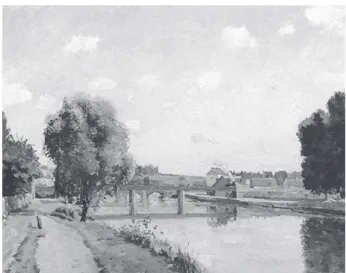
by Akiko Mabuchi New Acquisitions Paul Cézanne, The Bridge and Dam at Pontoise - - - 8
by Hiroya Murakami Paul Sérusier, Four Breton Girls in the Forest - - - 12
by Megumi Jingaoka The Hashimoto Collection - - - 16
by Takashi Iizuka Exhibitions From Renaissance to Rococo. Four Centuries of European Drawing, Painting and Sculpture - - - 24
by Mitsumasa Takanashi Traces of Hands: Sculpture and Drawings by Rodin and Bourdelle - - - 26
from the National Museum of Western Art, Tokyo by Hiroya Murakami Fun with Collection 2012: Finding the Fascination of Sculpture - - - 28
by Yoko Terashima Raffaello - - - 30
by Shinsuke Watanabe 2012 Travelling Exhibition of the Collection of the National Art Museums: - - - 32
Modern European Art from the Collection of the National Museum of Western Art by Hiroya Murakami Prints and Drawings Gallery Kleinmeister: German Small-Format Printmakers in the First Half of the 16th Century - - - 34
by Asuka Nakada Max Klinger’s Prints: Dream Sequences Drawn from the Stylus - - - 38
by Atsushi Shinfuji Landscape: from the Drawing Collection of the National Museum of Western Art - - - 41
by Asuka Nakada Restoration Record - - - 43
by Hiroya Murakami, Megumi Jingaoka, Shinsuke Watanabe Report on Conservation Science Activities - - - 45
by Miho Takashima The Research Library - - - 47
by Masako Kawaguchi Report on Education Programs - - - 49
by Yoko Terashima, Saki Yokoyama, Yuko Waragai List of Loans - - - 58
List of New Acquisitions - - - 59
List of Curators / Guest Curators / Staff - - - 61
Research Activities - - - 62 Contents
* Japanese to English translation by Martha J. McClintock
まえがき - - - -
7[馬渕明子] 新収作品 ポール・セザンヌ《ポントワーズの橋と堰》
- - - 8[村上博哉] ポール・セリュジエ《森の中の4人のブルターニュの少女》
- - - 12[陳岡めぐみ] 橋本コレクション - - - -
16[飯塚 隆] 展覧会 ベルリン国立美術館展―学べるヨーロッパ美術の400年 - - - -
24[高梨光正] 手の痕跡―国立西洋美術館所蔵作品を中心としたロダンとブールデルの彫刻と素描
- - - 26[村上博哉]
Fun with Collection 2012 彫刻の魅力を探る - - - 28[寺島洋子] ラファエロ
- - - 30[渡辺晋輔] 平成
24年度国立美術館巡回展 国立西洋美術館所蔵 ヨーロッパの近代美術 - - - 32[村上博哉] 版画素描展示室 クラインマイスター―
16世紀前半ドイツにおける小画面の版画家たち - - - 34[中田明日佳] マックス・クリンガーの連作版画 ―尖筆による夢のシークエンス - - - -
38[新藤 淳] 風景―国立西洋美術館素描コレクションより
- - - 41[中田明日佳] 修復記録 - - - -
43[村上博哉・陳岡めぐみ・渡辺晋輔] 保存科学に関わる活動報告 - - - -
45[髙嶋美穂] 研究資料センター
- - - 47[川口雅子] 教育普及に関わる活動報告 - - - -
49[寺島洋子・横山佐紀・藁谷祐子] 展覧会貸出作品一覧
- - - 58新収作品一覧 - - - -
59研究員・客員研究員・スタッフ一覧 - - - -
61研究活動
- - - 62目 次
This Annual Bulletin No. 47 records the activities of the National Museum of Western Art (NMWA), Tokyo, during fiscal year 2012, covering the period from April 1, 2012 through March 31, 2013. The reports cover acquisitions, exhibitions, research, education, information sciences, and conservation department activities and their related materials.
The National Museum of Western Art, along with the National Museum of Modern Art, Tokyo, National Museum of Modern Art, Kyoto, and the National Museum of Art, Osaka, became the Independent Administrative Institution National Museum of Art on April 1, 2001. The National Art Center, Tokyo joined the group later. Under the Independent Administrative Institution legislation, there was a certain increase in freedom of operations, but on the other hand, there was an increase in administrative workload. And, in the search for operational efficiency and rationalization, there was a decrease in budget and personnel funds.
As a result it has been difficult to maintain the funding levels necessary for the holding of exhibitions.
While the government is still working on changes to the Independent Administrative Institution system, one element has been decided, namely the consolidation of the National Institutes for Cultural Heritage and the Japan Arts Council. This consolidation of the three institutions must be reconsidered, but there has been no change in the fact that the National Museum of Art must respond to administrative reforms.
In the midst of these challenging circumstances and in our efforts towards the creation and development of art and culture and the promotion of art in society, the entire staff of the NMWA is using whatever means and resources they can muster to ensure that there is no lessening of the fulfillment of the duties entrusted to us, the quality of the service provided to visitors, and to maintaining the museum’s efforts regarding self-generated income.
In terms of exhibition activities, the NMWA welcomed approximately 1 million visitors to its Permanent Collections Galleries and special exhibitions in fiscal 2012. The Permanent Collections Galleries included such small study shows as the
“Kleinmeister: German Small-Format Printmakers in the First Half of the 16th Century” exhibition, and special exhibitions which included: “Hubert Robert — Les Jardins du Temps”; “From Renaissance to Rococo. Four Centuries of European Drawing, Painting and Sculpture”; “Traces of Hands — Sculpture and Drawings by Rodin and Bourdelle from the National Museum of Western Art, Tokyo”; and “Raffaello.”
Of those exhibitions, with the exception of one work, all of the works displayed in the “Traces of Hands” exhibition were from the NMWA collection, and the exhibition was based on the results of the survey and study of the NMWA collection.
The fiscal 2012 Traveling Exhibitions program featured the exhibition “Modern European Art from the Collection of the National Museum of Western Art,” which traveled to the Ibara Municipal Denchu Art Museum (Okayama prefecture) and the Iwami Art Museum (Shimane prefecture). This traveling exhibition featured a total of 80 works, including 40 paintings, 4 sculptures and 36 prints, in its introduction to European modern art dating from the 19th through the 20th centuries.
As in years past, efforts continued on the building of the collection and the full study of works already in the collection.
Thanks to the fiscal 2012 special budget, the NMWA was able to purchase Paul Cézanne’s oil painting, Le Pont et le Barrage à Pontoise (The Bridge and Dam at Pontoise). This painting reveals Cézanne’s transition from the Impressionist style to his own individual style, and is an extremely high quality work that now holds an important position within the Museum’s Permanent Collection Galleries.
This year the private collector Mr. Kanshi Hashimoto presented a collection of more than 800 jewelry items, predominantly rings, dating from antiquity to the present, to the NMWA. The museum’s decorative arts collection had previously focused on tapestries, and this Hashimoto Collection of jewelry marks a new subject for the museum’s collections. Given the extreme breadth of this donation, in terms of dates, regions, techniques and materials, it is an extremely important collection with potential for study and widely varied forms of display in the future. The expansion of the collection through newly acquired items not only further enhances the collection, it also encourages us to study the works already in the collection and further reevaluate and improve our work practices.
In terms of educational programs, this year the two programs “Fun with Collection” and “Fun Day” were held for the first time in conjunction with a special exhibition, in this case, the “Traces of Hands” exhibition. These and other educational initiatives are prospering at the NMWA.
Finally, I will continue to work to develop the NMWA and its pioneering activities as the only museum in Asia that focuses on Western art.
March 2014
Akiko Mabuchi
Director-General, National Museum of Western Art, Tokyo
Foreword
本館報第47号は、平成
24年4月1日から平成25年3月31日までの平成24(2012)年度に、当国立西洋美術館が行 なった、作品収集、展覧会、調査研究、教育普及、情報資料の収集・発信、保存修復などの事業もしくは分野における 活動の報告、ならびに関連する資料や記録を収めています。
国立西洋美術館は、平成
13年
4月
1日から東京国立近代美術館、京都国立近代美術館および国立国際美術館とと もに独立行政法人国立美術館という組織の一館となり、その後、国立新美術館が加わりました。独立行政法人制度の 下で一定程度運営の自由度は増しましたが、業務量が増える一方、運営の効率化および合理化が求められるとともに、
予算および人件費が削減されてきました。その結果、展覧会開催経費の確保すら困難な状況に陥っています。
また、政府による独立行政法人改革についての検討の中で、文化関係の独立行政法人である国立文化財機構、日 本芸術文化振興会との統合も一旦決定されました。この3 法人の統合については、その後、見直されることとなりまし たが、今後とも国立美術館が行政改革に対応してゆかねばならないことに変わりはありません。
このように、当館を取り巻く状況はたいへん厳しいのですが、芸術文化の創造と発展および美術の振興のために、当 館に託された業務の遂行や、来館者に対するサービスの質が劣化しないよう、職員一同さまざまな工夫を凝らすととも に、自己収入の確保にも努力を重ねています。
展覧会事業については、常設展および企画展を合わせ約
100万人もの多くの入場者を得ることができました。常設 展では、 「クラインマイスター―16世紀前半ドイツにおける小画面の版画家たち」等の小企画を開催し、企画展では、
「ユベール・ロベール―時間の庭」、 「ベルリン国立美術館展―学べるヨーロッパ美術の400 年」、 「手の痕跡―国 立西洋美術館所蔵作品を中心としたロダンとブールデルの彫刻と素描」および「ラファエロ」展を開催しました。このうち、
「手の痕跡」は1点を除き、当館所蔵のロダンとブールデルの作品により構成され、当館コレクションに関するこれまで の調査研究の成果を示す展覧会となりました。
なお、平成
24年度は、国立美術館巡回展として、「国立西洋美術館所蔵 ヨーロッパの近代美術」を井原市立田
でんちゅう中 美術館(岡山県)および島根県立石見美術館でそれぞれ開催しました。この巡回展では、当館の美術作品コレクショ ンである絵画
40点、彫刻4点、版画
36点の計80点により、19世紀から20世紀にかけてのヨーロッパの近代美術の展開を紹介しました。
美術作品コレクションの充実と所蔵品に関する調査研究については、従来から力を注いでいますが、平成
24年度は特別に措置された予算により、ポール・セザンヌの油彩画《ポントワーズの橋と堰》を購入することができました。これ は印象派の画風からセザンヌ独自の様式への移行を示す、非常に質の高い作品であり、常設展の中で重要な位置を占 めることとなりました。また、個人コレクターである橋本貫志氏より、古代から現代までの指輪を中心とする宝飾品コレ クション800点超の一括寄贈を受けました。これまでの工芸コレクションはタピスリーが中心で、宝飾品・装身具につ いては当館が収集してこなかった新たな分野であるとともに、今回の寄贈作品は、時代、地域および技法・材質がきわ めて多岐にわたり、今後の調査研究や展示において多様な視点から活用できる可能性のある貴重なコレクションとなり ました。このように、新収蔵作品による美術作品コレクションの充実はもとより、すでに収蔵されている作品に関してもあ らたな調査研究の光を投影して、その評価の刷新に努めています。
教育普及事業についても、 「ファン・ウィズ・コレクション」および「ファン・デー」のふたつのプログラムを、企画展「手 の痕跡」と連携させるという初めての試みに取り組むなど、意欲的な活動を行ないました。
今後とも、我が国、更にはアジアにおいて唯一の西洋美術専門の美術館として、先駆的な活動の展開に努めてゆき たいと考えます。
平成
26年
3月
国立西洋美術館長
馬渕明子
まえがき
ポール・セザンヌ[
1839–1906]
《ポントワーズの橋と堰》
1881年
油彩、カンヴァス
59.1×72.1 cmPaul Cézanne [Aix-en-Provence 1839 – Aix-en-Provence 1906]
The Bridge and Dam at Pontoise (Le Pont et le barrage à Pontoise)
1881Oil on canvas 59.1×72.1 cm P.2012-0001
来歴 /
Provenance: Julien François Tanguy, Paris; Tanguy sale, Hôtel Drouot, Paris, 2 June 1894, lot. 10, as Le Pont; Ambroise Vollard, Paris; M Bourdin, Paris (1895); Josse and Gaston Bernheim-Jeune, Paris (1898); Germain Seligmann, New York, and Knoedler Galleries, New York (October 1935);Carroll Carstairs Gallery, New York (1935); Knoedler Galleries, New York (1937); Roland Balay, New York; Mr. and Mrs. Wesson Seyburn, Grosse Pointe, Michigan (by 1955); Private collection; Sold at Christie’s New York, 6 November 2008, lot. 27; Private collection.
展覧会歴 /
Exhibitions: Cézanne, Bernheim-Jeune, Paris, 1914, cat. no.14; Cézanne and Gauguin, Toledo Museum of Art, Ohio, 1 November–13 December 1936, cat. no. 22; Paul Cézanne, San Francisco Museum of Art, 1 September– 4 October 1937, cat. no. 8, repr.; Cézanne, Durand-Ruel Galleries, New York, 28 March–19 April 1938, cat. no. 11; Pioneering Modern Painting:
Cézanne and Pissarro, 1865 –1885, The Museum of Modern Art, New York (26 June –12 September 2005), Los Angeles County Museum of Art (20 October 2005–16 January 2006), Musée d’Orsay, Paris (27 February–28 May 2006), cat. no. 87, repr. color.
文献 /
Literature: Cézanne, Galerie Bernheim-Jeune, Paris, 1914, repr. pl. 31;L’Art Moderne et Quelque Aspects de l’Art Autrefois, Galerie Bernheim-Jeune, Paris, 1919, repr. pl. 20; Georges Rivière, “La Formation de Paul Cézanne,”
Art Vivant, 1 August 1925, vol. 1, no. 15, p. 209; Ikuma Arishima, Cézanne, Tokyo, 1925
( 有島生馬『セザンヌ』アルス社 )
, repr. pl. 61; Lionello Venturi, Cézanne: son art, son oeuvre, Paris, 1936, vol. 1, p. 133, no. 316, repr. vol.2, pl. 85; Alfred M. Frankfurter, “Cézanne: Intimate Exhibition,” Art News, 26 March 1938, pp. 11–30, repr.; Theodore Reff, “Cézanne’s Constructive Stroke,” Art Quarterly, Autumn 1962, no. 3, pp. 214–227; Sandra Orienti, The Complete Paintings of Cézanne, New York, 1972, no. 324, repr. p. 101; John Rewald, The Paintings of Paul Cézanne: a Catalogue Raisonné, New York, 1996, vol. 1, no. 500, p. 334, repr. vol. 2, p. 161; Barbara White, Impressionists Side by Side, New York, 1996, p.120, repr. color.
オワーズ川右岸の町ポントワーズは、カミーユ・ピサロの制作の拠点 として知られるが、セザンヌも1872年以来
10年のあいだに何度かこの町に滞在し、戸外での制作を行なった。ジョン・リウォルドは《ポ ントワーズの橋と堰 》の制作時期を1881 年と特定している。
註1)この 年、セザンヌは5月初めにポントワーズのポテュイ河岸31番地に家を
借り、
10月末まで滞在した。同年5月20日付のセザンヌからエミール・ゾラへの手紙には、ピサロと頻繁に会っていること、 「曇りか晴天 かによって、いくつかの習作を並行してやっている」ことなどが記され ている。
註2)1877年を最後に印象派展への参加をやめたセザンヌは、
1870
年代末から、彼自身の感覚に基づいて自然を表現することをよ り強く意識するようになっていた。セザンヌの画業上の重要な転換期 に描かれた《ポントワーズの橋と堰》には、印象主義の手法を身につ けた彼がその先に見出そうとしていた独自の絵画の方向性を認めるこ とができる。また、この作品は、セザンヌと9歳年長の画家ピサロとの
新収作品 New Acquisitions
あいだの親密で実り豊かな交流を物語るという意味でも貴重である。
セザンヌは彼が滞在した家からオワーズ川沿いの道を南へ下り、
川の上流にポントワーズの町と台地が見える地点から本作品を描い た。川を横切る水平の帯は、古い浅瀬を利用してオワーズ川の右岸 と中州のサン=マルタン島とのあいだに造られた堰であり(これは20 世紀初頭に近代的なダムに替えられた)、その上流には、
1863年に完成した鉄道橋と、半円状のアーチの橋脚に支えられた石造りのオ ワーズ橋(これは中世以来の橋を壊して1843年に新しく建造された が、第二次世界大戦中に破壊され、現在のオワーズ橋はその後に再 建された)が重なって見える。
註3)従来の研究に基づいて、セザンヌが イーゼルを立てた場所はサン=マルタン島の対岸と推定できるが、画 面の左下に描かれた川沿いの道の大きな湾曲は、おそらく実際より も誇張されていると思われる。
1872年に初めてポントワーズを訪れて以来、セザンヌはしばしばピ
サロと戸外制作を共にし、自然の諸相を豊かな色彩によって表現す る印象派の技法をじかに学んだ。セザンヌの風景表現の発展を支え たのはピサロの教えであり、それ故にセザンヌは終生ピサロへの敬愛 の念をもち続ける。だが、
1881年のポントワーズ滞在中、セザンヌがピサロと共に戸外でイーゼルを並べたことはなかったようである。そ の代わり、セザンヌはピサロが1860 年代後半から70年代前半の作
fig. 1
カミーユ・ピサロ《ポントワーズの鉄道橋》
1873年頃 個人蔵
Camille Pissarro, Railroad Bridge, Pontoise, c. 1873, Private collection
fig. 2
ポール・セザンヌ《メダンの城》
1880年頃 グラスゴー市立美術館
Paul Cézanne, Le Château de Médan, c. 1880, Glasgow City Art Gallery
品に描いたいくつかの場所を訪れて制作をした。《ポントワーズの橋 と堰》も、ピサロの1873年頃の作品《ポントワーズの鉄道橋》 (fig. 1)
と共通するモティーフを描いている。しかし、当然のことながら、約
8年を隔てた両者の作品は、空間の捉え方から筆遣いまで、さまざま な点で明らかな違いがある。
ピサロの作品は、穏やかな空とそれを映す川面が画面の大半を占 め、川沿いの風景の平坦な広がりが朴訥な詩情を漂わせている。一 方セザンヌは、低木の茂みがルプソワールの役割を果たす近景から、
左右の大きな木立と堰および橋の水平線によって構図に安定した骨 格を与える中景、そして台地が堂々たる存在感を示す遠景へと、プラ ン(景)の連なりによる空間の奥行きの表現に関心を向けている。 「自 然は平面においてよりも深さにおいて存在する」
註4)というセザンヌの 晩年の言葉が思い起こされよう。さらに、こうしたいくらか図式的な空 間構成によって風景に安定感と均衡が与えられる一方、画面左の小 道の大きな湾曲は、この風景にダイナミックな感覚をもたらしている。
このような構成感覚の違いに加え、ピサロの作品とセザンヌのそれ とは、筆遣いにおいてもはっきりと異なっている。セザンヌは1877年 頃から80 年代前半にかけて、規則的に並べられた斜めのタッチで画 面の大半を覆う手法を用いた。セオドア・レフが「構築的ストローク」
と名づけたこの筆遣いは、画面全体に統一的なリズムと構成感覚を
もたらし、セザンヌの絵画が印象主義を超えて独自性を獲得する過 程での大きな技法上の特徴と見なされる。レフは1962 年の論文の 中で、構築的ストロークによる風景画のひとつとして本作品に言及し ている。
註5)確かに、画面の左側に見られる、近景の茂みから中景の 木立へと続く濃淡さまざまな緑色の規則的なタッチは、構築的スト ロークの一例と言うことができる。
ただし、セザンヌの風景画の中で構築的ストロークが最も一貫し た形でほぼ画面全体に用いられたのは、 《メダンの城》 (fig. 2)など、
本作品よりも少し早い1879–80年の作品群である。リウォルドが指
摘したように、セザンヌはそれらの作品群において構築的ストローク
による表現を最大限に追求すると、他の諸問題に関心を向け、
1881年以後はより緩くしなやかな筆触を用いるようになる。
註6)本作品にお
いても、規則的で緊密な斜めのストロークの使用は限定的で、むしろ
描かれる対象によって異なる筆触が使い分けられていることに注目
すべきだろう。たとえば、橋や遠景の建物は丁寧な筆致で比較的厚
く絵具が塗られ、それぞれの形態がはっきりと定義されているが、画
面右側の茂みと木立、空などの領域は、素早く大まかなタッチで、白
い地塗り層や下描きの線が透けて見えるほどに薄く絵具が塗られて
いる。また、画面の随所でタッチとタッチのあいだから白い地塗り層
が点々と露出していることも、構築的ストロークを駆使した《メダンの
城 》の描き方とはかなり異なる。構築的ストロークの手法が絵画表 面の統一には有効であっても、いささか息苦しい印象を与え、大気 や空間の感覚が損なわれてしまうことを、セザンヌは自覚したのだろ う。より自由で多様な《ポントワーズの橋と堰 》の筆触は、古典的と も言える秩序感覚によって構成された風景に、開放感と瑞々しい生 命感を吹き込むことに成功している。セザンヌの後半生は、絶えず自 分の方法を見直しながら目の前の風景に向かい、自然の揺るぎない 構造と無限の豊かさとを総合的に表現することに捧げられた。本作 品は、彼がその壮大な目標に向かって独自の歩みを始めた時期の、
優れた成果のひとつである。
本作品は1894 年6月、画材商ジュリアン・タンギーの没後のコレ クション競売に《橋 》という題名で出品された。この競売では、タン ギーが所有していたセザンヌの絵画6 点が売りに出され、そのうち本 作品を含む4 点を画商アンブロワーズ・ヴォラールが購入した。リウォ ルドの調査によれば、ヴォラールは翌1895年
6月、ブルダンという人物からマネの海景画を入手するため、交換として本作品をブルダン 氏に譲渡している。
註7)ヴォラールは同年11–12月に大規模なセザン ヌ展を開くが、本作品はその前に彼の手を離れていたことになる。そ の後、本作品はベルネーム=ジュヌ画廊の手を経て1935 年にニュー ヨークへ渡り、数年のうちにアメリカ国内のいくつかの展覧会に出品 された。それから60年以上を経て、
2005–06年にニューヨーク、ロ サンゼルス、パリを巡回した「セザンヌとピサロ」展で再び公開され、
2008
年にクリスティーズ・ニューヨークのオークションでヨーロッパ の収集家の手に渡った。
作品の保存状態は全体として非常に良好である。おそらく半世紀 以上前の処置により、カンヴァスは膠裏打ちで補強されている。画 面への補彩が認められるのは、主として空の部分である。画面上端 より約
8 cmの位置に、全長約
25 cmの細長い平行線状の擦れがあ る。この擦れはおそらく絵具が乾かない時期に生じたもので、後年の 補彩が加えられている。また、上端より10~15 cm ・左端より20~25
cmの領域にも数箇所の微細な剥落があり、やはり補彩が認められ る。そのほか、画面左下の茂みの部分(下端より10 cm ・左端より18
cm)に微小な補彩、また画面の上端(特に左上隅および右上隅)に補彩がある。 (村上博哉)
註
1
)
John Rewald, The Paintings of Paul Cézanne: A Catalogue Raisonné, New York, 1996, vol. 1, p. 334.2
)
John Rewald (ed.), Paul Cézanne: Letters, New York, 1976, p. 197.(ジョ ン・リウォルド編・池上忠治訳『セザンヌの手紙』筑摩書房、
1967年、
p.152
)
3
)
Rewald, The Paintings, op. cit., vol. 1, p. 334; Alain Mothe, Ce que voyait Cézanne, Les paysages impressionnistes à la lumière des cartes postales, Paris, 2011, pp. 66-67.4
)
Rewald (ed.), Letters, op. cit., p. 301.(リウォルド編・池上訳、前掲書、
p.237
)
5
)
Theodore Reff, “Cézanne’s Constructive Stroke,” Art Quarterly, Autumn 1962, no. 3, p. 220.6
)
Rewald, The Paintings, op. cit., vol. 1, pp. 200–201, 293.7
)
Ibid., vol. 1, p. 334.付記
本作品の購入にあたっては、故大屋美那主任研究員が作品および関連資料 の調査を行ない、購入委員会諮問のための調書を作成した。筆者は本稿の執 筆に際し、大屋氏の調書を参照した。
The town of Pontoise, located on the right bank of the Oise River, is known as one of the places where Camille Pissarro painted. Cézanne also frequented the town several times in the decade after 1872, and there he would paint en plein air. John Rewald has dated The Bridge and Dam at Pontoise to 1881.1) That year saw Cézanne rent a house at 31 Quai du Pothuis in Pontoise at the beginning of May. And in a letter to Emile Zola written on May 20 that same year, he wrote that he saw Pissarro fairly often and, “I have started several studies in dull weather and in sunshine.”2) Cézanne finally quit participating in the Impressionist exhibitions in 1877, and from the end of the 1870s he became all the more strongly aware of a desire to express nature based on his own sensibilities. The Bridge and Dam at Pontoise, painted at an important turning point in Cézanne’s career, reveals his full assimilation of the Impressionist methods and his move in a direction towards his own painting style. The painting is also important for what it says about the richly full and intimate interactions with Pissarro, nine years older than Cézanne.
Cézanne would set off from his house in Pontoise, heading south along the road bordering the Oise River, and there found a spot from which to paint this image looking back up the river at the town of Pontoise and surrounding plateau. The horizontal band cutting across the river is the dam that uses the old shallows to span from the right bank of the Oise River to the central island of Saint-Martin. This dam was replaced with a modern dam at the beginning of the 20th century. Further upstream he shows the railway bridge completed in 1863, layered with the stone that supported the Pont de l’Oise on semi-circular arches. This bridge was newly constructed in 1843 after the removal of a medieval span.
The 1843 construct was destroyed in World War II, and the bridge seen today is a later reconstruction.3) Based on earlier research, it can be surmised that Cézanne set up his easel on the banks opposite l’Isle Saint- Martin, but the riverside road that curves sharply in the lower left of the composition is thought to have been exaggerated beyond its actual curve.
Following his first visit to Pontoise in 1872, Cézanne would often paint en plein air with Pissarro, and thus fully studied the Impressionist methods of expressing the various aspects of nature through rich colors.
Pissarro’s teachings supported the development of Cézanne’s landscape expression, and for that reason Cézanne highly respected him throughout his life. While he was in Pontoise in 1881, it seems that Cézanne and Pissarro did not set up their easels side-by-side outdoors. Instead, Cézanne visited the various places where Pissarro had painted works from the latter half of the 1860s through the first half of the 1870s. The Bridge and Dam at Pontoise shares motifs with Pissarro’s ca. 1873 work Railroad Bridge, Pontoise (fig. 1). However, naturally the two works separated by about eight years show various clear differences, such as the handling of the sky through types of brushstrokes.
In Pissarro’s painting the gentle sky and its reflection on the river surface occupy the majority of the composition, while the level expanse of riverside scenery shown resonates with a simply unadorned lyricism.
Conversely, Cézanne uses the low-lying foliage as a repoussoir effect in the foreground, moving to the large stands of trees to right and left, the horizontal lines of the dam and bridge forming a stable composition in the middle ground, and leading to the distant view with its plateau providing a splendid sense of presence. Through this structure he turned his focus to the expression of spatial depth through linking of near, mid and far planes. This handling recalls the comment from Cézanne’s later years, “Nature for us men is more depth than surface.”4) Further, while somehow the diagrammatic spatial composition gives the landscape a sense of stability and balance, the large curve of the small path on the left
side of the composition brings a sense of dynamism to the scene.
In addition to this difference in compositional feel, the Pissarro and the Cézanne works clearly differ in terms of brushwork. From around 1877 through the first half of the 1880s Cézanne used a regularly aligned diagonal stroke to cover the majority of his composition. Theodore Reff named this the “constructive stroke.” It gives a unified rhythm to the composition overall and a sense of construct, and is one of the major technical characteristics that appears in Cézanne’s development of his own unique style that surpassed that of the Impressionists. In a 1962 article, Reff mentions this work as one of the landscapes created with the constructive stroke.5) Indeed, the regular strokes of various greens in light and dark shades that continue from the foreground undergrowth to the stand of trees seen on the left of the composition are one example of this constructive stroke.
However, the most uniform use of the constructive stroke over almost the entire composition in Cézanne’s works can be seen in paintings such as Le Château de Médan (fig. 2), which is part of a group of works created earlier than the NMWA painting, in 1879–1880. As indicated by Rewald, Cézanne sought the maximum effect from the constructive stroke in that group of works, and as his attention shifted to other issues from 1881 onwards he used a much looser and less rigidly oriented brushstroke.6) The NMWA work shows a limited use of a regular, strictly diagonal stroke, and it is noteworthy that he used instead different strokes depending on what he was depicting. For example, the bridges and distant buildings are painted in careful brush strokes of relatively heavy pigments, with each of their forms clearly defined. The undergrowth on the right and stand of trees, or the sky on the other hand, were drawn in quick, large strokes of thinly applied pigment that allows glimpses of the white ground layer and underdrawing lines. Further, areas of the white ground layer appear between the brush strokes throughout the composition. This is quite different brushwork than that seen on Le Château de Médan with its thorough use of the constructive stroke. Even if the constructive stroke is effective at unifying a picture plane, Cézanne was aware that it also gave a somewhat stifling feel to a composition, robbing it of a sense of atmosphere and space. The freer, more diverse brushwork, as seen in The Bridge and Dam at Pontoise, in a landscape composed in ordered fashion that could be called classical, effectively breathed a liberated and fresh sense of life into the scene. The latter half of Cézanne’s life was a ceaseless reconsideration of his own methods as he turned to the landscape before his eyes, and was dedicated to providing a synthetic expression of the unswerving compositions and boundless richness of nature. This work is one of the splendid results of the period when he first set out on his own path, facing that magnificent goal.
This work was sold under the then title Le Pont in the auction held in June 1894 of the collection of the deceased art dealer, Julien Tanguy.
Six paintings by Cézanne from the Tanguy collection were sold at that auction, and of those, the dealer Ambroise Vollard purchased four.
According to Rewald’s survey, the following June 1895 Vollard traded this work to a man named Bourdin for a seascape by Manet.7) Vollard held a large Cézanne exhibition that November December of 1895, but this work had already left his collection by then. Later this work passed through the hands of the Bernheim-Jeune gallery before arriving in New York in 1935, and was displayed over the next few years at several exhibitions throughout America. Then, after being unseen for more than 60 years, it reappeared in the Cézanne and Pissarro exhibition held in New York, Los Angeles and Paris in 2005–2006, and passed into the hands of a European collector at an auction at Christie’s, New York, in 2008.
The painting is in extremely good condition overall. Probably work done more than half a century ago, the canvas has been relined with glue. Some retouching visible on the painting surface is primarily in the sky area. Approximately 8 cm from the upper edge of the picture plane an approximately 25 cm long horizontal rubbed line can be seen. This rubbed area probably occurred while the paint was still wet, and was then retouched at a later time. Further, there are several small areas of flaking in the area 10–15 cm from the top and 20–25 cm from the left edge, and here too retouching can be seen. Otherwise there is an extremely small amount of retouching in the lower left foliage (10 cm from the bottom edge, 18 cm from the left edge), and there is some retouching along the top edge of the canvas (particularly the upper left corner and upper right
corner). (Hiroya Murakami)
Notes
1) John Rewald, The Paintings of Paul Cézanne: A Catalogue Raisonné, New York, 1996, vol. 1, p. 334.
2) John Rewald (ed.), Paul Cézanne: Letters, New York, 1976, p. 197.
Japanese version translated by Chuji Ikegami, Chikuma Shobo, 1967, p.
152.
3) Rewald, The Paintings, op. cit., vol. 1, p. 334; Alain Mothe, Ce que voyait Cézanne: Les paysages impressionnistes à la lumière des cartes postales, Paris, 2011, pp. 66–67.
4) Rewald (ed.), Letters, op. cit., p. 301. Japanese version, op. cit. p 237.
5) Theodore Reff, “Cézanne’s Constructive Stroke,” Art Quarterly, Autumn 1962, no. 3, p. 220.
6) Rewald, The Paintings, op. cit., vol. 1, pp. 200–201, 293.
7) Ibid., vol.1, p. 334.
Postscript:
The late Mina Oya, Curator, conducted a survey of this work and its related documents when the work was purchased by NMWA, and prepared a report for the Acquisitions Committee. The author referred to Oya’s report in the preparation of this text.
ポール・セリュジエ[
1865 –1927]
《森の中の
4人のブルターニュの少女》
1892年
油彩、カンヴァス
92×73 cmPaul Sérusier [Paris 1865 – Morlaix 1927]
Four Breton Girls in the Forest (Quatre jeunes bretonnes dans la forêt)
1892Oil on canvas 92×73 cm P.2012-0002
来歴 /
Provenance: Offered by the artist to his friend, Auguste Cazalis, called le Nabi Ben Kallyre; M and Mme Cazalis, Enghien-les-Bains; Sold at auction, Piasa, Drouot-Richelieu, Paris, 8 December 2004; Private collection, France;Private collection, Switzerland.
展覧会歴 /Exhibitions: Kenavo Monsieur Gauguin, Musée de Pont-Aven,
Pont-Aven, p. 105, n°46 (repr. in color), 28 June –29 September 2003; Figures Impressionistes et Modernes, Galerie Interart, Geneva, 23 April–8 July 2008;En Plein Air, Galerie Interart, Geneva, 30 October 2009–15 January 2010.
文献 /
Literature: Guicheteau, Marcel, Paul Sérusier, Éditions Side, Paris, 1976, pp. 62 (repr. in color), 208, n°57; Boyle-Turner, Caroline, Paul Sérusier, UMI Research Press, Ann Arbor, Michigan, 1983 (first published in 1980); Boyle- Turner, Caroline, “Sérusier’s Talisman,” Gazette des Beaux-Arts, 6 période, Tome 105 (mai-juin, 1985), pp.191–196;金澤清恵「ポール・セリュジエ作《タリスマ ン》とナビ派の成立を巡って」 『成城美学美術史』第15号(2009年)、
pp.55–73.作家について
ナビ派は19世紀後半のフランスにあって、アカデミスムだけでなく新 興の印象派とも一線を画し、ポール・ゴーガンの芸術観に共鳴しつ つ芸術の総合を目指した画家たちのグループである。セリュジエはそ の中心のひとりであった。パリで香水と手袋を商う裕福なブルジョワ 家庭に生まれたセリュジエは、幼い頃から哲学や文学に目覚め、画 家となるべくアカデミー・ジュリアンに進み、優秀な成績を修めてい
た。
1888年、ポン=タヴェンに滞在中のゴーガンを訪ね、直接会ってその作品を見、思想を聞いたことが、セリュジエの画家としての大き な転機となった。それにより、セリュジエの絵画は、他のゴーガン信 奉者と同様、自然の再現とは異なる直感に従った非自然主義的な色 使い、形の単純化、装飾性へと向かうこととなる。ゴーガンの言葉に 触発されて描いた作品としてのちに、ナビ派の自己表明の原点とされ た《ポン=タヴェンの愛の森(別名:タリスマン[護符])》は、アヴェ ン川の畔の風景を黄色や青、緑などチューブからそのまま取り出した 色彩を用い、奥行きの狭い構図上で対象を抽象的に捉えた作品で ある。セリュジエはタヒチ出発(1891年
4月)までのゴーガンに親しく接し、モーリス・ドニやピエール・ボナール、ポール・ランソン、ケル=
グザヴィエ・ルーセル、アンリ=ガブリエル・イベル、エドゥアール・ヴュ
イヤールなど他のナビ派の画家たちに、ゴーガンの芸術思想を伝え
る役割を果たした。彼らは自らをナビ(ヘブライ語の預言者の意)と 称し、各人、ナビ派としてのあだ名をつけていた。セリュジエのあだ名 は「赤く輝く髭のナビ
Le Nabi à la Berbe Rutilante」である。
他方、セリュジエはタブローのほか壁画や舞台の装飾を手がける など、活躍の場を広げた。
作品について
セリュジエがポン=タヴェンに滞在中のゴーガンのもとを最初に訪れ
たのは、
1888年秋のことである。そして翌年6月から7月にかけて、セリュジエはゴーガンと、そしてその傍らにいたエミール・ベルナールと ともにポン=タヴェン、ル・プルデュに滞在し、制作した。当時のポン=
タヴェンでは、夏になるとアメリカ、イギリス、ドイツ、フランス各地の 芸術家が集まり、原始の自然と古代文化の香りを色濃く残す風土の 中で創作活動をしていた。ゴーガンは、そうして集まった画家たちの 中心的な存在であり、ベルナールとともに新時代の絵画表現を求め て、主題の選択やモティーフの描き方を模索していた。セリュジエと の最初の出会いの直前、ゴーガンは《説教の後の幻影 》 (1888年、
エジンバラ、スコットランド・ナショナル・ギャラリー蔵)を、またベル ナールは《草原のブルターニュの人たち》 (1888 年、サン=ジェルマ ン=アン=レ、ブリウレ美術館蔵)を制作しており、これらの作品は同 時代の象徴主義の思潮と呼応し、総合主義の原点と位置づけられ る。セリュジエはこの2回の滞在を通じ、ともにスケッチに出かけるな ど、ゴーガンやベルナールの芸術観や描法をより深く理解し、感銘を 受けることとなる。それまで暗い色調でアカデミックな写実性の高い 作品を描いていたセリュジエは、再現性とは異なる、感覚に基づいた 色彩や形の捉え方を学び、輪郭線に囲まれた面を単一の色彩で平 坦に塗り潰すクロワゾニスムや奥行きのない空間構成を画面に導入 した。
1891年にゴーガンがタヒチに旅立った後、セリュジエは友人の画
家でオランダ出身のヤン・フェルカーデ、デンマーク出身のモーゲン ス・バリンとともにブルターニュを訪れている。この時、ゴーガンとの 思い出の地であるル・プルデュのほか、ユエルゴア(Huelgoat)を回っ たが、とくに観光地化されていない静かな村ユエルゴアを気に入った セリュジエは、ここに部屋を借り、制作を行なった。セリュジエの作品 と生涯を編年的に論じたボイル=ターナーは、この時から1893年に 同じブルターニュのシャトーヌフ=デュ=ファウにアトリエを構えるまで の時期を「ユエルゴア時代」と呼び、ゴーガンとともに制作したポン=
タヴェンやル・プルデュの時代の作品との差異を指摘している。本作 品は1892年、このユエルゴア時代の作といえるだろう。
本作品が制作された時期のセリュジエは、ブルターニュの人々の 日常風景を捉え、強い色彩の対比を用い、装飾的な効果を生かした 絵画を制作している。本作品もそうした1点で、ブルターニュ独特の ボネや衣服を身につけた4 人の女性が、森に囲まれた川辺に佇んで いる。
4人は不機嫌にも見えるような厳しい表情をしているが、これは この時期にブルターニュの人々を描いたセリュジエの作品に特徴的 なものである。ボイル=ターナーはこうした表情の女性たちは、厳しい 自然のなかで貧しく、因習的な暮らしをする人々の表情としてセリュ ジエが感じとったものとし、ユエルゴア時代以前、ゴーガンとともに描 いた時期のセリュジエにとって理想郷であったブルターニュの印象 が変化したことによると指摘している。なお類作に、同じ女性をモデ
ルとしたと思われる作品《森の中の4人のブルターニュの女性たち》
(fig.)がある。
本作品では、人物もその周囲の自然の光景もけっして再現的、自 然主義的なものとはいえず、人物は周囲の木々や草花の中に構図上 の必要から位置づけられる。画面は奥行きが狭くとられ、色彩の選 択や配置は密度が高く、装飾的である。とくに緑に囲まれた赤い川 の流れは異様に映るが、この時期のセリュジエの作品には地面を赤 く塗った作品も多く、これはゴーガンの《説教の後の幻影》の背景の 赤い色面を想起させ、見る者に強いインパクトを与える。濃い青色の 太い輪郭線が多用されているのも、ゴーガンやベルナールのクロワゾ ニスムと共通する。輪郭線の内側が平坦に塗り潰される部分がある 一方で、女性ふたりが乗る岩や女性の衣服の一部、草地などに小さ な規則的な筆触も見られ、後者はブルターニュ時代のゴーガンの絵 画からの影響により、
1889–90年頃のセリュジエの絵画にも多用さ れた特徴である。輪郭線もない部分もあるなど、本作品では、こうし た異なった特徴をもつ筆触や輪郭線が用いられ、画面に巧みに強弱 がつけられている。また、色彩とともに周囲の木々の葉や草花、川の 流れを示す波紋が画面に装飾的な効果をもたらしており、後ろ向き に立つ女性のポーズや翻るスカートの形は浮世絵に描かれる人物の ようにも見える。セリュジエはゴーガンや他のナビ派の画家たち同様、
日本美術を好み、ユエルゴアの部屋の壁には浮世絵が掛けられてい たという。ボイル=ターナーもこの時期のセリュジエの作品に、とくに 日本美術の影響が強く見られると指摘している。
本作品については、
2003年のポン=タヴェン美術館での展覧会出
品の折、
1892年にル・バルク・ド・ブトヴィル画廊(パリ)で開催された「第2回印象派と象徴主義の画家たち」展の出品作品であるとさ れた。第1回と第
2回の「印象派と象徴主義の画家たち」展には、《ブ ルターニュの女性たち》が出品されたことが第1回展カタログおよび セリュジエの母親からの手紙からわかっているが、前に挙げた《森の 中の4 人のブルターニュの女性たち》と本候補作のどちらが、 「第
2回印象派と象徴主義の画家たち」展に出品された作品なのかという 点は、はっきりとしていない。なお、 「印象派と象徴主義の画家たち」
展は、
1891年12月に同画廊で始まり、以後6年間に15回開催され
た展覧会である。扱われた画家はマネからボナールまでと幅広いが、
fig.
《森の中の
4人のブルターニュの女性たち》
1891年
92×
73 cm油彩・カンヴァス 個人蔵
Four Breton Girls in the Forest, 1891, 92×73 cm, Oil on canvas, Private collection
とりわけボナール、ヴュイヤール、ドニ、ベルナール、そしてセリュジエ といったポン=タヴェン派あるいはナビ派の画家たちの自由な作品発 表の場としての役割を果たした。結果として、同画廊はこうした画家 たちの社会的な認知を引き上げることに貢献したのである。
また本作品の来歴には、オーギュスト・カザリスの名前が最初に 挙げられている。カザリスはナビ派の詩人で、セリュジエにとっては親 しい友人であった。ナビ派でのあだ名は「ベン・カリールのナビ Le
Nabi Ben Kallyre」(発言のはっきりしないナビの意味)、である。本 作品はこの友人にたいしてセリュジエ本人より贈られた。カザリスは ヘブライ語や文学に通じ、預言者を意味するヘブライ語のナビという 単語を、グループ名として提示した人物とされている。その後、本作 品は代々カザリス家に所蔵されたが、
1976年のカタログ・レゾネにカラー図版で掲載されただけで、展覧会への出品も1892 年の「第2 回印象派と象徴主義の画家たち」展(推測)以降
2003年までなく、長く秘蔵されていた。
2004年のオークションでフランスの個人蔵となり、スイスの所蔵家の手を経て、当館のコレクションに入った。
(文責:陳岡めぐみ)
** 本稿は、大屋美那主任研究員による平成
24年度購入候補美術作品調書よ り抜粋し、一部訂正を加えて転載した。
About the Painter
In the latter half of the 19th century France, the Nabi school distanced itself not only from Academism, but also from the newly popular Impressionists. The Nabis were a group of painters who resonated with the art theories of Paul Gauguin and aimed for a synthesis of the arts.
Sérusier was a central Nabi figure. Born into a wealthy bourgeois family that sold perfume and gloves in Paris, he was interested from his early years in philosophy and literature. With the aim of becoming a painter, he studied at the Académie Julian where he excelled. In 1888 he visited Gauguin then resident in Pont-Aven, and through this personal meeting with the artist, had a chance to view Gauguin’s paintings first-hand and hear his thoughts. This became a major turning point for Sérusier as a painter. Thus, like Gauguin’s other acolytes, Sérusier’s paintings turned towards the simplification of forms, decorative quality and imbued with vivid and artificial colors, based on intuition rather than a re-creation of nature. His first work created after his encounter with Gauguin, l’Aven au bois d’Amour (also known as Le Talisman), shows an Aven River landscape in yellow and green pigments spread directly from the pigment tube, and in the composition with its shallow depth of field he expresses his subject in an abstract form. Sérusier was close to Gauguin prior to Gauguin’s departure in April 1891 for Tahiti, and played a role in conveying Gauguin’s artistic philosophy to other Nabi painters, such as Maurice Denis, Pierre Bonnard, Paul-Elie Ranson, Ker-Xavier Roussel, Henri-Gabriel Ibels and Édouard Vuillard. They named themselves the Nabis, a Hebrew term meaning prophets, and each was given a Nabi nickname. Sérusier’s nickname was le Nabi à la Barbe Rutilante (the Nabi with the sparkling beard).
In addition to painting on canvas, Sérusier was also active across a wide artistic realm, creating both wall paintings and stage decoration.
About the Painting
Sérusier first visited Gauguin in Pont-Aven in the autumn of 1888. Then from June to July of the following year, Sérusier stayed with Gauguin and Émile Bernard in the village of Le Pouldu near Pont-Aven and there
created paintings. At the time, artists from America, England, Germany and various French regions would gather in Pont-Aven during the summers, where they would create works amidst primeval nature and a setting redolent with ancient culture. Gauguin was a central presence in this gathering of painters, and along with Bernard, he sought a painting expression for a new age, groping for how to select subjects and develop motif depictive methods. Immediately prior to meeting Sérusier, Gauguin painted his Vision After the Sermon (1888, National Gallery of Scotland, Edinburgh), while Bernard painted Breton Women in the Meadow (1888, Priuré Museum, Saint-Germain-des-Prés). These works responded to the symbolist trends of the day and can be seen as the starting point of synthetism. During his two visits to Pont-Aven Sérusier set out with other painters on sketching trips, and came to have a deeper understanding of Gauguin and Bernard’s painting philosophy and methods, and was clearly impressed. Prior to this time Sérusier’s works were dark in palette and highly realistic in an Academic style. From these experiences he learned how to grasp colors and form from a non-representational, feeling-based method, setting out to create paintings with simple color fields bound by outlines in a cloisonnism style and flat compositions without depth of field.
After Gauguin left for Tahiti in 1891, Sérusier and his Dutch-born painter friend Jan Verkade and Danish-born Mogens Ballin visited Brittany. On that journey, in addition to the Gauguin-linked Le Pouldu, they also visited the village of Huelgoat. Sérusier was particularly taken by Huelgoat and its quiet setting as yet unspoiled by tourism. He rented a room there and painted. Boyle-Turner, who has provided a chronological study of Sérusier’s works and life, calls this his Huelgoat period that lasted until 1893 when he set up a studio in Châteauneuf-du-Faou, also in Brittany. She further indicates the differences between works from this period and those created with Gauguin in Pont-Aven and Le Pouldu. This painting created in 1892 can thus be considered a Huelgoat period work.
During the time that this painting was created, Sérusier was taken by the scenes of the daily life of the Bretons, and employed strong color contrasts in his creation of paintings that maximized their decorative effects. This work is one such example, and shows four women dressed in the unique Breton starched, white headdress and costume, seen near a stream and surrounded by a forest. The four women have stern, almost displeased expressions, and this is characteristic of Sérusier’s paintings of Bretons during this period. Boyle-Turner suggests that Sérusier felt in women with these expressions the sense of people who lived conventional lives of poverty amidst harsh nature, further indicating that his impressions of Brittany had changed from the utopian vision when he was painting with Gauguin. A related work thought to have used the same models Four Breton Girls in the Forest (fig.) is known.
In this work Sérusier cannot be said to have re-created the figures or their surrounding nature in a naturalist, realist form. The figures have been placed amidst the surrounding trees and plants simply out of compositional necessity. The depth of field is narrowed, the color selection and placement density heightened, all to decorative effect. The red flowing river surrounded by green seems strange, but many of the works that Sérusier painted at the time have a red ground, recalling the red color fields in the background of Gauguin’s Vision after the Sermon, and all creating a strong impact on the viewer. Thick, dark blue outlines were frequently used, sharing characteristics with the cloisonnism of Gauguin and Bernard. While the areas inside the outlines are painted with a flat expanse of color, the rocks beneath two of the women and part of their clothing, along with the grassy plane, show small regularly applied brush strokes, which can be seen as having been influenced by Gauguin’s Brittany period paintings and are a frequently used feature of
Sérusier’s paintings from c. 1889 –1890. The un-outlined sections and other features, along with its use of distinctive brushwork and outlines, effectively adds to the dynamism of the picture plane. The colors, along with the wavy patterns created by the surrounding tree leaves, grasses and flowing stream, all add a decorative effect to the composition, while the backward-facing standing women and their poses, and the shapes of their fluttering skirts all resemble figures in ukiyo-e prints. Like Gauguin and the other Nabi painters, Sérusier liked Japanese art and he is said to have had ukiyo-e prints hanging on the walls of his room in Huelgoat.
Boyle-Turner has also indicated that Japanese influence was particularly strong on Sérusier’s paintings of this period.
When this painting was exhibited in the 2003 exhibition at the Musée de Pont-Aven it was said to have been exhibited at the 2nd “Impressionists and Symbolists” exhibition held at the Le Barc de Boutteville Gallery (Paris) in 1892. The fact that a women of Brittany painting was exhibited in the first and second “Impressionists and Symbolists” exhibition is noted in the catalogue of the first exhibition and in a letter from Sérusier’s mother, but it is not clear which painting, Four Breton Girls in the Forest or this work, was exhibited in the 2nd exhibition. The “Impressionists and Symbolists” exhibitions began at the above-mentioned gallery in December 1891, and a total of 15 exhibitions were then held over the following six years. The displayed painters ranged widely from Manet to Bonnard, and the exhibitions functioned as a place where Pont-Aven school and Nabi school artists such as Bonnard, Vuillard, Denis, Bernard and Sérusier could freely display their works. As a result, this gallery contributed to the growing social recognition of these painters.
In terms of the provenance of this painting, Sérusier gave this painting to his close friend Auguste Cazalis, a Nabi poet whose nickname, le Nabi Ben Kallyre, means the Nabi who does not speak clearly. Cazalis was fluent in the Hebrew language and literature, obviously knew the meaning of Nabi as prophet in Hebrew and likely gave the group its name. This painting was later owned by generations of the Cazalis family, and yet with the exception of its color reproduction in the 1976 catalogue raisonné of the artist, its display in 2003 was the first public viewing of the painting since its possible display in the 2nd “Impressionists and Symbolists” exhibition of 1892. The painting was purchased at auction in 2004 by a French private collector and then passed to a Swiss collection prior to entering the NMWA collection.
(text by Mina Oya, revised by Megumi Jingaoka)
橋本コレクション
The Hashimoto Collection
来歴 /
Provenance:橋本貫志氏寄贈、
2012年展覧会歴 /Exhibitions: 「指輪」 東京都庭園美術館、
2000年6月7日– 8月6日(指輪を中心に約
400点出品)「指輪」
;箱根ガラスの森美術館、
2008年4月20日–10月31日(指輪
74点出品)「橋本貫志コレクション」ミキモト本店、
; 2011年5月13日– 5月29日(指 輪60点出品)
文献 /
Literature: Diana Scarisbrick, Historic Rings: Four Thousand Years of Craftsmanship, Tokyo, New York, London, 2004;宝官優夫・諏訪恭一監修『指 輪88』淡交社、
2011年
2012
年夏、指輪を中心とする工芸品コレクションが橋本貫志氏
(1924 – )によって寄贈された。この「橋本コレクション」は、指輪
732点、指輪とセットになっている腕輪やネックレス、石など71点、指 輪のデザイン画
2点、指輪に関する書籍1点の全
806点で構成されている。橋本氏は日本と東洋美術の収集家として知られ、コレクショ ンを東京国立博物館や東京藝術大学大学美術館などに寄贈してき
たが、
1989年から2002年にわたり、おもにオークションによって指
輪を集中的に収集した。橋本氏によれば、コレクションとは「日本の 公共美術館あるいは博物館にコレクションをそっくり寄贈」
註1)するこ とで完成するものであり、その高邁な精神によってこのたび、当館に 橋本コレクションがもたらされることとなった。
収集された指輪の制作年代は古代から現代に及び、制作地も欧 米だけでなくアジア、ラテンアメリカまで含まれている。作品の素材、
技法、用途、形式にも偏りがない。こうしたコレクションの多様性に よって、 「コレクターの喜びは、ものを冷静かつ客観的に見極め、文 化的に意味がある集合体を新しく創造することにある」
註2)という橋本 氏の言葉どおり、コレクション自体が歴史の語り手となる。指輪とい うひとつのカテゴリーで、ここまで広範に集められたコレクションは、
世界的に見てもめずらしい。
これまでの国立西洋美術館の所蔵品の主体は中世末期から20 世紀初頭までの絵画や彫刻であるため、橋本コレクションは当館初 のまとまった工芸品コレクションである。所蔵作品の年代に関しても、
5SS294 4CL273
2CL197 2SL189
5CN320 2CG209
4CL274 4CL280
0SL088