1. Introduction
The Asklepieion of the Messene (Fig. 1) was excavated by A. Orlandos from 1956 to 1974
1)and the architectural remains have been surveyed by several
������������������������������������������������������������������������������������������������������������������������������������������������������������
������������������������������������������������������������������������������������������������������������������������������������������������������������
been published.
2)����������������������������������������������������������������������������������������������������������������������������������������������
and inner architecture have already been published by Chlepa.
3)�������������������������������������������������������������������������������������������
4)�������������������������������������������������������������������������������������������������������������������������������������������������������
member of the Architectural Mission of Kumamoto University to Messene (leader; Prof. J. Ito) participated in the architectural survey of these Stoas of the
�������������������������������������������������������������������
5)The principle of the Messenian Stoas can be summarized as follows: The Messenian Stoa has two aisled colonnades (so-called double-stoa) and each outer and inner colonnades have different in their size and ornamentation. The outer column has an Attic-type base standing on a square plinth and supporting a
������������������������������������������������������������������������������������������������������������������������������������������������������������
��������������������������������������������������������������������������������������������������������������������������������������������������������������
Attic-type base standing a cylinder plinth instead and supporting a bigger column and a Corinthian capital. The upper structure was made of wood.
����������������������������������������������������������������������������������������������������������������������������������������������������������������������
����������������������������������������������������������������������������������������������������������������������������������������������������������������
��������������������������������������������������������������������������������������������������������������������������������������������������������������
three phases from Archaic to Hellenistic period.
6)�������������������������������������������������������������������������������������
thcentury and the end of the 3
rd������������������������������������������������������������������������������������������������������������������������������������������������������������
������������������������������������������������������������������������������������������������������������������������������������������������������������������
around the end of the 3
rd��������������������������������������������������������������������������������������������������������������������������������������������
2
nd��������������
The small stock rooms behind the fountain of the Asklepieion and at the south side of the Stoa of the early Imperial period
7)are dated to the middle of the 2
nd�����������������������������������������������������������
8)���������������������������������������������������������������������������������������������
����������������������������������������������������������������������������������������������
rdcentury and the middle of the 2
nd�����������������������������
���������������������������������������������������������������������������������������������������������������������������������������������������������������
which was the middle of the 2
nd����������������������������������������������������������������������������������������������������������������������
9)������������������������������������������������������
��������������������������������������������������
古代都市メッセネのアスクレピオス神域のストアにおける建築装飾の様式分析
�� �� * Ryuichi YOSHITAKE
The Hellenistic sanctuary of the Asklepios at Messene has a square courtyard surrounded by the Stoas from its four sides. It has been considered by that the Asklepieion was built between the end of the 3
rdcentury and the 2
nd�����������������������������������������������
����������������������������������������������������������������������������������������������������������������������
nd��������������
�������������������������������������������������������������������������������������������������������������������������
nd���������������
���������������������������������������������������������������������������������������������������������������������������������������
ornamentations of the Stoas belong to the traditional architecture from the early Hellenistic period back to the middle of the 4
thcentury to the 3
rd�����������������������������������������������������������������������������������������������������������������������
Keywords : Hellenistic architecture, stoa, architectural ornamentation, construction date
ヘレニズム建築 , ストア , 建築装飾 , 建設年代計画系 684 号
【カテゴリーⅡ】 日本建築学会計画系論文集 第78巻 第684号,
497-507, 2013年 2
月J. Archit. Plann., AIJ, Vol. 78 No. 684, 497-507, Feb., 2013
STYLISTIC ANALYSIS OF THE ARCHITECTURAL ORNAMENTATION OF THE STOAS OF THE ASKLEPIEION AT ANCIENT MESSENE
古代都市メッセネのアスクレピオス神域のストアにおける建築装飾の様式分析
Ryuichi YOSHITAKE *
吉 武 隆 一
*
Assist. Prof., Priority Organization for Innovation and Excellence, Kumamoto University,
熊本大学大学院先導機構 特任助教・博士(工学)
Dr. Eng.
1. Introduction
The Asklepieion of the Messene (Fig. 1) was excavated by A. Orlandos from 1956 to 1974
1)and the architectural remains have been surveyed by several
������������������������������������������������������������������������������������������������������������������������������������������������������������
������������������������������������������������������������������������������������������������������������������������������������������������������������
been published.
2)����������������������������������������������������������������������������������������������������������������������������������������������
and inner architecture have already been published by Chlepa.
3)�������������������������������������������������������������������������������������������
4)�������������������������������������������������������������������������������������������������������������������������������������������������������
member of the Architectural Mission of Kumamoto University to Messene (leader; Prof. J. Ito) participated in the architectural survey of these Stoas of the
�������������������������������������������������������������������
5)The principle of the Messenian Stoas can be summarized as follows: The Messenian Stoa has two aisled colonnades (so-called double-stoa) and each outer and inner colonnades have different in their size and ornamentation. The outer column has an Attic-type base standing on a square plinth and supporting a
������������������������������������������������������������������������������������������������������������������������������������������������������������
��������������������������������������������������������������������������������������������������������������������������������������������������������������
Attic-type base standing a cylinder plinth instead and supporting a bigger column and a Corinthian capital. The upper structure was made of wood.
����������������������������������������������������������������������������������������������������������������������������������������������������������������������
����������������������������������������������������������������������������������������������������������������������������������������������������������������
��������������������������������������������������������������������������������������������������������������������������������������������������������������
three phases from Archaic to Hellenistic period.
6)�������������������������������������������������������������������������������������
thcentury and the end of the 3
rd������������������������������������������������������������������������������������������������������������������������������������������������������������
������������������������������������������������������������������������������������������������������������������������������������������������������������������
around the end of the 3
rd��������������������������������������������������������������������������������������������������������������������������������������������
2
nd��������������
The small stock rooms behind the fountain of the Asklepieion and at the south side of the Stoa of the early Imperial period
7)are dated to the middle of the 2
nd�����������������������������������������������������������
8)���������������������������������������������������������������������������������������������
����������������������������������������������������������������������������������������������
rdcentury and the middle of the 2
nd�����������������������������
���������������������������������������������������������������������������������������������������������������������������������������������������������������
which was the middle of the 2
nd����������������������������������������������������������������������������������������������������������������������
9)������������������������������������������������������
��������������������������������������������������
古代都市メッセネのアスクレピオス神域のストアにおける建築装飾の様式分析
�� �� * Ryuichi YOSHITAKE
The Hellenistic sanctuary of the Asklepios at Messene has a square courtyard surrounded by the Stoas from its four sides. It has been considered by that the Asklepieion was built between the end of the 3
rdcentury and the 2
nd�����������������������������������������������
����������������������������������������������������������������������������������������������������������������������
nd��������������
�������������������������������������������������������������������������������������������������������������������������
nd���������������
���������������������������������������������������������������������������������������������������������������������������������������
ornamentations of the Stoas belong to the traditional architecture from the early Hellenistic period back to the middle of the 4
thcentury to the 3
rd�����������������������������������������������������������������������������������������������������������������������
Keywords : Hellenistic architecture, stoa, architectural ornamentation, construction date
ヘレニズム建築 , ストア , 建築装飾 , 建設年代* �������������������������������������������������������������������������������������������������� ������������������� � �� � 1. Introduction
The Asklepieion of the Messene (Fig. 1) was excavated by A. Orlandos from 1956 to 1974
1)and the architectural remains have been surveyed by several
������������������������������������������������������������������������������������������������������������������������������������������������������������
������������������������������������������������������������������������������������������������������������������������������������������������������������
been published.
2)����������������������������������������������������������������������������������������������������������������������������������������������
and inner architecture have already been published by Chlepa.
3)�������������������������������������������������������������������������������������������
4)�������������������������������������������������������������������������������������������������������������������������������������������������������
member of the Architectural Mission of Kumamoto University to Messene (leader; Prof. J. Ito) participated in the architectural survey of these Stoas of the
�������������������������������������������������������������������
5)The principle of the Messenian Stoas can be summarized as follows: The Messenian Stoa has two aisled colonnades (so-called double-stoa) and each outer and inner colonnades have different in their size and ornamentation. The outer column has an Attic-type base standing on a square plinth and supporting a
������������������������������������������������������������������������������������������������������������������������������������������������������������
��������������������������������������������������������������������������������������������������������������������������������������������������������������
Attic-type base standing a cylinder plinth instead and supporting a bigger column and a Corinthian capital. The upper structure was made of wood.
����������������������������������������������������������������������������������������������������������������������������������������������������������������������
����������������������������������������������������������������������������������������������������������������������������������������������������������������
��������������������������������������������������������������������������������������������������������������������������������������������������������������
three phases from Archaic to Hellenistic period.
6)�������������������������������������������������������������������������������������
thcentury and the end of the 3
rd������������������������������������������������������������������������������������������������������������������������������������������������������������
������������������������������������������������������������������������������������������������������������������������������������������������������������������
around the end of the 3
rd��������������������������������������������������������������������������������������������������������������������������������������������
2
nd��������������
The small stock rooms behind the fountain of the Asklepieion and at the south side of the Stoa of the early Imperial period
7)are dated to the middle of the 2
nd�����������������������������������������������������������
8)���������������������������������������������������������������������������������������������
����������������������������������������������������������������������������������������������
rdcentury and the middle of the 2
nd�����������������������������
���������������������������������������������������������������������������������������������������������������������������������������������������������������
which was the middle of the 2
nd����������������������������������������������������������������������������������������������������������������������
9)������������������������������������������������������
��������������������������������������������������
古代都市メッセネのアスクレピオス神域のストアにおける建築装飾の様式分析
�� �� * Ryuichi YOSHITAKE
The Hellenistic sanctuary of the Asklepios at Messene has a square courtyard surrounded by the Stoas from its four sides. It has been considered by that the Asklepieion was built between the end of the 3
rdcentury and the 2
nd�����������������������������������������������
����������������������������������������������������������������������������������������������������������������������
nd��������������
�������������������������������������������������������������������������������������������������������������������������
nd���������������
���������������������������������������������������������������������������������������������������������������������������������������
ornamentations of the Stoas belong to the traditional architecture from the early Hellenistic period back to the middle of the 4
thcentury to the 3
rd�����������������������������������������������������������������������������������������������������������������������
Keywords : Hellenistic architecture, stoa, architectural ornamentation, construction date
ヘレニズム建築 , ストア , 建築装飾 , 建設年代* �������������������������������������������������������������������������������������������������� ������������������� � �� �
��������������������������������������������������������������������������������������������������������������������������������������������������������������
the Temple of Asklepios (Inscription no. 1045) tell us that there was a family who worked on the cult in both sanctuaries.
10)This can be interpreted to mean that the sanctuaries of both the Artemis Orthia and the Asklepieion were in use around the middle of the 2
nd�������������������������������
11)�������������������������
the Temple of Artemis Orthia might be adaptable as the chronology of the Asklepieion.
12)���������������������������������������������������������������������
�����������������������������������������������������������������������������������������������������������������������������������������������������������
�������������������������������������������������������������������������������������������������������������������������������������������������������������
��������������������������������
13)���������������������������������������������������������������������������������������������������������������������������
���������������������
nd�������������
14)������������������������������������������������������������������������������������������������������
nd��������������
��������������������������������������������������������������������������������������������������������������������������������������������������������������
����������������������������������������������������������������������������������������������������������������������������������������������������������������
���������������������������������������������������������������������������������������������������������������������������������������������������������������
������������������������������������������������������������������������������������������������������������������������������������������������������������
2. Architectural ornamentation
2-1) Raised panel of the plinth and the stylobate
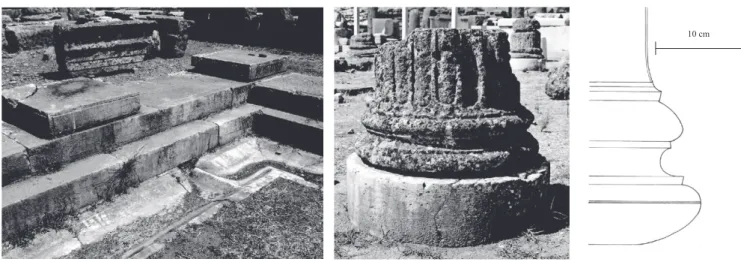
A slightly raised panel with margins all round embellishes each face of the outer plinth block and the upper surface of the stylobate between the columns (Fig. 3). The margins measure ca. 3 cm in width and ca. 2 cm in depth.
15)���������������������������������������������������������������������������������
������������������������������������������������������������������������������������������������������������������������������������������������������������������
���������������������������������������������������������������������������������
16)The shadow produced by the raised panel helps to strengthen the articulation of the step.
17)The crepidoma with raised panel found together with a sunken rebate is usually characteristic of Peloponnesus stoas of the middle and late 4
th�������������
18)�������������������������������������������������������������������������������
19)����������������������������������������������
20)the Phillipeion at Olympia
���������������
21)�����������������������������������������������������������������������
th����������������������������������������
22)and the South Stoa (the middle of the 4
th�����������������������������������
23)���������������������������������������������������������������������������������������������������������������
���������������������������������������������������
nd����������������������������������������������������������������������������������������������������������
����������������������������������������������������������������������������������������������������������������������������������������������������������������
the stoas and surrounding buildings were constructed at the same time. Two stoas from Olympia show good examples of raised panels on the upper surface of
��������������������������������������������������������������������������������������
th����������������������������������������
24)and the South Stoa (middle of the 4
th�����������������������������������������������������������������������������
25)�����������������������������������������������������������������������
full tradition of Hellenistic architecture.
2-2) Plinth
���������������������������������������������������������������������������������������������������������������������������������������������������������������������
Fig. 1�������������������������������������� Fig. 2���������������������������������������
1 m
(Fig. 4).
26)����������������������������������������������������������������������������������������������������������������������������������������������������
and many other later architects.
27)�����������������������������������������������������������������������������������
28)��������������������������������
�������������������������������������������������������������������������������������������������������������������������������������������������������������
from the stylistic point of view.
29)The square plinth was commonly used in Ionic buildings in the 2
nd���������������������������������������������������������
temples in Asia Minor.
30)����������������������������������������������������������������������������������������
����������������������������������������������������������������������������������������������������������������������������������������������������������������
������������������������������,
31)������������������������������������������������������������������������������������������������������������������������������
(mid-4
th����������������������������������������
32)the columns stand on the stylobate directly instead of using a plinth.
33)This fact means that the choice of
���������������������������������������������������������������������������������������������������������������������������������������������������������������
shows the character of the 2
nd�������������
2-3) Attic-type base
����������������������������������������������������������������������������������������������������������������������������������������������������������������
�������������������������������������������������������
34)���������������������������������������������������������������������������������������������������������
���������������������������������������������������������������������������
35)����������������������������������������������������������������������������
�������������������������������������������������������������������������������������
36)�������������������������������������������������������������������
early 3
rd�����������������������������������������������
nd�������������
37)����������������������������������������������������������������������������
ndcentury
�����������������������������������������������������������������������������������������������������������������������������
38)���������������������������������
������������������������������������������������������������������
nd�������������
�����������������
��������������������������������������������������������������������������������������������������������������������
39)There was no general rule for the
���������������������������������������������������������������������������������������������������������������������������������������������������������
����������������������������������������������
40)����������������������������������������������������������������������������������������������������������������
���������������������������������������������������������������������������������������������������������������������������������������������������������������
������������������������������������������������������������������������������������������������������������������������������������������������������������
���������������������������������������������������������������������������������������������������������������������������������������������������������������
������������������������������������������������������������������������������������������������������
41)������������������
���������������������������������������������������������������������������������������������������������������������������������������������������������
(Fig. 4).
42)��������������������������������������������������������������������������������������������������������������
43)���������������������������������������
�������������������������������������������������������������������������������������������������������������������������������������������������������������
of the column of the stoas.
44)�������������������������������������������������������������������������������������������������������������������������������������
����������������������������������������������������������������������������������������������������������������������������������������������������
45)This
����������������������������������������������������������������������������������������������������������������������������������������������������������������
�����������������������������������������������������������������������������������������������������������
�������������������������������������������������������������������������������������������������������������������������������������������������������������
���������������������������������������������������������������������������������������
nd���������������
46)�������������������������������������������������������
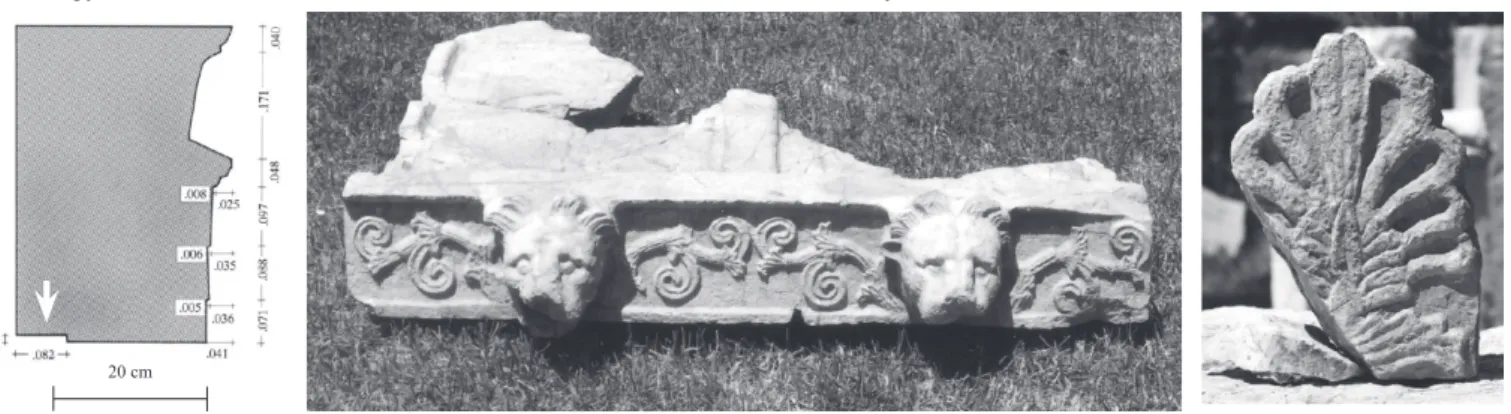
Fig. 3 Outer plinth and crepidoma (northeast corner) Fig. 4���������������������������������������� Fig. 5 Moulding profile of the anta
���������������������������
10 cm