Review
Degradation of Dielectric Properties of Polyethylene by Combination of γ‑Irradiation and ThermalAging
ShuheiNakamura,KazuoIida and Goro Sawa
(Department of Electronics)
(Received September16,1987)
It has been found that the application order of themalaging and Y‑
irradia亡ion causes a different degrada亡ion of mechanicalproperties of
lnsulating materials。工n this review,We focusin depth on oxida亡ive degra‑
dationand degradation of dielectric properties of polyethylene under conbined
therTnalaging and Y‑irradiation。To exclude the effec仁 Of additive agen亡S and
亡O minimize 亡he effec亡Of the processlimlted by diffusion of oxygen on
degradation,a 25リm thicklov‑density polyethylene filtn free from addl亡ives
has been used.
It has been clarlfied 亡hat the simultaneous application of thermalaging
and Y‑irradiation causes the most oxidative degradation,While the single
application of Y‑irradiation exhibits thelarges亡loss tangent on dlelectrlc
proper仁y for the same oxida亡ive degradation。According to the order of 亡he
application of thermalaglng and Y‑irradiation,thereis a grea亡differences of
OXidative degradation and degrada亡ion of dielectric proper亡ies.The results
have been also explainedin terms of gelfraction and crosslinking。
Key Words:pOlyethyleneInuClear power generating sta‑
tionICableIdegradationldielectric property,OXidation
1.Introduction
Electricalcables usedin nuclear power generating stations are required
to maintain their functions evenif the nuclear reactor encounters aloss of
COOlant accident at the end ofinstalledlife・The basic requirements for
these cables are describedin theIEEE Standards 323(1974)and383(1974).1・2)
At the present time,the above testing皿ethods have been usedinJapan.The
IEEJset up a LteChnicalcommitee for studying cables and wiresin nuclear
86 S.NAIくAMURA,K.I7DA and G.SAWA
generating 8tations[aT)dit has presented the recommendedIDethod of c8bles for
S8fety さy9ten5in nuclear power generating st8tions.3)The9e Standards will
be revi8ed to be Ⅱ10re Strict with the develop7nent Of further studies.
Generally,degradation ofJⅥeChanic81properties for organic insulatin
JD8teri81s under the cotDbined environment of γ‑irradi8tion and therma18ging
ha8 been used a5 a meaSure Of degrad8tion.Degradation 8tudy of mechanical
PrOPertie5 Of org8nicin8ulating 加aterials under the combined environ皿ent Of
γ一irradi8tion and thermalaging can yield valuable data.It 9hould be noted
th8t the other properties of electricalin9ulating materialsL m8y be of equal
engineering 8ignificance and should be さtudied.
The order of application of ther7nal aging and γirradiation on the
degradatioJlOf 7tIeChanical properties has been found sLignificant.4・5)It has
been found th8t VOlatili2:ation or consuInption of anti‑OXidant or anti‑
radiation agent causes a different degradation of E[eChanical properties ac‑
COrding to the order of application of the treat皿entG.On the other haIld,the
ev81uated 9ubject8 0r Criteri8 for the thernalaging degradation during nor‑
Jnal operation for the above methods have not been 7nentioned clearly in the
Stand8rd8.It iB Well known that the electrical properties of insulatiI】g
POlyJZler5 are re18ted to various of nechanical properties.^t the present
tine,the change of elongationis[Often used asL a Criterion for the degrada‑
tion.EIongation rate of polyethylene(PE),CrOSSlinked PE(ⅩLPE),and anti‑
f18Jned XLPEiB decrea$ed withirradiation dose.Althoughirradiationin vacuo
Cau8eS CrO981inking 8nd BCis8ion of TnOlecular chain,the chain $Ciss[ions hap‑
pen after oxid8′tive degr8dationin air.A ratio of chain $Cission to
CrOS81inkingincreases withirradiation dose;therefore,the elongation rate
decrea8eS t4ithirradi8tion do9e.Mechanic81propertie8 have beeninveBtigated
underirradiation e)【pOSure On a SheetlTnIn thick and depend on radiation rate
becau$e Of the processlimited by oxygen diffusion.6)
To exclude the effect of additive agents and to miniJni2:e the effect of
the processlimited by diffusion of oxygen on the degradation,a 25JJm thick
low denBity PE fil皿 free froJn additive5 has been used. We have already dis‑
Cu88ed degradation of PE films by combination of thermalaging(90 0C & 7
days)and γ‑irradiation expo$ure(10 ML・ad).7〉 The results have been dis‑
CuS8ed fron]the point8 0f view of dielectric lo$S tangent and infrared ab‑
$OrptioIlaIld we show that the degradation is affected by the order of ap‑
Plic8tion of therma18ging andirradiation expo8ure.
In the present review,We focus in depth on oxidative degradatior)and
degradation of dielectric properties of polyethylene under the co7tLbined en‑
Vironnent of γ‑irr8diation and thermalagiI】g.e・9)oxidative degrad8tion 8nd
degradation of dielectric propertie8 0f polyethylene have been discussed un‑
der the e)くpanded condition8 0f ther7Dal aging andirradiation dose.
2.S8nples 8nd Experi7nent8
l.ow‑den$ity
polyethylene(abbreviated I.DPE;ZF‑30,Mitsubishi
PetrocheznicalCo.,I.td.)filzns free froIn additives were u8ed,having density
of O.92 8/cd,nelting point ofllO OC and cry8tallinity of about 50 %・In
this experiment,an aging teTnPerature Of 90 0C was cho$en a8 the highest pos‑
sible,Since the Ⅱlelting point of LDPEisllO OC・TherJmlaging(denoted as
HT)wa8 madein air.The thermalaging tilpe t打T WaS Cho8en aS 7 days・Ir‑
radiation exposure with γ‑rayS froIn Co80 BOurCe(denoted as γ)t)8S Carried
out at 8 do8e rate Of 5.02xlO4 ‑ 5.3xlO4 L・ad/Jlat rOOm tenper8ture in the
presence of airlVarying the radiation period,tT・Five kinds of sLanPles were
prepared by the single‑,Sequential‑ Or Sinultaneou8‑eXPO8ure Of γ and HT,
such asL(HT),(γ),(HT‑γ),(γ‑HT)and((γ,HT))s8mPlesL,Where the bar(‑)
JneanS the order of the application,and((γ,HT))meansL the 8inultaneous 8P‑
plication of γ and HT.The value of tHT for the((γ,HT))8aJApleiB 8P‑
pro7{iTBately estimated as(irradiation do8e)/(do8e,rate)・Table18how8 the
de8Cription for the prepared samples and the syInbo15 uSLedin the follotding
Figures(except Fig.14).Otherwise,thermalaging tine tNT(h)for 針r and
irradiation exposure period tr・(h)are properly presented.
Tablel SynboIB for variou81y treated 8anple8 andin FigureB.
iy血Is 亡αldlt10nS S叩b0lllnF19I,
(HT) tberⅦl明lngrortRT(h「)qt90●〔1nqlr ⊂】
rrI
T‑けrqd18加∩†ortT仙10trO朋t仰erq【urelnQlr
()
拍Tイl T‑1rrqdlq【l伽1q†terthermlq9佃(tは丁一168hrl △
(T一打TI 伽r洞l09加†ortHT(h√〉q†terT,lrrodlot血 tHTll朗=W▲
tHT冨tT ▼
Otherwl‡e ▲
‖T.HT=
‡1pult00田U180pllcot加■q†仙∩皿l喝l叩00d T‑1rr(】dloて10∩(トIrrodl(】tlon明S相加q【gO●c′ ● tHT■一丁〉
Infrared 8bsorptioI】for the samples as shownin Tablelw85 neaSured
with aninfrared spectrometer(A‑100,Japan Spectroscopic Co.,I.td.).The ab‑
sorption coefficient α Of carbonyl groups wa$ eStin8ted 8t1715 cdl frozb
the ba8eline nethod on theinfrared $PeCtrun.
Dielectric properties were neasured us[ing a tr8nSforⅡler bridge(1621
Precis[ion Capacitance Systetn;Gener81Radio Co.,I.td.).The dielectric
neasurenents were perforJned over the tenperature range fron ‑90 0C to +90 0C.
The gel fraction wa8】meaSured with a Soxhlet extractor using toluene a8
a soIvent.After the virgin 5aⅡlple with a weight fron O.48 to O.50 9had been
extracted for10 h,the gel fraction wa$ eStiJnated fron the driedinBOluble
residuum.
3.ExperiJnentalReBult8
3.10xidative Degradation
Figure18hows an 8bsorption coefficient a of carbonylgroups for(γ),
88 S.NAKAMURA,K.IIDA and G.SAWA
(HT‑γ),(γ‑HT),8nd((γ,HT))88mples a$ a function ofirradiati。n d。Se.In
each case the value of tMTis168 h,eXCept for the((γ,打T))sample,Where
tMT C8n be estimated froJn the ratio of(irradi8tion do$e)/(dose rate).Aト
though theirradiation t.aB SOnetiJneSinterrupted by circumstances of running,
the re18tion t… = tTi8 held approxi7nately constant.
The value8 0f α for the(γ)saJnple show anincrease withincremental
irradiation dose・Fe8tureSL Of the other sanples are a$ follow$:The value of
a of the(HT‑γ)さa・npleis18rger than that for the(γ)one when th。ir‑
radiation doseisle8S thanlO Mradlt川t they are alnost s[8ne eaCh other when
irradi8tion doseiB beyondlO〟rad・The value of a for the(γ‑HT)sampleis
larger than thoBe Of the(γ)and the(HT‑γ)BamPles.The v81ues。f a f。r
the((γ・HT))saJqPle arelarger than that of the(γ)and the(HT‑γ)
8a皿pleB・but the conpari80n between the(γ‑ET)and the((γ,HT))$anple$in‑
dicates that the value of α for thelatterislarger than that for the
forner beyond anirradiation d08e OflO Mrad.
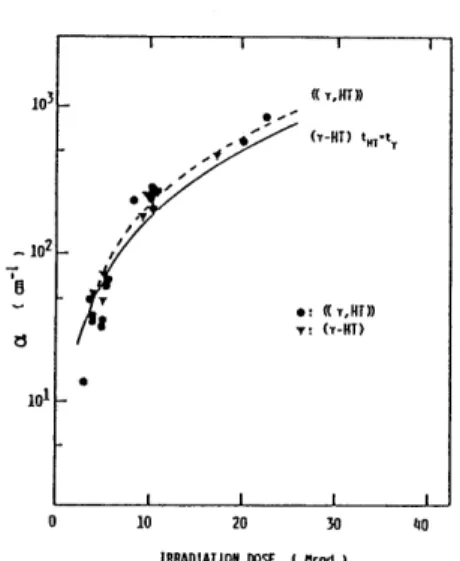
Figure 2 show8 the values of α for the(γ‑f[T)sample under the c。ndi‑
tion of tHT = t]・a$ a function ofirradi8tion dose・^1so for reference,the
re8ult9 0f the((γ,HT))sample,Which 8PprOXiJnately holdB the relati。n Of
tHT = tT,are preSentedin Fig・2・In the case of tHT = tr,therei8 nO
rezBarkable difference for the value of a between the(γ‑HT)and the((γ
,HT))さ8Inples.
0 10 20 刃 嶋
IRM川Tl甜mS【(Mrtコd)
0 10 20 知 的
川〟Ⅷ川†10M t氾SE(nrQdI
Fig・1Absorption
coefficient a Fig・2 Absorption coefficient α Of
Of carbonylgroups as a function
carbonylgroup8for((γ,HT)),and(γ‑
Ofirradiation dose.(tHT =168 h). HT)sanples as a function ofirradi‑
ation under the condition of tJ{T = tr.
Figure 3 shows the vari8tion of α for the(γ‑HT)sanple a$ 8 function
Of tHT・AIBO,the value of a at tHT = O for the(γ‑HT)sa7nple corresponds to
that for the(γ)sample.The value of α for the(γ‑tlT)88皿Ple rapidlyin十
Crea8e8・An offset A a(tMT)= α(tHT)‑ α0(tNT = 0),due to by thermal
aging,is shown as a function of △ tHT in Fig.4,Where A tJIT has the 881ne
Zneaning as tHT・In Fig.4,the function Aα = α(tHT)‑ α(tHTa O)for the
(HT)saJnple,Where a(tHTα0)has the saⅢe Value as α With the(γ)8anPle
Ofirradiation dose of 9.2 〟rad,i8・Shown by the dottedline a8 a function of
A tRT = tHT ‑ tHTα0.It is clear that even when the(γ)and the(HT)
Sample8 have the 8aDe Value of α,the value for the fomer rapidlyincrea8
upon thertnalhe8ting aB COnPared with that for thelatter.
8 100 200 500 qOO 500 防0 700
tRT(houり
0 ユ00 200 】00
▲tけT(鵬ur)
Fig・3 Absorption coefficient of Fig・4Incre7Lent Of △a of ab8Orp‑
Carbonylgroups for(HT)and(γ‑HT) tion coefficient of carbonylgroups
SaⅢple8 a8 a function of tHT・ by thernalaging for(γ)B8mple8 a8
8 fuIICtiol10f △tHT.
3.2 Dielectric Properties
Figure8 5(a)and(b)$how typicaldielectric properties of re18tive per‑
nittivity,e Ll',and dielectricloss factor,6r..,Of the(γ)s8Jnpleir‑
r8diated with 20 〟r8d.The value of α isl19 cd‑1.Iti8 Been that the tD8Xi‑
muJn dielectricloss factor for thelkβ之curve appear8 arOuZ)d100C.UBu811y,
the glas日 tr8nSition of LDPE occurs near
‑23 ℃ atlk助・▲1though the
relaxation peakin the 8r,v8.T characteristic8 8eem8 tO be due to the
Prinary diBper8ion・Which can be re18ted to the glaB8 tranSition)the pe8k
temperature oflO OC i8 7nuCh higher than the ordinary glaB8 tran8ition ten‑
perature of LDPE・The valu甲 Of e T,and dielectric disLBipation factor(t8D
6)for the(γ) sample at room teELperature are e8tiI柑ted froJn thelkH2
CurVein Figs・5 a$ 2・55
and6・31xlO‑31reSpeCtively・These values are18rger
than that of2・25 t0 2・35 and a welトknown v81ue of tan6,1e8B than 5xlO‑4
90
Z.8 2.7 Z.̀
.‑之.5
tJ
2.4
Z.】
之.2
S.NAKAMURA,K.IIDA and G.SAWA
一100 ‑50 0 50 100
T(●c)
‑100 ‑50 O
T(●⊂)
50 100
Fig・5Typicaldielectric propertieB E
T,(a)and e,..(b)of(γ)Ba7bPle.
(irradiation do5eis 20 〟ナad)
for 8n aS‑reCeivedI・I)PElreSpeCtively.
The tLaXiT"Tq V8lueB Of t8J,61taJ,6‑aXIatlkHz,aS read fron taJ16
VEl・r CurVe8 8re Bhownin Fig・6 as a function ofirradiation dose.It c8n be
8een th8t tan6・aX for the(γ)88mpleincrea8e8Withincrea5ingirr8di8ti。
doBe・The value8.Of t8J,6JaX for the(Y)B8nple8re alnost equ81to those
for the(HT‑γ)88mple・The value8 0f tan 6na.for the(γ‑TIT)sa7Qple alB。
increases withirradi8tion dose and arelarger than those for the(γ)and
(m‑r)sample8・The((γ,甘T))sample ha8 8 SJnaller v81ue of tan 6.." than
the(γ‑HT)s8nple when theirradiation dosei81eBS th8n 4 Mr8d,but the
forner saJnPle shows thelargeBt Valtle Of tan 6z"X amOng the samples beyond
8nirradiation do8e Of4〟r8d・Because t"T for the((γ,HT))88mpleincreases
Withirradiation do8e,a Changein tNT Withirradiation e$peCi811y above 4
仇‑adnayinfluence the v81ue of t8n6J)aX・The results of t8n6DaXin Fig.6
1㌔ 101 102
005【(Mr之d)
101 102
q(⊂√1)
105
Fig・6Irradiation do8e dependence Fig.7MaximuJn dielectricloss
Of tan、6nax・ tangent,tan6nax,aS a function
Of α.
20
U
●
Iく
冨10
トー
0
0 】00 200 300
q(⊂古1)
ヰ00 500
1019 1020 10:l
"○(り⊂内3)
Fig・8Tenperature appearing Fig・9Dipole den8ity Nd,COntribut‑
taD6J"X,几ax,aS a function of ing to the pri血ary di叩erBion v8.
a・ den白ity of carbonylgroupB Nα,e8tト
m8ted froⅡlα.
are replottedin Fig・7 as a function of absorption coefficient a of c8r‑
bonylgroups・Although a difference of t8n6J"X anOng Variou81y treated
8amples'beconeslesL8 Cle8r thanin Fig・6Iit can be seen fro皿 Fig.7 that
the(γ‑HT)BaJnPle Bhows a$1ightlylower tan6"X than the otherB When a
iB beyondlOO cdl・The details8hallbe discuBBedlaterin tems of gel
fr8Ction,Cbain8Ciさ8ion and cros81inking.
The tetnperature,几ax,Where a
E)aXi加um Of tan6 0n thelk助curve ap‑
pears,i8Shownin Fig・8a$a function ofα・In allca8eB the value of几=
8hifts to higher tenperatures
withincre皿entalα・The(γ)BanPle8hot<8 the
highest value of 几ax and・.On the other hand,the(γ‑HT)8a叩1e show8 the
lowest
value of几ax atα =200cql・The(HT‑γ)and((γ,HT))8a血Ples8how
theJniddle value of 几ax between tho8e for the(γ)and(γ‑HT)8a叩1e8.^
Closelook revea18 that the teI叩erature
higher than that of the((γ,ET))sample
Sample.
Fig11re 9 shows the dipole dens;ity Nd,
per$ion,Ver8u8 denさity of c8rbonylgroup$
COefficient for variotI81y treated 8aI叩1es.
related to the primary di8perSion,Can be
aS
3ど
古 古
r O r00【 2g +
r O
Of 乱さX Of tbe(HT‑γ)881npleiさ
andis close to that of the(γ)
COntributing to the prinary diB‑
Ⅳq e8tibated fro皿 the ab80rption
The deI18ity of dipole Ⅳd,.W心ich
estiAated using On88gerIs equation
rO ′ r00
r00
・2、2 )x 満・Ⅳ。〟≡ ‑‑‑‑‑(1)
0
Where his the BoltzJnann con8tant,JLo the dipoleJnOJnent(a88uned to be2.3
DebYe)・80 the pemittivity of free BpaCe・The value of 7・wa$ChoBen tO be
900C so a$tO belowest te叩erature below which the relaxation of primary
dispersionindicatedin
Figs・5(a)and(b)could be con8idered conplete.
Therefore,the value of e rl,at90。C for the40Hb curve on the dielectric
PrOpertie$WaS aPPlied to ero t<hichi8 the relaxed relative pernittivity.
92 S.NAKAMURA.K.ⅠIDA and G.SAWA
The Yalue of e r。O at 900C t<a9 e$timated using eq.(2).
2.2 +
(ど'(十90 0C)‑ 2.2)Ⅹ(273 ‑ 90)
r
(273 + 90) ‑‑‑一一‑‑‑(2)
Where a p8rt Of e r00 at ‑90 0C wa$ aSきuJned to be 2.2,due to electronic and
atonic polarizationsI8nd the relaxatiorJWhich occurs at 810Wer te7nperature
(u8ually denoted 8島 γ re18けく8tion)th8n th8t for the primary dispersion,WaS
alBO a8Buned to be obeyed the DebyeIs equ匂tion・The apparent contribution at
‑90 0C wa8 e9tiI■8ted a8 e
r,(十90 0C)‑ 2.2.
On the other handIthe axis of abscissain Fig・9i8 the density of car‑
bonylgroup8 Na,e8tiJnated using eq.(3)at the abさOrption band of1715 cd1
0n theIR spectru刀.
α =(‑1/J)・血(〃血)= g・C=(どⅣα川.)xlO主 ‑‑‑‑‑‑‑‑‑‑(3)
Where a i8 the 8b$Orption coefficientId the film thickness,1b and Z the
incident and tr8n8JnittedlightintenBities.I
e theJnOlar absorption
(extinction)coefficient(8gほ=∬med to be300(mol/))cm10〉),C the zbOlarity,N^
Avogadr01B nunber 6・02xlO23 bOl‑1IreBPeCtively・^$ 87Datter Of fact,the
Value of Na cont8inB both contributions from carbonylgroupsin the aInOr‑
phou8 region ar)d′ 8t the Burface of crystal.Each sample showsL alinear
relation8hip of Ndd:Na n・The v81ue8 0f n are O.71for the(γ)and(f7トγ)
58】五ple8,1・15 for the((γ,ET))saTnPle 8ndl.55 for the(γ‑HT)s8】¶Ple,
reBpeCtively・FrozB the co‑npari90n Of Nd for each9a‑pple at Nα = 3xlO20 cm‑3,
the(γ)and(HT‑γ)sanples 9how thelargest v81ue of Nd,the((γ,HT))
B8ZhPleiさ the next,8nd the(γ‑HT)sa7qple shot18 the 87nallest one.Theinset
in Fig.9 willbe diBCtl$9edlater.
3.3 Gel Fr8Ction
FigureslO(a)and(b)show gelfraction aB functioI柑 Ofirradi8tion dose
8nd8b80rption coefficient of carbonylgroupB for the(γ),(γ‑HT),8nd((γ
,HT))B8nPle8,re8PeCtively.The gelfr8Ction for the non‑irradiated s87nPle
王1・0く}
トー U
■:
己0.5
」】u
0
0:(T)
▲:(Y一日T)
0 10. 20 30
DOSE(Mrad)
l.0
コ亡
○ ト●
三0.̀5
l▲̲
」】q
0
0:(Y)
▲:(Y一日T)
0 100 200 300 ヰ00
¢((涼1)
500
Fig・10 Gelfraction aB function5 Ofirradiation dose and ab$()rPtion
COefficient α.
was alⅢOSt undetectable.The gelfraction$ for the(γ)and(γ‑tIT)sLanPle$
once $howed anincrease and then a decrease withincreaBingirradiation doBe,
as seen fro】n Fig.10(a).FroIn Figs.10(a)and(b),it can be 8een that the
Value of a for the(γ)saⅡlple rapidlyincreases by therna18ging 8ub8equent
to Y‑irradiation,but the 9elJナ8CtioD does not change bY tJ)erD81a9jD9 and
メタ defer∬Jβe(Joβノァムァγ ‑Jrr8イブ8日o刀㌧
4.Discussion
4.1PhenonenologicalDiscussion of Oxidative Degradation
It has been found thatirradiation expo$ure On PE produces intermediate8
such as oxidation products,unSaturated conpound8,hydroperoxide9 and
residual free radical8 Which turn into carbonyl group8 uPOn thernal he8t‑
ing.11,13)It can be 畠uggeSted that 8uCh interⅡlediates can contribute to a
rapidincrement of α for the(γ)sample at the beginning of therDalaging.
To proceed the disLCu8Bion,We aSSuELe the following oxidative degradation
proceBS a8 Shownin Fig.11;and also that the proce8SeS due to thernalaging
(▼)
(HT)
」 ̲̲̲ ̲ ̲ ̲̲
̲̲」
Fig.11Scheme for degradation by therJnalaging 8ndirradi8tion.
and irradiation expo8ure prOCeed independently of each other.The inter‑
Jqediates of Dil/cD3 are produced at a rate of A = A(R,T)per unit ti皿e,
Where Ri8irradiation dose rate and Tis the temperature(OC).The value of
Ais denoted at rooIn temPer8ture aS
d =
一d(β,乃
= d20 (r= 20 0C). ーーーーーーーーーーーーーーーーー(4)
In followin塵 di8Cu$Bions it i8 aSBuned that theintermediates finally turn
into carbonyl groups.If oIle Of the interⅡlediates re$ults in the nunber of
Carbonylgroups c,the number of LliOf theinternedi8teS prOduceB the nunber
Of cBDiOf carboIlylgroups,Where the constant BisL 8S8u7ned to depend only on
teJl)Perature.The value of Bi8 denoted a8
β = β(乃 = 戯0 ‑‑‑‑‑‑‑‑‑‑一‑‑一→‑‑(5)
8t 20 0C・We can expre8S dDI(tr)/dtL・8nd dDco(tr)/dtr・duringirradiation ex‑
pOSure 88
94
aIld
S.NAKAMURA,K.IID^ and G.SAWA
(ねl(f′)/df′ =J20 ‑ β20仇(亡r)
d〟co(亡′)/d亡′ = Cβ20朗(し)
ーーーーーーーーー(6)
‑‑‑‑‑‑‑‑‑(7)
re叩eCtively.when nco i9 the nu)uber of carbonylgroup9.Using theiniti81
COndition8・at tr = 0,Which are
nI(0)= nco(0)= 0,We Can get the following
equ8tion8.
仇(亡r)=(J20/戯0)・(1‑ e方p卜あ0亡r)) ‑‑‑一‑‑‑‑‑(8)
爪○(とr)= Cノー20い′ +(1/あ0)・e叩(十戯0亡r)‑1/戯0) 一‑‑‑…‑‑(9)
Equ8tion5(8)8nd(9)represent theI川tnber$ OfinternediatesIDiand carbonyl group8 hco,reSpeCtively.
^fterirradiation,theinternediate8 nlCh8ngeinto carbonylgroups by
themalaging.Theincrement △J7CO due to nldepends on t打T.We a5$ume that
the ch8nge Can beノwritten a
dA nco(tJIT)/dtHT = K・(cJli(tL・)‑ △〟co(tHT)), ‑‑‑‑‑‑(10)
Where the con8t8nt Ki8 8BSuned to beiI】dependent ofirradiation do$e and to
depend on T8S K= K(T).The value of K(T)coincides with that of B(T)at 90
0C,二n8mely
∬(乃 = β(乃 = あ0 (90 0C),
If △〟CO(0)= Oin eq.(10),We Obt8iIltbe followiIlg equ8tioll.
‑‑‑‑‑‑‑‑‑(11)
A月CO(血T)= C仇(fr)・(1‑ e方p(‑β20fHT)) ‑‑一一一一一‑‑(12)
Since we have arranged the results shownin Figs.l‑4 by using the ab‑
SOrPtion coefficient a of carbonylgroups,We 7肌柑t Change the dinension of
eqB.(8),(9),and(12)into tho8e Of a.When we as8ume that the value of nc。
isFin proportion to a with 8 COn8t8nt̀乃ItIWe Obtain the following const8n
m = m'm‑ソN▲ 一一‑‑‑‑‑‑‑‑(13)
tdhere N^i8 Avog8dro,8 number,(わ,the nolecular absorption coefficient of
c8rbonylgroupB.The value8 0f nI,nCO and △h:O Can be tr8nさferedinto al.
αr,and A cr 川T,r‑eSpeCtively,a8 follol帽.
α1(f′)= 旬C仇 =(J20/戯0)・(1‑ e∬ク(一助o fr)),
and
wbere
ーーーー(14)
αr(fr)= qト仇H〉 == 一鮎0,・(f′ ‑(1/戯0)・e∬p(一也0亡r卜1/戯0), ‑‑(15)
Aα川T(上川T)= CDA〟co
=(J20リ戯0)・(1‑ e叩(‑β20f′))・(1‑e∬p(一助ohT))
= αl(f′)・(1‑e〟P(一助o hT)). ‑‑‑‑‑‑‑‑‑(16)
J20I= CD CJ20. ーーーーーー疇‑‑‑(17)
When irradiated at 90 0C,the value of AiB Written a8 ^90.^1though the
Value of αi(tr)can,t be observed by theinfrared ab80rption,the nu甘ber of
nlhas been di8Cu8さedin the dinen8ion of a.The v&1ue of △ a 川T in eq.
(16)refers to theincren,ent Of oxidative product8 due tointernediate8
during therJnal aging which are produced by irr8diation for tr 8t rOOn teJt‑
Perature.Therefore,A a 川T = aiWhen tHT tend8 tOinfinity.
The values ofJl20',B20 and B90 Can be obtained by applying eq8.(14)‑
(16)to the res[ultB Of the(γ)and(γ‑HT)BanPleB.Equation(16)cor‑
reBPOndsL tO the A a ‑ △ tN・r CurVe8in Fig.4,tNT = A t片T aJl】■entioned
0 10 20 10 ‑0
1賊仙川TI側Ⅰ氾S【 tl瞥Od〉
Fig.12 Variation of B(T)= B90 Withirr&diation do8e.
96 S.NAKAMURA,K.ⅠIDA arld G.SAWA
berore.Fron the equ8tion or
Aα川T oく (1‑ e∬P(十あo上目T)) ‑‑‑‑‑‑‑‑‑‑‑(18)
Though the valueB Of B9O Show anincreasing trend t.ithirradiation doBe a
8hownin Fig.12,We eBti7natedit a
戯0 = 0.03 ム 1,
‑‑‑‑‑‑‑‑‑‑‑(19)
WhichiB ChoBen SuCh aB tO being close to the
numericalaver8ge.The details
Of the value willbe di8Cu89edin 4・2・The value ofJh Can be obtained froⅡl
αI=△a"T(00)by extrapolating t"T tO00・The9e reSult8are8hownin Fig.
13・The value of a for the(γ)9anple8in Fig.1corre$POnds t。α,.The
paraJqeterB ^20'and B20in
eqs.(14)and(15)can be e8ti甘Iated asL
J20I= 0.745
β20 = 3.73xlO‑3
C』「1● ムー1
ム l
0 10 2q 】O
t粕川川T10【D(】S【(MrodI
‑‑‑‑‑‑‑‑‑‑‑(20)
101 102 10!
一日†l鵬Url
Fig・13^bsorption coefficient ai Fig・14Change of△αHT by pure
Of carbonylgroup8due tointer‑ thernalaging for(γ一HT)and(HT)
Jnedi8te9prOduced byirradiation・ 8anPleB aS a function of tHT.
by curve‑fitting a r(tr)in Fig.1and α▲(t,)in Fig.13.The s。1jdlj,,eS
告げl鳩e「γ ノ5ほ叫りe f〟 ∫烏.
8ムoye γdJ〝eβ ○′J〜∂′ 8〟d舶ロ.
Next,We 8hall discu8S
thermaloxid8tive degr8dation the(γ一HT)987Dple.Since the
a r,△a[NT and △αflT.the
expre$Sed 8g
j 8〃d′orα∫ 血 ∫ゴg・J∫8re dr8和 ひβJ月g 亡ムe
ab011t the(γ‑HT)8nd the(HT‑γ)88Ⅰ叩1es.The
△aJIT Can be estimated from the results for
V8111e Of a 8hownin Fig.3i$ a tOt81value of
Value of △a NT due to thermaloxidation can be
△αHイ(ム=)= α(亡HT)‑αr ‑Aα川TトhT) 一‑‑‑…‑(21)