持続可能な原子力政策とは?
福島事故を踏まえたグローバルな視
点からの一試案
© OECD/IEA 2014
Japan’s power system: moving to a more
diverse & sustainable mix
0.2
0.4
0.6
0.8
1.0
1.2
1990
2000
2010
2020
2030
2040
Th
ousan
d TWh
Renewables
Nuclear
Oil
Gas
Coal
historical
projected
100
200
300
400
500
600
CO
2electricity
emissions intensity
(right axis)
gC
O
2/k
Wh
Japan electricity generation by source and CO2 intensity
With nuclear plants expected to restart & increased use of renewables,
Japan’s electricity mix becomes much more diversified by 2040
日本の電力システムは福島原発事故以来危機的状況にあ
るが、原発再稼働と再生エネルギー拡大で多様性かつ持
続可能性を高めることができる。
WEO2014
2040年に再生可能エネルギー32%
、
ガス23%
、
石炭22%
、
原子力21%
。
日本の発電量構成と二酸化炭素原単位
再生可能エネ
原子力
石油
ガス
石炭
発電のCO2
原単位
(右目盛り)
実績値
予測値
低原子力ケースで日本が受ける影響は甚大。
0% 20% 40% 60% 80% 100% 2012 NPS: 2040 LNC: 2040 Nuclear Renewables Oil Gas Coal
低原子力ケースの場合、日本のエネルギー
関連指標が
NPS
と比べてどう変化するのか
低原子力ケースでは日本はエネルギー安全保障リスクの増大
、
50兆円以上
の燃料輸入コスト増大
、
二酸化炭素排出の14%増加が起こる
。
-‐50% -‐40% -‐30% -‐20% -‐10% 10% 20% 30% 40% Net energy self-‐sufficiency in 2040 CumulaGve spending on natural gas and coal imports
Energy-‐related CO2 emissions in 2040 Power sector CO2 emissions in 2040
日本の発電ミックス
新政策シナリオ
(NPS)
と低原子力ケース(
LNC
)
WEO2014
自給率
の変化
2040
年
ガス、石
炭の輸入
増
CO2排
出増
2004年
発電のC
O2排出
増
Shinzo Abe has the best chance in decades of changing Japan for the
better. He seems poised to take it ( June 28th 2014 )
原発の非稼働により日本経済は毎年4兆円の追加コスト
を払う。 第四の矢は早期の再稼働。
50
100
150
200
1990
2000
2010
2020
2030
2040
GW
2013
原子力発電に関する国民の関心事項に答える必要がある。
安全性、廃炉、使用済み燃料問題など。
原子力炉の廃炉
1990-‐2040
国民の関心はプラントの安全
、
廃炉
、
廃棄物処理
、
核不拡散など
。
使用済み燃料
EU
米国
日本
その他
現在の能力の
38% が2040年ま
でに廃炉となる
1971-‐2012
350 thousand tonnes
1971-‐2040
705 thousand tonnes
1971-‐2040: 70万5 千トン
United States
European
Union
Japan
China
Ca
na
da
Russia
Korea
India
Other
2040年までに軽水炉200基が廃炉に
、
、
the amount of spent fuel doubles
使用済み燃料は倍増。
福島第一原発事故の教訓
•
国際的に共有すべき原則的教訓
–
安全文化の確立。 想定外のものを想定する。 (津波、全電源喪失、テロ、大規模電源喪失)
–
過酷事故に対する深層防護、同一事象による危機 、 複合災害などへの準備。 安全に加えテロ対策への重
点化。(
NRCのB5b条項問題の反省)
–
津波に襲われた他の発電所 (福島第二、女川、東海第二)で防げた事故が、福島第一発電所で防げなかっ
た理由を客観的に明らかにすべし。
•
安全性を確立する措置
–
「人災であり、防げたはず。」 (畑村政府事故調委員長、 国会事故調報告 )
–
NRC, IAEA などとの国際協力。 共同委員会によるピアレビューなど。 国際的サイクルメカニズ
ム。 失われた信頼回復措置。
–
安全の科学的判断のための
NRC型独立規制委員会による基準及び規律。
–
安全規制の透明性、プライオリティ付け、バックフィットなど。
•
電力供給の安定性確立
–
発電所の分散と集中のバランス
–
系統線連携強化、50hz・60hz問題、国際的連係も視野に
•
それでも災害が起こってしまってからの回復措置
: 安心のための措置
–
米国で同じことが起こったらどうだったのか?
FEMA(米国連邦緊急事態管理庁)型緊急時対
応組織。 専門スタッフの訓練育成。 原子力技術への自衛隊の参加。 現場力。 スマート
メーターによる停電回避。
6
軽水炉は徐々に廃炉し、第四世代炉へ転換。
ー
ー
監
督
映
画
「
約
束
」
環
境
派
中
原
子
力
切
札
考
人
物
語
。
映
画
中
受
動
的
安
全
性
持
高
速
炉
紹
介
れ
。
8
統合型高速炉と電解型乾式再処理はウラン資源の効率的利用
、
受動的安全性
、
放射性廃棄物
処理の容易性
、
核不拡散性において軽水炉システムより優れている
。
Dr. YOON IL CHANG
Argonne National Laboratory
9
「パンドラの約束」に登場する安全性に優れた統合型高速炉
(
Integral Fast Reactor)と電解型乾式再処理施設
18
Loss-of-Flow without Scram Test in EBR-II
Dr. YOON IL CHANG
Argonne Na;onal Laboratory
映画に登場する1986年に行なわれた福島事故に酷
似する全電源喪失実験。 炉内温度の推移。
人の手を介さずに炉
は停止した。
統合型高速炉の技術特性
ü
次世代炉として革命的進化
:
–ほぼ無限なエネルギー源
– 固有安全性
– 長期廃棄物処理技術
– 核不拡散性
–閉じられた核燃料サイクル
ü
金属燃料と乾式電解再処理法
福島第一燃料デブリ処理に有効な技術
ü
軽水炉の使用済み燃料処理を補完
日本も電力中央研究所が乾式再処理開発に参加したが
、
ク
リントン政権が
1994
年に研究を中止したため停止
。
11
Dr. YOON IL CHANG
Argonne National Laboratory
高レベル廃棄物の放射能レベルは300年で天然ウラン並みに減少
Removal of uranium, plutonium, and transuranics makes a
300,000 year problem a 300 year problem
Year
Transuranic disposal issues
The 1% transuranic (TRU) content of nuclear fuel is responsible for 99.9%
of the disposal time requirement and policy issues
Copyright 2011 GE Hitachi Nuclear Energy Americas LLC
All rights reserved
13
高放射性超ウラン元素の廃棄問題
プルトニウムとウラ
ニウムの分離
超ウラン元素の
処理
使用済み燃料
核分裂
生成物
天然ウラン鉱石
Pu, Uの除去
Pu、U, MA
の除去
軽水炉の成功が高速炉の展開を妨げた。 福島事故を経験した
日本は軽水炉体系を補完する新しい平和利用のパラダイム作り
世界の原子力利用をリードすべきである。
2014.2.20
リッコーバー提督の伝説
日本の既存核燃料サイクルへのI
FRサイクルの応用
金属燃料、乾式再処理に熱心な国は韓国
17
2016年に改定期を迎える米韓原子力
協定の焦点が乾式再処理の承認。
両国は、より強力で対等な同盟にするためには、第一流国家
(;er-‐one na;ons)の
見方から臨むことが必要。第一流国家とは、重要な経済的な重み、能力ある軍
事力、世界的なビジョン、国際的な関心事項への民主的な指導性を持たなけれ
ばならない。米国は間違いなく一流国家だが、日本の場合は、決断すべき事が
ある。つまり、
日本は
、
なお一流国家であり続けたいのか
、
あるいは二流国に漂
流しても構わないのか?
1、エネルギー・セキュリティ
(原子力)
福島事故が原子力そのものに大きな負の影響をもたらした。我々は、安全審査
と地元の同意を前提として、原発を慎重に再開する事が正しく、また、責任ある
やり方だと考える。 日本はエネルギー利用効率では巨大な進歩を遂げており、
エネルギーでの研究開発では世界のリーダー。 短期的に、原子力なしでは、
CO2排出量削減目標達成や基盤発電量の確保日本に深刻な反作用が生ずる。
国家エネルギー政策の策定が延びると、日本にとって重要でエネルギー消費型
の産業が国外に去り、国家の生産性を危うくする。中国が、世界的な民生原子
力発電国家となってロシア、韓国、さらにはフランスの仲間に入るつもりなので、
日本にはその動きに遅れる余裕など無いはずだ。 福島からの教訓を立って、
安全な炉設計やキチンとした規制実践で世界をリードしなければならない。
CSISナイ・アーミティジ報告 から抜粋 (2012/8/10)
18
廃炉と高レベル廃棄物処理は同じ場所で。
(毎日新聞経済観測2013-10-10 )
フィンランド モデル
オルキルオト原発と
使用済み燃料長期地下貯
蔵設備(オンカロ)
オルキルオト原発を所有する
Teollisuuden Voima Oyj (フィン
ランド産業電力
) 本社は原発
施設内に立地する。
21
GE Hitachi
GEがデザイ
ンした商業型
小型モジュ
ラー高速炉
S-‐PRISM
Copyright 2013 GE Hitachi Nuclear Energy - International, LLC - All rights reserved
Extending PRISM… recycling used LWR fuel
closes the nuclear fuel cycle with two technologies . . .
19
NFRC - Electrometallurgical
Advanced Recycle Reactor - PRISM
Benefits include:
•Waste half-life ... 300-500 years
•Uranium energy … extracts 90%
•Non-proliferation … no plutonium separation
•Environmentally responsible … dry process
提案:
福島第二原子力発電所
を活用し福島第
一のデブリ処理、使用済み燃料、高レベル廃棄
物処理システムの実証実験を!
• 福島第一原発の炉心デブリは県外に持ち出すことは難しい。
• 福島第二原発は廃炉でない別の活用の道がある。
• 電解型乾式再処理システムはデブリ処理に有効。(再利用できる
Pu, U,
MAと高レベル廃棄物(300年型)の分離)
• 福島第一、第二の使用済燃料、さらに
MOX使用済燃料を乾式再処理し高
速炉の金属燃料に加工する実験。
• 統合型高速炉(
GE のSPRISM炉)での燃焼実証。
• 高レベル廃棄物(300年型)の貯蔵管理廃棄実験。
• 従来の各燃料サイクルを補完するモデル開発と人材育成。
• 米国、韓国などとの国際協力プロジェクト。 日韓関係改善の切り札。
•
2018年に来る日米原子力協定延長交渉の環境整備。
永井隆
長崎医科大学教授
「長崎の鐘」の著者
1945
年(昭和20年)8月9日、長崎市に原子爆弾が投下され、爆心
地から700メートルの距離にある長崎医大の診察室にて被爆。右
側頭動脈切断という重傷を負うも、布を頭に巻くのみで救護活動
にあたった。救護活動の合間に「原子爆弾救護報告書」(第11医
療隊)を執筆し、長崎医大に提出。その後25年間所在が不明だっ
たが、長崎放送の田川裕記者によって1970年(昭和45年)に発見
された。その結語で彼はこう述べている。
「すべては終った。祖国は敗れた。吾大学は消滅し吾教室は烏有
に帰した。余等亦夫々傷き倒れた。住むべき家は焼け、着る物も
失われ、家族は死傷した。今更何を云わんやである。唯願う処は
かかる悲劇を再び人類が演じたくない。原子爆弾の原理を利用
し、これを動力源として、文化に貢献出来る如く更に一層の研究
を進めたい。転禍為福。世界の文明形態は原子エネルギーの利用
により一変するにきまっている。そうして新しい幸福な世界が作
られるならば、多数犠牲者の霊も亦慰められるであろう。」
永井隆
長崎医科大学教授、「長崎の鐘」の著者
1945年(昭和20年)8月9日、長崎市に原子爆弾が投下され、
爆心地から
700メートルの距離にある長崎医大の診察室
にて被爆。右側頭動脈切断という重傷を負うも、布を頭に
巻くのみで救護活動にあたった。救護活動の合間に「原子
爆弾救護報告書」
(第11医療隊)を執筆し、長崎医大に提
出した。 その結語で彼はこう述べている。
「すべては終った。祖国は敗れた。吾大学は消滅し吾教室は烏有に帰し
た。余等亦夫々傷き倒れた。住むべき家は焼け、着る物も失われ、家族
は死傷した。今更何を云わんやである。唯願う処はかかる悲劇を再び人
類が演じたくない。
原子爆弾の原理を利用 し
、
これを動力源として
、
文
化に貢献出来る如く更に一層の研究 を進めたい
。
転禍為福
。
世界の文
明形態は原子エネルギーの利用により一変するにきまっている
。
そうし
て新しい幸福な世界が作られるならば
、
多数犠牲者の霊も亦慰められる
であろう
。
」
25
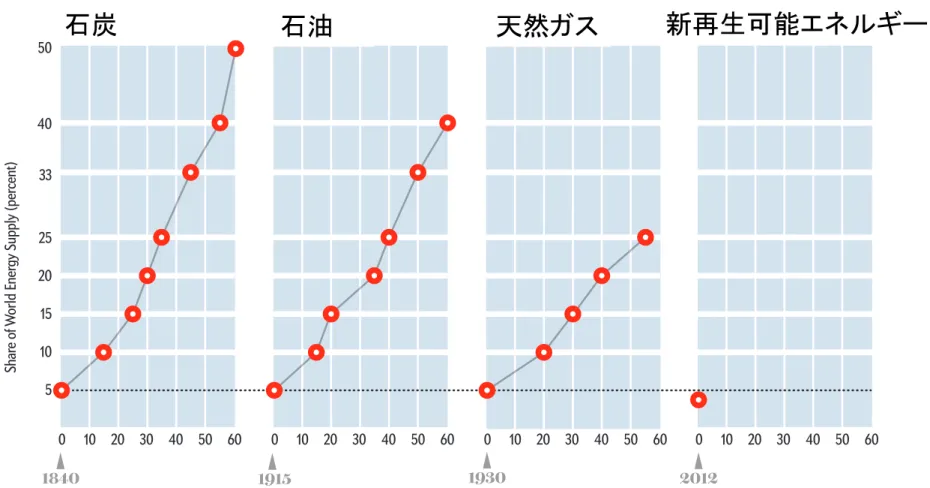
エネルギーのパラダイム転換には50
−75年と
いう長い期間が必要。 (
Vaclav Smil)
January 2014, Scientifi cAmerican.com 55
0 10 20 30 40 50 60 0 10 20 30 40 50 60 0 10 20 30 40 50 60 0 10 20 30 40 50 60 50 40 33 25 20 15 10 5 Shar e o f W orld E ner gy Supply (per cent)
Years after Energy Source Begins Supplying 5% of Global Demand
1840
1915
1930
2012
Graphic by Jen Christiansen
SO U RC ES : B P ST AT IS TI CA L RE VI EW O F WO RL D E N ER GY ; U N IT ED N AT IO N S TA TI ST IC S D IV IS IO N
coal consumption, which still generates more than a third of U.S. electricity.
Renewables are not taking off any faster than the other new fuels once did, and there is no technical or fi nancial reason to believe they will rise any quicker, in part because energy demand is soaring globally, making it hard for natural gas, much less renewables, to just keep up.
Change can take place faster in some countries, but the global move to renewables will proceed slowly, particularly as the cur-rent shift to natural gas plays out. Of course, it is always possible that a disruptive technology or a revolutionary policy could speed up change. But energy transitions take a long time.
FROM WOOD TO COAL TO OIL
TODAY’S GREAT HOPE for a quick and sweeping transition to renewable energy is fueled mostly by wishful thinking and a misunderstanding of recent history. Most people think that the world’s energy consumption during the 19th century—the era of rapid industrialization—was dominated by coal, that the 20th century was the era of oil and that our current century will
belong to renewable energy. The fi rst two impressions are wrong; the last one remains questionable.
Even with the rise of industrial machines, the 19th century was not run on coal. It ran on wood, charcoal and crop residues (mostly cereal straw), which provided 85 percent of all energy worldwide—roughly 2.4 yottajoules (YJ, 1 × 1024 joules). Coal began to supply more than 5 percent of all fuel energy around 1840 but by 1900 still supplied only about half of demand. The rise from 5 to 50 percent took 50 to 60 years. Fairly good U.S. statistics point to 1885 as the year when energy supplied by fos-sil fuels (mostly coal, some crude oil and a very small volume of natural gas) had surpassed energy provided by wood and char-coal. The tipping point occurred in 1875 in France and 1901 in Japan but not until 1930 in the U.S.S.R., 1965 in China and the late 1970s in India.
Likewise, in the 20th century the biggest energy source was not oil but indeed coal. Bituminous coals and lignites reached the highest share of global fuel consumption, at about 55 per-cent, during the 1910s. But crude oil, already in use then, did not surpass coal until 1964.
Many Years Needed to Take Over the Energy World
Each major energy source that has dominated world supply
has taken 50 to 60 years to rise to the top spot. Coal reached 5 percent of global supply in 1840 ( bottom left ) and gradually took over from wood, reaching 50 percent some 60 years later, around 1900. Subsequent transitions to oil and natural gas have followed a similar pattern in reaching benchmark levels of supply (vertical axis), rising steadily after they achieve
5 percent. Oil has not yet reached 50 percent and may never. Natural gas is still partway along the path and is taking longer to ascend. The so-called modern renewable energy sources— wind, solar, geothermal and liquid biofuels—have hit only about 3.4 percent; unless a disruptive technology or revolu-tionary policy speeds up change, they, too, may be destined for a long transition.
Coal Oil Natural Gas Modern Renewables
T R A N S I T I O N S
sad0114Smil3p.indd 55 11/13/13 4:56 PM