厚生労働行政推進調査事業費補助金(化学物質リスク研究事業)
OECDプログラムにおいてTGとDAを開発するためのAOPに関する研究
平成30年度 分担研究報告書
AOP、TG、DAの開発、AOP国内マニュアルの作成
研究分担者 小島 肇
国立医薬品食品衛生研究所 安全性生物試験研究センター 安全性予測評価部 室長
研究分担者氏名・所属研究機関名及び 所属研究機関における職名
相場節也 東北大学医学系研究科・医学 部・皮膚科学分野教授
足利太可雄 国立医薬品食品衛生研究所 安全性生物試験研究センター 安全性予測評価部 主任研究官
大石 巧 日本免疫毒性学会試験法委員 会AOP検討小委員会(株式会 社ボゾリサーチセンター)
尾上誠良 静岡県立大学 薬学部・薬剤 学分野 教授
笠原利彦 富士フイルム株式会社 安全 性評価センター技術マネージ ャー
研究要旨
動物実験 3Rs の国際的な浸透に加えて、実験動物とヒトとの種差等の克服のため に、既存の毒性試験法の見直しが進んでいる。経済協力開発機構(OECD: Organisation for Economic Co-operation and Development)においても、反復投与毒性、生殖発生毒性、
感作性、発がん性などの有害性発現経路(AOP: Adverse Outcome Pathway)を開発し、
動物実験代替法(以下、代替法)を念頭においた試験法ガイドライン(TG: Test
Guideline)の公定化やin silico法の確立にAOP情報を活用する戦略がある。一方で、
毒性情報を網羅したIATA (Integrated Approaches to Testing and Assessment)を開発し、
それに基づくDA (Defined Approach)により化学物質の安全性評価を推進する戦略が ある。DAとは、単独の代替法ではなく、種々の試験データを組み合わせて化学物質 の全身毒性を把握しようとする試みであり、OECDではDAの行政的利用が検討され ている。このような国際的な潮流に乗り、日本が得意とする分野で主導権を握って、
AOPやTGを公定化し、さらにはIATAやDAの開発及び普及に協力することが本研 究班の目的である。
昨年度からの継続した活動の中、本年度にOECD のTGやAOPが採択されたもの はなかった。ただし、来年度に3試験法のTG、1件のAOPを成立できる目途がたっ た。
加藤雅一 株式会社ジャパン・ティッシ ュ・エンジニアリング(J- TEC)主任研究員
木村 裕 東北大学医学系研究科・医学 部・皮膚科学分野准教授 久田 茂 日本免疫毒性学会試験法委員
会(あすか製薬株式会社)
A. 研究目的
本研究班では、OECD の AOP 開発プロ ジェクトの中で、化学物質の毒性情報等を 集積しながら、免疫毒性、生殖発生毒性、
発がん性及び光安全性等に関する日本発 のAOP開発を進める。既存のAOP情報を もとに開発された皮膚感作性試験代替法 ADRA(Amino acid Derivative Reactivity Assay)、免疫毒性試験MITA(Multi-Immuno Toxicity Assay)、発生毒性試験スクリーニン グHand1-Luc EST(Embryonic Stem cell Test)、
光 安 全 性 試 験 ス ク リ ー ニ ン グ ROS
(Reactive Oxygen Species) ア ッ セ イ 、 LabCyte EPI-MODEL24 を用いる腐食性試 験代替法については、試験法毎に独立した 国内外の専門家による第三者評価(peer
review)を受けた後、TGを開発する。一方
で、皮膚感作性DAの開発に関与すること を通じて、IATA や DA の国内での普及に 務める。
B. 研究方法
B.1. AOP、TG、DAの開発、AOP国内マニ
ュアルの作成
OECDのAOP開発プロジェクト EAGMST(Extended Advisory Group on Molecular Screening and Toxicogenomics)及 び、TGの開発プロジェクトWNT(Working Group of the National Coordinators of the Test
Guidelines Programme)の進捗に合わせ、
班員を支援した。
B.1.1. AOP開発
AOPに関しては、日本免疫毒性学会会員 を メ ン バ ー と す る 同 学 会 試 験 法 委 員 会 AOP 検討小委員会に免疫毒性AOPの開発 を委託している。
文献調査の結果に基づいて、カルシニュ ーリン阻害をMolecular initiating event(MIE)
とし、T細胞依存性抗体産生抑制(TDAR)
をAdverse outcome(AO)とするAOP154案
“Inhibition of Calcineurin Activity Leading to impaired T-Cell Dependent Antibody Response”
を作成した。
B.1.2. TG開発
日本から提案している試験法である皮 膚感作性試験代替法ADRA、光安全性試験 ROS アッセイ(尾上分担研究者との協同 研究)、LabCyte EPI-MODEL24を用いる腐 食性試験代替法のTG採択のために、電話 会議や専門家会議にて交渉した。
分担研究者の相場が開発し、他の研究班 でバリデーションを終了させた IL-2 を指 標とした免疫毒性試験のTGを目指し、海 外の専門家を招聘したバリデーション報 告書のpeer review会議を企画した。
また、in vitro 免疫毒性試験に関する
Detailed Review Paper(DRP)のSPSFを作成 し、OECDに提案した。
B.1.3. DAの開発協力
足利分担研究者とともに、OECDにおけ る皮膚感作性試験のDAの開発に協力した。
C. 研究結果
C.1. AOP、TG、DAの開発、AOP国内マニ
ュアルの作成 C.1.1. AOP開発
AOP154 案“ Inhibition of Calcineurin Activity Leading to impaired T-Cell Dependent Antibody Response”に関しては、EAGMST
の内部peer reviewerのコメントに対応して、
主にkey event relationship (KER)における定 量的な理解(quantitative understanding)を中 心に修正・追記した。6月28日のEAGMST 会議において更新したAOP154が内部peer reviewを通過し、外部peer reviewに進むこ ととなった。現在、外部peer reviewに向け た内部peer reviewerへの指摘に対応してい る。
C.1.2. TGの開発 1)皮膚感作性試験
皮膚感作性試験代替法ADRAのTG開発 を、開発者の富士フイルムや国内外の専門 家の協力を受け進めた。2 度に渡り、WNT から TG への意見を受け、修正して対応し た。結果として、2019年4月のOECD WNT 会議でTG案(添付資料1)の採択が内定し た。
2)光安全性試験
ROS アッセイのTG開発を国内外の専門 家と密な連携をとり進めた。WNTからTG への意見を受け、修正して対応した。
結果として、2019年4月のOECD WNT 会議でTG案(添付資料2)の採択が内定し た。
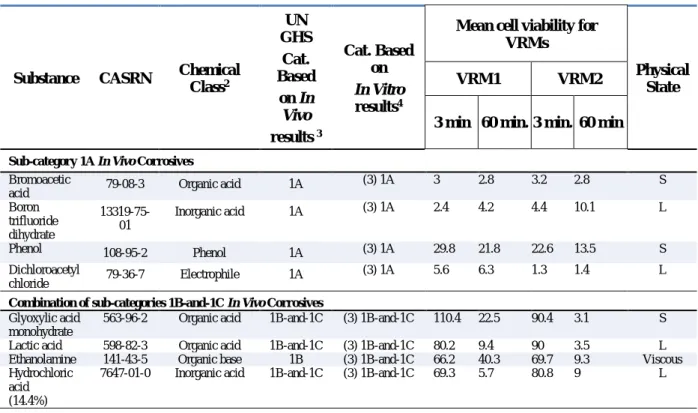
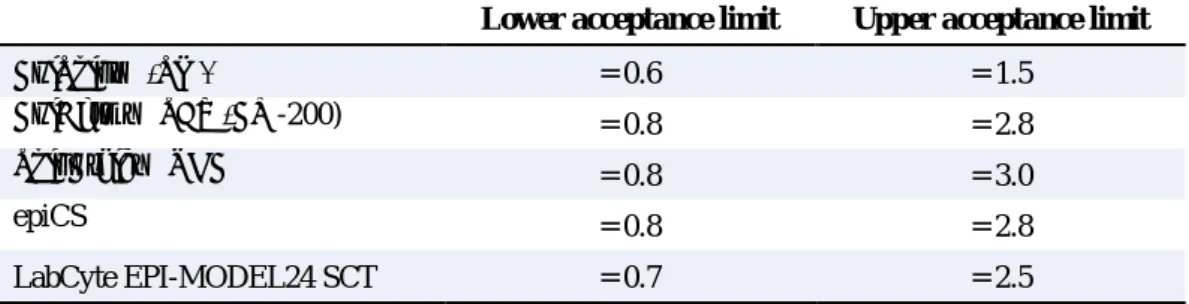
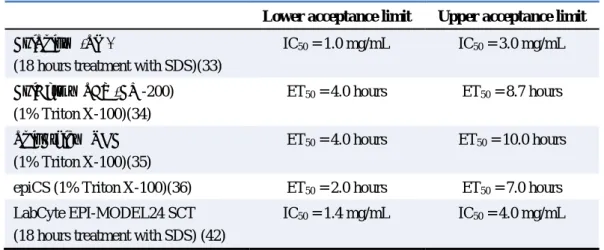
3)腐食性試験
LabCyte EPI-MODEL24を用いる腐食性試 験代替法の TG 開発を、開発者の株式会社
J-TECと密な連携をとりつつ進めた。WNT
から TG への意見を受け、修正して対応し た。結果として、2019年4月のOECD WNT 会議でTG案(添付資料3)の採択が内定し た。
4)免疫毒性試験
海外の専門家を招聘し、IL-2 Luc アッセ イバリデーション報告書のpeer review会議 を 2019 年2月27日から28日まで、東京 にて開催した。外部評価委員として Henk van Loveren (Maastricht University, Netherland), Haley LaNef Ford (Seattle Genetics, Inc., USA), Barbara Kaplan (Mississippi State University, USA), Sang- Hyun Kim (Kyungpook National University, Korea), Fujio Kayama (Jichi Medical University, Japan), Takao Ashikaga (National Institute of Health Sciences, Japan)を 招 請 し た 。 ま た, Xingchao Geng (National Center for Safety Evaluation of Drugs (NCSED), China)は電話 会議にて参加した。
Peer review会議において,バリデーション 報告書に対し、別紙1に示す提案が届き、次 年度に対応予定である。
また、今後、相場らの開発したin vitro免 疫毒性試験を円滑に TG に導くための準備 として、本件に関する昨今の状況をまとめ たDRPのSPSFをOECDに提案し(添付資 料4)、2019年4月のOECD WNT会議で 作業計画として採択された。
C.1.3. DAの開発協力
OECD専門家会議(電話会議や対面会議)
で皮膚感作性DAの開発に寄与した。
現在、ヒト及び動物実験結果の再評価、
適用限界の明確化、不確定要素の解決法に ついて、それぞれサブワーキンググループ が討議しており、その提案を待ってDAの
最終的な議論が来年度になされる予定で ある。
D. 考察
D.1 . AOPの開発
本研究班から提案している免疫抑制の AOP154案 ”Inhibition of Calcineurin Activity Leading to impaired T-Cell Dependent Antibody Response”は EAGMSTにおける内 部peer reviewが終了し、外部peer reviewが 始まる。外部peer review終了まであと一息 となった。来年度には必ず成立させたい。
D.2 . TGの開発
皮膚感作性試験代替法 ADRA、光安全性 ROS アッセイ及び LabCyte EPI-MODEL24 を用いる腐食性試験代替法に関しては、
OECD WNTにて、2019年4月にTGとし て採択されることが内定した。来年度の正 式採択に向け、OECDと調整していきたい。
一方、新たにin vitro免疫毒性DRPの開 発のためのSPSFをOECDに昨年11月に提 出し、2019年4月にOECD作業計画に加え られることになった。このDRPの開発を基 に、TG の開発を目指すためにOECD へ働 きかけを続けていきたい。
D.3 . IATA及びDAの成立
感作性DAに関するOECD活動に対し、
引き続き協力していく予定である。来年度 は光安全性IATA の開発をOECDに提案す る予定であり、動物実験を用いない安全性 評価の体系化を日本からも提案していく予 定である。
E. 結論
昨年度からのOECDとの継続した活動の
中、本年度にTGやAOPが採択されたもの はなかった。ただし、来年度に 3 試験法の
TG、1件の AOP を成立させることができ
る目途がたった。
引き続き、OECDの活動の中で、日本が 得意とする分野で主導権を握って、AOPや TGを公定化し、さらにはIATAやDAの開 発に協力していく予定である。
F. 研究発表
F.1. 論文発表
1. 小島 肇: 皮膚・粘膜毒性, トキシコロ ジー第3版, 朝倉書店, 279-286.
2. 小島 肇: 動物実験代替法, トキシコロ ジー第3版, 朝倉書店, 320-325.
3. 小島 肇: in vitro実験の重要性と培養細
胞の選択方法, 創薬のための細胞利用技 術の最新動向と市場, (株)シーエムシ ー・リサーチ,3-6.
4. Fujita M, Yamamoto Y, Watanabe S, Sugawara T, Wakabayashi K, Tahara Y, Horie N, Fujimoto K, Kusakari K, Kurokawa Y, Kawakami T, Kojima K, Kojima H, Ono A, Katsuoka Y, Tanabe H, Yokoyama H, Kasahara T: Cause of and countermeasures for oxidation of the cysteine-derived reagent used in the amino acid derivative reactivity assay, J Appl Toxicol. 2019 Feb;39(2):191- 208. doi: 10.1002/jat.3707.
5. Mitachi T, Kouzui M, Maruyama R, Yamashita K, Ogata S, Kojima H, Itagaki H:
Some non-sensitizers upregulate CD54 expression by activation of the NLRP3 inflammasome in THP-1 cells. J Toxicol Sci.
2019;44(3):213-224. doi: 10.2131/jts.44.213.
6. 小島 肇: 化学物質の毒性評価方法の現 状と今後, 化学物質と環境, エコケミス トリー研究会, 2019;154, 1-3.
7. 中村和昭, 諫田泰成, 山崎大樹, 片岡 健, 青井貴之, 中川誠人, 藤井万紀子, 阿久 津英憲, 末盛博文, 浅香 勲, 中村幸夫, 小島 肇, 伊藤弓弦, 関野祐子, 古江-楠 田美保:「培養細胞の観察の基本原則」
の提案, 組織培養研究, 2018; 37(2), 123- 131.
8. 小島 肇:化学物質や医薬品などの安全 性評価に用いる動物実験代替法の技術 開 発 の 現 状 と 展 望, イ ル シ ーJapan, 2018;136, 23-31.
9. Kimura Y, Watanabe M, Suzuki N, Iwaki T, Yamakage K, Saito K, Nakajima Y, Fujimura C, Ohmiya Y, Omori T, Kojima H, Aiba S:
The performance of an in vitro skin sensitisation test, IL-8 Luc assay (OECD442E), and the integrated approach with direct peptide reactive assay (DPRA), J Toxicol Sci. 2018; 43(12):741-749. doi:
10.2131/jts.43.741.
F.2. 学会発表
1. New trend on alternative to animal testing in Japan, Kojima H, OpenTox 2018, 2018/5/24, 国内.
2. Alternative Test Methods Developed in Japan and South Korea for Regulatory Use, Kojima H, 8th Conference of Alternative Methods, 2018/6/12, 国外.
3. In vitroモデルの創薬開発への活用, 小島
肇, 日 本 組 織 培 養 学 会 第91回 大 会, 2018/6/16,国内.
4. Recent Activities for safety assessment, Kojima H, International Symposium on Cosmetic Regulation, 2018/7/13, 国内.
5. 教育講演:ガイドライン化を目指したin
vitro試験系導入の具体的な留意点, 小島
肇, 第45回 日 本 毒 性 学 会 学 術 年 会, 2018/7/20, 国内.
6. 皮膚・粘膜毒性、光毒性、代替試験法, 小 島 肇, 第21回日本毒性学会基礎教育講 習会, 2018/8/7, 国内.
7. New Approach on Alternative to Animal Test Methods in JaCVAM and Japanese projects, , Kojima H, The 15th Annual meeting of Korean Society of Alternative to Animal Experiments, 2018/8/24, 国外.
8. Introduction and research status of AAT in JaCVAM, Kojima H, The 2nd International Conference on Cosmetics Alternative Methods in NIFDC, 2018/9/20, 国外.
9. New methods validation and AAT regulatory acceptance in Japan, Kojima H, The 2nd International Conference on Cosmetics Alternative Methods in NIFDC, 2018/9/21, 国外.
10. Japanese Strategy on Alternative to Animal Test Methods for Systemic Toxicology, Kojima H, 20th International Congress on In Vitro Toxicology, 2018/10/16, 国外.
11. h-CLAT における NLRP3 インフラマソ ームの影響, 丸山 諒, 洪水麻衣, 三田地 隆史, 小島 肇, 板垣 宏, 日本動物実験 代替法学会第 31 回大会, 2018/11/24, 国 内.
12. タンパク質のアレルギー性を評価する in vitro 試験法の開発 試薬中 LPS の影 響除外に関する検討(第1 報), 小林(九 十九)英恵, 生地加奈実, 山下邦彦, 小島 肇, 板垣 宏, 日本動物実験代替法学会 第31回大会, 2018/11/24, 国内.
13. タンパク質のアレルギー性を評価する in vitro 試験法の開発 薬中 LPS の影響 除外に関する検討(第2 報), 生地加奈 実, 小林英恵, 山下邦彦, 小島 肇, 板垣 宏, 日本動物実験代替法学会第 31 回大 会, 2018/11/24, 国内.
14. Multi-Immuno Tox Assay(MITA):バリ デーション研究の結果, 木村 裕, 安野 理恵, 渡辺美香, 小林美和子, 岩城知子, 藤村千鶴, 近江谷克裕, 山影康次, 中島 芳浩, 小林眞弓, 大森 崇, 足利太可雄, 小島 肇, 相場節也, 日本動物実験代替 法学会第31回大会, 2018/11/24, 国内.
15. OECD AOPプロジェクト, 小島 肇, 第 一回医薬品毒性機序研究会, 2019/1/10, 国内.
16. 毒性評価系の国際標準化に向けた戦略, 小島 肇, 毒性評価研究会, 2019/1/31, 国内.
17. ヒト健康影響を予測するための非動物 実験の開発動向, 小島 肇, Translational and Regulatory Science Symposium, 2019/2/7, 国内.
18. 国際情勢から見た幹細胞ベースの毒性 試験について, 小島 肇, 幹細胞を用い た化学物質リスク情報共有化コンソシ ーアムscChemRISK, 2019/2/15, 国内.
19. AOP(Adverse Outcome Pathway; 有害 性発現経路)に基づいた化学物質の安 全性評価へ向けたチャレンジ, 山田隆 志, 足利太可雄, 小島 肇, 広瀬明彦, 日本薬学会第 139 年会, 2019/3/23, 国 内
G. 知的所有権の取得状況 G.1 特許取得
特になし G.2. 実用新案登録
特になし G.3 その他
特になし
H. 添付資料
1. OECD Draft Updated Test Guideline 442C for in chemico skin sensitisation assays addressing the Adverse Outcome Pathway Key Event on covalent binding to proteins 2. OECD GUIDELINE FOR THE TESTING
OF CHEMICALS: ROS (REACTIVE OXYGEN SPECIES) ASSAY FOR PHOTOTOXICITY
3. OECD DRAFT UPDATED TEST
GUIDELINE 431 ON INVITRO SKIN CORROSION, RECONSTRUCTED HUMAN EPIDERMIS TEST METHODS
別紙1 Action Items to peer reviewers for the validation report on the IL-2 Luc assay
Evaluation Criterion 1: A rationale for the test method should be available, including a description of the human health effect, a clear statement of scientific need, and regulatory application.
PRP Comment: Together with a new title, the rationale needs to be stated clearly to be T-cell targeting.
Evaluation Criterion 2: The toxicological mechanisms and the relationship between the test method endpoint(s) with the biological effect as well as the toxicity of interest should be addressed, describing limitations of the test method.
PRP Comment: Needs to focus on IL-2, including the limitations described in the meeting minutes.
The introduction needs to focus solely on IL-2 and the IL-2 Luc Assay. Discussion about its part in MITA should be left until the discussion section.
Evaluation Criterion 3: A detailed test method protocol should be available
PRP Comment: The commercial availability of the #2H4 cell line needs to be described.
Evaluation Criterion 4: The within and between laboratory reproducibility of the test method should be demonstrated
PRP Comment:Acceptable
Evaluation Criterion 5: Demonstration of the test method’s performance should be based on testing of representative, preferably coded reference chemicals
PRP Comment: We think only four or five negatives is not enough, so we suggest that some additional testing of negatives be performed.
Evaluation Criterion 6: Predictive capacity should be demonstrated using representative chemicals.
PRP Comment: Predictive capacity needs to be reassessed based on today’s proposed definition of T-cell–targeting chemicals.
Evaluation Criterion 7: All data should adequately support the assessment of the validity of the test method for peer review.
PRP Comment: A clear definition of the 35% threshold and a clear explanation of Criteria 5 and how it was developed is needed. Should the table in Appendix 8 include the test judgment? Also, delete DTH, tumor, infection, and NK activity but specify T-cell proliferation in the table in Appendix 8.
Evaluation Criterion 8: All data from the validation study supporting the validity of a test method should be obtained in accordance with the principles of Good Laboratory Practice (GLP)
PRP Comment: The report needs to explain clearly and in detail what is meant by the phrase “in the spirit of GLP” and whether or not each laboratory performed their work in this spirit.
Evaluation Criterion 9: Applicability domain of the test method should be defined
PRP Comment: We recommend that the applicability domain be more clearly defined as noted in the PRP meeting minutes.
Evaluation Criterion 10: Proficiency chemicals should be set up in the proposed protocol PRP Comment:None
Evaluation Criterion 11: Performance standards should be set up with the proposed protocol PRP Comment: If performance standards are understood to be assay controls, then the use of three-
fold stimulation of IL-2 Luc by PMA/IO and inhibition of stimulated IL-2 Luc by DEX and CYA are sufficient. We suggest that acceptance criteria for variability within test replicates be defined.
Evaluation Criterion 12: Advantages in terms of time, cost and animal welfare
PRP Comment: We suggest that the conclusion leave out mention of in vivo testing to confirm T-cell immunotoxicity and include discussion of the use of IL-2 Luc assay within MITA.
Evaluation Criterion 13: Completeness of all data and documents supporting the assessment of the validity of the test method.
PRP Comment: We suggest that data be redone to reassess predictive capacity based on today’s proposed definition of T-cell–targeting chemicals. Also, a critical assessment of the 35% threshold in the context of the new definition of T-cell targeting is necessary.
Evaluation Criterion 14: Validation Study Management and Conduct PRP Comment:None
Other considerations PRP Comment:None Conclusion
PRP Comment: We look forward to seeing a revised report based on our comments.
Test Guideline No. 442C In Chemico Skin Sensitisation
Assays addressing the Adverse Outcome Pathway key event on covalent binding to proteins
18 June 2019
OECD Guidelines for the Testing of Chemicals
Section 4
Health effects
添付資料1
OECD GUIDELINE FOR THE TESTING OF CHEMICALS
Key–Event-Based Test Guideline For In Chemico Skin Sensitisation Assays Addressing The Adverse Outcome Pathway Key Event On Covalent Binding To Proteins
GENERAL INTRODUCTION
Covalent binding to proteins Key Event based Test Guideline.
1. A skin sensitiser refers to a substance that will lead to an allergic response following repeated skin contact as defined by the United Nations Globally Harmonized System of Classification and Labelling of Chemicals (UN GHS) (1). There is general agreement on the key biological events underlying skin sensitisation. The current knowledge of the chemical and biological mechanisms associated with skin sensitisation has been summarised as an Adverse Outcome Pathway (AOP) (2) starting with a molecular initiating event through intermediate events to the adverse effect, namely allergic contact dermatitis.
This AOP focuses on chemicals that react with amino-acid residues (i.e. cysteine or lysine) such as organic chemicals. In this instance, the molecular initiating event (i.e. the first key event), is the covalent binding of electrophilic substances to nucleophilic centres in skin proteins. The second key event in this AOP takes place in the keratinocytes and includes inflammatory responses as well as changes in gene expression associated with specific cell signaling pathways such as the antioxidant/electrophile response element (ARE)- dependent pathways. The third key event is the activation of dendritic cells, typically assessed by expression of specific cell surface markers, chemokines and cytokines. The fourth key event is T-cell proliferation.
2. The assessment of skin sensitisation has typically involved the use of laboratory animals. The classical methods that use guinea-pigs, the Guinea Pig Maximisation Test (GPMT) of Magnusson and Kligman and the Buehler Test (OECD TG 406) (11) assess both the induction and elicitation phases of skin sensitisation. The murine tests, such as the LLNA (OECD TG 429) (12) and its three non-radioactive modifications — LLNA:DA (OECD TG 442A) (13), LLNA:BrdU-ELISA, and BrdU-FCM (OECD TG 442B) (14) — all assess the induction response exclusively and have gained acceptance, since they provide an advantage over the guinea pig tests in terms of animal welfare together with an objective measurement of the induction phase of skin sensitisation.
3. Mechanistically-based in chemico and in vitro test methods addressing the first three key events of the skin sensitisation AOP have been adopted for contributing to the evaluation of the skin sensitisation hazard potential of chemicals: the present Test Guideline assesses covalent binding to proteins, addressing the first key event; the OECD TG 442D assesses keratinocyte activation (15), the second key event and the OECD TG 442E addresses the activation of dendritic cells (16), the third key event of the skin sensitisation AOP. Finally, the fourth key event representing T-cell proliferation is indirectly assessed in the murine Local Lymph Node Assay (LLNA) (12).
Background and principles of the test methods included in the Key Event based Test Guideline
4. This Test Guideline (TG) describes in chemico assays that address mechanisms described under the first key event of the AOP for skin sensitisation, namely covalent binding to proteins (2). The Test Guideline comprises test methods to be used for supporting the discrimination between skin sensitisers and non-sensitisers in accordance with the UN GHS (1). The test methods currently described in this Test Guideline are:
• The Direct Peptide Reactivity Assay (DPRA) (Appendix I), and
• The Amino acid Derivative Reactivity Assay (ADRA) (Appendix II).
5. These two test methods are based on in chemico covalent binding to proteins and are considered to be scientifically valid. The DPRA has been evaluated in a European Union Reference Laboratory for Alternatives to Animal Testing (EURL ECVAM)-lead validation study and subsequent independent peer review by the EURL ECVAM Scientific Advisory Committee (ESAC) (3) (4) (5). The ADRA underwent a validation study coordinated by the Japanese Center for the Validation of Alternative Methods (JaCVAM) (6) (7) (8) (9) followed by an independent peer-review (10).
6. The test methods included in this Test Guideline might differ with regard to the procedures used to generate the data but can each be used to address countries’
requirements for test results on protein reactivity, while benefiting from the Mutual Acceptance of Data.
7. The correlation of protein reactivity with skin sensitisation potential is well established. (17) (18) (19). Nevertheless, since protein reactivity represents only one key event of the skin sensitisation AOP (2) (20), information generated with test methods developed to address this specific key event may not be sufficient as stand-alone methods to conclude on the presence or absence of skin sensitisation potential of chemicals.
Therefore data generated with the test methods described in this Test Guideline are proposed to support the discrimination between skin sensitisers (i.e. UN GHS Category 1) and non-sensitisers when used within Integrated Approaches to Testing and Assessment (IATA), together with other relevant complementary information from in vitro assays addressing other key events of the skin sensitisation AOP as well as non-testing methods, including in silico modeling and read-across from chemical analogues (20). Examples on the use of data generated with these methods within Defined Approaches (DAs) i.e.
approaches standardised both in relation to the set of information sources used and in the procedure applied to derive predictions—have been published (20) and can be employed as useful elements within IATA.
8. The test methods described in this Test Guideline do not allow either sub- categorisation of skin sensitisers into subcategories 1A and 1B (21), as defined by UN GHS (1) for authorities implementing these two optional subcategories, or potency prediction for safety assessment decisions. However, depending on the regulatory framework, positive results generated with these methods may be used on their own to classify a chemical into UN GHS Category 1.
9. Definitions are provided in the Annex.
Literature for introduction
(1) United Nations (UN) (2017), Globally Harmonized System of Classification and Labelling of Chemicals (GHS). Seventh revised edition, New York and Geneva, United
Nations Publications. Available at:
[https://www.unece.org/trans/danger/publi/ghs/ghs_rev07/07files_e0.html]
(2) OECD (2012), Series on Testing and Assessment No. 168. The Adverse Outcome Pathway for Skin Sensitisation Initiated by Covalent Binding to Proteins. Part 1: Scientific Evidence. Organisation for Economic Cooperation and Development, Paris. Available at:http://www.oecd.org/officialdocuments/publicdisplaydocumentpdf/?cote=ENV/JM/M ONO(2012 )10/PART1&docLanguage=En
(3) GF Gerberick, Vassallo JD, Bailey RE, Chaney JG, Morrall SW, Lepoittevin JP (2004), Development of a peptide reactivity assay for screening contact allergens. Toxicol Sci. 81, 332-343.
(4) GF Gerberick, Vassallo JD, Foertsch LM, Price BB, Chaney JG, Lepoittevin JP (2007), Quantification of chemical peptide reactivity for screening contact allergens: a classification tree model approach. Toxicol Sci. 97, 417-427. .
(5) EC EURL-ECVAM (2013), Recommendation on the Direct Peptide Reactivity Assay (DPRA) for the skin sensitisation testing Available at:
https://ihcp.jrc.ec.europa.eu/our_labs/eurl-ecvam/eurl-ecvam-recommendations/eurl- ecvam-recommendaion-on-the-directpeptide-reactivity-assay-dpra.
(6) M Fujita, Yamamoto Y, Tahara H, Kasahara T, Jimbo Y, Hioki T (2014), Development of a prediction method for skin sensitisation using novel cysteine and lysinederivatives. J PharmacolToxicol Methods. 70, 94-105.
(7) Y Yamamoto, Tahara H, Usami R, Kasahara T, Jimbo Y, Hioki T, Fujita M.(2015) A novel in chemico method to detect skin sensitisers in highly diluted reactionconditions. J Appl Toxicol. 35, 1348-1360.
(8) M Fujita, Yamamoto Y, Watanabe S, Sugawara T, Wakabayashi K, Tahara K, Horie N, Fujimoto K, Kusakari K, Kurokawa Y, Kawakami T, Kojima K, Kojima H, Ono A, Katsuoka Y, Tanabe H, Yokoyama H and Kasahara T (2019), Cause of and Countermeasures for Oxidation of the Cysteine-Derived Reagent Used in the Amino acid Derivative Reactivity Assay, J. Appl. Toxicology, Feb;39(2):191-208 (doi:
10.1002/jat.3707).
(9) OECD (2019), Draft validation report: Amino acid Derivative Reactivity Assay (ADRA) – JaCVAM Validation Study Report. Series on testing and Assessment n° xx.
Organisation for Economic Cooperation and Development, Paris.
(10) OECD (2019), Amino acid Derivative Reactivity Assay (ADRA) – Report of the Peer Review Panel. Series on testing and Assessment n° xx. Organisation for Economic Cooperation and Development, Paris.
(11) OECD (1992), OECD Guidelines for the Testing of Chemicals No. 406. Skin Sensitisation. Organisation for Economic Cooperation and Development, Paris. Available at: [http://www.oecd.org/env/testguidelines].
(12) OECD (2010), OECD Guidelines for Chemical Testing No. 429. Skin sensitisation:
Local Lymph Node assay. Organisation for Economic Cooperation and Development, Paris. Available at: [http://www.oecd.org/env/testguidelines].
(13) OECD (2010), OECD Guidelines for Chemical Testing No. 442A.Skin sensitisation:
Local Lymph Node assay: DA. Organisation for Economic Cooperation and Development, Paris. Available at: [http://www.oecd.org/env/testguidelines].
(14) OECD (2018), OECD Guidelines for Chemical Testing No. 442B. Skin sensitisation:
Local Lymph Node assay: BrdU-ELISA or –FCM. Organisation for Economic Cooperation and Development, Paris. Available at: [http://www.oecd.org/env/testguidelines].
(15) OECD (2018), OECD Key Event based test Guideline 442D: In vitro Skin Sensitisation Assays Addressing AOP Key Event on Keratinocyte Activation. Organisation for Economic Cooperation and Development, Paris. Available at:
[http://www.oecd.org/env/testguidelines].
(16) OECD (2018), OECD Key event based test Guideline 442E: In Vitro Skin Sensitisation Assays Addressing the Key Event on Activation of Dendritic Cells on the Adverse Outcome Pathway for Skin Sensitisation. Organisation for Economic Cooperation and Development, Paris. Available at: [http://www.oecd.org/env/testguidelines].
(17) Landsteiner and Jacobs (1936), Studies on the sensitisation of animals with simple chemical compounds. Journal of Experimental Medicine 64:625-639.
(18) Dupuis and Benezra (1982), Allergic contact dermatitis to simple chemicals: a molecular approach. New York & Basel: Marcel Dekker Inc.
(19) JP Lepoittevin, Basketter DA, Goossens A, Karlberg AT (1998), Allergic contact dermatitis: the molecular basis, Springer, Berlin (doi: 10.1007/978-3-642-80331-4).
(20) OECD (2016), Series on Testing & Assessment No. 256: Guidance Document On The Reporting Of Defined Approaches And Individual Information Sources To Be Used Within Integrated Approaches To Testing And Assessment (IATA) For Skin Sensitisation, Annex 1 and Annex 2. ENV/JM/HA(2016)29. Organisation for Economic Cooperation and Development, Paris. Available at: [https://community.oecd.org/community/iatass].
(21) B Wareing, Urbisch D, Kolle SN, Honarvar N, Sauer UG, Mehling A, Landsiedel R(2017) Prediction of skin sensitization potency sub-categories using peptide reactivity data, Toxicol In Vitro Dec;45(Pt 1):134-145 (doi: 10.1016/j.tiv.2017.08.015).
ANNEX - DEFINITIONS
Accuracy: The closeness of agreement between test method results and accepted reference values. It is a measure of test method performance and one aspect of relevance. The term is often used interchangeably with concordance to mean the proportion of correct outcomes of a test method (1).
(Formula shown below.)
ADRA: Amino acid Derivative Reactivity Assay
AOP (Adverse Outcome Pathway): sequence of events from the chemical structure of a target chemical or group of similar chemicals through the molecular initiating event to an in vivo outcome of interest (2).
Calculation
Calculating depletion of either NAC or NAL Depletion is calculated as follows:
Percent depletion of either NAC or NAL = {1- (NAC or NAL peak area in replicate injection ÷ mean NAC or NAL peak area in reference control C)} × 100
Calculating predictive capacity
There are several terms that are commonly used along with the description of sensitivity, specificity and accuracy. They are true positive (TP), true negative (TN), false negative (FN), and false positive (FP).
Sensitivity, specificity and accuracy are described in terms of TP, TN, FN, and FP.
Sensitivity: Number of true positives ÷ Number of all positive chemicals, TP ÷ (TP + FN)
Specificity: Number of true negatives ÷ Number of all negative chemicals, TN ÷ (TN + FP)
Accuracy: Number of correct predictions ÷ Number of all predictions, (TN + TP)
÷ (TN+TP+FN+FP)
Calibration curve: The relationship between the experimental response value and the analytical concentration (also called standard curve) of a known substance.
Coefficient of variation: a measure of variability that is calculated for a group of replicate data by dividing the standard deviation by the mean. It can be multiplied by 100 for expression as a percentage.
Defined Approach (DA): a DA consists of a fixed data interpretation procedure (e.g.
statistical, mathematical models) applied to data (e.g. in silico predictions, in chemico, in vitro data) generated with a defined set of information sources to derive a prediction.
DPRA: Direct Peptide Reactivity Assay EDTA: Ethylenediaminetetraacetic acid
EURL ECVAM: the European Union Reference Laboratory for Alternatives to Animal Testing
Hazard: Inherent property of an agent or situation having the potential to cause adverse effects when an organism, system or (sub) population is exposed to that agent.
IATA (Integrated Approach to Testing and Assessment): A structured approach used for hazard identification (potential), hazard characterisation (potency), and/or safety assessment (potential/potency and exposure) of a chemical or group of chemicals, which strategically integrates and weights all relevant data to inform regulatory decision regarding potential hazards, risks, and the need for further targeted and therefore minimal testing.
JaCVAM: Japanese Center for the Validation of Alternative Methods LLNA: murine Local Lymph Node Assay issued as OECD TG 429 in 2010
Molecular Initiating Event: Chemical-induced perturbation of a biological system at the molecular level identified to be the starting event in the adverse outcome pathway.
Mixture: A solid or liquid comprising two or more substances which do not react chemically. (3)
Mono-constituent substance: A substance, defined by its quantitative composition, in which one main constituent comprises at least 80% (w/w) of the whole.
Multi-constituent substance: A substance, defined by its quantitative composition, in which two or more main constituents are present in concentrations ≥ 10% (w/w) and < 80%
(w/w). Multi-constituent substances are the result of a manufacturing process. The difference between a mixture and a multi-constituent substance is that a mixture comprises two or more substances which do not react chemically, whereas a multi-constituent substance comprises two or more substances that do react chemically.
NAC: N-(2-(1-naphthyl)acetyl)-L-cysteine (4) (5) (6) NAL: α-N-(2-(1-naphthyl)acetyl)-L-lysine (4) (5) (6)
Positive control: A replicate containing all components of a test system and treated with a substance known to induce a positive response. To ensure that variability in the positive control response across time can be assessed, the magnitude of the positive response should not be excessive.
Pre-haptens: chemicals which become sensitisers through abiotic transformation
Pro-haptens: chemicals requiring enzymatic activation to exert skin sensitisation potential Reference control: An untreated sample containing all components of a test system, including the solvent or vehicle that is processed with the test chemical treated and other control samples to establish the baseline response for the samples treated with the test chemical dissolved in the same solvent or vehicle. When tested with a concurrent negative control, this sample also demonstrates whether the solvent or vehicle interacts with the test system.
Relevance: Description of relationship of the test to the effect of interest and whether it is meaningful and useful for a particular purpose. It is the extent to which the test correctly measures or predicts the biological effect of interest. Relevance incorporates consideration of the accuracy (concordance) of a test method. (1)
Reliability: Measures of the extent that a test method can be performed reproducibly within and between laboratories over time, when performed using the same protocol. It is assessed by calculating intra- and inter-laboratory reproducibility and intra-laboratory repeatability.
(1)
Reproducibility: The concordance of results obtained from testing the same substance using the same test protocol (see reliability). (1)
Sensitivity: The proportion of all positive/active chemicals that are correctly classified by the test method. It is a measure of accuracy for a test method that produces categorical results and is an important consideration in assessing the relevance of a test method. (1) (Formula shown below.)
Specificity: The proportion of all negative/inactive chemicals that are correctly classified by the test method. It is a measure of accuracy for a test method that produces categorical results and is an important consideration in assessing the relevance of a test method. (1) (Formula shown below.)
Substance: Chemical elements and their compounds in the natural state or resulting from a manufacturing process, including any additive necessary to preserve the stability of the product and any impurities deriving from the process, but excluding solvents that may be separated without affecting the stability of the substance or changing its composition (3).
System suitability: Determination of instrument performance (e.g. sensitivity) by analysis of a reference standard prior to running the analytical batch (7).
Test chemical: The term test chemical is used to refer to the substance being tested.
TFA: Trifluoroacetic acid
United Nations Globally Harmonized System of Classification and Labelling of Chemicals (UN GHS): A system proposing the classification of chemicals (substances and mixtures) according to standardised types and levels of physical, health and environmental hazards, and addressing corresponding communication elements, such as pictograms, signal words, hazard statements, precautionary statements and safety data sheets, so that to convey information on their adverse effects with a view to protect people (including employers, workers, transporters, consumers and emergency responders) and the environment (3).
UVCB: substances of unknown or variable composition, complex reaction products or biological materials.
Valid test method: A test method considered to have sufficient relevance and reliability for a specific purpose and which is based on scientifically sound principles. A test method is never valid in an absolute sense, but only in relation to a defined purpose (1).
Literature for definitions
(1) OECD (2005), Guidance Document on the Validation and International Acceptance of New or Updated Test Methods for Hazard Assessment. OECD Series on Testing and Assessment, No. 34. Organisation for Economic Cooperation and Development, Paris, France.
(2) OECD (2012), The Adverse Outcome Pathway for Skin Sensitisation Initiated by Covalent Binding to Proteins. Part 1: Scientific Evidence. Series on Testing and Assessment No. 168, OECD, Paris.
(3) United Nations (UN) (2013), Globally Harmonized System of Classification and Labelling of Chemicals (GHS). Fifth revised edition, UN New York and Geneva, 2013.
Available at: http://www.unece.org/trans/danger/publi/ghs/ghs_rev05/05files_e.html (4) M Fujita, Yamamoto Y, Tahara H, Kasahara T, Jimbo Y and Hioki T (2014), Development of a prediction method for skin sensitisation using novel cysteine and lysine derivatives, Journal of pharmacological and toxicological methods, 70:94-105.
(5) Y Yamamoto, Tahara H, Usami R, Kasahara T, Jimbo Y, Hioki T and Fujita M (2015), A novel in chemico method to detect skin sensitisers in highly diluted reaction conditions, Journal of Applied Toxicology, 35(11):1348-60, (doi: 10.1002/jat.3139).
(6) M Fujita, Yamamoto Y, Watanabe S, Sugawara T, Wakabayashi K, Tahara K, Horie N, Fujimoto K, Kusakari K, Kurokawa Y, Kawakami T, Kojima K, Kojima H, Ono A, Katsuoka Y, Tanabe H, Yokoyama H and Kasahara T (2019), Cause of and Countermeasures for Oxidation of the Cysteine-Derived Reagent Used in the Amino acid Derivative Reactivity Assay, J. Appl. Toxicology, Feb;39(2):191-208 (doi:
10.1002/jat.3707).
(7) FDA (Food and Drug Administration) (2001), Guidance for Industry: Bioanalytical
Method Validation 22pp. Accessible
at:www.fda.gov/downloads/drugs/guidancecomplianceregulatoryinformation/guidance/uc m070 107.pdf - 138 (23)
APPENDIX I
In Chemico Skin Sensitisation: Direct Peptide Reactivity Assay (DPRA)
INITIAL CONSIDERATIONS, APPLICABILITY AND LIMITATIONS
10. The DPRA is proposed to address the molecular initiating event of the skin sensitisation AOP, namely protein reactivity, by quantifying the reactivity of test chemicals towards model synthetic peptides containing either lysine or cysteine (1). Cysteine and lysine percent peptide depletion values are then used to categorise a substance in one of four classes of reactivity for supporting the discrimination between skin sensitisers and non-sensitisers (2).
11. The DPRA test method proved to be transferable to laboratories experienced in high-performance liquid chromatography (HPLC) analysis. The level of reproducibility in predictions that can be expected from the test method is in the order of 85% within laboratories and 80% between laboratories (3). Results generated in the validation study (4) and published studies (5) overall indicate that the accuracy of the DPRA in discriminating sensitisers (i.e. UN GHS Cat. 1) from non-sensitisers is 80% (N=157) with a sensitivity of 80% (88/109) and specificity of 77% (37/48) when compared to LLNA results. The DPRA is more likely to under predict chemicals showing a low to moderate skin sensitisation potency (i.e. UN GHS subcategory 1B) than chemicals showing a high skin sensitisation potency (i.e. UN GHS subcategory 1A) (4) (5). However, the accuracy values given here for the DPRA as a stand-alone test method are only indicative since the test method should be considered in combination with other sources of information in the context of an IATA or a DA and in accordance with the provisions of paragraphs 7 and 8 in the General introduction. Furthermore when evaluating non-animal methods for skin sensitisation, it should be kept in mind that the LLNA test as well as other animal tests may not fully reflect the situation in the species of interest, i.e. humans. On the basis of the overall data available, the DPRA was shown to be applicable to test chemicals covering a variety of organic functional groups, reaction mechanisms, skin sensitisation potency (as determined in in vivo studies) and physico-chemical properties (1) (2) (3) (5). Taken together, this information indicates the usefulness of the DPRA to contribute to the identification of skin sensitisation hazard.
12. The term "test chemical" is used in this Test Guideline to refer to what is being tested1 and is not related to the applicability of the DPRA to the testing of substances and/or mixtures. This test method is not applicable for the testing of metal compounds since they are known to react with proteins with mechanisms other than covalent binding. A test chemical should be soluble in an appropriate solvent at a final concentration of 100 mM (see paragraph 10). However, test chemicals that are not soluble at this concentration may still be tested at lower soluble concentrations. In such a case, a positive result could still be used to support the identification of the test chemical as a skin sensitiser but no firm
1In June 2013, the Joint Meeting agreed that where possible, a more consistent use of the term “test chemical”
describing what is being tested should now be applied in new and updated Test Guidelines.
conclusion on the lack of reactivity should be drawn from a negative result. Limited information is currently available on the applicability of the DPRA to mixtures of known composition (4) (5). The DPRA is nevertheless considered to be technically applicable to the testing of multi-constituent substances and mixtures of known composition (see paragraph 4 and 10). When considering testing of mixtures, difficult-to-test chemicals (e.g.
unstable), or test chemicals not clearly within the applicability domain described in this Appendix of the Test Guideline, upfront consideration should be given to whether the results of such testing will yield results that are meaningful scientifically. The current prediction model cannot be used for complex mixtures of unknown composition or for substances of unknown or variable composition, complex reaction products or biological materials (i.e. UVCB substances) due to the defined molar ratio of test chemical and peptide. For this purpose a new prediction model based on a gravimetric approach will need to be developed. In cases where evidence can be demonstrated on the non-applicability of the test method to other specific categories of chemicals, the test method should not be used for those specific categories of chemicals.
13. The test method described in this Appendix of the Test Guideline is an in chemico method that does not encompass a metabolic system. Chemicals that require enzymatic bioactivation to exert their skin sensitisation potential (i.e. pro-haptens) cannot be detected by the test method. Chemicals that become sensitisers after abiotic transformation (i.e. pre- haptens) are reported to be in most cases correctly detected by the test method (4) (9) (10).
In the light of the above, negative results obtained with the test method should be interpreted in the context of the stated limitations and in the connection with other information sources within the framework of an IATA or a DA. Test chemicals that do not covalently bind to the peptide but promote its oxidation (i.e. cysteine dimerisation) could lead to a potential over estimation of peptide depletion, resulting in possible false positive predictions and/or assignment to a higher reactivity class (see paragraphs 21 and 22).
14. As described, the DPRA assay supports the discrimination between skin sensitisers and non-sensitisers. However, it may also potentially contribute to the assessment of sensitising potency (6) (11) when used in integrated approaches such as IATA or DA (12).
However further work, preferably based on human data, is required to determine how DPRA results may possibly inform potency assessment.
PRINCIPLE OF THE TEST
15. The DPRA is an in chemico method which quantifies the remaining concentration of cysteine- or lysine-containing peptide following 24 hours incubation with the test chemical at 22.5-30°C. The synthetic peptides contain phenylalanine to aid in the detection.
Relative peptide concentration is measured by high-performance liquid chromatography (HPLC) with gradient elution and UV detection at 220 nm. Cysteine- and lysine peptide percent depletion values are then calculated and used in a prediction model (see paragraph 21) which allows assigning the test chemical to one of four reactivity classes used to support the discrimination between sensitisers and non-sensitisers.
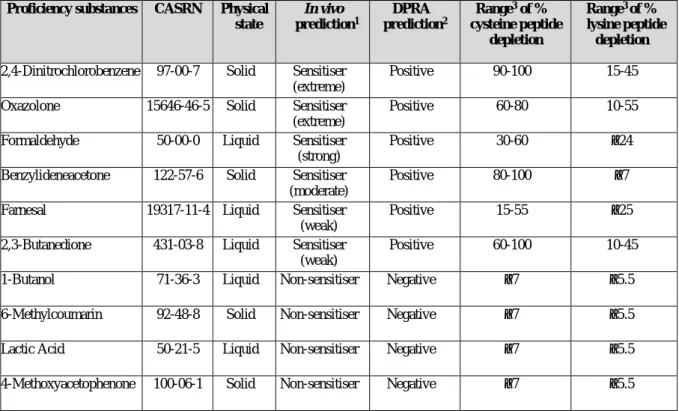
16. Prior to routine use of the method described in this Appenix, laboratories should demonstrate technical proficiency, using the ten proficiency substances listed in Annex 1.