Maintaining mobility in people with thalidomide embryopathy
Implications of reduced mobility, pain development and therapeutic procedures
2018
2
Maintaining mobility in people with thalidomide embryopathy
Implications of reduced mobility, pain development and therapeutic procedures
Editor
Schön Klinik Stiftung für Gesundheit gemeinnützige GmbH Managing Director: Anne-Marie Hamm
Seestr. 5 a, 83209 Prien am Chiemsee
Contact person: Rudolf Beyer Hamburg, 5th November, 2018
© Schön Klinik Stiftung für Gesundheit gemeinnützige GmbH
Note
All information in this work has been compiled and reviewed with the greatest care and diligence. A guarantee for the completeness, accuracy and actuality, however, cannot be given.
We do not accept any liability for any direct or indirect damage which arises from the use of the provided information
Reproduction is authorised, except for commercial purposes, provided the source is acknowledged. Furthermore, it should be noted that the rights to pictures, graphics, text or other information may belong either in whole or in part to third parties.
3
Acknowledgements
Painful restriction of movement affects people with thalidomide embryopathy and limb malformations to a particular extent. In September 2017, the Schön Klinik Foundation for Health organised a symposium on the topic of "Maintaining mobility in people with thalidomide embryopathy" in order to achieve something for the preservation and improvement of mobility in conjunction with the patients, doctors and physiotherapists. The present work is a summary of individual reports and discussion papers.
On behalf of Schön Klinik Foundation for Health, I would like to take this opportunity to thank all those who contributed to the Symposium and to this work:
Margret Aengenheyster Klaus Becker
Dehlia Brkitsch Hendrik Bünzen Christina Ding-Greiner Dominique Folie Anette Jonas Sylvia Kunert Jens Lohmann Alexander Niecke Michael Plötz Mathias Prehm Carsten Schmilgeit Jan Schulte-Hillen Dagmar Seeger Jan-Henrich Stork Gernot Stracke Mathias Weber Hilke Weichert
I would also like to thank the numerous participants for their great interest.
"Last but not least" I would sincerely like to thank Thalidomide Trust, which made simultaneous translation possible through financial contribution.
Rudolf Beyer
4
Content
1 Importance of mobility for autonomy and prevention ... 5
2 Importance of staying active for maintaining mobility and prevention ... 7
3 Personal training by sport therapists ...11
4 Malformations and effects of thalidomide embryopathy ...16
5 Complaints due to consequential damage ...19
6 Psychosocial situation of Thalidomide victims ...21
7 Pain and movement from the perspective of the pain therapist ...23
8 Pain and movement from the point of view of physiotherapy...38
9 Therapy experiences - Conversation with the physiotherapist Jenny Schiller ...43
10 Anatomical features of the shoulder ...52
11 Maintaining mobility of the shoulder from an orthopaedic point of view ...53
12 Maintaining mobility of the spine from an orthopaedic point of view ...56
13 List of contributors ...59
14 References ...60
5
1 Importance of mobility for autonomy and prevention
"Mobility is the most studied and most relevant physical ability affecting quality of life with strong prognostic value for disability and survival. Natural selection has built the "engine" of mobility with great robustness, redundancy, and functional reserve. Efficient patterns of mobility can be acquired during development even by children affected by severe impairments. Analogously, age-associated impairments in mobility related physiological systems are compensated and overt limitations of mobility only occur when the severity can no longer be compensated." (Luigi Ferrucci et al. [1])
Mobility forms the basis for all activities of daily life and thus a prerequisite for independent living. Nutrition, personal hygiene, social contacts, meaningful activities and functions within society are basic human needs. All these activities depend on individual mobility. At the same time, restriction in mobility means restriction in the self-determined way of living.
Specific characteristics due to malformation of extremities
People with malformations of the extremities are affected to a particular degree, since the personal room for movement is strongly dependent on the form of the disability. Thalidomide victims, who have already developed malformations prenatally, work enormously in the course of their lives to compensate for the functional limitations. However, in last few years, this compensation has been increasingly less successful. The reasons for this are diminishing functions of the musculoskeletal system due to ageing and excessive wear and tear from lifelong overstrain [2].
Specific characteristics due to ageing
The function of musculoskeletal system is not only weakened by poor joint function.
Physiological muscle breakdown (sarcopenia) and reduction of elastic components of the fascia and ligamentous apparatus [3] can additionally impair rehabilitative measures and everyday functions.
Specific characteristics due to limited function of sensory organs
In addition to malformations of the extremities, people with Thalidomide embryopathy also suffer from disorders of hearing, vision and balance. The limitation in function of sensory organs must particularly concern people with hearing disability and thus incomplete language acquisition, as this represents a massive hindrance to communication and this group is very small. This makes the provision of preventive health care services (Prevention) and access to specialised health services much more difficult.
6
Importance for preventive health care (Prevention)
In addition to independent living and social participation, restriction in mobility can also have a negative impact on maintenance of health. Hindrances to exercise or regular physical activity in this age group can have a significant impact on the prevention of hypertension, cardiovascular and metabolic diseases. The need for physiotherapy and massage is very high and is only partially met. Only one third of the demand for acupuncture and alternative methods is covered [2].
Future developments
Overall, the problems mentioned are expected to worsen in the future as a result of the natural ageing process of Thalidomide victims, who are now around 55 to 60 years old. A particular challenge in developing suitable treatment strategies is the presence of enormous range of various types of deformities within this group. There is no "patent solution" that can apply equally to all patients with Thalidomide embryopathy. This makes it all more important to try out as many different forms of treatment as possible and bring them to the attention of as many affected people as possible. In the end, this is the only way for every Thalidomide victim to decide itself which type of treatment is right for him or her. In order to preserve the acquired skills of everyday activities in the best way possible, all possible forms of therapy should be tested individually.
7
2 Importance of staying active for maintaining mobility and prevention
"Sitting is the new smoking" (James Levine)
"Our body has evolved over millions of years to not do one thing: sit! Why are we actually so inactive? About 100 years ago, the average walking distance was about 20 kilometres per day. Modern man, on the other hand, manages only 400 - 700 meters in the worst case. The average German sits about 7 hours a day on average and those who do their work at the desk up to 9.6 hours" (Hendrik Bünzen)
Consequences of a sedentary lifestyle
A predominantly sedentary lifestyle and physical inactivity are risk factors for variety of diseases, such as cardiovascular diseases and diabetes. However, an inactive, sedentary lifestyle has a particularly adverse effect on the musculoskeletal system, especially in people with malformations.
The problem for musculoskeletal system while sitting arises due to the constant strain that the individual joints and structures are subjected to without any dynamic change. In addition to the continuous and excessive stress caused by the various acting forces, the blood circulation in corresponding structures also deteriorates. At the same time, the muscles, which have a stabilising effect, weaken due to inactivity. Movement, on the other hand, supports joint function as it ensures a better supply of nutrients to the cartilage.
Various studies have shown that the time spent sitting has a noticeable effect on mortality [4–6]. The authors therefore recommended reducing sitting time and increasing physical activity.
The natural ageing process does not only affect the musculoskeletal system. The higher- level control system, namely the brain, also loses its functional reserves over the course of life due to ageing. This leads to limitation of cognitive abilities (information processing, thinking, learning, understanding). Results from various studies have shown that a predominantly sedentary lifestyle accelerates these processes. Mental and physical activity, on the other hand, can improve the functioning of the brain [7].
Benefits of physical activity
The positive effects of regular physical activity and sports have been thoroughly investigated scientifically and it has been found that physical fitness has significant influence on health.
This is not about maximum output or performance, but rather about endurance and appropriate strength training. Strength training is also not contraindicated in patients with cardiovascular diseases
Hendrik Bünzen
8
A large number of studies have shown that it is possible to observe immediate effects of training even through simple means [8]. Physical activity can be significantly increased by simple measures (example: 10,000 steps per day). This can contribute towards significant reduction of risk profile for cardiovascular diseases [9].
Structured endurance and strength training can improve the metabolism of sugars (very high blood sugar levels) in type 2 diabetes to a measurable extent (decrease in HbA1c) [10].
In tumour patients, a significant improvement in quality of life could be demonstrated in those who participated in exercise programs during therapy [11].
Training and physical activity can have a beneficial effect on sensation of pain. An evaluation of various studies by the Cochran Institute showed positive effects on pain intensity and improved bodily functions. Although this effect was only slightly pronounced, it was, however, not accompanied by any harmful side effects [12]. This is a huge advantage of training and physical activity over medications.
Can older people also benefit from strength training?
Many people are convinced that strength training is more suitable for younger people and is not suitable for old age groups. However, various studies have shown that old people can especially benefit from strength training. The following key statements were made in a review [13]:
Strength training is also effective for older people and does not involve any significant side effects.
Strength training in older people is subject to a dose-effect relationship. Higher load intensities lead to greater effects than moderate and lower intensities.
The target parameters of strength training for older people are increase in muscle mass on one hand and neuronal adaptation (inter- and intramuscular coordination) on the other.
Adding sensorimotor training to strength training in order to optimise posture control is useful for older people with regard to multimodal training programme.
The benefit of strength training has also been proven in the prevention and rehabilitation of various diseases, including osteoporosis and degenerative joint diseases.
9 Practical recommendations for strength training
Table 1: Effects, training doses and organisation of different forms of strength training in older people according to [12].
Objectives Training effects Dosage Forms of organisation
Increase in muscle strength
Increase in
muscle mass 8-12 repetitions per muscle group at 70-85 % of the one-repetition maximum, 3 sets; 2-3 training sessions per week; min.
8-12 weeks
Gym; exercise room;
home program; initially under guidance, later independently Training of
intramuscular coordination
up to 8 repetitions per muscle group at intensities above 80% of the one- repetition maximum; 3-5 sets; 3 training sessions per week; several weeks.
Gym; exercise room;
home program; under guidance
Training of intramuscular coordination
several repetitions; daily training sessions; e.g. high speed of movement
Training on uneven surfaces with and without additional loads; under guidance, then independently Reduction
of
sarcopenia
Increase in
muscle mass 8-12 repetitions per muscle group at 60-80 % of the one-repetition
maximum, 3 sets; 3 training sessions per week; min. 8-12 weeks
Gym; exercise room;
home program; initially under guidance, later independently Adaptation
of tendons and bones
Increase of collagen net synthesis;
reduction in the decrease of bone density
moderate and high intensities (> 60-80 % of the one-repetition maximum, > body weight); several training sessions per week; weeks to months
Gym; exercise room;
under guidance
Prevention of falls and injuries
Optimization of postural
control; training of
intermuscular coordination
several repetitions; daily training
sessions; high speed of movement Training on uneven surfaces with and without additional loads; under guidance, then independently Training of
intramuscular coordination
up to 8 repetitions per muscle group at intensities above 80% of the one- repetition maximum; 3-5 sets; 3 training sessions per week; several weeks.
Gym; exercise room;
home program; under guidance
10
Practical recommendations for people with sedentary lifestyle:
Change your sitting and standing positions more often.
Perform movement in regular phases.
Make your workplace more dynamic.
Make a phone call while standing or walking around.
Spark your creativity while standing or walking around.
Do exercises that help against muscle tenseness.
Use the stairs instead of the elevator.
Use Desktop-Reminder or another reminder function for more movement (e.g. get up and move every 15 minutes).
Work while standing if you have a standing desk.
Due to the varying degrees of disability in people with thalidomide embryopathy, no general recommendations can be given regarding the right sporting activity. Rather, it is necessary to find out which type of regular physical activity is suitable for each individual. Personal trainers can play a key role here.
11
3 Personal training by sport therapists
"My fundamental philosophical assumption is that the river is like a stream of life. Nobody walks safely along the shore. Furthermore, it is clear to me that much of the river is polluted both in the literal and figurative sense. The river may branch out, leading to light currents or dangerous rapids and maelstroms. My work is dedicated to addressing the following question: How do you become a good swimmer when you are in a river, whose nature is determined by historical, socio-cultural and physical environmental factors?" (Aaron Antonovsky [14])
The Salutogenesis Model as a conceptual framework for sports therapy
The concept of Salutogenesis focuses on the interactions between individual risk and protection factors for maintaining health. Health here is not a condition, but a constant process. The human being as an individual is always somewhere between the state of health and illness.
Risk factors or stressors for disease are:
Chronic stress, e.g. disabilities
Stressful life events
Daily irritants
Protection factors or resistance resources:
Physical resources, for example, a good physical condition
Material resources, e.g. housing, nutrition
Attitudinal resources, e.g. belief of self-efficacy, knowledge
Social resources, e.g. social support from friends and family
The central force for coping with stressors is a continuous and enduring feeling of confidence that...
everyday events are predictable and understandable (comprehensibility).
requirements can be fulfilled with existing resources (manageability).
requirements can be accepted as meaningful challenges (meaningfulness).
According to the model of salutogenesis, as a personal trainer the sports therapist is ideally a temporary supporter who acts according to the patient's wishes, goals and possibilities.
The sports therapist analyses the stressors (disease-causing risk factors) and the goals together with the patient.
The following aspects must be taken into account:
current physical condition Dominique Folie
12
restrictions due to disabilities (malformations, barriers, communication)
physical complaints in everyday life
physical obstacles in home environment
Comprehensibility
The sports therapist clarifies the patient's actual state on an anatomical and physiological basis and gives an insight into a possible target state, thus making the situation understandable.
Manageability
The therapist analyses the patient's current resources (actual state), the means and methods that the patient needs to cope with the stressors and achieve the goals (target state).
Once the training plan has been worked out, the patient and sports therapist implement the contents together, whereby the patient should also train independently. Constant monitoring of success and progress in the training process allows adaptation, if necessary.
Meaningfulness
The therapist shows the patient the chances and possibilities of training with regard to physical improvement and the preservation of physical functions.
This process helps the patient to understand how the training works and how he himself can contribute ACTIVELY to his state of health. The patient reaps the rewards of his discipline in training and can independently recognise and pursue further goals.
Elements in Personal Training
Organizational
Health check and analyses
Training control
Indoor or outdoor training
interdisciplinary exchange with therapists and physicians
Therapy
Sports and exercise therapy
Activity of Daily Living
Fall prevention
Sports physiotherapy
13
Cardio training
Medical training therapy (MTT)
Coordination training / proprioceptive training (deep sensory)
Fascia training / Kinesiotape / Flossing
Walking / Nordic Walking / Running
Mobilisation
Nutrition advice
PMR (progressive muscle relaxation) according to Jacobsen
The personal trainer should act as a complementary element of the multi-professional and interdisciplinary team.
14
Practical recommendation for personal training with Thalidomide victims 1. Analysis of the current situation
What restrictions need to be considered (missing limbs, bones, joints)?
Where is the pain mostly located and how severe is it in the musculoskeletal system (pain scale)?
Identifying muscular imbalances and degenerative changes in ligaments, tendons, joints, spine)?
What are the biggest obstacles and restrictions in everyday life?
2. Realistic assessment of the target condition
Definition of therapy goals.
Development of a training plan (general muscle building, compensation of muscular imbalances, coordinative aspects).
Development of compensatory movements for everyday difficulties.
3. Implementation of the training plan
Common units, patient trains together with therapist.
Training sessions on your own (Why? For example, shortened muscles require a lot of training to achieve compensation).
4. Success monitoring of training and modification
Does the training and the intervention work (improvement of the imbalances, relief of the musculoskeletal system, pain scale)?
If necessary, adjust the training modules.
Increase the intensity and scope over time.
References: [15] [16,17]
15
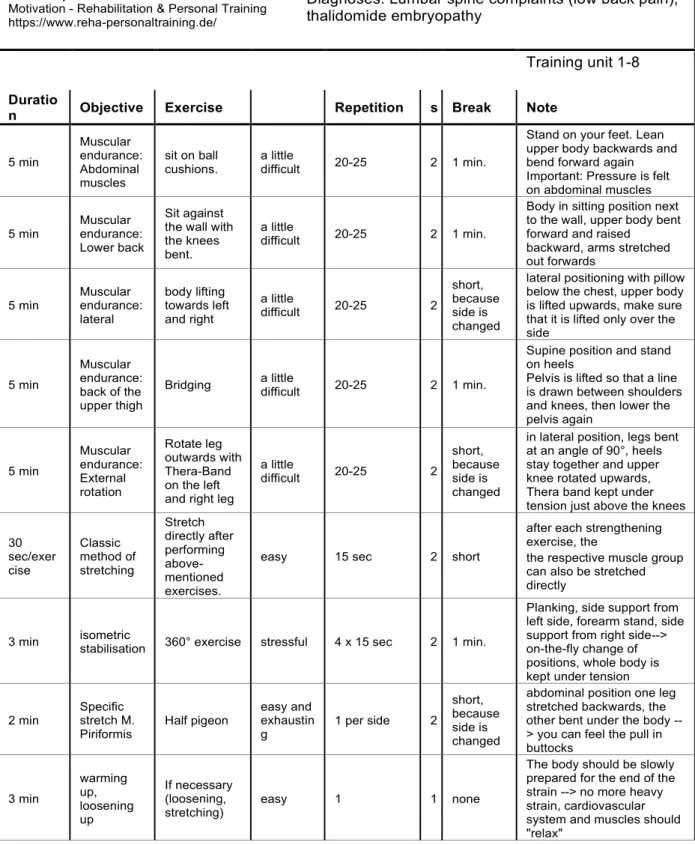
Figure 1: Training plan for personal training
Motivation Last name, First name Date 19.04.2017
Dominique Folie
Motivation - Rehabilitation & Personal Training https://www.reha-personaltraining.de/
Diagnoses: Lumbar spine complaints (low back pain), thalidomide embryopathy
Training unit 1-8 Duratio
n Objective Exercise Repetition s Break Note
5 min
Muscular endurance:
Abdominal muscles
sit on ball
cushions. a little
difficult 20-25 2 1 min.
Stand on your feet. Lean upper body backwards and bend forward again Important: Pressure is felt on abdominal muscles
5 min
Muscular endurance:
Lower back
Sit against the wall with the knees bent.
a little
difficult 20-25 2 1 min.
Body in sitting position next to the wall, upper body bent forward and raised backward, arms stretched out forwards
5 min
Muscular endurance:
lateral
body lifting towards left and right
a little
difficult 20-25 2
short, because side is changed
lateral positioning with pillow below the chest, upper body is lifted upwards, make sure that it is lifted only over the side
5 min
Muscular endurance:
back of the upper thigh
Bridging a little
difficult 20-25 2 1 min.
Supine position and stand on heels
Pelvis is lifted so that a line is drawn between shoulders and knees, then lower the pelvis again
5 min
Muscular endurance:
External rotation
Rotate leg outwards with Thera-Band on the left and right leg
a little
difficult 20-25 2
short, because side is changed
in lateral position, legs bent at an angle of 90°, heels stay together and upper knee rotated upwards, Thera band kept under tension just above the knees
30 sec/exer cise
Classic method of stretching
Stretch directly after performing above- mentioned exercises.
easy 15 sec 2 short
after each strengthening exercise, the
the respective muscle group can also be stretched directly
3 min isometric
stabilisation 360° exercise stressful 4 x 15 sec 2 1 min.
Planking, side support from left side, forearm stand, side support from right side-->
on-the-fly change of positions, whole body is kept under tension
2 min Specific stretch M.
Piriformis
Half pigeon easy and exhaustin g
1 per side 2 short, because side is changed
abdominal position one leg stretched backwards, the other bent under the body --
> you can feel the pull in buttocks
3 min
warming up, loosening up
If necessary (loosening, stretching)
easy 1 1 none
The body should be slowly prepared for the end of the strain --> no more heavy strain, cardiovascular system and muscles should
"relax"
16
4 Malformations and effects of thalidomide embryopathy
Contergan damage (thalidomide embryopathy) is a term used to describe a large number of malformations caused prenatally by the intake of Contergan (thalidomide) by the mother during pregnancy. The malformations can in principle affect all organ systems and are extremely different depending on the individual. In addition to bones and joints, nerves, sensory organs, vessels and internal organs can also be affected. The spectrum is enormous and ranges from discrete damage to the thumbs to the complete absence of all 4 extremities.
Primary and consequential damages
In the case of damage to the skeleton and musculoskeletal system in particular, a distinction is made between so-called primary damage and consequential damage.
Primary damage is defined as all malformations and organ damage that were present at the time of birth.
Health disorders that have only developed over the course of time in Thalidomide victims are considered as consequential damage. The lifelong need to functionally compensate for disabilities caused by malformations with existing limbs has led to excessive wear and tear of muscles, ligaments and joints in the vast majority of patients. The consequences include chronic muscle tension and early-onset arthrosis. As a result, many Thalidomide victims find that the hard-earned strategies and enormous capabilities of functional compensation do not work well.
Damage to the upper limb
All bones of the hands, arms and shoulders may be completely absent or malformed. The number of fingers can vary and fingers may be fused together. This leads, for example, to shortened arms and a malpositioning of the hands with inward rotation (so-called radial clubhand). The remaining function is strongly dependent on the severity of the disability.
As a result of the shortened arm length or limited gripping function, the back extensors in the shoulder and neck area, as well as all muscles of the shoulder girdle, are overloaded for life.
The muscles on the front side, on the other hand, are underloaded and can be shortened.
Most Thalidomide victims have painful muscular tension in the neck and shoulder girdle area.
17 Damage to the lower limb
Damage to the lower limb by thalidomide occurs less frequently but is much more variable than damage to the upper extremities. They are rarely isolated.
Patient with all four affected limbs
In addition to the described malformations of the upper extremity, the lower extremity is also affected.
Hip joints
Malformations of the hip joints (hip dysplasia) are frequent. This leads to early-onset arthrosis with the necessity of an operative joint replacement.
Spine
Thalidomide victims often suffer from scoliosis and changes in the spine. This leads increasingly to disc diseases and spinal canal stenosis with compression of the nerve roots.
Nerve irritation (nerve compression syndrome)
The malpositioning of the hands and the anatomical changes can lead to nerve irritation in the wrist area (carpal tunnel syndrome). Pain, tingling sensation and weakness are the consequences. These nerve compression syndromes can also occur in other body regions (elbow, shoulder, lower leg).
Sense of balance
In some patients, the organ of balance (vestibular organ) in the inner ear is missing. Since its function is compensated from birth (vision, body perception), the absence of such an organ only becomes apparent through special diagnostics (vestibular examination). Frequently, these people report that they have been experiencing increased disequilibrium when walking.
A possible explanation for this is that with a decreasing ability of the musculoskeletal system to compensate, the balance disorder becomes apparent.
The result is an increased risk of falling. This means a significantly higher risk of injury for people with short arms.
Hearing loss and deafness
Hearing loss leads to poorer orientation in the public space and is also a barrier for preventive health care. Deafness, which exists from birth, leads to delayed language acquisition and a lack of understanding of the meaning of words. This also applies to the written word. Overall, hearing loss is a major barrier to participation, prevention and self-care.
18
Eye damage
Some of those affected may experience significant loss of vision, blindness and disturbances in three-dimensional vision.
19
5 Complaints due to consequential damage
Many of those affected were able to compensate their disability very well for a long time.
However, the physical ability to compensate has been declining significantly for some time and complaints due to consequential damage are becoming more and more important for Thalidomide victims. However, the speed with which complaints have increased in recent years seems to be worrying.
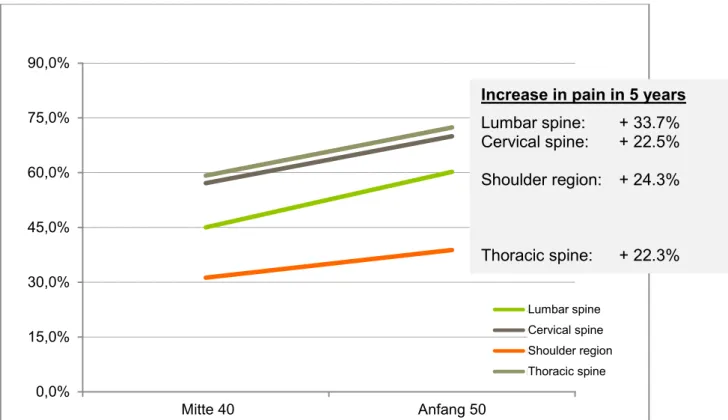
The study by Kruse and Ding-Greiner [2] with 870 participants in 2012 compared, among other things, how many people already suffered from pain in certain body regions 5 years ago, i.e. around 2006-2007, and how many at the time of the investigation between 2011 and 2012. Assuming that the interviewees were born between 1958 and 1963 and that most of them were born in 1962, this part of the survey presents a comparison of about 40-year-olds with about 50-year-olds.
Figure 2: Increase in pain within 5 years according to Kruse and Ding-Greiner.
It is noticeable that within 5 years there was a significant increase in the number of patients who reported pain. (see [2], Page 74, Tab.26)
The second large study on the health situation of Thalidomide victims conducted by Peters and Albus [18] in 2014 involving a total of 202 participants revealed the following points:
0,0%
15,0%
30,0%
45,0%
60,0%
75,0%
90,0%
Mitte 40 Anfang 50
Schulter Halswirbelsäule Brustwirbelsäule Lendenwirbelsäule
Increase in pain in 5 years Lumbar spine: + 33.7%
Cervical spine: + 22.5%
Shoulder region: + 24.3%
Thoracic spine: + 22.3%
Lumbar spine
Cervical spine Shoulder region Thoracic spine
20
Changes in spine in the form of scoliosis were found in 68.8% of the patients (primary damage).
In 58.9% of cases, the clinical examination revealed limited mobility of the spinal column. In 36.6% of the patients the cervical spine was affected, while in 22.3% the thoracic spine.
Limited mobility of the shoulder was found in 62.4%, whereby these restrictions are essentially based on the primary damage.
80.7 % reported neck pain, 78.2 % back pain and 64.4 % shoulder pain.
These figures indicate a high degree of painful movement restrictions in the shoulder and neck area and suggest that this problem will increase significantly in the future.
21
6 Psychosocial situation of Thalidomide victims
Mobility and Mind
In addition to the medical use of the term "mobility" that refers to the movement of the body or individual parts of the body (in contrast to motor function and locomotion), there are also other common uses that present a psychological dimension of the term. Examples for this include "being moved" as an expression of a feeling, "movable" as a paraphrase for mental flexibility and adaptability or "having moved something" as an expression of an outstanding achievement with a lasting effect on others. These ambiguous linguistic uses indicate that physical activity and mental state are closely related and influence each other. For example, extreme forms of movement such as physical stiffness and restlessness are expressions and symptoms of psychological impairments caused by the illness. The creation of a balance is a therapeutic principle in this case and a balanced mobility a basic condition for health.
Biopsychosocial long-term consequences
Decades after the prenatal trauma of thalidomide use, extensive physical and psychosocial consequences can be proven. This has been convincingly demonstrated in various studies.
[2,18]
For example, the subjective quality of life of the victims now aged 55 to 60 is significantly lower than that of the same aged people in the general population and corresponds to values reported for people who are over 80 years old. In addition, Thalidomide victims in Germany are more often unmarried or single due to their disability and have fewer children than the people in the comparable age group. Despite a comparatively high educational status and a high level of occupational skill for many years, the proportion of people who are incapable to work full time is now over 30% [2].
The proportion of Thalidomide victims with psychological disorders is 47.2%, a significant increase in comparison with the age-adjusted general German population (27.1%). The most frequent diagnoses are depression (23%), anxiety disorders (12%), somatoform disorders (14%) and alcohol dependency (6%). However, only about one in six Thalidomide victims (16.6%) suffering from psychological stress has taken advantage of psychotherapeutic counselling within the past twelve months, which points to clear barriers in healthcare [19].
Mental disorders should be politically identified as consequential damage.
Overall, the survivors of the thalidomide disaster have not only grown older, but have also become sicker. On a physical level, the symptoms are now characterised by consequential damage, in particular chronic pain and reduced mobility. In addition, age-associated diseases are becoming increasingly common. The need for assistance and healthcare that had previously arisen was almost completely met by the "lay helper system". Due to the retirement of the parent generation and a relative lack of relationships and descendants, this need is often no longer met. On the psychological level, almost every second person affected
Alexander Niecke
22
now reports mental health disorders, mostly depression, while at the same time there are treatment barriers in the psychotherapeutic care system.
23
7 Pain and movement from the perspective of the pain therapist
1.1 What is pain?
Ancient and essential to human life - the pain processing system is a highly complex warning system of our body, without which we would not be able to survive. From the time of birth, we learn what pain is and how we have to adapt our behaviour in order not to experience it more often than necessary. The whole system is programmed for long-term memory and experience building.
Moreover, humans are social creatures. Because pain usually poses a danger for the body, we would like to learn something about our pain from our fellow human beings. This increases the possibility of receiving help from other members of our social group.
Emergence of pain
The concept of pain can be understood in a good way by naming the different components (pain components) associated with pain.
Pain components
Sensory: Damage analysis: Where and how severe is the damage?
Motor: Reflex response of the injured body part, self-protection by flight
Vegetative: Mobilisation of the body, preparation for flight or fight
Affective: Emotionality, signal to social group
Cognitive: Hazard analysis, comparison with previous experience, learning
Classification of pain
Due to different treatment recommendations, it makes sense to differentiate pain in terms of the biological mechanism and its development over time.
Jan-Henrich Stork, Rudolf Beyer
24
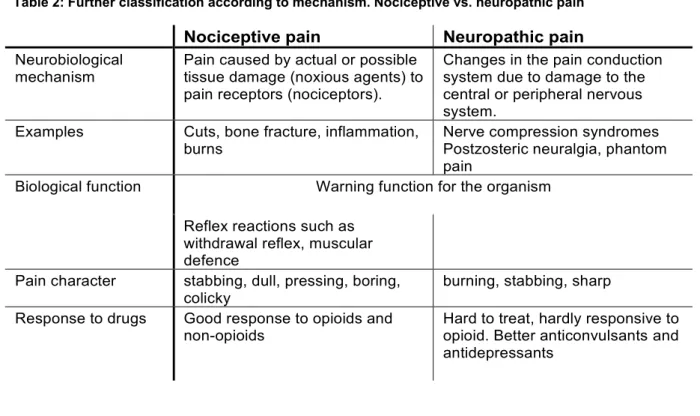
Table 2: Further classification according to mechanism. Nociceptive vs. neuropathic pain
Nociceptive pain Neuropathic pain Neurobiological
mechanism Pain caused by actual or possible tissue damage (noxious agents) to pain receptors (nociceptors).
Changes in the pain conduction system due to damage to the central or peripheral nervous system.
Examples Cuts, bone fracture, inflammation,
burns Nerve compression syndromes
Postzosteric neuralgia, phantom pain
Biological function Warning function for the organism Reflex reactions such as
withdrawal reflex, muscular defence
Pain character stabbing, dull, pressing, boring,
colicky burning, stabbing, sharp
Response to drugs Good response to opioids and
non-opioids Hard to treat, hardly responsive to opioid. Better anticonvulsants and antidepressants
Table 3: Further classification according to development over time. Acute vs. chronic pain
Acute pain Chronic pain
Characteristics Signal and warning function Protection against injury, life- sustaining function
Promotes wound healing (Immobilisation)
Loss of biological warning function. No protective or healing function. Pain persists beyond the expected healing time.
Examples injury, surgery, ischaemia,
toothache Chron. spinal disorders
Tumour pain, headache, CRPS, multiple sclerosis, postzosteric neuralgia
Psychological effects Simple mental processing.
Generally good acceptance by fellow human beings
Psychological and social withdrawal. Low acceptance by fellow human beings
Neurobiological pain processing
For a long time, it was assumed that pain processing works similar to an electric cable. This idea dates back to the scientific treatise "De homine" (treatise on humans) by the French philosopher and scientist René Descartes from the 17th century and lasted until the last century. Since about the 1960s, however, more and more new theories on pain have been developed and researched.
25 An important function of the pain-processing nervous system is to separate the unimportant from the important. Millions of nerve cells are responsible for this function, each of which ensures the absorption, transmission and processing of pain stimuli. Essential elements here include signal amplification and noise suppression (such as a HiFi stereo amplifier). Our whole body is interspersed with nerve cells, which constantly record information on all stimuli with their sensors (biological: receptors). Pressure on the tissue, temperature, chemical stimuli in the muscles, the position of the joints and body position are constantly measured.
Thousands of stimulus information are recorded every second.
In order to avoid a stimulus flooding and thus a system failure, these stimuli are filtered and processed without anyone noticing. A large part of this happens independently in the spinal cord.
In the end, only the important information is passed on. In order to always be able to act, we also have a descending pain control in our central nervous system. This makes it possible to reduce pain sensations and thus keep the pain processing system functional.
Our pain-processing nervous system is capable of astonishing adaptations, which may, however, prove to be disadvantageous in the case of chronic pain. The network of nerve cells can dynamically change important paths of information. This is called neuroplasticity.
Some authors also term the result of these adaptations as pain memory. Research in recent decades has identified two mechanisms that play an important role in this process.
Pain sensitisation
Persistent pain stimuli can lead to a higher sensitivity of the nerve endings. Due to continuous "firing" by a constant stimulus, the nerve cells begin to increase their sensitivity.
In addition, the networks of the pain-processing system begin to change their filtering function. The whole system is sensitised, i.e. they become more sensitive. This means that even relatively small pain stimuli can trigger a comparatively large sensation of pain. This generally leads to a relieving posture of the body.
Neurobiological pain chronification
Long-lasting pain stimuli can lead to new pathways in the pain processing system. The neurobiological properties of the nerve cells are permanently altered and new network connections are formed. Thus, the symptom of pain can become an independent, chronic disorder.
1.2 Neuropathic pain - pain development in the nervous system
If the function of nerves is disrupted, they can be the cause of pain. This is called neuropathic pain and can be caused by damage due to pressure on the nerve or injury to nerves. This pain is then projected into the regions that these nerves normally supply, regardless of the location of the actual damage. Typical symptoms are burning sensation, sharp pain and accompanying symptoms such as tingling sensation, formication or
26
numbness. Common causes of nerve disorders are: Nerve compression syndrome (carpal tunnel syndrome), diabetes, harmful alcohol consumption and vitamin B deficiency.
1.3 Pain in the musculoskeletal system
The musculoskeletal system consisting of joints, muscles, tendons, ligaments and fasciae is particularly well equipped with pain receptors. Many of these specialised nerve cells are sensors that react to various stimuli (polymodal receptors) and produce a pain stimulus when a certain threshold is exceeded. Chemical stimuli, such as the acid content (pH value) in the cells or the metabolic products of the muscles, can also trigger pain. This leads to aching muscles.
Role of the fasciae
For a long time, fasciae were regarded as an underlying layer of tissue that supported the gliding of muscles against each other and the restoring forces of the musculoskeletal system.
This view has changed dramatically in recent years. Research results have shown that fasciae play a central role in both movement and the development of pain [20,21]. Fasciae are found throughout the body and form a larger surface area than the skin. Anatomical investigations were able to reveal a large number of sensory nerve fibres in the large thoracolumbar fascia [22,23]. Some of these nerve fibres are part of the pain-processing system [24]. In the process, improper strain and lack of exercise can lead to a change in the fascial structures, which in turn have a pain-promoting effect. On the other hand, healthy fasciae improve active mobility, coordinative abilities, body perception and can positively influence the sensation of pain.
Pain and movement
Pain is a major factor in restricting the mobility. The movements of individual extremities can be restricted due to pain and this could considerably reduce the performance and activities of daily life in addition to existing disabilities. This is of central importance for one of the basic human needs, namely self-determination [25,26] or the preservation of personal room for manoeuvre. This applies in particular to Thalidomide victims [18].
On the other hand, various studies have shown that physical inactivity does not lead to pain relief in case of chronic pain. For example, in case of non-specific low back pain, bed rest either has no effect or delays healing and return to daily activities. Therefore, bed rest is not recommended for the treatment of non-specific low back pain [27].
A survey by the renowned Cochrane Institute in 2017 concluded that physical activity and exercise, with only minor adverse effects, can have a positive impact on the intensity of pain and physical function and thus improve quality of life [12].
Pain and movement influence each other. Therefore, both aspects should be considered equally when implementing appropriate therapy concepts.
27 1.4 Pain situation of Thalidomide victims
Various studies in recent years have clearly shown that chronic pain is much more common in Thalidomide victims than in the general population of this age group who are not affected.
According to Kruse and Ding-Greiner [2], pain occurred in 84.3% of 870 Thalidomide victims surveyed. In this study, 50% of respondents reported daily pain and 39% continuous pain.
The intensity of the pain, divided into five grades (mild pain, moderate pain, severe pain and the most severe pain imaginable), was proportional to the severity of the damage, divided into four so-called damage severity groups.
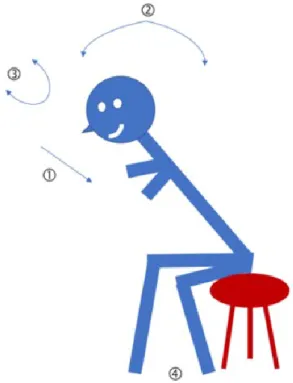
In addition, it was shown that pain occurs mainly in the form of muscular tension in the back (78.6%), arms (43%) and legs (19.5%). It is caused by incorrect posture and uneven weight distribution on spinal column. This is very well illustrated by an example. "In people with ocular palsy who move their heads while reading or working on a PC and thus follow the lines with their eyes."
The authors stress that pain is a multifactorial process. This was clearly expressed in various interviews with those affected. For example, Thalidomide victims reported that "the extent of stress or lack of rest periods and protection of the affected areas at work and at home plays an important role: Those who have the opportunity to determine for themselves how intensive daily stress is, who can use therapies to good effect and who are supported in everyday life have a good chance of developing less pain and discomfort in the long term and at the same time maintaining their physical performance.''
A further study commissioned by the Landeszentrum Gesundheit Nordrhein-Westfalen with a total of 202 respondents came to similar conclusions [18].
According to the study, over 62% of the participants had a high level of pain chronification.
(Stage II-III according to Gerbershagen, see p. 36)
When differentiating the types of pain in nociceptive and neuropathic pain by means of [28]
the painDETECT questionnaire, in half of those affected a neuropathic component with regard to pain was detected. This may indicate damage to the nerves, for example in nerve compression syndromes, or neurobiological mechanisms of pain chronification in central nervous [29] system.
More than 80% of the respondents reported neck pain followed by back pain as consequential damage caused by the prenatal malformations. In the extremities, shoulder pain (64.5%), knee pain (54.3%) and hip pain (54.3%) were most frequently reported.
With regard to pain, the authors come to the conclusion that painful consequential damage has become a dominant symptom in Thalidomide victims.
Nerve compression syndromes
A study by the Thalidomide Trust with 20 participants [30] has shown that nerve compression syndromes, i.e. damage to individual nerves caused by pressure in anatomical constrictions, frequently occur in Thalidomide victims. Accordingly, 90 % of those examined had a nerve
28
compression syndrome. However, the validity of this study is limited by the small number of cases.
1.5 Biopsychosocial access to pain
Pain, especially if it is chronic, is multidimensional. In addition to purely biological aspects of pain perception, i.e. the processing of stimuli in the nervous system, psychological factors such as anxiety and depression also have a major influence on the experience of pain. The pain processing system and the mental state influence each other. This influences our social network of relationships. Chronic pain, especially with restricted mobility, can have a negative impact on all areas of life (family, partner, friends, work, financial security, social integration).
Therefore, psychological and social aspects as well as medical-biological factors should be considered in the therapeutic access to people with chronic pain.
1.6 Control of pain
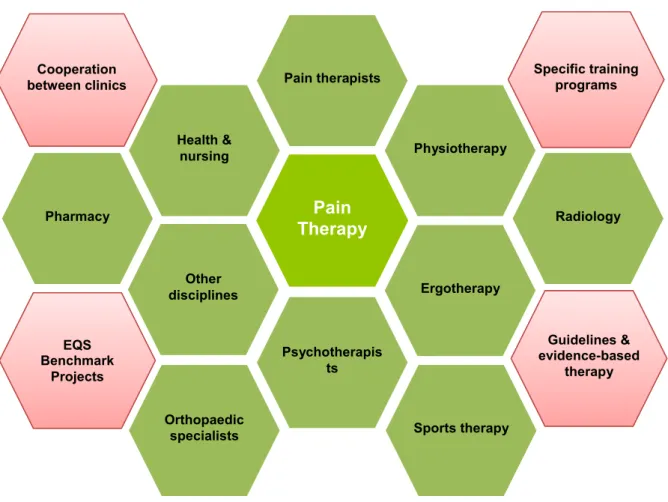
Pain treatment or pain control should always be multimodal and interprofessional, because one pill or one form of therapy is usually not sufficient to successfully treat chronic pain.
The first step is to consult together as to which goals can be achieved by which treatment.
The goals are to maintain mobility and reduce pain. Pain control should be achieved through a combination of the following forms of therapy:
Physiotherapy and physical activity
Relaxation therapy
Medications
Psychotherapy
Drugs for pain relief
Drugs for pain therapy should be prescribed individually and combined if necessary. The selection of the individual substances should be based on the effect and any side effects that may occur. Drugs should not be given as monotherapy. Above all, they should not do any harm. In general, drugs should be administered orally.
29
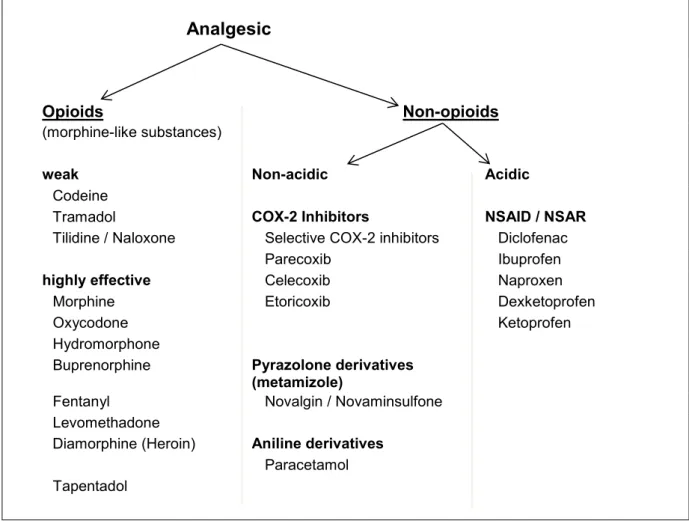
Figure 3: Overview painkillers (analgesics)
Analgesic
Opioids Non-opioids
(morphine-like substances)
weak Non-acidic Acidic
Codeine
Tramadol COX-2 Inhibitors NSAID / NSAR
Tilidine / Naloxone Selective COX-2 inhibitors Diclofenac
Parecoxib Ibuprofen
highly effective Celecoxib Naproxen
Morphine Etoricoxib Dexketoprofen
Oxycodone Ketoprofen
Hydromorphone
Buprenorphine Pyrazolone derivatives (metamizole)
Fentanyl Novalgin / Novaminsulfone
Levomethadone
Diamorphine (Heroin) Aniline derivatives Paracetamol Tapentadol
Basically, a distinction is made between non-opioids and opioids (all substances that have a morphine-like effect). Both substance groups have peripheral as well as central effects. All non-opioids can cause significant side effects if used in the long-term, which require special medical attention.
Non-opioids
All non-opioids act by inhibiting inflammatory substances in the tissues.
Especially non-steroidal anti-inflammatory drugs (NSAIDs) and COX-2 inhibitor can lead to significant side effects and complications. Particular attention should therefore be paid to side effects, some of which are noticed late (kidney damage, high blood pressure), and contraindications.
30
The main side effects of NSAIDs and COX-2 inhibitors
Gastrointestinal tract: Stomach ulcers, bleeding (rarely due to COX-2 inhibitors)
Kidneys: Acute interstitial nephritis, kidney failure
Cardiovascular system: High blood pressure, heart failure
Main contraindications for NSAIDs and COX-2 inhibitors
Hypersensitivity to the active ingredients
Pregnancy (3rd trimester)
Gastroduodenal ulcer disease
Chronic inflammatory bowel diseases
Impaired renal function (GFR < 30 ml/min)
Severe hepatic function disorder
Heart failure NYHA stage III or IV
Coronary heart disease
The concomitant intake of NSAIDs with corticosteroids significantly increases the risk of gastrointestinal ulcers. In addition, NSAIDs can increase the effect of anticoagulants.
The use of metamizole (dipyrone) can lead to blood formation disorders and life-threatening bone marrow suppression (agranulocytosis). However, these occur much more rarely than, for example, gastrointestinal side effects caused by NSAIDs.
Paracetamol is comparatively less effective and can lead to irreversible liver failure in case of overdose.
31 Opioids
Opioids are highly effective analgesics with a morphine-like structure. Since they have similar chemical properties as endogenous analgesic substances (endorphins), direct toxic effects on organs and tissue have not yet been described. This presents an advantage over non- opioids in long-term use, but when taken in moderate doses the analgesic effect on musculoskeletal pain is often less than expected. In a meta-analysis with a total of over 2400 patients, it was not possible to demonstrate the efficacy of opioids when used over a long time period (longer than 3 months) in chronic pain not caused by tumour [31].
Typical side effects are fatigue, drowsiness, constipation, loss of libido, loss of effectiveness and adaptation. Particular care should be taken by patients with sleep apnoea syndrome (OSAS) because opioids can increase overnight hypoxia. Opioids should always be prescribed together with osmotically active laxatives (e.g. Macrogol).
The use of transdermal drug delivery systems (opioid patches) is critical because the slow release of the drug makes it much more difficult to control it than with oral administration. In addition, opioid patches should not be placed near children, as this has repeatedly resulted in acute poisoning through oral ingestion of used and discarded patches [32]. Some pain therapists believe that transdermal opioids should only be used in patients with severe swallowing disorders.
Coanalgesics
Coanalgesics are administered together with painkillers and can increase their effect.
![Table 1: Effects, training doses and organisation of different forms of strength training in older people according to [12]](https://thumb-ap.123doks.com/thumbv2/123deta/5687550.2014038/9.892.98.788.221.906/table-effects-training-organisation-different-strength-training-according.webp)