( )1
THE HARRIS SCIENCE REVIEWOF DOSHISHA UNIVERSITY, VOL. 62, NO.1April2021
( )2
Kaai Okada・Yuta Suzuki・Takuya Goto 2
( )3
Formation of Titanium Oxide on Al2O3 3
( )4
Kaai Okada・Yuta Suzuki・Takuya Goto 4
( )5
Formation of Titanium Oxide on Al2O3 5
( )6
Kaai Okada・Yuta Suzuki・Takuya Goto
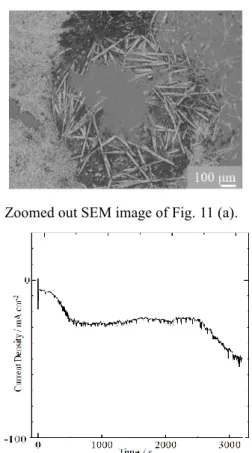
Fig. 12. Zoomed out SEM image of Fig. 11 (a).
Fig. 13. CA of 3600 seconds electrolysis.
3.5 Discussion on formation of titanium oxide on Al2O3
substrate
From Figs. 6, 12 and 13, it is possible to estimate the process by which titanium oxide formed on Al2O3
substrate as a result of electrolysis. Judging from the rise in current in Fig. 13, the deposit possesses electroconductivity, which suggests that electrodeposition starts from the three-phase interface of nickel wire, molten salt and Al2O3 substrate and continues its growth on the Al2O3 substrate and nickel wire. As the deposit progresses and covers more area, the cathodic current increases.
Figure 12 shows that the titanium oxide crystal grew outwards in a radial pattern and Fig. 6 shows that the radial deposit is thicker towards the center and thinner towards the edge. Figure 14. shows a schematic drawing of how the titanium deposits are oxidized. The following reaction Eq. 3-1 occurs when the Al2O3 substrate and deposited titanium are exposed to the atmosphere.
Ti + O2 → TiO2 (3-1)
Thus turning the titanium deposit to titanium oxide.
Fig. 14. Schematic drawing of the oxidization process of the titanium deposit.
4. Conclusion
We have carried out the electrochemical deposition to test hypotheses on deposition of titanium oxide on the alumina surface by employing the three electrodes method in molten salt. In determining the electrolysis condition of the method, comparison between CVs indicated that the most appropriate conditions for obtaining titanium oxide deposits would be at 700℃ with the addition of TiO2 and titanium plates in molten LiF-KF salt. Results showed that the assumption was appropriate with the rise of growth rate and adhesion during the experiment conducted at 700℃. Judging from the possible electroconductive nature of the deposit, the growth of deposits on Al2O3
progressed outwards from the three-phase interface of nickel wire, molten salt and Al2O3 substrate in a radial pattern with the progression of time and the radial deposit was thicker towards the center and thinner at the edge. The titanium deposit was ultimately oxidized after being exposed to the atmosphere. Further investigation is expected on the titanium oxide deposits on Al2O3 substrate with XRD analysis.
References
1) S. Karuppuchamy and J. M. Jeong, “Super-Hydrophilic Amorphous Titanium Dioxide Thin Film Deposited by Cathodic Electrodeposition”, Mater. Chem. Phys., 93, 251- 254 (2005).
2) G. K. Mor, O. K. Varghese, M. Paulose and C. A. Grimes,
“Transparent Highly Ordered TiO2 Nanotube Arrays via 6
( )7
Formation of Titanium Oxide on Al2O3
Fig. 12. Zoomed out SEM image of Fig. 11 (a).
Fig. 13. CA of 3600 seconds electrolysis.
3.5 Discussion on formation of titanium oxide on Al2O3
substrate
From Figs. 6, 12 and 13, it is possible to estimate the process by which titanium oxide formed on Al2O3
substrate as a result of electrolysis. Judging from the rise in current in Fig. 13, the deposit possesses electroconductivity, which suggests that electrodeposition starts from the three-phase interface of nickel wire, molten salt and Al2O3 substrate and continues its growth on the Al2O3 substrate and nickel wire. As the deposit progresses and covers more area, the cathodic current increases.
Figure 12 shows that the titanium oxide crystal grew outwards in a radial pattern and Fig. 6 shows that the radial deposit is thicker towards the center and thinner towards the edge. Figure 14. shows a schematic drawing of how the titanium deposits are oxidized. The following reaction Eq. 3-1 occurs when the Al2O3 substrate and deposited titanium are exposed to the atmosphere.
Ti + O2 → TiO2 (3-1)
Thus turning the titanium deposit to titanium oxide.
Fig. 14. Schematic drawing of the oxidization process of the titanium deposit.
4. Conclusion
We have carried out the electrochemical deposition to test hypotheses on deposition of titanium oxide on the alumina surface by employing the three electrodes method in molten salt. In determining the electrolysis condition of the method, comparison between CVs indicated that the most appropriate conditions for obtaining titanium oxide deposits would be at 700℃ with the addition of TiO2 and titanium plates in molten LiF-KF salt. Results showed that the assumption was appropriate with the rise of growth rate and adhesion during the experiment conducted at 700℃. Judging from the possible electroconductive nature of the deposit, the growth of deposits on Al2O3
progressed outwards from the three-phase interface of nickel wire, molten salt and Al2O3 substrate in a radial pattern with the progression of time and the radial deposit was thicker towards the center and thinner at the edge. The titanium deposit was ultimately oxidized after being exposed to the atmosphere. Further investigation is expected on the titanium oxide deposits on Al2O3 substrate with XRD analysis.
References
1) S. Karuppuchamy and J. M. Jeong, “Super-Hydrophilic Amorphous Titanium Dioxide Thin Film Deposited by Cathodic Electrodeposition”, Mater. Chem. Phys., 93, 251- 254 (2005).
2) G. K. Mor, O. K. Varghese, M. Paulose and C. A. Grimes,
“Transparent Highly Ordered TiO2 Nanotube Arrays via
7