N.GREGORY MANKI W
macroeconomics 4 th edition
Chapter 4 : Economic growth Ⅰ
4-0 I ntroduction
4-1 The Accumulation of Capital 4-2 The Golden Level of Capital 4-3 Population Growth
4-4 Summary
04AK865
Yuusuke Souma
2005/ 05/ 17
4-0 I ntroduction
Difference in the Standard of living
Difference in the Standard of Living 1999~ 2002
[ ]
順 位 国 名 1 9 9 9 年 ァ 0 0 0 年 ァ 0 0 1 年 ァ 0 0 ァ 年
1 セ ブ 4 6 ウ 5 ア 4 4 6 ァ 1 4 4 9 0 5 4 6 ウ ァ ァ
ァ ー ア 5 5 ァ ェ ア ウ ア ア 9 ア ウ ェ 1 ア 4 ァ ァ ア 4
ア イ ア 6 0 6 0 ア ア 5 ァ 9 ア 4 ァ 1 6 ア ウ ア ェ 5
4 メ ア ァ ェ 9 0 ア 4 4 ウ ア ア 5 0 0 4 ア 5 ェ 9 ア
5 ー ア ァ 5 ェ 6 ァ 9 ウ 6 6 ァ 9 ェ ァ 6 ア ァ ア 6 6
6 日 本 ア 5 ア ア 6 ア ウ 4 0 ェ ア ァ ウ 4 5 ア 1 ァ ウ ウ
ウ イ ァ 5 ア 5 9 ァ 4 ェ ウ ウ ァ 6 5 5 5 ア 1 ァ 4 ァ
ェ イ ァ 9 9 4 ェ ァ 9 9 0 ア ァ ウ 1 5 5 ァ 9 1 ア ア
9 イ ァ 5 0 0 1 ァ 4 5 ア 6 ァ 4 ア 1 6 ァ 6 5 1 ァ
1 0 ァ 5 ァ 1 ア ァ ア ア 1 ウ ァ 4 0 5 0 ァ 6 0 ウ 6
ァ 1 ニ ュ ー ー 1 4 ェ 9 ウ 1 ア 4 ウ 5 1 ア ァ 0 ウ 1 5 0 5 5
ァ ァ ャ 1 1 6 1 6 1 0 ア 9 6 1 0 6 ウ 6 1 ァ 1 ア ウ
ァ ア 1 1 5 1 ァ 1 0 6 ァ ウ 1 1 0 0 ア 1 ァ 1 ァ ェ
ァ 4 韓 国 ェ ウ 4 6 9 ェ 5 6 9 0 6 ウ 1 0 0 5 1
ァ 5 コ 5 ア 5 0 5 0 0 ァ 5 5 ウ ウ 6 ウ ェ ァ
ァ 6 ー 4 ウ ウ 6 4 6 6 ア 5 1 9 9 6 6 ア ウ
ァ ウ メ コ 4 9 4 ア 5 ェ ウ ェ 6 ァ 1 1 6 ァ 4 6
ァ ェ ア 6 ウ 5 ア 5 5 ェ ア ウ ェ 1 4 9 ウ 0
ァ 9 コ ァ ウ 4 ウ ァ 9 ァ ア ァ 0 9 6 ァ 5 9 5
ー 4 0 1 1 4 0 ウ 6 4 5 5 ウ …
資 料 内 閣 府 経 済 社 会 総 合 研 究 所 国 民 経 済 計 算 年 報
原 資 料G D タ 及 び 為 替 ー O E C D " M a i ポ E c マ ポ マ m i c ジ ポ d i c a t マ r s " ( ァ 0 0 ア 年 1 1 月 版 )
一 部 国 に つ い ジ M F " ジ ポ t e r ポ a t i マ ポ a l F i ポ a ポ c i a l S t a t i s t i c s " ( ァ 0 0 ア 年 1 1 月 版 ) 人 口 ジ M F " ジ ポ t e r ポ a t i マ ポ a l F i ポ a ポ c i a l S t a t i s t i c s " ( ァ 0 0 ア 年 1 1 月 版 )
注 記 1 . 日 本 国 民 経 済 計 算 部 推 計 値
ァ . 順 位 ァ 0 0 ァ 年
ア ー ァ 0 0 ァ 年 ー 未 入 手 あ
出 展 経 済 要 覧 成 6 版 成 6 6 月 日 発 行
編 集 : 内 閣 府 経 済 社 会 総 合 研 究 所 発 行 : 独 立 行 政 法 人 国 立 印 刷 局
諸 国 一 人 当 国 内 総 生 産 ( 名 目 G ) ( 米 表 示 : 暦 年 )
4-0 I ntroduction
Solow Growth Model
Solow
1)Growth Model
• Saving
• Population growth
• Technological progress
1) Robert Merton Solow 1924 ‐
Affect the level of an economy
’
s outputand it
’
s growth over time4-1.1 The Accumulation of Capital
The Supply and Demand for Goods
The Supply of Goods and the Production Function
)
,
( K L
F
Y =
Y: The amount of outputK: Capital L: Labor
The Solow model assumes that production fuction has constant returns to scale.
)
,
( zK zL
F
zY =
I f we also multiplyboth capital and labor by z, we also multiply the amount
of output by z.
4-1.1 The Accumulation of Capital
The Supply and Demand for Goods
The Production Function
Output per
worker, y
Capital per worker, k
1
MPK
Output, f(k)
Diminishing marginal product
)
(
)
1
(
)
1
,
(
)
(
)
1
,
/
(
/
)
,
(
k
f
k
f
MPK
k
F
y
k
f
y
L
K
F
L
Y
L
K
F
Y
−
+
=
=
=
=
=
y: Y/ L k: K/ L
MPK: Marginal Product of Capital
Figure4-1: The Production Function
4-1.1 The Accumulation of Capital
The Supply and Demand for Goods
The Demand for Goods and the Consumption Function
The per-worker version of the national income identity for the economy
sy
i
i
y
s
y
y
s
c
i
c
y
=
∴
+
−
=
−
=
+
=
)
1
(
)
1
(
c : consumption per worker
i : investment per worker
s : saving rate
consumption saving
y: income
I nvestment = Saving
4-1.2 The Accumulation of Capital
Growth in the Capital Stock and the Steady State
Economy ’ s Output
Capital Stock
Key
Determination
∵
Y= F(K,L)Capital stock can change over time.
Economic Growth
Growth in Capital Stock
4-1.2 The Accumulation of Capital
Growth in the Capital Stock and the Steady State
)
(
)
( k y f k
sf
i
sy
i = ⇔ = ∵ =
c= f(k)-sf(k)
i y
Output, f(k)
I nvestment, sf(k) Output
per worker, y
Capital per worker, k
Figure4-2: Output, Consumption and I nvestment
Output, Consumption and I nvestmemt
4-1.2 The Accumulation of Capital
Growth in the Capital Stock and the Steady State
Figure 4-3 Depreciation
Depreciation, δk
Capital
per worker, k Depreciation
per worker,δ
Depreciation: The wearing out of old capital
Depreciation causes the capital stock to fall
δ:Depreciation Rate
Depreciation
4-1.2 The Accumulation of Capital
Growth in the Capital Stock and the Steady State
:
)
(
δ
δ
δ
k
k
sf
k
k
i
k
−
=
Δ
−
=
Δ
Depreciation Rate
i= sf(k)
Figure 4-4
I nvestment, Depreciation, and the Steady State
Capital per worker, k I nvestment and
Depreciation
K1 k K2
δ
k2δ
k1i2
i=
δ
k i1Depreciation, δk
I nvestment, Sf(k)
⊿ k
Steady State
Steady State
4-1.3 Approaching steady state:
A Numerical Example
We assume production function is .
Y = K
1/2L
1/29
1 . 0
3 . 0 ) (
) ( 0
) (
) (
2 / 1
2 / 1
2 / 1 2 / 1
2 / 1 2 / 1
=
=
=
−
=
−
= Δ
=
=
=
=
=
k k k
s k
f k
k k
sf
k k
sf k
k y
k y
L K L
Y
L L K
L Y
L K
Y
δ
δ δ
Y δk ⊿
:
:
:
:
∞
0 . 1 4
; 1 . 0
; 3 . 0
; = = =
= k s k
y δ
☆
Capital of next year k+⊿
k4-1.3 Approaching steady state:
A Numerical Example
I nvestment & Depreciation per worker
Capital per worker, k
Output, f(k)
2 0
lim 1
2
' 1
2 / 1
=
=
=
∞
→
k
y k
k
y
k
4-1.3 Approaching steady state:
How Saving Affect Growth
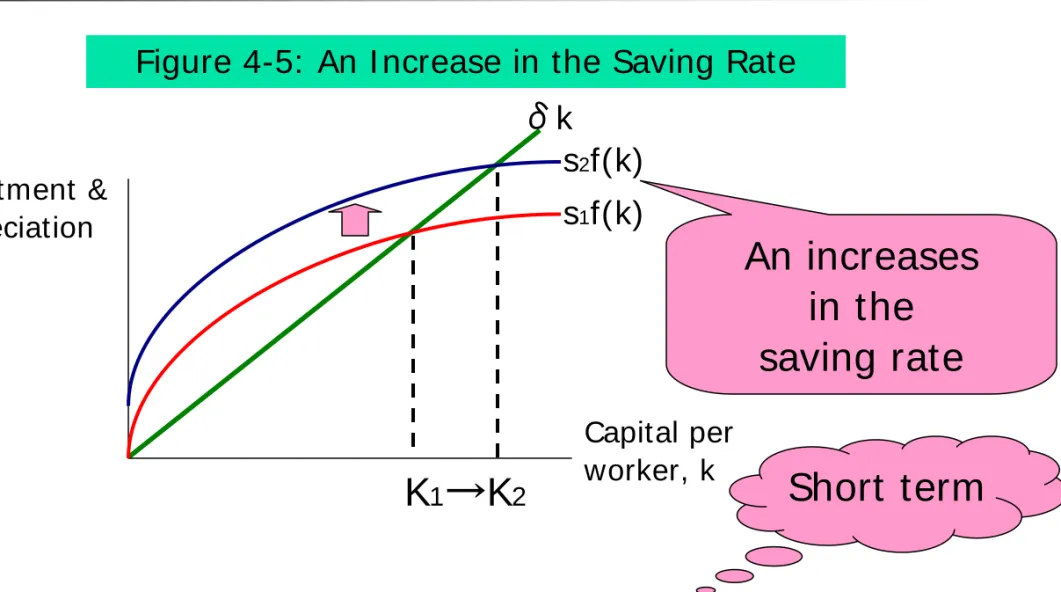
Figure 4-5: An I ncrease in the Saving Rate
I nvestment & Depreciation
Capital per worker, k
s1f(k)
K1 K2
s2f(k) δk
An increases in the
saving rate
Higher Saving Faster Growth
Short term
4-2.1 The Golden Rule Level of Capital:
Comparing Steady State
Figure 4-7: Steady-State Consumption c y i i c y
−
= +
=
f(k* ): output
k* : capital per worker i=δk* : investment
& depreciation
*
*) (
*
*
k k
f c
i y c
δ
−
=
−
=
Steady-state output and depreciation
Steady-state capital per worker,k*
Steady-state Output, f(k* )
Steady-state depreciation (and investment) δk*
K* gold
c* gold
Maximum distance
MPK=δ MPK-δ= 0
δ
=
*) ( ' k f
4-2.2 The Golden Rule Level of Capital :
Finding the Golden Rule Steady State: A Numerical Number
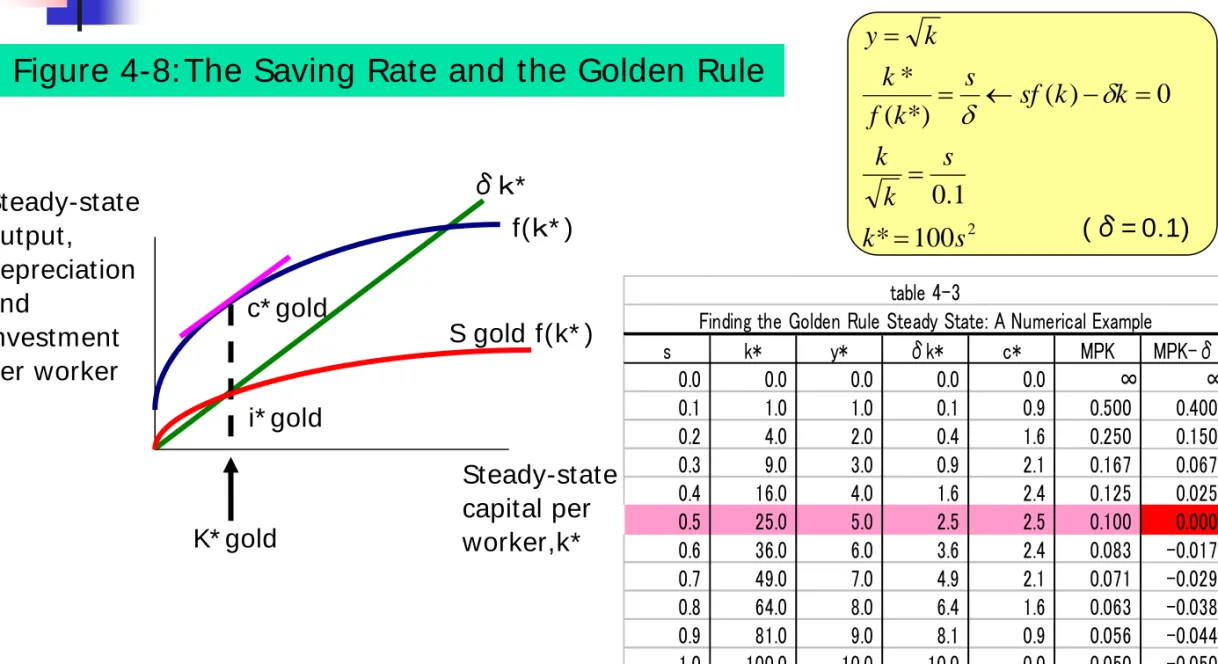
Figure 4-8: The Saving Rate and the Golden Rule
Steady-state output,
depreciation and
investment per worker
Steady-state capital per worker,k*
δk*
K* gold c* gold
i* gold
f(k* )
S gold f(k* )
* * δ * * PK PK δ
∞ ∞
A
100 2
*
1 . 0
0 )
*) ( (
*
s k
s k k
k k
s sf k
f k
k y
=
=
=
−
←
=
=
δ δ
(δ= 0.1)
4-2.2 The Golden Rule Level of Capital :
Finding the Golden Rule Steady State: A Numerical Number
Figure 4-8: The Saving Rate and the Golden Rule
Steady-state output,
depreciation and
investment per worker
Steady-state capital per worker,k*
δk*
K* gold c* gold
i* gold
f(k* )
S gold f(k* )
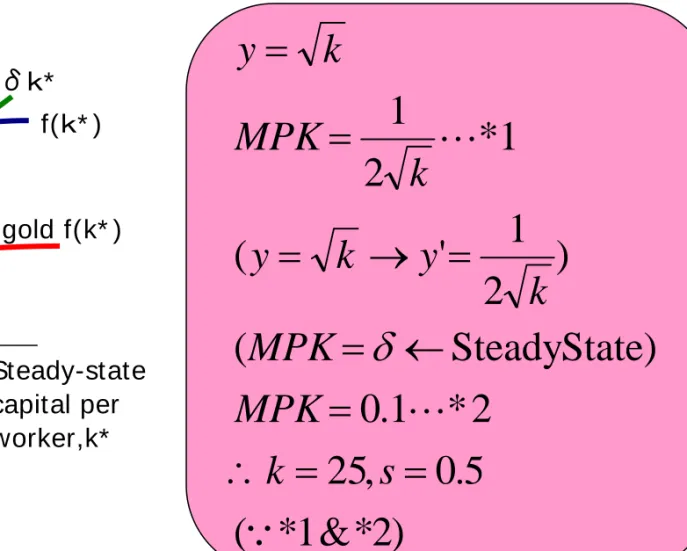
) 2
*
& 1
* (
5 . 0 ,
25
2
* 1 . 0
State) Steady
(
2 ) ' 1 (
1 2 *
1
Q
L L
=
=
∴
=
←
=
=
→
=
=
=
s k
MPK MPK
y k k
y MPK k
k y
δ
4-2.3 The Golden Rule Level of Capital :
The Transition to the Golden Rule Steady State
Figure 4-9: Reducing Saving When Starting With More Capital Than in the Golden Rule Steady
State
Figure 4-10: I ncreasing Saving When Starting With Less Capital Than in the Golden Rule
Steady State
t0
The saving rate is increased. Output,y
Consumption, c
I nvestment, i
t0 Time
The saving rate is reduced. Output,y
Consumption, c
I nvestment, i
Time
4-3.1 Population Growth :
The Steady State with Population Growth
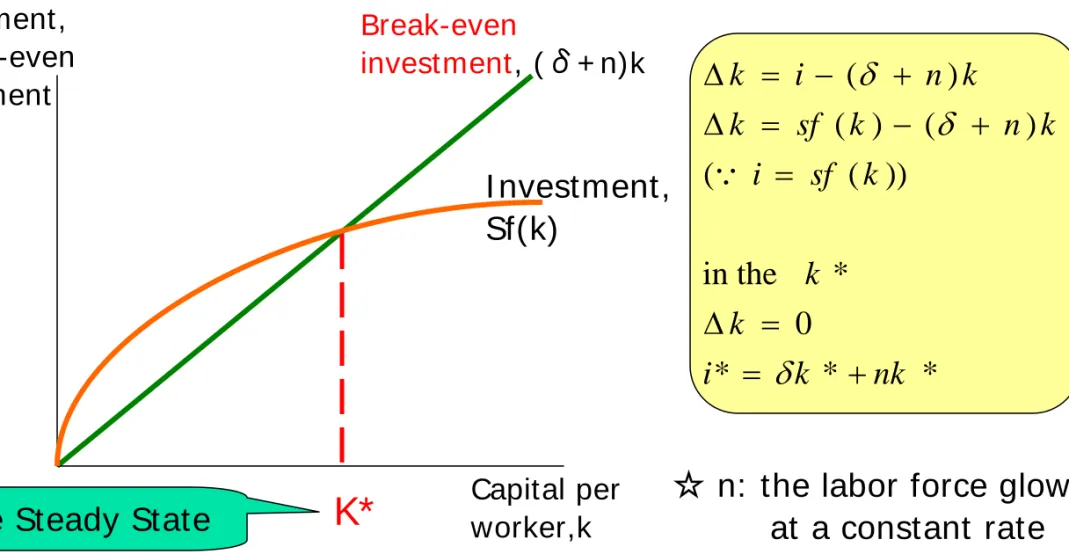
Figure 4-11: Population Growth in the Solow Model
I nvestment, break-even investment
K*
Break-even
investment, (δ+ n)k
I nvestment, Sf(k)
The Steady State
Capital per worker,k
*
*
*
0
* in the
)) ( (
) (
) (
) (
nk k
i k
k k sf i
k n k
sf k
k n i
k
+
=
= Δ
=
+
−
= Δ
+
−
= Δ
δ
δ δ Q
☆ n: the labor force glow at a constant rate
4-3.2 Population Growth :
The Effects of Population Growth
Figure 4-12: The I mpact of Population Growth
(δ+ n2)k
k2*
I nvestment, break-even investment
k1*
I nvestment, Sf(k)
Capital per worker,k
(δ+ n1)k
An increase in the rate of population growth
from n1 to n2
k1* k2* y* = f(k* )
Down
n MPK
n MPK
k n k
f c
i y c
=
−
+
=
+
−
=
−
=
δδ
δ ) * (
*) (
*
Maximizes consumption
4-4.1 Summary
The solow growth model shows that in the long run, an economy’s rate of saving determines the size of its capital stock and thus its level of production. The higher the rate of saving, the higher the stock of capital and the higher the level of output.
I n the solow model, an increase in the rate of saving causes a period of rapid growth, but
eventually that growth slows as the new steady- state is reached. Thus, although a high saving rate yields a high steady-state level of output, saving by itself cannot generate persistent economic growth.
4-4.1 Summary
The level of capital that maximizes steady-state consumption is called the Golden Rule Level. I f an economy has more capital than in the Golden Rule steady state, then reducing saving will increase
consumption at all points in time. By contrast, if the economy has less capital of Golden Rule steady state, then reaching the Golden Rule requires increased
investment and thus lower consumption for current generation.
4-4.1 Summary
The solow model shows that an economy
’
s rate of population growth is another long-rundetermination of the standard of living. The higher the rate of population growth, the lower the level of output per worker.
出展:BIS 74th Annual Report (1 April 2003 - 31 March 2004) (Bank for International Settlements)